Description
What is GHK-CU?
GHK-CU represents one of the most researched and versatile anti-aging peptides available, with over 40 years of scientific study showing its notable regrowth and rejuvenating properties. This ghk cu copper peptide is a naturally occurring tripeptide-copper complex consisting of three amino acids (glycine-histidine-lysine) bound to a copper ion. First discovered in human plasma in the 1970s by Dr.
Loren Pickart, GHK-CU peptide has since been extensively studied for its effects on aging, wound healing, tissue remodeling, and overall cellular health.
The ghk cu peptide was first identified during research into factors that promote tissue repair and regrowth. Scientists discovered that human plasma from young people had greater healing and regrowth capacity than plasma from older people, and they traced this difference partly to higher levels of GHK-Cu. This discovery led to decades of research revealing that copper peptide ghk-cu plays crucial roles in multiple natural processes including collagen and elastin synthesis, wound healing and tissue repair, antioxidant enzyme start, anti-swelling signaling, gene expression tuning, and overall tissue remodeling.
The structure of ghk-cu copper peptide is elegantly simple yet notably effective. The three amino acids form a specific sequence (Gly-His-Lys) that has high affinity for copper ions, creating a stable complex where the copper is coordinated by the histidine and lysine residues. This copper binding is essential for the peptide’s natural activity – while GHK alone has some effects, the ghk cu copper peptide complex is greatly more potent and stable.
The copper component serves multiple functions: it acts as a cofactor for many enzymes involved in tissue repair, provides antioxidant protection through copper-dependent enzymes, helps cellular signaling, and helps deliver copper to cells that need it for many body processes.
Research has shown that ghk-cu levels in human plasma decline with age, dropping from about 200 ng/mL at age 20 to about 80 ng/mL by age 60. This age-related decline correlates with decreased tissue repair capacity, reduced collagen production, increased oxidant stress, and many other aging-related changes. Supplementing with ghk cu peptide can restore these levels and possibly reverse some aspects of aging at the cellular and tissue level.
The mechanisms by which GHK-CU peptide produces its effects are multifaceted and well-documented. The peptide boosts collagen production by starting fibroblasts and increasing expression of collagen genes, with studies showing increases in collagen types I, II, and III. It enhances elastin synthesis, improving skin elasticity and reducing sagging. The copper peptide ghk-cu promotes glycosaminoglycan production, which helps keep skin hydration and plumpness.
It starts tissue remodeling by boosting metalloproteinases that break down damaged collagen while simultaneously promoting synthesis of new, healthy collagen.
One of the most notable aspects of ghk-cu copper peptide is its effect on gene expression. Research using DNA microarray technology has shown that the peptide affects expression of over 4,000 genes, with effects that consistently favor tissue health and regrowth. Mainly, ghk cu upregulates genes involved in tissue repair, antioxidant protection, cellular energy production, and healthy tissue structure, while downregulating genes linked with swelling, fibrosis, cancer progression, and tissue breakdown.
This full gene tuning explains why the peptide has such broad and powerful effects on aging and tissue health.
The antioxidant effects of ghk-cu are very important for anti-aging. The peptide increases activity of superoxide dismutase (SOD), one of the body’s main antioxidant enzymes that neutralizes harmful superoxide radicals. It enhances catalase and glutathione peroxidase activity, providing full antioxidant protection. The ghk cu copper peptide also directly scavenges free radicals and protects against oxidant damage to DNA, proteins, and lipids.
These antioxidant effects help prevent and reverse oxidant stress, a major contributor to aging.
The anti-swelling properties of GHK-CU peptide add greatly to its anti-aging and healing effects. The peptide reduces production of pro-swelling cytokines including IL-6 and TNF-alpha, decreases start of NF-kB (a key swelling signaling molecule), tunes immune responses to favor healing over chronic swelling, and promotes resolution of swelling processes.
By reducing chronic swelling – a major driver of aging and age-related diseases – ghk cu peptide helps keep tissue health and function.
For wound healing, copper peptide ghk-cu has been extensively studied and shown to accelerate healing through multiple mechanisms. It boosts angiogenesis (formation of new blood vessels) to ensure enough blood supply to healing tissues, enhances keratinocyte migration for faster wound closure, promotes fibroblast proliferation and collagen deposition, reduces scar formation by promoting organized tissue remodeling, and protects healing tissues from infection and oxidant damage.
Clinical studies have shown that ghk-cu copper peptide can reduce healing time by 30-50% compared to standard care.
The cosmetic and dermatological uses of ghk-cu are extensive and well-documented. Clinical studies show the peptide reduces wrinkle depth by 30-50% after 12 weeks of use, increases skin thickness by 7-20%, improves skin elasticity and firmness by 15-30%, reduces hyperpigmentation and age spots, enhances skin clarity and radiance, and produces overall more youthful appearance.
These effects occur through the peptide’s boost of collagen and elastin, gain of dermal matrix organization, boost of skin cell turnover, and protection against environmental damage.
Beyond skin, ghk cu has shown promising effects for hair growth and scalp health. Research shows the peptide boosts hair follicle cells, increases hair thickness and density, promotes transition of hair follicles from resting to growth phase, improves scalp circulation, and may help prevent or reverse certain types of hair loss.
Studies show gains in hair growth parameters within 2-3 months of use, with continued boost over longer periods.
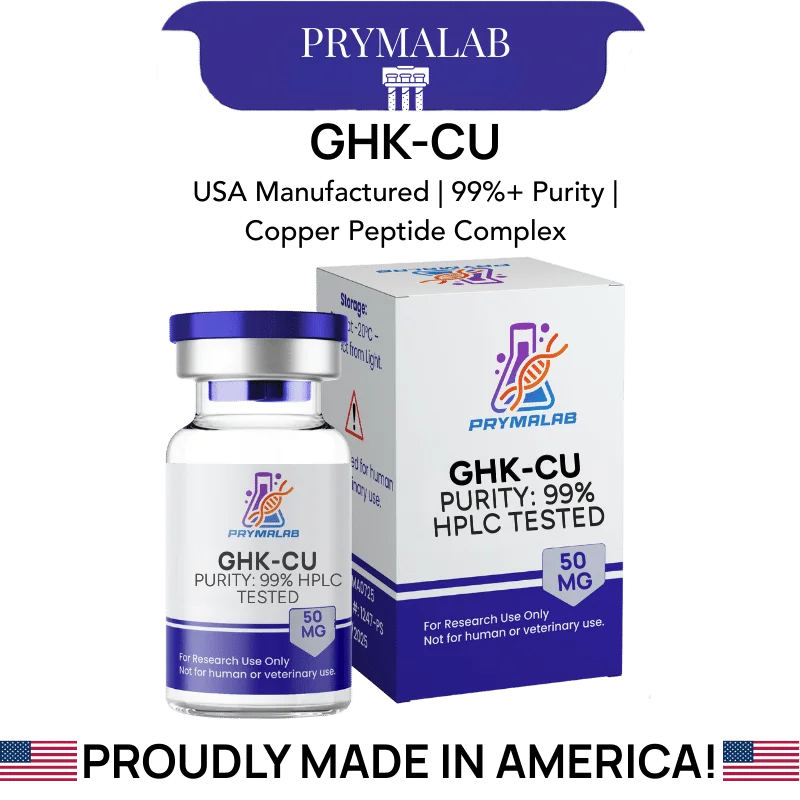
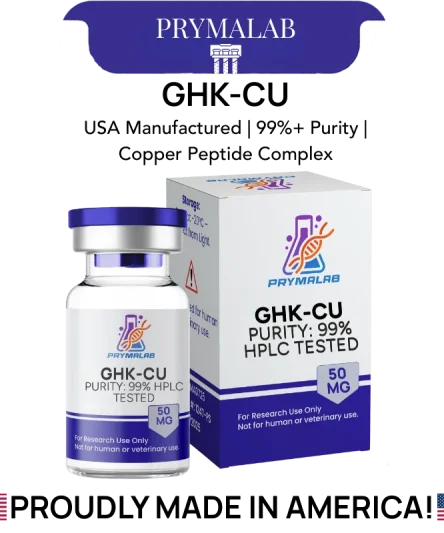
When researchers buy this ghk-cu from PrymaLab, they get pharmaceutical-grade peptide manufactured to the highest quality standards. Each 50mg vial contains 99% pure GHK-Cu verified by third-party testing, ensuring reliable and reproducible research results. The peptide arrives as freeze-dried powder for maximum shelf life during shipping and storage, ready for mixing with sterile water when research protocols begin.
The Science Behind GHK-CU’s Anti-Aging Effects
Grasp the scientific mechanisms underlying ghk-cu anti-aging effects helps researchers appreciate why this peptide has become one of the most studied anti-aging compounds. The peptide’s effects span multiple levels of natural organization from genes to cells to tissues to whole-body systems.
Collagen and Extracellular Matrix Boost:
One of the main mechanisms by which ghk cu copper peptide produces anti-aging effects is through boost of collagen synthesis. Collagen is the most abundant protein in the body and provides structural support to skin, bones, tendons, and other tissues. With aging, collagen production decreases while collagen breakdown increases, leading to wrinkles, sagging skin, weakened bones, and reduced tissue integrity.
GHK-CU peptide addresses this by boosting fibroblasts (the cells that produce collagen) to increase collagen synthesis. The peptide increases expression of collagen genes including COL1A1, COL1A2, and COL3A1, leading to increased production of collagen types I and III – the main structural collagens in skin. Studies show copper peptide ghk-cu can increase collagen production by 70-100% in cell culture and by 20-40% in human skin.
Beyond just increasing collagen quantity, ghk-cu copper peptide improves collagen quality and organization. The peptide promotes proper collagen fiber assembly, enhances cross-linking for stronger collagen networks, and boosts remodeling of damaged or disorganized collagen. This results in skin that is not just thicker but also firmer, more elastic, and more resilient.
The ghk cu peptide also enhances other components of the extracellular matrix including elastin (which provides skin elasticity), glycosaminoglycans (which keep hydration), and proteoglycans (which support tissue structure). This full boost of the dermal matrix explains why ghk-cu produces such dramatic gains in skin appearance and function.
Gene Expression Tuning:
Perhaps the most notable aspect of ghk-cu is its power to tune gene expression in ways that favor youthful tissue function. Research using DNA microarray technology has revealed that ghk cu copper peptide affects expression of over 4,000 genes – about 20% of the human genome. Importantly, these effects are not random but show consistent patterns that promote health and combat aging.
Genes upregulated by GHK-CU peptide include those involved in tissue repair and remodeling (metalloproteinases, growth factors), antioxidant protection (SOD, catalase, glutathione peroxidase), cellular energy production (energy-cell genes), DNA repair mechanisms, and healthy tissue structure (collagens, elastin, structural proteins). Genes downregulated by copper peptide ghk-cu include those linked with swelling (pro-swelling cytokines, swelling signaling), fibrosis and scarring (TGF-beta pathway components), cancer progression (oncogenes, metastasis-related genes), and tissue breakdown (certain proteases).
This gene expression profile mainly “resets” cells to a more youthful state. The ghk-cu copper peptide doesn’t just treat symptoms of aging but addresses aging at its most basic level – the genes that control cellular function. This explains why the peptide has such broad and powerful anti-aging effects across multiple tissue types and natural processes.
Antioxidant and Protective Effects:
Oxidant stress – damage caused by reactive oxygen species (ROS) and free radicals – is a major contributor to aging. Over time, built up oxidant damage affects DNA, proteins, lipids, and cellular structures, leading to cellular dysfunction and tissue aging. GHK-cu provides full antioxidant protection through multiple mechanisms.
The ghk cu peptide increases activity of superoxide dismutase (SOD), the enzyme that converts harmful superoxide radicals into less reactive hydrogen peroxide. It enhances catalase activity, which breaks down hydrogen peroxide into water and oxygen. The peptide increases glutathione peroxidase, another crucial antioxidant enzyme. Together, these effects create a full antioxidant defense system.
Beyond enhancing antioxidant enzymes, copper peptide ghk-cu directly scavenges free radicals and reactive oxygen species. The copper component of the complex can participate in redox reactions that neutralize oxidants. The peptide also protects against lipid peroxidation (oxidant damage to cell membranes), protein oxidation, and DNA damage from oxidant stress.
The GHK-CU peptide also protects against specific forms of oxidant stress including UV radiation damage (protecting skin from sun-induced aging), pollution-related oxidant stress, and body oxidant stress from normal cellular processes. These protective effects help prevent aging damage before it occurs while also helping repair existing damage.
Anti-swelling Mechanisms:
Chronic low-grade swelling, often called “inflammaging,” is increasingly recognized as a major driver of aging and age-related diseases. GHK-cu has potent anti-swelling effects that help combat this aspect of aging.
The ghk cu copper peptide reduces production of pro-swelling cytokines including interleukin-6 (IL-6), tumor necrosis factor-alpha (TNF-alpha), and interleukin-1 beta (IL-1β). It decreases start of NF-kB, a master regulator of swelling gene expression. The peptide tunes immune cell function to favor resolution of swelling rather than chronic swelling responses.
Importantly, copper peptide ghk-cu doesn’t simply suppress swelling but rather promotes its proper resolution. Swelling is a necessary part of healing and tissue repair, but it needs to be properly resolved once its job is done. The GHK-CU peptide helps ensure swelling responses are appropriate in magnitude and duration, preventing the chronic swelling that adds to aging.
The anti-swelling effects of ghk-cu copper peptide extend to many tissues including skin (reducing swelling skin conditions), joints (possibly helping with arthritis), blood vessels (reducing vascular swelling), and systemic swelling (lowering overall swelling markers). This full anti-swelling action adds greatly to the peptide’s anti-aging effects.
Tissue Remodeling and Regrowth:
Aging is characterized not just by loss of tissue components but also by buildup of damaged and dysfunctional tissue. GHK-cu promotes healthy tissue remodeling – the process of breaking down old, damaged tissue and replacing it with new, functional tissue.
The ghk cu peptide boosts matrix metalloproteinases (MMPs), enzymes that break down damaged collagen and other matrix components. While too much MMP activity can be harmful, appropriate MMP activity is essential for tissue remodeling. Copper peptide ghk-cu balances MMP activity with increased synthesis of new matrix components, ensuring that damaged tissue is removed and replaced rather than simply accumulating.
The peptide also promotes stem cell activity and differentiation. Research shows GHK-CU peptide can enhance stem cell proliferation, improve stem cell differentiation into needed cell types, and support stem cell survival and function. These effects on stem cells add to the peptide’s regrowth properties and its power to keep tissue health with aging.
Vascular and Circulatory Effects:
Healthy blood flow is essential for tissue health, and ghk-cu promotes vascular health through multiple mechanisms. The peptide boosts angiogenesis (formation of new blood vessels), improves endothelial cell function (the cells lining blood vessels), enhances microcirculation (blood flow in small vessels), and may help reduce atherosclerosis (hardening of arteries).
These vascular effects ensure that tissues get enough oxygen and nutrients while efficiently removing waste products. The ghk cu copper peptide effects on circulation add to its benefits for skin health, wound healing, and overall tissue function. Improved circulation also helps deliver the peptide itself to tissues throughout the body, enhancing its systemic effects.
GHK-CU Benefits for Skin, Hair, and Overall Health
The ghk-cu peptide benefits are extensive and well-documented across multiple aspects of health and aging. Grasp these benefits helps researchers identify appropriate uses and design studies that maximize the peptide’s research value.
Full Skin Anti-Aging Benefits:
The most well-known ghk-cu benefits relate to skin health and appearance. Clinical studies consistently show impressive gains in multiple skin parameters. The peptide reduces wrinkle depth by 30-50% after 12 weeks of use, with some studies showing even greater gains with longer treatment. Fine lines around eyes, mouth, and forehead show specific gain.
GHK cu peptide increases skin thickness by 7-20%, reversing the age-related thinning that makes skin appear fragile and translucent. This increased thickness comes from enhanced collagen and elastin production in the dermis, creating fuller, more youthful-looking skin. Skin elasticity and firmness improve by 15-30%, reducing sagging and improving facial contours.
The copper peptide ghk-cu reduces hyperpigmentation and age spots through multiple mechanisms including blocking of tyrosinase (the enzyme that produces melanin), promotion of even melanin distribution, and boost of skin cell turnover to remove pigmented cells. Studies show 20-40% reduction in hyperpigmentation after 8-12 weeks of use.
Skin texture and smoothness improve dramatically with ghk-cu copper peptide use. The peptide enhances skin cell turnover, promotes removal of dead skin cells, improves dermal matrix organization, and increases skin hydration. Users report softer, smoother skin with improved clarity and radiance.
The GHK-CU peptide also provides photoprotection, helping prevent and repair UV damage. While not a replacement for sunscreen, the peptide enhances skin’s natural defenses against UV radiation, reduces UV-induced swelling and oxidant stress, and helps repair existing sun damage. This makes it valuable for full photoaging prevention and treatment.
Wound Healing and Scar Reduction:
The ghk cu copper peptide has been extensively studied for wound healing, with impressive results. Clinical studies show the peptide accelerates wound closure by 30-50% compared to standard care, reduces healing time for surgical wounds, burns, and chronic ulcers, improves healing quality with better tissue organization, and greatly reduces scar formation.
The mechanisms underlying these ghk-cu benefits for wound healing include boost of angiogenesis ensuring enough blood supply, boost of keratinocyte migration for faster wound closure, promotion of fibroblast activity and collagen deposition, reduction of swelling that can impair healing, and protection against infection through antimicrobial effects.
Very valuable is copper peptide ghk-cu power to reduce scarring. The peptide promotes organized tissue remodeling rather than haphazard scar formation, balances collagen synthesis with appropriate remodeling, reduces too much fibrosis, and helps existing scars become less visible through tissue remodeling. Studies show major gains in scar appearance with GHK-CU peptide treatment.
Hair Growth and Scalp Health:
The ghk-cu hair growth benefits have been showed in multiple studies. Research shows the peptide boosts hair follicle cells, increases hair thickness and density by 20-30%, promotes transition of follicles from resting (telogen) to growth (anagen) phase, improves scalp circulation ensuring enough nutrient supply, and may help prevent or reverse certain types of hair loss.
Studies examining ghk cu hair growth show gains visible within 2-3 months of use, with continued boost over 6-12 months. The peptide appears effective for androgenetic alopecia (pattern baldness), telogen effluvium (stress-related hair loss), and age-related hair thinning. The ghk-cu for hair growth mechanisms include boost of dermal papilla cells (which control hair follicle function), boost of blood flow to scalp, reduction of scalp swelling, and promotion of healthy hair follicle cycling.
The ghk cu hair benefits extend beyond just growth to include improved hair quality – increased hair shaft thickness, enhanced hair strength and resilience, improved hair texture and shine, and healthier scalp condition. Both topical use and systemic injection have shown benefits, with injection possibly providing superior results for overall hair health.
Anti-Aging and Longevity Effects:
Beyond specific tissue benefits, ghk-cu peptide benefits extend to overall anti-aging and possibly longevity. The peptide’s effects on gene expression, with upregulation of genes linked with longevity and health while downregulating genes linked with aging and disease, suggest it may have systemic anti-aging effects.
Research shows ghk cu copper peptide improves cellular energy production through effects on energy-cell function, enhances DNA repair mechanisms helping keep genetic integrity, promotes autophagy (cellular cleanup processes) removing damaged components, and supports stem cell function keeping tissue regrowth capacity.
The copper peptide ghk-cu also shows possible benefits for age-related diseases. Studies suggest it may help with neurodegenerative diseases through brain-safe effects, heart disease through vascular health gains, body disorders through effects on insulin response and body function, and cancer prevention through downregulation of cancer-related genes (though this needs more research).
Bone and Joint Health:
Emerging research suggests GHK-CU peptide may benefit bone and joint health. The peptide boosts osteoblasts (bone-forming cells), may help prevent osteoporosis, shows anti-swelling effects in joints possibly helping with arthritis, and promotes cartilage health. While more research is needed, these possible ghk-cu benefits could make it valuable for musculoskeletal health research.
Immune System Tuning:
The ghk cu peptide shows immunomodulatory effects, helping balance immune function. It enhances immune responses when needed (such as fighting infections), reduces too much immune start (preventing autoimmune-like responses), promotes resolution of swelling, and supports overall immune system health. These effects add to the peptide’s anti-aging properties, as immune dysfunction is a hallmark of aging.
Body Health:
Research suggests copper peptide ghk-cu may benefit body health through effects on glucose body function and insulin response, lipid body function and cholesterol levels, adipose tissue function, and overall body control. While not mainly used for body purposes, these effects add to full health benefits.
Cognitive and Brain-safe Effects:
Preliminary research shows GHK-CU peptide may have brain-safe properties including protection against oxidant stress in neurons, reduction of neuroinflammation, possible boost of neuroplasticity, and possible benefits for cognitive function. While more research is needed, these possible ghk-cu copper peptide effects on brain health are promising for anti-aging research.
Versatility Across Uses:
One of the most valuable ghk cu copper peptide characteristics is its versatility. The peptide can be used topically for skin benefits, injected for systemic effects, applied to scalp for hair growth, used in wound care for healing, and incorporated into full anti-aging protocols. This versatility makes it valuable for diverse research uses and allows researchers to study multiple aspects of aging and regrowth with a single compound.
Dosage Protocols and Administration Methods
Finding appropriate ghk cu dosage needs grasp the many use methods, research objectives, and available clinical data. The peptide can be gave through multiple routes, each with specific dosing factors.
Injectable Use:
Injectable ghk-cu peptide injection dosage is the most common method for systemic anti-aging and regrowth effects. Research and clinical experience suggest the following dosing rules:
Standard Anti-Aging Protocol:
- Dose: 1-2mg daily
- Use: Under-skin injection
- Timing: Once daily, often morning
- Duration: Ongoing for sustained benefits
Intensive Regrowth Protocol:
- Dose: 2-3mg daily
- Use: Under-skin injection
- Timing: Once daily or split into twice daily
- Duration: 8-12 weeks intensive, then maintenance
Wound Healing Protocol:
- Dose: 2-3mg daily
- Use: Under-skin (systemic) or localized near wound
- Timing: Once or twice daily
- Duration: Until healing complete, often 2-8 weeks
Hair Growth Protocol:
- Dose: 1.5-2mg daily
- Use: Under-skin (systemic) and/or scalp injections
- Timing: Once daily
- Duration: 3-6 months for first results, ongoing for maintenance
The ghk cu peptide injection dosage can be adjusted based on personal response and research objectives. Some protocols use higher doses (3-5mg daily) for intensive healing or regrowth, while maintenance protocols may use lower doses (0.5-1mg daily) once desired results are achieved.
Mixing and Preparation:
For the 50mg vial, ghk-cu should be mixed with sterile water. Common mixing volumes include:
- 5mL sterile water = 10mg/mL level
- 10mL sterile water = 5mg/mL level
For a 2mg dose from 10mg/mL level: 0.2mL (20 units on insulin syringe) For a 2mg dose from 5mg/mL level: 0.4mL (40 units on insulin syringe)
Use PrymaLab’s Peptide Calculator for precise ghk cu dosage calculator calculations based on your specific mixing.
Injection Technique:
GHK-cu injection should be gave subcutaneously:
- Clean injection site with alcohol (abdomen, thigh, or upper arm)
- Allow alcohol to dry completely
- Pinch skin to create fold
- Insert needle at 45-degree angle
- Inject slowly over 5-10 seconds
- Withdraw needle and apply gentle pressure
- Rotate injection sites to prevent irritation
Dosing Frequency:
The ghk cu dosing frequency is often once daily for best results. The peptide has a relatively short half-life (several hours), so daily dosing keeps consistent levels. Some protocols use twice-daily dosing (morning and evening) for more stable blood levels, very during intensive treatment phases.
The common question how much ghk-cu should i inject daily is best answered as 1-3mg for most uses, with 2mg being a common starting dose that balances effect with economy.
Topical Use:
Topical ghk cu use is popular for skin-specific benefits:
Topical Dosing:
- Level: 0.5-2% GHK-Cu in serum or cream
- Use: Once or twice daily to clean skin
- Amount: Enough to cover treatment area (often 0.5-1mL for face)
- Timing: Morning and/or evening as part of skincare routine
GHK cu serum and ghk-cu serum forms often use 1-2% level for facial use. GHK cu cream and ghk-cu cream may use similar levels. The ghk-cu topical use provides direct supply to skin with excellent results for facial anti-aging.
Topical Use Technique:
- Cleanse skin thoroughly
- Apply serum or cream to treatment area
- Massage gently until absorbed
- Follow with moisturizer if desired
- Use sunscreen during day
Nasal Spray Use:
GHK cu nasal spray offers an other systemic supply method:
Nasal Spray Dosing:
- Level: 5-10mg/mL
- Dose: 1-2mg per use (1-2 sprays per nostril)
- Frequency: Once or twice daily
- Benefits: Non-invasive, good absorption, convenient
Oral Use:
While less common due to lower uptake, oral ghk-cu can be used:
Oral Dosing:
- Dose: 3-5mg (higher than injectable due to lower absorption)
- Timing: On empty stomach for best absorption
- Frequency: Once or twice daily
- Note: Sublingual use may improve absorption
Mix Protocols:
Many researchers combine use methods for full benefits:
Mix Example:
- Injectable: 1-2mg daily for systemic effects
- Topical: 1% serum twice daily for facial benefits
- Scalp: Topical use or localized injections for hair growth
Dosing Schedules:
Daily Dosing (Most Common):
- Consistent daily use
- Keeps stable peptide levels
- Best for ongoing anti-aging benefits
- Example: 2mg every morning
Cycling Protocol:
- 5 days on, 2 days off
- May help prevent tolerance (though not well-documented)
- Provides periodic breaks
- Example: Monday-Friday dosing, weekend off
Pulse Dosing:
- Higher doses for limited periods
- Followed by lower maintenance doses
- Example: 3mg daily for 8 weeks, then 1mg daily maintenance
Dosage Adjustments:
Starting Protocol:
- Begin with lower doses (1mg daily)
- Assess tolerance and response
- Gradually increase if needed
- Track for any adverse effects
Maintenance Protocol:
- Once desired results achieved
- May reduce to 0.5-1mg daily
- Or use every-other-day dosing
- Adjust based on kept benefits
Special Factors:
For Skin Benefits:
- Topical use may be enough
- Injectable provides more systemic benefits
- Mix often produces best results
For Hair Growth:
- Systemic injection recommended
- Can add topical scalp use
- May include localized scalp injections
- Needs 3-6 months for visible results
For Wound Healing:
- Higher doses (2-3mg daily) recommended
- Can use localized injections near wound
- Continue until healing complete
- May combine with topical use
Storage and Handling:
Unreconstituted:
- Store at -20°C or -80°C
- Protect from light and moisture
- Shelf life: 2-3 years
Mixed:
- Store at 2-8°C (refrigerated)
- Protect from light
- Use within 2-4 weeks
- Discard if cloudy or contains particles
When researchers buy this ghk cu copper peptide from PrymaLab, detailed dosing protocols and use rules are included with each order.
SAFETY PROFILE AND RESEARCH CONSIDERATIONS
Understanding GHK-CU Safety
The ghk-cu side effects profile is exceptionally favorable, with over 40 years of research and clinical use showing excellent safety. Grasp the safety factors helps researchers design appropriate protocols and ensures responsible use.
Excellent Safety Record
Natural Peptide Status:
GHK-cu is a naturally occurring peptide found in human plasma, making it inherently biocompatible. The ghk cu copper peptide has been present in human biology throughout evolution, and the body has natural mechanisms for handling it. This natural status adds to the peptide’s excellent safety profile.
Research spanning over four decades has set up full safety data. Thousands of studies using GHK-CU peptide in cell culture, animal models, and human clinical trials have consistently shown minimal adverse events. The peptide has been used in cosmetic products, wound healing uses, and research settings with an excellent safety record.
Minimal Side Effects
Common Effects (Rare and Mild):
The ghk cu side effects that do occur are often mild and transient:
Injectable Use:
- Mild injection site reactions (5-10% of users)
- Slight redness or irritation
- Resolves within 24-48 hours
- Minimized by proper injection technique and site rotation
- Temporary mild nausea (1-2% of users)
- Usually with higher doses (>3mg)
- Often resolves within 30-60 minutes
- Can be reduced by taking with food
Topical Use:
- Mild skin irritation (2-5% of users)
- Temporary redness or tingling
- Usually resolves quickly
- More common with higher levels
Serious Adverse Events:
Importantly, no serious adverse events have been documented with ghk-cu copper peptide in extensive research and clinical use. The peptide shows:
- No organ toxicity
- No hormonal disruption
- No carcinogenic effects
- No teratogenic effects (though use in pregnancy not recommended due to limited data)
- No major drug interactions
Safety Compared to Alternatives
The ghk-cu peptide side effects profile is greatly more favorable than many anti-aging interventions:
Compared to Retinoids:
- No skin irritation, peeling, or photosensitivity
- No need for gradual introduction
- Can be used year-round without sun response concerns
Compared to Chemical Peels:
- No downtime or healing period
- No risk of burns or scarring
- Gentler with cumulative benefits
Compared to Laser Treatments:
- Non-invasive
- No risk of hyperpigmentation
- No healing period needed
Long-Term Safety
Extended Use:
Research shows ghk cu copper peptide keeps excellent safety with long-term use. Studies examining use over months to years show:
- No tolerance growth
- No buildup of adverse effects
- Kept effect without increasing doses
- No withdrawal effects upon discontinuation
The GHK-CU peptide can be used continuously for extended periods without safety concerns, making it suitable for ongoing anti-aging protocols.
Contraindications and Precautions
Absolute Contraindications:
- Known copper allergy or response
- Wilson’s disease (copper body function disorder)
- Pregnancy (insufficient safety data, though no known risks)
- Breastfeeding (insufficient data)
- Known allergy to GHK-Cu or components
Relative Contraindications (Use with Caution):
- Hemochromatosis or other metal body function disorders
- Active skin infections at injection/use sites
- Severe kidney or liver disease (may affect peptide body function)
Copper Considerations
Copper Content:
The copper peptide ghk-cu contains copper as an essential component. While copper is an essential nutrient, too much copper can be problematic. However:
- Doses used (1-3mg daily) provide minimal copper (about 0.2-0.6mg)
- This is well below daily copper intake from diet (1-2mg)
- No cases of copper toxicity from GHK-Cu reported
- The peptide actually helps regulate copper body function
Tracking:
For extended high-dose protocols, consider:
- Periodic copper level tracking (though rarely necessary)
- Assessment of liver function (copper body function occurs in liver)
- Tracking for any signs of copper excess (very rare)
Drug Interactions
Minimal Interactions:
GHK-cu shows minimal drug interactions:
- No interactions with common drugs
- No interactions with other peptides
- No interactions with supplements
- Can be used alongside most treatments
Theoretical Factors:
- May enhance effects of other anti-aging treatments (beneficial)
- Could theoretically interact with copper-binding drugs (rare)
- No major interactions documented in research
Administration Safety
Injection Safety:
For ghk-cu injection, follow standard safety practices:
- Use sterile technique
- Rotate injection sites
- Proper needle disposal
- Track injection sites for reactions
Topical Safety:
For topical ghk cu, safety factors include:
- Patch test for sensitive people
- Avoid contact with eyes
- Use appropriate levels (0.5-2%)
- Store properly to keep shelf life
Special Populations
Elderly:
GHK cu copper peptide is well-tolerated in elderly populations:
- No dose adjustment needed based on age
- Very beneficial for age-related changes
- Excellent safety profile in older adults
Sensitive People:
For those with sensitive skin or general response:
- Start with lower doses
- Use lower levels for topical
- Track response closely
- Gradually increase as tolerated
Quality and Purity Considerations
Pharmaceutical Grade:
Using pharmaceutical-grade GHK-CU peptide is essential for safety:
- 99% purity ensures minimal contaminants
- Third-party testing verifies identity and purity
- Proper manufacturing prevents breakdown
- Sterile production prevents contamination
When researchers buy from PrymaLab, they get pharmaceutical-grade ghk-cu with full quality records.
Monitoring Recommendations
Baseline Assessment:
Before starting ghk cu peptide research:
- Document baseline skin condition (if applicable)
- Note any pre-existing conditions
- Photograph treatment areas for comparison
- Set up baseline measurements
Ongoing Tracking:
During use:
- Track injection sites for reactions
- Assess for any adverse effects
- Document response and benefits
- Adjust dosing as needed
Long-Term Follow-Up:
For extended protocols:
- Periodic assessment of continued benefits
- Tracking for any late-onset effects (rare)
- Records of long-term outcomes
- Adjustment of maintenance protocols
Emergency Procedures
Allergic Reactions (Extremely Rare):
If allergic reaction occurs:
- Discontinue use immediately
- Seek medical attention if severe
- Document reaction details
- Do not resume use
Injection Site Issues:
If major injection site reaction:
- Apply ice to reduce swelling
- Track for infection signs
- Seek medical attention if worsening
- Review injection technique
Research Ethics and Compliance
Responsible Research:
Researchers using ghk-cu copper peptide should:
- Follow institutional rules
- Get appropriate approvals
- Ensure informed consent
- Document all procedures and outcomes
- Report any adverse events
Control Status:
- GHK-CU peptide is available for research purposes
- Not approved as a drug by FDA
- Used in cosmetic products (topical)
- Researchers responsible for appropriate use
Documentation
Safety Records:
Keep full records:
- Baseline assessments
- Dosing records
- Any adverse events
- Response and outcomes
- Follow-up assessments
When researchers buy this ghk cu copper peptide from PrymaLab, full safety data and tracking rules are provided with each order, ensuring responsible and safe research use.
FREQUENTLY ASKED QUESTIONS
What is GHK-CU?
GHK-CU is a naturally occurring copper peptide complex consisting of three amino acids (glycine-histidine-lysine) bound to a copper ion. This ghk cu copper peptide was first discovered in human plasma in the 1970s and has since been extensively researched for its notable anti-aging and regrowth properties. The GHK-CU peptide plays crucial roles in tissue repair, collagen synthesis, wound healing, and overall cellular health.
Research shows that copper peptide ghk-cu levels decline with age, dropping from about 200 ng/mL at age 20 to about 80 ng/mL by age 60, and this decline correlates with decreased tissue repair capacity and many aging-related changes. The ghk-cu copper peptide works through multiple mechanisms including boosting collagen and elastin production, starting antioxidant enzymes, reducing swelling, promoting wound healing, and tuning expression of over 4,000 genes in ways that favor tissue health and regrowth.
Studies show ghk cu peptide produces major anti-aging effects including reduced wrinkles (30-50% reduction), increased skin thickness (7-20%), improved elasticity (15-30%), enhanced wound healing (30-50% faster), and promoted hair growth. The peptide can be gave through injection for systemic effects or applied topically for skin-specific benefits, making it one of the most versatile and effective anti-aging compounds available for research.
What are GHK-CU benefits?
The ghk-cu peptide benefits are extensive and well-documented across multiple aspects of health and aging. For skin, ghk-cu benefits include dramatic wrinkle reduction (30-50% after 12 weeks), increased skin thickness and firmness (7-20% increase), improved elasticity (15-30% gain), reduced hyperpigmentation and age spots (20-40% reduction), enhanced skin texture and smoothness, and overall more youthful appearance.
The ghk cu copper peptide accelerates wound healing by 30-50%, reduces scar formation, and improves healing quality. For hair, ghk-cu hair growth benefits include increased hair thickness and density (20-30%), boost of hair follicles, promotion of growth phase, and possible reversal of certain types of hair loss. The copper peptide ghk-cu provides full anti-aging effects through gene expression tuning (affecting over 4,000 genes), antioxidant protection (increasing SOD, catalase, glutathione peroxidase), anti-swelling effects (reducing IL-6, TNF-alpha), and tissue remodeling promotion.
More GHK-CU peptide benefits include possible brain-safe effects, bone and joint health support, immune system tuning, and body health gains. The peptide’s effects on collagen synthesis, elastin production, and dermal matrix boost create full skin rejuvenation. Research shows ghk cu peptide benefits extend to protection against UV damage, improved skin barrier function, enhanced cellular energy production, and support for stem cell function. These diverse benefits make ghk-cu copper peptide one of the most valuable anti-aging compounds for research.
What is the recommended GHK-CU dosage?
The ghk cu dosage depends on use method and research objectives. For injectable use, the standard ghk-cu peptide injection dosage is 1-2mg daily for general anti-aging effects, 2-3mg daily for intensive regrowth protocols or wound healing, and 1.5-2mg daily for hair growth protocols. The ghk cu peptide dosage is often gave once daily via under-skin injection, though some protocols use twice-daily dosing for more stable levels.
For topical use, topical ghk cu uses 0.5-2% level in serums or creams applied once or twice daily. The common question how much ghk-cu should i inject daily is best answered as 1-3mg for most uses, with 2mg being a common starting dose. The ghk-cu dosage can be calculated using PrymaLab’s Peptide Calculator – for example, mixing the 50mg vial with 5mL sterile water creates a 10mg/mL level, so a 2mg dose needs 0.2mL (20 units on insulin syringe).
The ghk cu dose frequency is often daily for best results, though maintenance protocols may use every-other-day dosing. The ghk-cu peptide dosage should start lower (1mg daily) and increase gradually based on response and tolerance. For wound healing, higher doses (2-3mg daily) are recommended until healing is complete. The ghk cu dosing can be adjusted based on personal response, with some intensive protocols using up to 5mg daily, while maintenance may use as little as 0.5-1mg daily.
How do I use GHK-CU peptide injection?
To use ghk-cu peptide injection, first reconstitute the 50mg vial with sterile water – adding 5mL creates a 10mg/mL level. Store mixed solution refrigerated at 2-8°C and use within 2-4 weeks. For use, clean your injection site (abdomen, thigh, or upper arm) with alcohol and let it dry. Draw your calculated dose into an insulin syringe – for example, 0.2mL (20 units) for a 2mg dose from 10mg/mL level.
Pinch the skin to create a fold, insert the needle at a 45-degree angle, inject slowly over 5-10 seconds, then withdraw the needle and apply gentle pressure. The ghk cu injection should be gave subcutaneously once daily, often in the morning. Rotate injection sites to prevent irritation. The how to use ghk cu peptide injection process is straightforward: reconstitute properly, calculate dose accurately using PrymaLab’s Peptide Calculator, use sterile technique, inject subcutaneously, and rotate sites.
For ghk-cu injection, start with 1-2mg daily and adjust based on response. The ghk cu peptide injection can be combined with topical use for full benefits. Track injection sites for any reactions and document your response. The how to use ghk-cu peptide injection rules emphasize proper storage, accurate dosing, sterile technique, and consistent daily use for best results.
What are GHK-CU side effects?
The ghk-cu side effects profile is exceptionally favorable, with over 40 years of research showing excellent safety. The most often reported ghk cu side effects are mild and transient: occasional mild injection site reactions including slight redness or irritation (5-10% of users, resolves within 24-48 hours), temporary mild nausea with higher doses (1-2% of users, usually >3mg doses), and mild skin irritation with topical use (2-5% of users, temporary redness or tingling).
Importantly, no serious adverse events have been documented with ghk-cu copper peptide in extensive research and clinical use. The GHK-CU peptide shows no organ toxicity, no hormonal disruption, no carcinogenic effects, and no major drug interactions. The ghk-cu peptide side effects are greatly less frequent and severe compared to many anti-aging interventions like retinoids, chemical peels, or laser treatments.
As a naturally occurring peptide found in human plasma, ghk cu copper peptide has inherent biocompatibility. The copper peptide ghk-cu keeps excellent safety with long-term use, showing no tolerance growth, no buildup of adverse effects, and no withdrawal effects upon discontinuation. Contraindications include known copper allergy, Wilson’s disease, and pregnancy/breastfeeding (due to insufficient data).
The ghk cu side effects are minimal even with extended use, making it suitable for ongoing anti-aging protocols.
When used at recommended doses (1-3mg daily), the peptide provides minimal copper content (0.2-0.6mg) well below dietary intake, with no cases of copper toxicity reported.
Where can I buy GHK-CU?
You can ghk cu buy for research purposes from PrymaLab, a trusted supplier of pharmaceutical-grade research peptides. Our GHK-CU 50MG vials contain 99% pure copper peptide verified by third-party testing, ensuring reliable and reproducible research results. Each vial arrives as freeze-dried powder for maximum shelf life during shipping and storage.
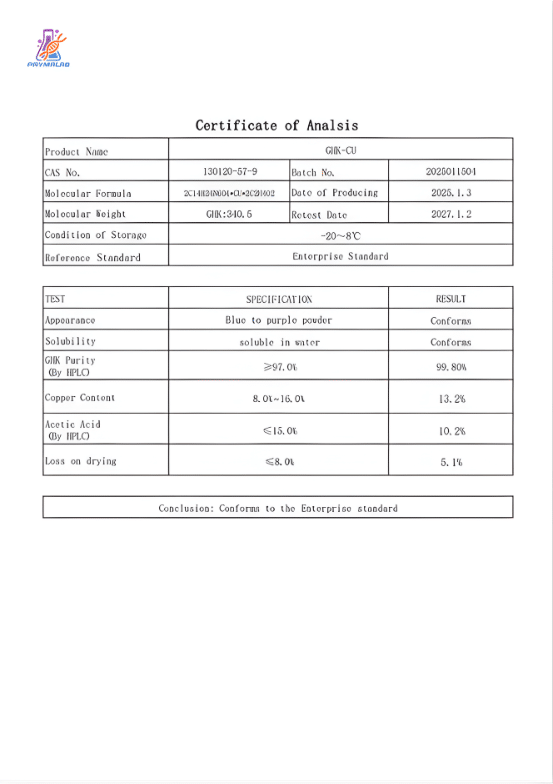
When you buy ghk-cu from PrymaLab, you get full records including certificates of test showing purity and identity check, detailed mixing instructions, dosing rules based on research literature, use protocols for both injectable and topical use, and safety data.
We also provide research support resources including our Peptide Calculator for accurate dosing calculations and sterile water for proper mixing.
Fast, discreet shipping ensures your research materials arrive quickly and securely. GHK-CU peptide from PrymaLab is intended for research purposes and represents pharmaceutical-grade quality suitable for serious anti-aging and regrowth research.
Our commitment to quality, purity, and customer support makes us the preferred source for researchers studying anti-aging, skin rejuvenation, wound healing, and tissue regrowth.
The ghk cu copper peptide is one of our most popular products due to its versatility, excellent safety profile, and well-documented benefits across multiple research uses.
Does GHK-CU help with hair growth?
Yes, ghk-cu hair growth benefits are well-documented in research. Studies show ghk cu hair growth effects include increased hair thickness and density by 20-30%, boost of hair follicle cells, promotion of transition from resting (telogen) to growth (anagen) phase, improved scalp circulation, and possible reversal of certain types of hair loss.
The ghk-cu for hair growth mechanisms include boost of dermal papilla cells (which control hair follicle function), boost of blood flow to scalp, reduction of scalp swelling, and promotion of healthy hair follicle cycling.
Research examining ghk cu hair shows gains visible within 2-3 months of use, with continued boost over 6-12 months.
The peptide appears effective for androgenetic alopecia (pattern baldness), telogen effluvium (stress-related hair loss), and age-related hair thinning. Both systemic injection (1.5-2mg daily) and topical scalp use show benefits, with injection possibly providing superior results for overall hair health.
The ghk-cu hair growth benefits extend beyond just growth to include improved hair quality – increased hair shaft thickness, enhanced hair strength and resilience, improved hair texture and shine, and healthier scalp condition.
The ghk cu copper peptide promotes hair growth through multiple mechanisms including boost of growth factors, boost of cellular energy production in follicles, reduction of oxidant stress, and gain of scalp tissue health.
For ghk-cu hair growth research, protocols often combine systemic injection with topical scalp use for maximum benefit, with treatment duration of at least 3-6 months recommended for visible results.
Can GHK-CU be used topically?
Yes, topical ghk cu use is highly effective for skin-specific benefits and is one of the most popular use methods. GHK-cu topical forms often use 0.5-2% level in serums or creams applied once or twice daily to clean skin. The ghk cu serum and ghk-cu serum products provide direct supply to skin with excellent results for facial anti-aging.
Research shows topical ghk-cu produces major skin gains including reduced wrinkles (20-40% reduction), increased skin thickness, improved elasticity, reduced hyperpigmentation, and enhanced overall appearance. The ghk cu cream and ghk-cu cream forms may use similar levels and provide moisturizing benefits alongside the peptide’s regrowth effects. Use technique for topical ghk cu involves cleansing skin thoroughly, applying serum or cream to treatment area, massaging gently until absorbed, and following with moisturizer and sunscreen as needed.
The ghk-cu topical use provides several benefits including direct supply to skin tissue, non-invasive use, excellent for facial anti-aging, and suitable for those who prefer not to inject. However, topical use has some limitations compared to injection including lower systemic absorption, effects mainly limited to use area, and possibly slower onset of benefits.
Many researchers and users combine topical ghk-cu with injectable use for full benefits – injection provides systemic anti-aging effects while topical use enhances facial results. The ghk cu peptide penetrates skin well due to its small cell-level size (about 340 Da), making topical use effective. For best results with topical ghk cu, use consistently twice daily, apply to clean skin, and combine with other evidence-based skincare ingredients.
How long does it take to see GHK-CU results?
Results with ghk-cu vary based on use method, dosage, and specific outcomes being measured. For ghk-cu before and after skin gains with injectable use, first changes may be visible within 2-4 weeks including improved skin texture and radiance, reduced swelling, and enhanced skin hydration. Major gains often appear by 8-12 weeks including noticeable wrinkle reduction (20-30%), increased skin firmness, improved elasticity, and reduced hyperpigmentation.
Maximum benefits often need 12-24 weeks of consistent use, with continued boost over time. The ghk cu before and after timeline for topical use may be slightly longer, with first gains in 4-6 weeks and major changes by 12-16 weeks. For ghk-cu peptide injection before and after wound healing, results are faster with accelerated healing visible within days to weeks depending on wound type.
The ghk cu injection before and after effects on hair growth need longer timelines – first gains may appear in 2-3 months, with major changes in hair density and thickness by 6-12 months. The ghk-cu before and after results are progressive, with continued gains throughout treatment and even for some time after discontinuation as tissue remodeling continues.
Factors affecting timeline include starting condition (more damaged skin may take longer to show gains), dosage (higher doses may produce faster results), consistency (daily use produces better results than sporadic use), and personal response (some people respond faster than others). For best ghk cu peptide results, keep consistent daily use for at least 12 weeks before fully assessing outcomes, though many users notice gains much sooner.
Can GHK-CU be combined with other peptides?
Yes, ghk-cu can be effectively combined with other peptides for full anti-aging and regrowth effects. Common mixes include ghk-cu bpc-157 tb-500 blend dosage protocols that combine these three powerful healing peptides for combined tissue repair and regrowth. The ghk cu copper peptide works well with BPC-157 (body protection compound for gut healing and tissue repair) and TB500 (thymosin beta-4 for cellular migration and healing).
Researchers might combine GHK-CU peptide with growth hormone secretagogues like Ipamorelin or CJC-1295 to study whether enhanced growth hormone complements the anti-aging effects. The copper peptide ghk-cu can be used alongside IGF-1 LR3 for combined regrowth effects. Some protocols combine ghk-cu copper peptide with Epithalon for full anti-aging targeting both tissue regrowth and telomere health.
When designing mix protocols, researchers should consider possible synergies (peptides working through different mechanisms may enhance each other), appropriate dose adjustments (may be able to use lower doses of each when combining), timing of use (some peptides may be best taken at different times), and tracking for interactions (though GHK-Cu shows minimal interactions).
The GHK-CU peptide is very well-suited for mixes because it works through unique mechanisms (copper supply, gene expression tuning) that complement other peptides’ effects.
Common mix approaches include morning ghk cu injection with evening BPC-157/TB500, alternating days of different peptides, or using topical ghk-cu alongside injectable other peptides. All peptides mentioned are available in our peptides for sale collection for full anti-aging research programs.
What makes GHK-CU different from other anti-aging peptides?
GHK-CU is unique among anti-aging peptides due to several distinctive characteristics. First, it’s a naturally occurring peptide found in human plasma that declines with age, making use a form of restoration rather than introduction of foreign compounds. The ghk cu copper peptide is one of the few peptides that delivers an essential mineral (copper) alongside its signaling effects, providing both nutritional and control benefits.
The GHK-CU peptide affects expression of over 4,000 genes (about 20% of the human genome) with consistent patterns favoring health and regrowth – this broad gene tuning is unique and explains its full effects. Unlike peptides that target single pathways, copper peptide ghk-cu works through multiple mechanisms simultaneously including collagen boost, antioxidant boost, anti-swelling signaling, wound healing acceleration, and gene expression tuning.
The ghk-cu copper peptide has over 40 years of research showing safety and effect, more than most other anti-aging peptides. It shows benefits across multiple use routes (injectable, topical, nasal) making it versatile for different uses. The ghk cu peptide produces visible gains in skin appearance that are among the most dramatic of any peptide, with 30-50% wrinkle reduction documented in studies.
It has uses beyond anti-aging including wound healing (30-50% faster healing), hair growth (20-30% gain), and tissue regrowth. The GHK-CU peptide keeps excellent safety with minimal side effects even with long-term use, unlike some anti-aging interventions that have major risks. The peptide’s small size (cell-level weight ~340 Da) allows excellent tissue penetration whether used topically or systemically. These unique characteristics make ghk-cu one of the most valuable and versatile anti-aging compounds available for research.
RELATED PRODUCTS
When researching anti-aging and tissue regrowth with ghk-cu, consider these paired peptides from our peptides for sale collection:
Healing & Tissue Repair Peptides:
Anti-Aging & Longevity Peptides:
Growth Hormone Boost:
Essential Supplies:
Research Resources:
TECHNICAL SPECIFICATIONS
Product Name: GHK-CU 50MG (Copper Peptide)
Makeup:
- GHK-Cu (Gly-His-Lys-Copper): 50mg
- Cell-level Weight: ~340 Da
- Copper content: About 20% by weight
Purity: ≥99% (verified by HPLC)
Form: Freeze-dried powder
Storage:
- Unreconstituted: -20°C or -80°C (protected from light and moisture)
- Mixed: 2-8°C (refrigerated), use within 2-4 weeks
- Avoid repeated freeze-thaw cycles
Mixing: Sterile water or sterile water
Typical Research Dosing:
- Injectable: 1-3mg daily (under-skin)
- Topical: 0.5-2% level in serum/cream
- Nasal spray: 1-2mg per use
Research Uses:
- Anti-aging and skin rejuvenation research
- Wound healing and tissue repair studies
- Hair growth and scalp health research
- Collagen and elastin synthesis studies
- Gene expression tuning research
- Antioxidant and anti-swelling research
- Tissue remodeling and regrowth studies
- Cosmetic and dermatological research
Quality Assurance:
- Third-party tested for purity and potency
- Manufactured in USA following GMP standards
- Certificate of Test included with each order
- Sterile, pharmaceutical-grade production
- Copper content verified
Control Status: For research purposes only, not for human consumption
CONCLUSION
GHK-CU represents one of the most researched, versatile, and effective anti-aging peptides available, with over 40 years of scientific study showing its notable regrowth and rejuvenating properties. As a naturally occurring copper peptide that declines with age, supplementing with ghk cu copper peptide represents a form of restoration that addresses aging at its most basic levels – from gene expression to cellular function to tissue structure.
The GHK-CU peptide stands out among anti-aging compounds for its full mechanisms of action. By affecting expression of over 4,000 genes in patterns that consistently favor health and regrowth, boosting collagen and elastin synthesis, enhancing antioxidant protection, reducing swelling, and promoting tissue remodeling, copper peptide ghk-cu addresses multiple aspects of aging simultaneously.
This multi-mechanism approach explains why the peptide produces such dramatic and full anti-aging effects.
Clinical research consistently shows impressive ghk-cu peptide benefits including 30-50% wrinkle reduction, 7-20% increases in skin thickness, 15-30% gains in elasticity, 30-50% faster wound healing, and 20-30% gains in hair growth. These effects are among the most major documented for any anti-aging intervention, approaching or exceeding results seen with more invasive procedures but with excellent safety and minimal side effects.
The ghk cu copper peptide versatility is another key advantage. The peptide can be gave through injection for systemic anti-aging effects, applied topically for skin-specific benefits, used as nasal spray for convenient systemic supply, or combined with other peptides for full regrowth protocols. This flexibility allows researchers to tailor use to specific research objectives and practical factors.
The safety profile of GHK-CU peptide is exceptional, with over 40 years of research and clinical use showing minimal adverse events and excellent tolerability even with long-term use. As a naturally occurring peptide, ghk-cu copper peptide has inherent biocompatibility that adds to its excellent safety record. This favorable safety profile makes it suitable for extended anti-aging protocols and diverse research populations.
For researchers studying aging, skin health, wound healing, tissue regrowth, or full anti-aging approaches, ghk cu peptide provides unprecedented capabilities. The peptide’s well-characterized biology, extensive research history, multiple mechanisms of action, and proven effect make it an indispensable tool for anti-aging research. Whether studying basic mechanisms of aging, developing anti-aging interventions, studying tissue repair and regrowth, or exploring best strategies for healthy aging, copper peptide ghk-cu offers researchers a powerful, safe, and versatile compound backed by decades of scientific validation.
When researchers choose to buy this ghk-cu from PrymaLab, they get pharmaceutical-grade peptide manufactured to the highest quality standards, full records and research support, detailed protocols based on extensive research literature, and ongoing technical help. Our commitment to quality, purity, and customer support ensures researchers have everything needed for successful anti-aging and regrowth research.
The GHK-CU peptide represents not just an anti-aging compound but a full approach to tissue health and regrowth. Its power to restore youthful gene expression patterns, enhance cellular function, promote tissue repair, and produce visible gains in aging markers makes it one of the most valuable tools available for anti-aging research.
The mix of proven effect, excellent safety, versatile use options, and full mechanisms of action sets up ghk cu copper peptide as an essential component of any serious anti-aging research program.
Ready to advance your anti-aging research? Order GHK-CU 50MG from PrymaLab today and experience the power of this notable copper peptide for tissue regrowth and rejuvenation.






15 reviews for GHK-CU 50MG