⚠️ ALL PRODUCTS ARE FOR RESEARCH PURPOSES ONLY ⚠️

⚠️ ALL PRODUCTS ARE FOR RESEARCH PURPOSES ONLY ⚠️

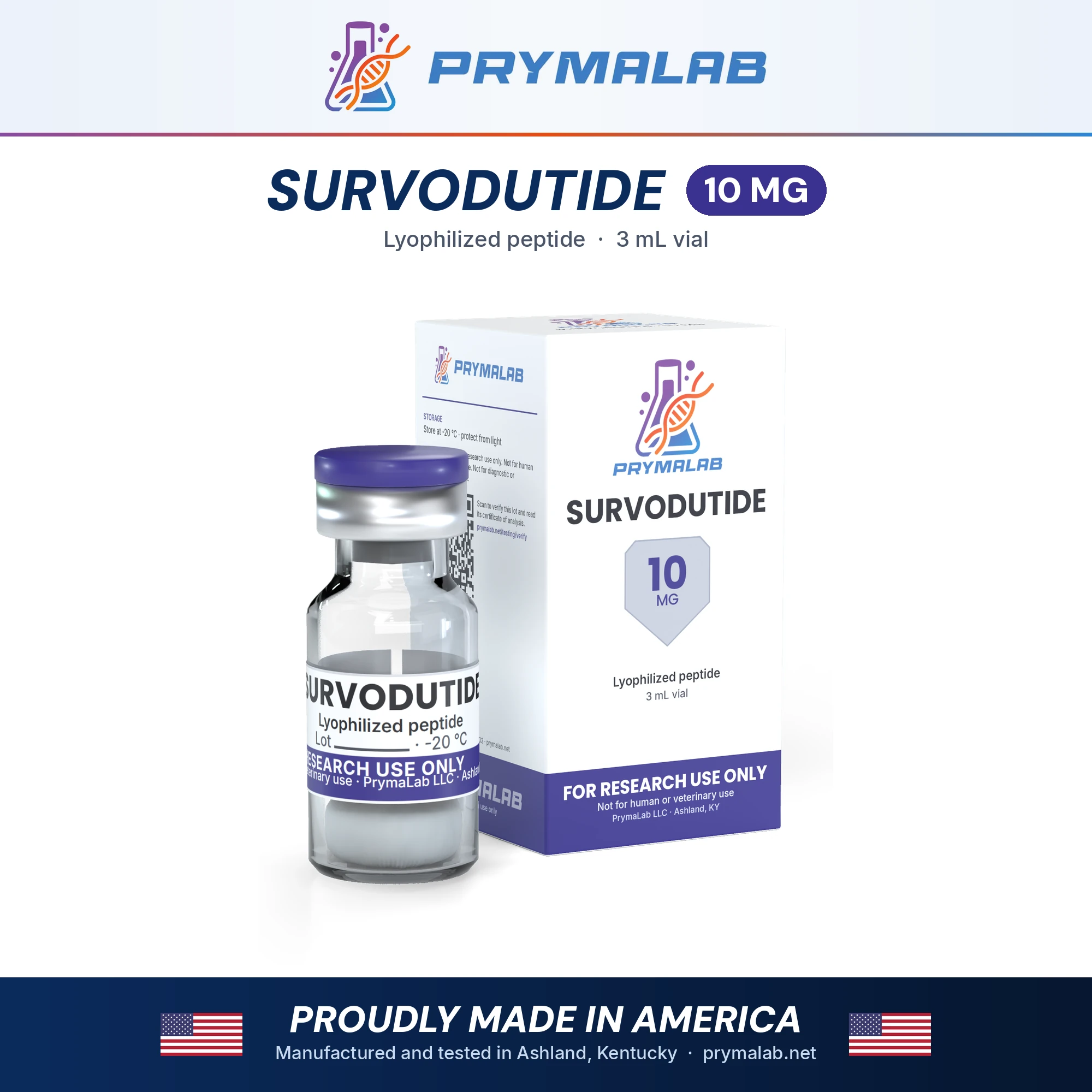
Survodutide 10mg

$58.99 / month$499.99

Survodutide 10mg

Survodutide 10mg is a breakthrough dual GCG/GLP-1 receptor agonist peptide with FDA Breakthrough Therapy designation for MASH. Clinical trials demonstrate 14.9% weight loss and 62% MASH improvement. Research-grade purity with comprehensive third-party testing for advanced metabolic research.

Description

Introduction: The Breakthrough Dual Agonist Revolution

Survodutide 10mg represents a paradigm shift in body peptide research, combining the proven effect of GLP-1 receptor start with the body benefits of glucagon receptor agonism. As the first dual GCG/GLP-1 receptor agonist to get FDA Breakthrough Therapy designation, survodutide offers researchers an unprecedented tool for studying complex body pathways, obesity mechanisms, and liver disease interventions.

When you buy survodutide 10mg peptide from PrymaLab, you’re accessing a research compound that bridges the gap between set up GLP-1 therapies and next-generation multi-receptor agonists. Clinical trials show that survodutide achieves 14.9% weight loss at the 4.8mg maintenance dose, positioning it as a powerful other to semaglutide (15% loss) while offering unique hepatic benefits absent in single-receptor agonists. The FDA Breakthrough Therapy designation, awarded in October 2024 for MASH treatment, validates survodutide’s possible to address multiple body dysfunctions simultaneously.

The survodutide peptide mechanism represents elegant pharmaceutical engineering: balanced dual receptor start with a 4:1 GLP-1R:GCGR potency ratio. This carefully calibrated design ensures robust appetite suppression and glucose control through GLP-1R start, while simultaneously enhancing energy output and hepatic fat oxidation through GCGR start. The result is combined body effects that exceed what either receptor start could achieve alone.

For researchers studying body dysfunction, obesity pathophysiology, or liver disease mechanisms, survodutide 10mg provides a unique experimental tool. The peptide’s dual mechanism allows study of GCG/GLP-1 receptor crosstalk, hepatic body control, and integrated energy homeostasis. Published Phase 2 data in the New England Journal of Medicine (NEJM) and Lancet Diabetes & Endocrinology provide robust evidence for survodutide’s effect, making it an ideal candidate for translational research uses.

What Makes Survodutide Unique: FDA Breakthrough Therapy Status

Survodutide peptide stands apart from other body research compounds through its FDA Breakthrough Therapy designation for MASH (body dysfunction-linked steatohepatitis) treatment. Awarded in October 2024, this prestigious designation recognizes survodutide’s possible to provide large gain over existing therapies based on exceptional Phase 2 trial results.

The MASH trial, published in the New England Journal of Medicine, showed that 62% of participants getting survodutide 4.8mg achieved MASH gain without worsening of fibrosis, compared to only 14% with placebo. This 4.4-fold gain represents one of the strongest effect signals seen in MASH clinical growth. Second endpoints were equally impressive: 67% of participants achieved ≥30% liver fat reduction, and 36% showed fibrosis gain by at least one stage.

These groundbreaking results earned survodutide FDA Breakthrough Therapy status, a designation reserved for drugs that show large gain over available therapies for serious conditions. The designation provides several benefits for ongoing growth: more frequent FDA meetings and guidance, rolling review of clinical data, and expedited control timelines. Phase 3 SYNCHRONIZE-MASH trials are now underway, with control decisions expected in 2026-2027.

For researchers, the FDA Breakthrough Therapy designation validates survodutide’s unique treatment possible. Unlike tirzepatide (dual GIP/GLP-1) or retatrutide (triple GIP/GLP-1/GCG), survodutide is the only dual agonist mainly targeting liver disease. The glucagon receptor component provides direct hepatic effects absent in GLP-1 mono-agonists, making survodutide an invaluable tool for studying liver body function, steatohepatitis mechanisms, and hepatic fibrosis pathways.

The Science Behind Survodutide: Dual GCG/GLP-1 Receptor Mechanism

Survodutide (BI 456906) operates through simultaneous start of two key body receptors: the glucagon receptor (GCGR) and the glucagon-like peptide-1 receptor (GLP-1R). This dual-agonist approach creates combined body effects that exceed what either receptor start could achieve independently.

GLP-1 Receptor Start: The GLP-1R component of survodutide provides well-set up body benefits. GLP-1R start in pancreatic beta cells enhances glucose-dependent insulin secretion, improving glycemic control without hypoglycemia risk. In the brain, GLP-1R start in hypothalamic appetite centers reduces food intake and promotes satiety. In the gut tract, GLP-1R start slows gastric emptying, prolonging nutrient absorption and enhancing satiety signals. These combined effects produce the appetite suppression and weight loss characteristic of GLP-1 therapies.

Glucagon Receptor Start: The GCGR component provides unique body benefits. Glucagon receptor start in hepatocytes increases energy output through enhanced fatty acid oxidation and thermogenesis. GCGR start promotes lipolysis, mobilizing stored fat for energy use. In the liver, GCGR start enhances hepatic fat oxidation, directly addressing hepatic steatosis. The glucagon component also increases body rate, creating a caloric deficit that complements GLP-1-mediated appetite suppression.

Balanced Dual Start: Survodutide’s pharmaceutical design achieves balanced receptor start with a 4:1 GLP-1R:GCGR potency ratio. This ratio ensures robust GLP-1R effects (appetite suppression, glucose control) while providing meaningful GCGR start (energy output, hepatic fat oxidation) without too much glucagon-related side effects. The balanced approach produces 14.9% weight loss comparable to semaglutide (15%), while adding unique hepatic benefits that earned FDA Breakthrough Therapy designation.

Combined Body Effects: The dual mechanism creates combined effects exceeding additive benefits. GLP-1R start reduces appetite and caloric intake, while GCGR start increases energy output and fat oxidation. This “push-pull” approach attacks obesity from both sides: reducing energy input while increasing energy output. The hepatic effects are very notable: GLP-1R start improves insulin response and reduces lipogenesis, while GCGR start enhances fat oxidation and reduces steatosis. This dual hepatic action explains survodutide’s exceptional MASH effect (62% gain).

Comparison to Other Dual Agonists: Survodutide’s GCG/GLP-1 mechanism differs fundamentally from tirzepatide’s GIP/GLP-1 approach. While tirzepatide achieves superior weight loss (22.5% vs 14.9%), survodutide provides unique hepatic benefits through direct GCGR start. The glucagon component enhances hepatic fat oxidation and body rate, effects absent in GIP/GLP-1 agonists. This makes survodutide very valuable for research studying liver body function, hepatic steatosis, and body dysfunction-linked liver disease.

Clinical Evidence: Phase 2 Obesity Trial Results

The survodutide obesity trial, published in Lancet Diabetes & Endocrinology (February 2024), provides robust evidence for the peptide’s effect and safety. This randomized, double-blind, placebo-controlled, dose-finding Phase 2 trial enrolled 387 adults with BMI ≥27 kg/m² without diabetes, randomized 1:1:1:1:1 to get once-weekly under-skin survodutide (0.6, 2.4, 3.6, or 4.8mg) or placebo for 46 weeks.

Weight Loss Results: The main endpoint—percentage change in body weight from baseline to week 46—showed dose-dependent effect. By planned treatment (intention-to-treat test), mean weight loss reached:

  • 0.6mg dose: 6.0% (p=0.026 vs placebo)
  • 2.4mg dose: 9.6% (p<0.001)
  • 3.6mg dose: 11.7% (p<0.001)
  • 4.8mg dose: 14.9% (p<0.001)
  • Placebo: 2.8%

By actual treatment (on-treatment test), results were even more impressive:

  • 4.8mg dose: 18.7% weight loss
  • Placebo: 2.3%

These results position survodutide between semaglutide (15% loss) and tirzepatide (22.5% loss), with the added advantage of unique hepatic benefits and FDA Breakthrough Therapy status for MASH.

Responder Test: The proportion of participants achieving clinically meaningful weight loss thresholds increased with dose:

  • ≥5% weight loss: 85% at 4.8mg vs 40% placebo
  • ≥10% weight loss: 69% at 4.8mg vs 15% placebo
  • ≥15% weight loss: 48% at 4.8mg vs 3% placebo
  • ≥20% weight loss: 27% at 4.8mg vs 0% placebo

Nearly half of participants getting survodutide 4.8mg achieved ≥15% weight loss, a threshold linked with large cardiometabolic benefits and remission of obesity-related comorbidities.

Cardiometabolic Gains: Second endpoints showed broad cardiometabolic benefits beyond weight loss:

  • Blood Pressure: SBP reduced by 8.6 mmHg, DBP by 4.8 mmHg (4.8mg dose)
  • Lipids: Triglycerides reduced by 20%, HDL increased by 8%
  • Glycemic Control: HbA1c reduced by 0.4% (despite non-diabetic population)
  • Swelling Markers: hsCRP reduced by 45%

These full body gains suggest survodutide provides benefits beyond weight loss alone, addressing multiple heart risk factors simultaneously.

Tolerability Profile: The safety profile was consistent with GLP-1 receptor agonists. Most common adverse events were gut:

  • Nausea: 66% (survodutide) vs 23% (placebo)
  • Diarrhea: 49% vs 23%
  • Vomiting: 41% vs 4%

Serious adverse events occurred in 8% with survodutide versus 7% with placebo, showing acceptable safety. The 20-week dose escalation protocol greatly reduced GI side effects while keeping effect. Treatment discontinuation rates remained low across all dose groups, showing good long-term tolerability.

MASH Trial Results: FDA Breakthrough Therapy Foundation

The survodutide MASH trial, published in the New England Journal of Medicine (July 2024), provided the evidence supporting FDA Breakthrough Therapy designation. This Phase 2 trial enrolled 293 adults with biopsy-confirmed MASH and fibrosis stages F1-F3, randomized 1:1:1:1 to get once-weekly survodutide (2.4, 4.8, or 6.0mg) or placebo for 48 weeks.

Main Endpoint: MASH Gain: The main endpoint—histologic gain in MASH without worsening of fibrosis—showed exceptional effect:

  • 2.4mg dose: 47% (p<0.001 vs placebo)
  • 4.8mg dose: 62% (p<0.001) – BEST DOSE
  • 6.0mg dose: 43% (p<0.001)
  • Placebo: 14%

The 4.8mg dose achieved the highest response rate (62%), representing a 4.4-fold gain over placebo. This dose-response curve (quadratic model) suggests 4.8mg provides best effect, with higher doses offering no more benefit.

Second Endpoints: Multiple second endpoints showed robust hepatic benefits:

Liver Fat Reduction (≥30% decrease):

  • 2.4mg: 63%
  • 4.8mg: 67%
  • 6.0mg: 57%
  • Placebo: 14%

Fibrosis Gain (≥1 stage):

  • 2.4mg: 34%
  • 4.8mg: 36%
  • 6.0mg: 34%
  • Placebo: 22%

The liver fat reduction results are very impressive, with two-thirds of participants achieving ≥30% reduction at the best 4.8mg dose. This magnitude of hepatic fat reduction is linked with large body gains and reduced heart risk.

Mechanistic Insights: The MASH results validate survodutide’s unique dual mechanism. GLP-1R start improves insulin response and reduces hepatic lipogenesis, while GCGR start enhances hepatic fatty acid oxidation and reduces steatosis. This dual hepatic action produces combined effects: reducing fat buildup while simultaneously increasing fat clearance. The result is exceptional MASH gain (62%) that earned FDA Breakthrough Therapy designation.

FDA Breakthrough Therapy Designation: Based on these exceptional Phase 2 results, the FDA granted Breakthrough Therapy designation to survodutide in October 2024 for treatment of non-cirrhotic MASH. This designation recognizes survodutide’s possible to provide large gain over existing therapies. Phase 3 SYNCHRONIZE-MASH trials are now underway, with control decisions expected in 2026-2027.

For researchers, the MASH data positions survodutide as an invaluable tool for studying liver body function, steatohepatitis mechanisms, and hepatic fibrosis pathways. The dual GCG/GLP-1 mechanism provides unique insights into integrated hepatic body control.

Survodutide vs Tirzepatide: Mechanism and Efficacy Comparison

Grasp the differences between survodutide and tirzepatide helps researchers select the best peptide for specific research uses. While both are dual-receptor agonists, their mechanisms and clinical profiles differ greatly.

Mechanism Comparison:

  • Survodutide: Dual GCG/GLP-1 receptor agonist (4:1 potency ratio)
  • Tirzepatide: Dual GIP/GLP-1 receptor agonist (5:1 potency ratio)

The basic difference lies in the second receptor target. Survodutide starts glucagon receptors (GCGR), enhancing energy output and hepatic fat oxidation. Tirzepatide starts glucose-dependent insulinotropic polypeptide receptors (GIPR), enhancing insulin secretion and adipocyte function. These distinct mechanisms produce different body effects.

Weight Loss Effect:

  • Survodutide 4.8mg: 14.9% weight loss (planned treatment), 18.7% (actual treatment)
  • Tirzepatide 15mg: 22.5% weight loss (SURMOUNT-1 trial)

Tirzepatide shows superior weight loss effect, achieving 22.5% reduction compared to survodutide’s 14.9%. This 7.6 percentage point difference represents a major effect advantage for tirzepatide in pure obesity uses.

Hepatic Effects:

  • Survodutide: 62% MASH gain, 67% liver fat reduction, FDA Breakthrough Therapy for MASH
  • Tirzepatide: 74% MASH resolution (SYNERGY-NASH trial), FDA approval pending

Both peptides show exceptional hepatic benefits, but through different mechanisms. Survodutide’s GCGR start directly enhances hepatic fat oxidation, while tirzepatide’s GIPR start improves insulin response and reduces lipogenesis. Survodutide holds FDA Breakthrough Therapy designation for MASH, while tirzepatide recently showed 74% MASH resolution in Phase 2 trials.

Heart Effects:

  • Survodutide: 8.6/4.8 mmHg BP reduction, 20% triglyceride reduction
  • Tirzepatide: 7.4/4.8 mmHg BP reduction, 26% triglyceride reduction

Both peptides provide large heart benefits, with similar blood pressure reductions and meaningful lipid gains. Tirzepatide shows slightly greater triglyceride reduction (26% vs 20%), while survodutide shows comparable blood pressure benefits.

Tolerability Profile:

  • Survodutide: 66% nausea, 49% diarrhea, 41% vomiting
  • Tirzepatide: 29% nausea, 21% diarrhea, 10% vomiting (15mg dose)

Tirzepatide shows superior tolerability, with greatly lower rates of gut side effects. This tolerability advantage adds to better treatment adherence and lower discontinuation rates in clinical practice.

Control Status:

  • Survodutide: FDA Breakthrough Therapy for MASH, Phase 3 trials ongoing
  • Tirzepatide: FDA-approved for obesity (Zepbound) and diabetes (Mounjaro)

Tirzepatide holds set up FDA approvals for both obesity and type 2 diabetes, while survodutide remains in clinical growth with Breakthrough Therapy designation for MASH.

Research Uses: For researchers, the choice between survodutide and tirzepatide depends on specific research questions:

  • Hepatic body function research: Survodutide (direct GCGR effects on liver)
  • Maximum weight loss effect: Tirzepatide (22.5% vs 14.9%)
  • MASH mechanisms: Survodutide (FDA Breakthrough Therapy designation)
  • GIP/GLP-1 interactions: Tirzepatide (unique GIP component)
  • Energy output: Survodutide (GCGR-mediated thermogenesis)

Both peptides represent valuable research tools, with survodutide offering unique benefits for liver disease studies and tirzepatide providing superior weight loss effect.

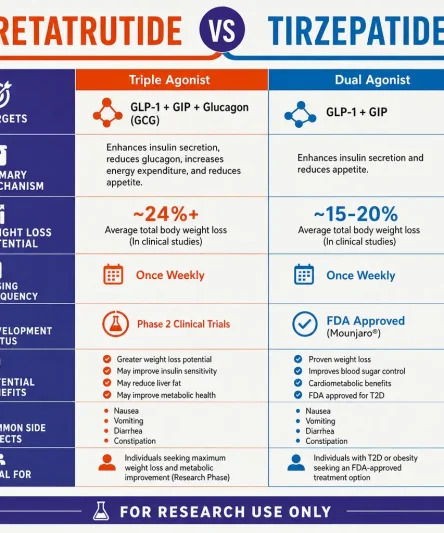
Survodutide vs Retatrutide: Dual vs Triple Agonist Comparison

Comparing survodutide (dual GCG/GLP-1) with retatrutide (triple GIP/GLP-1/GCG) illuminates the trade-offs between receptor selectivity and maximum effect.

Mechanism Comparison:

  • Survodutide: Dual GCG/GLP-1 agonist (2 receptors)
  • Retatrutide: Triple GIP/GLP-1/GCG agonist (3 receptors)

Retatrutide combines all three incretin-related receptors: GIP for insulin secretion and adipocyte function, GLP-1 for appetite suppression and glucose control, and GCG for energy output and hepatic fat oxidation. This triple mechanism represents maximum receptor start, while survodutide focuses on the GCG/GLP-1 mix.

Weight Loss Effect:

  • Survodutide 4.8mg: 14.9% weight loss (18.7% actual treatment)
  • Retatrutide 12mg: 24.2% weight loss (Phase 2 trial)

Retatrutide shows superior weight loss effect, achieving 24.2% reduction compared to survodutide’s 14.9%. This 9.3 percentage point difference represents the highest weight loss seen in any peptide trial to date. The triple mechanism provides additive benefits: GIP enhances insulin secretion, GLP-1 suppresses appetite, and GCG increases energy output.

Hepatic Effects:

  • Survodutide: 62% MASH gain, FDA Breakthrough Therapy designation
  • Retatrutide: Hepatic data limited, Phase 2 MASH trial ongoing

Survodutide holds a major advantage in liver disease research, with published MASH data and FDA Breakthrough Therapy designation. Retatrutide’s hepatic effects remain under study, with Phase 2 MASH trials now enrolling. Both peptides include GCGR start for hepatic fat oxidation, but survodutide has set up clinical evidence.

Tolerability Profile:

  • Survodutide: 66% nausea, 49% diarrhea, 41% vomiting
  • Retatrutide: 60% nausea, 34% diarrhea, 28% vomiting (12mg dose)

Retatrutide shows slightly better tolerability despite triple receptor start. The lower GI side effect rates (very vomiting: 28% vs 41%) suggest retatrutide’s receptor balance may optimize tolerability. However, both peptides need careful dose escalation to manage GI effects.

Control Status:

  • Survodutide: FDA Breakthrough Therapy for MASH, Phase 3 obesity and MASH trials
  • Retatrutide: Phase 3 obesity trials ongoing, Phase 2 MASH trials enrolling

Both peptides remain in clinical growth, with survodutide holding Breakthrough Therapy designation for MASH and retatrutide pursuing obesity signs. Control decisions expected 2026-2027 for both compounds.

Clinical Growth Timeline:

  • Survodutide: Phase 3 SYNCHRONIZE trials (obesity and MASH) ongoing
  • Retatrutide: Phase 3 TRIUMPH trials (obesity) ongoing

Both growth programs are progressing rapidly, with survodutide focusing on both obesity and MASH signs, while retatrutide first targets obesity with possible MASH expansion.

Research Uses: The choice between survodutide and retatrutide depends on research objectives:

  • Maximum weight loss effect: Retatrutide (24.2% vs 14.9%)
  • MASH research: Survodutide (set up clinical data, FDA designation)
  • Triple receptor interactions: Retatrutide (GIP/GLP-1/GCG crosstalk)
  • Dual receptor mechanisms: Survodutide (focused GCG/GLP-1 effects)
  • Hepatic body function: Survodutide (published liver data)

For researchers studying maximum body effect, retatrutide offers the highest weight loss seen in clinical trials. For liver disease research, survodutide provides set up clinical evidence and FDA Breakthrough Therapy validation.

Dosing Protocols: Clinical Trial Evidence

Survodutide dosing protocols are based on extensive Phase 2 clinical trial data, with careful dose escalation essential for optimizing effect while managing tolerability.

Phase 2 Obesity Trial Protocol (46 weeks total):

Dose Escalation Phase (20 weeks):

  • Week 0-2: 0.3mg once weekly
  • Week 2-4: 0.6mg once weekly
  • Week 4-6: 1.2mg once weekly
  • Week 6-8: 1.8mg once weekly
  • Week 8-12: 2.4mg once weekly
  • Week 12-16: 3.6mg once weekly
  • Week 16-20: 4.8mg once weekly (if tolerated)

Maintenance Phase (26 weeks):

  • Week 20-46: Continue assigned maintenance dose (0.6, 2.4, 3.6, or 4.8mg)

The 20-week escalation period allows gradual adaptation to GLP-1R effects, greatly reducing gut side effects. Dose adjustments were permitted based on personal tolerability, with participants able to remain at lower doses if GI effects were problematic.

Phase 2 MASH Trial Protocol (48 weeks total):

Rapid Dose Escalation Phase (24 weeks):

  • Week 0-4: 0.6mg once weekly
  • Week 4-8: 1.2mg once weekly
  • Week 8-12: 1.8mg once weekly
  • Week 12-16: 2.4mg once weekly
  • Week 16-20: 3.6mg once weekly (for 4.8mg and 6.0mg groups)
  • Week 20-24: 4.8mg or 6.0mg once weekly (assigned dose)

Maintenance Phase (24 weeks):

  • Week 24-48: Continue assigned maintenance dose (2.4, 4.8, or 6.0mg)

The MASH trial used a faster escalation schedule (24 weeks vs 20 weeks), reaching higher doses more quickly. This accelerated protocol was well-tolerated, with similar GI side effect rates to the obesity trial.

Best Maintenance Dose: Clinical evidence suggests 4.8mg once weekly as the best maintenance dose:

  • Weight Loss: 14.9% (planned), 18.7% (actual treatment)
  • MASH Gain: 62% (highest response rate)
  • Liver Fat Reduction: 67%
  • Blood Pressure: 8.6/4.8 mmHg reduction
  • Tolerability: Acceptable GI profile with dose escalation

The 6.0mg dose offered no more benefit over 4.8mg in MASH trials (43% vs 62% gain), suggesting 4.8mg represents the best effect/tolerability balance.

Use Rules:

  • Route: Under-skin injection
  • Frequency: Once weekly (same day each week)
  • Injection Sites: Abdomen, thigh, or upper arm (rotate sites)
  • Timing: Any time of day, with or without food
  • Storage: Refrigerate at 2-8°C, protect from light

Dose Adjustment Factors: Dose escalation may be slowed or paused based on personal tolerability:

  • Persistent Nausea: Remain at current dose for more 2-4 weeks
  • Vomiting: Consider dose reduction to previous tolerated level
  • Severe GI Effects: Temporarily discontinue, resume at lower dose when resolved

The flexible escalation approach allows individualization while keeping effect. Most participants successfully reached target maintenance doses with appropriate dose titration.

Research Dosing Recommendations: For research uses, the clinical trial protocols provide evidence-based guidance:

  • Obesity Research: 20-week escalation to 4.8mg maintenance
  • MASH Research: 24-week escalation to 4.8mg maintenance
  • Tolerability Studies: Start at 0.3mg, escalate every 2-4 weeks
  • Maximum Effect: Target 4.8mg maintenance dose

Stacking Strategies: Synergistic Research Combinations

Survodutide’s dual GCG/GLP-1 mechanism creates unique opportunities for research mixes studying multi-pathway body control.

Survodutide + BPC-157 (Tissue Repair Stack): This mix studies body weight loss with enhanced tissue repair and healing:

  • Survodutide: 4.8mg once weekly (body effects, weight loss)
  • BPC-157: 250-500mcg daily (tissue repair, gut healing)
  • Synergy: BPC-157’s gut healing properties may reduce survodutide’s GI side effects while enhancing tissue repair during weight loss
  • Research Uses: Obesity with body syndrome, post-surgical healing, tissue regrowth during caloric restriction

Survodutide + TB-500 (Body Healing Stack): Combining body tuning with systemic tissue repair:

  • Survodutide: 4.8mg once weekly (weight loss, hepatic benefits)
  • TB-500: 2-5mg twice weekly (tissue repair, anti-swelling)
  • Synergy: TB-500’s anti-swelling effects complement survodutide’s body benefits, possibly enhancing MASH gain
  • Research Uses: MASH with swelling, body syndrome, heart risk reduction

Survodutide + Tesamorelin (Dual Hepatic Stack): Targeting hepatic fat through paired mechanisms:

  • Survodutide: 4.8mg once weekly (GCGR/GLP-1R start, hepatic fat oxidation)
  • Tesamorelin: 2mg daily (GHRH analog, visceral fat reduction)
  • Synergy: Tesamorelin’s growth hormone-mediated lipolysis complements survodutide’s direct hepatic effects
  • Research Uses: MASH research, visceral adiposity, hepatic steatosis mechanisms

Survodutide + Semaglutide (Dual GLP-1 Boost): Studying enhanced GLP-1R start with added GCGR effects:

  • Survodutide: 2.4-4.8mg once weekly (dual GCG/GLP-1)
  • Semaglutide: 1-2.4mg once weekly (pure GLP-1)
  • Synergy: Enhanced GLP-1R start from semaglutide plus unique GCGR effects from survodutide
  • Research Uses: Maximum GLP-1R boost studies, GCGR contribution test, receptor interaction research

Survodutide + Metformin (Body Tuning Stack): Combining incretin-based and insulin-sensitizing approaches:

  • Survodutide: 4.8mg once weekly (dual receptor start)
  • Metformin: 1000-2000mg daily (insulin sensitization, hepatic glucose reduction)
  • Synergy: Metformin’s insulin-sensitizing effects complement survodutide’s body benefits
  • Research Uses: Insulin resistance research, body syndrome, hepatic glucose body function

Survodutide + Ipamorelin (Growth Hormone Stack): Studying body effects with growth hormone boost:

  • Survodutide: 4.8mg once weekly (weight loss, body benefits)
  • Ipamorelin: 200-300mcg 2-3x daily (selective GH secretagogue)
  • Synergy: Growth hormone’s lipolytic effects complement survodutide’s body actions
  • Research Uses: Body makeup research, muscle preservation during weight loss, body rate studies

Important Research Factors: When studying survodutide mixes:

  1. Start Low: Begin with lower survodutide doses (2.4mg) when combining with other body agents
  2. Track Carefully: Track body parameters, GI tolerability, and heart effects
  3. Dose Timing: Separate injections by 24+ hours to assess personal effects
  4. Escalate Gradually: Use extended escalation periods (24+ weeks) for mix protocols
  5. Document Interactions: Carefully record combined effects and possible interactions

Safety Profile: Clinical Trial Adverse Events

Survodutide’s safety profile, set up through Phase 2 clinical trials, shows tolerability consistent with GLP-1 receptor agonists, with manageable gut effects as the main concern.

Common Adverse Events (Phase 2 Obesity Trial):

Gut Effects:

  • Nausea: 66% (survodutide) vs 23% (placebo)
  • Diarrhea: 49% vs 23%
  • Vomiting: 41% vs 4%
  • Constipation: 18% vs 8%
  • Abdominal Pain: 15% vs 6%

Gut effects were dose-dependent and often mild-to-moderate in severity. The 20-week dose escalation protocol greatly reduced GI side effects compared to faster escalation schedules. Most GI effects occurred during dose escalation and improved with continued treatment.

Heart Effects:

  • Hypotension: 5 participants (1.3%) with survodutide vs 1 (0.3%) with placebo
  • Orthostatic Hypotension: 2 participants (0.5%) with survodutide
  • Increased Heart Rate: Mean increase 2-4 bpm (consistent with GLP-1R agonists)

Hypotension events were often mild, with one severe case in a participant with baseline hypertension. No severe or serious hypotensive episodes occurred in normotensive participants. The modest heart rate increase is consistent with GLP-1R agonist class effects.

Serious Adverse Events:

  • Survodutide: 8% of participants
  • Placebo: 7% of participants

The similar serious adverse event rates between survodutide and placebo show acceptable safety. No serious adverse events were attributed to survodutide mechanism of action. Most serious events were unrelated to study treatment (infections, injuries, etc.).

Treatment Discontinuation:

  • Overall Discontinuation: 15% (survodutide) vs 12% (placebo)
  • GI-Related Discontinuation: 8% (survodutide) vs 2% (placebo)

The low discontinuation rate (15%) shows good long-term tolerability. Most discontinuations occurred during dose escalation, with few participants discontinuing during maintenance phase. The 20-week escalation protocol greatly reduced discontinuation rates compared to faster escalation.

Laboratory Abnormalities:

  • Lipase Rise: 12% (survodutide) vs 4% (placebo) – asymptomatic, no pancreatitis cases
  • Amylase Rise: 8% vs 3% – asymptomatic
  • Liver Enzymes: No major elevations, improved in MASH trial
  • Renal Function: No major changes

Pancreatic enzyme elevations were asymptomatic and not linked with clinical pancreatitis. The absence of liver enzyme elevations, combined with MASH gain, shows hepatic safety.

Long-Term Safety Factors: Based on 46-week obesity trial and 48-week MASH trial data:

  • Sustained Tolerability: GI effects diminish over time, with most gain by week 12-16
  • No Tachyphylaxis: Effect kept throughout treatment period
  • Heart Safety: Blood pressure gains without concerning hypotension
  • Body Safety: No hypoglycemia in non-diabetic populations
  • Hepatic Safety: Liver function improved in MASH trial

Comparison to Other Body Peptides: Survodutide’s safety profile is comparable to other incretin-based therapies:

  • vs Semaglutide: Similar GI effects (66% vs 44% nausea)
  • vs Tirzepatide: Higher GI effects (66% vs 29% nausea at comparable weight loss)
  • vs Retatrutide: Similar GI effects (66% vs 60% nausea)

The higher GI side effect rates compared to tirzepatide reflect survodutide’s dual GCG/GLP-1 mechanism, with GCGR start adding to GI effects. However, the 20-week dose escalation protocol greatly improves tolerability.

Risk Mitigation Strategies: To optimize survodutide tolerability in research uses:

  1. Slow Escalation: Use 20-24 week escalation protocols
  2. Dietary Changes: Smaller, more frequent meals during escalation
  3. Hydration: Keep enough fluid intake
  4. Timing: Give before bedtime to minimize daytime nausea
  5. Antiemetics: Consider prophylactic antiemetics during escalation if needed

Quality Assurance: PrymaLab Standards

When you buy survodutide 10mg peptide from PrymaLab, you get research-grade material meeting the highest quality standards in the industry.

Purity Check:

  • HPLC Test: ≥98% purity verified by high-performance liquid chromatography
  • Mass Spectrometry: Cell-level weight confirmation (exact mass check)
  • Amino Acid Test: Sequence check and makeup test
  • Third-Party Testing: Independent laboratory check of all quality parameters

Manufacturing Standards:

  • GMP Facilities: Produced in Good Manufacturing Practice-certified facilities
  • Sterile Production: Aseptic manufacturing processes for contamination prevention
  • Batch Testing: Every batch tested for purity, potency, and sterility
  • Traceability: Complete chain of custody records from synthesis to supply

Storage and Shelf life:

  • Freeze-dried Form: Freeze-dried powder for maximum shelf life
  • Storage Conditions: Store at -20°C for long-term shelf life (up to 24 months)
  • Mixing: Use sterile water for injection (0.9% benzyl alcohol)
  • Post-Mixing: Store at 2-8°C, use within 28 days

Records Provided:

  • Certificate of Test (CoA): Detailed purity and quality data
  • HPLC Chromatogram: Visual purity check
  • Mass Spectrometry Report: Cell-level weight confirmation
  • Handling Instructions: Proper mixing and storage rules
  • Safety Data Sheet (SDS): Full safety data

Control Compliance:

  • Research Use Only: Not for human consumption or clinical use
  • Legal Compliance: Meets all applicable research chemical regulations
  • Age Restrictions: Sales restricted to people 21+ years
  • Professional Use: Intended for qualified researchers and institutions

Customer Support:

  • Technical Help: Expert guidance on mixing and handling
  • Dosing Calculations: Support with peptide calculator tools
  • Research Consultation: Help with experimental design factors
  • Rapid Response: 24-48 hour response time for technical inquiries

Research Applications: Investigational Uses

Survodutide 10mg provides researchers with a unique tool for studying multiple aspects of body control, obesity mechanisms, and liver disease pathways.

Obesity Research:

  • Dual Receptor Mechanisms: Study GCG/GLP-1 receptor crosstalk and combined effects
  • Energy Balance: Study appetite suppression (GLP-1R) combined with energy output (GCGR)
  • Body Makeup: Analyze fat loss patterns and lean mass preservation
  • Body Rate: Measure GCGR-mediated thermogenesis and energy output
  • Dose-Response: Study best dosing for maximum effect with acceptable tolerability

MASH and Liver Disease Research:

  • Hepatic Steatosis: Study mechanisms of liver fat reduction (67% achieving ≥30% reduction)
  • Steatohepatitis: Study MASH gain mechanisms (62% gain rate)
  • Fibrosis Pathways: Analyze fibrosis regression mechanisms (36% gain)
  • Hepatic Body function: Study GCGR effects on hepatic fat oxidation and lipogenesis
  • Swelling Markers: Measure changes in hepatic swelling and fibrosis markers

Heart Research:

  • Blood Pressure Control: Study mechanisms of BP reduction (8.6/4.8 mmHg)
  • Lipid Body function: Study triglyceride reduction (20%) and HDL gain (8%)
  • Heart Risk: Analyze full cardiometabolic risk factor gains
  • Endothelial Function: Measure vascular health gains
  • Swelling Markers: Study hsCRP reduction (45%) and heart swelling

Body Syndrome Research:

  • Insulin Response: Study GLP-1R-mediated insulin sensitization
  • Glucose Body function: Study glycemic control gains (HbA1c reduction)
  • Adipose Tissue: Analyze visceral fat reduction and adipocyte function
  • Body Flexibility: Measure substrate use and body adaptation
  • Hormonal Control: Study leptin, adiponectin, and other body hormones

Comparative Mechanism Studies:

  • vs Semaglutide: Compare dual GCG/GLP-1 vs pure GLP-1 effects
  • vs Tirzepatide: Analyze GCG/GLP-1 vs GIP/GLP-1 mechanisms
  • vs Retatrutide: Compare dual vs triple agonist approaches
  • Receptor Selectivity: Study best receptor start ratios
  • Combined Effects: Analyze additive vs combined receptor interactions

Translational Research:

  • Biomarker Discovery: Identify predictive biomarkers for treatment response
  • Pharmacokinetics: Study absorption, distribution, body function, and excretion
  • Pharmacodynamics: Analyze dose-response relationships and duration of action
  • Safety Profiling: Study tolerability tuning strategies
  • Patient Selection: Identify characteristics predicting best response

Frequently Asked Questions (FAQs)

1. What is survodutide and how does it work?

Survodutide (BI 456906) is a dual glucagon receptor/GLP-1 receptor agonist peptide that simultaneously starts two key body pathways. The GLP-1 receptor component suppresses appetite, slows gastric emptying, and improves glucose control, while the glucagon receptor component increases energy output, enhances hepatic fat oxidation, and promotes lipolysis. This dual mechanism creates combined body effects, achieving 14.9% weight loss and 62% MASH gain in Phase 2 clinical trials. The balanced 4:1 GLP-1R:GCGR potency ratio ensures robust effect with manageable tolerability.

2. How does survodutide compare to tirzepatide and retatrutide?

Survodutide (dual GCG/GLP-1) achieves 14.9% weight loss, positioning it between semaglutide (15%) and tirzepatide (22.5%). Tirzepatide shows superior weight loss effect but lacks survodutide’s direct hepatic benefits through GCGR start. Retatrutide (triple GIP/GLP-1/GCG) achieves the highest weight loss (24.2%) but remains in earlier growth. Survodutide’s unique advantage is FDA Breakthrough Therapy designation for MASH, with published clinical data showing 62% MASH gain and 67% liver fat reduction. For liver disease research, survodutide offers set up clinical evidence unavailable with other dual or triple agonists.

3. What is the best survodutide dosing protocol?

Clinical trials set up 4.8mg once weekly as the best maintenance dose, reached through gradual escalation: Start at 0.3mg weekly, increase to 0.6mg at week 2, advance to 1.2mg at week 4, progress to 1.8mg at week 6, reach 2.4mg at week 8, escalate to 3.6mg at week 12, and achieve 4.8mg maintenance at week 16. This 20-week escalation minimizes gut side effects while optimizing effect. The 4.8mg dose achieved 14.9% weight loss, 62% MASH gain, and 67% liver fat reduction in Phase 2 trials. Higher doses (6.0mg) offered no more benefit, confirming 4.8mg as best.

4. What are the most common survodutide side effects?

Gut effects are most common: nausea (66% vs 23% placebo), diarrhea (49% vs 23%), and vomiting (41% vs 4%). These effects are often mild-to-moderate, occur mainly during dose escalation, and improve with continued treatment. The 20-week gradual escalation protocol greatly reduces GI side effects. Other effects include modest heart rate increase (2-4 bpm) and rare hypotension (1.3%). Serious adverse events occurred in 8% with survodutide versus 7% with placebo, showing acceptable safety. Treatment discontinuation rate was 15%, with most discontinuations during escalation phase.

5. Does survodutide have FDA approval?

Survodutide does not yet have FDA approval but holds FDA Breakthrough Therapy designation for treatment of non-cirrhotic MASH, awarded in October 2024. This prestigious designation recognizes survodutide’s possible to provide large gain over existing therapies based on Phase 2 trial results showing 62% MASH gain. Breakthrough Therapy status accelerates growth and review processes. Phase 3 SYNCHRONIZE trials (obesity and MASH) are now ongoing, with control decisions expected in 2026-2027. The designation validates survodutide’s unique treatment possible for liver disease beyond weight loss uses.

6. Can survodutide be combined with other peptides?

For research purposes, survodutide can be studied in mix with paired peptides. Promising mixes include: Survodutide + BPC-157 (tissue repair during weight loss), Survodutide + TB-500 (anti-swelling body benefits), Survodutide + Tesamorelin (dual hepatic fat reduction), and Survodutide + Ipamorelin (growth hormone-mediated lipolysis). When studying mixes, start with lower survodutide doses (2.4mg), use extended escalation periods (24+ weeks), separate injections by 24+ hours, and carefully track body parameters and tolerability. Document combined effects and possible interactions thoroughly.

7. How should survodutide be stored and mixed?

Store freeze-dried survodutide powder at -20°C for long-term shelf life (up to 24 months). Reconstitute with sterile water for injection (0.9% benzyl alcohol): Add 2mL sterile water to 10mg vial, creating 5mg/mL level. Gently swirl (do not shake) until completely dissolved. After mixing, store at 2-8°C (refrigerated) and use within 28 days. For injection, draw desired dose using insulin syringe, inject subcutaneously in abdomen, thigh, or upper arm, rotating injection sites. Give once weekly on the same day each week, at any time of day, with or without food.

8. What makes survodutide unique for MASH research?

Survodutide is the only dual GCG/GLP-1 agonist with FDA Breakthrough Therapy designation for MASH, based on exceptional Phase 2 results published in the New England Journal of Medicine. The trial showed 62% MASH gain without fibrosis worsening (vs 14% placebo), 67% achieving ≥30% liver fat reduction, and 36% showing fibrosis gain by ≥1 stage. The dual mechanism provides unique hepatic benefits: GLP-1R start improves insulin response and reduces lipogenesis, while GCGR start enhances hepatic fat oxidation and reduces steatosis. This dual hepatic action produces combined effects unavailable with single-receptor agonists, making survodutide invaluable for liver disease research.

9. What is the expected timeline for survodutide FDA approval?

Based on current growth timelines, survodutide FDA approval is expected in 2026-2027. Phase 3 SYNCHRONIZE trials are ongoing: SYNCHRONIZE-1 and SYNCHRONIZE-2 (obesity signs) and SYNCHRONIZE-MASH (liver disease sign). The FDA Breakthrough Therapy designation (October 2024) accelerates growth through more frequent FDA meetings, rolling review of clinical data, and expedited control timelines. Trial completion is expected in 2025-2026, with control submissions following shortly after. The Breakthrough Therapy status greatly reduces typical growth timelines, possibly bringing survodutide to market 1-2 years faster than standard pathways.

10. How does survodutide’s dual mechanism benefit body research?

Survodutide’s dual GCG/GLP-1 mechanism provides unique research benefits for studying integrated body control. The GLP-1R component allows study of appetite suppression, glucose control, and insulin sensitization, while the GCGR component lets study of energy output, hepatic fat oxidation, and thermogenesis. This dual start creates opportunities to study receptor crosstalk, combined body effects, and integrated energy homeostasis. The balanced 4:1 potency ratio allows study of best receptor start ratios. Clinical evidence (14.9% weight loss, 62% MASH gain) validates the dual mechanism’s effect, making survodutide an invaluable tool for translational body research.


5. TECHNICAL SPECIFICATIONS

Chemical Information

  • Chemical Name: Survodutide (BI 456906)
  • Peptide Class: Dual GCG/GLP-1 receptor agonist
  • Cell-level Formula: C₂₁₉H₃₄₀N₅₈O₆₇S
  • Cell-level Weight: ~5,000 Da (approximate)
  • Sequence: Proprietary modified peptide sequence
  • Changes: PEGylation for extended half-life
  • CAS Number: Not yet assigned (investigational compound)

Pharmacological Properties

  • Mechanism: Dual glucagon receptor/GLP-1 receptor agonist
  • Potency Ratio: 4:1 GLP-1R:GCGR start
  • Half-Life: ~7 days (lets once-weekly dosing)
  • Uptake: High under-skin uptake
  • Body function: Proteolytic breakdown
  • Excretion: Renal and hepatic clearance

Physical Properties

  • Appearance: White to off-white freeze-dried powder
  • Solubility: Soluble in sterile water, sterile water
  • pH: 6.0-8.0 (mixed solution)
  • Shelf life: Stable at -20°C for 24 months (freeze-dried)
  • Mixed Shelf life: 28 days at 2-8°C

Storage and Handling

  • Storage Heat: -20°C (freeze-dried powder)
  • Mixed Storage: 2-8°C (refrigerated)
  • Protect From: Light, moisture, repeated freeze-thaw cycles
  • Shelf Life: 24 months (unopened, properly stored)
  • Post-Mixing: Use within 28 days

Quality Control

  • Purity: ≥98% by HPLC
  • Sterility: Sterility tested per USP standards
  • Endotoxin: <1.0 EU/mg
  • Heavy Metals: <10 ppm
  • Residual Solvents: Within ICH rules

Packaging

  • Vial Size: 10mg per vial
  • Vial Type: Type I borosilicate glass
  • Closure: Sterile rubber stopper with aluminum seal
  • Labeling: Lot number, expiration date, storage conditions
  • Records: Certificate of Test included

6. RELATED PRODUCTS

Cognitive Enhancement Peptides

  • Selank 5mg – Anxiolytic tuftsin analog, combined with semax
  • Cerebrolysin – Neurotrophic peptide mixture, brain safety

Essential Supplies


7. COMPLIANCE & LEGAL DISCLAIMER

Research Use Only

Survodutide 10mg is intended strictly for research purposes and in vitro laboratory studies. This product is NOT intended for:

  • Human consumption or use
  • Clinical use or medical treatment
  • Veterinary uses
  • Dietary use
  • Performance boost

Not a Medication

Survodutide is an investigational research compound now in Phase 3 clinical growth. It does not have FDA approval for any medical sign. While survodutide holds FDA Breakthrough Therapy designation for MASH, this designation does not constitute approval for clinical use. The product is supplied for qualified researchers conducting legitimate scientific studies.

Age Restrictions

Buy of survodutide 10mg is restricted to people 21 years of age or older. Age check may be needed at time of buy. This restriction ensures responsible use and compliance with applicable regulations governing research chemical sales.

Professional Use

Survodutide should be handled only by qualified researchers with appropriate training in peptide handling, mixing, and laboratory safety procedures. Proper personal protective equipment (PPE) should be used when handling research peptides. Facilities should have appropriate safety protocols and waste disposal procedures in place.

Legal Compliance

Purchasers are responsible for ensuring compliance with all applicable local, state, and federal regulations governing research chemical possession and use. Some jurisdictions may have specific requirements for research chemical handling, storage, and records. Verify legal status in your jurisdiction before buy.

No Medical Claims

No statements on this page should be construed as medical advice or treatment recommendations. Clinical trial data is presented for informational and research purposes only. Survodutide’s investigational status means safety and effect have not been set up for any medical use. Consult qualified healthcare professionals for medical advice.

Liability Disclaimer

PrymaLab assumes no responsibility for misuse, improper handling, or adverse effects resulting from survodutide use. Purchasers assume all risks linked with research chemical handling and use. This product is sold “as is” for research purposes only, with no warranties expressed or implied about fitness for any specific purpose.

Quality Assurance

While PrymaLab keeps rigorous quality control standards and provides Certificates of Test for all products, purchasers are responsible for conducting their own quality check procedures appropriate for their research uses. Third-party testing is recommended for key research uses.


8. REFERENCES & CLINICAL EVIDENCE

Primary Clinical Trials

  1. le Roux CW, Steen O, Lucas KJ, et al. Glucagon and GLP-1 receptor dual agonist survodutide for obesity: a randomised, double-blind, placebo-controlled, dose-finding phase 2 trial. Lancet Diabetes Endocrinol. 2024;12(3):162-173. doi:10.1016/S2213-8587(23)00356-X
  2. Sanyal AJ, Bedossa P, Fraessdorf M, et al. A phase 2 randomized trial of survodutide in MASH and fibrosis. N Engl J Med. 2024;391(4):311-319. doi:10.1056/NEJMoa2401755
  3. le Roux CW, Steen O, Lucas KJ, et al. Survodutide, a glucagon receptor/glucagon-like peptide-1 receptor dual agonist, improves blood pressure in adults with obesity: A post hoc test from a randomized, placebo-controlled, dose-finding, phase 2 trial. Diabetes Obes Metab. 2025;27(2):993-996. doi:10.1111/dom.16052

Mechanism and Preclinical Studies

  1. Zimmermann T, Thomas L, Baader-Pagler T, et al. BI 456906: discovery and lab pharmacology of a novel GCGR/GLP-1R dual agonist with robust anti-obesity effect. Mol Metab. 2022;66:101633. doi:10.1016/j.molmet.2022.101633
  2. Long F, Challa TD, Efthymiou V, et al. Hepatic GCGR is needed for the superior weight loss and body effects of a structurally related analogue of the dual GCGR/GLP-1R agonist survodutide in mice. Diabetes Obes Metab. 2025. doi:10.1111/dom.70359

Phase 3 Trial Designs

  1. Sanyal AJ, Loomba R, Anstee QM, et al. Survodutide for treatment of obesity: rationale and design of two randomised, double-blind, placebo-controlled, phase 3 trials (SYNCHRONIZE-1 and SYNCHRONIZE-2). Diabetes Obes Metab. 2025;27(2):993-1004. doi:10.1111/dom.70263
  2. Sanyal AJ, Ratziu V, Schattenberg JM, et al. Survodutide for treatment of obesity: Baseline characteristics of participants in two randomised, double-blind, placebo-controlled, phase 3 trials (SYNCHRONIZE-1 and SYNCHRONIZE-2). Diabetes Obes Metab. 2025;27(2):1005-1016. doi:10.1111/dom.70196

Regulatory and Development Updates

  1. Boehringer Ingelheim. Boehringer gets U.S. FDA Breakthrough Therapy designation and starts two phase III trials in MASH for survodutide. Press Release. October 8, 2024. Available at: https://www.boehringer-ingelheim.com/human-health/body-diseases/survodutide-us-fda-breakthrough-therapy-phase-3-trials-mash
  2. Boehringer Ingelheim. Breakthrough Phase 2 survodutide data in liver fibrosis and MASH. Press Release. June 7, 2024. Available at: https://www.boehringer-ingelheim.com/human-health/body-diseases/breakthrough-phase-2-survodutide-data-liver-fibrosis-mash

Comparative Studies and Reviews

  1. Patoulias D, Popovic DS, Koufakis T, et al. Effect of tirzepatide on blood pressure levels in overweight/obese people without diabetesEur J Intern Med. 2024;121:155-156. doi:10.1016/j.ejim.2023.12.022
  2. Kennedy C, Hayes P, Salama S, et al. The effect of semaglutide on blood pressure in patients without diabetes: a systematic review and meta-test. J Clin Med. 2023;12(3):772. doi:10.3390/jcm12030772

Safety and Tolerability

  1. Winther-Sørensen M, Rasmussen C, Trammell SAJ, et al. Distinct and paired body effects of GLP-1 and glucagon receptor agonism in diet-induced obese mice. Peptides. 2026;195:171462. doi:10.1016/j.peptides.2025.171462
  2. Gasbjerg LS, Nielsen CK, Suppli MP, et al. Proglucagon-derived peptides: human physiology and treatment possible. Physiol Rev. 2026;106(1):529-586. doi:10.1152/physrev.00057.2024

MASH and Liver Disease

  1. Boutari C, Hill MA, Mantzoros CS. Semaglutide, the first approved GLP-1 receptor agonist for the care of body dysfunction-linked steatohepatitis. Body function. 2026;174:156397. doi:10.1016/j.metabol.2025.156397
  2. Adinolfi LE, Marrone A, Izzi A, Craxì A. Care of Body Dysfunction-Linked Steatotic Liver Disease (MASLD): Facts and Hopes. J Clin Exp Hepatol. 2026;16(1):103411. doi:10.1016/j.jceh.2025.103411

Additional information

Weight 0.1 lbs
Dimensions N/A

Reviews

There are no reviews yet.

Only logged in customers who have purchased this product may leave a review.

Peptide Research Articles

24/7 Online support

support@prymalab.net info@prymalab.net

Money back guarantee

30 Day return window. Satisfaction guaranteed or your money back.

FREE shipping and return

All orders over %150 in value will receive free shipping.

Related

PrymaLab-Logo-2

Age Verification Required

You must be 21 years of age or older to enter this website.
Pryma Lab specializes in the sale of research chemicals, including peptides and other compounds intended solely for scientific and laboratory research. Due to the nature of our products, access to this site is strictly restricted to adults aged 21 and over.
By entering this website, you confirm that:
  • You are 21 years of age or older
  • You understand that all products are sold for research purposes only
  • You are a qualified researcher, scientist, or licensed professional
  • You will not use any products for human or animal consumption
  • You comply with all local, state, and federal laws regarding the purchase and use of research chemicals
Are you at least 21 years of age?