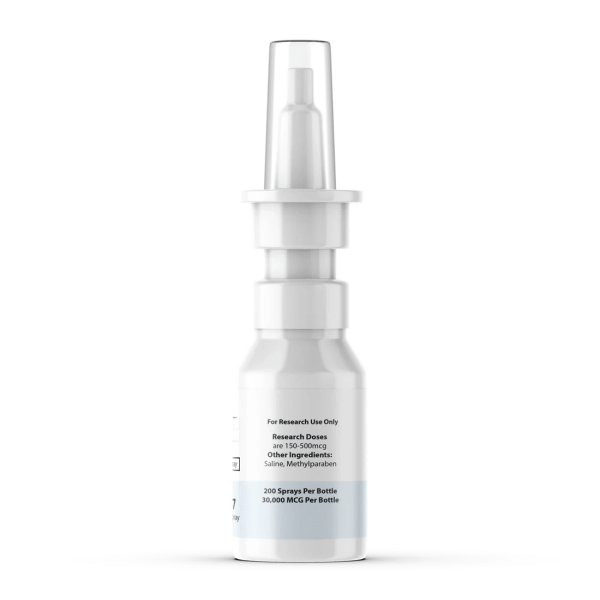
Description
What Is TB-500 Nasal Spray?
TB-500 nasal spray is an intranasal delivery formulation of TB-500, a synthetic peptide derived from the highly conserved C-terminal region of Thymosin Beta-4 (Tβ4), the 43-amino acid actin-sequestering protein expressed in virtually all mammalian nucleated cells. TB-500 itself corresponds to the amino acid fragment Tβ4(17–23), carrying the sequence Ac-LKKTETQ, and is distinguished from full-length Tβ4 by its focused activity at the actin-binding domain responsible for the majority of Tβ4’s downstream biological effects in preclinical models. The molecular formula is C26H44N8O9 with a molecular weight of approximately 616.67 g/mol.
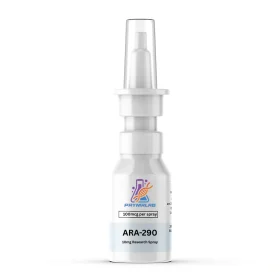
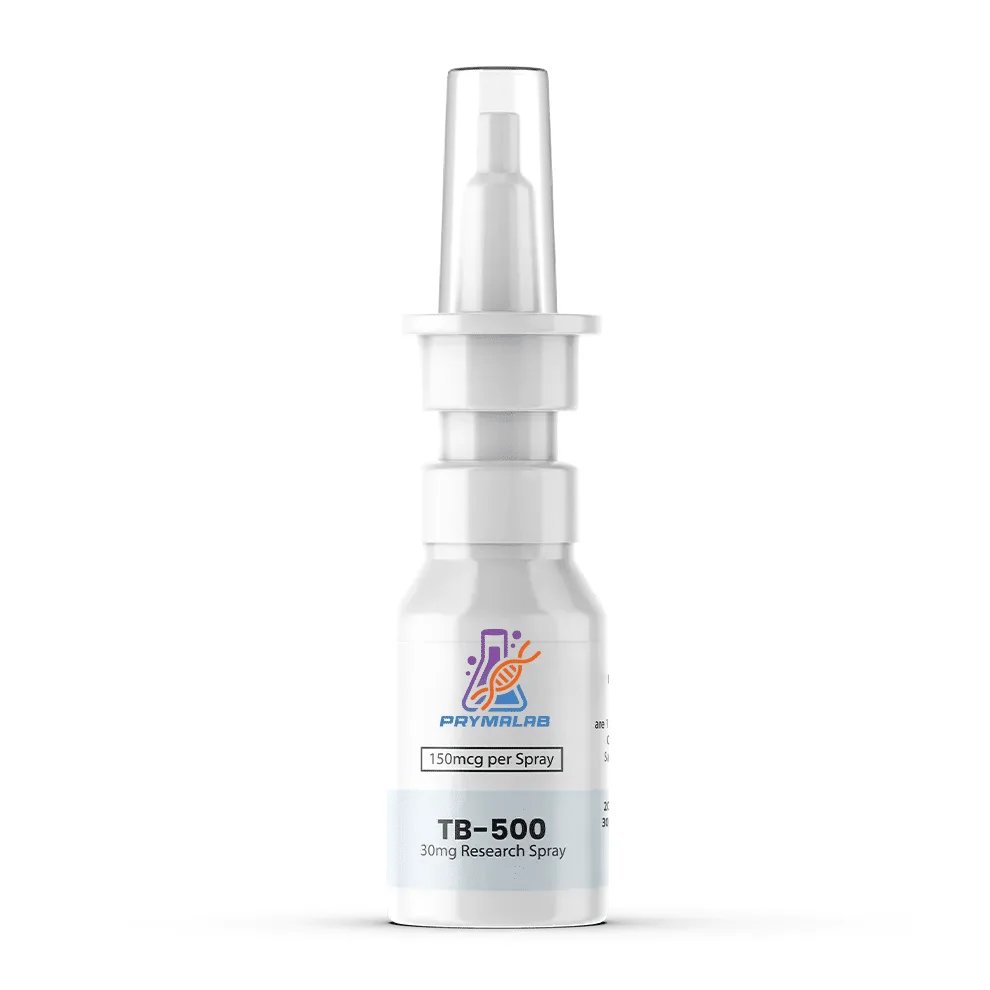
Unlike injectable peptide formats, tb500 nasal spray delivers the active compound across the highly vascular nasal mucosa, offering researchers a non-injectable administration route for preclinical studies examining tissue repair signaling, angiogenesis pathways, and actin dynamics. The nasal epithelium provides direct access to the systemic circulation via the submucosal capillary network, bypassing gastrointestinal degradation and first-pass hepatic metabolism — two of the principal barriers limiting oral bioavailability of peptide compounds. PrymaLab TB-500 Nasal Spray is produced under strict quality control protocols, verified by independent HPLC and mass spectrometry analysis, and supplied exclusively for qualified preclinical research applications.
TB-500 Nasal Spray: Key Specifications
| Specification | Detail |
|---|---|
| Compound | TB-500 (Thymosin Beta-4 fragment, Tβ417–23) |
| Sequence | Ac-Lys-Lys-Thr-Glu-Thr-Gln (Ac-LKKTETQ) |
| Molecular Formula | C26H44N8O9 |
| Molecular Weight | 616.67 g/mol |
| Form | Intranasal spray solution |
| Purity | ≥98% (HPLC-verified, per batch) |
| Testing | HPLC, mass spectrometry, sterility, endotoxin |
| Storage | Refrigerate at 2–8°C; protect from light and heat |
| Stability | Stable for up to 4 weeks refrigerated in solution; lyophilized form stable 24+ months at −20°C |
| Intended Use | Preclinical research only — not for human or veterinary therapeutic use |
Mechanism of Action: How TB-500 Works at the Molecular Level
TB-500 exerts its principal biological effects through the G-actin sequestration and cell migration pathways originally identified in full-length Thymosin Beta-4. The peptide’s conserved LKKTET motif — identified by Goldstein et al. (1992) as the minimum active sequence required for actin binding — binds G-actin (globular, monomeric actin) with high affinity, preventing its spontaneous polymerization into F-actin (filamentous actin). Because G-actin/F-actin equilibrium is the central regulator of cytoskeletal dynamics, cell motility, and wound contraction, TB-500’s modulation of this balance has downstream consequences across multiple tissue repair and regeneration pathways studied in preclinical models.
Actin Sequestration and Cytoskeletal Regulation
The principal mechanism of TB-500 involves binding to the N-terminus of G-actin monomers through the LKKTET hexapeptide motif, forming a 1:1 non-covalent complex that sequesters G-actin from the polymerization-competent pool. This shifts the critical actin concentration — the minimum free G-actin concentration required for net F-actin assembly — upward, inhibiting stress fiber formation while simultaneously increasing the available pool of monomeric actin that supports lamellipodia and filopodia extension at the leading edge of migrating cells. The practical consequence in tissue repair models is enhanced directional cell migration toward wound sites, with studies in corneal and dermal models demonstrating measurable increases in keratinocyte and fibroblast migration velocity.
Angiogenesis and Endothelial Cell Activation
Beyond actin regulation, preclinical studies have demonstrated that TB-500 promotes angiogenesis — the formation of new blood vessels from existing vasculature — in ischemic and wound healing tissue models. Philp et al. (2004, Annals of the New York Academy of Sciences) demonstrated that Tβ4 and its derived fragments significantly upregulate VEGF (vascular endothelial growth factor) expression in endothelial cells, promote endothelial tube formation in Matrigel assays, and reduce ischemic tissue loss in cardiac injury models. The LKKTET fragment TB-500 retains this pro-angiogenic activity, making it a subject of ongoing research into tissue revascularization and ischemia recovery models.
Anti-inflammatory Signaling
Tβ4 and TB-500 have been studied for their modulatory effects on inflammatory cytokine signaling, particularly NF-κB pathway activity. Preclinical data from corneal wound models demonstrate reduced inflammatory cell infiltration and decreased pro-inflammatory cytokine expression (including TNF-α and IL-1β) following Tβ4 administration. Huff et al. (2001) proposed that Tβ4’s anti-inflammatory mechanism involves direct downregulation of NF-κB activity, which governs transcription of a broad array of inflammatory genes. This dual profile — promoting repair while modulating inflammation — distinguishes TB-500 from peptides that address only a single component of the tissue injury response.
Stem Cell Recruitment and Cardiac Remodeling
A distinct area of TB-500 research examines its role in cardiac progenitor cell recruitment and remodeling following myocardial injury. Bock-Marquette et al. (2004, Nature) demonstrated that Tβ4 activates ILK (integrin-linked kinase), promotes survival signaling in cardiac progenitor cells, and stimulates cardiomyocyte migration and differentiation in post-infarction animal models. Importantly, that work identified the LKKTET sequence as sufficient for ILK activation — directly implicating the TB-500 fragment in these cardiac remodeling effects. This study remains one of the most-cited pieces of preclinical evidence in the Tβ4 / TB-500 research literature.
TB-500 Research Applications: What Preclinical Studies Show
The following research context is drawn from peer-reviewed preclinical and translational literature. All data reflects experimental research settings. PrymaLab TB-500 Nasal Spray is supplied exclusively for laboratory research and is not intended for human or veterinary therapeutic use.
Wound Healing and Dermal Repair Models
TB-500 and full-length Tβ4 have been extensively studied in cutaneous wound healing models. Experimental work using full-thickness dermal wounds in rodents demonstrates accelerated wound closure, increased keratinocyte migration, enhanced granulation tissue formation, and improved collagen deposition quality in Tβ4-treated animals versus controls. Malinda et al. (1999) documented significantly faster wound healing rates in db/db diabetic mice — an animal model of impaired wound healing — following Tβ4 treatment, suggesting relevance to research on healing deficits in metabolic disease contexts. The nasal spray delivery format of TB-500 is of particular interest in systemic wound healing research models where repeated injectable administration creates confounding tissue effects at injection sites.
Ocular Surface Research
The cornea is among the most studied tissues for Tβ4 and TB-500 activity, in part because ocular surface wounds are easily quantified and because the corneal epithelium expresses particularly high concentrations of endogenous Tβ4. Sosne et al. published multiple studies (2001–2004) demonstrating that Tβ4 eyedrops accelerate corneal epithelial wound closure, reduce inflammatory infiltration, and decrease apoptosis in corneal epithelial cells following chemical injury. These findings led to Phase I and II clinical trials of Tβ4 eyedrops (RGN-259) for dry eye and neurotrophic keratopathy, making the ocular surface one of the most clinically advanced application areas for the broader Tβ4/TB-500 compound class.
Musculoskeletal and Connective Tissue Models
Tendon, ligament, and muscle repair models represent a major area of TB-500 preclinical research interest. Animal studies have examined Tβ4’s effects on tendon-derived fibroblast proliferation, collagen fiber alignment, and biomechanical properties of healing tendons. Preclinical cardiac work has been extrapolated by research groups to skeletal muscle injury models, examining whether TB-500’s ILK-activation and satellite cell recruitment effects documented in cardiac tissue extend to skeletal muscle regeneration following contusion or transection injuries. This area of TB-500 research remains active, with the nasal spray administration format relevant for longitudinal studies examining systemic peptide bioavailability.
Neurological Repair and Neuroprotection
Emerging preclinical research has examined Tβ4 and TB-500 in central nervous system injury and neuroprotection models. Morris et al. (2014, Journal of Neurological Sciences) demonstrated that systemic Tβ4 administration improved neurological function and promoted oligodendrocyte survival and remyelination in experimental autoimmune encephalomyelitis (EAE) models. Additional work in traumatic brain injury models has examined Tβ4’s capacity to promote neurogenesis, reduce lesion volume, and improve behavioral outcomes in rodents. The intranasal delivery route for TB-500 is of specific research interest in neurological models because the olfactory transport pathway provides direct access to the cerebrospinal fluid and brain parenchyma without relying on systemic distribution and blood-brain barrier passage.
TB-500 vs. BPC-157 Nasal Spray: Key Differences
Researchers frequently evaluate bpc-157 tb-500 nasal spray formulations that combine both peptides, given their mechanistically complementary profiles. The following comparison covers the key distinctions between the two compounds as studied in preclinical literature.
| Feature | TB-500 | BPC-157 |
|---|---|---|
| Origin | Synthetic fragment of Thymosin Beta-4 (Tβ417–23) | Synthetic fragment of Body Protection Compound from gastric juice |
| Primary Mechanism | G-actin sequestration, ILK activation, cell migration promotion | NO-system modulation, growth factor upregulation, FAK/paxillin signaling |
| Molecular Weight | ~616.67 g/mol | ~1,419.5 g/mol |
| Sequence Length | 7 amino acids (Ac-LKKTETQ) | 15 amino acids |
| Primary Research Areas | Wound healing, angiogenesis, cardiac remodeling, neuroprotection | Gastrointestinal repair, tendon healing, systemic cytoprotection |
| Anti-inflammatory | NF-κB pathway modulation | COX pathway modulation, mast cell effects |
| Angiogenic Activity | Strong VEGF upregulation, endothelial tube formation | Moderate, primarily via NO-pathway endothelial effects |
| Half-life (Estimated) | Longer (days in preclinical models); less frequent dosing studied | Shorter; more frequent dosing typical in research protocols |
| Often Combined? | Yes — frequently stacked with BPC-157 as complementary repair peptides | Yes — frequently stacked with TB-500 |
The bpc 157 tb 500 nasal spray combination — colloquially referred to as the Wolverine nasal spray blend in the research community — is a common dual-peptide formulation studied for its potentially synergistic effects across multiple tissue repair pathways. TB-500 contributes angiogenic, actin-regulatory, and ILK-activation signals while BPC-157 contributes gastrointestinal cytoprotective, tendon fibroblast, and systemic NO-pathway effects. PrymaLab offers this dual formulation for researchers investigating whether combined administration produces additive or synergistic effects not observed with either peptide alone.
TB-500 Nasal Spray vs. Injectable TB-500: Delivery Comparison
| Factor | Nasal Spray | Injectable (Subcutaneous/IM) |
|---|---|---|
| Administration Route | Intranasal — across nasal mucosa | Subcutaneous or intramuscular injection |
| GI Degradation | Bypassed | Bypassed |
| First-pass Metabolism | Reduced vs. oral; partial vs. injectable | Fully bypassed |
| CNS Access Potential | Direct olfactory pathway possible | Requires blood-brain barrier passage |
| Research Use Case | Longitudinal systemic studies; CNS-targeted models | Precise dose titration; pharmacokinetic studies |
| Tissue Artifact Risk | None at injection site | Local tissue response possible at injection site |
How to Store and Handle PrymaLab TB-500 Nasal Spray
- Receive and inspect immediately. Upon receipt, confirm the spray bottle is sealed, intact, and within the labeled lot and expiry date. Check for any cloudiness, particulate matter, or discoloration that would indicate formulation compromise.
- Refrigerate at 2–8°C. Store the nasal spray formulation in a dedicated laboratory refrigerator away from direct light. Do not freeze the liquid formulation — freezing may cause peptide aggregation or spray mechanism damage.
- Protect from light and heat. UV exposure and elevated temperatures accelerate peptide degradation. Keep away from windows, heat sources, and laboratory equipment that generates heat.
- Use within the stability window. Reconstituted or pre-formulated nasal spray solution is stable for approximately 4 weeks when refrigerated. Record the date of first use on the bottle label.
- Maintain sterile technique. Always handle in an appropriate clean environment. Do not introduce contaminants into the spray bottle. Use the spray mechanism only as designed — do not transfer to an open container unless required by research protocol.
- Document lot number and COA. Record the batch lot number and retain the Certificate of Analysis for each unit. This supports full traceability required in GLP-compliant research environments.
- Dispose according to local regulations. Peptide research materials should be disposed of in accordance with your institution’s chemical waste and biohazard protocols.
Why Choose PrymaLab TB-500 Nasal Spray?
PrymaLab formulates TB-500 Nasal Spray specifically for the standards demanded by serious preclinical research. Every batch begins with ≥98% pure TB-500 peptide (Ac-LKKTETQ) confirmed by reverse-phase HPLC and validated by mass spectrometry before any formulation step begins. The nasal spray vehicle is optimized for peptide stability and mucosal bioavailability, with pH and tonicity adjusted to minimize mucosal irritation in research models while maintaining peptide integrity throughout the product’s refrigerated shelf life.
Each production lot is assigned a unique lot number and is accompanied by a Certificate of Analysis documenting purity, identity, concentration, sterility, and endotoxin levels. This batch-level traceability is a non-negotiable requirement for data integrity in any publishable preclinical study. PrymaLab’s independent third-party testing protocol — conducted by accredited analytical laboratories outside our production chain — ensures that the purity data on your COA reflects an unbiased analytical result, not an internal quality control pass.
The intranasal spray format eliminates the need for reconstitution, eliminates syringe and needle consumables from research workflows, and removes injection-site tissue artifacts that can complicate histological analysis in longitudinal studies. For researchers modeling systemic TB-500 bioavailability, repeated CNS-targeted peptide delivery, or direct comparisons of intranasal versus injectable administration routes, PrymaLab’s nasal spray format provides a precisely characterized, research-grade starting material.
Frequently Asked Questions About TB-500 Nasal Spray
What is TB-500 and how does it differ from Thymosin Beta-4?
TB-500 is a synthetic heptapeptide corresponding to the amino acid sequence Ac-LKKTETQ, derived from the actin-binding domain (residues 17–23) of Thymosin Beta-4 (Tβ4), a 43-amino acid protein. While full-length Tβ4 has molecular weight of approximately 4,964 g/mol and additional biological activities mediated by other sequence regions, TB-500 isolates the LKKTET actin-sequestering motif responsible for Tβ4’s core effects on cell migration, angiogenesis, and anti-inflammatory signaling in preclinical models. TB-500 is significantly smaller and easier to synthesize at high purity than full-length Tβ4.
What is the Wolverine nasal spray blend?
The term “Wolverine nasal spray” refers colloquially to a dual-peptide intranasal formulation combining BPC-157 and TB-500 in a single delivery vehicle. The name references the rapid tissue repair associated with the Marvel character and has become a widely used informal descriptor in the research peptide community. The combination is studied for potentially complementary or synergistic tissue repair effects, as BPC-157 and TB-500 operate through distinct but overlapping molecular pathways — particularly in the areas of angiogenesis, fibroblast activation, and anti-inflammatory signaling.
How does intranasal delivery affect TB-500 bioavailability in research models?
Intranasal delivery bypasses gastrointestinal degradation and reduces first-pass hepatic metabolism compared to oral administration, allowing a higher proportion of the administered peptide dose to reach systemic circulation. Additionally, the olfactory transport pathway provides a potential direct route to the central nervous system via the cribriform plate — a pharmacokinetic feature of particular interest in neurological research models. The precise bioavailability of intranasal TB-500 relative to subcutaneous injection depends on formulation parameters including vehicle pH, tonicity, and permeation enhancer use, and should be characterized within each specific research protocol.
How should TB-500 nasal spray be stored to maintain stability?
PrymaLab TB-500 Nasal Spray should be stored refrigerated at 2–8°C, protected from direct light, and kept away from heat sources. The formulated solution is stable for approximately 4 weeks under refrigerated conditions. Do not freeze the liquid formulation. For long-term archival storage of reference material, lyophilized TB-500 peptide is stable for 24 months or more at −20°C when stored desiccated and protected from freeze-thaw cycles. Always consult the Certificate of Analysis for lot-specific stability data.
Can TB-500 nasal spray be used with BPC-157 in the same research protocol?
TB-500 and BPC-157 are frequently used together in preclinical research protocols examining combined or comparative tissue repair signaling. Their mechanisms are distinct — TB-500 acts primarily through G-actin sequestration and ILK activation while BPC-157 modulates the NO system and FAK/paxillin signaling — making them mechanistically complementary rather than redundant. PrymaLab offers both compounds individually as well as in a combined nasal spray formulation for researchers specifically investigating dual-peptide administration effects. As with any multi-compound research protocol, appropriate controls and dose-response characterization are essential for data interpretation.
What purity and testing standards does PrymaLab apply to TB-500 Nasal Spray?
Every batch of PrymaLab TB-500 Nasal Spray is subject to a multi-stage quality control process. The raw TB-500 peptide is confirmed at ≥98% purity by reverse-phase HPLC and identity-verified by mass spectrometry prior to formulation. The finished nasal spray product undergoes sterility testing and endotoxin testing (LAL assay) to confirm suitability for preclinical biological research. Each batch is assigned a unique lot number with a full Certificate of Analysis available for download. Testing is conducted by independent, accredited third-party analytical laboratories to ensure unbiased results and full traceability from synthesis to delivery.
Is TB-500 nasal spray approved for human use?
No. TB-500 Nasal Spray supplied by PrymaLab is strictly a research compound intended for qualified preclinical research applications only. It is not approved by the FDA or any regulatory authority for human therapeutic use, human consumption, or veterinary treatment. Full-length Thymosin Beta-4 (as RGN-137, RGN-259, and related formulations) is the subject of ongoing clinical trials in specific therapeutic indications, but TB-500 as sold by PrymaLab remains exclusively a research-grade material. Researchers are responsible for ensuring compliance with all applicable institutional, local, and federal regulations governing research peptide use.
Quality Assurance: PrymaLab Testing & Traceability Standards
Research reproducibility depends entirely on the consistency and traceability of your starting materials. PrymaLab’s quality assurance framework for TB-500 Nasal Spray is built around four non-negotiable pillars: independent testing, batch-level documentation, formulation transparency, and supply chain traceability.
Every production batch of TB-500 peptide is tested by an independent, ISO/IEC 17025-accredited analytical laboratory using reverse-phase HPLC with UV detection at 220 nm (the standard absorbance wavelength for peptide bond quantification) and confirmed by high-resolution mass spectrometry for molecular identity verification. Endotoxin testing uses the Limulus Amebocyte Lysate (LAL) kinetic turbidimetric method to confirmed levels below the threshold for research-grade biological compounds. The finished nasal spray formulation undergoes pH verification, osmolality testing, and sterility confirmation before release.
Certificates of Analysis are batch-specific — not generic documents. Each COA references the unique lot number assigned to your product, reports actual measured values (not “passing” designations), and identifies the testing laboratory and methodology used. This level of documentation is required for any research where compound identity and purity must be defensible in a manuscript submission, institutional review, or regulatory filing. PrymaLab makes each batch COA available for download at the time of purchase and maintains archived records for full lot traceability.
Research Disclaimer
For Research Use Only. PrymaLab TB-500 Nasal Spray is intended exclusively for qualified preclinical research use by trained laboratory professionals in appropriate research settings. This product is not intended for human consumption, human therapeutic use, veterinary treatment, or any application outside of controlled research environments. TB-500 has not been approved by the FDA or any equivalent regulatory authority for therapeutic use in humans or animals. PrymaLab makes no claims regarding therapeutic efficacy, and all research applications described on this page are drawn from published preclinical literature. Researchers are solely responsible for ensuring that their use of this material complies with all applicable institutional policies, local regulations, and federal laws governing research compounds.


Reviews
There are no reviews yet.