-
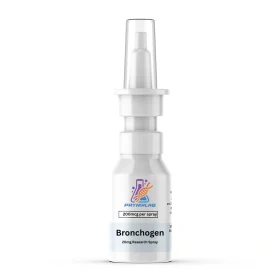
Bronchogen 20mg Nasal Spray
$119.99 or subscribe for $101.99/mo This product has multiple variants. The options may be chosen on the product page -

Bronchogen Peptide 20mg
$54.99 or subscribe for $45.99/mo This product has multiple variants. The options may be chosen on the product page -
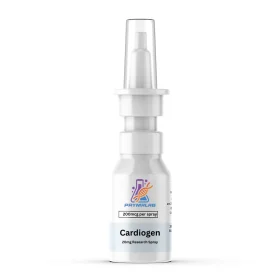
Cardiogen 20mg Nasal Spray
$119.99 or subscribe for $101.99/mo This product has multiple variants. The options may be chosen on the product page -
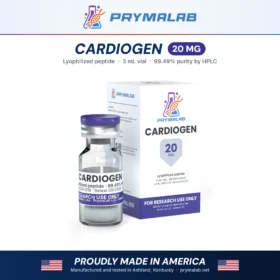
Cardiogen Peptide 20mg
$54.99 or subscribe for $45.99/mo This product has multiple variants. The options may be chosen on the product page -
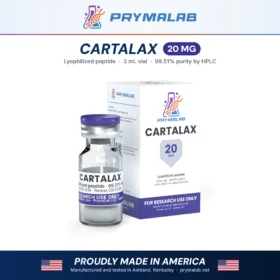
Cartalax 20mg Peptide
$54.99 or subscribe for $45.99/mo This product has multiple variants. The options may be chosen on the product page -
Chonluten 20mg Nasal Spray
$119.99 or subscribe for $101.99/mo This product has multiple variants. The options may be chosen on the product page -
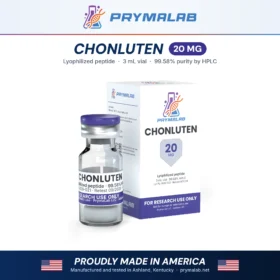
Chonluten Peptide 20mg
$49.99 or subscribe for $41.99/mo This product has multiple variants. The options may be chosen on the product page -
Cortagen 20mg Nasal Spray
$119.99 or subscribe for $101.99/mo This product has multiple variants. The options may be chosen on the product page -
Cortagen Peptide 20mg
$39.99 or subscribe for $33.99/mo This product has multiple variants. The options may be chosen on the product page -
Livagen 20mg Nasal Spray
$119.99 or subscribe for $101.99/mo This product has multiple variants. The options may be chosen on the product page -
Livagen Peptide 20mg
$49.99 or subscribe for $41.99/mo This product has multiple variants. The options may be chosen on the product page -
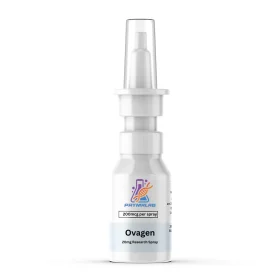
Ovagen 20mg Nasal Spray
$119.99 or subscribe for $101.99/mo This product has multiple variants. The options may be chosen on the product page -
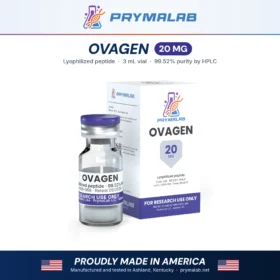
Ovagen Peptide 20mg
$49.99 or subscribe for $41.99/mo This product has multiple variants. The options may be chosen on the product page -
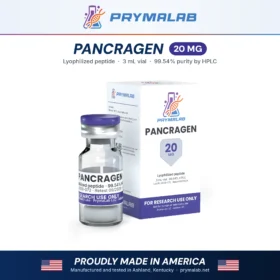
Pancragen Peptide 20mg
$54.99 or subscribe for $45.99/mo This product has multiple variants. The options may be chosen on the product page -
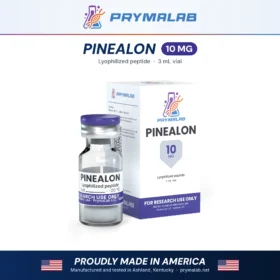
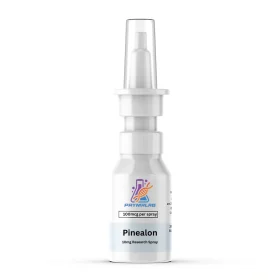
Pinealon 10mg
$39.99 or subscribe for $33.99/mo This product has multiple variants. The options may be chosen on the product page -
Pinealon 10mg Nasal Spray
$59.99 or subscribe for $50.99/mo This product has multiple variants. The options may be chosen on the product page -
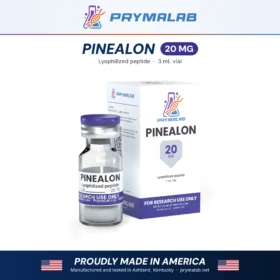
Pinealon 20mg
$59.99 or subscribe for $50.99/mo This product has multiple variants. The options may be chosen on the product page -
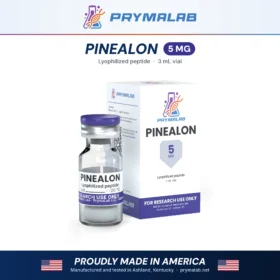
Pinealon 5mg
$24.99 or subscribe for $20.99/mo This product has multiple variants. The options may be chosen on the product page -
Preloaded Autoinjector | Bronchogen | 3ml Pen | 20mg
$79.99 or subscribe for $67.99/mo This product has multiple variants. The options may be chosen on the product page -
Preloaded Autoinjector | Cardiogen | 3ml Pen | 20mg
$89.99 or subscribe for $75.99/mo This product has multiple variants. The options may be chosen on the product page -
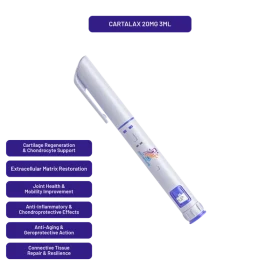
Preloaded Autoinjector | Cartalax | 3ml Pen | 20mg
$79.99 or subscribe for $67.99/mo This product has multiple variants. The options may be chosen on the product page -
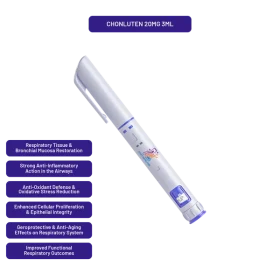
Preloaded Autoinjector | Chonluten | 3ml Pen | 20mg
$69.99 or subscribe for $59.49/mo This product has multiple variants. The options may be chosen on the product page -
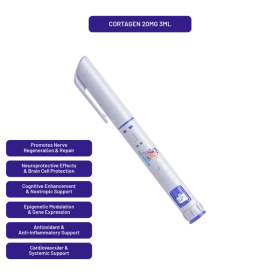
Preloaded Autoinjector | Cortagen | 3ml Pen | 20mg
$69.99 or subscribe for $59.49/mo This product has multiple variants. The options may be chosen on the product page -
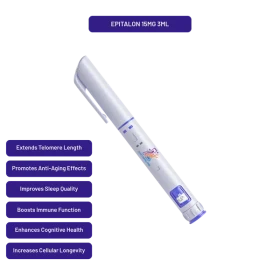
Preloaded Autoinjector | Epithalon | 3ml Pen | 15mg
$69.99 or subscribe for $59.49/mo This product has multiple variants. The options may be chosen on the product page -
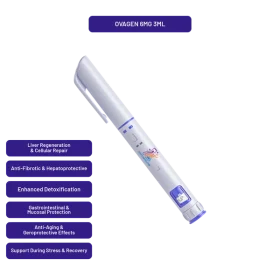
Preloaded Autoinjector | Ovagen | 3ml Pen | 6mg
$49.99 or subscribe for $42.49/mo This product has multiple variants. The options may be chosen on the product page -
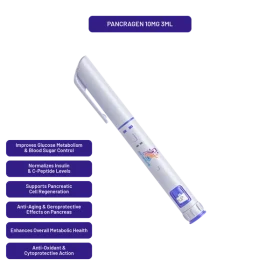
Preloaded Autoinjector | Pancragen | 3ml Pen | 20mg
$89.99 or subscribe for $75.99/mo This product has multiple variants. The options may be chosen on the product page -
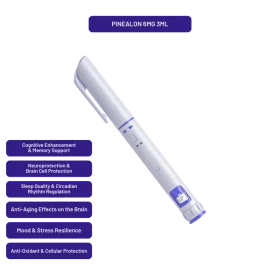
Preloaded Autoinjector | Pinealon | 3ml Pen | 6mg
$59.99 or subscribe for $49.99/mo This product has multiple variants. The options may be chosen on the product page -
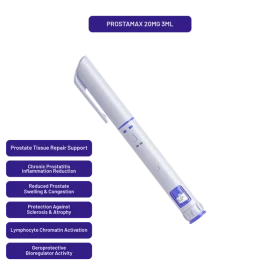
Preloaded Autoinjector | Prostamax | 3ml Pen | 20mg
$89.99 or subscribe for $75.99/mo This product has multiple variants. The options may be chosen on the product page -
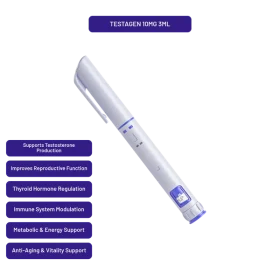
Preloaded Autoinjector | Testagen | 3ml Pen | 10mg
$69.99 or subscribe for $59.49/mo This product has multiple variants. The options may be chosen on the product page -
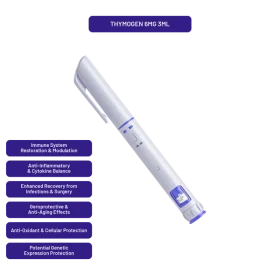
Preloaded Autoinjector | Thymogen | 3ml Pen | 10mg
$79.99 or subscribe for $67.99/mo This product has multiple variants. The options may be chosen on the product page
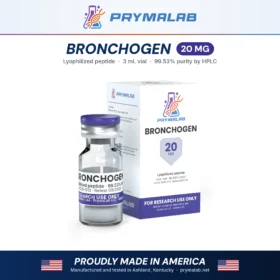


Sixteen short peptides · 2 to 4 residues · 246 to 490 Da
Bioregulator peptides are a family of sixteen short compounds, each between two and four amino acids, developed by the St Petersburg Institute of Bioregulation and Gerontology. This page gives the whole family in one place. Every sequence, every calculated mass, and the relationships between them that individual product pages cannot show.
Specification Table
| Property | Value |
|---|---|
| Number of compounds in this range | 16 |
| Residue count | 2 to 4 |
| Mass range | Roughly 275.3 to 489.5 g/mol |
| Smallest | Vilon, Lys-Glu, roughly 275.3 |
| Largest | Cardiogen, Ala-Glu-Asp-Arg, roughly 489.5 |
| Shared core motif | Glu-Asp, present in 14 of the 16 |
| Compounds lacking that core | Vilon (Lys-Glu) and Thymogen (Glu-Trp) |
| Only compound with an aromatic residue | Thymogen, which carries the family only tryptophan |
| Only cationic compound | Cardiogen, whose arginine outweighs two acidic residues |
| Originating programme | St Petersburg Institute of Bioregulation and Gerontology |
| Proposed mechanism in the literature | Sequence-specific interaction with DNA, modulating tissue-associated gene expression |
| Mechanism status | Hypothesis. Not independently established outside the originating programme |
| Receptor | None identified for any member of the family |
| Sequence provenance | Converging secondary sources. Not traced to single primary citations |
| Formats stocked | Lyophilized vials and metered nasal sprays |
| Page type | Category hub, not a product page |
| Schema page type | CollectionPage |
| Cornerstone content | Yes |
| Meta robots | index, follow |
| Regulatory status | No approved human or veterinary formulation in any jurisdiction |
What Are Bioregulator Peptides?
Bioregulator peptides name a specific family of compounds rather than a pharmacological class, and the distinction matters for anyone reading the literature.
Beginning in the 1970s, a research programme in St Petersburg fractionated extracts of animal organs on the premise that each tissue contains short peptides carrying regulatory information specific to it.
The peptides recovered from that work were named after their source organ. Prostamax from prostate, Cardiogen from heart, Bronchogen from bronchial tissue, and so on through sixteen compounds.
Each name therefore records where a sequence was found rather than where it has been shown to act, which is a distinction the marketing around these compounds routinely collapses.
The proposed mechanism is sequence-specific interaction with DNA, modulating expression of genes associated with the source tissue.
That remains a hypothesis. No receptor has been identified for any member of the family, no binding constant has been published, and no independent group outside the originating programme has established the molecular claim.
What is settled is the chemistry. These are short, well-defined peptides whose sequences and masses can be stated precisely, and this page states them.
The gap between settled chemistry and unresolved mechanism is the honest position on this family, and it is more useful than either enthusiasm or dismissal.
What Does the Shared Glu-Asp Core Mean?
Mapping every sequence across the bioregulator peptides range surfaces a structural fact no individual product page can show, and it is the most interesting thing about the family.
Fourteen of the sixteen compounds contain the dipeptide Glu-Asp somewhere in their sequence.
Vesugen is Lys-Glu-Asp. Cartalax is Ala-Glu-Asp. Chonluten is Glu-Asp-Gly. Pinealon is Glu-Asp-Arg. Ovagen is Glu-Asp-Leu. Livagen is Lys-Glu-Asp-Ala. Cardiogen is Ala-Glu-Asp-Arg.
Epitalon, Cortagen, Bronchogen, Pancragen, Prostamax and Testagen all contain it too. Only Vilon, which is Lys-Glu, and Thymogen, which is Glu-Trp, lack it.
That raises a question with two answers, both consistent with the published record.
Either Glu-Asp is the active element and the flanking residues tune where it acts, or the fractionation programme repeatedly recovered a common motif because it is abundant rather than because it does anything.
Nothing in five decades of publication distinguishes those readings. Vesilute, which is Glu-Asp alone, is the compound that would settle it, and nobody appears to have run the comparison.
For a buyer the practical consequence is that these sixteen products are far less structurally distinct from one another than sixteen separate names imply.
Which Bioregulator Corresponds to Which Organ?
The organ assignments are the most searched aspect of this family, and they are worth setting out plainly with the caveat attached.
Prostamax and the related prostate compounds came from prostate tissue. Bronchogen and Ovagen came from bronchial and ovarian tissue respectively. Cardiogen came from heart, Cortagen from brain cortex, Livagen from liver, Pancragen from pancreas, Testagen from testes, Vesilute from bladder, Chonluten from bronchial mucosa, Cartalax from cartilage, Pinealon from pineal gland and central nervous tissue, Vilon from thymus, Thymogen from thymus, Epitalon from pineal gland.
Each assignment records the tissue a sequence was isolated from during fractionation.
None of them records a demonstrated site of action, because no tissue-distribution study across this family has been published.
That gap is worth holding onto, because the assignments sit awkwardly against the shared-core observation above. If Glu-Asp is doing the work, the same two residues appear in compounds assigned to fourteen different tissues.
The organ terms nonetheless carry real search demand. That is why they appear here rather than being avoided.
Anyone selecting a compound on the basis of its organ name should understand they are selecting on provenance rather than on demonstrated targeting.
The range is split by organ system into four sub-ranges: immune, liver and digestive, musculoskeletal and connective tissue, metabolic, endocrine and reproductive, and brain, nerve and sensory. Each one carries the sequences and calculated masses for its own compounds.
How Do the Compounds Differ Chemically?
Setting all sixteen bioregulator peptides side by side shows where the meaningful variation actually sits, and it is narrower than the product names suggest.
Every compound falls between roughly 275.3 and 489.5 daltons, a band of about 214 daltons across sixteen products.
Fifteen of the sixteen carry no aromatic residue at all, which means they have no ultraviolet chromophore and cannot have their concentration read on a spectrophotometer.
Thymogen is the single exception, carrying a tryptophan, which makes it the only member measurable by absorbance and the only one that photodegrades.
Fifteen are anionic or near neutral. Cardiogen alone is cationic, because its arginine outweighs the two acidic residues in the middle of the sequence.
Two compounds end in proline, Prostamax and Cortagen, which makes them the most protease-resistant at their carboxy termini and gives both a chromatographic artefact that broadens peaks.
Three carry an Asp-Gly motif, Chonluten, Epitalon and Testagen, which rearranges in solution to a mass-identical product that standard analysis cannot detect.
Those four groupings account for essentially every practical difference between the sixteen, and they cut across the organ assignments entirely.
What Analytical Hazards Run Across the Range?
Building bioregulator peptides from permutations of a short shared core creates specific analytical problems, and three of them recur.
The first is near-isobaric pairs. Thymogen at roughly 333.35 and Cartalax at roughly 333.31 differ by about 0.04 daltons, which no ordinary mass spectrometer separates. Livagen, Testagen and Pancragen all sit within about a dalton of 447.5.
The second is truncation pairs. Four compounds in this range are exactly another compound minus its amino-terminal alanine: Chonluten from Epitalon, Ovagen from Bronchogen, Pinealon from Cardiogen, Vesilute from Cartalax.
Since solid-phase synthesis builds a chain backwards from the carboxy terminus, that alanine is the last residue added, so a failed final coupling produces the shorter compound rather than an anonymous fragment.
Both members of all four pairs are stocked in this catalogue, which means the truncation impurity of one product is another product on the same shelf.
The third is the Glu-Asp core itself. Vesilute is that core alone, which makes it a plausible terminal truncation product of fourteen of the sixteen compounds.
Asking whether a chromatogram shows anything at the Vesilute retention time is therefore the single most broadly applicable quality question across this whole family.
None of these hazards is exotic. All are resolvable by high-resolution mass, by amino acid analysis, or by chromatography against reference standards, provided someone thinks to look.
What Does the Published Record Actually Show?
The literature on bioregulator peptides is substantial in volume and narrow in origin, and both facts matter when reading it.
Work from the St Petersburg programme reports observations in aged rodent models and in cell culture, assessed histologically and through markers of tissue-associated gene expression.
Cell-culture work reporting chromatin decondensation is the principal evidence offered for the DNA-binding hypothesis.
Almost all of that work originates from one group. Independent replication outside the originating programme is far thinner than the publication volume suggests.
No adequately powered independent Western clinical trial has been conducted on any compound in this range.
Sequence provenance is itself a gap. For most of these compounds the sequence rests on converging secondary sources rather than a traced primary citation, and every product page in this catalogue says so.
That is an unusual admission for a supplier to make and it is made deliberately, because a buyer calculating a concentration from a sequence deserves to know how well that sequence is established.
How Should Bioregulator Peptides Be Handled?
Handling requirements for bioregulator peptides are modest and they divide cleanly by format.
Lyophilized powder sealed against light and moisture is stable at 2 to 8 degrees Celsius, and colder for longer. With no cysteine, methionine or, in fifteen of sixteen cases, tryptophan, there is very little for degradation chemistry to act on.
Solution-state formats are where the differences appear. The three Asp-Gly compounds rearrange over time, invisibly, which makes fill date more informative than purity figure for those specific products.
Counterion correction is proportionally large across this whole family because the compounds are small. At 275.3 daltons a single trifluoroacetate is roughly 29 percent of the associated mass.
That means net peptide content is not an administrative field here but a substantial fraction of the answer, and its absence from a certificate is a real gap.
Adsorption matters for the near-neutral members, Vilon, Livagen and Pinealon, where container material changes the delivered amount rather than merely documenting it.
Record the lot, the counterion and net peptide content, the container, and for solution formats the fill date. Those four fields cover most of what goes wrong with this family.
What Is the Difference Between the Synthetic Peptides and the Cytomax Line?
Two quite different product families circulate under the bioregulator name, and confusing them is the most common error made about this category.
The compounds on this page are synthetic peptides: defined sequences of two to four amino acids, made by solid-phase synthesis, with a stated sequence and a calculable mass.
The other family is the Cytomax line, sold as natural peptides. Those are peptide extracts prepared from animal organ tissue rather than defined molecules.
Vladonix, Cerluten, Taxorest, Gotratix, Visoluten, Thyreogen, Chelohart, Ventfort, Testoluten, Svetinorm, Suprefort, Glandokort, Sigumir and Libidon all belong to that extract line, each named for a target organ.
Thymalin and Epithalamin are the two originals of that kind, prepared from thymus and pineal tissue respectively, and they are what the synthetic short peptides were abstracted from.
Epitalon is the synthetic tetrapeptide derived from the Epithalamin extract, which is the clearest illustration of the relationship between the two families.
So the extracts came first and the defined sequences followed, and the two are related historically rather than being versions of one another.
The practical difference is that a defined sequence can be verified. A tetrapeptide has a mass, a DNA sequence it is proposed to interact with, and a chromatographic retention time. An organ extract has none of those in a form anyone can check.
Vladimir Khavinson directed the programme that produced both, and the Khavinson peptides label is applied to the two families interchangeably in the market despite that difference.
Anyone comparing a supplement capsule from the extract line against a synthetic short peptide is comparing two different kinds of object, and the evidence for each is separate.
What Do the Organ Assignments and Claims Rest On?
Each compound in this family is assigned to a target organ, and the basis of those assignments is worth stating rather than assuming.
An assignment traces to the tissue the original extract was drawn from. It does not trace to a measured affinity for that organ, and no receptor has been identified for any member of the family.
So organ function claims are inherited from the sourcing history rather than derived from pharmacology, and target organs in this system is a naming convention as much as a mechanism.
The proposed mechanism is that these short peptides enter the nucleus and bind DNA at specific sequences, acting as epigenetic switches that alter tissue-associated gene expression.
Reported supporting evidence covers DNA methylation changes, chromatin decondensation, and altered protein synthesis or protein production in cultured cells.
Telomere length is the claim attached most often to Epitalon specifically, from work reporting telomerase activation in cell culture, and it is the single most cited result in the whole family.
Anti-aging positioning follows from that, along with claims about biomarkers of aging, cellular regeneration and tissue regeneration in damaged tissue.
Immune system and immune support claims attach to the thymus-derived members, and antioxidant activity is asserted across the range.
Joint health, eye health, liver function, bone health, hormonal balance, circadian rhythm and cerebral cortex function all appear in listings for one member or another.
None of those corresponds to a controlled human trial. The record is rodent histology, cell culture and marker data, produced almost entirely inside one programme.
Peptide protocols and peptide therapy regimens built on these compounds come from vendor guidance rather than from published trials.
Short-chain peptides of this kind are sometimes described as short amino acid chains acting on cell membranes, which is a different proposed mechanism again and equally unestablished.
MOTS-c, growth hormone secretagogues and other unrelated compounds appear beside them in the same catalogues, and immune modulation claims travel between them without evidence following.
Which Products Sit in the Cytogen Line and Which in Cytomax?
Two trade names sort this catalogue, and neither of them is a regulatory classification. Cytogen and Cytomax are categories applied by the companies that distribute the Russian-developed range, and no health authority anywhere recognises either term.
Cytogen covers the synthetic short peptides. Crystagen (Glu-Asp-Pro, immune), Chonluten (Glu-Asp-Gly, lungs and bronchi), Ovagen (Glu-Asp-Leu, liver and gastrointestinal tract), Pinealon (Glu-Asp-Arg, central nervous system), Cartalax (Ala-Glu-Asp, bone and cartilage) and Vesugen (Lys-Glu-Asp, vessels) are the members sold under it.
Each of those has a written sequence, which means each has a calculable mass that a certificate of analysis can be checked against.
Cytomax covers the organ extracts. Suprefort (pancreas), Glandokort (adrenal), Sigumir (cartilage and bone), Taxorest (bronchi), Ventfort (vessels), Visoluten (eyes), Vladonix (thymus), Gotratix (muscle), Cerluten (brain) and Endoluten (pineal) sit in that group.
None of those has a sequence to check, because none of them is a single molecule. A mass spectrum of an extract is a distribution, not a number.
One name pulled into both lists belongs to neither. Cortexin is a registered Russian medicine rather than a supplement: polypeptides of up to 10 kDa prepared from cattle cerebral cortex, manufactured by Geropharm under registration LP-000636-RG-RU. It holds a marketing authorisation inside Russia and none outside it, and it is two orders of magnitude larger than anything on this page.
Protein synthesis is where the two lines are claimed to converge, and it is where the published chain of evidence breaks. Promoter binding, if it occurs, changes transcription, and transcription sits upstream of protein synthesis rather than being the same event.
A paper reporting a changed protein level has measured the downstream end. A paper reporting methylation or chromatin state has measured the upstream end. Very little of the published work measures both in one experiment, so the link between gene expression and protein synthesis in this family is inferred rather than demonstrated.
Published Literature
Selected references covering the family as a whole. This literature originates almost entirely from one research programme.
- Khavinson VK, Malinin VV. Gerontological Aspects of Genome Peptide Regulation. Basel: Karger; 2005. DOI: 10.1159/isbn.978-3-318-01193-6
- Anisimov VN, Khavinson VK. Peptide bioregulation of aging. Biogerontology. 2010;11(2):139-149. DOI: 10.1007/s10522-009-9249-8
- Khavinson VK, Bondarev IE, Butyugov AA. Epithalon peptide induces telomerase activity and telomere elongation in human somatic cells. Bull Exp Biol Med. 2003;135(6):590-592. DOI: 10.1023/A:1025493705728
- Geiger T, Clarke S. Deamidation, isomerization, and racemization at asparaginyl and aspartyl residues in peptides. J Biol Chem. 1987;262(2):785-794. DOI: 10.1016/S0021-9258(19)75855-4
Frequently Asked Questions
What are bioregulator peptides?
A family of sixteen short compounds, each two to four amino acids, isolated by a St Petersburg research programme from fractionated organ extracts and named after the tissue each was recovered from.
Do the organ names indicate where they act?
No. Each name records the tissue a sequence was isolated from during fractionation. No tissue-distribution study across this family has been published, so demonstrated targeting is not established.
What is the shared Glu-Asp core?
A dipeptide present within fourteen of the sixteen compounds. Only Vilon, which is Lys-Glu, and Thymogen, which is Glu-Trp, lack it.
What question does that raise?
Whether Glu-Asp is the active element with flanking residues tuning where it acts, or whether fractionation repeatedly recovered an abundant motif. Nothing in the published record distinguishes those readings.
How much do the compounds differ?
Less than sixteen names suggest. All fall between roughly 275.3 and 489.5 daltons, and fifteen of the sixteen carry no aromatic residue at all.
Which compound is the exception?
Thymogen, which carries the family only tryptophan. That makes it the sole member measurable by ultraviolet absorbance and the sole member that photodegrades.
What are the near-isobaric pairs?
Thymogen and Cartalax sit about 0.04 daltons apart, which no ordinary mass spectrometer separates. Livagen, Testagen and Pancragen all sit within about a dalton of 447.5.
What are the truncation pairs?
Four compounds are exactly another compound minus its amino-terminal alanine: Chonluten from Epitalon, Ovagen from Bronchogen, Pinealon from Cardiogen, Vesilute from Cartalax. Both members of each pair are stocked here.
Why does that matter?
Because synthesis builds a chain backwards from the carboxy terminus, so that alanine is the last residue added. A failed final coupling produces the shorter compound rather than an anonymous fragment.
What is the single most useful quality question?
Whether a chromatogram shows anything at the Vesilute retention time. Vesilute is the Glu-Asp core alone, making it a plausible terminal truncation product of fourteen of the sixteen compounds.
Is the mechanism established?
No. It remains a hypothesis. No receptor has been identified for any member of the family, no binding constant has been published, and independent replication outside the originating programme is thin.
How large is the counterion correction?
Proportionally large, because these compounds are small. At 275.3 daltons a single trifluoroacetate is roughly 29 percent of the associated mass, so net peptide content is a substantial part of the answer.
What are peptide bioregulators?
Sixteen synthetic short peptides of two to four amino acids, developed at the St Petersburg Institute of Bioregulation and Gerontology. The peptide bioregulators are defined sequences with calculable masses, which distinguishes them from the organ extracts sold under the same name.
How do they differ from the Cytomax line?
The cytomaxes are peptide extracts prepared from animal organ tissue rather than defined molecules. Vladonix, Cerluten, Taxorest, Visoluten, Thyreogen, Chelohart A-14, Ventfort, Testoluten, Svetinorm, Libidon and Cytogen belong to that line, and they are sold as supplements rather than as defined peptide bioregulators.
What is the relationship to Thymalin and Epithalamin?
Thymalin and Epithalamin are the two original extracts, from thymus and pineal tissue. Epithalon is the synthetic tetrapeptide abstracted from Epithalamin, so Thymalin and the synthetic short peptides are related historically rather than being versions of one another.
Who developed them?
Professor Vladimir Khavinson directed the programme that produced both families. The Khavinson peptides label gets applied to extracts and synthetics interchangeably in the market, despite the two being different kinds of object with separate evidence.
What do the organ assignments actually mean?
Each traces to the tissue the original extract was drawn from, not to a measured affinity for that organ. No receptor has been identified for any member. So organ function claims are inherited from sourcing history rather than derived from pharmacology.
What is the telomere claim?
Telomere length is attached most often to Epitalon, from cell-culture work reporting telomerase activation. It is the single most cited result in the family and the basis of the anti-aging peptides positioning, and it has not been replicated in a controlled human trial.
Do they support the immune system?
Immune system and immune support claims attach to the thymus-derived members. The supporting record is rodent histology, cell culture and marker data from one programme. No controlled human trial supports an immune claim for any compound in this family.
Are these dietary supplements?
Not as supplied here. Some extract-line products are sold internationally as supplements; the synthetic peptides on this page are research compounds, not dietary products, and are not approved for human or veterinary use anywhere.
Which products are in the Cytogen line?
Crystagen, Chonluten, Ovagen, Pinealon, Cartalax and Vesugen. All are synthetic short peptides with written sequences, so each has a mass a certificate can be checked against.
Is Cortexin one of these peptides?
No. Cortexin is a registered Russian medicine from Geropharm, polypeptides of up to 10 kDa extracted from cattle cerebral cortex, and it is roughly a hundred times the mass of the compounds on this page.
Compliance Statement
Bioregulator peptides are sold exclusively for laboratory research use. They are not drugs, food, or cosmetic products, and they are not dietary products of any kind. They are not approved by the FDA or any comparable authority for human or veterinary use, the proposed mechanism has not been independently established for any compound in this family, no receptor has been identified, and sequence provenance for most members rests on converging secondary sources rather than traced primary citations. These products are not intended to diagnose, treat, cure, or prevent any disease. They must not be given to humans or animals. Purchase is restricted to qualified researchers and institutions operating within applicable laws. All handling is the responsibility of the purchasing laboratory.
Browse the Bioregulators range by focus
The range is split into 6 groups, each with its own page: Anti-Aging & Longevity Bioregulators (3), Brain, Nerve & Sensory Bioregulators (8), Cardiovascular & Respiratory Bioregulators (11), Immune, Liver & Digestive Bioregulators (10), Metabolic, Endocrine & Reproductive Bioregulators (10) and Musculoskeletal & Connective Tissue Bioregulators (2). Open a group to see every product in it with its quantity, concentration and format. Everything is supplied for laboratory research only and ships with a batch certificate of analysis.