-
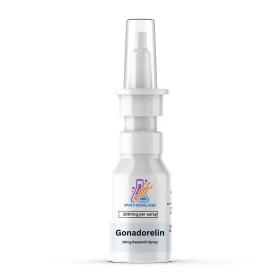
Gonadorelin 10mg Nasal Spray
$119.99 or subscribe for $101.99/mo This product has multiple variants. The options may be chosen on the product page -

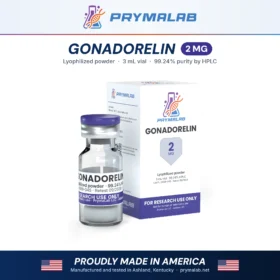
Gonadorelin 2mg
$14.99 or subscribe for $12.75/mo This product has multiple variants. The options may be chosen on the product page -
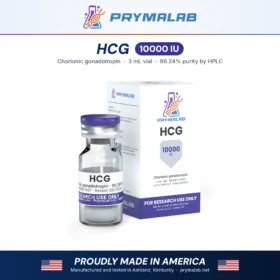
HCG 10000iu
$45.99 or subscribe for $38.99/mo This product has multiple variants. The options may be chosen on the product page -
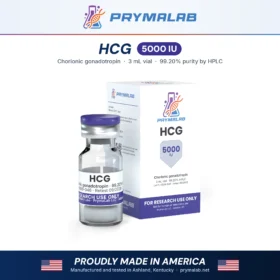
HCG 5000iu
$28.99 or subscribe for $23.99/mo This product has multiple variants. The options may be chosen on the product page -
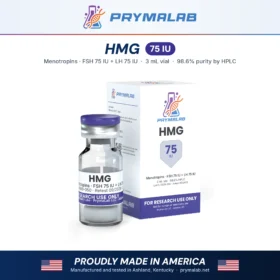
HMG 75IU
$36.99 or subscribe for $30.99/mo This product has multiple variants. The options may be chosen on the product page -
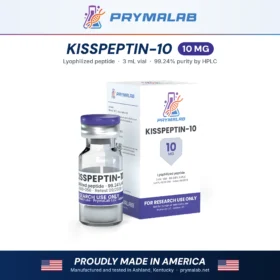
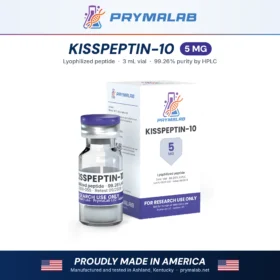
KissPeptin-10 (10mg)
$49.99 or subscribe for $42.49/mo This product has multiple variants. The options may be chosen on the product page -
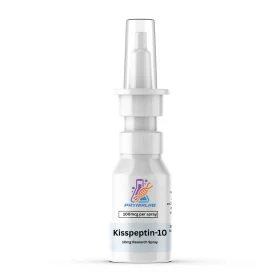
Kisspeptin-10 10mg Nasal Spray
$89.99 or subscribe for $75.99/mo This product has multiple variants. The options may be chosen on the product page -
KissPeptin-10 5mg
$39.99 or subscribe for $32.99/mo This product has multiple variants. The options may be chosen on the product page -
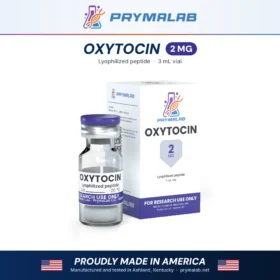
Oxytocin 2mg
$29.99 or subscribe for $25.49/mo This product has multiple variants. The options may be chosen on the product page -
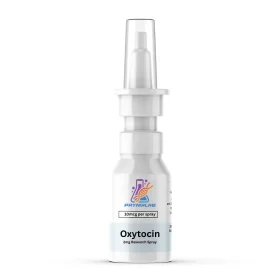
Oxytocin 2mg Nasal Spray
$89.99 or subscribe for $74.99/mo This product has multiple variants. The options may be chosen on the product page -
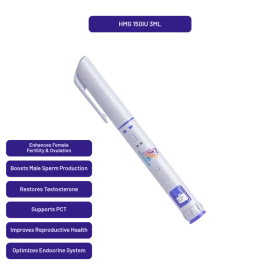
Preloaded Autoinjector | hMG (Menotropins) | 3ml Pen | 150IU
$89.99 or subscribe for $75.99/mo This product has multiple variants. The options may be chosen on the product page -
Sale!
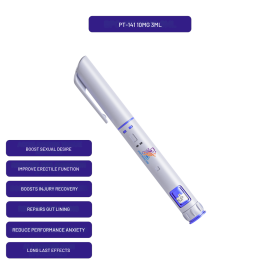
Preloaded Autoinjector | PT-141 | 3ml Pen | 10mg/ml
Original price was: $94.99.$79.99Current price is: $79.99. -
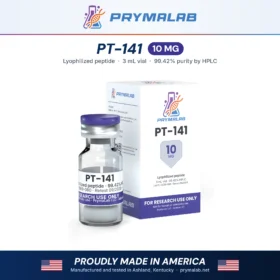
PT-141 10mg
$41.99 or subscribe for $34.99/mo This product has multiple variants. The options may be chosen on the product page -
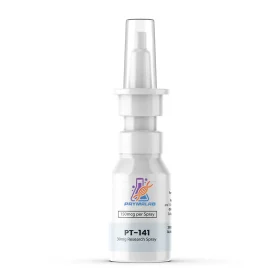
PT-141 Peptide Nasal Spray
$119.99 or subscribe for $99.99/mo This product has multiple variants. The options may be chosen on the product page -
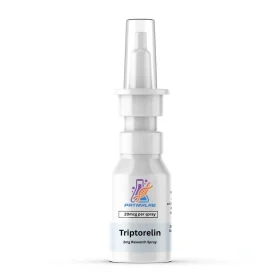
Triptorelin 2mg Nasal Spray
$49.99 or subscribe for $42.99/mo This product has multiple variants. The options may be chosen on the product page -
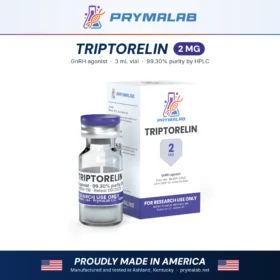
Triptorelin GnRH 2mg
$28.99 or subscribe for $23.99/mo This product has multiple variants. The options may be chosen on the product page
6 compounds · 447.5 to 1,302.5 daltons · four of them above the transport threshold
This range mixes two unrelated groups: the melanocortin and hypothalamic peptides, which are large, and two bioregulator tetrapeptides, which are small. The mass gap between them is nearly threefold, and it decides which formats make sense for which compound.
Specification Table
| Property | Value |
|---|---|
| Listings in this range | 8 |
| Distinct compounds | 6 |
| Mass span | 447.5 to 1,302.5 g/mol |
| Lightest | Testagen, 447.5, a bioregulator tetrapeptide |
| Heaviest | Kisspeptin-10, 1,302.5 |
| PT-141 (bremelanotide) | 1,025.2 g/mol, stocked as vial, metered spray and 3ml pen |
| Gonadorelin | 1,182.3 g/mol, metered spray |
| Oxytocin | 1,007.2 g/mol, metered spray |
| Compounds at or above 1,000 daltons | 4 of 6 |
| Formats | Lyophilised vial, metered nasal spray, preloaded 3ml pen |
| Storage | 2-8°C, protected from light. Do not freeze |
| Page type | Category hub, not a product page |
| Schema page type | CollectionPage |
| Meta robots | index, follow |
| Regulatory status | Bremelanotide has an approved human formulation elsewhere. Nothing sold here is that product |
What Is PT-141?
PT-141, also called bremelanotide, is a cyclic heptapeptide analogue of alpha-MSH with a molecular mass of roughly 1,025.2 g/mol. It acts at melanocortin receptors rather than on the vascular pathway that PDE5 inhibitors use, which is why it is studied separately from that class rather than alongside it.
PrymaLab stocks it in three formats: a PT-141 10mg lyophilised vial, a PT-141 metered nasal spray, and a preloaded 3ml pen at 10mg/ml. A bremelanotide product holds an approved human formulation in the United States under a different name and from a different manufacturer. Nothing sold here is that product, and nothing here is supplied for human use.
Why Do Four of These Sit Above 1,000 Daltons?
Nasal transport happens mainly between epithelial cells rather than through them, and the tight junctions between those cells impose a practical size limit near 1,000 daltons. PT-141 at 1,025, Oxytocin at 1,007, Gonadorelin at 1,182 and Kisspeptin-10 at 1,302 all sit at or above that line.
Mass is the strongest single predictor of whether the route works, and it is not the only one. Oxytocin has a disulfide-bridged ring that makes it more compact than its mass suggests, and intranasal oxytocin has a long published research history for exactly that reason. Charge, flexibility and formulation all move the number. The honest position is that the nasal route is well characterised for oxytocin, less so for the others in this range, and a protocol that assumes equivalent transport across all four is assuming something the literature does not support.
The peptide nasal spray range works through that question across thirty-seven products.
What Are the Two Bioregulators Doing Here?
Prostamax at 487.5 and Testagen at 447.5 are Khavinson tetrapeptides, assigned to prostate and reproductive tissue respectively. They are cross-listed here because of that tissue assignment, not because they share a mechanism with the melanocortin peptides.
Anyone comparing them should keep the two groups apart. A 450 dalton tetrapeptide and a 1,300 dalton decapeptide have different transport behaviour, different degradation routes and different analytical requirements, and the only thing they have in common on this page is the organ system in the category name. The full tetrapeptide set sits under peptide bioregulators.
What Should the Certificate Show?
Purity by reversed-phase HPLC with the chromatogram attached. Identity by mass spectrometry against the calculated mass, which is 1,025.2 for PT-141, 1,302.5 for Kisspeptin-10, 1,182.3 for Gonadorelin and 1,007.2 for Oxytocin. For the cyclic compounds the disulfide bond should be confirmed rather than assumed, since a reduced, linear version has a mass two daltons higher and different behaviour.
For anything supplied in solution, the fill date carries more information than the purity figure. A metered spray has been in aqueous buffer since it was filled, and elapsed time is the practical proxy for degradation that a purity number taken at fill cannot show.
What Is the HPG Axis, and Why Does It Organise This Category?
Almost every compound here acts somewhere on one control loop, so the loop is the thing to understand first.
The hypothalamic-pituitary-gonadal axis, usually written the HPG axis, runs in three steps and each has a compound attached to it.
GnRH neurons in the hypothalamus release gonadotropin-releasing hormone in pulses. Continuous release does not work; the pulsatility is the signal.
That pulsatile GnRH release drives the pituitary to secrete luteinising hormone and FSH, follicle-stimulating hormone, into the circulation.
LH and FSH then act on the gonads to produce testosterone or oestrogen and to support sperm production or follicular development.
Testosterone and estrogen feed back on the hypothalamus and pituitary to slow the whole loop, which is what makes it an axis rather than a chain. Raising estrogen or testosterone therefore suppresses the peptides driving the loop from above.
Gonadorelin is synthetic GnRH itself, identical to the endogenous decapeptide, and it acts at the top of that loop.
HCG sits at the other end. It is structurally similar enough to LH to act on the same receptor, which is why it is used to stimulate the gonads directly rather than through the pituitary.
Kisspeptin is upstream of everything, acting through KISS1R, also called GPR54, on the GnRH neurons themselves. It is the switch that permits puberty, and its discovery reshaped this whole field.
So hormone signaling in this category is a question of which step a compound acts on, and compounds acting on different steps are not substitutes for one another.
Reproductive hormone regulation of this kind has real clinical uses. GnRH analogues appear in IVF protocols, and HCG has approved uses in hypogonadotropic hypogonadism and in assisted reproduction.
Those approvals belong to pharmaceutical products with defined manufacturing and prescribing information behind them, not to research-grade material.
How Do the Melanocortin Compounds Differ?
Two compounds here act on a separate system entirely, and grouping them with the hormone axis obscures what they do.
PT-141, bremelanotide, is a melanocortin receptor agonist acting centrally in the hypothalamus rather than on the HPG axis at all.
It engages MC4R principally, with activity at MC3R, and the proposed route to sexual arousal runs through central dopamine signalling rather than through blood flow.
That distinguishes it from the PDE5 inhibitors. Viagra, sildenafil, and Cialis, tadalafil, act peripherally on blood flow given arousal that already exists.
PT-141 holds an approval as Vyleesi, for hypoactive sexual desire disorder in premenopausal women specifically. Use in men or in male ED is off-label use rather than an approved indication.
Melanotan II is the related compound and the one that warrants the most caution in this category.
It is a non-selective melanocortin agonist, and PT-141 is its major active metabolite, which is how the sexual effect was discovered in the first place.
Melanotan 2 is taken principally for tanning, since MC1R agonism drives melanogenesis, and that is where the documented risk sits.
Case reports describe changing or newly appearing moles in people using it, and dermatology literature has raised melanoma risk as a specific concern for a compound stimulating melanocytes systemically.
That risk is not theoretical in the way most concerns in this catalogue are, and anyone reading about tanning peptides should weigh it before anything else.
The melanocortin system also connects to appetite through MC4R, which is why compounds in this family turn up in weight loss discussions alongside metabolic regulation claims.
What Should Be Understood Before Ordering?
Several points apply across the category rather than to one compound.
None of these is approved in the form supplied here. Research-grade material is not a pharmaceutical product, whatever molecule it contains.
Sexual dysfunction has many causes, and psychological factors, relationship context, medication effects and undiagnosed cardiovascular or endocrine disease account for a large share of them.
A compound acting on one pathway cannot address a problem originating elsewhere, which is why sexual health assessment starts with a clinician rather than with a purchase.
Sexual function depends on vascular, hormonal, neurological and psychological inputs at once, so a single-pathway compound addresses one input at best.
Low libido, erectile dysfunction, hypogonadism and infertility are diagnoses requiring testing. Sexual health resources through a physician are the appropriate route, and none of these compounds substitutes for that.
These compounds do nothing for STIs, and sexually transmitted infections require testing and treatment entirely unrelated to anything on this page.
WADA prohibits GnRH analogues and HCG in male athletes, since both raise endogenous testosterone, so use in tested sport is an anti-doping rule violation.
Growth hormone secretagogues and metabolic compounds such as retatrutide appear in the same clinic menus, and reproductive function and metabolic health are separate questions despite the overlap in marketing.
Peptide hormones of this kind are cleared quickly by design, which is why endocrine signaling depends on pulses rather than on sustained levels, and why a stated half-life matters more here than in most categories.
Everything in this category is supplied for laboratory research only and is not for administration to humans or animals.
Frequently Asked Questions
What is PT-141 peptide?
PT-141, or bremelanotide, is a cyclic heptapeptide analogue of alpha-MSH with a molecular mass of roughly 1,025.2 g/mol. It acts at melanocortin receptors rather than on the vascular pathway targeted by PDE5 inhibitors.
Where can I buy PT-141 for research?
PrymaLab lists it in three formats: a 10mg lyophilised vial, a metered nasal spray and a preloaded 3ml pen at 10mg/ml. Each product page carries the molecular mass and the handling conditions. All are supplied for laboratory research only.
Is PT-141 nasal spray as well characterised as the injectable?
No. PT-141 sits at 1,025 daltons, at the upper edge of where paracellular nasal transport works, so the fraction crossing the epithelium is lower and less predictable than for a smaller peptide. The injectable route has the more consistent published record.
What is Kisspeptin-10?
Kisspeptin-10 is the ten-residue C-terminal fragment of the kisspeptin peptide family, with a molecular mass of roughly 1,302.5 g/mol. At that mass it is the largest compound in this range and the least suited to the nasal route on size grounds alone.
Why are Prostamax and Testagen listed here?
Both are Khavinson bioregulator tetrapeptides assigned to prostate and reproductive tissue. They are cross-listed by organ system. They do not share a mechanism, a mass range or an analytical profile with the melanocortin peptides on this page.
Are any of these approved for human use?
Nothing sold here is approved for human use or supplied for it. A bremelanotide product holds an approved human formulation in the United States from a different manufacturer under a different name, and it is not what is listed on this page.
What is the HPG axis?
The hypothalamic-pituitary-gonadal axis. GnRH neurons release gonadotropin-releasing hormone in pulses, the pituitary responds with LH and FSH, and the gonads produce testosterone or estrogen. Sex hormones then feed back to slow the loop.
Where does each compound act on it?
Gonadorelin is synthetic GnRH acting at the top. HCG is structurally similar to LH and acts on the gonads directly. Kisspeptin is upstream of both, acting through KISS1R on the GnRH neurons. Compounds on different steps of these hormone pathways are not substitutes for each other.
Is PT-141 part of the same system?
No. PT-141 is a melanocortin receptor agonist acting centrally through MC4R, not on the HPG axis. It is approved as Vyleesi for hypoactive sexual desire disorder in premenopausal women, so use for male sexual dysfunction is off-label.
How does it differ from Viagra?
Sildenafil and tadalafil act peripherally on blood flow given arousal that already exists. PT-141 acts centrally on arousal itself. The two address different points, which is why erectile function and desire are separate clinical questions.
What is the risk with Melanotan II?
Melanoma risk. Melanotan II is a non-selective melanocortin agonist taken principally for tanning, and case reports describe changing or newly appearing moles in users. For a compound stimulating melanocytes systemically that concern is documented rather than theoretical.
Are any of these approved?
Not in the form supplied here. HCG and GnRH analogues have approved pharmaceutical uses in hypogonadotropic hypogonadism and assisted reproduction, and PT-141 is approved as Vyleesi. Research peptides are not those products whatever molecule they contain.
Can these fix low libido or sexual performance problems?
Sexual dysfunction has many causes, and psychological factors, medication effects and undiagnosed cardiovascular or endocrine disease account for a large share. A compound acting on one pathway cannot address a problem originating elsewhere, so assessment starts with a clinician.
Are sexual health peptides banned in sport?
GnRH analogues and HCG are prohibited by WADA in male athletes, since both raise endogenous testosterone. Using them in tested sport is an anti-doping rule violation regardless of how the material was labelled.
Why does half-life matter so much in this category?
Because endocrine signaling here depends on pulses rather than sustained levels. These are short amino acid chains cleared quickly by design, and a compound that persists can suppress the axis it was meant to stimulate. That is how GnRH agonists are used to shut the system down.
Do these affect anything outside sexual function?
The melanocortin system connects to appetite through MC4R, which is why compounds in that family appear in weight loss discussions. BPC-157 and other unrelated research peptides appear in the same clinic menus without sharing any mechanism.
Compliance Statement
Every product in this range is supplied for laboratory research use only. None is a drug, a supplement or a food, none is intended for human or veterinary consumption, and none may be used for diagnostic or therapeutic purposes. Where an approved human formulation of a related compound exists, it is a different product from a different manufacturer and nothing on this page should be read as an equivalent. Purchasers are responsible for handling these materials in an appropriate research setting and in accordance with the regulations that apply to them.
All 16 products in the Sexual Health & Hormone Compounds range
Every listing states its quantity, concentration and format and carries a batch certificate of analysis. Products are supplied for laboratory research only.
- Gonadorelin 2mg
- Gonadorelin 10mg Nasal Spray
- HCG 5000iu
- HCG 10000iu
- hMG (Menotropins) 150IU preloaded 3ml pen
- HMG 75IU
- KissPeptin-10 (10mg)
- KissPeptin-10 5mg
- Kisspeptin-10 10mg Nasal Spray
- Oxytocin 2mg
- Oxytocin 2mg Nasal Spray
- PT-141 10mg
- PT-141 10mg/ml preloaded 3ml pen
- PT-141 Peptide Nasal Spray
- Triptorelin 2mg Nasal Spray
- Triptorelin GnRH 2mg