Anti-Aging & Longevity Peptides
BPC-157, TB-500 and GHK-Cu are the peptides most often studied in animal models of tendon, muscle and skin injury. This guide summarises what those studies

BPC-157, TB-500 and GHK-Cu are the peptides most often studied in animal models of tendon, muscle and skin injury. This guide summarises what those studies
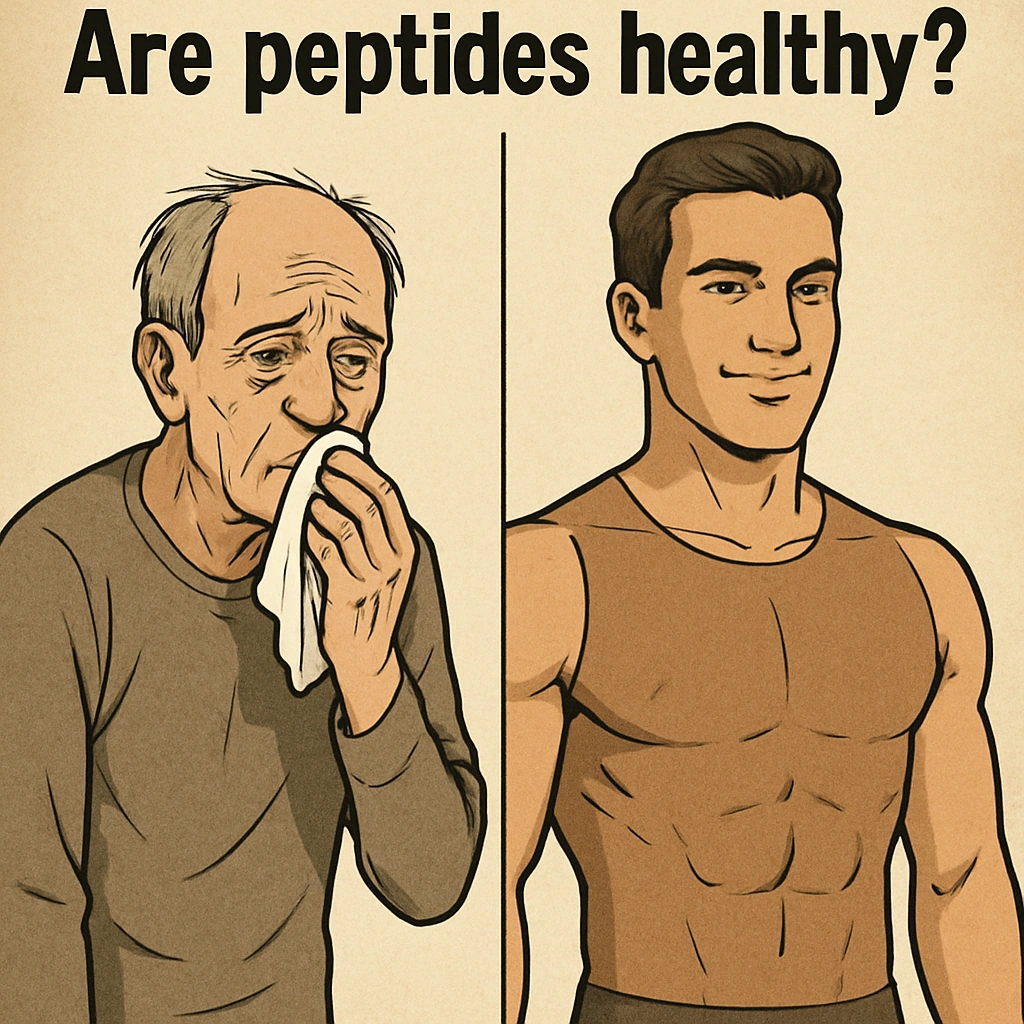
Peptides are short chains of amino acids, and some are approved drugs while many research peptides have little human data. This guide explains the difference
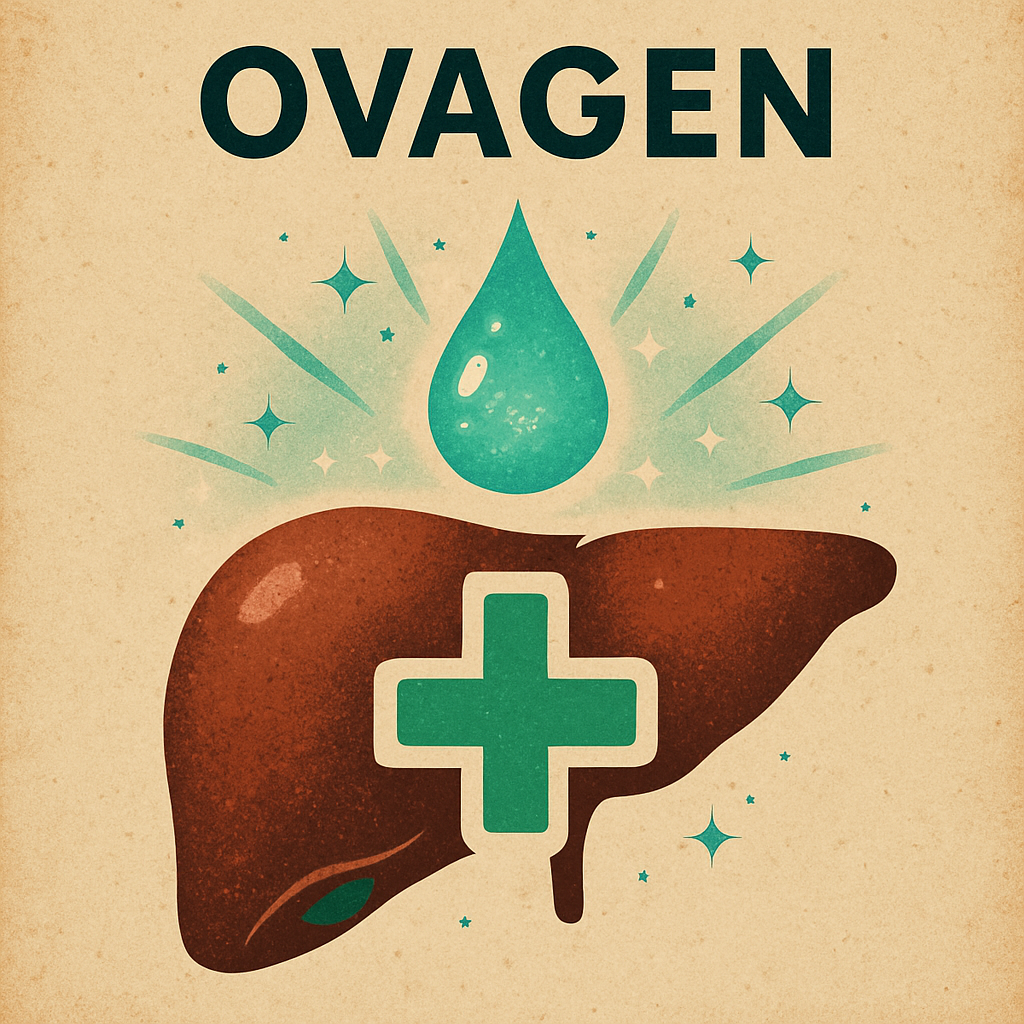
Ovagen (Glu-Asp-Leu) is a synthetic tripeptide from the Khavinson bioregulator series. This guide covers its identity, the kidney and cell-culture studies that test it, and
GHK-Cu is the copper complex of the tripeptide Gly-His-Lys, found in human plasma and studied for collagen synthesis and wound repair. This guide covers its

HCG is a two-subunit glycoprotein hormone that acts on the LH receptor. This guide covers its structure, how international units are assigned, regular and hyperglycosylated

Tirzepatide is a 39-residue dual GIP and GLP-1 receptor agonist. This guide covers how the lyophilized peptide is dissolved and stored in the laboratory, how

TB-500 refers to thymosin beta-4, a 43-residue actin-binding peptide studied for cell migration and tissue repair in animal models. This guide covers its identity, mechanism,

PT-141 (bremelanotide) is a cyclic melanocortin receptor agonist. This guide covers its chemistry, the two phase 3 trials and what they measured, the FDA label
KLOW is a four-peptide research blend of GHK-Cu, BPC-157, TB-500 and KPV. This guide covers what each component is, what each has been studied for

SLU-PP-332 is a novel exercise mimetic compound that activates estrogen-related receptors (ERRs) to trigger the molecular benefits of exercise — including fat oxidation, mitochondrial biogenesis,
AOD-9604 is a modified fragment of human growth hormone studied for lipolysis in obese rodents and in 12- and 24-week oral trials. This guide covers
Home › Blog › KPV Peptide Benefits Peptide Research ?? 18 min read KPV peptide: benefits and what the research shows KPV is an anti-inflammatory