

Peptide Sciences Shut Down: Best PeptideSciences.com Alternatives for Research Peptides (2026)
The peptide sciences shut down is now confirmed reality, and it has left a major void in the research-chemical market. For countless labs and independent researchers, the peptide sciences website was the gold standard for purity and variety — so now the scientific community is scrambling for trustworthy peptidesciences.com alternatives. This guide names the best vetted research peptide vendors for 2026, explains the regulatory shift behind the closure, and breaks down the peptide science you need to source responsibly.
Editorial & research disclaimer: This article is for educational and informational purposes only and is not medical advice. The compounds referenced are sold for research use only, are not for human consumption, and are not approved by the FDA for human therapeutic use. Vendor mentions are informational, not endorsements; always check that the certificate matches the lot number on your vial and can be verified, and check your local regulations before purchasing.

Quick Answer
Why did Peptide Sciences shut down, and what now? The peptide sciences company halted operations under an intensifying 2026 regulatory squeeze on research-chemical manufacturing and marketing. The science did not stop — demand for these compounds remains high. The best peptidesciences.com alternatives are PrymaLab (best overall), Core Peptides, Biotech Peptides, Amino Asylum, and Swiss Chems.
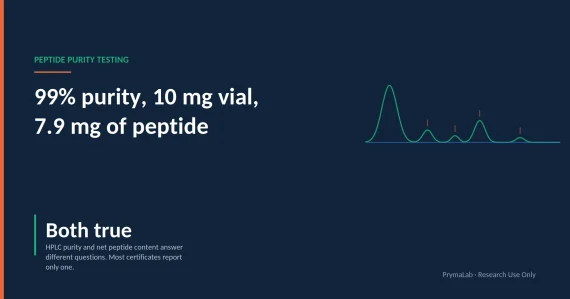
Whichever vendor you choose, the rule is unchanged: never buy a research peptide without a recent, batch-specific Certificate of Analysis that matches the lot number on your vial, can be verified with the lab that issued it, and shows 99%+ HPLC peptide purity and a mass-spec identity match.
Peptide Sciences shut down in 2026 under a regulatory squeeze on research chemicals — not because the science failed, but because compliance costs and legal pressure forced the company to close.
Best alternatives: PrymaLab (best overall, verified US-sourced purity + education), Core Peptides (variety), Biotech Peptides (US synthesis), Amino Asylum (budget), Swiss Chems (oral-bioavailability research).
Verification is non-negotiable: demand a recent COA with 99%+ HPLC purity and a mass-spec identity match, and check that it matches the lot number on your vial and can be verified, before you buy peptides online.
The science is accelerating: from tissue repair to skin-barrier restoration and the study of metabolic agents like Wegovy, understanding how peptides signal cells is reshaping longevity and human-optimization research.
PrymaLab pairs verified molecules with an education-first framework at prymalab.net — built for researchers replacing the old peptide sciences website.
The Big News: Why Did Peptide Sciences Shut Down?
To understand the sudden disappearance of one of the internet's most popular gray-market research-chemical vendors, you have to look at the broader regulatory status of research chemicals. Over the past few years, global regulatory bodies — including the FDA — drastically tightened their grip on the manufacturing, marketing, and distribution of synthetic peptides. Originally classified and sold strictly "for research purposes only," many of these compounds found their way into mainstream wellness clinics, sports-performance protocols, and anti-aging peptide therapy regimens.
The increased public visibility of compounds like semaglutide, often discussed by figures like RFK Jr, and the bpc 157 peptide sciences formerly sold drew heavy scrutiny. Regulators began cracking down on gray-market companies that failed to maintain strict boundaries between research chemicals and dietary supplements or medical treatments. As compliance costs skyrocketed, payment processing issues emerged when payment processors withdrew support, and legal pressure mounted, many veteran suppliers faced an impossible choice: restructure entirely or close their doors. The shutdown of the peptide sciences company is a direct result of this intense regulatory squeeze, mounting FDA scrutiny, and a rapidly shifting regulatory environment characterized by increased regulatory pressure and supply chain disruptions.
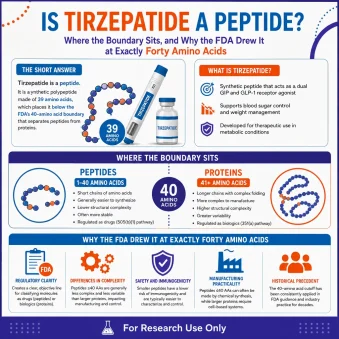
The science, however, does not stop just becausea single company closes, as the research peptide space continues to evolve. Demand for GLP-1 compounds like semaglutide (the active ingredient in Ozempic and Wegovy), tirzepatide, bioactive compounds for muscle recovery, cognitive enhancement, and anti-aging remains at an all-time high — which is exactly why vetting the next generation of suppliers matters more than ever.
Top 5 PeptideSciences.com Alternatives for 2026
If you are looking for new suppliers to continue your research, you cannot afford to compromise on quality. The table below summarizes the most reputable peptidesciences.com alternatives available in 2026, chosen for rigorous testing, transparency, and product variety. Detailed write-ups follow.
| Vendor | Best For | Strengths | Watch-outs |
|---|---|---|---|
| PrymaLab | Best overall | Every lot tested in its own lab, verifiable certificates, 99%+ purity, education-first, fast shipping | Premium pricing |
| Core Peptides | Variety | 80+ peptides, bulk pricing, easy interface | Support slows during drops |
| Biotech Peptides | US-based synthesis | Domestic synthesis, fresh batches, strong QC | Smaller catalog |
| Amino Asylum | Budget-conscious | Highly affordable, fast processing | Less public COA display |
| Swiss Chems | Oral-bioavailability research | Encapsulated & lyophilized forms, transparent testing | Limited injectable range |
1. PrymaLab (Best Overall)
PrymaLab has emerged as a premier destination for high-quality research-grade peptides. It tests every lot in its own laboratory, PrymaLab Analytical in Ashland, Kentucky (RP-HPLC for purity, LC-MS for identity), and each Certificate of Analysis (COA) can be checked against its lot number at prymalab.net/testing/verify. If any independent laboratory finds the wrong compound, or less than the stated purity or amount, its third-party testing guarantee refunds the order and reimburses the test. Beyond simply selling vials, PrymaLab pairs sourcing with education and a structured Test → Interpret → Optimize framework.
- Pros: exceptional purity (consistently testing above 99%), fast shipping, and a catalog that rivals the old peptide sciences website.
- Cons: premium pricing — but worth it for the peace of mind and verification rigor.
2. Core Peptides (Best for Variety)
Boasting over 80 distinct research peptides, Core Peptides is rapidly filling the gap left by the peptide sciences company, excelling at both standard formulations and rarer blends.
- Pros: extensive selection, user-friendly interface, and bulk pricing for institutional researchers.
- Cons: customer support can lag slightly during high-demand product drops.
3. Biotech Peptides (Best for US-Based Synthesis)
Biotech Peptides synthesizes many compounds domestically, ensuring a tighter supply chain and less degradation in transit. The vendor is well regarded for tissue-repair and metabolic research compounds.
- Pros: domestic synthesis means fresh batches and robust quality-control protocols.
- Cons: a smaller catalog than some competitors.
4. Amino Asylum (Best for Budget-Conscious Researchers)
Amino Asylum has built a following by offering research chemicals at highly competitive prices. The website is minimalist, but product efficacy is consistently praised in independent research communities.
- Pros: highly affordable with fast processing times.
- Cons: less rigorous public display of COAs — request batch-specific reports directly.
5. Swiss Chems (Best for Oral Bioavailability Studies)
Known for a broad research-chemical lineup, Swiss Chems is particularly popular among researchers studying the bioavailability of oral vs injectable peptides, offering encapsulated formulations alongside traditional lyophilized powders.
- Pros: great for alternative-administration research, with transparent testing.
- Cons: injectable peptide selection is somewhat limited.
Looking for a verified Peptide Sciences alternative?
PrymaLab focuses on US-sourced research peptides, transparent batch COAs, and an education-first Test → Interpret → Optimize framework — so your research is built on data, not guesswork.
Explore PrymaLab Research PeptidesDiving Deep Into Peptide Science: What Are Peptides?
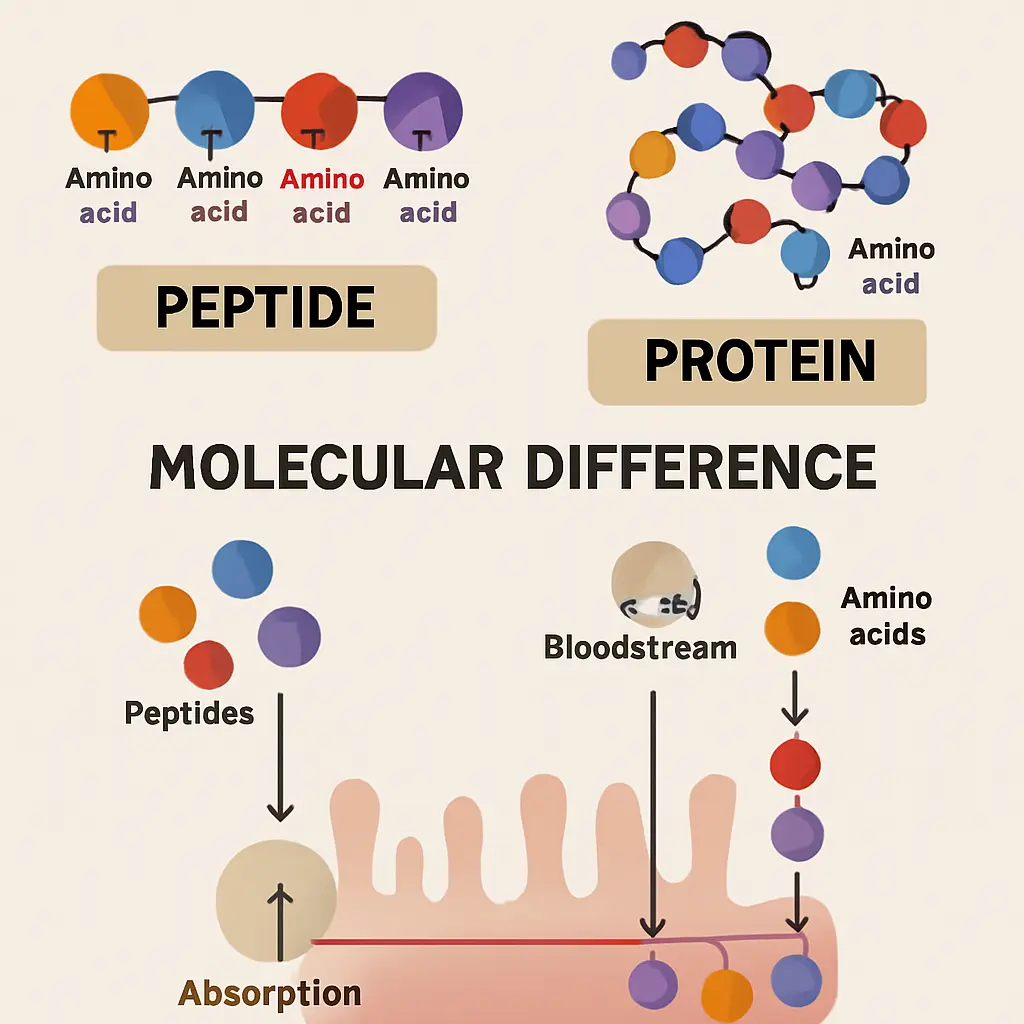
To appreciate why these compounds are so sought after, it helps to revisit the fundamentals of peptide science. At their core, peptides are short chains of amino acids linked by peptide bonds, often serving as the building blocks for larger polypeptides. Think of amino acids as the alphabet of human biology: string the letters together and they form "words" (peptides) and "sentences" (proteins). For a beginner-friendly primer, see our explainer on what a peptide is.
The Role of Peptide Bonds in Protein Structure
The structural integrity of both peptides and proteins relies on the role of peptide bonds in protein structure. A peptide bond is a covalent bond formed between the carboxyl group of one amino acid and the amino group of another, releasing a water molecule in the process (a condensation reaction). The sequence of these bonds dictates how the molecule folds. While massive proteins fold into complex three-dimensional structures, peptides stay small and agile — the key to the numerous short chain amino acids benefits. Because they are small, peptides can navigate the bloodstream, penetrate cell membranes, and deliver targeted instructions without the metabolic overhead of breaking down large proteins.
Peptides vs Proteins Absorption
A common question in nutritional biochemistry is the difference in peptides vs proteins absorption. When you consume a large protein (a whey shake or a steak), your digestive system deploys enzymes like pepsin and trypsin to cleave it into smaller peptides and amino acids before they cross the intestinal wall — a slow, energy-intensive process. Peptides, by contrast, are essentially "pre-digested." Because they are already small, specific gut transporters (like PEPT1) rapidly shuttle them into the blood. This enhanced absorption is why researchers are fascinated by the therapeutic applications of signaling molecules: they offer a rapid, efficient way to influence biological function.
The Mechanism of Action: How Do Peptides Signal Cells?
The true magic of peptide science lies in cellular communication. But exactly how do peptides signal cells? It comes down to a lock-and-key mechanism: cells are covered in receptors (the locks), and peptides act as specific ligands (the keys). Every peptide has a unique amino-acid sequence that gives it a specific three-dimensional shape, allowing it to bind only to matching receptors — a process known as cellular communication through sequence-specific ligands.
When a peptide binds its receptor, it triggers a cascade of intracellular signals, essentially flipping a biological switch:
- Signal initiation: the peptide binds to a G-protein-coupled receptor (GPCR) on the cell membrane.
- Transduction: the receptor changes shape, activating secondary messengers inside the cell (such as cAMP or calcium ions).
- Biological response: these messengers travel to the nucleus, where they upregulate or downregulate specific gene expression.
This targeted mechanism is why individual peptides are studied for effects as different as growth-hormone release, wound repair and inflammation in cell and animal models.
Synthetic vs Natural Amino Acid Chains
In research, scientists frequently compare synthetic vs natural amino acid chains. Natural peptides are produced endogenously by the body (for example, insulin and oxytocin); synthetic peptides are engineered in a lab. Often, synthetic peptides are exact bio-identical copies of natural ones. Sometimes scientists tweak the synthetic sequence to make the peptide more resilient against enzymatic breakdown, creating analogues that last longer in the body and still deliver the same biological signal.
Spotlight on Highly Researched Peptides
Now that the mechanism is clear, here are the specific compounds that dominate the 2026 research landscape. The table summarizes them; detailed notes follow.
| Peptide | Class | Mechanism focus | Research use cases |
|---|---|---|---|
| BPC-157 | Tissue repair | Angiogenesis, blood flow to tendons/ligaments | Tendon, muscle and gut injury models |
| GHK-Cu | Skin / aesthetic | Collagen, elastin & glycosaminoglycan upregulation | Skin and dermal wound studies |
| CJC-1295 | GH secretagogue | Acts on GHRH receptors to raise basal GH | GH and IGF-I secretion studies |
| Ipamorelin | GH secretagogue | Ghrelin-receptor GH pulses without hunger/cortisol | GH release and body composition studies |
1. BPC-157: a gastric protein fragment
Before the shutdown, a huge share of researchers flocked to the bpc 157 peptide sciences offered. BPC-157 (Body Protection Compound-157) is a synthetic 15-amino-acid sequence derived from a protective protein in human gastric juice, studied mainly in cell and animal models of tendon, muscle and gastrointestinal injury. The proposed mechanism centers on angiogenesis, the growth of new blood vessels into tissues like tendons and ligaments that have a poor blood supply. For a full breakdown, see our dedicated BPC-157 benefits and safety guide.
2. GHK-Cu: the copper tripeptide
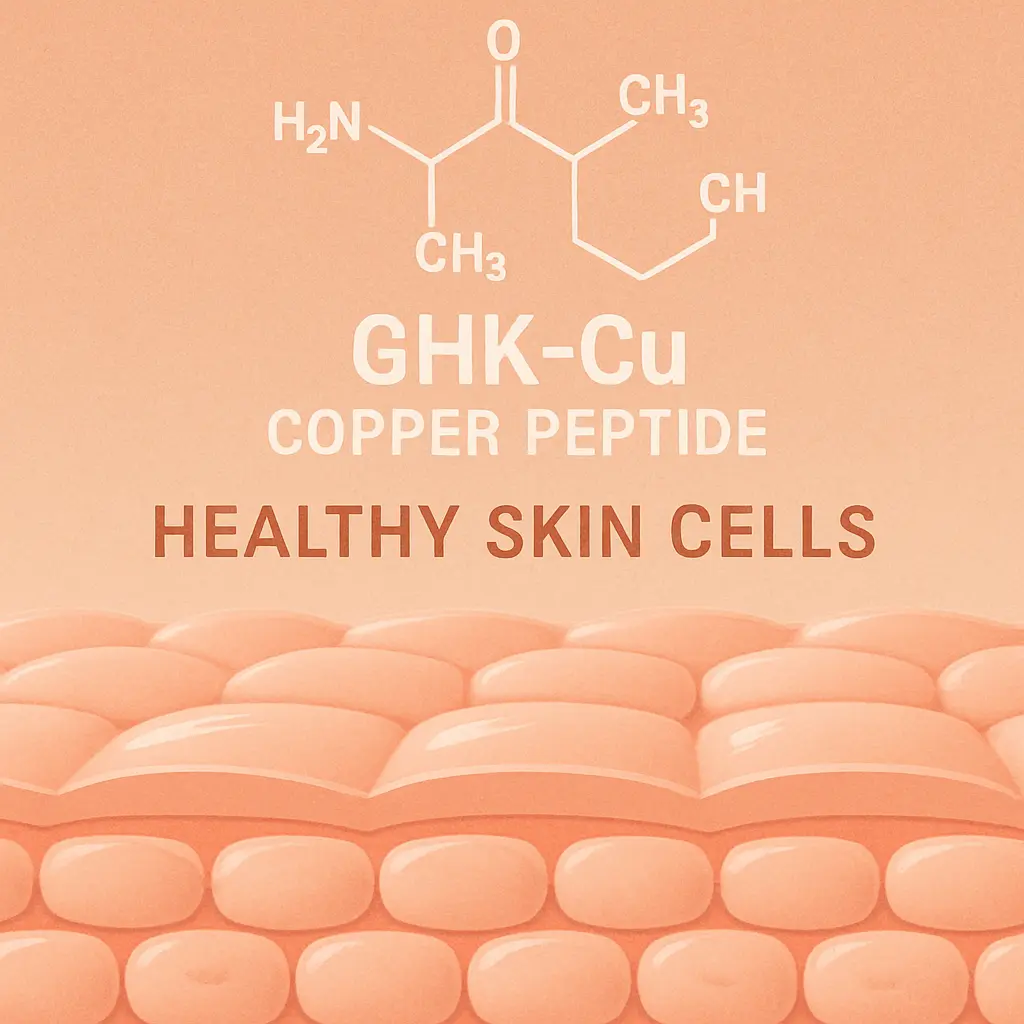
GHK-Cu is one of the most studied copper peptides in dermatological research. It is a naturally occurring copper complex of the tripeptide glycyl-L-histidyl-L-lysine. In cell and wound studies it upregulated collagen, elastin and glycosaminoglycan production and modulated scar-tissue breakdown. The beauty industry is intensely focused on skin barrier restoration with biomimetic molecules like GHK-Cu, with studies reporting improved elasticity, reduced fine lines, and faster dermal-wound healing by resetting older skin cells toward a younger gene-expression state.
3. CJC-1295 & Ipamorelin: two GH secretagogues
For metabolic health and longevity research, scientists frequently study the growth hormone secretagogue mechanism. As humans age, the natural pulse of growth hormone (GH) from the pituitary declines, driving muscle loss, reduced muscle growth, fat gain, and poor sleep. Unlike synthetic HGH — which shuts down natural production — secretagogues like CJC-1295, sermorelin, and Ipamorelin stimulate the pituitary to make more of its own GH. CJC-1295 and tesamorelin act on GHRH receptors to raise basal GH over time; Ipamorelin acts on the ghrelin receptor to trigger clean GH pulses without spiking hunger or cortisol. They are often studied together because they act on two different receptors.
Bioavailability and Administration Methods
A critical aspect of peptide science is how compounds are introduced to the biological system. The physical properties of a peptide dictate its optimal route of administration, and the debate over the bioavailability of oral vs injectable peptides is central to modern pharmacokinetic research.
| Route | Bioavailability | Best-studied for |
|---|---|---|
| Subcutaneous injection | Near 100% | Gold standard; bypasses digestive enzymes for intact delivery |
| Oral (gastric-stable) | Historically <1%; higher with modern delivery | Localized GI research; arginate salts & liposomal systems improve uptake |
| Transdermal / topical | Localized | Skin-localized effects (e.g., GHK-Cu creams) |
| Intranasal | Direct CNS pathway | Nootropic peptides (e.g., Selank, Semax) across the blood-brain barrier |
In pharmacokinetic studies, subcutaneous delivery gives near-complete bioavailability because the peptide does not pass through the digestive tract. Historically, oral peptides delivered under 1% bioavailability because stomach acid destroyed the chains — but modern gastric-stable capsules (arginate salts, liposomal systems) protect highly stable peptides like oral BPC-157 until they reach the intestines. For more, see our companion guide on oral vs. injectable peptide delivery.
How to Choose High-Quality Peptide Supplements (and Research Chemicals)
With the peptide sciences website offline, researchers must be more vigilant than ever to avoid counterfeit or contaminated products. Here is a definitive guide on how to choose high-quality peptide supplements and research chemicals in 2026:
- Demand batch-specific COAs. Never purchase without a recent Certificate of Analysis for the exact batch, and check that it matches the lot number on your vial and can be verified. You can also send a sample to an independent lab yourself. The certificate should confirm purity above 98% (ideally 99%+) and a mass-spectrometry identity match verifying the molecular weight is exactly the target peptide.
- Evaluate the synthesis process. Reputable companies disclose whether peptides are synthesized domestically or internationally and confirm rigorous purification (such as HPLC) to remove solvents, heavy metals, and incomplete fragments.
- Check lyophilization quality. Research peptides should arrive as a uniform, solid "puck" or light, fluffy freeze-dried powder. Discolored or melted product signals degradation from poor temperature control or moisture.
- Weigh community reputation. Given the evolving regulatory status of research chemicals, consensus on Reddit, biohacking forums, and research networks is invaluable. Favor vendors with a track record of resolving issues and replacing degraded batches without a fight.
Safety First: Side Effects and the Regulatory Landscape
While the therapeutic applications of signaling molecules are vast and promising, they are not without risk. Because these compounds are highly bioactive, they demand respect. The side effects of bioactive signaling compounds reported in the literature vary widely with the specific peptide, amount and route. Effects reported in studies include:
- Local reactions: redness, itching or swelling where the compound was given.
- Water retention and numbness: GH-stimulating peptides (CJC-1295/Ipamorelin) have been associated with mild fluid retention, joint stiffness and carpal-tunnel-like tingling.
- Lethargy or headaches: some metabolic and vascular peptides can temporarily shift blood pressure or blood sugar.
- Receptor over-stimulation: chronic exposure can desensitize target cells (receptor downregulation), reducing effect and disrupting endocrine balance.
It cannot be stressed enough that most of these compounds are not FDA-approved for human consumption as dietary supplements — they are strictly research chemicals. The FDA has issued strict warnings against compounding pharmacies producing certain unapproved peptides in bulk, moving several to the "Category 2" list of substances that cannot be compounded safely without further clinical trials. Researchers must remain compliant with local laws and handle these compounds strictly within laboratory research.
The Future of Peptide Science in 2026 and Beyond
The closure of the peptide sciences company was a shock to the system, but it has ultimately forced the research peptide industry to evolve. We are entering an era of unprecedented transparency, where researchers demand clinical-grade purity and rigorous analytical testing from every supplier. The science itself is only accelerating — from skin barrier restoration with biomimetic molecules to muscle-repair models, NAD precursors, and triple-agonist research involving retatrutide, our understanding of how do peptides signal cells is transforming medicine, longevity, and human optimization. Much of that work is about how cells respond to short, specific chemical signals.
Key Takeaways for Researchers
- Adapt and verify: use trusted peptidesciences.com alternatives like PrymaLab or Core Peptides, and never compromise on lot-matched, verifiable COAs.
- Respect the mechanisms: understand the short chain amino acids benefits and how peptides interact with specific cellular receptors before designing an experiment.
- Prioritize bioavailability: choose the delivery route that fits the research question, whether that is the bioavailability of oral vs injectable peptides or topical formulations.
- Stay compliant: keep up with published data on the side effects of bioactive signaling compounds and stay current on the shifting legal and regulatory landscape.
Frequently Asked Questions
Why did Peptide Sciences shut down?
The Peptide Sciences shut down is widely attributed to an intensifying 2026 regulatory squeeze. As compounds sold "for research purposes only" spread into wellness clinics and performance protocols, the FDA and global regulators tightened rules on manufacturing, marketing, and distribution. Rising compliance costs and legal pressure forced many veteran suppliers to restructure or close, and the peptide sciences company halted operations as a direct result.
What are the best PeptideSciences.com alternatives in 2026?
The most-cited PeptideSciences.com alternatives for 2026 are PrymaLab (best overall for verified US-sourced purity and education), Core Peptides (best for catalog variety), Biotech Peptides (best for US-based synthesis), Amino Asylum (best for budget-conscious researchers), and Swiss Chems (best for oral-bioavailability studies). Whichever you choose, never compromise on a recent, batch-specific COA that matches the lot number on your vial and can be verified.
Is PrymaLab a good alternative to the Peptide Sciences website?
PrymaLab is positioned as a research-grade alternative that tests every lot in its own laboratory (RP-HPLC purity, LC-MS identity) and publishes a Certificate of Analysis for every batch that can be checked at prymalab.net/testing/verify, with purity consistently testing above 99%. Beyond a catalog, PrymaLab pairs sourcing with education and a Test → Interpret → Optimize framework, which appeals to researchers replacing the old peptide sciences website.
Are peptides from these alternatives legal and FDA-approved?
Most research peptides are not approved by the FDA for human consumption and are classified strictly as research chemicals. The FDA has moved several peptides to the Category 2 list of substances that cannot be compounded without further clinical trials. Researchers must comply with local laws and handle these compounds only within laboratory research.
How do I choose a high-quality peptide supplier after the shutdown?
Demand a recent, batch-specific Certificate of Analysis that matches the lot number on your vial, can be verified, and confirms 99%+ HPLC purity and a mass-spectrometry identity match. Verify the synthesis and purification process, check that the product arrives as a clean lyophilized "puck" or fluffy powder, and review community reputation on forums and research networks for vendors who resolve issues fairly.
What was bpc 157 peptide sciences, and where can I research BPC-157 now?
Before the shutdown, a large share of researchers sourced BPC-157 from the peptide sciences website. BPC-157 is a synthetic 15-amino-acid sequence studied for angiogenesis and tissue repair. With the original vendor gone, researchers now source BPC-157 from vetted PeptideSciences.com alternatives that publish lot-specific COAs, such as PrymaLab and other US-focused suppliers. See our BPC-157 information guide for the science.
References & Further Reading
- U.S. Food and Drug Administration. Bulk Drug Substances Nominated for Use in Compounding Under Section 503A — Category 2. FDA.gov. Accessed 2026.
- Lau, J.L., & Dunn, M.K. (2018). Therapeutic peptides: historical perspectives, current development trends, and future directions. Bioorganic & Medicinal Chemistry, 26(10), 2700–2707.
- Pickart, L., & Margolina, A. (2018). Regenerative and protective actions of the GHK-Cu peptide. International Journal of Molecular Sciences, 19(7), 1987.
- Chang, C.H., Tsai, W.C., et al. (2011). The promoting effect of pentadecapeptide BPC 157 on tendon healing. Journal of Applied Physiology, 110(3), 774–780.
- Teichman, S.L., et al. (2006). Prolonged stimulation of growth hormone and IGF-I secretion by CJC-1295. Journal of Clinical Endocrinology & Metabolism, 91(3), 799–805.
- USP General Chapter <1225>. Validation of Compendial Procedures (HPLC method validation principles). United States Pharmacopeia.
Internal references on PrymaLab: What is a peptide? · BPC-157 benefits & safety · Oral peptide delivery · Research peptides.
Final disclaimer: This article is for educational purposes only. The compounds discussed — including BPC-157, GHK-Cu, CJC-1295, and Ipamorelin — are sold in the United States for research purposes only and are not approved by the FDA for human therapeutic use; several are listed as Category 2 bulk drug substances. Statements about peptide effects have not been evaluated by the FDA. Nothing here should be interpreted as a recommendation to purchase, possess, or self-administer any regulated substance.
Vendor mentions are provided for informational purposes and are not endorsements. PrymaLab does not guarantee the practices of any third-party vendor named here. Always verify the legal status of any compound in your jurisdiction before acting.