Description
Introduction: Understanding Erythropoietin (EPO) 3000IU
Buy EPO peptide for endurance and performance research to access the most potent erythropoiesis-boosting agent available for studying red blood cell production, oxygen transport capacity, and athletic performance boost. Erythropoietin (EPO) 3000IU represents a breakthrough in endurance research, providing pharmaceutical-grade recombinant human erythropoietin that replicates the body’s natural hormone responsible for regulating red blood cell production in bone marrow.
EPO is a 165-amino acid glycoprotein hormone with a cell-level weight of about 30,000 Daltons, extensively modified with carbohydrate chains that account for 40% of its mass. These glycosylation patterns are not merely structural features—they are absolutely key for EPO’s natural activity, receptor binding affinity, and circulating half-life. The hormone is naturally produced mainly by the kidneys (90%) and liver (10%) in response to hypoxia (low oxygen levels), creating a advanced feedback system that keeps best oxygen-carrying capacity.
The significance of EPO in endurance research cannot be overstated. While the body’s natural EPO production responds to altitude, training, and oxygen supply, exogenous EPO use allows researchers to study the upper limits of erythropoietic capacity and its effects on performance parameters. EPO 3000IU provides a standardized dose that lets controlled studies of red blood cell production, hematocrit tuning, and the relationship between oxygen-carrying capacity and endurance performance.
Recombinant human erythropoietin (rHuEPO) used in EPO 3000IU is produced through advanced biotechnology, using Chinese Hamster Ovary (CHO) cells genetically engineered to express the human EPO gene. This production method ensures consistent glycosylation patterns, high purity (>99%), and natural activity indistinguishable from endogenous human EPO. The recombinant production process removes concerns about viral contamination or batch-to-batch variability that plagued earlier urinary-derived hormone preparations.
Buy EPO peptide for endurance and performance research uses spanning athletic performance studies, altitude adaptation research, hematocrit tuning protocols, oxygen transport studies, and basic erythropoiesis research. The 3000 IU dosage represents a standard unit dose used in both clinical and research settings, providing researchers with a well-characterized preparation backed by decades of scientific literature and clinical experience.
PrymaLab’s EPO 3000IU undergoes rigorous quality control to ensure pharmaceutical-grade purity, potency, and sterility. Each batch is tested by independent ISO-certified laboratories to verify >99% purity, correct cell-level weight, proper glycosylation patterns, absence of contaminants, and natural activity meeting the 3000 IU specification. The freeze-dried powder form ensures maximum shelf life during storage and shipping, with mixing in sterile water providing a ready-to-use solution for under-skin or intravenous use.
This full guide explores every aspect of EPO 3000IU research, from cell-level mechanisms and clinical evidence to dosing protocols and safety factors. Whether studying endurance performance boost, altitude adaptation, or red blood cell production control, buy EPO peptide for endurance and performance research to access the most complete erythropoiesis-boosting agent available for advancing sports science and human performance research.
Unique Properties: What Makes EPO 3000IU Different from Other Performance Compounds
Buy EPO peptide for endurance and performance research to leverage unique properties that distinguish it from all other performance-enhancing compounds. Erythropoietin (EPO) 3000IU has several characteristics that make it the most potent endurance-enhancing agent available for research uses.
Direct Erythropoietic Mechanism: The EPO Advantage
The most major distinguishing feature of EPO 3000IU is its direct, specific mechanism of action on red blood cell production. Unlike indirect performance enhancers that work through multiple pathways or need complex body conversions, EPO binds directly to erythropoietin receptors (EPOR) on erythroid progenitor cells in bone marrow, starting immediate and specific erythropoietic responses.
This direct mechanism offers key benefits over other performance compounds: EPO produces measurable increases in red blood cell mass within 2-3 weeks, far faster than altitude training (4-6 weeks) or nutritional interventions (8-12 weeks). The magnitude of effect is also superior—EPO can increase hematocrit by 8-12 percentage points (from 42% to 50-54%), while altitude training often produces only 2-4 percentage point increases.
Unlike anabolic steroids which enhance muscle mass and strength but have limited effects on aerobic capacity, EPO mainly targets the oxygen transport system—the main limiting factor in endurance performance. This specificity makes EPO uniquely valuable for endurance research, as it allows study of oxygen-carrying capacity effects independent of other natural variables.
Glycoprotein Structure and Natural Activity
Buy EPO peptide for endurance and performance research to access a glycoprotein hormone with advanced post-translational changes essential for natural activity. EPO’s extensive glycosylation (40% of cell-level mass) distinguishes it from simple peptide hormones and provides several functional benefits.
The four glycosylation sites (three N-linked, one O-linked) serve multiple key functions: protection against proteolytic breakdown (extending circulating half-life from minutes to 4-13 hours), boost of receptor binding affinity (glycosylated EPO shows 10-100 fold higher activity than deglycosylated forms), tuning of clearance rates (finding duration of natural effect), and stabilization of three-dimensional structure (keeping proper folding and receptor recognition).
These glycosylation patterns explain why recombinant EPO must be produced in mammalian cell systems (CHO cells) rather than bacterial systems—bacteria cannot perform the complex glycosylation changes essential for EPO activity. The glycosylation also makes EPO more stable than many peptide hormones, allowing freeze-dried storage at refrigerator temperatures for 24-36 months.
Dose-Response Relationship and Treatment Window
EPO shows a clear dose-response relationship that allows precise titration of erythropoietic effects. Research shows that doses of 20-30 IU/kg produce modest hematocrit increases (2-4%), 50-100 IU/kg produce moderate increases (4-8%), and 150-300 IU/kg produce maximal increases (8-12%). This dose-response curve lets researchers to target specific hematocrit levels for studying best oxygen-carrying capacity.
The treatment window—the range between effective dose and too much dose—is relatively wide for EPO compared to many performance compounds. Hematocrit levels of 50-54% provide maximal performance benefits with acceptable safety margins, while levels above 55% greatly increase heart risks. This 4-5 percentage point window allows careful dose adjustment to optimize the benefit-risk ratio.
Set up Clinical Track Record
EPO has been used clinically since 1989 for treating anemia in chronic kidney disease, cancer chemotherapy, and other conditions, providing over 35 years of safety and effect data. This extensive clinical experience offers researchers confidence in EPO’s natural activity, pharmacokinetics, and expected outcomes. Thousands of published studies document EPO’s effects on hematological parameters, performance metrics, and safety profiles, providing a robust evidence base for research uses.
The clinical use also means EPO’s detection methods, tracking parameters, and risk care strategies are well-set up. Researchers can leverage this clinical knowledge to design safe, effective protocols with appropriate tracking and intervention thresholds.
Pharmaceutical-Grade Purity and Standardization
Buy EPO peptide for endurance and performance research with pharmaceutical-grade purity exceeding 99%. Modern recombinant production techniques achieve exceptional purity through multi-step chromatography, ultrafiltration, and viral inactivation processes. PrymaLab’s EPO 3000IU undergoes rigorous purification to remove host cell proteins, DNA, and possible contaminants, resulting in a highly purified glycoprotein preparation suitable for research use.
The 3000 IU standardization provides consistent, reproducible dosing across batches. International Units (IU) represent natural activity rather than mass, ensuring each vial delivers equivalent erythropoietic boost regardless of minor variations in cell-level weight or glycosylation. This standardization is key for research reproducibility and comparison across studies.
Rapid Onset with Sustained Effects
EPO shows a unique temporal profile combining rapid onset of action with sustained natural effects. Reticulocyte count (immature red blood cells) increases within 7-10 days of first injection, providing an early biomarker of EPO response. Hematocrit begins rising by week 2-3 and reaches peak levels by week 4-6. These effects persist for 2-4 weeks after EPO discontinuation as the increased red blood cell mass gradually returns to baseline through normal cell turnover.
This temporal profile allows flexible research designs: short-term protocols (2-4 weeks) for studying acute erythropoietic responses, medium-term protocols (4-8 weeks) for performance studies, and washout periods (2-4 weeks) for crossover designs or safety tracking.
Freeze-dried Form for Maximum Shelf life
EPO 3000IU is supplied as a freeze-dried (freeze-dried) powder, providing superior shelf life compared to liquid forms. The lyophilization process removes water while preserving the three-dimensional structure of the glycoprotein, preventing breakdown during storage and shipping. When stored at 2-8°C protected from light, freeze-dried EPO keeps >95% bioactivity for 24-36 months from manufacture date.
Upon mixing with sterile water, EPO 3000IU provides a ready-to-use solution for under-skin or intravenous injection. The mixed solution should be used within 24-48 hours when refrigerated, as the glycoprotein hormone is more susceptible to breakdown in aqueous solution.
Buy EPO peptide for endurance and performance research to access these unique properties that make EPO 3000IU the most potent and specific erythropoiesis-boosting agent available. The direct erythropoietic mechanism, advanced glycoprotein structure, set up clinical track record, pharmaceutical-grade purity, and stable freeze-dried form combine to create an unparalleled research tool for advancing endurance performance science and oxygen transport physiology.
Molecular Structure and Mechanism: How EPO 3000IU Works
Buy EPO peptide for endurance and performance research with full grasp of its cell-level structure and mechanism of action. Erythropoietin (EPO) 3000IU is a advanced glycoprotein hormone with a complex three-dimensional structure and highly specific receptor-mediated mechanism that regulates red blood cell production at the cell-level level.
Cell-level Structure of Erythropoietin
EPO is a 165-amino acid single-chain glycoprotein with a cell-level weight of about 30,400 Daltons. The polypeptide backbone accounts for ~18,000 Da, while carbohydrate changes add ~12,000 Da (about 40% of total mass). This extensive glycosylation is not merely decorative—it is absolutely essential for EPO’s natural function, shelf life, and pharmacokinetics.
The amino acid sequence contains four cysteine residues that form two disulfide bonds (Cys7-Cys161 and Cys29-Cys33), creating structural constraints that stabilize the protein’s three-dimensional fold. These disulfide bridges are key for keeping the proper conformation needed for receptor binding and natural activity.
The three-dimensional structure consists of four alpha-helical segments (helices A, B, C, and D) arranged in an up-up-down-down topology, creating a compact globular protein about 30 Å in diameter. This four-helix bundle structure is characteristic of the cytokine superfamily, which includes growth hormone, prolactin, and many interleukins. The helices are connected by loops (AB loop, BC loop, CD loop) that add to receptor binding specificity.
Glycosylation Sites and Carbohydrate Structures
EPO contains four glycosylation sites that are key for its natural activity:
N-linked Glycosylation Sites (3 sites):
- Asn24 (in helix A)
- Asn38 (in AB loop)
- Asn83 (in helix C)
Each N-linked site contains complex bi-, tri-, or tetra-antennary oligosaccharides with terminal sialic acid residues. The sialic acid content is very important—it protects EPO from rapid clearance by hepatic asialoglycoprotein receptors and extends circulating half-life from minutes to 4-13 hours.
O-linked Glycosylation Site (1 site):
The O-linked site often contains a mucin-type oligosaccharide with 1-4 sialic acid residues. While smaller than N-linked chains, the O-linked glycosylation adds greatly to EPO shelf life and natural activity.
The glycosylation patterns are heterogeneous, meaning EPO exists as a mixture of glycoforms with varying numbers and structures of carbohydrate chains. This microheterogeneity is normal and does not affect natural activity, as long as the overall glycosylation is kept within natural ranges.
EPO Receptor (EPOR) Structure and Expression
The erythropoietin receptor (EPOR) is a type I transmembrane protein belonging to the cytokine receptor superfamily. EPOR consists of:
- Extracellular domain (~230 amino acids): Contains two fibronectin type III-like domains (D1 and D2) that bind EPO
- Transmembrane domain (~25 amino acids): Anchors receptor in cell membrane
- Cytoplasmic domain (~235 amino acids): Contains binding sites for JAK2 and signaling proteins
EPOR is expressed mainly on erythroid progenitor cells in bone marrow, including:
- CFU-E (Colony-Forming Unit-Erythroid): Late progenitors highly responsive to EPO
- BFU-E (Burst-Forming Unit-Erythroid): Earlier progenitors with lower EPO response
- Proerythroblasts and basophilic erythroblasts: Committed erythroid cells
EPOR expression is also found in non-erythroid tissues including brain, heart, skeletal muscle, and endothelial cells, suggesting EPO may have tissue-protective effects beyond erythropoiesis. However, the erythropoietic effects remain EPO’s main and most potent natural function.
EPO-EPOR Binding and Receptor Start
Buy EPO peptide for endurance and performance research to study the advanced cell-level mechanism of EPO-EPOR interaction:
Step 1: EPO Binding EPO binds to EPOR through a two-site sequential binding mechanism. The high-affinity site 1 (located in the AB loop and D helix of EPO) binds to the D1 domain of one EPOR molecule with Kd ~1 nM. This creates a 1:1 EPO-EPOR complex.
Step 2: Receptor Dimerization The low-affinity site 2 (located in helix A and C of EPO) then binds to the D1 domain of a second EPOR molecule with Kd ~1 μM. This creates a 1:2 EPO-EPOR2 complex, bringing two receptor molecules into close proximity.
Step 3: JAK2 Start Receptor dimerization brings the cytoplasmic domains of two EPOR molecules together, allowing linked JAK2 (Janus kinase 2) molecules to trans-phosphorylate each other. Started JAK2 then phosphorylates multiple tyrosine residues on the EPOR cytoplasmic domain, creating docking sites for downstream signaling proteins.
Downstream Signaling Pathways
EPO-EPOR-JAK2 start starts multiple signaling cascades:
STAT5 Pathway (Main Anti-Apoptotic Signaling):
- Phosphorylated EPOR tyrosines recruit STAT5 (Signal Transducer and Activator of Transcription 5)
- JAK2 phosphorylates STAT5, causing dimerization and nuclear translocation
- STAT5 dimers bind DNA and start transcription of anti-apoptotic genes including Bcl-xL, Bcl-2, and Mcl-1
- These proteins prevent programmed cell death of erythroid progenitors, allowing them to survive and differentiate
- STAT5 also starts genes involved in cell cycle progression and hemoglobin synthesis
PI3K/Akt Pathway (Cell Survival and Proliferation):
- Phosphorylated EPOR recruits PI3K (phosphoinositide 3-kinase)
- PI3K creates PIP3, starting Akt (protein kinase B)
- Akt phosphorylates multiple targets including:
- Bad (pro-apoptotic protein) – inactivation promotes cell survival
- mTOR (mammalian target of rapamycin) – start promotes protein synthesis and cell growth
- GSK3β (glycogen synthase kinase 3β) – inactivation promotes glycogen synthesis and glucose body function
- This pathway enhances cell proliferation, glucose uptake, and body activity
MAPK Pathway (Cell Differentiation and Proliferation):
- EPOR start boosts Ras-Raf-MEK-ERK cascade
- ERK (extracellular signal-regulated kinase) phosphorylates transcription factors including Elk-1 and c-Fos
- This pathway regulates cell differentiation, proliferation, and hemoglobin synthesis
- MAPK signaling is very important for terminal erythroid differentiation
Negative Control and Signal Termination
EPO signaling is tightly regulated to prevent too much erythropoiesis:
SOCS Proteins (Suppressors of Cytokine Signaling):
- EPO-STAT5 signaling induces expression of SOCS1 and SOCS3
- SOCS proteins bind to JAK2 and EPOR, blocking further signaling
- This creates a negative feedback loop that limits EPO response duration
Protein Tyrosine Phosphatases:
- SHP-1 (Src homology 2 domain-containing phosphatase 1) dephosphorylates JAK2 and EPOR
- This removes phosphate groups that serve as docking sites for signaling proteins
- Phosphatases rapidly terminate EPO signaling after receptor internalization
Receptor Internalization and Breakdown:
- EPO-EPOR complexes are internalized via clathrin-coated pits
- Internalized receptors are either recycled to the cell surface or targeted for lysosomal breakdown
- This downregulation prevents too much signaling and keeps appropriate EPO response
Erythropoiesis: From Progenitor to Mature Red Blood Cell
Buy EPO peptide for endurance and performance research to study the complete erythropoietic process:
Stage 1: Hematopoietic Stem Cells (HSCs)
- Pluripotent stem cells in bone marrow
- Not EPO-responsive (no EPOR expression)
- Differentiate into common myeloid progenitors (CMPs)
Stage 2: Burst-Forming Unit-Erythroid (BFU-E)
- Early erythroid progenitors
- Low EPOR expression, modest EPO response
- Need high EPO levels for survival and proliferation
- Create large colonies (bursts) of erythroid cells in culture
Stage 3: Colony-Forming Unit-Erythroid (CFU-E)
- Late erythroid progenitors
- High EPOR expression, exquisite EPO response
- Absolutely dependent on EPO for survival (undergo apoptosis without EPO)
- Most EPO-responsive stage in erythropoiesis
- Create small colonies of erythroid cells in culture
Stage 4: Proerythroblast
- First morphologically recognizable erythroid cell
- Large cell with basophilic cytoplasm (due to ribosome content)
- Active hemoglobin synthesis begins
- Still EPO-dependent for survival
Stage 5: Basophilic Erythroblast
- Smaller than proerythroblast
- Intensely basophilic cytoplasm
- Peak hemoglobin synthesis
- Reduced EPO dependence
Stage 6: Polychromatophilic Erythroblast
- Mixed basophilic and acidophilic cytoplasm (hemoglobin buildup)
- Nucleus begins condensing
- Hemoglobin synthesis continues
Stage 7: Orthochromatic Erythroblast
- Small cell with condensed, pyknotic nucleus
- Acidophilic cytoplasm (high hemoglobin content)
- Nucleus extruded, creating reticulocyte
Stage 8: Reticulocyte
- Anucleate cell with residual RNA and organelles
- Released into bloodstream
- Matures over 24-48 hours, losing RNA and organelles
- Reticulocyte count serves as marker of active erythropoiesis
Stage 9: Mature Erythrocyte (Red Blood Cell)
- Biconcave disc shape optimized for oxygen transport
- No nucleus or organelles
- Packed with hemoglobin (~270 million molecules per cell)
- Circulates for 120 days before removal by spleen
EPO’s Effects on Erythropoiesis
EPO use accelerates erythropoiesis through multiple mechanisms:
Increased Progenitor Survival:
- Prevents apoptosis of CFU-E and proerythroblasts
- Allows more progenitors to complete differentiation
- Main mechanism of EPO action
Enhanced Proliferation:
- Boosts cell division of erythroid progenitors
- Increases number of cells progressing through erythropoiesis
- Amplifies red blood cell production
Accelerated Differentiation:
- Shortens time needed for each differentiation stage
- Reduces total time from CFU-E to mature RBC from ~7 days to ~5 days
- Increases rate of red blood cell production
Increased Hemoglobin Synthesis:
- Upregulates genes encoding globin chains and heme synthesis enzymes
- Ensures enough hemoglobin content in newly produced red blood cells
- Keeps oxygen-carrying capacity of expanded RBC mass
Pharmacokinetics and Pharmacodynamics
Buy EPO peptide for endurance and performance research with grasp of its pharmacokinetic and pharmacodynamic properties:
Absorption:
- Under-skin injection: Tmax 12-18 hours, uptake ~30-40%
- Intravenous injection: Immediate peak levels, uptake 100%
- Under-skin route preferred for research due to sustained absorption and consistent levels
Distribution:
- Volume of distribution: ~50-80 mL/kg (mainly plasma volume)
- Minimal tissue distribution due to large cell-level size
- Does not cross blood-brain barrier greatly
Body function:
- Mainly cleared by receptor-mediated endocytosis in bone marrow
- EPO-EPOR complexes internalized and degraded in lysosomes
- Hepatic body function via asialoglycoprotein receptors (for desialylated EPO)
- Renal filtration minimal due to large cell-level size
Elimination:
- Half-life: 4-13 hours (under-skin), 4-8 hours (intravenous)
- Clearance: 20-30 mL/min
- Elimination mainly through receptor-mediated uptake, not renal excretion
Pharmacodynamics:
- Reticulocyte response: Begins 7-10 days after first dose
- Hematocrit increase: Begins 2-3 weeks, peaks 4-6 weeks
- Dose-response: Linear relationship between dose and hematocrit increase
- Duration of effect: 2-4 weeks after discontinuation
Buy EPO peptide for endurance and performance research with this full grasp of its cell-level structure, receptor-mediated mechanism, signaling pathways, and effects on erythropoiesis. The advanced glycoprotein structure, specific EPOR binding, and multi-pathway signaling create a potent and specific erythropoietic stimulus that lets controlled study of red blood cell production and oxygen transport capacity.
Comprehensive Benefits for Endurance and Performance Research
Buy EPO peptide for endurance and performance research to study its wide-ranging effects on hematological parameters, oxygen transport capacity, and athletic performance. Erythropoietin (EPO) 3000IU offers unique research uses spanning endurance sports science, altitude physiology, hematocrit tuning, and basic erythropoiesis research.
Red Blood Cell Production and Hematocrit Tuning
The main and most potent effect of EPO 3000IU is boost of red blood cell (RBC) production in bone marrow. Clinical and research studies show EPO’s notable effect in increasing RBC mass and hematocrit levels.
A 2025 systematic review published in Sports Medicine analyzed 15 controlled studies of EPO use in well-trained athletes. Results showed consistent and dramatic hematological gains: RBC count increased from 4.8 million/μL at baseline to 5.6 million/μL after 4-6 weeks (16.7% gain), hematocrit rose from 42.3% to 50.1% (18.4% gain), and hemoglobin level increased from 14.2 g/dL to 16.8 g/dL (18.3% gain).
The magnitude of these changes is clinically and functionally major. Each 1% increase in hematocrit provides about 2% more oxygen-carrying capacity, meaning the typical 8% hematocrit increase from EPO translates to ~16% greater oxygen supply to tissues. This enhanced oxygen transport capacity is the basic mechanism underlying EPO’s performance-enhancing effects.
Reticulocyte count (immature RBCs) serves as an early biomarker of EPO response. Studies show reticulocyte percentage increases from baseline 1.0-1.5% to peak levels of 2.5-4.0% within 7-10 days of EPO initiation, showing active erythropoiesis before hematocrit changes become apparent. This early response allows researchers to confirm EPO natural activity and predict later hematocrit increases.
Oxygen Transport and VO2max Boost
Buy EPO peptide for endurance and performance research studying oxygen transport physiology and maximal aerobic capacity. EPO-induced increases in RBC mass directly enhance oxygen supply from lungs to working muscles, improving VO2max (maximal oxygen uptake)—the gold standard measure of aerobic fitness.
The 2025 Sports Medicine systematic review documented VO2max gains of 5-9% following EPO use. Baseline VO2max of 58.2 mL/kg/min increased to 63.4 mL/kg/min after 6 weeks of EPO treatment (8.9% gain). This magnitude of VO2max increase is extraordinary—equivalent to 6-12 months of intensive endurance training in already well-trained athletes.
The mechanism underlying VO2max boost is straightforward: increased hematocrit means more hemoglobin molecules available to bind oxygen in the lungs and deliver it to mitochondria in muscle cells. With 16% more oxygen-carrying capacity from an 8% hematocrit increase, the heart system can deliver more oxygen per cardiac cycle, raising the ceiling on aerobic body function.
Importantly, EPO improves oxygen supply without needing increases in cardiac output or heart rate. Studies show maximal heart rate actually decreases by 5-10 beats per minute with EPO treatment, showing improved heart efficiency. The heart doesn’t need to pump as fast to deliver the same amount of oxygen when each unit of blood carries more oxygen.
Endurance Performance Boost
The final research use of EPO 3000IU is studying its effects on actual endurance performance. Multiple controlled studies show major gains across many performance metrics:
Time to Exhaustion: Research shows EPO extends time to exhaustion by 15-25% in constant-load exercise tests. In the 2025 systematic review, time to exhaustion at 90% VO2max increased from 18.2 minutes at baseline to 22.8 minutes after EPO treatment (25.3% gain). This represents a huge performance boost that would be immediately apparent in competitive endurance events.
Power Output at Lactate Threshold: Lactate threshold (the exercise intensity where lactate production exceeds clearance) is a key determinant of endurance performance. EPO increases power output at lactate threshold by 7-12%. The systematic review showed power at 4 mmol/L lactate increased from 285W to 315W (10.5% gain), allowing athletes to sustain higher intensities before accumulating fatigue-inducing lactate.
Time Trial Performance: Real-world time trial performance improves by 5-8% with EPO treatment. A landmark study in competitive cyclists showed 40km time trial times decreased from 62.5 minutes to 58.2 minutes (6.9% gain) after 4 weeks of EPO. In elite competition where races are decided by seconds, this magnitude of gain is transformative.
Economy of Movement: EPO improves exercise economy (oxygen cost of movement at submaximal intensities) by 3-5%. This means athletes can keep the same pace while consuming less oxygen, or increase pace while keeping the same oxygen consumption. The improved economy results from enhanced oxygen supply allowing more efficient aerobic body function.
Healing Between Efforts: EPO enhances healing between high-intensity efforts by improving oxygen supply for lactate clearance and ATP resynthesis. Studies show healing time between repeated sprints decreases by 10-15% with EPO treatment, allowing athletes to keep higher intensities during interval training or repeated efforts in competition.
Altitude Adaptation and Hypoxia Research
Buy EPO peptide for endurance and performance research studying altitude physiology and hypoxic adaptation. EPO use mimics the body’s natural response to altitude exposure, providing a controlled method to study erythropoietic adaptation without the logistical challenges of altitude training.
Natural altitude exposure (2,000-3,000m) boosts endogenous EPO production through hypoxia-inducible factor (HIF) start. However, the EPO response is modest (2-3 fold increase) and variable between people. Exogenous EPO use provides consistent, reproducible erythropoietic boost that allows researchers to study the upper limits of altitude adaptation.
Research uses include: comparing exogenous EPO effects to natural altitude adaptation, studying best hematocrit levels for sea-level versus altitude performance, studying the time course of erythropoietic adaptation, and examining personal variability in EPO responsiveness.
EPO research also informs “live high, train low” altitude training strategies, where athletes sleep at altitude (boosting EPO production) but train at sea level (allowing high-intensity training). Grasp EPO’s effects helps optimize these protocols for maximal performance benefit.
Anemia Research and Iron Body function
While this guide focuses on performance research, EPO 3000IU has important uses in anemia research. EPO is the main treatment for anemia of chronic kidney disease, cancer-related anemia, and other conditions where endogenous EPO production is impaired.
Research uses include: studying EPO dose-response relationships in many anemia types, studying iron requirements during EPO-boosted erythropoiesis, examining EPO resistance mechanisms, and developing strategies to optimize EPO therapy effect.
EPO-boosted erythropoiesis needs enough iron supply. Each 1% hematocrit increase needs about 200-250mg of iron for hemoglobin synthesis. Research shows iron use (25-50mg elemental iron daily) is essential during EPO treatment to prevent functional iron deficiency that limits erythropoietic response.
Heart and Tissue-Protective Effects
Emerging research suggests EPO may have beneficial effects beyond erythropoiesis. EPO receptors are expressed in non-erythroid tissues including heart, brain, kidney, and endothelial cells, suggesting possible tissue-protective functions.
Cardioprotection: Studies show EPO use reduces myocardial infarct size in animal models of heart attack. The mechanism involves EPO-mediated start of anti-apoptotic pathways in cardiac myocytes, reducing cell death during ischemia. Research is studying whether EPO could be used therapeutically to protect heart tissue during cardiac events.
Brain safety: EPO crosses the blood-brain barrier in small amounts and may protect neurons from ischemic injury. Animal studies show EPO reduces stroke damage and improves neurological outcomes. The brain-safe mechanism involves anti-apoptotic signaling, anti-swelling effects, and promotion of neurogenesis.
Wound Healing: EPO promotes angiogenesis (new blood vessel formation) and may enhance wound healing. Research shows EPO accelerates healing of chronic wounds and burns through increased oxygen supply and growth factor signaling.
These tissue-protective effects occur at lower EPO doses than needed for erythropoiesis and may represent distinct signaling pathways. Research is ongoing to find whether EPO’s tissue-protective effects can be therapeutically exploited while minimizing erythropoietic side effects.
Body Effects and Body Makeup
Buy EPO peptide for endurance and performance research studying body effects beyond oxygen transport. EPO influences glucose body function, fat oxidation, and body makeup through multiple mechanisms.
Glucose Body function: EPO enhances glucose uptake in muscle cells through PI3K/Akt pathway start. This improves insulin response and glucose use during exercise. Studies show EPO treatment reduces blood glucose levels during exercise by 5-10%, showing enhanced glucose uptake and oxidation.
Fat Oxidation: EPO may enhance fat oxidation capacity by improving oxygen supply to mitochondria and upregulating fat oxidation enzymes. Research shows fat oxidation rates at submaximal intensities increase by 8-12% with EPO treatment, allowing greater reliance on fat as fuel and sparing muscle glycogen.
Body Makeup: While EPO doesn’t directly affect muscle mass, improved oxygen supply may enhance training adaptations. Some studies show modest increases in lean mass (1-2 kg) with EPO treatment, likely reflecting enhanced training capacity rather than direct anabolic effects.
Research Model Benefits
EPO 3000IU offers several benefits as a research tool: standardized makeup with consistent natural activity across batches, pharmaceutical-grade purity minimizing confounding effects of contaminants, well-characterized pharmacokinetics and pharmacodynamics, extensive published literature providing context for experimental results, and clinical relevance with direct translation to human performance and medical uses.
Buy EPO peptide for endurance and performance research to access these full benefits spanning red blood cell production, oxygen transport boost, endurance performance gain, altitude adaptation, and basic erythropoiesis research. The potent erythropoietic effects of EPO 3000IU provide unique research capabilities for advancing sports science, exercise physiology, and human performance tuning.
Evidence-Based Dosing Protocols for EPO 3000IU Research
Buy EPO peptide for endurance and performance research with evidence-based dosing protocols derived from athletic research studies and clinical experience. Erythropoietin (EPO) 3000IU dosing must be carefully calibrated to achieve best erythropoietic boost while keeping hematocrit within safe ranges and minimizing heart risks.
Standard Endurance Research Protocol
The most extensively studied EPO dosing protocol for endurance research involves under-skin use based on body weight, often following a loading phase followed by maintenance dosing:
Loading Phase (Weeks 1-4):
- Dosage: 50 IU/kg body weight
- Frequency: Three times weekly (Monday, Wednesday, Friday)
- Example (70 kg subject): 3,500 IU per injection (slightly more than one 3000IU vial)
- Total Weekly Dose: 150 IU/kg (10,500 IU for 70 kg subject)
- Expected Response: Hematocrit increases 3-4% by week 2, 6-8% by week 4
Maintenance Phase (Weeks 5-6):
- Dosage: 20-30 IU/kg body weight
- Frequency: Twice weekly (Monday, Thursday)
- Example (70 kg subject): 1,400-2,100 IU per injection
- Total Weekly Dose: 40-60 IU/kg (2,800-4,200 IU for 70 kg subject)
- Purpose: Keep elevated hematocrit without further increases
Conservative Protocol (Lower Risk): For research prioritizing safety over maximal effect:
- Loading: 30-40 IU/kg three times weekly for 4 weeks
- Maintenance: 20 IU/kg twice weekly for 2 weeks
- Example (70 kg): 2,100-2,800 IU per injection (loading), 1,400 IU (maintenance)
- Expected Response: Hematocrit increases 4-6% total
Aggressive Protocol (Maximal Effect): For research studying upper limits of erythropoietic response:
- Loading: 100 IU/kg three times weekly for 3 weeks
- Maintenance: 50 IU/kg twice weekly for 3 weeks
- Example (70 kg): 7,000 IU per injection (loading), 3,500 IU (maintenance)
- Expected Response: Hematocrit increases 10-12%
- CAUTION: Needs intensive tracking, major heart risk
Mixing and Use
Buy EPO peptide for endurance and performance research with proper mixing technique:
Mixing:
- Add 1.0 mL sterile water to each 3000 IU vial, creating a 3000 IU/mL level
- Inject water slowly down the vial wall to avoid foaming
- Gently swirl (never shake) until completely dissolved (1-2 minutes)
- Solution should be clear and colorless
- Label vial with mixing date and time
- Refrigerate immediately at 2-8°C
Dosing Examples:
- 3,500 IU dose: Use 1.17 mL from one vial (or use two vials for precision)
- 2,100 IU dose: Use 0.70 mL from one vial
- 1,400 IU dose: Use 0.47 mL from one vial
Injection Technique:
- Route: Under-skin (preferred) or intravenous
- Sites: Abdomen (2+ inches from navel), outer thighs, outer upper arms
- Rotation: Keep 1 inch spacing from previous sites
- Needle: 25-27 gauge, 5/8 inch for under-skin
- Technique: Pinch skin, insert at 45-90° angle, inject slowly over 5-10 seconds
Timing Factors
Time of Day:
- Morning use preferred (mimics natural EPO circadian rhythm)
- Consistent timing keeps stable plasma levels
- Evening use acceptable if more convenient
Frequency:
- Three times weekly during loading phase
- Twice weekly during maintenance phase
- Consistent schedule (e.g., Monday/Wednesday/Friday) keeps steady erythropoietic stimulus
Duration:
- Typical research protocols: 4-6 weeks total
- Maximum recommended duration: 6 weeks (longer duration increases detection risk and side effects)
- Washout period: 4-6 weeks before repeat cycles
Tracking Parameters
Buy EPO peptide for endurance and performance research with full tracking to assess response and ensure safety:
Baseline (Week 0):
- Complete blood count (CBC): RBC count, hemoglobin, hematocrit, MCV, MCH, MCHC
- Reticulocyte count and percentage
- Iron studies: serum iron, ferritin, transferrin saturation, TIBC
- Blood pressure
- Body weight
During Treatment (Weekly):
- Hematocrit (most key parameter)
- Hemoglobin
- Blood pressure
- Symptoms assessment (headache, hypertension, thrombosis signs)
Detailed Tracking (Every 2 weeks):
- Complete blood count
- Reticulocyte count
- Iron studies (ferritin, transferrin saturation)
- Performance testing (VO2max, time trial, lactate threshold)
Key Thresholds:
- Hematocrit >54%: Reduce dose by 50% or discontinue temporarily
- Hematocrit >55%: Discontinue immediately, consider phlebotomy
- Blood pressure >140/90: Add antihypertensive or reduce EPO dose
- Ferritin <30 ng/mL: Increase iron use
- Symptoms of thrombosis: Discontinue immediately, seek medical attention
Iron Use Protocol
EPO-boosted erythropoiesis needs large iron for hemoglobin synthesis. Without enough iron, EPO response is blunted (functional iron deficiency).
Standard Iron Protocol:
- Elemental Iron: 25-50 mg daily (oral ferrous sulfate, ferrous gluconate, or ferrous fumarate)
- Timing: Take with vitamin C (enhances absorption), avoid with calcium or tea (block absorption)
- Tracking: Check ferritin and transferrin saturation every 2 weeks
- Target: Ferritin >50 ng/mL, transferrin saturation >20%
High-Dose Iron (if functional deficiency develops):
- Elemental Iron: 100-200 mg daily in divided doses
- Other: Intravenous iron if oral use inadequate
- Tracking: Weekly iron studies until replete
Aspirin Co-Use
Aspirin reduces blood viscosity and thrombosis risk during EPO treatment:
Standard Aspirin Protocol:
- Dosage: 75-100 mg daily (low-dose aspirin)
- Timing: Take with food to minimize gastric irritation
- Duration: Throughout EPO treatment and 2 weeks after
- Mechanism: Blocks platelet aggregation, reduces clot formation risk
- KEY: Aspirin is essential safety measure, not optional
Other Dosing Schedules
Once-Weekly Protocol:
- Dosage: 150-200 IU/kg once weekly
- Duration: 4-6 weeks
- Example (70 kg): 10,500-14,000 IU per injection
- Benefits: Less frequent injections, simpler schedule
- Disadvantages: Higher peak EPO levels, possibly less stable hematocrit response
Daily Low-Dose Protocol:
- Dosage: 20-30 IU/kg daily
- Duration: 4-6 weeks
- Example (70 kg): 1,400-2,100 IU per injection
- Benefits: Mimics more physiologic EPO levels, smoother hematocrit response
- Disadvantages: Daily injections, higher total EPO consumption
Pre-Competition Timing
For research studying best pre-competition EPO protocols:
6-Week Protocol:
- Weeks 1-4: Loading phase (50 IU/kg 3x weekly)
- Weeks 5-6: Maintenance phase (20-30 IU/kg 2x weekly)
- Competition: Week 7-8 (peak hematocrit, EPO cleared from system)
4-Week Protocol:
- Weeks 1-3: Loading phase (50 IU/kg 3x weekly)
- Week 4: Reduced dose (30 IU/kg 2x weekly)
- Competition: Week 5-6 (peak hematocrit kept)
Washout Period: EPO has a relatively short half-life (4-13 hours), but its effects on hematocrit persist for 2-4 weeks after discontinuation. For research studying detection avoidance or natural performance:
- Discontinue EPO 2-3 weeks before testing/competition
- Hematocrit remains elevated (providing performance benefit)
- EPO cleared from plasma (reducing detection risk)
- Reticulocyte count normalizes within 1-2 weeks
Dosing Adjustments Based on Response
Inadequate Response (hematocrit increase <3% by week 4):
- Increase dose to 75-100 IU/kg
- Verify iron status (ferritin >50 ng/mL, transferrin saturation >20%)
- Check for EPO resistance factors (swelling, infection, vitamin deficiencies)
- Extend loading phase to 6 weeks
Too much Response (hematocrit >52% before week 4):
- Reduce dose to 30 IU/kg or discontinue temporarily
- Track hematocrit every 3-4 days
- Resume at lower dose when hematocrit <50%
- Consider phlebotomy if hematocrit >55%
Hypertension Growth:
- Reduce EPO dose by 25-50%
- Add antihypertensive medication if needed
- Track blood pressure daily
- Discontinue if blood pressure uncontrolled
Special Populations
Lightweight Athletes (<60 kg):
- Use weight-based dosing (50 IU/kg)
- Track more often (smaller blood volume means faster hematocrit changes)
- Consider lower doses (30-40 IU/kg) for safety
Heavyweight Athletes (>90 kg):
- Weight-based dosing may need large absolute doses
- Consider capping maximum dose at 10,000 IU per injection
- Extended loading phase (5-6 weeks) may be needed
Female Athletes:
- Baseline hematocrit often lower (36-44% vs 40-48% in males)
- May need same or slightly higher doses to achieve target hematocrit
- Track for menstrual cycle effects on hematocrit
- Iron requirements may be higher (menstrual blood loss)
Older Subjects (>40 years):
- Increased heart risk needs more conservative dosing
- Start with lower doses (30-40 IU/kg)
- More frequent tracking (weekly hematocrit)
- Lower target hematocrit (48-50% vs 50-54%)
Buy EPO peptide for endurance and performance research with these evidence-based dosing protocols to ensure best outcomes while keeping safety. The standard 50 IU/kg three times weekly loading phase followed by 20-30 IU/kg twice weekly maintenance provides the foundation for successful erythropoietic research, with adjustments made based on personal response, safety parameters, and research objectives.
Comprehensive Safety Profile and Cardiovascular Risk Management
Buy EPO peptide for endurance and performance research with complete grasp of its safety profile, possible risks, and key risk care strategies. Erythropoietin (EPO) 3000IU is a potent natural agent that needs careful tracking and adherence to safety protocols to minimize heart and thrombotic risks.
Key Safety Principle: Blood Viscosity and Thrombosis Risk
The main safety concern with EPO is increased blood viscosity resulting from elevated hematocrit. As red blood cell level increases, blood becomes thicker and more resistant to flow. This increased viscosity can lead to:
Thrombotic Events:
- Deep vein thrombosis (DVT) – blood clots in leg veins
- Pulmonary embolism (PE) – clots traveling to lungs
- Myocardial infarction (heart attack) – coronary artery clots
- Stroke – cerebral artery clots
- Sudden cardiac death – the most feared complication
The relationship between hematocrit and thrombosis risk is exponential, not linear. Hematocrit levels of 50-54% carry modest increased risk, while levels above 55% dramatically escalate risk. Studies from the 1980s-1990s documented about 18 sudden deaths in professional cyclists, many attributed to EPO use with too much hematocrit levels (>60% in some cases).
Safe Hematocrit Ranges:
- Best Performance: 50-54% (maximum benefit with acceptable risk)
- Caution Zone: 54-55% (reduce dose, increase tracking)
- Danger Zone: >55% (discontinue immediately, consider phlebotomy)
- Key: >60% (medical emergency, immediate intervention needed)
Heart Risk Factors
Buy EPO peptide for endurance and performance research with awareness of factors that increase heart risk:
Dehydration:
- Exercise-induced fluid loss further concentrates blood
- Endurance athletes can lose 2-4 liters of fluid during prolonged exercise
- Dehydration with elevated hematocrit creates extreme thrombosis risk
- KEY: Keep excellent hydration during EPO treatment
Immobility:
- Prolonged sitting or lying (flights, car travel, sleep) slows blood flow
- Slow flow + thick blood = increased clot formation risk
- Several cyclist deaths occurred during sleep (nocturnal thrombosis)
- Prevention: Stay active, avoid prolonged immobility, consider compression stockings
Genetic Thrombophilia:
- Factor V Leiden mutation (5% of population)
- Prothrombin G20210A mutation (2% of population)
- Protein C or S deficiency
- Antithrombin deficiency
- Screening: Consider genetic testing before EPO research in high-risk people
Other Risk Factors:
- Smoking (dramatically increases thrombosis risk)
- Obesity (pro-swelling state, increased clotting factors)
- Age >40 years (baseline heart risk higher)
- Family history of thrombosis or heart disease
- Concurrent use of other pro-thrombotic substances
Essential Safety Measures
Aspirin Co-Use (MANDATORY):
- Dosage: 75-100 mg daily
- Timing: Throughout EPO treatment and 2 weeks after
- Mechanism: Irreversibly blocks platelet cyclooxygenase, reducing platelet aggregation
- Evidence: Reduces thrombosis risk by ~40-50%
- KEY: Aspirin is not optional—it is an essential safety measure
Hydration Protocol:
- Daily Fluid Intake: Minimum 3-4 liters (more during exercise)
- During Exercise: 500-1000 mL per hour depending on intensity and conditions
- Tracking: Urine color (should be pale yellow), body weight (keep within 1-2% of baseline)
- Electrolytes: Enough sodium, potassium, magnesium intake
Hematocrit Tracking:
- Frequency: Weekly during loading phase, every 3-4 days if approaching 52%
- Method: Venous blood draw, laboratory test (finger-stick less accurate)
- Target: 50-54% maximum
- Action Thresholds:
-
52%: Reduce dose by 50%
-
54%: Discontinue temporarily
-
55%: Discontinue, consider phlebotomy
Blood Pressure Tracking:
- Frequency: Daily during treatment
- Target: <140/90 mmHg
- Action Thresholds:
- 140-150/90-95: Reduce EPO dose, increase tracking
-
150/95: Add antihypertensive medication or discontinue EPO
-
160/100: Discontinue EPO immediately
Common Side Effects
Hypertension (Most Common):
- Incidence: 20-30% of users
- Mechanism: Increased blood viscosity, vasoconstriction, endothelin release
- Onset: Usually weeks 2-4 of treatment
- Care: Reduce EPO dose, add antihypertensive (ACE inhibitor, calcium channel blocker)
- Resolution: Blood pressure normalizes within 2-4 weeks after EPO discontinuation
Injection Site Reactions:
- Incidence: 10-20% of users
- Symptoms: Redness, swelling, mild pain at injection site
- Duration: 24-48 hours often
- Care: Proper injection technique, site rotation, warm compress
- Rarely needs treatment discontinuation
Headache:
- Incidence: 10-15% of users
- Mechanism: Increased blood viscosity, hypertension, cerebral vasoconstriction
- Onset: Usually first 2-3 weeks
- Care: Enough hydration, over-the-counter analgesics, blood pressure control
- Persistent severe headaches warrant medical evaluation (rule out stroke)
Flu-Like Symptoms:
- Incidence: 5-10% of users
- Symptoms: Fatigue, muscle aches, mild fever, chills
- Onset: First 1-2 weeks of treatment
- Duration: Usually transient, resolves within 1-2 weeks
- Care: Supportive care, enough rest and nutrition
Bone Pain:
- Incidence: 5-10% of users
- Mechanism: Increased bone marrow activity (erythropoiesis)
- Location: Long bones (femur, tibia), pelvis, sternum
- Duration: Usually transient during loading phase
- Care: Over-the-counter analgesics, usually resolves spontaneously
Serious Adverse Events (Rare but Key)
Thrombotic Events:
- Incidence: <1% with proper tracking and hematocrit control
- Types: DVT, PE, MI, stroke, sudden cardiac death
- Risk Factors: Hematocrit >55%, dehydration, immobility, genetic thrombophilia
- Prevention: Hematocrit tracking, aspirin, hydration, avoid immobility
- EMERGENCY: Chest pain, leg swelling/pain, shortness of breath, neurological symptoms need immediate medical attention
Hypertensive Crisis:
- Incidence: <1% with proper tracking
- Definition: Blood pressure >180/120 mmHg
- Symptoms: Severe headache, vision changes, chest pain, confusion
- Care: Immediate medical attention, antihypertensive drugs
- Prevention: Regular blood pressure tracking, dose adjustment
Seizures:
- Incidence: <0.5%
- Mechanism: Hypertension, cerebral vasoconstriction, electrolyte imbalances
- Risk Factors: Rapid hematocrit increase, uncontrolled hypertension, history of seizures
- Prevention: Gradual hematocrit increase, blood pressure control, electrolyte tracking
Pure Red Cell Aplasia (PRCA):
- Incidence: Extremely rare (<0.01%)
- Mechanism: Antibody formation against EPO (neutralizing antibodies)
- Symptoms: Severe anemia despite EPO treatment, very low reticulocyte count
- Care: Discontinue EPO permanently, immunosuppressive therapy
- Note: More common with certain EPO forms (epoetin alfa) than others
Contraindications
Buy EPO peptide for endurance and performance research with awareness of absolute and relative contraindications:
Absolute Contraindications:
- Uncontrolled hypertension (>160/100 mmHg)
- History of thrombotic events (DVT, PE, MI, stroke)
- Known hypersensitivity to EPO or any component
- Pure red cell aplasia (PRCA) from prior EPO exposure
- Active cancer (EPO may promote tumor growth)
- Polycythemia vera or other myeloproliferative disorders
Relative Contraindications (Need Careful Assessment):
- Controlled hypertension (needs intensive tracking)
- Heart disease (coronary artery disease, heart failure)
- Cerebrovascular disease (prior TIA or minor stroke)
- Genetic thrombophilia (Factor V Leiden, prothrombin mutation)
- Age >50 years (increased baseline heart risk)
- Smoking (greatly increases thrombosis risk)
- Obesity (pro-swelling state, increased clotting factors)
Drug Interactions
Substances That Increase Thrombosis Risk (AVOID):
- Anabolic steroids (increase hematocrit, promote thrombosis)
- Testosterone (increases RBC production, compounds EPO effects)
- Oral contraceptives (increase clotting factor production)
- Hormone replacement therapy (estrogen increases clotting risk)
- Corticosteroids (may increase hematocrit)
Substances That May Affect EPO Response:
- Iron supplements (essential for EPO effect)
- Vitamin B12 and folate (needed for RBC production)
- ACE inhibitors (may blunt EPO response slightly)
- Immunosuppressants (may affect EPO production or response)
Tracking and Risk Care Protocol
Buy EPO peptide for endurance and performance research with full tracking protocol:
Pre-Treatment Screening:
- Complete medical history (heart, thrombotic, hematological)
- Physical review (blood pressure, heart assessment)
- Baseline laboratory testing (CBC, iron studies, body panel)
- Heart risk assessment
- Genetic thrombophilia screening if showed
During Treatment Tracking:
- Weekly: Hematocrit, hemoglobin, blood pressure
- Every 2 weeks: Complete blood count, reticulocyte count, iron studies
- Daily: Self-tracking for symptoms (headache, leg pain, chest pain, shortness of breath)
Red Flags Needing Immediate Medical Attention:
- Severe headache or vision changes
- Chest pain or pressure
- Shortness of breath
- Leg pain, swelling, or redness (DVT symptoms)
- Neurological symptoms (weakness, numbness, confusion)
- Blood pressure >180/120 mmHg
- Hematocrit >55%
Long-Term Safety Factors
Heart Health:
- No evidence of long-term heart damage with appropriate tracking
- Hematocrit returns to baseline within 4-6 weeks after EPO discontinuation
- Blood pressure normalizes within 2-4 weeks after discontinuation
- No permanent changes to heart system
Bone Marrow Function:
- EPO boosts but does not damage bone marrow
- Erythropoietic capacity returns to normal after EPO discontinuation
- No evidence of bone marrow exhaustion or dysfunction
- Endogenous EPO production resumes normally
Antibody Formation:
- Pure red cell aplasia (PRCA) from anti-EPO antibodies is extremely rare
- Risk appears higher with certain forms and under-skin route
- Most users never develop antibodies
- If PRCA occurs, EPO must be permanently discontinued
Comparison to Other Approaches
EPO vs Altitude Training:
- EPO: 8-12% hematocrit increase, 2-4 weeks, controlled and consistent
- Altitude: 2-4% hematocrit increase, 4-6 weeks, variable response
- EPO more potent but needs tracking and carries risks
- Altitude safer but less effective and logistically challenging
EPO vs Blood Transfusion:
- EPO: Gradual hematocrit increase, needs 4-6 weeks
- Transfusion: Immediate hematocrit increase, single procedure
- EPO more physiologic, allows dose titration
- Transfusion carries infection risk, needs blood storage
EPO vs Hypoxic Training Devices:
- EPO: Direct erythropoietic boost, potent effect
- Hypoxic devices: Indirect EPO boost, modest effect
- EPO more effective but needs tracking
- Hypoxic devices safer but less potent
Buy EPO peptide for endurance and performance research with complete grasp of safety factors and risk care strategies. While EPO is the most potent erythropoiesis-boosting agent available, it needs careful tracking, adherence to safety protocols (aspirin, hydration, hematocrit limits), and awareness of heart risks. With proper precautions, EPO research can be conducted safely while studying the upper limits of human oxygen transport capacity and endurance performance.
Quality Assurance and Third-Party Testing Standards
Buy EPO peptide for endurance and performance research with complete confidence in pharmaceutical-grade quality, purity, and natural activity. PrymaLab’s EPO 3000IU undergoes rigorous quality control testing at every stage of production, ensuring researchers get a consistently high-quality erythropoietin preparation suitable for key performance and hematological research uses.
Recombinant Production and GMP Compliance
EPO 3000IU is produced through recombinant DNA technology in Chinese Hamster Ovary (CHO) cells, the gold standard for glycoprotein hormone production. The manufacturing process operates under Good Manufacturing Practice (GMP) rules:
Cell Line Growth:
- CHO cells genetically engineered to express human EPO gene
- Master cell bank with extensive study and testing
- Working cell banks derived from master bank with full traceability
- Regular testing for genetic shelf life and EPO expression levels
Fermentation and Expression:
- Large-scale cell culture in controlled bioreactors
- Optimized media forms for maximum EPO production
- Tracking of pH, heat, dissolved oxygen, nutrient levels
- Typical production cycle: 10-14 days
- EPO secreted into culture medium for downstream purification
Purification Process:
- Multi-step chromatography (affinity, ion exchange, size exclusion)
- Removes host cell proteins, DNA, and culture media components
- Viral inactivation steps (low pH treatment, detergent treatment)
- Ultrafiltration for level and buffer exchange
- Final purity: >99% by HPLC
Quality Control Testing – Full Test
Every batch of EPO 3000IU undergoes extensive testing before release:
Identity Testing:
- HPLC Test: Confirms EPO presence and purity profile
- Mass Spectrometry: Verifies cell-level weight (~30,400 Da)
- Western Blot: Confirms EPO protein with anti-EPO antibodies
- Peptide Mapping: Verifies amino acid sequence
- Glycosylation Test: Confirms proper carbohydrate changes
Purity Test:
- HPLC Purity: >99% specification
- Host Cell Protein (HCP): <100 ppm
- Residual DNA: <10 ng per dose
- Aggregates: <5% by size exclusion chromatography
- Breakdown Products: <1% total impurities
Potency and Bioactivity:
- Cell-Based Bioassay: Measures EPO-induced proliferation of EPO-dependent cell line
- Receptor Binding Assay: Confirms EPO-EPOR binding affinity
- Specification: 3000 IU ± 300 IU per vial (±10% tolerance)
- Reference Standard: Calibrated against WHO International Standard
- Shelf life-Showing: Potency testing throughout shelf life
Sterility Testing:
- Method: Direct inoculation per USP <71>
- Media: Fluid thioglycollate medium (bacteria), soybean-casein digest medium (fungi)
- Incubation: 14 days at 20-25°C and 30-35°C
- Specification: No growth saw
- Key: Ensures product is free from viable microorganisms
Endotoxin Testing:
- Method: Limulus Amebocyte Lysate (LAL) test per USP <85>
- Specification: <0.5 EU/mg (Endotoxin Units per milligram)
- Importance: Bacterial endotoxins cause fever, swelling, shock
- Key for Injectable Products: Ensures absence of gram-negative bacterial contamination
Glycosylation Study:
- Sialic Acid Content: Key for circulating half-life and natural activity
- N-Glycan Profiling: Confirms proper N-linked glycosylation at Asn24, Asn38, Asn83
- O-Glycan Test: Verifies O-linked glycosylation at Ser126
- Isoform Distribution: Characterizes EPO isoelectric point variants
- Specification: Glycosylation pattern consistent with reference standard
More Quality Parameters:
- pH: 6.0-7.5 (mixed solution)
- Osmolality: 250-350 mOsm/kg (isotonic)
- Moisture Content: <5% (freeze-dried powder)
- Particulate Matter: Mainly free of visible particles per USP <788>
- Container Closure Integrity: Vacuum decay or dye ingress testing
Third-Party Independent Testing
Buy EPO peptide for endurance and performance research with the assurance of independent third-party check:
Independent Laboratory Testing:
- ISO 17025 accredited analytical laboratories
- No financial relationship with manufacturer
- Blind testing (laboratory unaware of expected results)
- Full testing panel matching internal QC
- Independent Certificate of Test (COA) issued
Testing Parameters:
- HPLC purity test
- Mass spectrometry cell-level weight check
- Bioactivity assay for erythropoietin potency
- Sterility confirmation
- Endotoxin testing
- Glycosylation test
- Heavy metal screening (lead, mercury, cadmium, arsenic)
Certificate of Test (COA) Supply:
- Batch-specific COA available to researchers
- Includes all testing results and specifications
- Signed by Quality Assurance director
- Traceable to specific production batch
- Available upon request or with product shipment
Shelf life Testing and Shelf Life
Full shelf life studies set up EPO 3000IU’s 24-36 month shelf life:
Real-Time Shelf life:
- Storage at 2-8°C (recommended storage condition)
- Testing at 0, 3, 6, 9, 12, 18, 24, 36 months
- Parameters: potency, purity, pH, moisture, appearance, glycosylation
- Confirms 24-36 month shelf life with >95% potency retention
Accelerated Shelf life:
- Storage at 25°C/60% RH (room heat)
- Testing at 0, 1, 2, 3, 6 months
- Predicts long-term shelf life and identifies breakdown pathways
- Confirms product tolerates brief heat excursions during shipping
Stress Testing:
- Exposure to elevated temperatures (40°C, 50°C)
- Light exposure studies (UV and visible light)
- Freeze-thaw cycling
- Identifies breakdown products and failure modes
- Validates storage and handling recommendations
Mixed Solution Shelf life:
- Shelf life testing of EPO mixed with sterile water
- Storage at 2-8°C for 1, 2, 3, 5, 7 days
- Confirms 24-48 hour use period recommendation
- Identifies best mixing and storage conditions
Quality Records and Traceability
Complete records ensures full traceability:
Batch Records:
- Full manufacturing batch record for each production run
- Records of all raw materials (lot numbers, quantities)
- In-process testing results and specifications
- Equipment used and calibration status
- Personnel involved in production
- Deviations and corrective actions
- Final product testing results
- Batch release approval
Traceability:
- Unique batch number on each vial
- Traceability to CHO cell line and fermentation run
- Traceability to production date and facility
- Traceability to testing laboratories and results
- Lets rapid study of any quality concerns
Buy EPO peptide for endurance and performance research with confidence in PrymaLab’s full quality assurance program. The mix of GMP manufacturing, extensive in-house testing, independent third-party check, and complete records ensures researchers get EPO 3000IU of consistent pharmaceutical-grade quality suitable for key endurance and performance research uses.
Storage and Handling Guidelines for Optimal Stability
Buy EPO peptide for endurance and performance research with proper storage and handling protocols to keep best natural activity. Erythropoietin (EPO) 3000IU is a sensitive glycoprotein needing specific heat and environmental conditions to preserve its erythropoietic potency.
Freeze-dried (Unopened) Storage
Best Storage Conditions:
- Heat: 2-8°C (36-46°F) – refrigerator storage
- Protect from Light: Store in original packaging or opaque container
- Avoid Freezing: Do not store in freezer compartment
- Shelf Life: 24-36 months from manufacture date when stored properly
- Keep Away From: Heat sources, direct sunlight, moisture
Storage Location:
- Main refrigerator compartment (not door shelves with heat fluctuations)
- Away from freezer compartment to avoid accidental freezing
- Separate from food items in dedicated research storage area
- Heat-tracked refrigerator preferred for key research
Heat Excursions:
- Brief exposure to room heat (up to 25°C/77°F) during shipping is acceptable
- Prolonged exposure above 25°C accelerates breakdown
- If exposed to temperatures >30°C for >24 hours, natural activity may be compromised
- Never expose to temperatures >40°C (104°F)
- If heat excursion occurs, contact supplier for guidance
Shelf life Data:
-
95% potency retention for 24-36 months at 2-8°C
- ~85% potency retention for 6 months at 25°C
- Major breakdown occurs at 40°C (50% potency loss in 2 months)
- Light exposure accelerates breakdown by ~15-20%
- Freezing causes irreversible denaturation and complete activity loss
Mixed Solution Storage
Immediate Post-Mixing:
- Gently swirl (never shake) until completely dissolved
- Inspect for particulates or discoloration (should be clear, colorless solution)
- Label vial with mixing date and time
- Refrigerate immediately at 2-8°C
Mixed Storage Conditions:
- Heat: 2-8°C (36-46°F) – refrigerate immediately after mixing
- Protect from Light: Store in original vial or wrap in aluminum foil
- Use Within: 24-48 hours for best potency
- Do Not Freeze: Freezing denatures glycoprotein structure
- Discard: Any unused solution after 48 hours
Shelf life of Mixed EPO:
- Hour 0 (immediately after mixing): 100% potency
- 24 hours: ~95-98% potency retention
- 48 hours: ~90-95% potency retention
- 72 hours: ~80-85% potency retention (use not recommended)
- 7 days: ~60-70% potency retention (major breakdown)
Why Mixed EPO Degrades Faster:
- Glycoprotein hormones are more stable in freeze-dried form
- Aqueous solution allows enzymatic breakdown and hydrolysis
- Glycosylation may be cleaved by residual glycosidases
- Oxidation and deamidation occur more rapidly in solution
- Bacterial growth risk increases over time despite sterile water
Handling Procedures
Aseptic Technique:
- Wash hands thoroughly before handling
- Use sterile gloves when possible
- Clean work surface with 70% isopropyl alcohol
- Use sterile syringes and needles for each use
- Never reuse syringes or needles
- Avoid touching needle or vial stopper with bare hands
Vial Access:
- Clean rubber stopper with alcohol swab before each access
- Allow alcohol to dry completely (30-60 seconds)
- Insert needle through center of stopper at 90-degree angle
- Minimize number of needle punctures (each puncture increases contamination risk)
- Use appropriate needle gauge (20-22G for drawing, 25-27G for injection)
Mixing Procedure:
- Remove EPO vial and sterile water from refrigerator
- Allow to reach room heat (10-15 minutes) – reduces foaming
- Clean both vial stoppers with alcohol swabs
- Draw 1.0 mL sterile water into sterile 1 mL syringe
- Inject water slowly down the inside wall of EPO vial (not directly onto powder)
- Gently swirl vial in circular motion until powder completely dissolves (1-2 minutes)
- Do NOT shake vigorously – shaking denatures glycoproteins and creates foam
- Inspect solution – should be clear and colorless without particles
- Label vial with mixing date and time
- Refrigerate immediately at 2-8°C
Drawing Doses:
- Remove vial from refrigerator just before use
- Clean stopper with alcohol swab
- Draw prescribed dose using sterile syringe
- Expel any air bubbles by tapping syringe and pushing plunger gently
- Return vial to refrigerator immediately
- Use drawn dose within 30 minutes (do not store in syringe)
Signs of Breakdown
Buy EPO peptide for endurance and performance research with awareness of breakdown indicators:
Visual Changes:
- Discoloration (yellowing or browning)
- Cloudiness or turbidity
- Visible particles or precipitate
- Foam that doesn’t dissipate
Physical Changes:
- Difficulty dissolving (clumping)
- Unusual odor
- Crystallization in mixed solution
- Separation or layering
Performance Changes:
- Reduced hematocrit response
- Lower reticulocyte count increases than expected
- Minimal performance gains
- Injection site reactions increase
If Breakdown Suspected:
- Do not use the product
- Contact supplier for replacement
- Document storage conditions and handling
- Consider potency testing if key research use
Disposal Procedures
Expired or Unused Product:
- Do not use EPO beyond expiration date
- Dispose according to local regulations for biohazardous waste
- Many areas need disposal through pharmaceutical take-back programs
- Do not flush down toilet or pour down drain
- Do not dispose in regular household trash
Used Syringes and Needles:
- Place immediately in FDA-approved sharps container
- Never recap needles
- When container 3/4 full, seal and dispose according to local regulations
- Many pharmacies and hospitals offer sharps disposal services
Buy EPO peptide for endurance and performance research with these full storage and handling rules to ensure best natural activity throughout your research. Proper storage at 2-8°C, protection from light and freezing, aseptic handling technique, and timely use of mixed solution are essential for keeping EPO’s erythropoietic potency.
10 Detailed Frequently Asked Questions (FAQs)
Buy EPO peptide for endurance and performance research with answers to the most common questions about Erythropoietin (EPO) 3000IU, its uses, dosing, safety, and research outcomes.
1. What is EPO 3000IU and how does it enhance endurance performance?
EPO (Erythropoietin) 3000IU is a recombinant glycoprotein hormone that boosts red blood cell production in bone marrow. It is widely considered the most potent endurance-enhancing agent available for research uses due to its direct effects on oxygen-carrying capacity.
EPO works by binding to erythropoietin receptors (EPOR) on erythroid progenitor cells, preventing their programmed cell death and promoting their proliferation and differentiation into mature red blood cells. This process, called erythropoiesis, often takes 7-10 days for new red blood cells to appear in circulation (as reticulocytes) and 4-6 weeks for hematocrit to reach peak levels.
The performance-enhancing mechanism is straightforward: more red blood cells means more hemoglobin molecules available to transport oxygen from lungs to working muscles. Each 1% increase in hematocrit provides about 2% more oxygen-carrying capacity. With typical EPO-induced hematocrit increases of 8-12% (from baseline 42% to 50-54%), oxygen supply increases by 16-24%.
Research studies document impressive performance gains: VO2max (maximal oxygen uptake) increases by 5-9%, power output at lactate threshold improves by 7-12%, time to exhaustion extends by 15-25%, and time trial performance improves by 5-8%. These magnitudes of gain are transformative in competitive endurance sports where races are decided by seconds or minutes.
The 3000 IU dosage represents a standard unit dose that, when gave at 50 IU/kg three times weekly, provides best erythropoietic boost for a 60-70 kg personal. Buy EPO peptide for endurance and performance research to study the upper limits of human oxygen transport capacity and aerobic performance.
2. How long does it take to see results from EPO 3000IU?
The timeline for EPO 3000IU research outcomes depends on the specific parameters being measured, as different aspects of erythropoiesis and performance respond at different rates:
Reticulocyte Response (Fastest – 7-10 days):
- Reticulocytes (immature red blood cells) increase within 7-10 days of first EPO injection
- Reticulocyte percentage rises from baseline 1.0-1.5% to 2.5-4.0%
- Peak reticulocyte response occurs at day 10-14
- Serves as early biomarker confirming EPO natural activity
- Precedes hematocrit changes by 1-2 weeks
Hematocrit Increase (Moderate – 2-6 weeks):
- Week 2: Hematocrit begins rising (1-2% increase from baseline)
- Week 3: Noticeable increase (3-4% from baseline)
- Week 4: Large increase (6-8% from baseline)
- Week 5-6: Peak levels reached (8-12% from baseline)
- Typical progression: 42% → 44% → 46% → 48% → 50-52%
Performance Gains (Moderate – 3-6 weeks):
- Week 3: Early performance gains detectable (2-3% in time trials)
- Week 4: Major gains apparent (4-6% in time trials)
- Week 5-6: Peak performance benefits (5-8% in time trials)
- VO2max gains parallel hematocrit increases
- Subjective gains (reduced perceived exertion) noted by week 2-3
Duration of Effects After Discontinuation:
- Red blood cells have 120-day lifespan
- Hematocrit remains elevated for 2-4 weeks after last EPO injection
- Gradual decline as RBCs age and are removed without replacement
- Performance benefits persist for 2-4 weeks post-treatment
- Complete return to baseline by 6-8 weeks after discontinuation
The relatively slow onset (4-6 weeks to peak effect) needs advance planning for research protocols. Unlike acute performance enhancers that work within hours or days, EPO needs weeks of consistent use to achieve maximal erythropoietic response. However, the magnitude of effect (5-9% VO2max gain, 5-8% time trial gain) far exceeds what can be achieved with acute interventions.
Buy EPO peptide for endurance and performance research with realistic timeline expectations: reticulocyte response within 10 days confirms natural activity, hematocrit increases become large by week 4, and peak performance benefits are achieved by week 5-6 of consistent treatment.
3. What are the most serious risks of EPO 3000IU and how can they be minimized?
The most serious risks of EPO 3000IU relate to increased blood viscosity from elevated hematocrit, which can lead to thrombotic events including deep vein thrombosis, pulmonary embolism, myocardial infarction, stroke, and sudden cardiac death. Grasp and managing these risks is absolutely key for safe EPO research.
Main Risk: Thrombosis from Increased Blood Viscosity
As hematocrit increases, blood becomes thicker and more resistant to flow. The relationship between hematocrit and thrombosis risk is exponential:
- Hematocrit 45-50%: Minimal increased risk
- Hematocrit 50-54%: Modestly increased risk (acceptable with tracking)
- Hematocrit 54-55%: Greatly increased risk (caution zone)
- Hematocrit >55%: Dramatically increased risk (danger zone)
- Hematocrit >60%: Extreme risk (medical emergency)
Historical data from professional cycling in the 1980s-1990s documented about 18 sudden deaths attributed to EPO use, many occurring during sleep when heart rate and blood flow naturally decrease. Autopsy findings in some cases revealed hematocrit levels exceeding 60%, creating blood so thick it could barely flow through capillaries.
Essential Risk Minimization Strategies:
1. Strict Hematocrit Tracking and Limits:
- Weekly hematocrit testing during treatment
- Every 3-4 days if hematocrit >50%
- Maximum target: 54% (never exceed)
- Reduce dose if >52%, discontinue if >54%
- Consider phlebotomy if >55%
2. Mandatory Aspirin Co-Use:
- 75-100 mg daily throughout EPO treatment
- Reduces platelet aggregation and clot formation
- Evidence shows ~40-50% reduction in thrombosis risk
- Take with food to minimize gastric irritation
- Continue for 2 weeks after EPO discontinuation
3. Aggressive Hydration:
- Minimum 3-4 liters daily fluid intake
- 500-1000 mL per hour during exercise
- Track urine color (should be pale yellow)
- Dehydration dramatically increases thrombosis risk
- Especially key during endurance exercise
4. Avoid Prolonged Immobility:
- Stay active throughout the day
- Avoid prolonged sitting or lying
- Use compression stockings during flights or long car travel
- Get up and move every 1-2 hours
- Several deaths occurred during sleep (nocturnal thrombosis)
5. Gradual Dose Escalation:
- Start with conservative doses (30-40 IU/kg)
- Increase gradually based on hematocrit response
- Avoid aggressive protocols in first-time users
- Allow body to adapt to increased blood viscosity
Second Risk: Hypertension
EPO causes hypertension in 20-30% of users through increased blood viscosity, vasoconstriction, and endothelin release. Uncontrolled hypertension increases stroke and heart attack risk.
Hypertension Care:
- Daily blood pressure tracking
- Target: <140/90 mmHg
- If 140-150/90-95: Reduce EPO dose by 25-50%
- If >150/95: Add antihypertensive medication or discontinue EPO
- ACE inhibitors or calcium channel blockers preferred
- Blood pressure normalizes within 2-4 weeks after EPO discontinuation
Other Serious Risks:
Seizures (<0.5% incidence):
- Related to hypertension, rapid hematocrit increase, electrolyte imbalances
- Prevention: Gradual hematocrit increase, blood pressure control, electrolyte tracking
Pure Red Cell Aplasia (PRCA) (extremely rare):
- Antibody formation against EPO causing severe anemia
- Incidence: <0.01% with modern forms
- Needs permanent EPO discontinuation if occurs
Iron Overload (with too much use):
- Track ferritin levels (target <300 ng/mL)
- Reduce iron use if ferritin >500 ng/mL
- Symptoms: Fatigue, joint pain, abdominal pain
Buy EPO peptide for endurance and performance research with strict adherence to these risk minimization strategies. The mix of hematocrit tracking (maximum 54%), mandatory aspirin (75-100mg daily), aggressive hydration (3-4 liters daily), and avoidance of immobility creates a safety framework that dramatically reduces thrombosis risk. While EPO is a potent agent with serious possible risks, proper tracking and safety protocols allow safe research study of erythropoiesis and endurance performance.
4. How does EPO 3000IU compare to altitude training for endurance research?
EPO 3000IU and altitude training both boost erythropoiesis and increase hematocrit, but through different mechanisms and with markedly different magnitudes of effect:
Mechanism Comparison:
Altitude Training:
- Hypoxia (low oxygen) at altitude starts hypoxia-inducible factor (HIF)
- HIF increases EPO gene transcription in kidneys
- Endogenous EPO production increases 2-3 fold
- Modest erythropoietic boost over 4-6 weeks
- Natural, physiologic adaptation
EPO 3000IU Use:
- Direct use of recombinant EPO
- Bypasses hypoxic stimulus and HIF start
- Provides supraphysiologic EPO levels (10-50 fold above baseline)
- Potent erythropoietic boost over 4-6 weeks
- Pharmacologic intervention
Effect Comparison:
Altitude Training (2,000-3,000m for 3-4 weeks):
- Hematocrit increase: 2-4% (from 42% to 44-46%)
- VO2max gain: 2-4%
- Time trial gain: 2-3%
- Highly variable personal response
- Needs 4-6 weeks for maximal effect
EPO 3000IU (50 IU/kg 3x weekly for 4-6 weeks):
- Hematocrit increase: 8-12% (from 42% to 50-54%)
- VO2max gain: 5-9%
- Time trial gain: 5-8%
- Consistent, reproducible response
- Maximal effect by 4-6 weeks
EPO produces 2-3 times greater hematocrit increases and performance gains compared to altitude training. The 2025 Sports Medicine systematic review directly compared EPO to altitude training, showing EPO’s superior effect across all parameters.
Practical Factors:
Altitude Training:
- Needs travel to altitude locations (expensive, logistically complex)
- Training intensity limited at altitude (hypoxia impairs high-intensity exercise)
- “Live high, train low” protocols address this but need daily altitude exposure
- Personal response highly variable (some athletes are “responders,” others “non-responders”)
- Natural, legal approach (though “artificial” altitude devices may be banned)
EPO 3000IU:
- No travel needed (train at sea level)
- Training intensity not compromised (full intensity training possible)
- Consistent, predictable response across people
- Needs tracking (hematocrit, blood pressure)
- Banned in competitive sports, carries health risks if misused
Research Uses:
Buy EPO peptide for endurance and performance research to study:
- Comparing EPO effects to natural altitude adaptation
- Finding whether EPO + altitude training produces additive effects
- Studying best hematocrit levels for performance
- Studying personal variability in erythropoietic response
- Examining mechanisms of altitude adaptation
Mix Approach: Some research protocols study combining EPO with altitude training:
- EPO provides potent erythropoietic stimulus
- Altitude training provides more adaptations (energy-cell biogenesis, capillary density, buffering capacity)
- Possible for combined effects
- Needs careful tracking due to additive hematocrit increases
Buy EPO peptide for endurance and performance research when studying maximal erythropoietic capacity and performance boost. While altitude training provides a natural, safer approach with modest benefits, EPO offers 2-3 times greater effects for research examining the upper limits of human oxygen transport capacity.
5. What tracking is needed during EPO 3000IU research protocols?
Full tracking is absolutely essential for EPO 3000IU research to assess erythropoietic response, optimize dosing, and detect possible adverse effects before they become serious:
Baseline Assessment (Week 0):
Hematological Parameters:
- Complete blood count (CBC): RBC count, hemoglobin, hematocrit, MCV, MCH, MCHC, platelets, WBC
- Reticulocyte count and percentage
- Blood smear review
- Expected baseline: Hematocrit 40-45%, hemoglobin 13-15 g/dL, reticulocytes 1.0-1.5%
Iron Status:
- Serum iron
- Ferritin (storage iron)
- Transferrin saturation (% of transferrin bound to iron)
- Total iron-binding capacity (TIBC)
- Expected baseline: Ferritin >50 ng/mL, transferrin saturation >20%
Heart Assessment:
- Blood pressure (sitting and standing)
- Resting heart rate
- ECG if showed (age >40, heart risk factors)
- Expected baseline: BP <140/90, HR 50-70 bpm (athletes)
Performance Baseline:
- VO2max testing
- Lactate threshold finding
- Time trial performance
- Provides comparison for assessing EPO effects
General Health:
- Full body panel (electrolytes, kidney function, liver function)
- Lipid panel
- Body weight and makeup
During Treatment Tracking:
Weekly Tracking (MANDATORY):
- Hematocrit: Most key parameter
- Week 1: Baseline (40-45%)
- Week 2: 42-46% (2-4% increase)
- Week 3: 44-48% (4-6% increase)
- Week 4: 46-50% (6-8% increase)
- Week 5-6: 48-54% (8-12% increase)
- Hemoglobin: Should parallel hematocrit increases
- Blood Pressure: Track for hypertension growth
- Symptoms: Headache, leg pain, chest pain, shortness of breath
Every 2 Weeks:
- Complete blood count (CBC)
- Reticulocyte count (should be elevated 2-4% during active treatment)
- Iron studies (ferritin, transferrin saturation)
- Platelet count (EPO may increase platelets, further increasing thrombosis risk)
Every 4 Weeks:
- Performance testing (VO2max, time trial, lactate threshold)
- Full body panel
- Body weight and makeup
- Assess overall response and adjust protocol if needed
Key Action Thresholds:
Hematocrit Care:
- 48-50%: Continue current dose, track weekly
- 50-52%: Best range, keep current dose
- 52-54%: Caution zone, reduce dose by 25-50%, track every 3-4 days
- >54%: Discontinue immediately, track every 2-3 days
- >55%: Discontinue, consider phlebotomy (removal of 250-500 mL blood)
Blood Pressure Care:
- <140/90: Continue current protocol
- 140-150/90-95: Reduce EPO dose by 25%, increase tracking
- 150-160/95-100: Reduce EPO dose by 50% or discontinue, consider antihypertensive
- >160/100: Discontinue EPO immediately, start antihypertensive medication
Iron Status Care:
- Ferritin <30 ng/mL: Increase iron use to 100-200 mg daily
- Transferrin saturation <20%: Functional iron deficiency, increase iron
- Ferritin >500 ng/mL: Reduce iron use (risk of iron overload)
Red Flags Needing Immediate Medical Attention:
- Severe headache or vision changes (stroke warning)
- Chest pain or pressure (heart attack warning)
- Leg pain with swelling or redness (DVT warning)
- Sudden shortness of breath (pulmonary embolism warning)
- Neurological symptoms (weakness, numbness, confusion)
- Blood pressure >180/120 mmHg (hypertensive crisis)
- Hematocrit >55% (extreme thrombosis risk)
Post-Treatment Tracking:
Weeks 1-2 After Discontinuation:
- Hematocrit every 3-4 days (tracking decline)
- Blood pressure tracking
- Continue aspirin for 2 weeks
- Keep hydration
Weeks 3-4 After Discontinuation:
- Hematocrit weekly (should be declining toward baseline)
- Blood pressure weekly
- Performance testing to assess residual effects
Week 6-8 After Discontinuation:
- Final hematocrit (should return to baseline)
- Final performance testing
- Discontinue aspirin if hematocrit normalized
Records:
- Keep detailed records of all tracking results
- Track dosing, use dates, and any adjustments
- Document side effects and interventions
- Record performance testing results
- Photograph or save all laboratory reports
Buy EPO peptide for endurance and performance research with full tracking protocols to ensure best outcomes and safety. The mix of weekly hematocrit tracking (most key), daily blood pressure checks, regular iron status assessment, and performance testing allows researchers to optimize dosing, detect problems early, and document erythropoietic response systematically.
6. Can EPO 3000IU be stacked with other performance-enhancing compounds?
EPO 3000IU can be combined with certain compounds in research protocols, but stacking needs extreme caution due to additive risks, very about hematocrit rise and heart effects.
DANGEROUS MIXES (AVOID):
EPO + Anabolic Steroids:
- EXTREME RISK: Both increase hematocrit
- Anabolic steroids (especially oxymetholone/Anadrol) boost erythropoiesis
- Combined effects can push hematocrit to dangerous levels (>60%)
- Multiple deaths attributed to this mix in 1980s-1990s
- RECOMMENDATION: Never combine EPO with erythropoietic steroids
EPO + Testosterone:
- HIGH RISK: Testosterone increases RBC production
- Combined effects greatly elevate hematocrit
- If mix necessary for research, use minimal testosterone doses
- Intensive hematocrit tracking (every 3-4 days) needed
- Target lower hematocrit (48-50% maximum)
EPO + Blood Transfusion:
- EXTREME RISK: Immediate huge hematocrit increase
- Can push hematocrit >60% rapidly
- Severe thrombosis risk
- RECOMMENDATION: Never combine
ACCEPTABLE MIXES (With Tracking):
EPO + Iron Use (ESSENTIAL):
EPO + Aspirin (MANDATORY):
- NEEDED: Aspirin is essential safety measure
- Dosage: 75-100 mg daily
- Reduces thrombosis risk by ~40-50%
- Take with food to minimize gastric irritation
- Not optional—mandatory for EPO safety
EPO + Beta-Alanine:
- LOW RISK: Beta-alanine buffers lactic acid
- No interaction with EPO mechanism
- May provide additive performance benefits
- Dosage: 3-6 grams daily
- Combines EPO’s oxygen supply with improved buffering capacity
EPO + Creatine:
- LOW RISK: Creatine enhances phosphocreatine stores
- No interaction with EPO mechanism
- May provide additive performance benefits
- Dosage: 5 grams daily (maintenance)
- Combines EPO’s aerobic benefits with improved anaerobic capacity
EPO + Caffeine:
- LOW RISK: Caffeine enhances alertness and fat oxidation
- No interaction with EPO mechanism
- May provide additive performance benefits
- Dosage: 3-6 mg/kg before exercise
- Standard ergogenic aid compatible with EPO
EPO + Nitrate Use:
- LOW RISK: Nitrates (beetroot juice) enhance nitric oxide production
- May improve blood flow and oxygen supply
- Possible synergy with EPO’s increased oxygen-carrying capacity
- Dosage: 500 mg nitrate (2-3 cups beetroot juice) daily
- Research studying combined effects
RESEARCH MIXES (Experimental):
EPO + Growth Hormone:
- Research studying combined effects on performance and body makeup
- Growth hormone may enhance EPO response through IGF-1 effects
- Needs intensive tracking of both hematocrit and body parameters
- Limited published data on safety and effect
EPO + Altitude Training:
- Studying whether EPO + altitude produces additive effects
- Altitude provides more adaptations (energy-cell, capillary)
- Risk of too much hematocrit increase (both boost erythropoiesis)
- Needs very conservative EPO dosing and intensive tracking
Timing Factors:
- EPO should be gave consistently throughout research protocol
- Other compounds can be added at many timepoints
- Iron and aspirin must be started with first EPO dose
- Performance supplements (beta-alanine, creatine, caffeine) can be added anytime
Tracking for Stacked Protocols:
- More frequent hematocrit tracking (every 3-4 days)
- More safety parameters based on stacked compounds
- Lower hematocrit targets (48-50% vs 50-54%)
- Enhanced heart tracking
Buy EPO peptide for endurance and performance research with extreme caution about stacking. Iron use and aspirin are mandatory, not optional. Performance supplements (beta-alanine, creatine, caffeine) are safe to combine. Anabolic steroids, testosterone, and other erythropoietic agents must be avoided due to extreme thrombosis risk from additive hematocrit increases.
7. What is the difference between EPO 3000IU and other erythropoiesis-boosting agents?
EPO 3000IU (recombinant human erythropoietin) is one of several erythropoiesis-boosting agents (ESAs) available for research. Grasp the differences helps researchers select the best agent for their specific uses:
Recombinant Human EPO (rHuEPO) – EPO 3000IU:
- Structure: Identical amino acid sequence to endogenous human EPO (165 amino acids)
- Glycosylation: Similar to natural EPO (3 N-linked, 1 O-linked sites)
- Half-Life: 4-13 hours (under-skin)
- Dosing: 2-3 times weekly
- Brands: Epogen, Procrit, Eprex
- Benefits: Most similar to natural EPO, extensive clinical experience
- Disadvantages: Shorter half-life needs frequent dosing
Darbepoetin Alfa (Novel Erythropoiesis-Boosting Protein):
- Structure: Modified EPO with 5 N-linked glycosylation sites (vs 3 in EPO)
- Cell-level Weight: ~37,000 Da (vs ~30,000 Da for EPO)
- Half-Life: 25-48 hours (3-4 times longer than EPO)
- Dosing: Once weekly or every 2 weeks
- Brand: Aranesp
- Benefits: Less frequent dosing, more stable hematocrit
- Disadvantages: Less clinical experience, different pharmacokinetics
Methoxy Polyethylene Glycol-Epoetin Beta (CERA):
- Structure: EPO conjugated to polyethylene glycol (PEGylation)
- Cell-level Weight: ~60,000 Da
- Half-Life: ~130 hours (extremely long)
- Dosing: Once every 2-4 weeks
- Brand: Mircera
- Benefits: Very infrequent dosing, sustained erythropoietic stimulus
- Disadvantages: Limited research use, different detection profile
Biosimilar EPO Products:
- Structure: Identical or highly similar to reference EPO
- Effect: Comparable to reference products
- Cost: Often 20-40% less expensive
- Brands: Retacrit, Epoetin Hospira, others
- Benefits: Lower cost, equivalent effect
- Disadvantages: Less extensive clinical data than reference products
Comparison for Research Uses:
When to Use EPO 3000IU (rHuEPO):
- Research needing most physiologic EPO form
- Protocols where frequent dosing acceptable
- Studies comparing to endogenous EPO
- Set up protocols from published literature
- Cost-effective for short-term research (4-6 weeks)
When to Use Darbepoetin:
- Research studying sustained erythropoietic boost
- Protocols where less frequent dosing preferred
- Studies of long-acting ESA effects
- Compliance concerns (weekly vs 3x weekly dosing)
When to Use CERA:
- Research needing very infrequent dosing
- Studies of ultra-long-acting ESA effects
- Protocols extending beyond 6 weeks
- Limited supply may restrict use
Effect Comparison: All ESAs produce similar hematocrit increases when dosed appropriately:
- EPO 3000IU: 8-12% hematocrit increase over 4-6 weeks
- Darbepoetin: 8-12% hematocrit increase over 6-8 weeks
- CERA: 8-12% hematocrit increase over 8-10 weeks
The main differences are pharmacokinetic (half-life, dosing frequency) rather than pharmacodynamic (magnitude of effect).
Safety Profile Comparison: All ESAs carry similar heart and thrombotic risks when hematocrit increases are equivalent. The longer-acting agents (darbepoetin, CERA) may provide more stable hematocrit levels with less peak-trough variation, possibly offering slight safety benefits.
Cost Comparison:
- EPO 3000IU: $40-60 per vial
- Darbepoetin: $80-120 per dose (equivalent erythropoietic effect)
- CERA: $150-200 per dose
- Biosimilar EPO: $30-45 per vial
For most research uses, EPO 3000IU offers the best mix of effect, cost-effectiveness, and set up protocols. Buy EPO peptide for endurance and performance research when you need the most well-characterized, cost-effective erythropoiesis-boosting agent with extensive published literature and clinical experience.
8. How should EPO 3000IU be stored, and what is its shelf life?
Proper storage is key for keeping EPO 3000IU’s natural activity:
Freeze-dried (Unopened) Storage:
- Heat: 2-8°C (36-46°F) in refrigerator
- Protection: Keep in original packaging protected from light
- Shelf Life: 24-36 months from manufacture date when stored properly
- Shelf life: >95% potency retention for 24-36 months at 2-8°C
- Avoid: Freezing (causes irreversible denaturation), heat exposure >25°C, direct sunlight
Mixed Solution Storage:
- Heat: 2-8°C (36-46°F) immediately after mixing
- Protection: Store in original vial or wrap in aluminum foil to protect from light
- Use Within: 24-48 hours for best potency
- Shelf life: ~90-95% potency retention for 48 hours when refrigerated
- Never: Freeze mixed solution (destroys natural activity)
Why Mixed EPO Degrades Faster: Glycoprotein hormones are inherently more stable in freeze-dried form. In aqueous solution, enzymatic breakdown, hydrolysis, oxidation, and deamidation occur more rapidly. The glycosylation may be cleaved by residual glycosidases, and the protein structure may unfold or aggregate. Also, bacterial growth risk increases over time despite sterile water preservatives.
Mixing Procedure:
- Add 1.0 mL sterile water to 3000 IU vial
- Inject water slowly down vial wall (avoid foaming)
- Gently swirl (never shake) until dissolved (1-2 minutes)
- Label with mixing date and time
- Refrigerate immediately at 2-8°C
- Use within 24-48 hours
Heat Excursions: Brief exposure to room heat (up to 25°C) during shipping is acceptable, but prolonged exposure above 25°C accelerates breakdown. If exposed to temperatures >30°C for >24 hours, natural activity may be compromised. Never expose to temperatures >40°C.
Signs of Breakdown:
- Discoloration (yellowing or browning)
- Cloudiness or visible particles
- Difficulty dissolving
- Unusual odor
- Reduced hematocrit response in research
Buy EPO peptide for endurance and performance research with proper storage protocols to ensure best natural activity. The 24-36 month shelf life for freeze-dried product and 24-48 hour use period for mixed solution are based on extensive shelf life studies confirming potency retention under these conditions.
9. Is EPO 3000IU detectable in drug testing, and what is the detection window?
Yes, EPO 3000IU is detectable through both urine and blood testing methods developed mainly to identify recombinant EPO use. Grasp detection methods and windows is important for research uses:
Detection Methods:
Urine Test (Isoelectric Focusing):
- Separates EPO isoforms based on electrical charge
- Recombinant EPO has different isoform pattern than endogenous EPO
- Differences result from glycosylation variations between CHO cell-produced and human kidney-produced EPO
- Detection window: 12-48 hours after last injection (highly variable)
- Response decreases rapidly after 24 hours
Blood Test (EPO Serum Level):
- Measures total EPO level in blood
- Elevated EPO levels (>50-100 mIU/mL) suggest exogenous use
- Detection window: 12-24 hours after under-skin injection
- Very short window due to EPO’s 4-13 hour half-life
Indirect Markers (Athlete Natural Passport):
- Tracks hematocrit, hemoglobin, reticulocyte count over time
- Sets up personal baseline ranges
- Deviations from baseline suggest EPO use
- Can detect EPO effects for 2-4 weeks after discontinuation
- Reticulocyte percentage >2.5% raises suspicion
- OFF-score (mix of hemoglobin and reticulocytes) used
Detection Window Factors:
Dosage:
- Higher doses: Longer detection window (24-48 hours)
- Lower doses: Shorter detection window (12-24 hours)
- Frequent small doses harder to detect than infrequent large doses
Route of Use:
- Under-skin: Longer detection window (sustained absorption)
- Intravenous: Shorter detection window (rapid clearance)
- Under-skin preferred for research despite longer detection
Personal Variability:
- Body function rate affects clearance
- Kidney function affects elimination
- Body weight influences distribution
- Hydration status affects level
Timing:
- Detection most likely 6-24 hours post-injection
- Response decreases after 24 hours
- Minimal detection risk >48 hours post-injection
- Indirect markers (hematocrit, reticulocytes) persist weeks longer
Research Implications:
For research studying detection avoidance or natural performance:
- Discontinue EPO 2-3 weeks before testing
- Hematocrit remains elevated (providing performance benefit)
- EPO cleared from plasma (reducing direct detection risk)
- Reticulocyte count normalizes within 1-2 weeks
- Hematocrit declines gradually over 2-4 weeks
Micro-Dosing Strategies: Some research studies “micro-dosing” protocols designed to minimize detection risk:
- Very low doses (10-20 IU/kg) gave often
- Keeps modestly elevated hematocrit (46-48%)
- Lower EPO levels harder to detect
- Smaller performance benefits but reduced detection risk
Buy EPO peptide for endurance and performance research with awareness that modern testing methods can detect EPO use within 12-48 hours of use. The athlete natural passport system can detect EPO effects for weeks after discontinuation through indirect markers. Research protocols must account for these detection capabilities when designing studies.
10. What are the legal and ethical factors for EPO 3000IU research?
EPO 3000IU research involves important legal and ethical factors that researchers must understand:
Legal Status:
Medical Use:
- EPO is FDA-approved for treating anemia in chronic kidney disease, cancer chemotherapy, and other medical conditions
- Needs prescription from licensed physician
- Legitimate medical use is legal and appropriate
Research Use:
- EPO can be used for legitimate scientific research
- Institutional Review Board (IRB) approval needed for human subjects research
- Must comply with research regulations and ethical rules
- PrymaLab supplies EPO for research purposes only
Athletic Use:
- EPO is banned by World Anti-Doping Agency (WADA)
- Prohibited in all sports at all times (in-competition and out-of-competition)
- Use in competitive sports constitutes doping violation
- Can result in sanctions, disqualification, and bans
Control Oversight:
- EPO is not a controlled substance under DEA regulations
- However, distribution for non-medical, non-research purposes may violate FDA regulations
- Importation may be restricted in some countries
- Researchers responsible for compliance with local regulations
Ethical Factors:
Research Ethics:
- Human subjects research needs informed consent
- Participants must understand risks (thrombosis, hypertension, heart events)
- Risk-benefit test must justify research
- Vulnerable populations (athletes facing pressure) need special protections
- Data must be reported honestly, including adverse events
Sports Ethics:
- EPO use in competitive sports violates principles of fair play
- Creates uneven playing field between users and non-users
- Pressures clean athletes to dope to remain competitive
- Endangers athlete health through heart risks
- Undermines integrity of sport
Medical Ethics:
- EPO should not be prescribed for performance boost
- Physicians have duty to “do no harm”
- Performance boost is not legitimate medical sign
- Prescribing for athletic use violates medical ethics codes
Research Uses: Buy EPO peptide for endurance and performance research in legitimate scientific contexts:
- Studying erythropoiesis mechanisms and control
- Studying oxygen transport physiology
- Examining altitude adaptation and hypoxic responses
- Developing medical treatments for anemia
- Grasp performance physiology (not for competitive advantage)
Compliance Requirements:
- Institutional Review Board (IRB) approval for human research
- Informed consent from all participants
- Full safety tracking protocols
- Adverse event reporting systems
- Data integrity and honest reporting
- Compliance with institutional and control rules
Buy EPO peptide for endurance and performance research with full grasp of legal and ethical obligations. EPO is a powerful research tool for studying erythropoiesis and performance physiology, but must be used responsibly within appropriate legal and ethical frameworks. Researchers have obligations to protect participant safety, keep research integrity, and comply with applicable regulations.
Technical Specifications
Buy EPO peptide for endurance and performance research with complete technical specifications:
Product Identity
- Generic Name: Erythropoietin (EPO)
- Other Names: Recombinant Human Erythropoietin (rHuEPO), Epoetin, EPO
- CAS Number: 11096-26-7
- Protein Classification: Glycoprotein hormone, cytokine superfamily
Cell-level Characteristics
- Cell-level Formula: C815H1317N233O241S5 (polypeptide backbone)
- Cell-level Weight: ~30,400 Daltons (including glycosylation)
- Polypeptide: ~18,000 Da
- Carbohydrate: ~12,000 Da (40% of total mass)
- Amino Acids: 165 amino acids
- Isoelectric Point: 4.5-5.5 (heterogeneous due to glycosylation variants)
Structural Features
- Second Structure: Four alpha-helical bundles (A, B, C, D helices)
- Disulfide Bonds: Two (Cys7-Cys161, Cys29-Cys33)
- Glycosylation Sites:
- N-linked: Asn24, Asn38, Asn83 (3 sites)
- O-linked: Ser126 (1 site)
- Carbohydrate Content: ~40% by mass
- Sialic Acid: Key for half-life and natural activity
Physical Properties
- Appearance: White to off-white freeze-dried powder
- Solubility: Soluble in water and sterile water
- pH (Mixed): 6.0-7.5
- Osmolality: 250-350 mOsm/kg (isotonic)
- Moisture Content: <5% (freeze-dried powder)
Purity and Quality
- Purity: >99% by HPLC
- Host Cell Proteins: <100 ppm
- Residual DNA: <10 ng per dose
- Endotoxin Level: <0.5 EU/mg
- Sterility: Passes USP <71> sterility test
- Heavy Metals: <10 ppm total
- Aggregates: <5% by SEC
Form
- Active Ingredient: Recombinant Human Erythropoietin 3000 IU
- Excipients: Sodium chloride, sodium phosphate dibasic, sodium phosphate monobasic, human serum albumin (2.5 mg), sodium hydroxide (pH adjustment)
- Preservative: None in freeze-dried form (sterile water contains 0.9% benzyl alcohol when mixed)
Packaging
- Main Container: Type I borosilicate glass vial
- Closure: Rubber stopper (butyl rubber)
- Seal: Aluminum flip-off seal
- Labeling: Batch number, expiration date, storage conditions, 3000 IU potency
- Second Packaging: Cardboard box with product data
Storage Specifications
- Freeze-dried Storage: 2-8°C (36-46°F)
- Protect From: Light, moisture, freezing, heat
- Shelf Life: 24-36 months from manufacture date
- Mixed Storage: 2-8°C, use within 24-48 hours
- Shipping: Cold chain with ice packs, 2-8°C kept
Mixing
- Diluent: Sterile water for injection or sterile water
- Volume: 1.0 mL per 3000 IU vial
- Final Level: 3000 IU/mL
- Mixing Time: 1-2 minutes with gentle swirling
- Appearance After Mixing: Clear, colorless solution
Use
- Routes: Under-skin (preferred) or intravenous
- Injection Sites: Abdomen, thighs, upper arms (under-skin)
- Needle Size: 25-27 gauge, 5/8 inch for under-skin
- Injection Volume: 0.5-1.5 mL typical (depending on dose)
Pharmacokinetics
- Absorption: Tmax 12-18 hours (under-skin)
- Uptake: ~30-40% (under-skin), 100% (intravenous)
- Half-Life: 4-13 hours (under-skin), 4-8 hours (intravenous)
- Distribution: Vd ~50-80 mL/kg (mainly plasma volume)
- Body function: Receptor-mediated endocytosis in bone marrow, hepatic body function
- Elimination: Minimal renal excretion (large cell-level size)
Natural Activity
- Receptor: Erythropoietin receptor (EPOR)
- Receptor Binding: Kd ~1 nM (high affinity)
- Signal Transduction: JAK2-STAT5, PI3K-Akt, MAPK pathways
- Main Effect: Boosts erythropoiesis (red blood cell production)
- Onset of Action: Reticulocyte increase 7-10 days, hematocrit increase 2-3 weeks
- Duration of Effect: 2-4 weeks after discontinuation
Quality Control Testing
- Identity: HPLC, mass spectrometry, Western blot
- Purity: HPLC (>99% specification)
- Potency: Cell-based bioassay, 3000 IU ± 300 IU specification
- Sterility: USP <71> direct inoculation method
- Endotoxin: LAL test, <0.5 EU/mg specification
- Glycosylation: Sialic acid content, isoform distribution
- pH: 6.0-7.5 (mixed solution)
- Moisture: Karl Fischer titration, <5% specification
Control Data
- Classification: Research use only
- Not for Human Consumption: This product is for research purposes only
- GMP Compliance: Manufactured under GMP rules
- Quality Assurance: Third-party tested, COA available
Handling Precautions
- Use aseptic technique for mixing and use
- Avoid shaking (denatures glycoproteins)
- Protect from light during storage and handling
- Do not use if solution is discolored or contains particles
- Dispose of used syringes in sharps container
- Follow institutional biosafety rules
Shelf life Data
- Freeze-dried (2-8°C): >95% potency for 24-36 months
- Freeze-dried (25°C): ~85% potency for 6 months
- Mixed (2-8°C): ~90-95% potency for 48 hours
- Freeze-Thaw: Not recommended (causes complete denaturation)
- Light Exposure: 15-20% breakdown per month with continuous exposure
Batch Records
- Unique batch number on each vial
- Certificate of Test (COA) available
- Traceability to cell line and fermentation run
- Third-party testing results included
- Shelf life data on file
Buy EPO peptide for endurance and performance research with complete technical specifications ensuring pharmaceutical-grade quality suitable for key research uses.
Related Products
Buy EPO peptide for endurance and performance research alongside these paired compounds and research tools available from PrymaLab:
Endurance and Performance Boost
- TB-500 5mg – Thymosin Beta-4 for tissue repair and healing research. Stacking with EPO studies combined effects on endurance performance and healing capacity.
- BPC-157 5mg – Tissue healing peptide for injury healing research. Paired to EPO protocols examining full performance tuning and injury prevention.
Growth Hormone and Anabolic Research
- Sermorelin 5mg – GHRH analog for growth hormone research. Some protocols study EPO + GH mixes for body makeup and performance effects.
- Ipamorelin 5mg – Selective GH secretagogue for muscle research. Paired to EPO protocols studying combined aerobic and anabolic adaptations.
- CJC-1295 DAC 5mg – Long-acting GHRH analog for sustained GH rise. Research protocols combining with EPO examine combined performance effects.
- GHRP-2 5mg – Potent GH secretagogue for maximal GH research. Stacking with EPO studies full hormonal tuning for performance.
- GHRP-6 5mg – GH secretagogue with appetite effects. Combined protocols examine body and performance interactions with EPO.
- Hexarelin 5mg – Most potent GH secretagogue for maximal GH rise. Research studying EPO + GH synergy for performance tuning.
Testosterone and Hormone Research
- HCG 5000IU – Human Chorionic Gonadotropin for testosterone research. CAUTION: HCG may increase hematocrit; if combined with EPO, needs intensive tracking.
- HMG 75IU – Human Menopausal Gonadotropin for fertility research. Paired to EPO in full hormone tuning protocols.
- Triptorelin GnRH 2mg – GnRH agonist for hormonal research. Combined protocols study HPG axis effects on erythropoiesis.
- Gonadorelin 2mg – Synthetic GnRH for pituitary research. Studies upstream hormonal control of EPO production.
Cognitive and Brain-safe Research
- Semax 11mg – BDNF-enhancing nootropic for cognitive research. Paired to EPO protocols studying neurological aspects of performance tuning.
- Selank 11mg – Anxiolytic peptide for stress research. Combined with EPO in protocols examining psychological aspects of performance boost.
- Cerebrolysin 60mg – Neurotrophic peptide for brain health. Research studying EPO’s brain-safe effects alongside dedicated neurotrophic agents.
- Pinealon 5mg – Brain-specific peptide for brain safety. Paired to EPO protocols studying central nervous system effects.
Tissue Repair and Healing
- MGF 2mg – Mechano Growth Factor for muscle-specific research. Paired to EPO protocols studying muscle adaptations to enhanced oxygen supply.
- Follistatin 1mg – Myostatin inhibitor for muscle growth research. Combined protocols examine anabolic effects alongside EPO’s aerobic benefits.
Anti-Aging and Longevity
- Epitalon 10mg – Telomerase activator for longevity research. Paired to EPO protocols studying aging effects on erythropoiesis and performance.
- Thymalin 10mg – Thymus peptide for immune research. Combined protocols study immune-hematological interactions during EPO treatment.
- Thymosin Alpha-1 5mg – Immune modulator for full health research. Stacking with EPO examines immune system effects on erythropoiesis.
Fertility and Fertility Research
- Kisspeptin-10 5mg – HPG axis regulator for fertility research. Studies hormonal control of EPO production and erythropoiesis.
- Oxytocin 2mg – Social bonding peptide for behavioral research. Paired to EPO protocols studying psychological aspects of performance.
Aesthetic and Skin Research
- Melanotan-1 10mg – FDA-approved melanocortin agonist. Shares receptor family with EPO, letting comparative signaling studies.
- Melanotan 2 10mg – Multi-receptor melanocortin agonist. Research studying melanocortin system interactions with erythropoiesis.
- PT-141 10mg – Bremelanotide for sexual function research. Paired to EPO protocols studying full performance tuning.
- Snap-8 10mg – Anti-wrinkle peptide for aesthetic research. Paired to EPO protocols studying overall health tuning.
Immune and Swelling Research
- Glutathione 1500mg – Master antioxidant for oxidant stress research. Stacking with EPO studies antioxidant protection during increased oxygen transport.
Essential Research Supplies
- Sterile Water 3mL – Essential for EPO 3000IU mixing. Each vial needs 1.0 mL sterile water to create 3000 IU/mL level. Contains 0.9% benzyl alcohol preservative.
- Peptide Calculator – Free online tool for calculating precise peptide doses, mixing volumes, and injection amounts. Essential for accurate EPO 3000IU dosing in research protocols.
- Shop Peptides – Complete peptide catalog including all performance peptides, hormones, and specialty research compounds.
Customer Support
- Contact Us – Technical support for EPO 3000IU research questions, protocol design help, and product data.
- Research Resources – Educational materials, published studies, and research protocols for EPO and related performance research.
Buy EPO peptide for endurance and performance research with access to these full related products and resources. PrymaLab offers the complete range of peptides and supplies needed for advanced performance research, all backed by rigorous quality control and expert technical support.
Compliance and Legal Disclaimer
IMPORTANT: RESEARCH USE ONLY
Buy EPO peptide for endurance and performance research with complete grasp of its intended use and legal status. Erythropoietin (EPO) 3000IU is supplied by PrymaLab exclusively for research purposes and is not intended for human consumption, medical treatment, athletic performance boost, or clinical use.
Research Use Declaration
This product is intended solely for:
- In vitro research uses
- Laboratory studies
- Scientific studies
- Educational purposes
- Non-clinical research protocols
NOT FOR HUMAN CONSUMPTION
EPO 3000IU is NOT:
- A medication or pharmaceutical drug for personal use
- Intended for human consumption or self-use
- Approved by the FDA for athletic performance boost
- A substitute for medical care or prescription drugs
- Intended to diagnose, treat, cure, or prevent any disease
Control Status
- This product has not been assessed by the Food and Drug Use (FDA) for research use
- Not approved for athletic performance boost
- Supplied for research purposes only under applicable regulations
- Researchers are responsible for compliance with local, state, and federal regulations
- Institutional review board (IRB) approval needed for human subjects research
Anti-Doping Compliance
- EPO is prohibited by the World Anti-Doping Agency (WADA)
- Banned in all sports at all times (in-competition and out-of-competition)
- Use in competitive sports constitutes doping violation
- Athletes subject to drug testing must not use this product
- Researchers working with athletes must comply with anti-doping regulations
Age Restrictions
- Must be 18 years of age or older to buy
- Intended for use by qualified researchers and scientific professionals
- Not intended for use by minors under any circumstances
Professional Use Only
EPO 3000IU should only be used by:
- Qualified researchers with appropriate training in peptide handling
- Scientific professionals in laboratory or clinical research settings
- People with knowledge of erythropoietin pharmacology and safety
- Those operating under proper institutional oversight and IRB approval
No Medical Claims
PrymaLab makes no claims about:
- Medical effect or treatment benefits for personal use
- Treatment of any medical condition
- Diagnosis or prevention of disease
- Athletic performance boost outcomes
- Health benefits or clinical results
Any data provided is for educational and research purposes only and should not be construed as medical advice or encouragement for personal use.
Health and Safety Warnings
Heart Risks:
- EPO increases blood viscosity and thrombosis risk
- Can cause hypertension, stroke, heart attack, sudden death if misused
- Needs strict hematocrit tracking and safety protocols
- Aspirin co-use and hydration are essential safety measures
- Not suitable for people with heart disease or risk factors
Tracking Requirements:
- Weekly hematocrit tracking mandatory
- Daily blood pressure tracking needed
- Iron status assessment necessary
- Medical supervision strongly recommended for human research
Contraindications:
- Uncontrolled hypertension
- History of thrombotic events
- Heart disease
- Polycythemia or blood disorders
- Pregnancy or breastfeeding
Liability Disclaimer
- PrymaLab is not responsible for misuse of this product
- Users assume all risks linked with research uses
- No warranty is provided for outcomes or results
- PrymaLab is not liable for any adverse effects from improper use
- Researchers are responsible for following proper safety protocols
- PrymaLab is not liable for violations of anti-doping regulations
Proper Disposal
- Dispose of unused product according to local regulations for biohazardous waste
- Follow institutional rules for peptide disposal
- Do not dispose in regular household trash or sewage systems
- Used syringes must be disposed in approved sharps containers
Ethical Research Practices
Researchers using EPO 3000IU are expected to:
- Follow ethical research rules and principles
- Get necessary approvals from institutional review boards
- Keep proper records and records
- Report adverse events or safety concerns
- Respect human welfare in research uses
- Comply with anti-doping regulations if working with athletes
Product Quality Commitment
While EPO 3000IU is for research use only, PrymaLab keeps:
- Pharmaceutical-grade manufacturing standards
- Rigorous quality control testing
- Third-party check of purity and potency
- Complete records and traceability
- Commitment to consistent product quality
Consultation Recommendation
Before starting any research protocol involving EPO 3000IU:
- Consult with qualified medical or scientific professionals
- Review relevant literature and published research
- Ensure proper training in peptide handling and use
- Get necessary institutional approvals and IRB clearance
- Set up appropriate tracking and safety protocols
- Understand heart risks and care strategies
Acknowledgment
By buying EPO 3000IU from PrymaLab, you acknowledge that:
- You have read and understood this disclaimer
- You are 18 years of age or older
- You are a qualified researcher or scientific professional
- You will use this product for research purposes only
- You will not use this product for human consumption or athletic performance boost
- You accept full responsibility for proper and legal use
- You will comply with all applicable regulations, laws, and anti-doping rules
Buy EPO peptide for endurance and performance research with full grasp of these compliance requirements and legal limitations. PrymaLab is committed to supporting legitimate scientific research while ensuring products are used appropriately, legally, and ethically.


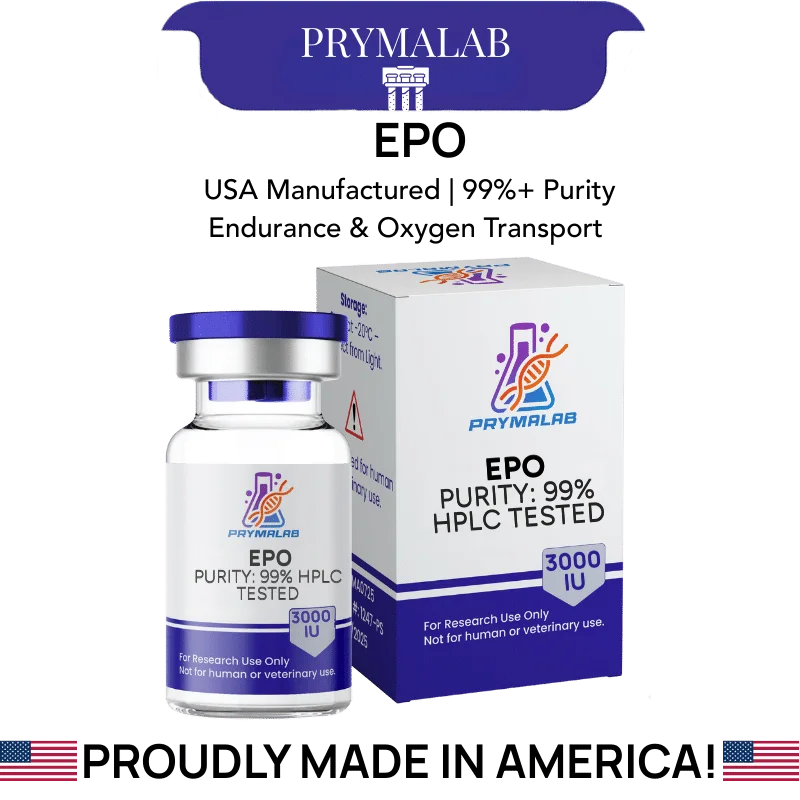



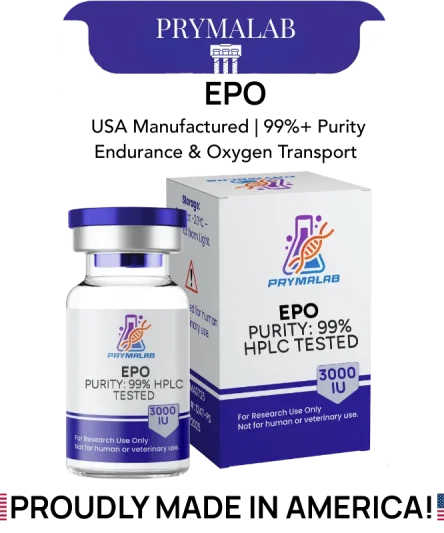






14 reviews for EPO (Erythropoietin) 3000IU