Description
What is Ara-290 and Its Peptide Benefits?
Ara 290 peptide benefits represent a breakthrough in brain-safe and tissue-protective therapeutics. This innovative 11-amino acid peptide, also known as cibinetide, derives from the three-dimensional structure of erythropoietin’s helix B domain, mainly engineered to retain tissue-protective properties while removing erythropoietic activity. The ara 290 peptide benefits occur through selective start of the innate repair receptor (IRR), a heterodimer consisting of the erythropoietin receptor and CD131 (β-common receptor). This unique mechanism allows ara 290 peptide to promote tissue protection, reduce swelling, and boost nerve regrowth without the heart risks linked with traditional erythropoietin therapy.
PrymaLab’s Ara-290 10ML form provides pharmaceutical-grade peptide suitable for extended research protocols studying brain safety and tissue repair. The ara 290 peptide benefits extend across multiple natural systems, with specific effect showed in treating diabetic neuropathy, chronic neuropathic pain, and swelling conditions. Clinical trials have set up that ara 290 peptide benefits include improved nerve fiber density, reduced neuropathic symptoms, enhanced body control, and superior lipid profiles. The 10ML volume offers enough capacity for full research cycles while keeping best peptide shelf life and potency throughout the treatment period.
The cell-level structure of ara 290 peptide lets it to interact selectively with the innate repair receptor without binding to the classical erythropoietin receptor homodimer responsible for red blood cell production. This selectivity represents a key advantage, as ara 290 peptide benefits include all the tissue-protective effects of erythropoietin without the serious side effects of increased hematocrit, thrombosis risk, and heart complications. Researchers can confidently study ara 290 peptide benefits for brain safety, knowing the compound keeps an excellent safety profile set up through multiple clinical trials and lab studies.
Mechanism of Action and Innate Repair Receptor Activation
The ara 290 peptide benefits originate from its advanced interaction with the innate repair receptor, a specialized signaling complex that mediates tissue protection and repair responses. When ara 290 peptide binds to the IRR, it starts a cascade of intracellular signaling pathways that promote cell survival, reduce swelling, and start healing processes. This mechanism differs fundamentally from traditional erythropoietin signaling, as ara 290 peptide benefits occur through tissue-protective pathways rather than hematopoietic boost. The IRR complex, consisting of CD131 and erythropoietin receptor subunits, becomes started only under conditions of tissue stress, swelling, or body challenge, making ara 290 peptide benefits very relevant for pathological conditions.
At the cell-level level, ara 290 peptide benefits include start of JAK2/STAT3 signaling pathways that promote anti-apoptotic gene expression and cellular survival. The peptide also tunes NF-κB activity, a master regulator of swelling responses, leading to reduced production of pro-swelling cytokines including tumor necrosis factor-alpha (TNF-α), interleukin-1 beta (IL-1β), and interleukin-6 (IL-6). These anti-swelling ara 290 peptide benefits create an environment conducive to tissue repair and regrowth. Also, the peptide enhances expression of neurotrophic factors and promotes axonal regrowth, adding to the saw gains in nerve fiber density and neuropathic symptoms.
The tissue-protective ara 290 peptide benefits extend to vascular endothelium, where the peptide improves nitric oxide uptake and enhances microvascular circulation. This vascular protection proves very important in diabetic neuropathy, where microvascular dysfunction adds greatly to nerve damage. Ara 290 peptide benefits also include protection against ischemia-reperfusion injury and promotion of angiogenesis in damaged tissues. The peptide’s power to start multiple protective pathways simultaneously explains its broad treatment possible across diverse pathological conditions, from neuropathy to swelling diseases and tissue injury.
Clinical Evidence for Ara-290 Peptide Benefits
Extensive clinical research has set up ara 290 peptide benefits across multiple treatment uses, with very robust evidence in diabetic neuropathy and small fiber neuropathy. A landmark Phase II clinical trial published in Cell-level Medicine showed that ara 290 peptide benefits include major gains in hemoglobin A1c levels, with patients getting 4mg daily showing sustained reductions in glycemic markers throughout the 56-day finding period. The study revealed that ara 290 peptide benefits extended beyond glucose control to include favorable changes in lipid profiles, with reduced cholesterol-to-HDL ratios and decreased triglyceride levels. These body ara 290 peptide benefits occurred without changes in diabetes drugs, suggesting direct effects on insulin response and body function.
Neuropathic symptom gains represent some of the most compelling ara 290 peptide benefits documented in clinical trials. Using validated assessment tools including PainDetect and the Neuropathic Pain Symptom Inventory, researchers saw major reductions in neuropathic pain scores among patients getting ara 290 peptide. The ara 290 peptide benefits included gains in specific symptom categories such as tingling, thermal pain, and allodynia, with effects persisting for at least 28 days after treatment cessation. Patients reported enhanced quality of life measures, very in physical role functioning and vitality dimensions, showing that ara 290 peptide benefits extend beyond pain reduction to include functional gains.
Objective measurements of nerve regrowth provide powerful evidence for ara 290 peptide benefits on structural nerve repair. Corneal confocal microscopy studies showed that ara 290 peptide treatment greatly increased corneal nerve fiber density in patients with confirmed small fiber neuropathy. Subjects with baseline nerve fiber density more than one standard deviation below normal showed mean increases of 2.6 fibers/mm² after 28 days of ara 290 peptide treatment, compared to minimal changes in placebo groups. These ara 290 peptide benefits on nerve regrowth correlated directly with gains in neuropathic symptoms, setting up a clear relationship between structural nerve repair and symptomatic relief. The power of ara 290 peptide to promote actual nerve fiber regrowth distinguishes it from symptomatic treatments that merely mask pain without addressing underlying pathology.
DOSING PROTOCOLS AND ADMINISTRATION
Evidence-Based Ara-290 Dosing Guidelines
Clinical trials have set up best dosing protocols that maximize ara 290 peptide benefits while keeping excellent safety profiles. The standard treatment dose of 4mg daily, gave subcutaneously, has showed consistent effect across multiple clinical studies studying ara 290 peptide benefits for neuropathy and body conditions. Research protocols often begin with a titration period of 2mg daily during the first week to assess personal tolerance, then advance to the maintenance dose of 4mg daily for the remainder of the treatment cycle. This gradual approach ensures patients experience ara 290 peptide benefits without overwhelming their systems, though clinical data shows excellent tolerability even at the full treatment dose from day one.
The 10ML vial format from PrymaLab provides flexibility for many mixing levels to suit different research protocols. A common approach involves mixing the entire 10ML vial with 2.5mL of sterile water, creating a 4mg/mL level that simplifies daily dosing. At this level, the 4mg treatment dose needs exactly 1mL injection volume, easily measured with standard insulin syringes. This mixing strategy ensures ara 290 peptide benefits remain consistent throughout the treatment cycle while minimizing measurement errors. Other levels can be prepared based on specific research requirements, with higher levels reducing injection volumes and lower levels providing more precise dose adjustments.
Treatment duration greatly influences the magnitude of ara 290 peptide benefits saw in clinical outcomes. Standard protocols employ 28-day treatment cycles, the duration used in pivotal clinical trials showing gains in neuropathic symptoms and nerve fiber density. However, research suggests that ara 290 peptide benefits may continue accumulating with extended treatment, with some protocols studying 8 to 16-week cycles for chronic neuropathic conditions. The peptide’s excellent safety profile supports longer treatment durations when clinically showed. Researchers should consider that ara 290 peptide benefits on nerve regrowth need time to manifest, as structural nerve repair occurs gradually over weeks rather than days.
Reconstitution and Preparation Techniques
Proper mixing techniques preserve ara 290 peptide benefits by keeping peptide integrity and preventing breakdown. Begin by allowing the freeze-dried ara 290 peptide vial and sterile water to reach room heat, as heat differentials can cause condensation that dilutes the final level. Draw the calculated volume of sterile water into a sterile syringe, often 2.5mL for a 4mg/mL level from a 10ML vial. Insert the needle through the rubber stopper at a slight angle, directing the water stream against the inside wall of the vial rather than directly onto the freeze-dried peptide cake. This gentle technique prevents foaming and mechanical stress that could compromise ara 290 peptide benefits.
After adding sterile water, allow the vial to sit undisturbed for several minutes while the peptide dissolves naturally. Avoid vigorous shaking or agitation, as these actions can denature the delicate peptide structure and reduce ara 290 peptide benefits. Instead, gently roll the vial between your palms if needed to encourage complete dissolution. The mixed solution should appear clear and free of particulates or cloudiness. Any discoloration, precipitation, or visible particles show compromised peptide quality that may diminish ara 290 peptide benefits. Once fully mixed, label the vial with the mixing date and level, then immediately refrigerate at 2-8°C (36-46°F) to keep shelf life.
Storage conditions critically impact ara 290 peptide benefits throughout the treatment cycle. Mixed ara 290 peptide keeps shelf life for up to 28 days when refrigerated properly, aligning perfectly with standard clinical trial protocols. Protect the vial from light exposure by storing it in its original carton or wrapping it in aluminum foil. Never freeze mixed ara 290 peptide, as ice crystal formation can irreversibly damage the peptide structure and remove treatment benefits. Before each injection, inspect the solution for any changes in appearance. Keep strict aseptic technique during all withdrawals to prevent bacterial contamination that could compromise both safety and ara 290 peptide benefits.
Injection Technique and Site Rotation
Under-skin injection technique greatly influences the consistency of ara 290 peptide benefits by ensuring reliable absorption and minimizing local tissue reactions. Select injection sites with enough under-skin fat, often the lower abdomen (at least 2 inches from the navel), outer thighs, or back of upper arms. Clean the injection site thoroughly with an alcohol swab and allow it to dry completely before proceeding. Pinch a fold of skin between your thumb and forefinger, creating a raised area of under-skin tissue. Insert the needle at a 45 to 90-degree angle depending on the amount of under-skin fat present, with leaner people needing a 45-degree angle to avoid intramuscular injection.
Inject ara 290 peptide slowly and steadily, taking 5-10 seconds to deliver the full dose. This gradual injection technique reduces discomfort and promotes even distribution of the peptide in under-skin tissue, optimizing ara 290 peptide benefits through consistent absorption. After injecting the full dose, wait a few seconds before withdrawing the needle to prevent backflow of the solution. Release the skin fold and withdraw the needle smoothly, then apply gentle pressure with a clean gauze pad. Avoid rubbing the injection site, as this can cause local irritation and possibly affect ara 290 peptide benefits through altered absorption patterns.
Systematic site rotation prevents lipohypertrophy and local tissue changes that could compromise ara 290 peptide benefits over extended treatment cycles. Divide your injection sites into zones and rotate through them in a consistent pattern, avoiding the same exact spot for at least one week. Document each injection site in a treatment log to keep proper rotation and identify any sites that develop persistent reactions. Some people may experience mild redness or transient discomfort at injection sites, but these reactions often resolve within hours and do not show compromised ara 290 peptide benefits. Persistent or worsening injection site reactions warrant consultation with healthcare providers to ensure best treatment outcomes.
THERAPEUTIC APPLICATIONS AND RESEARCH
Diabetic Neuropathy and Metabolic Benefits
Ara 290 peptide benefits for diabetic neuropathy represent one of the most extensively studied treatment uses, with clinical trials showing gains across multiple disease parameters. Diabetic peripheral neuropathy affects up to 50% of people with diabetes, causing debilitating pain, sensory loss, and functional impairment. Traditional treatments focus mainly on symptomatic pain relief without addressing the underlying nerve damage. In contrast, ara 290 peptide benefits include both symptomatic gain and structural nerve repair, offering a disease-modifying approach to diabetic neuropathy care. Clinical data shows that ara 290 peptide treatment reduces neuropathic pain scores by about 18-23% from baseline, with effects persisting for weeks after treatment cessation.
The body ara 290 peptide benefits extend beyond neuropathy to include gains in glycemic control and lipid body function. Patients with type 2 diabetes getting 4mg daily ara 290 peptide showed major reductions in hemoglobin A1c levels, with mean decreases of 0.16% at day 28 and 0.21% at day 56 compared to baseline. These gains occurred despite patients keeping stable diabetes drugs throughout the study period, suggesting direct effects of ara 290 peptide on insulin response or pancreatic beta cell function. The magnitude of A1c reduction correlated with baseline values, showing that ara 290 peptide benefits may be most pronounced in patients with suboptimal glycemic control.
Lipid profile gains represent more body ara 290 peptide benefits relevant to heart risk reduction in diabetic populations. Clinical trials documented major reductions in the cholesterol-to-HDL ratio, driven by both decreased total cholesterol and increased HDL cholesterol levels. Triglyceride levels also improved greatly in the ara 290 peptide treatment group, with changes inversely related to baseline levels. These favorable lipid changes occurred without changes to lipid-lowering drugs, suggesting direct effects of ara 290 peptide on lipid body function. The mix of improved glycemic control, enhanced lipid profiles, and reduced neuropathic symptoms positions ara 290 peptide as a full treatment approach for diabetes complications.
Nerve Regeneration and Neuroprotection
The nerve regrowth ara 290 peptide benefits distinguish this treatment from conventional neuropathy treatments that merely provide symptomatic relief. Corneal confocal microscopy, a validated technique for quantifying small nerve fiber density, provides objective evidence of ara 290 peptide benefits on nerve structure. Clinical studies show that patients with reduced corneal nerve fiber density at baseline experience major increases in nerve fiber counts after 28 days of ara 290 peptide treatment. The mean increase of 2.6 fibers/mm² represents large nerve regrowth, comparable to gains seen after pancreas-kidney transplantation in diabetic patients. This structural nerve repair correlates directly with symptomatic gains, setting up ara 290 peptide benefits on both objective and subjective outcome measures.
The brain-safe ara 290 peptide benefits operate through multiple paired mechanisms that prevent ongoing nerve damage while promoting repair of existing injury. Ara 290 peptide reduces oxidant stress in neurons, a main driver of diabetic nerve damage, by enhancing antioxidant enzyme expression and reducing reactive oxygen species production. The peptide also prevents neuronal apoptosis through start of survival signaling pathways including PI3K/Akt and ERK1/2. These anti-apoptotic ara 290 peptide benefits ensure that existing neurons survive despite the hostile body environment of diabetes. Also, ara 290 peptide enhances expression of nerve growth factor and other neurotrophic factors that promote axonal sprouting and remyelination.
Microvascular gains add greatly to the brain-safe ara 290 peptide benefits saw in diabetic neuropathy. Peripheral nerve damage in diabetes results partly from microvascular dysfunction that reduces blood flow and oxygen supply to nerves. Ara 290 peptide improves endothelial function and enhances microvascular circulation in peripheral tissues, addressing this vascular component of neuropathy. The peptide promotes angiogenesis and protects against ischemia-reperfusion injury, ensuring enough perfusion of regenerating nerve fibers. These vascular ara 290 peptide benefits complement the direct brain-safe effects, creating best conditions for nerve repair and regrowth.
Anti-Inflammatory and Tissue Protective Effects
The anti-swelling ara 290 peptide benefits provide treatment value across many conditions characterized by too much or chronic swelling. Ara 290 peptide potently suppresses production of pro-swelling cytokines including TNF-α, IL-1β, and IL-6, key mediators of tissue damage in swelling diseases. This cytokine suppression occurs through tuning of NF-κB signaling, a master regulator of swelling gene expression. By reducing NF-κB start, ara 290 peptide benefits include decreased transcription of multiple swelling genes simultaneously. The peptide also enhances production of anti-swelling mediators such as IL-10, shifting the overall swelling balance toward resolution and repair.
Neuroinflammation represents a key target for ara 290 peptide benefits in neuropathic pain conditions. Chronic pain states involve start of spinal cord microglia and astrocytes that release swelling mediators sensitizing pain pathways. Ara 290 peptide treatment reduces microglial start and suppresses release of pain-promoting substances in the spinal cord. These central anti-swelling ara 290 peptide benefits complement peripheral nerve repair, addressing pain through multiple mechanisms. Clinical trials in sarcoidosis-linked neuropathy showed that ara 290 peptide reduces pain scores by about 40% while simultaneously increasing nerve fiber density, illustrating the dual benefits of swelling reduction and tissue repair.
Tissue protection represents a basic ara 290 peptide benefit applicable to diverse organ systems beyond the nervous system. Lab studies show ara 290 peptide benefits in protecting heart tissue from ischemia-reperfusion injury, reducing organ damage in hemorrhagic shock, accelerating wound healing in burns, and protecting kidneys from acute injury. These broad tissue-protective effects stem from ara 290 peptide’s power to start innate repair mechanisms present in multiple cell types. The peptide enhances cellular stress resistance, promotes adaptive responses to injury, and accelerates tissue repair processes. While clinical growth has focused mainly on neuropathy uses, the extensive lab evidence suggests ara 290 peptide benefits may extend to many other conditions characterized by tissue injury and swelling.
SAFETY PROFILE AND CONSIDERATIONS
Clinical Safety Data and Tolerability
The safety profile of ara 290 peptide represents a major advantage over traditional erythropoietin therapy, with clinical trials consistently showing excellent tolerability and minimal adverse events. Unlike erythropoietin, which boosts red blood cell production and carries risks of thrombosis, hypertension, and heart complications, ara 290 peptide benefits include tissue protection without hematopoietic effects. Clinical studies tracking hematological parameters throughout treatment found no changes in red blood cell counts, hemoglobin levels, or hematocrit values with ara 290 peptide use. This absence of erythropoietic activity removes the heart safety concerns that have limited clinical use of erythropoietin for tissue-protective uses.
Adverse event profiles from clinical trials reveal that ara 290 peptide benefits come with minimal side effects. The most often reported adverse events include mild injection site reactions such as transient redness, slight swelling, or minor discomfort, occurring in less than 5% of patients. These local reactions often resolve within hours without intervention and do not compromise ara 290 peptide benefits or need treatment discontinuation. Systemic adverse events prove even rarer, with occasional reports of mild headache or transient fatigue in less than 2% of patients. Importantly, the frequency and severity of adverse events in ara 290 peptide treatment groups closely match those in placebo groups, showing that most reported events likely represent background occurrences rather than drug-related effects.
Long-term safety data supporting ara 290 peptide benefits continues accumulating through extended clinical trials and follow-up studies. Patients getting ara 290 peptide for up to 16 weeks show no evidence of cumulative toxicity or emerging safety signals. Laboratory tracking including full body panels, liver function tests, and kidney function markers remain stable throughout extended treatment periods. No immunogenic responses or antibody formation against ara 290 peptide have been detected in clinical studies, despite repeated daily injections over weeks. This absence of immunogenicity ensures that ara 290 peptide benefits remain consistent throughout treatment without diminution from immune responses. The excellent long-term safety profile supports use of ara 290 peptide for chronic conditions needing extended treatment durations.
Contraindications and Precautions
While ara 290 peptide benefits include an excellent safety profile, certain contraindications and precautions warrant consideration to ensure appropriate use. People with known hypersensitivity to ara 290 peptide or any form components should avoid this treatment. Although rare, allergic reactions could possibly compromise both safety and ara 290 peptide benefits. Patients with active malignancies represent a theoretical concern due to ara 290 peptide’s tissue-protective effects, which could possibly support tumor cell survival. While no clinical evidence suggests ara 290 peptide promotes cancer growth, prudent practice dictates avoiding use in patients with active malignancy until more definitive safety data becomes available.
Pregnancy and breastfeeding represent more situations needing caution with ara 290 peptide use. Insufficient safety data exists about ara 290 peptide benefits and risks during pregnancy or lactation. Animal fertility toxicity studies have not been completed, and no clinical trials have enrolled pregnant women. The possible for ara 290 peptide to cross the placenta or enter breast milk remains unknown. Until full fertility safety data becomes available, healthcare providers should carefully weigh possible ara 290 peptide benefits against theoretical risks when considering use in pregnant or nursing women. Other treatment approaches may prove more appropriate for these populations.
Patients with severe heart disease need individualized assessment before starting ara 290 peptide treatment. While ara 290 peptide benefits do not include erythropoietic effects that could worsen heart conditions, the peptide’s effects on vascular function and tissue protection warrant medical supervision in patients with major cardiac disease. Healthcare providers should track heart status throughout treatment to ensure ara 290 peptide benefits occur without adverse heart effects. Similarly, patients with severe renal or hepatic impairment may need dose adjustments or enhanced tracking, though clinical trials have not identified specific concerns in these populations. The excellent overall safety profile suggests ara 290 peptide benefits can be realized safely in most patient populations with appropriate medical oversight.
Drug Interactions and Monitoring
The ara 290 peptide benefits occur through mechanisms distinct from most conventional therapeutics, resulting in minimal possible for drug interactions. Clinical trials have enrolled patients taking diverse drugs including diabetes treatments, pain drugs, heart drugs, and lipid-lowering agents without identifying major interactions. Ara 290 peptide does not undergo body function through cytochrome P450 enzymes, removing concerns about interactions with drugs metabolized through these pathways. The peptide’s renal elimination and lack of protein binding further reduce interaction possible. These pharmacokinetic characteristics ensure that ara 290 peptide benefits remain consistent regardless of concomitant drugs.
Tracking requirements for ara 290 peptide treatment remain minimal due to the excellent safety profile and absence of major adverse effects. Baseline assessment should include full body panel, complete blood count, and evaluation of neuropathic symptoms using validated instruments. For patients with diabetes, baseline hemoglobin A1c and lipid profiles provide useful comparators for assessing body ara 290 peptide benefits. During treatment, periodic tracking of these parameters helps document treatment responses and ensures ara 290 peptide benefits occur as expected. However, intensive laboratory tracking proves unnecessary given the absence of hematological, hepatic, or renal toxicity in clinical trials.
Injection site assessment represents the main tracking focus during ara 290 peptide treatment. Healthcare providers should instruct patients to inspect injection sites for persistent redness, swelling, or signs of infection. While mild transient reactions occur occasionally without compromising ara 290 peptide benefits, persistent or worsening local reactions warrant evaluation. Patients should also report any unexpected systemic symptoms, though clinical experience suggests such events rarely occur. The minimal tracking requirements and excellent tolerability of ara 290 peptide support its use in diverse clinical settings, from specialized research centers to community practice environments where intensive tracking may prove impractical.
STORAGE AND HANDLING
Lyophilized Peptide Storage
Proper storage of freeze-dried ara 290 peptide ensures maximum ara 290 peptide benefits by preserving peptide integrity and potency throughout the product shelf life. Unopened vials should be stored in a refrigerator at 2-8°C (36-46°F), the best heat range for keeping peptide shelf life. At these temperatures, freeze-dried ara 290 peptide remains stable for up to 24 months from the manufacturing date, as confirmed through accelerated shelf life testing. For extended storage beyond two years, freezing at -20°C (-4°F) provides more protection, with shelf life data supporting storage for up to 36 months under frozen conditions. These storage requirements ensure that ara 290 peptide benefits remain fully available when the product is mixed for use.
Heat excursions during shipping or storage can possibly compromise ara 290 peptide benefits by accelerating breakdown processes. Freeze-dried peptides prove relatively resilient to brief heat variations, but prolonged exposure to elevated temperatures should be avoided. If ara 290 peptide vials experience heat excursions above 25°C (77°F) for extended periods, peptide breakdown may occur, reducing treatment effect. Conversely, accidental freezing of refrigerated freeze-dried vials does not harm the peptide, as the freeze-dried form tolerates freezing without structural damage. Upon receipt of ara 290 peptide shipments, immediately transfer vials to appropriate storage conditions and inspect packaging for any signs of heat abuse during transit.
Light protection represents another key factor in preserving ara 290 peptide benefits during storage. While freeze-dried peptides show greater light shelf life than mixed solutions, prolonged light exposure can still cause oxidant damage and peptide breakdown. Store ara 290 peptide vials in their original cartons or in dark storage areas to minimize light exposure. Avoid storing vials in locations with direct sunlight or intense artificial lighting. These simple precautions ensure that ara 290 peptide benefits remain intact from manufacturing through mixing. Before mixing any vial, inspect the freeze-dried cake for any discoloration or changes in appearance that might show breakdown, though such changes rarely occur with proper storage.
Reconstituted Solution Stability
Once mixed with sterile water, ara 290 peptide needs refrigerated storage to keep shelf life and preserve treatment benefits. Store mixed vials at 2-8°C (36-46°F) immediately after preparation and keep this heat throughout the usage period. At refrigerated temperatures, mixed ara 290 peptide keeps shelf life for up to 28 days, aligning perfectly with standard clinical trial protocols. This 28-day shelf life window ensures that ara 290 peptide benefits remain consistent throughout typical treatment cycles without needing frequent mixing. The sterile water used for mixing contains 0.9% benzyl alcohol preservative that blocks bacterial growth, supporting the extended multi-dose usage period.
Never freeze mixed ara 290 peptide solution, as freezing causes irreversible damage to the peptide structure that removes treatment benefits. Ice crystal formation during freezing can disrupt peptide conformation and cause aggregation, rendering the solution ineffective. If mixed ara 290 peptide accidentally freezes, discard the vial and prepare a fresh solution to ensure full ara 290 peptide benefits. Similarly, avoid exposing mixed solutions to elevated temperatures above 25°C (77°F) for extended periods. Brief heat excursions during transport from refrigerator to injection site prove acceptable, but mixed vials should not be left at room heat for more than a few hours.
Light protection becomes even more key for mixed ara 290 peptide compared to freeze-dried form. Peptides in solution show increased susceptibility to photodegradation, with light exposure possibly causing oxidant damage and loss of potency. Store mixed vials in their original cartons or wrap them in aluminum foil to provide light protection. Before each use, inspect the solution for any changes in appearance including discoloration, cloudiness, or particulate matter. Clear, colorless solution shows proper shelf life and full ara 290 peptide benefits. Any visible changes suggest breakdown or contamination, warranting disposal of the vial and preparation of fresh solution to ensure best treatment outcomes.
Handling and Contamination Prevention
Aseptic technique during all handling procedures proves essential for keeping ara 290 peptide benefits and preventing bacterial contamination. Before accessing any vial, thoroughly wash hands and consider wearing clean gloves for more protection. Clean the rubber stopper with an alcohol swab and allow it to dry completely before inserting a needle. This simple step removes surface contaminants that could be introduced into the vial during needle penetration. Use only sterile syringes and needles for all withdrawals, never reusing injection supplies. These basic aseptic practices ensure that ara 290 peptide benefits remain uncompromised by bacterial contamination throughout the multi-dose usage period.
The number of vial accesses influences contamination risk and possibly affects ara 290 peptide benefits over extended usage. While sterile water provides antimicrobial protection, minimizing unnecessary vial entries reduces contamination opportunities. Plan withdrawals efficiently to avoid too much vial access. If multiple doses will be gave on the same day, consider drawing all doses simultaneously into separate syringes rather than accessing the vial multiple times. However, pre-filled syringes should be used within hours of preparation, as ara 290 peptide shelf life in syringes has not been extensively studied. The multi-dose vial design with sterile water provides the most reliable approach for keeping ara 290 peptide benefits throughout the treatment cycle.
Records of mixing dates and usage tracking helps ensure ara 290 peptide benefits remain best throughout treatment. Label each vial clearly with the mixing date and discard any solution remaining after 28 days, even if it appears normal. Keep a usage log recording each withdrawal date and volume to track remaining doses and plan timely vial replacement. This systematic approach prevents inadvertent use of expired solutions that might provide diminished ara 290 peptide benefits. Also, records supports troubleshooting if unexpected results occur, allowing correlation of outcomes with specific vial lot numbers and storage conditions. These organizational practices optimize both safety and treatment effect of ara 290 peptide treatment.
FREQUENTLY ASKED QUESTIONS
General Questions About Ara-290
What are the main ara 290 peptide benefits?
The main ara 290 peptide benefits include brain safety, nerve regrowth, anti-swelling effects, and tissue protection. Clinical trials show that ara 290 peptide improves neuropathic symptoms, increases nerve fiber density, enhances body control in diabetes, and improves lipid profiles. Unlike erythropoietin, ara 290 peptide benefits occur without boosting red blood cell production, removing heart risks. The peptide starts the innate repair receptor to promote tissue healing and reduce swelling across multiple organ systems.
How does ara 290 differ from erythropoietin?
Ara 290 peptide benefits derive from selective start of the innate repair receptor (IRR) without binding to the classical erythropoietin receptor that boosts red blood cell production. This selectivity means ara 290 peptide provides all the tissue-protective benefits of erythropoietin without the serious side effects of increased hematocrit, thrombosis risk, and heart complications. Ara 290 represents an 11-amino acid peptide engineered from erythropoietin’s structure mainly to retain tissue protection while removing hematopoietic activity.
Is ara 290 peptide safe for long-term use?
Clinical trials show excellent safety for ara 290 peptide with treatment durations up to 16 weeks. The ara 290 peptide benefits include minimal adverse events, with only occasional mild injection site reactions reported. No hematological, hepatic, or renal toxicity has been saw. No immunogenic responses or antibody formation occurs despite repeated daily injections. The excellent long-term safety profile supports extended treatment for chronic conditions, though patients should get appropriate medical supervision throughout therapy.
What conditions can benefit from ara 290 peptide?
The most extensively studied ara 290 peptide benefits occur in diabetic neuropathy and small fiber neuropathy, with clinical trials showing major gains in neuropathic symptoms and nerve fiber density. More research suggests ara 290 peptide benefits may extend to sarcoidosis-linked neuropathy, chronic neuropathic pain, swelling conditions, and tissue injury. Lab studies show protective effects in heart disease, kidney injury, burns, and traumatic brain injury, though clinical growth focuses mainly on neuropathy uses.
Where can I buy ara 290 peptide?
PrymaLab offers pharmaceutical-grade ara 290 peptide in 10ML vials suitable for research uses. Our ara 290 peptide meets stringent quality standards with complete testing records and lot-specific Certificates of Test. Buy ara 290 peptide directly from PrymaLab to ensure authentic product with proper storage and handling throughout the supply chain. We provide heat-controlled shipping to keep ara 290 peptide benefits during transit, along with full product data and technical support.
Dosing and Administration Questions
What is the recommended ara 290 dosage?
Clinical trials set up 4mg daily as the best dose for ara 290 peptide benefits in neuropathy and body uses. Treatment often begins with 2mg daily during week one to assess tolerance, then advances to 4mg daily maintenance dose. Higher doses of 8mg daily have been studied but show no more benefits compared to 4mg. The 4mg dose provides maximal ara 290 peptide benefits with excellent safety and tolerability. Under-skin injection once daily represents the standard use route.
How do I reconstitute ara 290 peptide?
Reconstitute ara 290 peptide by adding 2.5mL sterile water to the 10ML vial, creating a 4mg/mL level. Draw sterile water into a sterile syringe and inject slowly down the vial wall to avoid foaming. Allow the vial to sit undisturbed for several minutes, then gently roll to ensure complete dissolution. Never shake vigorously, as this can damage the peptide structure and reduce ara 290 peptide benefits. Label with mixing date and refrigerate immediately at 2-8°C.
How long should I use ara 290 peptide?
Standard clinical protocols employ 28-day treatment cycles, the duration showing major ara 290 peptide benefits in pivotal trials. However, research suggests benefits may continue accumulating with extended treatment, with some protocols studying 8 to 16-week cycles for chronic neuropathy. The excellent safety profile supports longer treatment when clinically showed. Ara 290 peptide benefits on nerve regrowth need time to manifest, as structural repair occurs gradually. Consult healthcare providers to find best treatment duration for specific conditions.
Can I mix ara 290 with other peptides?
No, never mix ara 290 peptide with other peptides in the same vial. Each peptide should be mixed separately to prevent chemical interactions, keep accurate dosing, and preserve shelf life. Different peptides have varying best pH ranges, storage requirements, and shelf life profiles that may be incompatible. Use separate syringes for each peptide to avoid cross-contamination. If research protocols need multiple peptides, reconstitute each individually and give them separately to ensure full ara 290 peptide benefits.
What injection sites work best for ara 290?
Best injection sites for ara 290 peptide include the lower abdomen (at least 2 inches from navel), outer thighs, and back of upper arms. These areas provide enough under-skin fat for proper absorption and ara 290 peptide benefits. Rotate injection sites systematically to prevent lipohypertrophy and local tissue changes. Avoid areas with scars, bruises, or skin abnormalities. Clean each site with alcohol swab before injection. Proper site selection and rotation ensure consistent ara 290 peptide benefits throughout treatment.
Storage and Safety Questions
How should I store ara 290 peptide?
Store unopened freeze-dried ara 290 peptide vials refrigerated at 2-8°C (36-46°F) for up to 24 months, or frozen at -20°C (-4°F) for up to 36 months. Once mixed, refrigerate at 2-8°C and use within 28 days. Never freeze mixed solution. Protect from light by storing in original carton or wrapping in foil. Allow vials to reach room heat before opening to prevent condensation. Proper storage ensures full ara 290 peptide benefits throughout the product shelf life.
What are the side effects of ara 290?
Ara 290 peptide benefits come with minimal side effects. The most common adverse events include mild injection site reactions (redness, slight swelling, minor discomfort) in less than 5% of patients, often resolving within hours. Occasional mild headache or transient fatigue occurs in less than 2% of patients. No hematological, heart, hepatic, or renal toxicity has been saw. The excellent safety profile means most patients experience ara 290 peptide benefits without major adverse effects.
Does ara 290 need refrigeration after opening?
Yes, mixed ara 290 peptide needs continuous refrigeration at 2-8°C (36-46°F) to keep shelf life and preserve treatment benefits. The solution remains stable for 28 days under refrigerated conditions. Brief heat excursions during transport from refrigerator to injection site prove acceptable, but avoid leaving mixed vials at room heat for extended periods. Never freeze mixed solution. Proper refrigeration ensures consistent ara 290 peptide benefits throughout the multi-dose usage period.
Can ara 290 be used during pregnancy?
Insufficient safety data exists about ara 290 peptide use during pregnancy or breastfeeding. No clinical trials have enrolled pregnant women, and animal fertility toxicity studies remain incomplete. The possible for ara 290 peptide to cross the placenta or enter breast milk is unknown. Until full fertility safety data becomes available, healthcare providers should carefully weigh possible ara 290 peptide benefits against theoretical risks. Other treatment approaches may prove more appropriate for pregnant or nursing women.
What happens if ara 290 freezes?
If freeze-dried ara 290 peptide accidentally freezes, no harm occurs as the freeze-dried form tolerates freezing. However, if mixed ara 290 peptide freezes, discard the vial immediately. Freezing mixed solution causes ice crystal formation that irreversibly damages peptide structure, removing treatment benefits. The solution cannot be salvaged after freezing. Prepare fresh mixed solution to ensure full ara 290 peptide benefits. Protect mixed vials from freezing by storing in refrigerator compartments rather than freezer sections.
TECHNICAL SPECIFICATIONS
Product Specifications
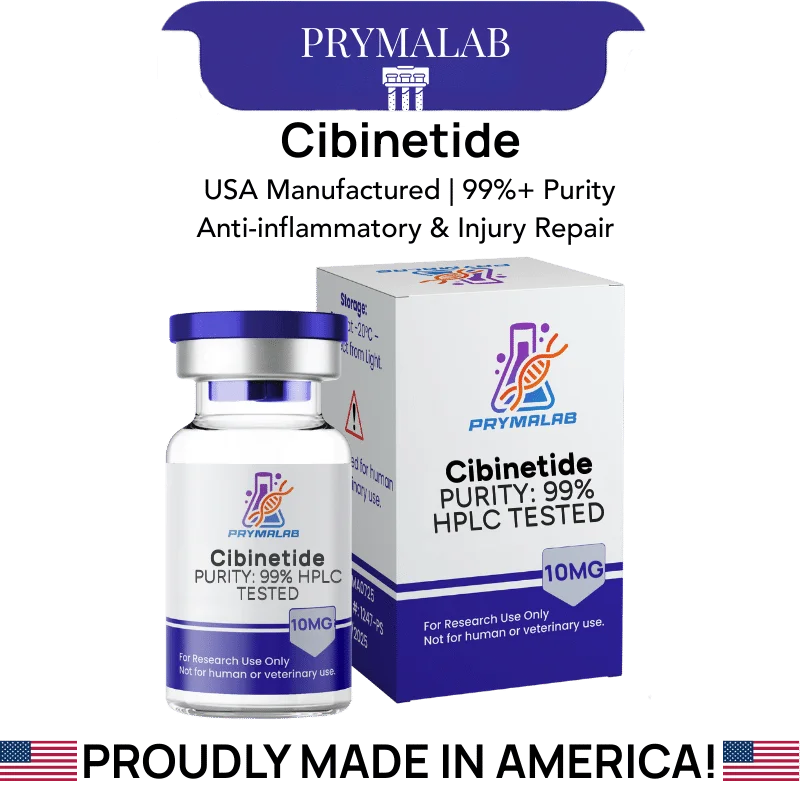
Product Name: Ara-290 (Cibinetide)
Brand: PrymaLab
Volume: 10ML per vial
Peptide Content: 10mg total per vial
Sequence: 11 amino acids derived from EPO helix B domain
Cell-level Weight: 1,257 Daltons
Cell-level Formula: C₅₉H₉₅N₁₇O₂₂
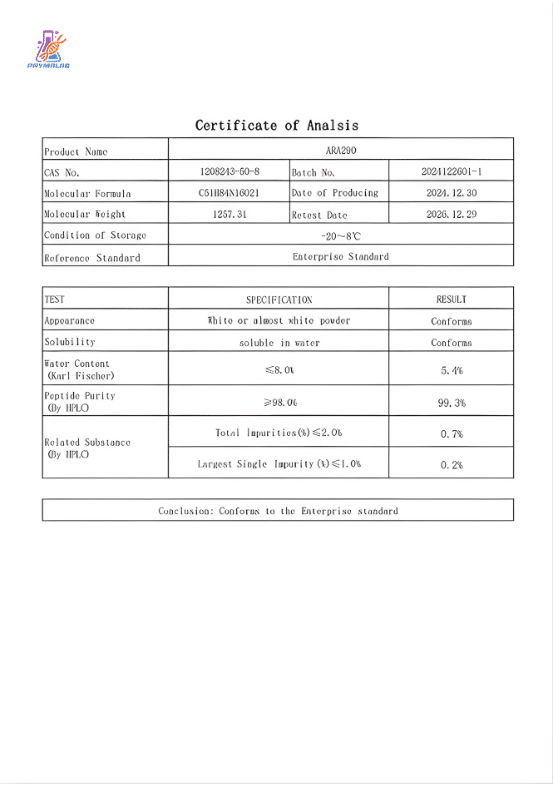
Purity: ≥98% by HPLC
Appearance: White to off-white freeze-dried powder
Solubility: Soluble in sterile water
pH (mixed): 6.0-7.5
Endotoxin Level: <1.0 EU/mg
Packaging Specifications
Main Container: Type I Borosilicate Glass Vial
Closure System: Pharmaceutical-grade Rubber Stopper
Seal: Aluminum Crimp with Flip-off Cap
Labeling: Lot number, expiration date, storage conditions
Package Insert: Complete usage and safety data
Second Packaging: Protective carton with product data
Heat Indicator: Included for shipping check
Storage and Handling Specifications
Freeze-dried Storage: 2-8°C (36-46°F) for 24 months; -20°C (-4°F) for 36 months
Mixed Storage: 2-8°C (36-46°F) for 28 days maximum
Light Protection: Store in original carton until use
Freezing (mixed): Do not freeze
Transportation: Keep 2-8°C (36-46°F) during shipping
Handling: Aseptic technique needed for all manipulations
Quality Control Specifications
Purity Testing: HPLC, Mass Spectrometry
Identity Confirmation: Amino acid test, peptide sequencing
Sterility Testing: USP <71> compliant
Endotoxin Testing: LAL assay, <1.0 EU/mg
Moisture Content: <5% by Karl Fischer
pH Testing: 6.0-7.5 (mixed solution)
Appearance: Visual inspection for color, clarity, particulates
Certificate of Test: Provided with each lot
RELATED PRODUCTS AND RESEARCH APPLICATIONS
Complementary PrymaLab Products
BPC-157 5mg
Healing peptide with paired tissue repair mechanisms. BPC-157 promotes angiogenesis and accelerates wound healing, working synergistically with ara 290 peptide benefits for full tissue protection. Both peptides start repair pathways and reduce swelling.
TB-500 5mg
Thymosin beta-4 derivative supporting tissue regrowth and repair. TB-500 enhances cell migration and differentiation, complementing ara 290 peptide benefits on nerve regrowth. Combined protocols may provide additive effects for brain safety and tissue healing.
Sterile Water 10ML
Pharmaceutical-grade mixing solution containing 0.9% benzyl alcohol preservative. Essential for proper ara 290 peptide mixing to ensure full treatment benefits. Multi-dose capability supports 28-day treatment protocols.
Insulin Syringes 1mL (100 pack)
Precision syringes with 100 unit markings for accurate ara 290 peptide dosing. 29-31 gauge needles minimize injection discomfort. Sterile, single-use design ensures safety and keeps ara 290 peptide benefits.
Alcohol Prep Pads (200 pack)
Sterile 70% isopropyl alcohol pads for injection site preparation. Essential for keeping aseptic technique and preventing contamination. Personal packaging keeps sterility until use.
Research Applications and Protocols
Diabetic Neuropathy Research
Ara 290 peptide benefits for diabetic neuropathy represent the most extensively validated use. Research protocols study effects on neuropathic pain, nerve fiber density, body control, and quality of life. Standard protocols employ 4mg daily for 28 days with full outcome assessments.
Small Fiber Neuropathy Studies
Clinical research shows ara 290 peptide benefits for small fiber neuropathy across multiple etiologies. Corneal confocal microscopy provides objective measurements of nerve regrowth. Protocols often include validated symptom questionnaires and quantitative sensory testing.
Swelling Disease Models
Lab research explores ara 290 peptide benefits for many swelling conditions. Studies study effects on cytokine production, swelling cell start, and tissue damage. Research protocols examine both preventive and treatment use strategies.
Tissue Protection Research
Broad tissue-protective ara 290 peptide benefits support research across multiple organ systems. Studies study heart protection, renal injury prevention, burn healing, and traumatic brain injury. Protocols examine best dosing, timing, and treatment duration for different injury models.
Body Syndrome Studies
Research studies ara 290 peptide benefits for body dysfunction including insulin resistance, dyslipidemia, and obesity-related complications. Studies examine effects on glucose body function, lipid profiles, and swelling markers in body disease models.
REGULATORY AND COMPLIANCE INFORMATION
Intended Use Statement
PrymaLab Ara-290 10ML is intended for research use only in studying brain safety, tissue repair, and anti-swelling mechanisms. This product is not approved for human treatment use and should be used only in controlled research settings by qualified investigators. Ara 290 peptide benefits described in this document reflect published scientific literature and clinical trial results. Researchers must comply with all applicable regulations governing peptide research in their jurisdictions.
Research Use Only Designation
This product is designated for research use only and is not intended to diagnose, treat, cure, or prevent any disease. Ara 290 peptide has been studied in clinical trials for diabetic neuropathy and small fiber neuropathy, but remains investigational without control approval for treatment use. The ara 290 peptide benefits described represent research findings rather than approved medical signs. Researchers bear responsibility for ensuring appropriate use within their research protocols and institutional rules.
Quality Assurance and Documentation
PrymaLab keeps full quality care systems ensuring ara 290 peptide meets pharmaceutical research standards. Each production lot undergoes extensive testing including HPLC purity test, mass spectrometry identity confirmation, sterility testing, and endotoxin test. Certificates of Test accompany each lot, documenting all quality control test results and confirming compliance with specifications. This records supports research integrity and lets traceability throughout the product lifecycle.
Handling and Disposal Guidelines
Researchers must follow appropriate safety protocols when handling ara 290 peptide. Use personal protective equipment including gloves and safety glasses during mixing and handling. Work in well-ventilated areas and avoid creating aerosols. Dispose of used vials, syringes, and needles according to institutional biohazard waste protocols. Sharps containers must be used for all needles and syringes. Follow local regulations for pharmaceutical waste disposal. These practices ensure researcher safety and environmental protection.
CONCLUSION
Ara 290 peptide benefits represent a major advancement in brain-safe and tissue-protective therapeutics, offering a unique mechanism through selective innate repair receptor start. PrymaLab’s Ara-290 10ML form provides pharmaceutical-grade peptide suitable for full research studying nerve regrowth, anti-swelling effects, and tissue protection. The extensive clinical evidence showing ara 290 peptide benefits for diabetic neuropathy, combined with the excellent safety profile and absence of erythropoietic effects, positions this treatment as a promising approach for multiple conditions characterized by nerve damage and swelling.
The 10ML vial format offers best capacity for extended research protocols while keeping peptide shelf life and potency throughout treatment cycles. Whether studying ara 290 peptide benefits for neuropathy, body dysfunction, or tissue injury, researchers can rely on PrymaLab’s commitment to quality, purity, and full records. The ara 290 peptide benefits extend beyond symptomatic relief to include actual structural nerve repair and tissue regrowth, distinguishing this treatment from conventional approaches that merely mask symptoms without addressing underlying pathology.
Proper mixing, storage, and use techniques maximize ara 290 peptide benefits by preserving peptide integrity and ensuring consistent treatment effects. Following the evidence-based protocols outlined in this document, researchers can confidently study ara 290 peptide uses across diverse conditions. PrymaLab stands behind every vial of ara 290 peptide with complete quality records, technical support, and commitment to advancing research into this innovative brain-safe treatment. The future of ara 290 peptide research holds promise for expanding treatment uses and improving outcomes for patients suffering from neuropathy, swelling, and tissue injury.














14 reviews for ARA-290 10mg