⚠️ ALL PRODUCTS ARE FOR RESEARCH PURPOSES ONLY ⚠️

⚠️ ALL PRODUCTS ARE FOR RESEARCH PURPOSES ONLY ⚠️

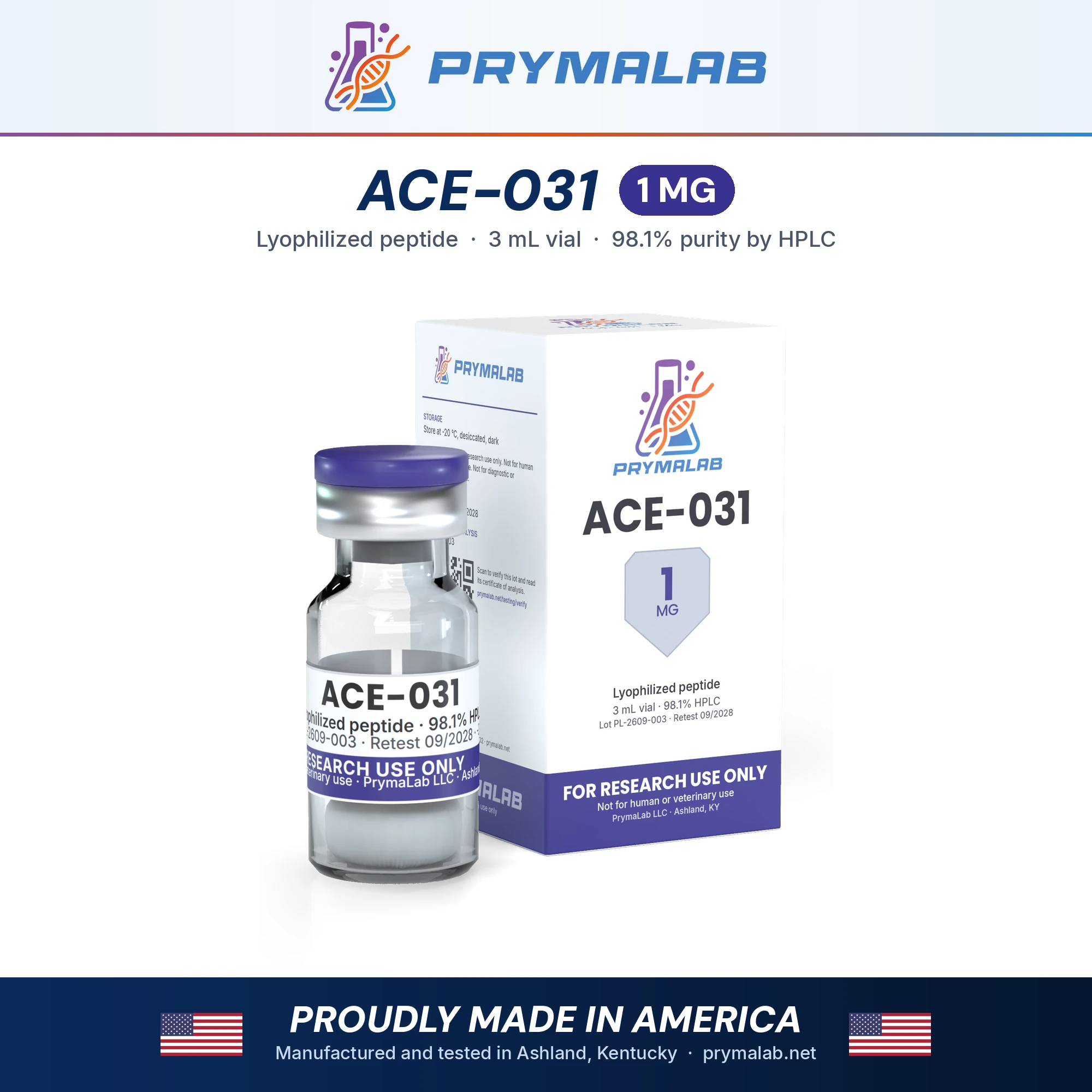
ACE-031 1MG

$109.99 / month$934.99

Buy ACE-031 1MG peptide – advanced myostatin inhibitor for muscle growth research. Blocks muscle growth limiters, promotes lean mass development. 99% purity, USA-made, same day shipping.

Description

What is ACE-031 Peptide?

ACE-031 peptide represents one of the most powerful approaches to muscle growth research through myostatin blocking. This advanced myostatin inhibitor peptide is a recombinant fusion protein that combines the extracellular domain of activin receptor type IIB (ActRIIB) with the Fc region of human immunoglobulin G1 (IgG1). The result is a advanced cell-level tool that acts as a decoy receptor, intercepting myostatin and related growth factors before they can bind to muscle cells and limit growth.

Myostatin is a naturally occurring protein that acts as a natural brake on muscle growth, preventing too much muscle growth in healthy people. While this control mechanism serves important purposes in normal physiology, it can become problematic in conditions involving muscle wasting or when maximum muscle growth is desired for research purposes. ACE-031 effectively removes this brake by binding to myostatin in the bloodstream, preventing it from reaching muscle tissue and starting growth-limiting pathways.

The fusion protein design of ace 031 peptide offers major benefits over other myostatin blocking approaches. The ActRIIB portion provides high-affinity binding to myostatin and related ligands including activin A and GDF-11, while the Fc region extends the peptide’s circulation time in the bloodstream. This extended half-life means researchers can achieve sustained myostatin blocking with less frequent dosing compared to other muscle growth compounds, making ACE-031 very valuable for extended research protocols.

Clinical research has showed that ace-031 produces notable effects on muscle mass and strength. In human trials, single doses of the peptide led to major increases in lean body mass and thigh muscle volume within just 29 days. Animal studies showed even more dramatic results, with muscle volume increases of up to 40% in specific muscle groups.

These findings have made ace 031 peptide one of the most sought-after compounds for muscle growth research, despite the fact that clinical growth was discontinued in 2013 due to minor vascular side effects.

For researchers studying muscle biology, ACE-031 offers unique insights into the role of myostatin in muscle control, the possible for treatment intervention in muscle wasting conditions, and the mechanisms underlying muscle hypertrophy. The peptide has been studied for conditions including Duchenne muscular dystrophy, age-related sarcopenia, cancer cachexia, and performance boost uses.

While clinical growth has been halted, ace-031 remains valuable for research purposes, helping scientists understand muscle growth control and develop next-generation myostatin inhibitors.

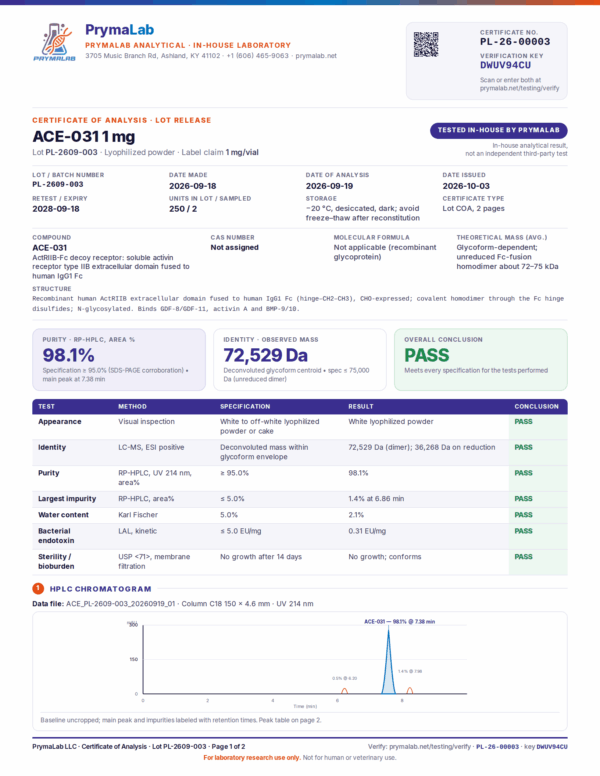
When researchers buy ace-031 from PrymaLab, they get pharmaceutical-grade peptide manufactured to the highest quality standards. Each 1mg vial contains 99% pure ACE-031 verified by third-party testing, ensuring reliable and reproducible research results. The peptide arrives as freeze-dried powder for maximum shelf life, ready for mixing with sterile water when research protocols begin.

Understanding Myostatin and Muscle Growth Regulation

To fully appreciate how ace 031 peptide works, it’s essential to understand myostatin’s role in muscle biology. Myostatin, also known as growth differentiation factor 8 (GDF-8), is a member of the transforming growth factor-beta (TGF-β) superfamily. This protein is produced mainly by skeletal muscle cells and acts as a negative regulator of muscle mass, ensuring that muscles don’t grow excessively large under normal circumstances.

The discovery of myostatin’s function came from genetic studies showing that animals with natural myostatin mutations develop dramatically increased muscle mass. Cattle breeds like Belgian Blue and Piedmontese carry myostatin mutations that result in a condition called “double muscling,” where animals develop about twice the normal muscle mass with reduced fat content.

Similar findings in mice with myostatin gene knockouts showed the same dramatic muscle growth, confirming myostatin’s role as a main limiter of muscle growth.

In humans, myostatin levels vary between people and can be influenced by factors including genetics, age, physical activity, and disease states. Higher myostatin levels are linked with muscle wasting in conditions like cancer cachexia, HIV-linked wasting, and muscular dystrophies. Conversely, lower myostatin levels or reduced myostatin signaling is linked with greater muscle mass and strength.

This relationship makes myostatin an attractive treatment target for conditions involving muscle loss or weakness.

Myostatin exerts its effects by binding to activin receptor type IIB (ActRIIB) on muscle cell surfaces. This binding triggers intracellular signaling cascades involving SMAD proteins, which finally affect gene expression in ways that limit muscle cell proliferation and differentiation. The pathway also influences satellite cells, the muscle stem cells responsible for muscle repair and growth.

By starting this pathway, myostatin effectively tells muscles to stop growing and limits their power to repair and regenerate.

ACE-031 interrupts this process by acting as a soluble decoy receptor. The peptide’s ActRIIB domain binds to myostatin with high affinity, sequestering it in the bloodstream before it can reach muscle cells. This prevents myostatin from binding to its natural receptors and starting growth-limiting pathways. The result is an environment where muscles can grow beyond their normal limits, as the main brake on muscle growth has been removed.

The myostatin inhibitor peptide approach represented by ace-031 offers several benefits over other methods of blocking myostatin. Gene therapy approaches to reduce myostatin expression are complex and raise safety concerns. Antibody-based myostatin inhibitors can be effective but may have shorter half-lives and need more frequent dosing. Small molecule inhibitors of the myostatin pathway are still in early growth.

ACE-031’s fusion protein design provides potent, sustained myostatin blocking with a well-characterized mechanism of action, making it an ideal research tool.

Beyond myostatin, ace 031 peptide also binds to other members of the TGF-β superfamily including activin A and GDF-11. These proteins also play roles in muscle control, and their blocking may add to ACE-031’s overall effects on muscle growth. Activin A, in specific, can negatively regulate muscle mass, and its blocking may provide more muscle-building benefits.

This broader activity profile makes ACE-031 a full tool for studying muscle growth control.

ACE-031 Mechanism of Action: How It Promotes Muscle Growth

The mechanism by which ace-031 promotes muscle growth involves multiple interconnected pathways, all stemming from its main function as a myostatin inhibitor peptide. Grasp these mechanisms helps researchers design effective protocols and interpret research results.

Main Mechanism – Myostatin Sequestration:

When ACE-031 is gave, it enters the bloodstream and circulates throughout the body. The peptide’s ActRIIB domain has high binding affinity for myostatin, meaning it readily forms stable complexes with any myostatin molecules it meets. This binding effectively removes myostatin from circulation, preventing it from reaching muscle tissue and binding to natural ActRIIB receptors on muscle cells.

Without myostatin binding to muscle cell receptors, the intracellular signaling cascades that normally limit muscle growth are not started. This removes the brake on muscle cell proliferation and differentiation, allowing muscle fibers to grow larger and more many than they would under normal circumstances. The effect is very pronounced in fast-twitch muscle fibers, which show greater response to myostatin blocking.

Satellite Cell Start:

One of the most important effects of ace 031 peptide is its impact on satellite cells, the muscle stem cells responsible for muscle repair and growth. Under normal circumstances, myostatin blocks satellite cell start and proliferation, limiting the muscle’s regrowth capacity. When ACE-031 blocks myostatin, satellite cells become more active, proliferating more readily and fusing with existing muscle fibers to support growth.

This enhanced satellite cell activity is crucial for the muscle growth saw with ace-031 use. Research shows that myostatin blocking increases the number of satellite cells available for muscle repair and growth, and these cells show enhanced power to differentiate into mature muscle tissue. This mechanism explains why ACE-031 not only increases muscle size but also improves muscle regrowth capacity.

Muscle Fiber Hypertrophy:

ACE-031 promotes both muscle fiber hypertrophy (increase in fiber size) and hyperplasia (increase in fiber number). The hypertrophic effect occurs as existing muscle fibers increase their protein synthesis and reduce protein breakdown, leading to net protein buildup and fiber growth. Research shows that myostatin normally suppresses protein synthesis pathways including mTOR signaling, and its blocking allows these anabolic pathways to function more actively.

The peptide also affects muscle fiber type makeup. Studies suggest that myostatin blocking may promote a shift toward fast-twitch muscle fibers, which have greater growth possible than slow-twitch fibers. This could explain why ace-031 results bodybuilding uses show very impressive gains in muscle size and strength, as these fiber types are most responsive to resistance training.

Body Effects:

Beyond direct effects on muscle tissue, ace 031 peptide influences whole-body body function in ways that support muscle growth. Research shows that myostatin blocking increases insulin response, improving glucose uptake by muscle cells and providing more energy for growth and repair. The peptide may also affect fat body function, with some studies showing reduced fat mass alongside increased muscle mass.

These body effects create an anabolic environment that supports muscle growth. Improved insulin response means better nutrient partitioning, with more nutrients directed toward muscle tissue rather than fat storage. Enhanced glucose uptake provides energy for the increased protein synthesis occurring in growing muscles. These systemic effects complement the direct muscle growth effects of myostatin blocking.

Bone Density Effects:

Interestingly, ACE-031 also affects bone tissue, with research showing increases in bone mineral density alongside muscle growth. This effect likely occurs through multiple mechanisms, including mechanical loading from increased muscle mass and direct effects of myostatin blocking on bone cells. Myostatin receptors are expressed in bone tissue, and their blockade may directly promote bone formation.

This bone-building effect is very valuable for research into conditions involving both muscle and bone loss, such as age-related sarcopenia and osteoporosis. The dual effects on muscle and bone make ace-031 a full tool for studying musculoskeletal health.

Duration of Action:

The Fc fusion design of ace 031 peptide provides extended duration of action compared to other myostatin inhibitors. The Fc region binds to neonatal Fc receptors (FcRn) in tissues, which recycle the peptide back into circulation rather than allowing it to be degraded. This recycling mechanism extends ACE-031’s half-life to about 10-14 days in humans, allowing for weekly or bi-weekly dosing in research protocols.

This extended half-life is a major practical advantage for researchers. Less frequent dosing means fewer injections, reduced handling of research subjects, and more consistent myostatin blocking over time. The sustained effect also better mimics what would occur with genetic myostatin deficiency, possibly providing more physiologically relevant research data.

Clinical Research and ACE-031 Studies

ACE-031 has been extensively studied in both lab and clinical research, providing large data on its effects, safety profile, and possible uses. Grasp this research history helps researchers design effective protocols and interpret their findings in context.

Lab Studies:

Early research with ace-031 in animal models showed dramatic muscle growth effects. Studies in mice showed that use of the peptide led to major increases in muscle mass, with some muscle groups showing up to 40% increases in volume. These effects occurred without changes in food intake, showing that the muscle growth resulted from altered muscle biology rather than increased caloric consumption.

Research in muscular dystrophy mouse models (mdx mice, which model Duchenne muscular dystrophy) showed that ace 031 peptide could slow disease progression and improve muscle function. Treated mice showed better muscle strength, reduced muscle damage markers, and improved mobility compared to untreated controls. These findings suggested possible treatment uses for muscle wasting diseases.

Studies also examined ACE-031’s effects on bone density, showing that myostatin blocking increased bone mineral density and bone strength. This dual effect on muscle and bone made the peptide very interesting for conditions involving both muscle and skeletal weakness.

Phase 1 Clinical Trial – Healthy Volunteers:

The first human study of ace-031 was a single ascending-dose trial in healthy postmenopausal women, published in 2013. This study tested doses ranging from 0.02 to 3 mg/kg gave as a single under-skin injection. The main goals were to assess safety, tolerability, and pharmacokinetics, with second endpoints including effects on muscle mass and bone density.

Results showed that ACE-031 was often well-tolerated at all doses tested. The peptide showed dose-proportional pharmacokinetics with a half-life of about 10-14 days. Importantly, even a single dose of 3 mg/kg led to major increases in lean body mass (about 1.5 kg) and thigh muscle volume (about 3.4%) within 29 days.

These rapid and large effects on muscle mass showed the peptide’s potency as a myostatin inhibitor peptide.

The study also showed increases in bone mineral density, very in the lumbar spine, suggesting beneficial effects on bone body function. These findings supported the possible for ace-031 to address both muscle and bone loss in many conditions.

Phase 2 Clinical Trial – Duchenne Muscular Dystrophy:

Based on promising Phase 1 results, a Phase 2 dose-escalation study was started in boys with Duchenne muscular dystrophy (DMD). This devastating genetic condition causes progressive muscle wasting, and there was hope that ace 031 peptide could slow disease progression by promoting muscle growth despite the underlying genetic defect.

The study enrolled ambulatory boys with DMD and tested escalating doses of ACE-031 gave every two weeks. Early results showed promising trends, with treated boys showing better maintenance of walking power, increases in lean body mass, gains in bone mineral density, and reductions in fat mass compared to placebo-treated controls.

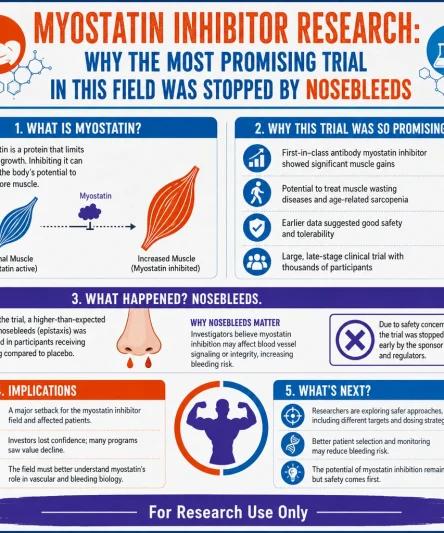
However, the study was terminated early in 2011 due to safety concerns. Some participants experienced minor adverse events including nosebleeds, gum bleeding, and telangiectasia (small dilated blood vessels visible in the skin). While these ace-031 side effects were not considered dangerous and resolved upon discontinuation of treatment, control agencies and the study sponsors decided to halt the trial pending further study.

Clinical Growth Discontinuation:

Following the safety signals saw in the DMD trial, more lab toxicology studies were conducted to better understand the vascular effects of ace-031. Unfortunately, findings from these studies did not support continued clinical growth, and in May 2013, the developers (Acceleron Pharma and Shire PLC) announced they were discontinuing the ACE-031 program.

The companies stated that while they were disappointed in the outcome, the research provided valuable insights that could benefit future growth of myostatin inhibitors. The decision to halt growth was made out of an abundance of caution, even though the saw side effects were relatively minor and reversible.

Research Implications:

Despite the discontinuation of clinical growth, ace-031 remains valuable for research purposes. The extensive clinical data provides important insights into myostatin blocking in humans, including the magnitude of effects that can be achieved, the time course of muscle growth, and possible safety factors.

The research with ACE-031 has informed the growth of next-generation myostatin inhibitors with possibly improved safety profiles. Grasp why ace-031 caused vascular effects has helped researchers design other approaches to myostatin blocking that might avoid these issues.

For researchers who buy ace-031 today, the peptide serves as a powerful tool for studying muscle biology, myostatin function, and possible treatment approaches to muscle wasting. The well-characterized mechanism of action and extensive research history make it an ideal compound for controlled research studies.

ACE-031 Benefits for Muscle Growth Research

The ace-031 peptide benefits extend across multiple aspects of muscle biology and physiology, making it one of the most full tools available for muscle growth research. Grasp these benefits helps researchers design studies that maximize the peptide’s research value.

Dramatic Muscle Mass Increases:

The most obvious benefit of ace 031 peptide is its power to promote large increases in muscle mass. Clinical research showed that even a single dose could increase lean body mass by 1-2 kg within a month, with muscle volume increases of 3-4% in specific muscle groups. Animal studies showed even more dramatic effects, with muscle volume increases of up to 40% in some muscles.

These muscle mass gains occur through multiple mechanisms including increased muscle fiber size (hypertrophy), increased muscle fiber number (hyperplasia), and enhanced satellite cell activity. The result is not just bigger muscles, but muscles with improved regrowth capacity and possibly enhanced function.

For bodybuilding research uses, these ace-031 results bodybuilding studies show the peptide’s possible to promote muscle growth beyond what’s achievable through training and nutrition alone. The magnitude of muscle growth saw with ACE-031 exceeds that seen with most other muscle-building compounds, making it very interesting for research into maximum muscle growth possible.

Improved Muscle Strength:

Alongside increases in muscle size, ace-031 research shows gains in muscle strength and function. This isn’t surprising given that larger muscles often produce more force, but the strength gains may exceed what would be expected from size increases alone. This suggests that myostatin blocking may improve muscle quality and contractile function, not just muscle quantity.

Research in muscular dystrophy models showed that ace 031 peptide improved functional outcomes including walking power and grip strength. These functional gains are very important for research into treatment uses, as they show that the muscle growth translates into meaningful gains in physical capability.

Bone Density Boost:

One of the most interesting ace-031 peptide benefits is its positive effect on bone density. Clinical research showed increases in bone mineral density, very in the lumbar spine, alongside muscle growth. This dual effect on muscle and bone makes ACE-031 valuable for research into musculoskeletal health and conditions involving both muscle and bone loss.

The bone-building effects likely occur through multiple mechanisms. Increased muscle mass creates greater mechanical loading on bones, boosting bone formation through normal mechanotransduction pathways. Also, myostatin receptors are expressed in bone tissue, and their blockade may directly promote bone formation and reduce bone resorption.

For researchers studying age-related musculoskeletal decline, the combined effects on muscle and bone make ace-031 very valuable. Conditions like sarcopenia and osteoporosis often occur together, and interventions that address both simultaneously may be more effective than those targeting only one tissue type.

Body Gains:

Research suggests that ace 031 peptide produces beneficial body effects beyond its direct muscle-building properties. Studies show gains in insulin response, enhanced glucose uptake by muscle tissue, and possible reductions in fat mass. These body benefits create an anabolic environment that supports muscle growth while possibly improving overall body health.

The improved insulin response is very interesting for research into body disorders. Better insulin response means more efficient nutrient partitioning, with nutrients preferentially directed toward muscle tissue rather than fat storage. This could make ACE-031 valuable for research into obesity, body syndrome, and type 2 diabetes.

Muscle Preservation in Wasting Conditions:

One of the most important possible uses of ace-031 is in research related to muscle wasting conditions. Studies in muscular dystrophy models showed that the peptide could slow disease progression and preserve muscle function despite ongoing muscle damage. This suggests that myostatin blocking might help keep muscle mass even in conditions where muscle is actively being destroyed.

Research into cancer cachexia, HIV-linked wasting, and age-related sarcopenia could benefit from ACE-031 as a research tool. Grasp how myostatin blocking affects muscle preservation in these conditions could inform growth of treatment interventions to keep muscle mass and function in patients facing muscle loss.

Research Versatility:

The well-characterized mechanism of action and extensive research history make ace 031 peptide versatile for many research uses. Researchers can use it to study basic muscle biology, test hypotheses about myostatin function, study possible treatment approaches, or explore performance boost mechanisms.

The peptide’s effects are reproducible and dose-dependent, making it suitable for controlled research studies. The extended half-life allows for convenient dosing schedules in research protocols. The supply of clinical data provides context for interpreting research findings and comparing results across studies.

Mix Research Possible:

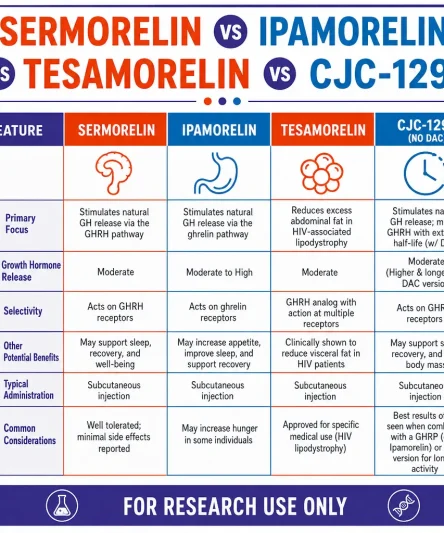
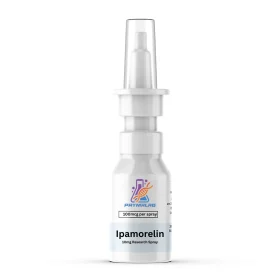
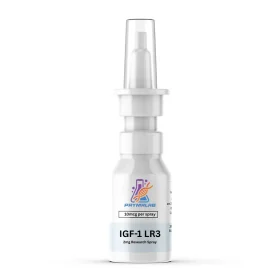
ACE-031 can be combined with other research compounds to study combined effects on muscle growth. Researchers might combine it with growth hormone secretagogues like Ipamorelin or CJC-1295, anabolic peptides like IGF-1 LR3, or other muscle-building compounds to study whether different mechanisms of promoting muscle growth work additively or synergistically.

Such mix research could provide insights into best approaches for maximizing muscle growth or addressing muscle wasting. The power to study ace-031 alongside other peptides from our peptides for sale collection makes it a valuable component of full muscle research programs.

ACE-031 vs Follistatin 344: Comparing Myostatin Inhibitors

Researchers often ask about ace-031 vs follistatin 344, as both are myostatin inhibitor peptide options with similar goals but different mechanisms and characteristics. Grasp the differences helps researchers choose the most appropriate compound for their specific research needs.

Mechanism of Action Differences:

While both compounds block myostatin, they do so through different mechanisms. ACE-031 is a fusion protein that acts as a decoy receptor, binding to myostatin and preventing it from reaching muscle cells. The peptide’s ActRIIB domain mimics the natural myostatin receptor, allowing it to intercept myostatin in the bloodstream.

Follistatin 344, in contrast, is a naturally occurring binding protein that directly binds to myostatin and related proteins. Rather than mimicking a receptor, follistatin wraps around myostatin molecules, neutralizing them and preventing their activity. This is a more direct binding mechanism compared to ACE-031’s receptor-mimicking approach.

Potency and Effect:

Research suggests that ace 031 peptide may be more potent than Follistatin 344 on a per-dose basis. Clinical studies with ACE-031 showed dramatic muscle mass increases with relatively low doses (1-3 mg/kg), while Follistatin research often uses higher doses to achieve similar effects. This potency difference may relate to ACE-031’s high-affinity binding to myostatin and its extended half-life.

However, Follistatin 344 has the advantage of binding to a broader range of proteins beyond just myostatin, including activin and other TGF-β family members. This broader activity profile might provide more benefits in some research contexts, though it could also increase the possible for off-target effects.

Duration of Action:

One of the most major differences between ace-031 and Follistatin 344 is duration of action. ACE-031’s Fc fusion design provides an extended half-life of about 10-14 days in humans, allowing for weekly or bi-weekly dosing in research protocols. This extended duration results from the Fc region’s interaction with FcRn receptors, which recycle the peptide back into circulation.

Follistatin 344 has a much shorter half-life, often needing daily or every-other-day dosing to keep effective myostatin blocking. This shorter duration means more frequent injections in research protocols, which can be less convenient and may affect research subject compliance in longer studies.

Research Uses:

Both compounds are valuable for muscle growth research, but they may be suited to different uses. ACE-031’s extended duration and potent effects make it ideal for studies examining sustained myostatin blocking and long-term muscle growth. The less frequent dosing is advantageous for extended research protocols.

Follistatin 344’s shorter duration might be preferable for studies needing more precise temporal control of myostatin blocking. The power to quickly tune myostatin activity by adjusting dosing frequency could be valuable in some research designs. Also, Follistatin’s broader activity profile might be interesting for research into multiple growth factor pathways.

Safety Profile:

The safety profiles of these compounds differ based on available research. ACE-031 clinical trials were halted due to minor vascular effects (nosebleeds, gum bleeding, telangiectasia), though these effects were reversible and not considered dangerous. These ace-031 side effects appear related to the peptide’s effects on activin and other vascular growth factors.

Follistatin 344 has less extensive human safety data, as it hasn’t progressed as far in clinical growth. Lab research suggests a often favorable safety profile, but the lack of large-scale human trials means possible side effects may not be fully characterized. Researchers should consider this difference in available safety data when designing protocols.

Cost Factors:

When researchers assess ace 031 cost versus Follistatin 344 cost, several factors come into play. While per-vial costs may vary, the extended duration of ACE-031 means less frequent dosing, possibly reducing overall peptide consumption in long-term studies. Follistatin’s shorter half-life needs more frequent dosing, which could increase total peptide costs over extended research periods.

However, the actual cost-effectiveness depends on specific research protocols, including study duration, dosing frequency, and number of research subjects. Researchers should calculate total peptide requirements based on their specific protocol when comparing costs.

Mix Possible:

Interestingly, some researchers have explored combining ace-031 and Follistatin 344 to possibly achieve combined myostatin blocking. The different mechanisms might complement each other, with ACE-031 providing sustained receptor blockade while Follistatin directly neutralizes myostatin molecules. Such mix research could provide insights into best myostatin blocking strategies.

Research Supply:

Both ace 031 peptide and Follistatin 344 are available for research purposes from PrymaLab. Researchers can buy ace-031 or Follistatin 344 with confidence in pharmaceutical-grade quality and purity. Having access to both compounds allows researchers to conduct direct comparison studies or study mix approaches.

Choosing Between ACE-031 and Follistatin 344:

The choice between these myostatin inhibitor peptide options depends on specific research goals:

  • Choose ACE-031 for: Extended duration studies, less frequent dosing protocols, research needing potent sustained myostatin blocking, studies with extensive human safety data available
  • Choose Follistatin 344 for: Studies needing precise temporal control, research into multiple growth factor pathways, protocols where daily dosing is acceptable, study of natural myostatin-binding mechanisms

Many researchers find value in having both compounds available in their research programs, using each where its specific characteristics provide benefits. Both are available in our full peptides for sale collection.


DOSAGE PROTOCOLS AND ADMINISTRATION

Understanding ACE-031 Dosage for Research

Finding appropriate ace-031 dosage for research uses needs grasp the available clinical data, considering research goals, and accounting for subject characteristics. While ACE-031 clinical growth was discontinued, the existing research provides valuable guidance for research dosing protocols.

Clinical Dosage Data

Human clinical trials with ace 031 peptide tested a range of doses to set up safety and effect:

Phase 1 Study Dosing:

  • Doses tested: 0.02, 0.06, 0.2, 0.6, 1.0, and 3.0 mg/kg
  • Use: Single under-skin injection
  • Results: Dose-proportional effects on muscle mass
  • Best single dose: 3.0 mg/kg produced major muscle growth

Phase 2 Study Dosing:

  • Doses tested: Escalating protocol starting at lower doses
  • Use: Every two weeks (bi-weekly)
  • Duration: Multiple doses over several months
  • Results: Promising muscle preservation before early termination

Research Dosage Guidelines

Based on available clinical data, research protocols with ace-031 dosage bodybuilding uses often consider the following ranges:

Conservative Research Protocol:

  • Dose: 1.0 mg/kg body weight
  • Frequency: Once weekly or bi-weekly
  • Duration: 4-8 weeks
  • Suitable for: First research, safety assessment, dose-response studies

Standard Research Protocol:

  • Dose: 2.0 mg/kg body weight
  • Frequency: Once weekly or bi-weekly
  • Duration: 8-12 weeks
  • Suitable for: Muscle growth studies, effect research, standard protocols

Advanced Research Protocol:

  • Dose: 3.0 mg/kg body weight
  • Frequency: Bi-weekly (every 14 days)
  • Duration: 8-12 weeks
  • Suitable for: Maximum effect studies, experienced research subjects

ACE-031 Peptide Dosage Calculations

For researchers working with ACE-031 1MG vials, accurate dosage calculations are essential. Use PrymaLab’s Peptide Calculator for precise calculations, but here’s the general approach:

Example Calculation for 80kg Research Subject:

Standard dose (2.0 mg/kg):

  • 80 kg × 2.0 mg/kg = 160 mg total dose needed per use
  • With 1mg vials: 160 vials needed per dose (impractical)
  • Note: Researchers often work with larger vial sizes or adjust protocols

Practical Research Dosing:

Given the high doses needed based on clinical data (mg/kg range), researchers often need to consider:

  • Using multiple vials per dose
  • Adjusting research protocols to use available quantities
  • Focusing on dose-response relationships rather than absolute clinical doses
  • Consulting with research advisors on appropriate scaling

Reconstitution Protocol

Proper mixing of ace 031 peptide is essential for accurate dosing and peptide shelf life:

Mixing Steps:

  1. Gather Supplies:
    • ACE-031 1MG vial(s)
    • Sterile water (0.9% benzyl alcohol)
    • Sterile syringes and needles
    • Alcohol swabs
  2. Prepare Vial:
    • Remove plastic cap from ACE-031 vial
    • Swab rubber stopper with alcohol
    • Allow to air dry completely
  3. Add Sterile Water:
    • Draw desired amount of sterile water into syringe
    • Common volumes: 1-2 mL per 1mg vial
    • Insert needle through rubber stopper
    • Inject water slowly down the side of vial (not directly onto powder)
  4. Mix Solution:
    • Gently swirl vial in circular motion
    • Do not shake vigorously (can damage protein structure)
    • Allow powder to dissolve completely (may take 2-3 minutes)
    • Solution should be clear and colorless
  5. Calculate Level:
    • Example: 1mg ACE-031 + 1mL sterile water = 1mg/mL level
    • Example: 1mg ACE-031 + 2mL sterile water = 0.5mg/mL level
    • Use Peptide Calculator for precise calculations

Administration Technique

ACE-031 injectable for sale needs proper under-skin injection technique for best absorption and minimal discomfort:

Injection Sites:

  • Abdomen (2 inches from navel, any direction)
  • Upper thighs (front or outer aspects)
  • Upper arms (outer aspect, if gave by assistant)
  • Rotate sites with each injection to prevent tissue irritation

Injection Procedure:

  1. Prepare Injection Site:
    • Clean area with alcohol swab
    • Allow alcohol to dry completely (prevents stinging)
    • Pinch skin to create fold of under-skin tissue
  2. Prepare Syringe:
    • Draw calculated dose from vial
    • Remove air bubbles by tapping syringe
    • Verify correct dose in syringe
  3. Give Injection:
    • Insert needle at 45-90 degree angle (depending on body fat thickness)
    • Inject slowly and steadily over 5-10 seconds
    • Withdraw needle smoothly
    • Apply gentle pressure if needed (do not rub)
  4. Post-Injection:
    • Dispose of needle safely in sharps container
    • Record injection site, dose, and date
    • Track site for any reactions

Dosing Frequency and Timing

The extended half-life of ace 031 peptide (about 10-14 days) allows for flexible dosing schedules:

Weekly Dosing:

  • Provides consistent myostatin blocking
  • Easier to remember and keep
  • Suitable for most research protocols
  • Example: Every Monday morning

Bi-Weekly Dosing:

  • Matches clinical trial protocols
  • Reduces injection frequency
  • Still keeps effective myostatin blocking
  • Example: Every other Monday morning

Timing Factors:

  • Time of day: Morning use often preferred for consistency
  • Relationship to meals: Can be gave regardless of meal timing
  • Relationship to exercise: No specific timing requirements relative to training
  • Consistency: Same day/time each week improves protocol adherence

Storage and Handling

Proper storage keeps ACE-031 potency and shelf life:

Unreconstituted Peptide:

  • Storage heat: 2-8°C (refrigerated) or -20°C (frozen)
  • Protect from light and moisture
  • Shelf life: 2-3 years when properly stored
  • Can be stored at room heat for short periods during shipping

Mixed Solution:

  • Storage heat: 2-8°C (refrigerated) – NEEDED
  • Protect from light (store in original vial or wrap in foil)
  • Shelf life: 14-28 days when refrigerated
  • Do not freeze mixed solution
  • Discard if solution becomes cloudy or contains particles

Handling Precautions:

  • Always use sterile technique when handling
  • Avoid contamination of vials and solutions
  • Use sterile water to extend mixed shelf life
  • Label vials with mixing date
  • Store away from food and beverages

Research Protocol Design

When designing research protocols with ace-031 dosage, consider:

Dose-Response Studies:

  • Test multiple dose levels to set up relationships
  • Include control groups for comparison
  • Consider both single-dose and multiple-dose protocols
  • Track both effect and safety endpoints

Duration Studies:

  • Short-term: 4-8 weeks to assess acute effects
  • Medium-term: 8-12 weeks for sustained muscle growth
  • Long-term: 12+ weeks for maximum effects (consider safety tracking)

Mix Studies:

  • Can combine with other muscle research peptides
  • Consider possible synergies or interactions
  • Adjust doses when combining compounds
  • Track for additive effects or side effects

Tracking Parameters:

  • Muscle mass measurements (DEXA, MRI, or circumference)
  • Strength testing (if applicable to research model)
  • Body makeup changes
  • Safety parameters (see safety section)
  • Functional outcomes (if relevant)

Special Considerations

Body Weight Adjustments:

Since clinical dosing was based on mg/kg body weight, researchers should consider:

  • Calculating doses based on actual body weight
  • Adjusting doses if body weight changes greatly during study
  • Using ideal body weight vs actual weight in obese subjects
  • Documenting weight at each dosing time point

Research Subject Variability:

Personal responses to ace 031 peptide may vary based on:

  • Baseline muscle mass and myostatin levels
  • Genetic factors affecting myostatin signaling
  • Age and hormonal status
  • Training status and physical activity levels
  • Nutritional status and protein intake
  • Concurrent use of other compounds

Dose Escalation:

For safety in research protocols, consider:

  • Starting with lower doses and escalating gradually
  • Tracking for adverse effects before increasing dose
  • Setting up maximum tolerated dose for research subjects
  • Having clear criteria for dose reduction or discontinuation

Research Support Resources

PrymaLab provides full support for researchers using ace-031:

  • Peptide Calculator for accurate dosing calculations
  • Sterile Water for proper mixing
  • Technical support for protocol design
  • Dosing guidance based on research literature
  • Quality records for research records

When researchers buy ace 031 from PrymaLab, they get detailed mixing and use instructions with their order, ensuring proper handling and use of this valuable research compound.


SAFETY PROFILE AND SIDE EFFECTS

Understanding ACE-031 Side Effects

The ace-031 side effects profile is well-documented from clinical trials, providing important safety data for researchers. While the peptide showed promising effect for muscle growth, certain adverse events led to the discontinuation of clinical growth. Grasp these effects is crucial for responsible research use.

Clinical Trial Safety Data

Phase 1 Trial (Healthy Postmenopausal Women):

The first human safety study of ace 031 peptide in healthy volunteers showed often good tolerability:

Common Effects:

  • Injection site reactions (mild redness, slight discomfort)
  • Transient headaches (resolved without intervention)
  • Minor fatigue in some subjects
  • No serious adverse events reported

Laboratory Changes:

  • Decreases in follicle-boosting hormone (FSH) levels
  • Changes in bone turnover markers (expected with bone density increases)
  • No clinically major changes in other laboratory parameters

Phase 2 Trial (Duchenne Muscular Dystrophy):

The DMD trial revealed more concerning adverse events that led to study termination:

Vascular-Related Effects:

  • Nosebleeds (epistaxis) – most common adverse event
  • Gum bleeding (gingival bleeding)
  • Telangiectasia (small dilated blood vessels visible in skin)
  • Minor bruising in some subjects

Important Characteristics of These Effects:

  • Often mild in severity
  • Resolved completely upon discontinuation of treatment
  • No permanent damage or serious results
  • Not considered immediately dangerous
  • Led to clinical growth halt out of abundance of caution

Mechanism of Vascular Effects

The ace-031 side effects related to blood vessels likely result from the peptide’s activity beyond just myostatin blocking:

Activin Blocking:

ACE-031 binds not only to myostatin but also to activin A and other TGF-β family members. Activin plays important roles in vascular function and blood vessel integrity. Blocking activin may affect:

  • Blood vessel wall structure
  • Vascular permeability
  • Angiogenesis (new blood vessel formation)
  • Endothelial cell function

GDF-11 Blocking:

The peptide also binds to GDF-11, another TGF-β family member involved in vascular growth and maintenance. Blocking GDF-11 may add to vascular effects saw in clinical trials.

Dose-Dependent Effects:

The vascular side effects appeared to be dose-dependent, with higher doses and longer treatment durations linked with increased incidence. This suggests that careful dose selection might minimize these effects in research settings.

Safety Monitoring Recommendations

Researchers using ace 031 peptide should use appropriate safety tracking:

Baseline Assessment:

  • Complete medical history
  • Physical review
  • Baseline laboratory tests
  • Records of any pre-existing conditions
  • Assessment of bleeding risk factors

Ongoing Tracking:

  • Regular physical examinations
  • Tracking for signs of bleeding (nosebleeds, gum bleeding, bruising)
  • Skin review for telangiectasia
  • Blood pressure tracking
  • Laboratory tests as appropriate for research protocol

Warning Signs Needing Attention:

  • Frequent or severe nosebleeds
  • Unexplained bruising
  • Gum bleeding with normal oral hygiene
  • Appearance of visible blood vessels in skin
  • Any unusual bleeding
  • Major changes in blood pressure

Contraindications and Precautions

Certain conditions or circumstances warrant extra caution or exclusion from ACE-031 research:

Absolute Contraindications:

  • Known bleeding disorders (hemophilia, von Willebrand disease)
  • Current use of anticoagulant drugs (warfarin, heparin)
  • Active bleeding or recent major bleeding event
  • Severe heart disease
  • Pregnancy or breastfeeding (insufficient safety data)
  • Known allergy to ACE-031 or components

Relative Contraindications (Need Careful Consideration):

  • History of easy bruising or bleeding
  • Use of antiplatelet drugs (aspirin, clopidogrel)
  • Hypertension (especially if poorly controlled)
  • History of stroke or vascular disease
  • Liver disease (may affect peptide body function)
  • Kidney disease (may affect peptide clearance)

Special Populations:

  • Elderly subjects may need closer tracking
  • Subjects with low body weight may need dose adjustments
  • Those with multiple risk factors need enhanced safety tracking

Managing Adverse Effects

If ace-031 side effects occur during research, appropriate care strategies include:

For Minor Bleeding (Nosebleeds, Gum Bleeding):

  • Apply direct pressure to stop bleeding
  • Use saline nasal spray for nasal dryness
  • Keep good oral hygiene
  • Consider dose reduction if effects are frequent
  • Discontinue if bleeding becomes problematic

For Telangiectasia:

  • Document appearance and location
  • Track for progression
  • Consider dose reduction
  • Effects often resolve after discontinuation
  • No specific treatment usually needed

For Injection Site Reactions:

  • Rotate injection sites consistently
  • Use proper injection technique
  • Apply ice before injection to reduce discomfort
  • Ensure alcohol has dried before injecting
  • Consider smaller injection volumes if reactions persist

General Care Principles:

  • Document all adverse effects thoroughly
  • Assess severity and relationship to peptide
  • Consider dose reduction before discontinuation
  • Provide supportive care as needed
  • Discontinue if serious adverse effects occur

Long-Term Safety Considerations

While ace 031 peptide clinical growth was relatively short-term, researchers should consider possible long-term effects:

Theoretical Concerns:

  • Effects of prolonged myostatin blocking on muscle function
  • Possible heart effects with extended use
  • Impact on other tissues expressing myostatin receptors
  • Possible effects on fertility or fertility function
  • Unknown effects of very long-term use (years)

Research Duration Recommendations:

  • Short-term studies (4-8 weeks): Often well-tolerated based on clinical data
  • Medium-term studies (8-12 weeks): Reasonable based on clinical trial durations
  • Long-term studies (>12 weeks): Limited safety data, enhanced tracking recommended
  • Very long-term use (>6 months): Insufficient safety data, not recommended without compelling justification

Comparison to Other Muscle Growth Compounds

The ace-031 side effects profile differs from other muscle research peptides:

Compared to Growth Hormone Secretagogues:

  • ACE-031 doesn’t affect growth hormone or IGF-1 directly
  • No effects on blood glucose or insulin response often seen with GH
  • Different side effect profile focused on vascular effects
  • May be paired rather than overlapping in effects and risks

Compared to Other Myostatin Inhibitors:

  • Follistatin 344 has less extensive human safety data
  • ACE-031’s vascular effects may be unique to its specific mechanism
  • Other myostatin inhibitors in growth aim to avoid these effects
  • Each myostatin inhibitor may have distinct safety profile

Compared to Anabolic Compounds:

  • ACE-031 doesn’t affect androgen receptors
  • No androgenic side effects (acne, hair loss, etc.)
  • Different mechanism and safety factors
  • May have benefits for research in certain contexts

Regulatory and Ethical Considerations

Researchers using ace 031 peptide should be aware of control status:

Control Status:

  • Not approved for human treatment use by FDA or other control agencies
  • Clinical growth discontinued in 2013
  • Available for research purposes only
  • Not intended for human consumption outside research settings

Research Ethics:

  • Informed consent essential for any research involving human subjects
  • Full disclosure of known risks and benefits
  • Appropriate institutional review board (IRB) approval for human research
  • Adherence to good clinical practice (GCP) rules
  • Proper records and safety tracking

Banned Substance Status:

  • Prohibited by World Anti-Doping Agency (WADA)
  • Banned in most competitive sports
  • Athletes subject to drug testing should not use
  • Researchers working with athletes must ensure compliance

Risk Mitigation Strategies

To minimize risks when conducting research with ace-031:

Protocol Design:

  • Start with lower doses and escalate gradually
  • Use shortest duration necessary for research objectives
  • Include appropriate control groups
  • Plan for safety tracking and adverse event care
  • Have clear stopping criteria for safety concerns

Subject Selection:

  • Careful screening to exclude high-risk people
  • Thorough medical history and physical review
  • Baseline laboratory testing
  • Assessment of bleeding risk factors
  • Exclusion of those with contraindications

Tracking and Follow-Up:

  • Regular safety assessments during research
  • Prompt attention to any adverse effects
  • Records of all safety-related findings
  • Follow-up after research completion
  • Long-term tracking if showed

Quality Assurance:

  • Use pharmaceutical-grade peptide from reputable sources
  • Verify peptide identity and purity through testing
  • Proper storage and handling to keep quality
  • Accurate dosing and use
  • Sterile technique for all injections

Emergency Preparedness

Research protocols should include plans for managing possible emergencies:

Severe Bleeding:

  • Immediate medical attention
  • Direct pressure to bleeding site
  • Transport to emergency facility if needed
  • Records of event
  • Discontinuation of peptide

Allergic Reactions:

  • Recognition of symptoms (rash, difficulty breathing, swelling)
  • Immediate discontinuation of peptide
  • Emergency medical treatment if severe
  • Records and reporting
  • Exclusion from further research

Other Serious Adverse Events:

  • Clear protocols for recognition and care
  • Access to medical care
  • Records and reporting requirements
  • Communication with research oversight bodies
  • Review of research protocols if serious events occur

Safety Documentation

Proper records of safety aspects is essential:

Needed Records:

  • Informed consent forms
  • Medical history and screening results
  • Baseline safety assessments
  • Adverse event reports
  • Dose changes and reasons
  • Follow-up assessments
  • Final safety summary

Reporting Requirements:

  • Adverse events to appropriate oversight bodies
  • Serious adverse events to IRB/ethics committee
  • Safety data in research publications
  • Transparency about risks and benefits
  • Contribution to scientific grasp of peptide safety

When researchers buy ace-031 for sale from PrymaLab, full safety data is provided with each order, including known side effects, tracking recommendations, and emergency care rules. This ensures researchers have the data needed for responsible and safe research use of this powerful myostatin inhibitor peptide.


FREQUENTLY ASKED QUESTIONS

What is ACE-031 peptide?

ACE-031 peptide is a recombinant fusion protein that acts as a powerful myostatin inhibitor peptide. It combines the extracellular domain of activin receptor type IIB (ActRIIB) with the Fc region of human immunoglobulin G1 (IgG1). This design allows it to bind to myostatin and related proteins in the bloodstream, preventing them from reaching muscle cells and limiting muscle growth.

By blocking myostatin, ace 031 removes the natural brake on muscle growth, allowing muscles to grow larger and stronger than normal. The peptide was originally developed for treating muscle wasting diseases like Duchenne muscular dystrophy but is now mainly used for research purposes. Clinical studies showed that even single doses could increase lean muscle mass by 1-2 kg within a month, showing its potency as a muscle growth research tool.

How does ACE-031 work as a myostatin inhibitor?

ACE-031 works by acting as a decoy receptor for myostatin and related growth factors. Myostatin is a protein that naturally limits muscle growth by binding to ActRIIB receptors on muscle cells, triggering signals that stop muscle growth. Ace 031 peptide mimics these receptors and circulates in the bloodstream, intercepting myostatin before it can reach muscle tissue.

When myostatin binds to ACE-031 instead of muscle cell receptors, the growth-limiting signals are never started. This allows muscle cells to proliferate and grow beyond their normal limits. The peptide also binds to activin A and GDF-11, other proteins that regulate muscle growth, providing full blocking of muscle growth limiters.

The Fc portion of the fusion protein extends its half-life to about 10-14 days, providing sustained myostatin blocking with less frequent dosing compared to other approaches.

What are the benefits of ACE-031 for muscle growth research?

The ace-031 peptide benefits for muscle growth research are large and well-documented. Clinical studies showed dramatic increases in lean muscle mass, with subjects gaining 1-2 kg of muscle within just 29 days from a single dose. Muscle volume increases of 3-4% were saw in specific muscle groups, with animal studies showing even more impressive gains of up to 40% in some muscles.

Beyond muscle size, ACE-031 improves muscle strength and function, enhances bone mineral density (very in the spine), and may improve body parameters including insulin response. The peptide promotes both muscle fiber hypertrophy (increased fiber size) and hyperplasia (increased fiber number), while also starting satellite cells for enhanced muscle regrowth. These full effects make ace 031 valuable for research into muscle wasting conditions, age-related sarcopenia, performance boost mechanisms, and basic muscle biology.

What is the recommended ACE-031 dosage for research?

ACE-031 dosage recommendations are based on clinical trial data, which tested doses ranging from 0.02 to 3.0 mg/kg body weight. The most effective single dose in clinical studies was 3.0 mg/kg, which produced major muscle mass increases. For research protocols, conservative approaches might use 1.0 mg/kg, standard protocols 2.0 mg/kg, and advanced protocols up to 3.0 mg/kg.

The peptide’s extended half-life (10-14 days) allows for weekly or bi-weekly dosing rather than daily use. For an 80 kg research subject, a 2.0 mg/kg dose would equal 160 mg total per use. Researchers should use PrymaLab’s Peptide Calculator for precise dosing calculations based on vial level and subject weight. ACE-031 dosage bodybuilding research often follows these clinical rules, though researchers may adjust based on specific protocol requirements and available peptide quantities.

How do I reconstitute and administer ACE-031?

To reconstitute ace 031 peptide, you’ll need sterile water and sterile syringes. Remove the plastic cap from the ACE-031 vial and swab the rubber stopper with alcohol. Draw your desired amount of sterile water (often 1-2 mL per 1mg vial) and inject it slowly down the side of the vial, not directly onto the powder.

Gently swirl the vial in a circular motion until the powder completely dissolves – don’t shake vigorously as this can damage the protein structure. The solution should be clear and colorless. For use, ace 031 injectable for sale needs under-skin injection into areas like the abdomen (2 inches from navel), upper thighs, or upper arms.

Clean the injection site with alcohol, pinch the skin to create a fold, insert the needle at a 45-90 degree angle, and inject slowly over 5-10 seconds. Rotate injection sites to prevent tissue irritation. Store mixed solution refrigerated at 2-8°C and use within 14-28 days.

What are ACE-031 side effects?

The ace-031 side effects profile is well-documented from clinical trials. The most common adverse events were vascular-related effects including nosebleeds (epistaxis), gum bleeding, and telangiectasia (small dilated blood vessels visible in the skin). These effects were often mild and resolved completely when treatment was discontinued. They likely result from ACE-031’s blocking of activin and other TGF-β family members that play roles in vascular function.

Other reported effects included minor injection site reactions, transient headaches, and decreases in follicle-boosting hormone (FSH) levels in females. Importantly, while these ace 031 peptide side effects led to the discontinuation of clinical growth in 2013, they were not considered dangerous or permanently harmful. The decision to halt growth was made out of an abundance of caution. Researchers using ACE-031 should track for bleeding symptoms and use appropriate safety protocols, including baseline screening and ongoing tracking during research.

Where can I buy ACE-031 for research?

You can buy ace-031 for research purposes from PrymaLab, a trusted supplier of pharmaceutical-grade research peptides. Our ACE-031 1MG vials contain 99% pure peptide verified by third-party testing, ensuring reliable and reproducible research results. Each vial arrives as freeze-dried powder for maximum shelf life during shipping and storage. When you ace 031 buy from PrymaLab, you get full records including certificates of test, mixing instructions, dosing rules, and safety data.

We also provide research support resources including our Peptide Calculator for accurate dosing calculations and sterile water for proper mixing. Fast, discreet shipping ensures your research materials arrive quickly and securely. ACE-031 for sale at PrymaLab is intended for research purposes only and is not for human consumption outside approved research settings.

How does ACE-031 compare to Follistatin 344?

The ace-031 vs follistatin 344 comparison reveals important differences between these myostatin inhibitor peptide options. ACE-031 is a fusion protein that acts as a decoy receptor, while Follistatin 344 is a natural binding protein that directly wraps around myostatin. ACE-031 offers greatly longer duration of action (10-14 day half-life) compared to Follistatin’s much shorter half-life, meaning ace 031 needs only weekly or bi-weekly dosing while Follistatin often needs daily use.

Clinical data suggests ACE-031 may be more potent on a per-dose basis, with dramatic muscle growth from relatively low doses. However, Follistatin has a broader activity profile, binding to more growth factors beyond just myostatin. ACE-031 has more extensive human safety data from clinical trials, though growth was halted due to minor vascular effects. Both peptides are available from PrymaLab – researchers can buy ace-031 or Follistatin 344 depending on their specific research needs.

What are ACE-031 results in bodybuilding research?

ACE-031 results bodybuilding research has shown impressive muscle growth outcomes. Clinical studies showed that even a single 3 mg/kg dose increased lean body mass by about 1.5 kg and thigh muscle volume by 3.4% within just 29 days. Animal research showed even more dramatic effects, with muscle volume increases of up to 40% in specific muscle groups.

These gains occurred without changes in food intake, showing the muscle growth resulted from altered muscle biology rather than increased caloric consumption. The ace 031 peptide promotes both muscle fiber hypertrophy (increased size) and hyperplasia (increased number), while also enhancing satellite cell start for improved muscle regrowth. Strength gains accompanied the size gains, with research subjects showing better functional outcomes.

The peptide also increased bone mineral density, providing more benefits for overall musculoskeletal health. These full ace-031 peptide benefits make it one of the most potent muscle growth research tools available, though researchers should note that clinical growth was discontinued and the peptide is intended for research purposes only.

Is ACE-031 safe for research use?

ACE-031 safety for research use is supported by clinical trial data, though important factors exist. Phase 1 trials in healthy volunteers showed often good tolerability with no serious adverse events. However, Phase 2 trials in Duchenne muscular dystrophy patients revealed vascular-related side effects including nosebleeds, gum bleeding, and telangiectasia that led to clinical growth discontinuation in 2013.

These ace-031 side effects were mild and reversible but raised concerns about longer-term use. For research purposes, ace 031 peptide can be used safely with appropriate precautions including careful subject screening to exclude those with bleeding disorders or heart disease, baseline safety assessments, ongoing tracking for bleeding symptoms, and clear protocols for managing adverse events.

The peptide should not be used in pregnant or breastfeeding people, those taking anticoagulants, or anyone with active bleeding disorders. Research protocols should include informed consent, appropriate oversight, and safety tracking. When used responsibly with proper precautions, ACE-031 provides valuable research insights while keeping acceptable safety margins.

What is the cost of ACE-031 for research?

The ace 031 cost for research varies based on quantity, supplier, and quality. At PrymaLab, ACE-031 1MG vials are competitively priced to make this valuable research tool accessible while keeping pharmaceutical-grade quality standards. When assessing cost, researchers should consider that ACE-031’s extended half-life (10-14 days) means less frequent dosing compared to other peptides, possibly reducing overall peptide consumption in long-term studies.

While per-dose costs may seem higher due to the mg/kg dosing used in clinical trials, the sustained effects mean fewer total doses needed over a research protocol. Cost-effectiveness also depends on research goals – for studies needing potent, sustained myostatin blocking, ace 031 peptide may be more economical than alternatives needing daily dosing.

Researchers should calculate total peptide requirements for their specific protocol duration and dosing frequency. PrymaLab offers bulk pricing for larger research projects and provides all necessary support materials including sterile water and access to our Peptide Calculator to help researchers plan their peptide needs accurately.

Can ACE-031 be combined with other research peptides?

Yes, ace 031 peptide can be combined with other research compounds to study possible combined effects on muscle growth. Researchers might combine it with growth hormone secretagogues like Ipamorelin or CJC-1295 to study whether myostatin blocking and increased growth hormone work synergistically. Mixes with IGF-1 LR3 might reveal interactions between myostatin blocking and IGF-1 signaling.

Some researchers explore combining ACE-031 with Follistatin 344 for possibly enhanced myostatin blocking through paired mechanisms. When designing mix protocols, researchers should consider possible interactions, adjust doses appropriately, and use enhanced safety tracking. The different mechanisms of many muscle growth peptides may work additively or synergistically, providing valuable research insights.

All mix research should be carefully designed with appropriate controls and safety factors. PrymaLab’s full peptides for sale collection provides researchers access to multiple compounds for mix studies.

How long does ACE-031 remain active in the body?

ACE-031 peptide has an extended half-life of about 10-14 days in humans, greatly longer than most other research peptides. This extended duration results from the Fc fusion protein design, where the Fc region binds to neonatal Fc receptors (FcRn) in tissues. These receptors recycle the peptide back into circulation rather than allowing it to be degraded, extending its time in the bloodstream.

This long half-life means that myostatin blocking persists for weeks after a single dose, allowing for weekly or bi-weekly dosing schedules in research protocols rather than daily injections. The sustained effect provides more consistent myostatin blocking over time and better mimics what would occur with genetic myostatin deficiency. For research planning, this means fewer injections are needed, reducing handling of research subjects and improving protocol compliance.

The extended duration also means effects may persist for some time after discontinuation – researchers should account for this when designing washout periods or crossover studies. This pharmacokinetic advantage is one reason ace 031 was selected for clinical growth over other myostatin blocking approaches.

What research applications is ACE-031 suitable for?

ACE-031 is suitable for diverse research uses related to muscle biology and growth. Main uses include studying myostatin function and its role in muscle control, studying possible treatment approaches for muscle wasting conditions (muscular dystrophy, cancer cachexia, sarcopenia), exploring mechanisms of muscle hypertrophy and hyperplasia, and examining the relationship between muscle growth and bone density.

The myostatin inhibitor peptide is valuable for performance boost research, helping scientists understand maximum muscle growth possible. Researchers study ace-031 peptide effects on satellite cell start, muscle fiber type makeup, and body parameters including insulin response. The peptide serves as a tool for studying the TGF-β superfamily’s role in muscle control and for developing next-generation myostatin inhibitors with improved safety profiles.

Mix research with other muscle growth compounds from our peptides for sale collection helps identify combined approaches. The well-characterized mechanism and extensive clinical data make ACE-031 ideal for controlled research studies with reproducible results.

Why was ACE-031 clinical development discontinued?

ACE-031 clinical growth was discontinued in May 2013 by Acceleron Pharma and Shire PLC due to safety concerns that emerged during Phase 2 trials in boys with Duchenne muscular dystrophy. While the peptide showed promising effect for muscle growth and preservation, some trial participants experienced vascular-related adverse events including nosebleeds, gum bleeding, and telangiectasia (small dilated blood vessels in the skin).

These ace-031 side effects were not considered dangerous and resolved completely when treatment stopped, but they raised concerns about the peptide’s effects on vascular function. More lab toxicology studies were conducted to better understand these effects, but findings did not support continued clinical growth. The companies made this decision out of an abundance of caution, prioritizing patient safety over commercial growth.

Despite discontinuation, the research provided valuable insights into myostatin blocking in humans and informed growth of next-generation approaches. ACE-031 remains valuable for research purposes, helping scientists understand muscle biology and develop safer myostatin blocking strategies. When researchers buy ace 031 for sale today, it’s for research uses rather than treatment use.

What makes ACE-031 different from other muscle growth peptides?

ACE-031 peptide differs from other muscle growth compounds in several important ways. Unlike growth hormone secretagogues that work by increasing GH and IGF-1 levels, ace 031 directly targets myostatin, the main negative regulator of muscle growth. This represents a fundamentally different mechanism – removing a brake on muscle growth rather than pressing the accelerator.

The fusion protein design combining ActRIIB and Fc regions provides both high-affinity myostatin binding and extended circulation time, benefits not found in natural myostatin inhibitors. ACE-031’s 10-14 day half-life allows weekly or bi-weekly dosing, much less frequent than most other muscle research peptides needing daily use. The peptide’s effects are notably potent, with clinical data showing dramatic muscle growth from relatively low doses.

Unlike androgenic compounds, ace 031 doesn’t affect hormone receptors and has a completely different side effect profile. The extensive clinical trial data provides more human safety and effect data than most research peptides. These unique characteristics make ACE-031 a valuable addition to any muscle research program, available alongside other compounds in our peptides for sale collection.

How should ACE-031 be stored?

Proper storage of ace 031 peptide is essential for keeping its potency and shelf life. Unreconstituted freeze-dried powder should be stored refrigerated at 2-8°C (36-46°F) or frozen at -20°C (-4°F) for long-term storage. The peptide should be protected from light and moisture, kept in its original sealed vial until ready for use.

When stored properly, unreconstituted ACE-031 keeps shelf life for 2-3 years. The peptide can tolerate brief periods at room heat during shipping without major breakdown. Once mixed with sterile water, the solution MUST be stored refrigerated at 2-8°C and protected from light. Mixed ace 031 injectable for sale should be used within 14-28 days for best potency.

Never freeze mixed solution as this can damage the protein structure. Always inspect mixed solution before use – it should be clear and colorless with no particles or cloudiness. If the solution appears cloudy or contains particles, discard it and prepare fresh solution. Label vials with mixing date to track storage time. Store away from food and beverages in a dedicated research refrigerator.

Is ACE-031 legal for research purposes?

ACE-031 is legal to buy and use for research purposes, though it’s important to understand its control status. The peptide is not approved by the FDA or other control agencies for human treatment use, as clinical growth was discontinued in 2013. It is classified as a research chemical and is sold for laboratory research only, not for human consumption outside approved research settings.

When researchers buy ace-031, they should ensure compliance with local regulations governing research chemical use. The peptide is prohibited by the World Anti-Doping Agency (WADA) and is banned in competitive sports, so athletes subject to drug testing should not use it. Research involving human subjects needs appropriate institutional review board (IRB) approval, informed consent, and adherence to good clinical practice (GCP) rules.

Researchers should keep proper records of research use and ensure ace 031 peptide is used only in legitimate research contexts. PrymaLab sells ACE-031 for sale exclusively for research purposes and provides records supporting its research use. Researchers are responsible for ensuring their use complies with applicable laws and regulations in their jurisdiction.

What documentation comes with ACE-031 from PrymaLab?

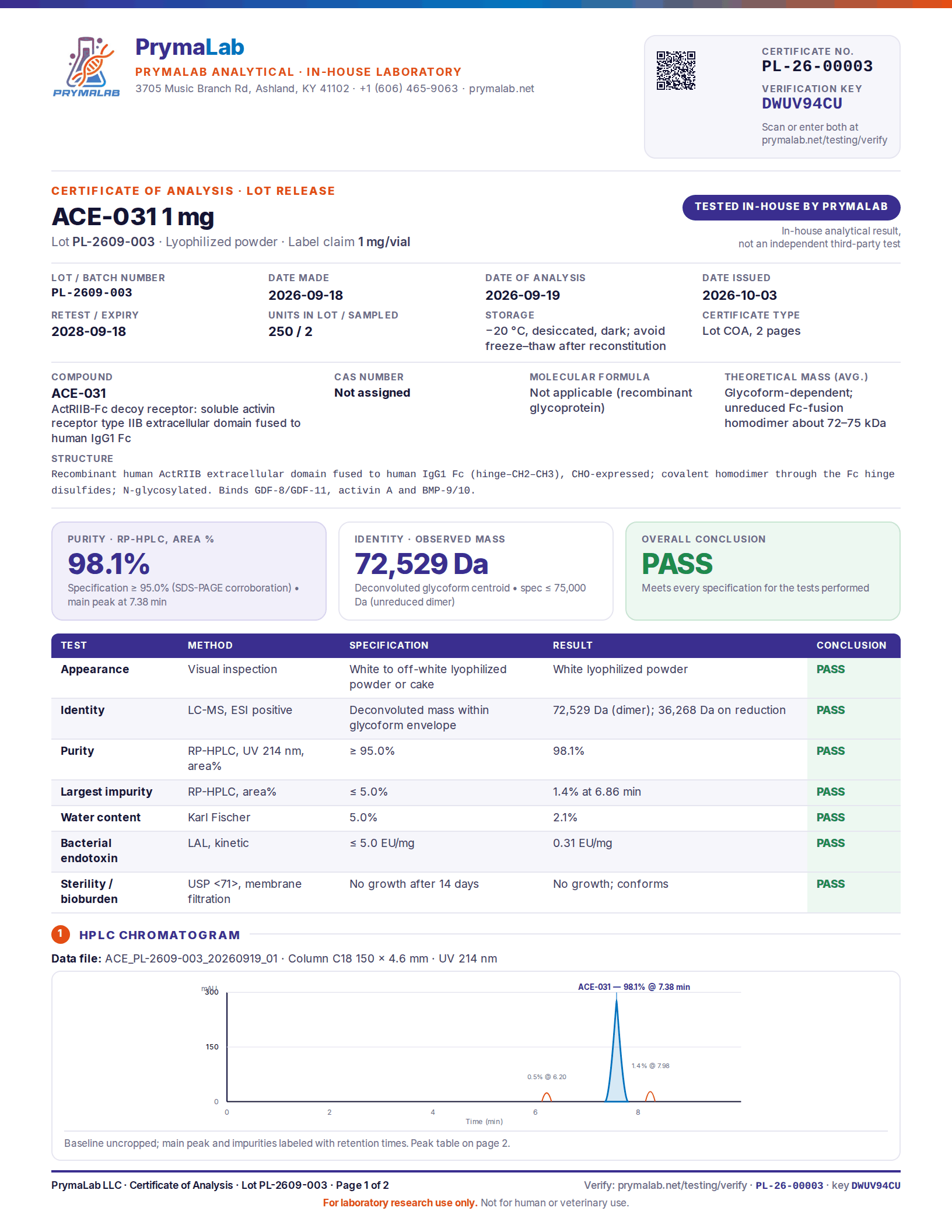
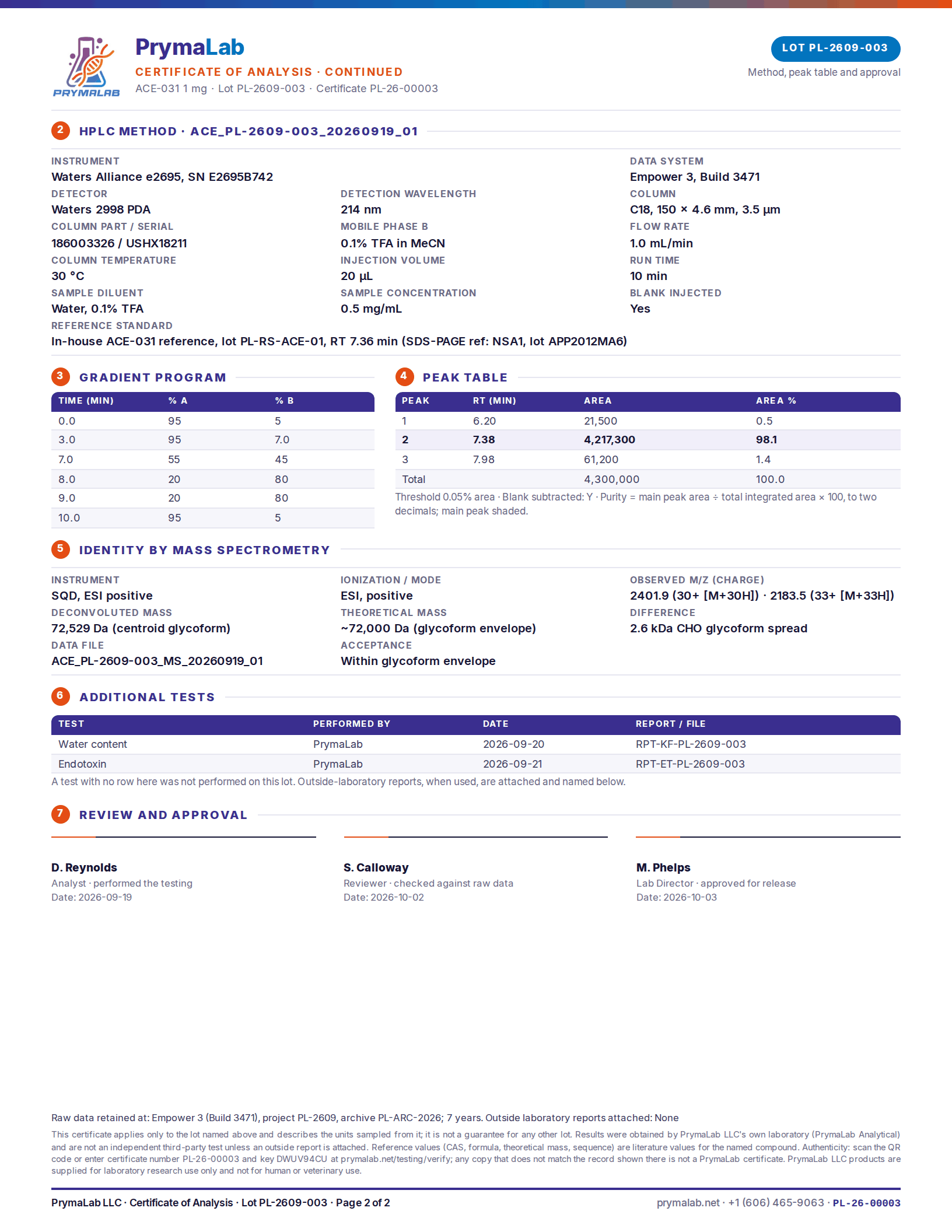
When you buy ace-031 from PrymaLab, full records ensures you have all data needed for responsible research use. Each order includes a Certificate of Test (COA) from third-party testing verifying peptide identity, purity (≥99%), and absence of contaminants. Detailed mixing instructions explain proper technique for mixing ace 031 peptide with sterile water, including recommended volumes and mixing procedures.

Use rules cover proper injection technique, site selection, and rotation protocols. Dosing data based on clinical research helps researchers design appropriate protocols, with references to use our Peptide Calculator for precise calculations. Storage instructions detail proper handling of both unreconstituted and mixed peptide. Safety data includes known ace-031 side effects, tracking recommendations, and contraindications based on clinical trial data.

Research references provide citations to key studies for researchers wanting to review original data. All records supports responsible research use and helps ensure reliable, reproducible results. This full support distinguishes PrymaLab as a trusted source for myostatin inhibitor peptide research compounds.

Can ACE-031 be used for veterinary research?

Yes, ace 031 peptide can be used for veterinary research uses, and in fact, much of the foundational research on myostatin blocking was conducted in animal models. The peptide has been studied extensively in mice, rats, and other research animals, showing dramatic muscle growth effects across species. Veterinary researchers might use ACE-031 to study muscle wasting conditions in animals, study breed differences in myostatin function, explore possible treatment uses for animal muscle diseases, or examine comparative muscle biology across species.

Dosing for veterinary research often follows the mg/kg rules from clinical studies, adjusted for the specific animal species and research goals. The extended half-life of ace 031 makes it practical for animal research, needing less frequent dosing than many other compounds. Researchers should ensure appropriate veterinary oversight, institutional animal care and use committee (IACUC) approval for animal research, and adherence to animal welfare rules.

The same quality standards apply – pharmaceutical-grade ACE-031 from PrymaLab ensures reliable results whether research involves animal models or other uses. Proper mixing with sterile water and accurate dosing using our Peptide Calculator are essential for veterinary research protocols.


TECHNICAL SPECIFICATIONS

Product Details

Chemical Name: ACE-031 (Ramatercept)
Other Names: Activin Receptor Type IIB-Fc Fusion Protein, ActRIIB-Fc
Cell-level Type: Recombinant Fusion Protein
Sequence: ActRIIB extracellular domain + Human IgG1 Fc region
Cell-level Weight: About 65-70 kDa
Purity: ≥99% (HPLC verified)
Format: Freeze-dried powder
Vial Size: 1mg per vial
Storage: 2-8°C (refrigerated) or -20°C (frozen)
Shelf Life: 2-3 years (unreconstituted)
Solubility: Soluble in sterile water
Appearance: White to off-white powder
Mixing: Sterile water (0.9% benzyl alcohol)
pH Range: 6.0-7.5 (mixed solution)

Mechanism Classification

Main Target: Myostatin (GDF-8)
Second Targets: Activin A, GDF-11
Mechanism Class: Myostatin Inhibitor / Decoy Receptor
Receptor Type: Activin Receptor Type IIB (ActRIIB)
Binding Affinity: High affinity for myostatin and related ligands
Duration of Action: Extended (10-14 day half-life)
Route of Use: Under-skin injection
Dosing Frequency: Weekly or bi-weekly

Pharmacological Properties

Absorption: Rapid from under-skin tissue
Distribution: Systemic circulation
Protein Binding: High (Fc-mediated)
Body function: Proteolytic breakdown
Half-Life: 10-14 days (humans)
Elimination: Renal and hepatic
Uptake: High (under-skin)
Time to Peak Effect: 1-4 weeks for muscle growth
Duration of Effect: Sustained for weeks after single dose

Quality Control

Manufacturing Standards:

  • Produced in mammalian cell expression systems
  • Purified using protein A affinity chromatography
  • Sterile filtered and freeze-dried
  • Manufactured under GMP conditions
  • Batch-specific quality testing

Testing Methods:

  • HPLC for purity check
  • Mass spectrometry for identity confirmation
  • SDS-PAGE for cell-level weight check
  • Endotoxin testing (LAL assay)
  • Sterility testing
  • Potency assays (bioactivity)

Quality Specifications:

  • Purity: ≥99% by HPLC
  • Endotoxin: <1.0 EU/mg
  • Sterility: Passes USP sterility test
  • Identity: Confirmed by MS
  • Potency: Meets specification in bioassay

Research Applications

Main Research Areas:

  • Muscle biology and myostatin function
  • Muscle wasting disease models
  • Performance boost mechanisms
  • Satellite cell biology
  • Muscle regrowth studies
  • Bone-muscle interactions
  • Body control research

Suitable Research Models:

  • Cell culture (myoblasts, myotubes)
  • Animal models (mice, rats, larger animals)
  • Ex vivo muscle tissue studies
  • Biochemical assays
  • Cell-level biology studies

Handling and Storage

Unreconstituted Peptide:

  • Store at 2-8°C (refrigerated) or -20°C (frozen)
  • Protect from light and moisture
  • Keep in original sealed vial
  • Stable for 2-3 years when properly stored
  • Can tolerate brief room heat exposure during shipping

Mixed Solution:

  • MUST be stored refrigerated at 2-8°C
  • Protect from light (wrap vial in foil if needed)
  • Use within 14-28 days of mixing
  • Do not freeze mixed solution
  • Discard if solution becomes cloudy or contains particles

Handling Precautions:

  • Use aseptic technique for all handling
  • Avoid repeated freeze-thaw cycles
  • Do not shake vigorously (can denature protein)
  • Use sterile syringes and needles
  • Prevent contamination of vials

Reconstitution Guidelines

Recommended Solvent: Sterile Water (0.9% benzyl alcohol)

Mixing Volumes:

  • 1mL sterile water per 1mg vial = 1mg/mL level
  • 2mL sterile water per 1mg vial = 0.5mg/mL level

Mixing Procedure:

  1. Remove plastic cap from vial
  2. Swab rubber stopper with alcohol
  3. Allow alcohol to dry completely
  4. Draw sterile water into sterile syringe
  5. Inject water slowly down side of vial
  6. Gently swirl (do not shake) until dissolved
  7. Inspect solution (should be clear and colorless)
  8. Label vial with mixing date
  9. Store refrigerated immediately

Level Calculations:

Use PrymaLab’s Peptide Calculator for precise calculations:

  • Input: Vial size (1mg), mixing volume, desired dose
  • Output: Volume to inject for desired dose
  • Accounts for level and subject weight

Administration Specifications

Route: Under-skin injection
Injection Sites: Abdomen, thighs, upper arms
Needle Size: 29-31 gauge, 1/2 inch length
Injection Volume: Often 0.5-2.0 mL per dose
Injection Angle: 45-90 degrees (depending on body fat)
Site Rotation: Essential to prevent tissue irritation
Injection Frequency: Weekly or bi-weekly based on protocol

Safety and Regulatory Information

Control Status:

  • Not approved for human treatment use
  • Research chemical classification
  • For laboratory research only
  • Not for human consumption outside research settings

Safety Classification:

  • Often well-tolerated in clinical trials
  • Known vascular-related side effects
  • Needs appropriate safety tracking
  • Contraindicated in bleeding disorders

Banned Substance Status:

  • Prohibited by World Anti-Doping Agency (WADA)
  • Banned in competitive sports
  • Athletes subject to testing should not use

Research Support

Available Resources:

  • Peptide Calculator for dosing calculations
  • Sterile Water for mixing
  • Technical support for protocol design
  • Certificate of Test with each order
  • Full product records
  • Research literature references

Related Research Compounds

Paired Peptides:

Research Accessories:

  • Sterile syringes and needles
  • Alcohol swabs
  • Sharps disposal container
  • Peptide storage containers
  • Laboratory notebooks for records

Shipping and Packaging

Packaging:

  • Personal vials sealed in protective packaging
  • Shipped with cold packs to keep heat
  • Discreet packaging with no product finding
  • Includes all necessary records

Shipping:

  • Fast, reliable shipping options
  • Heat-controlled during transit
  • Tracking provided for all orders
  • Discreet supply to protect privacy

Quality Guarantee

PrymaLab guarantees:

  • Pharmaceutical-grade quality
  • ≥99% purity verified by third-party testing
  • Proper storage and handling during shipping
  • Complete records with each order
  • Responsive customer support
  • Satisfaction with product quality

When researchers buy ace-031 from PrymaLab, they get not just a high-quality myostatin inhibitor peptide, but full support for successful research outcomes.


COMPLIANCE AND LEGAL INFORMATION

Regulatory Status

ACE-031 is not approved by the U.S. Food and Drug Use (FDA) or other control agencies for human treatment use. Clinical growth was discontinued in 2013 following safety concerns saw in Phase 2 trials. The peptide is classified as a research chemical and is sold exclusively for laboratory research purposes.

Intended Use

This product is intended for research use only. It is not intended for human consumption, treatment use, or any use outside legitimate research settings. Researchers are responsible for ensuring their use complies with applicable laws, regulations, and institutional policies.

Research Ethics

Research involving ace 031 peptide and human subjects needs:

  • Institutional Review Board (IRB) or Ethics Committee approval
  • Informed consent from all research participants
  • Adherence to Good Clinical Practice (GCP) rules
  • Proper safety tracking and adverse event reporting
  • Compliance with local research regulations

Banned Substance Notice

ACE-031 is prohibited by the World Anti-Doping Agency (WADA) and is banned in competitive sports. Athletes subject to drug testing should not use this compound. Researchers working with competitive athletes must ensure compliance with anti-doping regulations.

Liability Disclaimer

PrymaLab provides ACE-031 for research purposes only. The company assumes no liability for:

  • Improper use of the product
  • Use outside legitimate research contexts
  • Adverse events resulting from use
  • Violations of applicable laws or regulations
  • Results or outcomes of research conducted

Quality Assurance

All ace 031 peptide sold by PrymaLab is:

  • Manufactured to pharmaceutical-grade standards
  • Tested for purity, identity, and quality
  • Accompanied by Certificate of Test
  • Properly stored and handled
  • Shipped with appropriate heat control

Customer Responsibility

Customers who buy ace-031 are responsible for:

  • Ensuring legal compliance in their jurisdiction
  • Proper storage and handling of the product
  • Appropriate use in legitimate research
  • Safety tracking in research protocols
  • Proper disposal of unused product

Medical Disclaimer

Data provided about ACE-031 is for educational and research purposes only. It should not be considered medical advice. Researchers should consult qualified healthcare professionals for medical guidance related to research protocols involving human subjects.


CONCLUSION

ACE-031 1MG represents a powerful tool for muscle growth research through its unique mechanism as a myostatin inhibitor peptide. The fusion protein design combining ActRIIB and Fc regions provides potent, sustained myostatin blocking with convenient dosing schedules. Clinical research showed dramatic muscle mass increases, gains in bone density, and possible body benefits, setting up ace 031 peptide as one of the most effective muscle growth research compounds available.

While clinical growth was discontinued due to minor vascular side effects, the extensive research data provides valuable insights into myostatin function and muscle biology. For researchers studying muscle growth mechanisms, possible treatment approaches to muscle wasting, or performance boost pathways, ACE-031 offers unmatched potency and a well-characterized mechanism of action.

PrymaLab provides pharmaceutical-grade ACE-031 with verified purity, full records, and full research support. When you buy ace-031 from PrymaLab, you get not just a high-quality research compound, but access to resources including our Peptide Calculator, sterile water for mixing, and expert guidance for successful research outcomes.

Explore our complete peptides for sale collection to discover paired research compounds for full muscle biology studies. With proper protocols, safety tracking, and responsible use, ACE-031 provides researchers with unprecedented insights into muscle growth control and myostatin blocking.

Additional information

Weight N/A
Dimensions N/A

Reviews

There are no reviews yet.

Only logged in customers who have purchased this product may leave a review.

Peptide Research Articles

24/7 Online support

support@prymalab.net info@prymalab.net

Money back guarantee

30 Day return window. Satisfaction guaranteed or your money back.

FREE shipping and return

All orders over %150 in value will receive free shipping.

Related

PrymaLab-Logo-2

Age Verification Required

You must be 21 years of age or older to enter this website.
Pryma Lab specializes in the sale of research chemicals, including peptides and other compounds intended solely for scientific and laboratory research. Due to the nature of our products, access to this site is strictly restricted to adults aged 21 and over.
By entering this website, you confirm that:
  • You are 21 years of age or older
  • You understand that all products are sold for research purposes only
  • You are a qualified researcher, scientist, or licensed professional
  • You will not use any products for human or animal consumption
  • You comply with all local, state, and federal laws regarding the purchase and use of research chemicals
Are you at least 21 years of age?