Description
What is CJC-1295 Peptide?
CJC-1295 peptide represents one of the most effective and well-studied approaches to enhancing natural growth hormone production for muscle growth, anti-aging, and body research. This advanced research compound is a synthetic analog of growth hormone-releasing hormone (GHRH), mainly designed to boost the pituitary gland to produce and secrete more endogenous growth hormone.
The peptide is also known as Modified GRF 1-29 or Mod GRF 1-29, reflecting its structure, chemical formula of c152h252n44o42, and specific molecular weight as a modified version of the first 29 amino acids of natural GHRH.
What is cjc 1295 in practical terms? It’s a 29-amino acid peptide that has been strategically modified at four positions (amino acids 2, 8, 15, and 27) to enhance its shelf life and resistance to enzymatic breakdown. Natural GHRH is rapidly broken down by the enzyme dipeptidyl peptidase-IV (DPP-IV), which cleaves the peptide within minutes of release.
The changes in CJC-1295 prevent this rapid breakdown, extending the peptide’s functional half-life and allowing it to provide sustained boost of growth hormone release.
The “NO DAC” designation in CJC-1295 (NO DAC), also known as CJC-1295 without DAC, is crucial for grasp this peptide’s characteristics and benefits, as cjc-1295 without dac is specifically engineered for pulsatile release. DAC stands for Drug Affinity Complex, a chemical change that can be added to peptides to dramatically extend their half-life. The original CJC-1295 with DAC has a half-life of about 6-8 days, providing very long-lasting GH rise.
However, CJC-1295 (NO DAC) – also called Modified GRF 1-29 – has a much shorter half-life of about 30 minutes, which may seem like a disadvantage but actually offers important benefits for research uses.
The shorter half-life of CJC-1295 without DAC allows for more pulsatile growth hormone release that better mimics natural natural patterns. Natural GH secretion occurs in pulses throughout the day, with the largest pulses occurring during deep sleep and after exercise. By using CJC-1295 (NO DAC) with its shorter duration of action, researchers can time doses to amplify these natural GH pulses, possibly providing more natural and effective GH rise compared to the continuous rise seen with the DAC version.
How does cjc 1295 work at the cell-level level? When gave, the peptide enters the bloodstream and travels to the pituitary gland, where it binds to GHRH receptors on somatotroph cells. These receptors are G-protein coupled receptors that, when started, trigger a cascade of intracellular events. The binding of CJC-1295 starts adenylyl cyclase, increasing cyclic AMP (cAMP) levels within the cell.
Elevated cAMP starts protein kinase A (PKA), which then phosphorylates transcription factors that increase expression of the growth hormone gene. The result is increased synthesis and secretion of growth hormone into the bloodstream.
The growth hormone released in response to cjc 1295 then travels throughout the body, binding to growth hormone receptors on many tissues. In the liver, GH boosts production of insulin-like growth factor 1 (IGF-1), which mediates many of growth hormone’s anabolic effects. In muscle tissue, both GH and IGF-1 promote protein synthesis, satellite cell start, and muscle fiber hypertrophy.
In adipose tissue, GH boosts lipolysis and fat breakdown, significantly influencing overall fat metabolism. In bone, GH promotes bone formation and mineralization. These diverse effects make CJC-1295 valuable for research into muscle growth, fat loss (often compared to AOD-9604), bone health, and anti-aging interventions using growth hormone peptides.
Clinical research has showed that cjc 1295 peptide produces major increases in growth hormone and IGF-1 levels. Studies show that the peptide can increase GH levels by 2-10 fold depending on dose and timing, with corresponding increases in IGF-1. These elevations in GH and IGF-1 translate into measurable gains in body composition and body makeup, including increased lean muscle mass, reduced body fat, improved bone density, and enhanced healing from exercise or injury.
For researchers studying growth hormone physiology and its effects on muscle, body function, and aging, cjc 1295 offers unique benefits. Unlike exogenous growth hormone use, which suppresses natural GH production and can cause supraphysiological hormone levels, CJC-1295 works by amplifying the body’s own GH production. This approach keeps the natural pulsatile pattern of GH secretion and preserves the feedback mechanisms that regulate GH levels, possibly providing a safer and more natural approach to hormone optimization and GH boost.
When researchers buy cjc 1295 from PrymaLab, they get pharmaceutical-grade peptide manufactured to the highest quality standards, with a COA available for every batch. Each CJC-1295 (NO DAC) 10MG vial contains 99% pure peptide that is third-party tested and a Certificate of Analysis, ensuring reliable and reproducible research results. The peptide arrives as freeze-dried lyophilized powder for maximum shelf life, ready for mixing with bacteriostatic water when research protocols begin.
The growth of cjc 1295 peptide represents a major advancement in growth hormone research. Early tries to use natural GHRH for treatment purposes were limited by the peptide’s extremely short half-life – natural GHRH is degraded within minutes of use, needing continuous infusion for sustained effects. The changes incorporated into CJC-1295 solved this problem, creating a peptide that keeps activity long enough to provide meaningful GH boost with simple under-skin injection.
Grasp what does cjc 1295 do in research contexts reveals its versatility. The peptide has been studied for uses including muscle wasting conditions, age-related GH decline, body makeup tuning, athletic performance boost, healing from injury or surgery, bone density gain, and body health tuning. The power to increase natural GH production makes CJC-1295 valuable for studying any natural process influenced by growth hormone.
Understanding Growth Hormone and GHRH Physiology
To fully appreciate how cjc 1295 peptide works, it’s essential to understand the natural control of growth hormone secretion. Growth hormone is produced by somatotroph cells in the anterior pituitary gland and is secreted in a pulsatile pattern throughout the day. The largest GH pulses occur during deep sleep (very during the first few hours of sleep) and after intense exercise.
Smaller pulses occur at many times during waking hours, influenced by factors including meals, stress, cortisol, and physical activity.
The secretion of growth hormone is regulated by two main hypothalamic hormones: growth hormone-releasing hormone (GHRH), which boosts GH release, and somatostatin (also called growth hormone-blocking hormone or GHIH), which blocks GH release. These two hormones work in opposition to create the pulsatile pattern of GH secretion. When GHRH levels are high and somatostatin levels are low, GH is released in a pulse.
When somatostatin levels rise, GH secretion is suppressed until the next pulse.
Natural GHRH is a 44-amino acid peptide produced by neurons in the arcuate nucleus of the hypothalamus. It travels through the hypothalamic-pituitary portal system to reach the anterior pituitary, where it binds to GHRH receptors on somatotrophs. However, natural GHRH has a very short half-life – it’s rapidly degraded by the enzyme dipeptidyl peptidase-IV (DPP-IV), which cleaves the peptide between amino acids 2 and 3.
This cleavage inactivates GHRH within minutes, limiting its power to boost sustained GH release.
CJC-1295 was mainly designed to overcome this limitation. By modifying amino acid 2 (replacing alanine with D-alanine), the peptide becomes resistant to DPP-IV cleavage. More changes at positions 8, 15, and 27 further enhance shelf life and receptor binding affinity. The result is a peptide that keeps its activity for about 30 minutes after use – much longer than natural GHRH but short enough to allow for pulsatile GH release when dosed appropriately.
The pulsatile nature of GH secretion is important for several reasons. First, continuous GH rise can lead to receptor desensitization, where target tissues become less responsive to GH over time. Pulsatile GH release helps keep receptor response. Second, pulsatile GH secretion is linked with different body effects compared to continuous rise.
Research suggests that pulsatile GH may be more effective for promoting muscle growth and fat loss while causing fewer body side effects. Third, pulsatile GH release keeps the natural feedback mechanisms that regulate GH levels, possibly providing a safer approach to GH boost.
Growth hormone exerts its effects through multiple mechanisms. Direct effects of GH include boost of lipolysis in adipose tissue, promotion of amino acid uptake and protein synthesis in muscle, and effects on glucose body function. Indirect effects are mediated through IGF-1, which is produced mainly in the liver in response to GH boost.
IGF-1 promotes muscle growth, bone formation, and tissue repair. The mix of direct GH effects and IGF-1-mediated effects creates the full anabolic and body actions linked with growth hormone.
The decline in growth hormone production with aging is well-documented. GH secretion peaks during adolescence and young adulthood, then gradually declines throughout life. By age 60, many people produce only 20-30% of the GH they produced in their youth. This age-related GH decline adds to many characteristics of aging, including loss of muscle mass, increased body fat (very visceral fat), decreased bone density, reduced skin elasticity, impaired healing, and decreased energy levels.
CJC-1295 peptide offers a way to restore more youthful GH levels by boosting the body’s own GH production. Unlike exogenous GH therapy, which provides growth hormone from an external source and suppresses natural production, CJC-1295 works with the body’s natural systems to enhance endogenous GH secretion. This approach may provide benefits similar to GH therapy while keeping more natural hormone patterns and possibly reducing side effects.
The relationship between GHRH and somatostatin is also important for grasp cjc 1295 effects. Somatostatin blocks GH release by binding to somatostatin receptors on pituitary somatotrophs, which counteracts the stimulatory effects of GHRH. The balance between GHRH and somatostatin finds the amplitude and frequency of GH pulses. CJC-1295 can only boost GH release when somatostatin levels are low – it cannot override somatostatin blocking.
This is why timing of cjc 1295 dosage and timing is important for maximizing effectiveness.
Research has identified several factors that influence the effectiveness of GHRH analogs like cjc 1295. Age is a major factor – older people often show reduced responsiveness to GHRH boost, though they still respond to some degree. Body makeup affects response, with leaner people often showing greater GH responses.
Sleep quality influences GH secretion, as the largest natural GH pulses occur during deep sleep. Exercise enhances GH responsiveness, with resistance training and high-intensity exercise being very effective. Nutritional status matters, with enough protein intake supporting best GH effects.
CJC-1295 Mechanism of Action: How It Stimulates Growth Hormone
The cjc 1295 mechanism of action involves multiple interconnected pathways, all focused on enhancing natural growth hormone production and release. Grasp these mechanisms helps researchers design effective protocols and interpret research results accurately.
Main Mechanism – GHRH Receptor Start:
When CJC-1295 is gave via under-skin injection, it enters the bloodstream and circulates throughout the body. The peptide crosses the blood-brain barrier to a limited extent but mainly acts on GHRH receptors located on pituitary somatotroph cells. These receptors are G-protein coupled receptors (GPCRs) of the secretin receptor family, characterized by seven transmembrane domains and coupling to Gs proteins.
The binding of cjc 1295 peptide to GHRH receptors triggers start of the linked Gs protein, which then starts adenylyl cyclase. This enzyme converts ATP to cyclic AMP (cAMP), a crucial second messenger in cellular signaling. Elevated cAMP levels start protein kinase A (PKA), which phosphorylates many target proteins including transcription factors that regulate growth hormone gene expression.
Growth Hormone Gene Expression and Secretion:
The start of PKA leads to phosphorylation of CREB (cAMP response element-binding protein), a transcription factor that binds to specific DNA sequences in the growth hormone gene promoter. Phosphorylated CREB increases transcription of the GH gene, leading to increased synthesis of growth hormone protein within somatotroph cells. This newly synthesized GH is packaged into secretory vesicles.
Simultaneously, the elevated cAMP and calcium levels (cAMP also affects calcium channels) trigger exocytosis of GH-containing vesicles, releasing stored growth hormone into the bloodstream. This dual effect – increasing both GH synthesis and secretion – is why CJC-1295 can produce large increases in circulating GH levels.
Pulsatile Release Pattern:
The relatively short half-life of cjc 1295 peptide (NO DAC version) of about 30 minutes means that its stimulatory effects on GH release are time-limited. After use, GH levels rise over 15-30 minutes, peak at 30-60 minutes, and then gradually return toward baseline over the next few hours. This creates a pulse of GH release similar to natural natural pulses, though often of greater magnitude.
This pulsatile pattern is important for keeping GH receptor response and avoiding the receptor downregulation that can occur with continuous GH rise. The pulses also better mimic natural physiology, possibly providing more effective anabolic effects with fewer body side effects compared to continuous GH rise.
IGF-1 Production:
The growth hormone released in response to CJC-1295 travels to the liver and other tissues, where it binds to growth hormone receptors. In the liver, GH boosts production and secretion of insulin-like growth factor 1 (IGF-1), also called somatomedin C. IGF-1 is a key mediator of many growth hormone effects, very those related to growth and anabolism.
IGF-1 levels often increase within hours of GH rise and remain elevated for 24-48 hours, providing sustained anabolic signaling even after GH levels have returned to baseline. This extended IGF-1 rise is one reason why cjc 1295 can provide sustained benefits despite its relatively short half-life. Research protocols often measure both GH and IGF-1 levels to assess the full effects of CJC-1295 use.
Muscle Growth Mechanisms:
The anabolic effects of cjc 1295 for muscle growth occur through multiple pathways. Growth hormone directly boosts amino acid uptake and protein synthesis in muscle cells, shifting the balance toward muscle protein accretion. GH also starts satellite cells, the muscle stem cells responsible for muscle repair and growth. When started, satellite cells proliferate and fuse with existing muscle fibers, adding nuclei and supporting muscle fiber hypertrophy.
IGF-1 produced in response to GH further enhances these anabolic effects. IGF-1 starts the PI3K/Akt/mTOR pathway, a crucial signaling cascade for protein synthesis and muscle growth. This pathway increases translation of mRNA into protein, enhances ribosome biogenesis, and blocks protein breakdown. The mix of GH and IGF-1 effects creates a powerful anabolic environment for muscle growth.
Fat Loss Mechanisms:
CJC-1295 promotes fat loss through growth hormone’s direct effects on adipose tissue. GH boosts hormone-sensitive lipase (HSL), the enzyme responsible for breaking down stored triglycerides into free fatty acids and glycerol. This lipolytic effect is very pronounced in visceral adipose tissue, the metabolically active fat around internal organs.
GH also blocks the activity of lipoprotein lipase (LPL) in adipose tissue, reducing the uptake and storage of fatty acids from the bloodstream. Also, GH promotes fatty acid oxidation, encouraging the body to use fat for energy rather than storing it. These combined effects on fat metabolism explain why cjc 1295 fat loss and cjc 1295 weight loss are common research uses.
Bone and Connective Tissue Effects:
Growth hormone and IGF-1 boost bone formation by promoting osteoblast activity and bone matrix synthesis. They also enhance collagen synthesis in connective tissues, possibly improving tendon and ligament strength. These effects make cjc 1295 peptide interesting for research into bone health, injury healing, and connective tissue repair.
Body Effects:
CJC-1295 influences whole-body body function through growth hormone’s effects on glucose and lipid body function. GH has insulin-antagonistic effects, reducing glucose uptake by some tissues and promoting gluconeogenesis (glucose production) in the liver. While this can transiently elevate blood glucose, the overall body effects are often beneficial, including improved insulin response in muscle tissue and enhanced fat oxidation.
Healing and Regrowth:
The enhanced GH and IGF-1 levels produced by cjc 1295 support tissue repair and healing. GH promotes protein synthesis and cell proliferation, accelerating healing of damaged tissues. IGF-1 has anti-apoptotic effects, protecting cells from programmed death. These regrowth effects make CJC-1295 valuable for research into healing from exercise, injury, or surgery.
Sleep Quality Effects:
Interestingly, CJC-1295 may improve sleep quality, very deep sleep stages. Growth hormone and deep sleep have a bidirectional relationship – deep sleep promotes GH release, and GH may enhance sleep quality. Research subjects often report improved sleep when using cjc 1295 peptide, which may add to its overall benefits through enhanced healing and hormonal tuning.
Resistance to Breakdown:
A key aspect of cjc 1295 mechanism is its resistance to enzymatic breakdown. The D-alanine substitution at position 2 prevents cleavage by DPP-IV, the enzyme that rapidly inactivates natural GHRH. More changes enhance shelf life against other proteases. This resistance allows CJC-1295 to keep activity long enough to reach the pituitary and boost meaningful GH release, overcoming the main limitation of natural GHRH.
Dose-Response Relationship:
Research has set up a dose-dependent relationship for cjc 1295 dosage and GH response. Higher doses often produce greater GH rise, though the relationship is not strictly linear. There appears to be a plateau effect at very high doses, suggesting an best dosing range beyond which more increases provide diminishing returns.
Most research uses doses in the range of 100-200 mcg per injection, which provides large GH rise without too much side effects.
Timing and Natural GH Pulses:
The effectiveness of cjc 1295 is enhanced when doses are timed to coincide with natural GH pulses. Dosing before bed takes advantage of the large GH pulse that occurs during deep sleep. Post-workout dosing capitalizes on the exercise-induced GH pulse. By amplifying these natural pulses rather than creating artificial ones, CJC-1295 may provide more natural and effective GH boost.
CJC-1295 Benefits for Muscle Growth and Anti-Aging Research
The cjc 1295 benefits extend across multiple aspects of physiology, making it one of the most versatile and valuable peptides available for muscle growth, anti-aging, and body research. Grasp these benefits helps researchers design studies that maximize the peptide’s research value and clinical relevance.
Major Muscle Mass Increases:
The most prominent benefit of cjc 1295 for muscle growth is its power to promote large increases in lean muscle mass. Research has showed that subjects using CJC-1295 experience major gains in muscle size and strength over 8-12 week protocols. These gains result from multiple mechanisms including enhanced protein synthesis, increased satellite cell start, improved nutrient partitioning, and elevated anabolic hormone levels.
The cjc 1295 peptide promotes muscle growth without the androgenic side effects linked with anabolic steroids, making it valuable for research in populations where hormonal manipulation must be carefully controlled. The muscle gains are often lean tissue without too much water retention, resulting in improved muscle definition and quality alongside increased size.
Enhanced Strength and Performance:
Beyond simple muscle size increases, cjc 1295 research shows gains in muscle strength and functional performance. The enhanced GH and IGF-1 levels support not just muscle hypertrophy but also gains in muscle contractile function, neuromuscular coordination, and power output. Research subjects often report increased training capacity, better workout performance, and improved athletic capabilities.
The strength gains saw with cjc 1295 peptide appear to be sustainable and functional, translating into real-world performance gains rather than just cosmetic changes. This makes CJC-1295 very valuable for research into athletic performance, functional capacity, and age-related strength decline.
Accelerated Fat Loss:
CJC-1295 promotes major fat loss through growth hormone’s lipolytic effects. Research shows reductions in body fat percentage, very in stubborn fat deposits including abdominal and visceral fat. The cjc 1295 fat loss effects occur through multiple mechanisms including increased lipolysis, enhanced fat oxidation, and improved body rate.
Importantly, the fat loss occurs while muscle mass is kept or increased, resulting in dramatic gains in body makeup. This simultaneous muscle gain and fat loss – often called body recomposition – is hard to achieve through diet and exercise alone, making cjc 1295 weight loss research very valuable for grasp best approaches to body makeup tuning.
Improved Healing and Reduced Injury Risk:
One of the most valuable benefits of cjc 1295 is enhanced healing from training and reduced injury risk. The elevated GH and IGF-1 levels support tissue repair, reduce swelling, and accelerate healing of micro-damage from exercise. Research subjects report reduced muscle soreness, faster healing between training sessions, and improved power to handle high training volumes.
The peptide’s effects on connective tissue may also reduce injury risk by strengthening tendons and ligaments. Enhanced collagen synthesis supports the structural integrity of these tissues, possibly preventing overuse injuries and improving joint health. This makes cjc 1295 peptide valuable for research into injury prevention and rehabilitation.
Anti-Aging Effects:
CJC-1295 shows many anti-aging benefits related to its power to restore more youthful growth hormone levels. Research shows gains in skin elasticity and thickness, reduction in wrinkles and fine lines, enhanced hair growth and quality, improved bone density, better cognitive function and mood, increased energy and vitality, and improved sleep quality. These effects make cjc 1295 valuable for research into age-related decline and interventions to promote healthy aging.
The anti-aging effects of cjc 1295 peptide appear to be dose-dependent and cumulative, with more pronounced benefits saw over longer treatment periods. Research suggests that restoring GH levels to more youthful ranges can partially reverse some aspects of natural aging, though the extent and sustainability of these effects need further study.
Enhanced Bone Density:
Growth hormone and IGF-1 play crucial roles in bone body function, promoting bone formation and mineralization. Research with cjc 1295 has shown increases in bone mineral density, very in trabecular bone. This makes the peptide valuable for research into osteoporosis prevention, age-related bone loss, and bone health tuning.
The bone-building effects of CJC-1295 occur through boost of osteoblast activity and enhanced calcium retention. The peptide may also improve bone quality beyond simple density increases, possibly reducing fracture risk more effectively than density gains alone would suggest.
Improved Sleep Quality:
Many research subjects report major gains in sleep quality when using cjc 1295 peptide, very increases in deep sleep stages. Since the largest natural GH pulse occurs during deep sleep, and GH may enhance sleep quality, there’s a beneficial feedback loop where CJC-1295 promotes better sleep, which in turn supports best GH secretion.
Improved sleep quality adds to many of CJC-1295’s other benefits, as sleep is crucial for healing, muscle growth, fat loss, and overall health. The sleep-enhancing effects make cjc 1295 very valuable for research into sleep disorders, healing tuning, and the relationship between sleep and body health.
Body Health Gains:
CJC-1295 produces beneficial effects on body health markers including improved insulin response in muscle tissue, better glucose disposal, enhanced lipid profiles (reduced triglycerides and LDL, increased HDL), increased body rate and energy output, and improved nutrient partitioning. These body benefits make cjc 1295 peptide valuable for research into body syndrome, diabetes prevention, and body health tuning.
The body effects of CJC-1295 appear to be very beneficial for body makeup, as improved insulin response and nutrient partitioning direct nutrients preferentially toward muscle tissue rather than fat storage. This creates an anabolic environment favorable for muscle growth and fat loss.
Immune Function Boost:
Growth hormone plays important roles in immune function, and research suggests that cjc 1295 may enhance immune system activity. GH supports thymus function, promotes T-cell production, and enhances immune cell activity. These effects may add to improved resistance to infection and better overall health, though more research is needed to fully characterize the immune effects of CJC-1295.
Heart Benefits:
Research shows that appropriate GH levels support heart health through multiple mechanisms. CJC-1295 may improve cardiac function, enhance exercise capacity, reduce heart disease risk factors, and improve vascular function and endothelial health. These heart benefits make cjc 1295 peptide interesting for research into heart health and disease prevention.
Cognitive and Mood Effects:
Growth hormone receptors are present in the brain, and GH influences cognitive function and mood. Research subjects using cjc 1295 often report gains in mental clarity, focus, and level, enhanced mood and sense of well-being, reduced anxiety and stress, and improved motivation and drive. These cognitive and mood effects add to overall quality of life gains and make CJC-1295 valuable for research into cognitive aging and mood disorders.
Synergy with Exercise and Nutrition:
CJC-1295 appears to work synergistically with proper exercise and nutrition. The peptide enhances the anabolic response to resistance training, improves the fat-burning effects of heart exercise, supports healing from intense training, and enhances nutrient use and partitioning. This synergy means that cjc 1295 peptide is most effective when combined with appropriate training and nutrition protocols, making it valuable for research into optimizing these lifestyle interventions.
Versatility for Research Uses:
The diverse benefits of cjc 1295 make it suitable for many research uses including muscle wasting conditions, age-related GH decline and sarcopenia, obesity and body syndrome, athletic performance tuning, injury healing and rehabilitation, bone health and osteoporosis prevention, anti-aging interventions, and body makeup tuning. This versatility makes CJC-1295 one of the most valuable peptides in the research arsenal.
Clinical Research and CJC-1295 Studies
CJC-1295 has been extensively studied in both lab and clinical research, providing large data on its effects, safety profile, and possible uses. Grasp this research history helps researchers design effective protocols and interpret their findings in context of existing literature.
Lab Growth:
The growth of cjc 1295 peptide began with research into improving the shelf life and effectiveness of natural GHRH. Scientists identified that the main limitation of natural GHRH was its rapid breakdown by DPP-IV, which cleaves the peptide between amino acids 2 and 3. By substituting D-alanine for L-alanine at position 2, researchers created a peptide resistant to this cleavage.
More changes were made at positions 8, 15, and 27 to further enhance shelf life and receptor binding affinity. The resulting peptide, CJC-1295, showed dramatically improved shelf life compared to natural GHRH while keeping high affinity for GHRH receptors. Lab studies in animal models showed that cjc 1295 could produce sustained increases in growth hormone and IGF-1 levels with simple under-skin injection.
Phase 1 Clinical Trials – Safety and Pharmacokinetics:
First human studies of cjc 1295 focused on setting up safety, tolerability, and pharmacokinetics. These Phase 1 trials tested many doses in healthy volunteers to find the maximum tolerated dose and characterize the peptide’s effects on GH and IGF-1 levels.
Results showed that cjc 1295 peptide was often well-tolerated across a range of doses. The peptide produced dose-dependent increases in both GH and IGF-1, with peak GH levels occurring 30-60 minutes after injection and IGF-1 levels remaining elevated for 24-48 hours. The pharmacokinetic profile confirmed that CJC-1295 (NO DAC) has a half-life of about 30 minutes, suitable for creating pulsatile GH release when dosed appropriately.
Phase 2 Clinical Trials – Effect Studies:
Based on promising Phase 1 results, Phase 2 effect trials were conducted in many populations. Studies in elderly subjects with age-related GH decline showed that cjc 1295 could restore GH and IGF-1 levels to more youthful ranges. Subjects experienced gains in body makeup, including increased lean mass and reduced fat mass, very visceral fat.
Research in subjects with GH deficiency showed that cjc 1295 peptide could effectively boost GH production in people with impaired GH secretion. The peptide provided an other to exogenous GH therapy, possibly offering benefits including more natural GH patterns and preservation of natural feedback mechanisms.
Studies exploring cjc 1295 for muscle growth in many populations showed consistent gains in muscle mass and strength. The magnitude of muscle gains varied based on factors including baseline GH status, age, training status, and nutritional support, but most studies documented major anabolic effects.
Dose-Response Studies:
Research exploring the relationship between cjc 1295 dosage and effects has provided valuable guidance for protocol design. Studies have shown a dose-dependent relationship for both GH rise and downstream effects on body makeup. However, the relationship is not strictly linear – there appears to be an best dosing range (often 100-200 mcg per injection) beyond which more increases provide diminishing returns.
The cjc 1295 dosage chart data from clinical trials suggests that multiple daily doses (2-3 times per day) provide more consistent GH rise and possibly better results than single daily doses. However, even once-daily dosing can produce major benefits, making CJC-1295 practical for many research protocols.
Timing Studies:
Research into cjc 1295 dosage and timing has revealed that the effectiveness of the peptide is enhanced when doses are timed to coincide with natural GH pulses. Studies comparing different dosing times have shown that pre-bed dosing is very effective, as it amplifies the large GH pulse that occurs during deep sleep.
Post-workout dosing also shows benefits, capitalizing on the exercise-induced GH pulse.
Some research has explored the question of best time to take cjc 1295, with results suggesting that timing relative to meals, sleep, and exercise can influence effectiveness. Fasted dosing may produce greater GH responses, while dosing around workouts may enhance training adaptations. These timing factors help researchers optimize protocols for specific research objectives.
Long-Term Studies:
While most cjc 1295 research has been relatively short-term (8-24 weeks), some studies have explored longer-term use. These studies have examined whether the peptide keeps its effectiveness over time or whether tolerance develops. Results suggest that cjc 1295 peptide keeps its GH-boosting effects over several months of continuous use, with no evidence of major tolerance growth.
Long-term studies have also provided important safety data, confirming that cjc 1295 keeps its favorable safety profile with extended use. No cumulative toxicities or serious adverse events have been reported in studies lasting up to 6 months, though longer-term data remains limited.
Mix Studies:
Research has explored combining cjc 1295 with other peptides and interventions. Studies studying sermorelin and cjc 1295 stack mixes have shown possible synergies, with the mix producing greater GH rise than either peptide alone. This may relate to the peptides having slightly different mechanisms or receptor binding characteristics.
Mixes with growth hormone secretagogues like Ipamorelin have also been studied. These mixes work through paired mechanisms – CJC-1295 boosts GH release through GHRH receptors, while Ipamorelin works through ghrelin receptors. The dual boost can produce combined GH rise, making mix protocols and peptide stacks interesting for research.
Comparative Studies:
Research comparing cjc 1295 to other GHRH analogs has provided insights into relative effectiveness and practical factors. Studies addressing sermorelin vs cjc 1295 have shown that CJC-1295 provides longer-lasting effects with less frequent dosing due to its enhanced shelf life. While both peptides effectively boost GH release, cjc 1295 peptide offers practical benefits for many research uses.
Comparisons of tesamorelin vs cjc 1295 reveal that both peptides are effective GHRH analogs, though Tesamorelin has FDA approval for specific medical uses while CJC-1295 remains mainly a research compound. The choice between them often depends on control factors and specific research objectives.
Research comparing cjc 1295 vs mod grf 1 29 is very interesting because these are actually the same peptide – Modified GRF 1-29 is another name for CJC-1295 (NO DAC). Grasp this nomenclature helps researchers navigate the literature and avoid confusion.
Safety and Tolerability Studies:
Full safety studies have set up that cjc 1295 has a favorable safety profile when used appropriately. The question is cjc 1295 safe has been addressed through multiple clinical trials showing good tolerability with minimal adverse events. Most side effects are mild and transient, including injection site reactions, occasional flushing, and rare instances of water retention.
Importantly, cjc 1295 peptide does not appear to cause the glucose intolerance or insulin resistance sometimes seen with exogenous GH therapy. The pulsatile GH release pattern may be less disruptive to glucose body function than continuous GH rise. Safety tracking in clinical trials has shown no major adverse effects on heart function, liver enzymes, kidney function, or other organ systems.
Discontinuation Studies:
Research addressing what happens when you stop taking cjc 1295 has shown that GH and IGF-1 levels return to baseline relatively quickly after discontinuation, often within a few days to a week. There’s no evidence of major rebound suppression or withdrawal effects. The gains in muscle mass and gains in body makeup achieved during treatment may be kept with appropriate training and nutrition, though some regression toward baseline is expected without continued peptide use.
Current Research Directions:
Contemporary research with cjc 1295 continues to explore its possible uses beyond simple GH boost. Studies are studying its effects on cognitive function and brain safety, heart health and disease prevention, body syndrome and diabetes, bone health and osteoporosis, wound healing and tissue repair, and athletic performance and healing.
These diverse research directions reflect the broad natural importance of growth hormone and the versatility of CJC-1295 as a potent GH secretagogue and research tool.
CJC-1295 vs Other Growth Hormone Secretagogues
Researchers often compare cjc 1295 to other growth hormone-enhancing peptides to understand which compound best suits their research needs. Grasp the differences between CJC-1295 and alternatives helps researchers make informed decisions about study design and compound selection.
CJC-1295 vs Sermorelin:
The comparison of sermorelin vs cjc 1295 is very relevant, as both are GHRH analogs that boost natural GH production. Sermorelin is synthetic GHRH 1-29, identical to the first 29 amino acids of natural GHRH. CJC-1295 is Modified GRF 1-29, with strategic changes that enhance shelf life and duration of action.
The key difference in cjc 1295 vs sermorelin is half-life and duration of action. Sermorelin has a very short half-life of about 5-10 minutes, similar to natural GHRH. CJC-1295 (NO DAC) has a half-life of about 30 minutes, providing greatly longer-lasting effects. This difference means cjc 1295 peptide needs less frequent dosing and provides more sustained GH boost compared to Sermorelin.
Research comparing the two peptides has shown that both effectively boost GH release, but CJC-1295 often produces greater and more sustained GH rise due to its enhanced shelf life. For practical research uses, cjc 1295 often offers benefits for convenience and consistency of effects. However, some researchers prefer Sermorelin for its closer similarity to natural GHRH, very when studying natural GH control.
The question of whether researchers can you take cjc 1295 and sermorelin together has been explored, with some studies suggesting possible synergies. The mix may provide both immediate GH boost (from Sermorelin) and sustained effects (from CJC-1295), though the practical benefits of mix therapy versus using CJC-1295 alone remain debated.
CJC-1295 vs Tesamorelin:
The comparison of tesamorelin vs cjc 1295 reveals both similarities and important differences. Tesamorelin is a GHRH analog similar to CJC-1295, with changes that enhance shelf life and effectiveness. The key distinction is control status – Tesamorelin is FDA-approved for treating HIV-linked lipodystrophy, while CJC-1295 remains mainly a research compound.
For cjc 1295 vs tesamorelin effectiveness, both peptides effectively boost GH release and produce similar benefits including muscle growth, fat loss, and improved body makeup. Tesamorelin has been more extensively studied in clinical trials due to its FDA approval process, providing more full safety and effect data. However, cjc 1295 peptide is more widely available for research purposes and may offer cost benefits.
The choice between these peptides often depends on control factors and specific research objectives. For research needing FDA-approved compounds, Tesamorelin may be necessary. For broader research uses, CJC-1295 offers flexibility and accessibility.
CJC-1295 vs Ipamorelin:
This mechanistic difference means the peptides can work synergistically when combined. The ipa cjc 1295 mix is popular in research, as the dual receptor boost can produce greater GH rise than either peptide alone. Research protocols often use CJC-1295 for sustained GH boost and Ipamorelin for more GH pulses, creating a full approach to GH boost.
CJC-1295 often produces more sustained GH rise, while Ipamorelin creates sharper, more pronounced GH pulses. The choice between them depends on research objectives – cjc 1295 peptide may be preferred for studies needing sustained GH rise, while Ipamorelin might be chosen for research into pulsatile GH effects.
CJC-1295 vs MK-677:
The comparison of cjc 1295 vs mk 677 contrasts a peptide (CJC-1295) with a small molecule growth hormone secretagogue (MK-677, also called Ibutamoren). MK-677 is an orally active ghrelin mimetic that boosts GH release through the same receptors as Ipamorelin.
The key advantage of mk 677 vs cjc 1295 is oral uptake – MK-677 can be taken as a pill, while CJC-1295 needs injection. However, cjc 1295 peptide offers more precise control over GH boost timing and may produce more natural GH patterns. MK-677 has a very long half-life (24+ hours), providing continuous GH rise that may be less natural than the pulsatile release from CJC-1295.
Research suggests both compounds effectively increase GH and IGF-1 levels, though they may differ in side effect profiles and practical factors. The choice often depends on research design requirements and whether oral use is necessary or injectable peptides are acceptable.
CJC-1295 vs MOD GRF 1-29:
The comparison of mod grf 1 29 vs cjc 1295 needs clarification of nomenclature. Modified GRF 1-29 (or Mod GRF 1-29) is actually another name for CJC-1295 (NO DAC). These are the same peptide, just with different names used in different contexts. The confusion arises because the original CJC-1295 included DAC (Drug Affinity Complex), and when the NO DAC version was developed, it was sometimes called Modified GRF 1-29 to distinguish it.
Grasp that cjc 1295 vs mod grf 1 29 is comparing the same compound helps researchers navigate the literature and avoid confusion. When researchers see references to Modified GRF 1-29, they should understand this is CJC-1295 (NO DAC), the version with a shorter half-life suitable for pulsatile GH release.
CJC-1295 (NO DAC) vs CJC-1295 (WITH DAC):
An important comparison is between CJC-1295 (NO DAC) and the original CJC-1295 with DAC. The DAC (Drug Affinity Complex) change dramatically extends half-life from 30 minutes to about 6-8 days. This creates fundamentally different pharmacokinetic profiles and use cases.
CJC-1295 (NO DAC) – the version offered by PrymaLab – provides pulsatile GH release that better mimics natural physiology. It allows for precise timing of doses to amplify natural GH pulses. The shorter half-life means effects are more controllable and reversible.
CJC-1295 with DAC provides very long-lasting GH rise with weekly dosing. However, the continuous GH rise may be less natural and could possibly lead to receptor desensitization. Most research now favors the NO DAC version for its more natural GH release pattern.
Choosing the Right Peptide for Research:
The choice between cjc 1295 and other growth hormone secretagogues depends on specific research objectives:
- Choose CJC-1295 (NO DAC) for: Pulsatile GH release research, studies needing precise timing control, research into natural GH physiology, protocols where injectable peptides are acceptable, study of GHRH receptor pathways
- Choose Sermorelin for: Research needing compounds identical to natural hormones, studies of natural GHRH physiology, protocols where very short duration is desired
- Choose Tesamorelin for: Research needing FDA-approved compounds, studies in HIV-linked lipodystrophy, protocols with control requirements
- Choose Ipamorelin for: Research into ghrelin receptor pathways, mix protocols with CJC-1295, studies needing sharp GH pulses
- Choose MK-677 for: Research needing oral use, studies of continuous GH rise, protocols where injections are not feasible
Many researchers find value in having multiple peptides available for comparison studies or mix research. All of these compounds are available in our full peptides for sale collection, allowing researchers to design studies that best address their specific research questions.
DOSAGE PROTOCOLS AND ADMINISTRATION
Understanding CJC-1295 Dosage for Research
Finding appropriate cjc 1295 dosage for research uses needs grasp the available clinical data, considering research goals, and accounting for subject characteristics and timing factors. Clinical trials and research studies have provided valuable guidance for dosing protocols, though researchers may need to adapt these based on specific study requirements.
Clinical Dosage Data
Human clinical trials with cjc 1295 peptide tested a range of doses to set up best effect and safety:
Phase 1 Study Dosing:
- Doses tested: 30 mcg to 300 mcg per injection
- Use: Under-skin injection
- Results: Dose-proportional increases in GH and IGF-1
- Safety: All doses well-tolerated
Phase 2 Study Dosing:
- Doses tested: 100 mcg to 200 mcg per injection
- Frequency: 1-3 times daily
- Duration: 8-12 weeks typical protocol
- Results: Major gains in body makeup and GH levels
Research Dosage Guidelines
Based on available clinical data, research protocols with cjc 1295 dosing often consider the following ranges:
Conservative Research Protocol:
- Dose: 100 mcg per injection
- Frequency: Once or twice daily
- Duration: 4-8 weeks
- Suitable for: First research, safety assessment, dose-response studies
Standard Research Protocol:
- Dose: 100-200 mcg per injection
- Frequency: 2-3 times daily
- Duration: 8-12 weeks
- Suitable for: Muscle growth studies, body makeup research, standard protocols
Advanced Research Protocol:
- Dose: 200 mcg per injection
- Frequency: 2-3 times daily
- Duration: 8-12 weeks
- Suitable for: Maximum effect studies, experienced research subjects
CJC-1295 Dosage Calculations
For researchers working with CJC-1295 (NO DAC) 10MG vials, accurate dosage calculations are essential. Use PrymaLab’s Peptide Calculator for precise calculations, but here’s the general approach:
Example Calculation for 100 mcg Dose:
Standard dose (100 mcg = 0.1 mg):
- Reconstitute 10mg vial with 2mL sterile water
- Level: 10mg / 2mL = 5mg/mL
- For 100 mcg (0.1mg) dose: 0.1mg / 5mg/mL = 0.02mL (2 units on insulin syringe)
- One 10mg vial provides 100 doses of 100 mcg each
Example Calculation for 200 mcg Dose:
Higher dose (200 mcg = 0.2 mg):
- Reconstitute 10mg vial with 2mL sterile water
- Level: 5mg/mL
- For 200 mcg (0.2mg) dose: 0.2mg / 5mg/mL = 0.04mL (4 units on insulin syringe)
- One 10mg vial provides 50 doses of 200 mcg each
Example for Bodybuilding Research:
Addressing how much cjc 1295 should i take for bodybuilding research:
- Typical protocol: 100-200 mcg, 2-3 times daily
- Total daily dose: 200-600 mcg
- Example: 100 mcg three times daily (morning, post-workout, before bed)
- One 10mg vial lasts about 33 days at this dosing
CJC-1295 Dosage Chart
A full cjc 1295 dosage chart for research:
| Research Goal |
Dose per Injection |
Frequency |
Total Daily Dose |
Duration |
| Conservative/First |
100 mcg |
1-2x daily |
100-200 mcg |
4-8 weeks |
| Standard Muscle Growth |
100-150 mcg |
2-3x daily |
200-450 mcg |
8-12 weeks |
| Advanced Muscle Growth |
150-200 mcg |
2-3x daily |
300-600 mcg |
8-12 weeks |
| Fat Loss Focus |
100 mcg |
2-3x daily |
200-300 mcg |
8-12 weeks |
| Anti-Aging Research |
100 mcg |
1-2x daily |
100-200 mcg |
12+ weeks |
Dosage and Timing Strategies
CJC-1295 dosage and timing is crucial for maximizing effectiveness:
Best Timing Options:
- Pre-Bed Dosing (Most Important):
- Timing: 30-60 minutes before sleep
- Rationale: Amplifies natural nocturnal GH pulse
- Dose: 100-200 mcg
- Benefits: Enhanced sleep quality, maximum GH release
- Post-Workout Dosing:
- Timing: Immediately after training
- Rationale: Capitalizes on exercise-induced GH pulse
- Dose: 100-200 mcg
- Benefits: Enhanced healing, muscle growth
- Morning Dosing:
- Timing: Upon waking, fasted
- Rationale: Amplifies morning GH pulse
- Dose: 100 mcg
- Benefits: Fat loss, body boost
Three-Times-Daily Protocol:
- Morning: 100 mcg (upon waking, fasted)
- Post-Workout: 100-150 mcg (immediately after training)
- Before Bed: 100-200 mcg (30-60 minutes before sleep)
- Total: 300-450 mcg daily
Twice-Daily Protocol:
- Post-Workout: 100-200 mcg (or mid-afternoon on non-training days)
- Before Bed: 100-200 mcg
- Total: 200-400 mcg daily
Once-Daily Protocol:
- Before Bed: 100-200 mcg
- Total: 100-200 mcg daily
- Note: Less best but still effective
Reconstitution Protocol
Proper mixing of cjc 1295 is essential for accurate dosing and peptide shelf life:
Mixing Steps:
- Gather Supplies:
- CJC-1295 (NO DAC) 10MG vial(s)
- Sterile water (0.9% benzyl alcohol)
- Sterile syringes (1mL or 3mL)
- Insulin syringes for use (0.3mL or 0.5mL)
- Alcohol swabs
- Prepare Vial:
- Remove plastic cap from CJC-1295 vial
- Swab rubber stopper with alcohol
- Allow to air dry completely
- Add Sterile Water:
- Draw desired amount of sterile water into syringe
- Recommended: 2mL per 10mg vial for easy calculations
- Insert needle through rubber stopper
- Inject water slowly down the side of vial (not directly onto powder)
- Mix Solution:
- Gently swirl vial in circular motion
- Do not shake vigorously (can damage peptide structure)
- Allow powder to dissolve completely (may take 1-2 minutes)
- Solution should be clear and colorless
- Calculate Level:
- Example: 10mg CJC-1295 + 2mL sterile water = 5mg/mL level
- Example: 10mg CJC-1295 + 1mL sterile water = 10mg/mL level
- Use Peptide Calculator for precise calculations
Administration Technique
Proper under-skin injection technique ensures best absorption and minimal discomfort:
Injection Sites:
- Abdomen (2 inches from navel, any direction) – PREFERRED
- Upper thighs (front or outer aspects)
- Upper arms (outer aspect, if gave by assistant)
- Rotate sites with each injection to prevent tissue irritation
Where to Inject CJC-1295:
The abdomen is the preferred site for cjc 1295 injection because it has:
- Higher under-skin fat content
- Better absorption
- Easier self-use
- Less muscle tissue (reduces risk of intramuscular injection)
Injection Procedure:
- Prepare Injection Site:
- Clean area with alcohol swab
- Allow alcohol to dry completely (prevents stinging)
- Pinch skin to create fold of under-skin tissue
- Prepare Syringe:
- Draw calculated dose from vial
- Remove air bubbles by tapping syringe
- Verify correct dose in syringe
- Ensure needle is sharp and sterile
- Give Injection:
- Insert needle at 45-90 degree angle (depending on body fat thickness)
- Inject slowly and steadily over 3-5 seconds
- Withdraw needle smoothly
- Apply gentle pressure if needed (do not rub)
- Post-Injection:
- Dispose of needle safely in sharps container
- Record injection site, dose, time, and date
- Track site for any reactions
- Refrigerate vial immediately
How to Take CJC-1295
Full guide addressing how to take cjc 1295:
Preparation:
- Reconstitute peptide with sterile water
- Calculate dose based on level
- Prepare injection site and supplies
Use:
- Inject subcutaneously in abdomen or thigh
- Use proper sterile technique
- Rotate injection sites
Timing:
- Dose 30-60 minutes before bed (most important)
- More doses post-workout and/or morning
- Take on empty stomach for best results
Frequency:
- 1-3 times daily depending on protocol
- Consistent timing each day
- Coordinate with natural GH pulses
Storage and Handling
Proper storage keeps cjc 1295 peptide potency and shelf life:
Unreconstituted Peptide:
- Storage heat: 2-8°C (refrigerated) or -20°C (frozen) for long-term
- Protect from light and moisture
- Shelf life: 2-3 years when properly stored
- Can tolerate room heat for short periods during shipping
- Keep in original packaging until ready to use
Mixed Solution:
- Storage heat: 2-8°C (refrigerated) – NEEDED
- Protect from light (store in original vial or wrap in foil)
- Shelf life: 28 days when refrigerated with sterile water
- Do not freeze mixed solution
- Discard if solution becomes cloudy or contains particles
- Keep away from heat and direct sunlight
Handling Precautions:
- Always use sterile technique when handling
- Avoid contamination of vials and solutions
- Use sterile water to extend mixed shelf life
- Label vials with mixing date and level
- Store away from food and beverages
- Keep out of reach of children and pets
Research Protocol Design
When designing research protocols with cjc 1295 dosage, consider:
Dose-Response Studies:
- Test multiple dose levels (e.g., 100, 150, 200 mcg per injection)
- Include placebo control group
- Randomize subjects to dose groups
- Track both effect (GH/IGF-1 levels, body makeup) and safety endpoints
- Use standardized assessment methods
Duration Studies:
- Short-term: 4-8 weeks to assess acute effects
- Medium-term: 8-12 weeks for sustained muscle growth (most common)
- Long-term: 12-24 weeks for maximum effects and long-term safety
Timing Studies:
- Compare different dosing times (morning, post-workout, pre-bed)
- Assess effects of single vs multiple daily doses
- Study best spacing between doses
- Assess fasted vs fed state dosing
Mix Studies:
- Can combine with other peptides (Ipamorelin, Sermorelin)
- Consider possible synergies or interactions
- May use lower doses when combining compounds
- Track for additive effects or side effects
- Include single-agent control groups for comparison
Tracking Parameters:
- GH and IGF-1 levels (main endpoints)
- Body makeup (DEXA, BIA, or circumference)
- Muscle mass and strength measurements
- Fat mass and distribution
- Body markers (glucose, insulin, lipids)
- Safety parameters (see safety section)
- Subjective measures (sleep quality, energy, healing)
Special Considerations
How Much CJC-1295 Should I Take:
The answer to how much cjc 1295 should i take depends on:
- Research objectives (muscle growth, fat loss, anti-aging)
- Subject characteristics (age, body makeup, GH status)
- Protocol design (duration, frequency)
- Mix with other compounds
- Safety factors
CJC-1295 Dosage Per Day:
Total cjc 1295 dosage per day often ranges from:
- Conservative: 100-200 mcg daily
- Standard: 200-450 mcg daily
- Advanced: 300-600 mcg daily
Dosage for CJC-1295 Bodybuilding:
For cjc 1295 dosage bodybuilding research:
- Focus on 2-3 times daily dosing
- Total daily dose: 300-600 mcg
- Emphasize post-workout and pre-bed timing
- Combine with proper training and nutrition
- Track for muscle growth and healing gains
Can You Take CJC-1295 in the Morning:
Yes, morning dosing is effective, especially:
- On empty stomach for best absorption
- To amplify morning GH pulse
- For fat loss research protocols
- As part of multiple daily dose strategy
CJC-1295 Dosage Calculator:
Use PrymaLab’s Peptide Calculator as your cjc 1295 dosage calculator to:
- Calculate level after mixing
- Find volume needed for desired dose
- Plan vial usage and ordering
- Ensure accurate dosing throughout research
Research Support Resources
PrymaLab provides full support for researchers using cjc 1295:
- Peptide Calculator for accurate dosing calculations
- Sterile Water for proper mixing
- Technical support for protocol design
- Dosing guidance based on research literature
- Quality records and COA for research records
- CJC-1295 dosage chart tools and resources
When researchers buy cjc 1295 from PrymaLab, they get detailed mixing and use instructions with their order, ensuring proper handling and use of this valuable research compound.
SAFETY PROFILE AND SIDE EFFECTS
Understanding CJC-1295 Side Effects
The cjc 1295 side effects profile is well-documented from clinical trials and research studies, providing important safety data for researchers. The peptide has showed a often favorable safety profile, with most adverse events being mild and transient. Grasp these effects is crucial for responsible research use and appropriate safety tracking.
Clinical Trial Safety Data
Phase 1 Trials (Healthy Volunteers):
First human safety studies of cjc 1295 peptide in healthy volunteers showed excellent tolerability:
Common Effects:
- Injection site reactions (mild redness, slight discomfort) – most common
- Transient flushing or warmth (very with first doses)
- Mild headaches (usually resolve within days)
- Occasional water retention (often mild and transient)
- No serious adverse events reported
Laboratory Changes:
- Expected increases in GH and IGF-1 levels
- No major changes in glucose or insulin (unlike exogenous GH)
- No adverse effects on liver enzymes or kidney function
- No clinically major changes in other laboratory parameters
Phase 2 Trials (Many Populations):
Effect trials in different populations confirmed the favorable safety profile:
Adverse Events:
- Injection site reactions remained most common side effect
- Mild flushing reported by some subjects (often with first few doses)
- Occasional headaches (usually mild and transient)
- Rare instances of mild water retention
- No serious adverse events attributed to the peptide
- Dropout rates similar to placebo groups
Body Safety:
- No adverse effects on glucose tolerance or insulin response
- No major changes in blood pressure or heart rate
-
- Gains in lipid profiles (beneficial effect)
- No evidence of glucose intolerance (unlike exogenous GH)
Common Side Effects
Injection Site Reactions:
The most often reported cjc 1295 side effects are injection site reactions, including:
- Mild redness at injection site
- Slight swelling or firmness
- Minor discomfort or tenderness
- Occasional bruising
These reactions are often mild and resolve within 24-48 hours. They can be minimized by:
- Rotating injection sites consistently
- Using proper injection technique
- Ensuring alcohol has dried before injecting
- Applying ice before injection if sensitive
- Using smaller injection volumes
Flushing and Warmth:
Some subjects report mild flushing or sensation of warmth, very with first doses:
- Usually occurs within 15-30 minutes of injection
- Often mild and transient (resolves within 30-60 minutes)
- More common with higher doses
- Often diminishes with continued use
- Not considered dangerous or concerning
Headaches:
Occasional reports of mild headaches:
- Usually occur during first week of use
- Often mild to moderate in intensity
- Transient (resolve within days)
- Responsive to over-the-counter pain relievers
- Less common with continued use
- May be related to changes in GH/IGF-1 levels
Water Retention:
Rare reports of mild water retention:
- Often mild and transient
- More common with higher doses
- May manifest as slight puffiness or weight gain
- Usually resolves with continued use or dose adjustment
- Related to GH’s effects on fluid balance
- Can be managed with dose reduction if problematic
Rare or Serious Side Effects
Hypoglycemia:
While cjc 1295 peptide doesn’t directly affect blood glucose like exogenous GH, rare cases of mild hypoglycemia have been reported:
- Likely related to enhanced insulin response from increased GH
- More common when dosing in fasted state without later food intake
- Can be prevented by eating within reasonable time after injection
- Subjects with diabetes or glucose control issues need closer tracking
- Symptoms include shakiness, sweating, confusion, hunger
Joint Discomfort:
Rare reports of mild joint discomfort:
- Often mild and transient
- May be related to fluid retention or tissue growth
- Less common than with exogenous GH therapy
- Usually resolves with continued use or dose adjustment
- Can be managed with dose reduction if persistent
Carpal Tunnel Symptoms:
Very rare reports of carpal tunnel-like symptoms:
- Numbness or tingling in hands
- More common with very high doses or long-term use
- Related to fluid retention and tissue growth
- Often resolves upon dose reduction or discontinuation
- Much less common than with exogenous GH
Safety Compared to Other Compounds
The cjc 1295 safety profile compares favorably to other growth hormone interventions:
Compared to Exogenous Growth Hormone:
- No major effects on glucose tolerance or insulin response
- Lower risk of edema and fluid retention
- Less joint pain and carpal tunnel syndrome
- More natural GH patterns (pulsatile vs continuous)
- Preserves natural GH feedback mechanisms
- Greatly better body safety profile
Compared to Other GHRH Analogs:
- Similar safety to Sermorelin and Tesamorelin
- Fewer injections needed due to longer half-life
- Well-tolerated across many populations
- Minimal drug interactions
Compared to Ghrelin Mimetics:
- Similar overall safety profile
- Different side effect pattern (less appetite boost)
- No major heart concerns
- Good long-term tolerability
Is CJC-1295 Safe?
The question is cjc 1295 safe has been addressed through multiple clinical trials and research studies:
Evidence for Safety:
- Multiple Phase 1 and Phase 2 clinical trials completed
- Good tolerability across many populations
- No serious adverse events in clinical studies
- Favorable body safety profile
- No major organ toxicity
- Well-tolerated with long-term use
Safety Factors:
- Needs proper dosing and use
- Should be used with appropriate tracking
- Not suitable for all populations (see contraindications)
- Needs quality pharmaceutical-grade peptide
- Should be part of well-designed research protocols
Contraindications and Precautions
Certain conditions or circumstances warrant extra caution or exclusion from cjc 1295 research:
Absolute Contraindications:
- Active cancer or history of cancer (GH may promote tumor growth)
- Known allergy to CJC-1295 or components
- Pregnancy or breastfeeding (insufficient safety data)
- Severe kidney or liver disease
- Diabetic retinopathy or other proliferative retinopathy
Relative Contraindications (Need Careful Consideration):
- Diabetes or impaired glucose tolerance (closer tracking needed)
- Heart disease (though no direct cardiac effects expected)
- History of carpal tunnel syndrome
- Major edema or fluid retention issues
- Use of multiple drugs (possible interactions)
Special Populations:
Elderly Subjects:
- May show reduced responsiveness to GHRH boost
- Start with lower doses
- Track for fluid retention
- Assess baseline GH/IGF-1 status
Subjects with Diabetes:
- Track blood glucose closely
- May need adjustment of diabetes drugs
- Watch for changes in insulin response
- Consider dosing after meals rather than fasted
Subjects with Heart Disease:
- While cjc 1295 doesn’t directly affect heart function, track closely
- Assess baseline heart status
- Track blood pressure and heart rate
- Consider stress testing if appropriate
Safety Monitoring Recommendations
Researchers using cjc 1295 peptide should use appropriate safety tracking:
Baseline Assessment:
- Complete medical history
- Physical review
- Baseline laboratory tests:
- Complete blood count
- Full body panel
- Lipid profile
- Fasting glucose and insulin
- GH and IGF-1 levels
- Thyroid function tests
- Liver enzymes
- Kidney function tests
- Baseline body makeup assessment
- Records of any pre-existing conditions
Ongoing Tracking:
- Regular physical examinations (every 4 weeks)
- Tracking for adverse effects
- Laboratory tests at 4-8 week intervals:
- GH and IGF-1 levels
- Body panel
- Glucose and insulin
- Liver and kidney function
- Body makeup assessments
- Records of any changes in health status
Warning Signs Needing Attention:
- Severe or persistent injection site reactions
- Signs of allergic reaction (rash, itching, difficulty breathing)
- Persistent headaches or visual changes
- Symptoms of hypoglycemia (shakiness, sweating, confusion)
- Major fluid retention or edema
- Joint pain or carpal tunnel symptoms
- Any unusual symptoms or health changes
- Major changes in laboratory values
Managing Adverse Effects
If side effects of cjc 1295 occur during research, appropriate care strategies include:
For Injection Site Reactions:
- Rotate injection sites more often
- Apply ice before injection
- Use smaller injection volumes (dilute peptide more)
- Ensure proper injection technique
- Consider topical treatments if reactions persist
For Flushing:
- Reassure that this is often benign and transient
- Consider dose reduction if bothersome
- Usually resolves with continued use
- Avoid hot environments immediately after injection
For Headaches:
- Ensure enough hydration
- Over-the-counter pain relievers as needed
- Consider dose reduction if persistent
- Usually resolve with continued use
- Discontinue if severe or persistent
For Water Retention:
- Reduce sodium intake
- Ensure enough hydration
- Consider dose reduction
- Track for resolution with continued use
- Discontinue if severe or persistent
General Care Principles:
- Document all adverse effects thoroughly
- Assess severity and relationship to peptide
- Consider dose reduction before discontinuation
- Provide supportive care as needed
- Discontinue if serious adverse effects occur
Long-Term Safety Considerations
While cjc 1295 peptide clinical trials have been relatively short-term (8-24 weeks), researchers should consider possible long-term effects:
Theoretical Concerns:
- Effects of prolonged GH rise on cancer risk (though pulsatile GH may be safer)
- Possible for glucose intolerance with very long-term use
- Unknown effects of very long-term use (years)
- Possible for receptor desensitization (though pulsatile release may prevent this)
Research Duration Recommendations:
- Short-term studies (4-8 weeks): Well-supported by safety data
- Medium-term studies (8-12 weeks): Standard duration, good safety data
- Long-term studies (12-24 weeks): Reasonable based on available data
- Very long-term use (>6 months): Limited safety data, enhanced tracking recommended
What Happens When You Stop Taking CJC-1295
Research addressing what happens when you stop taking cjc 1295 has shown:
Immediate Effects:
- GH and IGF-1 levels return to baseline within days
- No major rebound suppression
- No withdrawal symptoms reported
- Natural GH production resumes normally
Long-Term Effects:
- Muscle mass gains may be kept with proper training and nutrition
- Some regression toward baseline body makeup expected
- Body gains may persist to some degree
- No permanent changes to GH production or control
Is CJC-1295 Legal and FDA Approved?
Grasp the control status of cjc 1295:
Control Status:
- Is cjc 1295 fda approved: No, not approved for human treatment use by FDA
- Available for research purposes only
- Not intended for human consumption outside research settings
- Needs appropriate institutional oversight for human research
Legal Status:
- Is cjc 1295 legal: Yes, for research purposes
- Not a controlled substance
- Legal to buy for research
- Subject to research regulations and oversight
Research Ethics:
- Informed consent essential for any human research
- Full disclosure of known risks and benefits
- Appropriate institutional review board (IRB) approval needed
- Adherence to good clinical practice (GCP) rules
- Proper records and safety tracking
- Transparency about control status and limitations
Is CJC-1295 a Steroid?
Addressing the question is cjc 1295 a steroid:
No, CJC-1295 is NOT a steroid:
- It’s a peptide (protein-based compound)
- Works by boosting natural GH production
- Does not affect androgen receptors
- No androgenic side effects
- Different mechanism than anabolic steroids
- Different safety profile than steroids
Differences from Steroids:
- Peptide structure vs steroid structure
- Boosts natural hormones vs provides exogenous hormones
- No androgenic effects
- Different side effect profile
- Different control status
Risk Mitigation Strategies
To minimize risks when conducting research with cjc 1295:
Protocol Design:
- Start with lower doses and escalate gradually
- Use shortest duration necessary for research objectives
- Include appropriate control groups
- Plan for full safety tracking
- Have clear stopping criteria for safety concerns
- Include washout periods if appropriate
Subject Selection:
- Careful screening to exclude high-risk people
- Thorough medical history and physical review
- Baseline laboratory testing
- Assessment of contraindications
- Exclusion of vulnerable populations without appropriate protections
Tracking and Follow-Up:
- Regular safety assessments during research
- Prompt attention to any adverse effects
- Records of all safety-related findings
- Follow-up after research completion
- Long-term tracking if showed by findings
Quality Assurance:
- Use pharmaceutical-grade peptide from reputable sources
- Verify peptide identity and purity through testing
- Proper storage and handling to keep quality
- Accurate dosing and use
- Sterile technique for all injections
- Regular equipment calibration and maintenance
When researchers buy cjc 1295 from PrymaLab, full safety data is provided with each order, including known side effects, tracking recommendations, and emergency care rules. This ensures researchers have the data needed for responsible and safe research use of this valuable GH secretagogue.
FREQUENTLY ASKED QUESTIONS
What is CJC-1295 peptide?
CJC-1295 peptide is a synthetic analog of growth hormone-releasing hormone (GHRH) designed to boost the pituitary gland to produce and release more natural growth hormone. It’s a modified version of the first 29 amino acids of GHRH (also called Modified GRF 1-29 or Mod GRF 1-29) with strategic changes at positions 2, 8, 15, and 27 that enhance its shelf life and resistance to enzymatic breakdown.
The “NO DAC” designation means this version does NOT contain Drug Affinity Complex, resulting in a shorter half-life (about 30 minutes) that allows for more pulsatile GH release mimicking natural natural patterns. What is cjc 1295 in practical terms? It’s a powerful research tool that amplifies the body’s own growth hormone production rather than providing exogenous hormone, keeping natural feedback mechanisms and pulsatile secretion patterns.
Clinical research has showed that cjc 1295 produces major increases in GH and IGF-1 levels, leading to gains in muscle mass, fat loss, healing, and many markers of health and aging. When researchers buy cjc 1295 from PrymaLab, they get pharmaceutical-grade peptide with 99% purity, ideal for muscle growth, anti-aging, and body research.
How does CJC-1295 work?
CJC-1295 works by binding to growth hormone-releasing hormone (GHRH) receptors on pituitary somatotroph cells, triggering a cascade of intracellular events that increase both synthesis and secretion of growth hormone. How does cjc 1295 work at the cell-level level involves start of G-protein coupled receptors, which boost adenylyl cyclase to increase cyclic AMP (cAMP) levels.
Elevated cAMP starts protein kinase A (PKA), which phosphorylates transcription factors that increase growth hormone gene expression. Simultaneously, the signaling cascade triggers release of stored GH from secretory vesicles. The cjc 1295 peptide has been modified to resist breakdown by dipeptidyl peptidase-IV (DPP-IV), the enzyme that rapidly breaks down natural GHRH, allowing it to provide sustained GH boost for about 30 minutes after use.
This creates a pulse of GH release similar to natural natural pulses but of greater magnitude. The released GH then travels to target tissues including muscle, fat, liver, and bone, where it promotes protein synthesis, lipolysis, and tissue growth. In the liver, GH boosts production of IGF-1, which mediates many of growth hormone’s anabolic effects and remains elevated for 24-48 hours, providing sustained benefits.
What are the benefits of CJC-1295?
The cjc 1295 benefits are extensive and well-documented in research. Main benefits include major increases in lean muscle mass through enhanced protein synthesis and satellite cell start, accelerated fat loss very in stubborn areas like abdominal and visceral fat, improved healing from training and reduced muscle soreness, enhanced strength and athletic performance, better sleep quality especially deep sleep stages, anti-aging effects including improved skin elasticity and reduced wrinkles, increased bone density and improved bone health, enhanced energy levels and overall vitality, improved body health including better insulin response, and better lipid profiles with reduced heart risk factors.
The benefits of cjc 1295 extend beyond simple muscle building to full gains in body makeup, health markers, and quality of life. Research shows that cjc 1295 for muscle growth is very effective, with subjects experiencing large gains in lean mass while simultaneously losing fat. The peptide’s power to boost natural GH production rather than providing exogenous hormone means it keeps natural hormone patterns and feedback mechanisms, possibly providing superior results with fewer side effects compared to growth hormone therapy. When researchers buy cjc 1295 from PrymaLab, they access a powerful tool for studying muscle growth, fat loss, anti-aging, and body health.
What is the recommended CJC-1295 dosage?
The recommended cjc 1295 dosage is based on clinical trial data and research studies. Standard research protocols often use 100-200 mcg per injection, gave 1-3 times daily depending on research objectives. For cjc 1295 dosage bodybuilding research, common protocols use 100-200 mcg gave 2-3 times daily (total daily dose of 200-600 mcg), with timing coordinated to natural GH pulses – often post-workout and before bed as main doses, with an optional morning dose.
The cjc 1295 dosage chart shows that conservative protocols start with 100 mcg once or twice daily, standard protocols use 100-150 mcg 2-3 times daily, and advanced protocols may use up to 200 mcg 2-3 times daily. CJC-1295 dosage and timing is crucial – the most important dose is before bed (30-60 minutes before sleep) to amplify the natural nocturnal GH pulse, with more doses post-workout and/or upon waking in a fasted state.
For cjc 1295 dosage per day calculations, most research uses 200-600 mcg total daily dose split into multiple administrations. Use PrymaLab’s Peptide Calculator for precise dosage for cjc 1295 calculations based on vial level and research objectives. A typical CJC-1295 (NO DAC) 10MG vial mixed with 2mL sterile water provides a level of 5mg/mL, making a 100 mcg dose equal to 0.02mL (2 units on an insulin syringe).
How much CJC-1295 should I take for bodybuilding?
For research addressing how much cjc 1295 should i take for bodybuilding, clinical data and research studies suggest best protocols use 100-200 mcg per injection, gave 2-3 times daily. A typical bodybuilding research protocol might include 100 mcg upon waking (fasted), 100-150 mcg immediately post-workout, and 100-200 mcg before bed (30-60 minutes before sleep), for a total daily dose of 300-450 mcg.
The cjc 1295 dosage bodybuilding research shows this dosing pattern effectively amplifies natural GH pulses at times when GH is most beneficial for muscle growth and healing. The pre-bed dose is considered most important as it amplifies the large nocturnal GH pulse that occurs during deep sleep, which is crucial for healing and muscle growth.
Post-workout dosing capitalizes on the exercise-induced GH pulse and supports healing and adaptation. Some advanced protocols use up to 200 mcg three times daily (600 mcg total), though most research suggests 300-450 mcg daily provides excellent results with good tolerability. How much cjc 1295 should i take also depends on personal factors including age, body makeup, training intensity, and research objectives. Always start with lower doses and assess tolerance before increasing. Use PrymaLab’s Peptide Calculator to calculate exact volumes needed for your desired doses.
What are CJC-1295 side effects?
The cjc 1295 side effects profile is often favorable based on clinical trial data. The most common side effects are mild injection site reactions including redness, slight swelling, and minor discomfort that often resolve within 24-48 hours. Some subjects report transient flushing or warmth very with first doses, usually occurring within 15-30 minutes of injection and resolving within 30-60 minutes.
Occasional mild headaches may occur during the first week of use but often resolve with continued use. Rare instances of mild water retention have been reported, usually transient and manageable with dose adjustment. Importantly, side effects of cjc 1295 do NOT include the glucose intolerance, insulin resistance, or major body disruption sometimes seen with exogenous growth hormone therapy.
The cjc 1295 peptide side effects are often milder than those linked with growth hormone because CJC-1295 boosts natural pulsatile GH release rather than providing continuous exogenous hormone. Clinical trials showed no major adverse effects on heart function, liver enzymes, kidney function, or other organ systems. The question is cjc 1295 safe has been addressed through multiple clinical studies showing good tolerability and a favorable safety profile when used appropriately with proper dosing and tracking. When researchers buy cjc 1295 from PrymaLab, full safety data and tracking rules are provided.
Where can I buy CJC-1295 for research?
You can buy cjc 1295 for research purposes from PrymaLab, a trusted supplier of pharmaceutical-grade research peptides. Our CJC-1295 (NO DAC) 10MG vials contain 99% pure peptide verified by third-party testing and a COA, ensuring reliable and reproducible research results. Each vial arrives as freeze-dried powder for maximum shelf life during shipping and storage.
When you cjc 1295 buy from PrymaLab, you get full records including a COA and certificates of test, mixing instructions, dosing rules including our cjc 1295 dosage chart, and safety data.
We also provide research support resources including our Peptide Calculator for accurate dosing calculations and sterile water for proper mixing. Fast, discreet shipping ensures your research materials arrive quickly and securely. CJC-1295 for sale at PrymaLab is intended for research purposes only and is not for human consumption outside approved research settings.
We offer competitive cjc 1295 cost with bulk pricing available for larger research projects.
Our cjc 1295 buy online process is simple and secure, with excellent customer support to answer any questions about protocols, dosing, or research uses. All our peptides for sale meet the highest quality standards for serious research.
How does CJC-1295 compare to Sermorelin?
The comparison of sermorelin vs cjc 1295 reveals important differences between these GHRH analogs. Both peptides boost natural growth hormone production through GHRH receptors, but cjc 1295 vs sermorelin differs greatly in shelf life and duration of action. Sermorelin is synthetic GHRH 1-29, identical to natural GHRH, with a very short half-life of 5-10 minutes. CJC-1295 is Modified GRF 1-29 with strategic changes that extend its half-life to about 30 minutes, providing greatly longer-lasting effects.
This means cjc 1295 peptide needs less frequent dosing (2-3 times daily vs 3-4+ times daily for Sermorelin) and provides more sustained GH boost. Research comparing the two shows that CJC-1295 often produces greater and more sustained GH rise due to its enhanced shelf life and resistance to enzymatic breakdown.
For practical research uses, cjc 1295 often offers benefits for convenience, consistency of effects, and overall effectiveness.
However, some researchers prefer Sermorelin for its closer similarity to natural GHRH when studying natural GH control. The question can you take cjc 1295 and sermorelin together has been explored, with some research suggesting possible synergies in sermorelin and cjc 1295 stack mixes. Both peptides are available from PrymaLab in our peptides for sale collection for comparison studies.
What are CJC-1295 results in research?
CJC-1295 results from clinical research have been impressive and well-documented. Studies show major increases in lean muscle mass, with subjects gaining 2-5 kg of muscle over 8-12 week protocols when combined with proper training and nutrition. The cjc 1295 before and after data shows large gains in body makeup, including reductions in body fat percentage (often 2-4% over 12 weeks), very in abdominal and visceral fat deposits.
CJC-1295 for muscle growth research shows not just increased muscle size but also gains in muscle strength, with subjects reporting 10-20% increases in major lifts.
The cjc 1295 results include enhanced healing from training, with subjects reporting reduced muscle soreness and improved power to handle high training volumes. Research documents gains in sleep quality, very deep sleep stages, which adds to better healing and overall results.
The cjc 1295 before and after male studies show very impressive results in muscle growth, fat loss, and gains in body makeup markers.
Body gains include better insulin response, improved lipid profiles, and enhanced energy levels. Anti-aging effects become apparent over longer protocols, including improved skin quality, better hair growth, and enhanced overall vitality. The cjc 1295 peptide results are dose-dependent and cumulative, with more pronounced benefits saw over longer treatment periods and with higher (but still safe) doses. Most research shows visible results within 4-8 weeks, with continued gains throughout 12-week protocols.
How long does CJC-1295 take to work?
CJC-1295 begins affecting GH levels immediately after use, with peak GH rise occurring 30-60 minutes post-injection. However, the question how long does cjc 1295 take to work for visible results depends on the outcome being measured. IGF-1 levels increase within hours of GH rise and remain elevated for 24-48 hours, providing sustained anabolic signaling.
Subjective gains in sleep quality and healing may be noticed within the first 1-2 weeks of consistent use. Early changes in body makeup including slight reductions in body fat and gains in muscle fullness may become apparent within 2-4 weeks. Measurable increases in lean muscle mass often become evident by 4-6 weeks with proper training and nutrition.
Major fat loss and body makeup gains are usually visible by 6-8 weeks. Maximum cjc 1295 results are often achieved by 12 weeks of consistent use, though gains continue beyond this point with longer protocols. The cjc 1295 peptide timeline depends on several factors including baseline GH status (people with lower baseline GH may see faster first gains), dosing protocol (higher doses and more frequent use often produce faster results), training and nutrition (proper support accelerates results), age and body makeup (younger people and those with more muscle mass may respond faster), and consistency of use (regular, consistent dosing produces better results than sporadic use). Most research protocols are designed for 8-12 weeks to capture the full range of CJC-1295 effects.
Is CJC-1295 legal and FDA approved?
Addressing is cjc 1295 legal and is cjc 1295 fda approved: CJC-1295 is legal for research purposes but is NOT FDA approved for human treatment use. The peptide is available for legitimate research uses and can be legally bought for research purposes. Is cjc 1295 legal for research?
Yes, it’s legal to buy, have, and use for research purposes with appropriate institutional oversight.
However, it’s not approved for human consumption outside of approved research settings. Is cjc 1295 fda approved? No, the FDA has not approved CJC-1295 for any treatment sign. The peptide remains in the research phase and is not approved for medical treatment.
This means researchers must get appropriate institutional review board (IRB) approval for any human research, ensure informed consent from research subjects, follow good clinical practice (GCP) rules, keep proper records and safety tracking, and be transparent about the peptide’s control status and limitations. CJC-1295 is not a controlled substance and is not scheduled by the DEA, making it legal for research purposes.
However, it is prohibited by the World Anti-Doping Agency (WADA) for use in competitive sports. When researchers buy cjc 1295 from PrymaLab, they get data about control status and appropriate use restrictions to ensure compliance with all applicable regulations.
Does CJC-1295 increase testosterone?
The question does cjc 1295 increase testosterone is often asked. CJC-1295 does not directly increase testosterone production – it boosts growth hormone release, not testosterone. However, there may be indirect effects on testosterone through several mechanisms. Growth hormone and testosterone have combined effects on muscle growth and body makeup, and optimizing GH levels may support overall hormonal health.
Some research suggests that improved body makeup (increased muscle, decreased fat) resulting from cjc 1295 peptide use may indirectly support healthy testosterone levels, as body fat (very visceral fat) is linked with lower testosterone. Also, improved sleep quality from CJC-1295 may support testosterone production, as testosterone is mainly produced during deep sleep.
However, cjc 1295 should not be considered a testosterone booster – its main mechanism is GH boost.
For research mainly focused on testosterone boost, other compounds would be more appropriate. The cjc 1295 benefits are mainly related to growth hormone and IGF-1 rise, not testosterone. That said, the overall gains in body makeup, sleep, and body health from CJC-1295 may create an environment more conducive to healthy testosterone levels.
Researchers interested in both GH and testosterone tuning might consider studying CJC-1295 in mix with compounds that more directly affect testosterone, though such mix research needs careful protocol design and safety tracking.
Can CJC-1295 be taken orally?
The question cjc 1295 oral use is important to address. CJC-1295 is a peptide, and like most peptides, it is NOT orally bioavailable in its standard form. Peptides are broken down by digestive enzymes in the stomach and intestines before they can be absorbed, making oral use ineffective. CJC-1295 peptide must be gave via under-skin injection to be effective.
The question can cjc 1295 be taken orally has a clear answer: No, standard CJC-1295 cannot be taken orally and keep its effectiveness. While there are some cjc 1295 pills or cjc 1295 capsules marketed, these are often not effective unless they contain special forms designed to protect the peptide from digestive breakdown or enhance absorption.
Some products claim to offer cjc 1295 oral or cjc 1295 pill form options, but researchers should be skeptical of these claims unless there’s clear evidence of uptake. There are also cjc 1295 nasal spray forms being explored, as nasal use can bypass the digestive system and allow for some peptide absorption through nasal mucosa.
However, the uptake and effectiveness of nasal CJC-1295 compared to injectable forms remains unclear and needs further research. For reliable, effective research results, under-skin injection remains the gold standard for cjc 1295 use. When researchers buy cjc 1295 from PrymaLab, they get the injectable form with detailed use instructions for proper under-skin injection technique.
What is the CJC-1295 half-life?
The cjc 1295 half life is an important pharmacokinetic parameter that influences dosing strategies. CJC-1295 (NO DAC) – the version offered by PrymaLab – has a half-life of about 30 minutes in the bloodstream. This relatively short half-life is actually an advantage for research uses, as it allows for pulsatile growth hormone release that better mimics natural natural patterns.
The cjc 1295 peptide half-life of 30 minutes is greatly longer than natural GHRH (which has a half-life of only 5-10 minutes) but much shorter than CJC-1295 with DAC (which has a half-life of 6-8 days). This intermediate half-life allows CJC-1295 (NO DAC) to provide sustained GH boost for each dose while still allowing for multiple daily doses that create distinct GH pulses.
The practical implications of the cjc 1295 half life include the need for multiple daily doses (often 2-3 times daily) to keep consistent GH rise throughout the day, the power to time doses to coincide with natural GH pulses (post-workout, before bed) for combined effects, more natural GH patterns compared to very long-acting versions, and better control over GH boost timing and duration.
While the peptide itself has a 30-minute half-life, the effects on GH secretion persist for several hours after use, and the resulting IGF-1 rise lasts 24-48 hours, providing sustained anabolic effects even after the peptide has been cleared from circulation.
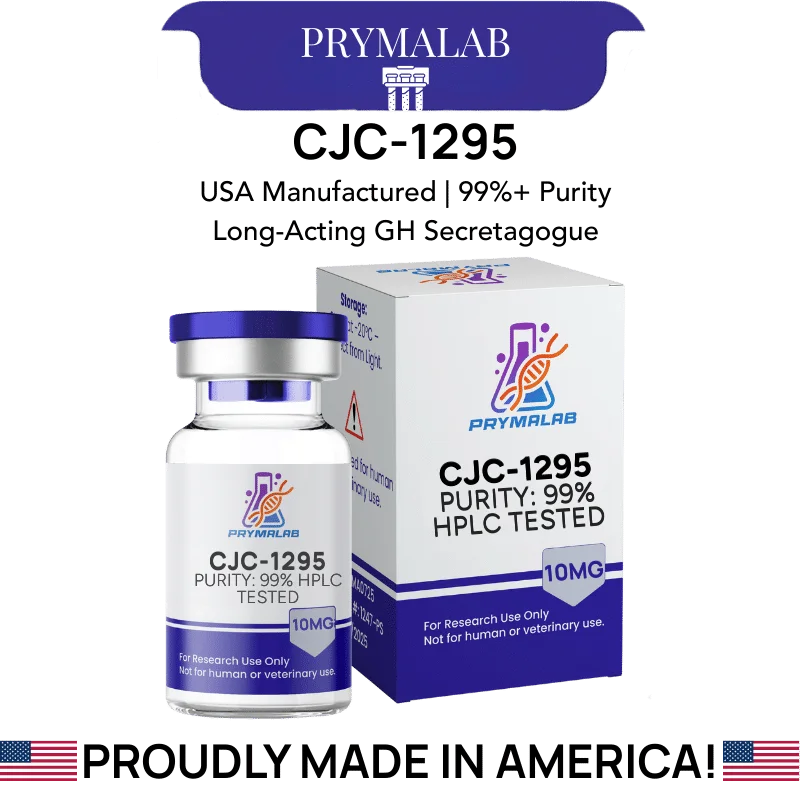



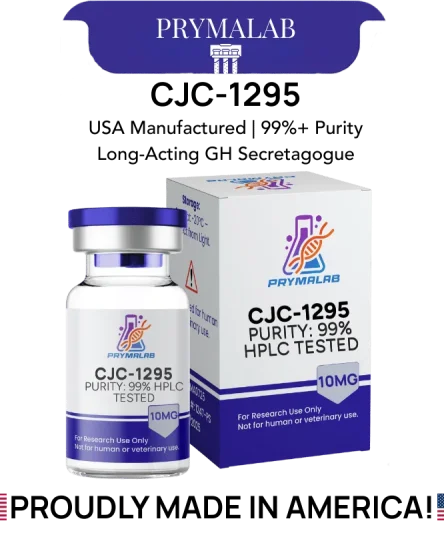






15 reviews for CJC-1295 (NO DAC) 10MG