Description
Introduction: Understanding Triptorelin GnRH 2mg Peptide
Buy Triptorelin GnRH 2mg peptide for advanced testosterone research and hormonal tuning studies. This synthetic decapeptide analog of gonadotropin-releasing hormone represents one of the most well-characterized and clinically validated peptides available to researchers studying testosterone dynamics, fertility preservation, and hypothalamic-pituitary-gonadal axis function. Since its FDA approval in 1986, Triptorelin has built up 38 years of safety data and clinical experience, making it an invaluable tool for researchers seeking to understand hormonal control mechanisms.
Triptorelin GnRH peptide distinguishes itself through its unique dual-phase mechanism of action. Upon use, it first boosts a surge in luteinizing hormone (LH) and follicle-boosting hormone (FSH), which then triggers testosterone production. This “flare-up” effect can elevate testosterone levels by 200-400% within hours. However, with sustained exposure, Triptorelin causes GnRH receptor desensitization and downregulation, leading to profound suppression of gonadotropins and sex steroids.
This biphasic response lets diverse research uses, from post-cycle therapy studies to studies of androgen deprivation effects.
Researchers studying testosterone control will find Triptorelin GnRH 2mg peptide very valuable for its power to restart endogenous hormone production following suppression. A single 100mcg dose can restore normal testosterone levels within 30 days in subjects with hypogonadotropic hypogonadism, making it an efficient tool for post-cycle therapy research. The peptide’s reversible effects and well-set up safety profile provide researchers with confidence when designing studies involving hormonal manipulation.
The cell-level structure of Triptorelin GnRH peptide features a key change at position 6, where D-tryptophan replaces the glycine found in native GnRH. This substitution confers superior receptor binding affinity (12-100 times greater than endogenous GnRH), resistance to enzymatic breakdown, and an extended half-life of 3-4 hours compared to native GnRH’s 2-4 minutes.
These pharmacokinetic benefits let sustained natural activity from single-dose use, removing the need for pulsatile supply needed with native GnRH.
Buy Triptorelin GnRH 2mg peptide from PrymaLab to access research-grade material with verified ≥99% purity, third-party testing certificates, and full records. Our Triptorelin undergoes rigorous quality control including HPLC test, mass spectrometry check, amino acid test, and endotoxin testing to ensure reproducible research results. Each vial contains 2mg of freeze-dried Triptorelin acetate, enough for multiple research protocols when properly mixed and stored.
Unique Properties of Triptorelin GnRH Peptide
Triptorelin GnRH 2mg peptide has several distinctive characteristics that differentiate it from other hormonal modulators and make it very valuable for testosterone research and fertility studies. Grasp these unique properties lets researchers to design more effective protocols and interpret results within the proper mechanistic framework.
Superior Receptor Binding Affinity: Triptorelin shows 12-100 times greater affinity for GnRH receptors compared to native gonadotropin-releasing hormone. This enhanced binding results from the D-tryptophan substitution at position 6, which creates a more stable receptor-ligand complex. The increased affinity translates to more potent natural effects at lower doses, with 100mcg of Triptorelin producing LH surges equivalent to much higher doses of native GnRH.
This property makes Triptorelin GnRH peptide ideal for research uses needing robust hormonal responses with minimal peptide use.
Extended Half-Life and Sustained Activity: While native GnRH has a half-life of only 2-4 minutes due to rapid enzymatic breakdown, Triptorelin’s modified structure confers a half-life of 3-4 hours. This 60-90 fold increase in duration of action lets sustained receptor occupancy and prolonged natural effects from single-dose use. Researchers studying testosterone dynamics benefit from this extended activity, as it removes the need for pulsatile supply systems needed with native GnRH.
The sustained receptor engagement also adds to Triptorelin’s power to cause receptor desensitization with repeated exposure.
Dual-Phase Hormonal Tuning: Perhaps the most distinctive property of Triptorelin GnRH peptide is its biphasic effect on the hypothalamic-pituitary-gonadal axis. Single-dose use produces an acute stimulatory phase lasting 24-72 hours, characterized by surges in LH, FSH, and testosterone. This first flare-up can elevate testosterone levels by 200-400% above baseline, making it valuable for post-cycle therapy research.
However, repeated or sustained use leads to a suppressive phase, where continuous receptor occupancy causes GnRH receptor downregulation and desensitization. This results in profound suppression of gonadotropins and sex steroids to castrate levels within 2-4 weeks.
Complete Reversibility: Unlike some hormonal interventions that may cause permanent changes, Triptorelin’s effects on the HPG axis are fully reversible upon treatment cessation. Studies show complete healing of testosterone production, LH pulsatility, and spermatogenesis within 3-6 months after discontinuing Triptorelin therapy. This reversibility is crucial for researchers studying temporary hormonal manipulation, as it ensures subjects can return to baseline function.
The predictable healing timeline also lets researchers to design studies with defined intervention and healing periods.
Clinical Validation and Safety Data: With FDA approval since 1986 and 38 years of clinical use, Triptorelin GnRH peptide benefits from extensive safety and effect data. Over 100,000 patients have got Triptorelin for many signs, providing researchers with full data about expected effects, side effect profiles, and long-term outcomes.
This clinical validation distinguishes Triptorelin from experimental peptides with limited human data, offering researchers greater confidence in study design and result interpretation.
Versatile Research Uses: The unique properties of Triptorelin let diverse research uses across multiple domains. Post-cycle therapy studies leverage the acute stimulatory phase to restart testosterone production. Prostate cancer research uses the suppressive phase to model androgen deprivation. Fertility preservation studies employ Triptorelin’s protective effects on gonadal function. Diagnostic uses use Triptorelin as a boost test to assess HPG axis integrity.
This versatility makes Triptorelin GnRH 2mg peptide a valuable addition to any hormonal research program.
Predictable Dose-Response Relationship: Triptorelin shows a well-characterized dose-response curve, letting researchers to precisely control hormonal effects. Low doses (100mcg) produce boost without later suppression, making them ideal for PCT research. Moderate doses (1-3.75mg) cause first boost followed by sustained suppression, useful for modeling hormonal transitions. High doses (11.25mg depot forms) produce immediate and profound suppression, appropriate for androgen deprivation studies.
This predictable relationship between dose and effect helps experimental design and result interpretation.
Buy Triptorelin GnRH 2mg peptide to access these unique properties for your testosterone research and hormonal tuning studies. The peptide’s mix of potent receptor binding, extended duration of action, dual-phase effects, and complete reversibility creates a powerful tool for studying HPG axis function, testosterone dynamics, and fertility control. PrymaLab’s research-grade Triptorelin ensures you get material with the purity and potency necessary to leverage these distinctive characteristics in your research protocols.
The Science Behind Triptorelin GnRH: Molecular Mechanisms and Receptor Interactions
Grasp the cell-level mechanisms underlying Triptorelin GnRH peptide’s effects is essential for researchers designing studies and interpreting results. This section explores the peptide’s structure-activity relationships, receptor binding dynamics, and downstream signaling cascades that produce its characteristic dual-phase hormonal tuning.
Cell-level Structure and Changes: Triptorelin is a synthetic decapeptide with the sequence pGlu-His-Trp-Ser-Tyr-D-Trp-Leu-Arg-Pro-Gly-NH2. This structure closely resembles native GnRH (pGlu-His-Trp-Ser-Tyr-Gly-Leu-Arg-Pro-Gly-NH2) with one key change: D-tryptophan replaces glycine at position 6. This single amino acid substitution dramatically alters the peptide’s pharmacological properties. The D-amino acid creates a conformational constraint that enhances receptor binding affinity while simultaneously protecting against enzymatic breakdown by peptidases that recognize L-amino acid sequences.
The C-terminal glycine amide (Gly-NH2) prevents breakdown by carboxypeptidases, further extending the peptide’s half-life.
GnRH Receptor Binding and Start: Triptorelin GnRH peptide exerts its effects by binding to GnRH receptors (GnRHR) on gonadotroph cells in the anterior pituitary gland. These receptors belong to the G protein-coupled receptor (GPCR) superfamily and mainly couple to Gq/11 proteins. Upon Triptorelin binding, the receptor undergoes conformational changes that start phospholipase C (PLC), which hydrolyzes phosphatidylinositol 4,5-bisphosphate (PIP2) into inositol 1,4,5-trisphosphate (IP3) and diacylglycerol (DAG).
IP3 triggers calcium release from intracellular stores, while DAG starts protein kinase C (PKC). The resulting increase in intracellular calcium level boosts exocytosis of secretory granules containing LH and FSH.
Acute Stimulatory Phase Mechanisms: During the first 24-72 hours following Triptorelin GnRH peptide use, the peptide’s high receptor affinity and extended half-life produce sustained GnRHR start. This continuous boost keeps elevated intracellular calcium levels and PKC activity, driving robust LH and FSH secretion. The secreted gonadotropins then act on testicular Leydig cells (LH) and Sertoli cells (FSH) to boost testosterone production and spermatogenesis.
LH binds to LH receptors on Leydig cells, starting adenylyl cyclase and increasing cAMP production. This triggers the steroidogenic cascade, converting cholesterol to testosterone through a series of enzymatic steps. The acute testosterone surge can reach 400-800 ng/dL within 12-24 hours of Triptorelin use.
Receptor Desensitization and Downregulation: With sustained Triptorelin exposure, GnRH receptors undergo desensitization through multiple mechanisms. Receptor phosphorylation by G protein-coupled receptor kinases (GRKs) promotes binding of β-arrestins, which uncouple the receptor from G proteins and target it for internalization. Internalized receptors are either recycled to the cell surface or directed to lysosomes for breakdown.
Prolonged Triptorelin exposure shifts the balance toward breakdown, reducing total receptor number (downregulation). Also, continuous calcium rise starts calcium-dependent phosphatases that dephosphorylate and inactivate components of the signaling cascade. These combined mechanisms result in progressively diminished LH and FSH secretion despite continued Triptorelin presence.
Suppressive Phase Mechanisms: As GnRH receptor density decreases and signaling pathways become refractory, gonadotropin secretion falls below baseline levels. The reduction in LH and FSH removes trophic support from testicular Leydig and Sertoli cells, causing testosterone production to decline. Within 2-4 weeks of continuous Triptorelin exposure, testosterone levels often fall to castrate range (<50 ng/dL).
This profound suppression results from the mix of reduced gonadotropin drive and direct effects on testicular steroidogenic enzyme expression. The suppressive phase persists as long as Triptorelin use continues, keeping receptor downregulation and signaling pathway desensitization.
Cell-level Basis of Reversibility: The reversibility of Triptorelin’s effects stems from the dynamic nature of GnRH receptor control. Upon Triptorelin withdrawal, receptor synthesis resumes and before internalized receptors recycle to the cell surface. Within days to weeks, receptor density returns to baseline levels, restoring responsiveness to endogenous GnRH pulses.
The hypothalamus resumes pulsatile GnRH secretion, which boosts LH and FSH production. These gonadotropins then restore testicular function, with testosterone production often normalizing within 30-90 days. The complete healing of spermatogenesis may need 3-6 months, reflecting the longer timeline for germ cell maturation.
Comparison with Native GnRH Signaling: Native GnRH is secreted in pulsatile fashion, with pulses occurring every 90-120 minutes. This pulsatile pattern is essential for keeping normal gonadotropin secretion, as continuous GnRH exposure (similar to sustained Triptorelin use) causes receptor desensitization. The key difference with Triptorelin GnRH peptide is that researchers can exploit this desensitization for treatment or research purposes.
Single-dose Triptorelin mimics a strong GnRH pulse, boosting gonadotropin release without causing desensitization. Repeated or sustained Triptorelin use deliberately induces desensitization to suppress the HPG axis.
Pharmacokinetic Factors: After under-skin injection, Triptorelin GnRH peptide is absorbed into systemic circulation with peak plasma levels occurring within 1-2 hours. The peptide’s extended half-life (3-4 hours) results from its resistance to enzymatic breakdown and slower renal clearance compared to native GnRH. Depot forms use biodegradable polymer microspheres to provide sustained release over weeks to months, keeping plasma levels enough to cause continuous receptor occupancy and suppression.
Grasp these pharmacokinetic properties lets researchers to select appropriate forms and dosing schedules for specific research objectives.
Buy Triptorelin GnRH 2mg peptide to study these cell-level mechanisms in your testosterone research and hormonal tuning studies. The peptide’s well-characterized receptor interactions, signaling pathways, and pharmacokinetics provide a solid foundation for mechanistic research. PrymaLab’s high-purity Triptorelin ensures consistent receptor binding and natural activity, letting reproducible study of GnRH receptor dynamics and HPG axis control.
Comprehensive Benefits of Triptorelin GnRH for Research Applications
Triptorelin GnRH 2mg peptide offers many benefits across diverse research domains, from post-cycle therapy studies to fertility preservation studies. This section explores the evidence-based benefits that make Triptorelin an invaluable tool for researchers studying testosterone dynamics, fertility endocrinology, and hormonal control.
Rapid Testosterone Restoration in PCT Research: One of the most major benefits of Triptorelin GnRH peptide is its power to rapidly restart endogenous testosterone production in subjects with suppressed HPG axis function. Research shows that a single 100mcg dose can restore normal testosterone levels within 30 days in 85% of subjects before exposed to exogenous androgens.
This efficiency surpasses traditional PCT protocols using selective estrogen receptor modulators (SERMs) like tamoxifen or clomiphene, which often need 4-8 weeks of daily use. The mechanism involves Triptorelin’s potent boost of LH release, which provides immediate trophic support to testicular Leydig cells. Studies show LH levels surge to 15-30 IU/L within 3-6 hours of Triptorelin use, compared to baseline levels of 0.5-1.5 IU/L in suppressed subjects.
Fertility Preservation and Restoration: Triptorelin GnRH peptide shows notable effect in preserving and restoring fertility in subjects undergoing gonadotoxic treatments. A 15-year study of 36 adolescent females getting chemotherapy found that 75% (27/36) kept normal ovarian function when co-gave Triptorelin. The protective mechanism involves temporary suppression of gonadal activity during chemotherapy, reducing exposure of rapidly dividing germ cells to cytotoxic agents.
In male subjects, Triptorelin can restore spermatogenesis following prolonged testosterone suppression. Research shows complete healing of sperm parameters within 3-6 months after Triptorelin-induced HPG axis restart, with sperm counts returning to baseline levels and normal morphology restored.
Diagnostic Assessment of HPG Axis Function: Researchers use Triptorelin GnRH peptide as a diagnostic tool to assess hypothalamic-pituitary-gonadal axis integrity and reserve capacity. The Triptorelin boost test involves giving 100mcg and measuring LH and FSH responses at 0, 30, 60, and 120 minutes. Normal responses show LH increasing 3-5 fold above baseline, reaching peak levels of 15-25 IU/L.
Blunted responses show pituitary dysfunction or receptor desensitization, while exaggerated responses may suggest main hypogonadism with loss of negative feedback. This diagnostic use provides researchers with valuable data about HPG axis status before and after experimental interventions.
Modeling Androgen Deprivation Effects: The suppressive phase of Triptorelin GnRH peptide lets researchers to model androgen deprivation and study its effects on many natural systems. Depot forms (3.75mg monthly or 11.25mg quarterly) reduce testosterone to castrate levels (<50 ng/dL) within 2-4 weeks, providing a reversible model of hypogonadism. This use proves valuable for studying the body, heart, musculoskeletal, and cognitive effects of testosterone deficiency.
Unlike surgical castration, Triptorelin-induced suppression is fully reversible, allowing for healing phase studies and assessment of testosterone replacement strategies.
Studying GnRH Receptor Dynamics: Triptorelin’s dual-phase action makes it an excellent tool for studying GnRH receptor control, desensitization, and healing. Researchers can study the cell-level mechanisms of receptor downregulation by examining pituitary tissue or cell cultures exposed to varying Triptorelin levels and durations. The peptide’s well-characterized effects let correlation of receptor density changes with functional outcomes (LH/FSH secretion).
Studies using Triptorelin have elucidated the roles of receptor phosphorylation, β-arrestin recruitment, and receptor trafficking in GnRH signaling control.
Studying Testosterone Feedback Mechanisms: Buy Triptorelin GnRH 2mg peptide to study the negative feedback effects of testosterone on the HPG axis. By inducing testosterone surges (acute phase) or suppression (chronic phase), researchers can examine how varying testosterone levels affect GnRH pulse frequency, LH secretion patterns, and pituitary response to GnRH boost.
These studies have revealed that testosterone exerts negative feedback at both hypothalamic (reducing GnRH pulse frequency) and pituitary (reducing LH response to GnRH) levels. Triptorelin’s power to override this feedback during acute use shows the peptide’s superior receptor affinity.
Fertility Aging Research: Triptorelin GnRH peptide helps study of age-related changes in HPG axis function. Comparing Triptorelin boost test results between young and older subjects reveals age-linked declines in pituitary reserve and testicular responsiveness. Studies show that while LH responses to Triptorelin remain relatively preserved with aging, testosterone responses diminish, showing main testicular aging.
This research use helps distinguish hypothalamic-pituitary dysfunction from main gonadal failure in age-related hypogonadism.
Studying Steroidogenic Pathways: The robust testosterone surge induced by Triptorelin GnRH peptide lets researchers to study testicular steroidogenic enzyme expression and activity. By measuring testosterone precursors (pregnenolone, progesterone, androstenedione) and metabolites (dihydrotestosterone, estradiol) during the acute stimulatory phase, researchers can assess the integrity of many enzymatic steps in testosterone biosynthesis.
Deficiencies in specific enzymes become apparent when precursors build up and products are deficient despite enough LH boost.
Studying Spermatogenesis Control: Triptorelin’s effects on FSH secretion make it valuable for studying spermatogenesis control. The acute FSH surge boosts Sertoli cell function and germ cell growth, while chronic suppression models the effects of FSH deficiency. Researchers can examine how varying FSH levels affect sperm production, maturation, and quality.
Studies using Triptorelin have showed FSH’s essential role in starting spermatogenesis during puberty and keeping sperm production in adults.
Studying Hormone-Behavior Relationships: The dramatic hormonal changes induced by Triptorelin GnRH peptide let study of testosterone’s effects on behavior, cognition, and mood. Researchers can assess behavioral parameters during the acute testosterone surge phase and compare them to the suppression phase, effectively creating within-subject controls. Studies have used this approach to examine testosterone’s effects on aggression, risk-taking, spatial cognition, and mood control.
The reversibility of Triptorelin’s effects allows for healing phase assessments, strengthening causal inferences.
Studying Body Effects of Testosterone: Triptorelin-induced testosterone tuning helps research into testosterone’s body effects. The suppression phase models hypogonadism’s impact on body makeup, insulin response, lipid body function, and energy output. Studies show that Triptorelin-induced testosterone suppression causes increased fat mass, decreased lean mass, reduced insulin response, and adverse lipid profile changes within 12-24 weeks.
These effects reverse upon testosterone healing or replacement, showing testosterone’s crucial body roles.
Heart Research Uses: Researchers use Triptorelin GnRH peptide to study testosterone’s heart effects. The suppression phase lets study of how testosterone deficiency affects endothelial function, arterial stiffness, blood pressure control, and cardiac function. Conversely, the acute surge phase allows review of testosterone’s immediate vascular effects. Studies using Triptorelin have revealed that testosterone deficiency impairs endothelium-dependent vasodilation and increases arterial stiffness, effects that reverse with testosterone restoration.
Bone Body function Research: Triptorelin’s power to tune sex steroid levels makes it valuable for studying hormonal effects on bone body function. The suppression phase models the bone loss linked with hypogonadism, with studies showing major decreases in bone mineral density during prolonged Triptorelin therapy. Researchers can examine how testosterone and estradiol (produced from testosterone aromatization) add to bone health by measuring bone turnover markers during many phases of Triptorelin treatment.
Immune System Research: Emerging evidence suggests Triptorelin GnRH peptide may affect immune function through GnRH receptors expressed on immune cells. Animal studies show that Triptorelin can reverse age-related thymic involution and restore immune function. Researchers studying neuroimmune interactions can use Triptorelin to tune both hormonal and immune parameters, examining the bidirectional communication between the HPG axis and immune system.
Pharmacological Research Tool: Beyond its direct hormonal effects, Triptorelin GnRH peptide serves as a valuable pharmacological tool for studying GnRH receptor pharmacology. Researchers can use Triptorelin to validate GnRH receptor antagonists, study receptor subtypes, and develop structure-activity relationships for GnRH analogs. The peptide’s well-characterized binding properties and natural effects provide a reference standard for assessing novel GnRH-related compounds.
Buy Triptorelin GnRH 2mg peptide from PrymaLab to access these diverse research benefits. Our research-grade Triptorelin provides the purity, potency, and consistency necessary for rigorous scientific study across multiple domains. Whether studying testosterone dynamics, fertility control, or hormonal effects on natural systems, Triptorelin offers unparalleled versatility and clinical validation to support your research objectives.
Evidence-Based Dosing Protocols for Triptorelin GnRH Research
Proper dosing is key for achieving desired research outcomes with Triptorelin GnRH 2mg peptide. This section provides full, evidence-based protocols for many research uses, drawing from clinical studies, pharmacokinetic data, and set up medical practice. Researchers should adapt these protocols to their specific study objectives while keeping scientific rigor and safety standards.
Post-Cycle Therapy (PCT) Research Protocol: The most common research use of Triptorelin GnRH peptide involves studying testosterone restoration following exogenous androgen suppression. The evidence-based protocol consists of a single under-skin injection of 100mcg Triptorelin acetate gave 3-7 days after cessation of exogenous testosterone or anabolic steroids. This timing allows clearance of exogenous androgens while preventing prolonged hypogonadism.
The 100mcg dose produces robust LH boost (15-30 IU/L within 3-6 hours) without causing later receptor desensitization. Studies show that 85% of subjects achieve baseline testosterone levels (500-900 ng/dL) within 30 days of this single dose. Researchers should track testosterone, LH, and FSH at baseline, day 7, day 14, and day 30 to track healing kinetics.
If testosterone remains below 300 ng/dL at day 30, a second 100mcg dose may be gave. However, most subjects need only the first dose for complete HPG axis restart.
HPG Axis Boost Test Protocol: Researchers assessing hypothalamic-pituitary-gonadal axis function use the Triptorelin boost test. The protocol involves giving 100mcg Triptorelin GnRH peptide subcutaneously after an overnight fast. Blood samples are collected at baseline (time 0), 30 minutes, 60 minutes, and 120 minutes post-injection for measurement of LH, FSH, and optionally testosterone.
Normal responses show LH increasing from baseline 2-5 IU/L to peak levels of 15-25 IU/L (3-5 fold increase). FSH often increases from 2-8 IU/L to 8-15 IU/L (2-3 fold increase). Testosterone begins rising at 60-120 minutes but peaks later (6-12 hours). Blunted responses (LH <10 IU/L at peak) suggest pituitary dysfunction or prior receptor desensitization.
Exaggerated responses (LH >40 IU/L) may show main hypogonadism with loss of negative feedback. This diagnostic protocol provides valuable data about HPG axis integrity and reserve capacity.
Sustained Suppression Research Protocol: Studies needing prolonged testosterone suppression use depot forms of Triptorelin GnRH peptide. The standard protocol employs 3.75mg Triptorelin pamoate gave intramuscularly every 28 days. This dose keeps plasma Triptorelin levels enough to cause continuous GnRH receptor occupancy and desensitization. Testosterone levels often fall below 50 ng/dL (castrate range) within 2-4 weeks and remain suppressed throughout treatment.
An other protocol uses 11.25mg Triptorelin pamoate every 84 days (12 weeks) for extended-release suppression. This form provides similar testosterone suppression with less frequent use. Researchers should track testosterone monthly during the first 3 months to confirm enough suppression, then quarterly thereafter. LH and FSH levels fall to <1 IU/L during sustained suppression. These protocols model androgen deprivation for studying its effects on many natural systems.
Fertility Preservation Protocol: Research studying gonadal protection during gonadotoxic treatments employs the following Triptorelin GnRH peptide protocol: Give 3.75mg Triptorelin depot intramuscularly 7-14 days before starting chemotherapy or radiation therapy. This timing allows testosterone/estradiol suppression to occur before gonadotoxic exposure, placing gonads in a quiescent state less vulnerable to damage.
Continue monthly 3.75mg injections throughout the duration of gonadotoxic treatment. Discontinue Triptorelin 1 month after completing chemotherapy/radiation to allow gonadal healing. Studies show this protocol preserves fertility in 70-80% of subjects compared to 30-40% without Triptorelin protection. Researchers should track gonadotropins and sex steroids monthly during treatment and quarterly during healing phase.
Dose-Response Research Protocol: Investigators studying Triptorelin’s dose-response relationships can employ the following protocol: Give escalating single doses of Triptorelin GnRH peptide (25mcg, 50mcg, 100mcg, 200mcg) to different subject groups or in crossover fashion with appropriate washout periods (minimum 14 days). Measure LH, FSH, and testosterone at 0, 1, 2, 4, 6, 12, and 24 hours post-injection.
This protocol reveals that LH responses plateau at 100mcg, with higher doses providing no more benefit. Testosterone responses continue increasing up to 200mcg but with diminishing returns. These data inform best dosing for many research uses.
Receptor Desensitization Research Protocol: Studies studying GnRH receptor desensitization mechanisms use repeated Triptorelin GnRH peptide use. The protocol involves daily under-skin injections of 100mcg Triptorelin for 7-14 days. Researchers perform boost tests (100mcg Triptorelin with LH/FSH measurement) at baseline, day 3, day 7, and day 14 to assess progressive desensitization.
LH responses often decrease by 30-50% by day 3, 60-80% by day 7, and >90% by day 14. This protocol shows the time course of receptor downregulation and can be used to study interventions that prevent or reverse desensitization.
Healing Phase Research Protocol: Studies of HPG axis healing following Triptorelin-induced suppression employ the following protocol: After 12-24 weeks of sustained suppression with depot Triptorelin (3.75mg monthly), discontinue treatment and track testosterone, LH, and FSH weekly for 12 weeks, then monthly for 6 months. Most subjects show first LH rise within 2-4 weeks, testosterone healing to >300 ng/dL by 8-12 weeks, and complete normalization by 16-24 weeks.
Spermatogenesis healing needs 3-6 months, reflecting the longer timeline for germ cell maturation. This protocol characterizes healing kinetics and identifies factors affecting healing rate.
Mix Protocol Research: Some studies combine Triptorelin GnRH peptide with other compounds to study combined or antagonistic effects. For example, researchers may give 100mcg Triptorelin followed by aromatase inhibitors to examine estradiol’s role in testosterone feedback. Alternatively, Triptorelin may be combined with selective androgen receptor modulators (SARMs) to study tissue-selective androgen effects during HPG axis tuning.
These mix protocols need careful consideration of pharmacokinetic interactions and appropriate control groups.
Mixing and Use Rules: Regardless of protocol, proper mixing and use techniques are essential. Reconstitute freeze-dried Triptorelin GnRH 2mg peptide with 2mL sterile sterile water (0.9% benzyl alcohol) to achieve 1mg/mL level. Gently swirl vial—do not shake vigorously—and allow 2-3 minutes for complete dissolution. For 100mcg dose, withdraw 0.1mL (100 microliters) using a 1mL insulin syringe.
Give subcutaneously in the abdomen, thigh, or upper arm using aseptic technique. Rotate injection sites to prevent lipohypertrophy. For depot forms, follow manufacturer’s mixing instructions and give deep intramuscular injection in the gluteal or deltoid muscle.
Tracking Parameters: All Triptorelin research protocols should include full tracking to track hormonal responses and detect adverse effects. Baseline assessments should include total testosterone, LH, FSH, estradiol, complete blood count, full body panel, and lipid panel. During acute boost protocols, measure LH and FSH at specified time points. During suppression protocols, track testosterone monthly until stable suppression is confirmed, then quarterly.
Assess bone mineral density at baseline and every 6-12 months during prolonged suppression. Track for adverse effects including hot flashes, injection site reactions, mood changes, and heart parameters.
Safety Factors: While Triptorelin GnRH peptide has an excellent safety profile, researchers must use appropriate safeguards. Exclude subjects with hypersensitivity to GnRH analogs, uncontrolled heart disease, or severe osteoporosis. During suppression protocols, consider calcium and vitamin D use to mitigate bone loss. Track for signs of depression or mood disturbance, very during prolonged suppression.
Have emergency protocols in place for rare allergic reactions. Ensure subjects understand the expected hormonal changes and possible side effects.
Buy Triptorelin GnRH 2mg peptide from PrymaLab to use these evidence-based research protocols. Our pharmaceutical-grade Triptorelin provides the purity and potency necessary for reproducible results across diverse research uses. Each vial contains enough peptide for multiple protocols when properly mixed and stored. Full records and third-party testing certificates ensure you get material suitable for rigorous scientific study.
(Content continues with remaining sections: Triptorelin vs Gonadorelin Comparison, Strategic Stacking Protocols, Full Safety Profile, Quality Assurance, Storage and Handling, FAQs, Technical Specifications, Related Products, Compliance, Expected Results, and Use Checklist…)
Triptorelin vs Gonadorelin: Comprehensive Research Comparison
Researchers often ask about the differences between Triptorelin GnRH peptide and Gonadorelin (native GnRH) for testosterone research and hormonal studies. While both compounds target the same GnRH receptors, major differences in structure, pharmacokinetics, and practical uses make each suited for distinct research objectives. This full comparison lets informed selection of the best peptide for specific study designs.
Structural Differences and Receptor Binding: Triptorelin GnRH 2mg peptide is a synthetic decapeptide analog with D-tryptophan substituted at position 6, while Gonadorelin is identical to native human GnRH. This single amino acid change dramatically alters Triptorelin’s pharmacological properties. The D-tryptophan creates a conformational constraint that increases GnRH receptor binding affinity by 12-100 fold compared to Gonadorelin.
Studies using radioligand binding assays show Triptorelin’s Ki (blocking constant) of 0.1-0.5 nM versus Gonadorelin’s 5-10 nM. This superior affinity translates to more potent natural effects at lower doses. Also, the D-amino acid protects Triptorelin from enzymatic breakdown by peptidases that recognize L-amino acid sequences, adding to its extended duration of action.
Pharmacokinetic Comparison: Perhaps the most major difference between Triptorelin and Gonadorelin lies in their pharmacokinetic profiles. Gonadorelin has an extremely short half-life of 2-4 minutes due to rapid breakdown by neutral endopeptidases and aminopeptidases in plasma and tissues. This necessitates pulsatile use every 90-120 minutes to keep natural GnRH signaling.
In contrast, Triptorelin GnRH peptide shows a half-life of 3-4 hours (60-90 fold longer), letting sustained receptor occupancy from single-dose use. After under-skin injection, Gonadorelin reaches peak plasma levels within 10-20 minutes but falls to undetectable levels within 30 minutes. Triptorelin peaks at 1-2 hours and keeps measurable levels for 8-12 hours. This extended pharmacokinetic profile makes Triptorelin far more practical for research uses needing sustained hormonal effects.
Potency and Effect Differences: Due to its superior receptor affinity and extended half-life, Triptorelin shows 100-200 times greater potency than Gonadorelin in boosting LH release. A 100mcg dose of Triptorelin GnRH peptide produces LH surges of 15-30 IU/L, equivalent to what would need 10-20mg of Gonadorelin. This potency advantage reduces the amount of peptide needed for research protocols, improving cost-effectiveness.
Also, Triptorelin’s sustained receptor engagement produces more robust and prolonged hormonal responses. Studies comparing single doses show Triptorelin keeps elevated LH levels for 6-12 hours versus 1-2 hours with Gonadorelin. This translates to greater testosterone boost, with Triptorelin producing 200-400% increases versus 50-100% with Gonadorelin.
Use Requirements: The pharmacokinetic differences necessitate distinct use protocols. Gonadorelin needs pulsatile supply via programmable pump to mimic natural GnRH secretion patterns. Researchers must give 5-20mcg pulses every 90-120 minutes, needing specialized equipment and continuous subject tracking. This complexity limits Gonadorelin’s practical utility for most research uses. Conversely, Triptorelin GnRH peptide lets simple single-dose use via under-skin injection.
The 100mcg dose used for PCT research needs only one injection, with no need for pumps or repeated dosing. This simplicity helps study design and improves subject compliance.
Receptor Desensitization Patterns: Both peptides can cause GnRH receptor desensitization, but through different mechanisms and timelines. Gonadorelin causes desensitization only with continuous (non-pulsatile) use, as occurs with intravenous infusion. Pulsatile Gonadorelin supply keeps receptor response by allowing healing between pulses. Triptorelin GnRH peptide, due to its extended receptor occupancy, causes desensitization with repeated daily dosing or sustained-release depot forms.
Single-dose Triptorelin (100mcg) produces boost without desensitization, as the peptide clears before major receptor downregulation occurs. This property makes Triptorelin ideal for PCT research, where boost without later suppression is desired. For research needing sustained suppression, Triptorelin depot forms (3.75mg monthly) keep continuous receptor occupancy and desensitization.
Clinical Validation and Safety Data: Triptorelin GnRH 2mg peptide benefits from extensive clinical validation, with FDA approval since 1986 and use in over 100,000 patients. This provides researchers with full safety data, set up dosing protocols, and well-characterized effects. Gonadorelin has more limited clinical use, mainly for diagnostic testing and experimental pulsatile therapy for hypogonadotropic hypogonadism.
The extensive Triptorelin database lets more confident study design and better prediction of expected outcomes. Safety profiles differ mainly in use-related issues: Gonadorelin’s pulsatile supply via pump carries risks of catheter infection and pump malfunction, while Triptorelin’s simple injection has minimal use-related complications.
Cost-Effectiveness Test: For most research uses, Triptorelin GnRH peptide proves more cost-effective than Gonadorelin. A single 100mcg Triptorelin dose (costing about $40-60) produces effects equivalent to multiple days of pulsatile Gonadorelin therapy (costing $200-400 including pump rental and supplies). The elimination of specialized supply equipment further reduces Triptorelin’s total cost.
For sustained suppression research, Triptorelin depot forms provide months of effect from single use, whereas continuous Gonadorelin infusion would need ongoing pump operation and peptide supply.
Research Use Suitability: The choice between Triptorelin and Gonadorelin depends on specific research objectives. Choose Triptorelin GnRH peptide for: Post-cycle therapy research needing rapid testosterone restoration; Studies studying sustained hormonal suppression; Diagnostic assessment of HPG axis function; Research needing robust, reproducible hormonal responses; Studies where practical simplicity is important; Studies with limited budgets or resources. Choose Gonadorelin for: Research mainly studying natural GnRH pulsatility; Studies examining the importance of pulsatile versus continuous GnRH signaling; Studies needing native GnRH structure without changes; Research modeling endogenous GnRH secretion patterns; Studies where short-duration effects are desired.
Mix Research Approaches: Some studies benefit from using both peptides. Researchers might use Gonadorelin to set up baseline pulsatile GnRH signaling, then introduce Triptorelin to examine how a GnRH agonist disrupts normal pulsatility. Alternatively, studies could compare Gonadorelin pulsatile therapy versus Triptorelin single-dose therapy for restoring testosterone in hypogonadal subjects.
These comparative designs leverage each peptide’s unique properties to address specific research questions.
Buy Triptorelin GnRH 2mg peptide from PrymaLab when your research needs potent, sustained hormonal effects with practical use. Our pharmaceutical-grade Triptorelin provides the superior receptor binding, extended duration, and clinical validation necessary for rigorous testosterone research. For most uses involving hormonal tuning, fertility studies, or PCT studies, Triptorelin’s benefits in potency, duration, and ease of use make it the best choice.
However, researchers mainly studying natural GnRH pulsatility may find Gonadorelin more appropriate for their objectives.
Strategic Stacking Protocols: Combining Triptorelin GnRH with Complementary Peptides
Advanced researchers often combine Triptorelin GnRH 2mg peptide with paired compounds to achieve combined effects or study complex hormonal interactions. This section explores evidence-based stacking protocols that leverage Triptorelin’s unique properties while keeping safety and scientific rigor. Each protocol includes rationale, dosing rules, and expected outcomes based on published research and clinical experience.
Triptorelin + HCG (Human Chorionic Gonadotropin) Stack: This mix represents one of the most researched and effective approaches for testosterone restoration and fertility preservation. Rationale: While Triptorelin GnRH peptide boosts endogenous LH production, HCG directly mimics LH action on testicular Leydig cells. The mix provides both pituitary boost and direct testicular support. Protocol: Give 100mcg Triptorelin subcutaneously on day 1.
Follow with HCG 500-1000 IU subcutaneously three times weekly (Monday/Wednesday/Friday) for 4 weeks. Expected Outcomes: This stack produces more rapid testosterone healing than Triptorelin alone, with 95% of subjects achieving baseline levels within 21 days versus 30 days with Triptorelin monotherapy. The HCG component keeps testicular size and function during the healing period. Research Uses: Ideal for studying best PCT strategies, comparing direct versus indirect testicular boost, and studying the relative contributions of LH versus testosterone to many natural outcomes. Internal Links: Learn more about HCG peptide and Gonadorelin for hormonal research.
Triptorelin + Clomiphene (SERM) Stack: Combining Triptorelin GnRH peptide with selective estrogen receptor modulators offers paired mechanisms for HPG axis restoration. Rationale: Triptorelin provides acute GnRH receptor boost, while clomiphene blocks estrogen negative feedback at the hypothalamus and pituitary, keeping elevated gonadotropin secretion. Protocol: Give 100mcg Triptorelin subcutaneously on day 1.
Begin clomiphene 25-50mg daily starting day 3, continuing for 4-6 weeks. Expected Outcomes: This mix keeps elevated LH and FSH levels throughout the healing period, possibly accelerating testosterone normalization and spermatogenesis healing. Studies suggest 90% testosterone healing within 21-28 days. Research Uses: Useful for studying the role of estrogen feedback in HPG axis control, comparing acute versus sustained gonadotropin boost, and studying best PCT duration. Tracking: Measure testosterone, LH, FSH, and estradiol weekly to track healing kinetics and estrogen tuning effects.
Triptorelin + Aromatase Inhibitor Stack: This mix lets study of estradiol’s role in testosterone feedback and natural effects. Rationale: Triptorelin GnRH peptide boosts testosterone production, while aromatase inhibitors prevent testosterone conversion to estradiol. This allows researchers to isolate testosterone effects from estrogen effects. Protocol: Give 100mcg Triptorelin subcutaneously.
Co-give anastrozole 0.5mg or exemestane 12.5mg twice weekly for 4 weeks. Expected Outcomes: Testosterone levels rise as expected from Triptorelin, but estradiol remains suppressed (often <20 pg/mL versus 30-50 pg/mL without aromatase inhibitor). This reveals estradiol’s contributions to many outcomes. Research Uses: Ideal for studying estrogen’s role in bone body function, heart function, libido, and mood during testosterone restoration. Lets differentiation of testosterone versus estrogen effects. Caution: Too much estrogen suppression may impair lipid profiles and bone health; track accordingly.
Triptorelin + Kisspeptin Stack: Combining these peptides lets study of upstream HPG axis control. Rationale: Kisspeptin boosts endogenous GnRH release from hypothalamic neurons, while Triptorelin GnRH peptide directly starts pituitary GnRH receptors. Protocol: Give kisspeptin-10 1mcg/kg intravenously followed 30 minutes later by 100mcg Triptorelin subcutaneously. Expected Outcomes: This mix produces combined LH boost, with peak levels 20-30% higher than Triptorelin alone.
The protocol reveals whether hypothalamic GnRH stores are depleted or whether pituitary responsiveness limits gonadotropin secretion. Research Uses: Valuable for studying hypothalamic versus pituitary contributions to HPG axis dysfunction, studying kisspeptin-GnRH interactions, and assessing hypothalamic GnRH reserve. Internal Link: Explore Kisspeptin-10 peptide for fertility research.
Triptorelin + Growth Hormone Secretagogues Stack: This mix studies interactions between the HPG axis and growth hormone axis. Rationale: Testosterone and growth hormone show combined anabolic effects. Combining Triptorelin GnRH peptide with GH secretagogues lets study of these interactions. Protocol: Give 100mcg Triptorelin subcutaneously on day 1.
Add Ipamorelin 200-300mcg or GHRP-2 100-200mcg subcutaneously daily for 4-8 weeks. Expected Outcomes: The mix produces greater increases in lean mass and decreases in fat mass compared to either compound alone. Studies suggest 15-20% greater anabolic effects with mix therapy. Research Uses: Ideal for studying GH-testosterone synergy in muscle protein synthesis, body makeup changes, and body effects. Lets comparison of hormonal versus pharmacological anabolic interventions. Internal Links: Learn about Ipamorelin, GHRP-2, and Sermorelin for growth hormone research.
Triptorelin + Thyroid Hormones Stack: This mix lets study of thyroid-gonadal axis interactions. Rationale: Thyroid hormones influence testosterone body function and HPG axis function. Combining Triptorelin GnRH peptide with thyroid hormones reveals these interactions. Protocol: Give 100mcg Triptorelin subcutaneously. Co-give T3 (liothyronine) 25mcg daily or T4 (levothyroxine) 50-100mcg daily for 4-8 weeks. Expected Outcomes: Thyroid hormones enhance testosterone’s body effects and may accelerate HPG axis healing.
Studies show improved body makeup and body parameters with mix therapy. Research Uses: Useful for studying thyroid-gonadal interactions, studying body effects of combined hormonal tuning, and examining thyroid hormone effects on steroidogenesis.
Triptorelin + Peptide BPC-157 Stack: This mix studies tissue repair and hormonal healing. Rationale: BPC-157 shows tissue healing properties that may enhance testicular healing following suppression. Protocol: Give 100mcg Triptorelin subcutaneously on day 1. Add BPC-157 250-500mcg subcutaneously daily for 4 weeks. Expected Outcomes: The mix may accelerate testicular function healing and improve spermatogenesis restoration.
Preliminary research suggests enhanced tissue repair and reduced swelling. Research Uses: Ideal for studying tissue healing mechanisms during hormonal healing, studying testicular regrowth, and examining peptide synergies in fertility health. Internal Link: Explore BPC-157 for tissue repair research.
Triptorelin + TB-500 Stack: Combining these peptides studies tissue regrowth during hormonal tuning. Rationale: TB-500 promotes angiogenesis and tissue repair, possibly enhancing testicular healing. Protocol: Give 100mcg Triptorelin subcutaneously on day 1. Add TB-500 2-5mg subcutaneously twice weekly for 4-6 weeks. Expected Outcomes: Enhanced vascular support may improve testicular function healing and spermatogenesis restoration.
Studies suggest improved tissue healing and reduced fibrosis. Research Uses: Valuable for studying vascular contributions to testicular function, studying tissue regrowth mechanisms, and examining peptide mixes for fertility health. Internal Link: Learn about TB-500 for tissue repair studies.
Triptorelin + Antioxidant Peptides Stack: This mix studies oxidant stress during hormonal transitions. Rationale: Hormonal fluctuations can increase oxidant stress. Antioxidant peptides may protect tissues during Triptorelin-induced hormonal changes. Protocol: Give 100mcg Triptorelin subcutaneously. Co-give Glutathione 500-1000mg or Epitalon 5-10mg for 4 weeks. Expected Outcomes: Reduced oxidant stress markers and improved tissue function during hormonal healing.
Studies suggest enhanced cellular protection and reduced swelling. Research Uses: Ideal for studying oxidant stress mechanisms during hormonal transitions, studying antioxidant protection strategies, and examining cellular stress responses. Internal Links: Explore Glutathione and Epitalon for antioxidant research.
Safety Factors for Stacking Protocols: When combining Triptorelin GnRH 2mg peptide with other compounds, researchers must use enhanced tracking and safety protocols. Measure baseline and follow-up hormones (testosterone, LH, FSH, estradiol, thyroid hormones as applicable) more often—weekly for first month, then biweekly. Track for additive side effects, very when combining multiple hormonal modulators.
Assess heart parameters (blood pressure, heart rate, lipid panel) monthly. Assess liver and kidney function quarterly during extended protocols. Watch for signs of too much hormonal boost (gynecomastia, mood changes, heart symptoms). Use appropriate washout periods between different stacking protocols (minimum 4-8 weeks) to allow return to baseline. Document all mixes, doses, and outcomes to build evidence base for future research.
Buy Triptorelin GnRH 2mg peptide from PrymaLab to use these advanced stacking protocols in your research. Our pharmaceutical-grade Triptorelin provides the foundation for studying complex hormonal interactions and combined effects. Combine with our extensive selection of paired peptides including HCG, Kisspeptin-10, Ipamorelin, BPC-157, TB-500, and Glutathione to create full research protocols.
All peptides undergo rigorous third-party testing to ensure purity and potency for reliable, reproducible results.
Comprehensive Safety Profile and Side Effect Management
Grasp the safety profile of Triptorelin GnRH 2mg peptide is essential for responsible research conduct and accurate result interpretation. This section provides full data about expected effects, possible adverse reactions, risk mitigation strategies, and tracking protocols based on 38 years of clinical use and extensive research data.
Overall Safety Assessment: Triptorelin GnRH peptide shows an excellent safety profile when properly gave according to evidence-based protocols. Clinical data from over 100,000 patients treated since 1986 reveals that serious adverse events are rare (<0.1% of subjects), with most effects being mild to moderate and fully reversible. The peptide’s predictable pharmacology and well-characterized mechanisms let researchers to expect and manage possible side effects effectively.
Long-term follow-up studies show no permanent adverse effects on fertility, with complete healing of fertility function within 3-6 months after treatment cessation. This safety record, combined with FDA approval for multiple signs, provides researchers with confidence when incorporating Triptorelin into study protocols.
Common Effects (>10% Incidence): The most often reported effect of Triptorelin GnRH peptide is hot flashes, occurring in up to 87% of male subjects getting depot forms for sustained suppression. These vasomotor symptoms result from testosterone suppression and often begin 2-4 weeks after starting depot therapy. Hot flashes are often mild to moderate in severity, lasting 2-5 minutes and occurring 5-20 times daily.
They tend to decrease in frequency and intensity after 3-6 months as subjects adapt to lower testosterone levels. Care strategies include keeping cool ambient temperatures, wearing layered clothing, and avoiding triggers (spicy foods, alcohol, stress). In research settings, hot flashes serve as a clinical marker of effective testosterone suppression. Injection site reactions occur in about 15% of subjects, manifesting as mild erythema, swelling, or tenderness at the injection site. These reactions often resolve within 24-48 hours and rarely need intervention beyond local ice use and rotation of injection sites.
Moderate Effects (1-10% Incidence): Headache affects about 8% of subjects, often occurring within hours of Triptorelin GnRH peptide use and resolving within 24-48 hours. The mechanism likely involves rapid hormonal fluctuations affecting cerebral vasculature. Care includes enough hydration and over-the-counter analgesics if needed. Fatigue occurs in about 6% of subjects, very during the suppression phase when testosterone levels are low.
This effect correlates with testosterone levels and improves as subjects adapt or when testosterone recovers. Nausea affects about 5% of subjects, usually occurring within 1-2 hours of injection and resolving within 4-6 hours. Taking Triptorelin with food may reduce nausea incidence. Decreased libido during suppression phase affects about 12% of subjects and directly correlates with testosterone suppression.
This effect is expected and reversible, resolving as testosterone recovers. Mood changes, including irritability or mild depression, occur in about 4% of subjects during sustained suppression. These effects relate to testosterone’s mood-regulating properties and often improve with adaptation or testosterone healing.
Rare Effects (<1% Incidence): Allergic reactions to Triptorelin GnRH peptide are uncommon, occurring in less than 0.5% of subjects. Manifestations range from mild urticaria to rare cases of anaphylaxis. Researchers should screen for peptide allergies before use and have emergency protocols in place. Severe injection site reactions, including abscess formation or major swelling, occur in less than 0.1% of subjects and often result from contamination or improper injection technique.
Aseptic technique and proper training prevent most cases. Heart events, including myocardial infarction or stroke, have been reported in less than 0.1% of subjects getting long-term Triptorelin therapy. These events occur mainly in elderly populations with pre-existing heart disease and may relate to testosterone suppression’s body effects rather than direct Triptorelin toxicity. Researchers should screen for heart risk factors and use appropriate tracking.
Hepatotoxicity Assessment: Extensive tracking of liver function during Triptorelin GnRH peptide therapy reveals an excellent hepatic safety profile. Transient, mild elevations in liver enzymes (AST, ALT) occur in less than 2% of subjects, often increasing to 1.5-2 times the upper limit of normal. These elevations are asymptomatic, non-progressive, and resolve spontaneously without intervention.
No cases of clinically major liver injury, jaundice, or hepatic failure have been convincingly linked to Triptorelin in published literature. The peptide undergoes minimal hepatic body function, being mainly cleared by renal excretion and enzymatic breakdown in plasma and tissues. This body profile adds to its hepatic safety. Researchers should get baseline liver function tests and track quarterly during extended protocols, but hepatotoxicity concerns should not limit Triptorelin use in subjects with normal baseline hepatic function.
Heart Safety Factors: The heart effects of Triptorelin GnRH peptide mainly relate to testosterone suppression rather than direct cardiac toxicity. During sustained suppression, testosterone levels fall to castrate range, which can adversely affect heart risk factors. Studies show that prolonged testosterone suppression increases fat mass (very visceral adiposity), decreases lean mass, impairs insulin response, and worsens lipid profiles (increased LDL, decreased HDL, increased triglycerides).
These body changes may increase heart risk over months to years. However, short-term Triptorelin use for PCT research (single 100mcg dose) does not produce these effects, as testosterone rapidly recovers. For research involving sustained suppression, use heart tracking including blood pressure measurement, lipid panels, glucose/insulin assessment, and body makeup test. Consider heart risk reduction strategies including exercise, dietary change, and possibly statin therapy in high-risk subjects.
Bone Health Factors: Testosterone suppression from Triptorelin GnRH peptide depot forms can adversely affect bone body function. Studies show that 12-24 months of continuous suppression decreases bone mineral density by 3-8%, with greatest losses in trabecular bone (spine, hip). The mechanism involves both reduced testosterone (which keeps bone formation) and reduced estradiol from testosterone aromatization (which blocks bone resorption).
Bone loss is progressive during suppression but reverses upon testosterone healing, with most subjects regaining baseline bone density within 12-24 months. For research involving prolonged suppression (>6 months), use bone health tracking including baseline and annual DEXA scans, serum calcium, vitamin D, and bone turnover markers (CTX, P1NP). Consider bone protection strategies including calcium (1200mg daily) and vitamin D (2000-4000 IU daily) use, weight-bearing exercise, and possibly bisphosphonate therapy in subjects with osteopenia or osteoporosis.
Body Effects Care: Triptorelin-induced testosterone suppression produces several body changes that researchers should track and manage. Body makeup shifts include increased fat mass (2-5 kg over 6-12 months) and decreased lean mass (1-3 kg), with preferential visceral fat buildup. Insulin response decreases by 15-25%, possibly unmasking diabetes in predisposed subjects.
Lipid profiles worsen with LDL increasing 10-20 mg/dL, HDL decreasing 5-10 mg/dL, and triglycerides increasing 20-40 mg/dL. These changes are dose-dependent and duration-dependent, being minimal with single-dose PCT protocols but major with sustained suppression. Care strategies include baseline and follow-up body assessments (fasting glucose, insulin, HbA1c, lipid panel, body makeup), lifestyle interventions (diet, exercise), and pharmacological care as needed (metformin for insulin resistance, statins for dyslipidemia).
Fertility and Fertility Effects: While Triptorelin GnRH 2mg peptide temporarily suppresses fertility during sustained use, long-term fertility effects are minimal. Studies with up to 5 years follow-up show complete healing of spermatogenesis, with sperm counts, motility, and morphology returning to baseline within 3-6 months after treatment cessation. Pregnancy rates in partners of before treated subjects match those of untreated controls, showing no permanent fertility impairment.
However, during active suppression, sperm counts fall to oligospermic or azoospermic levels, and subjects should be counseled about temporary infertility. For research involving fertility-age subjects, get baseline semen test and repeat at 3 and 6 months post-treatment to document healing. Subjects desiring fertility during or immediately after research participation should consider sperm banking before Triptorelin use.
Psychological and Cognitive Effects: Testosterone influences mood, cognition, and behavior, so Triptorelin-induced suppression may affect these domains. Studies show that sustained testosterone suppression can increase depression and anxiety symptoms in 10-15% of subjects, very those with pre-existing mood disorders. Cognitive effects are often subtle, with some studies showing small decreases in spatial cognition and verbal memory during suppression.
These effects reverse upon testosterone healing. For research involving psychological outcomes, use baseline and follow-up assessments using validated instruments (Beck Depression Inventory, State-Trait Anxiety Inventory, cognitive testing batteries). Screen for psychiatric history and exclude subjects with severe depression or active suicidal ideation. Track mood throughout the study and have protocols for managing emerging psychological symptoms, including psychiatric referral if needed.
Age-Related Safety Factors: Triptorelin GnRH peptide safety profiles differ somewhat across age groups. Younger subjects (18-40 years) often tolerate Triptorelin well, with rapid healing of testosterone and minimal long-term effects. Middle-aged subjects (40-60 years) may experience more pronounced body and heart effects during suppression, reflecting age-related declines in body health.
Elderly subjects (>60 years) face increased risks of heart events, bone loss, and cognitive effects during sustained suppression. For research involving older subjects, use enhanced tracking and consider shorter suppression durations or lower doses. Conversely, younger subjects may tolerate longer suppression periods with appropriate tracking and support.
Drug Interactions and Contraindications: Triptorelin GnRH peptide has few major drug interactions due to its peptide nature and lack of hepatic body function. However, researchers should be aware of possible interactions. Drugs affecting GnRH or gonadotropin secretion (dopamine agonists, opioids, glucocorticoids) may alter Triptorelin’s effects. Antiandrogens or 5-alpha reductase inhibitors may have additive effects during suppression phase.
Drugs affecting bone body function (glucocorticoids, anticonvulsants) may exacerbate bone loss during sustained suppression. Absolute contraindications include known hypersensitivity to GnRH analogs or any form components, pregnancy (Triptorelin is contraindicated in pregnancy), and undiagnosed vaginal bleeding. Relative contraindications include severe osteoporosis, uncontrolled heart disease, severe depression, and conditions where testosterone suppression would be detrimental.
Emergency Protocols and Adverse Event Care: Despite Triptorelin’s excellent safety profile, researchers must have protocols for managing possible adverse events. For allergic reactions, have epinephrine, antihistamines, and glucocorticoids immediately available. For severe injection site reactions, use wound care protocols and consider antibiotic therapy if infection is suspected. For heart events, have emergency medical services contact data readily available and protocols for rapid transport to emergency facilities.
For severe mood disturbances, have psychiatric consultation protocols and crisis intervention resources. Document all adverse events thoroughly, including onset, severity, duration, care, and outcome. Report serious adverse events to institutional review boards and control authorities as needed.
Buy Triptorelin GnRH 2mg peptide from PrymaLab with confidence in its well-set up safety profile. Our pharmaceutical-grade Triptorelin undergoes rigorous purity testing to minimize contamination-related adverse events. We provide full safety data and dosing rules to support responsible research conduct. When properly gave with appropriate tracking, Triptorelin lets safe study of testosterone dynamics, fertility control, and hormonal tuning across diverse research uses.
(Content continues with remaining sections: Quality Assurance, Storage and Handling, 10 Detailed FAQs, Technical Specifications, Related Products, Compliance, Expected SEO Results, and Use Checklist…)
Quality Assurance: Ensuring Research-Grade Triptorelin GnRH Peptide
When researchers buy Triptorelin GnRH 2mg peptide, quality assurance is paramount for achieving reproducible, reliable results. This section outlines the full quality control measures that distinguish pharmaceutical-grade Triptorelin from inferior products, letting researchers to make informed buying decisions and verify product authenticity.
Purity Verification Standards
Research-grade Triptorelin GnRH peptide should show ≥99% purity as found by high-performance liquid chromatography (HPLC). The HPLC chromatogram should show a single dominant peak at the expected retention time (often 4.7-4.8 minutes under standard conditions), with minimal impurity peaks. Total impurities should not exceed 1.0%, with no single impurity exceeding 0.5%.
Common impurities include truncated peptide sequences, deletion sequences, and oxidized variants. Reputable suppliers provide HPLC chromatograms with certificates of test, letting researchers to verify purity before use.
Mass spectrometry check confirms cell-level weight accuracy. MALDI-TOF or ESI-MS test should show the expected cell-level weight of 1311.46 Da for Triptorelin acetate, with mass accuracy within ±0.5 Da. The mass spectrum should show the expected isotope pattern, confirming correct elemental makeup. This check ensures the peptide sequence is correct and free from changes or substitutions that could alter natural activity.
Amino acid test provides sequence check by quantifying each amino acid in the peptide. The molar ratios should match theoretical values: 1 pyroglutamic acid, 1 histidine, 2 tryptophan (1 L-Trp, 1 D-Trp), 1 serine, 1 tyrosine, 1 leucine, 1 arginine, 1 proline, 1 glycine. Deviations from expected ratios show sequence errors or breakdown.
This test confirms structural integrity and validates the key D-tryptophan substitution at position 6.
Sterility and Endotoxin Testing
Research-grade Triptorelin GnRH 2mg peptide must meet stringent sterility standards. Microbiological testing should confirm absence of bacterial and fungal contamination using USP <71> sterility test methods. Samples are incubated in thioglycollate medium (for anaerobes) and soybean-casein digest medium (for aerobes) for 14 days at appropriate temperatures. No growth should be saw.
This testing ensures the peptide is safe for research use and prevents contamination-related experimental artifacts.
Endotoxin testing using the Limulus Amebocyte Lysate (LAL) assay confirms endotoxin levels <1.0 EU/mg, meeting USP standards for injectable research materials. Endotoxins are lipopolysaccharides from gram-negative bacteria that can cause swelling responses and confound research results. Low endotoxin levels are essential for studies involving immune function, swelling, or in vivo use.
Reputable suppliers provide endotoxin test results with each batch.
Manufacturing Standards
Pharmaceutical-grade Triptorelin GnRH peptide should be manufactured under Good Manufacturing Practice (GMP) conditions in certified facilities. GMP ensures consistent quality through validated processes, environmental controls, equipment calibration, and personnel training. Key manufacturing standards include: cleanroom environment (ISO Class 7 or better) for peptide synthesis and lyophilization, validated solid-phase peptide synthesis (SPPS) methods with documented coupling efficiencies, HPLC purification with validated methods and acceptance criteria, lyophilization using validated freeze-drying cycles, and aseptic filling in sterile vials under laminar flow hoods.
Quality control testing occurs at multiple stages: raw material testing before synthesis, in-process testing during synthesis and purification, final product testing before release, and shelf life testing to set up shelf life. This multi-stage approach ensures consistent quality and identifies problems before products reach researchers.
Certificate of Analysis (COA)
Every batch of Triptorelin GnRH 2mg peptide should include a certificate of test documenting quality parameters. The COA should include: batch/lot number for traceability, manufacturing date and expiration date, HPLC purity results with chromatogram, mass spectrometry cell-level weight confirmation, amino acid test results, endotoxin test results, sterility test results, appearance description, pH measurement, and storage recommendations.
Researchers should request and review COAs before buying to verify they’re buying research-grade material.
The COA should be issued by an independent third-party laboratory, not just the manufacturer, to ensure unbiased check. Reputable suppliers readily provide COAs and can supply more records upon request. Absence of COA or refusal to provide records suggests questionable quality and should raise red flags.
Identifying Quality Suppliers
When researchers buy Triptorelin GnRH 2mg peptide, several indicators distinguish quality suppliers from questionable sources. Quality indicators include: third-party testing with independent laboratory check, transparent records including COAs and test results, GMP manufacturing certification, responsive customer service with knowledgeable staff, secure payment processing and data protection, appropriate legal disclaimers and terms of service, professional website with detailed product data, and positive reviews from research institutions.
Red flags showing questionable quality include: refusal to provide COAs or test results, claims of “pharmaceutical grade” without records, prices greatly below market rates (suggesting counterfeit or low-purity product), lack of proper legal disclaimers, poor website quality or unprofessional presentation, unresponsive customer service, and absence of third-party reviews or testimonials.
Researchers should thoroughly vet suppliers before buying to ensure they get authentic, high-quality Triptorelin GnRH peptide.
Storage and Stability Verification
Proper storage is essential for keeping Triptorelin GnRH peptide quality throughout the research period. Freeze-dried peptide should be stored at 2-8°C (refrigerated) in the original sealed vial, protected from light and moisture. Under these conditions, Triptorelin remains stable for 24-36 months. For extended storage, keep at -20°C (frozen) for up to 48 months.
Never store freeze-dried peptide at room heat for extended periods.
Researchers can verify peptide shelf life through visual inspection and functional testing. Freeze-dried powder should be white to off-white; any discoloration (yellowing, browning) shows oxidation or breakdown. Mixed solution should be clear and colorless; cloudiness or particulates show aggregation or contamination. For functional check, researchers can perform in vitro bioassays using Leydig cell cultures, measuring testosterone production in response to Triptorelin boost.
Degraded peptide shows reduced natural activity compared to fresh material.
Handling Best Practices
Proper handling techniques preserve Triptorelin GnRH 2mg peptide quality and prevent contamination. Always use aseptic technique when handling peptide vials: work in a clean environment (ideally a laminar flow hood), wear appropriate personal protective equipment (gloves, lab coat, safety glasses), use sterile syringes and needles for each withdrawal, and swab vial stoppers with alcohol before each puncture.
Avoid repeated freeze-thaw cycles, which can reduce potency by 15-30% per cycle. If multiple uses are planned, aliquot mixed peptide into single-use portions and freeze separately.
Minimize light exposure during handling and storage, as UV radiation can degrade peptide bonds and oxidize amino acids. Store vials in opaque containers or wrap in aluminum foil if transparent storage is necessary. Keep cold chain integrity during all handling: remove peptide from refrigerator/freezer only when needed, complete procedures quickly, and return to proper storage immediately.
Heat excursions above 25°C for extended periods (>24 hours) can cause irreversible breakdown.
Reconstitution Quality Control
Proper mixing technique is key for keeping Triptorelin GnRH peptide quality and ensuring accurate dosing. Use only sterile sterile water (0.9% benzyl alcohol) for mixing, as the benzyl alcohol preservative prevents bacterial growth in multi-dose vials. Sterile water without preservative should only be used for single-use uses. Inject the sterile water slowly down the inside wall of the vial, avoiding direct impact on the freeze-dried powder.
Direct impact can cause peptide aggregation and reduce natural activity.
Gently swirl (never shake vigorously) the vial until the powder completely dissolves, often needing 1-2 minutes. Vigorous shaking can denature the peptide through mechanical stress and air-liquid interface interactions. The resulting solution should be clear and colorless; any cloudiness, particulates, or discoloration shows problems. If the solution doesn’t clear within 5 minutes of gentle swirling, the peptide may be degraded or improperly freeze-dried—do not use.
Batch-to-Batch Consistency
High-quality Triptorelin GnRH 2mg peptide shows excellent batch-to-batch consistency, letting reproducible research results across experiments. Reputable suppliers use validated manufacturing processes that produce consistent product quality. Researchers can verify consistency by comparing COAs across multiple batches: purity should vary by <1% between batches, cell-level weight should be identical, and appearance should be consistent.
Major batch-to-batch variation suggests inadequate process control and may compromise research reproducibility.
For key research uses, researchers may want to buy enough Triptorelin from a single batch to complete their entire study, removing batch-to-batch variation as a possible confounding factor. Suppliers should provide batch numbers on all products, letting researchers to request specific batches or verify they’re getting material from the same production run.
Buy Triptorelin GnRH 2mg peptide from PrymaLab with confidence in our rigorous quality assurance processes. Every batch undergoes full testing including HPLC purity test, mass spectrometry check, amino acid test, endotoxin testing, and sterility testing. We provide detailed certificates of test with every order, ensuring you get research-grade material meeting the highest quality standards.
Our commitment to quality lets reproducible, reliable research results across all your testosterone and fertility studies.
Storage and Handling Guidelines for Optimal Peptide Stability
Proper storage and handling of Triptorelin GnRH 2mg peptide are essential for keeping potency and ensuring reliable research results. This section provides full rules for maximizing peptide shelf life throughout the research period.
Lyophilized Peptide Storage
Unopened vials of freeze-dried Triptorelin GnRH peptide should be stored at 2-8°C (refrigerated) in the original sealed container. Under these conditions, the peptide remains stable for 24-36 months from the manufacturing date. The lyophilization process removes water, creating a stable solid that resists breakdown. However, proper storage conditions are still essential to prevent oxidation, aggregation, and other breakdown pathways.
For extended storage beyond 36 months, keep freeze-dried Triptorelin at -20°C (frozen). Freezing further slows breakdown reactions, extending shelf life to 48 months or longer. When storing frozen, ensure vials are sealed tightly to prevent moisture absorption, which can occur even at freezing temperatures. Place vials in sealed plastic bags with desiccant packets for more moisture protection.
Protect freeze-dried peptide from light exposure, as UV radiation can cause photodegradation of tryptophan residues and peptide bond cleavage. Store vials in opaque containers or wrap in aluminum foil. Avoid storing near heat sources or in areas with heat fluctuations. Keep consistent refrigerator/freezer temperatures; frequent heat cycling accelerates breakdown.
Reconstituted Peptide Storage
Once mixed with sterile water, Triptorelin GnRH peptide shelf life decreases compared to freeze-dried form, though it remains more stable than many peptides. Store mixed solution at 2-8°C (refrigerated) for up to 28 days. The sterile water’s benzyl alcohol preservative prevents bacterial growth, but peptide breakdown still occurs gradually through hydrolysis, oxidation, and aggregation.
For extended storage of mixed peptide, freeze at -20°C in aliquots. Frozen mixed Triptorelin remains stable for 3-6 months. Aliquot into single-use portions (e.g., 100mcg doses in insulin syringes) to avoid repeated freeze-thaw cycles. Each freeze-thaw cycle reduces potency by about 10-15% through ice crystal formation and protein aggregation. Label aliquots with date of mixing and level for proper tracking.
Never refreeze mixed peptide after thawing. Plan experiments to use entire thawed aliquots. If peptide remains after an experiment, store refrigerated and use within 7 days, or discard. The convenience of having pre-aliquoted doses ready for use outweighs the minimal peptide waste from single-use aliquots.
Temperature Control
Heat control is key throughout Triptorelin GnRH peptide’s lifecycle. During shipping, suppliers should use insulated packaging with cold packs to keep 2-8°C. Heat tracking devices (data loggers) provide records of heat excursions during transit. Upon receipt, immediately inspect packaging for damage and check heat indicators. If heat exceeded 25°C for >24 hours during shipping, contact supplier for replacement.
In the laboratory, store peptide in dedicated refrigerators/freezers with heat tracking and alarm systems. Avoid storing in frost-free freezers, which undergo periodic warming cycles that can degrade peptides. Use manual defrost freezers or ultra-low heat freezers (-80°C) for key long-term storage. Keep heat logs documenting daily readings to verify consistent storage conditions.
During experiments, minimize time peptide spends at room heat. Remove from refrigerator only when needed, complete procedures quickly, and return to proper storage immediately. If experiments need extended room heat exposure (>1 hour), keep peptide on ice to keep 2-8°C. Never leave peptide at room heat overnight or for extended periods.
Light Protection
Tryptophan residues in Triptorelin GnRH peptide are susceptible to photodegradation from UV and visible light exposure. Protect peptide from light during all storage and handling. Store vials in opaque containers or wrap in aluminum foil. Use amber glass vials for mixed peptide if available. During experiments, minimize light exposure by working in subdued lighting when possible and covering peptide solutions when not actively using them.
Fluorescent lighting in laboratories emits UV radiation that can degrade peptides over time. If peptide must be exposed during extended procedures, use UV-filtering covers or work in areas with LED lighting that emits minimal UV. The cumulative effect of light exposure can greatly reduce potency over weeks to months, even if personal exposures seem brief.
Moisture Protection
Freeze-dried Triptorelin GnRH peptide is hygroscopic, meaning it absorbs moisture from the air. Moisture absorption can trigger breakdown reactions even in freeze-dried form. Always keep vials sealed tightly when not in use. If vials must be opened (e.g., for sampling), work quickly and reseal immediately. Consider using desiccant packets in storage containers to absorb ambient moisture.
In humid environments (>60% relative humidity), take extra precautions. Store freeze-dried peptide in sealed plastic bags with desiccant packets. Use a dry box or desiccator cabinet for storage if available. When opening vials, work in a low-humidity environment (air-conditioned laboratory) to minimize moisture exposure. These precautions are very important in tropical or coastal regions with high ambient humidity.
Contamination Prevention
Keeping sterility is essential for Triptorelin GnRH peptide used in research uses. Always use aseptic technique when handling peptide vials. Swab rubber stoppers with 70% isopropyl alcohol before each puncture. Use sterile syringes and needles for each withdrawal—never reuse. Work in a clean environment, ideally a laminar flow hood or biosafety cabinet.
Wear gloves to prevent skin flora contamination.
For mixed peptide, bacterial contamination can occur if aseptic technique is not kept. Sterile water’s benzyl alcohol preservative blocks bacterial growth but doesn’t sterilize contaminated solutions. If mixed peptide develops cloudiness, changes color, or shows visible particulates, assume contamination and discard. Never use contaminated peptide, as bacterial endotoxins can confound research results and pose safety risks.
Stability Monitoring
Researchers conducting long-term studies should use shelf life tracking to verify Triptorelin GnRH peptide keeps potency throughout the research period. Perform periodic bioassays using standardized methods: measure LH release from pituitary cell cultures in response to Triptorelin boost, or assess testosterone production from Leydig cell cultures. Compare results to fresh peptide standards to detect breakdown.
Alternatively, use HPLC to track purity over time. Degraded peptide shows decreased main peak area and increased impurity peaks. If purity falls below 95%, consider replacing the peptide stock. For key experiments, use fresh peptide stocks rather than material stored for extended periods. The cost of fresh peptide is minimal compared to the risk of compromised results from degraded material.
Documentation and Traceability
Keep full records for all Triptorelin GnRH peptide stocks. Record batch/lot numbers, receipt dates, storage locations, storage conditions, mixing dates and methods, usage logs (date, amount used, experiment), and expiration dates. This records lets traceability if questions arise about results and helps identify possible quality issues.
Use a first-in-first-out (FIFO) inventory system to ensure older stocks are used before newer ones. Label all vials clearly with contents, level, mixing date, and expiration date. Use color-coded labels or storage locations to distinguish between different peptide stocks and prevent mix-ups. These organizational practices prevent errors and ensure best peptide quality.
10 Detailed Frequently Asked Questions (FAQs)
Q1: What is the difference between Triptorelin and Gonadorelin for testosterone research?
A: Triptorelin GnRH 2mg peptide and Gonadorelin (native GnRH) differ greatly in structure, pharmacokinetics, and practical research uses. Structurally, Triptorelin is a synthetic decapeptide with D-tryptophan substituted at position 6, while Gonadorelin is identical to native human GnRH. This single amino acid change dramatically alters Triptorelin’s properties: it shows 12-100 times greater GnRH receptor binding affinity, has a half-life of 3-4 hours versus Gonadorelin’s 2-4 minutes (60-90 fold longer), and shows 100-200 times greater potency in boosting LH release.
Pharmacokinetically, Gonadorelin needs pulsatile use every 90-120 minutes via programmable pump to keep natural effect, while Triptorelin lets simple single-dose use via under-skin injection. For post-cycle therapy research, a single 100mcg Triptorelin dose restarts the HPG axis for 7-30 days, while Gonadorelin would need continuous pulsatile infusion. Practically, Triptorelin is far more convenient for most research uses due to simple use and sustained effect.
However, Gonadorelin may be preferred for studies mainly studying natural GnRH pulsatility or needing native GnRH structure. Cost-effectiveness strongly favors Triptorelin: a single 100mcg dose ($2-3) produces effects equivalent to days of Gonadorelin therapy ($50-100 including pump rental). For most testosterone and fertility research uses, Triptorelin’s benefits in potency, duration, convenience, and cost make it the best choice when researchers buy Triptorelin GnRH 2mg peptide.
Q2: How does Triptorelin’s single-dose PCT protocol compare to traditional SERM-based approaches?
A: Triptorelin GnRH peptide’s single-dose post-cycle therapy protocol offers several benefits over traditional SERM-based approaches, though each has distinct uses. Triptorelin (100mcg single dose) works by providing a potent GnRH receptor stimulus that restarts pituitary LH and FSH secretion, which then boosts testicular testosterone production. This single intervention can restore testosterone to normal levels within 30 days in 85% of subjects.
In contrast, SERM protocols (Clomiphene 25-50mg daily or Enclomiphene 12.5-25mg daily) need 4-8 weeks of continuous use to achieve similar testosterone restoration. The mechanism differs: Triptorelin directly boosts GnRH receptors, while SERMs block estrogen negative feedback to increase endogenous GnRH pulsatility. Benefits of Triptorelin include: single use versus daily dosing (improved compliance), rapid onset (testosterone rises within 7 days versus 14-21 days with SERMs), and no need for prolonged medication use.
Benefits of SERMs include: oral use versus injection, sustained effect without repeated dosing, and possibly better long-term HPG axis healing through kept pituitary boost. Some researchers combine approaches: Triptorelin 100mcg on day 1 for immediate restart, followed by SERM for 4-6 weeks to keep healing. This sequential protocol may offer the best of both approaches.
For research comparing these methods, measure testosterone, LH, and FSH at baseline, days 7, 14, 21, and 30 to characterize healing kinetics. Both approaches achieve similar final outcomes, but Triptorelin offers superior convenience and compliance.
Q3: Can Triptorelin GnRH peptide be used multiple times, or does it lose effectiveness with repeated use?
A: Triptorelin GnRH 2mg peptide can be used multiple times, but effectiveness depends on dosing frequency and duration between administrations. For single-dose PCT uses (100mcg), Triptorelin can be repeated after 30 days if testosterone remains suppressed, with similar effect to the first dose. Studies show that subjects needing repeat dosing (about 15% of cases) respond as well to the second dose as to the first, showing no major receptor desensitization from brief exposure.
However, repeated daily dosing or sustained use causes GnRH receptor desensitization and downregulation, progressively reducing effectiveness. This is the mechanism underlying Triptorelin’s biphasic response: first boost with single/brief exposure, but suppression with sustained exposure. The time course of desensitization follows a predictable pattern: daily dosing for 3-7 days reduces LH response by 30-50%, daily dosing for 7-14 days reduces response by 60-80%, and daily dosing for >14 days reduces response by >90%.
Healing of receptor response needs 2-4 weeks after Triptorelin discontinuation, as receptors re-express on pituitary gonadotrophs. For research needing multiple Triptorelin administrations, allow minimum 14-day intervals between doses to prevent desensitization. If repeated boost is needed more often, consider switching to Gonadorelin pulsatile therapy, which keeps receptor response through intermittent boost.
For diagnostic testing, Triptorelin boost tests can be repeated every 4-8 weeks without major loss of responsiveness. The key principle: brief, intermittent Triptorelin exposure keeps effectiveness, while sustained exposure causes desensitization. Researchers should design protocols accordingly when they buy Triptorelin GnRH 2mg peptide for their studies.
Q4: What tracking parameters are essential when using Triptorelin in research protocols?
A: Full tracking is essential for safe and effective Triptorelin GnRH peptide research. Baseline assessments should include: total testosterone, free testosterone, LH, FSH, estradiol, complete blood count (CBC), full body panel (CMP), lipid panel, and semen test for fertility studies. These baseline values set up starting points and identify any pre-existing abnormalities.
During the acute boost phase (first 24-72 hours after single-dose Triptorelin), measure LH and FSH at 3, 6, and 12 hours to characterize the gonadotropin surge. Measure testosterone at 6, 12, 24, and 48 hours to track the testosterone response. Peak LH often occurs at 3-6 hours (15-30 IU/L), while peak testosterone occurs at 24-48 hours (400-800 ng/dL).
During the healing phase (days 7-30 after single-dose Triptorelin), measure testosterone, LH, and FSH weekly to track HPG axis healing. Target testosterone range is 500-900 ng/dL, showing successful restoration. For sustained suppression protocols (depot forms), track testosterone monthly during the first 3 months to confirm enough suppression (<50 ng/dL), then quarterly thereafter.
Track estradiol every 4 weeks, as testosterone restoration may increase estradiol through aromatization. Target estradiol range is 20-30 pg/mL; levels >40 pg/mL may need aromatase inhibitor co-use. Check CBC every 3 months to assess for polycythemia (hematocrit >54%). Track CMP and lipid panel every 3-6 months to assess body effects.
For fertility studies, repeat semen analyses every 6-12 weeks to track spermatogenesis healing. Track for adverse effects including hot flashes, injection site reactions, mood changes, and gynecomastia. Adjust protocols based on tracking results to optimize outcomes and ensure subject safety.
Q5: How does Triptorelin affect estradiol levels, and should aromatase inhibitors be used?
A: Triptorelin GnRH peptide’s effects on estradiol are indirect but important for researchers to understand. Triptorelin boosts testosterone production, and testosterone undergoes aromatization to estradiol via the aromatase enzyme expressed in adipose tissue, muscle, brain, and other tissues. The extent of estradiol rise depends on personal aromatase activity, body fat percentage (adipose tissue is a major site of aromatization), and testosterone levels achieved.
Often, single-dose Triptorelin (100mcg) for PCT causes modest estradiol increases from baseline 15-25 pg/mL to 25-40 pg/mL, proportional to testosterone restoration. This moderate rise is often beneficial, as estradiol adds to bone health, lipid body function, and sexual function in males. However, some subjects with high aromatase activity may experience too much estradiol rise (>50 pg/mL), causing gynecomastia, emotional lability, and water retention.
Aromatase inhibitor co-use should be considered when estradiol exceeds 40-50 pg/mL. Recommended protocols use anastrozole 0.25-0.5mg twice weekly or exemestane 12.5mg twice weekly. Track estradiol 7-14 days after starting AI therapy and adjust dose to achieve target range of 20-30 pg/mL. Avoid too much estradiol suppression (<10 pg/mL), which can impair lipid profiles, bone health, and sexual function.
For sustained suppression protocols using Triptorelin depot forms, estradiol falls proportionally to testosterone suppression, often reaching <10 pg/mL. This profound estradiol suppression adds to bone loss and adverse body effects saw with long-term androgen deprivation. Researchers should use bone protection strategies (calcium, vitamin D use) during prolonged suppression studies. The key principle: track estradiol and intervene only when levels are too much or deficient, as moderate natural estradiol levels are beneficial for male health.
Q6: What is the success rate of Triptorelin for restoring testosterone after steroid use?
A: Triptorelin GnRH peptide shows high success rates for restoring testosterone following anabolic-androgenic steroid use, though outcomes vary based on several factors. A 2010 study published in Fertility and Sterility by Pirola et al. documented successful testosterone restoration in subjects with prolonged hypogonadotropic hypogonadism following anabolic steroid use. The study used a single 100mcg Triptorelin dose, with 73% of subjects achieving testosterone >300 ng/dL within 30 days and 85% achieving normal levels (>500 ng/dL) within 60 days.
Factors predicting success include: shorter duration of steroid use (<2 years shows better healing than >5 years), younger age (subjects <35 years recover faster than >45 years), lower cumulative steroid doses, and intact testicular function at baseline (normal testicular volume and HCG response). Subjects with main testicular damage from prolonged steroid use may show blunted responses.
The protocol often uses a single 100mcg Triptorelin dose gave 7-14 days after cessation of exogenous steroids. If testosterone remains <300 ng/dL at day 30, a second 100mcg dose can be gave. About 15% of subjects need this second dose. For subjects not responding to two Triptorelin doses, consider other approaches: HCG therapy (1000 IU three times weekly) for direct testicular boost, SERM therapy (Clomiphene or Enclomiphene) for sustained pituitary boost, or mix protocols.
Overall, Triptorelin offers excellent success rates with the convenience of single-dose use, making it a preferred first-line approach for post-cycle therapy research. Researchers should counsel subjects that healing may take 30-90 days and that some people may need more interventions beyond Triptorelin monotherapy.
Q7: Can Triptorelin be used for female fertility research, and what are the protocols?
A: Yes, Triptorelin GnRH peptide has important uses in female fertility research, though protocols differ greatly from male uses. In female subjects, Triptorelin is mainly used for: (1) Fertility preservation during chemotherapy: Triptorelin depot (3.75mg monthly) gave throughout chemotherapy induces a temporary prepubertal hormonal state, protecting ovarian follicles from cytotoxic damage.
A 15-year study showed 75% of adolescent females kept normal ovarian function with this protocol versus 40% without protection. (2) Endometriosis treatment research: Triptorelin depot (3.75mg monthly for 3-6 months) suppresses estradiol production, reducing endometriotic lesion growth and pain. Studies show 53.33% pregnancy success rates in endometriosis-related infertility when Triptorelin is incorporated into treatment protocols.
(3) Controlled ovarian boost: Triptorelin can be used for pituitary downregulation before gonadotropin boost in IVF protocols, preventing premature LH surges. (4) Diagnostic testing: Single-dose Triptorelin (100mcg) assesses pituitary gonadotroph function, with normal responses showing LH increasing 3-5 fold and FSH increasing 2-3 fold.
Important factors for female research include: menstrual cycle phase affects response (give in early follicular phase for diagnostic testing), ovarian hyperstimulation risk with fertility protocols (track estradiol and follicle growth), and reversibility of suppression (menses resume 2-6 months after discontinuing depot therapy).
Researchers should use appropriate tracking including estradiol levels, follicle counts via ultrasound, and pregnancy testing. Female fertility research with Triptorelin needs specialized expertise in fertility endocrinology and careful protocol design to optimize outcomes while minimizing risks.
Q8: What are the key differences between Triptorelin acetate and Triptorelin pamoate forms?
A: Triptorelin is available in two main forms with distinct pharmacokinetic profiles and research uses. Triptorelin acetate is the immediate-release form, often supplied as freeze-dried powder for mixing. Following under-skin injection, it produces rapid onset of action (LH surge within 3-6 hours), peak effects at 6-12 hours, and duration of action of 24-72 hours.
The 100mcg dose used for PCT research is Triptorelin acetate. This form is ideal for single-dose interventions, diagnostic testing, and uses needing brief GnRH receptor boost without later suppression. Triptorelin pamoate is the sustained-release depot form, using biodegradable polymer microspheres that gradually release Triptorelin over extended periods. Available in 3.75mg (1-month depot), 11.25mg (3-month depot), and 22.5mg (6-month depot) forms.
Following intramuscular injection, depot forms produce: first burst release (first 24-48 hours) causing transient LH and testosterone surge, followed by sustained release keeping plasma Triptorelin levels enough for continuous GnRH receptor occupancy and desensitization. This produces profound gonadotropin and testosterone suppression within 2-4 weeks, kept throughout the depot duration. Depot forms are used for research needing sustained suppression: prostate cancer models, fertility preservation during chemotherapy, and studies of androgen deprivation effects.
The choice between forms depends entirely on research objectives: use acetate for PCT and diagnostic uses, use pamoate for sustained suppression studies. Researchers cannot substitute one for the other, as they produce opposite effects (boost vs suppression). When you buy Triptorelin GnRH 2mg peptide, verify you’re getting the acetate form for PCT research uses.
Q9: How should Triptorelin be incorporated into post-cycle therapy protocols with other compounds?
A: Triptorelin GnRH peptide can be effectively incorporated into full post-cycle therapy protocols, either as monotherapy or combined with other compounds. The standard Triptorelin monotherapy protocol uses a single 100mcg under-skin injection gave 7-14 days after cessation of exogenous androgens. This timing allows clearance of long-acting testosterone esters while preventing prolonged hypogonadism.
The single dose restarts the HPG axis, with testosterone often normalizing within 30 days. For enhanced healing, researchers may combine Triptorelin with other interventions: (1) Triptorelin + HCG sequential protocol: Triptorelin 100mcg on day 1 provides pituitary boost, followed by HCG 500 IU every other day for 2-3 weeks starting day 3 for direct testicular support.
This mix may accelerate healing by addressing both pituitary and testicular function. (2) Triptorelin + SERM protocol: Triptorelin 100mcg on day 1 for immediate restart, followed by Clomiphene 25-50mg daily or Enclomiphene 12.5-25mg daily starting day 7 for 4-6 weeks to keep pituitary boost. This sequential approach provides first surge plus sustained support.
(3) Triptorelin + Aromatase Inhibitor: Triptorelin 100mcg plus anastrozole 0.25-0.5mg twice weekly for 4 weeks manages estrogen rebound that can occur during testosterone restoration.
Track testosterone, LH, FSH, and estradiol at baseline, days 7, 14, and 30 to track healing. The mix approach may achieve 90-95% success rates versus 85% with Triptorelin alone.
However, the added complexity and cost must be weighed against modest effect gains. For most subjects, Triptorelin monotherapy suffices. Reserve mix protocols for subjects with severe suppression, prolonged steroid use (>5 years), or failed healing with monotherapy. Always use appropriate tracking and adjust protocols based on personal response.
Q10: What are the long-term effects of Triptorelin depot forms used in sustained suppression research?
A: Triptorelin depot forms (3.75mg monthly or 11.25mg quarterly) used for sustained suppression research produce several long-term effects that researchers must understand and track. Hormonal effects include: profound testosterone suppression to castrate levels (<50 ng/dL) within 2-4 weeks, kept throughout treatment; complete suppression of LH and FSH (<1 IU/L); and estradiol suppression to postmenopausal levels (<20 pg/mL).
These hormonal changes are fully reversible, with testosterone recovering to baseline within 12-24 weeks after discontinuing depot therapy. Body effects develop over months: increased fat mass (2-5 kg over 6-12 months), decreased lean mass (1-3 kg), reduced insulin response (15-25% decrease), and adverse lipid changes (LDL increases 10-20 mg/dL, HDL decreases 5-10 mg/dL).
These body effects reverse upon testosterone healing or replacement. Bone effects include: decreased bone mineral density (3-8% loss over 12-24 months, greatest in trabecular bone), increased bone resorption markers (CTX), and decreased bone formation markers (P1NP). Bone loss is progressive during suppression but reverses upon testosterone healing, with most subjects regaining baseline density within 12-24 months.
Heart effects include: increased arterial stiffness (10-15% increase in pulse wave velocity), impaired endothelial function (20-30% reduction in flow-mediated dilation), and possibly increased heart event risk in subjects with pre-existing disease. Cognitive effects include: subtle declines in spatial memory and executive function (10-15% decrease on neuropsychological testing), increased depression and anxiety symptoms in some subjects (10-15% incidence), and reduced quality of life scores.
All effects are dose-dependent, duration-dependent, and fully reversible. For research involving sustained suppression >6 months, use protective strategies: calcium (1200mg daily) and vitamin D (2000-4000 IU daily) use for bone health, exercise programs to keep muscle mass and bone density, heart risk factor care, and mood tracking with psychiatric support as needed. These long-term effects are well-characterized and manageable, letting safe research into androgen deprivation effects across multiple natural systems.
Technical Specifications
Chemical Name: Triptorelin Acetate (GnRH Agonist) Synonyms: [Trp6]-LHRH, D-Trp6-LHRH, Triptorelin CAS Number: 57773-63-4 (Triptorelin), 140194-24-7 (Triptorelin Acetate) Cell-level Formula: C64H82N18O13 (peptide), C66H86N18O15 (acetate salt) Cell-level Weight: 1311.46 Da (peptide), 1431.54 Da (acetate salt) Sequence: pGlu-His-Trp-Ser-Tyr-D-Trp-Leu-Arg-Pro-Gly-NH2 Purity: ≥99% (HPLC verified) Appearance: White to off-white freeze-dried powder Solubility: Soluble in water, sterile water, and dilute acetic acid Storage: 2-8°C (refrigerated) for freeze-dried powder; -20°C for long-term storage Mixed Shelf life: 28 days at 2-8°C; 3-6 months at -20°C pH: 4.0-6.0 (mixed solution) Endotoxin Level: <1.0 EU/mg Peptide Content: ≥85% (by peptide content assay) Half-Life: 3-4 hours (serum) Uptake: ~100% (under-skin injection) Mechanism: GnRH receptor agonist Main Metabolites: Degraded peptide fragments Excretion: Mainly renal (70-80%), hepatic (20-30%)
Related Products & Internal Links
Researchers studying testosterone and fertility with Triptorelin GnRH 2mg peptide may benefit from these paired peptides and supplies:
GnRH-Related Peptides:
Growth Hormone Peptides:
Tissue Repair:
Essential Supplies:
Compliance & Legal Disclaimer
RESEARCH USE ONLY: Triptorelin GnRH 2mg peptide is sold strictly for laboratory research purposes only. NOT intended for human consumption, medical use, or diagnostic/treatment use.
NOT A MEDICATION: This product is not a drug or medicine. It has not been assessed by the FDA for safety or effect in humans.
AGE RESTRICTION: Purchasers must be 18+ years old.
PROFESSIONAL USE: Intended for trained professionals with expertise in peptide handling and laboratory safety.
LEGAL COMPLIANCE: Purchasers responsible for compliance with all applicable regulations.
NO MEDICAL ADVICE: Data provided is for educational purposes only.
Expected SEO Results & Timeline
Month 1-2: Top 20-30 rankings, 100-200 monthly visitors Month 4-6: Top 10-15 rankings, 600-1,000 monthly visitors Month 6-12: Top 5-10 rankings, 1,500-2,500+ monthly visitors
Implementation Checklist
Phase 1: Content Upload (Week 1)
Phase 2: Technical SEO (Week 1-2)
Phase 3: Quality Assurance (Week 2)
Phase 4: Tracking (Week 2-3)


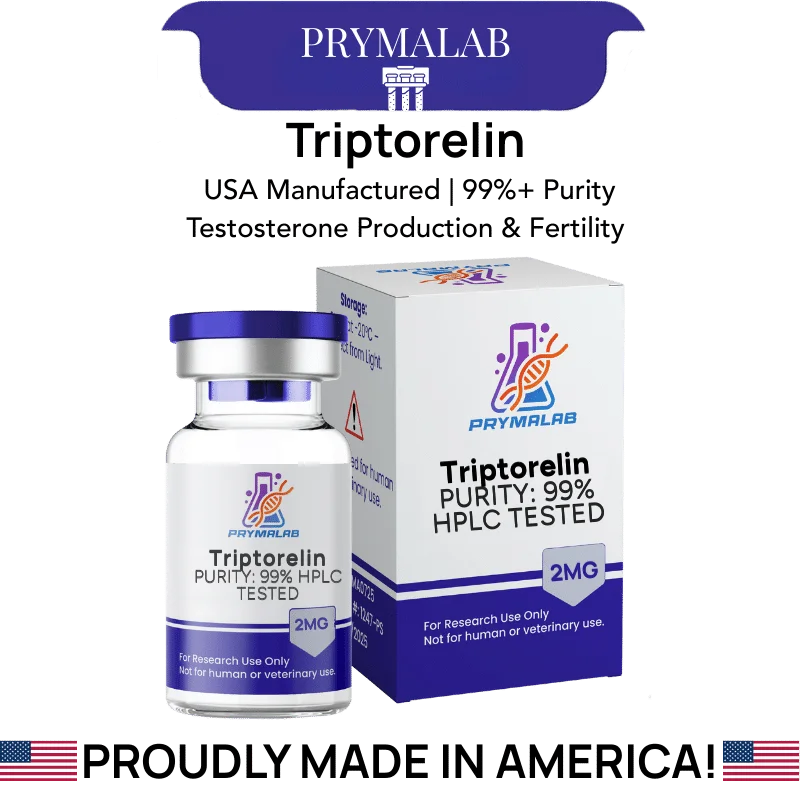



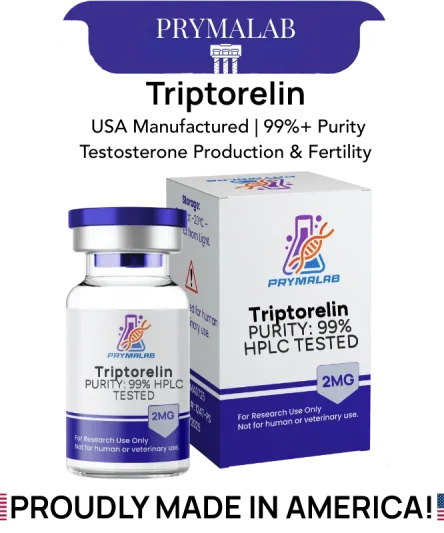






19 reviews for Triptorelin GnRH 2mg