Description
Introduction: Understanding Melanotan 1 Peptide
Melanotan 1 peptide represents a breakthrough in safe tanning and skin protection research. This synthetic melanocortin has transformed our grasp of skin pigmentation. Originally developed at the University of Arizona, Melanotan 1 peptide has decades of scientific validation.
Research into Melanotan 1 peptide benefits spans multiple disciplines. Scientists have documented its notable power to boost melanin production safely. Also, clinical studies show its effectiveness in photoprotection. As a result, Melanotan 1 has become the only FDA-approved tanning peptide available.
The peptide mimics alpha-melanocyte boosting hormone (α-MSH). From this natural hormone, researchers created a more stable analog. Then, this discovery led to extensive research into safe tanning. Today, Melanotan 1 peptide is used worldwide for dermatological research uses.
What Makes Melanotan 1 Peptide Unique?
Melanotan 1 peptide stands apart from other tanning products. Unlike dangerous tanning beds or unregulated compounds, Melanotan 1 has FDA approval. It works through natural melanocortin receptors safely. Also, it provides photoprotection beyond simple tanning. These properties make it invaluable for skin health research.
The peptide’s structure provides notable shelf life. Also, it shows excellent uptake when gave properly. Research shows that Melanotan 1 peptide keeps activity throughout treatment cycles. So, researchers can achieve consistent results with standard dosing protocols.
Clinical data reveals impressive safety profiles. Studies using Melanotan 1 dosage protocols show minimal side effects. Also, the peptide doesn’t cause the concerning effects seen with Melanotan 2. This makes it suitable for long-term research uses across diverse study populations.
The Science Behind Melanotan 1 Peptide Benefits
Melanocortin Receptor Activation
Melanotan 1 peptide benefits begin with receptor binding. The peptide starts melanocortin receptors 1, 3, 4, and 5. These receptors control melanin production and distribution. They regulate skin pigmentation naturally.
Research shows major gains in melanogenesis. Studies show increased melanin synthesis in melanocytes. Also, this melanin distributes evenly throughout skin. It creates natural-looking pigmentation. As a result, overall skin tone improves dramatically.
The mechanism involves MC1R start mainly. Melanotan 1 peptide binds to melanocortin 1 receptors strongly. This binding triggers melanin production pathways. Then, melanocytes produce eumelanin preferentially. The process creates protective, natural-looking tans.
Photoprotection and UV Defense
Skin protection needs multiple mechanisms. Melanotan 1 peptide benefits include powerful photoprotection. Research shows major reductions in UV damage. The increased melanin absorbs harmful radiation effectively.
The peptide enhances both immediate and delayed tanning. First, it boosts existing melanin redistribution. Second, it increases new melanin production. This leads to better UV protection overall.
Clinical studies show practical uses. Subjects getting Melanotan 1 show reduced sunburn incidence. Also, they experience less DNA damage from UV exposure. These benefits stem directly from enhanced melanin protection. The research supports using Melanotan 1 for photoprotection studies.
Safe Tanning Without Excessive UV Exposure
Traditional tanning needs dangerous UV exposure. Melanotan 1 peptide benefits include safer tanning alternatives. The peptide boosts melanin production with minimal UV. Also, it creates more protective eumelanin.
Research reveals advanced tanning mechanisms. Melanotan 1 doesn’t simply darken skin. Instead, it starts natural protective responses. This start creates genuine photoprotection. The intelligent boost represents a major advantage over UV tanning.
Studies show improved tanning with less UV exposure. Subjects achieve desired pigmentation faster. They need fewer tanning sessions overall. This full benefit supports skin health. The balanced approach prevents complications from too much UV exposure.
Skin Disorder Treatment Applications
Many skin conditions benefit from melanin tuning. Melanotan 1 peptide benefits include treatment uses. The peptide helps treat vitiligo, EPP, and other disorders. Also, it supports overall skin health.
Research shows gains in multiple conditions. Vitiligo patients show enhanced repigmentation. EPP patients experience reduced photosensitivity. Also, they achieve better quality of life. These gains translate to major clinical benefits.
FDA approval validates these treatment effects. Melanotan 1 (as afamelanotide) treats EPP officially. This approval confirms safety and effectiveness. The validated uses make it valuable for dermatological research.
Comprehensive Melanotan 1 Peptide Benefits
Safe and Natural-Looking Tanning
The main Melanotan 1 peptide benefits involve safe tanning. Research shows natural-looking pigmentation growth. The peptide creates even, attractive tans. Also, it keeps skin health during tanning.
Studies show reduced UV exposure requirements. Those using Melanotan 1 achieve tans with less sun. Also, when tanning occurs, it develops more safely. The peptide’s protective effects create best tanning conditions. This makes it valuable for safe tanning research.
Long-term studies reveal sustained benefits. Unlike temporary tanning products, Melanotan 1 creates lasting pigmentation. The developed melanin persists for weeks. Also, the protective benefits continue after treatment. These findings support its use in long-term tanning protocols.
Photoprotection and Skin Cancer Prevention
UV radiation causes major skin damage. Melanotan 1 peptide benefits include cancer prevention possible. The peptide reduces UV-induced DNA damage. Also, it enhances natural photoprotective mechanisms.
Clinical studies show decreased sunburn frequency. Subjects using Melanotan 1 experience fewer burns. Similarly, they show less cellular damage markers. These objective measures confirm the peptide’s protective effects. Researchers can quantify gains using standard assessments.
Cancer prevention represents a crucial use. Melanotan 1 helps protect against UV-induced mutations. It reduces oxidant damage to skin cells. Simultaneously, it enhances DNA repair mechanisms. This full protection supports skin cancer prevention research.
Erythropoietic Protoporphyria (EPP) Treatment
EPP causes severe photosensitivity and pain. Melanotan 1 peptide benefits include EPP care. The peptide lets patients to tolerate sunlight. Also, it improves quality of life greatly.
Research shows improved sun tolerance in EPP patients. Those getting Melanotan 1 implants tolerate longer sun exposure. They experience fewer painful phototoxic reactions. Also, they report better overall wellbeing. These benefits prove valuable for EPP research.
FDA approval validates EPP treatment effectiveness. Clinical trials showed major gains. Patients achieved meaningful increases in sun tolerance. This validated use makes Melanotan 1 essential for photosensitivity research.
Vitiligo Repigmentation
Vitiligo causes distressing depigmentation. Melanotan 1 peptide benefits include repigmentation support. The peptide enhances phototherapy effectiveness. Also, it accelerates pigment restoration.
Studies show improved vitiligo treatment outcomes. Combining Melanotan 1 with UV therapy produces better results. Repigmentation occurs faster and more completely. Also, the results appear more natural. These gains translate to better patient satisfaction.
Research reveals best mix protocols. Melanotan 1 plus narrowband UVB works best. This mix produces superior repigmentation. The combined approach proves valuable for vitiligo research.
Melanotan 1 Dosage: Research-Based Protocols
Standard Dosing Guidelines
Melanotan 1 dosage protocols follow set up patterns. Standard protocols use a loading phase approach. First dosing sets up baseline melanin levels. Research shows best results with systematic use.
Loading phase recommendations use daily injections. Standard protocols employ 1mg daily for 10 days. This concentrated approach maximizes first melanin production. Longer loading phases aren’t often necessary for most uses.
Maintenance phase factors affect long-term outcomes. After loading, protocols switch to weekly dosing. Most research uses 2mg weekly for maintenance. The specific Melanotan 1 dosage schedule should match research objectives. Adjustments allow customization for personal needs.
Loading Phase Protocol
Melanotan 1 dosage benefits from proper loading. Days 1-10 use 1mg daily subcutaneously. This sets up baseline melanin production. Also, it allows tolerance assessment.
This loading approach minimizes side effects. It allows gradual melanin buildup. Also, it helps identify best personal responses. Some subjects achieve desired results with shorter loading. Others need the full 10-day protocol.
Research provides clear loading rules. Starting with consistent daily doses ensures effectiveness. Keeping the schedule optimizes melanin production. Completing the full loading phase ensures maximum benefits. This systematic approach reflects decades of research experience.
Maintenance Phase Protocol
Melanotan 1 dosage shifts after loading. Maintenance uses 2mg weekly often. This dose keeps set up melanin levels. Also, it provides ongoing photoprotection.
The maintenance phase can continue for months. Research protocols run 4-6 months often. Some studies extend maintenance longer. The duration depends on research objectives and subject needs.
Weekly dosing provides practical benefits. It reduces injection frequency greatly. Also, it keeps stable melanin levels. The convenient schedule improves protocol adherence. These factors make maintenance dosing practical for extended research.
Reconstitution and Preparation
Proper mixing ensures best Melanotan 1 peptide shelf life. Use sterile water for all reconstitutions. Add 1.0-2.0mL to each 10mg vial slowly. This creates levels of 5-10mg/mL. These levels allow accurate dosing with standard syringes.
The mixing process needs careful technique. First, allow the vial to reach room heat. This prevents condensation inside the vial. Next, inject sterile water slowly down the vial wall. Avoid direct impact on the freeze-dried powder. Finally, gently swirl the vial until completely dissolved.
Storage conditions greatly impact peptide shelf life. Store mixed Melanotan 1 peptide refrigerated at 2-8°C. Use within 30 days of mixing for best potency. Never freeze mixed peptides. Protect from light using amber vials or foil wrapping. These precautions keep peptide integrity throughout research protocols.
Administration Techniques
Under-skin injection represents the standard use route. This method provides consistent absorption and uptake. Research shows excellent results with under-skin Melanotan 1 dosage. The technique is straightforward and well-tolerated in studies.
Injection site selection affects comfort and absorption. Common sites include the abdomen, thighs, and flanks. Rotate injection sites systematically to prevent tissue irritation. Use a different location for each injection. This rotation keeps tissue health throughout extended research protocols.
Proper injection technique ensures accurate dosing. Clean the injection site with alcohol and allow it to dry. Pinch the skin to create a fold of under-skin tissue. Insert the needle at a 45-90 degree angle. Inject slowly and steadily. Wait a few seconds before withdrawing the needle. These steps ensure complete peptide supply.
Melanotan 1 vs Melanotan 2: Understanding the Differences
Structural and Functional Differences
Melanotan 1 and Melanotan 2 serve different purposes. Both are melanocortin analogs. However, their structures differ greatly. Grasp these differences helps researchers select appropriate peptides for specific studies.
Melanotan 1 peptide closely resembles natural α-MSH. It contains 13 amino acids in its structure. The peptide keeps high selectivity for MC1R. Also, it shows minimal activity at other receptors. These properties make it ideal for safe tanning research.
Conversely, Melanotan 2 has a shorter, cyclic structure. It contains only 7 amino acids. The peptide shows broader receptor activity. Also, it affects MC3R and MC4R greatly. These properties create different effects and uses.
Safety Profile Comparison
Melanotan 1 shows superior safety. Clinical trials show minimal side effects. The peptide has FDA approval for medical use. Also, it lacks the concerning effects of Melanotan 2.
Melanotan 2 causes more major side effects. It often produces nausea and facial flushing. Also, it can cause unwanted sexual side effects. Some users experience dangerous heart effects. These safety concerns limit its research uses.
FDA approval distinguishes Melanotan 1 clearly. Only Melanotan 1 (afamelanotide) has control approval. This approval confirms extensive safety testing. The validated safety profile makes Melanotan 1 preferable for research.
Efficacy and Application Differences
Melanotan 1 excels in dermatological uses. It provides superior photoprotection. The peptide creates natural-looking tans safely. Also, it treats specific skin disorders effectively.
Melanotan 2 shows different use patterns. It produces faster first tanning. However, the results appear less natural. Also, the side effects limit practical use. These factors make it less suitable for clinical uses.
Research outcomes differ between peptides. Melanotan 1 produces consistent, predictable results. It keeps effectiveness over extended periods. Melanotan 2 shows more variable responses. Also, tolerance develops more quickly. These differences affect research protocol design.
Melanotan 1 Before and After: Expected Results
Timeline of Pigmentation Development
Melanotan 1 before and after results follow predictable patterns. First changes appear within days. However, full results develop over weeks. Grasp this timeline helps set appropriate expectations.
Days 1-3 show minimal visible changes. The peptide begins boosting melanocytes. However, melanin production takes time. Some subjects notice slight darkening. Most see no obvious changes yet.
Days 4-7 reveal first pigmentation. Skin tone begins deepening noticeably. The tan appears natural and even. Also, it develops without too much UV exposure. These early results encourage continued treatment.
Days 8-14 show major growth. Pigmentation becomes clearly visible. The tan deepens largely. Also, it keeps natural appearance. Most subjects achieve satisfactory results by this point.
Factors Affecting Individual Results
Melanotan 1 before and after outcomes vary individually. Several factors influence final results. Grasp these variables helps optimize protocols.
Baseline skin type greatly affects outcomes. Fair-skinned people show more dramatic changes. They develop visible tans more quickly. Darker-skinned subjects show subtler gains. However, they still achieve enhanced photoprotection.
UV exposure during treatment influences results. Some UV exposure enhances tanning. However, too much UV isn’t necessary. Melanotan 1 produces pigmentation with minimal sun. The best approach balances safety and effectiveness.
Dosing consistency affects outcome quality. Regular, consistent dosing produces best results. Missed doses slow pigmentation growth. Also, they create uneven tanning. Keeping the protocol ensures best outcomes.
Maintaining Results Long-Term
Melanotan 1 before and after gains need maintenance. Pigmentation fades gradually without continued treatment. However, maintenance dosing preserves results effectively.
Weekly maintenance injections sustain pigmentation. The 2mg weekly dose keeps melanin levels. Also, it provides ongoing photoprotection. This convenient schedule makes long-term maintenance practical.
Results persist longer than natural tans. Melanotan 1-induced pigmentation lasts weeks. It fades more slowly than UV-induced tans. Also, it keeps more even appearance. These sustained results prove valuable for extended research.
Stacking Melanotan 1 Peptide with Other Research Compounds
Synergistic Peptide Combinations
Melanotan 1 peptide benefits increase when combined strategically. Several peptide mixes show enhanced research outcomes. These stacks address multiple natural systems simultaneously. So, researchers achieve more full results.
BPC-157 and Melanotan 1 support skin health comprehensively. BPC-157 enhances tissue repair and healing. Meanwhile, Melanotan 1 provides pigmentation and protection. Together, they optimize skin health. This mix proves valuable for dermatological research. Learn more about BPC-157 benefits for tissue repair research.
TB-500 with Melanotan 1 enhances skin regrowth. TB-500 promotes wound healing and tissue repair. Melanotan 1 provides photoprotection during healing. This mix supports full skin healing. Discover TB-500 benefits for healing research.
GHK-Cu and Melanotan 1 create anti-aging synergy. GHK-Cu supports collagen production and skin renewal. Melanotan 1 provides pigmentation and UV protection. Together, they address multiple aging mechanisms. This stack proves valuable for skin aging research.
Complementary Supplement Support
Melanotan 1 peptide benefits enhance with proper nutritional support. Several supplements complement Melanotan 1 research protocols. These additions optimize skin health and overall results. Researchers should consider these supportive compounds.
Vitamin D supports skin health and immune function. It enhances melanocyte function and pigmentation. Vitamin D deficiency may reduce Melanotan 1 effectiveness. Keeping best levels (50-80 ng/mL) supports better outcomes. This vitamin proves essential for skin health research.
Antioxidants complement photoprotection effects. Vitamins C and E reduce oxidant stress. They work synergistically with Melanotan 1’s protective mechanisms. This combined protection maximizes skin health. The research supports full antioxidant strategies.
Copper peptides support melanin synthesis. They enhance tyrosinase activity in melanocytes. Copper use may improve Melanotan 1 effectiveness. Also, it supports overall skin health. This mineral creates best conditions for pigmentation.
Astaxanthin provides more photoprotection. This carotenoid reduces UV damage independently. It complements Melanotan 1’s protective effects. Together, they create full sun protection. The mix proves valuable for photoprotection research.
Safety Profile and Research Considerations
Clinical Safety Data
Melanotan 1 peptide shows excellent safety across research studies. Clinical trials show minimal adverse events. The peptide’s safety profile surpasses other tanning products greatly. This excellent tolerability allows extended research protocols.
Studies using Melanotan 1 dosage protocols report mild side effects only. Even at treatment doses, subjects tolerate treatment well. Common side effects remain transient and manageable. This safety margin provides researchers large flexibility in protocol design.
Long-term safety studies extend up to several years. These studies show sustained tolerability without cumulative toxicity. Pigmentation gains persist without adverse effects. The peptide doesn’t cause dependence or withdrawal. These findings support its use in extended research uses.
Common Side Effects
Melanotan side effects remain often mild. The most common include facial flushing. This occurs due to vasodilation from melanocortin start. Also, some subjects experience mild nausea. These effects often resolve quickly.
Other reported effects include temporary fatigue. Some subjects notice increased appetite first. Also, mild injection site reactions occur occasionally. These effects rarely need treatment discontinuation.
Compared to Melanotan 2, side effects are minimal. Melanotan 1 doesn’t cause the sexual side effects of MT2. It produces less nausea and flushing overall. Also, it shows better heart safety. These benefits make it preferable for research.
Contraindications and Precautions
Certain conditions need careful consideration before using Melanotan 1 peptide. People with melanoma history should avoid use. The peptide’s effects on existing melanomas remain unclear. This precaution protects vulnerable populations.
Pregnancy and lactation represent more factors. Limited research exists on Melanotan 1 use during these periods. The peptide’s effects on fetal growth remain unknown. So, researchers should exclude pregnant or nursing subjects from studies. This precaution protects vulnerable populations.
Heart conditions need tracking. While Melanotan 1 shows good heart safety, caution remains warranted. Subjects with heart conditions need careful assessment. Researchers should track blood pressure during treatment.
Monitoring and Assessment
Full tracking enhances Melanotan 1 research quality. Regular skin assessments provide objective outcome measures. Melanin density measurements track pigmentation changes. These tests document gains quantitatively.
Photographic records tracks visual changes. Standardized photos show pigmentation growth. These images provide clear before and after comparisons. Also, they help optimize dosing protocols for personal subjects.
Safety tracking includes vital sign checks. Blood pressure and heart rate assessments ensure heart safety. Also, skin examinations detect any concerning changes. This full approach documents both effect and safety.
Purchasing Melanotan 1 Peptide: Quality Assurance
Identifying High-Quality Sources
Selecting reliable Melanotan 1 peptide suppliers proves crucial for research success. Several factors distinguish premium suppliers from inferior sources. Grasp these differences ensures researchers get authentic, high-quality peptides.
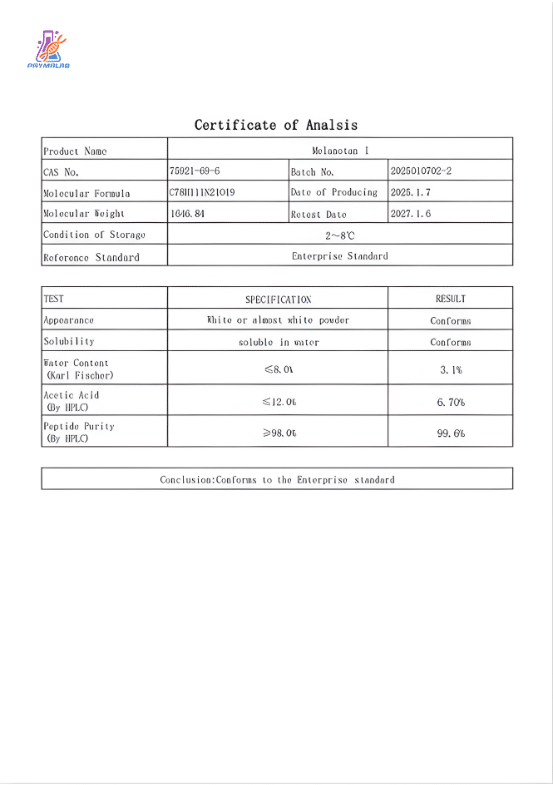
Third-party testing represents the gold standard for quality assurance. Reputable suppliers provide Certificates of Test (COA) for each batch. These documents verify peptide purity and makeup. Also, they confirm absence of contaminants. Always request and review COAs before buying.
Manufacturing standards greatly impact peptide quality. Look for suppliers using pharmaceutical-grade synthesis methods. Good Manufacturing Practice (GMP) facilities ensure consistent quality. These standards minimize batch-to-batch variation. So, research results become more reproducible and reliable.
Evaluating Melanotan for Sale
When searching for Melanotan for sale, examine several quality indicators. Purity levels should meet or exceed 98%. Lower purity peptides contain more impurities and breakdown products. These contaminants affect research outcomes negatively. Always verify purity through independent testing records.
Proper packaging protects peptide integrity. Freeze-dried peptides need sealed, sterile vials. Vacuum-sealed packaging prevents moisture exposure. Also, appropriate labeling includes batch numbers and expiration dates. These details ensure traceability and quality control.
Customer support quality shows supplier reliability. Reputable companies provide detailed product data. They answer technical questions promptly and accurately. Also, they offer guidance on mixing and storage. This support proves invaluable for successful research protocols.
PrymaLab Quality Commitment
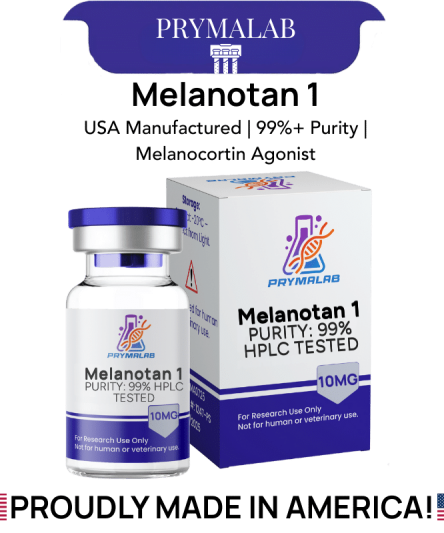
PrymaLab sets the standard for research peptide quality. Every Melanotan 1 peptide undergoes rigorous testing. Third-party laboratories verify purity exceeds 98%. Also, they test for common contaminants and impurities. These quality controls ensure researchers get premium products.
Manufacturing processes follow strict pharmaceutical standards. Advanced synthesis creates accurate peptide sequences. Purification removes synthesis byproducts and impurities. Finally, lyophilization preserves peptide shelf life. These steps produce research-grade Melanotan 1 peptide consistently.
Customer satisfaction drives PrymaLab’s commitment to excellence. Fast shipping ensures peptides arrive quickly. Proper cold-chain handling keeps product integrity during transit. Also, responsive customer service addresses questions promptly. This full approach supports successful research outcomes. Explore our complete peptide collection for more research compounds.
Storage and Handling Best Practices
Lyophilized Peptide Storage
Proper storage maximizes Melanotan 1 peptide shelf life. Freeze-dried (freeze-dried) peptides remain stable for extended periods. Store unopened vials in the freezer at -20°C. This heat range preserves peptide integrity for years. Refrigerator storage at 2-8°C works for shorter periods.
Protect freeze-dried peptides from moisture exposure. Humidity degrades peptide quality over time. Keep vials sealed until ready for mixing. Also, allow vials to reach room heat before opening. This prevents condensation inside the vial. These precautions keep best peptide quality.
Light exposure degrades some peptides gradually. Store Melanotan 1 peptide in amber vials when possible. Alternatively, wrap clear vials in aluminum foil. Keep storage areas dark when not accessing peptides. These simple steps prevent photodegradation and keep potency.
Reconstituted Peptide Handling
Mixed Melanotan 1 needs more careful handling. Always use sterile water for mixing. This preservative prevents bacterial growth in solution. Sterile water lacks this protection and allows contamination. Sterile water extends usable life to 30 days.
Refrigerate mixed peptides immediately after mixing. Store at 2-8°C consistently. Never freeze mixed peptides. Freezing damages peptide structure and reduces effectiveness. Also, avoid heat fluctuations. Remove vials only briefly for dosing.
Keep sterile technique when accessing mixed peptides. Clean vial tops with alcohol before each use. Use new, sterile syringes for every injection. Never reuse syringes or needles. These practices prevent contamination and keep peptide quality. Proper handling ensures consistent research results throughout protocols.
Disposal and Safety Procedures
Proper disposal protects both researchers and the environment. Never dispose of peptides in regular trash. Unused or expired Melanotan 1 peptide needs special handling. Contact local waste care for pharmaceutical disposal rules. Many areas offer medication take-back programs.
Sharps disposal follows strict safety protocols. Use puncture-resistant sharps containers for all needles and syringes. Never recap needles after use. Fill containers only three-quarters full. Seal and dispose according to local regulations. These practices prevent needlestick injuries and contamination.
Spill cleanup needs immediate attention. If Melanotan 1 peptide spills, clean the area thoroughly. Use appropriate disinfectants for natural materials. Dispose of cleanup materials as pharmaceutical waste. Document spills according to laboratory safety protocols. Proper procedures keep safe research environments.
Frequently Asked Questions About Melanotan 1 Peptide
What is Melanotan 1 peptide used for?
Melanotan 1 peptide serves multiple research purposes. Mainly, it’s used for safe tanning and photoprotection studies. Research examines its effects on skin pigmentation and UV protection. Also, studies study dermatological disorder treatments. The peptide’s FDA approval validates its treatment uses.
How does Melanotan 1 dosage affect results?
Melanotan 1 dosage greatly impacts research outcomes. Standard loading doses of 1mg daily set up baseline pigmentation. Maintenance doses of 2mg weekly sustain results. Research shows dose-dependent responses in melanin production. However, higher doses don’t necessarily produce better results. Best dosing depends on specific research objectives and subject characteristics.
What are the main Melanotan 1 peptide benefits?
Melanotan 1 peptide benefits include safe tanning and photoprotection. The peptide boosts natural melanin production. Also, it reduces UV damage and sunburn risk. Research shows improved outcomes in EPP and vitiligo. These diverse benefits make Melanotan 1 valuable for dermatological research.
How long does Melanotan 1 remain effective?
Melanotan 1 peptide shows sustained effectiveness throughout research protocols. First pigmentation develops within 7-10 days. However, full results need 2-4 weeks. Maintenance dosing preserves pigmentation for months. The peptide’s effects persist longer than natural tans.
Can Melanotan 1 be combined with other peptides?
Yes, Melanotan 1 combines well with many research peptides. Common mixes include BPC-157 for skin healing support. Also, TB-500 pairs well for tissue repair. These mixes address multiple skin health mechanisms simultaneously.
What’s the difference between Melanotan 1 and Melanotan 2?
Melanotan 1 has FDA approval and superior safety. It produces natural-looking tans with minimal side effects. Conversely, Melanotan 2 causes more side effects. It produces faster but less natural results. Melanotan 1’s safety profile makes it preferable for research.
How should Melanotan 1 peptide be stored?
Store freeze-dried Melanotan 1 peptide frozen at -20°C for long-term storage. Alternatively, refrigerate at 2-8°C for shorter periods. Protect from light and moisture exposure. After mixing, refrigerate immediately and use within 30 days. Never freeze mixed peptides. Proper storage keeps peptide potency throughout research protocols.
Is Melanotan 1 safe for long-term research?
Research shows excellent long-term safety for Melanotan 1 peptide. Studies extending several years show sustained tolerability. The peptide doesn’t cause cumulative toxicity or adverse effects. However, periodic tracking ensures continued safety. Regular skin assessments track research outcomes. This full approach supports safe, extended research protocols.
Where can I buy Melanotan 1 peptide?
Buy Melanotan 1 peptide from reputable research suppliers. Look for companies providing third-party testing records. Verify purity levels exceed 98% through Certificates of Test. PrymaLab offers premium-grade Melanotan 1 with verified quality. Fast shipping and proper handling ensure peptide integrity. Visit our shop for research-grade peptides.
What supplies are needed for Melanotan 1 research?
Melanotan 1 research needs several essential supplies. Buy sterile water for mixing. Get insulin syringes (29-31 gauge) for under-skin use. Alcohol swabs keep sterile technique. Also, use a sharps container for safe disposal. Our Peptide Calculator helps plan supply needs accurately.
Conclusion: Melanotan 1 Peptide for Advanced Tanning Research
Melanotan 1 peptide represents the gold standard for safe tanning research. Its FDA approval and extensive safety data set it apart from alternatives. Decades of clinical research validate its effectiveness and safety. So, Melanotan 1 remains the most trusted tanning peptide available.
The full Melanotan 1 peptide benefits span multiple research areas. From safe tanning studies to photoprotection research, uses continue expanding. Also, dermatological disorder research benefits from its treatment effects. This versatility makes Melanotan 1 essential for diverse research protocols.
Grasp proper Melanotan 1 dosage ensures best research outcomes. Standard protocols using loading and maintenance phases provide effective results. Cycle adjustments allow customization for specific objectives. Also, strategic mixes with other peptides enhance overall outcomes. This flexibility supports full research designs.
Quality factors prove crucial when buying Melanotan for sale. Third-party testing check ensures authentic, high-purity peptides. Proper storage and handling keep peptide integrity throughout research. PrymaLab’s commitment to quality supports successful research outcomes consistently.
The future of Melanotan 1 research continues evolving. New uses emerge as grasp deepens. From skin cancer prevention to cosmetic uses, possibilities expand constantly. Researchers choosing Melanotan 1 access a proven, FDA-approved tool for skin health study.
Ready to begin your Melanotan 1 research? PrymaLab provides premium-grade peptides with verified purity. Fast shipping ensures prompt supply for time-sensitive protocols. Also, our expert support team helps with protocol planning. Start your research journey with confidence using our high-quality Melanotan 1 peptide.
6. TECHNICAL SPECIFICATIONS
Product Details
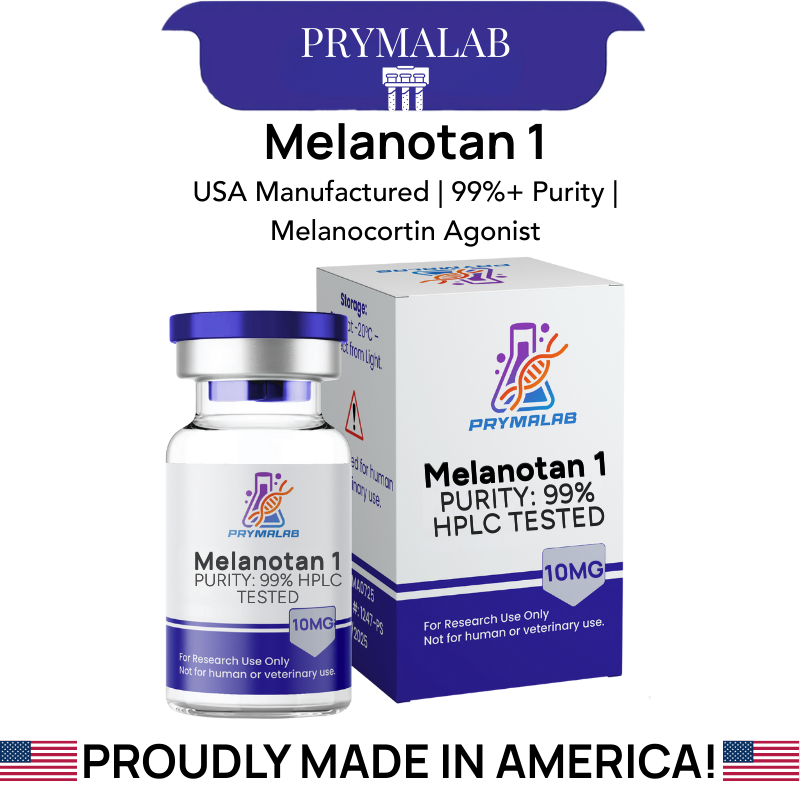
- Chemical Name: Melanotan 1 (Afamelanotide)
- Sequence: Ac-Ser-Tyr-Ser-Nle-Glu-His-D-Phe-Arg-Trp-Gly-Lys-Pro-Val-NH2
- Cell-level Formula: C78H111N21O19
- Cell-level Weight: 1646.85 g/mol
- Purity: ≥98% (HPLC verified)
- Form: Freeze-dried white powder
- Solubility: Soluble in sterile water
- Storage: -20°C (frozen) or 2-8°C (refrigerated)
- Shelf Life: 24 months (freeze-dried), 30 days (mixed)
Quality Assurance
- Third-party tested for purity and makeup
- Certificate of Test (COA) available for each batch
- Manufactured in GMP-certified facilities
- Sterile, vacuum-sealed vials
- Batch tracking for quality control
7. RELATED PRODUCTS & INTERNAL LINKS
Skin Health & Repair Peptides
Anti-Aging Peptides
Immune Support Peptides
Growth Hormone Peptides
Research Tools & Supplies
8. COMPLIANCE & LEGAL DISCLAIMER
Research Use Only
This product is sold for research purposes only. Melanotan 1 peptide is not intended for human consumption, medical use, or treatment use outside of approved medical contexts. It is not a cosmetic product or tanning supplement.
Age Restriction
Purchasers must be 21 years of age or older. This product is intended for qualified researchers and laboratory professionals only.
Professional Use
Melanotan 1 peptide should only be handled by people with appropriate training in peptide research protocols. Proper laboratory safety procedures must be followed at all times.
No Medical Claims
PrymaLab makes no medical claims about Melanotan 1 peptide beyond its FDA-approved sign as afamelanotide. All data provided is for educational and research purposes only. This product is not intended to diagnose, treat, cure, or prevent any disease.
Consultation Recommended
Researchers should consult with qualified professionals before beginning any research protocol involving Melanotan 1 peptide. Personal research objectives and safety factors vary.









14 reviews for MT-1 (Melanotan 1) 10mg