Description
Introduction: The Most Researched Melanocortin Agonist
Melanotan 2 (MT-2) represents one of the most extensively studied synthetic peptides in modern research. As a cyclic heptapeptide analog of alpha-melanocyte-boosting hormone (α-MSH), this compound has captured scientific attention for its notable power to start multiple melanocortin receptors throughout the body. Unlike its linear counterpart Melanotan 1, MT-2’s unique cyclic structure provides enhanced shelf life, longer half-life, and broader receptor affinity, making it an invaluable tool for researchers exploring diverse natural systems.
The story of Melanotan 2 begins in the 1980s at the University of Arizona, where researchers sought to develop a synthetic peptide that could boost melanogenesis without UV exposure. What emerged was a compound with far-reaching effects beyond simple skin pigmentation. Today, MT-2 serves as a key research tool in studies examining skin health, sexual function, body control, and appetite control. With over three decades of scientific study, Melanotan 2 has set up itself as a cornerstone peptide in melanocortin receptor research.
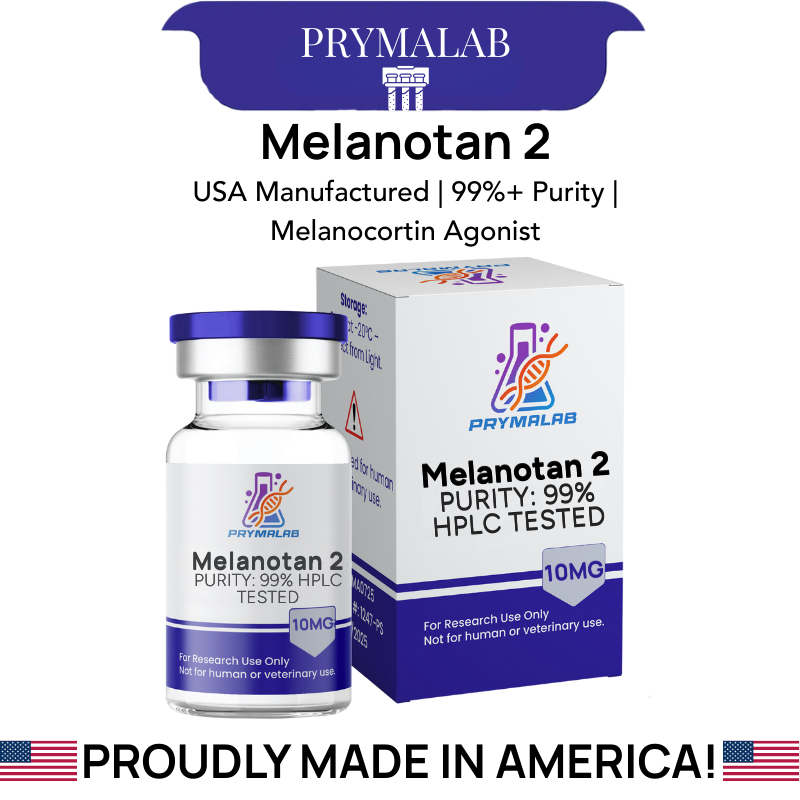
PrymaLab’s Melanotan 2 10mg peptide represents the gold standard for research uses. Each vial contains 99% pure MT-2, verified through rigorous third-party testing using high-performance liquid chromatography (HPLC). This pharmaceutical-grade purity ensures consistent, reliable results across experimental protocols. Whether studying skin pigmentation mechanisms, exploring sexual dysfunction pathways, or studying appetite control, researchers need the highest quality peptides to create meaningful data. Our commitment to quality control and transparency makes PrymaLab the trusted source for serious peptide research.
Understanding Melanotan 2: Molecular Structure and Mechanism
Melanotan 2’s effectiveness stems from its advanced cell-level architecture. This cyclic heptapeptide consists of seven amino acids arranged in a ring formation: Ac-Nle-cyclo[Asp-His-D-Phe-Arg-Trp-Lys]-NH2. The cyclic structure is created through a lactam bridge between the side-chain carboxyl group of aspartic acid at position 2 and the side-chain amino group of lysine at position 7. This ring formation provides several key benefits over linear peptides.
First, the cyclic structure dramatically enhances body shelf life. Linear peptides are vulnerable to enzymatic breakdown by peptidases, which cleave peptide bonds and rapidly inactivate the compound. The ring formation in MT-2 protects against this breakdown, extending the peptide’s half-life and allowing for less frequent dosing in research protocols. Studies show MT-2 keeps activity for 6-8 hours after use, compared to 2-4 hours for linear analogs.
Second, the cyclic configuration optimizes receptor binding geometry. The constrained structure positions key amino acid residues in ideal spatial arrangements for melanocortin receptor interaction. This enhanced binding affinity translates to greater potency, with MT-2 showing 1000-fold higher activity at melanocortin receptors compared to native α-MSH. Researchers can achieve desired effects with lower doses, reducing possible side effects while keeping experimental effect.
Third, the specific amino acid substitutions in MT-2 broaden its receptor profile. The inclusion of D-phenylalanine (an unnatural D-amino acid) at position 4 further enhances shelf life while keeping receptor affinity. The norleucine substitution at position 1 improves lipophilicity, helping cellular uptake and distribution. These changes create a peptide that starts MC1R (melanogenesis), MC3R (energy homeostasis), and MC4R (sexual function) with notable efficiency.
The melanocortin receptor system represents one of the body’s most versatile signaling networks. These G-protein coupled receptors regulate diverse natural processes through cyclic AMP (cAMP) second messenger pathways. When MT-2 binds to melanocortin receptors, it triggers conformational changes that start adenylyl cyclase, increasing intracellular cAMP levels. This cascade amplifies the first signal, producing robust cellular responses from relatively small peptide levels.
At MC1R, mainly expressed in melanocytes, MT-2 boosts eumelanin synthesis through start of tyrosinase and related enzymes. This produces the characteristic skin darkening saw in tanning research. At MC4R, concentrated in hypothalamic nuclei and spinal cord, MT-2 tunes sexual behavior and erectile function through complex neural pathways. At MC3R and MC4R, both involved in energy balance, the peptide influences appetite, body function, and body weight control. This multi-receptor activity makes MT-2 uniquely valuable for integrated natural research.
Melanotan 2 vs Melanotan 1: Critical Differences for Researchers
Grasp the distinctions between Melanotan 2 and Melanotan 1 is essential for selecting the appropriate peptide for specific research objectives. While both compounds derive from α-MSH and share some overlapping effects, their structural differences create distinct pharmacological profiles that suit different experimental designs.
Structural Architecture: Melanotan 1 is a linear tetradecapeptide containing 13 amino acids in a straight chain configuration. This structure closely mimics native α-MSH, with strategic amino acid substitutions (norleucine at position 4, D-phenylalanine at position 7) that enhance shelf life and receptor affinity. In contrast, Melanotan 2 is a cyclic heptapeptide with only 7 amino acids arranged in a ring. This dramatic structural simplification actually increases potency and broadens receptor activity.
Receptor Selectivity: The most major functional difference lies in receptor selectivity. Melanotan 1 shows high selectivity for MC1R, the melanocortin receptor mainly responsible for melanogenesis. This selective start makes MT-1 ideal for research focused exclusively on skin pigmentation, UV protection, and photodermatoses. The FDA has approved MT-1 (as Scenesse) for treating erythropoietic protoporphyria, validating its safety profile for MC1R-targeted uses.
Melanotan 2, conversely, starts multiple melanocortin receptors with relatively equal affinity. It boosts MC1R for tanning effects, MC3R for body control, and MC4R for sexual function. This broad receptor profile makes MT-2 the preferred choice for research examining integrated natural responses, sexual dysfunction, appetite control, or multi-system effects. However, the broader activity also means more possible side effects, needing careful protocol design.
Dosing Frequency: Pharmacokinetic differences influence dosing schedules. Melanotan 1’s linear structure results in faster enzymatic breakdown, necessitating twice-daily injections in most research protocols (often 1mg morning and evening). Melanotan 2’s cyclic structure provides enhanced shelf life, allowing once-daily dosing (0.25-2mg depending on use). For long-term studies, this dosing convenience can greatly reduce experimental burden and improve protocol compliance.
Effect Profile: While both peptides produce skin darkening, their more effects differ markedly. Melanotan 1 research focuses mainly on photoprotection, with studies showing 47% reduction in sunburn severity and improved UV tolerance in subjects with photosensitivity disorders. Side effects are often mild, including nausea (19%), fatigue (6%), and localized injection site reactions.
Melanotan 2 produces more diverse effects reflecting its multi-receptor activity. Beyond tanning, research has documented major impacts on sexual function, with 85% of subjects in erectile dysfunction studies reporting improved erections. MT-2 also shows appetite suppression and possible weight loss effects through MC3R/MC4R pathways. However, this broader activity comes with more varied side effects, including nausea (41%), stretching/yawning (56%), spontaneous erections, and flushing.
Research Uses: Choose Melanotan 1 for studies needing selective MC1R start, very research on photodermatoses, UV protection mechanisms, or skin pigmentation pathways. The FDA approval and extensive safety data make MT-1 appropriate for translational research with possible clinical uses. Choose Melanotan 2 for studies needing multi-receptor start, especially studies on sexual dysfunction, appetite control, body effects, or integrated natural responses. The broader activity profile makes MT-2 valuable for exploratory research and mechanism-of-action studies.
Safety Factors: Both peptides need appropriate precautions, but their safety profiles differ. Melanotan 1 has undergone extensive Phase 3 clinical trials with up to 8 months of continuous use, showing favorable long-term safety. Melanotan 2 research has mainly involved shorter-term studies (2-4 weeks), with less data on extended use. Some case reports have linked prolonged MT-2 use combined with UV exposure to melanoma growth, though causation remains unproven. Researchers should use appropriate washout periods and avoid combining MT-2 with too much UV exposure in experimental protocols.
Primary Research Application: Skin Pigmentation and UV Protection
Melanotan 2’s most set up research use involves skin pigmentation and photoprotection. The peptide’s start of MC1R in melanocytes triggers a cascade of events leading to increased melanin synthesis, the body’s natural defense against UV radiation. This mechanism has profound implications for grasp skin biology and developing interventions for photosensitivity disorders.
When MT-2 binds to MC1R on melanocyte cell surfaces, it starts a signaling cascade through G-protein start and cAMP production. Elevated cAMP levels start protein kinase A (PKA), which phosphorylates and starts the transcription factor CREB (cAMP response element-binding protein). CREB then upregulates expression of microphthalmia-linked transcription factor (MITF), the master regulator of melanocyte function.
MITF increases expression of key melanogenic enzymes including tyrosinase, tyrosinase-related protein 1 (TRP-1), and tyrosinase-related protein 2 (TRP-2). Tyrosinase catalyzes the rate-limiting step in melanin synthesis, converting tyrosine to DOPA and then to dopaquinone. These intermediates undergo further enzymatic changes to produce eumelanin, the brown-black pigment that provides photoprotection, or pheomelanin, the red-yellow pigment linked with fair skin.
Research shows that MT-2 preferentially boosts eumelanin production over pheomelanin synthesis. Eumelanin provides superior UV protection through multiple mechanisms: it absorbs UV photons across a broad spectrum (200-400nm), dissipates absorbed energy as heat, and scavenges reactive oxygen species created by UV exposure. Studies show that MT-2-induced tanning reduces sunburn severity by 47% and increases minimal erythema dose (MED) by 2-3 fold.
The tanning response to MT-2 follows a predictable time course. First pigmentation becomes visible within 3-5 days of daily use, with progressive darkening over 10-14 days. Unlike UV-induced tanning, which needs repeated sun exposure and carries DNA damage risks, MT-2 produces pigmentation without UV exposure. This “sunless tanning” provides photoprotection before UV exposure occurs, offering a preventive rather than reactive approach to sun protection.
Importantly, MT-2-induced pigmentation differs qualitatively from UV-induced tanning. UV exposure triggers both immediate pigment darkening (IPD) through oxidation of existing melanin and delayed tanning (DT) through new melanin synthesis. MT-2 mainly boosts new melanin production without the oxidant stress and DNA damage linked with UV exposure. This makes MT-2 an valuable tool for studying melanogenesis mechanisms independent of UV-induced cellular stress.
Research protocols for tanning studies often employ 0.25-0.5mg MT-2 daily for 10-14 days. Lower doses (0.25mg) produce gradual, natural-looking pigmentation suitable for fair-skinned subjects, while higher doses (0.5mg) create more rapid, intense darkening. Researchers should use appropriate washout periods (3-6 months) between study cycles, as melanin persists in skin for extended periods after peptide discontinuation.
The photoprotective effects of MT-2 extend beyond simple melanin production. Research shows that melanocortin receptor start also enhances DNA repair mechanisms, reduces UV-induced swelling, and tunes immune responses in skin. These pleiotropic effects suggest that MT-2’s benefits for photosensitivity disorders may involve multiple protective pathways beyond melanogenesis alone.
Clinical research has explored MT-2 for conditions including polymorphic light eruption (PLE), solar urticaria, and erythropoietic protoporphyria (EPP). While Melanotan 1 has got FDA approval for EPP, MT-2 research continues to study its possible for broader photosensitivity uses. The peptide’s power to provide photoprotection without UV exposure makes it very valuable for subjects who cannot tolerate sun exposure for medical reasons.
Sexual Function Enhancement: MC4R Activation and Erectile Response
One of Melanotan 2’s most notable and well-documented effects involves boost of sexual function through MC4R start. This use has created large research interest, with multiple clinical trials showing MT-2’s effectiveness for erectile dysfunction and libido boost in both male and female subjects. The peptide’s mechanism differs fundamentally from phosphodiesterase-5 (PDE5) inhibitors like sildenafil, offering researchers an other pathway for studying sexual dysfunction.
The melanocortin system plays a crucial role in regulating sexual behavior through central nervous system pathways. MC4R is highly expressed in hypothalamic nuclei including the paraventricular nucleus (PVN), a key integration center for sexual function. When MT-2 starts MC4R in the PVN, it triggers a cascade of neural events that enhance sexual arousal, desire, and erectile response.
Research shows that MC4R start in the PVN boosts release of oxytocin, a neuropeptide key for sexual behavior and pair bonding. Oxytocin neurons project to the spinal cord, where they help erectile reflexes through parasympathetic start. This central mechanism explains why MT-2 produces spontaneous erections independent of sexual boost, distinguishing it from PDE5 inhibitors that need sexual arousal to be effective.
Also, MC4R start influences dopaminergic pathways in the mesolimbic reward system. Dopamine plays a central role in sexual motivation and desire, with increased dopaminergic signaling enhancing libido and sexual interest. MT-2’s effects on dopamine neurotransmission add to its pro-sexual effects, very the increased sexual desire reported by research subjects.
Clinical studies have showed impressive results for MT-2 in erectile dysfunction research. In a landmark study by Wessells et al., 85% of male subjects with erectile dysfunction reported improved erections after MT-2 use. The average erection duration was 41 minutes, and 68% of subjects reported increased sexual desire. Importantly, MT-2 was effective across multiple ED etiologies, including psychogenic, organic, and mixed causes.
The peptide’s effectiveness for psychogenic erectile dysfunction is very noteworthy. Many ED cases involve psychological factors like performance anxiety, stress, or depression rather than vascular or neurological pathology. PDE5 inhibitors address the natural component but don’t directly target psychological factors. MT-2’s central mechanism, working through brain pathways that regulate sexual motivation and arousal, makes it uniquely suited for psychogenic ED research.
Research protocols for sexual function studies often employ higher MT-2 doses than tanning research. The standard protocol involves 1-2mg per dose (about 0.025mg/kg for a 175lb subject), gave as needed with minimum 48-hour intervals between doses. Effects often manifest within 2-4 hours and persist for 6-8 hours. Subjects often report spontaneous erections and increased sexual thoughts even without deliberate sexual boost.
Female sexual function research has also explored MT-2’s possible. Studies show that the peptide enhances proceptive sexual behaviors in female subjects, suggesting increased sexual desire and receptivity. The melanocortin system’s role in female sexual function appears similar to males, involving hypothalamic pathways that regulate arousal and motivation. A metabolite of MT-2 called bremelanotide (PT-141) has got FDA approval for treating hypoactive sexual desire disorder (HSDD) in premenopausal women, validating the melanocortin approach to female sexual dysfunction.
The side effect profile for sexual function research differs somewhat from tanning protocols. At the higher doses used for ED research (1-2mg), subjects more often report nausea (41%), stretching/yawning (56%), and flushing. These effects are often mild and transient, resolving within 2-4 hours. Rare but serious side effects include priapism (prolonged, painful erections lasting >4 hours), which has been reported in case studies. Researchers should educate subjects about priapism recognition and care.
An important consideration for sexual function research involves the peptide’s effects on both natural and psychological components of sexual response. MT-2 doesn’t simply help erections mechanically; it enhances the entire sexual experience including desire, arousal, and satisfaction. This holistic effect makes MT-2 valuable for research examining the complex interplay between natural and psychological factors in sexual function.
The peptide’s mechanism also offers insights into the neurobiology of sexual behavior. By studying how MC4R start influences sexual function, researchers can better understand the brain circuits and neurotransmitter systems that regulate human sexuality. This knowledge has implications beyond ED treatment, possibly informing approaches to other sexual disorders including premature ejaculation, delayed ejaculation, and disorders of sexual desire.
Appetite Regulation and Metabolic Effects: MC3R/MC4R Pathways
Beyond tanning and sexual function, Melanotan 2 shows major effects on appetite control and body homeostasis through start of MC3R and MC4R in hypothalamic feeding centers. This use has created increasing research interest as obesity rates continue rising globally and researchers seek novel approaches to grasp and managing energy balance.
The melanocortin system serves as a key regulator of energy homeostasis, integrating signals about nutritional status and tuning feeding behavior accordingly. MC3R and MC4R are expressed in hypothalamic nuclei including the arcuate nucleus (ARC), paraventricular nucleus (PVN), and lateral hypothalamic area (LHA), regions that control appetite, satiety, and energy output.
When MT-2 starts MC3R and MC4R in these regions, it produces anorexigenic (appetite-suppressing) effects through multiple mechanisms. First, the peptide enhances activity of pro-opiomelanocortin (POMC) neurons in the arcuate nucleus, which release α-MSH and other melanocortin peptides that suppress appetite. Second, MT-2 blocks neuropeptide Y (NPY) and agouti-related peptide (AgRP) neurons, which normally boost feeding. This dual action creates a powerful appetite-suppressing signal.
Research shows that MT-2 reduces food intake in a dose-dependent manner. Animal studies show that melanocortin receptor start decreases meal size, increases inter-meal intervals, and reduces overall caloric consumption. The effect appears selective for certain macronutrients, with some research suggesting preferential reduction in fat intake over carbohydrate or protein consumption.
Beyond simple appetite suppression, MT-2 influences body rate and energy output. MC4R start increases sympathetic nervous system activity, elevating heart rate, blood pressure, and thermogenesis. This increased energy output adds to weight loss independent of reduced food intake. Studies in animal models show that melanocortin agonists produce greater weight loss than would be predicted from caloric restriction alone, suggesting enhanced body rate.
The peptide also affects substrate use and fat oxidation. Research shows that MC4R start promotes lipolysis (fat breakdown) and increases fatty acid oxidation, shifting body function toward fat use. This body shift may add to the body makeup changes saw in weight loss studies, with preferential loss of fat mass over lean mass.
Clinical research on MT-2’s body effects remains limited compared to tanning and sexual function uses. However, available data suggest major possible. Studies report that subjects gave MT-2 experience reduced appetite, decreased food cravings, and modest weight loss. The appetite suppression appears most pronounced during the first 1-2 weeks of use, with some tolerance developing over time.
Research protocols for body studies often employ moderate MT-2 doses (0.5-1mg daily) for 2-4 weeks. This dosing range produces appetite suppression without too much side effects. Researchers should track food intake, body weight, body makeup, and body parameters including resting energy output, respiratory quotient, and substrate oxidation rates.
An important consideration involves the relationship between MT-2’s multiple effects. The same doses that suppress appetite also produce tanning and sexual effects, making it challenging to isolate body effects in research protocols. Researchers interested mainly in body uses may need to account for these concurrent effects in experimental design and data interpretation.
The peptide’s effects on food preferences and eating behavior warrant further study. Some research suggests that melanocortin start reduces hedonic eating (eating for pleasure) while preserving homeostatic eating (eating for energy needs). This selective effect on reward-driven consumption could have implications for grasp and treating binge eating disorders and food addiction.
MT-2’s body effects also interact with its sexual function effects in interesting ways. Both appetite and sexual behavior are regulated by overlapping hypothalamic circuits, with some neurons responding to both feeding-related and sexual cues. The melanocortin system appears to coordinate these competing motivational states, possibly explaining why sexual arousal often suppresses appetite and vice versa.
Research on MT-2’s body effects must consider possible safety concerns. The peptide’s effects on blood pressure and heart rate, mediated through sympathetic start, need tracking in body studies. Also, the long-term effects of chronic melanocortin receptor start on body health remain incompletely understood, necessitating careful protocol design for extended studies.
Comprehensive Dosing Protocols for Research Applications
Proper dosing represents a key factor in Melanotan 2 research success. The peptide’s effects are highly dose-dependent, with different uses needing distinct dosing strategies. Grasp evidence-based protocols ensures best results while minimizing side effects and keeping subject safety.
Tanning Research Protocol:
- Dosage: 0.25-0.5mg daily
- Frequency: Once daily, under-skin injection
- Duration: 10-14 consecutive days
- Washout Period: 3-6 months minimum between cycles
- Rationale: This protocol produces progressive skin darkening over 2 weeks while minimizing side effects. Lower doses (0.25mg) suit fair-skinned subjects or those seeking gradual pigmentation. Higher doses (0.5mg) create more rapid, intense tanning. The extended washout period allows melanin to fade naturally before later cycles.
Sexual Function Research Protocol:
- Dosage: 1-2mg per dose (about 0.025mg/kg)
- Frequency: As needed, with minimum 48-hour intervals
- Maximum Frequency: Up to 4 doses per month
- Duration: Single-dose studies or repeated dosing over 4-8 weeks
- Rationale: Higher doses are needed for reliable erectile effects. The 48-hour interval prevents tolerance growth and allows side effects to resolve between doses. Monthly frequency limits reduce long-term exposure while keeping research utility.
Body Research Protocol:
- Dosage: 0.5-1mg daily
- Frequency: Once daily, under-skin injection
- Duration: 2-4 weeks
- Washout Period: 4-8 weeks between study phases
- Rationale: Moderate doses produce appetite suppression without too much side effects. The 2-4 week duration captures acute body effects while limiting tolerance growth. Washout periods allow baseline appetite and body function to normalize.
Mixing Instructions: Melanotan 2 is supplied as freeze-dried powder needing mixing before use. Follow these steps for proper preparation:
- Remove the flip-top cap from the MT-2 vial and wipe the rubber stopper with an alcohol swab
- Remove the cap from sterile water vial and wipe the rubber stopper with alcohol
- Draw 1-2mL of sterile water into a sterile syringe (1mL for higher level, 2mL for lower level)
- Inject the water slowly into the MT-2 vial, aiming at the vial wall rather than directly at the powder
- Gently swirl or tilt the vial to dissolve the powder (do not shake vigorously)
- Refrigerate for 2-4 hours or overnight until completely dissolved
- Store mixed solution at 2-8°C (refrigerated) for up to 30 days
Dosage Calculations: For a 10mg vial mixed with 1mL sterile water:
- 0.25mg dose = 2.5 IU on a 100-unit insulin syringe
- 0.5mg dose = 5 IU on a 100-unit insulin syringe
- 1mg dose = 10 IU on a 100-unit insulin syringe
- 2mg dose = 20 IU on a 100-unit insulin syringe
For a 10mg vial mixed with 2mL sterile water:
- 0.25mg dose = 5 IU on a 100-unit insulin syringe
- 0.5mg dose = 10 IU on a 100-unit insulin syringe
- 1mg dose = 20 IU on a 100-unit insulin syringe
- 2mg dose = 40 IU on a 100-unit insulin syringe
Use Technique:
- Use insulin syringes (often 0.5mL or 1mL with 29-31 gauge needles)
- Inject subcutaneously into fatty tissue (abdomen, thigh, or buttocks)
- Rotate injection sites to prevent tissue irritation
- Inject slowly over 5-10 seconds
- Dispose of needles properly in sharps container
Timing Factors:
- For tanning research: Morning use allows tracking of side effects during waking hours
- For sexual function research: Give 2-4 hours before expected research findings
- For body research: Morning use may enhance appetite suppression throughout the day
- Take with or without food (food does not greatly affect absorption)
Dose Titration: Researchers should consider gradual dose escalation, very for subjects new to MT-2:
- Week 1: Start at 0.25mg daily to assess tolerance
- Week 2: Increase to 0.5mg daily if well-tolerated and stronger effects desired
- Later weeks: Keep effective dose or adjust based on response and side effects
Special Populations:
- Fair-skinned subjects: Start with lower doses (0.25mg) to prevent too much rapid darkening
- Subjects with ED: May need full 1-2mg doses for reliable erectile effects
- Subjects seeking body effects: Moderate doses (0.5-1mg) balance effect and tolerability
- Elderly subjects: Consider starting at lower end of dosing range due to possible increased response
Strategic Stacking Protocols and Peptide Combinations
While Melanotan 2 shows major effects as a standalone research peptide, strategic mixes with paired compounds can enhance specific research outcomes or provide combined benefits. Grasp evidence-based stacking protocols allows researchers to design advanced multi-peptide studies that explore integrated natural responses.
MT-2 + PT-141 (Bremelanotide) for Sexual Function Research: PT-141 is a metabolite of MT-2 that has got FDA approval for female hypoactive sexual desire disorder. Combining MT-2 with PT-141 may provide enhanced sexual function effects through paired mechanisms. PT-141 shows higher selectivity for MC4R over MC1R, possibly providing sexual benefits with less tanning effect.
Protocol:
- MT-2: 1mg as needed
- PT-141: 1.75mg as needed (approved dose)
- Timing: Give both peptides 2-4 hours before research findings
- Rationale: Dual melanocortin receptor start may produce combined sexual function boost
MT-2 + BPC-157 for Skin Health Research: BPC-157 shows wound healing and tissue repair properties that may complement MT-2’s pigmentation effects. This mix could be valuable for research on skin healing, scar healing, or dermatological conditions.
Protocol:
- MT-2: 0.25-0.5mg daily
- BPC-157: 250-500mcg twice daily
- Duration: 2-4 weeks
- Rationale: MT-2 provides photoprotection while BPC-157 enhances tissue repair and healing
MT-2 + Ipamorelin for Body Makeup Research: Ipamorelin boosts growth hormone release, promoting fat loss and lean mass preservation. Combined with MT-2’s appetite suppression and body effects, this stack may enhance body makeup changes.
Protocol:
- MT-2: 0.5mg daily (morning)
- Ipamorelin: 200-300mcg twice daily (morning and evening)
- Duration: 4-8 weeks
- Rationale: Paired effects on body function, appetite, and body makeup
MT-2 + CJC-1295 for Enhanced Body Research: CJC-1295 is a growth hormone-releasing hormone (GHRH) analog that elevates growth hormone and IGF-1 levels. Combined with MT-2, this stack provides full body tuning.
Protocol:
- MT-2: 0.5-1mg daily
- CJC-1295: 1-2mg twice weekly
- Duration: 4-8 weeks
- Rationale: Combined effects on lipolysis, body function, and body makeup
MT-2 + Tesamorelin for Visceral Fat Research: Tesamorelin mainly targets visceral adipose tissue, the metabolically harmful fat surrounding internal organs. Combined with MT-2’s general appetite suppression, this stack may provide enhanced fat loss.
Protocol:
- MT-2: 0.5mg daily
- Tesamorelin: 2mg daily
- Duration: 12-24 weeks (Tesamorelin needs extended use)
- Rationale: Paired mechanisms for full fat reduction
MT-2 + TB-500 for Healing and Skin Health: TB-500 promotes tissue repair, angiogenesis, and wound healing. Combined with MT-2’s photoprotective effects, this stack may benefit skin health research.
Protocol:
- MT-2: 0.25-0.5mg daily
- TB-500: 2-5mg twice weekly
- Duration: 4-6 weeks
- Rationale: Enhanced skin health through paired protective and reparative mechanisms
Important Stacking Factors:
- Side Effect Tracking: Combining peptides increases the complexity of side effect attribution. Researchers should introduce peptides sequentially when possible, setting up baseline responses to each compound before combining.
- Dose Adjustments: When stacking peptides, consider reducing personal doses by 25-50% first to assess combined tolerability before escalating to full doses.
- Injection Site Rotation: Multiple daily injections need careful site rotation to prevent tissue irritation. Use different anatomical areas for different peptides when possible.
- Timing Tuning: Consider pharmacokinetic profiles when scheduling multiple injections. Space injections by at least 2-4 hours when possible to allow independent assessment of effects.
- Research Records: Keep detailed records of all peptides used, doses, timing, and saw effects. This records is essential for interpreting results from multi-peptide protocols.
- Control Compliance: Ensure all peptides used in mix protocols are approved for research use and comply with institutional rules.
Safety Profile, Side Effects, and Risk Mitigation
Grasp Melanotan 2’s safety profile is essential for responsible research conduct. While the peptide has been studied in many clinical trials, researchers must remain aware of possible adverse effects and use appropriate tracking and risk mitigation strategies.
Common Side Effects (Frequency >10%):
Nausea (41%): The most often reported side effect, often occurring 30-60 minutes post-injection and lasting 1-2 hours. Nausea appears dose-dependent and often diminishes with repeated use as tolerance develops.
Mitigation Strategies:
- Start with lower doses (0.25mg) and titrate gradually
- Give with small amounts of food
- Take anti-nausea medication (ginger, vitamin B6) 30 minutes before injection
- Inject in evening so nausea occurs during sleep
Stretching and Yawning (56%): Unusual spontaneous stretching and yawning episodes, likely related to hypothalamic effects. Often harmless but can be socially awkward.
Mitigation Strategies:
- Inform subjects this is a normal, expected effect
- Schedule injections during private time when stretching won’t be disruptive
- Effect often resolves within 1-2 hours
Flushing (20-30%): Facial redness and warmth, similar to hot flashes. Related to vasodilation from melanocortin receptor start.
Mitigation Strategies:
- Avoid hot environments immediately post-injection
- Stay well-hydrated
- Use cool compresses if uncomfortable
- Effect often resolves within 30-60 minutes
Decreased Appetite (15-25%): Reduced hunger and food cravings, very at higher doses. While desired for body research, may be problematic for subjects needing enough nutrition.
Mitigation Strategies:
- Track nutritional intake and body weight
- Ensure enough protein and micronutrient consumption
- Consider dose reduction if appetite suppression is too much
- Schedule meals before injection when appetite is normal
Uncommon Side Effects (Frequency 1-10%):
Increased Libido and Spontaneous Erections: Enhanced sexual desire and spontaneous erections, very at doses ≥1mg. While often desired for sexual function research, can be uncomfortable or socially inappropriate.
Mitigation Strategies:
- Inform subjects about this possible effect
- Schedule higher-dose injections during private time
- Consider dose reduction if effect is too much or unwanted
Darkening of Existing Moles and Freckles: MT-2 boosts melanin production in all melanocytes, including those in moles and freckles. Existing pigmented lesions may darken noticeably.
Mitigation Strategies:
- Document all existing moles and pigmented lesions before starting research
- Track for changes in size, shape, color, or texture
- Discontinue if concerning changes occur
- Consider dermatological evaluation for subjects with many moles
Facial Flushing and Increased Skin Response: Some subjects report increased skin response, very to touch and heat.
Mitigation Strategies:
- Use gentle skincare products
- Avoid harsh exfoliants or irritating ingredients
- Protect skin from extreme temperatures
- Effect often resolves within days of discontinuation
Rare but Serious Side Effects (Frequency <1%):
Priapism (Prolonged Erection): Case reports document priapism (erections lasting >4 hours) in subjects using MT-2 for sexual function. This is a medical emergency needing immediate intervention to prevent permanent damage.
Risk Factors:
- Doses >2mg
- Mix with PDE5 inhibitors
- History of priapism or sickle cell disease
Care:
- Educate subjects about priapism recognition
- Provide clear instructions for seeking emergency care
- Consider excluding high-risk subjects from sexual function protocols
- Use lowest effective doses
Melanoma and Skin Cancer Concerns: Some case reports have linked prolonged MT-2 use (>1 month) combined with UV exposure to rapidly changing moles or melanoma growth. Causation remains unproven, but the association warrants caution.
Risk Factors:
- Prolonged continuous use (>4 weeks)
- Mix with UV exposure (sunbathing, tanning beds)
- Personal or family history of melanoma
- Many atypical moles
Risk Mitigation:
- Limit study duration to ≤14 days with extended washout periods
- Avoid combining MT-2 with deliberate UV exposure
- Exclude subjects with melanoma risk factors
- Perform baseline and follow-up dermatological examinations
- Document all pigmented lesions photographically
Heart Effects: MT-2 starts sympathetic nervous system, possibly increasing heart rate and blood pressure. While often mild, this could be problematic for subjects with heart disease.
Risk Factors:
- Pre-existing hypertension
- Heart disease
- Concurrent use of stimulants
- Doses >1mg
Tracking:
- Measure baseline blood pressure and heart rate
- Track heart parameters during research
- Exclude subjects with uncontrolled hypertension
- Consider dose reduction if major increases occur
Contraindications:
Melanotan 2 research should exclude subjects with:
- Personal or family history of melanoma or skin cancer
- Pregnancy or breastfeeding
- Age <18 years
- Uncontrolled hypertension or heart disease
- History of priapism
- Many atypical moles or dysplastic nevi
- Photosensitivity disorders needing medical care
Drug Interactions:
PDE5 Inhibitors (Sildenafil, Tadalafil): Combining MT-2 with PDE5 inhibitors may increase priapism risk. If studying mix effects, use lowest effective doses and provide clear safety instructions.
Stimulants and Sympathomimetics: Concurrent use may potentiate heart effects. Track blood pressure and heart rate carefully.
Immunosuppressants: Melanocortin receptors play roles in immune function. Theoretical concerns exist about interactions with immunosuppressive drugs, though clinical significance remains unclear.
Long-Term Safety Factors:
Most MT-2 research involves short-term use (2-4 weeks). Long-term safety data (>3 months continuous use) is limited. Researchers planning extended studies should:
- Use regular safety tracking (monthly minimum)
- Include dermatological examinations every 3 months
- Track heart parameters regularly
- Consider periodic washout periods (1-2 weeks every 2-3 months)
- Document any adverse events thoroughly
Quality and Purity Factors:
Peptide quality greatly impacts safety. Low-purity peptides may contain contaminants, breakdown products, or incorrect amino acid sequences that increase adverse effect risk. PrymaLab’s commitment to 99%+ purity with third-party check ensures researchers work with pharmaceutical-grade material, minimizing contamination-related risks.
Quality Assurance: Third-Party Testing and Purity Verification
Research integrity depends fundamentally on peptide quality. Impure, degraded, or incorrectly synthesized peptides produce unreliable results, waste research resources, and possibly compromise subject safety. PrymaLab’s rigorous quality assurance program ensures every Melanotan 2 vial meets pharmaceutical-grade standards.
Third-Party Laboratory Testing: Every batch of PrymaLab Melanotan 2 undergoes full test by independent, ISO-certified laboratories. This third-party check provides unbiased confirmation of quality, removing possible conflicts of interest inherent in vendor self-testing.
High-Performance Liquid Chromatography (HPLC): HPLC represents the gold standard for peptide purity test. This technique separates peptide components based on their chemical properties, allowing precise quantification of the target peptide and finding of impurities.
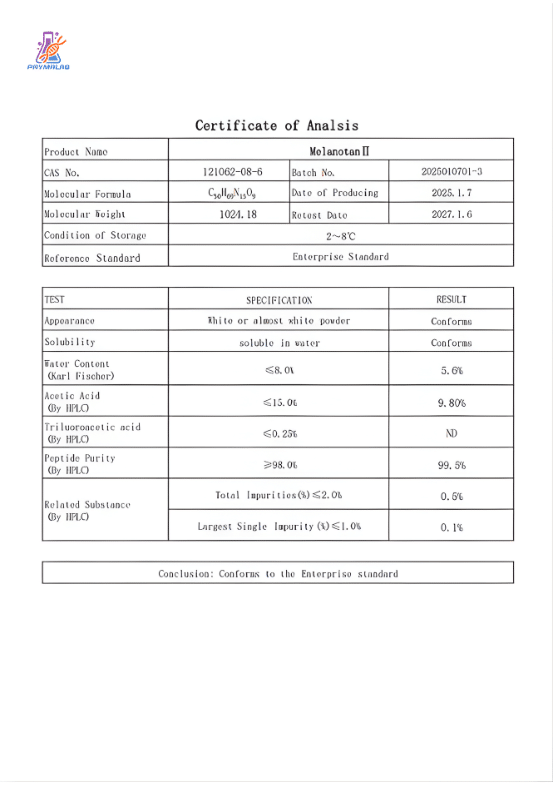
Our MT-2 consistently achieves ≥99% purity by HPLC, meaning that 99% or more of the material in each vial is the correct Melanotan 2 peptide. The remaining <1% consists of minor synthesis byproducts, salts, or residual solvents at levels well below safety thresholds.
Mass Spectrometry (MS): Mass spectrometry confirms cell-level weight and amino acid sequence, verifying that the peptide is indeed Melanotan 2 and not a related compound or synthesis error. This technique detects even single amino acid substitutions that could alter peptide activity.
Amino Acid Test: Quantitative amino acid test confirms the correct amino acid makeup and ratios, providing more check of peptide identity and purity.
Endotoxin Testing: Bacterial endotoxins can contaminate peptides during synthesis or handling, possibly causing fever, swelling, or other adverse effects. We test every batch for endotoxins using the Limulus Amebocyte Lysate (LAL) assay, ensuring levels remain below 1 EU/mg (well below the 5 EU/mg FDA limit for injectable products).
Sterility Testing: While freeze-dried peptides are not sterile products, we test for bacterial and fungal contamination to ensure product safety. Mixing with sterile water provides antimicrobial protection during storage and use.
Certificate of Test (COA): Every PrymaLab Melanotan 2 buy includes a Certificate of Test documenting:
- Batch number and manufacturing date
- HPLC purity results with chromatogram
- Mass spectrometry data confirming cell-level weight
- Endotoxin test results
- Sterility test results
- Storage recommendations and expiration date
Storage and Shelf life: Proper storage keeps peptide quality throughout its shelf life:
- Freeze-dried powder: Store at -20°C (freezer) for up to 2 years
- Mixed solution: Store at 2-8°C (refrigerator) for up to 30 days
- Protect from light, heat, and repeated freeze-thaw cycles
- Use sterile technique when handling to prevent contamination
Visual Inspection: Before use, inspect peptide vials for:
- Freeze-dried powder should be white to off-white, fluffy or cake-like
- No discoloration, clumping, or unusual appearance
- Mixed solution should be clear and colorless
- No particulates, cloudiness, or precipitation
- If any abnormalities are saw, do not use and contact vendor
Purchasing Considerations: Why Choose PrymaLab
The research peptide market contains many vendors with varying quality standards, customer service, and reliability. Selecting a trusted supplier is crucial for research success. Here’s why PrymaLab stands out as the premier choice for Melanotan 2 research.
Uncompromising Quality Standards: PrymaLab keeps pharmaceutical-grade quality standards often reserved for clinical-grade materials. Our 99%+ purity specification exceeds industry norms, ensuring researchers work with the highest quality peptides available. Third-party testing by independent laboratories provides unbiased check, giving researchers confidence in product quality.
Transparent Testing Records: We provide complete Certificates of Test with every order, including detailed HPLC chromatograms, mass spectrometry data, and endotoxin test results. This transparency allows researchers to verify quality independently and keep proper records for institutional requirements.
Competitive Pricing: Despite our premium quality standards “As it turns out stacking proteins together isn’t quite as expensive as some would lead you to believe. lol”, PrymaLab offers highly competitive pricing. Our Melanotan 2 10mg vials retail for $33.99, providing exceptional value compared to competitors charging $50-80 for a inferior product. Volume discounts are available for larger orders, further reducing per-vial costs for extensive research programs.
Fast, Reliable Shipping: We understand that research timelines are key. Orders ship within 24 hours of payment confirmation, with all domestic deliveries arriving within 1-3 business days. International shipping is available to most countries, with tracking provided for all order and supply within 2-5 business days in 95% of countries.
Secure Payment Options: PrymaLab accepts multiple payment methods including:
- Major credit cards (Visa, Mastercard, American Express)
- Cryptocurrency (Bitcoin, Ethereum)
- Bank transfers
- Digital payment platforms
- Cash App
- Buy now/Pay later options
All transactions use SSL encryption to protect financial data.
Exceptional Customer Support: Our knowledgeable customer support team responds to inquiries within 24 hours (often much faster). Whether you need help with product selection, dosing protocols, mixing instructions, or order tracking, we’re here to help. Support is available via email, phone, and live chat.
Educational Resources: PrymaLab provides full educational content including:
- Detailed product descriptions with research uses
- Dosing protocols based on published research
- Mixing and use guides
- Safety data and side effect care
- Research literature references
Institutional Accounts: We work with research institutions, universities, and laboratories worldwide. Institutional accounts get:
- Volume pricing discounts
- Buy order payment options
- Dedicated account care
- Priority shipping
- Custom records for institutional requirements
Satisfaction Guarantee: We stand behind our products with a satisfaction guarantee. If you’re not completely satisfied with your buy, contact us within 30 days for resolution. While we cannot accept returns of peptides due to their heat-sensitive nature, we’ll work with you to address any quality concerns.
Control Compliance: All PrymaLab peptides are sold exclusively for research purposes and comply with applicable regulations. We do not sell peptides for human consumption or medical use. Proper records and intended use check may be needed for certain orders.
Related Research Peptides and Supplies
Full peptide research often needs multiple compounds and supplies. PrymaLab offers a complete range of research peptides and essential materials to support your work.
Paired Tanning Peptides:
- Melanotan 1 10mg: Linear tetradecapeptide with selective MC1R start for focused pigmentation research. FDA-approved mechanism (Scenesse) with extensive safety data. Ideal for photodermatosis research and UV protection studies.
Sexual Function Research Peptides:
- PT-141 (Bremelanotide): MT-2 metabolite with FDA approval for female HSDD. Higher MC4R selectivity provides sexual benefits with less tanning effect.
Growth Hormone Peptides:
- Ipamorelin 5mg: Selective GH secretagogue for body makeup research. Combines well with MT-2 for full body studies.
- Sermorelin 5mg: GHRH analog for natural GH rise. Supports fat loss and lean mass preservation.
- CJC-1295 5mg: Long-acting GHRH analog for sustained GH rise. Excellent for extended body research.
- Tesamorelin 5mg: Specialized GHRH analog targeting visceral adipose tissue. FDA-approved mechanism for lipodystrophy.
Tissue Repair and Healing Peptides:
- BPC-157 5mg: Gastric peptide with notable healing properties. Supports skin health research when combined with MT-2.
- TB-500 5mg: Thymosin beta-4 fragment promoting tissue repair and angiogenesis. Enhances healing and wound healing.
Essential Research Supplies:
- Sterile Water 3mL: Sterile water with 0.9% benzyl alcohol for peptide mixing. Essential for proper peptide preparation and storage.
- Insulin Syringes: 0.5mL and 1mL syringes with 29-31 gauge needles for precise peptide use.
- Alcohol Prep Pads: Sterile alcohol swabs for injection site preparation and vial sterilization.
- Sterile Empty Vials: For dividing peptide solutions or preparing custom forms.
Research Tools:
- Peptide Calculator: Free online tool for calculating peptide doses, mixing volumes, and injection units. Removes dosing errors and simplifies protocol planning.
Browse Complete Catalog:
- Shop All Peptides: Explore our complete range of research peptides organized by category and use.
Frequently Asked Questions (FAQs)
1. What is Melanotan 2 and how does it work?
Melanotan 2 is a synthetic cyclic heptapeptide analog of alpha-melanocyte-boosting hormone (α-MSH). It works by starting melanocortin receptors (MC1R, MC3R, MC4R) throughout the body. MC1R start in melanocytes boosts melanin production, causing skin darkening. MC4R start in the hypothalamus enhances sexual function and erectile response. MC3R and MC4R start in feeding centers suppresses appetite and increases body function. This multi-receptor activity makes MT-2 valuable for diverse research uses including tanning, sexual dysfunction, and body studies.
2. How does Melanotan 2 differ from Melanotan 1?
The key differences are: (1) Structure – MT-2 is a cyclic heptapeptide (7 amino acids in a ring) while MT-1 is a linear tetradecapeptide (13 amino acids in a chain). (2) Receptor selectivity – MT-2 starts multiple melanocortin receptors (MC1R, MC3R, MC4R) while MT-1 mainly targets MC1R. (3) Effects – MT-2 produces tanning, sexual boost, and appetite suppression; MT-1 mainly produces tanning and photoprotection. (4) Dosing – MT-2 needs once-daily dosing; MT-1 often needs twice-daily dosing. (5) Control status – MT-1 is FDA-approved (Scenesse) for erythropoietic protoporphyria; MT-2 is research-only.
3. What is the proper dosage for Melanotan 2 research?
Dosing depends on research use: For tanning research, use 0.25-0.5mg daily for 10-14 days. For sexual function research, use 1-2mg per dose as needed with minimum 48-hour intervals between doses. For body research, use 0.5-1mg daily for 2-4 weeks. Always start at the lower end of the dosing range to assess tolerance, then titrate upward if needed. Use appropriate washout periods (3-6 months for tanning research, 4-8 weeks for body research) between study cycles.
4. How do I reconstitute and store Melanotan 2?
Reconstitute by adding 1-2mL sterile water to the 10mg vial. Inject water slowly against the vial wall, then gently swirl (don’t shake) to dissolve. Refrigerate for 2-4 hours until completely dissolved. Store freeze-dried powder at -20°C (freezer) for up to 2 years. Store mixed solution at 2-8°C (refrigerator) for up to 30 days. Protect from light and avoid repeated freeze-thaw cycles. Use sterile technique when handling to prevent contamination.
5. What are the most common side effects of Melanotan 2?
The most common side effects are nausea (41%), stretching/yawning (56%), flushing (20-30%), and decreased appetite (15-25%). These effects are often mild and transient, resolving within 1-2 hours. Less common effects include increased libido, spontaneous erections, and darkening of existing moles. Rare but serious effects include priapism (prolonged erections >4 hours) and possible melanoma risk with prolonged use combined with UV exposure. Most side effects can be managed through dose adjustment, timing tuning, and supportive measures.
6. Can Melanotan 2 be combined with other peptides?
Yes, MT-2 can be strategically combined with paired peptides for enhanced research outcomes. Common mixes include: MT-2 + Ipamorelin for body makeup research, MT-2 + BPC-157 for skin health studies, MT-2 + CJC-1295 for body research, and MT-2 + TB-500 for healing and tissue repair. When stacking peptides, start with lower doses of each compound to assess combined tolerability, then titrate upward as needed. Keep detailed records of all peptides used, doses, timing, and saw effects.
7. How long does it take to see results from Melanotan 2?
Results timeline varies by use: For tanning, first pigmentation becomes visible within 3-5 days, with progressive darkening over 10-14 days. For sexual function, effects often manifest within 2-4 hours of use and persist for 6-8 hours. For appetite suppression, effects begin within hours of first dose and are most pronounced during the first 1-2 weeks (some tolerance develops over time). For body effects, measurable changes in body weight and makeup often need 2-4 weeks of consistent use.
8. Is Melanotan 2 safe for long-term research?
Most MT-2 research involves short-term use (2-4 weeks). Long-term safety data (>3 months continuous use) is limited. Some case reports have linked prolonged MT-2 use (>1 month) combined with UV exposure to melanoma growth, though causation remains unproven. For extended research, use regular safety tracking including monthly assessments, dermatological examinations every 3 months, heart parameter tracking, and periodic washout periods (1-2 weeks every 2-3 months). Limit study duration to ≤14 days with extended washout periods when possible.
9. What makes PrymaLab’s Melanotan 2 superior to competitors?
PrymaLab Melanotan 2 offers: (1) Pharmaceutical-grade 99%+ purity verified by third-party testing, (2) Complete Certificates of Test with every order including HPLC, mass spectrometry, and endotoxin data, (3) Competitive pricing at $33.99 per 10mg vial, (4) Fast shipping within 24 hours of payment, (5) Multiple secure payment options, (6) Exceptional customer support responding within 24 hours, (7) Full educational resources and dosing protocols, (8) Satisfaction guarantee and quality commitment. Our rigorous quality standards ensure researchers work with the highest quality peptides available.
10. Who should not use Melanotan 2 in research?
Exclude subjects with: Personal or family history of melanoma or skin cancer, pregnancy or breastfeeding, age <18 years, uncontrolled hypertension or heart disease, history of priapism, many atypical moles or dysplastic nevi, and photosensitivity disorders needing medical care. Use caution in subjects with heart disease, concurrent stimulant use, or those taking PDE5 inhibitors. Always screen subjects carefully and use appropriate tracking protocols to ensure research safety.
6. TECHNICAL SPECIFICATIONS
Chemical Information
- Chemical Name: Ac-Nle-cyclo[Asp-His-D-Phe-Arg-Trp-Lys]-NH2
- Cell-level Formula: C50H69N15O9
- Cell-level Weight: 1024.2 g/mol
- CAS Number: 121062-08-6
- Sequence: Ac-Nle-c[Asp-His-D-Phe-Arg-Trp-Lys]-NH2
- Structure Type: Cyclic heptapeptide
- Purity: ≥99% (HPLC verified)
- Appearance: White to off-white freeze-dried powder
- Solubility: Soluble in sterile water, sterile water, or saline
Storage and Handling
- Storage Heat (Freeze-dried): -20°C (freezer)
- Storage Heat (Mixed): 2-8°C (refrigerator)
- Shelf Life (Freeze-dried): 24 months when stored properly
- Shelf Life (Mixed): 30 days when refrigerated
- Light Response: Protect from direct light
- Handling: Use sterile technique; avoid repeated freeze-thaw cycles
Quality Control
- Manufacturing Standard: GMP-compliant facility
- Purity Testing: HPLC, Mass Spectrometry, Amino Acid Test
- Endotoxin Level: <1 EU/mg (LAL assay)
- Sterility: Tested for bacterial and fungal contamination
- Heavy Metals: Below detection limits
- Residual Solvents: Within ICH rules
Packaging
- Vial Size: 10mg per vial
- Vial Type: Sterile glass vial with rubber stopper and flip-off cap
- Packaging: Personal vials in protective packaging
- Labeling: Batch number, manufacturing date, expiration date
- Records: Certificate of Test included
7. COMPLIANCE & LEGAL DISCLAIMER
Research Use Only
Melanotan 2 is sold exclusively as a research chemical for scientific and educational purposes. This product is NOT intended for human consumption, medical use, or any use involving use to humans or animals outside of controlled research settings.
Age Restriction
Purchasers must be 21 years of age or older. By buying this product, you confirm that you meet this age requirement and will use the product only for legitimate research purposes.
Professional Use
This product is intended for use by qualified researchers, scientists, and healthcare professionals conducting legitimate research. Proper training in peptide handling, mixing, and research protocols is needed.
Not a Medication
Melanotan 2 is not a medication, drug, or treatment agent. It has not been assessed or approved by the FDA for the treatment, cure, or prevention of any disease or medical condition. Any statements about research uses are based on published scientific literature and do not constitute medical claims.
Regulatory Status
Melanotan 2 is not approved by the FDA for human use. While Melanotan 1 (afamelanotide) has got FDA approval as Scenesse for erythropoietic protoporphyria, Melanotan 2 remains an investigational compound restricted to research uses.
Safety and Liability
Users assume all responsibility for proper handling, storage, and use of this product. PrymaLab is not liable for any adverse effects, injuries, or damages resulting from improper use, misuse, or use outside of controlled research settings. Researchers must use appropriate safety protocols and get necessary institutional approvals before conducting research.
Consultation Requirement
Anyone considering research involving Melanotan 2 should consult with qualified healthcare professionals, institutional review boards, and control authorities as appropriate. This is very important for research involving human subjects, which needs proper ethical approval and informed consent procedures.
International Regulations
Peptide regulations vary by country. International purchasers are responsible for ensuring compliance with their local laws and regulations about peptide importation and research use. PrymaLab is not responsible for shipments seized by customs or violations of local regulations.
Product Disclaimer
While we keep rigorous quality control standards, PrymaLab makes no warranties about the suitability of this product for any specific research use. Researchers are responsible for validating product performance in their specific experimental systems.
8. REFERENCES AND SCIENTIFIC LITERATURE
- Dorr RT, Lines R, Levine N, et al. Evaluation of melanotan-II, a superpotent cyclic melanotropic peptide in a pilot phase-I clinical study. Life Sci. 1996;58(20):1777-1784.
- Wessells H, Levine N, Hadley ME, Dorr R, Hruby V. Melanocortin receptor agonists, penile erection, and sexual motivation: human studies with Melanotan II. Int J Impot Res. 2000;12 Suppl 4:S74-S79.
- Wessells H, Fuciarelli K, Hansen J, et al. Synthetic melanotropic peptide starts erections in men with psychogenic erectile dysfunction: double-blind, placebo controlled crossover study. J Urol. 1998;160(2):389-393.
- Dorr RT, Ertl G, Levine N, et al. Effects of a superpotent melanotropic peptide in mix with solar UV radiation on tanning of the skin in human volunteers. Arch Dermatol. 2004;140(7):827-835.
- King SH, Mayorov AV, Balse-Srinivasan P, Hruby VJ, Vanderah TW, Wessells H. Melanocortin receptors, melanotropic peptides and penile erection. Curr Top Med Chem. 2007;7(11):1098-1106.
- Hadley ME. Discovery that a melanocortin regulates sexual functions in male and female humans. Peptides. 2005;26(10):1687-1689.
- Rössler AS, Pfaus JG, Kia HK, et al. The melanocortin agonist, melanotan II, enhances proceptive sexual behaviors in the female rat. Pharmacol Biochem Behav. 2006;85(3):514-521.
- Baldini G, Phelan KD. The melanocortin pathway and control of appetite-progress and treatment implications. J Endocrinol. 2019;241(1):R1-R33.
- Côté I, Sakarya Y, Kirichenko N, et al. Start of the central melanocortin system chronically reduces body mass without the necessity of long-term caloric restriction. Can J Physiol Pharmacol. 2017;95(2):206-214.
- Brennan R, Wells JG, Van Hout MC. An unhealthy glow? A review of melanotan use and linked clinical outcomes. Perform Enhanc Health. 2014;3(2):78-92.
- Minder EI, Schneider-Yin X. Afamelanotide (CUV1647) in dermal phototoxicity of erythropoietic protoporphyria. Expert Rev Clin Pharmacol. 2015;8(1):43-53.
- Moscowitz AE, Asif H, Lindenmaier LB, Calzadilla A, Zhang C, Mirsaeidi M. The Importance of Melanocortin Receptors and Their Agonists in Pulmonary Disease. Front Med (Lausanne). 2019;6:145.
9. RELATED PRODUCTS & INTERNAL LINKS
Complementary Research Peptides
Essential Research Supplies
Browse by Category












1 review for MT-2 (Melanotan 2 Acetate) 10mg