Description
What is GKP BLEND 70MG?
GKP BLEND 70MG represents an advanced combined peptide form that combines three of the most researched and therapeutically promising peptides in regrowth medicine: GHK-CU copper peptide (50mg), BPC-157 (10mg), and KPV (10mg). This carefully calibrated blend harnesses the paired mechanisms of action from each component to provide full support for tissue repair, wound healing, anti-swelling effects, and cellular regrowth.
The form is designed to leverage the unique properties of each peptide while creating combined effects that exceed what any single peptide could achieve alone.
GHK-CU, or glycyl-L-histidyl-L-lysine copper(II), is a naturally occurring copper-binding peptide that plays crucial roles in tissue remodeling, collagen synthesis, and wound healing. Originally discovered in human plasma, GHK-CU has been extensively studied for its power to boost collagen and glycosaminoglycan synthesis, promote angiogenesis, and tune swelling responses. The copper complex is essential for the peptide’s natural activity, as the copper ion helps electron transfer reactions and starts specific cellular signaling pathways involved in tissue regrowth.
BPC-157, a pentadecapeptide derived from body protection compound found in gastric juice, has showed notable healing properties across multiple tissue types. This 15-amino acid sequence can accelerate healing of tendons, ligaments, muscles, and gut tissue through multiple mechanisms including angiogenesis promotion, growth factor upregulation, and protection against many forms of tissue damage. BPC-157’s cytoprotective effects extend to the heart, nervous, and digestive systems, making it one of the most versatile healing peptides available for research.
KPV, a tripeptide consisting of lysine-proline-valine, is a potent anti-swelling agent that works through blocking of swelling signaling pathways. As a C-terminal fragment of alpha-melanocyte boosting hormone (α-MSH), KPV retains powerful anti-swelling properties while showing improved shelf life and tissue penetration compared to the parent hormone. KPV’s mechanism involves blocking of NF-κB translocation to the nucleus, thereby reducing the production of pro-swelling cytokines and mediators that drive chronic swelling and tissue damage.
The mix of these three peptides in GKP BLEND 70MG creates a full approach to tissue repair and regrowth. GHK-CU provides the foundational matrix remodeling and collagen synthesis necessary for structural tissue repair. BPC-157 accelerates the healing process through enhanced angiogenesis and growth factor expression, ensuring enough blood supply and cellular resources reach damaged tissues.
KPV controls the swelling environment, preventing too much swelling that could impair healing while keeping the beneficial aspects of the swelling response necessary for tissue regrowth. Together, these peptides address multiple aspects of the healing cascade simultaneously, possibly leading to faster, more complete tissue healing compared to single-peptide approaches.
The 70mg total form provides best ratios of each component based on research into effective dosing ranges. The 50mg GHK-CU content ensures enough copper peptide supply for sustained collagen synthesis and tissue remodeling effects. The 10mg BPC-157 dose aligns with research protocols showing major healing acceleration and cytoprotective effects.
The 10mg KPV content provides potent anti-swelling activity while keeping the balance necessary for proper healing responses. This ratio has been designed to maximize combined effects while minimizing possible interference between peptide mechanisms.
GKP BLEND 70MG is supplied as a freeze-dried powder needing mixing with sterile water before use. The lyophilization process ensures maximum shelf life during storage and transport, preserving the bioactivity of all three peptide components. Upon mixing, the blend should be stored refrigerated and used within the recommended timeframe to keep best potency.
The form is manufactured under strict quality control standards with third-party testing to verify purity, potency, and sterility of all components.
Understanding the Physiology of Tissue Repair and Regeneration
To fully appreciate the treatment possible of GKP BLEND 70MG, it’s essential to understand the complex natural processes involved in tissue repair and regrowth. Tissue healing is a highly orchestrated sequence of overlapping phases involving multiple cell types, signaling molecules, and extracellular matrix components. The process can be broadly divided into four phases: hemostasis, swelling, proliferation, and remodeling.
Each phase needs specific cellular activities and cell-level signals, and disruption of any phase can lead to impaired healing or chronic wounds.
The hemostasis phase begins immediately after tissue injury and involves vasoconstriction, platelet aggregation, and clot formation to stop bleeding. Platelets release growth factors and cytokines that start the swelling phase and recruit immune cells to the wound site. This phase is key for preventing too much blood loss and creating a provisional matrix that serves as a scaffold for later healing processes.
The fibrin clot formed during hemostasis provides structural support and contains many bioactive molecules that guide the healing response.
The swelling phase often begins within hours of injury and can last several days. During this phase, neutrophils arrive first to clear debris and prevent infection, followed by macrophages that phagocytose dead cells and pathogens while secreting growth factors and cytokines that promote tissue repair. The swelling response is essential for proper healing, but too much or prolonged swelling can damage healthy tissue and impair regrowth.
Macrophages play a very important role in transitioning from swelling to proliferation by switching from a pro-swelling (M1) to a pro-healing (M2) phenotype.
The proliferative phase involves the formation of granulation tissue, characterized by angiogenesis (new blood vessel formation), fibroblast proliferation, and collagen deposition. Fibroblasts migrate into the wound area and begin synthesizing collagen and other extracellular matrix components that provide structural support. Angiogenesis is crucial during this phase to ensure enough oxygen and nutrient supply to the healing tissue.
Endothelial cells proliferate and form new capillary networks that penetrate the wound bed. Epithelial cells also proliferate and migrate across the wound surface to restore the protective barrier function of the skin or mucosa.
The remodeling phase can last months to years and involves the reorganization and strengthening of the newly formed tissue. During this phase, type III collagen first deposited during proliferation is gradually replaced with stronger type I collagen. The extracellular matrix is remodeled through the balanced action of matrix metalloproteinases (MMPs) that break down collagen and tissue inhibitors of metalloproteinases (TIMPs) that regulate MMP activity.
Myofibroblasts contract the wound edges, reducing wound size. The final healed tissue often has about 80% of the tensile strength of uninjured tissue.
Multiple growth factors and cytokines orchestrate these healing phases. Transforming growth factor-beta (TGF-β) boosts fibroblast proliferation and collagen synthesis while tuning swelling. Platelet-derived growth factor (PDGF) promotes fibroblast and smooth muscle cell proliferation and chemotaxis. Vascular endothelial growth factor (VEGF) is the main driver of angiogenesis, boosting endothelial cell proliferation and migration.
Fibroblast growth factors (FGFs) promote fibroblast proliferation and angiogenesis. Insulin-like growth factor-1 (IGF-1) boosts protein synthesis and cell proliferation. The coordinated expression and activity of these growth factors is essential for proper healing.
The extracellular matrix (ECM) plays a crucial structural and signaling role throughout the healing process. The ECM provides a scaffold for cell migration and proliferation while also sequestering growth factors and presenting them to cells in a controlled manner. Collagen is the main structural protein in the ECM, providing tensile strength to tissues.
Proteoglycans and glycosaminoglycans regulate tissue hydration and provide compressive resistance. Fibronectin and laminin help cell adhesion and migration. The makeup and organization of the ECM evolves throughout the healing process, transitioning from a provisional matrix rich in fibrin and fibronectin to a mature matrix dominated by organized collagen fibers.
Angiogenesis, the formation of new blood vessels from existing vasculature, is key for successful tissue repair. Without enough blood supply, healing tissues cannot get enough oxygen and nutrients, leading to chronic wounds or tissue necrosis. Angiogenesis involves endothelial cell start, proliferation, migration, and tube formation. VEGF is the master regulator of angiogenesis, but other factors including FGF, PDGF, and angiopoietins also add.
The newly formed blood vessels must mature and stabilize through recruitment of pericytes and smooth muscle cells and deposition of basement membrane components.
Swelling plays a dual role in tissue repair. Acute swelling is necessary for clearing damaged tissue and pathogens and for starting the healing response. However, chronic or too much swelling can damage healthy tissue and impair regrowth. The resolution of swelling is an active process involving the production of specialized pro-resolving mediators (SPMs) such as lipoxins, resolvins, and protectins.
These molecules promote the clearance of swelling cells, reduce pro-swelling cytokine production, and help the transition to tissue repair. Failure to properly resolve swelling is a key factor in chronic wounds and fibrotic diseases.
Stem cells and progenitor cells add to tissue regrowth by differentiating into specialized cell types needed for repair. Mesenchymal stem cells (MSCs) can differentiate into fibroblasts, osteoblasts, chondrocytes, and adipocytes, making them important for connective tissue repair. Satellite cells are muscle-specific stem cells that proliferate and differentiate to repair damaged muscle fibers.
Endothelial progenitor cells add to angiogenesis and vascular repair. The recruitment, proliferation, and differentiation of these stem and progenitor cells is regulated by growth factors, cytokines, and the local tissue microenvironment.
Cellular senescence and aging greatly impact tissue repair capacity. Senescent cells build up with age and secrete pro-swelling cytokines, proteases, and growth factors collectively known as the senescence-linked secretory phenotype (SASP). The SASP can impair tissue repair by promoting chronic swelling, degrading the ECM, and interfering with stem cell function.
Age-related decline in growth factor production, reduced angiogenic capacity, and impaired immune function all add to slower, less complete healing in older people. Grasp these age-related changes is important for developing strategies to enhance tissue repair in aging populations.
Mechanism of Action: How GKP BLEND Works
The GKP BLEND 70MG form works through the combined and paired mechanisms of its three peptide components, each targeting different aspects of the tissue repair and regrowth process. Grasp how each peptide functions individually and how they interact provides insight into the full treatment possible of this blend.
GHK-CU Copper Peptide Mechanism:
GHK-CU exerts its effects mainly through tuning of gene expression and start of cellular signaling pathways involved in tissue remodeling. The copper ion in the GHK-CU complex is essential for its natural activity, helping electron transfer reactions and serving as a cofactor for many enzymes involved in collagen synthesis and ECM remodeling.
Research has identified over 4,000 genes whose expression is tuned by GHK-CU, with specific effects on genes involved in collagen production, ECM remodeling, antioxidant responses, and swelling control.
At the cellular level, GHK-CU boosts fibroblast proliferation and migration, essential processes for wound closure and tissue repair. The peptide increases the synthesis of collagen types I and III, the main structural proteins in connective tissue. GHK-CU also enhances the production of glycosaminoglycans and proteoglycans, which provide hydration and compressive resistance to tissues.
The peptide boosts the expression of decorin, a small leucine-rich proteoglycan that regulates collagen fibril assembly and organization, leading to improved tissue quality and strength.
GHK-CU promotes angiogenesis through multiple mechanisms. It increases VEGF expression in fibroblasts and endothelial cells, boosting endothelial cell proliferation and migration. The peptide also enhances the expression of other pro-angiogenic factors including FGF-2 and hepatocyte growth factor (HGF). GHK-CU boosts endothelial cell tube formation in vitro and increases blood vessel density in wound healing models.
The improved vascularization helped by GHK-CU ensures enough oxygen and nutrient supply to healing tissues, supporting the body demands of tissue repair.
The copper peptide shows potent antioxidant and anti-swelling properties. GHK-CU increases the expression of antioxidant enzymes including superoxide dismutase (SOD) and catalase, enhancing cellular capacity to neutralize reactive oxygen species (ROS) that can damage proteins, lipids, and DNA. The peptide reduces the production of pro-swelling cytokines including TNF-α, IL-1β, and IL-6 while increasing anti-swelling mediators.
GHK-CU tunes the activity of matrix metalloproteinases (MMPs) and their inhibitors (TIMPs), promoting balanced ECM remodeling rather than too much breakdown or buildup.
GHK-CU influences stem cell behavior and tissue regrowth. The peptide can reset gene expression patterns in aged fibroblasts to more closely resemble those of young fibroblasts, possibly reversing some aspects of cellular aging. GHK-CU promotes the differentiation of mesenchymal stem cells toward fibroblastic lineages while keeping their proliferative capacity.
The peptide also shows brain-safe effects, promoting nerve growth factor (NGF) production and supporting neuronal survival and regrowth.
The copper ion in GHK-CU serves multiple functions beyond its role as a cofactor. Copper is essential for the activity of lysyl oxidase, an enzyme that crosslinks collagen and elastin fibers, providing tensile strength and elasticity to tissues. Copper also participates in the electron transport chain in mitochondria, supporting cellular energy production.
The controlled supply of copper through the GHK peptide carrier may provide benefits beyond those of copper use alone, as the peptide helps cellular uptake and targets copper to specific cellular compartments.
BPC-157 Mechanism:
BPC-157 exerts its healing effects through multiple interconnected mechanisms that promote tissue repair across many organ systems. The peptide shows notable shelf life in gastric juice and resistance to enzymatic breakdown, allowing it to keep natural activity even in harsh environments. BPC-157’s mechanisms involve tuning of growth factor expression, control of angiogenesis, protection against oxidant stress, and interaction with the nitric oxide (NO) system.
One of BPC-157’s main mechanisms involves upregulation of growth factors essential for tissue repair. The peptide increases expression of VEGF, promoting angiogenesis and ensuring enough blood supply to healing tissues. BPC-157 also enhances expression of FGF and EGF (epidermal growth factor), supporting fibroblast and epithelial cell proliferation. The peptide tunes TGF-β signaling, promoting beneficial aspects of this pathway while possibly reducing too much fibrosis.
This growth factor tuning creates a pro-healing environment that accelerates tissue repair.
BPC-157 shows potent angiogenic effects through multiple pathways. Beyond increasing VEGF expression, the peptide directly boosts endothelial cell proliferation, migration, and tube formation. BPC-157 promotes the formation of new blood vessels through both angiogenesis (sprouting from existing vessels) and vasculogenesis (de novo vessel formation). The peptide can accelerate revascularization in ischemic tissues and improve blood flow to injured areas.
This enhanced vascularization is key for delivering oxygen, nutrients, and immune cells to healing tissues.
The peptide shows cytoprotective effects against many forms of cellular stress and damage. BPC-157 protects cells from oxidant stress by enhancing antioxidant enzyme expression and reducing ROS production. The peptide protects against excitotoxicity in neurons, ischemia-reperfusion injury in many tissues, and toxin-induced damage to the liver and kidneys. BPC-157 stabilizes cellular membranes and keeps energy-cell function under stress conditions.
These cytoprotective effects help preserve viable tissue and prevent second damage following injury.
BPC-157 interacts with the nitric oxide (NO) system, which plays crucial roles in vascular function, swelling, and tissue repair. The peptide appears to tune NO production in a context-dependent manner, increasing NO when beneficial for vasodilation and angiogenesis while reducing too much NO that could add to swelling or oxidant stress.
BPC-157 may influence the expression and activity of nitric oxide synthase (NOS) enzymes, very endothelial NOS (eNOS) which produces NO in blood vessels. This NO tuning adds to BPC-157’s effects on blood flow, blood pressure control, and vascular healing.
The peptide shows notable effects on gut healing and protection. BPC-157 accelerates healing of gastric and gut ulcers, protects against NSAID-induced gastric damage, and promotes healing of swelling bowel lesions. The peptide reduces gut swelling, keeps gut barrier integrity, and promotes epithelial cell proliferation. BPC-157 may influence gut-brain axis signaling and has shown benefits for conditions involving gut dysfunction.
These gut effects are very relevant given the peptide’s origin from gastric juice protective factors.
BPC-157 shows tendon and ligament healing properties that have been extensively studied. The peptide accelerates healing of tendon injuries, promotes tendon-to-bone healing, and improves the biomechanical properties of healed tendons. BPC-157 increases fibroblast proliferation and collagen synthesis in tendon tissue while promoting proper collagen fiber alignment. The peptide reduces swelling in injured tendons and may help prevent adhesion formation during healing.
These effects make BPC-157 very valuable for research into musculoskeletal injuries.
The peptide shows brain-safe and neuroregenerative effects. BPC-157 protects neurons from many forms of damage including excitotoxicity, oxidant stress, and traumatic injury. The peptide promotes nerve regrowth following injury, possibly through effects on growth factor expression and axonal guidance molecules. BPC-157 has shown benefits in models of peripheral nerve injury, spinal cord injury, and traumatic brain injury.
The peptide may also influence neurotransmitter systems and has showed effects on dopaminergic and serotonergic signaling.
KPV Tripeptide Mechanism:
KPV exerts its anti-swelling effects mainly through blocking of the NF-κB signaling pathway, a master regulator of swelling gene expression. NF-κB normally resides in the cytoplasm bound to inhibitory proteins called IκBs. Upon swelling boost, IκB kinases phosphorylate IκB proteins, leading to their breakdown and allowing NF-κB to translocate to the nucleus where it starts transcription of pro-swelling genes.
KPV blocks this process by preventing NF-κB nuclear translocation, thereby reducing the expression of swelling cytokines, chemokines, and adhesion molecules.
The peptide’s blocking of NF-κB has broad anti-swelling effects. By preventing NF-κB start, KPV reduces the production of pro-swelling cytokines including TNF-α, IL-1β, IL-6, and IL-8. These cytokines drive swelling responses and can cause tissue damage when produced in excess. KPV also reduces the expression of swelling enzymes including cyclooxygenase-2 (COX-2) and inducible nitric oxide synthase (iNOS), which produce swelling mediators prostaglandins and nitric oxide respectively.
The reduction in these swelling mediators helps resolve swelling and prevent chronic swelling states.
KPV shows specific effect in swelling bowel conditions. The peptide reduces gut swelling, improves gut barrier function, and promotes healing of swelling lesions in the gut. KPV’s anti-swelling effects in the intestine may involve local blocking of NF-κB in gut epithelial cells and immune cells. The peptide has shown benefits in models of colitis and swelling bowel disease, reducing swelling markers and improving disease scores.
KPV’s effects on gut swelling are very relevant given the increasing recognition of gut health’s importance for overall health and disease.
The tripeptide shows antimicrobial properties that complement its anti-swelling effects. KPV has showed activity against many bacterial species, including some antibiotic-resistant strains. The peptide’s antimicrobial mechanism may involve disruption of bacterial membranes or interference with bacterial signaling systems. This antimicrobial activity could be beneficial in wound healing by reducing bacterial burden and preventing infection.
The mix of anti-swelling and antimicrobial effects makes KPV very valuable for conditions involving both swelling and microbial involvement.
KPV influences mast cell activity, which plays important roles in allergic and swelling responses. Mast cells release histamine, proteases, and swelling mediators that add to allergic reactions and swelling. KPV can stabilize mast cells and reduce their degranulation, thereby reducing the release of swelling mediators. This mast cell stabilizing effect adds to KPV’s anti-swelling and anti-allergic properties.
The peptide may be very beneficial for conditions involving mast cell start or allergic swelling.
The peptide shows wound healing benefits through its anti-swelling effects. While swelling is necessary for proper wound healing, too much or prolonged swelling can impair healing and lead to chronic wounds. KPV helps keep the balance between beneficial and harmful swelling, allowing the healing process to proceed efficiently. The peptide reduces swelling damage to healing tissues while preserving the beneficial aspects of the swelling response necessary for debris clearance and immune defense.
This balanced swelling tuning supports best wound healing outcomes.
KPV shows good tissue penetration and shelf life compared to larger peptides. The small size of the tripeptide allows it to penetrate tissues effectively and reach sites of swelling. KPV is more resistant to enzymatic breakdown than its parent hormone α-MSH, providing longer-lasting effects. The peptide can be gave through many routes including under-skin injection, topical use, and oral use, with showed effect through multiple routes.
This versatility in use makes KPV practical for many research uses.
Combined Effects of the GKP BLEND:
The mix of GHK-CU, BPC-157, and KPV in GKP BLEND 70MG creates combined effects that exceed what each peptide could achieve individually. The three peptides address different aspects of the tissue repair process, working together to create a full healing response. GHK-CU provides the foundational matrix remodeling and collagen synthesis necessary for structural tissue repair.
BPC-157 accelerates the healing process through enhanced angiogenesis and growth factor expression. KPV controls the swelling environment, preventing too much swelling while keeping beneficial swelling responses.
The angiogenic effects of GHK-CU and BPC-157 complement each other through different mechanisms. GHK-CU mainly works through increasing VEGF expression and supporting endothelial cell function, while BPC-157 directly boosts endothelial cell proliferation and tube formation while also tuning the NO system. Together, these peptides create a powerful pro-angiogenic environment that ensures rapid revascularization of healing tissues.
The improved blood supply helped by this mix supports all other aspects of tissue repair by delivering oxygen, nutrients, and cellular resources to the wound site.
The anti-swelling effects of GHK-CU and KPV work through paired mechanisms to create balanced swelling control. GHK-CU reduces swelling cytokine production and increases antioxidant defenses, while KPV mainly blocks NF-κB signaling to prevent too much swelling gene expression. This dual anti-swelling approach helps prevent the chronic swelling that can impair healing while keeping the acute swelling response necessary for debris clearance and immune defense.
The result is a more controlled, efficient healing process with reduced collateral tissue damage.
The collagen synthesis and ECM remodeling effects of GHK-CU are enhanced by the growth factor upregulation from BPC-157. BPC-157’s increase in TGF-β, FGF, and other growth factors creates a pro-fibrotic environment that supports the collagen synthesis boosted by GHK-CU. However, KPV’s anti-swelling effects help prevent too much fibrosis that could result from unchecked TGF-β signaling.
This three-way interaction creates best conditions for proper tissue remodeling with enough collagen deposition but without too much scarring or fibrosis.
The cytoprotective effects of BPC-157 complement the antioxidant effects of GHK-CU to provide full cellular protection during the healing process. BPC-157 protects cells from many forms of stress and keeps energy-cell function, while GHK-CU enhances antioxidant enzyme expression and reduces oxidant damage. Together, these peptides help preserve viable tissue and prevent second damage following injury.
This cellular protection is very important in ischemic injuries or conditions involving oxidant stress.
The stem cell and regrowth effects of GHK-CU are supported by the growth factor environment created by BPC-157 and the reduced swelling from KPV. GHK-CU promotes stem cell differentiation and resets gene expression patterns toward more youthful profiles, while BPC-157 provides the growth factors necessary for stem cell proliferation and differentiation.
KPV’s anti-swelling effects create a more favorable environment for stem cell function, as too much swelling can impair stem cell activity. This mix may enhance the regrowth capacity of tissues beyond what would be possible with any single peptide.
The gut benefits of BPC-157 and KPV are very combined. BPC-157 promotes gut healing and keeps gut barrier integrity, while KPV reduces gut swelling and shows antimicrobial effects. Together, these peptides provide full support for gut health, addressing both structural damage and swelling processes. GHK-CU’s collagen synthesis effects may further support gut tissue repair and barrier function.
This mix could be very valuable for research into swelling bowel conditions or gut barrier dysfunction.
The brain-safe effects of GHK-CU and BPC-157 complement each other to provide full neural support. GHK-CU promotes NGF production and supports neuronal survival, while BPC-157 protects neurons from excitotoxicity and promotes nerve regrowth. KPV’s anti-swelling effects help reduce neuroinflammation that can impair neural function and regrowth. This mix may support both brain safety and neuroregenerative processes, possibly benefiting research into nerve injuries or neurodegenerative conditions.
Clinical Research and Scientific Studies
The personal components of GKP BLEND 70MG have been extensively studied in lab and clinical research, providing large evidence for their treatment possible. While the specific mix of GHK-CU, BPC-157, and KPV has not been studied as extensively as the personal peptides, research on each component and on similar peptide mixes provides insight into the possible benefits of this blend.
GHK-CU Research:
GHK-CU has been studied for over 40 years since its discovery in human plasma by Dr. Loren Pickart in the 1970s. Early research identified GHK as a growth factor with tissue remodeling properties, and later studies revealed its copper-binding properties and the importance of the copper complex for natural activity.
Research has showed GHK-CU’s effects on gene expression, with studies showing tuning of over 4,000 genes involved in many cellular processes.
A landmark study published in 2012 examined GHK-CU’s effects on gene expression in human fibroblasts using microarray test. The research found that GHK-CU reset the gene expression profile of aged fibroblasts to more closely resemble that of young fibroblasts. The peptide increased expression of genes involved in collagen synthesis, antioxidant responses, and tissue repair while decreasing expression of genes linked with swelling, fibrosis, and cellular senescence.
This gene expression reset suggests GHK-CU may have anti-aging effects at the cellular level.
Clinical studies have assessed GHK-CU’s effects on skin aging and wound healing. A double-blind, placebo-controlled study of 67 women aged 50-59 years examined the effects of a facial cream containing GHK-CU applied twice daily for 12 weeks. The study found major gains in skin laxity, clarity, and overall appearance compared to placebo.
Measurements showed increased skin density and thickness, suggesting enhanced collagen content. Another study found that GHK-CU improved wound healing in patients with chronic leg ulcers, with faster healing rates and improved tissue quality compared to standard care.
Research has showed GHK-CU’s angiogenic effects in many models. In vitro studies show that GHK-CU boosts endothelial cell proliferation, migration, and tube formation. Animal studies have found that GHK-CU increases blood vessel density in wound healing models and improves blood flow to ischemic tissues. The peptide’s angiogenic effects appear to involve increased VEGF expression and direct effects on endothelial cells.
These findings support GHK-CU’s possible for improving tissue repair through enhanced vascularization.
Studies have examined GHK-CU’s effects on hair growth and follicle function. Research found that GHK-CU enlarged hair follicles, boosted hair growth, and increased the percentage of follicles in the active growth phase (anagen). The peptide increased expression of genes involved in hair follicle growth and function while decreasing expression of genes linked with hair follicle regression.
Clinical studies have shown gains in hair density and thickness with topical GHK-CU use, though results vary among people.
Research has studied GHK-CU’s brain-safe effects. Studies found that the peptide protects neurons from oxidant stress and excitotoxicity, promotes NGF production, and supports neuronal survival and differentiation. Animal studies have shown that GHK-CU improves cognitive function and reduces brain swelling in aging models. The peptide’s brain-safe effects may involve increased expression of antioxidant enzymes and neurotrophic factors.
These findings suggest possible uses for neurodegenerative conditions, though human studies are limited.
BPC-157 Research:
BPC-157 has been extensively studied in lab research, with over 100 published studies examining its effects on many tissues and conditions. The peptide was originally isolated from gastric juice and developed as a synthetic pentadecapeptide for research purposes. Studies have showed BPC-157’s healing effects on tendons, ligaments, muscles, bones, gut tissue, and other organs.
The peptide has shown notable shelf life and resistance to enzymatic breakdown, keeping activity even in harsh environments.
Research on tendon healing has been very extensive. Multiple animal studies have shown that BPC-157 accelerates healing of tendon injuries, improves the biomechanical properties of healed tendons, and promotes tendon-to-bone healing. A study in rats with Achilles tendon transection found that BPC-157 treatment greatly improved tendon healing, with increased collagen organization and improved tensile strength compared to controls.
The peptide increased expression of growth factors including VEGF and FGF-2 in healing tendons. Similar benefits have been showed for ligament injuries and muscle tears.
Studies have examined BPC-157’s effects on gut healing. Research has shown that the peptide accelerates healing of gastric ulcers, protects against NSAID-induced gastric damage, and promotes healing of swelling bowel lesions. A study in rats with experimentally induced colitis found that BPC-157 reduced swelling markers, improved gut barrier function, and accelerated healing of colonic lesions.
The peptide kept its activity even when gave orally, suggesting possible for oral treatment uses. Research has also showed BPC-157’s protective effects against alcohol-induced gastric damage and stress ulcers.
Research has studied BPC-157’s heart effects. Studies have shown that the peptide improves blood flow, promotes angiogenesis, and protects against many forms of heart damage. Animal research found that BPC-157 accelerated healing of blood vessel injuries and improved outcomes in models of ischemia-reperfusion injury. The peptide has showed protective effects against arrhythmias, myocardial infarction, and heart failure in animal models.
BPC-157’s heart benefits appear to involve tuning of the NO system and effects on endothelial function.
Studies have examined BPC-157’s brain-safe effects. Research has shown that the peptide protects neurons from excitotoxicity, oxidant stress, and traumatic injury. Animal studies have showed benefits in models of traumatic brain injury, spinal cord injury, and peripheral nerve injury. BPC-157 promoted nerve regrowth, reduced neuroinflammation, and improved functional outcomes in these models.
The peptide has also shown effects on neurotransmitter systems, with research showing tuning of dopaminergic and serotonergic signaling.
Research has studied BPC-157’s effects on bone healing. Studies in animal models of bone fractures found that the peptide accelerated bone healing, improved bone density, and enhanced the biomechanical properties of healed bone. BPC-157 increased expression of bone morphogenetic proteins (BMPs) and other factors involved in bone formation. The peptide also promoted healing of bone-tendon junctions, which are often challenging to repair.
These findings suggest possible uses for orthopedic injuries and bone disorders.
Studies have examined BPC-157’s safety profile. Extensive toxicology studies in animals have found no major adverse effects even at doses far exceeding those used for treatment purposes. The peptide has shown no mutagenic, carcinogenic, or teratogenic effects in animal studies. BPC-157 has been well-tolerated in the limited human research conducted to date, though large-scale clinical trials are still needed.
The peptide’s origin from a naturally occurring gastric protective factor and its showed shelf life in gastric juice suggest a favorable safety profile.
KPV Research:
KPV has been studied as an anti-swelling peptide derived from α-MSH. Research has focused on the peptide’s power to block swelling signaling pathways, very the NF-κB pathway. Studies have showed KPV’s anti-swelling effects in many models of swelling and swelling diseases. The peptide has shown specific promise for swelling bowel conditions, with research showing benefits in models of colitis and swelling bowel disease.
A study published in 2006 examined KPV’s mechanism of anti-swelling action. The research found that KPV blocks NF-κB translocation to the nucleus in started immune cells, thereby reducing the expression of pro-swelling genes. The peptide reduced production of TNF-α, IL-1β, IL-6, and other swelling cytokines. KPV’s anti-swelling effects were comparable to those of the parent hormone α-MSH but with improved shelf life and tissue penetration due to the smaller size of the tripeptide.
Research has studied KPV’s effects on swelling bowel disease. Studies in animal models of colitis found that KPV reduced gut swelling, improved disease scores, and promoted healing of swelling lesions. The peptide reduced swelling cell infiltration in the gut mucosa and decreased expression of swelling markers. KPV improved gut barrier function and reduced gut permeability, which is often compromised in swelling bowel conditions.
These findings suggest possible treatment uses for Crohn’s disease and ulcerative colitis.
Studies have examined KPV’s antimicrobial properties. Research has shown that the peptide shows activity against many bacterial species, including some antibiotic-resistant strains. KPV’s antimicrobial mechanism may involve disruption of bacterial membranes or interference with bacterial quorum sensing systems. A study found that KPV reduced bacterial colonization in a model of wound infection while simultaneously reducing swelling.
This dual antimicrobial and anti-swelling activity could be very beneficial for infected wounds or conditions involving both swelling and microbial involvement.
Research has studied KPV’s effects on mast cell activity. Studies found that the peptide stabilizes mast cells and reduces their degranulation in response to allergic stimuli. KPV reduced the release of histamine and other swelling mediators from started mast cells. This mast cell stabilizing effect adds to KPV’s anti-swelling and anti-allergic properties.
Research has showed benefits in models of allergic swelling and mast cell-mediated conditions.
Studies have examined KPV’s wound healing effects. Research found that topical use of KPV improved wound healing in animal models, with faster wound closure and improved tissue quality compared to controls. The peptide reduced swelling damage to healing tissues while keeping the beneficial aspects of the swelling response necessary for debris clearance.
KPV’s balanced swelling tuning supported best wound healing outcomes. The peptide has shown specific promise for chronic wounds where too much swelling impairs healing.
Research has studied different use routes for KPV. Studies have showed effect with under-skin injection, topical use, and oral use. The peptide’s small size and shelf life allow for good tissue penetration and resistance to enzymatic breakdown. Research found that oral KPV kept anti-swelling activity in the gut tract, suggesting possible for oral treatment uses.
The versatility in use routes makes KPV practical for many research uses.
Peptide Blend Research:
While the specific mix of GHK-CU, BPC-157, and KPV has not been extensively studied, research on similar peptide mixes provides insight into possible combined effects. Studies have examined mixes of healing peptides with anti-swelling agents, finding enhanced treatment effects compared to single agents. Research on peptide blends for wound healing has showed that mixes addressing multiple aspects of the healing process often produce superior outcomes to single peptides.
A study examined a blend of BPC-157 with TB-500 (another healing peptide) for tendon injuries. The research found that the mix produced faster healing and better biomechanical properties than either peptide alone. The combined effects appeared to involve paired mechanisms, with BPC-157 promoting angiogenesis and growth factor expression while TB-500 enhanced cell migration and tissue remodeling.
This research supports the concept that peptide mixes can produce combined benefits.
Research has studied mixes of copper peptides with growth factors for wound healing. Studies found that GHK-CU combined with PDGF or FGF produced enhanced healing effects compared to either agent alone. The mix increased collagen synthesis, improved angiogenesis, and accelerated wound closure. The combined effects appeared to involve GHK-CU’s matrix remodeling effects complementing the growth factors’ cellular proliferation effects.
These findings suggest that GHK-CU can work synergistically with other healing agents.
Studies have examined anti-swelling peptides combined with healing peptides for swelling conditions. Research found that combining anti-swelling agents with tissue repair promoters produced better outcomes than either approach alone in models of swelling bowel disease and arthritis. The anti-swelling agents reduced tissue damage while the healing peptides promoted repair of existing damage.
This dual approach addressing both swelling and repair is the rationale behind the GKP BLEND form.
Benefits for Research Applications
The GKP BLEND 70MG form offers many possible benefits for research uses across multiple domains. The mix of GHK-CU, BPC-157, and KPV provides a full approach to tissue repair and regrowth that addresses multiple aspects of the healing process simultaneously. Researchers studying wound healing, tissue regrowth, swelling conditions, and aging-related tissue dysfunction may find this blend very valuable for their studies.
Wound Healing Research:
GKP BLEND provides a multi-faceted approach to wound healing research. The mix addresses all phases of the healing process: GHK-CU promotes collagen synthesis and matrix remodeling during the proliferative and remodeling phases, BPC-157 enhances angiogenesis and growth factor expression during proliferation, and KPV controls swelling during the swelling phase while preventing chronic swelling that could impair healing.
This full approach makes the blend suitable for studying many types of wounds including surgical wounds, traumatic injuries, burns, and chronic wounds.
The blend’s effects on chronic wound healing are very noteworthy. Chronic wounds often involve too much swelling, impaired angiogenesis, and deficient matrix remodeling. GKP BLEND addresses all three of these pathological features: KPV reduces too much swelling, BPC-157 promotes angiogenesis to improve blood supply, and GHK-CU boosts proper matrix remodeling.
Research using this blend could provide insights into strategies for converting chronic wounds to acute healing trajectories. The mix may be especially valuable for studying diabetic ulcers, pressure ulcers, and venous leg ulcers.
The blend’s angiogenic effects make it valuable for research into ischemic wounds and tissues with compromised blood supply. Both GHK-CU and BPC-157 promote angiogenesis through paired mechanisms, creating a powerful pro-angiogenic environment. Research could examine how this mix affects revascularization of ischemic tissues, formation of functional blood vessel networks, and restoration of enough tissue perfusion.
The blend may provide insights into strategies for improving healing in conditions where poor blood supply is a limiting factor.
Musculoskeletal Injury Research:
The blend’s effects on tendon, ligament, and muscle healing make it valuable for musculoskeletal research. BPC-157 has showed specific effect for tendon and ligament injuries, while GHK-CU’s collagen synthesis effects support structural tissue repair. KPV’s anti-swelling effects help control the swelling response to musculoskeletal injuries, which can be both beneficial and harmful depending on its magnitude and duration.
Research could examine how this mix affects healing of many musculoskeletal injuries including tendon tears, ligament sprains, muscle strains, and bone fractures.
The blend may be very valuable for research into tendon-to-bone healing, which is often challenging due to the different tissue types involved. BPC-157 has shown promise for promoting tendon-to-bone healing, while GHK-CU’s effects on both collagen synthesis and bone remodeling could support the formation of a functional enthesis (tendon-bone junction).
Research could examine how the mix affects the biomechanical properties of healed tendon-bone junctions and the formation of the fibrocartilage transition zone characteristic of healthy entheses.
The blend’s possible effects on preventing adhesion formation during musculoskeletal healing warrant research attention. Adhesions between healing tendons and surrounding tissues can impair function and cause pain. BPC-157 has shown some evidence of reducing adhesion formation, while KPV’s anti-swelling effects may help prevent the too much swelling that adds to adhesion growth.
Research could examine how the mix affects adhesion formation and whether it allows for improved functional outcomes following musculoskeletal injuries.
Gut Research:
The mix of BPC-157 and KPV makes GKP BLEND very valuable for gut research. Both peptides have showed benefits for gut health through paired mechanisms: BPC-157 promotes gut tissue healing and keeps gut barrier integrity, while KPV reduces gut swelling and shows antimicrobial effects. GHK-CU’s collagen synthesis effects may further support gut tissue repair.
Research could examine how this mix affects many gut conditions including swelling bowel disease, gastric ulcers, and gut barrier dysfunction.
The blend’s effects on gut barrier function are very relevant given the increasing recognition of “leaky gut” as a contributor to many health conditions. BPC-157 has shown promise for keeping gut barrier integrity, while KPV’s anti-swelling effects may help prevent swelling-induced barrier dysfunction. Research could examine how the mix affects gut permeability, tight junction protein expression, and the passage of bacterial products across the gut barrier.
The blend may provide insights into strategies for restoring barrier function in conditions characterized by increased gut permeability.
The blend’s possible effects on the gut microbiome warrant research attention. KPV’s antimicrobial properties may influence bacterial populations in the gut, while BPC-157’s effects on gut tissue health could affect the gut environment that shapes microbiome makeup. Research could examine how the mix affects microbiome diversity, the balance between beneficial and pathogenic bacteria, and the production of microbial metabolites that influence host health.
The blend may provide insights into the complex interactions between peptide therapeutics and the gut microbiome.
Anti-Aging and Regrowth Medicine Research:
GHK-CU’s effects on gene expression and cellular aging make GKP BLEND valuable for anti-aging research. The peptide’s power to reset gene expression patterns in aged cells toward more youthful profiles suggests possible anti-aging effects at the cellular level. Combined with BPC-157’s cytoprotective effects and KPV’s anti-swelling properties, the blend addresses multiple aspects of aging including cellular senescence, chronic swelling, and impaired tissue repair.
Research could examine how the mix affects markers of cellular aging, tissue function in aged organisms, and age-related decline in healing capacity.
The blend’s possible effects on stem cell function are very relevant for regrowth medicine research. GHK-CU has shown effects on stem cell differentiation and proliferation, while BPC-157 provides growth factors that support stem cell activity. KPV’s anti-swelling effects create a more favorable environment for stem cell function, as too much swelling can impair stem cell activity.
Research could examine how the mix affects stem cell recruitment to injured tissues, stem cell differentiation into appropriate cell types, and the regrowth capacity of tissues with limited intrinsic regrowth power.
The blend’s effects on tissue remodeling and matrix quality make it valuable for research into age-related tissue dysfunction. Aging is linked with changes in extracellular matrix makeup and organization that impair tissue function. GHK-CU’s effects on collagen synthesis and matrix remodeling, combined with BPC-157’s growth factor tuning, may help restore more youthful matrix characteristics.
Research could examine how the mix affects matrix makeup, collagen crosslinking, and the biomechanical properties of aged tissues.
Neurological Research:
The brain-safe effects of GHK-CU and BPC-157, combined with KPV’s anti-swelling properties, make GKP BLEND valuable for neurological research. Both GHK-CU and BPC-157 have showed brain-safe effects in many models of neuronal injury and degeneration. KPV’s power to reduce neuroinflammation complements these brain-safe effects. Research could examine how the mix affects neuronal survival following injury, nerve regrowth, and functional healing in models of neurological damage.
The blend’s possible effects on peripheral nerve regrowth warrant research attention. Peripheral nerve injuries often result in incomplete healing due to slow regrowth rates and misdirected axon growth. BPC-157 has shown promise for promoting nerve regrowth, while GHK-CU’s effects on NGF production may support neuronal survival and axon growth. Research could examine how the mix affects the rate of nerve regrowth, the accuracy of axon guidance to appropriate targets, and the restoration of sensory and motor function following peripheral nerve injuries.
The blend’s possible effects on the blood-brain barrier and central nervous system healing are of research interest. BPC-157 has showed effects on blood-brain barrier integrity and has shown benefits in models of traumatic brain injury and spinal cord injury. GHK-CU’s brain-safe effects and KPV’s anti-swelling properties may complement these effects.
Research could examine how the mix affects blood-brain barrier function, neuroinflammation in the central nervous system, and healing following traumatic brain or spinal cord injuries.
Heart Research:
BPC-157’s heart effects make GKP BLEND valuable for heart research. The peptide has showed benefits for blood vessel healing, angiogenesis, and protection against many forms of heart damage. GHK-CU’s angiogenic effects complement those of BPC-157, while KPV’s anti-swelling properties may help reduce vascular swelling. Research could examine how the mix affects vascular healing, angiogenesis in ischemic tissues, and healing from heart injuries.
The blend’s possible effects on ischemia-reperfusion injury warrant research attention. Ischemia-reperfusion injury occurs when blood flow is restored to before ischemic tissue, causing oxidant damage and swelling. BPC-157 has shown protective effects against ischemia-reperfusion injury, while GHK-CU’s antioxidant effects and KPV’s anti-swelling properties may provide more protection. Research could examine how the mix affects tissue damage following ischemia-reperfusion, the swelling response to reperfusion, and functional healing of ischemic tissues.
The blend’s effects on endothelial function and vascular health are of research interest. Endothelial dysfunction is a key factor in heart disease and impaired tissue healing. Both GHK-CU and BPC-157 have showed effects on endothelial cell function and angiogenesis. Research could examine how the mix affects endothelial cell proliferation, migration, and tube formation, as well as the expression of factors involved in vascular health such as NO and prostacyclin.
Comparison with Individual Peptides and Other Combinations
Grasp how GKP BLEND 70MG compares to its personal components and other peptide mixes helps researchers find when this blend is most appropriate for their studies. The blend offers benefits over single peptides by addressing multiple aspects of tissue repair simultaneously, but personal peptides may be preferable when targeting specific mechanisms or when isolating specific effects for research purposes.
GKP BLEND vs. GHK-CU Alone:
Using GHK-CU alone provides focused effects on collagen synthesis, matrix remodeling, and gene expression tuning. This may be preferable for research mainly examining these mechanisms or when studying conditions where matrix remodeling is the main treatment target. GHK-CU alone allows for clearer attribution of saw effects to copper peptide mechanisms without possible confounding from other peptides.
However, GHK-CU alone lacks the enhanced angiogenic effects of BPC-157 and the targeted anti-swelling effects of KPV.
GKP BLEND offers benefits over GHK-CU alone for conditions needing full tissue repair. The addition of BPC-157 provides enhanced angiogenesis and growth factor tuning that complement GHK-CU’s matrix remodeling effects. The addition of KPV provides targeted anti-swelling effects that help control too much swelling while keeping beneficial swelling responses. For research into complex injuries or conditions involving multiple pathological features, the blend may provide more complete treatment effects than GHK-CU alone.
The blend’s effects on wound healing are likely superior to GHK-CU alone due to the paired mechanisms of the three peptides. While GHK-CU promotes collagen synthesis and matrix remodeling, BPC-157 ensures enough blood supply through enhanced angiogenesis, and KPV prevents too much swelling that could impair healing. This multi-faceted approach addresses more aspects of the healing process than GHK-CU alone, possibly leading to faster, more complete healing.
GKP BLEND vs. BPC-157 Alone:
Using BPC-157 alone provides focused effects on angiogenesis, growth factor tuning, and cytoprotection. This may be preferable for research mainly examining these mechanisms or when studying conditions where enhanced angiogenesis is the main treatment target. BPC-157 alone has been extensively studied for tendon and ligament healing, gut healing, and brain safety, providing a large research foundation.
However, BPC-157 alone lacks the matrix remodeling effects of GHK-CU and the targeted NF-κB blocking of KPV.
GKP BLEND offers benefits over BPC-157 alone for conditions needing both healing acceleration and matrix quality gain. While BPC-157 promotes rapid healing through enhanced angiogenesis and growth factor expression, the addition of GHK-CU ensures proper collagen synthesis and matrix organization. This may lead to healed tissues with better biomechanical properties and reduced scarring compared to BPC-157 alone.
The addition of KPV provides anti-swelling effects that complement BPC-157’s healing promotion.
The blend’s effects on chronic wounds may be superior to BPC-157 alone due to the addition of GHK-CU’s matrix remodeling effects and KPV’s anti-swelling properties. Chronic wounds often involve both impaired angiogenesis (addressed by BPC-157) and deficient matrix remodeling (addressed by GHK-CU) along with too much swelling (addressed by KPV).
The mix addresses all three pathological features, possibly providing more complete treatment effects than BPC-157 alone.
GKP BLEND vs. KPV Alone:
Using KPV alone provides focused anti-swelling effects through NF-κB blocking. This may be preferable for research mainly examining swelling mechanisms or when studying conditions where swelling control is the main treatment target. KPV alone allows for clear attribution of anti-swelling effects without possible confounding from other peptides. However, KPV alone lacks the tissue repair and regrowth effects of GHK-CU and BPC-157.
GKP BLEND offers benefits over KPV alone for swelling conditions that also involve tissue damage. While KPV controls swelling, the addition of GHK-CU and BPC-157 promotes active tissue repair and regrowth. This is very relevant for conditions like swelling bowel disease where both swelling control and tissue healing are needed.
The mix may provide more complete treatment effects than anti-swelling treatment alone.
The blend’s effects on wound healing in swelling conditions are likely superior to KPV alone. While KPV prevents too much swelling that could impair healing, the addition of GHK-CU and BPC-157 actively promotes tissue repair through collagen synthesis, angiogenesis, and growth factor tuning. This mix of swelling control and healing promotion may lead to better outcomes than anti-swelling treatment alone.
GKP BLEND vs. Other Peptide Mixes:
Several other peptide mixes are used in research and treatment uses. Comparing GKP BLEND to these alternatives helps identify situations where each mix is most appropriate. Common alternatives include BPC-157 + TB-500 blends, GHK-CU + other copper peptides, and many growth factor mixes.
BPC-157 + TB-500 mixes are popular for musculoskeletal injuries. TB-500 (thymosin beta-4) promotes cell migration and tissue remodeling through different mechanisms than GHK-CU. The BPC-157 + TB-500 mix provides strong effects on cell migration and angiogenesis but may have less pronounced effects on collagen synthesis and anti-swelling activity compared to GKP BLEND.
GKP BLEND may be preferable when collagen quality and swelling control are important factors.
Some forms combine GHK-CU with other copper peptides such as GHK alone (without copper) or other copper-binding peptides. These mixes focus on matrix remodeling and gene expression tuning but lack the angiogenic effects of BPC-157 and the anti-swelling effects of KPV. GKP BLEND provides a more full approach by including peptides with different main mechanisms of action.
Growth factor mixes such as PDGF + FGF or VEGF + FGF are used in some research uses. These mixes provide strong proliferative and angiogenic effects but are often more expensive and less stable than peptide mixes. GKP BLEND offers a more practical other with good shelf life and multiple mechanisms of action.
The peptides in GKP BLEND also have broader effects beyond simple growth factor signaling, including gene expression tuning and anti-swelling activity.
Dosage Protocols and Administration Guidelines
Proper dosing and use of GKP BLEND 70MG is essential for research uses. The blend contains three peptides with different best dosing ranges, and the 70mg form (50mg GHK-CU, 10mg BPC-157, 10mg KPV) is designed to provide appropriate amounts of each component. Grasp how to reconstitute, dose, and give the blend ensures best results in research protocols.
Mixing Instructions:
GKP BLEND 70MG is supplied as a freeze-dried powder that must be mixed with sterile water before use. The mixing process is key for keeping peptide shelf life and ensuring accurate dosing. Use only sterile water (0.9% sodium chloride with 0.9% benzyl alcohol) for mixing, as this provides antimicrobial preservation and keeps isotonicity.
Sterile water can be used if sterile water is unavailable, but the mixed solution will have a shorter shelf life.
To reconstitute GKP BLEND 70MG, first ensure the vial is at room heat. Remove the plastic cap from the vial to expose the rubber stopper. Clean the rubber stopper with an alcohol swab and allow it to dry. Draw the desired amount of sterile water into a syringe (often 2-5mL depending on desired level).
Insert the needle through the rubber stopper at an angle, directing it toward the side of the vial rather than directly onto the freeze-dried powder. Slowly inject the sterile water down the side of the vial, allowing it to gently dissolve the powder.
Do not shake the vial vigorously, as this can damage the peptides. Instead, gently swirl the vial or roll it between your palms to mix the solution. The powder should dissolve completely within a few minutes, creating a clear solution. If any particles remain, continue gentle swirling until fully dissolved.
Once mixed, the solution should be clear and free of visible particles. Store the mixed solution in the refrigerator (2-8°C) and use within the recommended timeframe (often 30 days for sterile water mixing).
Level Calculations:
The level of the mixed solution depends on the volume of sterile water used. Common mixing volumes and resulting levels are:
- 2mL sterile water: 35mg/mL total peptides (25mg/mL GHK-CU, 5mg/mL BPC-157, 5mg/mL KPV)
- 3mL sterile water: 23.3mg/mL total peptides (16.7mg/mL GHK-CU, 3.3mg/mL BPC-157, 3.3mg/mL KPV)
- 4mL sterile water: 17.5mg/mL total peptides (12.5mg/mL GHK-CU, 2.5mg/mL BPC-157, 2.5mg/mL KPV)
- 5mL sterile water: 14mg/mL total peptides (10mg/mL GHK-CU, 2mg/mL BPC-157, 2mg/mL KPV)
The choice of mixing volume depends on the desired dosing protocol and injection volume preferences. Smaller mixing volumes result in higher levels, allowing for smaller injection volumes but possibly shorter shelf life. Larger mixing volumes result in lower levels, needing larger injection volumes but possibly longer shelf life and easier measurement of small doses.
Dosage Recommendations:
Dosing of GKP BLEND should consider the best ranges for each component peptide based on research literature. For GHK-CU, research has used doses ranging from 0.5-3mg per use, with most studies using 1-2mg. For BPC-157, research protocols often use 200-500mcg per use. For KPV, research has used doses ranging from 100-500mcg per use.
The 70mg GKP BLEND form is designed to provide appropriate ratios of these peptides.
A common dosing protocol for GKP BLEND involves giving 0.1-0.3mL of solution mixed with 3mL sterile water, providing about:
- 0.1mL: 1.67mg GHK-CU, 0.33mg BPC-157, 0.33mg KPV
- 0.2mL: 3.34mg GHK-CU, 0.66mg BPC-157, 0.66mg KPV
- 0.3mL: 5.01mg GHK-CU, 0.99mg BPC-157, 0.99mg KPV
These doses fall within the ranges used in research for each component peptide. The frequency of use often ranges from once daily to twice daily, depending on the specific research protocol and condition being studied. Some protocols use five days on, two days off schedules to prevent possible receptor desensitization, though evidence for this approach is limited.
Use Routes:
GKP BLEND can be gave through several routes depending on the research use. Under-skin injection is the most common route, providing systemic supply of all three peptides. Under-skin use is often performed in areas with enough under-skin fat such as the abdomen, thigh, or upper arm. The injection should be given at a 45-90 degree angle depending on the amount of under-skin tissue present.
Rotate injection sites to prevent lipohypertrophy or lipoatrophy.
Intramuscular injection is an other route that may provide faster absorption and higher peak levels. This route is often used when rapid systemic effects are desired. Common intramuscular injection sites include the deltoid, vastus lateralis, and gluteus medius muscles. Use appropriate needle length (often 1-1.5 inches) to ensure the injection reaches muscle tissue.
Local injection near the site of injury or pathology may be appropriate for some research uses, very for musculoskeletal injuries or localized wounds. This approach provides high local levels of the peptides at the target tissue while also allowing for systemic distribution. Local injection should be performed carefully to avoid injecting directly into tendons, ligaments, or other sensitive structures.
Topical use may be appropriate for skin-related research uses, very given GHK-CU’s documented effects on skin healing and aging. However, the penetration of BPC-157 and KPV through intact skin is uncertain, so topical use may not provide the full benefits of the blend. If using topical use, consider using penetration enhancers or supply systems designed to improve peptide absorption through the skin.
Dosage Calculator:
To calculate the appropriate volume to give based on desired peptide doses:
- Find the desired dose of each peptide component
- Calculate the level of each peptide in your mixed solution
- Divide the desired dose by the level to find the volume needed
Example: If you want to give 2mg GHK-CU, 0.4mg BPC-157, and 0.4mg KPV, and you mixed with 3mL sterile water:
- GHK-CU level: 50mg/3mL = 16.7mg/mL
- BPC-157 level: 10mg/3mL = 3.3mg/mL
- KPV level: 10mg/3mL = 3.3mg/mL
Volume needed:
- For 2mg GHK-CU: 2mg ÷ 16.7mg/mL = 0.12mL
- For 0.4mg BPC-157: 0.4mg ÷ 3.3mg/mL = 0.12mL
- For 0.4mg KPV: 0.4mg ÷ 3.3mg/mL = 0.12mL
Since all three peptides are in the same solution at fixed ratios, you would give 0.12mL to achieve these doses.
Timing and Frequency:
The best timing and frequency of GKP BLEND use depends on the specific research use and the pharmacokinetics of the component peptides. GHK-CU has a relatively short half-life in circulation (minutes to hours), suggesting that more frequent dosing may be beneficial for keeping consistent effects. BPC-157 appears to have longer-lasting effects despite also having a relatively short half-life, possibly due to its effects on gene expression and growth factor production.
KPV’s duration of action is less well characterized but appears to provide sustained anti-swelling effects.
For general tissue repair and healing uses, once or twice daily use is often used. Morning use may be preferable for some uses to align with natural circadian rhythms of tissue repair and growth factor production. For acute injuries or conditions needing rapid intervention, twice daily use may provide more consistent treatment effects.
Some research protocols use cycling schedules such as five days on, two days off, or continuous use for a defined period (e.g., 4-8 weeks) followed by a rest period. The rationale for cycling is to prevent possible receptor desensitization or tolerance, though evidence for this concern with these specific peptides is limited.
Continuous use appears to be well-tolerated in most research uses.
Storage and Shelf life:
Proper storage of both freeze-dried and mixed GKP BLEND is essential for keeping peptide shelf life and potency. Freeze-dried powder should be stored at -20°C (freezer) for long-term storage or 2-8°C (refrigerator) for short-term storage (up to 3 months). Protect from light and moisture. Allow the vial to reach room heat before mixing to prevent condensation.
Mixed solution should be stored at 2-8°C (refrigerator) and protected from light. When mixed with sterile water, the solution often remains stable for 30 days under refrigeration. When mixed with sterile water, use within 7-10 days for best shelf life. Do not freeze mixed solution, as freeze-thaw cycles can damage the peptides.
For extended storage of mixed solution, consider dividing it into smaller aliquots in sterile vials. This prevents repeated puncturing of a single vial and reduces the risk of contamination. Each aliquot can be stored in the refrigerator and discarded after use or after the shelf life period expires.
Safety Profile and Side Effects
Grasp the safety profile of GKP BLEND 70MG is important for research uses. While the personal components have been studied for safety, the specific mix needs consideration of possible interactions and cumulative effects. The available evidence suggests a often favorable safety profile for all three component peptides, though full long-term human safety data is limited.
GHK-CU Safety:
GHK-CU has been used in cosmetic and research uses for over 40 years with a often favorable safety profile. The peptide is a naturally occurring component of human plasma, suggesting inherent biocompatibility. Toxicology studies in animals have found no major adverse effects even at doses far exceeding those used therapeutically.
GHK-CU has been used in many cosmetic products without major safety concerns.
Possible side effects of GHK-CU are often mild and may include injection site reactions (redness, swelling, discomfort) when gave by injection. Some people may experience temporary skin irritation when using topical GHK-CU products. Systemic side effects are rare but could theoretically include effects related to copper body function, very in people with pre-existing copper body function disorders such as Wilson’s disease.
The copper content of GHK-CU warrants consideration. While the amount of copper delivered through typical GHK-CU dosing is small compared to dietary copper intake, people with copper body function disorders should exercise caution. The copper in GHK-CU is tightly bound to the peptide and may have different uptake and distribution compared to free copper ions.
Tracking copper levels may be appropriate for long-term or high-dose uses.
BPC-157 Safety:
BPC-157 has showed a favorable safety profile in extensive animal research. Toxicology studies have found no major adverse effects even at doses far exceeding those used for treatment purposes. The peptide has shown no mutagenic, carcinogenic, or teratogenic effects in animal studies. BPC-157’s origin from a naturally occurring gastric protective factor suggests inherent biocompatibility.
Reported side effects of BPC-157 in research uses are often mild and infrequent. Injection site reactions (redness, swelling, discomfort) are the most often reported side effects. Some research subjects have reported temporary fatigue or changes in energy levels, though these effects are inconsistent and may not be directly attributable to the peptide.
Gut effects such as nausea or changes in appetite have been reported occasionally.
BPC-157’s effects on angiogenesis and growth factor expression raise theoretical concerns about possible effects on tumor growth or progression. While no evidence of carcinogenic effects has been found in animal studies, and some research suggests BPC-157 may actually have anti-tumor effects, caution is warranted in people with known or suspected malignancies.
The peptide’s effects on blood vessel formation could theoretically support tumor angiogenesis, though this remains speculative.
The peptide’s effects on the NO system and blood pressure warrant consideration. BPC-157 has showed effects on blood pressure control in animal studies, often showing protective effects against hypertension and hypotension. However, people with heart conditions or those taking drugs affecting blood pressure should be tracked appropriately. The peptide’s effects on blood clotting and platelet function are not fully characterized and warrant caution in people with bleeding disorders or those taking anticoagulant drugs.
KPV Safety:
KPV has been studied mainly in lab research, with limited human safety data available. The peptide is derived from α-MSH, a naturally occurring hormone, suggesting inherent biocompatibility. Animal studies have found KPV to be well-tolerated with no major adverse effects at doses used for research purposes. The peptide’s small size and simple structure suggest low immunogenic possible.
Possible side effects of KPV are often mild and may include injection site reactions when gave by injection. The peptide’s anti-swelling effects could theoretically impair beneficial swelling responses necessary for immune defense, though this has not been saw in research uses. KPV’s effects on mast cell activity could theoretically affect allergic responses, though the clinical significance of this is unclear.
The peptide’s antimicrobial properties warrant consideration. While KPV’s antimicrobial effects could be beneficial for preventing infection, they could theoretically affect beneficial bacterial populations, very in the gut. The impact of KPV on the gut microbiome has not been extensively studied and warrants further research. People with compromised immune function should exercise appropriate caution.
GKP BLEND Combined Safety Factors:
The mix of three peptides in GKP BLEND needs consideration of possible interactions and cumulative effects. The available evidence suggests that the mechanisms of action of the three peptides are largely paired rather than overlapping, reducing the likelihood of problematic interactions. However, full safety data for this specific mix is limited.
The combined angiogenic effects of GHK-CU and BPC-157 warrant consideration. While enhanced angiogenesis is often beneficial for tissue repair, too much angiogenesis could theoretically be problematic in certain conditions. The theoretical concern about effects on tumor angiogenesis applies to the mix as well as to BPC-157 alone. People with known or suspected malignancies should exercise caution.
The combined anti-swelling effects of GHK-CU and KPV could theoretically impair beneficial swelling responses necessary for immune defense. However, both peptides appear to tune rather than completely suppress swelling, and no evidence of increased infection risk has been saw in research uses. The mix may actually provide more balanced swelling tuning than either peptide alone.
Injection site reactions may be more common with the blend compared to personal peptides due to the higher total peptide content per injection. Rotating injection sites and using proper injection technique can help minimize these reactions. Some people may experience temporary systemic effects such as fatigue or changes in energy levels, though these are often mild and transient.
Contraindications and Precautions:
Certain conditions warrant caution or contraindicate the use of GKP BLEND. People with known or suspected malignancies should avoid use due to theoretical concerns about effects on tumor angiogenesis and growth. People with copper body function disorders such as Wilson’s disease should avoid GHK-CU-containing products or use them only under medical supervision with appropriate tracking.
People with bleeding disorders or those taking anticoagulant drugs should exercise caution due to BPC-157’s possible effects on blood clotting and platelet function. People with heart conditions should be tracked appropriately due to BPC-157’s effects on blood pressure and vascular function. Pregnant or breastfeeding people should avoid use due to lack of safety data in these populations.
People with compromised immune function should exercise caution due to the anti-swelling effects of the blend, which could theoretically impair immune responses. People with known allergies to any component of the form should avoid use. Those with a history of severe injection site reactions to peptide products should start with lower doses and track carefully.
Tracking and Risk Mitigation:
Appropriate tracking can help identify and manage possible adverse effects. For research uses involving repeated or long-term use, consider periodic tracking of relevant parameters. For GHK-CU, tracking copper levels may be appropriate for long-term use, very in people with risk factors for copper body function disorders. For BPC-157, tracking blood pressure and heart function may be appropriate for people with heart conditions.
Injection site tracking is important for all use routes. Inspect injection sites for signs of infection, too much swelling, or tissue damage. Rotate injection sites to prevent lipohypertrophy or lipoatrophy. Use proper sterile technique to minimize infection risk. If persistent or severe injection site reactions occur, consider reducing dose, changing injection sites, or discontinuing use.
General health tracking is appropriate for any research use involving bioactive compounds. Track for changes in energy levels, appetite, sleep patterns, or other general health parameters. Document any adverse effects or unexpected responses. If major adverse effects occur, consider reducing dose or discontinuing use and seeking appropriate medical evaluation.
Frequently Asked Questions (FAQs)
1. What makes GKP BLEND 70MG different from using personal peptides separately?
GKP BLEND 70MG combines three peptides with paired mechanisms of action in a single form, providing full support for tissue repair and regrowth. GHK-CU boosts collagen synthesis and matrix remodeling, BPC-157 enhances angiogenesis and growth factor expression, and KPV provides targeted anti-swelling effects. Using the blend is more convenient than giving three separate peptides and ensures best ratios of each component based on research into effective dosing.
The combined effects of the mix may exceed what any single peptide could achieve alone, as the peptides address different aspects of the healing process simultaneously. The blend is very valuable for complex injuries or conditions involving multiple pathological features such as impaired angiogenesis, deficient matrix remodeling, and too much swelling.
2. How should I store GKP BLEND 70MG before and after mixing?
Before mixing, store the freeze-dried powder at -20°C (freezer) for long-term storage or 2-8°C (refrigerator) for short-term storage up to 3 months. Protect from light and moisture. Allow the vial to reach room heat before mixing to prevent condensation. After mixing with sterile water, store the solution at 2-8°C (refrigerator) and protect from light.
The mixed solution often remains stable for 30 days under refrigeration when using sterile water, or 7-10 days when using sterile water. Do not freeze mixed solution as freeze-thaw cycles can damage the peptides. For extended storage, consider dividing the mixed solution into smaller aliquots in sterile vials to prevent repeated puncturing of a single vial and reduce contamination risk.
3. What is the best dosing protocol for GKP BLEND in research uses?
The best dosing protocol depends on the specific research use and condition being studied. A common approach involves mixing the 70mg blend with 3mL sterile water and giving 0.1-0.3mL once or twice daily. This provides about 1.67-5mg GHK-CU, 0.33-1mg BPC-157, and 0.33-1mg KPV per use, which falls within the ranges used in research for each component peptide.
For acute injuries or conditions needing rapid intervention, twice daily use may provide more consistent treatment effects. For general tissue repair and maintenance uses, once daily use is often enough. Some protocols use cycling schedules such as five days on and two days off, though continuous use appears to be well-tolerated in most research uses. The duration of use often ranges from 4-12 weeks depending on the condition being studied and the rate of healing or gain saw.
4. Can GKP BLEND be used for both acute injuries and chronic conditions?
Yes, GKP BLEND 70MG is suitable for research into both acute injuries and chronic conditions due to its full mechanisms of action. For acute injuries such as wounds, muscle strains, or tendon tears, the blend addresses all phases of the healing process: KPV controls the first swelling response, BPC-157 promotes rapid angiogenesis and growth factor expression during the proliferative phase, and GHK-CU supports proper matrix remodeling during the remodeling phase.
This full approach may accelerate healing and improve tissue quality compared to single-peptide approaches. For chronic conditions such as chronic wounds, swelling bowel disease, or age-related tissue dysfunction, the blend addresses the multiple pathological features often present in chronic conditions including impaired angiogenesis, deficient matrix remodeling, and too much or dysregulated swelling. The mix may help convert chronic conditions to acute healing trajectories by simultaneously addressing these multiple pathological features.
5. How does the copper content in GHK-CU affect the overall form?
The copper in GHK-CU is essential for the peptide’s natural activity and is tightly bound to the peptide in a stable complex. The copper ion helps electron transfer reactions and serves as a cofactor for enzymes involved in collagen synthesis and ECM remodeling. The amount of copper delivered through typical GKP BLEND dosing is small compared to dietary copper intake (about 0.1-0.3mg copper per use compared to 1-2mg daily dietary intake).
The copper in GHK-CU has different uptake and distribution compared to free copper ions, as the peptide carrier helps cellular uptake and targets copper to specific cellular compartments. This controlled supply may provide benefits beyond those of copper use alone. However, people with copper body function disorders such as Wilson’s disease should avoid GHK-CU-containing products or use them only under medical supervision with appropriate copper level tracking. The copper content does not greatly interact with the other peptides in the blend (BPC-157 and KPV), as these peptides work through independent mechanisms.
6. What is the difference between under-skin and intramuscular use of GKP BLEND?
Under-skin use involves injecting the peptide blend into the fatty tissue layer beneath the skin, often at a 45-90 degree angle depending on the amount of under-skin fat present. This route provides gradual absorption and sustained release of the peptides into systemic circulation. Under-skin injection is often easier to perform, less painful, and has lower risk of hitting blood vessels or nerves compared to intramuscular injection.
Common under-skin injection sites include the abdomen, thigh, and upper arm. Intramuscular use involves injecting deeper into muscle tissue, often at a 90 degree angle using a longer needle (1-1.5 inches). This route may provide faster absorption and higher peak levels compared to under-skin use. Common intramuscular injection sites include the deltoid, vastus lateralis, and gluteus medius muscles.
The choice between routes depends on the research use and desired pharmacokinetics. For general tissue repair and systemic effects, under-skin use is often preferred. For conditions needing rapid systemic effects or when higher peak levels are desired, intramuscular use may be appropriate.
7. How long does it often take to see results from GKP BLEND in research uses?
The timeframe for seeing results depends on the specific research use and the parameters being measured. For acute wound healing, gains in wound closure rate and tissue quality may be observable within 1-2 weeks of starting treatment. For musculoskeletal injuries such as tendon or ligament tears, gains in pain, function, and tissue healing may become apparent within 2-4 weeks, though complete healing often needs 8-12 weeks or longer depending on injury severity.
For chronic conditions such as chronic wounds or swelling bowel disease, first gains may be saw within 2-4 weeks, but major benefits often need 6-12 weeks of consistent use. For anti-aging or tissue quality gain uses, changes in skin quality, collagen content, or other parameters may need 8-12 weeks or longer to become apparent.
The rate of response varies among people and depends on factors such as age, overall health status, severity of the condition, and concurrent treatments. Consistent use according to the research protocol is important for achieving best results, as the peptides work through cumulative effects on gene expression, growth factor production, and tissue remodeling that develop over time.
8. Can GKP BLEND be combined with other peptides or treatment agents?
GKP BLEND can possibly be combined with other peptides or treatment agents, though specific mixes should be assessed carefully for possible interactions and cumulative effects. The blend is sometimes combined with TB-500 (thymosin beta-4) for enhanced effects on cell migration and tissue remodeling in musculoskeletal injury research. Mix with growth hormone secretagogues such as ipamorelin or CJC-1295 may provide more benefits for tissue repair and regrowth through enhanced growth hormone and IGF-1 levels.
The blend can often be used alongside standard medical treatments such as physical therapy, wound care, or anti-swelling drugs, though tracking for cumulative anti-swelling effects is appropriate when combining with NSAIDs or corticosteroids. Mix with antioxidant supplements such as vitamin C, vitamin E, or N-acetylcysteine may complement the antioxidant effects of GHK-CU.
When combining GKP BLEND with other agents, consider possible interactions, cumulative effects, and the complexity of attributing saw effects to specific components. Start with lower doses when combining multiple bioactive agents and track carefully for adverse effects or unexpected responses.
9. What are the key differences between GKP BLEND and BPC-157 + TB-500 mixes?
GKP BLEND (GHK-CU + BPC-157 + KPV) and BPC-157 + TB-500 mixes are both popular peptide blends for tissue repair research, but they have different mechanisms and uses. BPC-157 + TB-500 mixes focus mainly on cell migration, angiogenesis, and tissue remodeling through paired mechanisms. TB-500 promotes actin polymerization and cell migration, while BPC-157 enhances angiogenesis and growth factor expression.
This mix is very popular for musculoskeletal injuries. GKP BLEND provides a more full approach by including targeted anti-swelling effects (KPV) and specific collagen synthesis boost (GHK-CU) in addition to angiogenesis promotion (BPC-157). The GHK-CU component provides unique effects on gene expression tuning and matrix quality that TB-500 does not offer.
The KPV component provides targeted NF-κB blocking for swelling control, which is not a main mechanism of either BPC-157 or TB-500. GKP BLEND may be preferable when collagen quality, swelling control, or full tissue repair are priorities. BPC-157 + TB-500 may be preferable when cell migration and rapid tissue remodeling are the main goals. Both mixes have research support and can be effective depending on the specific use.
10. How does GKP BLEND affect collagen synthesis and what types of collagen are influenced?
GKP BLEND affects collagen synthesis mainly through the GHK-CU component, which boosts the production of both type I and type III collagen, the main structural collagens in connective tissue. Type I collagen is the most abundant collagen in the body and provides tensile strength to tissues including skin, tendons, ligaments, and bone.
Type III collagen is more flexible than type I and is very abundant in blood vessels, gut tissue, and early wound healing tissue. GHK-CU increases the expression of genes encoding collagen alpha chains and boosts fibroblast activity, leading to increased collagen production. The peptide also enhances the production of decorin, a proteoglycan that regulates collagen fibril assembly and organization, leading to improved collagen quality and proper fiber alignment.
BPC-157 adds to collagen synthesis indirectly through upregulation of TGF-β and other growth factors that boost fibroblast activity and collagen production. The mix of GHK-CU’s direct effects on collagen gene expression and BPC-157’s growth factor tuning creates a powerful pro-collagen synthesis environment. The balance between type I and type III collagen is important for tissue quality, with mature healed tissue having a higher ratio of type I to type III collagen.
GKP BLEND appears to support the proper transition from type III to type I collagen during tissue remodeling, possibly leading to healed tissues with better biomechanical properties and reduced scarring.
11. What role does KPV play in the GKP BLEND form and why is it included?
KPV serves as the targeted anti-swelling component of GKP BLEND, providing crucial swelling control that complements the tissue repair effects of GHK-CU and BPC-157. While swelling is necessary for proper healing, too much or prolonged swelling can damage healthy tissue and impair regrowth. KPV works mainly through blocking of the NF-κB signaling pathway, preventing the nuclear translocation of this master regulator of swelling gene expression.
This reduces the production of pro-swelling cytokines (TNF-α, IL-1β, IL-6), swelling enzymes (COX-2, iNOS), and other swelling mediators that can cause tissue damage when produced in excess. KPV’s inclusion in the blend helps keep the balance between beneficial and harmful swelling, allowing the healing process to proceed efficiently without too much collateral tissue damage.
The peptide’s anti-swelling effects are very valuable for chronic conditions where dysregulated swelling is a key pathological feature, such as swelling bowel disease, chronic wounds, or arthritis. KPV also shows antimicrobial properties and mast cell stabilizing effects that complement its anti-swelling activity. The mix of KPV’s swelling control with GHK-CU’s matrix remodeling and BPC-157’s angiogenesis promotion creates a full approach to tissue repair that addresses multiple aspects of the healing process simultaneously.
Without the anti-swelling component, the pro-healing effects of GHK-CU and BPC-157 might be partially offset by too much swelling, making KPV an essential component of the blend’s combined effects.
12. How should GKP BLEND be used for research into swelling bowel conditions?
GKP BLEND is very well-suited for research into swelling bowel conditions due to the paired gut benefits of its component peptides. BPC-157 has extensive research support for promoting gut tissue healing, keeping gut barrier integrity, and protecting against many forms of gut damage. KPV has showed effect in reducing gut swelling through NF-κB blocking and has shown benefits in models of colitis and swelling bowel disease.
GHK-CU’s collagen synthesis effects may support gut tissue repair and barrier function.
For research protocols, typical dosing involves under-skin use of 0.1-0.3mL of solution mixed with 3mL sterile water, gave once or twice daily. Some research has also explored oral use of BPC-157 and KPV for direct effects on gut tissue, though the uptake and shelf life of the peptides through oral use needs further study.
The duration of treatment in research protocols often ranges from 4-12 weeks, with assessment of swelling markers, gut barrier function, disease activity scores, and tissue healing at regular intervals. The blend’s multi-faceted approach addresses both the swelling component (through KPV) and the tissue damage component (through BPC-157 and GHK-CU) of swelling bowel conditions, possibly providing more complete treatment effects than anti-swelling treatment alone.
Research could examine the blend’s effects on gut permeability, tight junction protein expression, swelling cytokine levels, mucosal healing, and clinical symptoms in many models of swelling bowel disease.
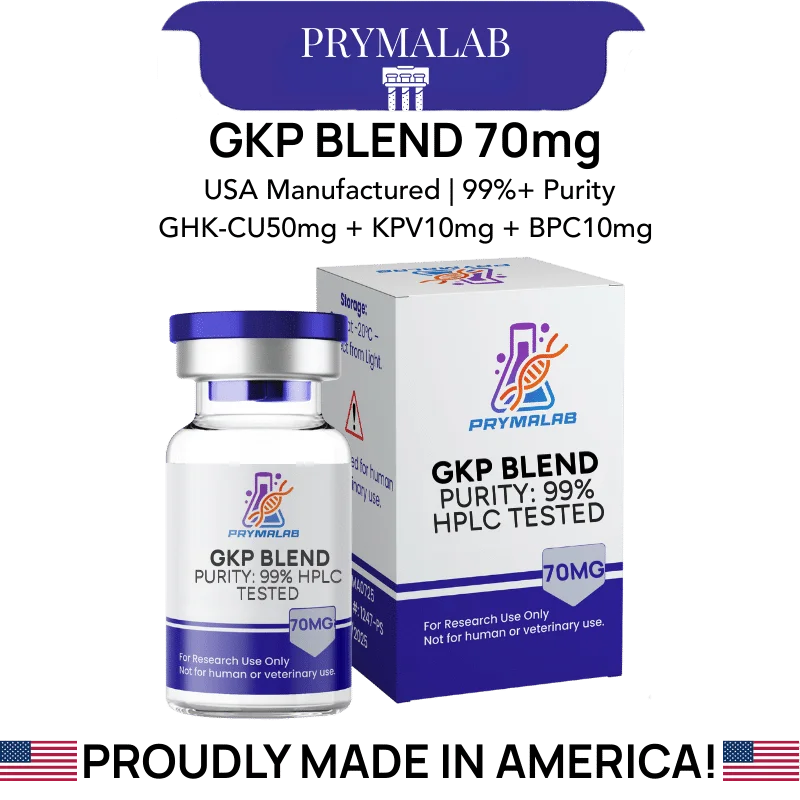
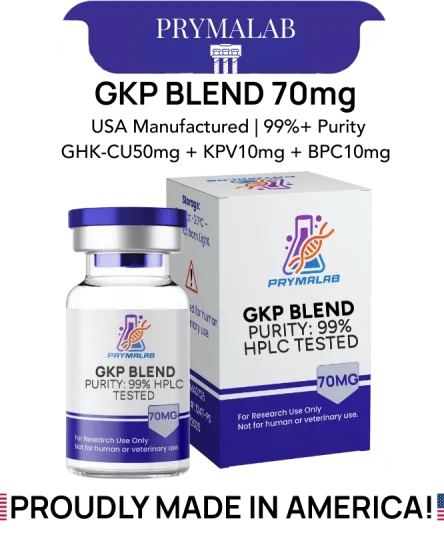






14 reviews for GKP BLEND 70MG