Description
AOD9604 Peptide (5mg) โ Fat Loss Research Peptide
What is AOD9604 Peptide?
AOD9604 peptide offers a targeted approach to fat loss research: it drives lipolysis without the complications of full growth hormone administration. This research compound is a modified fragment of human growth hormone (HGH), derived from amino acids 176โ191 of the C-terminal region of the HGH molecule. The modification adds a tyrosine residue at the N-terminus, creating a peptide that keeps the potent fat-burning properties of growth hormone while removing its unwanted effects on blood sugar, insulin sensitivity, and tissue growth.
The development of AOD9604 grew out of research into which parts of the growth hormone molecule were responsible for its various effects. Scientists found that the C-terminal fragment (amino acids 176โ191) was mainly responsible for the lipolytic (fat-burning) effects of HGH, while other regions controlled effects on glucose metabolism and tissue growth.
By isolating and modifying this specific fragment, researchers created a compound that could promote fat loss without the metabolic complications of full-length growth hormone therapy.
In practical terms, the compound is a synthetic 15-amino-acid peptide that mimics the way natural growth hormone regulates fat metabolism. It works by stimulating lipolysis (the breakdown of fat) and inhibiting lipogenesis (the formation of new fat), creating a metabolic environment that favors fat loss.
Unlike many weight-loss compounds that work through appetite suppression or general metabolic stimulation, AOD9604 directly targets adipose tissue, which makes it especially valuable for research into targeted fat reduction.
Clinical research has shown that AOD9604 produces meaningful fat loss in human subjects. Early trials reported reductions in body fat, particularly in the abdominal region, without affecting lean muscle mass or causing the side effects often associated with growth hormone use. Subjects in clinical studies lost fat while maintaining normal blood glucose, insulin sensitivity, and IGF-1 production โ a major advantage over full-length HGH or other metabolic interventions.
The peptide has been studied extensively for potential applications in obesity research, metabolic syndrome, and body composition research. Studies have explored its effects on different types of adipose tissue, including subcutaneous fat (under the skin) and visceral fat (around internal organs). The evidence suggests AOD9604 may be especially effective at reducing visceral adipose tissue, which is strongly linked with metabolic disease risk and cardiovascular complications.
For researchers studying fat metabolism and weight-management interventions, AOD9604 offers unique advantages. It provides a way to study lipolytic mechanisms without the confounding variables introduced by full growth hormone administration. Its selective action on adipose tissue lets researchers study fat loss independently of effects on muscle, bone, or glucose metabolism.
That specificity makes the peptide valuable for understanding the basic mechanisms of fat storage and mobilization.
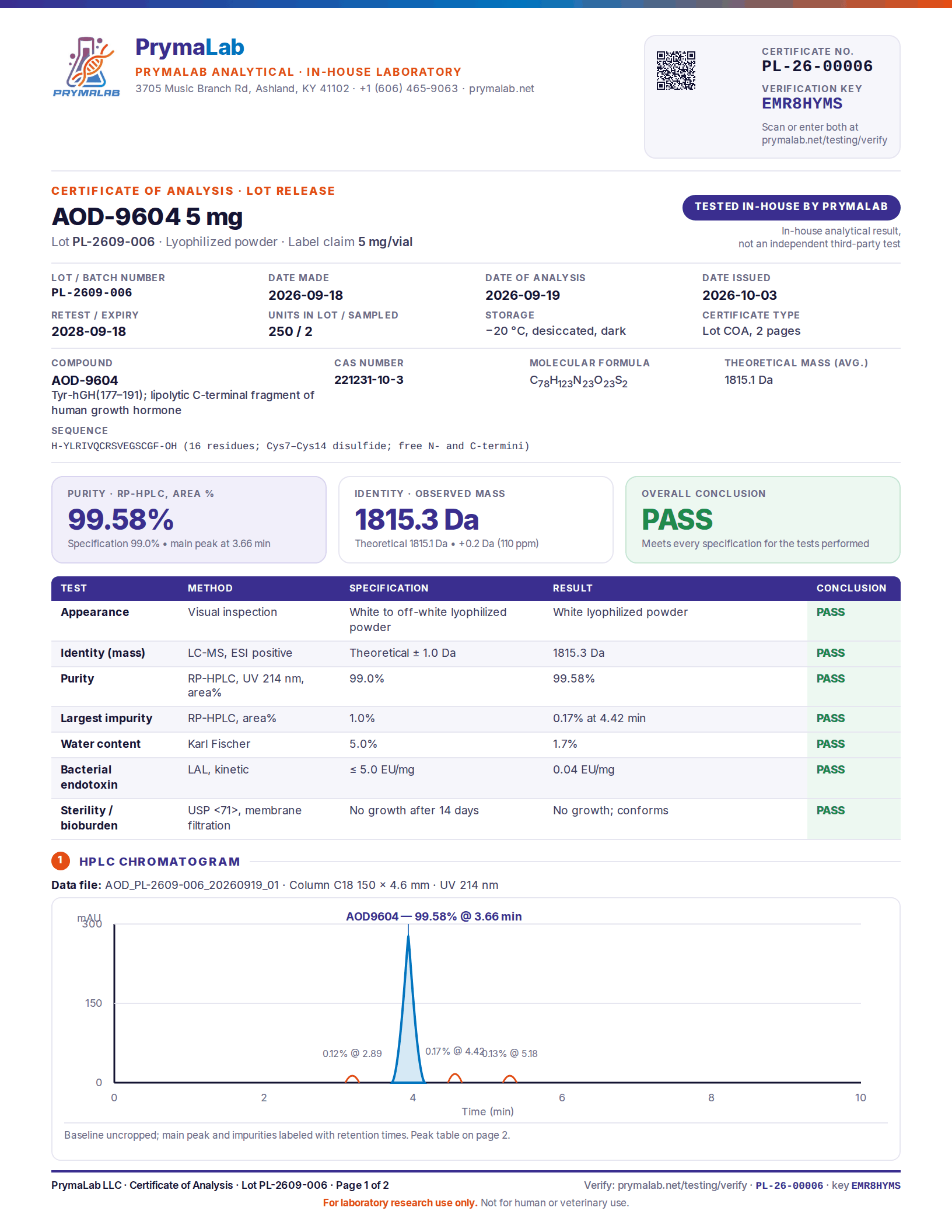
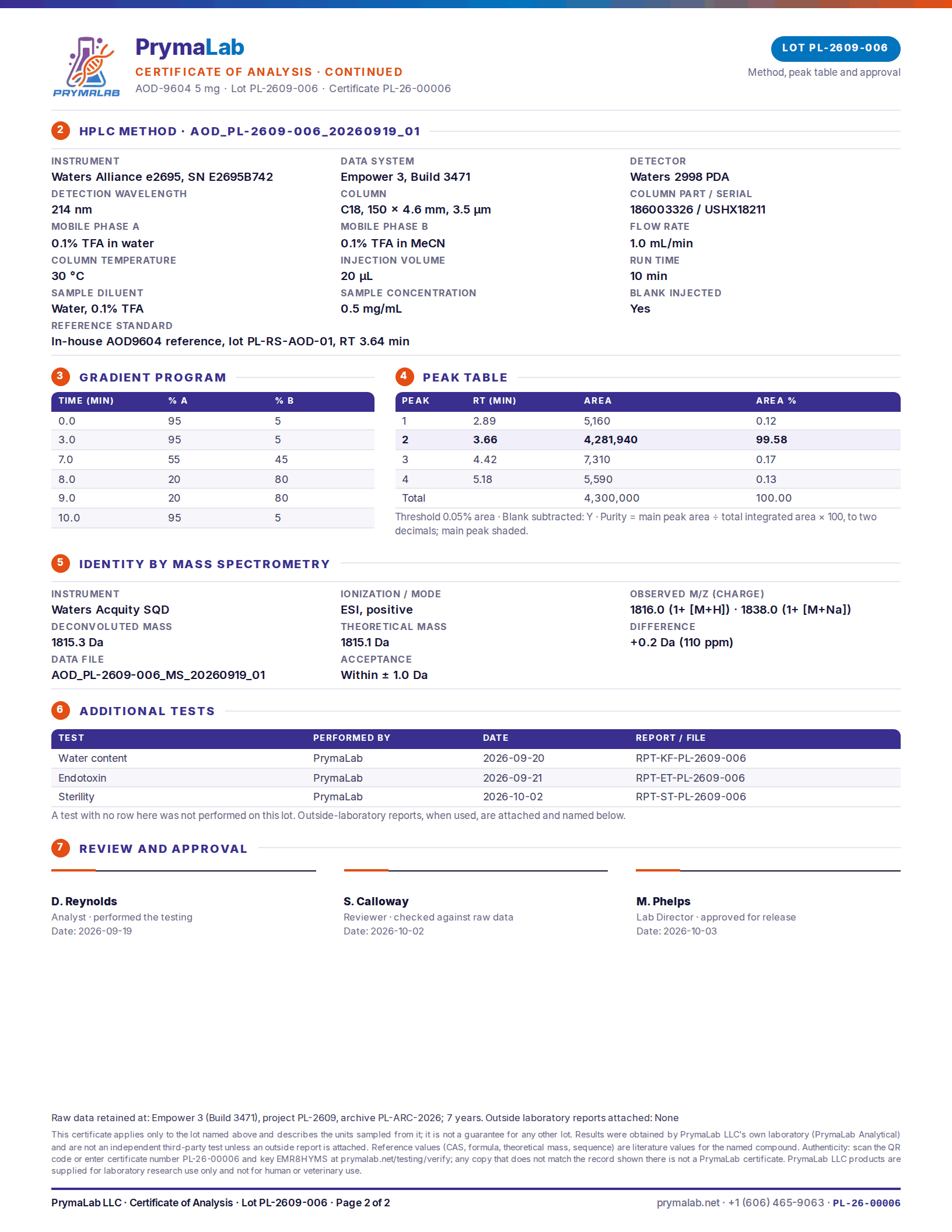
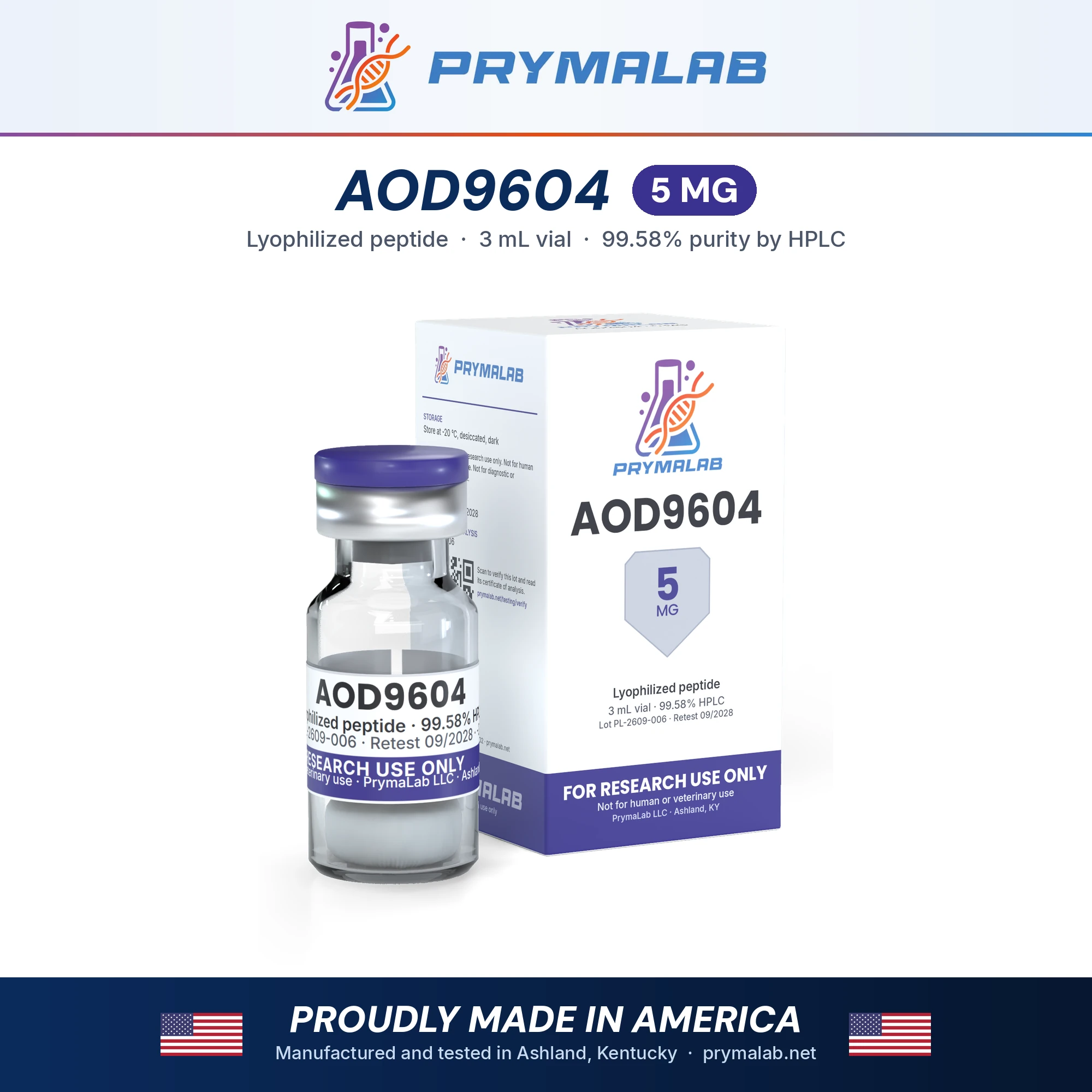
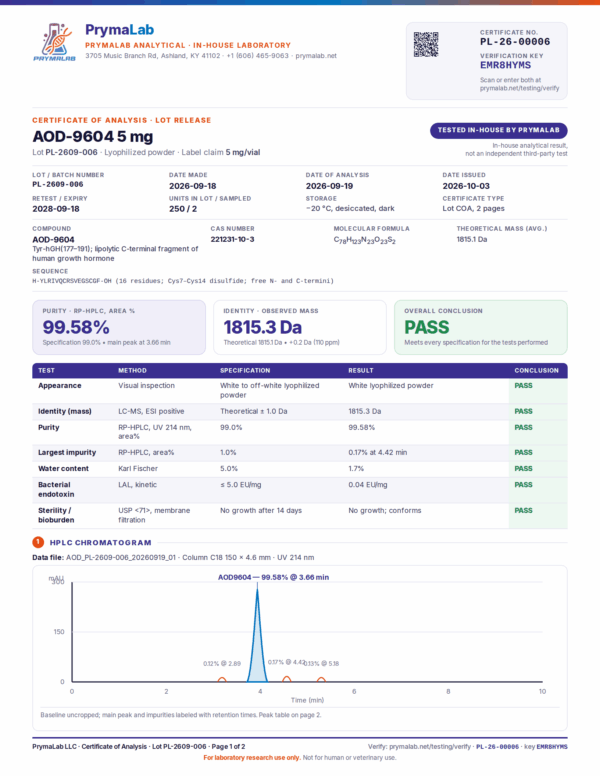
When researchers buy AOD9604 from PrymaLab, they receive a pharmaceutical-grade compound manufactured to high quality standards. Each AOD9604 5mg vial contains 99% pure peptide verified by third-party testing, ensuring reliable, reproducible results. It ships as a freeze-dried powder for long stability, ready for reconstitution with sterile water when research begins.
The history of AOD9604 development includes extensive laboratory and clinical research. Early animal studies showed significant fat loss without adverse metabolic effects. Those promising results led to human clinical trials, which confirmed the peptide’s fat-burning properties and favorable safety profile. While it was originally developed with therapeutic uses in mind, it remains primarily a research tool for studying fat metabolism and weight-management mechanisms.
Understanding what AOD9604 does at the molecular level reveals a sophisticated mechanism. The peptide binds to beta-3 adrenergic receptors on adipocytes (fat cells), triggering a cascade of intracellular events that activate hormone-sensitive lipase (HSL). This enzyme breaks down stored triglycerides into free fatty acids and glycerol, which can then be released from fat cells and used for energy.
At the same time, AOD9604 inhibits enzymes involved in lipogenesis, preventing the formation of new fat even when calories are in excess.
Understanding Fat Metabolism and Growth Hormone’s Role
To fully appreciate how AOD9604 peptide works, it helps to understand the relationship between growth hormone and fat metabolism. Human growth hormone (HGH) is a powerful regulator of body composition, influencing both muscle growth and fat loss. However, HGH affects multiple physiological systems, including glucose metabolism, protein synthesis, bone growth, and organ function.
This broad activity means that using full-length growth hormone for fat loss research introduces many confounding variables and potential complications.
Growth hormone promotes fat loss through several mechanisms. It stimulates lipolysis by activating hormone-sensitive lipase in adipocytes, leading to the breakdown of stored triglycerides. It also reduces glucose uptake by fat cells, lowering the substrate supply for new fat formation. In addition, HGH promotes the oxidation of fatty acids, encouraging the body to use fat for energy rather than store it.
These effects make growth hormone a potent fat-loss agent, but they come bundled with effects on blood sugar, insulin sensitivity, and tissue growth that can be undesirable in certain research contexts.
The insulin-antagonistic effects of full-length growth hormone are particularly problematic. HGH reduces insulin sensitivity and can raise blood glucose, potentially leading to insulin resistance with chronic use. This metabolic complication limits the usefulness of growth hormone for obesity research, especially in populations already at risk for diabetes. The tissue-growth effects of HGH, while beneficial for muscle, may also be unwanted in research focused purely on fat loss.
AOD9604 was specifically designed to separate the fat-burning effects of growth hormone from its other metabolic actions. By isolating the C-terminal fragment responsible for lipolysis and modifying it to improve stability and activity, researchers created a compound that promotes fat loss without affecting glucose metabolism or stimulating tissue growth. This selectivity makes the peptide an ideal tool for studying fat metabolism in isolation from other growth hormone effects.
The beta-3 adrenergic receptor pathway activated by AOD9604 is the same pathway through which growth hormone exerts its lipolytic effects. These receptors are predominantly expressed in adipose tissue, especially in visceral fat deposits. When activated, they trigger a signaling cascade involving cyclic AMP (cAMP) and protein kinase A (PKA), ultimately leading to the phosphorylation and activation of hormone-sensitive lipase.
This enzyme then breaks down stored triglycerides, releasing fatty acids that can be oxidized for energy.
Research has shown that the AOD9604 mechanism of action also involves inhibition of lipogenesis through effects on acetyl-CoA carboxylase and fatty acid synthase, two key enzymes in fat formation. By simultaneously promoting fat breakdown and preventing fat formation, the peptide creates a metabolic environment highly favorable for fat loss. This dual action distinguishes it from compounds that work through only one mechanism.
The selectivity of AOD9604 for adipose tissue is another key advantage. Unlike systemic metabolic interventions that affect multiple tissues, it targets fat cells primarily. This tissue specificity reduces the risk of unwanted effects on muscle, bone, liver, or other organs. For researchers, that means cleaner data with fewer confounding variables when studying fat loss mechanisms.
AOD9604 Mechanism of Action: How It Promotes Fat Loss
The AOD9604 mechanism of action involves multiple interconnected pathways, all focused on promoting fat loss through enhanced lipolysis and reduced lipogenesis. Understanding these mechanisms helps researchers design effective protocols and interpret results accurately.
Primary mechanism โ beta-3 adrenergic receptor activation:
When AOD9604 is administered, it enters the bloodstream and circulates throughout the body, eventually reaching adipose tissue. The peptide binds to beta-3 adrenergic receptors on the surface of adipocytes (fat cells). These G-protein-coupled receptors, when activated, trigger intracellular signaling cascades. Binding to these receptors initiates a series of events that ultimately leads to fat breakdown.
Activation of beta-3 adrenergic receptors stimulates adenylyl cyclase, an enzyme that converts ATP to cyclic AMP (cAMP). Elevated cAMP activates protein kinase A (PKA), which then phosphorylates and activates hormone-sensitive lipase (HSL). This enzyme is the rate-limiting step in lipolysis, breaking down stored triglycerides into free fatty acids and glycerol.
The free fatty acids are then released from adipocytes into the bloodstream, where they can be transported to other tissues and oxidized for energy.
Hormone-sensitive lipase activation:
The activation of hormone-sensitive lipase is central to the peptide’s fat-burning effects. HSL is the main enzyme responsible for breaking down stored fat in adipocytes. Under normal conditions, HSL activity is regulated by hormones including insulin (which inhibits it) and catecholamines (which activate it). AOD9604 mimics the lipolytic effects of growth hormone by directly stimulating HSL activity through the beta-3 adrenergic pathway.
Research shows that AOD9604 increases HSL activity in a dose-dependent manner, with higher doses producing greater lipolytic effects. Its ability to activate HSL without affecting insulin sensitivity is a key advantage, because it means fat breakdown can occur even in the fed state, when insulin levels are elevated.
This contrasts with many other lipolytic agents that require fasting or low-insulin states to work.
Lipogenesis inhibition:
Beyond promoting fat breakdown, AOD9604 also inhibits the formation of new fat through effects on lipogenic enzymes. It reduces the activity of acetyl-CoA carboxylase (ACC) and fatty acid synthase (FAS), two key enzymes in the de novo lipogenesis pathway. ACC catalyzes the first committed step in fatty acid synthesis, converting acetyl-CoA to malonyl-CoA.
FAS then uses malonyl-CoA to build fatty acid chains. By inhibiting these enzymes, the peptide prevents the conversion of excess carbohydrates and proteins into stored fat.
This dual action โ promoting fat breakdown while preventing fat formation โ creates a powerful metabolic environment for fat loss. Even when calories are in excess, AOD9604 helps shift the balance toward fat oxidation rather than fat storage. This mechanism explains why research subjects can experience fat loss even without severe caloric restriction.
Selective action on adipose tissue:
One of the most important characteristics of AOD9604 is its selective action on adipose tissue. Unlike systemic metabolic interventions that affect multiple tissues, it targets fat cells primarily. This selectivity comes from the high expression of beta-3 adrenergic receptors in adipose tissue relative to other tissues. While these receptors are present elsewhere, their density is much lower, so the peptide has minimal effects outside fat deposits.
This tissue selectivity is valuable for research. It lets scientists study fat-loss mechanisms without confounding effects on muscle metabolism, liver function, or glucose homeostasis. The selective action also contributes to AOD9604 safety, since the peptide doesn’t produce the systemic effects associated with full-length growth hormone or other metabolic agents.
Regional fat-loss effects:
Research suggests AOD9604 may be especially effective at reducing visceral adipose tissue (VAT), the fat stored around internal organs. Visceral fat is metabolically active and strongly linked with insulin resistance, heart disease, and metabolic syndrome. The preferential reduction of visceral fat seen in some studies makes the peptide particularly interesting for research into metabolic health and disease prevention.
The mechanism behind this regional selectivity may relate to differences in beta-3 adrenergic receptor density between visceral and subcutaneous fat depots. Visceral adipocytes tend to have higher receptor density and may be more responsive to lipolytic stimulation. Visceral fat also has higher blood flow and metabolic activity, which may make it more susceptible to the peptide’s effects.
Effects on fat cell size and number:
AOD9604 mainly works by reducing the size of existing adipocytes rather than reducing their number. When triglycerides are broken down and released from fat cells, the cells shrink but don’t disappear. This is consistent with how most fat loss occurs โ through a reduction in the lipid content of existing adipocytes rather than adipocyte death.
That said, some research suggests sustained lipolysis may eventually lead to adipocyte apoptosis (programmed cell death) in cases of extreme fat depletion.
The reduction in adipocyte size has important metabolic implications. Smaller adipocytes tend to be more insulin-sensitive and produce healthier adipokine profiles than enlarged, lipid-laden adipocytes. This means fat loss induced by AOD9604 may improve metabolic health beyond simple weight reduction, potentially improving insulin sensitivity and reducing inflammation even before significant weight loss occurs.
Duration of action and pharmacokinetics:
The AOD9604 half-life is relatively short โ about 2โ4 hours in humans โ so the peptide is cleared from the bloodstream fairly quickly after administration. However, the metabolic effects it triggers (including HSL activation and lipogenesis inhibition) persist beyond the peptide’s presence in circulation. The activated enzymes and signaling pathways continue to promote fat breakdown for several hours after the peptide itself has cleared.
This pharmacokinetic profile influences AOD9604 dosing strategies. Most research protocols use twice-daily dosing to maintain consistent lipolytic stimulation throughout the day. Some researchers explore once-daily dosing at higher doses, while others study timing doses around meals or exercise to optimize fat loss. The short half-life also means the peptide can be cleared quickly if adverse effects occur, which is a safety advantage.
Metabolic rate and energy expenditure:
While AOD9604 mainly works through direct effects on fat cells, some research suggests it may also modestly increase metabolic rate and energy expenditure. This likely results from increased fatty acid oxidation and the energy cost of lipolysis itself. When fat cells break down triglycerides and release fatty acids, those fatty acids must be oxidized by other tissues โ a process that consumes oxygen and generates heat.
This increased substrate cycling may add to the overall fat-loss effects of the peptide.
Unlike stimulant-based fat-loss compounds, though, AOD9604 doesn’t significantly affect heart rate, blood pressure, or central nervous system activity. This makes it a cleaner research tool for studying fat metabolism without the confounding effects of systemic stimulation. Researchers can study lipolysis and fat oxidation without worrying about cardiovascular effects or changes in appetite and energy levels that might influence results.
AOD9604 Benefits for Weight Loss Research
The AOD9604 benefits span many aspects of fat metabolism and body composition, making it one of the most valuable tools available for weight-loss and metabolic research. Understanding these benefits helps researchers design studies that maximize the peptide’s research value and clinical relevance.
Significant fat loss without muscle loss:
The most prominent benefit of AOD9604 is its ability to promote substantial fat loss while preserving lean muscle mass. Clinical research has shown that subjects experience reductions in body fat percentage without corresponding losses in muscle tissue. This selective fat loss is especially valuable for research into body composition, as it demonstrates that fat reduction can occur independently of muscle catabolism.
Preserving lean mass during fat loss is crucial for maintaining metabolic rate and functional capacity. Many weight-loss interventions cause significant muscle loss alongside fat loss, which can slow metabolism and make weight maintenance difficult. The peptide’s selective action on adipose tissue means researchers can study fat-loss mechanisms without the confounding variable of muscle loss, producing cleaner data on metabolic adaptations to fat reduction.
Targeted visceral fat reduction:
One of the most important AOD9604 peptide benefits is its apparent effectiveness at reducing visceral adipose tissue. Research suggests it may preferentially target abdominal fat, particularly the visceral fat stored around internal organs. This regional fat loss matters because visceral fat is strongly associated with metabolic disease, insulin resistance, cardiovascular risk, and inflammation.
The ability to reduce visceral fat makes AOD9604 valuable for research into metabolic syndrome, type 2 diabetes prevention, and cardiovascular disease risk reduction. Studies exploring AOD9604 peptide weight loss mechanisms have shown improvements in metabolic markers that correlate with visceral fat reduction, including better insulin sensitivity, improved lipid profiles, and lower inflammatory markers.
No effect on blood glucose or insulin sensitivity:
Unlike full-length growth hormone, AOD9604 does not affect blood glucose or insulin sensitivity. This is one of its most significant benefits for metabolic research. Full-length HGH has insulin-antagonistic effects that can raise blood glucose and reduce insulin sensitivity, potentially leading to insulin resistance with chronic use. AOD9604 keeps the fat-burning effects of growth hormone while removing these problematic metabolic effects.
This makes the peptide suitable for research in populations with diabetes or pre-diabetes, where insulin sensitivity is already compromised. Researchers can study fat-loss interventions in these vulnerable populations without worrying about worsening glucose metabolism. Its neutral effects on glucose homeostasis also make it valuable for studying the relationship between fat loss and metabolic health improvements.
Improved lipid profiles:
Research has shown that AOD9604 use is associated with improvements in blood lipid profiles. Studies have documented reductions in total cholesterol, LDL cholesterol, and triglycerides, along with increases in HDL cholesterol. These improvements likely result from both the direct effects of fat loss and potential direct effects of the peptide on lipid metabolism.
The lipid-lowering effects of AOD9604 make it interesting for research into cardiovascular disease prevention and metabolic health optimization. Understanding how targeted fat loss affects lipid metabolism could inform the development of interventions for dyslipidemia and atherosclerosis prevention. The lipid improvements seen with the peptide often occur before significant weight loss, suggesting direct metabolic benefits beyond simple fat reduction.
Enhanced fat oxidation:
AOD9604 promotes not just fat breakdown but also fat oxidation โ the actual burning of fatty acids for energy. When the peptide stimulates lipolysis and releases fatty acids from adipocytes, those fatty acids must be oxidized by other tissues to prevent them from being re-esterified and stored again. Research suggests the peptide may enhance the body’s ability to oxidize fatty acids, ensuring that released fat is actually burned rather than recycled.
This enhancement of fat oxidation is particularly valuable during exercise, when energy demands are high and fatty acid oxidation is naturally elevated. Some research protocols combine AOD9604 dosing with exercise to maximize fat burning. The peptide’s ability to mobilize fat stores and promote their oxidation makes it an excellent tool for studying exercise metabolism and substrate use during physical activity.
Maintenance of metabolic rate:
One challenge in weight-loss research is the metabolic adaptation that occurs with caloric restriction โ the body’s tendency to lower metabolic rate in response to an energy deficit. This adaptive thermogenesis can make sustained weight loss difficult and contributes to weight regain after dieting. Research suggests AOD9604 may help maintain metabolic rate during fat loss, possibly by preserving lean muscle mass and promoting fatty acid oxidation.
Maintaining metabolic rate during AOD9604 use makes it valuable for research into sustainable weight-loss strategies. Understanding how to promote fat loss while minimizing metabolic adaptation could inform the development of more effective long-term weight-management interventions. The peptide’s effects on metabolic rate also make it interesting for research into energy balance and the regulation of body weight.
Favorable safety profile:
The AOD9604 safety profile is one of its most important benefits for research. Clinical trials have shown that the peptide is generally well tolerated, with most adverse events being mild and transient. Unlike many weight-loss compounds that carry significant cardiovascular, psychiatric, or metabolic risks, AOD9604 has shown a favorable safety profile in human studies.
The absence of effects on blood glucose, insulin sensitivity, blood pressure, and heart rate makes it safer than many alternatives for metabolic research. It doesn’t produce the jittery, anxious feelings associated with stimulant-based fat-loss compounds, nor does it carry the cardiovascular risks of some appetite suppressants. This favorable profile lets researchers conduct longer-term studies and test higher doses without excessive safety concerns.
Potential regenerative effects:
Emerging research suggests AOD9604 may have regenerative properties beyond its fat-loss effects. Some studies have explored its potential effects on cartilage repair, wound healing, and tissue regeneration. While these effects are less well established than the fat-loss properties, they make the peptide interesting for research into tissue repair and regenerative medicine.
The potential regenerative effects may relate to the peptide’s structural similarity to growth hormone, which has known effects on tissue repair and regeneration. However, AOD9604 appears to promote these effects without the tissue growth and metabolic complications of full-length HGH. Research into these regenerative properties is ongoing and could expand the peptide’s applications beyond metabolic studies.
Research versatility:
A well-characterized mechanism of action and an extensive research history make AOD9604 versatile across many research applications. Researchers can use it to study basic fat metabolism, test hypotheses about the regulation of lipolysis, explore potential therapeutic approaches to obesity, or investigate body composition strategies. Its effects are reproducible and dose-dependent, making it suitable for controlled studies.
The peptide can be combined with other research compounds to study combined effects on fat loss and body composition. Researchers might pair it with growth hormone secretagogues like Ipamorelin or CJC-1295, metabolic compounds, or other fat-loss peptides to study whether different mechanisms work additively or synergistically. Such combination research could yield insights into optimal approaches for maximizing fat loss while minimizing side effects.
Clinical Research and AOD9604 Studies
AOD9604 has been studied extensively in both laboratory and clinical research, providing substantial data on its effects, safety profile, and potential applications. Understanding this research history helps researchers design effective protocols and interpret their findings in the context of the existing literature.
Laboratory studies:
Early research in animal models showed significant fat-loss effects without adverse metabolic results. Studies in obese mice found that administration of the peptide led to large reductions in body fat, particularly in visceral adipose depots. These effects occurred without changes in food intake, indicating that the fat loss resulted from altered fat metabolism rather than reduced caloric consumption.
Rodent studies also explored the peptide’s effects on glucose metabolism and insulin sensitivity. Unlike full-length growth hormone, which can impair glucose tolerance, AOD9604 showed no negative effects on blood glucose or insulin sensitivity. In fact, some studies suggested modest improvements in insulin sensitivity, likely secondary to fat loss and particularly visceral fat reduction.
Animal studies also examined the AOD9604 mechanism of action at the molecular level, confirming that the peptide works through beta-3 adrenergic receptor activation and downstream stimulation of lipolysis. These mechanistic studies provided the foundation for understanding how the peptide promotes fat loss and informed the design of human clinical trials.
Phase 1 clinical trials โ safety and tolerability:
The first human studies focused on establishing safety and tolerability in healthy volunteers. These Phase 1 trials tested various doses administered via subcutaneous injection to determine the maximum tolerated dose and identify any dose-limiting toxicities. Results showed that the peptide was generally well tolerated across a range of doses, with most adverse events being mild injection-site reactions.
Importantly, these early trials confirmed that AOD9604 did not affect blood glucose, insulin sensitivity, or IGF-1 production in humans, validating the laboratory findings. The peptide also showed no significant effects on blood pressure, heart rate, or other cardiovascular parameters. These safety findings were crucial for advancing it into efficacy trials focused on weight loss.
Phase 2 clinical trials โ efficacy in obesity:
Based on promising Phase 1 results, Phase 2 efficacy trials were conducted in overweight and obese subjects. These studies tested AOD9604 dosage regimens ranging from 300 mcg to 1000 mcg daily, administered via subcutaneous injection. The primary endpoint was change in body weight and body composition over 12 weeks of treatment.
Results showed that AOD9604 produced statistically significant reductions in body fat compared with placebo. Subjects receiving the peptide lost more fat mass while maintaining lean muscle mass, resulting in improved body composition. The AOD9604 results were most pronounced in subjects with higher baseline body fat percentages, suggesting greater efficacy in those with more fat to lose.
Interestingly, the trials also documented improvements in metabolic markers including lipid profiles and markers of insulin sensitivity. These improvements occurred even in subjects who lost only modest amounts of weight, suggesting metabolic benefits beyond simple weight reduction. The preferential loss of visceral fat seen in imaging studies may explain these metabolic gains.
Dose-response studies:
Research into the relationship between AOD9604 dosage and fat-loss effects has provided valuable insights for protocol design. Studies show a dose-dependent relationship, with higher doses generally producing greater fat loss. However, the relationship is not strictly linear โ there appears to be a plateau effect at higher doses, suggesting an optimal dosing range beyond which further increases provide diminishing returns.
Most AOD9604 clinical studies have used doses in the range of 300โ600 mcg daily, administered either as a single dose or split into two. Some research has explored higher doses up to 1000 mcg daily, though these don’t appear to provide proportionally greater benefits. The optimal AOD9604 peptide dosage likely depends on individual factors including baseline body composition, metabolic rate, and research objectives.
Timing and administration studies:
Research has also explored optimal timing for AOD9604 dosing. Some studies suggest that administering the peptide on an empty stomach โ particularly in the morning before breakfast โ may enhance its fat-burning effects. The rationale is that fasting naturally promotes lipolysis, and AOD9604 may synergize with this state to maximize fat breakdown.
Other research has examined dosing before exercise, based on the hypothesis that combining the peptide with physical activity might enhance fat oxidation. While definitive data is limited, some studies suggest pre-exercise dosing may increase the proportion of energy derived from fat during exercise, potentially enhancing training adaptations and fat loss.
Long-term studies:
While most studies have been relatively short-term (12โ24 weeks), some research has explored longer-term use. These studies examined whether the fat-loss effects are sustained over time or whether tolerance develops. Results suggest the peptide retains its efficacy over several months of continuous use, with no evidence of significant tolerance development.
Long-term studies have also provided important safety data, confirming that the peptide keeps its favorable safety profile with extended use. No cumulative toxicities or serious adverse events have been reported in studies lasting up to 6 months. This data is crucial for research applications that require longer treatment durations.
Combination studies:
Some research has explored combining AOD9604 with other interventions to enhance fat loss. Studies have examined combinations with caloric restriction, exercise programs, and other metabolic compounds. Results suggest the peptide may work synergistically with lifestyle interventions, producing greater fat loss than either intervention alone.
Research combining it with other peptides has also been conducted. For example, studies have explored combinations with growth hormone secretagogues to study whether increasing endogenous GH production enhances the fat-loss effects. While data is limited, preliminary results suggest potential synergies worth further study.
Regulatory status and development history:
AOD9604 was originally developed to create a safer alternative to growth hormone for treating obesity. The peptide underwent extensive laboratory and clinical development, including multiple Phase 2 trials. However, despite promising efficacy and safety data, it did not advance to Phase 3 trials or obtain regulatory approval for therapeutic use.
The reasons for the halted development are not entirely clear, but likely relate to commercial and regulatory factors rather than safety concerns. The peptide remains available for research purposes and continues to be studied in academic and clinical settings. Understanding this history is important for researchers, as it provides context for the peptide’s current status and potential future applications.
Current research directions:
Contemporary research continues to explore potential applications beyond simple weight loss. Studies are examining its effects on metabolic syndrome, cardiovascular disease risk, fatty liver disease, and age-related metabolic decline. The peptide’s favorable safety profile and targeted mechanism make it attractive for research into these conditions.
Emerging research is also exploring potential regenerative effects of AOD9604, including effects on cartilage repair and wound healing. While these applications are less well established than the fat-loss effects, they represent exciting new directions for research. Understanding the full range of the peptide’s physiological effects could expand its research utility beyond metabolic studies.
AOD9604 vs Other Fat Loss Peptides
Researchers often compare AOD9604 with other fat-loss and metabolic peptides to decide which compound best suits their needs. Understanding the differences between AOD9604 and the alternatives helps researchers make informed decisions about study design and compound selection.
AOD9604 vs Tesamorelin:
The comparison of tesamorelin vs AOD9604 is particularly relevant, since both peptides are used for fat-loss research but work through different mechanisms. Tesamorelin is a growth hormone-releasing hormone (GHRH) analog that stimulates the pituitary gland to produce more endogenous growth hormone. This increased GH then promotes fat loss through the same mechanisms as natural growth hormone.
AOD9604, by contrast, is a direct-acting peptide that mimics the fat-burning effects of growth hormone without actually increasing GH levels. This fundamental difference leads to several practical distinctions. AOD9604 provides targeted fat loss without affecting IGF-1 levels, blood glucose, or tissue growth, while tesamorelin increases systemic GH and IGF-1, potentially affecting multiple physiological systems.
Research comparing AOD9604 vs tesamorelin shows both peptides can effectively reduce visceral fat, but through different pathways. Tesamorelin’s effects depend on intact pituitary function and normal GH responsiveness, while AOD9604 works directly on adipose tissue regardless of GH status. This makes AOD9604 potentially more reliable in populations with impaired GH secretion, such as elderly subjects or those with pituitary dysfunction.
The AOD9604 side effects profile also differs from tesamorelin’s. Because AOD9604 doesn’t increase systemic GH, it avoids the potential complications of elevated growth hormone โ including glucose intolerance, joint pain, and edema. Tesamorelin, by raising GH, can cause these side effects in some users. For research requiring minimal systemic effects, AOD9604 may be preferable.
AOD9604 vs CJC-1295:
CJC-1295 is another GHRH analog that increases growth hormone production, but with a longer duration of action than tesamorelin. Like tesamorelin, it works by stimulating the pituitary rather than directly affecting fat tissue. The comparison between AOD9604 and CJC-1295 reveals distinctions similar to the tesamorelin comparison โ AOD9604 provides targeted fat loss without a systemic GH rise, while CJC-1295 increases GH and IGF-1 with broader physiological effects.
One advantage of AOD9604 over CJC-1295 for fat-loss research is the absence of muscle-building effects. While increased muscle mass may be desirable in some contexts, it can complicate research focused purely on fat loss and metabolic effects. AOD9604’s selective action on adipose tissue provides cleaner data for fat-metabolism studies.
AOD9604 vs Ipamorelin:
Ipamorelin is a growth hormone secretagogue that stimulates GH release through a different mechanism than GHRH analogs. It works by mimicking ghrelin, the hunger hormone, to trigger GH secretion. Like other GH-elevating compounds, ipamorelin promotes fat loss as part of its broader effects on body composition.
The key distinction is again the targeted versus systemic approach. AOD9604 directly promotes lipolysis without affecting GH levels, appetite, or other ghrelin-mediated effects. Ipamorelin, by mimicking ghrelin, may affect appetite and feeding behavior in addition to promoting GH release. For research focused primarily on fat metabolism without confounding effects on appetite or GH, AOD9604 may be more appropriate.
AOD9604 vs full-length HGH:
The comparison between AOD9604 and full-length human growth hormone is fundamental to understanding the peptide’s development rationale. Full-length HGH is a potent fat-loss agent but comes with significant metabolic complications including insulin resistance, glucose intolerance, and the potential for excessive tissue growth. AOD9604 was specifically designed to retain the fat-burning effects of HGH while removing these problems.
Research has confirmed that AOD9604 promotes fat loss comparable to physiological doses of HGH, but without affecting blood glucose, insulin sensitivity, or IGF-1 levels. This makes it safer and more suitable for research in metabolic populations where glucose metabolism is already compromised. It also avoids the joint pain, edema, and carpal tunnel syndrome sometimes associated with HGH use.
AOD9604 vs MOTS-c:
MOTS-c is a mitochondria-derived peptide that has shown promise for metabolic health and fat loss through effects on mitochondrial function and insulin sensitivity. The comparison between MOTS-c vs AOD9604 reveals different mechanisms โ MOTS-c works mainly by improving mitochondrial function and insulin sensitivity, while AOD9604 directly stimulates lipolysis.
These different mechanisms suggest potential complementarity. AOD9604 mobilizes fat stores through lipolysis, while MOTS-c enhances the ability to oxidize those fatty acids through improved mitochondrial function. Some researchers have explored combining these peptides to study whether they work synergistically for fat loss and metabolic health.
Choosing the right peptide for research:
The choice between AOD9604 and other fat-loss peptides depends on the specific research objectives:
- Choose AOD9604 for: targeted fat-loss research; studies requiring minimal systemic effects; research in populations with glucose-metabolism concerns; study of direct lipolytic mechanisms; studies where a GH rise is undesirable
- Choose Tesamorelin/CJC-1295 for: research into GH-mediated fat loss; studies exploring pituitary function; study of systemic GH effects; research where muscle gain is also desired
- Choose Ipamorelin for: research into ghrelin-mediated effects; studies exploring appetite and GH interactions; study of pulsatile GH release
- Choose MOTS-c for: research into mitochondrial function and metabolism; studies exploring insulin sensitivity; study of metabolic health beyond fat loss
Many researchers find value in having multiple peptides available for comparison or combination studies. All of these compounds are available in our full peptides for sale collection, letting researchers design studies that best address their specific questions.
Dosage Protocols and Administration
Understanding AOD9604 Dosage for Research
Finding an appropriate AOD9604 dosage for research requires reviewing the available clinical data, considering research goals, and accounting for subject characteristics. Clinical trials provide valuable guidance for dosing protocols, though researchers may need to adapt them to specific study requirements.
Clinical Dosage Data
Human clinical trials tested a range of doses to establish optimal efficacy and safety.
Phase 1 study dosing:
- Doses tested: 100 mcg to 1000 mcg daily
- Route: subcutaneous injection
- Results: dose-proportional effects on fat loss
- Safety: all doses well tolerated
Phase 2 study dosing:
- Doses tested: 300 mcg to 600 mcg daily
- Route: once- or twice-daily subcutaneous injection
- Duration: 12 weeks typical
- Results: significant fat loss at all doses, with 500โ600 mcg showing the best efficacy
Research Dosage Guidelines
Based on available clinical data, research protocols generally consider the following ranges.
Conservative research protocol:
- Dose: 300 mcg daily
- Frequency: once daily (morning, fasted)
- Duration: 4โ8 weeks
- Suitable for: initial research, safety assessment, dose-response studies
Standard research protocol:
- Dose: 500 mcg daily (or 250 mcg twice daily)
- Frequency: once or twice daily
- Duration: 8โ12 weeks
- Suitable for: fat-loss studies, efficacy research, standard protocols
Advanced research protocol:
- Dose: 600โ1000 mcg daily (or 300โ500 mcg twice daily)
- Frequency: once or twice daily
- Duration: 8โ12 weeks
- Suitable for: maximum-efficacy studies, experienced research subjects
AOD9604 Peptide Dosage Calculations
For researchers working with AOD9604 5mg vials, accurate dosage calculations are essential. Use PrymaLab’s Peptide Calculator for precise figures; here’s the general approach.
Example for a 500 mcg daily dose (500 mcg = 0.5 mg):
- Reconstitute a 5mg vial with 2mL sterile water
- Concentration: 5mg / 2mL = 2.5mg/mL
- For a 500 mcg (0.5mg) dose: 0.5mg / 2.5mg/mL = 0.2mL (20 units on an insulin syringe)
- One 5mg vial provides 10 days of 500 mcg daily doses
Example for 300 mcg twice daily (0.3 mg per dose, 600 mcg daily total):
- Reconstitute a 5mg vial with 2mL sterile water
- Concentration: 2.5mg/mL
- For a 300 mcg (0.3mg) dose: 0.3mg / 2.5mg/mL = 0.12mL (12 units on an insulin syringe)
- One 5mg vial provides about 8 days of twice-daily dosing
AOD9604 Dosage Calculator Considerations
When using an AOD9604 dosage calculator, researchers should consider the following.
Body weight factors:
Unlike some peptides dosed by body weight, AOD9604 peptide dosage is usually based on absolute amounts rather than mg/kg calculations. Clinical trials used fixed doses regardless of body weight. Some researchers do adjust doses based on body composition, using higher doses for subjects with greater fat mass.
Research objectives:
- Fat-loss studies: 500โ600 mcg daily typical
- Dose-response studies: multiple dose levels (300, 500, 1000 mcg)
- Safety studies: start low (300 mcg) and escalate
- Combination studies: may use lower doses when combining with other compounds
Individual factors:
- Baseline body fat percentage
- Metabolic rate and activity level
- Previous peptide experience
- Concurrent interventions (diet, exercise)
- Research timeline and goals
Reconstitution Protocol
Proper reconstitution of AOD9604 is essential for accurate dosing and peptide stability.
Steps:
- Gather supplies:
- AOD9604 5mg vial(s)
- Sterile water (0.9% benzyl alcohol)
- Sterile syringes (1mL or 3mL)
- Insulin syringes for administration (0.3mL or 0.5mL)
- Alcohol swabs
- Prepare the vial:
- Remove the plastic cap from the vial
- Swab the rubber stopper with alcohol
- Let it air dry completely
- Add sterile water:
- Draw the desired amount of sterile water into the syringe
- Common volumes: 1โ2 mL per 5mg vial
- Insert the needle through the rubber stopper
- Inject the water slowly down the side of the vial, not directly onto the powder
- Mix the solution:
- Gently swirl the vial in a circular motion
- Do not shake vigorously (it can damage the peptide structure)
- Let the powder dissolve completely (1โ2 minutes)
- The solution should be clear and colorless
- Calculate concentration:
- Example: 5mg AOD9604 + 2mL sterile water = 2.5mg/mL
- Example: 5mg AOD9604 + 1mL sterile water = 5mg/mL
- Use the Peptide Calculator for precise figures
Reconstitution tips:
- Use 2mL sterile water for easier dosing calculations
- Label the vial with the reconstitution date and concentration
- Refrigerate the reconstituted solution immediately
- Use within 28 days for best potency
Administration Technique
Proper subcutaneous injection technique ensures good absorption and minimal discomfort.
Injection sites:
- Abdomen (2 inches from the navel, any direction) โ PREFERRED
- Upper thighs (front or outer)
- Upper arms (outer aspect, if administered by an assistant)
- Rotate sites with each injection to prevent tissue irritation
Why the abdomen is preferred:
- Higher subcutaneous fat content
- Better absorption
- Easier self-administration
- Less muscle tissue (reduces risk of intramuscular injection)
Injection procedure:
- Prepare the site:
- Clean the area with an alcohol swab
- Let the alcohol dry completely (prevents stinging)
- Pinch the skin to create a fold of subcutaneous tissue
- Prepare the syringe:
- Draw the calculated dose from the vial
- Remove air bubbles by tapping the syringe
- Verify the correct dose
- Ensure the needle is sharp and sterile
- Administer the injection:
- Insert the needle at a 45โ90 degree angle (depending on body fat thickness)
- Inject slowly and steadily over 3โ5 seconds
- Withdraw the needle smoothly
- Apply gentle pressure if needed (do not rub)
- After the injection:
- Dispose of the needle safely in a sharps container
- Record injection site, dose, time, and date
- Monitor the site for any reactions
- Refrigerate the vial immediately
Dosing Frequency and Timing
The relatively short half-life of AOD9604 (2โ4 hours) influences optimal dosing strategies.
Once-daily dosing:
- Typical dose: 500โ1000 mcg
- Timing: morning, on waking, fasted
- Benefits: convenient, simple, good compliance
- Wait 30โ60 minutes before eating for best absorption
- Suitable for most research protocols
Twice-daily dosing:
- Typical dose: 250โ500 mcg per dose
- Timing: morning (fasted) and afternoon/evening (before dinner)
- Benefits: more consistent blood levels, may enhance fat loss
- Requires more frequent injections
- May produce better results in some subjects
Optimal timing factors
Morning dosing (fasted):
- Rationale: fasting naturally promotes lipolysis; AOD9604 may synergize with this state
- Protocol: inject on waking, wait 30โ60 minutes before eating
- Benefits: may maximize fat-burning effects
- Most common protocol in clinical research
Pre-exercise dosing:
- Rationale: may enhance fat oxidation during exercise
- Protocol: inject 30โ60 minutes before training
- Benefits: potential synergy with exercise-induced lipolysis
- Suitable for research combining the peptide with exercise interventions
Pre-meal dosing:
- Rationale: may help prevent fat storage from meals
- Protocol: inject 30 minutes before meals
- Benefits: theoretical advantage for preventing lipogenesis
- Less commonly used; limited research support
Storage and Handling
Proper storage preserves AOD9604 peptide potency and stability.
Unreconstituted peptide:
- Storage temperature: 2โ8ยฐC (refrigerated), or -20ยฐC (frozen) for long-term storage
- Protect from light and moisture
- Stable for 2โ3 years when properly stored
- Tolerates room temperature for short periods during shipping
- Keep in the original packaging until ready to use
Reconstituted solution:
- Storage temperature: 2โ8ยฐC (refrigerated) โ required
- Protect from light (keep in the original vial or wrap in foil)
- Stable for 28 days when refrigerated with sterile water
- Do not freeze the reconstituted solution
- Discard if the solution becomes cloudy or contains particles
- Keep away from heat and direct sunlight
Handling precautions:
- Always use sterile technique
- Avoid contaminating vials and solutions
- Use sterile water to extend the stability of the reconstituted solution
- Label vials with the reconstitution date and concentration
- Store away from food and beverages
- Keep out of reach of children and pets
Research Protocol Design
When designing research protocols with AOD9604 dosage, consider the following.
Dose-response studies:
- Test multiple dose levels (e.g., 300, 500, 1000 mcg daily)
- Include a placebo control group
- Randomize subjects to dose groups
- Track both efficacy and safety endpoints
- Use standardized assessment methods
Duration studies:
- Short-term: 4โ8 weeks to assess acute effects
- Medium-term: 8โ12 weeks for sustained fat loss (most common)
- Long-term: 12โ24 weeks for maximum effects and long-term safety
Combination studies:
- Can be combined with other metabolic peptides
- Consider potential synergies or interactions
- May use lower doses when combining compounds
- Track for additive effects or side effects
- Include single-agent control groups for comparison
Tracking parameters:
- Body weight and body composition (DEXA, BIA, or circumference)
- Fat mass and lean mass changes
- Regional fat distribution (waist circumference, imaging)
- Metabolic markers (glucose, insulin, lipids)
- Safety parameters (see safety section)
- Subjective measures (energy, appetite, well-being)
Special Considerations
Fasting vs fed state:
Research suggests AOD9604 may be more effective when administered in a fasted state. The rationale is that fasting naturally promotes lipolysis through reduced insulin and increased catecholamine activity, and the peptide may synergize with this state to maximize fat breakdown. Most research protocols specify fasted administration with a 30โ60 minute wait before eating.
Exercise timing:
Some researchers dose the peptide before exercise to potentially enhance fat oxidation during training. While definitive data is limited, the theoretical rationale is sound โ the peptide mobilizes fat stores, and exercise provides the metabolic demand to oxidize those fatty acids. Protocols combining AOD9604 with exercise often dose 30โ60 minutes pre-workout.
Meal timing:
For twice-daily protocols, the second dose is often given before dinner or in the late afternoon. The goal is to maintain elevated lipolysis throughout the day while avoiding dosing too close to bedtime. Some research suggests spacing doses at least 6โ8 hours apart for best effects.
Cycling protocols:
While most studies use continuous daily dosing, some researchers explore cycling protocols (e.g., 5 days on, 2 days off) to potentially prevent tolerance or reduce injection frequency. However, there’s limited evidence that tolerance develops with continuous use, and most research uses daily dosing throughout the study period.
Research Support Resources
PrymaLab provides full support for researchers using AOD9604:
- Peptide Calculator for accurate dosing calculations
- Sterile Water for proper reconstitution
- Technical support for protocol design
- Dosing guidance based on the research literature
- Quality documentation for research records
- AOD9604 dosage calculator tools and resources
When researchers buy AOD9604 from PrymaLab, they receive detailed reconstitution and administration instructions with their order, ensuring proper handling and use of this research compound.
Safety Profile and Side Effects
Understanding AOD9604 Side Effects
The AOD9604 side effects profile is well documented from clinical trials, providing important safety data for researchers. The peptide has shown a generally favorable safety profile, with most adverse events being mild and transient. Understanding these effects is crucial for responsible research use and appropriate safety monitoring.
Clinical Trial Safety Data
Phase 1 trials (healthy volunteers):
The first human safety studies in healthy volunteers showed excellent tolerability.
Common effects:
- Injection-site reactions (mild redness, slight discomfort) โ most common
- Transient headaches (resolved without intervention)
- Mild fatigue in some subjects (usually early in treatment)
- No serious adverse events reported
Laboratory changes:
- No significant changes in blood glucose or insulin levels
- No effects on liver enzymes or kidney function
- No changes in IGF-1 levels (confirming the absence of a GH rise)
- No clinically significant changes in other laboratory parameters
Phase 2 trials (overweight/obese subjects):
Efficacy trials in overweight and obese populations confirmed the favorable safety profile.
Adverse events:
- Injection-site reactions remained the most common side effect
- Mild headaches reported by some subjects
- Occasional nausea (usually mild and transient)
- No serious adverse events attributed to the peptide
- Dropout rates similar to placebo groups
Metabolic safety:
- No adverse effects on blood glucose or insulin sensitivity
- No changes in blood pressure or heart rate
- No effects on thyroid function
- Improvements in lipid profiles (a beneficial effect)
Common Side Effects
Injection-site reactions:
The most commonly reported AOD9604 side effects are injection-site reactions, including:
- Mild redness at the injection site
- Slight swelling or firmness
- Minor discomfort or tenderness
- Occasional bruising
These reactions are usually mild and resolve within 24โ48 hours. They can be minimized by:
- Rotating injection sites consistently
- Using proper injection technique
- Ensuring the alcohol has dried before injecting
- Applying ice before injection if sensitive
Headaches:
Some subjects report mild headaches, particularly during the first week. These effects are usually:
- Mild to moderate in intensity
- Transient (resolve within days)
- Responsive to over-the-counter pain relievers
- Less common with continued use
Mild fatigue:
Occasional reports of mild fatigue, especially early in treatment:
- Usually occurs in the first 1โ2 weeks
- May relate to metabolic adaptation
- Often resolves with continued use
- Can be managed with adequate rest and hydration
Nausea:
Rare reports of mild nausea:
- Usually mild and transient
- May relate to injection timing relative to meals
- Can often be avoided by dosing on an empty stomach
- Rarely leads to discontinuation
Rare or Serious Side Effects
Allergic reactions:
While rare, allergic reactions to the peptide are possible:
- Symptoms may include rash, itching, or hives
- Severe reactions (anaphylaxis) are extremely rare
- Any sign of an allergic reaction warrants immediate discontinuation
- Subjects with peptide allergies should be excluded from research
Hypoglycemia:
Despite AOD9604’s lack of direct effects on blood glucose, rare cases of mild hypoglycemia have been reported:
- Likely related to enhanced fat oxidation and reduced glucose use
- More common when dosing in a fasted state without later food intake
- Can be prevented by eating within a reasonable time after injection
- Subjects with diabetes or glucose-control issues need closer monitoring
Safety Compared to Other Compounds
The AOD9604 safety profile compares favorably to other fat-loss and metabolic compounds.
Compared to full-length HGH:
- No effects on blood glucose or insulin sensitivity
- No risk of acromegaly or excessive tissue growth
- No joint pain or carpal tunnel syndrome
- No edema or fluid retention
- A considerably safer metabolic profile
Compared to stimulant-based fat-loss compounds:
- No cardiovascular stimulation
- No effects on blood pressure or heart rate
- No anxiety or jitteriness
- No sleep disturbances
- A much better cardiovascular safety profile
Compared to other peptides:
- Similar safety to other well-tolerated peptides
- Fewer systemic effects than GH secretagogues
- No hormonal disruption
- Minimal drug interactions
Contraindications and Precautions
Certain conditions warrant extra caution or exclusion from research.
Absolute contraindications:
- Known allergy to AOD9604 or its components
- Pregnancy or breastfeeding (insufficient safety data)
- Active cancer (theoretical concern about growth effects)
- Severe kidney or liver disease
- History of severe allergic reactions to peptides
Relative contraindications (require careful consideration):
- Diabetes or impaired glucose tolerance (closer monitoring needed)
- Heart disease (though no direct cardiac effects are expected)
- History of eating disorders
- Major psychiatric conditions
- Use of multiple medications (possible interactions)
Special populations
Elderly subjects:
- May need closer monitoring
- Start with lower doses
- Monitor for dehydration
- Assess kidney function before starting
Subjects with diabetes:
- Monitor blood glucose closely
- May need adjustment of diabetes medications
- Watch for hypoglycemia, especially with fasting protocols
- Consider dosing after meals rather than fasted
Subjects with heart disease:
- Although AOD9604 doesn’t directly affect cardiac function, monitor closely
- Assess baseline cardiac status
- Monitor blood pressure and heart rate
- Consider stress testing if appropriate
Safety Monitoring Recommendations
Researchers using AOD9604 should apply appropriate safety monitoring.
Baseline assessment:
- Complete medical history
- Physical examination
- Baseline laboratory tests:
- Complete blood count
- Comprehensive metabolic panel
- Lipid profile
- Fasting glucose and insulin
- Liver enzymes
- Kidney function tests
- Baseline body composition assessment
- Documentation of any pre-existing conditions
Ongoing monitoring:
- Regular physical examinations (every 4 weeks)
- Monitoring for adverse effects
- Laboratory tests at 4โ8 week intervals:
- Metabolic panel
- Liver and kidney function
- Glucose and lipids
- Body composition assessments
- Documentation of any changes in health status
Warning signs requiring attention:
- Severe or persistent injection-site reactions
- Signs of allergic reaction (rash, itching, difficulty breathing)
- Persistent headaches or nausea
- Symptoms of hypoglycemia (shakiness, sweating, confusion)
- Any unusual symptoms or health changes
- Significant changes in laboratory values
Managing Adverse Effects
If AOD9604 side effects occur during research, appropriate management strategies include the following.
For injection-site reactions:
- Rotate injection sites more often
- Apply ice before injection
- Use smaller injection volumes (dilute the peptide more)
- Ensure proper injection technique
- Consider topical treatments if reactions persist
For headaches:
- Ensure adequate hydration
- Over-the-counter pain relievers as needed
- Consider dose reduction if persistent
- Usually resolve with continued use
- Discontinue if severe or persistent
For nausea:
- Adjust timing of doses relative to meals
- Start with lower doses and escalate gradually
- Ensure adequate hydration
- Consider anti-nausea medication if needed
- Usually resolves within the first week
For fatigue:
- Ensure adequate sleep and rest
- Maintain proper nutrition and hydration
- Consider dose reduction if persistent
- Usually improves with continued use
- May indicate a need for dietary adjustment
General management principles:
- Document all adverse effects thoroughly
- Assess severity and relationship to the peptide
- Consider dose reduction before discontinuation
- Provide supportive care as needed
- Discontinue if serious adverse effects occur
Long-Term Safety Considerations
While clinical trials have been relatively short-term (12โ24 weeks), researchers should consider potential long-term effects.
Theoretical concerns:
- Effects of prolonged lipolysis on metabolic adaptation
- Potential for tolerance development (though not seen in studies)
- Long-term effects on adipose tissue function
- Unknown effects of very long-term use (years)
Research duration recommendations:
- Short-term studies (4โ8 weeks): well supported by safety data
- Medium-term studies (8โ12 weeks): standard duration, good safety data
- Long-term studies (12โ24 weeks): reasonable based on available data
- Very long-term use (>6 months): limited safety data, enhanced monitoring recommended
AOD9604 Banned Status and Regulatory Considerations
Researchers should be aware of the regulatory status of AOD9604.
Regulatory status:
- Not approved for human therapeutic use by the FDA or other regulatory agencies
- Available for research purposes only
- Not intended for human consumption outside research settings
- Requires appropriate institutional oversight for human research
Sports and anti-doping:
The AOD9604 banned status in competitive sports is important:
- Prohibited by the World Anti-Doping Agency (WADA)
- Banned in most competitive sports
- Athletes subject to drug testing should not use it
- Researchers working with athletes must ensure compliance
- Violations can result in sanctions and disqualification
Why AOD9604 is banned:
- Classified as a growth hormone fragment
- Potential performance-enhancing effects through fat loss
- Banned under WADA’s S2 category (Peptide Hormones, Growth Factors)
- The prohibition applies to in-competition and out-of-competition testing
Research ethics:
- Informed consent is essential for any human research
- Full disclosure of known risks and benefits
- Appropriate institutional review board (IRB) approval
- Adherence to good clinical practice (GCP) guidelines
- Proper documentation and safety monitoring
- Transparency about regulatory status and limitations
Risk Mitigation Strategies
To minimize risk during research with AOD9604:
Protocol design:
- Start with lower doses and escalate gradually
- Use the shortest duration necessary for the research objectives
- Include appropriate control groups
- Plan for comprehensive safety monitoring
- Set clear stopping criteria for safety concerns
- Include washout periods if appropriate
Subject selection:
- Careful screening to exclude high-risk individuals
- Thorough medical history and physical examination
- Baseline laboratory testing
- Assessment of contraindications
- Exclusion of vulnerable populations without appropriate protections
Monitoring and follow-up:
- Regular safety assessments during research
- Prompt attention to any adverse effects
- Documentation of all safety findings
- Follow-up after research completion
- Long-term monitoring if indicated by findings
Quality assurance:
- Use pharmaceutical-grade peptide from reputable sources
- Verify peptide identity and purity through testing
- Proper storage and handling to maintain quality
- Accurate dosing and administration
- Sterile technique for all injections
- Regular equipment calibration and maintenance
Emergency Preparedness
Research protocols should include plans for managing potential emergencies.
Severe allergic reactions:
- Recognize symptoms (rash, difficulty breathing, swelling)
- Discontinue the peptide immediately
- Provide emergency medical treatment (epinephrine if anaphylaxis)
- Transport to an emergency facility if needed
- Document and report
- Exclude from further research
Hypoglycemia:
- Recognize symptoms (shakiness, sweating, confusion)
- Administer fast-acting carbohydrates immediately
- Monitor blood glucose
- Seek medical evaluation if severe
- Adjust the protocol to prevent recurrence
Other serious adverse events:
- Clear protocols for recognition and management
- Access to medical care
- Documentation and reporting requirements
- Communication with research oversight bodies
- Review of protocols if serious events occur
Safety Documentation
Proper documentation of safety is essential.
Required records:
- Informed consent forms
- Medical history and screening results
- Baseline safety assessments
- Adverse event reports (including severity, relationship to the peptide, and outcome)
- Dose changes and reasons
- Follow-up assessments
- Final safety summary
Reporting requirements:
- Adverse events to appropriate oversight bodies
- Serious adverse events to the IRB/ethics committee within the required timeframe
- Safety data in research publications
- Transparency about risks and benefits
- Contribution to scientific understanding of peptide safety
When researchers buy AOD9604 from PrymaLab, full safety data is provided with each order, including known side effects, monitoring recommendations, and emergency guidance โ so researchers have what they need for responsible, safe use of this fat-loss research compound.
Frequently Asked Questions
What is AOD9604 peptide?
AOD9604 peptide is a modified fragment of human growth hormone (HGH) designed for fat-loss research. It consists of amino acids 176โ191 from the C-terminal region of the HGH molecule, with a tyrosine modification at the N-terminus. This design lets AOD9604 keep the potent fat-burning properties of growth hormone while removing its effects on blood sugar, insulin sensitivity, and tissue growth.
The peptide works by stimulating lipolysis (fat breakdown) and inhibiting lipogenesis (fat formation) through activation of beta-3 adrenergic receptors on adipocytes. Unlike full-length growth hormone, it doesn’t affect IGF-1 levels or glucose metabolism, or promote unwanted tissue growth โ making it a safer, more targeted tool for fat-loss research.
Clinical studies have shown significant reductions in body fat, particularly visceral adipose tissue, without adverse metabolic effects. When researchers buy AOD9604 from PrymaLab, they receive pharmaceutical-grade peptide with 99% purity, ideal for metabolic research and body composition studies.
How does AOD9604 work for fat loss?
AOD9604 works through a sophisticated mechanism that targets fat metabolism directly. The AOD9604 mechanism of action involves binding to beta-3 adrenergic receptors on fat cells, triggering a cascade of intracellular events that activate hormone-sensitive lipase (HSL). This enzyme breaks down stored triglycerides into free fatty acids and glycerol, which are then released from adipocytes and can be oxidized for energy.
At the same time, the peptide inhibits lipogenic enzymes including acetyl-CoA carboxylase and fatty acid synthase, preventing the formation of new fat even when calories are in excess. This dual action โ promoting fat breakdown while preventing fat formation โ creates a powerful metabolic environment for fat loss. The peptide’s selective action on adipose tissue means it doesn’t affect muscle, bone, or other tissues, providing targeted fat loss without systemic complications.
Research suggests AOD9604 may be especially effective at reducing visceral fat, the metabolically active fat around internal organs that’s strongly linked with disease risk. The mechanism mimics growth hormone’s fat-burning effects without affecting blood glucose or insulin sensitivity.
What are the benefits of AOD9604?
The AOD9604 benefits for research are substantial and well documented. Key benefits include significant fat loss while preserving lean muscle mass, with clinical studies showing reductions in body fat percentage without muscle catabolism. AOD9604 peptide benefits also include preferential reduction of visceral adipose tissue, the dangerous fat around internal organs linked with metabolic disease.
The peptide improves lipid profiles, reducing total cholesterol, LDL, and triglycerides while increasing HDL. Unlike full-length growth hormone, it doesn’t affect blood glucose or insulin sensitivity, making it suitable for research in diabetic or pre-diabetic populations. The favorable AOD9604 safety profile includes no cardiovascular stimulation, no effects on blood pressure or heart rate, and no hormonal disruption.
Research shows improvements in metabolic markers including insulin sensitivity and inflammatory markers, likely secondary to visceral fat reduction. The peptide’s targeted mechanism provides clean research data without confounding systemic effects. AOD9604 also keeps its efficacy over time without apparent tolerance development, making it suitable for longer-term studies. When researchers buy AOD9604 from PrymaLab, they access a powerful tool for studying fat metabolism, weight-loss mechanisms, and metabolic health.
What is the recommended AOD9604 dosage?
The recommended AOD9604 dosage is based on clinical trial data showing optimal efficacy and safety. Standard research protocols generally use 500โ600 mcg daily, administered as a single morning dose or split into 250โ300 mcg twice daily. Conservative protocols may start with 300 mcg daily to assess tolerance, while advanced protocols may use up to 1000 mcg daily for maximum effects.
AOD9604 dosing is typically done via subcutaneous injection, preferably in a fasted state (morning, on waking) for best fat-burning effects.
Most protocols specify waiting 30โ60 minutes after injection before eating. For AOD9604 peptide dosage calculations, use PrymaLab’s Peptide Calculator for precision. A typical AOD9604 5mg vial reconstituted with 2mL sterile water provides a concentration of 2.5mg/mL, making a 500 mcg dose equal to 0.2mL (20 units on an insulin syringe).
The AOD9604 dosage calculator approach considers research objectives, subject characteristics, and protocol duration. Clinical studies used continuous daily dosing for 12 weeks with good results. The relatively short half-life (2โ4 hours) supports twice-daily dosing for more consistent effects, though once-daily protocols are more common and convenient.
How do I reconstitute and use AOD9604?
To reconstitute AOD9604, you’ll need sterile water and sterile syringes. The reconstitution process involves removing the plastic cap from the vial, swabbing the rubber stopper with alcohol, and letting it dry. Draw your desired amount of sterile water (often 2mL for a 5mg vial) and inject it slowly down the side of the vial, not directly onto the powder.
Gently swirl the vial in a circular motion until the powder completely dissolves โ don’t shake vigorously, as that can damage the peptide structure. The solution should be clear and colorless. For administration, the peptide requires subcutaneous injection into the abdomen (the preferred site, 2 inches from the navel), upper thighs, or upper arms.
Clean the injection site with alcohol, pinch the skin into a fold, insert the needle at a 45โ90 degree angle, and inject slowly over 3โ5 seconds. Rotate sites to prevent tissue irritation. Store the reconstituted solution refrigerated at 2โ8ยฐC and use within 28 days. Most protocols dose in the morning on an empty stomach, waiting 30โ60 minutes before eating for best absorption and fat-burning effects.
What are AOD9604 side effects?
The AOD9604 side effects profile is generally favorable based on clinical trial data. The most common side effects are mild injection-site reactions including redness, slight swelling, and minor discomfort, which usually resolve within 24โ48 hours. Some subjects report transient headaches, particularly during the first week, which usually resolve without intervention.
Occasional mild fatigue may occur early in treatment but usually improves with continued use. There are rare reports of mild nausea, often related to injection timing relative to meals. Importantly, AOD9604 side effects do NOT include effects on blood glucose, insulin sensitivity, blood pressure, or heart rate โ major advantages over other fat-loss compounds.
Unlike full-length growth hormone, AOD9604 doesn’t cause joint pain, edema, carpal tunnel syndrome, or glucose intolerance. The AOD9604 safety profile shows no significant adverse effects on liver enzymes, kidney function, or cardiovascular parameters in clinical studies. Serious adverse events are extremely rare, with most subjects tolerating the peptide well throughout research protocols.
The favorable safety profile makes AOD9604 suitable for longer-term research studies. When researchers buy AOD9604 from PrymaLab, full safety data and monitoring guidelines are provided.
Where can I buy AOD9604 for research?
You can buy AOD9604 for research purposes from PrymaLab, a trusted supplier of pharmaceutical-grade research peptides. Our AOD9604 5mg vials contain 99% pure peptide verified by third-party testing, ensuring reliable, reproducible results. Each vial arrives as freeze-dried powder for long stability during shipping and storage. When you buy from PrymaLab, you receive full documentation including certificates of analysis, reconstitution instructions, dosing guidelines, and safety data.
We also provide research support resources including our Peptide Calculator for accurate dosing calculations and sterile water for proper reconstitution. Fast, discreet shipping ensures your research materials arrive quickly and securely. AOD9604 for sale at PrymaLab is intended for research purposes only and is not for human consumption outside approved research settings.
Our research peptide comes with full quality documentation and research support, making PrymaLab the preferred source for serious researchers.
We also offer other metabolic research peptides in our peptides for sale collection for comprehensive body composition and fat-loss studies.
How does AOD9604 compare to Tesamorelin?
The tesamorelin vs AOD9604 comparison reveals important differences between these fat-loss research peptides. Tesamorelin is a growth hormone-releasing hormone (GHRH) analog that stimulates the pituitary to produce more endogenous growth hormone, which then promotes fat loss. AOD9604, by contrast, is a direct-acting peptide that mimics the fat-burning effects of growth hormone without actually increasing GH or IGF-1 levels.
This fundamental difference leads to several practical distinctions. AOD9604 provides targeted fat loss without affecting blood glucose, insulin sensitivity, or tissue growth, while tesamorelin increases systemic GH and IGF-1, potentially affecting multiple physiological systems. The AOD9604 vs tesamorelin comparison shows both peptides effectively reduce visceral fat, but AOD9604 works directly on adipose tissue regardless of GH status, making it more reliable in populations with impaired GH secretion.
AOD9604 also avoids potential complications of elevated growth hormone including glucose intolerance, joint pain, and edema. For research requiring minimal systemic effects and targeted fat loss, AOD9604 may be preferable. Both peptides are available from PrymaLab for comparison studies.
What are AOD9604 results in research?
AOD9604 results from clinical research have been impressive and well documented. Studies show significant reductions in body fat percentage, with subjects losing fat mass while maintaining lean muscle mass. The AOD9604 before and after data from clinical trials shows fat loss of 2โ4% body fat over 12 weeks, with particularly notable reductions in abdominal and visceral adipose tissue.
AOD9604 peptide results include improvements in body composition, with subjects showing reduced waist circumference and improved waist-to-hip ratios.
Research has documented improvements in metabolic markers including lipid profiles (reduced total cholesterol, LDL, and triglycerides), better insulin sensitivity markers, and reduced inflammatory markers. The AOD9604 peptide weight loss effects occur without significant changes in lean muscle mass, distinguishing it from simple caloric restriction, which often causes muscle loss.
Imaging studies show preferential reduction of visceral fat, the metabolically active fat linked with disease risk.
The AOD9604 reviews in the research literature consistently report favorable outcomes with good tolerability. Effects are dose-dependent, with higher doses generally producing greater fat loss. Most research shows sustained effects throughout treatment periods without apparent tolerance development. When researchers buy AOD9604 from PrymaLab, they can expect reproducible results consistent with published data.
Is AOD9604 safe for research use?
AOD9604 safety for research use is well supported by clinical trial data. Phase 1 and Phase 2 trials showed excellent tolerability with no serious adverse events attributed to the peptide. The AOD9604 safety profile shows no effects on blood glucose, insulin sensitivity, blood pressure, heart rate, or cardiac function โ major advantages over other metabolic compounds.
Unlike full-length growth hormone, AOD9604 doesn’t cause glucose intolerance, joint pain, edema, or tissue-growth complications. The most common side effects are mild injection-site reactions and occasional transient headaches, both usually resolving quickly. Laboratory monitoring in clinical trials showed no adverse effects on liver enzymes, kidney function, or other organ systems.
The peptide’s targeted mechanism of action on adipose tissue minimizes systemic effects and potential complications. For research, AOD9604 can be used safely with appropriate precautions including careful subject screening, baseline safety assessments, ongoing monitoring for adverse effects, and proper protocol design. It should not be used in pregnant or breastfeeding individuals, those with active cancer, or anyone with severe kidney or liver disease.
Research protocols should include informed consent, appropriate oversight, and comprehensive safety monitoring. When used responsibly with proper precautions, AOD9604 provides valuable research insights while maintaining excellent safety margins.
Can AOD9604 be combined with other peptides?
Yes, AOD9604 can be combined with other research compounds to study combined effects on fat loss and body composition. Researchers might pair it with growth hormone secretagogues like Ipamorelin or CJC-1295 to study whether direct lipolysis and increased endogenous GH work synergistically. The combination of tirzepatide and AOD9604 is being explored in some research settings, since tirzepatide (a GLP-1/GIP receptor agonist) works through different mechanisms including appetite suppression and improved insulin sensitivity.
Some researchers study tesamorelin + CJC-1295 + ipamorelin combinations alongside AOD9604 to investigate multiple pathways of fat loss and body composition. AOD9604 might also be combined with metabolic compounds like MOTS-c to study whether enhanced mitochondrial function and direct lipolysis work additively. When designing combination protocols, researchers should consider potential interactions, adjust doses appropriately (often using lower doses of each compound), and use enhanced safety monitoring.
The different mechanisms of multiple peptides may work additively or synergistically, providing valuable research insights. All combination research should be carefully designed with appropriate controls and safety considerations. PrymaLab’s full peptides for sale collection gives researchers access to multiple compounds for combination studies.
How long does AOD9604 take to show results?
AOD9604 usually begins showing measurable effects within 2โ4 weeks of consistent use, though individual responses vary. Early changes may include subtle improvements in body composition and slight reductions in waist circumference before significant weight loss occurs. Most research protocols show meaningful fat loss by 4โ6 weeks, with continued improvements throughout 12-week treatment periods.
The AOD9604 results timeline depends on several factors including baseline body composition (subjects with higher body fat may see faster initial results), dose (higher doses generally produce faster effects), consistency of use, concurrent interventions (diet and exercise), and individual metabolic factors.
Clinical studies typically assess outcomes at 4-week intervals, showing progressive fat loss throughout the study period. AOD9604 before and after measurements at 12 weeks show the most dramatic changes, with subjects often losing 2โ4% body fat.
Some research suggests visceral fat reduction may occur earlier than subcutaneous fat loss, which may explain why metabolic improvements sometimes precede visible changes.
The peptide’s effects on lipolysis begin immediately after administration, but it takes time for cumulative fat loss to become apparent. Most researchers design protocols for at least 8โ12 weeks to capture meaningful fat-loss effects. When researchers buy AOD9604 from PrymaLab, they should plan protocols of sufficient duration to see the peptide’s full effects.
What is the AOD9604 banned status?
The AOD9604 banned status refers to its prohibition by the World Anti-Doping Agency (WADA) for use in competitive sports. AOD9604 is classified under WADA’s S2 category (Peptide Hormones, Growth Factors, Related Substances, and Mimetics) and is prohibited both in-competition and out-of-competition. It is banned because it’s derived from human growth hormone and has potential performance-enhancing effects through fat loss and improved body composition.
Athletes subject to drug testing by WADA or sport-specific anti-doping organizations cannot use AOD9604 without risking sanctions, disqualification, and suspension. The ban applies to all competitive athletes in Olympic sports and most professional sports leagues. However, the banned status in sports does not affect its availability for legitimate research. AOD9604 remains legal for research use and is available from PrymaLab for scientific studies.
Researchers working with athletes must comply with anti-doping regulations and should not administer banned substances to athletes in training or competition. The peptide’s regulatory status for research is separate from its sports ban โ it’s available for research but not approved for therapeutic use by the FDA or other regulatory agencies. When researchers buy AOD9604 from PrymaLab, they receive information about regulatory status and appropriate use restrictions to ensure compliance with all applicable regulations.


15 reviews for AOD9604 5MG