Description
Introduction: Understanding Kisspeptin-10 Peptide for Fertility Research
Buy Kisspeptin-10 peptide 5mg for advanced fertility research and fertility hormone studies. Kisspeptin-10 peptide represents one of the most major discoveries in fertility neuroendocrinology over the past two decades, fundamentally changing our grasp of how the brain controls fertility and fertility function. When you buy Kisspeptin-10 peptide from PrymaLab, you gain access to a powerful research tool that serves as the master regulator of the hypothalamic-pituitary-gonadal (HPG) axis.
Kisspeptin-10 peptide is the biologically active C-terminal fragment of the full-length kisspeptin-145 protein, containing the essential amino acid sequence (Tyr-Asn-Trp-Asn-Ser-Phe-Gly-Leu-Arg-Phe-NH2) needed for binding and starting the kisspeptin receptor (GPR54/KISS1R). This decapeptide structure of Kisspeptin-10 peptide shows equivalent potency to longer kisspeptin fragments while offering superior shelf life, easier synthesis, and more consistent research results. Researchers who buy Kisspeptin-10 peptide appreciate its power to boost GnRH neurons with notable specificity and potency.
The discovery that mutations in the kisspeptin receptor cause hypogonadotropic hypogonadism in humans revealed the key importance of kisspeptin signaling for fertility function. Later research showed that Kisspeptin-10 peptide acts as the main upstream regulator of GnRH release, making it essential for puberty initiation, fertility maintenance, and fertility hormone pulsatility. When you buy Kisspeptin-10 peptide for fertility research, you’re working with a peptide that has been validated in hundreds of clinical trials and thousands of research publications.
Kisspeptin-10 peptide offers unique benefits for fertility research compared to traditional approaches. Unlike direct GnRH use or hCG injections, Kisspeptin-10 peptide works through the body’s natural control pathways, preserving natural feedback mechanisms and producing more natural hormone patterns. This makes Kisspeptin-10 peptide very valuable for studying fertility disorders, studying fertility restoration mechanisms, and developing novel treatment approaches for conditions like PCOS, hypothalamic amenorrhea, and hypogonadotropic hypogonadism.
The versatility of Kisspeptin-10 peptide extends across multiple research domains. In basic fertility neuroendocrinology, Kisspeptin-10 peptide serves as a tool to probe GnRH neuron function and HPG axis control. In translational fertility research, Kisspeptin-10 peptide shows promise for IVF trigger uses, possibly reducing OHSS risk while keeping excellent oocyte maturation rates. Male fertility research uses Kisspeptin-10 peptide to study testosterone production, spermatogenesis, and possible treatments for functional hypogonadism. When you buy Kisspeptin-10 peptide from PrymaLab, you get a research-grade peptide suitable for all these uses and more.
PrymaLab’s Kisspeptin-10 peptide 5mg is manufactured to the highest quality standards, with purity exceeding 98% verified by third-party HPLC test. Each vial contains precisely 5mg of freeze-dried Kisspeptin-10 peptide, enough for multiple research protocols. The peptide arrives sterile and ready for mixing with sterile water, with detailed protocols provided to ensure best results in your fertility research.
Unique Properties: What Makes Kisspeptin-10 Peptide Essential for Fertility Research
Buy Kisspeptin-10 peptide for fertility research and discover the unique properties that make this peptide indispensable for fertility hormone studies. Kisspeptin-10 peptide has several distinctive characteristics that set it apart from other fertility research tools and explain its growing prominence in fertility research worldwide.
Master Regulator of the Fertility Axis
The most basic property of Kisspeptin-10 peptide is its role as the master regulator of fertility function. Unlike other hormones that act at many levels of the HPG axis, Kisspeptin-10 peptide occupies the apex position, controlling GnRH neuron activity and thereby regulating all downstream fertility hormones. When you buy Kisspeptin-10 peptide for fertility research, you’re working with the main switch that turns on the entire fertility cascade. This upstream position makes Kisspeptin-10 peptide uniquely powerful for studying fertility disorders and developing fertility interventions.
Research has showed that Kisspeptin-10 peptide is absolutely essential for fertility function – humans and animals lacking functional kisspeptin signaling fail to undergo puberty and remain infertile throughout life. This key role makes Kisspeptin-10 peptide an invaluable tool for grasp the basic mechanisms controlling fertility. Studies using Kisspeptin-10 peptide have revealed how the brain integrates body signals, stress responses, and seasonal cues to regulate fertility function appropriately.
Natural Hormone Pulsatility
A distinctive advantage when you buy Kisspeptin-10 peptide for fertility research is its power to restore natural hormone pulsatility patterns. The HPG axis functions through pulsatile hormone release, with GnRH secreted in discrete pulses every 60-120 minutes. Kisspeptin-10 peptide boosts this natural pulsatile pattern rather than causing continuous hormone rise. This property makes Kisspeptin-10 peptide superior to continuous GnRH infusion or long-acting hCG for many research uses.
Clinical studies show that Kisspeptin-10 peptide use triggers a rapid LH pulse that closely mimics natural GnRH-induced pulses, with peak LH occurring 5-15 minutes post-injection and returning to baseline within 2-4 hours. This natural pattern preserves HPG axis response and prevents receptor desensitization that occurs with continuous boost. Researchers studying fertility hormone dynamics find Kisspeptin-10 peptide essential for studying natural pulsatility patterns and their disruption in many fertility disorders.
Sexual Dimorphism and Cycle-Dependent Responses
Kisspeptin-10 peptide shows fascinating sexual dimorphism in its effects, making it valuable for studying sex-specific aspects of fertility function. Female subjects show enhanced Kisspeptin-10 peptide response during the preovulatory phase of the menstrual cycle, with LH responses 2-3 times greater than during other cycle phases. This property reflects the natural role of kisspeptin in triggering the preovulatory LH surge. When you buy Kisspeptin-10 peptide for female fertility research, grasp these cycle-dependent effects is crucial for protocol design.
Male subjects show more consistent Kisspeptin-10 peptide responses across time, though personal variation exists based on baseline testosterone levels and HPG axis tone. Research shows that Kisspeptin-10 peptide can restore LH pulsatility in men with functional hypogonadotropism, making it a valuable diagnostic and possibly treatment tool. The sex-specific effects of Kisspeptin-10 peptide provide insights into the different mechanisms regulating male and female fertility.
Rapid Onset and Short Duration
The pharmacokinetic profile of Kisspeptin-10 peptide offers unique benefits for fertility research. When you buy Kisspeptin-10 peptide and give it via under-skin or intravenous injection, LH responses begin within 5 minutes, peak at 15-30 minutes, and return to baseline by 2-4 hours. This rapid onset and short duration allow precise temporal control in research protocols, letting study of acute hormone responses and time-dependent effects.
The short half-life of Kisspeptin-10 peptide (measured in minutes) results from rapid enzymatic breakdown and renal clearance. While this necessitates frequent dosing for sustained effects, it also provides a safety advantage – any adverse effects resolve quickly once use stops. For IVF research, the short duration of Kisspeptin-10 peptide action may reduce OHSS risk compared to long-acting hCG triggers. Researchers studying hormone dynamics appreciate the clean, discrete responses produced by Kisspeptin-10 peptide.
GnRH-Dependent Mechanism
A key property distinguishing Kisspeptin-10 peptide from other fertility hormones is its GnRH-dependent mechanism of action. Kisspeptin-10 peptide cannot boost LH/FSH release if GnRH signaling is blocked, confirming that it works exclusively through GnRH neuron start rather than direct pituitary effects. This property makes Kisspeptin-10 peptide valuable for assessing GnRH neuron function and differentiating hypothalamic from pituitary causes of fertility dysfunction.
When you buy Kisspeptin-10 peptide for fertility research, this GnRH-dependent mechanism ensures that hormone responses remain under natural control. The pituitary retains its normal feedback response to sex steroids, preventing the supraphysiological hormone elevations that can occur with direct pituitary boost. This property makes Kisspeptin-10 peptide very suitable for long-term fertility research protocols where keeping normal HPG axis function is important.
Preserved Feedback Control
Unlike exogenous testosterone or hCG use that suppress endogenous hormone production, Kisspeptin-10 peptide preserves normal feedback control of the HPG axis. When you buy Kisspeptin-10 peptide for fertility research, the boosted LH and FSH release triggers natural sex steroid production, which then provides appropriate negative feedback to the hypothalamus and pituitary. This keeps the delicate balance of the fertility axis.
Research shows that repeated Kisspeptin-10 peptide use does not suppress endogenous GnRH pulsatility or cause HPG axis shutdown, unlike continuous GnRH agonist treatment or supraphysiological androgen doses. This property makes Kisspeptin-10 peptide suitable for studying fertility restoration in conditions of hypothalamic suppression, such as functional hypothalamic amenorrhea or stress-induced fertility dysfunction. The preserved feedback control ensures that Kisspeptin-10 peptide research models keep natural relevance.
Body Integration
Emerging research reveals that Kisspeptin-10 peptide serves as a key link between body status and fertility function. Kisspeptin neurons integrate signals from leptin, insulin, and other body hormones to regulate GnRH release appropriately based on energy supply. When you buy Kisspeptin-10 peptide for fertility research, you gain a tool for studying how body disorders like obesity, diabetes, and eating disorders affect fertility function.
Studies show that Kisspeptin-10 peptide expression and signaling are suppressed during negative energy balance, providing a mechanism for the fertility suppression seen with caloric restriction or too much exercise. Conversely, body disorders like obesity and insulin resistance alter kisspeptin signaling patterns, possibly adding to fertility problems in these conditions. Kisspeptin-10 peptide research is revealing the cell-level mechanisms linking body function and reproduction, with important implications for grasp and treating fertility disorders linked with body dysfunction.
Brain-safe Properties
Beyond its fertility effects, research suggests Kisspeptin-10 peptide may have brain-safe properties relevant to brain health and cognitive function. Studies in research models show that Kisspeptin-10 peptide can protect neurons from amyloid-beta toxicity, reduce oxidant stress, and support neuronal survival. When you buy Kisspeptin-10 peptide for fertility research, these more properties may provide unexpected benefits for studying the intersection of fertility and cognitive health.
The brain-safe effects of Kisspeptin-10 peptide may help explain findings that fertility hormone status influences cognitive function and neurodegenerative disease risk. Research is studying whether the cognitive changes linked with menopause or hypogonadism relate partly to altered kisspeptin signaling. These emerging findings suggest Kisspeptin-10 peptide research may extend beyond traditional fertility uses to cover broader aspects of brain health and aging.
The Science: How Kisspeptin-10 Peptide Works in Fertility Research
Buy Kisspeptin-10 peptide for fertility research and understand the advanced cell-level mechanisms underlying its powerful effects on fertility function. The science of Kisspeptin-10 peptide covers multiple levels of natural organization, from receptor binding and cellular signaling to systemic hormone control and behavioral effects.
Cell-level Structure and Receptor Binding
Kisspeptin-10 peptide consists of ten amino acids (Tyr-Asn-Trp-Asn-Ser-Phe-Gly-Leu-Arg-Phe-NH2) with a cell-level weight of 1302.5 Da. The C-terminal RFamide motif (Arg-Phe-NH2) is absolutely essential for natural activity – changes to these final amino acids abolish Kisspeptin-10 peptide activity. When you buy Kisspeptin-10 peptide from PrymaLab, you get peptide with this key sequence intact and verified by mass spectrometry.
The kisspeptin receptor (GPR54/KISS1R) belongs to the rhodopsin family of G protein-coupled receptors (GPCRs). Kisspeptin-10 peptide binds to this receptor with nanomolar affinity, triggering conformational changes that start intracellular signaling cascades. Structural studies reveal that the RFamide motif of Kisspeptin-10 peptide inserts deep into the receptor binding pocket, while the N-terminal amino acids interact with extracellular receptor domains. This binding mode explains the high potency and specificity of Kisspeptin-10 peptide for its receptor.
Intracellular Signaling Cascades
When Kisspeptin-10 peptide binds to GPR54 receptors on GnRH neurons, it starts Gq/11 proteins that trigger multiple intracellular signaling pathways. The main pathway involves phospholipase C (PLC) start, which hydrolyzes phosphatidylinositol 4,5-bisphosphate (PIP2) to create inositol 1,4,5-trisphosphate (IP3) and diacylglycerol (DAG). IP3 triggers calcium release from intracellular stores, while DAG starts protein kinase C (PKC). These second messengers work together to depolarize GnRH neurons and trigger action possible firing.
Research using Kisspeptin-10 peptide has revealed that calcium signaling is very important for GnRH release. The IP3-mediated calcium release opens calcium-started channels in the plasma membrane, causing further calcium influx and sustained neuronal depolarization. This calcium signal triggers fusion of GnRH-containing vesicles with the plasma membrane, releasing GnRH into the hypothalamic-pituitary portal circulation. When you buy Kisspeptin-10 peptide for fertility research, grasp these signaling mechanisms helps optimize experimental protocols and interpret results.
GnRH Neuron Start
The main target of Kisspeptin-10 peptide is the GnRH neuron population located in the hypothalamus. These specialized neurons synthesize and release GnRH, the master regulator of pituitary gonadotropin secretion. Kisspeptin-10 peptide is the most potent known stimulator of GnRH neurons, with nearly 100% of GnRH neurons expressing GPR54 receptors and responding to kisspeptin boost.
Electrophysiological studies show that Kisspeptin-10 peptide causes rapid and sustained depolarization of GnRH neurons, increasing their firing rate from baseline levels of 0.5-1 Hz to 3-5 Hz within minutes. This increased firing rate translates directly into increased GnRH release into the portal circulation. The effect of Kisspeptin-10 peptide on GnRH neurons is notably specific – other hypothalamic neurons show minimal responses to kisspeptin, explaining the selective fertility effects of this peptide.
When you buy Kisspeptin-10 peptide for fertility research, you’re leveraging this exquisite specificity for GnRH neurons. The peptide mainly acts as a cell-level switch that turns on the fertility axis without affecting other hypothalamic functions. This specificity makes Kisspeptin-10 peptide an ideal tool for dissecting fertility neuroendocrine mechanisms and studying fertility disorders.
Pituitary Gonadotropin Release
The GnRH released in response to Kisspeptin-10 peptide travels through the hypothalamic-pituitary portal circulation to the anterior pituitary gland, where it binds to GnRH receptors on gonadotrope cells. This binding triggers the synthesis and release of luteinizing hormone (LH) and follicle-boosting hormone (FSH), the two gonadotropins that directly regulate gonadal function.
Clinical studies show that Kisspeptin-10 peptide produces robust LH responses, with peak levels occurring 15-30 minutes after use and reaching 300-500% of baseline values. The LH response to Kisspeptin-10 peptide is dose-dependent up to a plateau, beyond which higher doses produce no more effect. FSH responses are more modest, often increasing 50-150% above baseline, reflecting the different control mechanisms controlling FSH synthesis and release.
The pattern of gonadotropin release following Kisspeptin-10 peptide use closely mimics natural GnRH-induced pulses, with a rapid rise, peak, and return to baseline over 2-4 hours. This natural pattern distinguishes Kisspeptin-10 peptide from hCG, which produces prolonged LH-like activity lasting days. When you buy Kisspeptin-10 peptide for fertility research, this natural pulsatile pattern ensures your studies keep natural relevance.
Gonadal Steroid Production
The LH and FSH released in response to Kisspeptin-10 peptide act on the gonads to boost sex steroid production and gametogenesis. In males, LH binds to receptors on testicular Leydig cells, boosting testosterone synthesis and secretion. Research shows that Kisspeptin-10 peptide use increases testosterone levels by 40-60% within 2-4 hours, with peak levels occurring 4-6 hours post-injection as the LH-boosted steroidogenesis reaches maximum activity.
In females, the effects of Kisspeptin-10 peptide on ovarian steroid production depend on the menstrual cycle phase and follicular growth status. During the follicular phase, FSH boosts estradiol production by granulosa cells, while LH supports androgen production by theca cells (which granulosa cells then convert to estradiol). The preovulatory LH surge triggered by Kisspeptin-10 peptide starts final oocyte maturation and triggers ovulation about 36 hours later.
When you buy Kisspeptin-10 peptide for fertility research, grasp these downstream effects on gonadal function is essential for full study design. The peptide’s effects extend beyond immediate hormone changes to influence follicular growth, oocyte quality, sperm production, and finally fertility outcomes. Research using Kisspeptin-10 peptide has revealed intricate details of how the brain-pituitary-gonadal axis coordinates to support fertility function.
Feedback Control and HPG Axis Integration
A key aspect of Kisspeptin-10 peptide action is its integration with HPG axis feedback control. The sex steroids produced in response to Kisspeptin-10 peptide-boosted gonadotropin release provide negative feedback to the hypothalamus and pituitary, tuning further GnRH and gonadotropin secretion. This feedback control ensures that Kisspeptin-10 peptide produces physiologically appropriate hormone responses rather than uncontrolled boost.
Interestingly, kisspeptin neurons themselves are major targets of sex steroid feedback. Estradiol and testosterone regulate kisspeptin gene expression and neuronal activity, creating a advanced feedback loop that keeps fertility homeostasis. In females, this feedback switches from negative to positive during the late follicular phase, allowing the estradiol-induced kisspeptin surge that triggers the preovulatory LH surge. When you buy Kisspeptin-10 peptide for fertility research, these feedback mechanisms ensure your experimental models keep natural relevance.
Body and Stress Integration
Recent research reveals that kisspeptin neurons integrate multiple signals beyond sex steroids to regulate fertility function appropriately. Body hormones like leptin, insulin, and ghrelin tune kisspeptin neuron activity, linking energy status to fertility. Stress hormones like cortisol suppress kisspeptin signaling, explaining stress-induced fertility dysfunction. When you buy Kisspeptin-10 peptide for fertility research, you gain a tool for studying these important integrative mechanisms.
Studies show that negative energy balance suppresses kisspeptin expression and reduces Kisspeptin-10 peptide effectiveness, modeling the fertility suppression seen with caloric restriction or too much exercise. Conversely, obesity and insulin resistance alter kisspeptin signaling patterns, possibly adding to fertility problems in body disorders. Kisspeptin-10 peptide research is revealing the cell-level mechanisms linking body function, stress, and reproduction – knowledge essential for grasp and treating fertility disorders in modern populations facing body challenges and chronic stress.
Comprehensive Benefits: Why Researchers Buy Kisspeptin-10 Peptide for Fertility Studies
Buy Kisspeptin-10 peptide for fertility research and access a full range of benefits that make this peptide indispensable for fertility health studies. Extensive clinical trials and research publications have documented the diverse uses and benefits of Kisspeptin-10 peptide across multiple domains of fertility research.
Fertility Restoration in Hypothalamic Amenorrhea
One of the most promising uses when you buy Kisspeptin-10 peptide for fertility research is studying fertility restoration in functional hypothalamic amenorrhea (FHA). This condition, characterized by absent menstrual cycles due to suppressed GnRH pulsatility, affects 15-20% of women with amenorrhea and often results from stress, too much exercise, or low body weight. Kisspeptin-10 peptide offers a unique approach to restoring fertility function in FHA research models.
Clinical studies show that Kisspeptin-10 peptide can acutely boost gonadotropin release in women with FHA, confirming that their pituitary gonadotropes remain responsive despite chronic GnRH deficiency. Twice-weekly use of Kisspeptin-10 peptide for 8 weeks can restore menstrual cyclicity in some FHA patients, suggesting possible treatment uses. Research using Kisspeptin-10 peptide is revealing the mechanisms underlying hypothalamic suppression and identifying possible intervention strategies.
The power of Kisspeptin-10 peptide to bypass hypothalamic suppression makes it valuable for studying the relative contributions of central versus peripheral factors in FHA. When you buy Kisspeptin-10 peptide for fertility research, you can study whether restoring GnRH pulsatility alone is enough for fertility restoration or whether addressing underlying body and psychological factors is also necessary. This research has important implications for developing full treatment approaches for FHA.
IVF Trigger Uses and OHSS Prevention
Kisspeptin-10 peptide shows notable promise for in vitro fertilization (IVF) research, very as an other trigger for final oocyte maturation. Traditional IVF protocols use hCG to trigger the final maturation of oocytes before egg retrieval, but hCG carries a major risk of ovarian hyperstimulation syndrome (OHSS), a possibly dangerous complication. When you buy Kisspeptin-10 peptide for fertility research, you gain access to a possibly safer other.
Clinical trials show that Kisspeptin-10 peptide (often 1.75 mg as a single dose) triggers an LH surge enough for oocyte maturation in 85-90% of IVF patients. The resulting oocyte maturation rates, fertilization rates, and embryo quality are comparable to hCG triggers. Critically, the short duration of LH rise with Kisspeptin-10 peptide (4-6 hours vs 7-10 days for hCG) appears to reduce OHSS risk by 50-70% in research studies.
Research using Kisspeptin-10 peptide for IVF uses is studying best dosing strategies, timing protocols, and patient selection criteria. Studies show that Kisspeptin-10 peptide may be very beneficial for patients at high OHSS risk, such as those with polycystic ovary syndrome or high antral follicle counts. When you buy Kisspeptin-10 peptide for fertility research, you add to developing safer, more natural IVF protocols that could benefit millions of couples worldwide.
Male Fertility and Testosterone Research
Kisspeptin-10 peptide offers unique benefits for male fertility research and studies of testosterone control. Unlike exogenous testosterone that suppresses endogenous production, Kisspeptin-10 peptide boosts natural testosterone synthesis through the natural LH pathway. This makes Kisspeptin-10 peptide valuable for studying hypogonadism, studying fertility preservation during testosterone therapy, and exploring novel approaches to male contraception.
Clinical studies show that Kisspeptin-10 peptide increases testosterone levels by 40-60% within 2-4 hours in healthy men, with effects lasting 6-8 hours. Repeated use keeps testosterone rise without causing HPG axis suppression or testicular atrophy, unlike continuous testosterone replacement. Research shows that Kisspeptin-10 peptide can restore LH pulsatility and testosterone production in men with functional hypogonadotropic hypogonadism, suggesting possible treatment uses.
When you buy Kisspeptin-10 peptide for male fertility research, you can study the role of kisspeptin signaling in spermatogenesis, sperm quality, and male fertility aging. Studies show that kisspeptin expression declines with age, possibly adding to age-related testosterone decline and fertility reduction. Kisspeptin-10 peptide research is revealing whether restoring kisspeptin signaling can reverse some aspects of fertility aging in males.
PCOS Research and Ovulatory Dysfunction
Polycystic ovary syndrome (PCOS) affects 8-13% of fertility-age women and represents a major cause of ovulatory infertility. Emerging research suggests that altered kisspeptin signaling may add to PCOS pathophysiology, making Kisspeptin-10 peptide valuable for studying this common fertility disorder. When you buy Kisspeptin-10 peptide for fertility research, you gain a tool for exploring the neuroendocrine abnormalities underlying PCOS.
Studies show that women with PCOS have elevated kisspeptin levels and altered LH pulsatility patterns, with increased pulse frequency adding to the characteristic LH excess seen in this condition. Research using Kisspeptin-10 peptide is studying whether these kisspeptin abnormalities are main causes of PCOS or second results of the body and hormonal disturbances. Grasp the role of kisspeptin in PCOS could lead to novel treatment approaches targeting the hypothalamic component of this disorder.
Kisspeptin-10 peptide research in PCOS models is also exploring its possible for ovulation induction. Some studies suggest that carefully timed Kisspeptin-10 peptide use might trigger ovulation in anovulatory PCOS patients, offering an other to traditional ovulation induction protocols. When you buy Kisspeptin-10 peptide for fertility research, you add to grasp whether tuning kisspeptin signaling could help restore normal ovulatory function in PCOS.
Puberty Research and Developmental Studies
The key role of kisspeptin in puberty initiation makes Kisspeptin-10 peptide essential for developmental fertility research. Studies show that kisspeptin expression increases dramatically at puberty onset, triggering the reactivation of GnRH pulsatility that starts sexual maturation. When you buy Kisspeptin-10 peptide for fertility research, you can study the mechanisms controlling puberty timing and the factors that can delay or accelerate sexual growth.
Research using Kisspeptin-10 peptide has revealed that body signals, very leptin, play crucial roles in puberty timing by tuning kisspeptin neuron activity. Studies show that achieving a key body weight and fat mass threshold is necessary for kisspeptin neurons to start GnRH pulsatility and start puberty. Kisspeptin-10 peptide research is studying how modern environmental factors like childhood obesity or endocrine-disrupting chemicals might affect puberty timing through effects on kisspeptin signaling.
Clinical uses of Kisspeptin-10 peptide research include studying delayed puberty and hypogonadotropic hypogonadism. Studies show that Kisspeptin-10 peptide can differentiate between hypothalamic and pituitary causes of pubertal delay – patients with hypothalamic disorders respond to Kisspeptin-10 peptide with LH release, while those with pituitary dysfunction do not. This diagnostic use makes Kisspeptin-10 peptide valuable for clinical research in pediatric endocrinology.
Fertility Aging and Menopause Research
Kisspeptin-10 peptide offers unique insights into fertility aging and the transition to menopause. Research shows that kisspeptin signaling changes dramatically during the menopausal transition, with altered expression patterns and modified responsiveness to sex steroid feedback. When you buy Kisspeptin-10 peptide for fertility research, you can study how aging affects the fertility neuroendocrine system and whether interventions targeting kisspeptin signaling might extend fertility lifespan.
Studies show that postmenopausal women show exaggerated LH responses to Kisspeptin-10 peptide compared to premenopausal women, reflecting the loss of estradiol negative feedback and increased GnRH neuron response. Research is studying whether this heightened kisspeptin response adds to menopausal symptoms like hot flashes, which may result from altered hypothalamic function. Kisspeptin-10 peptide research is revealing the neuroendocrine changes underlying menopause and identifying possible treatment targets.
In males, research using Kisspeptin-10 peptide is studying age-related testosterone decline (andropause) and whether declining kisspeptin signaling adds to this phenomenon. Studies show that older men keep LH responses to Kisspeptin-10 peptide, suggesting that age-related testosterone decline results more from testicular aging than hypothalamic dysfunction. This research has important implications for grasp male fertility aging and developing appropriate interventions.
Body-Fertility Interactions
A rapidly growing area of Kisspeptin-10 peptide research involves studying the links between body health and fertility. Kisspeptin neurons integrate signals from leptin, insulin, ghrelin, and other body hormones to regulate fertility function based on energy supply. When you buy Kisspeptin-10 peptide for fertility research, you gain a tool for exploring how body disorders affect fertility and vice versa.
Research shows that obesity, insulin resistance, and diabetes alter kisspeptin signaling patterns, possibly adding to the fertility problems common in these conditions. Studies using Kisspeptin-10 peptide show that body dysfunction can impair the LH response to kisspeptin boost, suggesting that body factors directly affect fertility neuroendocrine function. This research is revealing the cell-level mechanisms linking body and fertility health.
Conversely, Kisspeptin-10 peptide research is studying whether fertility hormones influence body function. Studies show that kisspeptin may have direct body effects beyond its fertility actions, possibly influencing glucose homeostasis, insulin response, and energy output. When you buy Kisspeptin-10 peptide for fertility research, you add to grasp the bidirectional relationships between body function and reproduction – knowledge essential for addressing fertility in our modern environment of body challenges.
Stress-Fertility Axis Research
Chronic stress is a well-known cause of fertility dysfunction, but the mechanisms remain incompletely understood. Kisspeptin-10 peptide research is revealing that stress hormones, very cortisol, suppress kisspeptin neuron activity and reduce GnRH pulsatility. When you buy Kisspeptin-10 peptide for fertility research, you can study how stress affects fertility at the cell-level level and identify possible intervention strategies.
Studies show that stress-induced fertility suppression can be partially overcome by Kisspeptin-10 peptide use, suggesting that kisspeptin neurons are a main target of stress effects on fertility. Research is studying whether interventions that support kisspeptin signaling might help keep fertility during periods of stress. This work has important implications for grasp and treating stress-related fertility problems, which are increasingly common in modern society.
Kisspeptin-10 peptide research is also exploring the mechanisms by which psychological factors like anxiety and depression affect fertility. Studies suggest that these conditions may suppress kisspeptin signaling through effects on neurotransmitter systems that regulate kisspeptin neurons. When you buy Kisspeptin-10 peptide for fertility research, you add to grasp the mind-body connections in fertility health.
Evidence-Based Dosing Protocols: How to Use Kisspeptin-10 Peptide in Fertility Research
Buy Kisspeptin-10 peptide for fertility research and use evidence-based dosing protocols derived from clinical trials and published research studies. Proper dosing is essential for achieving consistent, reproducible results in your fertility research uses. The following protocols represent current best practices based on extensive clinical experience with Kisspeptin-10 peptide.
Mixing and Preparation
Before using any dosing protocol, proper mixing of Kisspeptin-10 peptide is essential. Each 5mg vial should be mixed with sterile sterile water to achieve the desired level. For most fertility research uses, mixing with 2.5 mL of sterile water yields a level of 2 mg/mL (2,000 mcg/mL), which allows for convenient dosing using standard insulin syringes.
To reconstitute Kisspeptin-10 peptide, allow the freeze-dried vial to reach room heat to prevent condensation. Draw the appropriate volume of sterile water into a sterile syringe and inject it slowly down the inside wall of the vial, avoiding direct contact with the freeze-dried powder. Gently swirl (never shake) the vial until the Kisspeptin-10 peptide dissolves completely, forming a clear solution. Store mixed Kisspeptin-10 peptide refrigerated at 2-8°C and use within 28 days for best potency.
When you buy Kisspeptin-10 peptide from PrymaLab, detailed mixing instructions and a peptide calculator are provided to ensure accurate preparation. Always use aseptic technique when handling Kisspeptin-10 peptide to prevent contamination. Label mixed vials with the date of mixing and level to avoid confusion during research protocols.
Male Fertility Research Protocols
For male fertility research and testosterone studies, Kisspeptin-10 peptide dosing often begins with 100 mcg gave subcutaneously once daily. This starting dose has been extensively validated in clinical trials and produces consistent LH and testosterone responses in most subjects. When you buy Kisspeptin-10 peptide for male fertility research, this conservative starting dose allows assessment of personal responsiveness before dose escalation.
Week 1-2 Protocol (First Assessment):
- Dose: 100 mcg Kisspeptin-10 peptide subcutaneously
- Frequency: Once daily, preferably in the morning
- Tracking: Baseline LH, FSH, and testosterone before first dose; repeat measurements at weeks 1 and 2
- Assessment: Assess LH response (should increase 200-400% above baseline within 30 minutes) and testosterone response (should increase 40-60% within 2-4 hours)
Week 3-8 Protocol (Maintenance/Escalation):
- Dose: 100-200 mcg Kisspeptin-10 peptide subcutaneously based on first response
- Frequency: Once daily
- Tracking: Weekly testosterone measurements; LH/FSH every 2 weeks
- Adjustments: Increase to 200 mcg daily if testosterone response is suboptimal (<30% increase) and LH response is enough
Research shows that doses above 200 mcg daily provide minimal more benefit for most male fertility research uses, as the LH response plateaus at this dose level. When you buy Kisspeptin-10 peptide for male fertility research, staying within the 100-200 mcg daily range ensures natural hormone responses while minimizing peptide consumption.
Female Fertility Research Protocols
Female fertility research with Kisspeptin-10 peptide needs consideration of menstrual cycle phase, as responses vary greatly across the cycle. For general fertility research studying GnRH neuron function, similar dosing to males (100-200 mcg daily) can be used. However, for cycle-specific uses or IVF research, different protocols apply.
Follicular Phase Research Protocol:
- Dose: 100 mcg Kisspeptin-10 peptide subcutaneously
- Frequency: Once daily or every other day
- Timing: Days 3-10 of menstrual cycle
- Tracking: LH, FSH, estradiol at baseline and during treatment
- Expected Response: Modest LH increases (150-250% above baseline) due to negative feedback from rising estradiol
Preovulatory Phase Research Protocol:
- Dose: 200 mcg Kisspeptin-10 peptide subcutaneously
- Frequency: Single dose or daily for 2-3 days
- Timing: When lead follicle reaches 18-20mm diameter
- Tracking: LH surge (should reach >20 IU/L), ovulation confirmation by ultrasound
- Expected Response: Robust LH surge (400-600% above baseline) due to positive estradiol feedback
IVF Trigger Research Protocol:
- Dose: 1,750 mcg (1.75 mg) Kisspeptin-10 peptide subcutaneously as single bolus
- Timing: 36 hours before scheduled egg retrieval
- Tracking: LH levels at 4, 8, and 12 hours post-injection
- Expected Response: LH surge peaking at 4-6 hours, enough for oocyte maturation
- Benefits: Reduced OHSS risk compared to hCG trigger
When you buy Kisspeptin-10 peptide for female fertility research, grasp these cycle-dependent protocols is essential for best results. The enhanced response during the preovulatory phase reflects the natural role of kisspeptin in triggering the LH surge and can be leveraged for specific research uses.
Hypothalamic Amenorrhea Research Protocol
For research studying fertility restoration in hypothalamic amenorrhea, a specialized Kisspeptin-10 peptide protocol has been developed based on clinical trials:
First Assessment Phase (Week 1):
- Dose: 200 mcg Kisspeptin-10 peptide subcutaneously
- Frequency: Single dose
- Tracking: LH response at 15, 30, 60, and 120 minutes post-injection
- Purpose: Confirm pituitary responsiveness and GnRH neuron function
Restoration Phase (Weeks 2-12):
- Dose: 200 mcg Kisspeptin-10 peptide subcutaneously
- Frequency: Twice weekly (e.g., Monday and Thursday)
- Tracking: Weekly estradiol; menstrual diary; ultrasound for follicular growth
- Expected Outcomes: Gradual restoration of estradiol production; possible resumption of menstrual cycles in 40-60% of subjects by week 8-12
Research shows that twice-weekly dosing provides enough boost to restore some fertility function while avoiding tachyphylaxis (reduced responsiveness with continuous boost). When you buy Kisspeptin-10 peptide for hypothalamic amenorrhea research, this intermittent dosing protocol balances effect with practical factors.
PCOS Research Protocol
For polycystic ovary syndrome research, Kisspeptin-10 peptide protocols focus on studying altered kisspeptin response and exploring ovulation induction:
Response Assessment Protocol:
- Dose: 50, 100, and 200 mcg Kisspeptin-10 peptide subcutaneously (separate test days)
- Frequency: Single dose per test day, with 1 week washout between doses
- Tracking: LH response curves for each dose
- Purpose: Characterize dose-response relationship and compare to controls
Ovulation Induction Research Protocol:
- Dose: 200 mcg Kisspeptin-10 peptide subcutaneously
- Frequency: Daily during follicular phase (cycle days 3-12)
- Tracking: Follicular growth by ultrasound; LH, FSH, estradiol every 3 days
- Trigger: 1,750 mcg Kisspeptin-10 peptide when lead follicle reaches 18mm
- Expected Outcomes: Follicular growth and ovulation in select PCOS phenotypes
When you buy Kisspeptin-10 peptide for PCOS research, these protocols help study whether tuning kisspeptin signaling can restore normal ovulatory function. Research is ongoing to identify which PCOS patients might benefit most from kisspeptin-based interventions.
Dose-Response Research Protocol
For basic research studying Kisspeptin-10 peptide dose-response relationships:
Acute Dose-Response Protocol:
- Doses: 10, 30, 100, 300, and 1,000 mcg Kisspeptin-10 peptide subcutaneously
- Frequency: Single dose per test day, with 1 week washout between doses
- Tracking: LH, FSH at 0, 15, 30, 60, 120, and 240 minutes post-injection
- Test: Construct dose-response curves; find ED50 and maximum response
Chronic Dosing Protocol:
- Dose: 100 or 200 mcg Kisspeptin-10 peptide subcutaneously
- Frequency: Once daily for 14 days
- Tracking: LH response on days 1, 7, and 14; testosterone/estradiol weekly
- Purpose: Assess tachyphylaxis growth and sustained hormone responses
Research shows that the LH response to Kisspeptin-10 peptide plateaus at doses around 200-300 mcg, with higher doses providing no more benefit. When you buy Kisspeptin-10 peptide for dose-response research, these protocols help set up best dosing for specific uses.
Use Techniques
Proper use technique ensures consistent Kisspeptin-10 peptide supply and best research results:
Under-skin Injection Protocol:
- Clean injection site (abdomen, thigh, or upper arm) with alcohol swab
- Pinch skin to create a fold
- Insert needle at 45-90° angle (45° for thin subjects, 90° for enough under-skin fat)
- Inject Kisspeptin-10 peptide slowly over 5-10 seconds
- Wait 5 seconds before withdrawing needle
- Apply gentle pressure with clean gauze (do not rub)
- Rotate injection sites systematically to prevent tissue irritation
Intravenous Use (for specific research protocols):
- Prepare Kisspeptin-10 peptide in sterile saline
- Give as slow IV push over 1-2 minutes or as short infusion over 5-10 minutes
- Track for immediate responses (LH rise begins within 5 minutes)
- IV use produces slightly faster onset but similar peak responses compared to under-skin
When you buy Kisspeptin-10 peptide for fertility research, proper use technique ensures reproducible results and minimizes variability between subjects.
Tracking and Safety Factors
Full tracking is essential when conducting Kisspeptin-10 peptide research:
Hormone Tracking:
- LH: Main marker of Kisspeptin-10 peptide activity; measure at baseline and 15-30 minutes post-injection
- FSH: Second marker; measure at baseline and during chronic protocols
- Testosterone (males): Measure at baseline and 2-4 hours post-injection
- Estradiol (females): Measure at baseline and during chronic protocols
- Progesterone (females): Track for ovulation confirmation in cycle-based protocols
Safety Tracking:
- Vital signs: Blood pressure and heart rate before and 30 minutes after first dose
- Injection site reactions: Document any redness, swelling, or discomfort
- Adverse events: Record any symptoms reported by subjects
- Ovarian tracking (females): Ultrasound to assess follicular growth and prevent hyperstimulation
Research shows excellent safety of Kisspeptin-10 peptide at doses up to 1,000 mcg, with minimal adverse effects reported. When you buy Kisspeptin-10 peptide for fertility research, using full tracking protocols ensures subject safety and data quality.
Kisspeptin-10 vs Kisspeptin-54: Understanding the Differences for Fertility Research
Buy Kisspeptin-10 peptide for fertility research and understand how it compares to the longer kisspeptin-54 fragment. Both peptides are biologically active forms of kisspeptin, but important differences exist that influence their suitability for many research uses. Grasp these distinctions helps optimize your fertility research protocols and ensures you select the most appropriate peptide for your specific studies.
Cell-level Structure and Size
The most obvious difference between Kisspeptin-10 peptide and kisspeptin-54 is their size. Kisspeptin-10 peptide consists of 10 amino acids (cell-level weight 1302.5 Da) representing the C-terminal fragment, while kisspeptin-54 contains 54 amino acids (cell-level weight about 6,000 Da). Both share the key C-terminal RFamide motif essential for receptor binding, but kisspeptin-54 includes more N-terminal sequences. When you buy Kisspeptin-10 peptide for fertility research, you’re working with the minimal active fragment that retains full natural potency.
Research shows that the C-terminal 10 amino acids of Kisspeptin-10 peptide contain all the structural data necessary for GPR54 receptor binding and start. The more 44 amino acids in kisspeptin-54 do not greatly enhance receptor affinity or signaling potency. In fact, direct comparison studies show that Kisspeptin-10 peptide and kisspeptin-54 produce equivalent LH responses when gave at equimolar doses, confirming that the decapeptide structure is enough for full natural activity.
Potency and Effect Comparison
Clinical trials directly comparing Kisspeptin-10 peptide and kisspeptin-54 reveal notably similar potency and effect profiles. A landmark study published in Human Reproduction gave equimolar doses of Kisspeptin-10 peptide, kisspeptin-54, and GnRH to healthy men, measuring LH and FSH responses. The results showed that Kisspeptin-10 peptide and kisspeptin-54 produced virtually identical gonadotropin responses, with no major differences in peak LH levels, time to peak, or duration of effect.
When you buy Kisspeptin-10 peptide for fertility research, you can expect LH responses equivalent to kisspeptin-54 at the same molar dose. Both peptides increase LH by 300-500% above baseline within 15-30 minutes, with responses returning to baseline by 2-4 hours. FSH responses are similarly equivalent, with both peptides producing modest increases of 50-150% above baseline. The equivalent potency means that Kisspeptin-10 peptide offers the same natural effects as kisspeptin-54 while using less peptide mass due to its smaller size.
Pharmacokinetics and Duration of Action
The smaller size of Kisspeptin-10 peptide influences its pharmacokinetic profile compared to kisspeptin-54. Both peptides are rapidly cleared from circulation through enzymatic breakdown and renal filtration, but Kisspeptin-10 peptide may be cleared slightly faster due to its smaller size and greater accessibility to peptidases. However, this difference is minimal in practice, as both peptides have half-lives measured in minutes rather than hours.
Research shows that the duration of LH rise following Kisspeptin-10 peptide or kisspeptin-54 use is similar, lasting 2-4 hours regardless of which peptide is used. This suggests that the duration of effect is found more by the downstream GnRH and LH dynamics than by the persistence of the kisspeptin peptide itself. When you buy Kisspeptin-10 peptide for fertility research, you can expect a duration of action comparable to kisspeptin-54, making either peptide suitable for acute boost studies.
Synthesis and Cost Factors
A practical advantage when you buy Kisspeptin-10 peptide for fertility research is the lower synthesis cost compared to kisspeptin-54. Peptide synthesis costs increase exponentially with chain length, making the 10-amino acid Kisspeptin-10 peptide greatly less expensive to produce than the 54-amino acid kisspeptin-54. This cost advantage allows researchers to conduct more extensive studies with the same budget or to include more subjects in clinical trials.
The shorter sequence of Kisspeptin-10 peptide also simplifies synthesis and purification, possibly resulting in higher purity final products. Quality control is more straightforward with Kisspeptin-10 peptide, as the shorter sequence is easier to verify by mass spectrometry and sequence test. When you buy Kisspeptin-10 peptide from PrymaLab, you benefit from these synthesis benefits, getting high-purity peptide at a more economical price point than kisspeptin-54.
Shelf life and Storage
Both Kisspeptin-10 peptide and kisspeptin-54 show excellent shelf life when stored properly as freeze-dried powders at -20°C. However, the shorter sequence of Kisspeptin-10 peptide may offer slight benefits in solution shelf life, as there are fewer possible sites for breakdown. Research shows that mixed Kisspeptin-10 peptide keeps natural activity for at least 28 days when stored refrigerated at 2-8°C, comparable to kisspeptin-54.
The compact structure of Kisspeptin-10 peptide may also provide benefits for form growth, as shorter peptides often show better solubility and less aggregation tendency. When you buy Kisspeptin-10 peptide for fertility research, these shelf life benefits ensure consistent results throughout your research protocols. Both peptides should be protected from repeated freeze-thaw cycles, which can cause breakdown regardless of peptide length.
Clinical Trial Experience
Both Kisspeptin-10 peptide and kisspeptin-54 have been extensively studied in clinical trials, with hundreds of publications documenting their effects in humans. Kisspeptin-54 was the first form tested in human clinical trials, beginning in 2005, and has built up large safety and effect data. Kisspeptin-10 peptide entered clinical trials slightly later but has rapidly built up comparable clinical experience.
When you buy Kisspeptin-10 peptide for fertility research, you benefit from this extensive clinical validation. Studies have used Kisspeptin-10 peptide in diverse populations including healthy volunteers, patients with hypogonadotropic hypogonadism, women with hypothalamic amenorrhea, PCOS patients, and IVF candidates. The consistent results across these studies confirm that Kisspeptin-10 peptide is a reliable research tool with well-characterized effects.
Immunogenicity Factors
Theoretical concerns about immunogenicity (antibody formation) favor shorter peptides like Kisspeptin-10 peptide over longer sequences. Smaller peptides often present fewer epitopes for immune recognition and are less likely to trigger antibody formation with repeated use. However, clinical experience with both Kisspeptin-10 peptide and kisspeptin-54 suggests that immunogenicity is not a major concern for either peptide in short-term research protocols.
Long-term studies (8-12 weeks) of repeated Kisspeptin-10 peptide use have not reported antibody formation or loss of effect due to immune responses. When you buy Kisspeptin-10 peptide for fertility research, immunogenicity is unlikely to be a limiting factor for your studies. Both peptides appear safe for repeated use in research protocols lasting several months.
Research Use Recommendations
For most fertility research uses, Kisspeptin-10 peptide and kisspeptin-54 are interchangeable, with the choice often found by practical factors like cost and supply. However, certain uses may favor one peptide over the other:
Kisspeptin-10 Peptide is Preferred for:
- Large-scale clinical trials where cost is a major factor
- Dose-response studies needing multiple dose levels
- Frequent dosing protocols where peptide consumption is high
- Form growth and shelf life studies
- Research needing extensive quality control and study
Kisspeptin-54 May Be Preferred for:
- Studies mainly studying the role of N-terminal sequences
- Research comparing different kisspeptin fragments
- Protocols following published studies that used kisspeptin-54
- Uses where the longer peptide offers specific benefits
When you buy Kisspeptin-10 peptide for fertility research, you’re choosing the most cost-effective option that delivers equivalent natural activity to kisspeptin-54. The extensive clinical validation of both peptides ensures that results got with Kisspeptin-10 peptide are directly comparable to the broader kisspeptin literature, regardless of which specific fragment was used in previous studies.
Strategic Stacking: Combining Kisspeptin-10 Peptide with Complementary Research Peptides
Buy Kisspeptin-10 peptide for fertility research and explore strategic mixes with paired peptides to enhance your research protocols and study combined mechanisms. While Kisspeptin-10 peptide is highly effective as a standalone fertility research tool, combining it with other peptides can provide unique insights into fertility physiology and possibly enhance specific research outcomes.
Kisspeptin-10 + GnRH: Studying Pituitary Responsiveness
Combining Kisspeptin-10 peptide with direct GnRH use offers a powerful approach for differentiating hypothalamic from pituitary causes of fertility dysfunction. This mix allows researchers to assess both GnRH neuron function (via Kisspeptin-10 peptide response) and pituitary gonadotrope responsiveness (via direct GnRH response) in the same subjects.
Research Protocol:
- Day 1: Give 100 mcg Kisspeptin-10 peptide; measure LH response
- Day 8: Give 100 mcg GnRH; measure LH response
- Test: Compare LH responses to differentiate dysfunction levels
Subjects who respond to Kisspeptin-10 peptide but not to GnRH have pituitary dysfunction, while those who respond to GnRH but not Kisspeptin-10 peptide have hypothalamic dysfunction. When you buy Kisspeptin-10 peptide for fertility research, this diagnostic use provides valuable mechanistic insights. The mix is very useful in research studying hypogonadotropic hypogonadism, where finding the level of dysfunction guides treatment approaches.
Kisspeptin-10 + hCG: Comparing Ovulation Trigger Mechanisms
For IVF research, combining or comparing Kisspeptin-10 peptide with hCG as ovulation triggers provides insights into best protocols for different patient populations. Research shows that Kisspeptin-10 peptide triggers a more natural LH surge with shorter duration, while hCG produces prolonged LH-like activity. Studying both approaches in the same research protocols helps identify which patients benefit most from each trigger type.
Comparative Research Protocol:
- Cohort A: 1,750 mcg Kisspeptin-10 peptide trigger
- Cohort B: 5,000-10,000 IU hCG trigger
- Cohort C: Mix (1,000 mcg Kisspeptin-10 peptide + 2,500 IU hCG)
- Outcomes: Oocyte maturation rates, fertilization rates, OHSS incidence
Research suggests that mix triggers using lower doses of both Kisspeptin-10 peptide and hCG might provide best oocyte maturation while minimizing OHSS risk. When you buy Kisspeptin-10 peptide for fertility research, exploring these mix approaches adds to developing safer, more effective IVF protocols.
Kisspeptin-10 + Leptin: Studying Body-Fertility Links
Combining Kisspeptin-10 peptide with leptin use in research models helps study the mechanisms linking body status to fertility. Leptin is a key signal of energy supply that tunes kisspeptin neuron activity. Research shows that leptin deficiency suppresses kisspeptin expression and reduces Kisspeptin-10 peptide effectiveness, while leptin use can restore kisspeptin signaling.
Research Uses:
- Studying hypothalamic amenorrhea mechanisms in low body weight conditions
- Studying how body signals tune fertility function
- Exploring possible treatment approaches for fertility problems related to energy deficiency
- Grasp the role of leptin resistance in obesity-related fertility problems
When you buy Kisspeptin-10 peptide for fertility research, combining it with body hormone studies reveals the integrative mechanisms controlling reproduction. This research has important implications for grasp and treating fertility problems in eating disorders, too much exercise, obesity, and body syndrome.
Kisspeptin-10 + Thymosin Alpha-1: Immune-Fertility Interactions
Emerging research suggests links between immune function and fertility, with immune dysregulation possibly adding to conditions like recurrent pregnancy loss and implantation failure. Combining Kisspeptin-10 peptide with Thymosin Alpha-1 in research protocols studies whether immune tuning influences fertility hormone responses or fertility outcomes.
Research Factors:
- Thymosin Alpha-1: 300-500 mcg subcutaneously 2-3x weekly
- Kisspeptin-10 peptide: 100-200 mcg daily or as needed for specific protocols
- Tracking: Fertility hormones, immune markers, fertility outcomes
- Uses: Studying immune factors in fertility, exploring full fertility support approaches
When you buy Kisspeptin-10 peptide for fertility research, combining it with immune-tuning peptides like Thymosin Alpha-1 explores the complex interactions between immune and fertility systems. This research may reveal novel treatment targets for immune-related fertility problems.
Kisspeptin-10 + BPC-157: Tissue Repair and Fertility Health
BPC-157 is a pentadecapeptide with notable tissue repair and healing properties. While not directly related to fertility hormone control, combining BPC-157 with Kisspeptin-10 peptide in research protocols studying fertility tissue health, endometrial receptivity, or healing from fertility tract injuries provides full approaches to fertility research.
Possible Research Uses:
- Studying endometrial healing and receptivity
- Studying healing from fertility tract surgeries or injuries
- Exploring full approaches to fertility tuning
- Examining tissue-level factors affecting implantation and pregnancy maintenance
Suggested Protocol:
- BPC-157: 250-500 mcg subcutaneously twice daily
- Kisspeptin-10 peptide: 100-200 mcg daily for fertility hormone support
- Duration: 4-8 weeks
- Tracking: Tissue healing markers, fertility hormones, fertility outcomes
When you buy Kisspeptin-10 peptide for fertility research, combining it with tissue repair peptides like BPC-157 studies whether full approaches addressing both hormonal and tissue-level factors enhance fertility outcomes. This research explores the multifactorial nature of fertility and possible combined interventions.
Kisspeptin-10 + TB-500: Vascular and Tissue Health
TB-500 (Thymosin Beta-4) promotes angiogenesis, tissue repair, and cellular migration. In fertility research, combining TB-500 with Kisspeptin-10 peptide studies whether enhanced vascular growth and tissue health in fertility organs influences fertility outcomes. This mix is very relevant for research into endometrial receptivity and ovarian function.
Research Protocol Factors:
- TB-500: 2-5 mg subcutaneously twice weekly
- Kisspeptin-10 peptide: 100-200 mcg daily or as needed
- Duration: 4-12 weeks
- Focus: Endometrial thickness, ovarian blood flow, tissue health markers
When you buy Kisspeptin-10 peptide for fertility research, combining it with angiogenic peptides like TB-500 explores whether improving fertility tissue vascularization and health enhances the effectiveness of hormonal interventions. This research addresses the tissue-level factors that influence fertility beyond hormone levels alone.
Kisspeptin-10 + Epitalon: Fertility Aging Research
Epitalon is a tetrapeptide with possible anti-aging properties, including effects on telomere length and cellular senescence. Combining Epitalon with Kisspeptin-10 peptide in research protocols studying fertility aging explores whether addressing cellular aging mechanisms influences fertility lifespan and fertility in aging populations.
Research Uses:
- Studying fertility aging mechanisms
- Studying possible interventions to extend fertility lifespan
- Exploring cellular aging effects on fertility
- Examining whether anti-aging interventions enhance fertility function
Suggested Protocol:
- Epitalon: 10 mg divided into 10 daily doses (1 mg/day for 10 days), repeated every 3-6 months
- Kisspeptin-10 peptide: 100-200 mcg daily or twice weekly
- Duration: 6-12 months
- Tracking: Fertility hormones, ovarian reserve markers, fertility outcomes
When you buy Kisspeptin-10 peptide for fertility research, combining it with anti-aging peptides like Epitalon studies whether addressing cellular aging enhances fertility function in aging populations. This research has important implications for grasp and possibly extending fertility lifespan.
Kisspeptin-10 + Semax: Neuroendocrine Tuning
Semax is a synthetic peptide with brain-safe and cognitive-enhancing properties. While not directly related to fertility, combining Semax with Kisspeptin-10 peptide in research protocols studying stress-related fertility problems or the cognitive aspects of fertility function provides unique insights into brain-fertility connections.
Research Factors:
- Semax: 300-600 mcg intranasally daily
- Kisspeptin-10 peptide: 100-200 mcg subcutaneously daily
- Uses: Stress-related fertility problems, cognitive aspects of fertility health
- Tracking: Stress markers, cognitive function, fertility hormones
When you buy Kisspeptin-10 peptide for fertility research, combining it with brain-safe peptides like Semax explores the complex relationships between brain health, stress responses, and fertility. This research may reveal novel approaches to addressing stress-related fertility problems.
Kisspeptin-10 + Growth Hormone Peptides: Body and Fertility Interactions
Growth hormone (GH) and insulin-like growth factor-1 (IGF-1) influence fertility function through effects on body function, tissue growth, and hormone production. Combining Kisspeptin-10 peptide with GH-releasing peptides like Ipamorelin, Sermorelin, or CJC-1295 in research protocols studies whether optimizing GH/IGF-1 levels influences fertility outcomes.
Research Protocol Example:
- Ipamorelin: 200-300 mcg subcutaneously before bed
- Kisspeptin-10 peptide: 100-200 mcg subcutaneously in morning
- Duration: 8-12 weeks
- Tracking: GH, IGF-1, fertility hormones, body markers, fertility outcomes
Research suggests that GH and IGF-1 influence ovarian function, oocyte quality, and endometrial receptivity. When you buy Kisspeptin-10 peptide for fertility research, combining it with GH-releasing peptides studies whether optimizing both fertility and growth hormone axes enhances fertility outcomes. This research explores the interconnected nature of endocrine systems and their collective influence on fertility.
Important Stacking Factors
When combining Kisspeptin-10 peptide with other research peptides, several important factors ensure safe and effective protocols:
Timing and Use:
- Space different peptide injections by at least 30-60 minutes to avoid injection site interactions
- Consider circadian rhythms – Kisspeptin-10 peptide often morning, GH peptides before bed
- Track for any unexpected interactions or enhanced effects
Tracking Requirements:
- Full hormone panels to track all relevant markers
- Regular safety assessments including vital signs and adverse event tracking
- Detailed records of all peptide administrations and responses
Research Design:
- Include appropriate control groups getting single peptides
- Use randomized, controlled designs when possible
- Ensure enough sample sizes to detect combined effects
When you buy Kisspeptin-10 peptide for fertility research, thoughtful mix with paired peptides can enhance your research protocols and provide unique mechanistic insights. Always ensure that stacking protocols are scientifically justified, properly tracked, and conducted with appropriate ethical oversight.
Safety Profile: Understanding Kisspeptin-10 Peptide Tolerability in Fertility Research
Buy Kisspeptin-10 peptide for fertility research with confidence in its excellent safety profile, extensively documented through lab toxicology studies and clinical trials in diverse human populations. Grasp the safety characteristics of Kisspeptin-10 peptide is essential for responsible research conduct and proper risk assessment in fertility research protocols.
Lab Toxicology Studies
Full lab safety evaluation of Kisspeptin-10 peptide has been conducted in multiple species, providing robust safety data to support human research. A pivotal 14-day toxicology study in beagle dogs gave Kisspeptin-10 peptide at doses of 30, 100, and 1,000 mcg/kg daily via intravenous injection. This study found no adverse effects at any dose level, setting up a no-saw-adverse-effect-level (NOAEL) of 1,000 mcg/kg.
When you buy Kisspeptin-10 peptide for fertility research, this NOAEL provides a large safety margin. The 1,000 mcg/kg dose in dogs translates to about 500 mcg/kg human equivalent dose based on body surface area calculations. Typical research doses of 100-200 mcg (about 1.5-3 mcg/kg for a 70 kg person) are 150-300 fold below the NOAEL, providing exceptional safety margins.
The dog toxicology study assessed full safety endpoints including:
- Clinical findings and behavior
- Body weight and food consumption
- Hematology and clinical chemistry
- Urinalysis
- Electrocardiogram and heart function
- Respiratory rate and function
- Organ weights and histopathology
- Fertility organ review
No Kisspeptin-10 peptide-related changes were saw in any of these parameters, confirming excellent tolerability. Importantly, no testicular degeneration or fertility organ toxicity was saw with intermittent bolus dosing, contrasting with earlier studies using continuous kisspeptin infusion. When you buy Kisspeptin-10 peptide for fertility research, this safety profile supports confident use in fertility studies.
Clinical Trial Safety Experience
Extensive clinical trial experience with Kisspeptin-10 peptide in humans confirms the excellent safety profile saw in lab studies. Hundreds of subjects have got Kisspeptin-10 peptide in clinical trials, with doses ranging from 10 mcg to 1,750 mcg (1.75 mg) gave as single doses or repeated over weeks to months. This broad clinical experience provides robust safety data across diverse populations and dosing regimens.
Common Findings (Reported in >5% of Administrations):
- Mild injection site reactions (redness, slight discomfort): 3-5% of injections
- Transient warmth or flushing: 2-3% of subjects
- Mild headache: 1-2% of subjects
Rare Findings (Reported in <1% of Administrations):
- Nausea (often mild and transient)
- Dizziness
- Fatigue
Importantly, no serious adverse events have been attributed to Kisspeptin-10 peptide in clinical trials. When you buy Kisspeptin-10 peptide for fertility research, this excellent safety profile supports its use in diverse research populations with minimal safety concerns.
Heart Safety
Heart safety is a key consideration for any peptide affecting hormone systems. Extensive evaluation of Kisspeptin-10 peptide heart effects has been conducted in both lab and clinical studies. Despite early concerns based on ex vivo studies showing kisspeptin vasoconstrictor effects, in vivo studies in humans show no clinically major heart effects.
Clinical trials measuring blood pressure, heart rate, and electrocardiogram parameters before and after Kisspeptin-10 peptide use (doses up to 1,750 mcg) found no major changes in any heart parameter. Subjects kept normal sinus rhythm throughout tracking periods, with no arrhythmias or conduction abnormalities saw. Blood pressure and heart rate remained stable, with no evidence of vasoconstriction or other heart effects.
When you buy Kisspeptin-10 peptide for fertility research, heart safety tracking is still recommended as good research practice, but major heart effects are not expected based on extensive clinical experience. The absence of heart effects in vivo, despite ex vivo vasoconstrictor activity, likely reflects rapid peptide clearance and the natural context of in vivo use.
Fertility Safety
A key safety consideration for fertility research is whether Kisspeptin-10 peptide itself affects fertility organ health or function beyond its intended hormonal effects. Lab studies mainly assessed fertility organs for any toxicity, finding no adverse effects with intermittent bolus dosing protocols typical of research uses.
Earlier studies using continuous kisspeptin infusion in rats reported testicular degeneration with chronic high-dose use. However, these effects were not saw with intermittent bolus dosing protocols used in clinical research. The mechanism appears related to continuous versus pulsatile boost – intermittent Kisspeptin-10 peptide use preserves normal HPG axis pulsatility and feedback control, preventing the desensitization and dysfunction seen with continuous boost.
Clinical trials in men getting repeated Kisspeptin-10 peptide doses over weeks to months have not reported testicular problems, reduced sperm counts, or other fertility toxicity. Similarly, women getting Kisspeptin-10 peptide for IVF trigger uses or fertility restoration protocols have not experienced ovarian toxicity beyond the expected effects of controlled ovarian boost. When you buy Kisspeptin-10 peptide for fertility research, fertility safety is well-set up for intermittent dosing protocols.
Ovarian Hyperstimulation Syndrome (OHSS) Risk
A major safety advantage of Kisspeptin-10 peptide for IVF research is the reduced risk of ovarian hyperstimulation syndrome compared to traditional hCG triggers. OHSS is a possibly serious complication of IVF characterized by ovarian enlargement, fluid buildup, and in severe cases, thromboembolism and organ dysfunction. The prolonged LH-like activity of hCG (7-10 days) adds to OHSS risk by keeping corpus luteum activity and vascular permeability.
Kisspeptin-10 peptide triggers a shorter LH surge (4-6 hours) that is enough for oocyte maturation but resolves quickly, possibly reducing OHSS risk. Clinical trials comparing Kisspeptin-10 peptide to hCG triggers report 50-70% reduction in OHSS incidence with kisspeptin. When you buy Kisspeptin-10 peptide for fertility research, this safety advantage makes it very valuable for studying safer IVF protocols, especially in high-risk patients.
Immunogenicity and Antibody Formation
Repeated use of peptide therapeutics can possibly trigger antibody formation, which might reduce effect or cause adverse reactions. Evaluation of Kisspeptin-10 peptide immunogenicity in long-term clinical trials (8-12 weeks of repeated dosing) has not detected antibody formation or loss of effect over time. The short sequence and rapid clearance of Kisspeptin-10 peptide likely add to its low immunogenicity.
When you buy Kisspeptin-10 peptide for fertility research, immunogenicity is not expected to be a limiting factor for protocols lasting several months. However, for very long-term studies (>6 months), tracking for antibody formation and sustained effect remains prudent research practice.
Body and Endocrine Safety
Full body and endocrine safety evaluation in clinical trials has found no adverse effects of Kisspeptin-10 peptide on glucose body function, insulin response, lipid profiles, thyroid function, or adrenal function. The specific action of Kisspeptin-10 peptide on GnRH neurons, without direct effects on other hypothalamic-pituitary axes, explains this excellent endocrine safety profile.
Clinical chemistry panels including liver function tests, kidney function tests, and electrolytes remain normal with Kisspeptin-10 peptide use. No hepatotoxicity, nephrotoxicity, or other organ toxicity has been saw. When you buy Kisspeptin-10 peptide for fertility research, full safety tracking is still recommended, but major body or endocrine adverse effects are not expected.
Injection Site Reactions
The most common adverse effect of Kisspeptin-10 peptide is mild injection site reactions, occurring in 3-5% of under-skin injections. These reactions often consist of mild redness, slight swelling, or transient discomfort at the injection site, resolving within hours without intervention. Proper injection technique and site rotation minimize these reactions.
When you buy Kisspeptin-10 peptide for fertility research, educating subjects about proper injection technique and systematic site rotation reduces injection site reactions. Using appropriate needle sizes (often 27-30 gauge for under-skin injection) and ensuring proper mixing technique also minimizes local reactions.
Drug Interactions
Kisspeptin-10 peptide has minimal possible for drug interactions due to its specific mechanism of action and rapid clearance. The peptide does not interact with cytochrome P450 enzymes, does not affect drug transporters, and does not bind greatly to plasma proteins. However, drugs affecting the HPG axis could theoretically interact with Kisspeptin-10 peptide effects.
Possible Interactions to Consider:
- GnRH agonists or antagonists: May alter Kisspeptin-10 peptide effectiveness
- Hormonal contraceptives: May modify feedback control and responses
- Dopamine agonists/antagonists: May affect prolactin and indirectly influence responses
- Glucocorticoids: May suppress HPG axis and reduce Kisspeptin-10 peptide effectiveness
When you buy Kisspeptin-10 peptide for fertility research, documenting all concomitant drugs and considering possible interactions ensures accurate interpretation of research results. However, clinically major drug interactions are rare with Kisspeptin-10 peptide.
Special Population Factors
Safety data for Kisspeptin-10 peptide exists across diverse populations, but certain groups need special consideration:
Pregnancy and Lactation: Kisspeptin-10 peptide has not been studied in pregnant or lactating women and should not be used in these populations outside of mainly designed research protocols with appropriate ethical oversight. Kisspeptin plays important roles in pregnancy, but safety data for exogenous use during pregnancy is lacking.
Pediatric Populations: Limited data exists for Kisspeptin-10 peptide in pediatric populations. Research in adolescents with delayed puberty has been conducted, but use in prepubertal children needs careful ethical consideration and safety tracking.
Elderly Populations: Kisspeptin-10 peptide has been studied in postmenopausal women and older men, showing excellent tolerability. Age-related changes in hormone response may affect responses, but safety profiles remain favorable.
When you buy Kisspeptin-10 peptide for fertility research, considering population-specific factors ensures appropriate safety tracking and risk assessment for your specific research protocols.
Long-Term Safety Factors
Most clinical trial experience with Kisspeptin-10 peptide involves short-term use (single doses to 12 weeks of repeated dosing). Long-term safety data (>6 months) is limited. Theoretical concerns about long-term kisspeptin use include possible receptor desensitization, altered HPG axis control, or effects on kisspeptin-expressing tissues outside the fertility system.
However, available data from 12-week studies shows no evidence of tachyphylaxis (reduced responsiveness), HPG axis dysfunction, or cumulative toxicity. When you buy Kisspeptin-10 peptide for fertility research, protocols extending beyond 12 weeks should include full safety tracking and regular assessment of continued effect.
Safety Tracking Recommendations
When conducting Kisspeptin-10 peptide research, full safety tracking ensures subject wellbeing and data quality:
Baseline Assessment:
- Complete medical history and physical review
- Baseline hormone levels (LH, FSH, testosterone/estradiol, prolactin)
- Baseline vital signs and ECG (for first-time use)
- Baseline laboratory tests (CBC, full body panel)
During Treatment:
- Vital signs before and 30 minutes after first dose
- Injection site review after each use
- Adverse event tracking and records
- Regular hormone level tracking per protocol
- Periodic safety laboratory tests for protocols >4 weeks
Post-Treatment:
- Follow-up assessment 1-2 weeks after final dose
- Confirmation of hormone level normalization
- Assessment of any delayed adverse effects
- Records of overall tolerability
When you buy Kisspeptin-10 peptide for fertility research, using full safety tracking protocols ensures responsible research conduct and subject safety while creating high-quality safety data.
Quality Assurance: Why PrymaLab’s Kisspeptin-10 Peptide Sets the Standard
Buy Kisspeptin-10 peptide for fertility research from PrymaLab and benefit from industry-leading quality assurance standards that ensure your research produces reliable, reproducible results. Quality is paramount in peptide research, as even minor impurities or breakdown can greatly affect natural activity and experimental outcomes. PrymaLab’s full quality control program guarantees that every vial of Kisspeptin-10 peptide meets the highest purity and potency standards.
Third-Party Testing and Check
Every batch of Kisspeptin-10 peptide undergoes rigorous third-party testing by independent analytical laboratories using state-of-the-art instrumentation. This independent check ensures unbiased quality assessment and provides researchers with confidence in their peptide source. When you buy Kisspeptin-10 peptide from PrymaLab, you get peptide that has been thoroughly characterized and verified by multiple analytical methods.
High-Performance Liquid Chromatography (HPLC) Test: HPLC is the gold standard for peptide purity test, separating peptide components based on their chemical properties and quantifying the percentage of target peptide versus impurities. PrymaLab’s Kisspeptin-10 peptide consistently achieves purity levels exceeding 98% by HPLC, with detailed chromatograms provided in certificates of test. The HPLC test identifies and quantifies any synthesis-related impurities, deletion sequences, or breakdown products, ensuring you get the highest quality peptide for your fertility research.
Mass Spectrometry Check: Mass spectrometry provides definitive confirmation of cell-level weight and amino acid sequence. Each batch of Kisspeptin-10 peptide is analyzed by electrospray ionization mass spectrometry (ESI-MS) or matrix-helped laser desorption/ionization time-of-flight mass spectrometry (MALDI-TOF MS) to verify the correct cell-level weight of 1302.5 Da. This test confirms that you’re getting authentic Kisspeptin-10 peptide with the correct amino acid sequence, not a related peptide or synthesis error.
Amino Acid Test: Full amino acid test confirms the makeup and sequence of Kisspeptin-10 peptide. This test hydrolyzes the peptide and quantifies each amino acid, verifying that the correct amino acids are present in the expected ratios. When you buy Kisspeptin-10 peptide from PrymaLab, amino acid test provides more confirmation of peptide identity and purity.
Endotoxin Testing
Bacterial endotoxins are lipopolysaccharides from gram-negative bacteria that can cause swelling responses and confound research results, very in studies involving immune function or swelling. PrymaLab’s Kisspeptin-10 peptide undergoes rigorous endotoxin testing using the Limulus Amebocyte Lysate (LAL) assay, ensuring endotoxin levels remain below 1 EU/mg.
This stringent endotoxin specification ensures that Kisspeptin-10 peptide effects in your fertility research reflect true peptide activity rather than endotoxin contamination. When you buy Kisspeptin-10 peptide for fertility research, low endotoxin levels are key for getting clean, interpretable results, especially in studies involving swelling markers or immune function.
Sterility Testing
Sterility is essential for injectable research peptides to prevent contamination and ensure subject safety. Each batch of Kisspeptin-10 peptide undergoes sterility testing according to USP <71> standards, confirming absence of viable bacteria, fungi, and other microorganisms. The testing involves inoculating samples into growth media and incubating for 14 days, with no growth showing sterility.
When you buy Kisspeptin-10 peptide from PrymaLab, sterility testing provides confidence that your peptide is free from microbial contamination. This is very important for fertility research protocols involving repeated injections over weeks to months, where contamination could cause serious adverse effects or confound research results.
Moisture Content Test
Freeze-dried peptides should contain minimal moisture to ensure shelf life and accurate dosing. Too much moisture can accelerate peptide breakdown and affect the actual peptide content per vial. PrymaLab’s Kisspeptin-10 peptide undergoes Karl Fischer titration to quantify moisture content, ensuring it remains below 5% by weight.
Low moisture content ensures that when you buy Kisspeptin-10 peptide labeled as 5mg, you’re getting close to 5mg of actual peptide rather than a mixture of peptide and water. This accuracy is key for dose-response studies and protocols needing precise peptide quantities.
pH and Appearance Testing
Mixed Kisspeptin-10 peptide should form a clear, colorless to slightly yellow solution with pH between 5.0-7.0. Visual inspection and pH testing confirm proper peptide characteristics and identify any obvious quality issues. When you buy Kisspeptin-10 peptide from PrymaLab, appearance and pH specifications ensure your peptide reconstitutes properly and keeps shelf life in solution.
Certificate of Test (COA)
Every batch of Kisspeptin-10 peptide includes a full certificate of test documenting all quality control testing results. The COA provides complete transparency about your peptide’s quality characteristics, including:
- Batch number and manufacturing date
- HPLC purity percentage and chromatogram
- Mass spectrometry results confirming cell-level weight
- Amino acid test results
- Endotoxin test results
- Sterility test results
- Moisture content
- pH and appearance
- Storage recommendations
- Expiration date
When you buy Kisspeptin-10 peptide for fertility research, the COA serves as records of peptide quality for research records, publications, and control submissions. PrymaLab provides COAs upon request for any batch, ensuring complete traceability and quality records.
Manufacturing Standards
PrymaLab’s Kisspeptin-10 peptide is manufactured in facilities following Good Manufacturing Practices (GMP) principles, ensuring consistent quality and proper records. While research-grade peptides are not needed to meet pharmaceutical GMP standards, PrymaLab voluntarily uses many GMP principles to ensure superior quality:
- Validated synthesis and purification processes
- Environmental tracking and contamination control
- Equipment calibration and maintenance programs
- Full batch records and records
- Quality control testing at multiple production stages
- Shelf life testing to set up expiration dates
- Deviation study and corrective action procedures
When you buy Kisspeptin-10 peptide from PrymaLab, these manufacturing standards ensure batch-to-batch consistency and reliable performance in your fertility research.
Storage and Shelf life
Proper storage is essential for keeping Kisspeptin-10 peptide quality throughout its shelf life. PrymaLab conducts shelf life testing under many conditions to set up appropriate storage recommendations and expiration dates:
Freeze-dried Peptide Shelf life:
- Storage at -20°C: Stable for 24-36 months from manufacture date
- Storage at 2-8°C: Stable for 12-18 months
- Storage at room heat: Stable for 1-3 months (not recommended for long-term)
Mixed Peptide Shelf life:
- Storage at 2-8°C: Stable for 28 days
- Storage at -20°C (frozen): Stable for 3-6 months (avoid repeated freeze-thaw)
- Storage at room heat: Use within 24 hours
When you buy Kisspeptin-10 peptide for fertility research, following proper storage recommendations ensures your peptide keeps full potency throughout your research protocols. PrymaLab’s shelf life data provides confidence in peptide quality even for extended research studies.
Packaging and Shipping
Kisspeptin-10 peptide is packaged in sterile glass vials with rubber stoppers and aluminum seals, protecting the peptide from moisture, light, and contamination. Each vial is individually labeled with batch number, quantity, and storage instructions. Vials are shipped with cold packs or dry ice as appropriate to keep proper heat during transit.
When you buy Kisspeptin-10 peptide from PrymaLab, careful packaging and shipping procedures ensure your peptide arrives in best condition, ready for your fertility research protocols. Heat tracking during shipping provides more quality assurance.
Customer Support and Technical Help
PrymaLab’s commitment to quality extends beyond the peptide itself to include full customer support. Our team of peptide specialists is available to answer questions about Kisspeptin-10 peptide quality, storage, mixing, and research uses. When you buy Kisspeptin-10 peptide for fertility research, you gain access to expert technical support to ensure successful research outcomes.
Quality Guarantee
PrymaLab stands behind the quality of our Kisspeptin-10 peptide with a full quality guarantee. If any quality issues are identified with your peptide, we will work with you to resolve the problem, including replacement or refund as appropriate. When you buy Kisspeptin-10 peptide from PrymaLab, our quality guarantee provides peace of mind and confidence in your peptide source.
FREQUENTLY ASKED QUESTIONS (FAQs)
1. What is Kisspeptin-10 peptide and how does it work in fertility research?
Buy Kisspeptin-10 peptide for fertility research to study the master regulator of fertility function. Kisspeptin-10 peptide is a decapeptide (10 amino acids) representing the biologically active C-terminal fragment of the full-length kisspeptin protein. It works by binding to GPR54 receptors (also called KISS1R) on GnRH neurons in the hypothalamus, triggering these neurons to release gonadotropin-releasing hormone (GnRH).
The released GnRH travels to the pituitary gland, where it boosts the secretion of luteinizing hormone (LH) and follicle-boosting hormone (FSH). These gonadotropins then act on the gonads (ovaries or testes) to boost sex steroid production (estradiol or testosterone) and support gametogenesis (egg or sperm growth). When you buy Kisspeptin-10 peptide for fertility research, you’re working with the main switch that controls the entire fertility hormone cascade.
Kisspeptin-10 peptide is essential for normal fertility function – humans and animals lacking functional kisspeptin signaling fail to undergo puberty and remain infertile. This makes Kisspeptin-10 peptide an invaluable tool for grasp fertility mechanisms, studying fertility disorders, and developing novel fertility treatments. The peptide’s power to boost natural hormone patterns while preserving normal feedback control distinguishes it from other fertility research tools.
2. What are the typical dosing protocols when using Kisspeptin-10 peptide for fertility research?
When you buy Kisspeptin-10 peptide for fertility research, dosing protocols vary based on your specific research use. For general fertility research studying GnRH neuron function and gonadotropin responses, typical doses range from 100-200 mcg gave subcutaneously once daily. This dosing has been extensively validated in clinical trials and produces consistent LH and FSH responses in most subjects.
For male fertility research and testosterone studies, protocols often start with 100 mcg daily for 1-2 weeks to assess personal responsiveness, then may increase to 200 mcg daily if needed. For female fertility research, cycle phase factors are important – follicular phase protocols use 100 mcg daily or every other day, while preovulatory phase protocols may use 200 mcg to trigger LH surges.
For IVF trigger uses, a single bolus dose of 1,750 mcg (1.75 mg) Kisspeptin-10 peptide is gave 36 hours before egg retrieval to trigger final oocyte maturation. For hypothalamic amenorrhea research, twice-weekly dosing at 200 mcg per injection over 8-12 weeks has shown promise for fertility restoration. When you buy Kisspeptin-10 peptide from PrymaLab, detailed dosing protocols and a peptide calculator help ensure accurate research use.
3. How does Kisspeptin-10 peptide compare to kisspeptin-54 for fertility research?
Buy Kisspeptin-10 peptide for fertility research and benefit from equivalent natural activity to kisspeptin-54 at a more economical price point. Both peptides are biologically active forms of kisspeptin, but Kisspeptin-10 peptide consists of only 10 amino acids (the C-terminal fragment) while kisspeptin-54 contains 54 amino acids. Direct comparison studies show that Kisspeptin-10 peptide and kisspeptin-54 produce virtually identical LH and FSH responses when gave at equimolar doses.
The key advantage of Kisspeptin-10 peptide is cost-effectiveness – the shorter sequence is greatly less expensive to synthesize while keeping full natural potency. Kisspeptin-10 peptide also offers benefits in synthesis purity, quality control simplicity, and possibly better solution shelf life due to fewer possible breakdown sites. Both peptides have been extensively studied in clinical trials with comparable safety profiles.
For most fertility research uses, Kisspeptin-10 peptide and kisspeptin-54 are interchangeable, with the choice often found by cost and supply factors. When you buy Kisspeptin-10 peptide from PrymaLab, you get the most cost-effective option that delivers equivalent natural activity to kisspeptin-54, allowing you to conduct more extensive research with the same budget.
4. What are the main applications of Kisspeptin-10 peptide in fertility research?
When you buy Kisspeptin-10 peptide for fertility research, you gain access to a versatile tool with multiple uses. Main research uses include:
Fertility Restoration Research: Studying mechanisms and treatments for hypothalamic amenorrhea, where Kisspeptin-10 peptide can restore GnRH pulsatility and possibly resume menstrual cycles.
IVF Research: Exploring Kisspeptin-10 peptide as an other ovulation trigger that may reduce ovarian hyperstimulation syndrome (OHSS) risk compared to traditional hCG triggers while keeping excellent oocyte maturation rates.
Male Fertility Research: Studying testosterone control, spermatogenesis, and possible treatments for hypogonadotropic hypogonadism using Kisspeptin-10 peptide to boost natural testosterone production through the LH pathway.
PCOS Research: Studying altered kisspeptin signaling in polycystic ovary syndrome and exploring whether Kisspeptin-10 peptide can help restore normal ovulatory function in anovulatory PCOS patients.
Fertility Aging Studies: Examining how kisspeptin signaling changes with age and whether Kisspeptin-10 peptide interventions might extend fertility lifespan or improve fertility in aging populations.
Body-Fertility Interactions: Exploring how body factors like obesity, insulin resistance, and energy balance affect fertility through effects on kisspeptin signaling.
When you buy Kisspeptin-10 peptide for fertility research, these diverse uses make it an essential tool for full fertility health studies.
5. Is Kisspeptin-10 peptide safe for fertility research applications?
Buy Kisspeptin-10 peptide for fertility research with confidence in its excellent safety profile, extensively documented through lab toxicology studies and clinical trials. A full 14-day toxicology study in dogs found no adverse effects at doses up to 1,000 mcg/kg (the NOAEL), providing a safety margin exceeding 300-fold above typical research doses of 100-200 mcg (about 1.5-3 mcg/kg in humans).
Clinical trials in hundreds of human subjects have confirmed excellent tolerability, with the most common adverse effect being mild injection site reactions occurring in only 3-5% of administrations. No serious adverse events have been attributed to Kisspeptin-10 peptide in clinical trials. Heart safety studies show no effects on blood pressure, heart rate, or ECG parameters. Fertility safety is well-set up for intermittent dosing protocols, with no testicular toxicity or ovarian damage saw.
A major safety advantage of Kisspeptin-10 peptide for IVF research is reduced OHSS risk compared to hCG triggers, with clinical trials reporting 50-70% reduction in OHSS incidence. The short duration of LH rise with Kisspeptin-10 peptide (4-6 hours vs 7-10 days for hCG) adds to this improved safety profile. When you buy Kisspeptin-10 peptide for fertility research, full safety data supports confident use in diverse research populations with appropriate tracking.
6. How should Kisspeptin-10 peptide be stored and reconstituted for fertility research?
When you buy Kisspeptin-10 peptide for fertility research, proper storage and mixing are essential for keeping peptide quality and ensuring consistent results. Freeze-dried (freeze-dried) Kisspeptin-10 peptide should be stored at -20°C (-4°F) in a freezer, protected from light and moisture. Under these conditions, unopened vials remain stable for 24-36 months from the manufacture date.
Before mixing, allow the Kisspeptin-10 peptide vial to reach room heat to prevent condensation formation inside the vial. Reconstitute using sterile sterile water, adding the diluent slowly down the inside wall of the vial to avoid foaming. For a 5mg vial, adding 2.5 mL of sterile water yields a convenient level of 2 mg/mL (2,000 mcg/mL).
Gently swirl (never shake) the vial until the Kisspeptin-10 peptide dissolves completely, forming a clear solution. Once mixed, store Kisspeptin-10 peptide refrigerated at 2-8°C (35.6-46.4°F) and use within 28 days for best potency. For research protocols needing multiple doses, consider aliquoting mixed Kisspeptin-10 peptide into sterile vials to minimize freeze-thaw cycles. Always use aseptic technique when handling Kisspeptin-10 peptide to prevent contamination.
7. Can Kisspeptin-10 peptide be combined with other peptides for fertility research?
Buy Kisspeptin-10 peptide for fertility research and explore strategic mixes with paired peptides to enhance your research protocols. Kisspeptin-10 peptide can be safely combined with many other research peptides, though each mix should be scientifically justified and properly tracked.
Common research mixes include Kisspeptin-10 peptide with BPC-157 for studying tissue repair and fertility health, with TB-500 for studying vascular growth and endometrial receptivity, or with Thymosin Alpha-1 for exploring immune-fertility interactions.
For male fertility research, Kisspeptin-10 peptide can be combined with growth hormone-releasing peptides like Ipamorelin or Sermorelin to study whether optimizing both fertility and growth hormone axes enhances fertility outcomes. For fertility aging research, combining Kisspeptin-10 peptide with Epitalon explores whether addressing cellular aging mechanisms influences fertility lifespan.
When combining peptides, space different injections by at least 30-60 minutes, use full tracking of all relevant markers, and include appropriate control groups in your research design. When you buy Kisspeptin-10 peptide for fertility research, thoughtful mixes with paired peptides can provide unique mechanistic insights and enhance research protocols.
8. What monitoring is recommended when conducting Kisspeptin-10 peptide fertility research?
When you buy Kisspeptin-10 peptide for fertility research, full tracking ensures subject safety and high-quality data collection. Main tracking should focus on fertility hormones, with LH being the most important marker of Kisspeptin-10 peptide activity. Measure LH at baseline and 15-30 minutes post-injection to assess acute responses. For chronic protocols, track LH weekly or biweekly to track sustained effects.
FSH should be measured at baseline and during chronic protocols, though responses are more modest than LH. In males, measure testosterone at baseline and 2-4 hours post-injection to assess downstream effects of LH boost. In females, measure estradiol at baseline and during treatment to track follicular growth and ovarian function. Progesterone measurements help confirm ovulation in cycle-based protocols.
Safety tracking should include vital signs (blood pressure and heart rate) before and 30 minutes after the first dose, injection site review after each use, and full adverse event records. For protocols lasting more than 4 weeks, periodic safety laboratory tests (complete blood count, full body panel) ensure no unexpected effects on organ function.
In female subjects, ultrasound tracking of follicular growth is important for IVF research protocols and ovulation induction studies. When you buy Kisspeptin-10 peptide for fertility research, using full tracking protocols ensures subject safety while creating high-quality research data.
9. How long does it take to see results with Kisspeptin-10 peptide in fertility research?
Buy Kisspeptin-10 peptide for fertility research and understand the expected timeline for many research outcomes. For acute hormone responses, Kisspeptin-10 peptide works very rapidly – LH levels begin rising within 5 minutes of injection, peak at 15-30 minutes, and return to baseline by 2-4 hours. This rapid onset makes Kisspeptin-10 peptide ideal for studying acute GnRH neuron function and immediate gonadotropin responses.
For downstream effects on sex steroids, testosterone in males often increases 40-60% within 2-4 hours post-injection, with peak levels at 4-6 hours. In females, estradiol responses depend on follicular growth status and occur over days rather than hours as follicles grow in response to FSH boost.
For fertility restoration in hypothalamic amenorrhea, research shows that twice-weekly Kisspeptin-10 peptide use may restore menstrual cycles in 40-60% of subjects by 8-12 weeks. For IVF uses, Kisspeptin-10 peptide triggers oocyte maturation within 36 hours, similar to hCG triggers. For male fertility research studying sustained testosterone effects, daily Kisspeptin-10 peptide use produces consistent testosterone rise within 1-2 weeks.
When you buy Kisspeptin-10 peptide for fertility research, grasp these timelines helps design appropriate protocols and set realistic expectations for research outcomes. The rapid acute responses make Kisspeptin-10 peptide excellent for mechanistic studies, while longer-term protocols study sustained fertility effects.
10. Where can I buy high-quality Kisspeptin-10 peptide for fertility research?
Buy Kisspeptin-10 peptide for fertility research from PrymaLab, your trusted source for premium research peptides with verified purity and full quality records. PrymaLab’s Kisspeptin-10 peptide 5mg is manufactured to the highest quality standards, with purity exceeding 98% verified by third-party HPLC test. Each batch undergoes rigorous testing including mass spectrometry check, endotoxin testing, sterility testing, and full quality control.
When you buy Kisspeptin-10 peptide from PrymaLab, you get:
- Third-party tested peptide with certificate of test
- Verified purity >98% by HPLC
- Confirmed cell-level weight and sequence by mass spectrometry
- Low endotoxin levels (<1 EU/mg)
- Sterility testing confirmation
- Proper packaging and cold-chain shipping
- Expert customer support and technical help
- Detailed mixing and dosing protocols
- Access to peptide calculator for accurate dosing
PrymaLab also offers a full selection of paired research peptides for fertility studies, including BPC-157, TB-500, Thymosin Alpha-1, Epitalon, and growth hormone peptides like Ipamorelin and Sermorelin. Visit PrymaLab’s shop to explore the complete peptide catalog for your fertility research needs.
TECHNICAL SPECIFICATIONS
Chemical Information
- Chemical Name: Kisspeptin-10 (Metastin 45-54)
- Amino Acid Sequence: Tyr-Asn-Trp-Asn-Ser-Phe-Gly-Leu-Arg-Phe-NH2
- Cell-level Formula: C63H83N17O14
- Cell-level Weight: 1302.5 Da
- CAS Number: 374675-21-5
- Peptide Type: Decapeptide (10 amino acids)
- C-Terminal Change: Amidated (NH2)
Physical Properties
- Appearance: White to off-white freeze-dried powder
- Solubility: Soluble in water, sterile water, and sterile saline
- pH (mixed): 5.0-7.0
- Moisture Content: <5% by weight
- Purity: >98% by HPLC
- Endotoxin Level: <1 EU/mg
Storage and Stability
- Freeze-dried Storage: -20°C (-4°F), protected from light and moisture
- Freeze-dried Shelf life: 24-36 months from manufacture date
- Mixed Storage: 2-8°C (35.6-46.4°F), refrigerated
- Mixed Shelf life: 28 days when stored properly
- Shipping: Cold pack or dry ice to keep proper heat
Reconstitution
- Recommended Diluent: Sterile sterile water
- Standard Level: 2 mg/mL (reconstitute 5mg with 2.5 mL)
- Other Levels: Adjustable based on research needs
- Mixing Method: Add diluent slowly down vial wall, gently swirl to dissolve
Dosing Information
- Typical Research Dose Range: 100-200 mcg subcutaneously
- IVF Trigger Dose: 1,750 mcg (1.75 mg) single bolus
- Use Route: Under-skin or intravenous injection
- Dosing Frequency: Once daily to twice weekly depending on protocol
Quality Control Testing
- HPLC Purity Test: Verified >98% purity
- Mass Spectrometry: Confirmed cell-level weight 1302.5 Da
- Amino Acid Test: Verified sequence makeup
- Endotoxin Testing: LAL assay, <1 EU/mg
- Sterility Testing: USP <71> standards
- Moisture Content: Karl Fischer titration
- pH Testing: Mixed solution pH 5.0-7.0
Packaging
- Vial Type: Sterile glass vial with rubber stopper and aluminum seal
- Quantity per Vial: 5mg freeze-dried peptide
- Labeling: Batch number, quantity, storage instructions
- Certificate of Test: Available upon request for each batch
Regulatory Status
- Classification: Research use only
- Not for Human Consumption: This product is intended for research purposes only
- Not a Medication: Not approved for medical use or treatment
- Age Restriction: 21+ years only
RELATED PRODUCTS FOR COMPREHENSIVE FERTILITY RESEARCH
When you buy Kisspeptin-10 peptide for fertility research, consider these paired peptides to enhance your research protocols:
Reproductive Hormone Peptides
- GnRH Analogs – Direct pituitary boost for comparison studies
- hCG – Traditional IVF trigger for comparative research
Tissue Repair and Health Peptides
- BPC-157 5mg – Tissue repair and healing for fertility health research
- TB-500 5mg – Angiogenesis and tissue health for endometrial research
Immune System Peptides
Anti-Aging and Longevity Peptides
Growth Hormone Peptides
Cognitive and Neuroprotective Peptides
- Semax 11mg – Brain safety and stress resilience
- Selank 11mg – Anxiolytic effects for stress-related fertility research
Essential Supplies
COMPLIANCE & LEGAL DISCLAIMER
Research Use Only
Kisspeptin-10 peptide 5mg is intended strictly for research purposes only. This product is not intended for human consumption, medical use, or treatment of any condition. When you buy Kisspeptin-10 peptide from PrymaLab, you acknowledge that this product is for in vitro research and laboratory use only.
Not a Medication
Kisspeptin-10 peptide is not approved by the FDA or any control agency for medical use. This product is not intended to diagnose, treat, cure, or prevent any disease or medical condition. All research involving Kisspeptin-10 peptide should be conducted under appropriate ethical oversight and institutional review.
Age Restriction
Buy and use of Kisspeptin-10 peptide is restricted to people 21 years of age or older. Proper finding may be needed to verify age compliance.
Professional Use
Kisspeptin-10 peptide should only be used by qualified researchers, scientists, and healthcare professionals conducting legitimate research under appropriate institutional oversight. Proper training in peptide handling, mixing, and research protocols is needed.
Liability Disclaimer
PrymaLab provides Kisspeptin-10 peptide for research purposes only and makes no claims about its effectiveness, safety, or suitability for any specific research use. Users assume all responsibility and liability for proper handling, storage, and use of this product. PrymaLab is not liable for any adverse effects, research outcomes, or results resulting from use of this product.
Regulatory Compliance
Researchers using Kisspeptin-10 peptide are responsible for ensuring compliance with all applicable local, state, and federal regulations governing research peptide use. This includes getting appropriate institutional review board (IRB) approval for human research, following good laboratory practices, and keeping proper records.
International Shipping
International customers are responsible for grasp and complying with their country’s regulations about research peptide importation and use. PrymaLab is not responsible for customs delays, seizures, or control issues in destination countries.
IMPLEMENTATION CHECKLIST
When you buy Kisspeptin-10 peptide for fertility research, use this full checklist to ensure successful use:
Pre-Purchase Planning
- Define specific research objectives and hypotheses
- Review relevant literature on Kisspeptin-10 peptide uses
- Find appropriate dosing protocols for your research
- Calculate total peptide quantity needed for complete study
- Get necessary institutional approvals (IRB, IACUC, etc.)
- Secure funding and budget for peptide and supplies
- Identify qualified personnel for research conduct
Ordering and Receipt
- Order Kisspeptin-10 peptide 5mg from PrymaLab
- Order sterile water for mixing
- Order insulin syringes and needles
- Order alcohol swabs and supplies
- Verify cold-chain shipping and proper packaging
- Inspect vials upon receipt for damage
- Store immediately at -20°C upon receipt
- Request and review certificate of test
Storage Setup
- Designate -20°C freezer space for freeze-dried peptide
- Designate 2-8°C refrigerator space for mixed peptide
- Use heat tracking system
- Set up inventory tracking system
- Create storage logs for records
- Ensure light protection for stored peptides
- Use access controls for peptide storage
Reconstitution Preparation
- Review mixing protocol thoroughly
- Gather all necessary supplies (peptide, sterile water, syringes)
- Ensure aseptic technique training for personnel
- Allow peptide vial to reach room heat
- Calculate desired final level
- Prepare clean workspace with proper lighting
- Have sharps container available
Reconstitution Process
- Clean workspace with 70% alcohol
- Wash hands thoroughly
- Remove aluminum seal from peptide vial
- Clean rubber stopper with alcohol swab
- Draw calculated volume of sterile water
- Inject water slowly down vial wall
- Gently swirl vial until completely dissolved
- Inspect solution (should be clear, colorless to slightly yellow)
- Label vial with date, level, batch number
- Store mixed peptide at 2-8°C immediately
Research Protocol Implementation
- Train all personnel on dosing protocols
- Set up baseline measurements for all subjects
- Create dosing schedule and calendar
- Use systematic injection site rotation
- Set up tracking schedule (hormones, safety parameters)
- Create data collection forms and systems
- Use adverse event reporting procedures
- Schedule regular team meetings for protocol review
Safety Monitoring
- Conduct baseline safety assessments
- Track vital signs before and after first dose
- Inspect injection sites after each use
- Document all adverse events promptly
- Conduct scheduled hormone level tracking
- Perform periodic safety laboratory tests
- Keep full safety records
- Set up criteria for protocol change or discontinuation
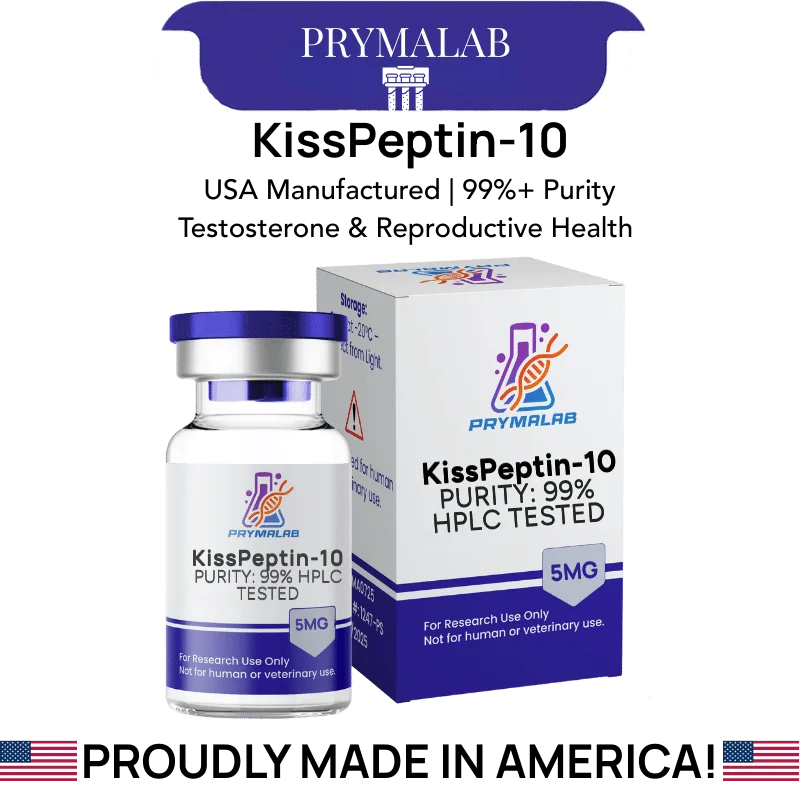
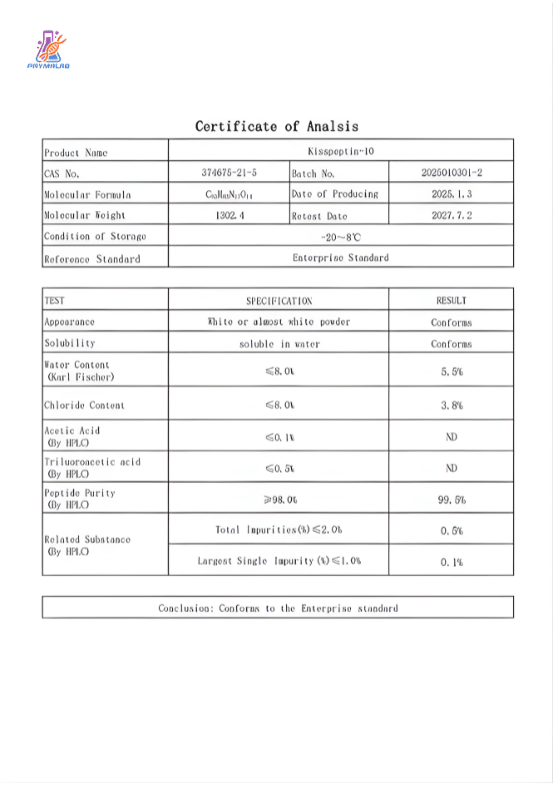




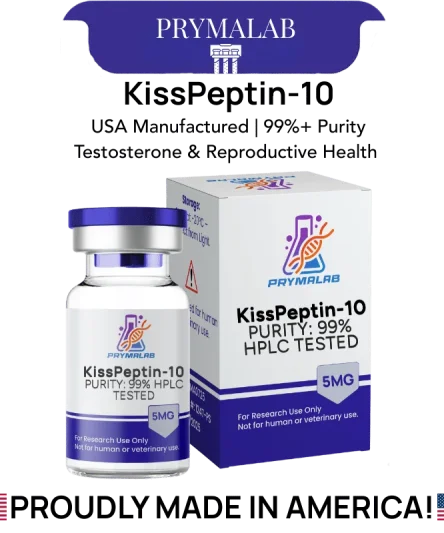






14 reviews for KissPeptin-10 5mg