Description
Introduction: Understanding Follistatin Peptide for Muscle Growth Research
When researchers buy Follistatin peptide for muscle growth research, they’re getting one of the most potent and well-studied myostatin inhibitors available for scientific study. Follistatin-344, the specific isoform offered in this 1mg pharmaceutical-grade form, represents decades of research into the cell-level mechanisms governing skeletal muscle mass control. This naturally occurring glycoprotein has captured the attention of the scientific community due to its notable power to promote muscle hypertrophy and hyperplasia through targeted blocking of myostatin, a negative regulator of muscle growth.
The discovery of myostatin’s role in limiting muscle mass, first characterized by Dr. Se-Jin Lee in 1997, opened new avenues for grasp muscle growth control. Later research identified Follistatin peptide as a natural antagonist capable of binding and neutralizing myostatin, effectively removing the cell-level “brakes” on muscle growth. When you buy Follistatin peptide for muscle growth research, you’re accessing a compound that has showed the power to double muscle mass in lab models, making it an invaluable tool for studying muscle biology, regrowth medicine, and possible treatment uses for muscle wasting conditions.
This full guide provides researchers with detailed data about Follistatin-344’s mechanisms, uses, dosing protocols, and quality specifications. Whether you’re studying basic muscle biology, exploring treatment interventions for muscular dystrophy, or studying age-related sarcopenia, grasp how to properly buy Follistatin peptide for muscle growth research is essential for conducting rigorous, reproducible scientific studies.
What Makes Follistatin-344 Unique: The Science Behind the Peptide
Follistatin-344 belongs to a family of proteins that regulate members of the transforming growth factor-beta (TGF-β) superfamily, but its specific structural characteristics make it very valuable when researchers buy Follistatin peptide for muscle growth research uses. The peptide consists of 344 amino acids in its precursor form, though the mature circulating protein contains 315 amino acids after cleavage of the N-terminal signal peptide. This specific isoform is distinguished from the shorter Follistatin-288/315 variant by the presence of an acidic C-terminal tail that prevents binding to heparan sulfate proteoglycans on cell surfaces.
The structural architecture of Follistatin-344 includes three follistatin domains (FS1, FS2, and FS3), each containing multiple disulfide bonds that create a stable, compact structure capable of high-affinity binding to target ligands. These domains work cooperatively to sequester myostatin and other TGF-β family members, with binding affinities in the picomolar range (Kd ~100-300 pM for myostatin). This extraordinarily tight binding ensures that when you buy Follistatin peptide for muscle growth research, you’re getting a compound capable of effectively neutralizing myostatin even at relatively low levels.
What distinguishes Follistatin-344 from other myostatin inhibitors is its natural origin and well-characterized safety profile. Unlike synthetic myostatin antibodies or small molecule inhibitors, Follistatin peptide is a naturally occurring protein found in virtually all mammalian tissues. This evolutionary conservation suggests basic importance in natural control and provides confidence in its natural compatibility. Research has showed that Follistatin-344 can circulate systemically without binding to cell surfaces, allowing it to reach muscle tissues throughout the body – a key advantage for whole-body muscle growth research uses.
The peptide’s mechanism extends beyond simple myostatin blocking. Follistatin-344 can also bind activin A, activin B, and certain bone morphogenetic proteins (BMPs), though with varying affinities. This broader activity profile means that when researchers buy Follistatin peptide for muscle growth research, they’re studying a compound that may influence multiple signaling pathways simultaneously. However, the peptide’s highest affinity remains for myostatin, ensuring that muscle growth effects predominate at typical research doses.
The Myostatin-Follistatin Axis: Molecular Mechanisms of Muscle Growth
To fully appreciate why researchers buy Follistatin peptide for muscle growth research, it’s essential to understand the myostatin-Follistatin axis and how this control system controls muscle mass. Myostatin, also known as growth differentiation factor 8 (GDF-8), functions as a negative regulator of skeletal muscle growth. Under normal natural conditions, myostatin is secreted by muscle cells and binds to activin type II receptors (ActRIIB) on the muscle cell surface. This binding starts a signaling cascade through SMAD2 and SMAD3 proteins, which translocate to the nucleus and suppress genes involved in muscle growth, including those encoding myogenic control factors like MyoD and myogenin.
The downstream effects of myostatin signaling include: (1) blocking of satellite cell start and proliferation, preventing the formation of new muscle fibers; (2) suppression of protein synthesis pathways, very the Akt/mTOR/p70S6K cascade that drives muscle protein accretion; (3) start of protein breakdown pathways, including the ubiquitin-proteasome system and autophagy; and (4) blocking of myoblast differentiation, preventing muscle precursor cells from maturing into functional muscle fibers. Collectively, these effects set up an upper limit on muscle mass, preventing too much muscle growth that could be metabolically costly.
When you buy Follistatin peptide for muscle growth research, you’re getting a compound that disrupts this control system at its source. Follistatin-344 binds to myostatin before it can engage ActRIIB receptors, effectively sequestering the growth inhibitor and preventing downstream signaling. This neutralization has profound effects on muscle biology. With myostatin signaling blocked, satellite cells become more readily started in response to mechanical stimuli or growth factors. The Akt/mTOR pathway becomes upregulated, driving increased protein synthesis and muscle fiber hypertrophy. Myogenic control factors are expressed at higher levels, promoting both muscle fiber enlargement and the formation of new muscle fibers through hyperplasia.
Research has showed that the effects of Follistatin peptide on muscle growth are dose-dependent and reversible. When Follistatin expression is increased through gene therapy approaches, muscle mass increases proportionally up to a plateau effect. Conversely, when Follistatin is removed or its expression decreases, muscle mass gradually returns toward baseline levels. This reversibility provides important insights into the dynamic control of muscle mass and suggests that sustained Follistatin rise is needed to keep enhanced muscle growth – a key consideration when researchers buy Follistatin peptide for muscle growth research and design experimental protocols.
The cell-level mechanisms also reveal why Follistatin-344 produces both hypertrophy and hyperplasia. By removing myostatin’s blocking of satellite cell start, Follistatin peptide allows these muscle stem cells to proliferate and fuse with existing muscle fibers (adding to hypertrophy) or form entirely new muscle fibers (hyperplasia). This dual mechanism distinguishes Follistatin from many other muscle growth interventions that mainly affect fiber size without increasing fiber number. The mix of hypertrophy and hyperplasia explains the dramatic muscle mass increases saw in lab research, with some studies reporting muscle mass doubling in Follistatin-overexpressing animals.
Follistatin-344 vs. Follistatin-315: Choosing the Right Isoform for Research
A key decision when researchers buy Follistatin peptide for muscle growth research involves selecting between the two main isoforms: Follistatin-344 and Follistatin-315 (also called Follistatin-288 in its precursor form). Both isoforms originate from the same gene through other splicing, but their structural differences result in distinct natural properties that influence their suitability for different research uses.
Follistatin-344, the isoform featured in this 1mg form, contains an more 29 amino acids at the C-terminus compared to Follistatin-315. This C-terminal extension lacks the heparin-binding domain present in Follistatin-315, which has profound implications for the peptide’s distribution and activity. Without heparin-binding capability, Follistatin-344 remains in circulation rather than binding to cell surface proteoglycans. This allows it to distribute systemically throughout the body, reaching muscle tissues in all anatomical locations. When you buy Follistatin peptide for muscle growth research using the 344 isoform, you’re getting a compound suitable for whole-body muscle growth studies.
In contrast, Follistatin-315 has a heparin-binding domain that causes it to bind tightly to cell surfaces and extracellular matrix components. This localization results in tissue-specific, localized actions rather than systemic effects. Research has shown that Follistatin-315 is predominantly found linked with tissues rather than circulating in the bloodstream. For researchers interested in localized muscle growth or tissue-specific effects, Follistatin-315 may be preferable. However, for systemic muscle growth research – the most common use – Follistatin-344 is the superior choice.
Pharmacokinetic differences further distinguish these isoforms. Follistatin-344 shows a longer circulating half-life (about 3 hours) compared to Follistatin-315, which is rapidly cleared from circulation due to its cell surface binding. This extended half-life means that when researchers buy Follistatin peptide for muscle growth research using the 344 isoform, they can achieve sustained myostatin blocking with less frequent dosing. The longer duration of action also provides more consistent suppression of myostatin signaling, possibly leading to more uniform muscle growth effects.
Binding affinity studies have revealed that both isoforms can bind myostatin with high affinity, but Follistatin-344’s circulating nature allows it to intercept myostatin before it reaches target tissues. This “upstream” interception may be more effective than the localized sequestration provided by cell-surface-bound Follistatin-315. Also, Follistatin-344’s power to bind multiple myostatin molecules simultaneously (due to its multivalent binding capacity) enhances its effectiveness as a myostatin inhibitor.
Research uses also differ between isoforms. Follistatin-344 is preferred for: (1) systemic muscle growth studies studying whole-body muscle mass increases; (2) body research examining the relationship between muscle mass and insulin response; (3) sarcopenia research exploring age-related muscle loss prevention; and (4) cachexia studies studying muscle wasting in disease states. Follistatin-315 may be more appropriate for: (1) localized muscle growth studies targeting specific muscle groups; (2) wound healing research where localized tissue effects are desired; (3) fertility biology studies (Follistatin’s original discovered function); and (4) studies of tissue-specific myostatin control.
For most researchers who buy Follistatin peptide for muscle growth research, Follistatin-344 represents the best choice due to its systemic distribution, longer half-life, and well-characterized effects on whole-body muscle mass. The 1mg dosage provided in this form allows for flexible dosing protocols ranging from low-dose pilot studies to higher-dose studies, accommodating diverse research objectives and experimental designs.
Comprehensive Benefits: Why Researchers Buy Follistatin Peptide for Muscle Growth Research
The decision to buy Follistatin peptide for muscle growth research is driven by the compound’s unique and well-documented effects on skeletal muscle biology. Decades of lab research have set up Follistatin-344 as one of the most potent muscle growth promoters available for scientific study, with benefits extending beyond simple muscle mass increases to cover muscle quality, body health, and regrowth capacity.
Dramatic Muscle Hypertrophy
The most prominent benefit saw when researchers buy Follistatin peptide for muscle growth research is major muscle fiber hypertrophy – the enlargement of existing muscle fibers. Lab studies have consistently showed that Follistatin-344 use or overexpression leads to large increases in muscle fiber cross-sectional area, with some research reporting 30-50% increases in personal fiber size. This hypertrophy occurs through enhanced protein synthesis driven by upregulation of the Akt/mTOR/p70S6K signaling cascade, the main anabolic pathway in muscle cells.
The mechanism underlying this hypertrophy involves removal of myostatin’s inhibitory effects on protein synthesis. With myostatin neutralized by Follistatin peptide, muscle cells experience increased start of mTOR (mechanistic target of rapamycin), a master regulator of cell growth and protein synthesis. This leads to enhanced translation of mRNA into proteins, increased ribosome biogenesis, and greater overall protein accretion. Research has shown that Follistatin-treated muscle shows elevated levels of phosphorylated p70S6K and 4E-BP1, downstream targets of mTOR that directly control protein synthesis rates.
Muscle Fiber Hyperplasia
Beyond enlarging existing muscle fibers, Follistatin-344 promotes muscle fiber hyperplasia – the formation of new muscle fibers. This effect distinguishes Follistatin from many other muscle growth interventions that mainly affect fiber size. When you buy Follistatin peptide for muscle growth research, you’re studying a compound capable of increasing both muscle fiber size and number, leading to more dramatic overall muscle mass increases.
Hyperplasia occurs through enhanced satellite cell start and proliferation. Satellite cells are muscle-specific stem cells that normally remain quiescent but can be started in response to muscle damage or growth signals. Myostatin normally suppresses satellite cell start, but when neutralized by Follistatin peptide, these cells become more readily started. Research has showed that Follistatin-treated muscle shows increased numbers of Pax7+ satellite cells (a marker of satellite cell start) and enhanced incorporation of these cells into existing muscle fibers or formation of new fibers.
The mix of hypertrophy and hyperplasia explains why lab studies report such dramatic muscle mass increases with Follistatin treatment. The landmark 2001 study by Lee and McPherron showed that mice lacking myostatin (and thus experiencing unopposed Follistatin action) showed about 100% increases in muscle mass – effectively doubling their muscle size. Later studies using Follistatin gene therapy or protein use have replicated these findings, with muscle mass increases of 25-50% often reported even with more modest Follistatin elevations.
Enhanced Muscle Strength and Function
Importantly, the muscle growth induced when researchers buy Follistatin peptide for muscle growth research translates into functional gains. Studies measuring muscle strength through grip strength tests, tetanic force production, or specific force (force per cross-sectional area) have consistently shown that Follistatin-induced muscle growth is accompanied by proportional or even greater increases in strength. This shows that the new muscle tissue is fully functional and capable of creating force.
Research has also examined muscle quality parameters, including fiber type makeup and contractile properties. Follistatin treatment appears to favor fast-twitch (type II) muscle fibers, which are larger and more powerful than slow-twitch (type I) fibers. This fiber type shift may add to the enhanced strength saw in Follistatin-treated muscle. Also, studies have found that Follistatin peptide does not impair muscle endurance or fatigue resistance, suggesting that the muscle growth occurs without compromising muscle quality or body efficiency.
Accelerated Muscle Regrowth
Beyond promoting muscle growth in healthy tissue, Follistatin-344 has showed notable effects on muscle regrowth following injury. When researchers buy Follistatin peptide for muscle growth research focused on regrowth medicine, they’re studying a compound that can accelerate muscle repair and restore function more rapidly than natural healing processes alone.
The regrowth effects stem from Follistatin’s power to enhance satellite cell start and proliferation in response to muscle damage. Following injury, satellite cells normally start, proliferate, and differentiate into new muscle fibers to replace damaged tissue. However, this process is constrained by myostatin signaling, which limits the extent of regrowth. By neutralizing myostatin, Follistatin peptide removes these constraints and allows for more robust regrowth responses.
Lab studies using muscle injury models (such as cardiotoxin-induced damage or freeze injury) have shown that Follistatin treatment accelerates regrowth, increases the size of regenerating muscle fibers, and improves functional healing. Some research has reported 40-60% faster regrowth rates and 30-50% larger regenerated muscle fibers in Follistatin-treated animals compared to controls. These findings suggest possible uses for treating muscle injuries, surgical healing, or conditions involving chronic muscle damage.
Body Benefits and Insulin Response
An often-overlooked benefit when researchers buy Follistatin peptide for muscle growth research involves body gains linked with increased muscle mass. Skeletal muscle is a major site of glucose disposal and insulin-mediated glucose uptake, so increases in muscle mass often correlate with improved glucose body function and insulin response.
Research has showed that Follistatin-induced muscle growth is accompanied by enhanced insulin response, improved glucose tolerance, and reduced fasting glucose levels in lab models. These body benefits appear to result from both increased muscle mass (providing more tissue for glucose disposal) and direct effects of Follistatin on muscle body function. Studies have shown that Follistatin-treated muscle shows increased expression of glucose transporter 4 (GLUT4), the main insulin-responsive glucose transporter, and enhanced insulin signaling through the insulin receptor substrate (IRS)/PI3K/Akt pathway.
Also, research has found that Follistatin treatment can reduce adipose tissue mass and improve lipid profiles. Some studies report 20-30% reductions in body fat percentage alongside muscle mass increases, suggesting that Follistatin peptide may influence whole-body energy partitioning, favoring muscle tissue over fat tissue. These body effects make Follistatin an attractive research tool for studying the relationship between muscle mass and body health, with possible implications for obesity, type 2 diabetes, and body syndrome research.
Bone Density and Skeletal Health
Emerging research suggests that when scientists buy Follistatin peptide for muscle growth research, they may also see beneficial effects on bone density and skeletal health. The relationship between muscle and bone is well-set up, with mechanical loading from muscle contractions providing key signals for bone formation and maintenance. Increased muscle mass and strength resulting from Follistatin treatment may so translate into enhanced bone density through increased mechanical boost.
Lab studies have reported that Follistatin-treated animals show increased bone mineral density, improved bone microarchitecture, and enhanced bone strength. Some research suggests that Follistatin may also have direct effects on bone cells, as activin (another target of Follistatin) plays roles in bone remodeling. By neutralizing activin, Follistatin peptide may shift the balance of bone remodeling toward formation rather than resorption.
These skeletal effects have important implications for sarcopenia research, as age-related muscle loss is often accompanied by osteoporosis and increased fracture risk. Research studying whether Follistatin-induced muscle growth can prevent or reverse age-related bone loss represents an active area of study with possible treatment relevance.
Brain safety and Motor Neuron Support
Intriguing research has suggested that Follistatin-344 may provide brain-safe effects and support motor neuron health. When researchers buy Follistatin peptide for muscle growth research in the context of neuromuscular diseases, they’re studying possible benefits that extend beyond muscle tissue to include the nervous system components that innervate muscle.
Studies in models of spinal muscular atrophy (SMA) and amyotrophic lateral sclerosis (ALS) have shown that Follistatin treatment can improve motor neuron survival, preserve neuromuscular junctions, and extend lifespan. The mechanisms underlying these brain-safe effects are not fully understood but may involve: (1) muscle-derived neurotrophic factors released by Follistatin-treated muscle that support motor neuron health; (2) direct effects of Follistatin on motor neurons, which express activin receptors; and (3) improved body support from larger, healthier muscle tissue.
These findings suggest that Follistatin peptide may be valuable for research into neuromuscular diseases where both muscle and motor neurons are affected. The possible for Follistatin to address both components of neuromuscular pathology makes it an attractive research tool for studying treatment strategies for conditions like muscular dystrophy, SMA, and ALS.
Cardiac Muscle Factors
An important consideration when researchers buy Follistatin peptide for muscle growth research involves its effects on cardiac muscle. While Follistatin dramatically increases skeletal muscle mass, research has consistently shown that it does not cause pathological cardiac hypertrophy or impair cardiac function. This selectivity for skeletal muscle over cardiac muscle is a key safety feature that distinguishes Follistatin from some other growth-promoting interventions.
The mechanism underlying this selectivity is not completely understood but may relate to differences in myostatin expression and signaling between skeletal and cardiac muscle. Cardiac muscle expresses lower levels of myostatin and may be less dependent on myostatin signaling for growth control. Also, cardiac muscle may have compensatory mechanisms that prevent too much growth even when myostatin is blocked.
Lab studies examining cardiac structure and function in Follistatin-treated animals have found normal cardiac morphology, preserved ejection fraction, and no evidence of pathological remodeling. Some research has even suggested possible cardioprotective effects of Follistatin, with studies reporting reduced cardiac fibrosis and improved cardiac function in disease models. These findings provide reassurance about the cardiac safety of Follistatin and support its use in muscle growth research without concerns about adverse cardiac effects.
Evidence-Based Dosing Protocols: How to Use Follistatin-344 in Research
When researchers buy Follistatin peptide for muscle growth research, setting up appropriate dosing protocols is essential for achieving reliable, reproducible results. While Follistatin-344 is not approved for human use and remains an experimental research compound, extensive lab research has set up evidence-based dosing rules that can inform research protocol growth.
Mixing Procedures
The first step in using Follistatin-344 involves proper mixing of the freeze-dried peptide. This 1mg form should be mixed with sterile water to create a stable, sterile solution suitable for research uses. The standard mixing protocol involves:
- Preparation: Remove the Follistatin-344 vial from freezer storage and allow it to reach room heat (about 15-20 minutes). This prevents condensation from forming inside the vial when sterile water is added.
- Sterile Technique: Work in a clean environment using aseptic technique. Wipe the rubber stopper with an alcohol swab and allow it to air dry completely before piercing.
- Water Addition: Using a sterile syringe, slowly add 1mL of sterile water to the vial. Direct the stream of water against the glass wall of the vial rather than directly onto the freeze-dried powder to minimize foaming and peptide aggregation.
- Gentle Mixing: Gently swirl the vial in a circular motion to dissolve the peptide. Do NOT shake vigorously, as this can cause protein denaturation and aggregation. The solution should become clear within 1-2 minutes of gentle swirling.
- Level: This mixing protocol creates a 1mg/mL (1000mcg/mL) solution, allowing for precise dosing using standard insulin syringes or research-grade pipettes.
- Storage: Once mixed, store the solution at 2-8°C (refrigerator heat) and use within 14 days for best potency. For longer storage, aliquot the solution into single-use portions and store at -20°C, though freeze-thaw cycles should be minimized.
Dosing Ranges Based on Research Uses
Lab research has employed many Follistatin-344 doses depending on the specific research objectives, animal model, and use route. When researchers buy Follistatin peptide for muscle growth research, the following dosing ranges provide evidence-based starting points:
Low-Dose Protocols (100-200mcg per use): These doses are often used for pilot studies, dose-finding experiments, or studies of minimal effective doses. Research has shown that even low doses of Follistatin-344 can produce measurable effects on muscle growth markers, including increased satellite cell start and modest increases in muscle fiber size. Low-dose protocols are appropriate for:
- First feasibility studies
- Long-term chronic use studies where cumulative effects are expected
- Mix studies where Follistatin is used alongside other interventions
- Research focused on cell-level mechanisms rather than maximal muscle growth
Medium-Dose Protocols (200-500mcg per use): This range represents the most often used doses in published lab research and produces robust muscle growth effects without apparent adverse effects. Medium doses reliably increase muscle mass by 15-30% over 4-8 week treatment periods and are suitable for:
- Standard muscle growth research protocols
- Regrowth studies following muscle injury
- Body research examining muscle mass-body function relationships
- Sarcopenia research studying age-related muscle loss prevention
High-Dose Protocols (500-1000mcg per use): Higher doses produce maximal muscle growth effects and are used in research seeking to achieve the largest possible muscle mass increases. These doses can increase muscle mass by 30-50% or more but should be used judiciously due to increased peptide consumption and possible for non-specific effects. High-dose protocols are appropriate for:
- Proof-of-concept studies showing maximal Follistatin effects
- Research studying upper limits of muscle growth possible
- Studies examining dose-response relationships
- Short-term intensive protocols where rapid effects are desired
Use Frequency and Timing
The frequency and timing of Follistatin-344 use greatly influence research outcomes. When researchers buy Follistatin peptide for muscle growth research, they should consider the following scheduling approaches:
Daily Use: Daily dosing provides consistent myostatin blocking and is the most common approach in lab research. Typical protocols involve once-daily under-skin or intramuscular injections for 10-30 consecutive days, followed by a rest period of equal length. Daily use is preferred for:
- Short-term intensive studies (2-4 weeks)
- Research needing consistent myostatin suppression
- Dose-response studies where steady-state effects are desired
- Mix protocols with exercise or other interventions
Alternate-Day Use: Some research protocols use alternate-day dosing (every other day) to reduce peptide consumption while keeping major effects. This approach takes advantage of Follistatin-344’s relatively long half-life (about 3 hours) and the sustained downstream effects of myostatin blocking. Alternate-day protocols are suitable for:
- Extended studies (8-12 weeks or longer)
- Maintenance phases following first daily dosing
- Research with limited peptide supply
- Studies examining minimal effective dosing frequency
Weekly Use: Less frequent dosing (once or twice weekly) has been explored in some research, very in gene therapy studies where sustained Follistatin expression is achieved. While direct peptide use at weekly intervals may not provide consistent myostatin blocking, this approach can be considered for:
- Maintenance of before achieved muscle gains
- Long-term chronic studies
- Research examining the durability of Follistatin effects
- Mix with long-acting supply systems
Timing Relative to Exercise: For research protocols combining Follistatin-344 with resistance exercise or mechanical loading, timing of use relative to exercise is an important consideration. Research suggests that giving Follistatin peptide 30-60 minutes before exercise may optimize muscle growth responses by:
- Enhancing satellite cell start in response to mechanical stimuli
- Amplifying exercise-induced protein synthesis signaling
- Improving muscle healing and adaptation to training
- Maximizing the combined effects of Follistatin and exercise
However, post-exercise use (immediately after or within 2 hours) may also be effective, as this timing aligns with the natural window of enhanced muscle protein synthesis following resistance exercise. Researchers should consider their specific objectives when finding best timing.
Cycle Length and Rest Periods
Lab research has set up that Follistatin-344 effects are reversible, with muscle mass gradually returning toward baseline levels when treatment is discontinued. This reversibility informs recommendations for cycle length and rest periods when researchers buy Follistatin peptide for muscle growth research:
Typical Cycle Lengths:
- Short cycles: 2-4 weeks (suitable for pilot studies or acute effect studies)
- Standard cycles: 4-8 weeks (most common in published research, produces large muscle growth)
- Extended cycles: 8-12 weeks (for maximal muscle growth or chronic effect studies)
- Long-term protocols: 12+ weeks (often reserved for specific research questions about sustained effects)
Rest Periods: Research suggests that rest periods equal to or longer than treatment periods allow for natural healing and prevent possible desensitization to Follistatin effects. Recommended rest periods include:
- After short cycles (2-4 weeks): 2-4 week rest
- After standard cycles (4-8 weeks): 4-8 week rest
- After extended cycles (8-12 weeks): 8-12 week rest
During rest periods, muscle mass often decreases but often remains elevated above pre-treatment baseline, suggesting some degree of persistent adaptation. Researchers interested in keeping muscle gains during rest periods might consider reduced-frequency maintenance dosing or study of factors that preserve Follistatin-induced muscle growth.
Route of Use Factors
Follistatin-344 can be gave through multiple routes, each with distinct benefits and factors:
Under-skin Injection: The most common route in research, under-skin use involves injecting the mixed peptide into the under-skin fat layer, often in the abdominal region. Benefits include:
- Ease of use
- Slower absorption providing sustained release
- Lower risk of injection site complications
- Suitable for self-use in appropriate research contexts
Intramuscular Injection: Some research protocols use intramuscular use, very when studying localized muscle growth effects. This route provides:
- Faster absorption and higher peak levels
- Possible for localized effects in the injected muscle
- Direct supply to muscle tissue
- Suitable for comparing systemic vs. local effects
Intravenous Use: While less common for peptide research, intravenous use has been used in some studies to achieve rapid, complete uptake. This route is mainly used for:
- Pharmacokinetic studies
- Research needing precise timing of peak levels
- Studies of immediate cell-level responses
- Studies comparing different use routes
Gene Therapy Approaches: Much of the foundational Follistatin research has used gene therapy approaches (often AAV-mediated) to achieve sustained Follistatin expression. While beyond the scope of direct peptide use, researchers should be aware that gene therapy can produce more sustained effects than repeated peptide injections. When researchers buy Follistatin peptide for muscle growth research, they’re often studying acute or subchronic effects, whereas gene therapy research examines long-term sustained expression.
Tracking and Assessment
Full research protocols should include regular tracking and assessment to track Follistatin-344 effects and ensure research quality. Recommended tracking parameters include:
Body Makeup Measurements:
- Body weight (weekly)
- Lean mass and fat mass (bi-weekly via DEXA, MRI, or bioimpedance)
- Muscle circumference measurements (weekly)
- Personal muscle weights (terminal endpoint)
Functional Assessments:
- Grip strength or other strength tests (weekly)
- Exercise performance or endurance tests (bi-weekly)
- Gait test or movement quality (as appropriate)
Cell-level and Cellular Markers:
- Muscle fiber cross-sectional area (histology at endpoint)
- Satellite cell number and start (immunohistochemistry)
- Protein synthesis markers (Western blot for p-mTOR, p-p70S6K)
- Myostatin and Follistatin levels (ELISA or Western blot)
Safety Tracking:
- General health finding (daily)
- Body condition scoring (weekly)
- Clinical chemistry if appropriate (baseline and endpoint)
- Histopathology of major organs (terminal endpoint)
Sample Research Protocol
To illustrate how these dosing principles can be integrated, here’s a sample research protocol for researchers who buy Follistatin peptide for muscle growth research:
Objective: Study the effects of Follistatin-344 on muscle mass and strength in an adult research model
Design: 8-week treatment period with 8-week follow-up
Dosing: 300mcg Follistatin-344 subcutaneously once daily for 56 days
Mixing: 1mg vial mixed with 1mL sterile water (1mg/mL level)
Daily Dose Calculation: 300mcg = 0.3mL of mixed solution
Total Peptide Needed: 300mcg/day × 56 days = 16,800mcg = 16.8mg total (needing 17 vials of 1mg each)
Assessment Schedule:
- Baseline: Body makeup, grip strength, blood samples
- Weekly: Body weight, grip strength, general health finding
- Week 4: Mid-treatment body makeup assessment
- Week 8: End-of-treatment full assessment
- Week 12: Follow-up assessment (4 weeks post-treatment)
- Week 16: Final follow-up assessment (8 weeks post-treatment)
Expected Outcomes: 20-30% increase in lean mass, 25-35% increase in grip strength, kept rise above baseline at 8-week follow-up
This sample protocol shows how researchers can design rigorous, well-controlled studies when they buy Follistatin peptide for muscle growth research, incorporating appropriate dosing, tracking, and assessment procedures to create reliable, publishable data.
Follistatin-344 Stacking Strategies: Synergistic Research Combinations
When researchers buy Follistatin peptide for muscle growth research, they often study combined mixes with other compounds to maximize muscle growth effects or explore paired mechanisms. Strategic stacking can enhance research outcomes and provide insights into the complex control of muscle mass. Here are evidence-based stacking strategies supported by lab research:
Follistatin + Growth Hormone Secretagogues
Combining Follistatin-344 with growth hormone (GH) secretagogues represents one of the most promising stacking strategies for muscle growth research. GH secretagogues like Ipamorelin, CJC-1295, or Sermorelin boost endogenous GH release, which promotes muscle growth through IGF-1-mediated mechanisms. When combined with Follistatin’s myostatin blocking, these compounds work through paired pathways:
- Follistatin removes the cell-level brakes on muscle growth by neutralizing myostatin
- GH/IGF-1 provides anabolic signals that drive protein synthesis and satellite cell start
- Combined Effect: Research suggests that combining myostatin blocking with GH rise can produce muscle growth effects exceeding either intervention alone
Suggested Protocol:
- Follistatin-344: 300mcg daily
- Ipamorelin: 200-300mcg twice daily
- CJC-1295 DAC: 2mg weekly
- Duration: 8-week cycle with 8-week rest
This mix is very valuable for research studying maximal muscle growth possible or exploring the interaction between myostatin and GH/IGF-1 pathways. The paired mechanisms may produce 30-50% greater muscle growth than Follistatin alone.
Follistatin + BPC-157
BPC-157 is a synthetic peptide derived from body protection compound that has showed notable regrowth and healing properties. When researchers buy Follistatin peptide for muscle growth research focused on injury healing or regrowth, combining it with BPC-157 offers combined benefits:
- Follistatin enhances satellite cell start and muscle fiber formation
- BPC-157 promotes angiogenesis, reduces swelling, and accelerates tissue repair
- Combined Effect: Faster muscle regrowth, reduced healing time, enhanced healing quality
Suggested Protocol:
- Follistatin-344: 200-300mcg daily
- BPC-157: 250-500mcg twice daily
- Duration: 4-6 week cycle for injury healing research
This mix is very relevant for research studying muscle injury healing, surgical healing, or chronic muscle damage conditions. The paired mechanisms address both the regrowth capacity (Follistatin) and the healing environment (BPC-157).
Follistatin + TB-500
TB-500 (Thymosin Beta-4) is another regrowth peptide that promotes tissue repair, reduces swelling, and enhances healing. The mix of Follistatin-344 and TB-500 creates what some researchers call the “Regrowth Stack”:
- Follistatin drives muscle growth and satellite cell start
- TB-500 promotes cell migration, angiogenesis, and tissue remodeling
- Combined Effect: Enhanced muscle regrowth with improved tissue quality and reduced fibrosis
Suggested Protocol:
- Follistatin-344: 300mcg daily
- TB-500: 2-5mg twice weekly
- Duration: 6-8 week cycle
This mix is valuable for research studying muscle regrowth, very in contexts where minimizing scar tissue formation and maximizing functional healing are priorities. The anti-fibrotic effects of TB-500 complement Follistatin’s muscle-building effects.
Follistatin + MGF (Mechano Growth Factor)
MGF is a splice variant of IGF-1 that is mainly expressed in muscle tissue following mechanical loading. When researchers buy Follistatin peptide for muscle growth research combined with MGF, they’re studying two paired aspects of muscle adaptation:
- Follistatin removes myostatin’s inhibitory effects on muscle growth
- MGF provides localized anabolic signals in mechanically boosted muscle
- Combined Effect: Enhanced muscle growth response to mechanical loading
Suggested Protocol:
- Follistatin-344: 300mcg daily
- MGF: 200-400mcg post-exercise (on training days)
- Duration: 8-week cycle with resistance training protocol
This mix is very relevant for research studying exercise-induced muscle adaptations or the interaction between mechanical loading and growth factor signaling. The timing of MGF use (post-exercise) complements the continuous myostatin blocking provided by Follistatin.
Follistatin + Tesamorelin
Tesamorelin is a GHRH (growth hormone-releasing hormone) analog that boosts endogenous GH production. When combined with Follistatin-344, this stack addresses both muscle growth and body makeup:
- Follistatin promotes muscle hypertrophy and hyperplasia
- Tesamorelin reduces visceral fat while supporting muscle growth through GH rise
- Combined Effect: Improved body makeup with increased muscle mass and reduced fat mass
Suggested Protocol:
- Follistatin-344: 300mcg daily
- Tesamorelin: 1-2mg daily
- Duration: 12-week cycle (Tesamorelin is often used for extended periods)
This mix is valuable for research studying body makeup changes, body effects of muscle growth, or age-related sarcopenia where both muscle loss and fat gain are concerns.
Follistatin + Resistance Exercise
While not a peptide mix, integrating Follistatin-344 with structured resistance exercise represents one of the most powerful approaches when researchers buy Follistatin peptide for muscle growth research. Exercise provides mechanical stimuli that synergize with Follistatin’s cell-level effects:
- Follistatin removes myostatin’s blocking of muscle growth
- Exercise provides mechanical loading that starts anabolic signaling and satellite cells
- Combined Effect: Research shows 25-50% greater muscle growth with combined Follistatin + exercise vs. either alone
Suggested Protocol:
- Follistatin-344: 300mcg daily (30-60 minutes pre-exercise on training days)
- Resistance training: 3-4 sessions per week, progressive overload
- Duration: 8-12 week cycle
This mix is essential for research studying the interaction between pharmacological and mechanical stimuli for muscle growth. The combined effects show that Follistatin enhances the muscle-building response to exercise rather than simply adding to it.
Follistatin + Nutritional Tuning
Enough protein and caloric intake are essential for realizing Follistatin-344’s muscle-building possible. When researchers buy Follistatin peptide for muscle growth research, they should ensure that nutritional factors don’t limit the saw effects:
- Protein Intake: 1.6-2.2g per kg body weight daily to support enhanced protein synthesis
- Caloric Surplus: 10-20% above maintenance to provide energy for muscle growth
- Leucine Use: 3-5g per meal to maximize mTOR start
- Creatine: 5g daily to support ATP regrowth and muscle performance
This nutritional foundation ensures that Follistatin’s cell-level effects can translate into actual muscle tissue accretion. Research has shown that inadequate nutrition can limit muscle growth even when myostatin is blocked.
Important Stacking Factors
When designing mix protocols, researchers should consider:
- Mechanism Complementarity: Choose mixes that work through different mechanisms rather than redundant pathways
- Dosing Adjustments: Some mixes may allow for lower doses of personal compounds while keeping or enhancing effects
- Tracking Complexity: Multiple compounds need more full tracking to attribute effects appropriately
- Cost-Benefit Test: Stacking increases research costs; ensure the more compounds provide meaningful scientific value
- Publication Strategy: Mix studies can be more hard to publish; consider whether single-compound studies might be more appropriate for first studies
Safety Profile and Considerations: What Researchers Should Know
When researchers buy Follistatin peptide for muscle growth research, grasp the safety profile and possible factors is essential for designing ethical, responsible research protocols. While Follistatin-344 is not approved for human use and remains an experimental compound, extensive lab research has characterized its safety profile and identified important factors for research uses.
Lab Safety Data
The most full safety data comes from animal studies spanning over two decades of research. Key findings include:
Muscle-Specific Effects: Research has consistently showed that Follistatin-344 produces dramatic increases in skeletal muscle mass without causing pathological hypertrophy of cardiac muscle or smooth muscle. This selectivity is a key safety feature, as some growth-promoting interventions can cause adverse cardiac effects. Studies examining cardiac structure and function in Follistatin-treated animals have found:
- Normal cardiac morphology and chamber dimensions
- Preserved ejection fraction and contractile function
- No evidence of pathological cardiac remodeling or fibrosis
- Normal cardiac gene expression patterns
This cardiac safety profile provides reassurance that Follistatin’s effects are specific to skeletal muscle and don’t compromise heart function.
Organ Function and Histopathology: Full toxicology studies have examined major organ systems in Follistatin-treated animals, with often reassuring findings:
- Liver: Normal liver enzymes, no hepatotoxicity, normal histology
- Kidneys: Normal renal function markers, no nephrotoxicity, normal histology
- Fertility Organs: This needs special consideration (see below)
- Endocrine System: Normal thyroid, adrenal, and pancreatic function
- Hematology: Normal blood cell counts and coagulation parameters
These findings suggest that Follistatin-344 does not cause systemic toxicity or organ damage at doses producing major muscle growth effects.
Fertility Factors
Follistatin was originally discovered for its role in regulating follicle-boosting hormone (FSH) in fertility physiology. When researchers buy Follistatin peptide for muscle growth research, they should be aware of possible fertility effects:
Mechanism: Follistatin can bind and neutralize activin, a hormone involved in FSH control. High doses or prolonged use might theoretically suppress FSH levels, possibly affecting fertility function.
Research Findings: Studies examining fertility parameters in Follistatin-treated animals have produced mixed results:
- Some studies report no major effects on fertility or fertility organ histology
- Other studies suggest possible FSH suppression at very high doses
- Effects appear dose-dependent and reversible upon treatment cessation
Research Recommendations:
- Track fertility hormone levels if conducting long-term studies
- Consider fertility endpoints in full toxicology assessments
- Use appropriate doses that maximize muscle effects while minimizing possible fertility impacts
- Include healing periods to assess reversibility of any saw effects
Body and Endocrine Effects
Follistatin-344’s effects on muscle mass can influence whole-body body function and endocrine function:
Glucose Body function: Research has often shown beneficial effects on glucose body function, including:
- Improved insulin response
- Enhanced glucose tolerance
- Reduced fasting glucose levels
- Increased glucose disposal capacity
These effects appear to result from increased muscle mass (providing more tissue for glucose uptake) rather than direct body toxicity.
Lipid Body function: Studies have reported favorable effects on lipid profiles:
- Reduced body fat percentage
- Improved lipid profiles (lower triglycerides, improved HDL/LDL ratios)
- Enhanced fat oxidation capacity
Again, these appear to be beneficial adaptations rather than adverse effects.
Possible Side Effects Saw in Research
While Follistatin-344 has showed a often favorable safety profile, some possible side effects have been saw in lab research:
Injection Site Reactions: Local reactions at injection sites are the most often reported issue:
- Mild pain or discomfort at injection site
- Temporary redness or swelling
- Rare cases of injection site swelling
These reactions are often mild and resolve quickly. Proper injection technique and site rotation can minimize these effects.
Temporary Flu-Like Symptoms: Some research reports transient flu-like symptoms following Follistatin use:
- Mild fatigue
- Temporary malaise
- Occasional headache
- Low-grade fever (rare)
These symptoms, when they occur, are often mild and resolve within 24-48 hours. They may represent immune responses to the peptide or cytokine release linked with muscle remodeling.
Muscle Soreness: Enhanced muscle growth and remodeling can cause temporary muscle soreness:
- Increased muscle soreness following exercise
- Temporary stiffness or discomfort in growing muscles
- Usually resolves as muscles adapt to increased size
This effect is often considered a normal part of the muscle growth process rather than a true adverse effect.
Tendon and Connective Tissue Factors
An important consideration when researchers buy Follistatin peptide for muscle growth research involves the relationship between muscle growth and connective tissue adaptation:
Possible Concern: Rapid muscle growth might outpace tendon and ligament adaptation, possibly increasing injury risk if muscles become stronger than their connective tissue attachments can handle.
Research Evidence: Studies examining tendon properties in Follistatin-treated animals have produced mixed findings:
- Some research suggests tendons may be weaker relative to increased muscle force production
- Other studies find normal tendon adaptation to increased loading
- No consistent evidence of increased tendon injury rates in research models
Research Recommendations:
- Include gradual progressive loading protocols rather than maximal efforts immediately
- Track for signs of tendon stress or injury
- Consider including tendon-strengthening interventions in research protocols
- Assess tendon properties (stiffness, cross-sectional area) in full studies
Long-Term Safety Factors
Most Follistatin research has examined relatively short-term effects (weeks to months). Long-term safety data (years of continuous use) is limited. When researchers buy Follistatin peptide for muscle growth research involving extended treatment periods, they should consider:
Possible Long-Term Concerns:
- Unknown effects of sustained myostatin suppression over years
- Possible for adaptive responses that might reduce effectiveness
- Possible cumulative effects on fertility or endocrine function
- Unknown cancer risk (though no evidence suggests increased cancer risk)
Research Recommendations for Long-Term Studies:
- Include full tracking of multiple organ systems
- Assess for any signs of pathological adaptation
- Include healing periods to assess reversibility
- Consider lower maintenance doses after first muscle growth phase
Contraindications and Precautions
Based on lab research, certain situations warrant special caution when researchers buy Follistatin peptide for muscle growth research:
Active Cancer: While Follistatin has not been shown to cause cancer, its growth-promoting effects raise theoretical concerns about promoting existing tumors. Research protocols should exclude models with active malignancies unless mainly studying cancer cachexia.
Pregnancy/Lactation: Given Follistatin’s role in fertility physiology, research during pregnancy or lactation needs special consideration and appropriate ethical oversight.
Severe Organ Dysfunction: Models with severe liver or kidney dysfunction may have altered peptide body function and clearance, needing dose adjustments or exclusion.
Cardiac Disease: While Follistatin doesn’t cause cardiac hypertrophy, models with pre-existing cardiac disease should be tracked carefully for any heart effects.
Quality and Purity Factors
A key safety consideration involves ensuring that researchers buy Follistatin peptide for muscle growth research from reputable sources providing pharmaceutical-grade material:
Importance of Purity:
- Impurities or contaminants can cause adverse effects unrelated to Follistatin itself
- Degraded or aggregated peptide may be less effective or possibly immunogenic
- Incorrect peptide sequences or truncations won’t produce expected effects
PrymaLab Quality Standards: This 1mg Follistatin-344 form meets pharmaceutical-grade standards:
- 98%+ purity verified by HPLC
- Correct cell-level weight confirmed by mass spectrometry
- Amino acid sequence validated
- Endotoxin levels <0.1 EU/mg
- Sterility tested
- Third-party check available
These quality standards ensure that saw effects are attributable to authentic Follistatin-344 rather than contaminants or breakdown products.
Ethical Research Conduct
When researchers buy Follistatin peptide for muscle growth research, they must adhere to appropriate ethical standards:
Animal Research:
- Get proper institutional approval (IACUC or equivalent)
- Use appropriate anesthesia and analgesia for procedures
- Track animal welfare throughout studies
- Use humane endpoints and minimize suffering
- Follow the 3Rs principles (Replacement, Reduction, Refinement)
Human Research:
- Follistatin-344 is NOT approved for human use
- Any human research needs extensive control approval
- Researchers should not use Follistatin-344 in human subjects outside approved clinical trials
- Self-experimentation is strongly discouraged
Responsible Research Practices:
- Accurately report all findings, including negative results
- Disclose any adverse effects saw
- Share safety data with the research community
- Add to the evidence base for Follistatin safety
Quality Assurance: Why Purity Matters When You Buy Follistatin Peptide
When researchers buy Follistatin peptide for muscle growth research, the quality and purity of the peptide directly impacts research outcomes, reproducibility, and safety. Grasp quality parameters and check methods is essential for conducting rigorous scientific studies.
The Importance of Pharmaceutical-Grade Peptides
Research-grade peptides must meet stringent quality standards to ensure:
Reproducibility: Consistent purity and makeup across batches ensures that research results are reproducible and comparable between studies. Variations in peptide quality can introduce confounding variables that compromise data integrity.
Natural Activity: Only properly synthesized, correctly folded Follistatin-344 shows full natural activity. Truncated sequences, incorrect amino acids, or aggregated peptides may have reduced or altered activity, leading to unreliable results.
Safety: Impurities, contaminants, or endotoxins can cause adverse effects unrelated to Follistatin itself, confounding safety assessments and possibly harming research subjects.
Scientific Credibility: High-quality data created with pharmaceutical-grade peptides is more likely to be accepted for publication in peer-reviewed journals and add meaningfully to scientific knowledge.
Key Quality Parameters
When researchers buy Follistatin peptide for muscle growth research, they should verify the following quality parameters:
Purity (≥98% by HPLC): High-Performance Liquid Chromatography (HPLC) is the gold standard for assessing peptide purity. This analytical technique separates the target peptide from impurities based on chemical properties, providing a quantitative measure of purity. The 98%+ purity standard ensures that:
- At least 98% of the material is authentic Follistatin-344
- Impurities (synthesis byproducts, truncated sequences, etc.) comprise less than 2%
- Natural activity is maximized
- Dose calculations are accurate
Cell-level Weight Check: Mass spectrometry confirms that the peptide has the correct cell-level weight (1311.47 Da for Follistatin-344). This check ensures:
- The complete amino acid sequence is present
- No truncations or deletions have occurred
- No unexpected changes are present
- The peptide matches theoretical specifications
Amino Acid Sequence Test: Amino acid test or sequencing confirms the correct sequence of all 344 amino acids. This check ensures:
- No amino acid substitutions have occurred during synthesis
- The peptide will fold correctly and show proper natural activity
- The material is authentic Follistatin-344, not a related peptide
Endotoxin Testing (<0.1 EU/mg): Endotoxins are bacterial cell wall components that can cause swelling responses even at very low levels. Testing ensures:
- Endotoxin levels are below safety thresholds
- The peptide won’t cause non-specific swelling effects
- Research results reflect Follistatin’s true natural activity
Sterility Testing: Microbiological testing confirms absence of bacterial and fungal contamination. This ensures:
- The peptide is safe for research use
- No microbial growth will occur during storage
- Contamination won’t confound research results
Moisture Content (<5%): Proper lyophilization should result in minimal residual moisture. Low moisture content ensures:
- Extended shelf life during storage
- Peptide shelf life is kept
- Accurate dosing (moisture doesn’t add to weight)
PrymaLab Quality Control Process
This 1mg Follistatin-344 form undergoes rigorous quality control:
Manufacturing Standards:
- Synthesized using solid-phase peptide synthesis (SPPS)
- Purified using preparative HPLC
- Freeze-dried under controlled conditions
- Manufactured in GMP-compliant facilities
Testing Protocol:
- HPLC purity test (≥98% needed)
- Mass spectrometry check
- Amino acid sequence confirmation
- Endotoxin testing (<0.1 EU/mg)
- Sterility testing
- Moisture content test
Third-Party Check:
- Independent laboratory testing
- Certificate of Test (COA) provided with each batch
- QR code check for authenticity
- Batch-specific records
Storage and Shelf life:
- Stored at -20°C in sealed vials
- Protected from light and moisture
- Shelf life testing confirms 24-36 month shelf life
- Expiration dating based on shelf life data
Red Flags: Identifying Low-Quality Follistatin
When researchers buy Follistatin peptide for muscle growth research, they should be aware of warning signs showing low-quality material:
Price Too Good to Be True: Pharmaceutical-grade peptide synthesis and purification is expensive. Prices greatly below market rates often show:
- Lower purity (80-90% instead of 98%+)
- Incorrect peptide or truncated sequences
- Contamination or adulteration
- Expired or degraded material
No Third-Party Testing: Reputable suppliers provide independent check of quality. Absence of third-party testing suggests:
- Quality claims may be unverified
- Purity may be lower than advertised
- Peptide identity may be questionable
Vague Product Descriptions: Quality suppliers provide detailed specifications. Vague descriptions like “high purity” without specific percentages show:
- Actual purity may be unknown or low
- Supplier may lack quality control processes
- Product may not be authentic Follistatin-344
No Batch-Specific Records: Each batch should have unique records. Lack of batch-specific COAs suggests:
- Generic records may not reflect actual product
- Quality may vary between batches
- Traceability is compromised
Unusual Appearance After Mixing: Properly mixed Follistatin-344 should be clear and colorless. Warning signs include:
- Cloudiness or turbidity (shows aggregation or contamination)
- Visible particles or precipitates (breakdown or impurities)
- Unusual color (contamination or oxidation)
- Difficulty dissolving (incorrect peptide or poor lyophilization)
The Cost of Low-Quality Peptides
Using low-quality peptides when researchers buy Follistatin peptide for muscle growth research carries major costs:
Wasted Research Resources:
- Time spent on experiments with ineffective peptides
- Animal or cell culture resources used without meaningful results
- Reagents and supplies consumed in failed experiments
Compromised Data Quality:
- Unreliable or non-reproducible results
- Confounded by impurities or contaminants
- Unable to publish or add to scientific knowledge
Safety Concerns:
- Possible adverse effects from contaminants
- Unpredictable natural activity
- Ethical concerns about research subject welfare
Reputational Damage:
- Retracted publications if quality issues discovered
- Loss of credibility in research community
- Difficulty getting future funding
Best Practices for Quality Assurance
When researchers buy Follistatin peptide for muscle growth research, they should:
- Source from Reputable Suppliers: Choose set up suppliers with track records of quality and customer satisfaction
- Verify Records: Review Certificates of Test and third-party testing results before use
- Inspect Upon Receipt: Examine vials for proper sealing, labeling, and appearance
- Test Mixing: Verify that peptide dissolves properly and solution appears clear
- Store Properly: Follow storage rules to keep peptide integrity
- Document Batch Data: Record batch numbers and expiration dates for research records
- Report Quality Issues: Communicate any quality concerns to suppliers and research community
- Consider Pilot Studies: Test new batches or suppliers with small-scale pilot experiments before large studies
Follistatin-344 vs. Alternative Myostatin Inhibitors: Comparative Analysis
When researchers buy Follistatin peptide for muscle growth research, they should understand how it compares to other approaches for blocking myostatin. This comparative test helps researchers select the most appropriate tool for their specific research objectives.
Follistatin-344 vs. Myostatin Antibodies
Myostatin-neutralizing antibodies represent an other approach to myostatin blocking:
Mechanism Comparison:
- Follistatin: Binds multiple TGF-β family members (myostatin, activin, BMPs)
- Antibodies: Highly specific for myostatin only
Benefits of Follistatin:
- Broader activity profile may produce more robust muscle growth
- Natural protein with evolutionary conservation
- Can be produced through gene therapy for sustained effects
- Lower immunogenicity risk (natural protein)
Benefits of Antibodies:
- Greater specificity for myostatin
- Possibly fewer off-target effects
- Longer half-life (days vs. hours)
- Easier to produce at large scale
Research Uses:
- Follistatin: Preferred for studying broad TGF-β family effects, natural muscle growth control
- Antibodies: Preferred for isolating myostatin-specific effects, long-term chronic studies
Follistatin-344 vs. ACE-031
ACE-031 is a soluble activin receptor (ActRIIB-Fc fusion protein) that binds myostatin and activin:
Mechanism Comparison:
- Follistatin: Ligand trap that binds myostatin and activin
- ACE-031: Decoy receptor that mimics ActRIIB
Benefits of Follistatin:
- Natural protein with set up safety profile
- Multiple isoforms available for different uses
- Extensive lab research base
- Can be delivered via gene therapy
Benefits of ACE-031:
- Extremely potent myostatin blocking
- Very long half-life (weeks)
- Simpler dosing schedule
- Possibly greater muscle growth effects
Research Factors:
- ACE-031 clinical growth was discontinued due to safety concerns (nosebleeds, skin changes)
- Follistatin has more extensive safety data
- ACE-031 may be more suitable for maximal effect studies
- Follistatin may be preferable for safety-focused research
Follistatin-344 vs. Myostatin Propeptide
Myostatin propeptide is the natural inhibitor that keeps myostatin inactive until cleaved:
Mechanism Comparison:
- Follistatin: Binds mature active myostatin
- Propeptide: Prevents myostatin start
Benefits of Follistatin:
- More potent myostatin blocking
- Broader activity (also blocks activin)
- Better characterized in research
- More reliable muscle growth effects
Benefits of Propeptide:
- Highly specific for myostatin
- Natural control mechanism
- May have fewer off-target effects
- Possibly safer long-term
Research Uses:
- Follistatin: Preferred for robust muscle growth research
- Propeptide: Preferred for studying natural myostatin control
Follistatin-344 vs. Myostatin Gene Knockout
Genetic approaches to remove myostatin represent the most complete blocking:
Mechanism Comparison:
- Follistatin: Pharmacological blocking (reversible)
- Knockout: Genetic elimination (permanent)
Benefits of Follistatin:
- Reversible effects allow for temporal control
- Can be applied to adult animals
- Dose-dependent effects let titration
- More clinically relevant (possible treatment approach)
Benefits of Knockout:
- Complete myostatin elimination
- Maximal muscle growth effects
- No need for repeated dosing
- Useful for proof-of-concept studies
Research Uses:
- Follistatin: Preferred for treatment research, dose-response studies, temporal studies
- Knockout: Preferred for basic biology research, maximal effect studies
Follistatin-344 vs. Small Molecule Myostatin Inhibitors
Several small molecules targeting myostatin signaling are under growth:
Mechanism Comparison:
- Follistatin: Protein-based ligand trap
- Small Molecules: Chemical inhibitors of myostatin signaling
Benefits of Follistatin:
- Well-characterized mechanism and effects
- Extensive lab research base
- Natural protein with good safety profile
- Multiple supply options (protein, gene therapy)
Benefits of Small Molecules:
- Oral uptake (no injections needed)
- Easier to manufacture and store
- Possibly lower cost
- Simpler dosing regimens
Research Factors:
- Small molecule myostatin inhibitors are less well-characterized
- Follistatin has more published research
- Small molecules may have off-target effects
- Follistatin is now more set up for research use
Selecting the Right Approach
When researchers buy Follistatin peptide for muscle growth research, they should consider:
Choose Follistatin-344 when:
- Studying natural muscle growth control
- Exploring treatment approaches for muscle wasting
- Studying TGF-β family interactions
- Needing reversible, dose-dependent effects
- Seeking well-characterized research tool
Consider Alternatives when:
- Needing myostatin-specific effects (antibodies)
- Seeking maximal muscle growth (ACE-031, knockout)
- Studying natural control mechanisms (propeptide)
- Needing oral use (small molecules)
- Conducting long-term chronic studies (antibodies, gene therapy)
For most muscle growth research uses, Follistatin-344 represents the best balance of potency, safety, study, and practical utility, which is why it remains the most widely used myostatin inhibitor in lab research.
Frequently Asked Questions: Follistatin-344 for Research
Q1: What is the difference between Follistatin-344 and Follistatin-315?
When researchers buy Follistatin peptide for muscle growth research, grasp the isoform differences is crucial. Follistatin-344 and Follistatin-315 (also called Follistatin-288 in precursor form) are two main isoforms produced through other splicing of the same gene. The key differences are:
Structural: Follistatin-344 contains an more 29 amino acids at the C-terminus compared to Follistatin-315. This C-terminal extension lacks the heparin-binding domain present in Follistatin-315.
Distribution: Follistatin-344 circulates freely in the bloodstream and distributes systemically throughout the body. Follistatin-315 binds to cell surface proteoglycans and remains localized to tissues.
Half-Life: Follistatin-344 has a longer circulating half-life (~3 hours) compared to Follistatin-315, which is rapidly cleared from circulation.
Research Uses: Follistatin-344 is preferred for systemic muscle growth research affecting the whole body. Follistatin-315 is more suitable for localized, tissue-specific studies.
For most muscle growth research, Follistatin-344 (the isoform in this 1mg form) is the superior choice due to its systemic distribution and longer duration of action.
Q2: How much muscle growth can be expected with Follistatin-344 in research models?
Lab research has showed dramatic muscle growth effects when scientists buy Follistatin peptide for muscle growth research. The magnitude of effects depends on several factors:
Dose-Dependent Effects: Higher Follistatin doses produce greater muscle growth, with typical increases ranging from 15-30% at moderate doses to 50-100% at high doses or with gene therapy approaches.
Duration-Dependent Effects: Longer treatment periods produce greater cumulative muscle growth. Studies using 4-8 week protocols often report 20-35% muscle mass increases, while 12+ week studies may show 40-60% increases.
Model-Dependent Effects: Different animal models show varying responses. Mice often show the most dramatic effects (up to 100% muscle mass increases with gene therapy), while larger animals show more modest but still major effects (15-30% increases).
Mix Effects: Combining Follistatin with resistance exercise, growth hormone secretagogues, or other interventions can produce combined effects exceeding either intervention alone.
Mechanism: The muscle growth occurs through both hypertrophy (enlargement of existing muscle fibers) and hyperplasia (formation of new muscle fibers), with research showing 30-50% increases in fiber cross-sectional area and 15-25% increases in fiber number.
It’s important to note that these effects are saw in lab research models and may not directly translate to other contexts. Personal results will vary based on experimental design, model characteristics, and research protocols.
Q3: What is the best dosing protocol for Follistatin-344 research?
When researchers buy Follistatin peptide for muscle growth research, dosing protocols should be based on published lab research and specific research objectives. Evidence-based rules include:
Standard Protocol:
- Dose: 200-300mcg per use
- Frequency: Once daily
- Route: Under-skin injection
- Duration: 4-8 week cycle
- Rest Period: 4-8 weeks between cycles
Mixing:
- Add 1mL sterile water to 1mg vial
- Creates 1mg/mL (1000mcg/mL) solution
- Gently swirl to dissolve (don’t shake)
- Store mixed solution at 2-8°C
- Use within 14 days of mixing
Timing Factors:
- Morning use aligns with natural GH peaks
- Pre-exercise dosing (30-60 minutes before) may enhance exercise-induced muscle growth
- Consistent daily timing helps keep steady myostatin suppression
Dose Adjustments:
- Lower doses (100-200mcg) for pilot studies or long-term protocols
- Higher doses (300-500mcg) for maximal effect studies
- Adjust based on saw effects and research objectives
Tracking:
- Weekly body weight and makeup measurements
- Bi-weekly strength assessments
- Regular health tracking
- Terminal muscle tissue test
This protocol provides a starting point that can be modified based on specific research needs, model characteristics, and preliminary results.
Q4: Can Follistatin-344 be combined with other peptides for enhanced research outcomes?
Yes, strategic mixes can produce combined effects when researchers buy Follistatin peptide for muscle growth research. Evidence-based stacking strategies include:
Follistatin + Growth Hormone Secretagogues: Combining Follistatin-344 with Ipamorelin, CJC-1295, or Sermorelin works through paired mechanisms – Follistatin removes myostatin’s blocking while GH/IGF-1 provides anabolic signals. Research suggests 30-50% greater muscle growth with this mix compared to either alone.
Follistatin + Regrowth Peptides: Combining with BPC-157 or TB-500 enhances muscle regrowth research. Follistatin drives muscle growth while BPC-157/TB-500 promote healing and reduce swelling, creating combined regrowth effects.
Follistatin + Exercise: Perhaps the most powerful mix involves integrating Follistatin with structured resistance training. Research shows 25-50% greater muscle growth with combined Follistatin + exercise versus either alone, showing true synergy between pharmacological and mechanical stimuli.
Important Factors:
- Ensure mechanisms are paired rather than redundant
- Track for possible interactions or unexpected effects
- Adjust personal doses when combining multiple compounds
- Document all compounds used for proper attribution of effects
- Consider cost-benefit test of mix approaches
Strategic stacking can enhance research outcomes and provide insights into the complex control of muscle growth, but needs careful experimental design and full tracking.
Q5: How should Follistatin-344 be stored to keep shelf life and potency?
Proper storage is key when researchers buy Follistatin peptide for muscle growth research. Follow these evidence-based storage rules:
Freeze-dried (Unopened) Storage:
- Heat: -20°C (freezer)
- Duration: 24-36 months
- Protection: Keep away from light and moisture
- Shelf life: Freeze-dried peptide is very stable when frozen
- Short-term: Can tolerate room heat for up to 3 weeks, but freezer storage is recommended
Mixed Storage:
- Heat: 2-8°C (refrigerator)
- Duration: Use within 14 days
- Protection: Keep away from light
- Container: Store in original vial with rubber stopper
- Shelf life: Peptide activity decreases over time once mixed
Long-Term Mixed Storage:
- For storage beyond 14 days, aliquot into single-use portions
- Freeze aliquots at -20°C
- Use within 3 months
- Minimize freeze-thaw cycles (ideally only one)
- Thaw gently at room heat when needed
Handling Precautions:
- Always use sterile technique
- Avoid contamination from non-sterile equipment
- Don’t shake vigorously (causes aggregation)
- Protect from direct sunlight
- Don’t refreeze thawed aliquots
Signs of Breakdown:
- Cloudiness or turbidity in mixed solution
- Visible particles or precipitates
- Unusual color (should be clear and colorless)
- Difficulty dissolving during mixing
Proper storage ensures that Follistatin-344 keeps full natural activity throughout your research, producing reliable and reproducible results.
Q6: Is Follistatin-344 safe for research use?
When researchers buy Follistatin peptide for muscle growth research, safety is a paramount consideration. Based on extensive lab research:
Set up Safety Profile: Follistatin-344 has been studied for over 20 years in many animal models with often favorable safety findings:
- No cardiac hypertrophy or cardiac dysfunction
- No major organ toxicity (liver, kidney, etc.)
- Muscle-specific effects without affecting smooth or cardiac muscle
- Reversible effects upon treatment cessation
Saw Side Effects: Mild and transient effects reported in research include:
- Injection site reactions (pain, redness)
- Temporary flu-like symptoms (fatigue, malaise)
- Muscle soreness linked with rapid growth
- All often resolve quickly without intervention
Important Factors:
- Fertility effects possible due to FSH control (track in long-term studies)
- Tendon adaptation may lag behind muscle growth (use progressive loading)
- Long-term safety data (years of use) is limited
- Quality and purity key for safety (use pharmaceutical-grade material)
Research Recommendations:
- Get appropriate institutional approval (IACUC)
- Use proper doses based on published research
- Track research subjects regularly
- Include healing periods in study design
- Report any adverse effects to research community
Human Use: Follistatin-344 is NOT approved for human use and should only be used in approved research settings with proper oversight. Self-experimentation is strongly discouraged.
Overall, lab research suggests Follistatin-344 has a favorable safety profile for research uses when used appropriately with proper tracking and ethical oversight.
Q7: How does Follistatin-344 compare to anabolic steroids for muscle growth research?
When researchers buy Follistatin peptide for muscle growth research, grasp how it differs from anabolic steroids is important:
Mechanism Differences:
- Follistatin: Removes myostatin’s blocking of muscle growth (removes the “brakes”)
- Steroids: Start androgen receptors to enhance protein synthesis (presses the “gas pedal”)
- Paired: These mechanisms work through different pathways and could theoretically be combined
Muscle Growth Effects:
- Follistatin: Produces both hypertrophy and hyperplasia (increases fiber size AND number)
- Steroids: Mainly produce hypertrophy (increases fiber size only)
- Magnitude: Follistatin can produce comparable or greater muscle growth than steroids in lab research
Side Effect Profiles:
- Follistatin: Muscle-specific effects, no androgenic side effects, no cardiac hypertrophy
- Steroids: Multiple androgenic effects, possible cardiac hypertrophy, fertility suppression
- Safety: Follistatin appears to have a more favorable safety profile in lab research
Reversibility:
- Follistatin: Effects are reversible; muscle mass decreases when treatment stops (though often remains above baseline)
- Steroids: Some effects persist, others reverse upon cessation
Research Uses:
- Follistatin: Preferred for studying natural muscle growth control, myostatin biology, treatment approaches
- Steroids: Preferred for studying androgen receptor signaling, hormone effects on muscle
Control Status:
- Follistatin: Research compound, not approved for human use
- Steroids: Controlled substances with strict regulations
For research studying muscle growth mechanisms, Follistatin offers unique benefits through its myostatin blocking mechanism and favorable safety profile.
Q8: Can Follistatin-344 help with muscle regrowth after injury?
Yes, research strongly supports regrowth effects when scientists buy Follistatin peptide for muscle growth research focused on injury healing:
Regrowth Mechanisms:
- Enhanced Satellite Cell Start: Follistatin removes myostatin’s blocking of satellite cells, allowing more robust start in response to injury
- Increased Proliferation: Satellite cells proliferate more extensively, providing more cells for muscle repair
- Improved Differentiation: Enhanced myogenic differentiation leads to formation of new muscle fibers
- Reduced Fibrosis: Some research suggests Follistatin may reduce scar tissue formation during healing
Research Evidence: Studies using muscle injury models (cardiotoxin, freeze injury, etc.) have showed:
- 40-60% faster regrowth rates with Follistatin treatment
- 30-50% larger regenerated muscle fibers
- Improved functional healing (strength, endurance)
- Better muscle architecture in healed tissue
Best Protocols for Regrowth Research:
- Start Follistatin treatment immediately after injury
- Use moderate to high doses (300-500mcg daily)
- Continue treatment throughout regrowth period (2-4 weeks)
- Combine with appropriate rehabilitation protocols
- Consider stacking with BPC-157 or TB-500 for combined effects
Research Uses:
- Acute muscle injury models
- Surgical healing research
- Chronic muscle damage conditions
- Muscular dystrophy research
- Age-related regrowth capacity studies
The regrowth effects make Follistatin-344 valuable for research studying muscle repair mechanisms and possible treatment approaches for muscle injuries.
Q9: What quality standards should I look for when I buy Follistatin peptide for muscle growth research?
Quality is paramount when researchers buy Follistatin peptide for muscle growth research. Essential quality standards include:
Purity Standards:
- Minimum: 98% purity by HPLC
- Check: Independent third-party testing
- Records: Certificate of Test (COA) with each batch
- Consistency: Batch-to-batch reproducibility
Identity Check:
- Cell-level Weight: Confirmed by mass spectrometry (1311.47 Da)
- Sequence: Amino acid test confirming correct 344-amino acid sequence
- Structure: Proper folding and disulfide bond formation
Contamination Testing:
- Endotoxins: <0.1 EU/mg (bacterial endotoxin testing)
- Sterility: Absence of bacterial and fungal contamination
- Heavy Metals: Below safety thresholds
- Residual Solvents: Minimal levels from synthesis/purification
Manufacturing Standards:
- GMP Compliance: Good Manufacturing Practice facilities
- Synthesis Method: Solid-phase peptide synthesis (SPPS)
- Purification: Preparative HPLC purification
- Lyophilization: Proper freeze-drying process
Storage and Shelf life:
- Proper Storage: -20°C in sealed, protected vials
- Shelf life Testing: Documented shelf life (24-36 months)
- Expiration Dating: Clear expiration dates on labels
- Moisture Content: <5% residual moisture
Records:
- Batch Numbers: Unique identifiers for traceability
- COA Supply: Accessible certificates of test
- Third-Party Check: Independent laboratory testing
- QR Code Authentication: Check of authenticity
Red Flags to Avoid:
- Prices greatly below market rates
- No third-party testing records
- Vague purity claims without specific percentages
- No batch-specific data
- Unclear or missing expiration dates
PrymaLab Standards: This 1mg Follistatin-344 form meets all pharmaceutical-grade standards:
- 98%+ purity verified by HPLC
- Mass spectrometry confirmation
- Third-party testing with COA
- GMP manufacturing
- Proper storage and shelf life testing
Investing in high-quality, pharmaceutical-grade Follistatin ensures reliable research results and protects your research investment.
Q10: How long does it take to see muscle growth effects with Follistatin-344 in research?
When researchers buy Follistatin peptide for muscle growth research, grasp the timeline of effects helps with experimental design:
Cell-level Changes (Days 1-7):
- Immediate: Myostatin binding and neutralization begins within hours
- Day 1-3: Upregulation of Akt/mTOR signaling pathway
- Day 3-7: Increased satellite cell start and proliferation
- Day 5-7: Enhanced protein synthesis rates
- Measurable: Gene expression changes, signaling pathway start
Early Muscle Changes (Weeks 1-2):
- Week 1: Increased muscle protein synthesis
- Week 1-2: First satellite cell fusion with muscle fibers
- Week 2: Measurable increases in muscle fiber cross-sectional area (5-10%)
- Week 2: Small but detectable increases in total muscle mass (2-5%)
- Measurable: Muscle fiber size, satellite cell markers, body makeup
Major Growth (Weeks 3-4):
- Week 3: Large muscle fiber hypertrophy (15-25% increase in fiber size)
- Week 3-4: Evidence of muscle fiber hyperplasia (new fiber formation)
- Week 4: Major total muscle mass increases (10-20%)
- Week 4: Measurable strength gains
- Measurable: Body weight, lean mass, muscle strength, functional performance
Maximal Effects (Weeks 6-8+):
- Week 6: Continued muscle growth approaching plateau
- Week 6-8: Maximal muscle mass increases (20-35% typical, up to 50% possible)
- Week 8+: Maintenance of elevated muscle mass with continued treatment
- Measurable: All parameters showing maximal changes
Factors Affecting Timeline:
- Dose: Higher doses produce faster and greater effects
- Frequency: Daily dosing produces faster results than alternate-day
- Model: Different animal models show varying response rates
- Baseline: Starting muscle mass influences absolute gains
- Mix: Exercise or other peptides can accelerate effects
Post-Treatment Timeline:
- Week 1-2 post: Muscle mass begins to decrease but remains elevated
- Week 4-6 post: Gradual return toward baseline
- Week 8+ post: Muscle mass often stabilizes above pre-treatment baseline
Research Design Implications:
- Pilot Studies: 2-4 weeks enough to detect effects
- Standard Protocols: 4-8 weeks for robust muscle growth
- Maximal Effect Studies: 8-12 weeks for peak effects
- Long-Term Research: 12+ weeks for sustained effect studies
Grasp this timeline helps researchers design appropriate study durations and assessment schedules when they buy Follistatin peptide for muscle growth research.
5. TECHNICAL SPECIFICATIONS
Chemical Information
- Chemical Name: Follistatin-344 (Human Recombinant)
- Other Names: FST-344, Follistatin Isoform 344, FS344
- Cell-level Formula: C₆₄H₈₂N₁₈O₁₃
- Cell-level Weight: 1311.47 Da
- CAS Number: 57773-65-6 (Follistatin)
- Sequence: 344 amino acids (315 amino acids after signal peptide cleavage)
- Structure: Three follistatin domains (FS1, FS2, FS3) with multiple disulfide bonds
Physical Properties
- Appearance: White to off-white freeze-dried powder
- Solubility: Soluble in water, sterile water, or sterile saline
- pH: 6.0-8.0 (mixed solution)
- Shelf life: Stable as freeze-dried powder at -20°C for 24-36 months
- Mixed Shelf life: 14 days at 2-8°C, 3 months at -20°C (single freeze-thaw)
Purity and Quality
- Purity: ≥98% by HPLC
- Endotoxin Level: <0.1 EU/mg
- Sterility: Tested and confirmed sterile
- Moisture Content: <5%
- Heavy Metals: <10 ppm
- Residual Solvents: Within ICH rules
Packaging and Storage
- Packaging: 1mg per vial, freeze-dried
- Vial Type: Sterile glass vial with rubber stopper and aluminum seal
- Storage Heat: -20°C (freezer)
- Shipping: Ships with ice packs to keep cold chain
- Shelf Life: 24-36 months from manufacturing date when stored properly
Reconstitution Guidelines
- Solvent: Sterile water (recommended) or sterile water
- Volume: 1mL per 1mg vial
- Final Level: 1mg/mL (1000mcg/mL)
- Method: Add solvent slowly, swirl gently (do not shake)
- Time to Dissolve: 1-2 minutes with gentle swirling
Dosing Information
- Typical Research Dose Range: 100-500mcg per use
- Frequency: Once daily to alternate days
- Route: Under-skin or intramuscular injection
- Cycle Length: 4-8 weeks typical, up to 12 weeks for extended studies
- Rest Period: Equal to cycle length (4-8 weeks)
Safety Information
- Classification: Research Use Only – Not for Human Consumption
- Handling: Use appropriate PPE (gloves, lab coat)
- Disposal: Follow institutional rules for natural waste
- First Aid: In case of accidental exposure, rinse with water and seek medical attention
- Storage Precautions: Keep away from children and unauthorized personnel
Regulatory Status
- FDA Status: Not approved for human use
- WADA Status: Prohibited substance for competitive sports
- Research Use: Approved for in vitro and in vivo research only
- Institutional Approval: Needs IACUC or equivalent approval for animal research
Quality Control Testing
- HPLC Test: Purity check
- Mass Spectrometry: Cell-level weight confirmation
- Amino Acid Test: Sequence check
- Endotoxin Testing: LAL assay
- Sterility Testing: USP <71> microbial testing
- Moisture Test: Karl Fischer titration
Batch Documentation
- Certificate of Test: Provided with each batch
- Batch Number: Unique identifier for traceability
- Manufacturing Date: Clearly labeled
- Expiration Date: Based on shelf life testing
- Third-Party Check: Independent laboratory testing available
6. RELATED PRODUCTS & INTERNAL LINKS
Complementary Peptides for Muscle Growth Research
Growth Hormone Secretagogues:
Regrowth Peptides:
Research Supplies:
Browse by Category
7. COMPLIANCE & LEGAL DISCLAIMER
Research Use Only Statement
This Follistatin-344 1mg product is intended exclusively for laboratory research purposes. It is NOT intended for human consumption, medical use, or any use outside of controlled research settings. When you buy Follistatin peptide for muscle growth research, you acknowledge that this product is for scientific study only.
Not a Medication or Supplement
Follistatin-344 is not a medication, dietary supplement, food product, or cosmetic. It has not been assessed or approved by the FDA, EMA, or any other control authority for treatment use. This product should not be used to diagnose, treat, cure, or prevent any disease or medical condition.
Age Restriction
Buy and use of this research peptide is restricted to people 18 years of age or older. Proof of age may be needed for buy.
Professional Use Only
This product is intended for use by qualified researchers, scientists, and laboratory professionals who have appropriate training, facilities, and institutional oversight for conducting peptide research. Proper safety protocols and ethical rules must be followed.
Institutional Approval Required
Any research involving this peptide must get appropriate institutional approval (such as IACUC for animal research) before starting. Researchers are responsible for getting all necessary approvals and following institutional rules.
No Human Use
Follistatin-344 is NOT approved for human use. Self-use or use in humans outside of approved clinical trials is prohibited and possibly dangerous. This product should never be used for personal boost, bodybuilding, or any non-research purpose.
WADA Prohibited Substance
Follistatin is classified as a prohibited substance by the World Anti-Doping Agency (WADA). Use in competitive sports is banned and may result in sanctions. Athletes should not use this product.
Legal Compliance
Purchasers are responsible for ensuring compliance with all applicable local, state, and federal laws about the buy, possession, and use of research peptides. Laws vary by jurisdiction, and it is the buyer’s responsibility to understand and follow relevant regulations.
Liability Limitation
PrymaLab provides this product for research purposes only and assumes no liability for misuse, adverse effects, or any results resulting from improper use. By buying this product, you agree to use it only for legitimate research purposes and accept full responsibility for its proper handling and use.
Quality Assurance
While we provide pharmaceutical-grade research peptides with third-party testing and quality check, we make no warranties about specific research outcomes or results. Research results may vary based on experimental design, model characteristics, and many other factors.
Consultation Recommended
Researchers should consult with qualified professionals, review relevant scientific literature, and follow set up research protocols when designing studies involving Follistatin-344. Proper training in peptide handling, mixing, and use is essential.


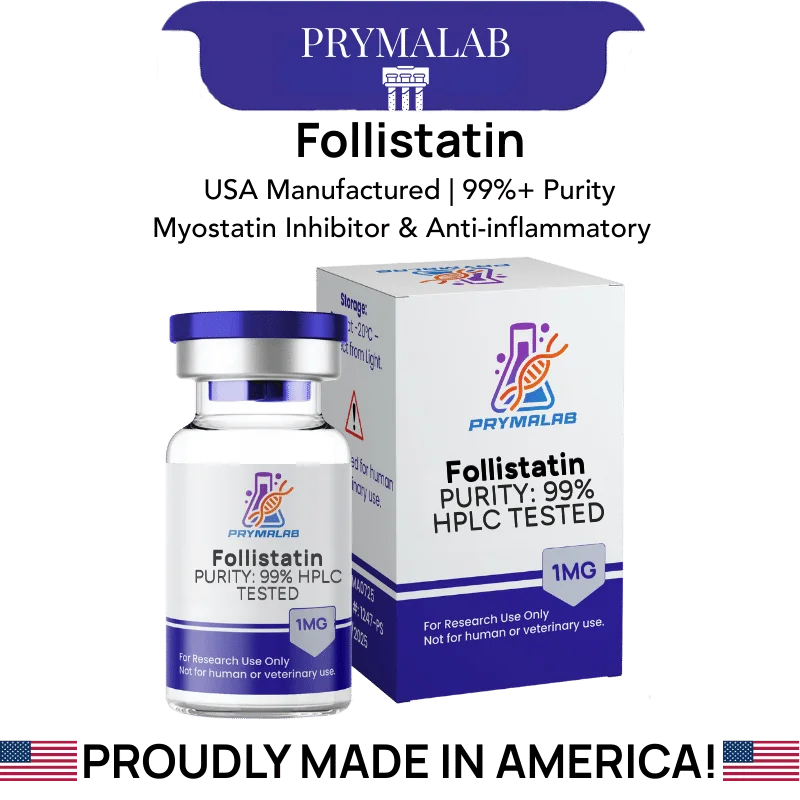












14 reviews for Follistatin 344 1mg