Description
What is SLU-PP-332?
SLU-PP-332, developed through research at Saint Louis University, represents a groundbreaking compound in exercise mimetics research. This synthetic small-molecule functions as a potent estrogen-related receptor agonist. Researchers mainly study its activity at ERRα and ERRγ receptors. These receptors play crucial roles in energy-cell function and energy body function.
ERR receptors regulate genes involved in energy production and energy-cell biogenesis. SLU-PP-332 starts these transcription factors comprehensively. The compound induces exercise-like adaptations without physical activity. This property makes it valuable for grasp exercise physiology and developing new treatment approaches.
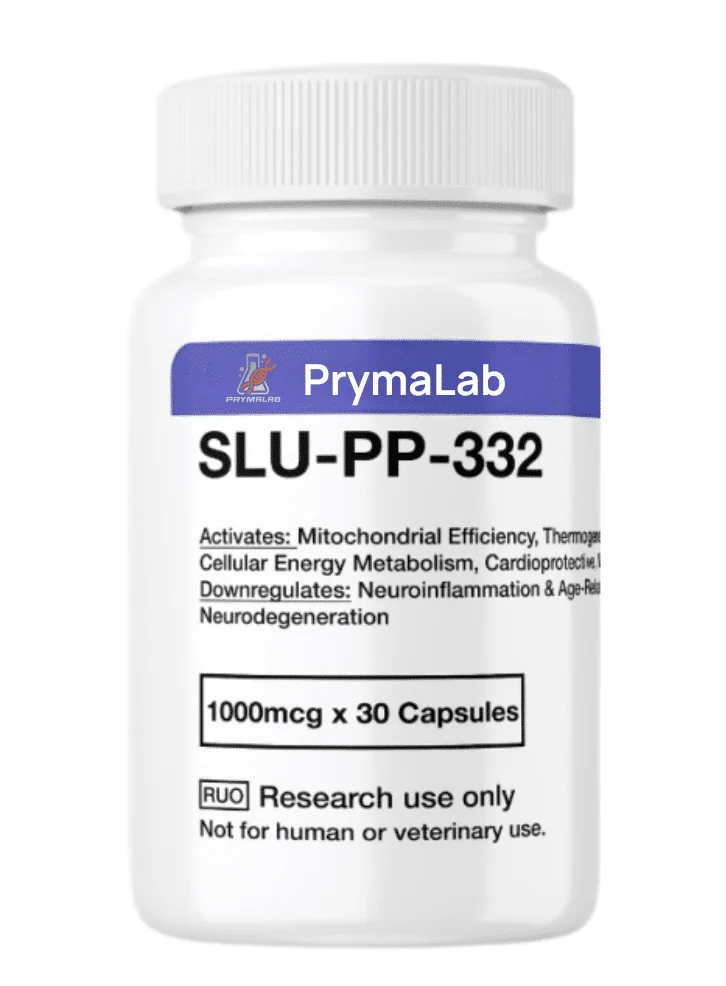
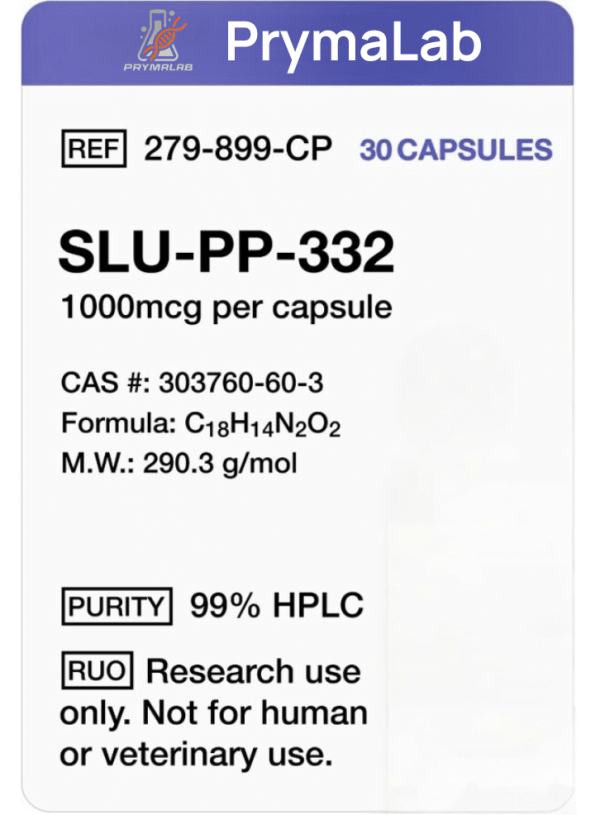
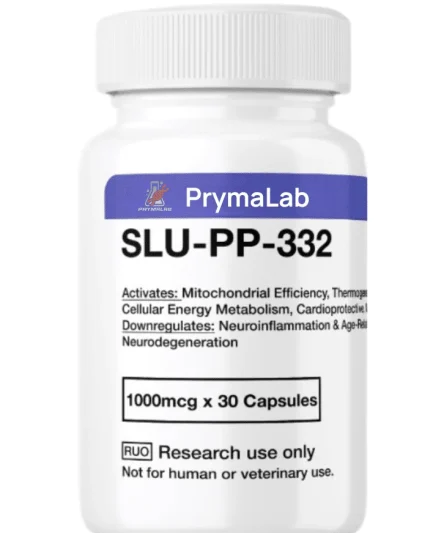
The 1000mcg capsule format, similar to those prepared by compounding pharmacies, provides precise dosing control. Each bottle contains 30 capsules for extended study protocols. Researchers can titrate doses and study dose-response relationships. The potency allows study of effective levels in many models.
Understanding Estrogen-Related Receptors
Estrogen-related receptors represent important nuclear receptor family members. ERRα, ERRβ, and ERRγ comprise the three receptor subtypes. These receptors share structural similarity with estrogen receptors but have distinct functions. SLU-PP-332 mainly targets ERRα and ERRγ in research studies.
ERR receptors regulate genes involved in energy-cell energy body function. They control oxidant phosphorylation, fatty acid metabolism, and energy-cell biogenesis. These pathways find cellular energy production and body capacity. ERR start creates exercise-like adaptations at the cell-level level.
ERRα plays key roles in skeletal muscle and heart body function. This receptor regulates genes for fatty acid oxidation and energy-cell function. ERRα start enhances exercise capacity and body efficiency. Research studies SLU-PP-332’s effects on ERRα-mediated pathways.
ERRγ influences energy-cell function across multiple tissues. This receptor regulates oxidant body function genes and promotes energy-cell health. ERRγ start improves cellular energy production and reduces body dysfunction. Studies examine SLU-PP-332’s effects on ERRγ-dependent processes.
The relationship between ERR receptors and exercise physiology fascinates researchers. Exercise naturally starts ERR signaling pathways. SLU-PP-332 pharmacologically mimics these exercise-induced effects. This exercise mimetic property drives interest in body and aging research uses.
SLU-PP-332’s Exercise Mimetic Properties
SLU-PP-332 shows notable exercise-mimicking properties in lab models. The compound induces cell-level responses similar to physical exercise. These effects occur without needing actual physical activity. Researchers study this property for grasp exercise physiology.
Acute aerobic exercise responses emerge following SLU-PP-332 use. Studies show ERRα-dependent start of exercise-response genes. The compound triggers adaptations that normally need sustained physical training or endurance training. This rapid induction creates interest in exercise mimetic research.
Exercise capacity improves greatly in animal models getting SLU-PP-332. Treated subjects show enhanced endurance, running distance, and performance compared to controls. These gains stem from enhanced energy-cell function and oxidant body function. The exercise-like effects occur without physical training protocols.
Cell-level exercise signatures appear after SLU-PP-332 treatment. Gene expression profiles resemble those seen after physical exercise. Researchers identify similar transcriptional changes in treated and exercised subjects. This cell-level mimicry provides insights into exercise adaptation mechanisms.
The concept of mimicking exercise with a pill represents groundbreaking research. SLU-PP-332 exemplifies this approach through ERR receptor start. Possible uses range from metabolic disease to aging research. Visit the Research Hub to learn more about exercise mimetics and ERR agonists.
Mitochondrial Function and Oxidative Metabolism
Energy-cell function represents a main target of SLU-PP-332 research. The compound enhances energy-cell biogenesis and function greatly. Mitochondria serve as cellular powerhouses producing ATP through oxidant phosphorylation. Enhanced energy-cell function improves overall body capacity.
Oxidant body function increases following SLU-PP-332 use. Cells shift toward greater reliance on oxidant energy production. This body shift improves energy efficiency and reduces body waste. Researchers study these effects for body disorder uses.
Fatty acid oxidation pathways respond to SLU-PP-332 treatment. Enhanced fatty acid breakdown and fat oxidation provides efficient energy substrates. This process reduces fat buildup and improves metabolic flexibility. Studies study SLU-PP-332’s effects on lipid body function, fatty acid metabolism, and fat loss.
Research Applications in Weight Loss and Metabolism
SLU-PP-332 shows major promise for weight loss and obesity research uses. The compound shows exercise-mimicking effects that reduce fat mass. Lab studies report large fat reduction with SLU-PP-332 treatment. These effects stem from enhanced oxidant body function and energy output.
Insulin response improves with SLU-PP-332 use in experimental models.
Body syndrome biomarkers respond to SLU-PP-332 treatment. The compound improves multiple body parameters linked with syndrome progression. Researchers study these effects for possible treatment uses in body disorders and metabolic disease. The exercise-like benefits may address multiple aspects of body dysfunction.
Fat mass reduction occurs preferentially compared to lean mass. SLU-PP-332 promotes fat loss while preserving muscle tissue. This selective effect improves body composition in research models. Studies examine mechanisms underlying preferential fat body function and changes in adipocyte size.
Energy expenditure increases with SLU-PP-332 treatment.
Indirect kidney protection emerges as an unexpected benefit. Weight loss and body gains protect kidney function. Nephrology research examines SLU-PP-332’s possible for kidney health uses. These protective effects add to the compound’s treatment possible.
Cardiovascular Research and Heart Failure Applications
SLU-PP-332 shows major benefits in heart research models. The compound enhances cardiac function through body gains. Heart failure research incorporates SLU-PP-332 to study treatment possible.
Cardiac fatty acid body function improves with SLU-PP-332 treatment. The heart normally relies on fatty acids for energy production. Enhanced fatty acid oxidation improves cardiac efficiency and function. Studies show SLU-PP-332 improves energy body function in failing hearts.
Energy-cell function in cardiac tissue responds to SLU-PP-332. Enhanced energy-cell health improves cardiac energy production and function. These gains support better heart performance in heart failure models. Research examines SLU-PP-332’s effects on cardiac energy-cell biology.
Heart failure outcomes improve in animal models getting SLU-PP-332. Treated subjects show better cardiac function and survival compared to controls. Novel pan-ERR agonists ameliorate heart failure through multiple mechanisms. These findings support continued study for heart failure uses.
Cardiac exercise adaptations occur without physical training. SLU-PP-332 induces exercise-like changes in cardiac tissue. These adaptations improve heart function and body capacity. Researchers study these effects for grasp cardiac exercise physiology.
Energy body function tuning represents a key benefit. The heart needs efficient energy production for best function. SLU-PP-332 enhances cardiac energy body function through ERR start. This approach addresses body components of heart failure pathophysiology.
Aging Research and Mitochondrial Health
SLU-PP-332 shows promise for aging-related research uses. Energy-cell dysfunction adds greatly to aging processes.
Aging kidney function improves with SLU-PP-332 treatment. Research shows the compound reverses energy-cell dysfunction in aged kidneys. Swelling markers decrease alongside energy-cell gains. Combined effects improve kidney function in aging models.
Cell senescence relates closely to energy-cell dysfunction. Senescent cells build up with age and add to tissue decline. SLU-PP-332 may delay senescence through energy-cell boost. Researchers study these effects for longevity and anti-aging uses.
Energy-cell health declines with normal aging. This decline impairs energy production and adds to age-related dysfunction. SLU-PP-332 restores energy-cell function in aged tissues. These rejuvenating effects create interest for gerontology research.
Oxidant stress increases with aging and energy-cell dysfunction. SLU-PP-332’s boost of energy-cell function may reduce oxidant stress. Improved energy-cell efficiency produces fewer damaging reactive oxygen species. These effects may slow aging processes.
Exercise capacity naturally declines with age. SLU-PP-332’s exercise-mimicking properties may counteract this decline. Older subjects getting the compound show improved body function. Research examines possible uses for age-related exercise intolerance.
Autophagy Regulation and Cellular Cleanup
Autophagy represents an important cellular cleanup process. This pathway removes damaged cellular components and recycles materials. SLU-PP-332 influences autophagy through TFEB pathway control. This effect adds to metabolic health, cellular health, and function.
TFEB serves as a master regulator of autophagy and lysosomal biogenesis. ERR receptors regulate TFEB expression and activity. SLU-PP-332’s ERR start enhances TFEB-mediated autophagy. This connection reveals important mechanisms of cellular health.
Enhanced autophagy removes damaged mitochondria from cells. This selective energy-cell autophagy, or mitophagy, improves cellular energy production. SLU-PP-332 promotes healthy energy-cell turnover through autophagy boost. These effects support best cellular function.
Cellular cleanup processes decline with aging and dysfunction. Impaired autophagy adds to buildup of cellular damage. SLU-PP-332 restores autophagy function through ERR and TFEB start. Research examines these effects for cellular rejuvenation uses.
Protein aggregation relates to autophagy dysfunction. Buildup of misfolded proteins damages cellular function. Enhanced autophagy helps clear protein aggregates and keep cellular health. SLU-PP-332’s effects on autophagy may protect against protein aggregation diseases.
Dosage Protocols and Administration
SLU-PP-332 dosing needs careful consideration based on research objectives. The 1000mcg capsule strength provides flexibility in protocol design. Research protocols often use dosages ranging from 1000mcg to 3mg daily. The 30-capsule bottle supports many dosing strategies for studies of different durations.
Frequency of use depends on specific research goals. Most protocols use once-daily dosing due to the compound’s sustained effects. The prolonged ERR start allows convenient single daily use in research studies. This dosing frequency supports compliance in longer-term protocols.
Timing of use may influence research outcomes. Morning use may align with circadian patterns of ERR activity and body function. Some studies prefer use before body assessments to maximize effects. Best timing depends on the specific research endpoints under study.
Capsule use offers convenient oral supply of SLU-PP-332. The 1000mcg strength provides precise dose control for research protocols. Oral uptake allows systemic use without injection requirements, though researchers must account for specific bioavailability factors. Researchers can easily track compliance with capsule-based use.
Dose titration protocols may be appropriate for certain research designs. Starting with lower doses and gradually increasing allows assessment of response. The 1000mcg capsule strength helps precise titration steps. Researchers set up clear titration schedules and tracking protocols.
Use our Peptide Calculator to find best dosing for your research protocol. Note that while designed for peptides, the calculator principles apply to dosing calculations for SLU-PP-332 as well.
SLU-PP-332 Safety Profile and Side Effects
Research on SLU-PP-332 reveals important safety factors. The compound remains in lab study stages. Grasp the safety profile is crucial for research design and interpretation.
Energy-cell boost represents a double-edged sword. While beneficial for body function, too much energy-cell activity could increase oxidant stress. Researchers track markers of oxidant damage in SLU-PP-332 studies. Appropriate dosing balances benefits with possible risks.
Heart effects need careful tracking. Enhanced cardiac body function may influence heart rate and blood pressure. Research protocols include heart parameter assessments. Studies track both beneficial effects and possible adverse heart outcomes.
Body changes occur rapidly with SLU-PP-332 treatment. Shifts in energy body function and substrate use need tracking. Researchers assess glucose levels, triglycerides, lipid profiles, and body markers. Full body tracking ensures safety in study protocols.
Long-term safety data remains limited due to lab status. Chronic use studies continue to assess extended effects. Researchers use thorough safety tracking for longer-term protocols. Systematic tracking of adverse events informs safety profile growth.
Contraindications and precautions need consideration in research design. Subjects with certain medical conditions may need exclusion criteria. Medication interactions should be assessed before study enrollment. Pregnancy and breastfeeding represent standard exclusion criteria for research compounds.
Combination Protocols with Metabolic Compounds
SLU-PP-332 may be combined with other body research compounds. Mix approaches can target multiple pathways simultaneously. This strategy may provide combined benefits beyond single-compound use in research models.
Energy-cell peptides like MOTS-C 40mg complement SLU-PP-332’s actions. MOTS-C improves energy-cell function through distinct pathways. Combined start creates full energy-cell boost. The mix addresses ERR signaling and peptide-mediated energy-cell control.
NAD+ boosters like NAD+ 1000mg support energy-cell energy production. NAD+ participates in energy-cell oxidant phosphorylation and energy body function. Enhanced NAD+ levels support SLU-PP-332’s energy-cell boost effects. This mix addresses ERR start and NAD+-dependent energy-cell processes.
5-Amino-1MQ works through different body boost pathways. This compound blocks NNMT to boost NAD+ levels and enhance body function. Combining with SLU-PP-332 may provide paired effects on energy-cell function. The mix addresses ERR signaling and NAD+-dependent body pathways.
Exercise-enhancing compounds may offer more research insights. Other exercise mimetics or performance enhancers could complement SLU-PP-332’s effects. Research examines whether mix approaches enhance exercise-like benefits beyond monotherapy. These mixes need careful evaluation of possible interactions.
Mix protocols need careful consideration of dosing and timing. Researchers must assess possible interactions between compounds. Separate use times may optimize absorption and minimize possible competition. The 1000mcg capsule format helps precise mix dosing protocols.
Comparison to Other Exercise Mimetics
SLU-PP-332 represents a novel approach to exercise mimetics research. Other compounds try to mimic exercise through different mechanisms. Comparison reveals unique benefits and properties of SLU-PP-332.
AMPK activators represent another class of exercise mimetics. These compounds start AMPK pathways that respond to energy stress. SLU-PP-332 works through ERR receptors rather than AMPK start. Researchers compare effect and mechanisms between these approaches.
PPAR agonists also influence body pathways similar to exercise. PPARδ start enhances fatty acid oxidation and endurance. SLU-PP-332’s ERR start provides paired yet distinct body effects. Comparative studies examine which pathways produce best exercise-like benefits.
Traditional exercise remains the gold standard for health benefits. Pharmacological mimetics try to replicate some exercise effects. SLU-PP-332 provides specific cell-level exercise adaptations without full physical benefits. Research examines how closely pharmacological approaches mimic actual exercise.
Natural exercise starts multiple integrated pathways. Single-compound mimetics target specific exercise-response mechanisms. SLU-PP-332 focuses on ERR-mediated energy-cell adaptations. This targeted approach may miss other exercise benefits through different pathways.
Mix approaches may better replicate full exercise effects. Targeting multiple exercise-response pathways could create more complete mimetics. Research explores whether SLU-PP-332 mixes better mimic full exercise adaptations. These approaches represent future directions in exercise mimetics research.
Preclinical Research Summary and Future Directions
Lab studies reveal extensive SLU-PP-332 research findings. Cellular assays show major ERRα/ERRγ start and downstream effects. Animal models show enhanced exercise capacity and body gains. These lab results support continued study of SLU-PP-332’s possible.
Gene expression studies reveal exercise-like transcriptional signatures. SLU-PP-332 induces genes involved in energy-cell function and oxidant body function. These expression patterns closely resemble those seen after physical exercise. Research continues to map full gene expression profiles following treatment.
Heart failure research shows promising outcomes in animal models. Pan-ERR agonists improve cardiac function and survival. Enhanced fatty acid body function and energy-cell function add to benefits. Clinical translation represents an important future direction for heart uses.
Aging research incorporates SLU-PP-332 for energy-cell rejuvenation. Reversal of energy-cell dysfunction in aged tissues shows treatment possible. Kidney protection and reduced swelling add to aging research uses. Studies examine possible for age-related body and functional decline.
Exercise intolerance research studies SLU-PP-332’s treatment possible. Loss of skeletal muscle ERR receptors leads to severe exercise intolerance. SLU-PP-332’s ERR start may address this underlying cause. Research explores uses for conditions with limited exercise capacity.
Future research directions include mechanism refinement and clinical translation. Grasp precise pathways and best dosing remains ongoing. Researchers study long-term safety and effect in diverse populations. Clinical trials will find translational possible for many uses.
Frequently Asked Questions
1. What is SLU-PP-332 and how does it work as an exercise mimetic?
SLU-PP-332 is a synthetic small-molecule compound that functions as a potent estrogen-related receptor (ERR) agonist with selective activity at ERRα and ERRγ. The compound mimics the cell-level effects of exercise by starting ERR signaling pathways that regulate energy-cell function, oxidant body function, and energy production. SLU-PP-332 induces ERRα-dependent acute aerobic exercise responses and enhances exercise capacity in lab models without needing physical activity. The compound starts transcriptional programs linked with energy-cell biogenesis, fatty acid oxidation, and oxidant phosphorylation, creating exercise-like adaptations at the cellular level.
2. What are the primary research applications of SLU-PP-332?
SLU-PP-332 shows major research possible across multiple domains including exercise mimetics research, energy-cell function studies, body boost and weight loss protocols, heart failure research, aging and energy-cell dysfunction, and autophagy control studies. The compound shows promise for reducing fat mass and improving insulin response through exercise-mimicking effects. More uses include cardiac fatty acid body function boost, aging kidney protection, and exercise capacity boost in models with limited physical function. The full ERR start creates broad research possible across body and aging-related fields.
3. What is the recommended SLU-PP-332 dosage for research studies?
Most research protocols use SLU-PP-332 dosages ranging from 1000mcg to 3mg daily. The 1000mcg capsule strength provides flexibility for protocol design and dose titration. Due to the compound’s sustained effects on ERR signaling, most protocols recommend once-daily use. The 30-capsule bottle provides enough supply for many study durations depending on dosing frequency. Morning use often aligns with circadian patterns of ERR activity and body function, though best timing depends on specific research endpoints. Always consult set up research protocols and use our Peptide Calculator to find best dosing for your specific study design.
4. How does SLU-PP-332 enhance mitochondrial function and oxidative metabolism?
SLU-PP-332 enhances energy-cell function through ERRα and ERRγ receptor start. These receptors regulate genes involved in energy-cell biogenesis, oxidant phosphorylation, and fatty acid oxidation. Treatment increases markers of new energy-cell formation and enhances oxidant body function efficiency. Cells shift toward greater reliance on oxidant energy production, improving energy efficiency and reducing body waste. Enhanced electron transport chain function optimizes ATP production and reduces oxidant stress. Fatty acid oxidation pathways respond by providing efficient energy substrates, reducing fat buildup and improving body flexibility.
5. What effects does SLU-PP-332 demonstrate on weight loss and metabolism?
Research shows major weight loss possible through SLU-PP-332’s exercise-mimicking effects. Lab studies show large fat mass reduction with treatment. The compound improves insulin response and glucose handling alongside fat reduction, showing potential synergy with agents like tirzepatide.
6. Can SLU-PP-332 be combined with other metabolic research compounds?
Yes, SLU-PP-332 may be combined with other body research compounds to target multiple pathways simultaneously. Combining with MOTS-C 40mg addresses both ERR signaling and peptide-mediated energy-cell control. NAD+ 1000mg supports energy-cell energy production alongside SLU-PP-332’s ERR start. 5-Amino-1MQ provides paired NNMT blocking and NAD+ boosting for full body boost. Other exercise mimetics or performance enhancers may offer more research insights. Mix protocols need careful consideration of dosing, timing, and possible interactions. The 1000mcg capsule format helps precise mix dosing.
7. What cardiovascular benefits does SLU-PP-332 demonstrate in research?
SLU-PP-332 shows major benefits in heart research, very in heart failure models. The compound enhances cardiac fatty acid body function, improving the heart’s main energy source efficiency. Energy-cell function in cardiac tissue improves, supporting better cardiac energy production and function. Lab studies show improved heart failure outcomes with treatment, including better cardiac function and survival. The compound induces exercise-like cardiac adaptations without physical training. Novel pan-ERR agonists ameliorate heart failure through enhanced cardiac fatty acid body function and energy-cell function, addressing body components of heart failure pathophysiology.
8. How does SLU-PP-332 influence aging and mitochondrial health?
SLU-PP-332 shows promising effects for aging-related research by reversing energy-cell dysfunction in aged tissues. Research shows the compound reverses energy-cell dysfunction and reduces swelling in aging kidneys, improving kidney function in aged models. The compound may delay cellular senescence through energy-cell boost, as energy-cell dysfunction adds greatly to senescence. Enhanced energy-cell efficiency reduces age-related oxidant stress by producing fewer damaging reactive oxygen species. Exercise capacity, which naturally declines with age, may be improved through SLU-PP-332’s exercise-mimicking properties.
9. What is the relationship between SLU-PP-332 and autophagy?
SLU-PP-332 influences autophagy through control of TFEB, a master regulator of autophagy and lysosomal biogenesis. ERR receptors regulate TFEB expression and activity, and SLU-PP-332’s ERR start enhances TFEB-mediated autophagy. Enhanced autophagy removes damaged cellular components, including selective removal of damaged mitochondria through mitophagy. This improves cellular energy production and supports best cellular function. Autophagy boost helps clear protein aggregates and may protect against protein aggregation diseases. As autophagy declines with aging and dysfunction, SLU-PP-332 may help restore autophagy function.
10. What distinguishes SLU-PP-332 from other exercise mimetics?
SLU-PP-332 differs from other exercise mimetics through its specific mechanism targeting ERRα and ERRγ receptors. While AMPK activators work through energy stress pathways and PPAR agonists influence body pathways through different receptors, SLU-PP-332 mainly starts ERR-mediated energy-cell adaptations. This targeted approach creates distinct effects on energy-cell biogenesis and oxidant body function. Compared to traditional exercise which starts multiple integrated pathways, SLU-PP-332 focuses on specific ERR-mediated exercise-response mechanisms. Research compares which pathways produce best exercise-like benefits and whether SLU-PP-332 mixes better replicate full exercise adaptations.
11. What are the storage requirements for SLU-PP-332 1000mcg capsules?
SLU-PP-332 capsules should be stored in a cool, dry location away from direct sunlight to keep potency and shelf life. Room heat storage (15-25°C or 59-77°F) is often enough for short-term use during active research protocols. For longer storage periods, refrigeration (2-8°C or 36-46°F) may help extend shelf life and preserve compound shelf life. Always keep capsules in their original container with the lid tightly closed to protect from moisture and humidity. Avoid storing in bathrooms or other humid environments. Do not freeze the capsules. Check expiration dates and discard capsules showing signs of breakdown or discoloration.
12. What makes SLU-PP-332 unique among ERR agonists?
SLU-PP-332’s uniqueness stems from its exercise-mimicking properties and full body effects. The compound induces ERRα-dependent acute aerobic exercise responses and enhances exercise capacity without physical activity. Unlike many ERR agonists studied mainly for cancer uses, SLU-PP-332 focuses on body boost and exercise physiology. Research shows weight loss effects with indirect kidney protection, cardiac benefits in heart failure models, and aging-related energy-cell rejuvenation. The power to simultaneously enhance energy-cell function, improve body function, and provide organ-specific benefits creates a unique research profile. The concept of mimicking exercise with a pill through ERR start represents a novel treatment approach.











14 reviews for SLU-PP-332 (1000mcg) (30 Capsules)