Description
What is FOXO4-DRI Peptide?
FOXO4-DRI peptide represents one of the most exciting breakthroughs in anti-aging and longevity research – a senolytic compound mainly designed to remove senescent cells, the “zombie cells” that build up with age and drive many aspects of natural aging. This revolutionary research peptide is a D-retro-inverso (DRI) modified version of a peptide sequence that disrupts the key interaction between FOXO4 (Forkhead box O4) transcription factor and p53 tumor suppressor protein, an interaction that keeps senescent cells alive despite their damaged state.
What is foxo4-dri in practical terms? It’s a 29-amino acid peptide composed of D-amino acids (the mirror image of natural L-amino acids) arranged in reverse sequence, creating a highly stable molecule resistant to enzymatic breakdown. This DRI change is crucial – it allows the peptide to remain active in natural systems long enough to reach senescent cells and exert its effects, while natural peptides would be rapidly broken down by proteases.
Cellular senescence is a state in which cells stop dividing but don’t die, instead persisting in a dysfunctional state. While senescence serves important purposes in young organisms (preventing cancer, aiding wound healing), senescent cells build up with age and become harmful. These cells secrete swelling factors, growth factors, and proteases – collectively called the senescence-linked secretory phenotype (SASP) – that damage surrounding tissues, promote chronic swelling, and add to age-related diseases including cancer, heart disease, neurodegeneration, and body disorders.
The foxo4-dri senolytic peptide works by exploiting a vulnerability specific to senescent cells. In these cells, FOXO4 binds to p53 and keeps it sequestered in the nucleus, preventing p53 from triggering apoptosis (programmed cell death). This FOXO4-p53 interaction is essential for senescent cell survival – without it, the extensive DNA damage and cellular stress in senescent cells would normally trigger p53-mediated apoptosis.
FOXO4-DRI competitively binds to p53, displacing FOXO4 and allowing p53 to relocate to mitochondria where it starts the apoptotic cascade, selectively removing senescent cells.
The selectivity of foxo4 dri is notable and crucial for its safety. Healthy cells don’t rely on the FOXO4-p53 interaction for survival, so they remain unaffected by the peptide. Only senescent cells, which depend on this interaction to avoid apoptosis despite their damaged state, are removed. This selective senolytic activity makes FOXO4-DRI a precision tool for targeting cellular aging at its source.
Research with foxo4-dri peptide has showed impressive results in lab studies. In aged mice, treatment with FOXO4-DRI led to clearance of senescent cells from multiple tissues, restoration of more youthful tissue function, gains in physical fitness and endurance, enhanced fur density and quality (suggesting effects on stem cell function), improved kidney function, and extended healthspan.
Notably, these benefits were achieved with intermittent dosing – just a few days of treatment followed by weeks or months off, allowing time for senescent cell clearance and tissue regrowth.
The foxo4-dri human trials represent some of the most exciting developments in longevity research. While human data remains limited, early trials have shown promising results including gains in kidney function markers in aged subjects, enhanced hair growth and quality, better physical performance and stamina, gains in many age-related biomarkers, and subjective gains in energy and well-being.
These early human results, combined with extensive lab data, suggest that FOXO4-DRI may be one of the first truly effective anti-aging interventions targeting a basic mechanism of aging.
For researchers studying aging, longevity, and age-related diseases, foxo4 dri offers unique benefits. The peptide provides a tool for studying the role of senescent cells in many pathological processes, testing the senolytic hypothesis of aging, exploring tissue regrowth and rejuvenation mechanisms, and developing possible treatment approaches to age-related diseases.
The power to selectively remove senescent cells allows researchers to study their contributions to aging and disease in ways not before possible.
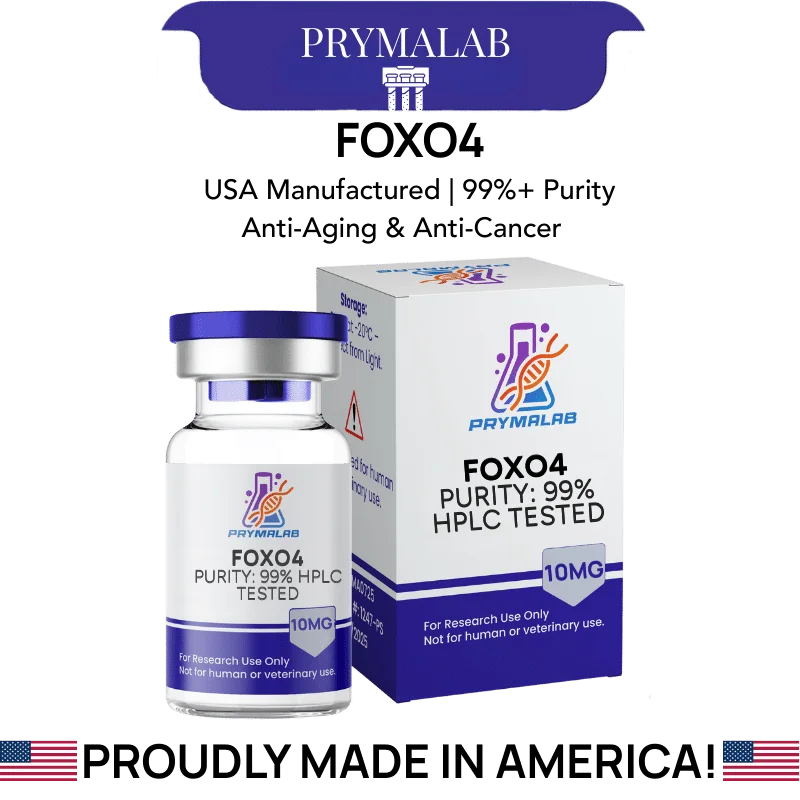
When researchers buy foxo4-dri from PrymaLab, they get pharmaceutical-grade peptide manufactured to the highest quality standards. Each FOXO4-DRI 10MG vial contains 99% pure peptide verified by third-party testing, ensuring reliable and reproducible research results. The peptide arrives as freeze-dried powder for maximum shelf life, ready for mixing with sterile water when research protocols begin.
The growth of foxo4-dri senolytic peptide stems from groundbreaking research by Dr. Peter de Keizer and colleagues at the Erasmus University Medical Center in the Netherlands. Their work identifying the FOXO4-p53 interaction as a treatment target for senescent cell elimination, and developing a peptide to disrupt this interaction, represents a major advance in aging research.
The peptide has been featured in high-profile scientific publications and has created major interest in the longevity research community.
Grasp the broader context of senolytic research helps appreciate the significance of foxo4 peptide. Senolytics – compounds that selectively remove senescent cells – represent a new class of possible anti-aging interventions. While other senolytics exist (including dasatinib + quercetin, fisetin, and navitoclax), FOXO4-DRI offers benefits for selectivity, mechanism of action, and possibly safety profile.
The peptide-based approach allows for precise targeting of the FOXO4-p53 interaction, possibly providing superior selectivity compared to small molecule senolytics that may have broader effects.
Understanding Cellular Senescence and Aging
To fully appreciate how foxo4-dri works, it’s essential to understand cellular senescence and its role in aging. Cellular senescence is a state of permanent cell cycle arrest accompanied by distinctive changes in cell morphology, body function, and secretory profile. Senescent cells are metabolically active but no longer divide, and they resist apoptosis despite accumulating damage.
Senescence can be triggered by many stresses including telomere shortening (replicative senescence), DNA damage, oxidant stress, oncogene start, and energy-cell dysfunction. When cells experience these stresses, they start senescence programs as a protective mechanism. In young organisms, senescence serves important functions including preventing cancer (by stopping damaged cells from dividing), aiding wound healing (through SASP factors that recruit immune cells), and supporting tissue remodeling during growth.
However, the buildup of senescent cells with age becomes problematic. While young organisms efficiently clear senescent cells through immune surveillance, this clearance becomes less efficient with aging. Senescent cells build up in tissues, and their SASP factors create a pro-swelling, tissue-damaging environment. The SASP includes swelling cytokines (IL-6, IL-8, IL-1α), growth factors (VEGF, HGF), proteases (MMPs), and other factors that affect surrounding cells and tissues.
The harmful effects of built up senescent cells are extensive. They promote chronic swelling (“inflammaging”), a hallmark of aging linked with many age-related diseases. They impair tissue regrowth by affecting stem cell function and creating a hostile microenvironment. They add to tissue dysfunction through SASP-mediated damage to surrounding cells. They can induce senescence in neighboring cells through paracrine effects, spreading cellular aging.
They promote age-related pathologies including atherosclerosis, osteoarthritis, neurodegeneration, and cancer.
The “senescence hypothesis of aging” proposes that built up senescent cells are a main driver of natural aging and age-related diseases. This hypothesis is supported by extensive research showing that removing senescent cells in aged mice extends healthspan, delays age-related diseases, improves physical function, and even extends lifespan. These findings have made senescent cells a major target for anti-aging interventions.
FOXO4-DRI peptide represents a advanced approach to targeting senescent cells. Rather than broadly affecting cell survival pathways, it mainly disrupts a protein-protein interaction that senescent cells uniquely depend on. This precision targeting is what makes foxo4-dri senolytic activity so selective and possibly safe.
The FOXO4 transcription factor belongs to the Forkhead box O (FOXO) family of proteins that regulate many cellular processes including stress resistance, body function, and cell survival. In senescent cells, FOXO4 plays a crucial role in keeping the senescent state by binding to p53 and preventing it from triggering apoptosis.
This interaction is very important in senescent cells because they have extensive DNA damage and cellular stress that would normally start p53-mediated cell death.
The p53 protein is often called the “guardian of the genome” because it responds to cellular stress and DNA damage by either promoting DNA repair or triggering apoptosis if damage is too severe. In healthy cells, p53 levels are kept low, but stress starts p53, leading to cell cycle arrest, DNA repair, or apoptosis depending on the severity of damage.
In senescent cells, p53 is started by extensive damage, but FOXO4 prevents it from triggering apoptosis, allowing senescent cells to persist.
FOXO4-DRI disrupts this protective interaction. By competitively binding to p53, the peptide displaces FOXO4, allowing p53 to relocate from the nucleus to mitochondria. At mitochondria, p53 triggers the intrinsic apoptotic pathway, leading to selective elimination of senescent cells. This mechanism is elegant in its selectivity – healthy cells don’t depend on the FOXO4-p53 interaction, so they’re unaffected by foxo4 dri.
FOXO4-DRI Mechanism of Action: How It Eliminates Senescent Cells
The foxo4-dri mechanism of action involves a advanced cell-level process that selectively targets senescent cells while sparing healthy cells. Grasp this mechanism helps researchers design effective protocols and interpret research results.
Main Mechanism – FOXO4-p53 Interaction Disruption:
When FOXO4-DRI is gave, it enters the bloodstream and distributes throughout the body. The peptide’s D-retro-inverso structure makes it highly resistant to proteolytic breakdown, allowing it to remain active long enough to reach target tissues. The peptide can penetrate cell membranes through many mechanisms including direct penetration and endocytosis, reaching the intracellular compartment where FOXO4 and p53 interact.
Inside cells, foxo4-dri peptide competitively binds to p53, mainly targeting the binding interface between FOXO4 and p53. The peptide sequence was designed based on the FOXO4 region that interacts with p53, allowing it to mimic this interaction and displace FOXO4. The DRI change ensures the peptide keeps binding affinity while resisting breakdown.
Selective Senescent Cell Targeting:
The selectivity of foxo4 dri for senescent cells is crucial for its safety and effectiveness. In healthy cells, the FOXO4-p53 interaction is not key for survival. These cells have low levels of cellular stress and DNA damage, so p53 is not strongly started. Even if FOXO4-DRI disrupts any FOXO4-p53 interactions in healthy cells, this doesn’t trigger apoptosis because p53 is not in an started, pro-apoptotic state.
In senescent cells, the situation is dramatically different. These cells have extensive DNA damage, oxidant stress, and cellular dysfunction that strongly start p53. Under normal circumstances, this started p53 would trigger apoptosis, but FOXO4 prevents this by sequestering p53 in the nucleus. The FOXO4-p53 interaction is essential for senescent cell survival – it’s the key mechanism preventing these damaged cells from undergoing apoptosis.
When foxo4-dri senolytic peptide disrupts the FOXO4-p53 interaction in senescent cells, it removes this key survival mechanism. The started p53, no longer held in check by FOXO4, can now fulfill its pro-apoptotic function. P53 translocates from the nucleus to mitochondria, where it triggers the intrinsic apoptotic pathway.
P53-Mediated Apoptosis:
At mitochondria, p53 interacts with pro-apoptotic proteins including BAX and BAK, promoting their oligomerization and insertion into the energy-cell outer membrane. This creates pores that allow cytochrome c and other pro-apoptotic factors to be released from mitochondria into the cytoplasm. Cytochrome c starts caspases, the executioner enzymes of apoptosis, leading to systematic dismantling of the cell.
The apoptotic process triggered by FOXO4-DRI in senescent cells is orderly and immunologically silent, unlike necrotic cell death which causes swelling. Apoptotic cells are efficiently cleared by phagocytes without triggering swelling responses. This clean elimination of senescent cells is important for the treatment possible of foxo4 dri.
Tissue-Level Effects:
The elimination of senescent cells by foxo4-dri peptide has profound effects at the tissue level. Removal of senescent cells removes the source of SASP factors, reducing chronic swelling and tissue damage. The improved tissue environment supports regrowth and repair, as stem cells and progenitor cells can function better without SASP-mediated blocking.
Tissues show improved function as damaged, dysfunctional senescent cells are replaced through normal turnover and regrowth.
Research has shown that FOXO4-DRI treatment leads to clearance of senescent cells from multiple tissues including kidney, liver, lung, and skin. The extent of clearance varies by tissue and dosing protocol, but major reductions in senescent cell burden have been documented. Importantly, the clearance is selective – markers of senescence decrease while overall tissue cellularity and function improve, showing that healthy cells are preserved.
Timing and Kinetics:
The kinetics of foxo4-dri action are important for protocol design. After use, the peptide reaches peak levels in tissues within hours. Senescent cell apoptosis begins within the first day of treatment and continues over several days. Clearance of apoptotic cells by phagocytes occurs over days to weeks. Tissue regrowth and functional gains develop over weeks to months following senescent cell clearance.
This timeline explains why foxo4-dri dosage protocols often use intermittent dosing – a few days of treatment followed by weeks or months off. The first treatment triggers senescent cell apoptosis, and the off period allows time for clearance and tissue regrowth. Repeated cycles can be used to address senescent cells that build up over time or weren’t removed in previous cycles.
Dose-Response Relationship:
Research has set up dose-dependent effects for foxo4-dri peptide. Higher doses often produce greater senescent cell clearance, though there appears to be a plateau effect where more increases provide diminishing returns. The best dose balances effect (enough senescent cell elimination) with safety (minimizing any possible effects on healthy cells).
Most research uses doses calculated based on body weight or surface area, with lab studies using doses in the range of 5-25 mg/kg in mice. Translating these doses to humans using standard scaling methods suggests doses in the range of 5-15mg per use for a 70kg person, though human dosing remains an active area of research.
Selectivity Mechanisms:
The notable selectivity of foxo4 dri for senescent cells results from multiple factors. Senescent cells have higher levels of started p53 due to extensive DNA damage and stress. They depend critically on the FOXO4-p53 interaction for survival, while healthy cells don’t. Senescent cells may have enhanced peptide uptake due to altered membrane properties.
The threshold for p53-mediated apoptosis is lower in senescent cells due to built up damage.
These factors combine to create a treatment window where FOXO4-DRI can remove senescent cells at doses that don’t greatly affect healthy cells. This selectivity is what makes foxo4-dri senolytic peptide so promising as a possible anti-aging intervention.
FOXO4-DRI Benefits for Anti-Aging and Longevity Research
The foxo4-dri benefits extend across multiple aspects of aging biology and healthspan, making it one of the most exciting compounds in longevity research. Grasp these benefits helps researchers design studies that maximize the peptide’s research value and translational possible.
Senescent Cell Clearance:
The main and most direct benefit of foxo4-dri peptide is elimination of senescent cells from tissues. Research has showed major reductions in senescent cell burden across multiple tissues including kidney, liver, lung, skin, and adipose tissue. The clearance is selective, with senescent cell markers (p16, p21, SA-β-gal) decreasing while overall tissue cellularity is kept or improved.
The extent of clearance varies by tissue and protocol but can be large, with some studies showing 50-70% reductions in senescent cell numbers.
Reduced Swelling:
Elimination of senescent cells removes the source of SASP factors, leading to major reductions in chronic swelling. Research shows decreases in swelling cytokines (IL-6, IL-8, IL-1α), reduced markers of systemic swelling (CRP, swelling gene expression), gains in swelling signaling pathways, and better immune system function. The anti-swelling effects of foxo4 dri are very important because chronic swelling (“inflammaging”) is a major driver of age-related diseases and functional decline.
Improved Tissue Function:
The foxo4-dri benefits include gains in function across multiple organ systems. Kidney function gains have been documented in both lab and early human studies, with better filtration rates and reduced markers of kidney damage. Heart gains include better vascular function and reduced arterial stiffness. Body health benefits include improved glucose body function and insulin response.
Liver function gains show reduced fat buildup and better body function. Physical performance boosts include better endurance, strength, and mobility.
Enhanced Tissue Regrowth:
By removing senescent cells and their inhibitory SASP factors, foxo4-dri peptide creates an environment more conducive to tissue regrowth. Research shows enhanced stem cell function and proliferation, improved tissue repair and wound healing, better regrowth capacity in aged tissues, and restoration of more youthful tissue architecture. The regrowth effects are very impressive in tissues with high regrowth capacity like skin, liver, and muscle.
Improved Physical Function:
One of the most striking foxo4 dri peptide benefits in lab research is gain in physical function and performance. Aged mice treated with FOXO4-DRI showed increased running endurance and distance, improved grip strength and muscle function, better coordination and balance, enhanced overall physical activity levels, and restoration of more youthful movement patterns.
These functional gains suggest that senescent cell clearance has meaningful effects on healthspan and quality of life.
Hair and Fur Quality:
Interestingly, research has shown gains in hair and fur quality with foxo4-dri treatment. Aged mice showed increased fur density and coverage, restoration of more youthful fur color and texture, and enhanced hair follicle function. These effects likely reflect improved stem cell function in hair follicles, as senescent cells in the follicle niche can impair stem cell activity.
While cosmetic, these changes serve as visible markers of the peptide’s effects on tissue aging and regrowth.
Cognitive and Neurological Benefits:
Emerging research suggests foxo4-dri senolytic peptide may have benefits for brain health and cognitive function. Lab studies show reduced neuroinflammation, improved cognitive performance in aged animals, better neuronal function and synaptic plasticity, and possible brain-safe effects. These findings are very exciting given the role of senescent cells in neurodegenerative diseases and cognitive decline.
Body Health Gains:
FOXO4-DRI produces beneficial effects on body health including improved glucose tolerance and insulin response, better lipid profiles with reduced triglycerides, reduced fat buildup in liver and other tissues, improved body rate and energy output, and better overall body function. These body benefits likely result from reduced swelling and improved tissue function following senescent cell clearance.
Heart Benefits:
Research shows foxo4 dri may improve heart health through reduced vascular swelling, improved endothelial function and vascular reactivity, reduced arterial stiffness and improved compliance, better cardiac function in aged hearts, and reduced risk factors for heart disease. Given that heart disease is a leading cause of death and disability in aging, these heart benefits are very important.
Bone and Joint Health:
Senescent cells build up in bone and cartilage with age, adding to osteoporosis and osteoarthritis. FOXO4-DRI peptide research shows improved bone density and strength, better cartilage health and reduced arthritis symptoms, enhanced bone formation and reduced resorption, and improved joint function and mobility. These musculoskeletal benefits could have major implications for keeping independence and quality of life in aging.
Cancer Prevention Possible:
While needing careful research, foxo4-dri may have cancer prevention benefits. Senescent cells can promote cancer through SASP factors that create a pro-tumorigenic microenvironment. Removing senescent cells may reduce cancer risk by removing this pro-tumorigenic influence, reducing chronic swelling that promotes cancer, and improving immune surveillance of pre-cancerous cells. However, the relationship between senescence and cancer is complex, as senescence also serves as a tumor suppressor mechanism.
Research in this area continues.
Lifespan and Healthspan Extension:
Perhaps the most exciting foxo4-dri benefits are effects on lifespan and healthspan. Lab research in mice has shown extended healthspan with delayed onset of age-related diseases, improved quality of life in aged animals, possible lifespan extension in some studies, and compression of morbidity (shorter period of age-related illness). While human lifespan data doesn’t exist, the gains in multiple health parameters suggest possible for healthspan extension in humans.
Intermittent Dosing Benefits:
A unique advantage of foxo4-dri senolytic peptide is that benefits can be achieved with intermittent dosing. Unlike interventions needing continuous use, FOXO4-DRI can be given for just a few days, with benefits lasting weeks or months. This intermittent approach reduces total exposure, possibly improving safety, is more convenient for research subjects, and may be more cost-effective than continuous treatments.
Research Versatility:
The diverse foxo4 peptide benefits make it suitable for many research uses including basic aging research, age-related disease studies, tissue regrowth research, longevity intervention studies, healthspan tuning research, and translational medicine growth. This versatility makes FOXO4-DRI one of the most valuable compounds in the longevity research arsenal.
Clinical Research and FOXO4-DRI Studies
FOXO4-DRI has been studied in both lab and early human research, providing large data on its effects, safety profile, and possible uses. Grasp this research history helps researchers design effective protocols and interpret findings in context.
Lab Growth:
The growth of foxo4-dri peptide began with research by Dr. Peter de Keizer and colleagues at Erasmus University Medical Center in the Netherlands. Their groundbreaking 2017 paper in Cell identified the FOXO4-p53 interaction as a treatment target for senescent cell elimination and showed that a peptide disrupting this interaction could selectively remove senescent cells.
First studies in cell culture showed that FOXO4-DRI selectively induced apoptosis in senescent cells while sparing proliferating and quiescent cells. The selectivity was notable – senescent cells showed dose-dependent apoptosis, while healthy cells remained viable even at high peptide levels. This in vitro work set up the proof-of-concept for foxo4-dri senolytic activity.
Animal Studies – Aged Mice:
The most impressive lab data comes from studies in naturally aged mice. In these experiments, old mice (about 24 months old, equivalent to 70+ year old humans) were treated with FOXO4-DRI for 3 consecutive days, then saw for weeks to months. Results were striking including major gains in physical fitness and running endurance, restoration of more youthful fur density and quality, improved kidney function with reduced markers of kidney damage, better overall health and vitality, and extended healthspan with delayed age-related decline.
Notably, these benefits were achieved with just 3 days of treatment, showing the power of senescent cell clearance. The gains persisted for months after treatment, suggesting that removing senescent cells creates lasting benefits through improved tissue regrowth and reduced chronic swelling.
Tissue-Specific Studies:
Research has examined foxo4 dri effects in specific tissues and organs. Kidney studies showed reduced senescent cell burden in aged kidneys, improved glomerular filtration and kidney function, reduced fibrosis and tissue damage, and restoration of more youthful kidney architecture. Liver research showed clearance of senescent hepatocytes, reduced fat buildup and improved body function, better liver regrowth capacity, and improved overall liver health.
Heart studies showed reduced vascular senescent cells, improved endothelial function and vascular reactivity, reduced arterial stiffness, and better cardiac function in aged hearts.
Disease Model Studies:
FOXO4-DRI peptide has been studied in many disease models to understand its treatment possible. In models of chemotherapy-induced senescence, the peptide cleared therapy-induced senescent cells, reduced side effects of chemotherapy, and possibly improved treatment outcomes. Body disease models showed improved glucose body function and insulin response, reduced fat buildup and body dysfunction, and better overall body health.
Osteoarthritis models showed reduced cartilage senescent cells, improved joint function and reduced pain, and slowed disease progression.
Mechanism Studies:
Detailed mechanistic research has confirmed how foxo4-dri works. Studies show the peptide disrupts FOXO4-p53 binding in senescent cells, allows p53 translocation to mitochondria, triggers intrinsic apoptotic pathway start, and selectively removes senescent cells while sparing healthy cells. Cell-level studies have mapped the binding interface and confirmed the mechanism of action.
Dosing and Protocol Studies:
Research exploring best foxo4-dri dosage has provided guidance for protocol design. Studies comparing different doses show dose-dependent senescent cell clearance, with higher doses often more effective but with diminishing returns at very high doses. Timing studies show that 2-3 consecutive days of dosing is effective, with benefits lasting weeks to months.
Repeated cycle studies show that multiple treatment cycles can be used safely and effectively.
Human Trials:
The foxo4-dri human trials represent some of the most exciting developments in longevity research, though data remains limited. Early human studies have been conducted, mainly in the Netherlands, with promising preliminary results. While detailed published data is limited, reports suggest gains in kidney function markers in aged subjects, enhanced hair growth and quality, better physical performance and stamina, gains in many age-related biomarkers, and subjective gains in energy and well-being.
The foxo4-dri human trials have used many dosing regimens, often involving several days of treatment followed by finding periods. Safety tracking has shown often good tolerability with mostly mild and transient side effects. These early human results, while preliminary, suggest that the impressive lab findings may translate to humans.
Ongoing Research:
Current research with foxo4 dri peptide continues to explore its possible uses. Studies are studying best dosing regimens for different uses, long-term safety and effect, effects in specific age-related diseases, mix with other longevity interventions, and mechanisms of tissue regrowth following senescent cell clearance. The field of senolytic research is rapidly evolving, with FOXO4-DRI at the forefront.
Comparative Studies:
Research comparing foxo4-dri senolytic peptide to other senolytics has provided insights into relative effectiveness. Studies comparing to dasatinib + quercetin (D+Q) show that FOXO4-DRI may have superior selectivity for senescent cells, possibly fewer side effects, and different tissue distribution and effects. Comparisons to fisetin show that FOXO4-DRI may be more potent on a per-dose basis and has a different mechanism allowing for paired effects.
Studies versus navitoclax show that FOXO4-DRI has a better safety profile with fewer hematological effects.
Publication History:
The landmark 2017 Cell paper by Baar et al. titled “Targeted Apoptosis of Senescent Cells Restores Tissue Homeostasis in Response to Chemotoxicity and Aging” put FOXO4-DRI on the map. This high-profile publication showed the peptide’s senolytic activity and its effects in aged mice, creating major interest in the longevity research community.
Later publications have explored mechanisms, uses, and translational possible.
Future Directions:
The future of foxo4 dri research is promising. Planned and ongoing studies include larger human trials with more full outcome measures, studies in specific age-related diseases, study of mix therapies with other longevity interventions, growth of optimized dosing protocols, and exploration of tissue-specific supply methods. The peptide represents a new frontier in aging research and possible treatment growth.
FOXO4-DRI vs Other Senolytic Compounds
Researchers often compare foxo4-dri to other senolytic compounds to understand which approach best suits their research needs. Grasp the differences between FOXO4-DRI and alternatives helps researchers make informed decisions about study design and compound selection.
FOXO4-DRI vs Dasatinib + Quercetin (D+Q):
Dasatinib + quercetin is the most studied senolytic mix, making it an important comparison point for foxo4-dri senolytic peptide. D+Q works through different mechanisms – dasatinib is a tyrosine kinase inhibitor that affects multiple survival pathways, while quercetin is a flavonoid with many effects including blocking of anti-apoptotic proteins.
Together, they can remove senescent cells, though with less selectivity than FOXO4-DRI.
Key differences include mechanism of action (FOXO4-DRI targets specific FOXO4-p53 interaction vs D+Q’s broader pathway effects), selectivity (FOXO4-DRI appears more selective for senescent cells), side effects (D+Q can cause more side effects due to broader activity), use (FOXO4-DRI needs injection vs D+Q oral use), and research status (D+Q has more human data but FOXO4-DRI shows promising early results).
Research suggests foxo4 dri may offer benefits in selectivity and possibly safety, while D+Q has the advantage of oral use and more extensive human safety data. The choice between them often depends on specific research objectives and practical factors.
FOXO4-DRI vs Fisetin:
Fisetin is a natural flavonoid with senolytic properties, making it another important comparison. Fisetin works by blocking multiple survival pathways in senescent cells, including PI3K/AKT and BCL-2 family proteins. It’s orally bioavailable and has a good safety profile as a natural compound.
Comparing foxo4-dri peptide to fisetin reveals differences in potency (FOXO4-DRI appears more potent on a per-dose basis), selectivity (FOXO4-DRI more selective for senescent cells), mechanism (FOXO4-DRI targets specific interaction vs fisetin’s broader effects), use (FOXO4-DRI injection vs fisetin oral), and cost (fisetin often less expensive as natural compound).
Some researchers explore combining FOXO4-DRI with fisetin, as their different mechanisms might provide paired senolytic effects. The mix could possibly clear senescent cells more completely than either compound alone.
FOXO4-DRI vs Navitoclax:
Navitoclax is a BCL-2 family inhibitor with potent senolytic activity. It works by blocking anti-apoptotic proteins that senescent cells depend on for survival. While effective, navitoclax has major side effects, very thrombocytopenia (low platelet counts), limiting its use.
The comparison shows that foxo4-dri senolytic offers better selectivity with fewer effects on healthy cells, superior safety profile without major hematological effects, different mechanism allowing for possible mix use, and possibly better tolerability for research uses. Navitoclax’s main advantage is its potency and extensive study, but safety concerns limit its utility.
FOXO4-DRI vs Other Peptide Senolytics:
Other peptide-based senolytics are in growth, though foxo4 dri peptide remains the most studied. Comparisons to emerging peptide senolytics will be important as the field develops. The peptide approach offers benefits including high selectivity for specific targets, possible for tuning through sequence change, and power to target intracellular protein-protein interactions.
Mix Approaches:
An exciting area of research is combining foxo4-dri with other senolytics or longevity interventions. Possible mixes include FOXO4-DRI + fisetin for paired senolytic mechanisms, FOXO4-DRI + NAD+ precursors for combined senolytic and body benefits, FOXO4-DRI + rapamycin for senolytic plus autophagy boost, and FOXO4-DRI + metformin for combined anti-aging approaches.
These mixes could possibly provide combined benefits, though they need careful research to set up safety and best protocols.
Choosing the Right Senolytic:
The choice between foxo4-dri and other senolytics depends on specific research objectives:
- Choose FOXO4-DRI for: High selectivity senolytic research, studies needing precise mechanism, research where injection is acceptable, study of FOXO4-p53 pathway, studies needing intermittent dosing
- Choose D+Q for: Research needing oral use, studies with extensive safety data available, cost-sensitive research, study of multiple pathway blocking
- Choose Fisetin for: Natural compound research, oral use requirement, cost-effective senolytic studies, mix with other interventions
- Choose Navitoclax for: Research needing maximum potency, studies where hematological tracking is feasible, study of BCL-2 pathway, short-term senolytic studies
Many researchers find value in having multiple senolytics available for comparison studies or mix research. All of these approaches are valuable tools in the longevity research arsenal, with foxo4-dri senolytic peptide offering unique benefits in selectivity and mechanism.
DOSAGE PROTOCOLS AND ADMINISTRATION
Understanding FOXO4-DRI Dosage for Research
Finding appropriate foxo4-dri dosage for research uses needs grasp the available lab and early human data, considering research goals, and accounting for the unique intermittent dosing strategy used with senolytic compounds. Unlike peptides needing continuous use, FOXO4-DRI is often used in short cycles followed by extended off periods.
Preclinical Dosage Data
Animal research with foxo4-dri peptide has set up dosing ranges and protocols:
Mouse Studies:
- Doses tested: 5-25 mg/kg body weight
- Use: Under-skin injection
- Protocol: Often 2-3 consecutive days of dosing
- Results: Major senescent cell clearance and health gains
- Best range: 10-15 mg/kg showed best balance of effect and safety
Dose Scaling to Humans:
Translating animal doses to humans using standard allometric scaling methods:
- Mouse dose of 10 mg/kg ≈ Human equivalent dose of ~0.8 mg/kg
- For 70kg human: ~56mg total dose per use
- Mouse dose of 15 mg/kg ≈ Human equivalent dose of ~1.2 mg/kg
- For 70kg human: ~84mg total dose per use
Research Dosage Guidelines
Based on available data, research protocols with foxo4-dri dosage often consider:
Conservative Research Protocol:
- Dose: 5-10mg per use
- Frequency: Once daily for 2-3 consecutive days
- Cycle: Single cycle, see for 4-12 weeks
- Suitable for: First research, safety assessment, proof-of-concept studies
Standard Research Protocol:
- Dose: 10-15mg per use
- Frequency: Once daily for 3 consecutive days
- Cycle: Can repeat every 3-6 months if needed
- Suitable for: Senolytic effect studies, standard protocols, most research uses
Advanced Research Protocol:
- Dose: 15-20mg per use (based on body weight calculations)
- Frequency: Once daily for 3 consecutive days
- Cycle: Repeat every 3-6 months as needed
- Suitable for: Maximum senolytic effect studies, experienced research subjects
FOXO4-DRI Dosage Chart
Full foxo4 dri dosage chart for research:
| Research Goal |
Dose per Day |
Duration |
Cycle Frequency |
Total per Cycle |
| Conservative/First |
5-10mg |
2-3 days |
Single cycle |
10-30mg |
| Standard Senolytic |
10-15mg |
3 days |
Every 3-6 months |
30-45mg |
| Advanced Protocol |
15-20mg |
3 days |
Every 3-6 months |
45-60mg |
| Weight-Based (0.15mg/kg) |
Calculate |
3 days |
Every 3-6 months |
Varies |
Intermittent Dosing Strategy
The foxo4-dri dosage approach differs fundamentally from continuous peptide use:
Why Intermittent Dosing:
- Senolytic effect doesn’t need continuous peptide presence
- Short treatment triggers senescent cell apoptosis
- Clearance and regrowth occur over weeks after treatment
- Intermittent approach minimizes total exposure
- Reduces possible for effects on healthy cells
Typical Cycle Structure:
Treatment Phase (Days 1-3):
- Day 1: First dose (e.g., 10mg)
- Day 2: Second dose (e.g., 10mg)
- Day 3: Third dose (e.g., 10mg)
- Total: 30mg over 3 days
Finding Phase (Weeks 1-12+):
- Track for senescent cell clearance
- Assess gains in health markers
- Allow tissue regrowth
- Assess need for more cycles
Repeat Cycle (If Needed):
- Often 3-6 months after first cycle
- Can repeat with same or adjusted dosing
- Track cumulative effects
FOXO4-DRI Dosage Calculations
For researchers working with FOXO4-DRI 10MG vials, accurate dosage calculations are essential:
Example Calculation for 10mg Dose:
Standard dose (10mg):
- Use one complete 10mg vial per dose
- Reconstitute with 1mL sterile water
- Level: 10mg/mL
- Give entire 1mL volume
- Simple and straightforward dosing
Example Calculation for 15mg Dose:
Higher dose (15mg):
- Use 1.5 vials (one 10mg vial + half of another)
- Reconstitute first vial with 1mL sterile water
- Reconstitute second vial with 1mL sterile water
- Draw 1mL from first vial + 0.5mL from second vial
- Total: 15mg in 1.5mL volume
Example for Weight-Based Dosing:
For 70kg subject at 0.15mg/kg:
- Calculation: 70kg × 0.15mg/kg = 10.5mg
- Use slightly more than one 10mg vial
- Reconstitute 10mg vial with 1mL sterile water
- Draw 1.05mL (needs second vial for more 0.5mg)
Reconstitution Protocol
Proper mixing of foxo4-dri is essential:
Mixing Steps:
- Gather Supplies:
- FOXO4-DRI 10MG vial(s)
- Sterile water
- Sterile syringes (1mL or 3mL)
- Alcohol swabs
- Prepare Vial:
- Remove plastic cap from FOXO4-DRI vial
- Swab rubber stopper with alcohol
- Allow to air dry completely
- Add Sterile Water:
- Draw 1mL sterile water into syringe
- Insert needle through rubber stopper
- Inject water slowly down side of vial
- Mix Solution:
- Gently swirl vial in circular motion
- Do not shake vigorously
- Allow powder to dissolve completely (1-2 minutes)
- Solution should be clear and colorless
- Calculate Level:
- 10mg FOXO4-DRI + 1mL water = 10mg/mL
- Simple 1:1 ratio for easy dosing
- Use Peptide Calculator for check
Administration Technique
Proper under-skin injection technique for foxo4-dri peptide:
Injection Sites:
- Abdomen (2 inches from navel) – PREFERRED
- Upper thighs (front or outer aspects)
- Upper arms (outer aspect, if helped)
- Rotate sites if multiple doses in cycle
Injection Procedure:
- Prepare Site:
- Clean with alcohol swab
- Allow alcohol to dry
- Pinch skin to create fold
- Prepare Syringe:
- Draw calculated dose
- Remove air bubbles
- Verify correct volume
- Give:
- Insert needle at 45-90 degree angle
- Inject slowly over 5-10 seconds
- Withdraw needle smoothly
- Apply gentle pressure if needed
- Post-Injection:
- Dispose of needle safely
- Record dose, site, date, time
- Track for reactions
- Refrigerate any remaining solution
Timing Considerations
Best Time for Use:
Morning Dosing:
- Convenient for most research subjects
- Allows tracking throughout day
- Consistent timing each day of cycle
Fasted vs Fed State:
- Can be gave regardless of meals
- Some researchers prefer fasted state
- No strong evidence for timing relative to meals
Cycle Timing:
- Start cycles at convenient times
- Allow enough finding between cycles
- Consider seasonal factors if relevant
Storage and Handling
Proper storage keeps foxo4-dri potency:
Unreconstituted Peptide:
- Storage: 2-8°C (refrigerated) or -20°C (frozen)
- Protect from light and moisture
- Shelf life: 2-3 years when properly stored
- Can tolerate brief room heat during shipping
Mixed Solution:
- Storage: 2-8°C (refrigerated) – NEEDED
- Protect from light
- Shelf life: 7-14 days when refrigerated
- Use within cycle period (3 days often)
- Discard if cloudy or contains particles
Handling Precautions:
- Always use sterile technique
- Avoid contamination
- Label with mixing date
- Store away from food
- Keep out of reach of children
Research Protocol Design
When designing research protocols with foxo4-dri dosage:
Single Cycle Studies:
- Test first senolytic effects
- Assess safety and tolerability
- Measure senescent cell clearance
- Track health gains
- Duration: 3 days treatment + 12 weeks finding
Multiple Cycle Studies:
- Study repeated senolytic interventions
- Assess cumulative effects
- Track long-term safety
- Assess best cycle frequency
- Duration: Multiple 3-day cycles over 6-12 months
Dose-Response Studies:
- Test multiple dose levels
- Include control groups
- Measure senescent cell clearance at each dose
- Assess safety across dose range
- Find best dosing
Tracking Parameters:
- Senescent cell markers (p16, p21, SA-β-gal)
- Swelling markers (IL-6, CRP)
- Organ function tests (kidney, liver)
- Physical performance measures
- Quality of life assessments
- Safety parameters
Special Considerations
FOXO4-DRI Human Dosage:
The foxo4-dri human dosage remains an active area of research. Early human trials have used many doses, often in the range of 5-20mg per use. Best human dosing continues to be refined through ongoing research.
Body Weight Factors:
Some protocols calculate doses based on body weight:
- 0.1-0.2 mg/kg per use
- For 70kg person: 7-14mg per dose
- Adjust based on personal factors
Age Factors:
Older subjects may have:
- Greater senescent cell burden
- Possibly greater benefits
- Need for careful safety tracking
- Possible dose adjustments
Research Support Resources
PrymaLab provides full support for researchers using foxo4-dri:
- Peptide Calculator for dosing calculations
- Sterile Water for mixing
- Technical support for protocol design
- Dosing guidance based on research literature
- Quality records for research records
When researchers buy foxo4-dri from PrymaLab, they get detailed mixing and use instructions with their order, ensuring proper handling and use of this valuable senolytic research compound.
SAFETY PROFILE AND SIDE EFFECTS
Understanding FOXO4-DRI Side Effects
The foxo4 dri side effects profile is based on lab research and limited early human data. While the peptide has shown a often favorable safety profile, grasp possible effects is crucial for responsible research use and appropriate safety tracking.
Preclinical Safety Data
Animal Studies:
Research in mice has provided extensive safety data for foxo4-dri peptide:
Common Findings:
- Often well-tolerated across dose ranges
- No major organ toxicity at research doses
- Transient changes in blood counts (often mild)
- No behavioral changes or distress
- Good long-term tolerability
Laboratory Changes:
- Temporary increases in markers of cell death (expected with senolytic activity)
- Mild transient changes in liver enzymes (often self-resolving)
- No major kidney function changes
- No adverse heart effects
- Gains in swelling markers
Long-Term Safety:
- No cumulative toxicity with repeated cycles
- Kept effect without tolerance
- No evidence of accelerated aging or harm
- Benefits sustained long-term
Early Human Safety Data
The foxo4-dri human trials, while limited, have provided preliminary human safety data:
Reported Effects:
Common (Mild and Transient):
- Injection site reactions (redness, mild discomfort)
- Mild fatigue (possibly related to immune start)
- Transient changes in blood counts
- Occasional mild headaches
- Rare mild gut symptoms
Laboratory Changes:
- Temporary increases in markers of apoptosis (expected)
- Mild transient changes in liver enzymes
- No major kidney function changes
- Gains in swelling markers
- No adverse heart effects
Serious Adverse Events:
- No serious adverse events reported in available data
- Good overall tolerability
- Most effects mild and self-resolving
Common Side Effects
Injection Site Reactions:
The most common foxo4 dri side effects are injection site reactions:
- Mild redness at injection site
- Slight swelling or firmness
- Minor discomfort or tenderness
- Occasional bruising
- Often resolve within 24-48 hours
Fatigue:
Some subjects report mild fatigue:
- Usually occurs during treatment days
- Possibly related to immune system start
- Often mild and transient
- Resolves within days after treatment
- May reflect active senescent cell clearance
Headaches:
Occasional reports of mild headaches:
- Usually during or shortly after treatment
- Often mild intensity
- Responsive to over-the-counter pain relievers
- Self-resolving within days
- Less common than injection site reactions
Gut Symptoms:
Rare reports of mild GI symptoms:
- Mild nausea (uncommon)
- Occasional digestive discomfort
- Often mild and transient
- May be related to systemic effects of cell clearance
- Rarely problematic
Theoretical Concerns and Considerations
Senescent Cell Functions:
While most senescent cells are harmful in aging, some may serve beneficial functions:
- Wound healing (temporary senescence aids repair)
- Tumor suppression (senescence prevents cancer)
- Tissue remodeling during growth
The foxo4-dri senolytic peptide selectivity for chronically senescent cells (not acutely senescent cells involved in wound healing) may mitigate these concerns. Research suggests benefits of clearing harmful senescent cells outweigh possible loss of beneficial functions.
Cancer Factors:
The relationship between senescence and cancer is complex:
- Senescence prevents cancer (tumor suppressor function)
- But senescent cells can promote cancer (through SASP)
- Removing senescent cells may reduce cancer risk
- But theoretical concern about removing tumor suppressor mechanism
Research suggests foxo4-dri may reduce cancer risk by removing pro-tumorigenic senescent cells, but this area needs continued study.
Immune System Effects:
Clearing senescent cells needs immune system involvement:
- Apoptotic cells must be cleared by phagocytes
- May temporarily start immune system
- Could cause transient fatigue or malaise
- Often well-tolerated
Safety Compared to Other Senolytics
The foxo4-dri side effects profile compares favorably to other senolytics:
Compared to Dasatinib + Quercetin:
- Fewer gut effects
- No major heart concerns
- More selective mechanism
- Possibly better tolerability
Compared to Navitoclax:
- No major thrombocytopenia (low platelets)
- Better hematological safety
- More selective for senescent cells
- Superior safety profile overall
Compared to Fisetin:
- Similar overall safety
- Different side effect pattern
- Needs injection vs oral use
- Possibly more potent per dose
Contraindications and Precautions
Certain conditions warrant extra caution with foxo4-dri:
Absolute Contraindications:
- Active cancer (theoretical concerns about senescence and tumor suppression)
- Pregnancy or breastfeeding (insufficient safety data)
- Known allergy to FOXO4-DRI or components
- Severe immunodeficiency
- Active severe infections
Relative Contraindications:
- Recent major surgery or wounds (senescence aids healing)
- Major bleeding disorders
- Severe kidney or liver disease
- Major heart disease (needs tracking)
- Use of immunosuppressive drugs
Special Populations:
Elderly Subjects:
- May have greater senescent cell burden
- Possibly greater benefits
- Need careful tracking
- May need dose adjustments
Subjects with Chronic Diseases:
- Careful assessment of risk/benefit
- Enhanced safety tracking
- Consider disease-specific concerns
- May need protocol changes
Safety Monitoring Recommendations
Researchers using foxo4-dri peptide should use appropriate tracking:
Baseline Assessment:
- Complete medical history
- Physical review
- Baseline laboratory tests:
- Complete blood count
- Full body panel
- Liver and kidney function
- Swelling markers
- Senescent cell markers (if available)
- Baseline health and function assessments
During Treatment Cycle:
- Daily tracking during 3-day treatment
- Assessment for adverse effects
- Vital signs tracking
- Records of any symptoms
Post-Treatment Tracking:
- Follow-up at 1 week, 1 month, 3 months
- Laboratory tests at appropriate intervals
- Assessment of senescent cell clearance
- Evaluation of health gains
- Tracking for any delayed effects
Warning Signs:
- Severe injection site reactions
- Signs of infection
- Unusual bleeding or bruising
- Severe fatigue or weakness
- Any concerning symptoms
- Major laboratory abnormalities
Managing Adverse Effects
If foxo4-dri side effects occur:
For Injection Site Reactions:
- Apply ice to reduce discomfort
- Rotate injection sites
- Use proper injection technique
- Track for signs of infection
- Often self-resolving
For Fatigue:
- Ensure enough rest
- Keep good hydration
- Usually resolves within days
- Consider dose adjustment if severe
- Rarely needs intervention
For Headaches:
- Over-the-counter pain relievers
- Ensure enough hydration
- Usually self-resolving
- Consider dose adjustment if persistent
General Care:
- Document all adverse effects
- Assess severity and relationship to peptide
- Provide supportive care
- Consider dose adjustment or discontinuation if needed
- Most effects mild and transient
Long-Term Safety Considerations
Repeated Cycle Safety:
Research suggests foxo4-dri keeps good safety with repeated cycles:
- No cumulative toxicity saw
- Benefits kept without tolerance
- Good long-term tolerability
- Intermittent dosing reduces total exposure
Duration Recommendations:
- Short-term (single cycle): Well-supported by data
- Medium-term (2-3 cycles over 6-12 months): Reasonable based on available data
- Long-term (multiple cycles over years): Limited data, needs careful tracking
Regulatory and Ethical Considerations
Control Status:
- Not FDA approved for treatment use
- Available for research purposes only
- Needs appropriate institutional oversight
- Subject to research regulations
Research Ethics:
- Informed consent essential
- Full disclosure of known risks and limited human data
- Appropriate IRB approval needed
- Adherence to good clinical practice
- Proper records and tracking
Risk Mitigation Strategies
To minimize risks when conducting research with foxo4-dri:
Protocol Design:
- Start with conservative doses
- Use intermittent dosing as designed
- Include appropriate finding periods
- Plan for full safety tracking
- Have clear stopping criteria
Subject Selection:
- Careful screening to exclude high-risk people
- Thorough medical evaluation
- Assessment of contraindications
- Informed consent process
- Appropriate subject education
Tracking and Follow-Up:
- Regular safety assessments
- Prompt attention to adverse effects
- Records of all findings
- Long-term follow-up
- Contribution to safety knowledge base
Quality Assurance:
When researchers buy foxo4-dri from PrymaLab, full safety data is provided with each order, including known side effects, tracking recommendations, and care rules. This ensures researchers have the data needed for responsible and safe research use of this promising senolytic compound.
FREQUENTLY ASKED QUESTIONS
What is FOXO4-DRI peptide?
FOXO4-DRI peptide is a revolutionary senolytic compound designed to selectively remove senescent cells – the “zombie cells” that build up with age and drive many aspects of natural aging. It’s a D-retro-inverso (DRI) modified peptide consisting of 29 amino acids composed of D-amino acids in reverse sequence, making it highly resistant to enzymatic breakdown. What is foxo4-dri for mechanism?
It disrupts the key interaction between FOXO4 transcription factor and p53 tumor suppressor protein in senescent cells, allowing p53 to trigger apoptosis mainly in these damaged cells while leaving healthy cells unharmed. This selective senolytic activity makes foxo4-dri senolytic peptide one of the most promising anti-aging interventions now in research.
The peptide was developed by Dr. Peter de Keizer and colleagues at Erasmus University Medical Center, with groundbreaking research published in Cell in 2017. Lab studies in aged mice showed notable rejuvenation effects including improved physical fitness, restored fur quality, better kidney function, and extended healthspan. Early foxo4-dri human trials have shown promising results including gains in kidney function, enhanced hair growth, and better overall health markers. When researchers buy foxo4-dri from PrymaLab, they get pharmaceutical-grade peptide with 99% purity, ideal for senolytic and anti-aging research.
How does FOXO4-DRI work as a senolytic?
FOXO4-DRI works through a advanced mechanism that selectively targets senescent cells. In senescent cells, FOXO4 protein binds to p53 and keeps it sequestered in the nucleus, preventing p53 from triggering apoptosis despite extensive cellular damage. This FOXO4-p53 interaction is essential for senescent cell survival – it’s what allows these damaged cells to persist indefinitely. Foxo4-dri peptide competitively binds to p53, displacing FOXO4 and allowing p53 to relocate from the nucleus to mitochondria.
At mitochondria, p53 triggers the intrinsic apoptotic pathway, leading to selective elimination of senescent cells. The notable selectivity of foxo4 dri comes from the fact that healthy cells don’t depend on the FOXO4-p53 interaction for survival, so they remain unaffected by the peptide. Only senescent cells, which rely on this interaction to avoid apoptosis despite their damaged state, are removed.
The foxo4-dri senolytic mechanism represents a precision approach to targeting cellular aging at its source. After senescent cells are removed, tissues show reduced swelling (as SASP factors are no longer produced), improved regrowth capacity, better function, and restoration of more youthful characteristics. The D-retro-inverso structure of the peptide makes it highly stable in natural systems, allowing it to remain active long enough to reach senescent cells and exert its effects.
What are the benefits of FOXO4-DRI?
The foxo4-dri benefits are extensive and impressive based on lab and early human research. Main benefits include selective elimination of senescent cells from multiple tissues, major reductions in chronic swelling and SASP factors, gains in tissue function across multiple organ systems, enhanced tissue regrowth and repair capacity, better physical performance including endurance and strength, gains in kidney function and body health, enhanced hair growth and quality (reflecting improved stem cell function), better heart function and vascular health, gains in age-related biomarkers, and subjective gains in energy and well-being.
The foxo4 dri peptide benefits extend beyond simple senescent cell clearance to full tissue rejuvenation. Research in aged mice showed dramatic gains including restored physical fitness, better fur density and quality, improved kidney function, enhanced overall health and vitality, and extended healthspan with delayed age-related decline. The foxo4-dri benefits are achieved with intermittent dosing – just 2-3 days of treatment can produce benefits lasting weeks to months.
This intermittent approach reduces total exposure while keeping effect. The foxo4 peptide benefits make it one of the most exciting compounds in longevity research, offering a targeted approach to addressing cellular aging at its source. When researchers buy foxo4-dri from PrymaLab, they access a powerful tool for studying senescence, aging, and possible anti-aging interventions.
What is the recommended FOXO4-DRI dosage?
The recommended foxo4-dri dosage is based on lab research and limited early human data. Unlike peptides needing continuous use, FOXO4-DRI uses an intermittent dosing strategy. Standard research protocols often use 10-15mg per day for 2-3 consecutive days, followed by weeks or months of finding. Conservative protocols might use 5-10mg per day for 2-3 days, while advanced protocols may use 15-20mg per day for 3 days.
The foxo4 dri dosage chart shows that most research uses a 3-day treatment cycle: Day 1 (10-15mg), Day 2 (10-15mg), Day 3 (10-15mg), for a total of 30-45mg per cycle. After this 3-day treatment, there’s an finding period of 3-6 months before considering another cycle. The foxo4-dri dosage can be calculated based on body weight, with research suggesting about 0.1-0.2 mg/kg per use.
For a 70kg person, this would be 7-14mg per dose. The foxo4-dri human dosage used in early trials has varied, often in the range of 5-20mg per use. The intermittent dosing strategy is crucial – senolytic effects don’t need continuous peptide presence. The short treatment triggers senescent cell apoptosis, and clearance and regrowth occur over the following weeks. Use PrymaLab’s Peptide Calculator for precise dosing calculations. When you buy foxo4-dri from PrymaLab, detailed dosing protocols and rules are included.
What are FOXO4-DRI side effects?
The foxo4 dri side effects profile is often favorable based on available research, though human data remains limited. The most common side effects are mild injection site reactions including redness, slight swelling, and minor discomfort that often resolve within 24-48 hours. Some subjects report mild fatigue during or shortly after the 3-day treatment cycle, possibly related to immune system start during senescent cell clearance.
Occasional mild headaches have been reported, usually self-resolving within days. Rare instances of mild gut symptoms like nausea have been noted. Importantly, the foxo4-dri side effects do NOT include the major hematological effects (like low platelet counts) seen with some other senolytics like navitoclax. Lab research showed no major organ toxicity, good long-term tolerability, and no cumulative toxicity with repeated cycles.
The foxo4-dri senolytic peptide showed high selectivity for senescent cells with minimal effects on healthy cells – a crucial safety advantage. Laboratory changes may include temporary increases in markers of cell death (expected with senolytic activity) and mild transient changes in liver enzymes that often self-resolve. The intermittent dosing strategy (just 3 days of treatment followed by months off) adds to the favorable safety profile by limiting exposure duration. When researchers buy foxo4-dri from PrymaLab, full safety data and tracking rules are provided.
Where can I buy FOXO4-DRI for research?
You can buy foxo4-dri for research purposes from PrymaLab, a trusted supplier of pharmaceutical-grade research peptides. Our FOXO4-DRI 10MG vials contain 99% pure peptide verified by third-party testing, ensuring reliable and reproducible research results. Each vial arrives as freeze-dried powder for maximum shelf life during shipping and storage. When you buy foxo4-dri peptide from PrymaLab, you get full records including certificates of test, mixing instructions, dosing rules including our foxo4 dri dosage chart, and safety data.
We also provide research support resources including our Peptide Calculator for accurate dosing calculations and sterile water for proper mixing. Fast, discreet shipping ensures your research materials arrive quickly and securely. FOXO4-DRI for sale at PrymaLab is intended for research purposes only and is not for human consumption outside approved research settings.
The foxo4 dri price is competitive, and we offer support for researchers designing senolytic protocols.
Our foxo4 peptide for sale meets the highest quality standards for serious longevity and anti-aging research. All our peptides for sale come with full quality records and research support.
What are FOXO4-DRI human trials results?
The foxo4-dri human trials represent some of the most exciting developments in longevity research, though published data remains limited. Early human studies, mainly conducted in the Netherlands, have shown promising preliminary results. While detailed published data is limited, reports from these trials suggest gains in kidney function markers in aged subjects, enhanced hair growth and quality (suggesting improved stem cell function), better physical performance and stamina, gains in many age-related biomarkers, and subjective gains in energy and well-being.
The foxo4-dri human trials have used many dosing regimens, often involving 2-3 days of treatment followed by finding periods of several months. Safety tracking has shown often good tolerability with mostly mild and transient side effects. These early human results, while preliminary, suggest that the impressive lab findings in aged mice may translate to humans.
The trials have showed that foxo4-dri senolytic peptide can be gave safely to humans and may produce measurable benefits. However, larger, more full human trials are needed to fully set up effect and best protocols. The foxo4 dri human trials data available so far is encouraging and supports continued research into this promising senolytic compound. Researchers interested in adding to the growing body of human data can buy foxo4-dri from PrymaLab for approved research studies.
How does FOXO4-DRI compare to other senolytics?
FOXO4-DRI compares favorably to other senolytic compounds in several important ways. Compared to dasatinib + quercetin (D+Q), the most studied senolytic mix, foxo4-dri senolytic peptide offers superior selectivity for senescent cells through its targeted mechanism (disrupting FOXO4-p53 interaction vs D+Q’s broader pathway effects), possibly fewer side effects due to greater selectivity, and showed effect in both lab and early human studies.
However, D+Q has the advantage of oral use and more extensive human safety data. Compared to fisetin, a natural senolytic compound, foxo4 dri peptide appears more potent on a per-dose basis, has a more selective mechanism, and may produce more dramatic effects, though fisetin has benefits of oral uptake and lower cost.
Compared to navitoclax, a potent BCL-2 inhibitor with senolytic activity, FOXO4-DRI has a much better safety profile without the major thrombocytopenia (low platelet counts) that limits navitoclax use. The foxo4-dri senolytic mechanism – targeting a specific protein-protein interaction essential for senescent cell survival – provides precision that broader-acting senolytics may lack.
The peptide-based approach allows for high selectivity and possible for tuning. Some researchers explore combining foxo4 dri with other senolytics like fisetin for possibly combined effects. All of these senolytic approaches are available in our peptides for sale collection for comparison research.
How long does FOXO4-DRI take to work?
FOXO4-DRI begins working immediately after use, but the timeline of observable effects varies. At the cellular level, the peptide disrupts FOXO4-p53 interactions within hours of use, and senescent cell apoptosis begins within the first 24 hours of treatment. Over the 3-day treatment cycle, progressive senescent cell elimination occurs. In the days following treatment (days 4-7), immune system clearance of apoptotic cells continues, and early reductions in swelling markers may be detectable.
Within 1-2 weeks post-treatment, major senescent cell clearance is evident in tissues, and reductions in SASP factors and swelling become apparent. By 4-8 weeks, tissue regrowth and functional gains begin to manifest, with measurable gains in many health markers. Maximum benefits often develop over 8-12 weeks as tissues regenerate and adapt to the reduced senescent cell burden.
The foxo4-dri benefits can persist for months after a single 3-day treatment cycle, as the elimination of senescent cells creates lasting gains in tissue health. The timeline depends on several factors including baseline senescent cell burden (higher burden may show faster first gains), dose used (higher doses may produce faster effects), personal factors (age, health status, tissue regrowth capacity), and specific outcomes measured (some markers improve faster than others).
The intermittent dosing strategy means that a single 3-day treatment can produce benefits lasting 3-6 months or longer, after which another cycle may be considered if needed.
Is FOXO4-DRI safe for research use?
FOXO4-DRI safety for research use is supported by lab data and limited early human trials, though human data remains more limited than for some other research peptides. Lab research in mice has showed good tolerability across a range of doses, no major organ toxicity at research doses, good long-term safety with repeated cycles, and no cumulative toxicity.
The foxo4-dri human trials, while limited, have shown acceptable safety profiles with careful tracking, mostly mild and transient side effects, no serious adverse events reported in available data, and good overall tolerability. The foxo4-dri senolytic peptide mechanism provides inherent safety benefits through high selectivity for senescent cells with minimal effects on healthy cells, targeted disruption of a specific protein interaction rather than broad pathway blocking, and intermittent dosing reducing total exposure.
For research purposes, foxo4 dri can be used safely with appropriate precautions including careful subject screening to exclude high-risk people, baseline safety assessments, ongoing tracking during and after treatment, clear protocols for managing adverse effects, and appropriate institutional oversight and informed consent. The peptide should not be used in people with active cancer, pregnancy or breastfeeding, severe immunodeficiency, or recent major surgery/wounds.
Research protocols should include full safety tracking and records. When used responsibly with proper precautions, FOXO4-DRI provides valuable research insights into senolytic interventions while keeping acceptable safety margins. When researchers buy foxo4-dri from PrymaLab, full safety data and tracking rules are provided.
What is the difference between FOXO4-DRI and FOXO4?
It’s important to understand that FOXO4-DRI and FOXO4 are completely different entities. FOXO4 is a naturally occurring transcription factor protein in human cells that belongs to the Forkhead box O (FOXO) family. It regulates many cellular processes including stress resistance, body function, and cell survival. In senescent cells, FOXO4 plays a crucial role by binding to p53 and preventing apoptosis.
FOXO4-DRI, on the other hand, is a synthetic peptide designed to disrupt the FOXO4-p53 interaction.
The “DRI” stands for D-retro-inverso, referring to the peptide’s structure – it’s composed of D-amino acids (mirror images of natural L-amino acids) arranged in reverse sequence. This DRI change makes the peptide highly resistant to enzymatic breakdown. The foxo4-dri peptide is based on the sequence of the FOXO4 region that binds to p53, but it’s modified to be more stable and to competitively block the natural FOXO4-p53 interaction.
So while FOXO4 is a natural protein that keeps senescent cells alive, FOXO4-DRI is a synthetic peptide designed to remove senescent cells by disrupting FOXO4’s function. When researchers buy foxo4-dri, they’re buying the synthetic senolytic peptide, not the natural FOXO4 protein. Grasp this distinction is important for interpreting research literature and designing protocols.
Can FOXO4-DRI be combined with other longevity interventions?
Yes, foxo4-dri can possibly be combined with other longevity interventions, and this is an exciting area of research. Possible mixes include FOXO4-DRI + NAD+ precursors (like NMN or NR) for combined senolytic and body/energy-cell benefits, as NAD+ boosters may enhance cellular energy and repair while foxo4-dri senolytic peptide removes damaged cells. FOXO4-DRI + Rapamycin combines senolytic activity with mTOR blocking and autophagy boost, possibly providing paired anti-aging effects.
FOXO4-DRI + Metformin pairs senolytic activity with body benefits and possible longevity effects of metformin. FOXO4-DRI + Fisetin combines two senolytics with different mechanisms for possibly more complete senescent cell clearance. FOXO4-DRI + Resveratrol or other sirtuin activators may provide combined anti-aging benefits.
The intermittent dosing strategy of foxo4 dri peptide (just 3 days every few months) makes it easy to combine with continuous interventions.
However, mix research needs careful protocol design including consideration of possible interactions, appropriate safety tracking, clear assessment of personal vs combined effects, and proper timing of interventions. Some mixes may be combined, while others might be simply additive.
Research in this area is ongoing and represents an exciting frontier in longevity science. When researchers buy foxo4-dri from PrymaLab, they can access other longevity research compounds in our peptides for sale collection for mix studies.
What is FOXO4-DRI 10mg dosing protocol?
The foxo4-dri 10mg dosing protocol often follows an intermittent cycle approach rather than continuous use. A standard protocol using 10mg vials would be: Treatment Cycle (Days 1-3): Day 1 – Give one complete 10mg vial (mixed with 1mL sterile water), Day 2 – Give one complete 10mg vial, Day 3 – Give one complete 10mg vial.
Total for cycle: 30mg over 3 days. Finding Period (Weeks 1-12+): Track for senescent cell clearance, assess gains in health markers, allow tissue regrowth, assess benefits. Repeat Cycle (If Needed): Often 3-6 months after first cycle, can repeat with same dosing, track cumulative effects. The foxo4-dri 10mg vial size is convenient as it provides a complete daily dose for standard protocols.
For higher doses (15mg per day), researchers would use 1.5 vials per day. For lower doses (5mg per day), half a vial per day. The simple 10mg vial size makes dosing straightforward – reconstitute with 1mL sterile water for a 10mg/mL level, and give the entire 1mL volume for a 10mg dose.
This removes complex calculations and reduces dosing errors. The foxo4-dri dosage chart provided with orders from PrymaLab includes detailed protocols for many research uses. Use PrymaLab’s Peptide Calculator for any custom dosing calculations needed.












20 reviews for FOXO4 10MG