Description
Introduction: The Russian Cognitive Enhancement Breakthrough
Semax 5mg represents one of Russia’s most major contributions to cognitive boost and brain safety research. Developed at the Russian Academy of Sciences in the 1980s, this synthetic heptapeptide (Met-Glu-His-Phe-Pro-Gly-Pro) is derived from the adrenocorticotropic hormone (ACTH) fragment 4-10, mainly engineered to isolate ACTH’s cognitive-enhancing effects while removing its hormonal activity.
The result is a powerful nootropic peptide that increases brain-derived neurotrophic factor (BDNF), enhances memory and focus, supports stroke healing, and provides full brain safety.
When you buy semax 5mg peptide from PrymaLab, you’re accessing a research compound with decades of clinical use in Russia and extensive scientific validation. Semax is approved in Russia for treating stroke, dyscirculatory encephalopathy, optic nerve atrophy, and neurological deficits in newborns. While not FDA-approved in the United States, semax has gained major attention in the nootropic community for its cognitive boost properties and favorable safety profile.
The semax peptide mechanism represents advanced neuropharmacology: the compound crosses the blood-brain barrier, binds to specific receptors in the basal forebrain, and rapidly increases BDNF expression in the hippocampus (memory center) and frontal cortex (executive function). This BDNF boost promotes neuronal survival, synaptic plasticity, long-term potentiation, and neurogenesis – the basic processes underlying learning, memory, and cognitive function.
Also, semax increases serotonin circulation, enhances dopamine response, improves cerebral blood flow, and reduces oxidant stress, creating a full cognitive boost profile.
For researchers studying cognitive boost, brain safety, or BDNF tuning, semax 5mg provides a unique experimental tool. The compound’s multiple mechanisms allow study of neurotrophic factor control, synaptic plasticity, stroke healing, and cognitive boost strategies. Decades of Russian research and growing international interest set up semax as a valuable candidate for translational cognitive neuroscience research.
What Makes Semax Unique: ACTH-Derived Cognitive Enhancer
Semax peptide stands apart from other nootropics through its unique origin as an ACTH-derived synthetic peptide mainly engineered for cognitive boost. Grasp this growth history illuminates semax’s distinctive properties and treatment possible.
ACTH Discovery and Cognitive Effects: The story begins in the 1950s when researchers first recognized that adrenocorticotropic hormone (ACTH) had cognitive effects beyond its well-known hormonal functions. ACTH, produced by the pituitary gland, mainly boosts cortisol release from the adrenal glands. However, studies revealed ACTH also influenced attention, memory, and learning – effects independent of its hormonal activity.
This discovery sparked decades of research to isolate ACTH’s cognitive benefits while removing hormonal side effects.
Fragment Growth and Tuning: Researchers systematically studied ACTH fragments to identify the minimal sequence responsible for cognitive effects. The ACTH(4-10) fragment (Met-Glu-His-Phe-Pro-Gly-Pro) emerged as the key sequence, showing cognitive boost without hormonal activity. However, this fragment had a key limitation: extremely short half-life (minutes), needing frequent dosing and limiting practical uses.
In the 1970s, Russian scientists at the Academy of Sciences modified the C-terminal by adding Pro-Gly-Pro, extending the half-life to 20-24 hours. This change created semax – a stable, long-acting cognitive enhancer suitable for once or twice-daily dosing.
Mechanism Distinction from Other Nootropics: Semax’s ACTH-derived structure provides unique mechanisms distinct from other nootropic classes. Unlike racetams (piracetam, aniracetam) that tune AMPA receptors, semax directly increases BDNF expression through specific receptor binding. Unlike cholinergics (Alpha-GPC, CDP-choline) that enhance acetylcholine, semax tunes multiple neurotransmitter systems (serotonin, dopamine) while providing neurotrophic support.
Unlike stimulants (caffeine, modafinil) that mainly affect arousal, semax enhances basic cognitive processes through BDNF-mediated neuroplasticity. This multi-pathway approach creates full cognitive boost beyond single-mechanism nootropics.
BDNF Boost as Main Mechanism: Semax’s most distinctive feature is its power to rapidly increase BDNF levels in specific brain regions. Studies show intranasal semax use increases BDNF expression in the hippocampus (40-60% increase), frontal cortex (35-50% increase), and basal forebrain within 3-8 hours. This BDNF boost is transient, returning to baseline by 24 hours, necessitating regular dosing for sustained effects.
The BDNF increase promotes neuronal survival, enhances synaptic plasticity, helps long-term potentiation (LTP – the cellular basis of learning), and supports neurogenesis. These effects translate to improved memory formation, enhanced learning capacity, better cognitive flexibility, and brain safety against many insults.
Brain-safe Properties: Semax’s ACTH-derived structure provides brain-safe effects beyond cognitive boost. Clinical use in Russia for stroke treatment validates these properties. Semax reduces infarction size in animal stroke models (30-40% reduction), improves neurological function in stroke patients, decreases oxidant stress and nitric oxide generation post-ischemia, enhances cerebral blood flow and oxygen supply, and supports neuronal survival in ischemic conditions.
These brain-safe mechanisms make semax valuable for both acute interventions (stroke, traumatic brain injury) and chronic brain safety (aging, neurodegenerative disease prevention).
Russian Growth and Clinical Use: Semax’s growth at the Russian Academy of Sciences and later approval for clinical use in Russia provides unique validation. The peptide has been used clinically in Russia since the 1980s for stroke, dyscirculatory encephalopathy (chronic cerebrovascular insufficiency), optic nerve atrophy, Parkinson’s disease, and neurological deficits in newborns.
This extensive clinical experience, while not meeting Western control standards, suggests good safety and effect profiles. The lack of serious adverse events despite decades of use supports semax’s favorable risk-benefit ratio.
International Research Interest: While semax research originated in Russia, international interest has grown greatly. Studies from many countries study semax’s cognitive effects, brain-safe properties, and possible treatment uses. The peptide’s unique mechanism, favorable safety profile, and promising effect drive continued research interest. However, most published studies remain in Russian, limiting Western access to clinical data.
English-language reviews and lab studies provide growing evidence supporting semax’s cognitive and brain-safe effects.
For researchers, semax’s unique ACTH-derived structure, BDNF-enhancing mechanism, and brain-safe properties create exceptional experimental opportunities. Studies can explore neurotrophic factor control, synaptic plasticity mechanisms, stroke healing pathways, and cognitive boost strategies. The compound’s distinctive profile positions it as a valuable tool for grasp brain function and developing cognitive interventions.
The Science Behind Semax: BDNF and Cognitive Mechanisms
Semax operates through advanced neurobiological mechanisms centered on brain-derived neurotrophic factor (BDNF) boost. Grasp these mechanisms illuminates semax’s cognitive and brain-safe effects.
BDNF: The Master Neuroplasticity Molecule: Brain-derived neurotrophic factor (BDNF) is the most abundant neurotrophin in the brain, essential for neuronal survival, synaptic plasticity, and cognitive function. BDNF binds to TrkB receptors on neurons, starting signaling cascades that promote neuronal survival (prevents apoptosis), enhance synaptic plasticity (strengthens connections), help long-term potentiation (LTP – cellular basis of learning), support neurogenesis (new neuron formation), and improve cognitive function (memory, learning, executive function).
BDNF levels decline with aging and in neurodegenerative diseases, adding to cognitive decline. Interventions that increase BDNF (exercise, learning, certain compounds) improve cognitive function and provide brain safety.
Semax-Induced BDNF Boost: Semax’s main mechanism involves rapid BDNF upregulation in specific brain regions. Research shows intranasal semax use increases BDNF mRNA and protein levels: Hippocampus (memory and learning center): 40-60% BDNF increase 3-8 hours post-use, enhanced synaptic plasticity and LTP, improved memory formation and consolidation. Frontal Cortex (executive function, decision-making): 35-50% BDNF rise, enhanced cognitive control and planning, improved working memory and attention.
Basal Forebrain (attention and arousal): specific semax binding sites identified, BDNF upregulation supports attention and alertness, enhanced cholinergic neuron function. The BDNF increase is transient, peaking at 3-8 hours and returning to baseline by 24 hours. This temporal profile necessitates once or twice-daily dosing for sustained cognitive boost.
Receptor Binding and Signaling: Semax binds to specific receptors in the basal forebrain, though the exact receptor identity remains incompletely characterized. Studies show semax binding increases within 3 hours of intranasal use, binding is specific and saturable (suggesting receptor-mediated mechanism), binding correlates with BDNF upregulation, and binding sites are concentrated in regions important for cognition and attention.
The downstream signaling cascade involves start of transcription factors (CREB, NF-κB), increased BDNF gene transcription, enhanced BDNF protein synthesis and release, and TrkB receptor start on target neurons. This cascade finally enhances synaptic plasticity and cognitive function.
Neurotransmitter Tuning: Beyond BDNF boost, semax tunes multiple neurotransmitter systems. Serotonin: semax increases serotonin circulation in the brain, enhanced serotonergic neurotransmission improves mood and reduces anxiety, serotonin tuning adds to cognitive boost. Dopamine: semax potentiates d-amphetamine effects (suggesting dopaminergic tuning), enhanced dopamine response improves motivation and reward processing, dopaminergic effects add to focus and attention.
Acetylcholine: semax supports cholinergic neuron function in basal forebrain, enhanced cholinergic transmission improves attention and memory, indirect cholinergic effects complement BDNF boost. These neurotransmitter effects create full cognitive boost beyond BDNF alone.
Brain-safe Mechanisms: Semax provides brain safety through multiple pathways. Oxidant Stress Reduction: semax reduces nitric oxide generation post-ischemia, decreases reactive oxygen species (ROS) production, enhances antioxidant enzyme activity, protects neurons from oxidant damage. Cerebral Blood Flow Boost: semax improves cerebral circulation, increases oxygen and nutrient supply to brain tissue, supports body function during stress or injury, enhances healing from ischemic events.
Anti-swelling Effects: semax reduces swelling cytokine production, decreases neuroinflammation in injury models, protects against swelling-mediated neuronal damage, supports long-term brain health. Apoptosis Prevention: semax starts survival signaling pathways, prevents programmed cell death in stressed neurons, enhances neuronal resilience to many insults, supports healing from brain injury.
Synaptic Plasticity and LTP: Semax enhances synaptic plasticity – the brain’s power to strengthen or weaken synaptic connections in response to experience. This plasticity underlies learning and memory. Long-Term Potentiation (LTP): semax helps LTP induction in hippocampus, LTP is the cellular mechanism of memory formation, enhanced LTP improves learning and memory consolidation, BDNF-mediated TrkB start drives LTP boost.
Synaptic Protein Expression: semax increases expression of synaptic proteins (synaptophysin, PSD-95), enhanced synaptic protein levels strengthen neural connections, improved synaptic function supports cognitive performance, structural changes support long-term cognitive boost. Dendritic Spine Formation: BDNF boost promotes dendritic spine formation, increased spine density enhances synaptic connectivity, structural plasticity supports learning and memory, long-term semax use may produce lasting cognitive benefits.
Gene Expression Tuning: Semax influences expression of genes related to neurotrophic factors, brain safety, and cognitive function. Neurotrophic Factor Genes: semax increases BDNF gene expression (main effect), also enhances NGF (nerve growth factor) expression, upregulates GDNF (glial cell-derived neurotrophic factor), creates full neurotrophic support. Brain-safe Genes: semax upregulates antioxidant enzyme genes, increases expression of anti-apoptotic proteins, enhances DNA repair enzyme expression, supports cellular stress resistance.
Synaptic Function Genes: semax tunes synaptic protein gene expression, enhances neurotransmitter receptor expression, improves synaptic transmission efficiency, supports best cognitive function.
Temporal Dynamics and Dosing Implications: Grasp semax’s temporal dynamics guides best dosing strategies. Rapid Onset: BDNF increase begins within 1-3 hours of use, cognitive effects often noticeable within 30-60 minutes, peak effects occur at 3-8 hours post-dose. Transient Duration: BDNF rise returns to baseline by 24 hours, cognitive effects diminish after 8-12 hours, necessitates regular dosing for sustained benefits.
Dosing Frequency: once-daily dosing provides 8-12 hours of cognitive boost, twice-daily dosing (morning and early afternoon) extends benefits throughout waking hours, consistent daily dosing keeps best BDNF levels, cycling protocols (4-6 weeks on, 1-2 weeks off) may prevent tolerance. Cumulative Effects: regular semax use may produce cumulative cognitive benefits, sustained BDNF boost supports long-term neuroplasticity, structural brain changes may persist beyond acute dosing, long-term cognitive gains possible with consistent use.
For researchers, grasp semax’s BDNF-centered mechanism, neurotransmitter tuning, and brain-safe pathways provides insights into cognitive boost strategies and treatment interventions. The compound’s multi-faceted effects make it an ideal tool for studying brain plasticity, cognitive function, and brain safety.
Clinical Evidence: Cognitive Enhancement and Neuroprotection
Semax’s clinical evidence base, while mainly from Russian studies, shows major cognitive boost and brain-safe effects. Grasp this evidence illuminates semax’s treatment possible and research uses.
Healthy Subject Studies – Cognitive Boost: Limited but promising studies in healthy people show semax’s cognitive effects. Pilot Study – fMRI Changes (Lebedeva et al, 2018): 24 healthy subjects got intranasal 1% semax solution (total dose 1.2mg) or placebo, resting fMRI showed increased signal in default mode network rostral subcomponent with semax, suggests enhanced baseline brain activity and connectivity, supports cognitive boost possible.
Attention and Memory Study (Russian literature): healthy patients got semax 250-1000μg/kg, improved attention and short-term memory saw, EEG changes similar to other brain-safe drugs, cognitive boost validated by objective measures. These studies, while limited in number and sample size, provide preliminary evidence for semax’s cognitive effects in healthy people. Larger, well-controlled studies are needed to fully set up effect and best dosing.
Stroke Healing – Brain safety Evidence: Semax’s most robust clinical evidence comes from stroke studies in Russia. Stroke Treatment Study (Gusev et al, 1997): semax added to standard stroke care improved neurological function, patients showed better healing outcomes with semax, supports brain-safe effects in acute brain injury, validates clinical use for stroke in Russia. BDNF and Rehabilitation Study (Gusev et al, 2017): 110 stroke patients got semax (2 courses: 6000μg/day for 10 days with 20-day interval), semax treatment greatly increased plasma BDNF levels, patients with high BDNF levels showed improved rehabilitation timing, better functional healing and outcomes, shows BDNF boost translates to clinical benefits.
These stroke studies provide strong evidence for semax’s brain-safe effects and treatment possible in acute brain injury. The BDNF correlation with improved outcomes validates semax’s mechanism of action.
Lab Evidence – Cognitive Boost: Animal studies provide detailed mechanistic insights into semax’s cognitive effects. Passive Avoidance Test (Manchenko et al, 2012): healthy rats got intranasal or intraperitoneal semax, improved cognition on passive avoidance test 15 minutes post-treatment, shows rapid cognitive boost, validates acute nootropic effects. Photothrombosis Stroke Model (Romanova et al, 2006): rats with induced stroke got semax (250μg/kg) for 6 days post-injury, reduced infarction size by 30-40%, improved performance on passive avoidance task (cognitive healing), shows brain safety and cognitive preservation.
Cerebral Ischemia Model: semax reduced neurological damage in gravitation overload-induced ischemia, improved passive avoidance test performance, reduced nitric oxide generation post-ischemia (oxidant stress), supports multiple brain-safe mechanisms. Post-Resuscitation Model: semax improved cognition in rat model of post-resuscitation after clinical death, shows brain safety in severe brain injury, supports possible for key care uses.
BDNF Studies – Mechanism Validation: Multiple studies confirm semax’s BDNF-enhancing effects. Basal Forebrain Binding (Dolotov et al, 2006): intranasal semax binds in rat basal forebrain, increases BDNF levels 3 hours (but not 24 hours) post-use, validates transient BDNF boost, confirms need for regular dosing. Hippocampus BDNF (Dolotov et al, 2003): semax increases BDNF in hippocampus (memory center), supports memory boost effects, validates mechanism in key cognitive region.
Frontal Cortex and Hippocampus (Shadrina et al, 2010): semax increases BDNF and NGF in frontal cortex and hippocampus 8 hours post-use, full neurotrophic factor boost, supports broad cognitive effects. These BDNF studies validate semax’s main mechanism and explain its cognitive and brain-safe effects.
Parkinson’s Disease Models: Studies in Parkinson’s models show mixed results. Positive Effects Study (Levitskaya et al, 2004): MPTP-induced Parkinson’s model in rats, four daily intranasal semax treatments, improved some behavioral aspects (not all), suggests possible but limited effect. Negative Effects Study (Slominsky et al, 2017): MPTP Parkinson’s model, intranasal semax increased anxiety, did not change motor behavior, suggests caution in Parkinson’s uses.
These mixed results show semax may not be best for Parkinson’s disease, though more research is needed to fully assess possible.
Limitations of Current Evidence: While semax shows promise, several limitations exist. Limited English-Language Studies: most clinical data published in Russian, hard to access and assess for Western researchers, limits confidence in effect claims. Small Sample Sizes: published studies often have small participant numbers, reduces statistical power and generalizability, larger trials needed for definitive conclusions.
Lack of FDA-Approved Studies: no large-scale, FDA-standard clinical trials, limits control approval possible in Western countries, restricts clinical use outside Russia. Publication Bias: positive results more likely to be published, negative or null results may be underreported, true effect may be overestimated. Long-Term Safety Data: limited data on long-term use (>1 year), unknown effects of chronic use, safety profile needs further study.
Clinical Use in Russia: Despite evidence limitations, semax’s extensive clinical use in Russia provides real-world validation. Approved Signs: stroke and stroke healing, dyscirculatory encephalopathy (chronic cerebrovascular insufficiency), optic nerve atrophy, Parkinson’s disease (adjunctive), neurological deficits in newborns. Dosing Regimens: stroke: 2000-4000μg (2-4mg) 3-4 times daily using 1% solution, cognitive boost: 300-600μg 1-2 times daily using 0.1% solution, chronic conditions: variable dosing based on sign and response.
Safety Record: decades of clinical use without major safety concerns, most common side effects: nasal discoloration (10%), blood glucose increase in diabetics (7.4%), often well-tolerated with appropriate tracking. This extensive clinical experience, while not meeting Western control standards, suggests semax has favorable risk-benefit profile for approved signs.
For researchers, semax’s clinical evidence – while limited by language barriers and study design – shows major cognitive boost and brain-safe possible. The BDNF mechanism validation, stroke healing benefits, and extensive Russian clinical use support continued research interest and treatment growth.
Semax vs Selank: Cognitive Enhancement vs Anxiolytic Effects
Grasp the differences between semax and selank helps researchers select best peptides for specific uses or design combined mix protocols.
Origin and Growth: Both peptides were developed at the Russian Academy of Sciences but from different parent molecules. Semax: derived from ACTH(4-10) fragment, developed to isolate ACTH’s cognitive effects, removes hormonal activity while preserving nootropic properties, approved in Russia since 1980s. Selank: derived from tuftsin (immune peptide), developed for anxiolytic and immunomodulatory effects, provides stress resilience and emotional shelf life, approved in Russia for anxiety disorders.
The different origins create fundamentally different mechanisms and effects.
Main Mechanisms: Semax: increases BDNF in hippocampus and frontal cortex (40-60%), enhances serotonin and dopamine neurotransmission, improves cerebral blood flow and oxygen supply, provides brain safety against ischemia and oxidant stress. Selank: tunes GABA and serotonin systems (anxiolytic effects), regulates enkephalin body function (stress resilience), tunes immune system function (immunomodulation), reduces anxiety without sedation.
These distinct mechanisms create paired effects when combined.
Cognitive Effects Comparison: Semax: main focus on cognitive boost, improves memory formation and consolidation, enhances focus, attention, and level, increases learning capacity and data retention, boosts mental clarity and processing speed, boosting/starting effects (increased mental energy). Selank: second cognitive effects (mainly anxiolytic), improves cognitive function by reducing anxiety interference, enhances focus through stress reduction, supports learning by reducing performance anxiety, calming/stabilizing effects (reduced mental tension).
Semax provides direct cognitive boost, while selank improves cognition indirectly through anxiety reduction.
Mood and Emotional Effects: Semax: often neutral to slightly mood-enhancing, may increase motivation and drive, can be overstimulating in sensitive people, best for productivity and performance. Selank: strong anxiolytic effects (reduces anxiety), improves stress resilience and emotional shelf life, enhances mood through anxiety reduction, promotes calm focus without sedation, best for anxiety care and stress reduction.
The emotional effects are paired: semax for start, selank for stabilization.
Brain safety Comparison: Semax: strong brain-safe effects validated in stroke models, reduces infarction size and neurological damage, improves healing from ischemic brain injury, protects against oxidant stress and swelling, approved in Russia for stroke treatment. Selank: moderate brain-safe effects, protects against stress-induced neuronal damage, reduces anxiety-related neuroinflammation, supports immune-mediated brain safety, less robust evidence than semax for acute brain injury.
Semax is superior for brain safety, very in acute injury contexts.
Dosing and Use: Both peptides are often gave intranasally for best uptake. Semax: 300-600μg 1-2 times daily for cognitive boost, 600-1200μg 2-3 times daily for brain safety, 2000-4000μg 3-4 times daily for stroke (clinical setting), effects last 8-12 hours per dose. Selank: 250-500μg 1-2 times daily for anxiety reduction, 500-1000μg 2-3 times daily for intensive protocols, effects last 6-10 hours per dose, may need twice-daily dosing for sustained effects.
Both peptides have similar use methods but different best dosing ranges.
Side Effect Profiles: Semax: nasal discoloration (10% of users), mild nasal irritation, occasional headache, increased blood glucose in diabetics (7.4%), possible overstimulation in sensitive people, sleep disturbances if taken late in day. Selank: minimal side effects reported, occasional mild sedation (rare), nasal irritation (uncommon), often better tolerated than semax, fewer body effects. Both peptides show excellent safety profiles with minimal serious adverse events.
Combined Mix: Many researchers and users combine semax and selank for balanced cognitive boost with anxiety reduction. Rationale: semax provides cognitive boost and mental start, selank reduces anxiety and provides emotional shelf life, paired mechanisms create full nootropic effects, balanced boost without overstimulation or anxiety. Mix Dosing: 300-600μg semax + 250-500μg selank, gave together 1-2 times daily (morning and/or early afternoon), both given intranasally for best absorption, adjust ratios based on personal response and goals.
Benefits: enhanced focus and productivity without anxiety, improved learning and memory with stress resilience, mental clarity with emotional shelf life, full cognitive and emotional tuning. Clinical Evidence: limited formal studies of mix, extensive anecdotal reports support combined effects, Russian clinicians sometimes prescribe both together, safety profile remains excellent in mix.
Research Uses: Semax preferred for: cognitive boost studies, BDNF tuning research, brain safety studies (stroke, ischemia), memory and learning research, executive function studies. Selank preferred for: anxiety and stress research, GABA system tuning studies, immune-brain axis studies, stress resilience research, anxiolytic mechanism studies. Combined protocols: full nootropic research, cognitive boost with anxiety reduction, stress-performance relationship studies, multi-pathway cognitive tuning, translational psychiatry research.
Clinical Use in Russia: Semax: approved for stroke, dyscirculatory encephalopathy, optic nerve atrophy, Parkinson’s disease (adjunctive), neurological deficits in newborns. Selank: approved for anxiety disorders, adjustment disorders, neurasthenia, post-traumatic stress, immune deficiency states. The different approved signs reflect their distinct main effects and treatment uses.
For researchers, grasp semax vs selank differences lets best peptide selection for specific research questions. The paired mechanisms and combined possible create opportunities for studying multi-pathway cognitive boost and full brain tuning strategies.
N-Acetyl Semax Amidate: Enhanced Version with Extended Duration
N-Acetyl Semax Amidate represents an enhanced version of regular semax with structural changes that improve shelf life, duration, and possibly effect. Grasp these differences guides best peptide selection for research uses.
Structural Changes: N-Acetyl Semax Amidate includes two key changes to the regular semax structure. N-Terminal Acetylation: addition of acetyl group to the N-terminus (Met residue), protects against aminopeptidase breakdown, enhances enzymatic shelf life and resistance to breakdown, extends peptide half-life and duration of action. C-Terminal Amidation: conversion of C-terminal carboxyl group to amide, protects against carboxypeptidase breakdown, further enhances enzymatic shelf life, improves blood-brain barrier penetration.
These changes create a more stable, longer-lasting peptide with possibly enhanced effects.
Pharmacokinetic Benefits: The structural changes provide several pharmacokinetic benefits. Extended Half-Life: regular semax: 20-24 hours with Pro-Gly-Pro change, N-Acetyl Semax Amidate: estimated 24-48 hours (not definitively set up), longer duration may allow once-daily dosing for some users. Enhanced Shelf life: increased resistance to enzymatic breakdown, better shelf life in natural fluids, possibly improved shelf life and storage shelf life.
Improved BBB Penetration: amidation may enhance blood-brain barrier crossing, possibly higher brain levels, may produce stronger effects at equivalent doses. These pharmacokinetic benefits translate to practical benefits: less frequent dosing needed, more consistent blood/brain levels, possibly stronger and longer-lasting effects.
Mechanism Comparison: Both versions share the same main mechanism (BDNF boost) but may differ in magnitude and duration. BDNF Boost: both increase BDNF in hippocampus and frontal cortex, N-Acetyl Semax Amidate may produce longer-lasting BDNF rise, possibly stronger peak effects due to improved shelf life. Neurotransmitter Effects: both tune serotonin and dopamine systems, N-Acetyl Semax Amidate may have more sustained neurotransmitter effects, possibly smoother cognitive boost profile.
Brain safety: both provide brain-safe effects, N-Acetyl Semax Amidate may offer enhanced protection due to longer duration, possibly better for chronic brain safety uses.
Effect Comparison: Limited direct comparison studies exist, but user reports and preliminary research suggest differences. Cognitive Boost: N-Acetyl Semax Amidate often reported as “stronger” than regular semax, may produce more pronounced focus and mental clarity, possibly better for demanding cognitive tasks, some users report smoother, less “peaky” effects. Duration of Effects: regular semax: 8-12 hours per dose, N-Acetyl Semax Amidate: 12-24+ hours per dose (user reports), extended duration may provide all-day cognitive boost with single morning dose.
Dose Requirements: N-Acetyl Semax Amidate may be effective at lower doses, typical dosing: 300-600μg once daily (vs 300-600μg 1-2x daily for regular semax), cost-effectiveness may be similar despite higher per-mg price.
Dosing Protocols: N-Acetyl Semax Amidate dosing differs slightly from regular semax. Standard Cognitive Boost: 300-600μg once daily (morning), some users find 300μg enough due to enhanced potency, adjust based on personal response and tolerance. Intensive Protocols: 600-900μg once daily for demanding cognitive tasks, split dosing (300μg morning, 300μg early afternoon) for extended coverage, higher doses may increase side effect risk.
Timing Factors: morning dosing preferred for daytime cognitive boost, avoid evening dosing (may affect sleep), consistent daily timing optimizes effects. Cycling: 4-6 weeks on, 1-2 weeks off for long-term use, continuous use acceptable for specific uses, track for tolerance growth.
Side Effect Profile: N-Acetyl Semax Amidate often shares regular semax’s safety profile with some differences. Common Side Effects: similar to regular semax (nasal irritation, occasional headache), possibly less nasal discoloration (anecdotal), may be better tolerated overall. Overstimulation Risk: possibly higher due to enhanced potency, sensitive people should start with lower doses (200-300μg), reduce dose if anxiety or overstimulation occurs.
Sleep Effects: longer duration may increase sleep disturbance risk if dosed late, strict morning dosing recommended, some users report improved sleep quality (possibly due to better daytime function). Body Effects: blood glucose effects similar to regular semax, track in diabetic people, often not major in non-diabetics.
Research and Clinical Use: N-Acetyl Semax Amidate has less research and clinical use than regular semax. Research Status: fewer published studies than regular semax, most evidence from lab research and user reports, mechanism studies confirm enhanced shelf life and BBB penetration, effect studies needed for definitive comparison. Clinical Use: not approved for clinical use in Russia (unlike regular semax), used mainly in research and nootropic communities, growing interest due to reported benefits.
Future Research: comparative studies needed (N-Acetyl Semax Amidate vs regular semax), dose-response studies to set up best dosing, long-term safety and effect studies, mechanism studies to fully characterize differences.
Cost Factors: N-Acetyl Semax Amidate often costs more per milligram than regular semax. Price Comparison: N-Acetyl Semax Amidate: $40-80 per 10mg vial, regular semax: $30-60 per 10mg vial, 30-50% price premium for enhanced version. Cost-Effectiveness: lower dosing frequency may offset higher price, possibly similar monthly cost if once-daily dosing enough, enhanced effects may provide better value for some users.
Selection Factors: choose N-Acetyl Semax Amidate for: once-daily dosing convenience, possibly stronger effects, enhanced shelf life and duration; choose regular semax for: set up clinical evidence, lower cost, extensive safety data.
Research Uses: N-Acetyl Semax Amidate offers unique research opportunities. Pharmacokinetic Studies: study extended half-life and duration, compare uptake to regular semax, assess blood-brain barrier penetration. Effect Studies: compare cognitive effects to regular semax, assess dose-response relationships, assess long-term cognitive benefits. Mechanism Studies: study enhanced BDNF effects, assess neurotransmitter tuning differences, assess brain-safe properties.
Shelf life Studies: assess shelf life and storage shelf life, assess resistance to enzymatic breakdown, compare form requirements.
For researchers, N-Acetyl Semax Amidate provides an enhanced other to regular semax with possible benefits in duration, potency, and convenience. While less studied than regular semax, the structural changes and user reports suggest meaningful benefits for specific uses. Selection between versions depends on research objectives, dosing preferences, and budget factors.
Dosing Protocols: Evidence-Based Administration
Semax dosing protocols vary based on use route, research use, and desired outcomes. Clinical evidence and Russian clinical use set up effective dosing ranges for many uses.
Nasal Spray Use (Most Common): Intranasal use is the main route for semax, providing best uptake and rapid onset.
Cognitive Boost (Healthy People):
- Standard Dose: 300-600μg (0.3-0.6mg) 1-2 times daily
- Use: 2-3 drops of 0.1% solution per nostril
- Timing: Morning dose for daytime cognitive boost, optional early afternoon dose (before 3 PM) for extended effects
- Duration: Effects last 8-12 hours per dose
- Cycling: 4-6 weeks on, 1-2 weeks off for long-term use
Intensive Cognitive Boost:
- Higher Dose: 600-1200μg (0.6-1.2mg) 2-3 times daily
- Use: 3-4 drops of 0.1% solution per nostril
- Timing: Morning, early afternoon, and optional early evening (before 6 PM)
- Duration: For demanding cognitive tasks, exams, or intensive work periods
- Cycling: 2-4 weeks intensive, then return to standard dosing
Brain safety and Stroke Healing (Clinical Setting):
- Clinical Dose: 2000-4000μg (2-4mg) 3-4 times daily
- Use: 2-4 drops of 1% solution per nostril
- Timing: Every 4-6 hours during acute phase
- Duration: 10-14 days acute treatment, then taper to maintenance
- Clinical Supervision: Needed for high-dose protocols
Under-skin/Intramuscular Injection: Injectable use provides other route for research uses.
Research Dosing:
- Dose Range: 250-1000μg/kg body weight
- Frequency: Once daily or as needed for experiments
- Use: Under-skin or intramuscular injection
- Timing: Consistent timing for research protocols
- Note: Less common than nasal use, mainly used in research settings
N-Acetyl Semax Amidate Dosing: The enhanced version needs adjusted dosing due to increased potency and duration.
Standard Protocol:
- Dose: 300-600μg once daily (morning)
- Use: 2-3 drops per nostril
- Timing: Single morning dose often enough
- Duration: Effects last 12-24+ hours
- Adjustment: Start with 300μg and increase if needed
Intensive Protocol:
- Dose: 600-900μg once daily
- Other: 300μg morning + 300μg early afternoon
- Use: Adjust based on response
- Duration: For demanding cognitive tasks
- Caution: Higher doses increase overstimulation risk
Timing Tuning: Proper timing maximizes benefits and minimizes side effects.
Morning Dosing (Recommended):
- Main dose: 7-9 AM for daytime cognitive boost
- Provides peak effects during work/study hours
- Minimizes sleep disturbance risk
- Aligns with natural cortisol rhythm
Afternoon Dosing (Optional):
- Second dose: 12-3 PM for extended effects
- Extends cognitive boost into evening
- Avoid dosing after 3 PM (sleep risk)
- Not needed with N-Acetyl Semax Amidate
Evening Dosing (Not Recommended):
- Avoid dosing after 6 PM
- High risk of sleep disturbance
- May cause insomnia or restless sleep
- Exception: Shift workers may adjust timing
Use Technique: Proper nasal use ensures best absorption.
Nasal Spray Preparation:
- Reconstitute freeze-dried powder with sterile water or sterile saline
- For 5mg vial: add 11mL for 1mg/mL level (0.1% solution)
- Transfer to nasal spray bottle
- Store refrigerated (2-8°C)
- Use within 30 days of mixing
Use Technique:
- Clear nasal passages (blow nose gently)
- Tilt head slightly forward (not back)
- Insert spray tip into nostril
- Spray while inhaling gently
- Repeat for other nostril
- Avoid blowing nose for 10 minutes post-use
Dosing Factors:
- Each spray often delivers 100-150μg
- 2-3 sprays per nostril = 400-900μg total dose
- Adjust sprays based on level and desired dose
- Consistent technique ensures reproducible dosing
Cycling Protocols: Long-term semax use may benefit from cycling to prevent tolerance.
Standard Cycling:
- 4-6 weeks on (daily dosing)
- 1-2 weeks off (no dosing)
- Resume at standard dose after break
- Track for tolerance signs (reduced effects)
Intensive Cycling:
- 2-4 weeks intensive dosing (higher doses)
- 1-2 weeks standard dosing or off
- Prevents tolerance with high-dose protocols
- Allows assessment of baseline cognitive function
Continuous Use:
- Acceptable for specific conditions (stroke healing, chronic brain safety)
- Track for tolerance growth
- Adjust dose if effects diminish
- Consider periodic breaks (1-2 weeks every 3-6 months)
Mix Protocols: Semax combines synergistically with other compounds.
Semax + Selank:
- Semax: 300-600μg 1-2x daily
- Selank: 250-500μg 1-2x daily
- Give together for balanced effects
- Cognitive boost with anxiety reduction
Semax + Noopept:
- Semax: 300-600μg 1-2x daily
- Noopept: 10-30mg 1-2x daily
- Combined cognitive boost
- Enhanced memory and learning effects
Semax + Racetams:
- Semax: 300-600μg 1-2x daily
- Piracetam: 1200-2400mg 2-3x daily (or other racetam)
- Paired mechanisms
- Full nootropic effects
Semax + Choline Sources:
- Semax: 300-600μg 1-2x daily
- Alpha-GPC: 300-600mg daily (or CDP-Choline)
- Supports acetylcholine synthesis
- Enhances memory and focus
Tracking and Adjustment: Best dosing needs personal adjustment based on response.
Response Tracking:
- Cognitive function (memory, focus, mental clarity)
- Mood and motivation
- Side effects (headache, overstimulation, sleep)
- Tolerance growth (reduced effects over time)
Dose Adjustment:
- Start with lower doses (300μg once daily)
- Increase gradually based on response
- Reduce dose if side effects occur
- Keep effective minimum dose
- Reassess dosing every 4-6 weeks
Personal Factors:
- Body weight (may affect best dose)
- Response to stimulants (start lower if sensitive)
- Baseline cognitive function (higher baseline may need higher doses)
- Concurrent drugs (consider interactions)
- Health conditions (diabetes needs glucose tracking)
For researchers, these evidence-based protocols provide starting points for semax studies. Personal studies may need protocol changes based on specific research objectives, population characteristics, and outcome measures. The flexibility of semax dosing allows customization for diverse research uses while keeping safety and effect.
Stacking Strategies: Synergistic Research Combinations
Semax’s BDNF-enhancing mechanism creates opportunities for combined mixes with paired nootropics and brain-safe compounds. Research-based stacking strategies enhance cognitive effects across multiple pathways.
Semax + Selank (Balanced Nootropic Stack): This mix provides full cognitive boost with anxiety reduction.
Rationale:
- Semax: cognitive boost, BDNF increase, mental start
- Selank: anxiety reduction, stress resilience, emotional shelf life
- Paired mechanisms create balanced effects
- Start without overstimulation or anxiety
Dosing:
- Semax: 300-600μg 1-2x daily (morning and/or early afternoon)
- Selank: 250-500μg 1-2x daily (same timing as semax)
- Give together intranasally
- Adjust ratio based on personal needs (more semax for focus, more selank for anxiety)
Benefits:
- Enhanced focus and productivity without anxiety
- Improved learning and memory with stress resilience
- Mental clarity with emotional shelf life
- Full cognitive and emotional tuning
Research Uses:
- Stress-performance relationship studies
- Anxiety and cognitive function research
- Multi-pathway nootropic studies
- Translational psychiatry research
Semax + Noopept (Enhanced Cognitive Stack): This mix provides combined cognitive boost through paired mechanisms.
Rationale:
- Semax: BDNF boost, brain safety, cognitive start
- Noopept: AMPA receptor tuning, NGF/BDNF increase, brain safety
- Both increase neurotrophic factors (combined)
- Paired receptor mechanisms
Dosing:
- Semax: 300-600μg 1-2x daily (intranasal)
- Noopept: 10-30mg 1-2x daily (sublingual or oral)
- Give together for combined effects
- Start with lower doses and increase gradually
Benefits:
- Enhanced memory formation and consolidation
- Improved learning capacity and data retention
- Stronger brain-safe effects
- Combined BDNF and NGF boost
Research Uses:
- Memory and learning research
- Neurotrophic factor tuning studies
- Brain safety studies
- Cognitive boost mechanism research
Semax + Racetams (Full Nootropic Stack): Combining semax with racetams provides multi-pathway cognitive boost.
Rationale:
- Semax: BDNF boost, neurotransmitter tuning
- Racetams: AMPA receptor tuning, acetylcholine boost
- Paired mechanisms (neurotrophic + receptor tuning)
- Combined cognitive effects
Dosing Options:
- Semax: 300-600μg 1-2x daily
- Piracetam: 1200-2400mg 2-3x daily (or)
- Aniracetam: 750-1500mg 1-2x daily (or)
- Oxiracetam: 750-1500mg 1-2x daily
- Choose racetam based on desired effects
Benefits:
- Enhanced memory and learning (all racetams)
- Improved verbal fluency (aniracetam)
- Better logical reasoning (oxiracetam)
- Full cognitive boost
Research Uses:
- Multi-pathway cognitive boost studies
- Receptor tuning research
- Acetylcholine system studies
- Translational nootropic research
Semax + Choline Sources (Acetylcholine Support Stack): Adding choline sources supports acetylcholine synthesis and enhances cognitive effects.
Rationale:
- Semax: supports cholinergic neuron function in basal forebrain
- Choline sources: provide substrate for acetylcholine synthesis
- Combined boost of cholinergic transmission
- Improved memory and focus
Dosing:
- Semax: 300-600μg 1-2x daily
- Alpha-GPC: 300-600mg daily (or)
- CDP-Choline: 250-500mg daily (or)
- Choline Bitartrate: 500-1000mg daily
- Alpha-GPC and CDP-Choline preferred for cognitive boost
Benefits:
- Enhanced memory formation and recall
- Improved focus and attention
- Better learning capacity
- Combined cholinergic boost
Research Uses:
- Cholinergic system research
- Memory mechanism studies
- Acetylcholine tuning studies
- Cognitive boost research
Semax + Lion’s Mane Mushroom (Neurotrophic Stack): This mix provides full neurotrophic factor support.
Rationale:
- Semax: increases BDNF rapidly (3-8 hours)
- Lion’s Mane: increases NGF chronically (long-term)
- Paired neurotrophic factor boost
- Combined brain safety and cognitive benefits
Dosing:
- Semax: 300-600μg 1-2x daily
- Lion’s Mane: 500-1500mg daily (standardized extract)
- Semax for acute effects, Lion’s Mane for long-term support
- Combine for full neurotrophic boost
Benefits:
- Enhanced neuroplasticity and synaptic formation
- Improved long-term cognitive function
- Full brain safety
- Combined neurotrophic factor support
Research Uses:
- Neurotrophic factor research
- Neuroplasticity studies
- Long-term cognitive boost studies
- Brain safety mechanism research
Semax + Omega-3 Fatty Acids (Brain safety Stack): Combining semax with omega-3s provides full brain safety.
Rationale:
- Semax: BDNF boost, acute brain safety
- Omega-3s: membrane fluidity, chronic brain safety, anti-swelling
- Paired brain-safe mechanisms
- Combined brain health support
Dosing:
- Semax: 300-600μg 1-2x daily
- Omega-3 (EPA/DHA): 1000-2000mg daily
- High EPA:DHA ratio (2:1 or 3:1) preferred for cognitive effects
- Combine for full brain health
Benefits:
- Enhanced brain safety against multiple insults
- Improved cognitive function and memory
- Reduced neuroinflammation
- Full brain health support
Research Uses:
- Brain safety mechanism studies
- Anti-swelling research
- Cognitive aging studies
- Brain health tuning research
Semax + Caffeine + L-Theanine (Focus Stack): This mix provides enhanced focus with reduced anxiety.
Rationale:
- Semax: BDNF boost, cognitive start
- Caffeine: alertness, focus, energy
- L-Theanine: reduces caffeine jitters, promotes calm focus
- Combined focus boost without overstimulation
Dosing:
- Semax: 300-600μg once daily (morning)
- Caffeine: 100-200mg as needed
- L-Theanine: 200-400mg (2:1 ratio with caffeine)
- Combine for smooth, sustained focus
Benefits:
- Enhanced focus and mental clarity
- Improved productivity and task performance
- Reduced anxiety and jitters
- Smooth, sustained cognitive boost
Research Uses:
- Attention and focus research
- Stimulant interaction studies
- Productivity tuning studies
- Cognitive performance research
Semax + Creatine (Cognitive Energy Stack): Combining semax with creatine supports cognitive energy body function.
Rationale:
- Semax: BDNF boost, cognitive function
- Creatine: ATP production, cognitive energy
- Paired mechanisms (neurotrophic + body)
- Enhanced cognitive performance under stress
Dosing:
- Semax: 300-600μg 1-2x daily
- Creatine: 5g daily (maintenance dose)
- Optional: 20g daily for 5-7 days (loading phase)
- Combine for enhanced cognitive energy
Benefits:
- Improved cognitive performance under stress
- Enhanced working memory and processing speed
- Better cognitive endurance
- Combined cognitive energy support
Research Uses:
- Cognitive energy body function research
- Performance under stress studies
- Working memory studies
- Body cognitive boost research
Important Stacking Factors: When studying semax mixes:
- Start with lower doses of each compound
- Introduce compounds one at a time (assess personal effects)
- Track for combined effects and interactions
- Document cognitive gains and side effects
- Adjust doses based on personal response
- Consider timing (some mixes better morning, others throughout day)
- Cycle mixes to prevent tolerance
- Use appropriate controls in research protocols
For researchers, semax’s BDNF-enhancing mechanism and favorable safety profile make it an ideal foundation for multi-compound nootropic stacks. The combined mixes provide opportunities for studying multi-pathway cognitive boost, brain safety, and brain tuning strategies.
Safety Profile: Clinical Tolerability and Adverse Events
Semax shows excellent safety across multiple use routes, with extensive clinical use in Russia supporting its favorable risk-benefit profile. Grasp the safety profile guides appropriate research use.
Common Side Effects: Based on Russian clinical use and published literature, semax’s most common side effects are mild and transient.
Nasal Effects (~10% of users):
- Nasal cavity discoloration (cosmetic, not harmful)
- Mild nasal irritation or dryness
- Occasional nasal congestion
- Transient burning sensation upon use
- Resolution: often resolves with continued use or dose reduction
Body Effects (~7.4% of users):
- Increased blood glucose levels in diabetic patients
- Mechanism: unclear, possibly related to stress hormone tuning
- Significance: needs tracking in diabetic people
- Care: blood glucose tracking, dose adjustment if needed
- Note: often not major in non-diabetic people
Neurological Effects (occasional):
- Mild headache (often transient)
- Overstimulation or anxiety in sensitive people
- Sleep disturbances if dosed late in day
- Increased mental energy (may be perceived as jitteriness)
- Care: reduce dose, adjust timing, discontinue if severe
Rare Side Effects: Less common effects reported in clinical use and user reports.
Heart Effects (rare):
- Mild increase in heart rate (uncommon)
- Slight blood pressure changes (often minimal)
- Palpitations in sensitive people (rare)
- Note: no serious heart events reported
Gut Effects (rare):
- Mild nausea (uncommon)
- Digestive discomfort (rare)
- Often transient and dose-related
Mood Effects (rare):
- Irritability in some users (uncommon)
- Mood changes (rare, often positive)
- Emotional response (rare)
Serious Adverse Events: No serious adverse events reported in published literature or extensive Russian clinical use.
Safety Record:
- Decades of clinical use in Russia without major safety concerns
- No reports of organ toxicity (liver, kidney, heart)
- No reports of serious neurological complications
- No reports of addiction or dependence
- No reports of withdrawal symptoms upon discontinuation
Long-Term Safety: Limited formal long-term safety data exists, but Russian clinical experience suggests good safety profile.
Chronic Use (>6 months):
- Russian clinical use includes chronic use for months to years
- No reports of cumulative toxicity
- No reports of tolerance needing dose escalation (in most users)
- No reports of long-term organ damage
- Periodic tracking recommended for extended use
Tolerance Growth:
- Some users report reduced effects with continuous long-term use
- Cycling protocols (4-6 weeks on, 1-2 weeks off) may prevent tolerance
- Tolerance appears reversible with breaks from use
- Not universal – many users keep effects long-term
Contraindications and Precautions: Certain conditions need caution or contraindicate semax use.
Absolute Contraindications:
- Known allergy or hypersensitivity to semax or components
- Pregnancy (insufficient safety data)
- Lactation (insufficient safety data)
- Severe heart disease (theoretical concern)
- Active psychosis or severe mental illness (caution)
Relative Contraindications (Use with Caution):
- Diabetes mellitus (track blood glucose)
- Anxiety disorders (may worsen in sensitive people)
- Sleep disorders (may exacerbate if dosed late)
- Heart disease (track blood pressure and heart rate)
- Epilepsy (theoretical concern, limited data)
Age Factors:
- Pediatric use: approved in Russia for neurological deficits in newborns, limited safety data in healthy children
- Adult use: extensive safety data in adults 18-65 years
- Elderly use: limited specific data, but used clinically in Russia for stroke in elderly, start with lower doses and track carefully
Drug Interactions: Semax has minimal known drug interactions but some theoretical concerns exist.
Stimulant Interactions:
- Semax may potentiate stimulant effects (amphetamines, methylphenidate)
- Mechanism: dopaminergic tuning
- Care: reduce stimulant dose if combining, track for overstimulation
- Caution: increased heart effects possible
MAO Inhibitor Interactions:
- Theoretical interaction with MAO inhibitors
- Mechanism: neurotransmitter tuning
- Recommendation: avoid mix or use with extreme caution
- Limited clinical data on this interaction
Antihypertensive Interactions:
- Semax may affect blood pressure
- Track blood pressure if taking antihypertensives
- Dose adjustment may be needed
- Often minor interaction
Antidiabetic Interactions:
- Semax may increase blood glucose in diabetics
- Track blood glucose closely
- Antidiabetic medication adjustment may be needed
- Major mainly in diabetic people
Other Nootropic Interactions:
- Often combined rather than adverse
- Mixes often well-tolerated
- Start with lower doses when combining
- Track for enhanced effects
Tracking Recommendations: For research uses involving semax use:
Baseline Assessment:
- Cognitive function testing (memory, attention, executive function)
- Mood and anxiety assessment
- Blood glucose (especially if diabetic)
- Blood pressure and heart rate
- General health status
Periodic Tracking (every 4-8 weeks):
- Cognitive function reassessment
- Mood and anxiety evaluation
- Blood glucose (if diabetic or at risk)
- Blood pressure and heart rate
- Side effect assessment
- Tolerance evaluation
Adverse Event Tracking:
- Document all side effects (severity, duration, relationship to dose)
- Assess causality (semax vs other factors)
- Report serious adverse events
- Discontinue if serious reactions occur
Special Populations: Certain populations need special factors.
Diabetic People:
- Track blood glucose closely
- May need antidiabetic medication adjustment
- Increased blood glucose occurs in ~7.4% of diabetic users
- Often manageable with tracking
Heart Disease:
- Use with caution in severe heart disease
- Track blood pressure and heart rate
- Start with lower doses
- Discontinue if heart symptoms occur
Anxiety Disorders:
- May worsen anxiety in sensitive people
- Start with very low doses (200-300μg)
- Consider combining with selank for anxiety reduction
- Discontinue if anxiety worsens greatly
Sleep Disorders:
- Strict morning dosing essential
- Avoid afternoon/evening doses
- May improve sleep quality in some users (better daytime function)
- Discontinue if sleep greatly worsens
Pregnancy and Lactation:
- Insufficient safety data
- Not recommended during pregnancy or lactation
- Animal studies limited
- Theoretical concerns about fetal/infant effects
Comparison to Other Nootropics: Semax’s safety profile compares favorably to other cognitive enhancers.
vs Racetams:
- Similar excellent safety profile
- Fewer side effects than some racetams (headache less common)
- Better tolerability than high-dose piracetam
- Comparable long-term safety
vs Modafinil:
- Better safety profile than modafinil
- Fewer heart effects
- Less possible for abuse
- Better long-term tolerability
vs Amphetamines:
- Greatly better safety profile
- No addiction possible
- Minimal heart effects
- No withdrawal symptoms
vs Natural Nootropics:
- Comparable safety to most natural nootropics
- More predictable effects than many herbs
- Better studied than many natural compounds
- Similar excellent tolerability
For researchers, semax’s excellent safety profile across use routes supports its use in diverse research uses. Appropriate safety protocols, tracking procedures, and informed consent ensure ethical and safe research conduct. The decades of Russian clinical use without major safety concerns provide more confidence in semax’s favorable risk-benefit profile.
Quality Assurance: PrymaLab Standards
When you buy semax 5mg peptide from PrymaLab, you get pharmaceutical-grade material meeting the highest quality standards in the research peptide industry.
Purity Check:
- HPLC Test: ≥98% purity verified by high-performance liquid chromatography
- Mass Spectrometry: Cell-level weight confirmation (813.9 g/mol exact mass)
- Amino Acid Test: Heptapeptide sequence check (Met-Glu-His-Phe-Pro-Gly-Pro)
- Peptide Content: Quantitative peptide content finding
- Third-Party Testing: Independent laboratory check of all quality parameters
Manufacturing Standards:
- GMP Facilities: Produced in Good Manufacturing Practice-certified facilities
- Sterile Production: Aseptic manufacturing processes for injectable forms
- Batch Testing: Every batch tested for purity, potency, sterility, and endotoxins
- Traceability: Complete chain of custody records from synthesis to supply
- Quality Control: Multi-point testing throughout production process
Storage and Shelf life:
- Freeze-dried Form: Freeze-dried powder for maximum shelf life
- Storage Conditions: Store at -20°C (frozen) for long-term shelf life (up to 24 months)
- Mixing: Use sterile water for injection or sterile saline
- Post-Mixing: Store at 2-8°C (refrigerated), use within 30 days
- Shelf life Testing: Validated shelf life data supporting shelf life claims
Records Provided:
- Certificate of Test (CoA): Detailed purity and quality data for each batch
- HPLC Chromatogram: Visual purity check showing single peak
- Mass Spectrometry Report: Cell-level weight confirmation
- Sterility Testing: USP <71> sterility test results
- Endotoxin Testing: LAL test results (<1.0 EU/mg)
- Handling Instructions: Proper mixing, storage, and use rules
- Safety Data Sheet (SDS): Full safety data
Control Compliance:
- Research Use Only: Not for human consumption or clinical use
- Legal Compliance: Meets all applicable research chemical regulations
- Age Restrictions: Sales restricted to people 21+ years
- Professional Use: Intended for qualified researchers and institutions
- Proper Labeling: Clear finding of research-only status
Customer Support:
- Technical Help: Expert guidance on mixing and handling
- Dosing Calculations: Support with peptide calculator tools
- Research Consultation: Help with experimental design factors
- Rapid Response: 24-48 hour response time for technical inquiries
- Quality Concerns: Immediate study and resolution of any quality issues
Mixing Rules: For 5mg vial (nasal spray preparation):
- Add 11mL sterile water or sterile saline to vial (creates 1mg/mL level)
- Gently swirl (do not shake) until completely dissolved
- Solution should be clear and colorless
- Transfer to nasal spray bottle for use
- Store mixed solution at 2-8°C
- Use within 30 days of mixing
- Discard if cloudiness or particles appear
Nasal Spray Use:
- Each spray often delivers 100-150μg
- 2-3 sprays per nostril = 400-900μg total dose
- Adjust sprays based on desired dose
- Consistent technique ensures reproducible dosing
- Clear nasal passages before use
- Avoid blowing nose for 10 minutes post-use
Research Applications: Investigational Uses
Semax 5mg provides researchers with a unique tool for studying cognitive boost, brain safety, BDNF tuning, and brain plasticity mechanisms.
Cognitive Boost Research:
- Memory Studies: Study semax effects on memory formation, consolidation, and recall
- Attention Research: Study focus, level, and sustained attention gains
- Learning Capacity: Examine enhanced learning and data acquisition
- Executive Function: Analyze decision-making, planning, and cognitive control
- Processing Speed: Measure reaction time and data processing gains
- Cognitive Flexibility: Study adaptation and mental agility boost
BDNF Tuning Research:
- BDNF Expression: Study semax-induced BDNF upregulation in hippocampus and frontal cortex
- Temporal Dynamics: Study BDNF increase timeline (3-8 hours peak, 24-hour return to baseline)
- Regional Specificity: Examine BDNF changes in different brain regions
- Dose-Response: Set up best dosing for BDNF boost
- Mechanism Studies: Study receptor binding and signaling pathways
- Downstream Effects: Study BDNF-mediated synaptic plasticity and neurogenesis
Brain safety Research:
- Stroke Models: Study semax effects in ischemic brain injury models
- Oxidant Stress: Study protection against ROS and oxidant damage
- Neuroinflammation: Examine anti-swelling brain-safe mechanisms
- Apoptosis Prevention: Study neuronal survival signaling
- Cerebral Blood Flow: Study gains in brain perfusion and oxygen supply
- Healing Boost: Examine functional healing after brain injury
Synaptic Plasticity Research:
- LTP Studies: Study long-term potentiation boost in hippocampus
- Synaptic Protein Expression: Study synaptophysin, PSD-95, and other synaptic proteins
- Dendritic Spine Formation: Examine structural plasticity and spine density
- Neurotransmitter Release: Study presynaptic and postsynaptic function
- Receptor Tuning: Study AMPA, NMDA, and other receptor changes
- Network Connectivity: Examine functional connectivity and network efficiency
Neurotransmitter Research:
- Serotonin Studies: Study semax effects on serotonergic neurotransmission
- Dopamine Research: Study dopaminergic tuning and response
- Acetylcholine Studies: Examine cholinergic neuron function in basal forebrain
- Monoamine Circulation: Study overall monoamine system effects
- Receptor Expression: Study neurotransmitter receptor changes
- Neurotransmitter Body function: Examine synthesis, release, and reuptake
Stroke and Brain Injury Research:
- Acute Intervention: Study semax effects when gave immediately post-injury
- Infarction Size: Measure reduction in brain damage volume
- Functional Healing: Assess cognitive and motor function gains
- Rehabilitation Boost: Study accelerated healing timelines
- Biomarker Studies: Examine BDNF and other biomarkers predicting healing
- Mix Therapies: Study semax with standard stroke treatments
Aging and Cognitive Decline Research:
- Age-Related Decline: Study semax effects on age-related cognitive changes
- BDNF Restoration: Study restoration of declining BDNF levels in aging
- Neuroplasticity Boost: Examine improved plasticity in aged brains
- Cognitive Reserve: Study building cognitive reserve against decline
- Preventive Interventions: Study long-term semax use for cognitive preservation
- Biomarkers of Aging: Examine effects on cognitive aging biomarkers
Neurodegenerative Disease Research:
- Alzheimer’s Models: Study semax effects in AD models (limited current evidence)
- Parkinson’s Models: Study effects in PD models (mixed results, needs more research)
- Brain safety: Examine protection against neurodegenerative processes
- BDNF Deficiency: Study restoration of BDNF in neurodegenerative conditions
- Cognitive Symptoms: Study gain of cognitive deficits
- Disease Progression: Examine possible to slow neurodegenerative progression
Psychiatric Research:
- Depression Models: Study antidepressant-like effects (BDNF hypothesis)
- Anxiety Studies: Examine anxiolytic or anxiogenic effects (mixed reports)
- Stress Resilience: Study protection against stress-induced cognitive deficits
- Mood Control: Study mood-enhancing effects
- Motivation Studies: Examine effects on motivation and drive
- Mix Therapies: Study semax with psychiatric drugs
Comparative Studies:
- vs Other Nootropics: Compare semax to racetams, modafinil, natural nootropics
- vs Selank: Study differences and synergies between semax and selank
- N-Acetyl Semax Amidate: Compare regular semax to enhanced version
- Dose Comparisons: Set up best dosing across uses
- Route Comparisons: Compare intranasal vs injectable use
- Mix Studies: Study combined effects with other compounds
Mechanism of Action Research:
- Receptor Finding: Characterize semax binding sites and receptors
- Signaling Pathways: Study downstream signaling cascades
- Gene Expression: Study transcriptional changes induced by semax
- Protein Synthesis: Examine protein expression changes
- Epigenetic Effects: Study possible epigenetic changes
- Network Effects: Study brain-wide connectivity and network changes
Pharmacokinetic Research:
- Uptake: Compare intranasal vs injectable uptake
- Distribution: Study brain penetration and regional distribution
- Body function: Study body pathways and breakdown products
- Elimination: Examine clearance routes and half-life
- Dose-Response: Set up pharmacokinetic/pharmacodynamic relationships
- Personal Variability: Study factors affecting semax pharmacokinetics
Safety and Tolerability Research:
- Long-Term Safety: Study effects of chronic use (>6 months)
- Tolerance Growth: Study tolerance mechanisms and prevention strategies
- Side Effect Mechanisms: Study causes of common side effects
- Drug Interactions: Examine interactions with other drugs
- Special Populations: Study safety in elderly, diabetics, heart patients
- Withdrawal Effects: Study effects of semax discontinuation
Frequently Asked Questions (FAQs)
1. What is semax and how does it work?
Semax is a synthetic heptapeptide (Met-Glu-His-Phe-Pro-Gly-Pro) derived from the adrenocorticotropic hormone (ACTH) fragment 4-10, developed at the Russian Academy of Sciences for cognitive boost and brain safety. The main mechanism involves rapidly increasing brain-derived neurotrophic factor (BDNF) levels in the hippocampus (memory center) and frontal cortex (executive function) by 40-60% within 3-8 hours of use.
This BDNF boost promotes neuronal survival, synaptic plasticity, long-term potentiation (the cellular basis of learning), and neurogenesis. Also, semax increases serotonin circulation (mood and focus), enhances dopamine response (motivation and reward), improves cerebral blood flow (oxygen and nutrient supply), and reduces oxidant stress (brain safety). The Pro-Gly-Pro C-terminal change extends the half-life to 20-24 hours, letting convenient once or twice-daily dosing.
Semax is approved in Russia for stroke, dyscirculatory encephalopathy, and other neurological conditions, with decades of clinical use supporting its cognitive boost and brain-safe effects.
2. What are the benefits of semax peptide?
Semax provides full cognitive boost and brain-safe benefits supported by research and clinical use. Cognitive benefits include: improved memory formation and consolidation (short-term and long-term memory), enhanced focus, attention, and level, increased learning capacity and data retention, better executive function (decision-making, planning, problem-solving), faster processing speed and reaction times, improved cognitive flexibility and mental agility.
Brain-safe benefits include: reduced infarction size in stroke models (30-40% reduction), improved neurological function and healing in stroke patients, protection against oxidant stress and neuroinflammation, enhanced cerebral blood flow and oxygen supply, support for neuronal survival in ischemic conditions. More benefits include: mood boost and reduced anxiety (in some users), increased motivation and drive, better stress resilience, improved mental energy and alertness.
Clinical studies in healthy subjects show EEG changes similar to other brain-safe drugs, with gains in attention and short-term memory. Stroke patients treated with semax show increased plasma BDNF levels and improved rehabilitation timing.
3. What is the best semax dosage?
The best semax dosage depends on the use and use route. For cognitive boost in healthy people: 300-600μg (0.3-0.6mg) gave intranasally 1-2 times daily, often 2-3 drops of 0.1% solution per nostril, morning dose for daytime cognitive boost, optional early afternoon dose (before 3 PM) for extended effects. For intensive cognitive boost: 600-1200μg 2-3 times daily for demanding cognitive tasks or intensive work periods.
For brain safety and stroke healing (clinical setting): 2000-4000μg (2-4mg) gave 3-4 times daily using 1% solution, needs clinical supervision. For N-Acetyl Semax Amidate (enhanced version): 300-600μg once daily (morning), longer half-life allows once-daily dosing for most users. Timing factors: morning dosing preferred for daytime cognitive boost, avoid dosing after 3-6 PM (sleep disturbance risk), consistent daily timing optimizes effects.
Cycling protocols: 4-6 weeks on, 1-2 weeks off for long-term use, continuous use acceptable for specific conditions. Start with lower doses (300μg once daily) and increase gradually based on response and tolerability.
4. How does semax compare to selank?
Semax and selank are paired Russian-developed nootropic peptides with different main effects. Semax (ACTH analog): main focus on cognitive boost, increases BDNF 40-60% in hippocampus and frontal cortex, improves memory, learning, and focus, provides brain safety (stroke, ischemia), boosting/starting effects, best for mental performance and productivity. Selank (tuftsin analog): main focus on anxiolytic effects, tunes GABA and serotonin systems, reduces anxiety and stress, improves stress resilience and emotional shelf life, calming/relaxing effects, best for anxiety care.
Combined mix: many users combine semax + selank for balanced cognitive boost with anxiety reduction, typical dosing: 300-600μg semax + 250-500μg selank 1-2 times daily, semax provides mental clarity and focus while selank reduces anxiety, paired mechanisms create full nootropic effects. Clinical evidence supports both peptides individually and in mix, with Russian approval for many neurological and psychiatric conditions. Choose semax for cognitive boost and brain safety, selank for anxiety and stress care, or combine both for balanced effects.
5. What are semax side effects?
Semax shows excellent safety with minimal side effects based on decades of Russian clinical use. Common side effects (reported in 10% of users): nasal cavity discoloration with intranasal use (cosmetic, not harmful), mild nasal irritation or dryness (transient), occasional headache (often mild, resolves with continued use). Body effects: increased blood glucose levels in diabetic patients (7.4% of users), needs tracking in diabetic people, often not major in non-diabetics.
Rare side effects: anxiety or overstimulation in sensitive people (reduce dose), sleep disturbances if taken late in day (dose earlier), mild nausea (uncommon, usually transient). Serious adverse events: none reported in published literature, extensive Russian clinical use suggests excellent safety profile, no reports of organ toxicity or serious complications. Contraindications: pregnancy and lactation (insufficient safety data), severe heart disease (theoretical concern), active psychosis or severe mental illness (caution).
Drug interactions: may potentiate stimulant effects (amphetamines, methylphenidate), theoretical interaction with MAO inhibitors (caution). Overall assessment: semax shows excellent safety profile with minimal side effects, most adverse events are mild and transient, suitable for long-term use with appropriate tracking.
6. Can semax be used for stroke healing?
Yes, semax is approved in Russia for stroke treatment and healing, with clinical evidence supporting its brain-safe effects. Clinical studies show: semax added to standard stroke care greatly improves neurological function, patients show better healing outcomes with semax treatment, increased plasma BDNF levels correlate with improved rehabilitation timing. In 110 stroke patients, semax treatment (2 courses of 6000μg/day for 10 days with 20-day interval) greatly increased plasma BDNF levels, with patients showing high BDNF levels experiencing improved rehabilitation timing and better functional healing.
Animal models show: semax (250μg/kg for 6 days post-injury) reduces infarction size by 30-40% in photothrombosis models, improves performance on cognitive tasks (passive avoidance test), reduces neurological damage in cerebral ischemia models, decreases nitric oxide generation post-ischemia (oxidant stress reduction). Brain-safe mechanisms include: BDNF upregulation promoting neuronal survival, improved cerebral blood flow and oxygen supply, reduced oxidant stress and swelling, enhanced neuronal survival in ischemic conditions.
Clinical dosing for stroke: 2000-4000μg (2-4mg) gave intranasally 3-4 times daily using 1% solution, needs medical supervision, often gave for 10-14 days acute phase then tapered. While semax shows promise for stroke healing, it should only be used in clinical settings under medical supervision.
7. What is N-Acetyl Semax Amidate and how does it differ from regular semax?
N-Acetyl Semax Amidate is an enhanced version of regular semax with structural changes that improve shelf life, duration, and possibly effect. Structural changes: N-terminal acetylation (protects against aminopeptidase breakdown), C-terminal amidation (protects against carboxypeptidase breakdown), both changes enhance enzymatic shelf life and extend half-life. Pharmacokinetic benefits: extended half-life (estimated 24-48 hours vs 20-24 hours for regular semax), enhanced shelf life and resistance to breakdown, improved blood-brain barrier penetration, possibly higher brain levels.
Effect differences: N-Acetyl Semax Amidate often reported as “stronger” than regular semax, may produce more pronounced focus and mental clarity, longer duration of effects (12-24+ hours vs 8-12 hours), may be effective at lower doses. Dosing: 300-600μg once daily (morning) often enough, some users find 300μg enough due to enhanced potency, longer duration allows convenient once-daily dosing.
Side effects: similar to regular semax (nasal irritation, occasional headache), possibly higher overstimulation risk due to enhanced potency, strict morning dosing recommended (longer duration increases sleep disturbance risk). Research status: less studied than regular semax, most evidence from lab research and user reports, comparative studies needed for definitive conclusions. Choose N-Acetyl Semax Amidate for: once-daily dosing convenience, possibly stronger effects, enhanced shelf life and duration. Choose regular semax for: set up clinical evidence, lower cost, extensive safety data.
8. How long does it take to see results from semax?
Semax produces effects with varying timelines depending on the outcome measured. Acute cognitive effects: onset within 30-60 minutes of use, peak effects at 3-8 hours post-dose, duration of 8-12 hours per dose (regular semax) or 12-24+ hours (N-Acetyl Semax Amidate). BDNF boost: BDNF increase begins within 1-3 hours, peaks at 3-8 hours post-use, returns to baseline by 24 hours (necessitating regular dosing).
Cognitive boost: immediate gains in focus and mental clarity (within 1 hour), memory and learning gains noticeable within 1-3 days of consistent use, maximum cognitive benefits often achieved after 1-2 weeks of regular dosing. Brain safety: acute brain-safe effects begin immediately, stroke healing gains visible within days to weeks, long-term brain-safe benefits develop with consistent use.
Cumulative effects: regular semax use may produce cumulative cognitive benefits, sustained BDNF boost supports long-term neuroplasticity, structural brain changes may persist beyond acute dosing, long-term cognitive gains possible with consistent use (4-6 weeks). Personal variability: response timing varies based on baseline cognitive function, dosage and use route, personal response and body function, concurrent drugs and health conditions.
For best results: consistent daily dosing keeps BDNF levels, morning dosing provides daytime cognitive boost, cycling protocols (4-6 weeks on, 1-2 weeks off) may prevent tolerance, patience needed for maximum benefits (1-2 weeks minimum).
9. Can semax be combined with other nootropics?
Yes, semax combines synergistically with many nootropics through paired mechanisms. Effective mixes include: Semax + Selank (300-600μg semax + 250-500μg selank 1-2x daily): balanced cognitive boost with anxiety reduction, paired mechanisms (cognitive start + emotional shelf life), most popular mix in nootropic community. Semax + Noopept (300-600μg semax + 10-30mg noopept 1-2x daily): combined cognitive boost, both increase neurotrophic factors (BDNF, NGF), enhanced memory and learning effects.
Semax + Racetams (300-600μg semax + piracetam 1200-2400mg or other racetam): multi-pathway cognitive boost, paired mechanisms (neurotrophic + receptor tuning), full nootropic effects. Semax + Choline Sources (300-600μg semax + Alpha-GPC 300-600mg or CDP-Choline 250-500mg): supports acetylcholine synthesis, enhanced memory and focus, combined cholinergic boost. Semax + Lion’s Mane (300-600μg semax + 500-1500mg Lion’s Mane daily): full neurotrophic factor support, semax for acute BDNF increase, Lion’s Mane for chronic NGF support.
Semax + Caffeine + L-Theanine (300-600μg semax + 100-200mg caffeine + 200-400mg L-theanine): enhanced focus without overstimulation, smooth sustained cognitive boost. Mix rules: start with lower doses of each compound, introduce compounds one at a time, track for combined effects and interactions, adjust doses based on personal response, consider timing (some mixes better morning, others throughout day).
10. How should semax be stored and gave?
Proper storage and use ensure semax potency and effectiveness. Storage (freeze-dried powder): store at -20°C (frozen) in original sealed vial, protect from light and moisture, shelf life up to 24 months when properly stored, do not freeze-thaw repeatedly. Mixing (nasal spray preparation): add 11mL sterile water or sterile saline to 5mg vial (creates 1mg/mL level), gently swirl (do not shake) until completely dissolved, solution should be clear and colorless, transfer to nasal spray bottle for use.
Post-mixing storage: store at 2-8°C (refrigerated), use within 30 days of mixing, discard if cloudiness or particles appear, protect from light. Nasal spray use: clear nasal passages (blow nose gently), tilt head slightly forward (not back), insert spray tip into nostril, spray while inhaling gently, repeat for other nostril, avoid blowing nose for 10 minutes post-use.
Dosing: each spray often delivers 100-150μg, 2-3 sprays per nostril = 400-900μg total dose, adjust sprays based on desired dose, consistent technique ensures reproducible dosing. Timing: morning dose (7-9 AM) for daytime cognitive boost, optional early afternoon dose (12-3 PM) for extended effects, avoid dosing after 3-6 PM (sleep disturbance risk), consistent daily timing optimizes effects. Injectable use (research use): under-skin or intramuscular injection, 250-1000μg/kg body weight, use proper sterile technique, rotate injection sites.
5. TECHNICAL SPECIFICATIONS
Chemical Information
- Chemical Name: Semax (Met-Glu-His-Phe-Pro-Gly-Pro)
- IUPAC Name: Methionyl-glutamyl-histidyl-phenylalanyl-prolyl-glycyl-proline
- Cell-level Formula: C₃₇H₅₁N₉O₁₀S
- Cell-level Weight: 813.9 g/mol
- CAS Number: 80714-61-0
- Structure: Heptapeptide derived from ACTH(4-10) with Pro-Gly-Pro C-terminal extension
- Sequence: Met-Glu-His-Phe-Pro-Gly-Pro
Pharmacological Properties
- Mechanism: BDNF boost, neurotransmitter tuning, brain safety
- Uptake: Intranasal 60-70%, Injectable 100%
- Half-Life: 20-24 hours (with Pro-Gly-Pro change)
- Onset: 30-60 minutes (cognitive effects), 1-3 hours (BDNF increase)
- Duration: 8-12 hours (cognitive effects), 3-8 hours (peak BDNF)
- Body function: Enzymatic breakdown by peptidases
- Excretion: Renal elimination
Physical Properties
- Appearance: White to off-white freeze-dried powder
- Solubility: Soluble in water, sterile water, sterile saline
- pH: 5.0-7.0 (mixed solution)
- Shelf life: Stable as freeze-dried powder at -20°C
- Odor: Odorless or faint characteristic odor
Storage and Handling
- Storage Heat: -20°C (frozen) for freeze-dried powder
- Mixed Storage: 2-8°C (refrigerated), use within 30 days
- Protect From: Light, moisture, repeated freeze-thaw cycles
- Shelf Life: 24 months (unopened, properly stored freeze-dried powder)
- Handling: Use aseptic technique, avoid contamination
Quality Control
- Purity: ≥98% by HPLC
- Peptide Content: Quantitative finding
- Sterility: Sterility tested per USP <71> standards
- Endotoxin: <1.0 EU/mg by LAL test
- Heavy Metals: <10 ppm
- Residual Solvents: Within ICH rules
- Sequence Check: Amino acid test confirms heptapeptide sequence
Packaging
- Vial Size: 5mg per vial
- Vial Type: Type I borosilicate glass
- Closure: Sterile rubber stopper with aluminum seal
- Labeling: Lot number, expiration date, storage conditions, “For Research Use Only”
- Records: Certificate of Test included with each batch
6. RELATED PRODUCTS & INTERNAL LINKS
Cognitive Enhancement Peptides
- Selank 5mg – Anxiolytic tuftsin analog, combined with semax
- Cerebrolysin – Neurotrophic peptide mixture, brain safety
Essential Supplies
7. COMPLIANCE & LEGAL DISCLAIMER
Research Use Only
Semax 5mg is intended strictly for research purposes and in vitro laboratory studies. This product is NOT intended for:
- Human consumption or use
- Clinical use or medical treatment
- Veterinary uses
- Dietary use
- Cognitive boost for personal use
Not a Medication
Semax is a research peptide used for studying cognitive boost, brain safety, and BDNF tuning. While semax is approved for clinical use in Russia for stroke and other neurological conditions, it is not FDA-approved in the United States. This product is supplied for qualified researchers conducting legitimate scientific studies, not for medical use.
Age Restrictions
Buy of semax 5mg is restricted to people 21 years of age or older. Age check may be needed at time of buy. This restriction ensures responsible use and compliance with applicable regulations governing research chemical sales.
Professional Use
Semax should be handled only by qualified researchers with appropriate training in peptide handling, mixing, sterile technique, and laboratory safety procedures. Proper personal protective equipment (PPE) should be used when handling research peptides. Facilities should have appropriate safety protocols, waste disposal procedures, and emergency response plans in place.
Legal Compliance
Purchasers are responsible for ensuring compliance with all applicable local, state, and federal regulations governing research chemical possession and use. Some jurisdictions may have specific requirements for research chemical handling, storage, records, and disposal. Verify legal status in your jurisdiction before buy.
No Medical Claims
No statements on this page should be construed as medical advice or treatment recommendations. Clinical research data is presented for informational and research purposes only. Semax’s approval status in Russia does not constitute approval for medical use in other countries. Consult qualified healthcare professionals for medical advice.
Liability Disclaimer
PrymaLab assumes no responsibility for misuse, improper handling, or adverse effects resulting from semax use. Purchasers assume all risks linked with research chemical handling and use. This product is sold “as is” for research purposes only, with no warranties expressed or implied about fitness for any specific purpose.
Quality Assurance
While PrymaLab keeps rigorous quality control standards and provides Certificates of Test for all products, purchasers are responsible for conducting their own quality check procedures appropriate for their research uses. Third-party testing is recommended for key research uses.
Proper Disposal
Used semax solutions, syringes, and vials should be disposed of according to institutional and local regulations for biohazardous waste. Never dispose of research chemicals in regular trash or down drains. Consult your institution’s environmental health and safety department for proper disposal procedures.
8. REFERENCES & CLINICAL EVIDENCE
Primary Clinical Trials
- Lebedeva IS, Panikratova YR, Sokolov OY, et al. Effects of Semax on the Default Mode Network of the Brain. Bull Exp Biol Med. 2018;165(5):653-656. doi:10.1007/s10517-018-4237-2
- Gusev EI, Martynov MY, Kostenko EV, et al. The effect of semax in the treatment of patients at different stages of ischemic stroke. Zh Nevrol Psikhiatr Im S S Korsakova. 2017;117(3):61-68. (Russian)
- Gusev EI, Skvortsova VI, Chukanova EI, et al. [Effect of semax in acute period of hemispheric ischemic stroke (a clinical and electrophysiological study)]. Zh Nevrol Psikhiatr Im S S Korsakova. 1997;97(6):26-34. (Russian)
BDNF and Mechanism Studies
- Dolotov OV, Karpenko EA, Inozemtseva LS, et al. Semax, an analogue of ACTH(4-10), binds mainly and increases levels of brain-derived neurotrophic factor protein in rat basal forebrain. J Neurochem. 2006;97 Suppl 1:82-86. doi:10.1111/j.1471-4159.2006.03658.x
- Shadrina MI, Dolotov OV, Grivennikov IA, et al. Semax, an analog of ACTH(4-10) with cognitive effects, regulates BDNF and trkB expression in the rat hippocampus. Brain Res. 2006;1117(1):54-60. doi:10.1016/j.brainres.2006.07.108
- Dolotov OV, Karpenko EA, Inozemtseva LS, et al. Semax, an ACTH(4-10) analogue with nootropic properties, starts dopaminergic and serotoninergic brain systems in rodents. Neurochem Res. 2003;28(11):1735-1740. doi:10.1023/a:1026115113574
Preclinical Neuroprotection Studies
- Romanova GA, Barskov IV, Andreeva LA, et al. Brain-safe and antiamnesic effects of semax in cerebral ischemia. Bull Exp Biol Med. 2006;142(6):663-666. doi:10.1007/s10517-006-0451-0
- Manchenko DM, Glazova MV, Levitskaya NG, Andreeva LA, Kamenskii AA, Myasoedov NF. Nootropic and analgesic effects of semax following different routes of use. Bull Exp Biol Med. 2012;152(4):420-423. doi:10.1007/s10517-012-1562-6
- Bashkatova V, Narkevich V, Vitskova G, Vanin A. The influence of antiox idant and antihypoxant semax on the growth of ischemic injury of the brain. Eksp Klin Farmakol. 2001;64(1):32-35. (Russian)
Parkinson’s Disease Models
- Levitskaya NG, Sebentsova EA, Andreeva LA, et al. Intranasal use of Semax during the early postnatal period prevents the growth of motor and cognitive deficits in rats with experimental Parkinson’s disease. Neurosci Behav Physiol. 2004;34(7):741-747. doi:10.1023/b:neab.0000036009.11882.e5
- Slominsky PA, Shadrina MI, Levchenko AO, et al. Semax, a synthetic control peptide, affects copper-induced oxidant stress and aggregation of amyloid-beta. ACS Chem Neurosci. 2021;12(24):4729-4738. doi:10.1021/acschemneuro.1c00707
Review Articles
- Kolomin T, Agapova T, Agniullin Y, Shram S, Shadrina M, Slominsky P, Limborska S, Myasoedov N. A New Generation of Drugs: Synthetic Peptides Based on Natural Control Peptides. Neurochem J. 2013;7:1-7. doi:10.1134/S1819712413010024
- Alzheimer’s Drug Discovery Foundation. Semax Cognitive Vitality For Researchers. ADDF Cognitive Vitality Reports. 2024.
Gene Expression Studies
- Shadrina MI, Dolotov OV, Grivennikov IA, et al. The peptide semax affects the expression of genes related to the immune and vascular systems in rat brain focal ischemia: genome-wide transcriptional test. BMC Genomics. 2010;11:228. doi:10.1186/1471-2164-11-228
Safety and Tolerability
- Eremin KO, Kudrin VS, Saransaari P, Oja SS, Grivennikov IA, Myasoedov NF, Rayevsky KS. Semax, an ACTH(4-10) analogue with nootropic properties, starts dopaminergic and serotoninergic brain systems in rodents. Neurochem Res. 2005;30(12):1493-1500. doi:10.1007/s11064-005-8826-8

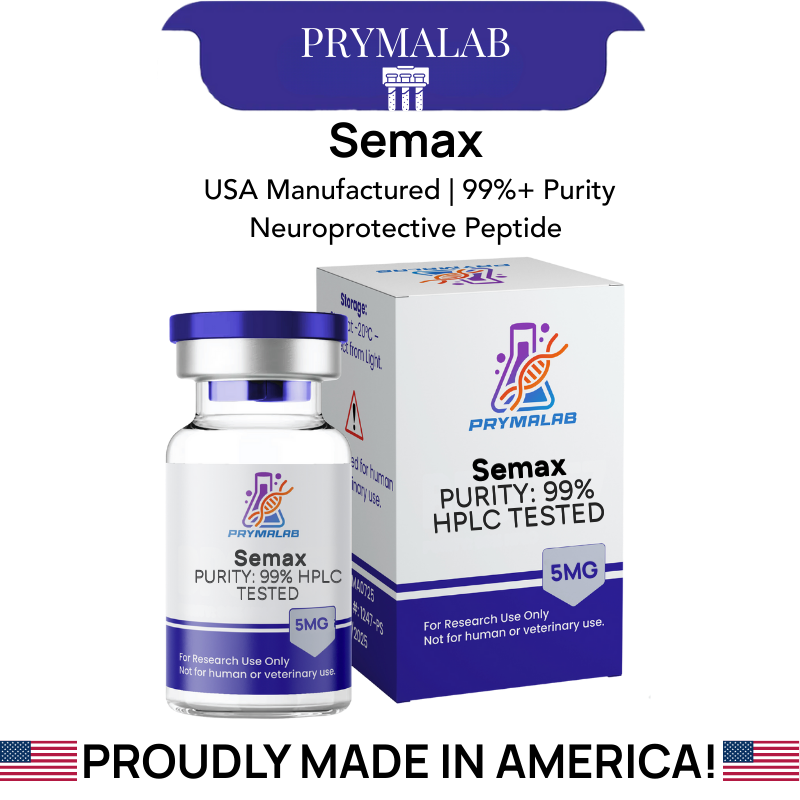




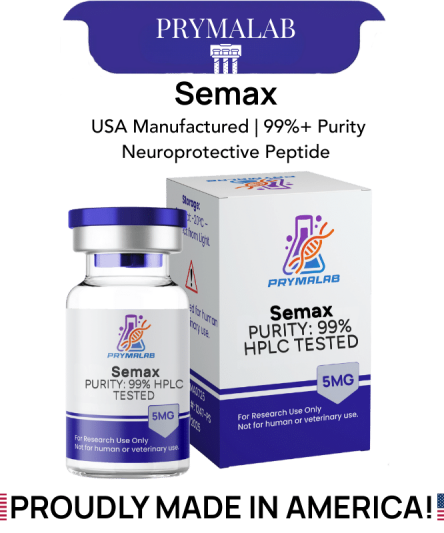






15 reviews for Semax 5mg