15% SUMMER DISCOUNT APPLIED AUTOMATICALLY AT CHECKOUT FREE USA SHIPPING OVER $100  FREE WORLDWIDE SHIPPING OVER $200

15% SUMMER DISCOUNT APPLIED AUTOMATICALLY FREE USA SHIPPING OVER $100  FREE WORLDWIDE SHIPPING OVER $200

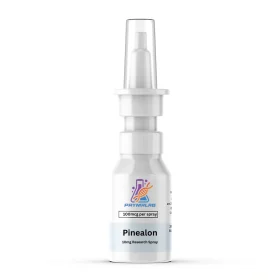
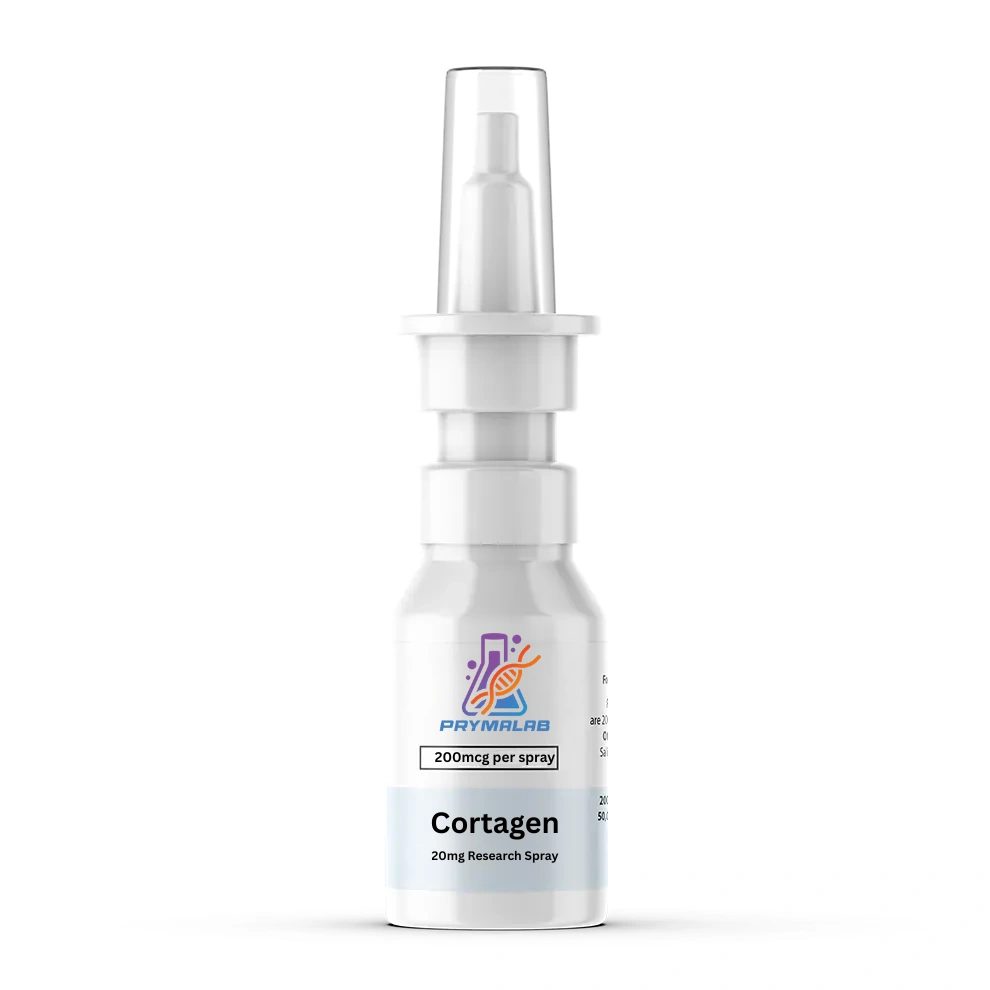
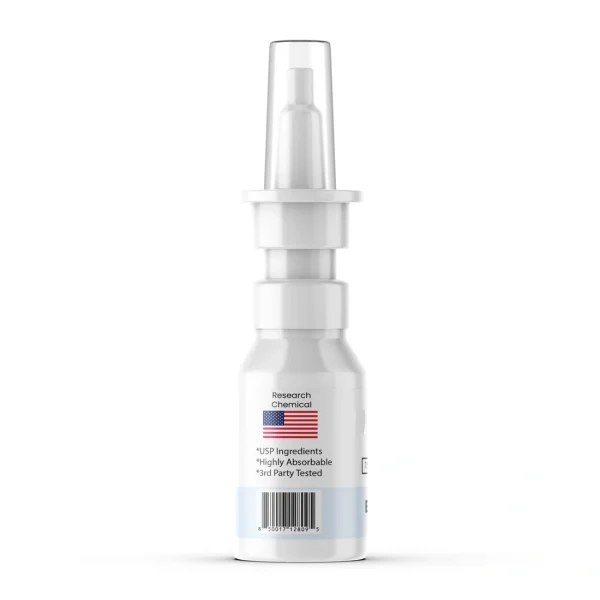
Cortagen 20mg Nasal Spray

(5 customer reviews)

$119.99 or subscribe for $101.99/mo

Cortagen nasal spray supplies the synthetic tetrapeptide Ala-Glu-Asp-Pro (AEDP), a Khavinson-class short peptide bioregulator associated in that framework with cerebral cortex tissue. It is a defined synthetic sequence, distinct from the organ-extract preparations that preceded it. Characterized by reversed-phase HPLC for purity and mass spectrometry for identity. In-vitro laboratory research only. Not for human or veterinary use.

Description

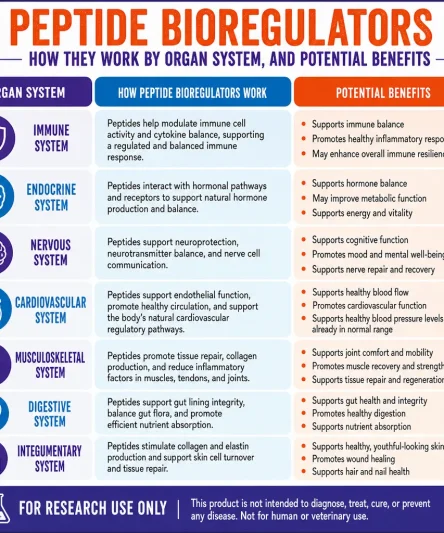
This cortagen nasal spray supplies the cortagen peptide, a synthetic tetrapeptide with the sequence Ala-Glu-Asp-Pro, abbreviated AEDP. It is one of the short peptide bioregulators of the Khavinson peptide family developed by Vladimir Khavinson at the St Petersburg Institute of Bioregulation and Gerontology, and within that framework it is associated with geroprotective brain health, cerebral cortex tissue, and the broader central nervous system. There is a naming distinction around this compound that trips up a lot of purchasing, and it is worth getting straight before anything else. Supplied for laboratory research use only.

Cortagen is not Cortexin, and the difference is the whole point

The Khavinson programme produced two generations of material, and the literature uses both without always flagging which is which.

The first generation, sometimes called cytomax preparations, are polypeptide fractions purified from animal organ tissue. Cortexin is the cortex-derived example, and it is used clinically in Russia for indications including stroke, ischemic brain injury, traumatic brain injuries, brain damage, neurodegenerative diseases like Alzheimerโ€™s, associated cognitive decline, and general cognitive support, and encephalopathy. It is a mixture extracted from tissue, so it has no single sequence, no molecular weight and no CAS number, in the same way Cerebrolysin does not.

The second generation, the cytogens, are synthetic short peptides with defined sequences, created after the active fragments were identified. Cortagen is one of these. Ala-Glu-Asp-Pro is a specified molecule that can be synthesized reproducibly and verified analytically.

That distinction matters for two reasons. Clinical use of Cortexin in some jurisdictions is regularly cited as though it supported the synthetic tetrapeptide, and it does not, because they are different materials. And a defined synthetic sequence can be characterized properly, which makes Cortagen the more tractable research reagent of the pair even though it carries less clinical history. When you write your methods section, name the specific amino acid sequence, because a generic term like โ€œbrain peptideโ€ or โ€œcortex bioregulatorโ€ could mean either material.

The mechanism claim, stated honestly

These peptides are hypothesized to enter cells, reach the nucleus and interact with DNA promoter regions or with heterochromatin and chromatin-associated histones, changing which genes are accessible to transcription factors. Each sequence is proposed to be complementary to particular DNA regions, which is where the tissue-association claim and its role in studying cellular aging originates. The supporting work includes electrophoretic mobility shift assays showing peptide-DNA complexes, histone binding assays and molecular docking models, summarized in Short Peptides Regulate Gene Expression in the Bulletin of Experimental Biology and Medicine. Docking work on a set of short peptides, including the heart-associated cardiogen and the lung-associated chonluten, reports that some share binding sites, with the dipeptide KE and the sequence EDP among those modelled.

The limitations are real and worth stating on a page selling the compound. The evidence is preclinical and concentrated within a single research lineage. Independent replication outside it is limited. High-resolution structural confirmation of a specific peptide-DNA complex has not been published. There are no human clinical trials of the synthetic tetrapeptide and no FDA or EMA approval. Treat the mechanism as a hypothesis worth testing rather than a settled account, and design experiments that could disconfirm it rather than only illustrate it.

Cortagen nasal spray specifications

Compound Cortagen, synthetic short peptide bioregulator
Sequence Ala-Glu-Asp-Pro (AEDP)
Length Tetrapeptide (four residues)
Generation Cytogen: defined synthetic sequence, not an organ extract
Related extract preparation Cortexin, a tissue-derived polypeptide fraction; a different material
Origin St Petersburg Institute of Bioregulation and Gerontology
Proposed mechanism Peptide-DNA or peptide-histone interaction altering gene accessibility (hypothesis)
Evidence status Preclinical, single research lineage, limited independent replication
Regulatory status No FDA or EMA approval for the synthetic peptide
Format Metered spray bottle
Classification Research chemical. In-vitro laboratory use only. Not for human or veterinary use.

In-vitro considerations for intranasal cortagen research

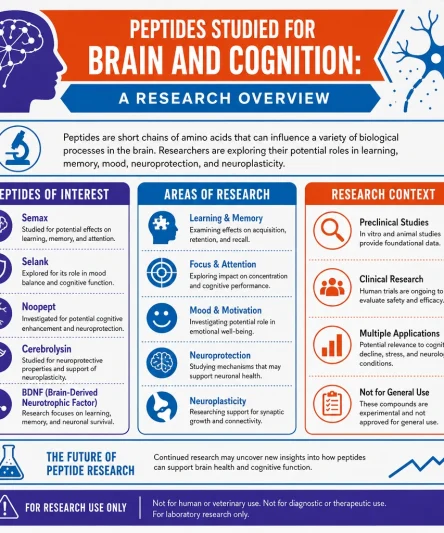
Neuronal models are the obvious fit given the cortex association: primary cortical neurons, differentiated neuronal lines, or organotypic slice culture, with readouts covering the expression of neurotrophic factors, viability under a defined stressor like oxidative stress or lipid peroxidation, synaptic plasticity, nerve conduction velocity, neurite outgrowth for nerve regeneration, and transcript changes by qPCR or RNA-seq since the proposed mechanism is transcriptional.

Two design points specific to this compound. The proline at position 4 imposes conformational rigidity, since prolineโ€™s ring constrains the backbone in a way other residues do not, so this peptide is less flexible than its size suggests, and that rigidity is presumably part of any binding specificity it has. And because the mechanism requires nuclear entry, permeability deserves testing rather than assumption: a small peptide with two acidic residues crossing the blood-brain barrier, a plasma membrane, and a nuclear envelope is not a given. Intranasal cortagen research regarding nerve repair appears in the animal literature alongside studies involving subcutaneous injection, though the supplied format here implies nothing about administration.

Cortagen nasal spray storage and handling

AEDP contains no cysteine, no methionine and no tryptophan, so disulfide chemistry, oxidative damage, and light sensitivity are not the concerns here that they are for larger peptides. What matters instead is charge and enzymatic exposure, which can influence how the peptide interacts with neurotransmitter and neuronal signaling pathways.

Two of the four residues are acidic, such as the glutamate at position two, so solubility and charge state shift with pH, and an assay buffer that is not where you think it is will change behaviour before biology does. A four-residue peptide is also a ready substrate for serum peptidases, so long incubations in serum-containing medium mean a declining concentration. Sensible cortagen nasal spray storage is otherwise routine: cold, sealed, out of light, prepared with bacteriostatic water where applicable, single-use aliquots rather than repeated freeze-thaw, and low-binding plasticware at low working concentrations.

How research grade cortagen spray is characterized

Short polar peptides retain poorly on standard reversed-phase columns, so for a four-residue acidic sequence the chromatographic method is more informative than the purity figure it generates. A certificate that states an appropriate method carries more weight than a bare percentage regarding the total peptide content, especially when considering the stability of the peptide after reconstitution. A research grade cortagen spray is characterized by reversed-phase HPLC for purity and mass spectrometry for identity, and this material is supplied under the same verification PrymaLab applies across its research peptides, HPLC and MS confirmation plus independent third-party testing. No specific lot figures are asserted here; request the certificate of analysis for the lot you receive.

For related bioregulator research, including compounds like BPC-157 and epitalon, see the PrymaLab Research Library.

Frequently asked questions

What is Cortagen?

Cortagen is a synthetic tetrapeptide, Ala-Glu-Asp-Pro (AEDP), one of the Khavinson-class short peptide bioregulators often discussed alongside nootropics like semax, selank, or DSIP, sometimes studied in models of Parkinsonโ€™s, and associated with cerebral cortex tissue as a brain bioregulator in that framework. Material supplied here is a research chemical for in-vitro laboratory use only.

Is Cortagen the same as Cortexin?

No. Cortexin is a polypeptide fraction extracted from animal cortex tissue, a mixture with no single sequence. Cortagen is a defined synthetic tetrapeptide. Clinical use of Cortexin in some jurisdictions does not transfer as evidence for the synthetic peptide.

How is Cortagen proposed to work?

By entering cells, reaching the nucleus and interacting with DNA promoter regions or chromatin-associated histones to change gene accessibility. Supporting data includes mobility shift assays, histone binding assays and docking models. It remains a hypothesis, not an established mechanism.

Why does the proline residue matter?

Prolineโ€™s ring structure constrains the peptide backbone, so AEDP is conformationally more rigid than a four-residue peptide would otherwise be. If the compound has genuine binding specificity, that rigidity is likely part of it.

Is Cortagen nasal spray approved for human use?

No. This material is a research chemical for in-vitro laboratory use only, has no FDA or EMA approval, and is not intended for human or veterinary use. Nothing here is medical advice.

Ordering and compliance

Every PrymaLab research compound, whether in solution or freeze-dried lyophilized powder form, ships from the United States and is sold research-use-only. This cortagen peptide nasal spray is supplied for in-vitro laboratory research, is not intended for human or veterinary use, is not a drug or supplement, and has not been evaluated by the FDA for the research-chemical context. Verify the legal status of any research compound in your jurisdiction before ordering. Certificates of analysis (CoA) are available on request for the lot you receive.

Additional information

Weight N/A
Dimensions N/A

5 reviews for Cortagen 20mg Nasal Spray

  1. Spencer Sanders
    August 2, 2026
    Tested good
    Had this order sent off to Janoshik for testing and it just came back with a perfect on the endotoxin testing and a purity of 99.97%. I will be shoppi...More
    Had this order sent off to Janoshik for testing and it just came back with a perfect on the endotoxin testing and a purity of 99.97%. I will be shopping here from now on, no vendor that I trust has better pricing.
    Helpful? 0 0
    Damon Gray
    August 2, 2026
    Thanks.
    Shipping was slow but everything came as it should.
    Helpful? 0 0
    Paula Harper
    August 1, 2026
    quality on point!
    test came back 99.71%. Will be back fs
    Helpful? 0 0
    Beverly Jones
    August 1, 2026
    Already seeing results!
    Shipping was slow but after only a week I am already seeing amazing results. Thank you.
    Helpful? 0 0
    Curtis Harper
    July 30, 2026
    will be back
    thanks
    Helpful? 0 0

Only logged in customers who have purchased this product may leave a review.

Peptide Research Articles

Bacteriostatic Water Peptide Science: Why It Matters in Reconstitution & Research

Bacteriostatic water peptide science is the foundation of safe, accurate peptide reconstitution. This 2026 guide covers bacteriostatic water composition, how to reconstitute peptides using a peptide reconstitution calculator and peptide dosage calculator, bacteriostatic water vs sterile water differences, peptide storage best practices, and a 10-step reconstitution protocol. Expert insights from PrymaLab.

Peptides for Injury Recovery: The Wolverine Stack Peptide Guide (BPC-157 + TB-500)

The Wolverine stack peptide combines BPC-157 and TB-500 for research into tendon, ligament, and joint recovery. This 2026 guide covers BPC-157 peptide where to buy responsibly, BPC 157 peptide side effects, peptides for tendon repair, peptides for joint recovery, peptides for elbow pain, and the BPC-157 TB-500 peptide blend scientific research. Expert insights from PrymaLab.

Are Peptides Good for You? A Complete 2026 Guide

Are peptides good for you? This comprehensive 2026 guide explores peptide therapy benefits, safety, side effects, and how peptides work in the body. Learn about peptide health benefits, research findings, and what you need to know before considering peptide therapy. Expert insights from PrymaLab.

Ovagen peptide capsules for liver health with dosage cycling chart showing 10-20 day protocols repeated 2-3 times per year

Ovagen Peptide Guide: Uses, Research, Safety & Buying Info

Ovagen peptide is a short-chain liver bioregulator developed at the St. Petersburg Institute of Bioregulation and Gerontology under Professor Vladimir Khavinson. It contains the AC-3 peptide complex (glutamic acid and aspartic acid) designed to target hepatocyte gene expression for liver cell repair, bile production, and detoxification. This guide covers dosing protocols, cycling schedules, side effects, a head-to-head comparison with NAC, milk thistle, TUDCA, and BPC-157, cost analysis ($120-360 per year), and how to verify genuine Ovagen products online.

GHK-Cu peptide vial and syringe with dosage chart showing injection protocols for skin rejuvenation and hair growth

GHK-Cu Peptide: Benefits, Dosage, Side Effects & Complete Research Guide (2026)

GHK-Cu peptide is a naturally occurring copper tripeptide that modulates over 4,000 human genes involved in collagen synthesis, wound healing, and tissue regeneration. This comprehensive guide covers injection dosage protocols, clinical research on skin rejuvenation and hair growth, side effects, safety data, and how to reconstitute GHK-Cu 50mg vials. Includes dosage charts, comparison tables, and 10 frequently asked questions answered by a peptide research specialist.

Sermorelin dosage guide for anti-aging muscle growth and weight loss showing GHRH analog pituitary stimulation

Sermorelin Dosage Guide 2025: Complete Protocol for Anti-Aging, Muscle Growth & Weight Loss

Sermorelin acetate is a growth hormone-releasing hormone (GHRH) analog that stimulates natural GH production from the pituitary gland. This comprehensive dosage guide covers protocols for anti-aging, muscle growth, weight loss, and sleep optimization รขโ‚ฌโ€ along with side effects, before-and-after timelines, and comparisons to HGH and ipamorelin.

Customer reviews

4.60
Based on 5 reviews
5
60%
3
4
40%
2
3
0%
0
2
0%
0
1
0%
0
Spencer Sanders
August 2, 2026
Tested good
Had this order sent off to Janoshik for testing and it just came back with a perfect on the endotoxin testing and a purity of 99.97%. I will be shoppi...More
Had this order sent off to Janoshik for testing and it just came back with a perfect on the endotoxin testing and a purity of 99.97%. I will be shopping here from now on, no vendor that I trust has better pricing.
Helpful? 0 0
Damon Gray
August 2, 2026
Thanks.
Shipping was slow but everything came as it should.
Helpful? 0 0
Paula Harper
August 1, 2026
quality on point!
test came back 99.71%. Will be back fs
Helpful? 0 0
Beverly Jones
August 1, 2026
Already seeing results!
Shipping was slow but after only a week I am already seeing amazing results. Thank you.
Helpful? 0 0
Curtis Harper
July 30, 2026
will be back
thanks
Helpful? 0 0
24/7 Online support

support@prymalab.net info@prymalab.net

Money back guarantee

30 Day return window. Satisfaction guaranteed or your money back.

FREE shipping and return

All orders over %150 in value will receive free shipping.