15% SUMMER DISCOUNT APPLIED AUTOMATICALLY AT CHECKOUT FREE USA SHIPPING OVER $100  FREE WORLDWIDE SHIPPING OVER $200

15% SUMMER DISCOUNT APPLIED AUTOMATICALLY FREE USA SHIPPING OVER $100  FREE WORLDWIDE SHIPPING OVER $200

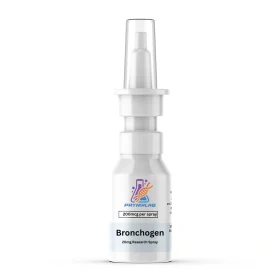
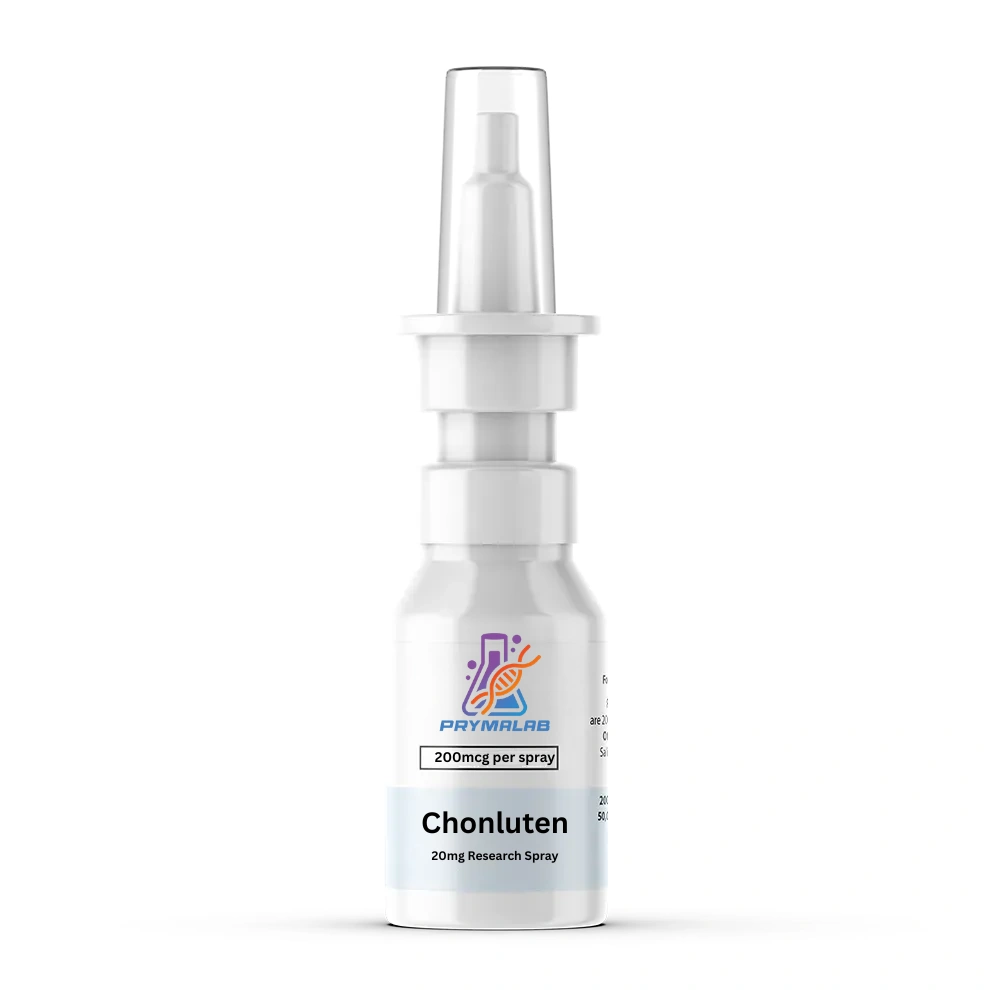
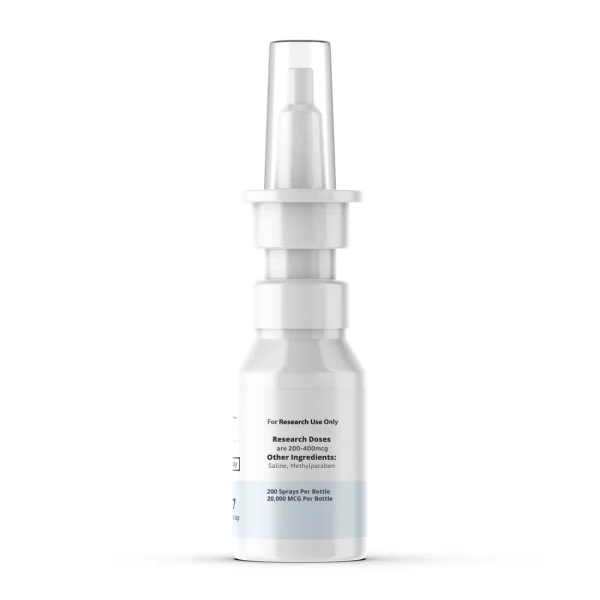
Chonluten 20mg Nasal Spray

(5 customer reviews)

$119.99 or subscribe for $101.99/mo

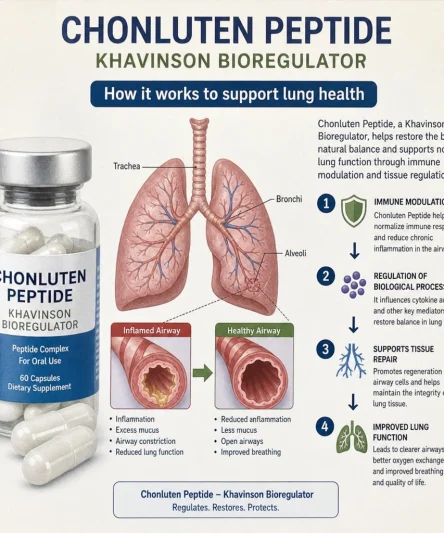
Chonluten nasal spray supplies the synthetic tripeptide Glu-Asp-Gly (EDG), also referred to as T-34, a Khavinson-class short peptide bioregulator associated with bronchopulmonary tissue. It is a defined synthetic sequence rather than an organ extract. Characterized by reversed-phase HPLC for purity and mass spectrometry for identity, with independent third-party testing. In-vitro laboratory research only. Not for human or veterinary use.

Description

This chonluten nasal spray supplies Chonluten, a synthetic tripeptide with the sequence Glu-Asp-Gly, abbreviated EDG and sometimes labelled T-34. It comes from the short peptide bioregulator and anti-aging programme at the St. Petersburg Institute of Bioregulation and Gerontology, designed to study the aging process, and within that framework it is associated with bronchopulmonary tissue, mucosal function, and the bronchial mucosa. If you are going to study a respiratory compound in cell culture, such as one targeting asthma, flu, respiratory infections, or immune system reactions to allergens, the model you choose will determine your result more than the compound will, so that is where this page starts. Supplied for laboratory research use only.

Submerged culture is the wrong model for airway epithelium

This is the most consequential decision in respiratory cell work and it is routinely got wrong.

Airway epithelium in the body sits with its apical surface exposed to air and its basal surface fed by tissue fluid. Grow the same cells submerged in medium in a plastic dish and they do not differentiate properly: you get a flat, undifferentiated monolayer without cilia, without goblet cells producing mucus, and without the barrier properties real airway epithelium has. Any compound tested in that system is being tested against a cell type that does not exist in actual lung tissue or the bronchi.

Air-liquid interface culture solves this. Cells are seeded on a permeable insert, medium is supplied only from the basal compartment, and the apical surface is exposed to air. Over roughly three to four weeks the culture differentiates into a pseudostratified epithelium with beating cilia, mucus-producing cells and tight junctions. Calu-3, primary human bronchial epithelial cells and BEAS-2B are the common starting materials, with primary cells differentiating best and Calu-3 forming the tightest barrier.

The time cost is real: an ALI experiment takes a month before treatment begins, which is why people reach for submerged culture instead. But for a compound proposed to act on respiratory epithelium specifically, testing it on undifferentiated cells answers a different question from the one you meant to ask. For intranasal chonluten research the same logic applies with more force, since the epithelium of the nasal passages and nasal cavity is the tissue in question and it too requires an air interface to differentiate.

What to measure, and what the evidence actually supports

In a differentiated ALI culture the readouts that mean something are barrier integrity by transepithelial electrical resistance, ciliary beat frequency by high-speed video microscopy, mucus production by mucin quantification or histology, and transcript changes in gene expression patterns by qPCR or RNA-seq given that the proposed mechanism is transcriptional.

On the evidence itself I would rather be straight with you than impressive. Secondary sources circulate specific lists of genes, such as c-fos, SOD, or COX-2, said to be regulated by this peptide. I have not been able to trace those lists to primary literature, so they are not stated as findings here. What is supportable is narrower: Chonluten is a defined synthetic tripeptide from a research programme that has studied it in bronchopulmonary contexts like COPD, ulcerative colitis, or Crohnโ€™s disease for over two decades, the evidence is preclinical and concentrated within one research lineage, and independent replication outside that lineage is limited.

The shared mechanistic proposal for this class is that short peptides enter cells, reach the nucleus and interact with DNA promoter regions or chromatin-associated histones to change gene accessibility and gene regulation, argued in Short Peptides Regulate Gene Expression in the Bulletin of Experimental Biology and Medicine. High-resolution structural confirmation of a specific peptide-DNA complex remains unpublished, and there are no human clinical trials comparing the compound to a placebo or regulatory approvals for the synthetic peptides.

Chonluten nasal spray specifications

Compound Chonluten, synthetic short peptide bioregulator
Sequence Glu-Asp-Gly (EDG)
Also labelled T-34
Length Tripeptide (three residues)
Charge character Two acidic residues plus glycine; highly polar, no basic residue
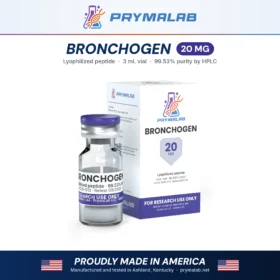
Distinct from Bronchogen (AEDL, tetrapeptide), also respiratory-associated
Origin St Petersburg Institute of Bioregulation and Gerontology
Proposed mechanism Peptide-DNA or peptide-histone interaction altering gene accessibility (hypothesis)
Evidence status Preclinical, single research lineage, limited independent replication
Regulatory status No FDA or EMA approval
Format Metered spray bottle
Classification Research chemical. In-vitro laboratory use only. Not for human or veterinary use.

Chonluten nasal spray storage and handling

EDG contains no cysteine, no methionine and no tryptophan, so oxidation, disulfide chemistry and light sensitivity are not the practical concerns here. Two other things are.

This is one of the most polar peptides in the catalogue: two acidic residues, a glycine, and no basic residue at all to balance the charge. That makes solubility, reconstitution in media or bacteriostatic water (often determined via a peptide calculator), and behaviour strongly pH-dependent, and it makes the molecule difficult to retain on standard chromatography, which matters for verification as much as for handling. And a tripeptide is a ready substrate for peptidases found in the gastrointestinal tract and serum-containing medium, so over a long incubation the concentration falls. In an ALI culture the apical surface is air rather than medium, which changes exposure conditions and potential bioavailability againโ€”a contrast to studies focusing on subcutaneous bioavailabilityโ€”and is worth thinking through when you decide how to apply the compound.

Sensible chonluten nasal spray storage is otherwise routine: cold, sealed, out of light, single-use aliquots rather than repeated freeze-thaw on one container, and low-binding plasticware at low working concentrations.

How research grade chonluten spray is characterized

A three-residue peptide carrying two acidic side chains and no basic residue is close to a worst case for standard reversed-phase chromatography, because there is very little hydrophobic character for a C18 column to retain. A purity number produced by an unsuitable reversed-phase method on this molecule may not reflect a real separation from salts and buffer components. Hydrophilic interaction chromatography, ion-pairing or ion exchange paired with mass spectrometry is what suits it.

So for a research grade chonluten spray, the question worth asking is what method generated the figure, not what the figure is. This material is supplied under the same verification PrymaLab applies across its research peptides, HPLC and MS confirmation plus independent third-party testing. No specific lot figures are asserted here; request the certificate of analysis for the lot you receive and read the method line alongside the number.

For related bioregulator research, including Epitalon, BPC-157 and DSIP, see the PrymaLab Research Library.

Frequently asked questions

What is Chonluten?

Chonluten is a synthetic tripeptide, Glu-Asp-Gly (EDG), also labelled T-34, one of the Khavinson-class short peptide bioregulators developed by Vladimir Khavinson and associated with bronchopulmonary tissue. Material supplied here is a research chemical for in-vitro laboratory use only.

Why does air-liquid interface culture matter for respiratory research?

Because airway epithelium only differentiates properly when its apical surface is exposed to air. Submerged culture produces a flat undifferentiated monolayer without cilia, mucus-producing cells or proper barrier function, so a compound tested there is being tested against a cell type that does not exist in a lung.

How does Chonluten differ from Bronchogen?

Chonluten is Glu-Asp-Gly, a tripeptide. Bronchogen is Ala-Glu-Asp-Leu, a tetrapeptide. Both are respiratory-associated within the same programme but they are different molecules, and a methods section should name the sequence rather than the trade name.

What readouts suit a differentiated airway culture?

Transepithelial electrical resistance for barrier integrity, ciliary beat frequency by high-speed video microscopy, mucin quantification or histology for mucus production, and qPCR or RNA-seq for transcript changes given the proposed transcriptional mechanism.

Is Chonluten nasal spray approved for human use?

No. This material is a research chemical for in-vitro laboratory use only, has no FDA or EMA approval, and is not intended for human or veterinary use. Nothing here is medical advice.

Ordering and compliance

Every PrymaLab research compound ships from the United States and is sold research-use-only. This chonluten peptide nasal spray is supplied for in-vitro laboratory research, is not intended for human or veterinary use, is not a drug or supplement, and has not been evaluated by the FDA for the research-chemical context. Verify the legal status of any research compound in your jurisdiction before ordering. Certificates of analysis are available on request for the lot you receive.

Additional information

Weight N/A
Dimensions N/A

5 reviews for Chonluten 20mg Nasal Spray

  1. Spencer Sanders
    August 2, 2026
    Tested good
    Had this order sent off to Janoshik for testing and it just came back with a perfect on the endotoxin testing and a purity of 99.97%. I will be shoppi...More
    Had this order sent off to Janoshik for testing and it just came back with a perfect on the endotoxin testing and a purity of 99.97%. I will be shopping here from now on, no vendor that I trust has better pricing.
    Helpful? 0 0
    Damon Gray
    August 2, 2026
    Thanks.
    Shipping was slow but everything came as it should.
    Helpful? 0 0
    Paula Harper
    August 1, 2026
    quality on point!
    test came back 99.71%. Will be back fs
    Helpful? 0 0
    Beverly Jones
    August 1, 2026
    Already seeing results!
    Shipping was slow but after only a week I am already seeing amazing results. Thank you.
    Helpful? 0 0
    Curtis Harper
    July 30, 2026
    will be back
    thanks
    Helpful? 0 0

Only logged in customers who have purchased this product may leave a review.

Peptide Research Articles

Bacteriostatic Water Peptide Science: Why It Matters in Reconstitution & Research

Bacteriostatic water peptide science is the foundation of safe, accurate peptide reconstitution. This 2026 guide covers bacteriostatic water composition, how to reconstitute peptides using a peptide reconstitution calculator and peptide dosage calculator, bacteriostatic water vs sterile water differences, peptide storage best practices, and a 10-step reconstitution protocol. Expert insights from PrymaLab.

Peptides for Injury Recovery: The Wolverine Stack Peptide Guide (BPC-157 + TB-500)

The Wolverine stack peptide combines BPC-157 and TB-500 for research into tendon, ligament, and joint recovery. This 2026 guide covers BPC-157 peptide where to buy responsibly, BPC 157 peptide side effects, peptides for tendon repair, peptides for joint recovery, peptides for elbow pain, and the BPC-157 TB-500 peptide blend scientific research. Expert insights from PrymaLab.

Are Peptides Good for You? A Complete 2026 Guide

Are peptides good for you? This comprehensive 2026 guide explores peptide therapy benefits, safety, side effects, and how peptides work in the body. Learn about peptide health benefits, research findings, and what you need to know before considering peptide therapy. Expert insights from PrymaLab.

Ovagen peptide capsules for liver health with dosage cycling chart showing 10-20 day protocols repeated 2-3 times per year

Ovagen Peptide Guide: Uses, Research, Safety & Buying Info

Ovagen peptide is a short-chain liver bioregulator developed at the St. Petersburg Institute of Bioregulation and Gerontology under Professor Vladimir Khavinson. It contains the AC-3 peptide complex (glutamic acid and aspartic acid) designed to target hepatocyte gene expression for liver cell repair, bile production, and detoxification. This guide covers dosing protocols, cycling schedules, side effects, a head-to-head comparison with NAC, milk thistle, TUDCA, and BPC-157, cost analysis ($120-360 per year), and how to verify genuine Ovagen products online.

GHK-Cu peptide vial and syringe with dosage chart showing injection protocols for skin rejuvenation and hair growth

GHK-Cu Peptide: Benefits, Dosage, Side Effects & Complete Research Guide (2026)

GHK-Cu peptide is a naturally occurring copper tripeptide that modulates over 4,000 human genes involved in collagen synthesis, wound healing, and tissue regeneration. This comprehensive guide covers injection dosage protocols, clinical research on skin rejuvenation and hair growth, side effects, safety data, and how to reconstitute GHK-Cu 50mg vials. Includes dosage charts, comparison tables, and 10 frequently asked questions answered by a peptide research specialist.

Sermorelin dosage guide for anti-aging muscle growth and weight loss showing GHRH analog pituitary stimulation

Sermorelin Dosage Guide 2025: Complete Protocol for Anti-Aging, Muscle Growth & Weight Loss

Sermorelin acetate is a growth hormone-releasing hormone (GHRH) analog that stimulates natural GH production from the pituitary gland. This comprehensive dosage guide covers protocols for anti-aging, muscle growth, weight loss, and sleep optimization รขโ‚ฌโ€ along with side effects, before-and-after timelines, and comparisons to HGH and ipamorelin.

Customer reviews

4.60
Based on 5 reviews
5
60%
3
4
40%
2
3
0%
0
2
0%
0
1
0%
0
Spencer Sanders
August 2, 2026
Tested good
Had this order sent off to Janoshik for testing and it just came back with a perfect on the endotoxin testing and a purity of 99.97%. I will be shoppi...More
Had this order sent off to Janoshik for testing and it just came back with a perfect on the endotoxin testing and a purity of 99.97%. I will be shopping here from now on, no vendor that I trust has better pricing.
Helpful? 0 0
Damon Gray
August 2, 2026
Thanks.
Shipping was slow but everything came as it should.
Helpful? 0 0
Paula Harper
August 1, 2026
quality on point!
test came back 99.71%. Will be back fs
Helpful? 0 0
Beverly Jones
August 1, 2026
Already seeing results!
Shipping was slow but after only a week I am already seeing amazing results. Thank you.
Helpful? 0 0
Curtis Harper
July 30, 2026
will be back
thanks
Helpful? 0 0
24/7 Online support

support@prymalab.net info@prymalab.net

Money back guarantee

30 Day return window. Satisfaction guaranteed or your money back.

FREE shipping and return

All orders over %150 in value will receive free shipping.