Description
What is KPV Peptide?
KPV represents a notable example of how nature’s complex signaling molecules can be distilled into potent, targeted treatment tools for research. This tripeptide, consisting of just three amino acids in the sequence Lysine-Proline-Valine, is derived from the C-terminal portion of α-melanocyte boosting hormone (α-MSH), a naturally occurring peptide that plays crucial roles in regulating swelling, immune function, and many natural processes throughout the body. Despite its small size, KPV peptide has showed powerful anti-swelling properties that have captured the attention of researchers studying swelling diseases, gut health, immune tuning, and tissue repair.
The discovery of KPV peptide emerged from research into the melanocortin system, a complex network of peptides and receptors that regulate diverse natural functions including pigmentation, energy homeostasis, swelling, and immune responses. α-MSH, the parent molecule from which KPV is derived, has long been recognized for its anti-swelling properties. However, α-MSH is a relatively large peptide of 13 amino acids, and researchers sought to identify the minimal sequence necessary for anti-swelling activity. Through systematic study, scientists discovered that the C-terminal tripeptide sequence KPV retained major anti-swelling activity while offering benefits for shelf life, ease of synthesis, and possible for many supply methods.
KPV peptide’s cell-level weight of about 341 Daltons makes it one of the smallest bioactive peptides used in research. This compact size adds to several advantageous properties. The peptide shows good shelf life compared to larger peptides, resisting breakdown by many proteases that would rapidly break down longer sequences. Its small size also helps many routes of use, including oral supply, which is unusual for peptides and represents a major practical advantage for certain research uses. Also, the tripeptide structure allows for chemical changes and conjugation strategies that can enhance its properties or target it to specific tissues.
The anti-swelling properties of KPV peptide have been extensively documented in research literature. Studies have showed that KPV can greatly reduce the production of pro-swelling cytokines, molecules that drive swelling responses and add to tissue damage in many disease states. The peptide has shown specific promise in research models of swelling bowel disease, where it reduces gut swelling and promotes healing of damaged gut tissue. Research has also explored KPV’s possible in skin swelling, wound healing, and systemic swelling conditions, revealing a broad spectrum of anti-swelling activity across different tissue types and swelling contexts.
What makes KPV peptide very interesting for research is its mechanism of action, which differs from many conventional anti-swelling approaches. Rather than simply blocking swelling mediators or suppressing immune function broadly, KPV appears to tune swelling responses through interaction with melanocortin receptors and other cellular targets. This tuning can shift the balance from pro-swelling to anti-swelling signaling, possibly offering more nuanced control over swelling processes. The peptide’s power to influence multiple swelling pathways simultaneously may add to its robust anti-swelling effects saw in many research models.
The gut health uses of KPV peptide represent one of its most extensively studied areas. The gut tract is constantly exposed to possible swelling triggers, including dietary antigens, microbial products, and many environmental factors. Keeping appropriate swelling balance in the gut is crucial for health, and dysregulated gut swelling underlies conditions such as swelling bowel disease, including Crohn’s disease and ulcerative colitis. Research has shown that KPV peptide can be taken up by gut cells through specific peptide transporters, very PepT1, allowing it to exert direct anti-swelling effects on gut tissue. This targeted supply to inflamed gut tissue represents a major advantage for gut-focused research uses.
Beyond its anti-swelling properties, KPV peptide has showed antimicrobial activity in research studies. The peptide shows activity against many bacteria and fungi, suggesting possible uses in research studying the interplay between swelling and infection. This antimicrobial activity may be very relevant in gut health research, where the balance between the host immune system and the gut microbiome is crucial for keeping gut homeostasis. The dual anti-swelling and antimicrobial properties of KPV peptide make it a versatile tool for studying complex swelling conditions where infection may play a adding role.
Research into KPV peptide has also revealed possible uses in wound healing and tissue repair. Swelling plays a complex role in wound healing, with appropriate swelling responses necessary for starting repair processes, but too much or prolonged swelling impeding healing and adding to chronic wounds. KPV peptide’s power to tune swelling while possibly supporting tissue repair processes makes it interesting for research into wound healing mechanisms and possible treatment approaches to chronic wounds. Studies have examined KPV’s effects on many cell types involved in wound healing, including fibroblasts, keratinocytes, and immune cells, revealing multiple mechanisms through which the peptide may influence repair processes.
The melanocortin system, from which KPV is derived, has been implicated in many aspects of body control, and research has begun to explore whether KPV peptide might have body effects beyond its anti-swelling properties. While this area of research is less developed than the swelling uses, preliminary studies suggest that KPV may influence certain body parameters, possibly through effects on swelling that secondarily impact body function. This represents an emerging area of study that may reveal more research uses for KPV peptide.
KPV peptide’s safety profile in research has been often favorable, with studies reporting minimal adverse effects at doses showing major anti-swelling activity. The peptide’s derivation from a naturally occurring hormone sequence may add to its tolerability, as the body has evolved mechanisms to handle melanocortin peptides. However, as with any research compound, appropriate safety tracking and dose tuning are essential components of research protocols. The peptide’s effects on many natural systems, including possible impacts on pigmentation, immune function, and body parameters, need consideration in research design and interpretation.
The versatility of KPV peptide extends to its possible for many form and supply strategies. Beyond standard injection forms, research has explored oral supply through capsules, topical use for skin conditions, and even targeted supply systems designed to concentrate the peptide in specific tissues. This flexibility in use routes makes KPV peptide adaptable to different research questions and uses. Oral supply, in specific, represents a major advantage for gut-focused research, as it allows direct exposure of gut tissue to the peptide while also providing systemic effects through absorption.
Grasp KPV peptide needs appreciation of both its cell-level simplicity and its natural complexity. While the peptide consists of just three amino acids, its interactions with cellular receptors, signaling pathways, and many natural systems create a rich landscape of natural effects. This mix of structural simplicity and functional complexity makes KPV peptide an excellent tool for dissecting swelling mechanisms and exploring possible treatment approaches to swelling diseases. The ongoing research into KPV peptide continues to reveal new aspects of its biology and possible uses, adding to our grasp of swelling and its control.
The Science Behind KPV: Mechanism of Action
The mechanism of action of KPV peptide represents a fascinating intersection of receptor pharmacology, intracellular signaling, and swelling pathway tuning. Grasp how this small tripeptide exerts its potent anti-swelling effects needs review of multiple levels of natural organization, from cell-level interactions with specific receptors to systemic effects on swelling responses. The complexity of KPV’s mechanism reflects the advanced nature of the melanocortin system from which it is derived and highlights the multiple pathways through which swelling can be regulated.
At the cell-level level, KPV peptide’s main mechanism of action involves interaction with melanocortin receptors, very the melanocortin-3 receptor (MC3R). The melanocortin receptor family consists of five subtypes (MC1R through MC5R), each with distinct tissue distribution and natural functions. While the parent molecule α-MSH can start multiple melanocortin receptors, research suggests that KPV may have more selective activity, with specific affinity for MC3R. This receptor is expressed in many tissues including the brain, gut, and immune cells, positioning it as a key regulator of swelling responses.
When KPV peptide binds to melanocortin receptors, it starts a cascade of intracellular signaling events. The melanocortin receptors are G-protein coupled receptors (GPCRs), a large family of cell surface receptors that transduce extracellular signals into intracellular responses. Upon KPV binding, the receptor undergoes a conformational change that starts linked G-proteins, mainly Gs proteins. These started G-proteins boost adenylyl cyclase, an enzyme that converts ATP to cyclic AMP (cAMP), a crucial second messenger molecule. The rise of intracellular cAMP levels triggers start of protein kinase A (PKA), which phosphorylates many downstream targets to mediate the peptide’s effects.
One of the most important downstream effects of KPV peptide signaling is tuning of the nuclear factor kappa B (NF-κB) pathway, a master regulator of swelling gene expression. NF-κB is a transcription factor that, when started, translocates to the nucleus and promotes expression of many pro-swelling genes including those encoding cytokines, chemokines, and adhesion molecules. In resting cells, NF-κB is sequestered in the cytoplasm by inhibitory proteins called IκBs. Swelling stimuli trigger phosphorylation and breakdown of IκBs, freeing NF-κB to enter the nucleus and start swelling gene transcription.
Research has showed that KPV peptide can block NF-κB start through multiple mechanisms. The cAMP/PKA signaling started by melanocortin receptor start can interfere with the signaling pathways that normally start NF-κB. Also, studies have shown that KPV can directly enter cells and interact with intracellular targets, including components of the NF-κB pathway. This intracellular activity represents a unique aspect of KPV’s mechanism, as many peptides are limited to cell surface receptor interactions. The power of KPV to both start cell surface receptors and exert direct intracellular effects may add to its potent anti-swelling activity.
The blocking of NF-κB by KPV peptide has profound effects on swelling gene expression. Research has shown that KPV treatment greatly reduces production of pro-swelling cytokines including tumor necrosis factor-alpha (TNF-α), interleukin-1 beta (IL-1β), interleukin-6 (IL-6), and interleukin-8 (IL-8). These cytokines play central roles in swelling responses, recruiting immune cells to sites of swelling, starting swelling signaling in target cells, and adding to tissue damage in chronic swelling conditions. By reducing production of these pro-swelling mediators, KPV peptide can dampen swelling responses and possibly limit tissue damage.
Beyond cytokine production, KPV peptide influences other aspects of swelling cell function. Research has examined KPV’s effects on many immune cell types including macrophages, neutrophils, and T cells. In macrophages, key orchestrators of swelling responses, KPV can shift the cells from a pro-swelling (M1) phenotype toward an anti-swelling (M2) phenotype. This phenotypic shift involves changes in gene expression, cytokine production, and cellular body function that collectively promote resolution of swelling rather than its perpetuation. The power to tune macrophage polarization represents a advanced mechanism of swelling control that may add to KPV’s treatment possible.
In the context of gut health research, KPV peptide’s mechanism of action includes specific interactions with gut epithelial cells. The gut tract expresses high levels of PepT1, a peptide transporter that normally functions to absorb dietary peptides and certain drugs. Research has showed that KPV is a substrate for PepT1, allowing it to be efficiently taken up by gut epithelial cells. This targeted uptake mechanism means that orally gave KPV can achieve high local levels in gut tissue, where it can exert direct anti-swelling effects on gut cells. This represents a major advantage for gut-focused uses, as it allows targeted supply without needing injection.
Once inside gut epithelial cells, KPV peptide can tune many swelling pathways relevant to gut health. The peptide can reduce expression of swelling mediators in response to bacterial products and other swelling stimuli that gut cells often meet. Research in models of swelling bowel disease has showed that KPV can reduce gut swelling, improve barrier function, and promote healing of damaged gut tissue. These effects appear to involve both direct actions on epithelial cells and indirect effects through tuning of immune cell activity in the gut.
The antimicrobial properties of KPV peptide represent another facet of its mechanism of action. Research has shown that KPV shows direct antimicrobial activity against many bacteria and fungi. The mechanism of this antimicrobial activity appears to involve disruption of microbial membranes, similar to other antimicrobial peptides. The positive charge of the lysine residue in KPV may help interaction with negatively charged microbial membranes, leading to membrane disruption and microbial death. This antimicrobial activity may be very relevant in the gut, where the peptide could possibly help control pathogenic microorganisms while exerting anti-swelling effects.
KPV peptide’s effects on oxidant stress represent another important aspect of its mechanism. Swelling and oxidant stress are intimately linked, with swelling processes creating reactive oxygen species (ROS) that can damage tissues, while oxidant stress can trigger and perpetuate swelling responses. Research has shown that KPV peptide can reduce markers of oxidant stress in many experimental models. This antioxidant activity may involve both direct scavenging of ROS and indirect effects through tuning of cellular antioxidant systems. The power to address both swelling and oxidant stress simultaneously may add to KPV’s tissue-protective effects.
The melanocortin system, from which KPV is derived, has complex interactions with other natural systems including the hypothalamic-pituitary-adrenal (HPA) axis, which regulates stress responses and has important anti-swelling functions through cortisol production. While KPV peptide’s effects on the HPA axis are less well characterized than its direct anti-swelling actions, research suggests that melanocortin signaling can influence HPA axis activity. This raises the possibility that some of KPV’s anti-swelling effects may be mediated through neuroendocrine mechanisms, though this remains an area needing further study.
Research has also explored KPV peptide’s effects on many signaling pathways beyond NF-κB. Studies have examined the peptide’s influence on mitogen-started protein kinase (MAPK) pathways, which play important roles in swelling signaling and cellular stress responses. KPV can tune MAPK signaling in many cell types, possibly adding to its anti-swelling effects. The peptide’s effects on other transcription factors involved in swelling gene expression, including activator protein-1 (AP-1) and signal transducer and activator of transcription (STAT) proteins, have also been studied, revealing multiple points of intervention in swelling signaling networks.
The tissue repair and wound healing effects of KPV peptide involve mechanisms beyond simple anti-swelling activity. Research has shown that KPV can influence fibroblast function, promoting collagen synthesis and extracellular matrix production that are essential for tissue repair. The peptide’s effects on keratinocyte migration and proliferation may add to re-epithelialization of wounds. Also, KPV’s influence on angiogenesis, the formation of new blood vessels, may support tissue repair by ensuring enough blood supply to healing tissues. These pro-repair effects, combined with anti-swelling activity, position KPV as a multifaceted modulator of tissue healing processes.
The pharmacokinetics of KPV peptide influence its mechanism of action and practical research uses. The peptide’s small size and specific amino acid makeup affect its absorption, distribution, body function, and excretion. When gave orally, KPV can be absorbed through PepT1-mediated uptake in the intestine, achieving both local effects in gut tissue and systemic distribution. When gave by injection, the peptide distributes to many tissues where it can exert its effects. The peptide’s body function involves enzymatic breakdown by peptidases, with the rate of breakdown influencing its duration of action. Grasp these pharmacokinetic properties is important for optimizing dosing strategies in research protocols.
Recent research has begun to explore whether KPV peptide’s effects involve epigenetic mechanisms, changes in gene expression that occur without alterations to DNA sequence. Epigenetic changes, including DNA methylation and histone changes, play important roles in regulating swelling gene expression and can have long-lasting effects on cellular function. Preliminary evidence suggests that melanocortin signaling may influence epigenetic marks, raising the possibility that some of KPV’s effects could involve epigenetic reprogramming of swelling responses. This represents an emerging area of study that may reveal more layers of complexity in KPV’s mechanism of action.
KPV Peptide Benefits for Research Applications
KPV peptide offers researchers a unique tool for studying swelling processes, gut health, immune tuning, and tissue repair across multiple experimental contexts. The peptide’s distinctive properties, including its potent anti-swelling activity, favorable safety profile, multiple use routes, and specific mechanisms of action, provide benefits that make it valuable for diverse research uses. Grasp these benefits helps researchers design effective protocols and select appropriate tools for specific research questions.
One of the main benefits of KPV peptide in research is its potent anti-swelling activity achieved through a mechanism distinct from conventional anti-swelling approaches. While nonsteroidal anti-swelling drugs (NSAIDs) work mainly by blocking cyclooxygenase enzymes, and corticosteroids act through broad suppression of swelling gene expression, KPV peptide tunes swelling through melanocortin receptor signaling and direct effects on swelling pathways. This distinct mechanism makes KPV valuable for research studying other approaches to swelling control and for grasp the melanocortin system’s role in swelling control.
The gut health research uses of KPV peptide represent one of its most extensively studied and promising areas. The peptide’s power to be taken up by gut epithelial cells through PepT1-mediated transport allows targeted supply to gut tissue, where it can exert direct anti-swelling effects. Research in models of swelling bowel disease has showed that KPV can greatly reduce gut swelling, improve gut barrier function, and promote healing of damaged gut tissue. These effects make KPV an excellent tool for studying the mechanisms underlying swelling bowel diseases and exploring possible treatment approaches.
Studies examining KPV peptide in colitis models have shown impressive reductions in disease severity. Research using chemically induced colitis in animal models has showed that KPV treatment reduces swelling cell infiltration into gut tissue, decreases production of pro-swelling cytokines, and improves histological scores of gut damage. The peptide’s effects on gut barrier function are very noteworthy, as barrier dysfunction is a key feature of swelling bowel disease that adds to disease progression. KPV can enhance expression of tight junction proteins that keep barrier integrity, possibly helping to prevent the translocation of bacteria and bacterial products that can perpetuate gut swelling.
Beyond swelling bowel disease models, KPV peptide has shown promise in research studying other aspects of gut health. Studies have examined the peptide’s effects on gut permeability, often referred to as “leaky gut,” a condition implicated in many swelling and autoimmune diseases. Research has explored KPV’s possible to tune the gut microbiome, the complex community of microorganisms inhabiting the gut tract. While this area of research is still developing, preliminary evidence suggests that KPV’s antimicrobial properties and effects on the gut environment may influence microbial makeup, possibly promoting a healthier microbiome balance.
The skin health and wound healing uses of KPV peptide represent another important research area. The skin is constantly exposed to swelling triggers including UV radiation, pathogens, and many environmental insults. Research has studied KPV’s possible to reduce skin swelling in many contexts, including UV-induced swelling, contact dermatitis, and swelling skin conditions. Studies have shown that topically applied KPV can reduce swelling markers in skin tissue and may help protect against UV-induced damage. The peptide’s effects on wound healing have been examined in many wound models, with research showing enhanced healing rates and improved wound quality with KPV treatment.
In wound healing research, KPV peptide’s benefits extend beyond simple anti-swelling effects. The peptide can influence multiple cell types involved in wound repair, including fibroblasts, keratinocytes, and endothelial cells. Research has showed that KPV can promote fibroblast migration and collagen synthesis, essential processes for wound closure and tissue remodeling. The peptide’s effects on keratinocyte proliferation and migration may enhance re-epithelialization, the process by which new skin covers a wound. Also, KPV’s influence on angiogenesis may support wound healing by ensuring enough blood supply to healing tissue.
The immune tuning research uses of KPV peptide provide insights into how the melanocortin system regulates immune function. Research has examined KPV’s effects on many immune cell types including macrophages, neutrophils, dendritic cells, and T cells. Studies have shown that KPV can tune macrophage polarization, shifting these cells from pro-swelling to anti-swelling phenotypes. This effect on macrophage function has implications for grasp how swelling is resolved and how chronic swelling conditions might be addressed. Research into KPV’s effects on adaptive immunity, including T cell function and antibody production, is ongoing and may reveal more immunomodulatory properties.
KPV peptide’s antimicrobial properties provide benefits for research studying the interplay between swelling and infection. The peptide has showed activity against many bacteria including both Gram-positive and Gram-negative species, as well as certain fungi. This antimicrobial activity may be very relevant in contexts where infection adds to or complicates swelling conditions. Research has explored whether KPV’s combined anti-swelling and antimicrobial properties might offer benefits over approaches that address only one aspect of swelling infectious conditions. The peptide’s power to reduce swelling while possibly controlling microbial growth represents a unique profile for research uses.
The brain safety and neuroinflammation research uses of KPV peptide represent an emerging area of study. The melanocortin system plays important roles in brain function, and research has begun to explore whether KPV peptide might have brain-safe properties. Studies in models of neuroinflammation have shown that KPV can reduce swelling markers in brain tissue and may protect neurons from swelling damage. While this research is still in early stages, it suggests possible uses for studying neuroinflammatory conditions and exploring melanocortin-based approaches to brain safety.
The body research uses of KPV peptide are less well developed than its swelling uses but represent an interesting area for future study. The melanocortin system has well-set up roles in body control, and research has begun to explore whether KPV peptide might influence body parameters. Some studies have examined KPV’s effects on insulin response, glucose body function, and lipid profiles, with preliminary evidence suggesting possible body effects. These effects may be second to the peptide’s anti-swelling activity, as chronic swelling is known to impair body function, or may involve direct effects on body pathways.
The cancer research uses of KPV peptide represent a complex and evolving area of study. Swelling plays important roles in cancer growth and progression, and the melanocortin system has been implicated in many aspects of cancer biology. Research has examined whether KPV’s anti-swelling properties might influence tumor growth or progression in many cancer models. Some studies have suggested possible anti-tumor effects, while others have explored whether KPV might help manage cancer-related swelling or treatment side effects. This remains an active area of research needing careful study, as the relationships between swelling, melanocortin signaling, and cancer are complex.
The practical benefits of KPV peptide for research include its multiple use routes. Unlike many peptides that need injection, KPV can be gave orally, very for gut-focused uses. This oral uptake through PepT1-mediated uptake represents a major practical advantage, simplifying research protocols and possibly improving compliance in longer-term studies. The peptide can also be gave by under-skin or intravenous injection for systemic effects, or applied topically for skin-focused research. This flexibility in use routes makes KPV adaptable to many research questions and experimental designs.
The safety profile of KPV peptide in research represents another important benefit. Studies have often reported good tolerability with minimal adverse effects at doses showing major natural activity. The peptide’s derivation from a naturally occurring hormone sequence may add to its favorable safety profile, as the body has evolved mechanisms to handle melanocortin peptides. This good tolerability allows for extended research protocols and higher doses when needed, providing flexibility in experimental design. However, as with any research compound, appropriate safety tracking remains essential.
The mix research uses of KPV peptide with other compounds represent an area of growing interest. Research has explored combining KPV with other anti-swelling peptides, very BPC-157, which has paired mechanisms of action. Studies have examined whether combining KPV with conventional anti-swelling drugs might provide combined effects or allow dose reduction of drugs with major side effects. The peptide’s distinct mechanism of action makes it possibly compatible with many other treatment approaches, providing opportunities for studying mix strategies.
The research into KPV peptide form and supply systems represents another area where the peptide offers benefits. Its small size and specific chemical properties make it amenable to many form approaches including encapsulation in nanoparticles, conjugation to targeting moieties, or incorporation into hydrogels for sustained release. Research has explored many supply systems designed to enhance KPV’s shelf life, target it to specific tissues, or control its release kinetics. These form studies not only improve KPV’s research uses but also provide insights into peptide supply strategies applicable to other compounds.
Clinical Research and Scientific Studies
The body of research surrounding KPV peptide has grown largely over the past two decades, covering studies ranging from basic cellular biology to complex animal models of disease. While human clinical trials remain limited, the lab research has provided extensive insights into KPV’s mechanisms, effects, and possible uses. This research foundation sets up KPV peptide as a valuable tool for studying swelling processes and exploring possible treatment approaches to swelling diseases.
Early research into KPV peptide focused on characterizing its anti-swelling properties and comparing them to the parent molecule α-MSH. Studies published in the early 2000s showed that despite being only a three amino acid fragment of α-MSH, KPV retained major anti-swelling activity. Research by Getting et al. published in the Journal of Pharmacology and Experimental Therapeutics showed that KPV could block swelling responses in many experimental models. These foundational studies set up that the C-terminal tripeptide sequence was enough for anti-swelling activity and sparked interest in KPV as a possible treatment agent.
Later research explored the mechanisms underlying KPV’s anti-swelling effects. Studies published in Swelling Bowel Diseases by Kannengiesser et al. showed that KPV could reduce production of pro-swelling cytokines including TNF-α, IL-1β, and IL-6 in boosted immune cells. This research showed that KPV’s effects involved tuning of NF-κB signaling, a master regulator of swelling gene expression. The studies revealed that KPV could block NF-κB start and nuclear translocation, thereby reducing expression of swelling genes. These mechanistic insights provided a cell-level basis for grasp KPV’s anti-swelling activity.
Research into KPV peptide’s effects in swelling bowel disease models has been very extensive. Studies using chemically induced colitis in mice and rats have consistently showed that KPV treatment reduces disease severity. Research published in Gastroenterology by Dalmasso et al. showed that orally gave KPV was taken up by gut epithelial cells through the PepT1 transporter and exerted direct anti-swelling effects in gut tissue. This study was very major as it showed a mechanism for oral supply of KPV to inflamed gut tissue, a major advantage for gut-focused uses.
Further research into KPV’s gut health effects examined its impact on gut barrier function. Studies have shown that KPV can enhance expression of tight junction proteins including occludin, claudins, and zonula occludens-1 (ZO-1), which are essential for keeping gut barrier integrity. Research showed that KPV treatment in colitis models not only reduced swelling but also improved barrier function, possibly helping to prevent the bacterial translocation that can perpetuate gut swelling. These findings suggested that KPV’s benefits in gut health extend beyond simple anti-swelling effects to include barrier-protective properties.
Animal studies examining KPV peptide in many swelling conditions have provided insights into its broad anti-swelling possible. Research has studied KPV’s effects in models of arthritis, showing reduced joint swelling and improved disease scores with peptide treatment. Studies in models of lung swelling have shown that KPV can reduce airway swelling and improve respiratory function. Research in models of skin swelling has showed that topically applied KPV reduces swelling markers and may protect against UV-induced damage. These diverse uses highlight the versatility of KPV’s anti-swelling effects across different tissue types and swelling contexts.
The antimicrobial properties of KPV peptide have been characterized in multiple studies. Research has showed that KPV shows direct antimicrobial activity against many bacterial species including Staphylococcus aureus, Escherichia coli, and Pseudomonas aeruginosa. Studies have also shown antifungal activity against Candida species. The mechanism of this antimicrobial activity appears to involve disruption of microbial membranes, similar to other antimicrobial peptides. Research has explored whether KPV’s combined anti-swelling and antimicrobial properties might offer benefits in treating conditions where both swelling and infection play roles.
Studies examining KPV peptide’s effects on specific cell types have provided detailed insights into its cellular mechanisms. Research using cultured macrophages has shown that KPV can shift these cells from pro-swelling M1 phenotype toward anti-swelling M2 phenotype, involving changes in gene expression, cytokine production, and cellular body function. Studies with neutrophils have showed that KPV can reduce neutrophil start and migration to sites of swelling. Research with T cells has explored KPV’s effects on adaptive immunity, though this area remains less well characterized than its effects on innate immune cells.
The wound healing research with KPV peptide has examined its effects on many aspects of the healing process. Studies using in vitro wound healing assays have shown that KPV promotes fibroblast migration and proliferation, essential processes for wound closure. Research has showed that KPV enhances collagen synthesis by fibroblasts, adding to tissue remodeling and wound strength. Studies examining keratinocyte function have shown that KPV promotes re-epithelialization, the process by which new skin covers a wound. Animal studies using excisional wound models have showed that KPV treatment accelerates wound closure and improves wound quality.
Research into KPV peptide’s effects on oxidant stress has revealed antioxidant properties that may add to its tissue-protective effects. Studies have shown that KPV can reduce markers of oxidant stress including lipid peroxidation and protein oxidation in many experimental models. Research has examined whether KPV influences cellular antioxidant systems, with some evidence suggesting enhanced activity of antioxidant enzymes with peptide treatment. The power to address both swelling and oxidant stress, two intimately linked processes in tissue damage, may add to KPV’s protective effects.
Pharmacokinetic studies have characterized KPV peptide’s absorption, distribution, body function, and excretion. Research has shown that orally gave KPV is absorbed through PepT1-mediated uptake in the intestine, achieving both local effects in gut tissue and systemic distribution. Studies have examined the peptide’s distribution to many tissues following injection, revealing broad tissue distribution. Research into KPV’s body function has shown that the peptide is degraded by peptidases, with the rate of breakdown influencing its duration of action. These pharmacokinetic studies inform dosing strategies and help interpret the peptide’s effects in many research contexts.
Safety studies with KPV peptide have often reported good tolerability across many experimental models. Research has examined possible adverse effects at many doses, with most studies reporting minimal toxicity at doses showing major natural activity. Long-term studies in animal models have assessed whether chronic KPV use produces adverse effects, often finding good tolerability even with extended treatment. However, full toxicology studies examining effects on many organ systems, fertility function, and possible for immunogenicity remain areas needing further study.
Research comparing KPV peptide to other anti-swelling approaches has provided context for grasp its relative benefits and limitations. Studies have compared KPV to conventional anti-swelling drugs including NSAIDs and corticosteroids, examining relative effect, mechanisms of action, and side effect profiles. Research has also compared KPV to other anti-swelling peptides, very in gut health uses where peptides like BPC-157 have shown promise. These comparative studies help define KPV’s niche among anti-swelling research tools and possible treatment approaches.
The research into KPV peptide form and supply systems has explored many approaches to enhance its properties. Studies have examined encapsulation of KPV in nanoparticles to improve shelf life and control release. Research has studied conjugation of KPV to targeting moieties to direct it to specific tissues or cell types. Studies have explored incorporation of KPV into hydrogels for topical use or sustained release. These form studies not only improve KPV’s research uses but also provide insights into peptide supply strategies with broader applicability.
Emerging research areas include study of KPV peptide’s possible epigenetic effects, its influence on the gut microbiome, and its possible uses in neuroinflammation and body disorders. Studies are beginning to explore whether KPV’s effects involve changes in DNA methylation or histone changes that could have long-lasting impacts on swelling responses. Research is examining whether KPV influences gut microbial makeup and whether such effects add to its benefits in gut health. Studies in neuroinflammation models are studying whether KPV might have brain-safe properties. These emerging areas represent the frontier of KPV research and may reveal more uses and mechanisms.
KPV Peptide vs Other Anti-Inflammatory Peptides and Compounds
Grasp KPV peptide’s position within the landscape of anti-swelling research tools needs detailed comparison with related compounds. These comparisons illuminate KPV’s unique properties and help researchers select the most appropriate tools for specific research questions. The relationships between KPV and other anti-swelling approaches are complex, involving differences in mechanisms of action, tissue specificity, use routes, and practical research uses.
KPV Peptide vs BPC-157
BPC-157 represents perhaps the most often compared peptide to KPV, very in gut health research uses. Both peptides have showed major benefits in swelling bowel disease models and wound healing research, but they operate through distinct mechanisms and have different properties that influence their research uses.
BPC-157 is a pentadecapeptide (15 amino acids) derived from a protective protein found in gastric juice. Its mechanism of action involves tuning of many growth factors, promotion of angiogenesis, and effects on nitric oxide pathways. BPC-157 has shown notable healing properties across multiple tissue types, with research showing benefits in gut healing, tendon and ligament repair, muscle healing, and many other uses. The peptide appears to work mainly by enhancing tissue repair processes rather than through direct anti-swelling mechanisms, though its healing effects often result in reduced swelling as damaged tissue is repaired.
KPV peptide, in contrast, is a tripeptide (3 amino acids) derived from α-MSH with a main mechanism involving melanocortin receptor start and direct tuning of swelling pathways including NF-κB blocking. KPV’s anti-swelling effects are more direct and pronounced compared to BPC-157, with research showing major reductions in pro-swelling cytokine production and swelling cell activity. While BPC-157 excels at promoting tissue repair and angiogenesis, KPV shows more potent direct anti-swelling activity.
In gut health research, both peptides have shown benefits, but through paired mechanisms. BPC-157 promotes healing of damaged gut tissue through enhanced angiogenesis and tissue repair processes, while KPV reduces gut swelling through direct anti-swelling effects and can be mainly targeted to gut tissue through PepT1-mediated uptake. Research has explored combining these peptides, with some evidence suggesting combined effects where BPC-157’s healing properties complement KPV’s anti-swelling activity.
The use routes differ between the peptides, with BPC-157 often needing injection for systemic effects, while KPV can be effectively gave orally for gut-focused uses due to PepT1-mediated uptake. This represents a practical advantage for KPV in gut health research, as oral use is simpler and may improve compliance in longer-term studies. However, BPC-157’s broader tissue repair effects may make it preferable for research focused on healing rather than swelling per se.
KPV Peptide vs Thymosin Beta-4 (TB-500)
Thymosin Beta-4, often used in its synthetic form TB-500, represents another peptide with tissue repair and anti-swelling properties. TB-4 is a 43 amino acid peptide that plays important roles in cell migration, angiogenesis, and wound healing. The peptide’s mechanism involves control of actin polymerization, promotion of cell migration, and tuning of many growth factors and cytokines.
Compared to KPV peptide, TB-4 has a broader focus on tissue repair and regrowth rather than direct anti-swelling activity. While TB-4 can reduce swelling, this appears to be largely second to its healing effects rather than through direct tuning of swelling pathways as seen with KPV. TB-4 has shown specific promise in research involving cardiac tissue repair, wound healing, and tissue regrowth following injury.
KPV peptide’s more direct and potent anti-swelling effects make it preferable for research mainly focused on swelling mechanisms and control. The peptide’s smaller size (3 amino acids vs 43) may offer benefits for synthesis cost, shelf life, and form flexibility. However, TB-4’s broader effects on tissue repair and regrowth may make it more suitable for research examining healing processes beyond swelling.
KPV Peptide vs LL-37
LL-37 is a human antimicrobial peptide derived from the cathelicidin family, consisting of 37 amino acids. Like KPV, LL-37 has both antimicrobial and immunomodulatory properties, but the peptides differ greatly in their main mechanisms and uses.
LL-37’s main function is antimicrobial activity through disruption of microbial membranes, with immunomodulatory effects that can be both pro-swelling and anti-swelling depending on context. The peptide plays important roles in innate immunity and wound healing, with research showing it can recruit immune cells, promote angiogenesis, and influence many aspects of swelling responses.
KPV peptide’s mechanism is more mainly anti-swelling, with antimicrobial activity being a second property rather than its main function. While both peptides can influence immune responses, KPV’s effects are more consistently anti-swelling, whereas LL-37 can have pro-swelling effects in certain contexts. For research mainly focused on anti-swelling mechanisms, KPV’s more predictable anti-swelling profile may be advantageous. However, for research examining antimicrobial immunity and the interplay between infection and swelling, LL-37’s more complex immunomodulatory profile may be more relevant.
KPV Peptide vs Conventional Anti-swelling Drugs
Comparing KPV peptide to conventional anti-swelling drugs including NSAIDs and corticosteroids provides context for grasp its unique properties and possible benefits.
NSAIDs work mainly by blocking cyclooxygenase (COX) enzymes, reducing production of prostaglandins that mediate swelling and pain. While effective for many swelling conditions, NSAIDs have major limitations including gut toxicity, heart risks, and limited effect in certain swelling conditions. KPV peptide’s mechanism through melanocortin receptor signaling and NF-κB tuning is entirely distinct from NSAID mechanisms, possibly offering benefits in situations where COX blocking is insufficient or contraindicated.
Corticosteroids work through broad suppression of swelling gene expression via glucocorticoid receptor start. While highly effective anti-swelling agents, corticosteroids have major side effects with long-term use including immunosuppression, body disturbances, bone loss, and many other adverse effects. KPV peptide’s more targeted mechanism may offer anti-swelling effects without the broad immunosuppression and body effects of corticosteroids, though direct comparative studies are limited.
For research purposes, KPV peptide offers the advantage of a distinct mechanism that can provide insights into melanocortin-based swelling control. The peptide’s derivation from a naturally occurring hormone sequence may add to a more favorable safety profile compared to synthetic drugs. However, conventional anti-swelling drugs have the advantage of extensive clinical experience and well-characterized effects, making them valuable comparators in research.
KPV Peptide vs Other Melanocortin Peptides
Comparing KPV to other melanocortin-derived peptides including α-MSH and synthetic melanocortin analogs provides insights into structure-activity relationships and the benefits of the minimal KPV sequence.
α-MSH, the parent molecule from which KPV is derived, is a 13 amino acid peptide with potent anti-swelling properties. While α-MSH is more potent than KPV on a molar basis, the larger peptide has disadvantages including greater susceptibility to enzymatic breakdown, more complex synthesis, and limited oral uptake. KPV’s smaller size provides benefits in shelf life, ease of synthesis, and possible for oral supply, making it more practical for many research uses despite somewhat lower potency.
Synthetic melanocortin analogs such as NDP-α-MSH have been developed with enhanced potency and shelf life compared to natural melanocortin peptides. These analogs often involve changes to the α-MSH sequence to resist enzymatic breakdown and enhance receptor binding. While these synthetic analogs can be highly potent, they are often more complex and expensive to synthesize compared to KPV. For research purposes, KPV’s simpler structure and lower cost may make it preferable when the enhanced potency of synthetic analogs is not needed.
KPV Peptide vs Cytokine Inhibitors
Biologic drugs that block specific cytokines, such as TNF-α inhibitors, IL-1 inhibitors, and IL-6 inhibitors, represent another class of anti-swelling approaches. These biologics work by neutralizing specific pro-swelling cytokines, preventing them from binding to their receptors and starting swelling signaling.
KPV peptide’s mechanism differs fundamentally from cytokine inhibitors, as it works upstream of cytokine production by tuning swelling signaling pathways including NF-κB. This upstream mechanism may offer benefits in situations where multiple cytokines add to swelling, as KPV can reduce production of many pro-swelling mediators simultaneously rather than targeting a single cytokine. However, cytokine inhibitors offer the advantage of highly specific targeting, which can be valuable for research dissecting the roles of personal cytokines.
For research purposes, KPV peptide’s broader effects on swelling pathways make it useful for studying general anti-swelling mechanisms, while cytokine inhibitors are valuable for examining the specific roles of personal cytokines. The choice between these approaches depends on the research question, with KPV being preferable for studying melanocortin-based swelling control and cytokine inhibitors being preferable for dissecting specific cytokine functions.
7. DOSAGE PROTOCOLS & ADMINISTRATION GUIDELINES
Reconstitution Protocol
KPV (5MG) is supplied as a freeze-dried powder that needs mixing with sterile water before use in research uses. Proper mixing technique is essential for keeping peptide shelf life and ensuring accurate dosing in research protocols.
Materials Needed:
- KPV (5MG) vial (freeze-dried powder)
- Sterile water (0.9% benzyl alcohol)
- Sterile syringes (insulin syringes recommended)
- Alcohol swabs
- Sterile vial for storage
Mixing Steps:
- Preparation: Remove the KPV vial from refrigerated storage and allow it to reach room heat (about 15-20 minutes). This prevents condensation and ensures proper mixing. Clean the rubber stopper with an alcohol swab and allow it to dry completely.
- Calculate Volume: Find the appropriate volume of sterile water based on desired level. For research uses, common levels range from 0.5 mg/mL to 2.0 mg/mL. For example:
- 2.5 mL sterile water = 2.0 mg/mL level
- 5.0 mL sterile water = 1.0 mg/mL level
- 10.0 mL sterile water = 0.5 mg/mL level
- Add to Vial: Using a sterile syringe, draw the calculated volume of sterile water. Insert the needle through the rubber stopper at a slight angle. Direct the stream of sterile water against the inside wall of the vial rather than directly onto the freeze-dried powder. This gentle addition prevents foaming and possible peptide breakdown.
- Mixing: Do NOT shake the vial. Instead, gently swirl the vial in a circular motion until the powder is completely dissolved. The solution should be clear and free of particulates. If cloudiness or particles persist, do not use the solution.
- Storage: Once mixed, the KPV solution should be stored at 2-8°C (refrigerated). Use within 30 days of mixing for best shelf life. For longer-term storage, aliquots can be frozen at -20°C, though repeated freeze-thaw cycles should be avoided.
Dosage Calculation Using Peptide Calculator
Accurate dosing is key for reproducible research results. PrymaLab provides a Peptide Calculator tool that simplifies dosage calculations for KPV and other research peptides.
Using the Calculator:
- Enter the peptide amount (5 mg for KPV 5MG)
- Enter the volume of sterile water used for mixing
- Enter the desired dose in milligrams (mg) or micrograms (mcg)
- The calculator will display the volume to give
Example Calculation:
- Peptide amount: 5 mg (5000 mcg)
- Mixing volume: 5 mL
- Level: 1000 mcg/mL (1 mg/mL)
- Desired dose: 500 mcg
- Volume to give: 0.5 mL (50 units on insulin syringe)
Research Dosage Protocols
KPV peptide dosing in research uses varies based on the specific research objectives, use route, subject characteristics, and protocol design. The following represents often reported dosage ranges in published research:
Oral Use Protocol (Gut Health Research):
- Dosage Range: 500-2000 mcg per use
- Frequency: Once to three times daily
- Timing: With or without food (research varies)
- Cycle Length: 4-12 weeks
- Uses: Swelling bowel disease research, gut barrier function studies, gut swelling models
Under-skin Injection Protocol (Systemic Effects):
- Dosage Range: 200-1000 mcg per use
- Frequency: Once to twice daily
- Timing: Morning and/or evening use
- Cycle Length: 4-8 weeks
- Uses: Systemic swelling research, immune tuning studies, general anti-swelling research
Topical Use Protocol (Skin Research):
- Dosage Range: 100-500 mcg per use
- Frequency: Once to twice daily
- Use: Direct use to affected area
- Duration: 2-8 weeks
- Uses: Skin swelling research, wound healing studies, dermatological research
Conservative Research Protocol:
- Starting Dose: 200-500 mcg per use
- Frequency: Once daily
- Duration: 4 weeks
- Assessment: Track response before increasing dose
- Maximum: 1000 mcg per use
Advanced Research Protocol:
- Dosage Range: 500-2000 mcg per use
- Frequency: Once to three times daily
- Timing: Divided doses throughout day
- Duration: 8-12 weeks
- Tracking: Regular assessment of research parameters
Dosage Factors by Research Use:
Swelling Bowel Disease Research:
- Typical Range: 500-2000 mcg daily (oral)
- Duration: 8-12 weeks
- Timing: Divided doses with meals
- Tracking: Swelling markers, gut barrier function, histological assessment
Systemic Swelling Research:
- Typical Range: 200-1000 mcg daily (under-skin)
- Duration: 4-8 weeks
- Timing: Once or twice daily
- Tracking: Cytokine levels, swelling markers, clinical parameters
Wound Healing Research:
- Typical Range: 100-500 mcg per use (topical) or 200-500 mcg daily (under-skin)
- Duration: 2-6 weeks
- Timing: Daily use or injection
- Tracking: Wound size, healing rate, tissue quality
Immune Tuning Research:
- Typical Range: 200-1000 mcg daily
- Duration: 4-8 weeks
- Timing: Once daily
- Tracking: Immune cell populations, cytokine profiles, immune function assays
Administration Techniques
Oral Use:
For gut-focused research, oral use of KPV peptide takes advantage of PepT1-mediated uptake in gut tissue.
- Capsule Preparation:
- Mixed KPV can be loaded into gelatin capsules
- Calculate dose based on level
- Capsules should be stored refrigerated
- Use within timeframe of mixed solution shelf life
- Liquid Use:
- Mixed KPV can be gave directly
- Measure accurate dose using syringe
- Can be mixed with small amount of water if needed
- Give on empty stomach for best absorption (though research protocols vary)
- Timing Factors:
- Some research gives with meals
- Other protocols use fasted use
- Consistency in timing important for reproducibility
Under-skin Injection:
For systemic effects, under-skin injection provides reliable supply and uptake.
- Site Selection: Common injection sites include:
- Abdomen (2 inches from navel)
- Thigh (front or outer portion)
- Upper arm (outer portion)
- Rotate injection sites to prevent tissue irritation
- Preparation:
- Clean injection site with alcohol swab
- Allow site to dry completely
- Draw calculated dose into insulin syringe
- Remove air bubbles by tapping syringe
- Injection Technique:
- Pinch skin to create a fold
- Insert needle at 45-90 degree angle
- Inject slowly and steadily
- Withdraw needle and apply gentle pressure
- Do not massage injection site
- Post-Injection:
- Dispose of needle in sharps container
- Return KPV vial to refrigerated storage
- Document use time and dose
Topical Use:
For skin-focused research, topical use allows direct supply to affected tissue.
- Preparation:
- Clean use area gently
- Pat dry if needed
- Prepare calculated dose
- Use:
- Apply directly to affected area
- Gently spread over target tissue
- Allow to absorb (do not immediately cover)
- Can be covered after absorption if protocol needs
- Frequency:
- Once to twice daily typical
- Consistent timing important
- Document each use
Timing Considerations
The timing of KPV peptide use can influence research outcomes based on the peptide’s mechanism of action and research objectives.
Morning Use:
- Benefits: Consistent timing, aligns with circadian swelling patterns
- Uses: General anti-swelling research, systemic effects
- Factors: Fasted vs fed state may influence absorption
With Meals:
- Benefits: May improve tolerability, consistent with feeding schedule
- Uses: Gut health research, oral use protocols
- Factors: Food may influence absorption kinetics
Divided Dosing:
- Protocol: Divide daily dose into 2-3 administrations
- Timing: Morning, afternoon, and/or evening
- Benefits: More stable plasma levels, possibly enhanced effects
- Uses: Higher total daily doses, chronic swelling research
Pre/Post Exercise:
- Timing: Before or after exercise/activity
- Uses: Exercise-induced swelling research
- Factors: May influence swelling response to exercise
Storage and Stability
Proper storage is essential for keeping KPV peptide potency throughout research protocols.
Freeze-dried Powder:
- Storage Heat: -20°C (freezer)
- Shelf life: 2-3 years when properly stored
- Protection: Keep away from light and moisture
- Handling: Allow to reach room heat before mixing
Mixed Solution:
- Storage Heat: 2-8°C (refrigerator)
- Shelf life: Up to 30 days
- Protection: Protect from light, use amber vials if available
- Handling: Avoid repeated heat fluctuations
Frozen Aliquots:
- Storage Heat: -20°C or -80°C
- Shelf life: Up to 6 months
- Protocol: Prepare single-use aliquots to avoid freeze-thaw cycles
- Thawing: Thaw in refrigerator, use immediately after thawing
Safety Monitoring in Research
Research protocols involving KPV peptide should include appropriate tracking to ensure subject safety and data quality.
Baseline Assessment:
- Complete medical history
- Physical review
- Baseline swelling markers
- Liver and kidney function tests
- Complete blood count
- Research-specific parameters
Ongoing Tracking:
Post-Protocol Assessment:
- Repeat baseline measurements
- Assess research outcomes
- Document any adverse findings
- Plan appropriate follow-up period
Cycle Length and Protocol Duration
Research protocols often incorporate specific durations based on research objectives and the time course of expected effects.
Short-Term Protocols (2-4 weeks):
- Suitable for: Acute swelling research, first tolerability assessment
- Benefits: Lower cumulative exposure, shorter commitment
- Limitations: May not capture long-term adaptations
Standard Protocols (4-8 weeks):
- Suitable for: Most swelling research uses
- Benefits: Enough time for effects to manifest, well-characterized duration
- Most common: 6-8 week protocols in published research
Extended Protocols (8-12 weeks):
- Suitable for: Chronic swelling research, long-term safety assessment
- Benefits: Captures sustained effects, allows assessment of durability
- Factors: Needs more intensive tracking
Combination Protocols
Research often studies KPV peptide in mix with other compounds to examine combined effects or multiple pathways.
Common Research Mixes:
- With BPC-157: Examining paired gut healing mechanisms
- With conventional anti-swelling drugs: Studying possible synergy or dose-sparing effects
- With probiotics: Studying combined effects on gut health and microbiome
- Factors: Adjust personal doses, track for interactions
Documentation and Record Keeping
Full records is essential for research quality and reproducibility.
Needed Records:
- Mixing date and level
- Use dates, times, doses, and routes
- Injection sites and rotation schedule (if applicable)
- Storage conditions and heat logs
- Any deviations from protocol
- Research findings and measurements
- Adverse events or unexpected findings
8. SAFETY PROFILE & SIDE EFFECTS
Understanding KPV Peptide Safety in Research
The safety profile of KPV peptide has been characterized mainly through lab research, cell culture studies, and animal models. While human clinical trial data remains limited, the available research provides valuable insights into the peptide’s safety characteristics, possible adverse effects, and important tracking factors for research uses. Grasp KPV’s safety profile is essential for designing appropriate research protocols and ensuring subject wellbeing.
KPV peptide’s safety profile is influenced by its derivation from α-melanocyte boosting hormone (α-MSH), a naturally occurring peptide that the body has evolved mechanisms to handle. This natural origin may add to the often favorable tolerability saw in research studies. However, as with any research compound, appropriate safety tracking and dose tuning remain essential components of research protocols. The peptide’s effects on many natural systems, including immune function, swelling responses, and possibly body parameters, need consideration in research design and interpretation.
Common Observations in Research
Research involving KPV peptide has documented many findings that researchers should be aware of when designing and conducting studies.
Gut Effects:
For oral use of KPV peptide, gut effects represent the most often reported findings. These effects are often mild and transient, but warrant tracking in research protocols. Mild nausea has been reported in some research subjects, very with higher oral doses or when gave on an empty stomach. This nausea is often mild and resolves quickly, but may affect compliance in longer-term protocols. Some research has noted mild abdominal discomfort or cramping, very in the first days of use. This discomfort often diminishes with continued use as subjects adapt to the peptide.
Changes in bowel habits have been saw in some gut health research protocols, which may reflect the peptide’s effects on gut function or could represent adaptation to oral peptide use. These changes are often mild and may actually represent treatment effects in swelling bowel disease research where normalization of bowel function is a desired outcome. The distinction between adverse effects and treatment effects needs careful assessment in the context of specific research objectives.
The mechanism underlying gut effects likely involves KPV’s direct interaction with gut tissue through PepT1-mediated uptake and its effects on gut swelling and function. In swelling bowel disease research, some first gut symptoms may reflect the peptide’s anti-swelling effects as inflamed tissue begins to heal. Distinguishing between adverse effects and treatment responses needs careful tracking and consideration of the research context.
Injection Site Reactions:
For under-skin use of KPV peptide, local reactions at injection sites represent the most common finding. These reactions are often mild and manageable with proper injection technique. Mild redness or erythema at the injection site is common and usually resolves within hours. This local reaction likely reflects minor swelling response to the injection itself rather than specific effects of KPV. Some subjects report mild discomfort or tenderness at injection sites, very in the first few administrations. This discomfort is often minimal and decreases as subjects become accustomed to injections.
Mild swelling at injection sites can occur, often resolving within 24 hours. This swelling appears related to the volume of injection and local tissue response rather than specific KPV effects. Proper injection technique, including site rotation and appropriate needle size, can minimize injection site reactions. Using lower level solutions (achieved by mixing with larger volumes of sterile water) may also reduce local irritation by decreasing the volume needed for each dose.
Systemic Effects:
Systemic effects of KPV peptide have been often minimal in research studies, adding to its favorable safety profile. Some research has noted mild fatigue or drowsiness in a subset of subjects, very with higher doses. This effect is often mild and may reflect the peptide’s anti-swelling activity, as reduction in swelling signaling can influence energy levels and alertness. The melanocortin system has complex effects on energy homeostasis, and KPV’s interaction with this system may add to subtle effects on energy and alertness.
Mild headaches have been reported occasionally in research protocols, though the relationship to KPV use is not always clear. These headaches are often mild and respond to standard care. Some research has noted changes in appetite, with reports of both increased and decreased appetite in different subjects. These effects are often mild and may reflect personal variation in response to melanocortin signaling, which plays roles in appetite control.
Skin Effects:
Given the melanocortin system’s role in pigmentation, possible effects on skin pigmentation represent a theoretical concern with KPV peptide. However, research has often not reported major pigmentation changes with KPV at doses used for anti-swelling research. The C-terminal tripeptide sequence appears to have minimal effects on melanocyte function compared to full-length α-MSH, which contains the core sequence responsible for pigmentation effects. Nonetheless, tracking for any pigmentation changes is appropriate in research protocols, very those involving extended use or higher doses.
For topical use of KPV peptide in skin research, local effects at use sites have been minimal. Some mild irritation or redness may occur, often resolving quickly. The peptide’s anti-swelling properties may actually reduce skin irritation in many contexts, making adverse skin effects uncommon with topical use.
Dose-Dependent Effects
The safety profile of KPV peptide shows clear dose-dependency, with higher doses linked with increased frequency and severity of possible effects.
Low Dose Range (200-500 mcg): Research at this dose range has often shown excellent tolerability with minimal adverse effects. Gut effects are rare and mild when they occur. Injection site reactions are minimal. Systemic effects are uncommon. This dose range is often used in first research protocols or in subjects where conservative approaches are warranted.
Moderate Dose Range (500-1000 mcg): This represents the most often used dose range in research protocols. At these doses, tolerability remains often good, though some subjects may experience mild gut effects with oral use or injection site reactions with under-skin use. These effects are often manageable and often diminish with continued use. Research protocols at this dose range should include regular tracking but often proceed without major safety concerns.
High Dose Range (1000-2000+ mcg): Higher doses are linked with increased frequency of gut effects, very with oral use. Injection site reactions may be more common with under-skin use of higher doses. Systemic effects including fatigue or appetite changes may be more apparent. Research at these doses should be conducted only with appropriate safety tracking and should be reserved for protocols where the research objectives justify the higher doses.
Long-Term Considerations
Research involving extended use periods of KPV peptide has revealed several long-term factors important for protocol design and safety tracking.
Tolerance and Adaptation:
Some research has examined whether tolerance develops to KPV peptide’s effects with chronic use. Current evidence suggests that the peptide’s anti-swelling effects are often kept with continued use, without major tolerance growth. However, personal variation exists, and some subjects may show diminished responses over time. This possible for adaptation should be considered in long-term research protocols, with periodic assessment of response to ensure continued effect.
The mechanisms underlying any tolerance that does develop may involve receptor desensitization, changes in melanocortin receptor expression, or adaptation of downstream signaling pathways. Grasp these mechanisms represents an important area for future research and has implications for best dosing strategies in extended protocols.
Immune Function:
Given KPV peptide’s effects on immune cell function and swelling responses, long-term effects on overall immune function represent an important consideration. Research has not reported major immunosuppression with KPV at doses used for anti-swelling research, distinguishing it from corticosteroids which can cause broad immunosuppression. However, the peptide’s tuning of immune responses warrants tracking in extended protocols, very in subjects with compromised immune function or those at risk for infections.
The distinction between beneficial immunomodulation and problematic immunosuppression is important. KPV appears to shift immune responses from pro-swelling to anti-swelling phenotypes rather than broadly suppressing immune function. This nuanced immunomodulation may offer benefits over approaches that cause general immunosuppression, but needs careful tracking to ensure appropriate immune function is kept.
Body Effects:
The melanocortin system plays important roles in body control, and long-term effects of KPV peptide on body parameters represent an area needing tracking. Research has not reported major body disturbances with KPV at anti-swelling doses, but full long-term body assessment remains limited. Tracking of body weight, glucose body function, and lipid profiles may be appropriate in extended research protocols, very those using higher doses or in subjects with body conditions.
Contraindications and Precautions
Research protocols should consider many factors that may increase risk or complicate interpretation of results.
Active Infections: Research should be approached cautiously in subjects with active infections, given KPV’s immunomodulatory effects. While the peptide’s anti-swelling properties do not appear to cause broad immunosuppression, the possible for any immune tuning to affect infection control warrants consideration. Research protocols should assess for active infections before initiation and track for signs of infection during the study.
Autoimmune Conditions: Subjects with autoimmune conditions represent a complex consideration for KPV research. On one hand, the peptide’s anti-swelling properties might be beneficial in autoimmune contexts. On the other hand, tuning of immune function in subjects with dysregulated immunity needs careful consideration. Research in autoimmune contexts should include appropriate medical oversight and tracking.
Pregnancy and Lactation: Research involving KPV peptide should not be conducted in pregnant or lactating subjects without compelling justification and appropriate oversight. The effects of KPV on fetal growth and infant health have not been adequately characterized. The melanocortin system plays roles in fertility physiology, and effects of exogenous melanocortin peptides on pregnancy and lactation need careful consideration.
Liver and Kidney Function: While KPV peptide has not been linked with hepatotoxicity or nephrotoxicity in research studies, subjects with major liver or kidney impairment may need dose adjustments or enhanced tracking. These organs play roles in peptide body function and excretion, and impaired function could affect KPV pharmacokinetics.
Monitoring Recommendations
Full tracking is essential for ensuring safety in KPV peptide research protocols.
Pre-Research Assessment:
- Complete medical history and physical review
- Baseline laboratory tests (CBC, liver function, kidney function)
- Baseline swelling markers relevant to research objectives
- Assessment for contraindications
- Records of baseline symptoms
During Research Tracking:
- Regular assessment of gut symptoms (for oral use)
- Injection site review (for under-skin use)
- Tracking for systemic effects (fatigue, appetite changes, etc.)
- Periodic laboratory assessment based on protocol duration and dose
- Regular evaluation of research-specific parameters
- Records of any adverse findings
Post-Research Assessment:
- Repeat baseline laboratory tests
- Evaluation of any persistent effects
- Assessment of research outcomes
- Planning of appropriate follow-up period
Managing Adverse Observations
Research protocols should include plans for managing possible adverse findings.
Gut Effects Care:
- Consider dose reduction if major
- Try giving with food if first given fasted
- Ensure enough hydration
- Track for resolution with continued use
- Consider temporary discontinuation if severe
Injection Site Reaction Care:
- Rotate injection sites systematically
- Use proper injection technique
- Consider lower level solutions
- Apply cold compress if major reaction occurs
- Track for signs of infection
Systemic Effects Care:
- Assess severity and impact on daily function
- Consider dose reduction if major
- Track for resolution with continued use
- Assess whether effects represent adverse reactions or treatment responses
- Consider temporary discontinuation if effects are problematic
Research Ethics and Informed Consent
All research involving KPV peptide should be conducted with appropriate ethical oversight and informed consent procedures. Research subjects should be fully informed about:
- The nature and purpose of the research
- Possible risks and adverse effects
- Tracking procedures
- Right to withdraw from research
- Confidentiality protections
- Contact data for questions or concerns
Regulatory Considerations
Researchers should be aware of control frameworks governing peptide research in their jurisdiction. KPV peptide is not approved for human treatment use in most jurisdictions and is restricted to research uses. Compliance with relevant regulations, including those governing research ethics, subject protection, and investigational compounds, is essential.
9. FREQUENTLY ASKED QUESTIONS (FAQ)
Q1: What exactly is KPV peptide and how does it work?
KPV peptide is a tripeptide consisting of three amino acids in the sequence Lysine-Proline-Valine, derived from the C-terminal portion of α-melanocyte boosting hormone (α-MSH). This small but potent peptide represents a notable example of how complex natural molecules can be distilled into minimal sequences that retain major natural activity. Grasp KPV needs appreciation of both its structural simplicity and its advanced mechanism of action.
The peptide’s derivation from α-MSH, a naturally occurring hormone involved in regulating swelling, immune function, and many natural processes, provides important context for grasp its properties. α-MSH is a 13 amino acid peptide that has long been recognized for its anti-swelling effects. Through systematic research, scientists discovered that the C-terminal tripeptide sequence KPV retained major anti-swelling activity while offering practical benefits including enhanced shelf life, simpler synthesis, and possible for oral supply.
KPV peptide works through multiple mechanisms to exert its anti-swelling effects. At the cellular level, the peptide interacts with melanocortin receptors, very the melanocortin-3 receptor (MC3R), which are G-protein coupled receptors expressed in many tissues including immune cells, gut tissue, and skin. When KPV binds to these receptors, it starts a signaling cascade involving start of adenylyl cyclase, rise of cyclic AMP (cAMP) levels, and start of protein kinase A (PKA). This signaling cascade leads to tuning of many downstream pathways involved in swelling responses.
One of KPV’s most important mechanisms involves blocking of nuclear factor kappa B (NF-κB), a master regulator of swelling gene expression. NF-κB controls expression of many pro-swelling genes including those encoding cytokines, chemokines, and adhesion molecules. By blocking NF-κB start and nuclear translocation, KPV reduces expression of these swelling mediators, thereby dampening swelling responses. Research has shown that KPV treatment greatly reduces production of pro-swelling cytokines including TNF-α, IL-1β, IL-6, and IL-8.
What makes KPV very interesting is its power to enter cells and exert direct intracellular effects beyond cell surface receptor start. This intracellular activity allows KPV to interact directly with components of swelling signaling pathways, possibly adding to its potent anti-swelling effects. The mix of receptor-mediated signaling and direct intracellular effects provides multiple points of intervention in swelling processes.
In the context of gut health, KPV’s mechanism includes specific uptake by gut epithelial cells through PepT1, a peptide transporter highly expressed in the gut tract. This targeted uptake allows orally gave KPV to achieve high local levels in gut tissue, where it can exert direct anti-swelling effects on gut cells. This represents a major advantage for gut-focused uses, as it lets targeted supply without needing injection.
Beyond its anti-swelling effects, KPV shows antimicrobial activity against many bacteria and fungi. This antimicrobial activity appears to involve disruption of microbial membranes, similar to other antimicrobial peptides. The dual anti-swelling and antimicrobial properties make KPV very interesting for research studying conditions where both swelling and infection play roles.
Q2: What are the main benefits of KPV peptide for research?
KPV peptide offers many benefits for research uses, stemming from its potent anti-swelling properties, unique mechanism of action, multiple use routes, and favorable safety profile. These benefits make KPV a valuable tool across diverse research disciplines including swelling disease research, gut health studies, immunology, wound healing, and beyond.
The peptide’s potent anti-swelling activity represents its main benefit for research. KPV has showed major reductions in swelling markers across many experimental models, including models of swelling bowel disease, skin swelling, systemic swelling, and wound healing. The peptide’s power to reduce production of multiple pro-swelling cytokines simultaneously makes it a powerful tool for studying swelling mechanisms and exploring possible treatment approaches to swelling diseases.
One of KPV’s most distinctive benefits is its oral uptake for gut-focused uses. Unlike most peptides which need injection, KPV can be effectively gave orally due to its uptake by gut epithelial cells through PepT1-mediated transport. This oral supply capability represents a major practical advantage, simplifying research protocols and possibly improving compliance in longer-term studies. The targeted supply to gut tissue achieved through PepT1 uptake allows high local levels where anti-swelling effects are needed most.
The gut health research uses of KPV represent one of its most extensively studied and promising areas. Research in swelling bowel disease models has showed that KPV can greatly reduce gut swelling, improve gut barrier function, and promote healing of damaged gut tissue. The peptide’s effects on tight junction proteins that keep gut barrier integrity are very noteworthy, as barrier dysfunction is a key feature of swelling bowel disease. These full effects on gut health make KPV an excellent tool for studying gut swelling and possible treatment approaches.
KPV’s mechanism of action through melanocortin receptor signaling provides benefits for research studying this important natural system. The melanocortin system regulates diverse functions including swelling, immune responses, energy homeostasis, and pigmentation. KPV provides a tool for mainly examining melanocortin-mediated anti-swelling effects, helping to dissect the roles of this system in swelling control. This mechanistic specificity makes KPV valuable for basic research into swelling signaling pathways.
The peptide’s favorable safety profile in research represents another important benefit. Studies have often reported good tolerability with minimal adverse effects at doses showing major anti-swelling activity. This good tolerability allows for extended research protocols and provides flexibility in experimental design. The peptide’s derivation from a naturally occurring hormone sequence may add to its favorable safety profile, as the body has evolved mechanisms to handle melanocortin peptides.
The versatility of KPV’s use routes provides practical benefits for research. Beyond oral supply for gut uses, KPV can be gave by under-skin injection for systemic effects or applied topically for skin-focused research. This flexibility allows researchers to select the most appropriate use route for their specific research questions and uses. The power to achieve both local and systemic effects depending on use route enhances KPV’s utility across diverse research contexts.
KPV’s antimicrobial properties provide more research benefits, very for studying conditions where both swelling and infection play roles. The peptide’s activity against many bacteria and fungi makes it interesting for research examining the interplay between swelling responses and microbial challenges. This dual anti-swelling and antimicrobial activity distinguishes KPV from purely anti-swelling approaches and may offer benefits in certain research contexts.
The wound healing research uses of KPV show benefits beyond simple anti-swelling effects. Research has shown that KPV can promote many aspects of wound healing including fibroblast function, collagen synthesis, keratinocyte migration, and re-epithelialization. These pro-healing effects, combined with anti-swelling activity, make KPV a multifaceted tool for studying tissue repair processes. The peptide’s power to tune swelling while supporting healing represents an ideal profile for wound healing research.
The small size of KPV (just three amino acids) provides practical benefits including ease of synthesis, good shelf life compared to larger peptides, and possible for many form approaches. The peptide’s compact structure helps chemical changes and conjugation strategies that can enhance its properties or target it to specific tissues. This structural simplicity combined with natural complexity makes KPV an excellent tool for structure-activity relationship studies and peptide tuning research.
Q3: How should KPV peptide be dosed for different research applications?
KPV peptide dosing varies greatly based on research objectives, use route, subject characteristics, and specific experimental protocols. Grasp the factors that influence best dosing helps researchers design effective protocols while keeping appropriate safety margins. The dosing strategies for KPV reflect both the published research literature and practical factors for many research uses.
For oral use in gut health research, dosing often ranges from 500 to 2000 mcg per use, with frequency varying from once to three times daily depending on the specific protocol. Research in swelling bowel disease models has used many dosing strategies within this range, with higher doses (1000-2000 mcg) often used in acute swelling models and moderate doses (500-1000 mcg) used in chronic protocols. The oral route takes advantage of KPV’s uptake through PepT1 transporters in gut epithelial cells, allowing targeted supply to gut tissue.
The timing of oral use relative to meals varies in research protocols. Some studies give KPV with meals, which may improve tolerability and provide consistent timing relative to feeding schedules. Other protocols use fasted use, which may enhance absorption and provide more consistent pharmacokinetics. The best timing likely depends on specific research objectives and subject characteristics. For gut-focused research where local effects in gut tissue are main, the timing relative to meals may be less key than ensuring consistent use schedules.
For under-skin injection to achieve systemic anti-swelling effects, dosing often ranges from 200 to 1000 mcg per use, with once or twice daily frequency being most common. Lower doses (200-500 mcg) are often used in first research protocols or when conservative approaches are warranted. Moderate doses (500-750 mcg) represent the most often used range in systemic swelling research. Higher doses (750-1000 mcg) may be used in advanced protocols or when examining dose-response relationships, though these higher doses need more careful tracking.
The frequency of under-skin use influences total daily exposure and the pattern of peptide levels over time. Once daily use provides simplicity and may be enough for research objectives where sustained anti-swelling effects are desired. Twice daily use (morning and evening) may provide more stable peptide levels and could enhance effects in some contexts, though this needs more frequent interventions. The choice between once and twice daily dosing should consider research objectives, practical constraints, and subject burden.
For topical use in skin research, dosing often ranges from 100 to 500 mcg per use, applied once or twice daily directly to the affected area. Topical dosing allows high local levels in skin tissue while minimizing systemic exposure. Research in wound healing has used many topical dosing strategies, with some protocols applying KPV directly to wounds and others using forms designed to enhance penetration and retention in skin tissue.
Conservative research protocols often begin with lower doses to assess personal response and tolerability before possibly escalating. A typical conservative approach might start with 200-500 mcg daily (under-skin) or 500 mcg daily (oral), gave for 2-4 weeks with regular tracking. If response is suboptimal and tolerability is good, doses can be gradually increased by 200-500 mcg increments every 1-2 weeks. This conservative escalation strategy allows individualization of dosing while keeping safety through gradual increases.
Advanced research protocols using higher doses need more intensive tracking and clear justification based on research objectives. Protocols using 1000-2000 mcg daily should include regular assessment of swelling markers, safety parameters, and research-specific outcomes. These higher doses are often reserved for research examining maximal effects, dose-response relationships, or conditions needing more aggressive anti-swelling intervention.
The duration of KPV use varies based on research objectives and the time course of expected effects. Short-term protocols (2-4 weeks) are suitable for examining acute anti-swelling effects or first tolerability. Standard protocols (4-8 weeks) represent the most common duration in research literature and provide enough time for major effects to manifest. Extended protocols (8-12 weeks) are used for chronic swelling research or when examining sustained effects and long-term safety.
Dose adjustments may be necessary based on personal response, tolerability, and research phase. Factors warranting dose adjustment include body weight (with some research using weight-based dosing), response to first doses (increasing if effects are suboptimal or decreasing if adverse effects occur), research phase (with possible dose increases in later phases of long-term protocols), and mix with other research compounds (which may need dose adjustments to account for interactions).
For mix protocols where KPV is used with other compounds, dosing strategies must account for possible interactions and cumulative effects. When combining KPV with BPC-157 for gut health research, moderate doses of each peptide (KPV 500-1000 mcg, BPC-157 250-500 mcg) are often used rather than maximum doses of both. This approach provides combined effects while managing cumulative impact on swelling and healing processes.
Q4: What are the potential side effects of KPV peptide?
Grasp the possible side effects of KPV peptide is essential for designing safe research protocols and ensuring appropriate tracking. While KPV has showed a often favorable safety profile in research studies, many effects have been saw that researchers should be aware of when conducting studies with this peptide.
The most often reported effects with oral use of KPV involve the gut system. Mild nausea has been noted in some research subjects, very with higher oral doses or when gave on an empty stomach. This nausea is often mild and transient, often resolving within the first few days of use as subjects adapt to the peptide. Some research protocols have successfully minimized nausea by giving KPV with food or by starting with lower doses and gradually increasing.
Mild abdominal discomfort or cramping has been reported in some gut health research protocols. This discomfort is often mild and may reflect the peptide’s effects on gut function as inflamed tissue begins to heal. Distinguishing between adverse effects and treatment responses can be challenging in gut health research, as some first symptoms may actually represent beneficial changes in gut function. Careful tracking and consideration of the research context help interpret these findings appropriately.
Changes in bowel habits have been saw in some research subjects getting oral KPV. These changes may include alterations in stool frequency, consistency, or urgency. In swelling bowel disease research, such changes may represent treatment effects as gut swelling improves and normal bowel function is restored. However, major or persistent changes warrant evaluation to ensure they represent beneficial effects rather than adverse reactions.
For under-skin use, injection site reactions represent the most common finding. Mild redness or erythema at injection sites is common and often resolves within hours. This local reaction likely reflects minor swelling response to the injection itself rather than specific effects of KPV. Some subjects report mild discomfort or tenderness at injection sites, very in the first few administrations. This discomfort is often minimal and decreases as subjects become accustomed to injections.
Mild swelling at injection sites can occur, often resolving within 24 hours. This swelling appears related to the volume of injection and local tissue response. Proper injection technique, including site rotation and appropriate needle size, can minimize injection site reactions. Using lower level solutions (achieved by mixing with larger volumes of sterile water) may also reduce local irritation by decreasing the volume needed for each dose.
Systemic effects of KPV peptide have been often minimal in research studies. Some research has noted mild fatigue or drowsiness in a subset of subjects, very with higher doses. This effect is often mild and may reflect the peptide’s anti-swelling activity, as reduction in swelling signaling can influence energy levels and alertness. The melanocortin system has complex effects on energy homeostasis, and KPV’s interaction with this system may add to subtle effects on energy.
Mild headaches have been reported occasionally in research protocols, though the relationship to KPV use is not always clear. These headaches are often mild and respond to standard care. Some research has noted changes in appetite, with reports of both increased and decreased appetite in different subjects. These effects are often mild and may reflect personal variation in response to melanocortin signaling, which plays roles in appetite control.
Given the melanocortin system’s role in pigmentation, possible effects on skin pigmentation represent a theoretical concern. However, research has often not reported major pigmentation changes with KPV at doses used for anti-swelling research. The C-terminal tripeptide sequence appears to have minimal effects on melanocyte function compared to full-length α-MSH. Nonetheless, tracking for any pigmentation changes is appropriate in research protocols, very those involving extended use or higher doses.
The dose-dependent nature of KPV’s effects means that higher doses are linked with increased frequency and severity of possible side effects. Research at lower doses (200-500 mcg) has shown excellent tolerability with minimal adverse effects. Moderate doses (500-1000 mcg) remain often well-tolerated, though some subjects may experience mild gut effects or injection site reactions. Higher doses (1000-2000+ mcg) are linked with increased frequency of effects and need more careful tracking.
Long-term safety factors include possible effects on immune function, though research has not reported major immunosuppression with KPV at anti-swelling doses. The peptide appears to tune rather than suppress immune responses, shifting from pro-swelling to anti-swelling phenotypes. However, tracking immune function in extended protocols remains appropriate, very in subjects with compromised immunity or those at risk for infections.
Body effects represent another long-term consideration, given the melanocortin system’s roles in body control. Research has not reported major body disturbances with KPV at anti-swelling doses, but full long-term body assessment remains limited. Tracking of body weight, glucose body function, and lipid profiles may be appropriate in extended research protocols.
Managing possible side effects involves several strategies. For gut effects, dose reduction, giving with food, ensuring enough hydration, and tracking for resolution with continued use are appropriate approaches. For injection site reactions, systematic site rotation, proper technique, lower level solutions, and cold compresses can help. For systemic effects, assessing severity, considering dose reduction, and tracking for resolution guide care.
The often favorable safety profile of KPV peptide in research, combined with appropriate tracking and care strategies, allows for safe conduct of research protocols across many uses. Grasp possible effects and using appropriate tracking ensures subject safety while letting valuable research into KPV’s anti-swelling properties and possible uses.
Q5: How does KPV peptide compare to BPC-157 for gut health research?
KPV peptide and BPC-157 represent two of the most studied peptides for gut health research, and grasp their similarities, differences, and possible paired effects helps researchers select appropriate tools for specific research questions. While both peptides have showed major benefits in swelling bowel disease models and gut healing research, they operate through distinct mechanisms and have different properties that influence their research uses.
BPC-157 is a pentadecapeptide (15 amino acids) derived from a protective protein found in gastric juice. Its mechanism of action involves tuning of many growth factors, promotion of angiogenesis (new blood vessel formation), and effects on nitric oxide pathways. BPC-157 has shown notable healing properties across multiple tissue types, with research showing benefits in gut healing, tendon and ligament repair, muscle healing, and many other uses. The peptide appears to work mainly by enhancing tissue repair processes, with anti-swelling effects being largely second to its healing properties.
KPV peptide, in contrast, is a tripeptide (3 amino acids) derived from α-MSH with a main mechanism involving melanocortin receptor start and direct tuning of swelling pathways including NF-κB blocking. KPV’s anti-swelling effects are more direct and pronounced compared to BPC-157, with research showing major reductions in pro-swelling cytokine production and swelling cell activity. While KPV can support tissue healing, its main strength lies in its potent anti-swelling activity.
In swelling bowel disease research, both peptides have shown major benefits, but through paired mechanisms. BPC-157 promotes healing of damaged gut tissue through enhanced angiogenesis, improved blood flow, and boost of tissue repair processes. Research has shown that BPC-157 can accelerate healing of gut ulcers, improve gut barrier function, and reduce swelling second to its healing effects. The peptide’s effects on angiogenesis are very important in gut healing, as enough blood supply is essential for tissue repair.
KPV peptide reduces gut swelling through direct anti-swelling effects on gut epithelial cells and immune cells in gut tissue. The peptide’s uptake through PepT1 transporters allows targeted supply to inflamed gut tissue, where it can directly tune swelling signaling. Research has shown that KPV reduces production of pro-swelling cytokines, decreases swelling cell infiltration, and improves gut barrier function through effects on tight junction proteins. These direct anti-swelling effects complement BPC-157’s healing properties.
The use routes differ between the peptides in ways that influence their research uses. BPC-157 often needs injection (under-skin or intramuscular) for systemic effects, though it can also be gave orally with some absorption. KPV can be effectively gave orally for gut-focused uses due to PepT1-mediated uptake, representing a practical advantage for gut health research. This oral uptake simplifies research protocols and may improve compliance in longer-term studies.
Research has explored combining KPV and BPC-157 for gut health uses, with some evidence suggesting combined effects. The mix of KPV’s direct anti-swelling activity with BPC-157’s healing and angiogenic properties may provide more full benefits than either peptide alone. In swelling bowel disease models, combining the peptides might address both the swelling component (through KPV) and the tissue damage component (through BPC-157) of the disease.
When combining KPV and BPC-157, dosing strategies often use moderate doses of each peptide rather than maximum doses of both. A common approach might use KPV 500-1000 mcg daily (oral or under-skin) combined with BPC-157 250-500 mcg daily (under-skin). This provides combined effects while managing cumulative impact on gut tissue. The timing of use can be coordinated, with some protocols giving both peptides together and others staggering use throughout the day.
The safety profiles of both peptides are often favorable, though they differ in some aspects. KPV’s most common effects involve mild gut symptoms with oral use or injection site reactions with under-skin use. BPC-157 is also often well-tolerated, with minimal reported adverse effects in research. The mix of both peptides has been used in research without major safety concerns, though appropriate tracking remains important.
The choice between KPV and BPC-157 for gut health research often depends on specific research objectives. KPV is preferable when research mainly focuses on swelling mechanisms, when direct anti-swelling effects are the main objective, when oral use is desired for practical reasons, or when examining melanocortin-based approaches to gut swelling. BPC-157 is preferable when research focuses on tissue healing and repair mechanisms, when angiogenesis and blood flow are important factors, when examining growth factor-mediated healing, or when broader tissue repair effects beyond the gut are of interest.
For full gut health research examining both swelling and healing aspects, combining KPV and BPC-157 may provide the most complete picture. This mix approach allows study of how anti-swelling effects (KPV) and healing effects (BPC-157) interact and whether they provide combined benefits. Research using both peptides can help dissect the relative contributions of swelling control versus tissue repair in gut healing.
The cost factors may also influence peptide selection. KPV’s smaller size (3 amino acids) often makes it less expensive to synthesize compared to BPC-157 (15 amino acids). For research with budget constraints, this cost difference may be relevant, very for longer-term protocols or studies needing larger quantities of peptide.
Q6: Can KPV peptide be taken orally and how does this compare to injection?
One of KPV peptide’s most distinctive features is its oral uptake, which sets it apart from most peptides that need injection for effective supply. Grasp the mechanisms underlying KPV’s oral absorption, comparing oral versus injectable use, and recognizing the implications for research uses helps researchers select the most appropriate supply route for their specific objectives.
KPV peptide’s oral uptake is mediated mainly through PepT1 (peptide transporter 1), a transporter protein highly expressed in the small intestine that normally functions to absorb dietary peptides and certain drugs. PepT1 recognizes and transports di- and tripeptides, making KPV an ideal substrate due to its three amino acid structure. This transporter-mediated uptake allows KPV to be efficiently absorbed from the gut lumen into gut epithelial cells, where it can exert local anti-swelling effects and also enter systemic circulation.
The mechanism of PepT1-mediated uptake provides several benefits for gut-focused research. When KPV is gave orally, it achieves high local levels in gut epithelial cells through PepT1 uptake. This targeted supply allows the peptide to exert direct anti-swelling effects on gut tissue, where it can tune swelling signaling in the cells most affected by gut swelling. Research has shown that this local supply is very effective in swelling bowel disease models, where reducing swelling in gut epithelial cells is a main treatment objective.
Beyond local effects in gut tissue, orally gave KPV also achieves systemic distribution through absorption into the bloodstream. After uptake by gut epithelial cells, KPV can cross into the portal circulation and reach systemic tissues. This dual effect—local action in gut tissue plus systemic distribution—makes oral use very versatile for research examining both gut-specific and systemic anti-swelling effects.
The pharmacokinetics of oral versus injectable KPV differ in important ways that influence research uses. Oral use results in first-pass body function, where absorbed peptide passes through the liver before reaching systemic circulation. This hepatic first-pass effect may reduce the amount of intact peptide reaching systemic tissues compared to injection, though the clinical significance of this difference depends on the specific research use. For gut-focused research where local effects in gut tissue are main, first-pass body function is less relevant since the peptide exerts its effects before reaching the liver.
Injectable use (under-skin or intravenous) bypasses first-pass body function and provides more predictable systemic supply. Under-skin injection results in gradual absorption from the injection site into systemic circulation, providing sustained peptide levels over several hours. Intravenous injection provides immediate systemic supply with rapid onset of effects. For research focused on systemic anti-swelling effects rather than gut-specific effects, injectable use may provide more consistent and predictable systemic exposure.
The uptake of oral versus injectable KPV has been examined in research studies, though full pharmacokinetic comparisons remain limited. Studies suggest that oral uptake of KPV is large due to PepT1-mediated uptake, though the exact percentage absorbed systemically versus retained in gut tissue varies based on dose, form, and personal factors. Injectable use provides mainly 100% uptake for systemic effects, making it preferable when precise control of systemic exposure is needed.
Dosing strategies differ between oral and injectable use to account for these pharmacokinetic differences. Oral doses for gut health research often range from 500-2000 mcg per use, with higher doses used to ensure enough local effects in gut tissue and enough systemic absorption. Injectable doses for systemic effects often range from 200-1000 mcg per use, with lower doses enough due to complete uptake and lack of first-pass body function.
The practical benefits of oral use are large for certain research uses. Oral supply is simpler and less invasive than injection, possibly improving compliance in longer-term research protocols. Subjects often find oral use more acceptable than repeated injections, which may reduce dropout rates in extended studies. The simplicity of oral dosing also reduces the technical requirements for research protocols, as subjects can self-give oral doses without needing injection training or supplies.
For gut health research mainly, oral use offers the advantage of targeted supply to the site of pathology. In swelling bowel disease research, the inflamed gut tissue is the main target for anti-swelling effects. Oral KPV achieves high local levels in this target tissue through PepT1 uptake, possibly providing more effective local anti-swelling effects than systemic supply via injection. This targeted supply may allow lower total doses to achieve equivalent effects in gut tissue compared to systemic use.
However, injectable use offers benefits for certain research uses. When systemic anti-swelling effects are the main objective rather than gut-specific effects, injection provides more predictable systemic supply. For research examining dose-response relationships or pharmacokinetic parameters, injection offers better control over systemic exposure. When rapid onset of effects is desired, intravenous injection provides immediate systemic supply that oral use cannot match.
The choice between oral and injectable use should be guided by research objectives. Oral use is preferable for gut health research where local effects in gut tissue are main, when practical simplicity and subject acceptance are important factors, when examining PepT1-mediated supply mechanisms, or when comparing oral versus injectable supply is itself a research objective. Injectable use is preferable for systemic swelling research where gut-specific effects are not relevant, when precise control of systemic exposure is needed, when rapid onset of effects is desired, or when pharmacokinetic studies need controlled systemic supply.
Some research protocols use both oral and injectable use in mix or sequence. For example, a protocol might use oral use for first gut-focused effects followed by injectable use for systemic effects, or might compare oral versus injectable supply in the same subjects to examine relative effect and tolerability. These combined approaches can provide full insights into KPV’s effects via different supply routes.
The form factors differ between oral and injectable preparations. Oral forms may use capsules containing mixed KPV or may incorporate the peptide into specialized supply systems designed to protect it from gastric acid and enhance gut absorption. Injectable forms often use simple mixing in sterile water, though more complex forms with extended-release properties have been explored in research.
Q7: What is the optimal duration for KPV peptide research protocols?
Finding the best duration for KPV peptide research protocols involves balancing multiple factors including research objectives, the time course of expected effects, safety factors, and practical constraints. Protocol duration greatly influences both the outcomes saw and the feasibility of research, making it a key design parameter that needs careful consideration.
The time course of KPV peptide’s effects varies depending on the specific outcomes being measured and the research context. Grasp these temporal dynamics helps inform appropriate protocol durations for different research uses. At the cellular and cell-level level, KPV’s effects on swelling signaling occur rapidly, with tuning of NF-κB activity and cytokine production detectable within hours of use. However, these acute cell-level effects do not necessarily translate to clinically meaningful outcomes in the same timeframe.
For gut health research, very in swelling bowel disease models, meaningful gains in gut swelling often need several weeks of KPV use. Research has shown that reductions in swelling markers, gains in gut barrier function, and healing of gut tissue become apparent after 2-4 weeks of treatment, with continued gains through 8-12 weeks. This time course reflects the gradual nature of tissue healing and the time needed for swelling processes to resolve and normal tissue architecture to be restored.
Short-term protocols of 2-4 weeks are suitable for several research uses. These shorter durations are appropriate for first tolerability assessment, where the main objective is finding whether subjects can tolerate KPV without major adverse effects. Short protocols are also useful for examining acute anti-swelling effects, such as changes in swelling markers or cytokine levels that occur relatively quickly. Research focused on mechanism of action, where cellular and cell-level effects are the main outcomes, may need only short-term use. Also, pilot studies exploring feasibility and preliminary effect often use shorter durations before committing to longer protocols.
The benefits of short-term protocols include lower cumulative exposure and linked safety factors, shorter commitment needed from research subjects, lower overall costs for peptide and tracking, and faster completion allowing quicker progression to later research phases. However, short protocols have limitations including insufficient time for tissue healing and structural changes to manifest, inability to assess sustained effects or durability of response, limited data about long-term safety, and possible to miss effects that need extended use to become apparent.
Standard protocols of 4-8 weeks represent the most often used duration in KPV research literature. This timeframe provides enough duration for meaningful anti-swelling effects to manifest while remaining practical for research conduct. Six to eight week protocols have been extensively used in swelling bowel disease research, wound healing studies, and systemic swelling research, providing a well-characterized timeframe that balances effect assessment with practical factors.
The benefits of standard 4-8 week protocols include enough time for tissue healing and functional gains, power to assess both acute and sustained effects, well-characterized duration with large precedent in research literature, practical duration that keeps subject compliance, and enough timeframe for most anti-swelling research objectives. Research has consistently shown that major gains in swelling parameters, tissue healing, and functional outcomes are apparent by 6-8 weeks of KPV use.
Extended protocols of 8-12 weeks or longer are used when research objectives need assessment of long-term effects, durability of response, or chronic use safety. These longer durations are appropriate for research examining sustained anti-swelling effects, studying whether tolerance develops to KPV’s effects, assessing long-term safety with extended use, studying chronic swelling conditions needing prolonged treatment, or examining whether effects persist after treatment discontinuation.
The benefits of extended protocols include full assessment of long-term effect, power to examine durability and persistence of effects, thorough evaluation of long-term safety, better modeling of chronic swelling conditions, and assessment of whether tolerance or adaptation occurs. However, extended protocols need more intensive tracking, have higher costs for peptide and assessments, may experience higher dropout rates due to longer commitment, and need more complex logistics and subject care.
The specific research use influences best protocol duration. For swelling bowel disease research, 8-12 week protocols are common, reflecting the time needed for gut healing and the chronic nature of these conditions. Research has shown continued gains in disease activity, swelling markers, and quality of life measures through 12 weeks of treatment. For systemic swelling research, 4-8 week protocols are typical, providing enough time for anti-swelling effects while remaining practical. Wound healing research may use shorter protocols of 2-6 weeks, as wound healing occurs over this timeframe and longer use may not provide more benefits once healing is complete.
Cycle length factors are relevant for research involving repeated treatment courses. Some protocols use treatment cycles with intervening off-treatment periods, allowing assessment of whether effects persist after discontinuation and whether repeated cycles keep effect. A typical cycling approach might involve 6-8 week treatment cycles followed by 4-8 week off-treatment periods, with multiple cycles conducted to examine long-term patterns of response.
The assessment schedule within protocols should align with the expected time course of effects. Baseline assessment before treatment initiation sets up starting parameters. Early assessment at 2-4 weeks can detect acute effects and early response. Mid-protocol assessment at 4-6 weeks captures developing effects and allows protocol adjustments if needed. End-of-protocol assessment at the final timepoint assesses overall effect. Follow-up assessment after treatment discontinuation examines persistence of effects.
Personal variation in response time should be considered in protocol design. Some subjects may show rapid response with major gains within 2-4 weeks, while others may need 6-8 weeks or longer for meaningful effects to become apparent. This variation reflects differences in disease severity, personal pharmacokinetics, and other factors. Protocols should be designed with enough duration to capture effects in slower responders while including interim assessments to detect rapid responders.
The relationship between protocol duration and dose should be considered. Higher doses may produce effects more rapidly, possibly allowing shorter protocol durations. Lower doses may need longer use for equivalent effects. However, the relationship between dose, duration, and effect is complex and may not be simply linear. Research examining best dose-duration mixes can help refine protocols for specific uses.
Safety tracking requirements increase with protocol duration. Short-term protocols may need only baseline and end-of-treatment safety assessments. Standard protocols often include baseline, mid-protocol, and end-of-treatment assessments. Extended protocols need more frequent tracking, possibly including monthly safety assessments to ensure early detection of any adverse effects that might develop with prolonged use.
Q8: Are there any contraindications or precautions for KPV peptide research?
Grasp contraindications and precautions for KPV peptide research is essential for ensuring subject safety and conducting ethical research. While KPV has showed a often favorable safety profile, certain conditions and circumstances warrant careful consideration, enhanced tracking, or may represent contraindications to research participation. Researchers must carefully assess possible subjects and use appropriate precautions based on personal circumstances and research objectives.
Active infections represent an important consideration for KPV research due to the peptide’s immunomodulatory effects. While KPV’s anti-swelling properties do not appear to cause broad immunosuppression like corticosteroids, the peptide does tune immune responses, shifting from pro-swelling to anti-swelling phenotypes. In subjects with active infections, this immune tuning could theoretically affect the body’s power to control the infection. Research protocols should include screening for active infections before enrollment and should track for signs of infection during the study. Subjects with active infections should often be excluded from research or should have infections treated and resolved before enrollment.
The distinction between beneficial immunomodulation and problematic immunosuppression is important in this context. KPV appears to tune rather than suppress immune function, possibly offering benefits over approaches that cause general immunosuppression. However, the effects of KPV on immune responses to specific pathogens have not been comprehensively characterized, warranting caution in subjects with active infections or those at high risk for infections.
Autoimmune conditions represent a complex consideration for KPV research. On one hand, the peptide’s anti-swelling properties might be beneficial in autoimmune contexts where too much swelling adds to tissue damage. On the other hand, tuning of immune function in subjects with dysregulated immunity needs careful consideration. The melanocortin system plays roles in immune control, and effects of exogenous melanocortin peptides on autoimmune processes are not fully understood.
Research in subjects with autoimmune conditions should include appropriate medical oversight, careful tracking of disease activity, assessment of whether KPV affects the underlying autoimmune process, and consideration of interactions with immunosuppressive drugs often used in autoimmune diseases. Some autoimmune conditions, very those affecting the gut tract like swelling bowel disease, have been mainly studied with KPV, providing some evidence base for research in these contexts. However, autoimmune conditions affecting other organ systems have less characterized interactions with KPV.
Pregnancy and lactation represent clear contraindications for KPV research in most circumstances. The effects of KPV on fetal growth have not been adequately characterized, and the melanocortin system plays roles in fertility physiology that could be affected by exogenous peptide use. Research should not be conducted in pregnant women without compelling justification and appropriate oversight. Women of childbearing possible participating in KPV research should use effective contraception, and pregnancy testing may be appropriate before enrollment and during extended protocols.
Similarly, the effects of KPV on nursing infants have not been characterized, and the peptide’s presence in breast milk is unknown. Lactating women should often be excluded from KPV research, or should discontinue breastfeeding if research participation is deemed essential. The possible risks to nursing infants from maternal KPV use cannot be adequately assessed with current knowledge.
Liver and kidney function represent important factors for KPV research. While the peptide has not been linked with hepatotoxicity or nephrotoxicity in research studies, these organs play roles in peptide body function and excretion. Subjects with major liver impairment may have altered peptide body function, possibly affecting KPV’s pharmacokinetics and duration of action. Similarly, subjects with kidney impairment may have reduced peptide excretion, possibly leading to buildup with repeated dosing.
Research protocols should include baseline assessment of liver function (ALT, AST, bilirubin, alkaline phosphatase) and kidney function (creatinine, BUN, eGFR). Subjects with major hepatic or renal impairment should be excluded from research or should get reduced doses with enhanced tracking. Periodic reassessment of liver and kidney function during extended protocols ensures early detection of any effects on these organs.
Heart conditions warrant consideration in KPV research, though specific heart effects of the peptide have not been extensively characterized. The melanocortin system has effects on heart function, and melanocortin peptides can influence blood pressure and heart rate. Subjects with major heart disease should be carefully assessed before enrollment, and heart tracking may be appropriate during research, very with higher doses or extended protocols.
Allergic reactions to peptides, while rare, represent a possible concern. Subjects with history of allergic reactions to peptides or proteins should be carefully assessed before enrollment. Research protocols should include tracking for signs of allergic reactions, very with first doses. Symptoms suggesting allergic reactions (rash, itching, swelling, difficulty breathing) warrant immediate evaluation and may need treatment discontinuation.
Malignancy represents a complex consideration for KPV research. The relationships between swelling, melanocortin signaling, and cancer are complex and not fully understood. While KPV’s anti-swelling properties might theoretically be beneficial in some cancer-related contexts, the effects of melanocortin signaling on tumor growth and progression are not well characterized. Research should often not be conducted in subjects with active malignancy without careful consideration and appropriate oncologic oversight.
Subjects with history of treated malignancy need personal assessment. Factors to consider include the type of malignancy, time since treatment completion, current disease status, and whether the malignancy might be affected by melanocortin signaling or anti-swelling effects. Some research protocols exclude subjects with any history of malignancy, while others allow enrollment of subjects with successfully treated malignancies after appropriate disease-free intervals.
Psychiatric conditions and drugs warrant consideration in KPV research. The melanocortin system has effects on mood and behavior, and melanocortin peptides can influence these parameters. Subjects with major psychiatric conditions should be carefully assessed, and psychiatric tracking may be appropriate during research. Interactions between KPV and psychiatric drugs have not been well characterized, warranting caution in subjects taking these drugs.
Age factors are relevant for KPV research. Most research has been conducted in adult subjects, and safety and effect in pediatric or geriatric populations have not been extensively characterized. Research in children should include appropriate pediatric oversight and consideration of developmental factors. Research in elderly subjects should consider age-related changes in physiology, increased likelihood of comorbidities, and possible for altered pharmacokinetics.
Medication interactions represent an important consideration, though specific interactions with KPV have not been extensively characterized. Subjects taking immunosuppressive drugs need careful evaluation, as the mix of immunosuppression and KPV’s immunomodulatory effects could theoretically affect immune function. Subjects taking anti-swelling drugs (NSAIDs, corticosteroids) may have altered swelling responses that could affect research outcomes. Subjects taking drugs metabolized by pathways that might be affected by KPV need consideration of possible pharmacokinetic interactions.
Genetic factors may influence response to KPV, though this area has not been extensively studied. Variations in melanocortin receptor genes could theoretically affect KPV’s effect or safety. Variations in PepT1 could affect oral uptake. While routine genetic screening is not now standard for KPV research, this represents an area for future study that may help identify subjects most likely to benefit or experience adverse effects.
Q9: How should KPV peptide be stored and what is its stability?
Proper storage of KPV peptide is key for keeping its potency, ensuring consistent research results, and maximizing the useful life of the compound. Grasp the shelf life characteristics of KPV in different forms and under many storage conditions helps researchers use appropriate handling procedures and avoid breakdown that could compromise research quality.
KPV peptide is often supplied as a freeze-dried (freeze-dried) powder, a form that provides excellent shelf life for long-term storage. The lyophilization process removes water from the peptide, dramatically slowing breakdown reactions that need aqueous environments. In this freeze-dried form, KPV should be stored at -20°C (standard freezer heat) to maximize shelf life. At this heat, properly stored freeze-dried KPV keeps potency for 2-3 years from the date of manufacture.
The packaging of freeze-dried KPV is designed to protect the peptide from moisture and light, both of which can accelerate breakdown. The vials are often sealed under inert atmosphere (nitrogen or argon) to exclude oxygen, which can add to oxidant breakdown. The vials should be kept in their original packaging until ready for use, as this packaging provides more protection from light and moisture. Storage in a freezer that keeps consistent heat without frequent cycling is ideal, as heat fluctuations can add to breakdown even in freeze-dried form.
Before mixing, freeze-dried KPV vials should be removed from frozen storage and allowed to reach room heat naturally. This equilibration period, often 15-20 minutes, prevents condensation from forming on the cold vial when it contacts room-heat air. Condensation introduces moisture that could begin to dissolve the freeze-dried powder prematurely and unevenly, possibly affecting the accuracy of later mixing. The vial should not be opened until it has reached room heat and any condensation has evaporated.
Once mixed with sterile water, KPV peptide’s shelf life characteristics change greatly. The aqueous environment allows many breakdown reactions to proceed, including hydrolysis of peptide bonds, oxidation of amino acid side chains, and possible microbial growth. To maximize shelf life of mixed KPV, the solution should be stored at 2-8°C (refrigerator heat) and used within 30 days of mixing.
The choice of mixing solution affects shelf life of the mixed peptide. Sterile water, which contains 0.9% benzyl alcohol as a preservative, is the recommended mixing solution for KPV. The benzyl alcohol blocks microbial growth, allowing the mixed solution to be used for multiple doses over several weeks without major risk of contamination. Sterile water without preservative can be used if the entire mixed solution will be used immediately, but is not appropriate for multi-dose vials that will be stored and used over time.
The pH of the mixing solution influences peptide shelf life. Sterile water has a neutral pH, which is often best for peptide shelf life. Extreme pH values (very acidic or very basic) can accelerate peptide breakdown through hydrolysis. If other mixing solutions are used, their pH should be considered and adjusted if necessary to keep neutral pH.
Heat is the most key factor affecting shelf life of mixed KPV. At refrigerator heat (2-8°C), breakdown reactions proceed slowly, allowing the mixed solution to keep potency for up to 30 days. At room heat, breakdown accelerates greatly, and mixed KPV should not be stored at room heat for extended periods. Brief exposure to room heat during dose preparation is acceptable, but the vial should be returned to refrigerated storage immediately after use.
Light exposure can add to peptide breakdown through photochemical reactions. Mixed KPV should be protected from light during storage. Using amber-colored vials provides protection from light, or the vial can be stored in a dark location within the refrigerator. Fluorescent lighting in refrigerators can add to photodegradation over time, making light protection very important for solutions stored for extended periods.
For longer-term storage of mixed KPV, freezing at -20°C or -80°C can extend shelf life beyond the 30-day refrigerated storage period. However, freezing mixed peptide solutions needs careful consideration of several factors. The solution should be divided into single-use aliquots before freezing, as repeated freeze-thaw cycles can damage peptides through ice crystal formation and level effects during freezing. Each aliquot should contain the amount needed for one use, removing the need to thaw and refreeze.
When freezing mixed KPV, the rate of freezing can affect peptide shelf life. Rapid freezing (such as in a -80°C freezer) often causes less damage than slow freezing, as rapid freezing produces smaller ice crystals that cause less mechanical stress on peptide molecules. The frozen aliquots should be stored at consistent heat without heat cycling. Frozen mixed KPV can keep shelf life for up to 6 months, though some breakdown may occur even under frozen conditions.
Thawing frozen aliquots should be done carefully to minimize breakdown. The preferred method is thawing in the refrigerator, which provides slow, controlled thawing that minimizes heat stress on the peptide. Rapid thawing at room heat or using warm water should be avoided, as rapid heat changes can add to breakdown. Once thawed, the aliquot should be used immediately and should not be refrozen.
Signs of peptide breakdown include changes in appearance of the solution. Fresh mixed KPV should be clear and colorless. Cloudiness, discoloration, or visible particles suggest breakdown or contamination and show the solution should not be used. Changes in consistency, such as increased viscosity or gel formation, also suggest breakdown. If any of these signs are saw, the solution should be discarded and fresh peptide mixed.
Keeping detailed records of storage conditions helps ensure peptide quality. Records should include the date of receipt of freeze-dried peptide, storage heat and conditions, date of mixing, mixing solution used and volume, storage heat of mixed solution, dates of use for each dose, and any heat excursions or deviations from recommended storage. This records allows tracking of peptide age and storage history, helping ensure that only properly stored peptide is used in research.
Heat tracking of storage locations is important for ensuring consistent conditions. Freezers and refrigerators used for peptide storage should have heat tracking systems that record heat continuously and alert if heat deviates from acceptable range. Regular heat checks and records provide assurance that storage conditions remain appropriate.
The shelf life of KPV in different forms has been explored in research. Encapsulation in nanoparticles, incorporation into hydrogels, or conjugation to other molecules can affect shelf life characteristics. These specialized forms may have different storage requirements than simple mixed solutions, and their shelf life should be characterized mainly for each form.
Q10: What research applications show the most promise for KPV peptide?
KPV peptide’s unique properties, including its potent anti-swelling activity, oral uptake, favorable safety profile, and distinct mechanism of action, position it as a promising tool for diverse research uses. Grasp which uses show specific promise helps guide research priorities and resource allocation. The most promising uses are those where KPV’s specific properties offer benefits over existing approaches and where preliminary research has showed major possible.
Swelling bowel disease research represents perhaps the most extensively studied and promising use for KPV peptide. The mix of potent anti-swelling activity, oral uptake through PepT1-mediated uptake, and targeted supply to gut tissue makes KPV ideally suited for gut health research. Studies in colitis models have consistently showed major reductions in gut swelling, gains in gut barrier function, and promotion of tissue healing with KPV treatment.
The mechanisms underlying KPV’s benefits in swelling bowel disease are well-characterized, including reduction of pro-swelling cytokine production, tuning of immune cell activity in gut tissue, boost of tight junction protein expression, and direct anti-swelling effects on gut epithelial cells. These multiple mechanisms of action address key pathological features of swelling bowel disease, making KPV a full tool for studying these conditions.
The oral uptake of KPV represents a specific advantage for swelling bowel disease research. The power to deliver the peptide directly to inflamed gut tissue through oral use simplifies research protocols and may provide more effective local anti-swelling effects than systemic supply. This targeted supply mechanism is unique among anti-swelling peptides and positions KPV as a valuable tool for gut-focused research.
Future research directions in swelling bowel disease include examining KPV’s effects on the gut microbiome, studying whether the peptide can prevent disease flares in remission maintenance, exploring mix approaches with conventional therapies or other peptides, and conducting human clinical trials to translate promising lab findings. The extensive lab evidence base for KPV in swelling bowel disease provides strong justification for advancing this research toward clinical uses.
Wound healing research represents another promising use where KPV’s properties offer major benefits. The peptide’s anti-swelling effects combined with its power to promote many aspects of tissue repair make it valuable for studying wound healing mechanisms and possible treatment approaches. Research has shown that KPV can accelerate wound closure, improve wound quality, and enhance healing in many wound models.
The mechanisms underlying KPV’s wound healing effects include reduction of too much swelling that can impair healing, promotion of fibroblast migration and collagen synthesis, boost of keratinocyte proliferation and migration for re-epithelialization, possible effects on angiogenesis supporting blood supply to healing tissue, and antimicrobial activity that may help prevent wound infections. These multiple beneficial effects on wound healing processes make KPV a multifaceted tool for wound healing research.
Topical use of KPV for wound healing represents a practical advantage, allowing direct supply to wound sites without needing systemic use. Research has explored many topical forms including simple solutions, hydrogels for sustained release, and nanoparticle forms for enhanced penetration. The growth of optimized topical forms represents an important area for future research that could enhance KPV’s wound healing uses.
Chronic wound research, including diabetic ulcers, pressure ulcers, and venous ulcers, represents a very promising use. These chronic wounds are characterized by too much swelling and impaired healing, conditions that KPV’s properties are well-suited to address. Research examining KPV in chronic wound models could provide insights into mechanisms of impaired healing and possible treatment approaches for these challenging conditions.
Skin swelling research represents another area where KPV shows major promise. The peptide’s anti-swelling effects, combined with its suitability for topical use, make it valuable for studying many swelling skin conditions. Research has examined KPV’s effects in models of contact dermatitis, UV-induced swelling, and other swelling skin conditions, showing major reductions in swelling markers and tissue damage.
The mechanisms of KPV’s effects in skin include tuning of swelling signaling in keratinocytes and other skin cells, reduction of swelling cell infiltration into skin tissue, possible effects on melanocytes given the melanocortin system’s role in pigmentation, and antimicrobial activity that may be relevant for skin infections. These diverse effects make KPV a versatile tool for skin research across multiple conditions.
Future directions in skin research include studying KPV’s possible in atopic dermatitis and eczema, examining effects on psoriasis and other swelling skin conditions, exploring anti-aging uses related to swelling, and studying the peptide’s effects on skin barrier function. The skin’s accessibility for topical use and the power to directly see treatment effects make it an attractive target for KPV research.
Systemic swelling research represents a broad use area where KPV’s anti-swelling properties could provide insights into swelling mechanisms and possible treatment approaches. Research has examined KPV’s effects in many models of systemic swelling, showing reductions in circulating swelling markers and gains in swelling parameters across multiple organ systems.
The mechanisms of KPV’s systemic anti-swelling effects involve tuning of immune cell function throughout the body, reduction of pro-swelling cytokine production, possible effects on swelling signaling in many tissues, and possible neuroendocrine effects through melanocortin system interactions. These systemic effects make KPV valuable for research into conditions where swelling affects multiple organ systems.
Specific systemic swelling conditions that represent promising research uses include arthritis and joint swelling, where KPV’s anti-swelling effects could address joint tissue swelling; body swelling linked with obesity and body syndrome; heart swelling adding to atherosclerosis and other heart diseases; and neuroinflammation in many neurological conditions. Each of these uses needs specific research to characterize KPV’s effects and mechanisms in the specific swelling context.
The mix of KPV with other treatment approaches represents an emerging area of promise. Research has begun to explore combining KPV with other anti-swelling peptides like BPC-157, examining whether KPV can enhance effects of conventional anti-swelling drugs or allow dose reduction, studying mixes with probiotics for gut health uses, and exploring whether KPV can complement other treatment modalities in many swelling conditions.
The mechanistic research uses of KPV are also promising, as the peptide provides a tool for studying melanocortin system biology, examining the roles of specific melanocortin receptors in swelling, studying the interplay between swelling and other natural processes, and grasp how peptide-based anti-swelling approaches compare to conventional drugs. These basic research uses add to basic grasp of swelling biology and may reveal new treatment targets.
10. Related:
11. CONCLUSION
KPV (5MG) represents a advanced research tool that offers unique benefits for studying swelling processes, gut health, immune tuning, and tissue repair across multiple experimental contexts. Its derivation from α-melanocyte boosting hormone, combined with structural changes that enhance shelf life and let oral supply, makes it superior to many conventional anti-swelling approaches for specific research uses. The peptide’s well-characterized mechanism of action through melanocortin receptor signaling and NF-κB pathway tuning, combined with its practical benefits including oral uptake and favorable safety profile, has made it a valuable compound in research laboratories worldwide.
This full guide has covered the essential aspects of KPV peptide research, from basic biochemistry and mechanism of action to practical factors of dosing, use, and safety tracking. Grasp these elements is crucial for designing effective research protocols and ensuring that studies are conducted safely and ethically. The extensive body of research on KPV continues to grow, providing new insights into melanocortin biology and possible uses across multiple disciplines.
For researchers considering KPV for their studies, careful protocol design, appropriate safety tracking, and thorough records are essential. The peptide’s potent anti-swelling effects need respect and careful handling, but when used appropriately, KPV provides a powerful tool for advancing our grasp of swelling processes and exploring possible treatment approaches to swelling diseases.
DISCLAIMER: KPV (5MG) is intended for research purposes only. This product is not intended for human consumption or treatment use. All data provided is for educational and research purposes. Researchers should comply with all applicable regulations and ethical rules when conducting research with this compound.
Product Specifications:
- Purity: ≥98% (HPLC)
- Cell-level Formula: C16H30N4O4
- Cell-level Weight: ~342.43 Da
- Sequence: Lys-Pro-Val (KPV)
- Storage: -20°C (freeze-dried), 2-8°C (mixed)
- Shelf Life: 2-3 years (freeze-dried), 30 days (mixed)
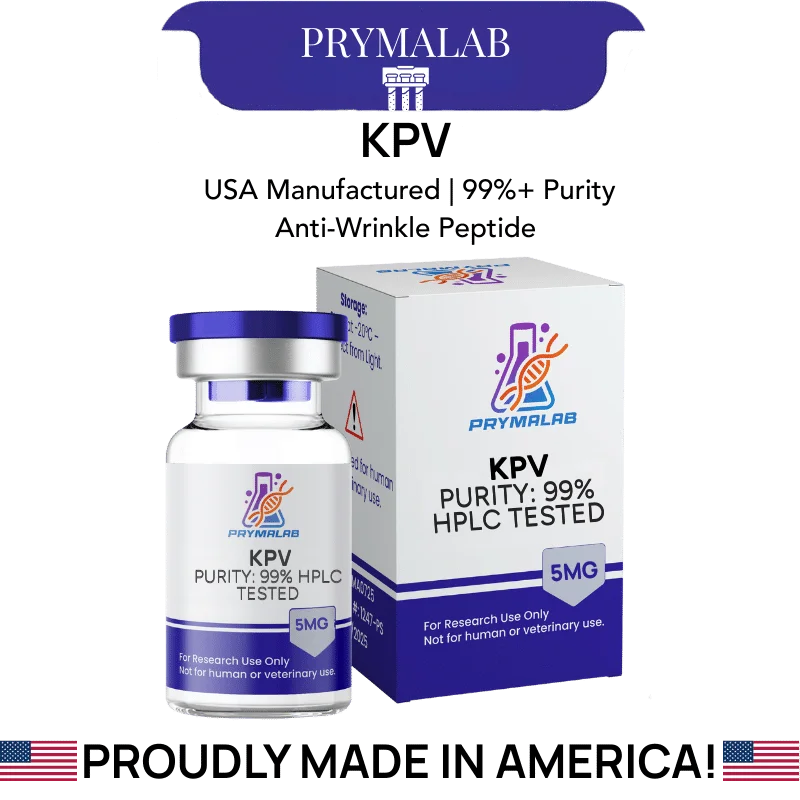
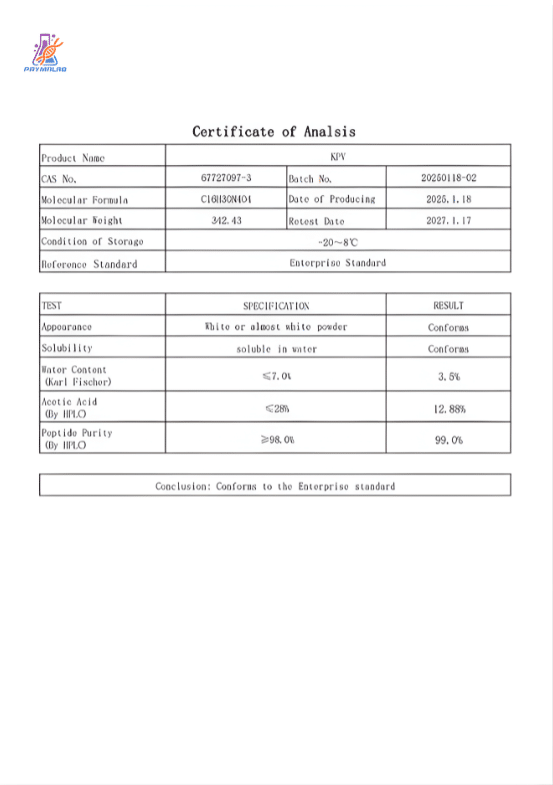



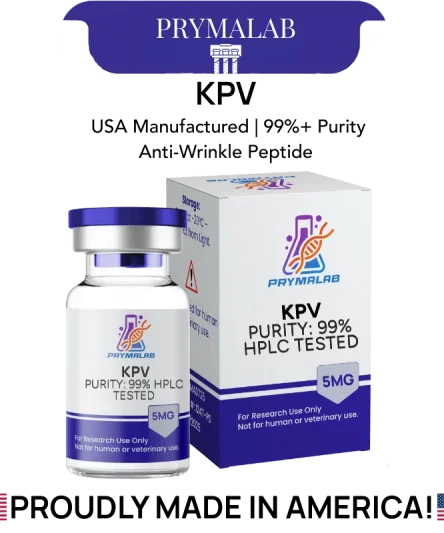






14 reviews for KPV (5mg)