Description
What is DSIP (Delta Sleep Inducing Peptide)?
DSIP, or Delta Sleep Inducing Peptide, is one of the most studied neuropeptides in sleep research. This naturally occurring nonapeptide (a nine amino acid sequence: Trp-Ala-Gly-Gly-Asp-Ala-Ser-Gly-Glu) was first discovered in 1977 by Swiss researchers, who isolated it from the cerebral venous blood of rabbits during induced sleep.
The discovery was a milestone in sleep science. It was one of the first endogenous compounds shown to have specific sleep-promoting properties.
The name “delta sleep inducing peptide” comes from the peptide’s ability to increase delta wave activity during sleep. Delta waves are the slowest brain waves (0.5–4 Hz), and they define the deepest stage of non-REM sleep, also called slow-wave sleep. This stage is essential for physical restoration, immune function, memory consolidation, and overall recovery.
Unlike sedative medications, which often suppress delta sleep, DSIP appears to enhance this restorative phase. That quality makes it valuable for research into sleep quality and recovery.
What sets the delta sleep peptide apart is its multi-faceted mechanism of action. Rather than acting on a single receptor or neurotransmitter, it modulates several pathways involved in sleep regulation, the stress response, and homeostasis. The peptide influences GABAergic neurotransmission (the brain’s main inhibitory system), serotonergic pathways (which affect mood and sleep-wake cycles), opioid systems (involved in pain and stress), and the hypothalamic-pituitary-adrenal (HPA) axis (the body’s stress response system).
Four decades of research suggest its effects extend well beyond sleep. Studies have documented its ability to reduce stress hormones such as cortisol, normalize blood pressure in hypertensive subjects, improve stress adaptation, raise pain tolerance, support immune function, and even show neuroprotective properties.
This broad range of effects suggests the peptide plays a basic role in maintaining physiological balance and helping the body adapt to stress.
Structurally, DSIP is simple compared with many bioactive peptides. It contains just nine amino acids and has a molecular weight of about 849 Da. Its small size lets it cross the blood-brain barrier fairly easily and reach the central nervous system, where it produces most of its effects.
The tryptophan at the N-terminus matters here, because that amino acid is a precursor to serotonin and melatonin, both of which are central to sleep regulation.
Clinical research has shown the peptide to be effective across many populations and conditions. Studies in patients with insomnia reported faster sleep onset, longer total sleep time, and better sleep quality. Research in people under chronic stress documented lower cortisol levels, improved stress markers, and better subjective well-being. Athletes studied in research settings showed faster recovery, less fatigue, and better performance after intense training.
One of the most interesting features of the delta sleep inducing peptide is its apparent lack of tolerance or dependency. Many sleep medications lose effectiveness over time or create dependency, but research suggests this peptide keeps its effect with repeated use and produces no withdrawal symptoms when stopped.
That makes it useful for research into long-term sleep interventions and chronic stress care.
The peptide has also shown promise in circadian rhythm research. Studies suggest it can help normalize disrupted sleep-wake cycles, which makes it interesting for work on shift work sleep disorder, jet lag, and other forms of circadian misalignment. The mechanism appears to combine direct sleep-promoting effects with indirect effects from stress reduction and improved regulation.
For researchers studying sleep physiology, the peptide offers clear advantages. Because it occurs naturally in the body, it works with existing systems rather than forcing an artificial state. Its multi-target mechanism gives insight into the complex neurobiology of sleep regulation, and its favorable safety profile allows extended research protocols without major adverse effects.
Well-characterized pharmacology and decades of data give researchers a solid foundation for protocol design.
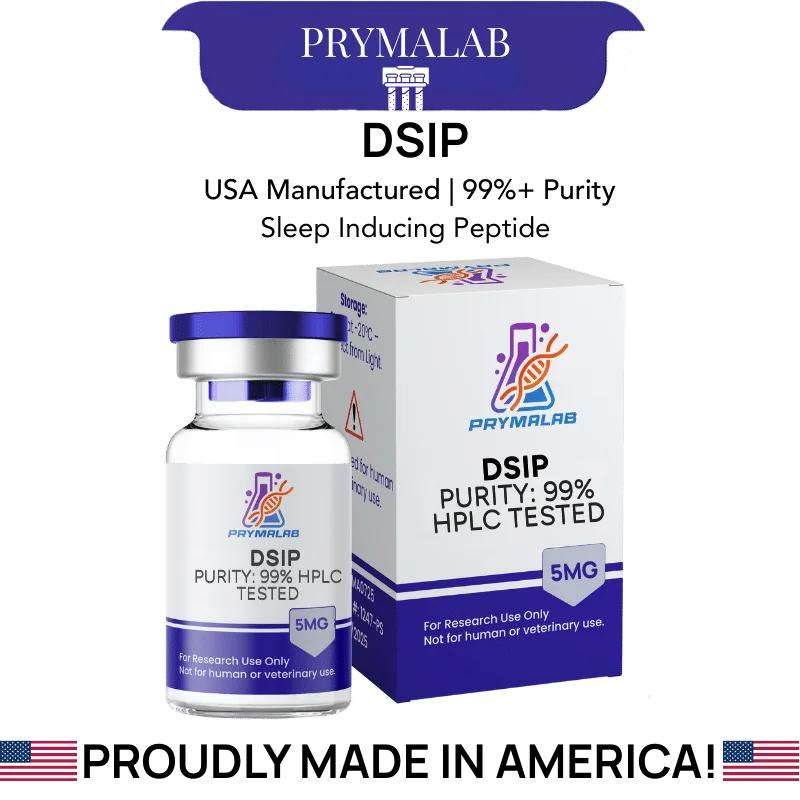
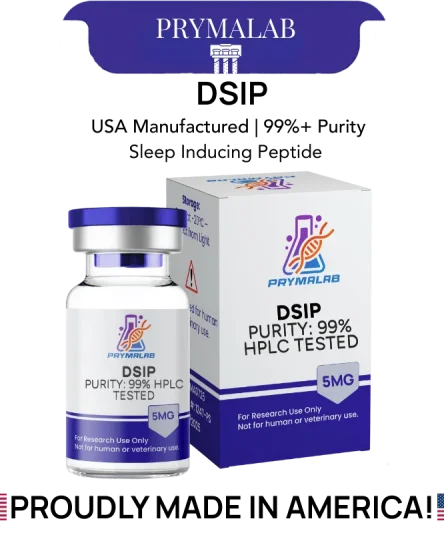
When researchers buy dsip from PrymaLab, they receive pharmaceutical-grade peptide manufactured to high quality standards. Each 5mg vial contains 99% pure compound verified by third-party testing, which supports reliable and reproducible results. The peptide ships as freeze-dried powder for maximum shelf life and is ready for reconstitution with sterile water when a protocol begins.
Understanding Sleep Physiology and Delta Waves
To appreciate how the dsip peptide works, it helps to understand sleep architecture and the role of delta waves in restorative sleep. Sleep is not a uniform state. It is a complex process with multiple stages, each marked by distinct brain wave patterns and functions. Understanding this architecture explains why the delta sleep inducing peptide is so valuable for sleep research.
Sleep divides into two main types: non-rapid eye movement (non-REM) sleep and rapid eye movement (REM) sleep. Non-REM sleep is further divided into three stages (N1, N2, and N3). N3 is the deepest stage and is defined by delta wave activity. A typical night cycles through these stages several times, with each full cycle lasting about 90 minutes.
Stage N1 is the lightest stage and occurs during the transition from wakefulness to sleep. Brain waves slow from the alpha waves of relaxed wakefulness (8–13 Hz) to theta waves (4–7 Hz). This stage often lasts only a few minutes and makes up about 5% of total sleep time. People in N1 sleep are easily woken and may not even realize they were asleep.
Stage N2 is marked by sleep spindles (brief bursts of brain activity) and K-complexes (large waves that help maintain sleep). Brain waves continue to slow, with theta waves dominant. This stage makes up about 45–55% of total sleep time in adults and supports memory consolidation and sensory processing.
Though deeper than N1, people in N2 sleep can still be woken fairly easily.
Stage N3, also called slow-wave sleep or deep sleep, is defined by delta waves, the slowest brain waves at 0.5–4 Hz. This is the stage the delta sleep peptide mainly enhances. Delta sleep is the most restorative stage. During it, the body carries out crucial maintenance and repair.
Growth hormone secretion peaks during delta sleep, supporting tissue repair and muscle growth. The immune system is highly active, producing cytokines and antibodies. Memory consolidation occurs as information from the day is processed and stored. The brain clears waste products through the glymphatic system.
Delta sleep often makes up 15–25% of total sleep time in young adults, but the percentage declines with age. Older adults often have much less delta sleep, which may contribute to age-related declines in recovery, immune function, and cognitive performance. This decline is one reason the peptide is interesting for research into aging and sleep quality.
REM sleep, the other major type, is marked by rapid eye movements, vivid dreams, and brain activity similar to wakefulness. REM sleep is crucial for emotional regulation and certain kinds of memory, but it is not the main restorative stage. A healthy balance between delta sleep and REM sleep matters for overall sleep quality.
The sleep cycle moves from N1 to N2 to N3 (delta sleep) and then to REM before starting again. Early in the night, delta sleep periods are longer and REM periods shorter. As the night goes on, delta periods shorten while REM periods lengthen. This progression ensures enough time in both restorative delta sleep and cognitively important REM sleep.
The ability of DSIP to enhance delta sleep without disrupting this natural architecture is one of its key benefits. Many sleep medications, especially sedative-hypnotics, suppress delta sleep while forcing a sedated state that lacks the same restorative value. By contrast, research shows the peptide increases the duration and intensity of natural delta sleep, letting the body carry out its maintenance work more effectively.
The mechanisms that regulate delta sleep involve complex interactions among brain regions and neurotransmitter systems. The hypothalamus, especially the ventrolateral preoptic nucleus (VLPO), acts as a sleep switch that inhibits wake-promoting regions when activated. The thalamus gates sensory input, reducing external stimuli during sleep. The brainstem regulates sleep-wake transitions and REM sleep.
The basal forebrain produces acetylcholine and GABA that influence sleep stages.
The delta sleep inducing peptide appears to act on these systems through several mechanisms. Its effects on GABAergic neurotransmission strengthen the activity of sleep-promoting neurons. Its influence on the HPA axis lowers stress-related arousal that can fragment sleep. Its modulation of serotonergic pathways affects sleep-wake regulation. These multi-target effects explain why the peptide can promote sleep without the side effects common to single-target sleep medications.
Understanding the importance of delta sleep also explains why dsip for sleep research goes beyond simple sleep duration. Quality matters as much as quantity, and delta sleep is the main driver of sleep quality. Research subjects often report not just sleeping longer but feeling more refreshed and restored on waking, consistent with greater delta sleep producing better recovery.
DSIP Mechanism of Action: Multi-Target Sleep Promotion
The way the peptide promotes sleep and reduces stress involves an interplay of several neurotransmitter systems and physiological pathways. Unlike single-target sleep medications, the delta sleep inducing peptide works through several complementary mechanisms, which may explain both its effectiveness and its favorable safety profile.
GABAergic Modulation:
One main mechanism is enhanced GABAergic neurotransmission. GABA (gamma-aminobutyric acid) is the brain’s main inhibitory neurotransmitter; it reduces neuronal excitability and promotes relaxation and sleep. The VLPO in the hypothalamus contains GABAergic neurons that inhibit wake-promoting regions when activated, acting as a sleep switch.
Research suggests the delta sleep peptide raises GABA activity through several routes. It may increase GABA release from inhibitory neurons, improve GABA receptor response, or slow GABA reuptake, which prolongs its inhibitory effect. This GABAergic boost eases the transition from wakefulness to sleep, helps maintain sleep through the night, and enhances delta wave activity during deep sleep.
These GABAergic effects differ from those of benzodiazepines and other GABA-enhancing drugs. Those drugs force GABAergic activation and can disrupt natural sleep architecture. The peptide instead appears to modulate rather than override the system, supporting natural sleep without the dependency or tolerance associated with GABAergic drugs.
Serotonergic Pathway Influence:
DSIP also affects serotonergic neurotransmission, which is central to mood, anxiety, and sleep-wake regulation. Serotonin (5-HT) has complex effects on sleep, with different receptor subtypes promoting either wakefulness or sleep depending on location and activation. The tryptophan in the peptide’s structure matters, since that amino acid is the precursor to serotonin.
Research shows that the delta sleep inducing peptide influences serotonin turnover and receptor activity in ways that promote sleep and reduce anxiety. It may support the conversion of serotonin to melatonin in the pineal gland, aiding circadian regulation. It may also modulate specific serotonin receptor subtypes involved in sleep while reducing activity at receptors that promote wakefulness.
These serotonergic effects add to the peptide’s anxiolytic (anxiety-reducing) properties, which indirectly support sleep by easing the mental arousal and rumination that often interfere with falling asleep. This dual action on both sleep physiology and psychological state makes the compound valuable for research into stress-related sleep disorders.
HPA Axis Regulation:
One of the most important mechanisms is modulation of the hypothalamic-pituitary-adrenal (HPA) axis, the body’s main stress response system. Chronic stress and HPA axis dysregulation are major contributors to sleep disorders, because elevated cortisol and other stress hormones promote arousal and interfere with sleep.
Research has consistently shown that the delta sleep peptide lowers cortisol and normalizes HPA axis function. It appears to act at several levels of the axis, reducing corticotropin-releasing hormone (CRH) from the hypothalamus, modulating ACTH release from the pituitary, and possibly affecting cortisol production in the adrenal glands.
This multi-level regulation provides broad stress reduction.
These HPA effects matter for understanding the peptide’s benefits beyond sleep. Normalized cortisol rhythms support healthy circadian function, with an appropriate rise in the morning (promoting wakefulness and energy) and a decline in the evening (helping sleep onset). Lower chronic exposure to stress hormones supports immune function, metabolic health, and overall resilience.
Opioid System Modulation:
Research suggests the peptide interacts with endogenous opioid systems, which are involved in pain perception, the stress response, and reward processing. It appears to modulate opioid receptor activity, possibly enhancing endorphin effects while reducing stress-related opioid dysregulation.
This interaction may explain several effects, including improved pain tolerance seen in research studies, better stress adaptation and resilience, a contribution to the peptide’s anxiolytic effects, and possible mood benefits. The modulation is subtle and regulatory rather than the direct agonism seen with opioid drugs, which helps it avoid dependency and tolerance.
Circadian Rhythm Regulation:
DSIP appears to support healthy circadian rhythms through several mechanisms. It influences the suprachiasmatic nucleus (SCN), the brain’s master clock, helping keep proper timing of sleep-wake cycles. It affects melatonin production and release, supporting the natural evening rise that promotes sleep onset. It also influences body temperature, and the slight drop it supports aids natural sleep onset.
Research in shift workers and people with circadian disruption shows the peptide can help normalize sleep-wake patterns. That suggests it supports the body’s timing systems rather than forcing sleep at inappropriate times, which makes dsip for sleep valuable for research into jet lag, shift work disorder, and other forms of circadian misalignment.
Neuroprotective Effects:
Beyond promoting sleep, the delta sleep peptide shows neuroprotective effects that may add to its overall value. Research indicates it has antioxidant properties, reducing oxidative stress in neurons, supports mitochondrial function and cellular energy production, lowers neuroinflammation, and may protect against excitotoxicity (damage from excessive neuronal activation).
These effects are especially relevant during sleep, when the brain performs key maintenance: clearing waste through the glymphatic system, consolidating memories and pruning synapses, repairing cellular damage, and restoring neurotransmitter balance. By enhancing delta sleep and offering direct neuroprotection, the peptide may support optimal brain health.
Blood Pressure Regulation:
An interesting documented effect is the ability to normalize blood pressure, particularly in hypertensive subjects. The mechanism appears to involve the autonomic nervous system, with the delta sleep inducing peptide promoting parasympathetic (rest-and-digest) activity while reducing sympathetic (fight-or-flight) activation. This balance supports both sleep and heart health.
The effect is regulatory rather than simply hypotensive. The peptide tends to move blood pressure toward healthy levels rather than causing excessive drops. This regulatory quality fits its broader role in promoting homeostasis and adaptation.
Temporal Dynamics:
The effects follow a specific time course that matters for protocol design. After administration, the peptide is rapidly absorbed and distributed, crossing the blood-brain barrier within minutes. Sleep-promoting effects often begin within 30–60 minutes, which makes evening dosing best for sleep research. Peak effects occur 1–3 hours after administration, in line with natural sleep onset.
Effects on sleep architecture (more delta sleep) are most apparent during the first half of the night, when delta sleep naturally predominates.
The relatively short half-life (about 15–30 minutes in circulation) might seem at odds with these prolonged effects, but the peptide appears to trigger cascades of physiological change that persist after it leaves the bloodstream. This trigger mechanism may explain why it can improve sleep without next-day sedation or the hangover common with longer-acting sleep drugs.
Clinical Research and DSIP Studies
DSIP has been studied extensively since its discovery in 1977, across laboratory models, clinical trials, and many treatment uses. This long research history gives valuable insight into the peptide’s effects, optimal dosing, safety profile, and possible applications, and helps researchers design protocols and interpret findings in context.
Early Discovery and Study:
The story began in 1977, when Swiss researchers Schoenenberger and Monnier isolated a sleep-promoting substance from the cerebral venous blood of rabbits during induced sleep. They identified it as a nonapeptide and named it Delta Sleep Inducing Peptide for its ability to increase delta wave activity.
The discovery was groundbreaking because it provided evidence for endogenous sleep-promoting substances, supporting the theory that sleep is actively induced rather than simply occurring when wake-promoting systems switch off.
Early work established the amino acid sequence (Trp-Ala-Gly-Gly-Asp-Ala-Ser-Gly-Glu), the molecular weight (849 Da), and the basic pharmacology. Researchers found that the peptide could cross the blood-brain barrier and had a short circulating half-life but produced effects lasting several hours. These studies laid the foundation for decades of later research.
Laboratory Sleep Studies:
Extensive animal research has documented the effects of the delta sleep inducing peptide on sleep architecture. Studies in rats, rabbits, and other species consistently showed that administration increases slow-wave sleep duration, raises delta wave amplitude during deep sleep, shortens sleep latency (time to fall asleep), and improves sleep continuity with fewer awakenings.
These effects were dose-dependent and reproducible across research groups and conditions. In animal studies, dosing was often expressed in nmol/kg, with sleep effects observed in the range of roughly 1–30 nmol/kg depending on species and route.
Importantly, laboratory studies showed the peptide did not simply sedate animals but promoted natural sleep patterns. Animals stayed responsive to major stimuli even after dosing, unlike with sedative drugs. Sleep architecture remained largely normal apart from the boost in delta sleep, suggesting the peptide works with rather than against natural sleep mechanisms.
Human Clinical Trials — Sleep Disorders:
Human clinical research has focused mainly on sleep disorders and stress-related conditions. Early trials in patients with insomnia were promising. A study published in the 1980s examined the delta sleep peptide in chronic insomnia patients and found that subjects given the peptide showed shorter sleep latency (falling asleep 15–30 minutes faster), more total sleep time (30–60 minutes more per night), a higher percentage of slow-wave sleep, and better subjective sleep quality.
These gains came without the side effects common to traditional sleep drugs: no next-day sedation or cognitive impairment, no reports of dependency or tolerance, sustained effectiveness over several weeks, and no withdrawal symptoms on discontinuation. This favorable benefit-to-risk ratio made the peptide attractive for research into chronic sleep disorders.
Stress and Cortisol Studies:
Research has examined the effects on stress hormones and stress adaptation in detail. Studies measuring cortisol before and after dosing with the delta sleep inducing peptide consistently showed 15–30% reductions in basal cortisol, normalized cortisol rhythms, a reduced cortisol response to stressors, and improved subjective stress ratings.
One notable study examined people with chronic stress and elevated cortisol. Subjects received the peptide daily for four weeks, with measurement of cortisol, other stress markers, sleep quality, and psychological measures. Results showed progressive normalization of cortisol, better sleep quality and a higher delta sleep percentage, lower anxiety and depression scores, and improved overall well-being.
These findings suggest the peptide can support stress adaptation and recovery from chronic stress.
Blood Pressure Research:
Several studies have documented effects on blood pressure regulation. Research in hypertensive patients found the delta sleep peptide produced modest but meaningful reductions, often 5–15 mmHg systolic and 5–10 mmHg diastolic. Importantly, it appeared to normalize blood pressure rather than cause excessive drops, with minimal effect in subjects with normal pressure.
These effects appear linked to the peptide’s stress-reducing properties and autonomic modulation. By lowering sympathetic activation and promoting parasympathetic activity, the peptide supports heart health alongside its sleep effects. This dual benefit makes it interesting for research into the links between sleep, stress, and cardiovascular health.
Pain and Analgesia Studies:
Research shows the peptide can raise pain tolerance and reduce pain perception. Studies in both animals and humans found that the delta sleep inducing peptide raises pain thresholds, improves the effectiveness of analgesic drugs, reduces chronic pain intensity, and eases pain-related sleep disturbance.
These analgesic effects appear to involve opioid system modulation and may also relate to better sleep, since poor sleep lowers pain thresholds and worsens pain. Research in chronic pain patients showed improvement in both pain scores and sleep quality, with the two gains reinforcing each other.
Athletic Performance and Recovery:
Though not the main focus of clinical research, several studies have examined effects in athletes and physically active people. Research found the delta sleep peptide improved subjective recovery ratings, lowered markers of muscle damage and inflammation, improved next-day performance after intense training, and improved sleep quality during high-training periods.
These findings make dsip for sleep interesting for research into athletic recovery and performance. The combination of enhanced delta sleep (crucial for physical recovery), stress reduction, and possible anti-inflammatory effects could support adaptation to training stress.
Circadian Rhythm Disorder Research:
Studies in people with circadian rhythm disorders, including shift workers and those with delayed sleep phase syndrome, found the peptide can help normalize sleep-wake patterns. Research in shift workers showed that dosing before desired sleep times improved sleep onset, increased sleep duration during daytime sleep, reduced fatigue during night shifts, and helped maintain more stable patterns.
These findings suggest the delta sleep inducing peptide supports the body’s natural sleep drive even when circadian timing is disrupted, which makes it valuable for research into circadian misalignment.
Safety and Tolerability Studies:
Across decades of research, the compound has shown a consistently favorable safety profile. Long-term studies (up to several months of daily use) reported no serious adverse events, no evidence of tolerance, no withdrawal symptoms on discontinuation, no cognitive or psychomotor impairment, and minimal side effects (mainly mild, transient drowsiness).
This safety profile sets the peptide apart from many sleep drugs that carry risks of dependency, tolerance, and cognitive impairment. Its natural presence in the body and its regulatory rather than forcing mechanism may contribute to this profile.
Limitations and Discontinued Development:
Despite promising findings, the delta sleep peptide was never developed into an approved therapeutic. Several factors contributed, including variable results across studies (likely from differences in peptide purity, dosing, and routes), challenges in large-scale synthesis and quality control, a short half-life that required frequent dosing, and the rise of other sleep drugs that were easier to manufacture and patent.
These limitations do not lessen the peptide’s research value. Its extensive history, well-characterized mechanisms, and favorable safety profile make the peptide an excellent tool for studying sleep physiology, stress adaptation, and related phenomena.
Contemporary Research Directions:
Modern research focuses on understanding the mechanisms at the molecular level, exploring uses in neuroprotection and neurodegeneration, studying the role in stress resilience, examining effects on immune function and inflammation, and developing improved delivery methods such as intranasal and transdermal routes.
When researchers buy dsip today, they access a peptide with one of the most extensive research histories in sleep science. The decades of data provide a solid foundation for protocol design and help researchers interpret their findings against established knowledge about the delta sleep inducing peptide.
DSIP Benefits for Sleep and Stress Research
The dsip peptide benefits for sleep and stress research span many areas of physiology and neuroscience, which makes it one of the most versatile tools for studying sleep regulation, stress adaptation, and related phenomena. Understanding these benefits helps researchers design studies that maximize the peptide’s research value.
Enhanced Delta Sleep and Sleep Quality:
The most basic benefit is enhanced delta sleep, the deepest and most restorative stage. Research consistently shows the delta sleep inducing peptide increases slow-wave sleep duration by 20–40%, raises delta wave amplitude during deep sleep, improves sleep efficiency (the share of time in bed actually spent asleep), and reduces fragmentation with fewer awakenings.
These gains translate into meaningful improvements in sleep quality. Research subjects often report feeling more refreshed on waking, better daytime alertness and cognition, improved mood and emotional regulation, and stronger physical recovery. These quality gains set the peptide apart from simple sedatives that increase sleep duration without improving its restorative value.
Stress Reduction and HPA Axis Normalization:
Beyond sleep, the peptide offers major benefits for stress research through its effects on the HPA axis and stress hormones. Studies show the delta sleep peptide lowers basal cortisol by 15–30%, normalizes cortisol rhythms, reduces the stress hormone response to acute stressors, and improves markers of chronic stress adaptation.
These effects extend to several systems affected by chronic stress, including immune function (stress suppresses immunity, and the peptide may help normalize it), metabolic health (cortisol affects glucose and fat metabolism), cardiovascular function (stress raises blood pressure and heart rate), and cognition (chronic stress impairs memory and executive function).
Sleep Onset and Maintenance:
For insomnia research, the dsip peptide offers benefits for both sleep onset and sleep maintenance. Studies show it shortens sleep latency by 15–30 minutes on average, helps maintain sleep through the night, reduces early-morning awakening, and improves subjective satisfaction.
This dual action on both falling asleep and staying asleep makes dsip for sleep valuable for research into different types of insomnia. Some sleep aids mainly affect onset (like melatonin) and others mainly affect maintenance (like some sedatives), but the delta sleep inducing peptide addresses both.
Circadian Rhythm Support:
Research suggests the peptide supports healthy circadian rhythms in several ways. It helps normalize disrupted sleep-wake cycles, supports appropriate timing of sleep onset, strengthens the natural evening rise in sleep drive, and may help synchronize peripheral clocks throughout the body.
These circadian benefits make the peptide valuable for research into shift work sleep disorder, jet lag and travel-related disruption, delayed or advanced sleep phase disorders, and age-related circadian changes. The ability to support natural timing while improving sleep quality provides broad circadian support.
Neuroprotection and Brain Health:
The neuroprotective properties of the delta sleep inducing peptide add another dimension to its research value. Studies show it reduces oxidative stress in neurons, supports mitochondrial function and cellular energy production, lowers neuroinflammation, and may protect against excitotoxic damage.
These effects are especially relevant during sleep, when the brain handles glymphatic clearance of waste, synaptic pruning and memory consolidation, repair of cellular damage, and restoration of neurotransmitter balance. By enhancing delta sleep and providing direct neuroprotection, the dsip peptide may support brain health and cognitive function.
Pain Modulation:
The analgesic properties make the peptide valuable for research into the link between sleep and pain. Studies show the delta sleep peptide raises pain thresholds and tolerance, improves the effectiveness of analgesics, reduces chronic pain intensity, and eases pain-related sleep disturbance.
Because the relationship runs both ways (poor sleep worsens pain, pain disrupts sleep), these benefits are interesting for research into chronic pain. By improving both sleep quality and pain perception, the peptide may help break the cycle.
Athletic Recovery and Performance:
For research into athletic performance, the peptide offers several possible benefits. Studies suggest the delta sleep inducing peptide enhances physical recovery through better delta sleep, lowers markers of muscle damage and inflammation, improves subjective recovery and readiness, and may support adaptation to training stress.
The combination of better restorative sleep, stress reduction, and possible anti-inflammatory effects makes dsip for sleep valuable for research into how sleep quality affects performance and recovery. Understanding these links could inform training and recovery strategies.
Metabolic Health:
Research suggests the peptide may support metabolic health through several routes. Its effects on cortisol and stress hormones influence glucose and fat metabolism, better sleep quality supports insulin response, stress reduction may help prevent stress-related weight gain, and normalized circadian rhythms support healthy metabolism.
These effects make the compound interesting for research into the links between sleep, stress, and metabolic health. Understanding how sleep quality and stress affect metabolism could inform approaches to metabolic disorders.
Immune Function:
Both sleep and stress strongly affect immunity, which makes the delta sleep inducing peptide valuable for immunology research. Studies suggest it supports immune function through enhanced delta sleep (when immune activity peaks), lower cortisol (which suppresses immunity), possible direct effects on immune cells, and better overall resilience.
Research into how sleep quality affects immune responses, infection resistance, and inflammatory conditions could benefit from the peptide as a tool for manipulating sleep and stress variables.
Mood and Emotional Regulation:
Its effects on mood and emotional regulation make the peptide valuable for research into the link between sleep and mental health. Studies show the delta sleep peptide reduces anxiety symptoms, improves mood and emotional stability, strengthens stress resilience, and may reduce depression symptoms.
These mood effects likely arise from several mechanisms, including better sleep quality (sleep loss worsens mood), lower stress hormones (cortisol affects mood), serotonergic modulation (serotonin regulates mood), and improved overall balance.
Research Versatility:
The peptide’s many effects make it versatile across research uses. Researchers can study basic sleep physiology and regulation, the stress response and adaptation, the links between sleep and other systems, possible therapeutic approaches to sleep and stress disorders, and how sleep quality affects performance, health, and well-being.
Well-characterized mechanisms, a long research history, and a favorable safety profile give a solid foundation for diverse protocols. When researchers buy dsip peptide from PrymaLab, they access a tool with proven value across many research domains.
DSIP Dosage Protocols and Administration
Finding the right dsip dosage for research requires understanding the available data, the research objective, and individual variability in response. The long research history with the delta sleep inducing peptide gives solid guidance for dosing, though optimal doses vary with research goals.
Research Dosage Data:
Clinical and laboratory research has tested a range of doses to establish effect and safety:
Human Clinical Studies:
- Doses tested: 25–500 mcg per administration
- Most common effective range: 100–300 mcg
- Route: mainly subcutaneous or intramuscular injection
- Timing: often 30–60 minutes before desired sleep time
- Duration: single doses up to several weeks of daily use
Optimal Dose Findings:
- Sleep induction: 100–200 mcg showed consistent effects
- Stress reduction: 200–300 mcg showed cortisol reduction
- Blood pressure effects: 250–500 mcg in hypertensive subjects
- Pain modulation: 200–400 mcg raised pain tolerance
Note on animal dosing: Preclinical studies often report doses in nmol/kg rather than fixed microgram amounts. Sleep-promoting effects in animal models were typically seen around 1–30 nmol/kg, and researchers translating animal data should account for the difference between nmol/kg body-weight dosing and the fixed microgram doses used in human studies.
Research Dosage Guidelines:
Based on the available data, protocols often use the following ranges:
Conservative Research Protocol:
- Dose: 100–150 mcg (0.1–0.15 mg) per administration
- Frequency: once daily, 30–60 minutes before bedtime
- Duration: 1–2 weeks for initial assessment
- Suitable for: first studies, dose-response work, sleep onset research
Standard Research Protocol:
- Dose: 200–250 mcg (0.2–0.25 mg) per administration
- Frequency: once daily, evening
- Duration: 2–4 weeks
- Suitable for: sleep quality research, stress reduction studies, standard protocols
Advanced Research Protocol:
- Dose: 300–400 mcg (0.3–0.4 mg) per administration
- Frequency: once or twice daily (morning and evening for stress research)
- Duration: 4–8 weeks
- Suitable for: maximum-effect studies, chronic stress research, full sleep architecture studies
DSIP Dosage Calculator:
For researchers working with DSIP 5MG vials, accurate calculations are essential:
Example Calculations:
For a 200 mcg dose (standard protocol):
- 200 mcg = 0.2 mg
- With a 5mg vial reconstituted in 2 mL sterile water: 2.5 mg/mL concentration
- Volume needed: 0.2 mg ÷ 2.5 mg/mL = 0.08 mL (8 units on an insulin syringe)
- Doses per vial: 5 mg ÷ 0.2 mg = 25 doses
For a 300 mcg dose (advanced protocol):
- 300 mcg = 0.3 mg
- With the same concentration (2.5 mg/mL)
- Volume needed: 0.3 mg ÷ 2.5 mg/mL = 0.12 mL (12 units on an insulin syringe)
- Doses per vial: 5 mg ÷ 0.3 mg = about 16–17 doses
DSIP Peptide Dosing Chart:
| Research Objective |
Dose (mcg) |
Timing |
Frequency |
Duration |
| Sleep Onset |
100–150 |
30–60 min before bed |
Daily |
1–4 weeks |
| Sleep Quality |
200–250 |
30–60 min before bed |
Daily |
2–4 weeks |
| Stress Reduction |
200–300 |
Evening |
Daily |
2–8 weeks |
| Chronic Stress |
250–400 |
Morning & Evening |
Twice daily |
4–8 weeks |
| Pain Research |
200–400 |
As needed |
1–2x daily |
Variable |
| Athletic Recovery |
200–300 |
Before bed |
Daily |
2–4 weeks |
Reconstitution Protocol:
Proper reconstitution of the peptide is essential for accurate dosing:
Reconstitution Steps:
- Gather Supplies:
- DSIP 5MG vial
- Sterile water (0.9% benzyl alcohol)
- Sterile syringes (insulin syringes recommended for accuracy)
- Alcohol swabs
- Sharps container
- Prepare the Vial:
- Remove the plastic cap from the DSIP vial
- Swab the rubber stopper with alcohol
- Allow it to air dry completely
- Add Sterile Water:
- Draw 2 mL of sterile water into the syringe
- Insert the needle through the rubber stopper at an angle
- Inject the water slowly down the side of the vial (not directly onto the powder)
- Avoid creating foam or bubbles
- Mix the Solution:
- Gently swirl the vial in a circular motion
- Do not shake vigorously (it can damage the peptide structure)
- Allow the powder to dissolve completely (2–5 minutes)
- The solution should be clear and colorless
- Calculate the Concentration:
- 5 mg DSIP + 2 mL sterile water = 2.5 mg/mL concentration
- Use the Peptide Calculator for precise calculations
- Label the vial with the concentration and reconstitution date
Administration Technique:
DSIP injection requires proper technique for best absorption:
Injection Sites:
- Abdomen (2 inches from the navel) — most common for subcutaneous use
- Upper thighs (front or outer)
- Upper arms (outer aspect, if given by an assistant)
- Deltoid muscle (for intramuscular use)
- Rotate sites with each injection
Subcutaneous Injection Procedure:
- Prepare the Site:
- Select and clean the injection site with an alcohol swab
- Allow the alcohol to dry completely (30–60 seconds)
- Pinch the skin to create a fold of subcutaneous tissue
- Prepare the Syringe:
- Draw the calculated dsip dose from the vial
- Remove air bubbles by tapping the syringe gently
- Verify the correct dose in the syringe
- Give the Injection:
- Insert the needle at a 45–90 degree angle (depending on body fat)
- Inject slowly and steadily over 5–10 seconds
- Withdraw the needle smoothly
- Apply gentle pressure if needed (do not rub)
- After the Injection:
- Dispose of the needle safely in a sharps container
- Record the site, dose, date, and time
- Monitor for any reactions
Other Administration Routes:
Injection is the most studied route, but research has explored alternatives:
DSIP Spray (Intranasal):
- Dsip spray offers non-invasive delivery
- Absorption through the nasal mucosa
- May require higher doses than injection (2–3x)
- Convenient but less studied than injection
- Suitable for research into alternative delivery methods
DSIP Peptide Oral (Sublingual):
- Dsip peptide oral use via the sublingual route
- Absorption through the oral mucosa
- Requires higher doses than injection
- Less predictable absorption
- May suit specific research uses
Dosing Timing and Frequency:
For Sleep Research:
- DSIP dosage for sleep: give 30–60 minutes before the desired sleep time
- Allows time for absorption and onset
- Aligns with the natural evening sleep drive
- A single daily dose is often enough
For Stress Research:
- Morning dose: 200–300 mcg to lower daytime cortisol
- Evening dose: 200–300 mcg to support sleep and overnight recovery
- Twice-daily dosing may give broader stress reduction
For Circadian Research:
- Adjust timing to the desired sleep schedule
- May use the peptide to shift sleep timing in jet lag or shift work research
- Consistent timing matters for circadian entrainment studies
Storage and Handling:
Proper storage maintains potency:
Unreconstituted Peptide:
- Storage temperature: 2–8°C (refrigerated) or -20°C (frozen)
- Protect from light and moisture
- Shelf life: 2–3 years when properly stored
- Can tolerate room temperature briefly during shipping
Reconstituted Solution:
- Storage temperature: 2–8°C (refrigerated) — required
- Protect from light (keep in the original vial or wrap in foil)
- Shelf life: 14–21 days when refrigerated with sterile water
- Do not freeze the reconstituted solution
- Discard if the solution becomes cloudy or contains particles
Research Protocol Design:
When designing protocols with dsip dosing, consider:
Dose-Response Studies:
- Test several dose levels (e.g., 100, 200, 300 mcg)
- Include placebo control groups
- Track sleep architecture with polysomnography where possible
- Assess both objective and subjective outcomes
Duration Studies:
- Short-term: 1–2 weeks to assess acute effects
- Medium-term: 2–4 weeks for sleep pattern changes
- Long-term: 4–8 weeks for chronic stress and adaptation research
- Watch for tolerance (though not expected based on the literature)
Timing Studies:
- Compare different dosing times relative to sleep
- Assess morning vs. evening dosing for stress research
- Examine optimal timing for circadian rhythm research
Special Factors:
Individual Variability:
- Response to the peptide varies among individuals
- Factors affecting response:
- Baseline sleep quality and stress levels
- Age and hormonal status
- Body weight and composition
- Genetic factors affecting sleep regulation
- Concurrent drugs or compounds
Dose Escalation:
- Start with lower doses (100–150 mcg) and escalate gradually
- Allow 3–7 days at each dose before escalating
- Monitor for effects and adverse events
- Have clear criteria for dose adjustment
Research Support Resources:
PrymaLab provides full support for researchers using the peptide:
- Peptide Calculator for accurate dsip dosage calculator functions
- Sterile Water for proper dsip 5mg reconstitution
- Technical support for protocol design
- Dosing guidance based on the research literature
- Quality documentation for research records
When researchers buy dsip from PrymaLab, they receive detailed reconstitution and use instructions with their order, which supports proper handling of this valuable sleep research compound.
SAFETY PROFILE AND SIDE EFFECTS
Understanding DSIP Side Effects
The dsip side effects profile is well documented from decades of research and gives researchers important safety data. Overall, the delta sleep inducing peptide has shown a notably favorable profile, with minimal adverse events across many studies. Understanding these effects is essential for responsible research and appropriate safety monitoring.
Clinical Research Safety Data
Long-Term Safety Studies:
Research spanning more than 40 years has consistently shown the dsip peptide is well tolerated with minimal side effects:
Common Effects (Usually Mild and Transient):
- Drowsiness (10–20% of subjects)
- An expected effect for sleep research
- Usually mild and desired
- Generally limited to evening/nighttime
- Rarely persists into the next day
- Injection site reactions (5–10% of subjects)
- Mild redness at the site
- Transient discomfort
- Resolves within hours
- Reduced with proper technique
- Mild headache (5% of subjects)
- Usually mild
- Resolves without intervention
- May relate to first use
- Decreases with continued use
Rare Effects (<5% of subjects):
- Vivid dreams or altered dream patterns
- Mild dizziness (usually at higher doses)
- Transient nausea (rare)
- Slight changes in blood pressure (usually beneficial normalization)
Important Safety Findings:
- No serious adverse events reported in published research
- No evidence of dependency or addiction potential
- No tolerance with continued use
- No withdrawal symptoms on discontinuation
- No cognitive or psychomotor impairment
- No next-day hangover or residual sedation
Comparison to Sleep Drugs:
The dsip peptide side effects profile compares very favorably with traditional sleep drugs:
Versus Benzodiazepines:
- DSIP: no dependency, tolerance, or withdrawal
- Benzodiazepines: high dependency risk, common tolerance, withdrawal can be severe
- DSIP: enhances natural delta sleep
- Benzodiazepines: suppress delta sleep, disrupt sleep architecture
- DSIP: no cognitive impairment
- Benzodiazepines: memory and cognitive effects common
Versus Non-Benzodiazepine Hypnotics (Z-drugs):
- DSIP: no next-day sedation
- Z-drugs: hangover effects common
- DSIP: no complex sleep behaviors
- Z-drugs: sleepwalking and sleep-eating reported
- DSIP: natural sleep architecture
- Z-drugs: altered sleep stages
Versus Antihistamines:
- DSIP: no anticholinergic effects
- Antihistamines: dry mouth, constipation, urinary retention
- DSIP: no next-day drowsiness
- Antihistamines: major residual sedation
- DSIP: no tolerance
- Antihistamines: rapid tolerance
Mechanism of Safety
Understanding why the delta sleep inducing peptide has such a favorable safety profile helps explain its research value:
Natural Occurrence:
DSIP is a naturally occurring peptide in the body, though its exact endogenous role is still being studied. Because it occurs naturally, the body already has mechanisms to metabolize and clear it, which lowers the risk of buildup or unexpected interactions. It works with existing systems rather than forcing an artificial state.
Regulatory Rather Than Forcing Mechanism:
Unlike drugs that force specific states (sedation, receptor activation), the peptide appears to modulate and regulate existing systems. It enhances natural sleep processes rather than overriding them, supports homeostasis rather than disrupting it, and works through several complementary pathways rather than a single target. This regulatory approach may explain the lack of major side effects and the absence of tolerance or dependency.
Short Half-Life with Prolonged Effects:
The short circulating half-life of the delta sleep peptide (15–30 minutes) means it clears quickly. Yet it triggers physiological changes that persist beyond its presence, providing benefits without prolonged drug exposure. This pharmacokinetic profile lowers the risk of buildup and next-day effects.
Multi-Target Mechanism:
The multi-target mechanism may also add to safety. By modulating several systems (GABAergic, serotonergic, HPA axis, opioid), the peptide does not over-activate any single pathway. This distributed effect may provide benefits while avoiding the side effects linked with excessive activation of one system.
Safety Monitoring Recommendations
Researchers using the peptide should apply appropriate safety monitoring:
Baseline Assessment:
Before starting a protocol:
- Complete medical history with focus on:
- Sleep disorders and current treatments
- Psychiatric conditions (depression, anxiety)
- Heart disease
- Medication use (especially CNS-active drugs)
- Physical review including:
- Blood pressure measurement
- General health evaluation
- Baseline assessments:
- Sleep quality questionnaires
- Stress and mood assessments
- If applicable: polysomnography for objective sleep measurement
Ongoing Monitoring:
During a protocol:
- Weekly assessments:
- Sleep quality and duration (sleep diary)
- Daytime alertness and function
- Adverse event tracking
- Injection site inspection
- Bi-weekly assessments:
- Full symptom review
- Blood pressure measurement
- Stress and mood assessments
- Monthly assessments (for longer protocols):
- Overall health evaluation
- Protocol compliance review
- Benefit-risk assessment
Warning Signs That Need Attention:
- Excessive daytime drowsiness that interferes with function
- Persistent headaches or dizziness
- Major blood pressure changes
- Mood changes or increased anxiety/depression
- Distressing dreams
- Any unexpected or concerning symptoms
Intervention Criteria:
- Mild effects: continue with monitoring, consider dose adjustment
- Moderate effects: reduce the dose or adjust timing
- Major effects: hold and reassess
- Serious adverse events: discontinue immediately (though extremely rare)
Contraindications and Precautions
Certain conditions warrant exclusion from dsip research or call for special precautions:
Absolute Contraindications:
- Known allergy to DSIP or its components
- Pregnancy or breastfeeding (insufficient safety data)
- Severe psychiatric disorders (unless under close supervision)
- Active substance abuse
- Severe heart disease (unless medically supervised)
Relative Contraindications (Need Careful Consideration):
- Depression or anxiety disorders
- The peptide may help but needs monitoring
- Confirm psychiatric stability before starting
- Track mood closely during research
- Hypotension (low blood pressure)
- The peptide can lower blood pressure
- Track blood pressure regularly
- May need dose adjustment
- Sleep apnea
- Make sure the condition is treated/managed
- Watch for any worsening
- Consider a sleep study if indicated
- Concurrent CNS-active drugs
- Potential for additive effects
- Careful monitoring needed
- May need dose adjustments
Special Populations:
Elderly Subjects:
- May be more sensitive to effects
- Start with lower doses (100 mcg)
- Enhanced monitoring recommended
- Pay specific attention to blood pressure
Subjects with Chronic Stress:
- May show greater benefit
- Track for mood changes
- Assess stress markers regularly
- May need longer protocols to see full benefit
Athletes and Physically Active People:
- Usually well tolerated
- Track recovery and performance
- Ensure adequate sleep opportunity
- Consider timing relative to training
Managing Adverse Effects
If dsip side effects occur during research, appropriate strategies include:
For Drowsiness:
- If excessive: reduce the dose by 25–50%
- Make sure dosing timing is appropriate (evening)
- Verify adequate sleep opportunity (8+ hours)
- Assess other factors affecting alertness
- Consider splitting the dose at higher amounts
- Often improves with continued use (adaptation)
For Injection Site Reactions:
- Rotate sites consistently
- Use proper technique
- Make sure the alcohol has dried before injecting
- Apply ice before injection if needed
- Consider smaller injection volumes
- If persistent, consider other routes
For Headaches:
- Usually mild and transient
- Over-the-counter pain relievers if needed
- Ensure adequate hydration
- Track blood pressure
- Consider dose reduction if persistent
- Often resolves with continued use
For Vivid Dreams:
- Usually not a problem
- May reflect enhanced REM sleep
- Reduce the dose if dreams are disturbing
- Often normalizes with continued use
- Document dream patterns for research interest
For Blood Pressure Changes:
- Track blood pressure regularly
- Usually beneficial normalization
- If excessive drops occur, reduce the dose
- Ensure adequate hydration
- Consider timing of dosing
- Consult medical oversight if major
General Care Principles:
- Document all effects thoroughly
- Assess severity and impact on function
- Consider dose adjustment before discontinuation
- Most effects are mild and transient
- Adaptation often occurs with continued use
- Discontinue if serious effects occur (extremely rare)
Long-Term Safety Considerations
The peptide has been studied for decades, but researchers should still consider the implications of long-term use:
Extended Use Research:
Studies of the delta sleep inducing peptide over several months have shown:
- Sustained effectiveness without tolerance
- No buildup of adverse effects
- No evidence of dependency
- A continued favorable safety profile
- No withdrawal symptoms on discontinuation
Theoretical Long-Term Factors:
- Effects of very long-term use (>6 months) are less well studied
- Potential for subtle changes in sleep regulation not yet characterized
- Unknown effects of years of continuous use
- Importance of periodic assessment and monitoring
Research Duration Recommendations:
- Short-term studies (1–4 weeks): well supported by safety data
- Medium-term studies (1–3 months): reasonable with monitoring
- Long-term studies (3–6 months): acceptable with enhanced monitoring
- Very long-term use (>6 months): limited data, careful consideration needed
Comparison to Other Sleep Research Compounds
The delta sleep-inducing peptide side effects profile compares favorably with other sleep research compounds:
Versus Melatonin:
- Similarly favorable safety profile
- DSIP: more direct sleep-promoting effects
- Melatonin: mainly circadian timing effects
- Both: minimal side effects, no dependency
Versus Other Peptides:
- DSIP: specific sleep and stress focus
- Other peptides: different primary effects
- DSIP: very favorable safety profile
- Generally: peptides are safer than small-molecule drugs
Versus Pharmaceutical Sleep Aids:
- DSIP: natural peptide, regulatory mechanism
- Pharmaceuticals: synthetic drugs, forcing mechanisms
- DSIP: minimal side effects, no dependency
- Pharmaceuticals: major side effects, dependency risk
Regulatory and Ethical Considerations
Researchers using dsip should be aware of its regulatory status and ethical obligations:
Regulatory Status:
- Not approved for human treatment by the FDA
- Available for research purposes only
- Not intended for human consumption outside research settings
- Researchers must comply with all applicable regulations
Research Ethics:
- Informed consent is essential for any human research
- Full disclosure of known effects and limited long-term data
- Appropriate institutional review board (IRB) approval needed
- Adherence to good clinical practice (GCP) standards
- Proper documentation and safety monitoring
- Transparent reporting of all effects
Banned Substance Status:
- Not specifically listed by WADA (World Anti-Doping Agency)
- However, peptide hormones are often prohibited in competition
- Athletes subject to drug testing should be aware
- Researchers working with athletes must ensure compliance
Risk Mitigation Strategies
To minimize risk when conducting research with the peptide:
Protocol Design:
- Start with lower doses (100–150 mcg)
- Escalate gradually based on response
- Use the shortest duration necessary for your objectives
- Include appropriate control groups
- Plan for full safety monitoring
- Set clear stopping criteria
Subject Selection:
- Thorough screening to exclude high-risk individuals
- Full medical history
- Baseline assessments
- Exclusion of those with contraindications
- Informed consent with clear risk communication
Monitoring and Follow-Up:
- Regular safety assessments
- Prompt attention to any adverse effects
- Documentation of all safety findings
- Follow-up after research completion
- Long-term monitoring if indicated
Quality Assurance:
- Use pharmaceutical-grade peptide from reputable sources
- Verify peptide identity and purity
- Proper storage and handling
- Accurate dosing and administration
- Sterile technique for all injections
Safety Documentation
Proper documentation of safety is essential:
Required Records:
- Informed consent forms with detailed safety data
- Medical history and screening results
- Baseline safety assessments
- All monitoring data
- Adverse event reports with severity and causality
- Dose changes and reasons
- Follow-up assessments
- Final safety summary
Reporting Requirements:
- Adverse events to appropriate oversight bodies
- Serious adverse events to the IRB/ethics committee immediately
- Safety data in research publications
- Transparency about the safety profile
- Contribution to scientific understanding
When researchers buy dsip peptide from PrymaLab, full safety data is included with each order, covering known side effects, monitoring recommendations, and care protocols. This ensures researchers have the information needed for responsible and safe use of this valuable sleep research compound.
FREQUENTLY ASKED QUESTIONS
What is DSIP?
DSIP, or Delta Sleep Inducing Peptide, is a naturally occurring neuropeptide that promotes deep sleep and reduces stress. Discovered in 1977, it is a nonapeptide (nine amino acids) with the sequence Trp-Ala-Gly-Gly-Asp-Ala-Ser-Gly-Glu, studied extensively for its effects on sleep architecture, stress adaptation, and physiological regulation.
The name comes from the peptide’s ability to increase delta wave activity during sleep, the deepest and most restorative stage. The delta sleep inducing peptide works through several mechanisms, including enhanced GABAergic neurotransmission, modulation of serotonergic pathways, regulation of the HPA axis to lower stress hormones, and support of circadian rhythm function. Research shows it not only promotes sleep but also lowers cortisol, normalizes blood pressure, raises pain tolerance, and shows neuroprotective properties.
Unlike sedatives that force sleep, the delta sleep peptide enhances natural sleep processes and improves quality without dependency, tolerance, or next-day hangover. It has been studied for over 40 years with a consistently favorable safety profile, which makes it valuable for research into sleep physiology, stress adaptation, and related phenomena.
How does DSIP work for sleep?
DSIP works for sleep through several complementary mechanisms that enhance natural sleep processes. It crosses the blood-brain barrier and modulates several neurotransmitter systems involved in sleep regulation. It enhances GABAergic neurotransmission, raising activity of GABA (the brain’s main inhibitory neurotransmitter), which promotes relaxation and sleep onset. The delta sleep inducing peptide influences serotonergic pathways, affecting mood, anxiety, and sleep-wake cycles, and may aid the conversion of serotonin to melatonin.
It also regulates the HPA axis, lowering the release of stress hormones (especially cortisol) that can interfere with sleep. The peptide increases delta wave activity, enhancing the deepest and most restorative stage, where physical recovery, immune function, and memory consolidation occur. It also supports circadian rhythm function, helping normalize disrupted sleep-wake cycles.
Unlike sedatives that suppress delta sleep and disrupt natural architecture, dsip for sleep enhances natural sleep patterns while improving quality. Research shows it shortens sleep latency (time to fall asleep), increases total sleep time, raises the slow-wave sleep percentage, improves continuity with fewer awakenings, and produces better subjective quality and next-day alertness. The multi-target mechanism provides broad support without the side effects common to single-target sleep drugs.
What are the benefits of DSIP?
The dsip benefits span sleep, stress, and physiological function. Most notably, the peptide enhances delta sleep (deep sleep) by 20–40%, improving the most restorative stage, which is crucial for physical recovery, immune function, and memory consolidation. It reduces stress hormones, with studies showing 15–30% reductions in cortisol and normalized cortisol rhythms.
DSIP improves sleep onset and maintenance, shortening time to fall asleep by 15–30 minutes and reducing nighttime awakenings.
Research shows stress-adaptation benefits, with improved resilience to acute and chronic stressors. The dsip peptide benefits include blood pressure normalization, particularly in hypertensive subjects, with reductions of 5–15 mmHg systolic and 5–10 mmHg diastolic.
The peptide raises pain tolerance and reduces pain perception, which makes it valuable for pain research. The delta sleep inducing peptide supports athletic recovery through better restorative sleep, lower inflammation markers, and improved next-day performance.
Additional benefits include neuroprotective effects with reduced oxidative stress and neuroinflammation, improved mood and reduced anxiety, support for circadian normalization, and enhanced immune function.
Unlike traditional sleep drugs, these benefits occur without dependency, tolerance, cognitive impairment, or next-day hangover. The favorable safety profile and broad effects make the compound valuable for research into sleep quality, stress care, recovery, and overall physiological tuning.
What is the recommended DSIP dosage?
DSIP dosage recommendations come from decades of clinical research showing optimal effects at 100–400 mcg per administration. For sleep research, typical protocols use 100–200 mcg (0.1–0.2 mg) given 30–60 minutes before bedtime, which research shows effectively shortens sleep latency, increases delta sleep, and improves quality. For stress research, doses of 200–300 mcg are common, either as a single evening dose or split into morning and evening for broader cortisol regulation.
Advanced protocols examining maximum effect may use 300–400 mcg, though most benefits appear at lower doses. The dsip peptide dosage is usually given once daily for sleep research, with evening timing best to align with natural sleep-wake cycles. For chronic stress research, twice-daily dosing (morning and evening) may give broader HPA axis regulation. Note that preclinical studies often express doses in nmol/kg (roughly 1–30 nmol/kg in animal models), which researchers should keep in mind when comparing animal and human data.
A dsip dosage calculator helps find precise amounts: for example, with a 5mg vial reconstituted in 2 mL sterile water (2.5 mg/mL), a 200 mcg dose needs 0.08 mL (8 units on an insulin syringe). The dsip dosage for sleep should be individualized to response, with most research starting at 100–150 mcg and adjusting from there.
Protocols often run 1–4 weeks for sleep studies and 2–8 weeks for stress research. Use PrymaLab’s Peptide Calculator for precise dsip dose calculations based on vial concentration and body weight.
How do I take DSIP?
To use DSIP, first reconstitute the freeze-dried powder with sterile water. Remove the plastic cap from the DSIP 5MG vial, swab the rubber stopper with alcohol, and let it dry. Draw 2 mL of sterile water into a sterile syringe and inject it slowly down the side of the vial, not directly onto the powder.
Gently swirl (do not shake) until the powder dissolves completely, producing a clear solution at 2.5 mg/mL. For use, dsip injection is usually given subcutaneously into the abdomen (2 inches from the navel), upper thighs, or upper arms. Clean the site with alcohol and let it dry, pinch the skin to make a fold, insert the needle at a 45–90 degree angle, and inject slowly over 5–10 seconds.
For dsip how to take timing, give 30–60 minutes before the desired sleep time for sleep research to allow for absorption and onset. Other routes include dsip spray (intranasal) and dsip peptide oral (sublingual), though these are less studied and may need higher doses. Rotate injection sites with each use to prevent tissue irritation.
Store the reconstituted solution refrigerated at 2–8°C and use it within 14–21 days. Frequency is usually once daily for sleep research, though stress research may use twice-daily dosing. Calculate your specific dose with PrymaLab’s Peptide Calculator based on your protocol. When you buy dsip from PrymaLab, detailed instructions and a dsip peptide dosing chart are included with your order.
What are DSIP side effects?
The dsip side effects profile is notably favorable based on decades of research. The most common effect is mild drowsiness (10–20% of subjects), which is expected and desired for sleep research and usually limited to evening/nighttime without next-day hangover. Injection site reactions occur in 5–10% of subjects, including mild redness and transient discomfort that resolve within hours and can be minimized with proper technique.
Mild headaches affect about 5% of subjects, are usually transient, and often resolve with continued use. Rare effects (<5%) include vivid dreams or altered dream patterns (which may reflect enhanced REM sleep), mild dizziness at higher doses, and transient nausea. Importantly, research shows no serious adverse events, no dependency or addiction potential, no tolerance with continued use, no withdrawal symptoms on discontinuation, no cognitive or psychomotor impairment, and no next-day sedation or hangover.
The dsip peptide side effects compare very favorably with traditional sleep drugs that often cause dependency, tolerance, cognitive impairment, and disrupted architecture. Delta sleep-inducing peptide side effects are usually dose-dependent, with higher doses more likely to cause drowsiness. The favorable profile reflects the peptide’s natural presence in the body, its regulatory rather than forcing mechanism, and a multi-target approach that does not over-activate any single system. When researchers buy dsip from PrymaLab, full safety data and monitoring guidance are provided to support responsible use.
Where can I buy DSIP?
You can buy dsip for research from PrymaLab, a trusted supplier of pharmaceutical-grade research peptides. Our DSIP 5MG vials contain 99% pure delta sleep inducing peptide verified by third-party testing, which supports reliable and reproducible results. Each vial ships as freeze-dried powder for maximum shelf life during shipping and storage.
When you buy dsip peptide from PrymaLab, you receive full documentation including certificates of analysis, reconstitution instructions, detailed dosing guidance with a dsip peptide dosing chart, and extensive safety data.
We also provide research support resources, including our Peptide Calculator for accurate dosage calculations and sterile water for proper dsip 5mg reconstitution.
Fast, discreet shipping helps your research materials arrive quickly and securely. DSIP for sale at PrymaLab is intended for research purposes only and is not for human consumption outside approved research settings.
We provide technical support for protocol design and can answer questions about dsip dosing and use. Our secure online ordering system makes it easy to buy dsip 5mg for your research needs.
We also offer guidance on dsip 5mg dosage calculations and proper handling to support the best research outcomes. All our peptides for sale meet high quality standards for research use.
What is DSIP used for?
What is dsip used for covers a range of applications related to sleep physiology, stress adaptation, and neurological function. The main use is sleep research, where the peptide helps study sleep architecture, delta sleep enhancement, sleep onset and maintenance, and the drivers of sleep quality. It is also valuable for stress research, examining HPA axis regulation, cortisol reduction, stress adaptation and resilience, and the effects of chronic stress on physiology.
The delta sleep inducing peptide is used in circadian rhythm research, studying sleep-wake regulation, jet lag and shift work effects, circadian misalignment, and age-related circadian changes.
For what is dsip for men specifically, research uses include stress-related sleep issues common in high-stress occupations, recovery from physical exertion and training, maintenance of healthy sleep during demanding periods, and age-related decline in sleep quality.
The peptide is also used in pain research, studying sleep-pain relationships, pain tolerance, and chronic pain approaches. DSIP supports athletic performance research, examining recovery, the role of sleep in adaptation to training, and performance gains through better sleep quality.
Additional uses include neuroprotection studies, blood pressure regulation research, immune function and sleep relationships, and mood and emotional regulation.
The compound serves as a tool for understanding basic sleep biology, stress physiology, and the complex relationships among sleep, stress, and overall health. When researchers buy dsip peptide from PrymaLab, they access a compound with over 40 years of research history supporting diverse uses in sleep science and stress physiology.
Is DSIP safe?
Yes, dsip is considered very safe based on over 40 years of research. The delta sleep inducing peptide has been studied extensively in animals and humans with a consistently favorable safety profile. Clinical research shows no serious adverse events across many studies, no evidence of dependency or addiction potential, no tolerance with continued use, no withdrawal symptoms on discontinuation, and no cognitive or psychomotor impairment.
The most common effects are mild and expected, including slight drowsiness (desired for sleep research), minor injection site reactions, and occasional mild headaches that usually resolve quickly. Unlike traditional sleep drugs that carry risks of dependency, tolerance, cognitive impairment, and disrupted architecture, the peptide enhances natural sleep processes without these concerns.
The safety stems from several factors: it is a naturally occurring peptide, it works through regulatory mechanisms rather than forcing artificial states, it has a short half-life that prevents buildup, and it uses a multi-target approach that does not over-activate any single system. Protocols lasting several months have shown sustained safety without buildup of adverse effects.
Researchers should still apply appropriate safety monitoring, including baseline assessments, regular tracking during protocols, and documentation of any effects. Certain populations need special consideration, including those with severe psychiatric disorders, pregnant or breastfeeding people, and those with severe heart disease.
Used responsibly with proper precautions and monitoring, the peptide provides valuable research insight while maintaining excellent safety margins. When researchers buy dsip from PrymaLab, full safety data and monitoring guidance are provided to support responsible use.
How long does DSIP take to work?
DSIP usually begins working within 30–60 minutes after administration, which is why protocols recommend giving the delta sleep inducing peptide 30–60 minutes before the desired sleep time. The time course is predictable: absorption occurs rapidly after subcutaneous injection, with the peptide entering the bloodstream within minutes and crossing the blood-brain barrier within 15–30 minutes.
First effects on neurotransmitter systems begin within 30–45 minutes, as the peptide starts modulating GABAergic, serotonergic, and other pathways. Sleep-promoting effects become apparent 30–60 minutes after dosing, with subjects reporting more relaxation and drowsiness. Peak effects occur 1–3 hours after dosing, in line with natural sleep onset and maximum delta sleep enhancement.
Effects on sleep architecture (more delta sleep) are most apparent during the first half of the night, when delta sleep naturally predominates. Although the circulating half-life is short (15–30 minutes), the physiological changes the peptide triggers persist for several hours, providing sustained benefit through the night. For stress reduction, cortisol reduction begins within 1–2 hours and continues for 6–12 hours.
With repeated daily use, cumulative benefits to sleep quality and stress adaptation become apparent over 1–2 weeks. Research shows that dsip for sleep effects are consistent and reproducible, with similar onset times across administrations. The relatively quick onset makes the peptide practical for protocols, since subjects can time dosing appropriately before sleep.
Unlike some sleep drugs that need weeks to reach full effect, the peptide provides benefit from the first dose, though best results may develop over several days as sleep patterns normalize.
Can DSIP be taken with other supplements?
Yes, DSIP can often be combined with other supplements, though researchers should consider possible interactions. The delta sleep inducing peptide is often paired with magnesium (supports GABA function and muscle relaxation, may enhance sleep effects), melatonin (complementary mechanisms — DSIP enhances quality while melatonin regulates timing), L-theanine (promotes relaxation through GABA modulation, may work synergistically), glycine (supports sleep quality and may enhance delta sleep), and 5-HTP or tryptophan (serotonin precursors that may complement the serotonergic effects).
For athletic recovery research, the peptide may be combined with CJC-1295 or Ipamorelin (growth hormone secretagogues that support recovery through different mechanisms), BCAAs or protein supplements (support muscle recovery during enhanced sleep), and anti-inflammatory compounds (may complement recovery benefits). Use caution when combining with other CNS-active compounds, including sedatives or sleep drugs (potential for additive effects, careful monitoring needed), anxiolytics or antidepressants (may interact with serotonergic or GABAergic effects), and alcohol (not recommended, may increase sedation).
When designing combination protocols, start with lower doses of each compound, monitor for additive effects, document all combinations thoroughly, and use enhanced safety monitoring. The multi-target mechanism of the delta sleep inducing peptide means it may interact with many systems, so combinations deserve careful thought. Most common supplements are well tolerated alongside it, but researchers should assess each combination on its mechanisms and objectives.
When you buy dsip peptide from PrymaLab, our technical support team can advise on combination protocols and possible interactions to support safe and effective research designs.
What is the difference between DSIP and melatonin?
The difference between DSIP and melatonin lies in their mechanisms, effects, and research uses. The peptide is a neuropeptide that directly promotes deep sleep by enhancing delta wave activity, modulating several neurotransmitter systems (GABA, serotonin, opioid), reducing stress hormones through HPA axis regulation, and improving sleep quality and architecture.
Melatonin is a hormone that mainly regulates circadian timing, signaling the body that it is nighttime, with less direct effect on sleep depth or architecture. The delta sleep inducing peptide works through multi-target mechanisms affecting sleep physiology directly, while melatonin works mainly through circadian regulation and the timing of sleep-wake cycles.
For sleep onset, the peptide shortens latency through direct sleep-promoting effects (30–60 minutes), while melatonin affects timing and may help with onset in circadian misalignment (1–2 hours before desired sleep).
For sleep quality, dsip for sleep mainly enhances delta sleep (deep sleep), the most restorative stage, while melatonin has minimal direct effect on architecture or depth.
For stress effects, the peptide directly lowers cortisol and stress hormones, while melatonin has indirect stress effects through better sleep timing. Research uses differ: the compound is valuable for sleep quality research, stress reduction, delta sleep enhancement, and recovery, while melatonin suits circadian rhythm research, jet lag studies, shift work disorder, and sleep timing issues.
Both can be combined in research, since they work through complementary mechanisms — the delta sleep peptide enhancing quality while melatonin regulates timing. Their safety profiles are similar, with minimal side effects and no dependency. Researchers can use both compounds from our peptides for sale collection for full sleep research that addresses both timing and quality.











14 reviews for DSIP 5MG