Description
What is AICAR Peptide Benefits, Dosage and Where to Buy?
Summary
AICAR, also known as acadesine, is a drug that acts like adenosine. It is changed into ZMP in the body. AICAR helps start AMPK, which can make the body act like it has exercised. This can improve endurance, help burn fat, support glucose use, increase the creation of mitochondria, and boost the process of cleaning up old cells.
This document details mechanisms of action, contrasts AICAR with GW501516, and provides practical research guidance on dosing, mixing, use, timing, and storage. It summarizes evidence across cardiac, body/diabetes, neurological, energy-cell, and cancer research, outlines key safety factors (notably uric acid rise), tracking, and WADA prohibition, and emphasizes research-only use. Protocol design tips, mix strategies, and FAQs support responsible, goal-directed use in research settings.
AICAR peptide
Represents one of the most fascinating compounds in body and performance research, offering the unique power to start cellular energy-sensing pathways that normally respond to exercise and energy depletion. The name AICAR stands for 5-Aminoimidazole-4-carboxamide ribonucleotide, though it’s also known by its pharmaceutical name acadesine or as AICA ribonucleotide. This synthetic adenosine analog has captured the attention of researchers worldwide for its notable power to mimic many of the body effects of exercise at the cellular level, earning it the intriguing nickname “exercise in a pill.”
What makes aicar very notable is its mechanism as an aicar ampk activator. AMPK, or AMP-started protein kinase, is known as the body’s “master body switch.” It controls how our body produces energy, breaks down fat, uses glucose, and works with mitochondria. When cells experience energy depletion during exercise or fasting, AMP levels rise and start AMPK, triggering a cascade of body adaptations that enhance energy production and efficiency.
AICAR mimics this natural process by entering cells and being converted to ZMP (AICAR monophosphate), which binds to AMPK with similar affinity to AMP itself, starting the same body pathways without needing actual energy depletion.
The compound’s origin traces back to research into cardiac protection and ischemia. Scientists discovered that aicar could protect heart tissue during periods of reduced blood flow by enhancing cellular energy body function. This led to clinical trials studying aicar for cardiac conditions, where it showed acceptable safety and some effect.
However, researchers soon recognized that the compound’s AMPK-starting properties had broader implications for body research, very in the context of endurance performance, fat body function, and body disease.
Research into aicar peptide has revealed extraordinary effects on endurance capacity. Studies in mice showed that treatment with aicar for just four weeks increased running endurance by 44% without any exercise training. The treated mice could run much longer without getting tired. Their muscles showed more activity in genes that help burn fat and produce energy.
These findings suggested that aicar was triggering the same body adaptations that normally occur with endurance training, but without needing the actual training stimulus.
The aicar mechanism of action involves multiple interconnected pathways, all stemming from AMPK start. When AMPK is started by aicar, it phosphorylates many downstream targets that regulate body function. It increases glucose uptake by promoting GLUT4 translocation to cell membranes, enhances fat oxidation by blocking ACC (acetyl-CoA carboxylase) and starting fat-burning enzymes, boosts energy-cell biogenesis through PGC-1α start, promotes autophagy for cellular cleanup and recycling, and blocks anabolic processes like fatty acid synthesis to conserve energy.
This full body reprogramming creates an exercise-like state at the cellular level.
For researchers studying body control and endurance, aicar offers unique benefits. The compound provides a way to start AMPK pharmacologically, allowing researchers to study the effects of this pathway independent of exercise or energy depletion. It lets study of AMPK’s role in many body processes and diseases. AICAR can be used to test whether AMPK start adds to the benefits of exercise and other interventions.
The compound allows researchers to explore possible treatment approaches for body diseases where AMPK start might be beneficial.
The aicar and ampk relationship has made this compound invaluable for grasp cellular energy body function. AMPK start by aicar has been studied in the context of diabetes and insulin resistance, obesity and fat body function, heart disease and cardiac protection, neurodegenerative diseases and brain body function, cancer body function and tumor growth, and aging and longevity research.
Each of these research areas has revealed important insights into how AMPK regulates cellular function and how its start might be therapeutically beneficial.
When researchers buy aicar, they gain access to a compound that can illuminate basic body processes, test hypotheses about energy control, and explore possible treatment approaches for body diseases. The compound’s power to mimic exercise effects makes it very valuable for grasp what makes exercise beneficial at the cell-level level and whether these benefits can be captured pharmacologically for people unable to exercise.
Understanding AMPK and Metabolic Regulation
To fully appreciate how aicar peptide works, it’s essential to understand AMPK (AMP-started protein kinase) and its central role in cellular energy body function. AMPK functions as a cellular energy sensor, tracking the ratio of AMP to ATP in cells and responding to energy depletion by starting pathways that produce energy while blocking pathways that consume energy.
This makes AMPK a master regulator of body homeostasis, coordinating cellular responses to body stress.
AMPK is a heterotrimeric enzyme complex consisting of a catalytic alpha subunit and control beta and gamma subunits. The gamma subunit contains binding sites for adenine nucleotides (AMP, ADP, and ATP), allowing AMPK to sense cellular energy status. When energy levels are high and ATP is abundant, ATP binds to these sites and keeps AMPK relatively inactive.
When energy goes down during exercise, fasting, or stress, AMP and ADP levels go up. This pushes ATP out from the gamma part. This causes a conformational change that starts AMPK and makes it a better substrate for upstream kinases that further start it through phosphorylation.
Once started, AMPK phosphorylates many downstream targets throughout the cell, triggering body adaptations that restore energy balance. In glucose body function, AMPK increases glucose uptake by promoting translocation of GLUT4 glucose transporters to the cell membrane, enhances glycolysis to extract energy from glucose, and improves insulin response to help glucose use. These effects explain why aicar ampk activator compounds show promise in diabetes research, as they can improve glucose body function independent of insulin.
In fat body function, AMPK start has profound effects. The enzyme phosphorylates and blocks ACC (acetyl-CoA carboxylase), the rate-limiting enzyme in fatty acid synthesis. This blocking reduces fat production while simultaneously starting fat oxidation. AMPK also promotes the expression of genes involved in fat burning, increases the activity of enzymes that break down fats, and enhances the transport of fatty acids into mitochondria where they can be oxidized for energy.
These effects make aicar very interesting for research into obesity, body syndrome, and fat loss.
Energy-cell biogenesis represents another key AMPK function. The enzyme starts PGC-1α (peroxisome proliferator-started receptor gamma coactivator 1-alpha), a master regulator of energy-cell biogenesis and oxidant body function. PGC-1α start increases the number and function of mitochondria, the cellular powerhouses that produce ATP through oxidant phosphorylation. This energy-cell boost is a key adaptation to endurance exercise, and aicar’s power to boost this process without exercise is one of its most notable properties.
AMPK also regulates protein body function, though in more complex ways. The enzyme can block mTOR (mammalian target of rapamycin), a key regulator of protein synthesis and cell growth. This blocking helps conserve energy during body stress by reducing the energy-intensive process of protein synthesis. However, AMPK also promotes autophagy, a cellular recycling process that breaks down damaged proteins and organelles.
This autophagy start helps keep cellular health and may add to the longevity-promoting effects saw with AMPK start in some research models.
The relationship between exercise and AMPK start helps explain why aicar produces exercise-like effects. During exercise, muscle contractions deplete ATP and increase AMP levels, starting AMPK. This start triggers many of the body adaptations linked with exercise training including increased energy-cell biogenesis, enhanced fat oxidation capacity, improved glucose body function, and increased expression of oxidant enzymes.
AICAR starts the same AMPK pathways, producing similar body adaptations without needing the mechanical stress and energy depletion of actual exercise.
Research has shown that AMPK start is necessary for many of the body benefits of exercise. Studies using AMPK knockout mice show that without functional AMPK, exercise produces fewer body adaptations. Conversely, pharmacological AMPK start with compounds like aicar can produce exercise-like adaptations even in sedentary subjects. This has led to intense interest in aicar and other AMPK activators as possible “exercise mimetics” that might provide some exercise benefits to people unable to exercise due to injury, disease, or disability.
The ampk aicar relationship extends beyond simple start. Research shows that aicar not only starts AMPK but also influences the expression of AMPK subunits and related proteins. Chronic aicar treatment can increase the total amount of AMPK in tissues, possibly enhancing the tissue’s capacity to respond to body stress. This suggests that aicar might produce both acute effects through direct AMPK start and chronic adaptations through changes in AMPK expression and related body machinery.
AMPK’s role in many diseases has made it an attractive treatment target. In type 2 diabetes, AMPK start improves glucose body function and insulin response. In obesity, it enhances fat oxidation and reduces fat buildup. In heart disease, AMPK start protects against ischemic damage and improves cardiac function. In neurodegenerative diseases, it promotes neuronal survival and function.
In cancer, AMPK can block tumor growth by restricting energy supply to cancer cells. These diverse possible uses make aicar peptide valuable for research across multiple disease areas.
AICAR Mechanism of Action: How It Activates AMPK
The aicar mechanism of action is both elegant and complex, involving multiple steps from cellular uptake to downstream body effects. Grasp these mechanisms helps researchers design effective protocols and interpret research results in the context of known body biology.
Cellular Uptake and Conversion:
When aicar is gave, it enters cells through nucleoside transporters, the same transporters that normally import adenosine and related molecules. Once inside cells, aicar is rapidly phosphorylated by adenosine kinase to form ZMP (AICAR monophosphate, also called AICA ribotide). This phosphorylation is crucial because ZMP, not aicar itself, is the active molecule that mimics AMP and starts AMPK.
The conversion of aicar to ZMP occurs quickly, with major ZMP buildup within minutes of aicar use. ZMP levels can reach millimolar levels in tissues, far exceeding the micromolar levels of AMP that normally start AMPK. This high ZMP buildup ensures robust AMPK start and explains why aicar is such a potent aicar ampk activator.
AMPK Start:
ZMP binds to the gamma subunit of AMPK at the same sites that normally bind AMP. This binding causes conformational changes in the AMPK complex that start the enzyme through two mechanisms. First, ZMP binding makes AMPK a better substrate for upstream kinases (mainly LKB1) that phosphorylate and start AMPK.
Second, ZMP binding protects AMPK from dephosphorylation by protein phosphatases, keeping it in an active state longer. Together, these mechanisms result in sustained AMPK start that persists as long as ZMP levels remain elevated.
The degree of AMPK start by aicar is dose-dependent, with higher doses producing greater ZMP buildup and stronger AMPK start. Research shows that aicar can start AMPK to levels comparable to or exceeding those achieved by intense exercise, making it a powerful tool for studying maximal AMPK start.
Glucose Body function Boost:
One of the most important effects of aicar-induced AMPK start is enhanced glucose body function. AMPK start promotes translocation of GLUT4 glucose transporters from intracellular storage vesicles to the cell membrane, increasing glucose uptake independent of insulin. This effect is very important in muscle tissue, where AMPK-mediated glucose uptake can occur even when insulin signaling is impaired, as in type 2 diabetes.
AICAR also enhances glycolysis, the body pathway that breaks down glucose for energy. AMPK start increases the activity of key glycolytic enzymes and promotes the expression of genes involved in glucose body function. These effects ensure that glucose taken up by cells is efficiently metabolized for energy production.
Research shows that aicar can improve glucose tolerance and insulin response in many research models. Studies in diabetic mice show that aicar treatment reduces blood glucose levels, improves insulin response, and enhances glucose disposal. These effects occur through AMPK-mediated gains in glucose uptake and body function, suggesting possible uses for aicar in diabetes research.
Fat Oxidation and Lipid Body function:
AICAR’s effects on fat body function are among its most major properties. AMPK start by aicar phosphorylates and blocks ACC (acetyl-CoA carboxylase), the enzyme that produces malonyl-CoA, an inhibitor of fat oxidation. By reducing malonyl-CoA levels, aicar removes the brake on fat oxidation, allowing fatty acids to enter mitochondria where they can be burned for energy.
The compound also increases the expression and activity of enzymes involved in fat oxidation, including CPT1 (carnitine palmitoyltransferase 1), which transports fatty acids into mitochondria, and many enzymes of beta-oxidation, the pathway that breaks down fatty acids. These effects shift cellular body function toward fat burning, which is very important during endurance exercise when fat becomes the main fuel source.
Research shows that aicar increases fat oxidation rates in muscle tissue, reduces intramuscular fat buildup, decreases circulating triglyceride levels, and may reduce body fat in some research models. These effects make aicar fat loss and aicar weight loss interesting research topics, though the compound’s main effects are body rather than directly weight-reducing.
Energy-cell Biogenesis:
One of the most notable effects of aicar peptide is its power to boost energy-cell biogenesis, the creation of new mitochondria. This occurs through AMPK-mediated start of PGC-1α, a transcriptional coactivator that coordinates the expression of hundreds of genes involved in energy-cell function and biogenesis.
When AMPK phosphorylates PGC-1α, it increases PGC-1α’s activity and shelf life, leading to increased expression of nuclear-encoded energy-cell genes, enhanced energy-cell DNA replication, increased expression of energy-cell transcription factors, and improved energy-cell function and efficiency. The result is an increase in both the number and quality of mitochondria in treated tissues.
This energy-cell boost is a key adaptation to endurance training, and aicar’s power to boost this process without exercise is one of its most valuable properties for research. Studies show that aicar treatment increases energy-cell density in muscle tissue, enhances oxidant capacity, and improves the efficiency of ATP production.
These adaptations add greatly to the endurance-enhancing effects saw with aicar.
Endurance Boost Mechanisms:
The aicar endurance effects result from the mix of body adaptations described above. Enhanced glucose uptake provides readily available fuel for muscle contraction. Increased fat oxidation allows muscles to spare glycogen and sustain activity longer. Greater energy-cell density and function improve the efficiency of ATP production. Increased expression of oxidant enzymes enhances the capacity for aerobic body function.
Together, these adaptations allow muscles to perform more work before fatigue, explaining the dramatic endurance gains saw in research studies.
Research in mice showed that four weeks of aicar treatment increased running endurance by 44% without any exercise training. The treated mice could run 76% longer than untreated controls, and their muscles showed increased expression of genes involved in fat oxidation and oxidant body function. These findings showed that aicar could produce training-like adaptations without training, supporting its study as an exercise mimetic.
Autophagy Start:
AICAR also starts autophagy, a cellular recycling process that breaks down and recycles damaged proteins and organelles. AMPK start blocks mTOR, a negative regulator of autophagy, allowing autophagy to proceed. This autophagy start helps keep cellular health by removing damaged components and recycling their building blocks.
Research suggests that autophagy start may add to some of the beneficial effects of aicar, including improved body health, enhanced cellular stress resistance, and possible longevity-promoting effects. The aicar autophagy relationship is an active area of research, with studies exploring how this cellular cleanup process adds to the compound’s overall effects.
Body Reprogramming:
Beyond these specific effects, aicar produces full body reprogramming that shifts cells toward a more oxidant, efficient body state. Gene expression studies show that aicar treatment alters the expression of hundreds of genes involved in body function, with increases in genes promoting oxidant body function and decreases in genes involved in fat synthesis and storage.
This body reprogramming resembles the adaptations that occur with endurance training, supporting the concept of aicar as an exercise mimetic. The compound mainly tricks cells into thinking they’re experiencing the body stress of exercise, triggering the same adaptive responses that make exercise beneficial.
Clinical Research and AICAR Studies
AICAR has been extensively studied in both lab and clinical research, providing large data on its mechanisms, effect, and safety profile. While much research has focused on cardiac uses, studies have also examined body and performance-related effects.
Cardiac Research:
The earliest research with aicar focused on cardiac protection. Studies showed that aicar could protect heart tissue during ischemia (reduced blood flow) by enhancing cellular energy body function. The compound increases glucose uptake and glycolysis in cardiac tissue, providing energy even when oxygen supply is limited. This led to clinical trials studying aicar (under the name acadesine) for cardiac surgery and acute coronary syndromes.
AICAR clinical trials in cardiac patients showed that the compound was often well-tolerated and showed some effect in reducing cardiac complications. A large trial called GUARDIAN (Guard During Ischemia Against Necrosis) tested aicar in patients undergoing cardiac procedures, showing trends toward benefit though not reaching statistical significance for the main endpoint.
These trials set up that aicar could be safely gave to humans and provided important safety data.
Body and Diabetes Research:
Research into aicar’s body effects has shown impressive results in animal models of diabetes and body syndrome. Studies in diabetic mice show that aicar treatment reduces blood glucose levels, improves insulin response, enhances glucose disposal, reduces hepatic glucose production, and improves overall glycemic control. These effects occur through AMPK-mediated gains in glucose body function independent of insulin.
Research published in Diabetes showed that aicar could reverse insulin resistance in fat-fed rats, restoring normal glucose body function and insulin response. Studies in genetic models of diabetes showed similar benefits, with aicar improving body parameters even in the presence of severe insulin resistance. These findings suggest possible uses for aicar diabetes research and possible treatment growth.
Endurance and Performance Research:
The most striking research with aicar involves its effects on endurance performance. A landmark study published in Cell in 2008 showed that aicar treatment for four weeks increased running endurance in mice by 44% without any exercise training. The treated mice showed increased expression of genes involved in fat oxidation and oxidant body function, increased energy-cell density, and enhanced oxidant capacity in muscle tissue.
This research showed that aicar could produce training-like adaptations without training, supporting its study as an aicar exercise mimetic. The study showed that combining aicar with exercise training produced even greater endurance gains than either intervention alone, suggesting that the compound’s effects are additive with training adaptations.
Later research has confirmed and extended these findings. Studies show that aicar increases the proportion of oxidant muscle fibers, enhances fat oxidation during exercise, improves lactate clearance, and increases time to exhaustion in endurance tests. These aicar performance enhancing effects have made the compound interesting for both research and, unfortunately, possible misuse in sports.
Fat Body function Research:
Research into aicar’s effects on fat body function has shown that the compound increases fat oxidation in muscle and liver tissue, reduces intramuscular and hepatic fat buildup, decreases circulating triglyceride levels, and may reduce body fat in some research models. Studies in obese mice show that aicar treatment reduces body weight and fat mass while improving body parameters.
Research published in the Journal of Lipid Research showed that aicar increases the expression of genes involved in fat oxidation while decreasing genes involved in fat synthesis. This body shift toward fat burning adds to the compound’s effects on body makeup and body health. The aicar fat loss effects appear to result from increased fat oxidation rather than reduced food intake, as most studies show no major changes in appetite or food consumption with aicar treatment.
Energy-cell Research:
Studies examining aicar’s effects on mitochondria have revealed impressive results. Research shows that aicar treatment increases energy-cell DNA content, enhances expression of energy-cell proteins, improves energy-cell respiratory function, and increases ATP production efficiency. These energy-cell gains add greatly to the endurance and body benefits saw with aicar.
Research published in the Journal of Natural Chemistry showed that aicar starts PGC-1α, the master regulator of energy-cell biogenesis, through AMPK-dependent mechanisms. This start leads to coordinated increases in both nuclear and energy-cell gene expression, resulting in the production of new, functional mitochondria. The energy-cell boost persists even after aicar treatment is discontinued, suggesting lasting body adaptations.
Neurological Research:
Interesting research has examined aicar’s effects on brain body function and neurological function. Studies show that aicar can cross the blood-brain barrier, start AMPK in brain tissue, enhance neuronal energy body function, and protect against many forms of neurological damage. Research in models of stroke, traumatic brain injury, and neurodegenerative diseases suggests possible brain-safe effects.
A study published in the Journal of Cerebral Blood Flow & Body function showed that aicar treatment reduced brain damage and improved functional outcomes in a stroke model. The protective effects appeared to result from enhanced neuronal energy body function and reduced oxidant stress. These findings suggest possible uses for aicar in neurological research.
Cancer Body function Research:
Research into aicar’s effects on cancer cells has revealed complex results. AMPK start can block cancer cell growth by restricting energy supply and blocking mTOR, a key regulator of cell growth. Some studies show that aicar treatment slows tumor growth in certain cancer models. However, other research suggests that AMPK start might support cancer cell survival under body stress, highlighting the complexity of AMPK’s role in cancer.
Studies examining aicar in cancer research have shown that the compound can block cancer cell proliferation, induce cell cycle arrest, promote autophagy in cancer cells, and enhance the effects of some chemotherapy drugs. However, the effects vary depending on cancer type and body context, making this an active area of ongoing research.
Safety and Toxicology Studies:
Important research has examined aicar’s safety profile. Animal toxicology studies show that aicar is often well-tolerated at doses used in research, with no major organ toxicity, no carcinogenic effects in long-term studies, and acceptable safety margins between effective and toxic doses. Human clinical trials in cardiac patients showed acceptable tolerability, though some side effects were noted including mild increases in uric acid levels and occasional gut discomfort.
Long-term safety studies in animals show that chronic aicar use does not produce major adverse effects on major organs or body parameters. However, very high doses can cause increases in uric acid due to purine body function, and theoretical concerns exist about long-term effects of chronic AMPK start. These safety factors are important for research protocol design.
Doping and Athletic Use:
The impressive endurance-enhancing effects of aicar led to concerns about possible misuse in sports. Research showing that aicar could improve endurance without training made it attractive for possible aicar doping uses. This led to the World Anti-Doping Agency (WADA) adding aicar to its prohibited substances list in 2011, banning its use in competitive sports.
Research into detecting aicar use has developed methods to identify the compound and its metabolites in natural samples. Studies show that aicar and ZMP can be detected in blood and urine for several hours after use, allowing for doping control testing. The aicar doping issue highlights both the compound’s potency and the ethical factors surrounding performance-enhancing research.
AICAR Benefits for Performance and Metabolic Research
The aicar benefits documented in research span endurance boost, body control, and many health-related uses, making it one of the most versatile AMPK activators available for research purposes. Grasp these benefits helps researchers design studies that maximize the compound’s research value. Some sources—often due to typographical errors—refer to “aircar peptide benefits”; the discussion below accurately reflects the benefits linked with AICAR peptide in research contexts.
Dramatic Endurance Boost:
The most striking benefit of aicar peptide is its power to dramatically enhance endurance capacity. Research consistently shows major gains in endurance performance including increased running distance before exhaustion (40-60% gains in animal studies), enhanced time to fatigue in endurance tests, improved work capacity and power output sustainability, and better healing between exercise bouts. These aicar endurance effects occur even without exercise training, showing the compound’s potency as an exercise mimetic.
The endurance gains result from multiple body adaptations including increased energy-cell density and function, enhanced fat oxidation capacity, improved glucose body function, and increased expression of oxidant enzymes. Together, these adaptations allow muscles to produce energy more efficiently and sustain activity longer before fatigue. For researchers studying endurance physiology and performance, aicar provides a powerful tool to study the body basis of endurance capacity.
Enhanced Fat Oxidation and Body function:
AICAR produces major effects on fat body function that make it valuable for obesity and body research. The compound increases fat oxidation rates in muscle and liver, reduces intramuscular and hepatic fat buildup, decreases circulating triglyceride levels, and shifts body function toward fat burning. These effects occur through AMPK-mediated blocking of fat synthesis and start of fat oxidation pathways.
Research shows that aicar fat loss effects can be large in animal models, with treated subjects showing reduced body fat percentage and improved body makeup. The aicar weight loss effects appear to result mainly from increased fat burning rather than reduced food intake, as most studies show minimal effects on appetite. This makes aicar interesting for research into body approaches to obesity that work through enhanced fat oxidation rather than caloric restriction.
Improved Glucose Body function and Insulin Response:
The aicar peptide benefits for glucose body function are very impressive and relevant to diabetes research. The compound increases glucose uptake in muscle tissue independent of insulin, enhances insulin response and insulin signaling, improves glucose tolerance and glycemic control, reduces hepatic glucose production, and may protect pancreatic beta cells. These effects make aicar diabetes research very promising.
Studies in diabetic animal models show that aicar treatment can normalize blood glucose levels, restore insulin response, and improve overall body health. The compound’s power to enhance glucose uptake through AMPK start provides an insulin-independent pathway for glucose disposal, which could be valuable in insulin-resistant states. Research suggests that aicar might help address both insulin resistance and impaired glucose uptake in type 2 diabetes.
Energy-cell Boost:
One of the most valuable properties of aicar for research is its power to boost energy-cell biogenesis and enhance energy-cell function. The compound increases energy-cell density in muscle and other tissues, enhances energy-cell respiratory capacity, improves ATP production efficiency, and increases expression of energy-cell proteins. These energy-cell gains add to enhanced endurance, improved body health, and better cellular energy status.
The energy-cell boost produced by aicar resembles the adaptations that occur with endurance training, but occurs without needing exercise. This makes aicar valuable for research into energy-cell biology, the role of mitochondria in health and disease, and possible treatment approaches to energy-cell dysfunction. The compound provides a way to enhance energy-cell function pharmacologically, which could be beneficial in conditions characterized by energy-cell impairment.
Heart Protection:
Research shows aicar benefits for heart health including protection of heart tissue during ischemia, improved cardiac energy body function, enhanced cardiac function and efficiency, and possible benefits for heart failure. These heart effects result from AMPK-mediated gains in cardiac energy body function and cellular protection mechanisms.
Studies show that aicar can reduce cardiac damage in models of heart attack, improve outcomes in heart failure models, and enhance cardiac function in many stress conditions. The compound’s power to improve cardiac energy body function makes it very valuable for research into conditions where cardiac energy supply is compromised, such as ischemic heart disease and heart failure.
Brain-safe Effects:
Interesting research reveals aicar benefits for brain health and neurological function. The compound can cross the blood-brain barrier, start AMPK in brain tissue, enhance neuronal energy body function, protect against neurological damage, and may improve cognitive function in some models. These brain-safe effects make aicar interesting for research into neurodegenerative diseases, stroke, and traumatic brain injury.
Studies show that aicar treatment can reduce brain damage in stroke models, protect neurons from many forms of stress, enhance neuronal survival and function, and possibly improve cognitive outcomes. The mechanisms appear to involve improved neuronal energy body function, reduced oxidant stress, and enhanced cellular stress resistance. These findings suggest possible uses for aicar in neurological research.
Anti-swelling Effects:
Research shows that aicar has anti-swelling properties that may add to its beneficial effects. AMPK start by aicar reduces production of pro-swelling cytokines, blocks swelling signaling pathways, may reduce chronic swelling, and could benefit swelling conditions. These anti-swelling effects complement the compound’s body benefits and may add to its effects on body diseases, which often involve chronic swelling.
Studies show that aicar treatment reduces swelling markers in many research models, improves outcomes in swelling disease models, and may protect against swelling-related tissue damage. The anti-swelling effects appear to result from AMPK-mediated control of swelling signaling pathways and may add to the compound’s benefits in body and heart research.
Longevity and Aging Research:
Fascinating research suggests that aicar might have longevity-promoting effects. AMPK start has been linked to increased lifespan in many organisms, and aicar treatment has shown some longevity-promoting effects in research models. The mechanisms may involve enhanced autophagy and cellular cleanup, improved energy-cell function and reduced oxidant stress, better body health and stress resistance, and start of longevity-linked signaling pathways.
While human longevity effects remain speculative, the compound’s power to start pathways linked with longevity makes it interesting for aging research. Studies examining aicar’s effects on aging-related parameters show gains in body health, kept physical function, and reduced markers of cellular aging. These findings suggest that AMPK start might add to healthy aging, though much more research is needed.
Research Versatility:
The well-characterized mechanism of action and extensive research history make aicar peptide versatile for many research uses. Researchers can use it to study AMPK function and body control, study exercise mimetics and training adaptations, explore treatment approaches to body diseases, examine energy-cell biology and biogenesis, and test hypotheses about energy body function and cellular function.
The compound’s effects are reproducible and dose-dependent, making it suitable for controlled research studies. The supply of both lab and clinical data provides context for interpreting research findings. The compound’s power to start AMPK pharmacologically allows researchers to study this pathway independent of exercise or energy depletion.
Mix Research Possible:
AICAR can be combined with other research compounds to study combined effects on body function and performance. Researchers might combine it with other AMPK activators to study pathway redundancy, with PPARδ agonists like GW501516 to study paired body pathways, with growth hormone secretagogues to examine interactions between AMPK and growth hormone signaling, or with other performance-enhancing compounds to explore mix effects.
Such mix research could provide insights into best approaches for enhancing body function and performance.
AICAR vs GW501516: Comparing Endurance Enhancers
Researchers often compare aicar with GW501516 (Cardarine), as both are prominent endurance-enhancing compounds used in body research. Grasp the differences helps researchers choose the most appropriate compound for their specific research needs or design effective mix protocols.
Mechanism of Action Differences:
AICAR and GW501516 enhance endurance through distinct mechanisms. AICAR works as an aicar ampk activator, mimicking AMP and starting AMPK, the cellular energy sensor. This start triggers body adaptations that normally occur in response to exercise and energy depletion. The compound mainly tricks cells into thinking they’re experiencing body stress, triggering adaptive responses.
GW501516, in contrast, is a PPARδ (peroxisome proliferator-started receptor delta) agonist. It works by binding to and starting PPARδ nuclear receptors, which regulate gene expression related to fat body function and oxidant capacity. Rather than mimicking an energy signal like aicar, GW501516 directly starts transcription factors that control body gene expression.
Body Pathway Differences:
The different mechanisms lead to somewhat different body effects. AICAR starts AMPK, which has immediate effects on body function through enzyme phosphorylation, plus longer-term effects through changes in gene expression. AMPK start affects glucose body function, fat oxidation, energy-cell biogenesis, autophagy, and protein synthesis. The effects are broad and touch many aspects of cellular body function.
GW501516 works mainly through changes in gene expression mediated by PPARδ. It increases expression of genes involved in fat oxidation, enhances expression of genes regulating oxidant body function, promotes genes involved in energy-cell function, and affects genes controlling lipid body function. The effects are more focused on fat body function and oxidant capacity compared to aicar’s broader body effects.
Endurance Boost Comparison:
Both compounds produce impressive endurance gains in research, though through different mechanisms. AICAR endurance effects include 40-60% increases in running distance in animal studies, improved time to exhaustion, enhanced work capacity, and better healing. These effects appear relatively quickly and need ongoing use to keep.
GW501516 produces similar magnitude endurance gains, with studies showing 50-70% increases in running endurance, enhanced oxidant capacity, improved fat oxidation during exercise, and sustained effects even after treatment cessation. The endurance benefits of GW501516 may persist longer after treatment stops compared to aicar, possibly due to lasting changes in gene expression and muscle fiber type makeup.
Fat Body function Effects:
Both compounds enhance fat oxidation, but through different mechanisms. AICAR increases fat oxidation through AMPK-mediated blocking of ACC and start of fat-burning enzymes. The effects are relatively acute and need ongoing AMPK start. Research shows that aicar increases fat oxidation rates, reduces fat buildup, and shifts body function toward fat burning.
GW501516 increases fat oxidation through PPARδ-mediated increases in gene expression. It upregulates genes encoding fat oxidation enzymes, increases the expression of genes involved in fatty acid transport, and enhances the capacity for fat body function. These effects may be more sustained than aicar’s effects, as they involve changes in the cellular machinery for fat body function rather than just start of existing enzymes.
Energy-cell Effects:
Both compounds boost energy-cell biogenesis and enhance energy-cell function, but through different pathways. AICAR boosts energy-cell biogenesis through AMPK-mediated start of PGC-1α, the master regulator of energy-cell biogenesis. This leads to increased energy-cell density, enhanced energy-cell function, and improved oxidant capacity.
GW501516 also starts PGC-1α, but through PPARδ-mediated transcriptional mechanisms rather than AMPK phosphorylation. The end result is similar — increased energy-cell biogenesis and enhanced oxidant capacity — but the pathway is different. Some research suggests that combining both compounds might produce combined energy-cell effects by starting PGC-1α through multiple pathways.
Glucose Body function:
AICAR has more pronounced effects on glucose body function compared to GW501516. The compound increases glucose uptake through AMPK-mediated GLUT4 translocation, enhances insulin response, improves glucose tolerance, and can lower blood glucose levels. These effects make aicar very interesting for diabetes research.
GW501516 has less direct effects on glucose body function, though it can improve insulin response indirectly through gains in fat body function and reduced lipotoxicity. The compound’s effects on glucose are often less pronounced than aicar’s, making aicar the better choice for research focused mainly on glucose body function.
Dosing and Use:
AICAR dosage protocols often use 0.5-2 mg/kg body weight per use, with daily or several times per week dosing. The compound needs ongoing use to keep effects, as AMPK start is relatively transient. Research protocols often involve daily injections for several weeks to achieve maximal body adaptations.
GW501516 is often dosed at 2.5-10 mg per day in research, with once-daily oral use. The compound has a longer half-life than aicar and its effects on gene expression may persist longer, possibly allowing for less frequent dosing. Some research protocols use daily dosing while others use every-other-day use.
Safety Profile:
Both compounds have been studied for safety, though with different findings. AICAR has been used in human clinical trials for cardiac conditions, showing acceptable safety at treatment doses. The main concerns with aicar include possible increases in uric acid levels, possible effects on purine body function, and theoretical concerns about long-term AMPK start.
However, the compound has been often well-tolerated in research.
GW501516 showed concerning findings in long-term animal toxicology studies, with increased cancer incidence at high doses in some studies. These findings led to discontinuation of clinical growth, though the relevance to shorter-term research use at lower doses remains debated. The compound is prohibited by WADA for use in sports.
Research Uses:
AICAR is very valuable for research into AMPK function and body control, exercise mimetics and training adaptations, glucose body function and diabetes, acute body responses to energy stress, and cellular energy sensing mechanisms. Its power to directly start AMPK makes it ideal for studying this important body regulator.
GW501516 excels in research focused on PPARδ function and fat body function, endurance adaptations and oxidant capacity, muscle fiber type transitions, sustained body adaptations, and fat oxidation mechanisms. Its effects on gene expression make it valuable for studying transcriptional control of body function.
Mix Possible:
Some researchers explore combining aicar with GW501516 to possibly achieve combined endurance and body effects. The different mechanisms might complement each other, with aicar providing acute AMPK-mediated body start while GW501516 produces sustained changes in body gene expression. Research protocols combining both compounds could study whether different pathways to endurance boost work additively or synergistically.
Choosing Between AICAR and GW501516:
The choice between these compounds depends on specific research goals:
- Choose AICAR for: AMPK research and body control studies, glucose body function and diabetes research, acute body response studies, research needing rapid body start, study of exercise mimetics and energy sensing
- Choose GW501516 for: PPARδ research and transcriptional control studies, sustained endurance adaptations research, muscle fiber type transition studies, fat body function and oxidation research, study of lasting body changes
- Choose mix protocols for: Full endurance research, study of combined body pathways, studies examining multiple mechanisms of body boost, research into best endurance boost strategies
Both compounds are valuable tools for body and performance research, each offering unique benefits based on their distinct mechanisms of action.
DOSAGE PROTOCOLS AND ADMINISTRATION
Understanding AICAR Dosage for Research
Finding appropriate aicar dosage for research uses needs grasp the available research data, considering research goals, and accounting for many factors including research objectives, subject characteristics, and use routes. While human clinical data exists mainly for cardiac uses, extensive animal research provides valuable guidance for body and performance research dosing.
Research Dosage Data
Animal research with aicar peptide has tested many doses to set up effect and safety:
Lab Dosing:
- Doses tested: 0.1-10 mg/kg in many studies
- Most common effective range: 0.5-2 mg/kg for body effects
- Higher doses (5-10 mg/kg) used in some endurance studies
- Dose-dependent effects saw for most outcomes
Human Clinical Dosing:
Clinical trials for cardiac uses used:
- Intravenous doses: 0.05-0.2 mg/kg/min infusion
- Total doses: Up to several grams over treatment period
- Often well-tolerated at treatment doses
- Higher doses linked with increased uric acid
Research Dosage Guidelines
Based on available research data, aicar dosing often follows these general rules:
Conservative Research Protocol:
- Dose: 0.5-1 mg/kg body weight
- Frequency: 3-4 times per week
- Duration: 4-6 weeks
- Suitable for: First research, body studies, safety assessment
Standard Research Protocol:
- Dose: 1-2 mg/kg body weight
- Frequency: Daily or 5-6 times per week
- Duration: 4-8 weeks
- Suitable for: Endurance research, body adaptations, standard protocols
Advanced Research Protocol:
- Dose: 2-5 mg/kg body weight
- Frequency: Daily
- Duration: 4-8 weeks
- Suitable for: Maximum effect studies, intensive endurance research
Acute Effect Protocol:
- Dose: 1-2 mg/kg body weight
- Frequency: Single dose or short-term (1-2 weeks)
- Duration: Acute or short-term
- Suitable for: Acute body response studies, mechanism research
AICAR Dosage Calculations
For researchers working with AICAR 50MG vials, accurate dosage calculations are essential. Use ++PrymaLab’s Peptide Calculator++ for precise calculations, but here’s the general approach:
Example Calculation for 80kg Subject:
Standard dose (1.5 mg/kg):
- 80 kg × 1.5 mg/kg = 120 mg total dose per use
- With 50mg vials: 2.4 vials needed per dose
- Practical approach: Use 100-150mg per dose (2-3 vials)
Practical Research Dosing:
Given typical research doses:
- Light dose: 50-75mg per use (1-1.5 vials)
- Moderate dose: 100-150mg per use (2-3 vials)
- Higher dose: 150-200mg per use (3-4 vials)
Reconstitution Protocol
Proper mixing of aicar peptide is essential for accurate dosing and compound shelf life:
Mixing Steps:
-
- **Gather Supplies:**AICAR 50MG vial(s)
- ++Sterile water++ (0.9% benzyl alcohol)
- Sterile syringes and needles
- Alcohol swabs
- **Prepare Vial:**Remove plastic cap from AICAR vial
- Swab rubber stopper with alcohol
- Allow to air dry completely
- **Add Sterile Water:**Draw desired amount of sterile water into syringe
- Common volumes: 2-5 mL per 50mg vial
- Insert needle through rubber stopper
- Inject water slowly down the side of vial (not directly onto powder)
- **Mix Solution:**Gently swirl vial in circular motion
- Do not shake vigorously (can affect compound shelf life)
- Allow powder to dissolve completely (may take 2-3 minutes)
- Solution should be clear and colorless
- **Calculate Level:**Example: 50mg AICAR + 2mL sterile water = 25mg/mL level
- Example: 50mg AICAR + 5mL sterile water = 10mg/mL level
- Use ++Peptide Calculator++ for precise calculations
Administration Routes and Techniques
AICAR can be gave through multiple routes, each with specific factors:
Under-skin Injection (Most Common for Research):
Injection Sites:
- Abdomen (2 inches from navel, any direction)
- Upper thighs (front or outer aspects)
- Upper arms (outer aspect, if gave by assistant)
- Rotate sites with each injection to prevent tissue irritation
Injection Procedure:
- Clean area with alcohol swab
- Allow alcohol to dry completely
- Pinch skin to create fold of under-skin tissue
- Insert needle at 45-90 degree angle
- Inject slowly and steadily
- Withdraw needle smoothly
- Apply gentle pressure if needed
Intraperitoneal Injection (Animal Research):
Common in animal studies:
- Allows for rapid absorption
- Suitable for larger volumes
- Needs proper technique to avoid organ damage
- Often used in rodent research
Intravenous Use:
Used in some clinical research:
- Provides immediate systemic supply
- Needs medical supervision
- Used in cardiac clinical trials
- Allows for controlled infusion rates
Oral Use:
AICAR oral uptake is limited but possible:
- Lower uptake than injection (estimated 10-30%)
- May need higher doses for equivalent effects
- Suitable for some research uses
- Less common in performance research due to reduced absorption
Dosing Frequency and Timing
The best aicar dosing frequency depends on research goals and the compound’s pharmacokinetics:
Daily Dosing:
- Suitable for: Intensive body research, maximum effect protocols
- Timing: Morning use often preferred
- Benefits: Consistent AMPK start, maximum body effects
- Example: 100-150mg daily
Every Other Day Dosing:
- Suitable for: Moderate intensity protocols, extended studies
- Timing: Consistent days (e.g., Mon-Wed-Fri)
- Benefits: Reduced total compound use, still effective
- Example: 150mg every other day
3-4 Times Per Week:
- Suitable for: Maintenance protocols, long-term studies
- Timing: Spread throughout week
- Benefits: Good balance of effects and compound conservation
- Example: 100-150mg Mon-Wed-Fri
Timing Factors:
- Time of day: Morning use may optimize body effects
- Relationship to exercise: Can be gave before exercise for acute effects
- Relationship to meals: No specific timing requirements
- Consistency: Same time(s) each day improves protocol adherence
Timing Relative to Exercise
For research examining aicar exercise interactions:
Pre-Exercise Use:
- Timing: 30-60 minutes before exercise
- Purpose: Study acute body effects during exercise
- Benefits: Maximizes AMPK start during activity
- Suitable for: Acute response studies
Post-Exercise Use:
- Timing: Immediately or within 1-2 hours after exercise
- Purpose: Study healing and adaptation processes
- Benefits: May enhance training adaptations
- Suitable for: Training adaptation research
Independent of Exercise:
- Timing: Separate from exercise sessions
- Purpose: Study chronic body adaptations
- Benefits: Isolates compound effects from exercise effects
- Suitable for: Exercise mimetic research
Storage and Handling
Proper storage keeps AICAR potency and shelf life:
Unreconstituted Compound:
- Storage heat: 2-8°C (refrigerated) or -20°C (frozen)
- Protect from light and moisture
- Shelf life: 2-3 years when properly stored
- Can tolerate short periods at room heat during shipping
Mixed Solution:
- Storage heat: 2-8°C (refrigerated) — NEEDED
- Protect from light (store in original vial or wrap in foil)
- Shelf life: 14-30 days when refrigerated with sterile water
- Do not freeze mixed solution
- Discard if solution becomes cloudy or contains particles
Handling Precautions:
- Always use sterile technique when handling
- Avoid contamination of vials and solutions
- Use sterile water to extend mixed shelf life
- Label vials with mixing date
- Store away from food and beverages
Research Protocol Design
When designing research protocols with aicar dosage, consider:
Dose-Response Studies:
- Test multiple dose levels (e.g., 0.5, 1, 2 mg/kg)
- Include control groups for comparison
- Track both effect and safety endpoints
- Set up best dose for specific outcomes
Duration Studies:
- Short-term: 1-2 weeks for acute adaptations
- Medium-term: 4-8 weeks for sustained body changes
- Long-term: 8-12+ weeks for maximum adaptations (track safety)
Mix Studies:
- Can combine with other body compounds
- Consider possible synergies or interactions
- Adjust doses when combining compounds
- Track for additive effects or side effects
Tracking Parameters:
- Endurance capacity (time to exhaustion, distance)
- Body markers (glucose, lactate, fatty acids)
- Body makeup changes
- Energy-cell markers (if applicable)
- Safety parameters (uric acid, liver function)
Special Considerations
Body Weight Adjustments:
Since research dosing is often based on mg/kg:
- Calculate doses based on actual body weight
- Adjust doses if body weight changes greatly
- Document weight at each dosing time point
- Consider using lean body mass for obese subjects
Research Subject Variability:
Personal responses to aicar peptide may vary based on:
- Baseline fitness and body status
- Genetic factors affecting AMPK signaling
- Age and overall health status
- Training status and physical activity levels
- Concurrent drugs or supplements
Dose Escalation:
For safety in research protocols:
- Start with lower doses and escalate gradually
- Track for adverse effects before increasing dose
- Set up maximum tolerated dose
- Have clear criteria for dose reduction or discontinuation
Loading and Maintenance:
Some protocols use loading phases:
- Loading: Higher doses for first 1-2 weeks
- Maintenance: Lower doses for remaining protocol
- Purpose: Rapidly achieve body adaptations
- Example: 2 mg/kg for 2 weeks, then 1 mg/kg maintenance
Research Support Resources
PrymaLab provides full support for researchers using aicar:
- ++Peptide Calculator++ for accurate dosing calculations
- ++Sterile Water++ for proper mixing
- Technical support for protocol design
- Dosing guidance based on research literature
- Quality records for research records
When researchers buy aicar from PrymaLab, they get detailed mixing and use instructions with their order, ensuring proper handling and use of this valuable body research compound.
SAFETY PROFILE AND SIDE EFFECTS
Understanding AICAR Side Effects
The aicar side effects profile is based on both lab research and human clinical trials, providing important safety data for researchers. While the compound has been used in human clinical trials for cardiac uses, grasp possible adverse effects is crucial for responsible research use.
Clinical Trial Safety Data
Human Clinical Trials:
AICAR (as acadesine) has been tested in human clinical trials, mainly for cardiac uses:
Common Findings:
- Mild increases in uric acid levels (most common)
- Occasional gut discomfort
- Transient headaches in some subjects
- Often well-tolerated at treatment doses
Laboratory Changes:
- Increases in serum uric acid (dose-dependent)
- Temporary changes in purine body function markers
- No major changes in liver or kidney function at treatment doses
- No major hematological changes
Serious Adverse Events:
- No serious adverse events directly attributed to AICAR in cardiac trials
- Good overall safety profile at doses used clinically
- Higher doses linked with increased uric acid concerns
Preclinical Safety Data
Animal Toxicology Studies:
Extensive animal research has examined aicar peptide safety:
Acute Toxicity:
- Well-tolerated at doses used in research
- Wide safety margin between effective and toxic doses
- No mortality at typical research doses
- Higher doses can cause body disturbances
Chronic Toxicity:
- Long-term studies show acceptable safety profile
- No major organ toxicity at research doses
- Possible for uric acid buildup with chronic use
- No carcinogenic effects saw in available studies
Body Effects:
- Increases in uric acid due to purine body function
- Possible effects on nucleotide body function
- Often reversible upon discontinuation
- Dose and duration dependent
Reported Side Effects
Based on research and clinical data, aicar side effects include:
Common Minor Effects:
-
- **Elevated Uric Acid:**Most common effect saw
- Results from purine body function
- Dose-dependent increase
- May need tracking in extended protocols
- Often reversible upon discontinuation
- **Gut Effects:**Mild nausea (occasional)
- Temporary digestive discomfort
- Usually mild and transient
- More common with higher doses
- **Fatigue or Lethargy:**Occasional reports in some subjects
- May be related to body changes
- Usually mild and temporary
- Can resolve with continued use
Rare Effects:
- Mild headaches (transient)
- Changes in appetite (variable)
- Temporary changes in energy levels
- Mild muscle discomfort (rare)
Mechanism of Side Effects
Grasp why aicar peptide side effects occur helps with care:
Uric Acid Rise:
The most major side effect results from aicar’s body function:
- AICAR is converted to ZMP in cells
- ZMP can be further metabolized through purine pathways
- This body function produces uric acid as a byproduct
- Higher doses and chronic use increase uric acid production
- Elevated uric acid can possibly cause gout in susceptible people
Body Disturbances:
AMPK start affects multiple body pathways:
- Changes in energy body function may cause temporary fatigue
- Shifts in fuel use may affect energy levels
- Body adaptations may cause transient symptoms
- Effects usually resolve as body adapts
Safety Monitoring Recommendations
Researchers using aicar should use appropriate safety tracking:
Baseline Assessment:
- Complete medical history
- Physical review
- Baseline laboratory tests (especially uric acid)
- Assessment of gout history or risk factors
- Records of current drugs
Ongoing Tracking:
- Regular uric acid level checks (especially with chronic use)
- Tracking for signs of gout (joint pain, swelling)
- Assessment of gut symptoms
- Tracking of energy levels and fatigue
- Periodic liver and kidney function tests
Warning Signs Needing Attention:
- Major increases in uric acid (>9-10 mg/dL)
- Joint pain or swelling suggestive of gout
- Persistent gut symptoms
- Unusual fatigue or weakness
- Any unexpected or concerning symptoms
Contraindications and Precautions
Certain conditions warrant extra caution or exclusion from AICAR research:
Absolute Contraindications:
- History of gout or hyperuricemia
- Known allergy to AICAR or components
- Severe kidney disease (impaired uric acid clearance)
- Active kidney stones
- Pregnancy or breastfeeding (insufficient safety data)
Relative Contraindications (Need Careful Consideration):
- Mild kidney impairment (track closely)
- History of kidney stones
- Use of drugs affecting uric acid
- Body disorders affecting purine body function
- Liver disease (may affect body function)
Special Populations:
- Elderly subjects may need closer tracking
- Those with multiple health conditions need careful assessment
- Subjects taking multiple drugs need interaction consideration
- Those with family history of gout need enhanced tracking
Managing Adverse Effects
If aicar side effects occur during research, appropriate care strategies include:
For Elevated Uric Acid:
- Track levels regularly
- Ensure enough hydration
- Consider dose reduction if levels become concerning
- Discontinue if uric acid becomes greatly elevated
- May consider uric acid-lowering agents in some research protocols
For Gut Effects:
- Take with small amount of food if using oral route
- Reduce dose temporarily
- Ensure enough hydration
- Effects often resolve with continued use
- Consider dose adjustment if persistent
For Fatigue or Energy Changes:
- Document effects thoroughly
- Consider dose reduction
- Ensure enough rest and healing
- Keep good nutrition
- Effects often resolve as body adapts
General Care Principles:
- Document all adverse effects thoroughly
- Assess severity and relationship to compound
- Consider dose reduction before discontinuation
- Provide supportive care as needed
- Discontinue if serious adverse effects occur
Long-Term Safety Considerations
While aicar peptide has been studied in clinical trials, long-term safety needs consideration:
Extended Use Factors:
- Most research involves 4-12 week protocols
- Safety of very long-term use (>6 months) less set up
- Chronic uric acid rise is main concern
- Enhanced tracking appropriate for extended protocols
- Periodic breaks may be prudent for very long protocols
Theoretical Long-Term Concerns:
- Effects of chronic AMPK start unknown
- Long-term effects on purine body function
- Possible for tolerance or reduced effectiveness
- Unknown effects of years-long continuous use
Research Duration Recommendations:
- Short-term studies (4-8 weeks): Well-supported by safety data
- Medium-term studies (8-16 weeks): Reasonable with tracking
- Long-term studies (>16 weeks): Enhanced tracking recommended
- Very long-term use (>6 months): Limited safety data, careful consideration needed
Comparison to Other Performance Compounds
The aicar side effects profile differs from other performance-enhancing compounds:
Compared to Stimulants:
- No heart boost
- No effects on heart rate or blood pressure often
- No addiction or dependence possible
- Different mechanism and safety profile
Compared to Anabolic Compounds:
- No hormonal effects
- No androgenic side effects
- No effects on testosterone or other hormones
- Different safety factors
Compared to Other AMPK Activators:
- Metformin (another AMPK activator) has different side effect profile
- AICAR’s uric acid effects are more pronounced
- Each AMPK activator has unique safety factors
Regulatory and Ethical Considerations
Researchers using aicar peptide should be aware of control status:
Control Status:
- Not approved for human treatment use by FDA for performance/body uses
- Available for research purposes only
- Not intended for human consumption outside research settings
- Classified as research chemical for non-cardiac uses
Research Ethics:
- Informed consent essential for any research involving human subjects
- Full disclosure of known risks and benefits
- Appropriate institutional review board (IRB) approval for human research
- Adherence to good clinical practice (GCP) rules
- Proper records and safety tracking
Athletic Use Factors:
- Prohibited by WADA (World Anti-Doping Agency)
- Banned in competitive sports since 2011
- Athletes subject to drug testing should not use
- AICAR doping is considered a serious violation
- Researchers working with athletes must ensure compliance
Risk Mitigation Strategies
To minimize risks when conducting research with aicar:
Protocol Design:
- Start with lower doses and escalate gradually
- Use shortest duration necessary for research objectives
- Include appropriate control groups
- Plan for safety tracking and adverse event care
- Have clear stopping criteria for safety concerns
Subject Selection:
- Careful screening to exclude high-risk people
- Thorough medical history and physical review
- Baseline laboratory testing (especially uric acid)
- Assessment of gout risk factors
- Exclusion of those with contraindications
Tracking and Follow-Up:
- Regular safety assessments during research
- Uric acid tracking (baseline and periodic)
- Prompt attention to any adverse effects
- Records of all safety-related findings
- Follow-up after research completion
Quality Assurance:
- Use pharmaceutical-grade compound from reputable sources
- Verify compound identity and purity through testing
- Proper storage and handling to keep quality
- Accurate dosing and use
- Sterile technique for all injections
Emergency Preparedness
Research protocols should include plans for managing possible emergencies:
Acute Gout Attack:
- Recognition of symptoms (severe joint pain, swelling, redness)
- Immediate medical attention
- Discontinuation of AICAR
- Anti-swelling treatment
- Records and reporting
Severe Adverse Reactions:
- Clear protocols for recognition and care
- Access to medical care
- Records and reporting requirements
- Communication with research oversight bodies
- Review of research protocols if serious events occur
Safety Documentation
Proper records of safety aspects is essential:
Needed Records:
- Informed consent forms
- Medical history and screening results
- Baseline safety assessments (including uric acid)
- Adverse event reports
- Dose changes and reasons
- Follow-up assessments
- Final safety summary
Reporting Requirements:
- Adverse events to appropriate oversight bodies
- Serious adverse events to IRB/ethics committee
- Safety data in research publications
- Transparency about risks and benefits
- Contribution to scientific grasp of compound safety
When researchers buy aicar for sale from PrymaLab, full safety data is provided with each order, including known side effects, tracking recommendations, and emergency care rules. This ensures researchers have the data needed for responsible and safe research use of this powerful AMPK activator.
FREQUENTLY ASKED QUESTIONS
What is AICAR peptide?
AICAR peptide is a synthetic adenosine analog that functions as a powerful AMPK activator, earning it recognition as an “exercise mimetic” compound. The name AICAR stands for 5-Aminoimidazole-4-carboxamide ribonucleotide, though it’s also known as acadesine or AICA ribonucleotide. This aicar compound works by entering cells and being converted to ZMP (AICAR monophosphate), which mimics AMP (adenosine monophosphate) and starts AMPK (AMP-started protein kinase), the body’s master body regulator.
When AMPK is started by aicar, it triggers a cascade of body effects including enhanced glucose uptake and use, increased fat oxidation and fatty acid body function, boost of energy-cell biogenesis, start of autophagy, and improved body efficiency. Research shows AICAR can increase endurance capacity by 40-60% without exercise training, enhance fat burning, improve glucose body function, and produce many of the body adaptations normally linked with endurance training. Originally studied for cardiac protection during ischemia, aicar peptide has become valuable for research into body function, endurance, diabetes, and exercise physiology.
How does AICAR work as an AMPK activator?
AICAR works as an aicar ampk activator through a advanced mechanism that mimics the body’s natural energy-sensing system. When gave, aicar enters cells through nucleoside transporters and is rapidly phosphorylated by adenosine kinase to form ZMP (AICAR monophosphate). This ZMP molecule is structurally similar to AMP (adenosine monophosphate), the natural activator of AMPK that builds up during energy depletion.
ZMP binds to AMPK’s control gamma subunit at the same sites that normally bind AMP, causing conformational changes that start the enzyme. This start triggers AMPK to phosphorylate many downstream targets throughout the cell, affecting glucose body function (increased uptake and use), fat body function (enhanced oxidation and reduced synthesis), energy-cell function (boosted biogenesis and improved efficiency), protein body function (tuned synthesis and enhanced autophagy), and gene expression (increased oxidant genes, reduced lipogenic genes).
The aicar mechanism of action mainly tricks cells into thinking they’re experiencing the body stress of exercise, triggering the same adaptive responses that make exercise beneficial. This makes aicar and ampk start a powerful tool for studying body control and exploring possible treatment approaches to body diseases.
What are the benefits of AICAR for endurance research?
The aicar benefits for endurance research are notable and well-documented. Research consistently shows dramatic gains in endurance capacity, with studies showing 40-60% increases in running distance before exhaustion in animal models treated with aicar for just 4 weeks without any exercise training. The compound enhances endurance through multiple mechanisms including increased energy-cell density and oxidant capacity, enhanced fat oxidation allowing muscles to spare glycogen, improved glucose uptake and use for energy, increased expression of oxidant enzymes, and better body efficiency.
AICAR endurance effects result from the compound’s power to start AMPK and trigger the same body adaptations that normally occur with endurance training.
Research shows that aicar increases the proportion of oxidant muscle fibers, enhances the capacity for aerobic body function, improves lactate clearance during exercise, and increases time to exhaustion in endurance tests.
The compound’s effects on aicar exercise mimicry make it valuable for grasp what makes exercise beneficial at the cell-level level.
Studies examining aicar performance enhancing effects show gains in work capacity, power output sustainability, and healing between exercise bouts. These full endurance benefits make AICAR one of the most potent exercise mimetic compounds available for body and performance research.
What is the recommended AICAR dosage for research?
AICAR dosage recommendations are based on extensive animal research and human clinical trial data. Typical research doses range from 0.5-2 mg/kg body weight per use, with frequency varying from 3-7 times per week depending on research goals. Conservative protocols use 0.5-1 mg/kg 3-4 times per week for first research or body studies.
Standard protocols employ 1-2 mg/kg daily or 5-6 times per week for endurance research and body adaptations. Advanced protocols may use 2-5 mg/kg daily for maximum effect studies. For a typical 80kg research subject, this translates to about 40-160mg per dose. AICAR dosage bodybuilding research often uses 100-150mg per use. AICAR dosage for athletes research explores many loading and maintenance protocols.
The aicar effective dose varies by research goal, with endurance research often using higher doses than acute body studies. Researchers should use ++PrymaLab’s Peptide Calculator++ for precise aicar dosing calculations based on vial level and subject weight. AICAR peptide dosage timing can be 30-60 minutes before exercise for acute effects, or daily for chronic body adaptations. The compound’s effects are dose-dependent, with higher doses producing greater AMPK start and more pronounced body effects.
How do I reconstitute and administer AICAR?
To reconstitute aicar peptide, you’ll need ++sterile water++ and sterile syringes. Remove the plastic cap from the AICAR vial and swab the rubber stopper with alcohol. Draw your desired amount of sterile water (often 2-5 mL per 50mg vial) and inject it slowly down the side of the vial, not directly onto the powder.
Gently swirl the vial in a circular motion until the powder completely dissolves — don’t shake vigorously. The solution should be clear and colorless. For use, aicar is often injected subcutaneously into areas like the abdomen (2 inches from navel), upper thighs, or upper arms. Clean the injection site with alcohol, pinch the skin to create a fold, insert the needle at a 45-90 degree angle, and inject slowly.
Rotate injection sites to prevent tissue irritation. AICAR can also be gave intraperitoneally in animal research or intravenously in clinical settings. AICAR oral use is possible but has lower uptake (estimated 10-30%) and may need higher doses. Store mixed solution refrigerated at 2-8°C and use within 14-30 days. For research examining acute effects, give 30-60 minutes before exercise or body testing. For chronic adaptations, daily or regular dosing throughout the week is typical.
What are AICAR side effects?
The aicar side effects profile is based on both animal research and human clinical trials. The most major effect is rise of uric acid levels, which occurs due to aicar’s body function through purine pathways. This is dose-dependent and often reversible upon discontinuation, but needs tracking especially in extended protocols or people with gout history.
Other reported effects include mild gut discomfort (occasional nausea or digestive changes), temporary fatigue or changes in energy levels, mild headaches (transient), and changes in appetite (variable). In human clinical trials for cardiac uses, aicar was often well-tolerated at treatment doses with no serious adverse events directly attributed to the compound. AICAR peptide side effects are often mild and manageable with appropriate protocols.
The compound does not cause hormonal disruption, heart boost, or addiction possible seen with some other performance compounds. However, the uric acid rise needs attention, very in susceptible people or with chronic use. Research protocols should include baseline uric acid testing and periodic tracking, especially for extended studies. While aicar side effects are often manageable, proper safety tracking including baseline assessments, regular uric acid checks, and records of any adverse effects is essential for responsible research use.
Where can I buy AICAR for research?
You can buy aicar for research purposes from PrymaLab, a trusted supplier of pharmaceutical-grade research compounds. Our AICAR 50MG vials contain 99% pure compound verified by third-party testing, ensuring reliable and reproducible research results. Each vial arrives as freeze-dried powder for maximum shelf life during shipping and storage. When you aicar buy from PrymaLab, you get full records including certificates of test, mixing instructions, dosing rules, and safety data.
We also provide research support resources including our ++Peptide Calculator++ for accurate dosing calculations and ++sterile water++ for proper mixing. Fast, discreet shipping ensures your research materials arrive quickly and securely. AICAR for sale at PrymaLab is intended for research purposes only and is not for human consumption outside approved research settings.
Our commitment to quality, purity, and customer support makes PrymaLab the preferred choice for researchers seeking reliable AMPK activators for their body and performance studies. Buy aicar online with confidence knowing you’re getting pharmaceutical-grade quality backed by full testing and records.
How does AICAR compare to GW501516?
AICAR and GW501516 (Cardarine) are both endurance-enhancing compounds but work through different mechanisms. AICAR functions as an aicar ampk activator, mimicking AMP to start AMPK and trigger exercise-like body adaptations. GW501516 is a PPARδ agonist that works through nuclear receptor start to regulate body gene expression. Both produce impressive endurance gains (40-70% increases in animal studies), but aicar works through acute AMPK start needing ongoing use, while GW501516 produces more sustained changes in gene expression that may persist longer after treatment.
AICAR has more pronounced effects on glucose body function and insulin response, making it very valuable for diabetes research.
GW501516 focuses more on fat body function and oxidant capacity through transcriptional control. AICAR has been used in human clinical trials for cardiac uses with acceptable safety, while GW501516 showed concerning findings in long-term animal toxicology studies.
For research uses, choose aicar for AMPK research, glucose body function studies, acute body responses, and exercise mimetic study.
Choose GW501516 for PPARδ research, sustained body adaptations, and transcriptional control studies. Some researchers explore combining both compounds to study combined effects through paired body pathways.
What are AICAR results for metabolic research?
AICAR produces impressive results across multiple aspects of body research. Studies show dramatic endurance gains with 40-60% increases in running capacity without training, enhanced fat oxidation with shifts toward lipid body function, improved glucose tolerance and insulin response, increased energy-cell density and function, and elevated expression of oxidant enzymes. AICAR peptide benefits for body health include reduced blood glucose levels in diabetic models, improved insulin response and glucose disposal, decreased hepatic glucose production, enhanced fat burning and reduced fat buildup, and improved overall body efficiency.
Research shows that aicar can reverse insulin resistance in animal models, normalize glucose body function in diabetic subjects, reduce body fat while preserving lean mass, and improve heart body parameters. The compound’s effects on aicar fat loss result from increased fat oxidation rather than reduced food intake. Studies examining aicar weight loss show reductions in body fat percentage with gains in body health markers.
AICAR also produces beneficial effects on energy-cell function, with increased energy-cell biogenesis, enhanced oxidant capacity, and improved ATP production efficiency. These full body benefits make aicar valuable for research into diabetes, obesity, body syndrome, and exercise physiology.
Is AICAR safe for research use?
AICAR shows an acceptable safety profile for research use based on both lab data and human clinical trials. The compound has been used in human clinical trials for cardiac uses, showing tolerability at treatment doses. The main safety consideration is rise of uric acid levels due to purine body function, which is dose-dependent and often reversible but needs tracking, especially in extended protocols or people with gout history.
Other aicar side effects are often mild including occasional gut discomfort, temporary fatigue, and mild headaches. Animal toxicology studies show no major organ toxicity at research doses, no carcinogenic effects in available studies, and acceptable safety margins between effective and toxic doses. For research use, appropriate safety protocols should include baseline health assessments with uric acid testing, ongoing tracking of uric acid levels during research, assessment of any adverse effects, and clear criteria for dose adjustment or discontinuation.
The compound should not be used in people with gout history, severe kidney disease, or other contraindications. While aicar peptide has an acceptable safety profile for research, it’s important to note that the compound is prohibited by WADA for use in competitive sports due to its performance-enhancing effects. When used responsibly with proper protocols and tracking, AICAR provides valuable research insights while keeping acceptable safety margins.
Can AICAR be combined with other compounds?
Yes, aicar peptide can be combined with other body and performance compounds to possibly achieve combined effects. The most interesting mix is with GW501516 (Cardarine), which works through PPARδ start rather than AMPK, possibly providing paired body benefits through different pathways. Research suggests these compounds might work synergistically for endurance boost and body gains. AICAR can also be combined with other AMPK activators like metformin to study pathway redundancy and maximum AMPK start effects.
Mixes with growth hormone secretagogues like ++Ipamorelin++ or ++CJC-1295++ might reveal interactions between AMPK and growth hormone signaling. Some researchers explore aicar with other endurance or body compounds to study multi-pathway approaches to performance boost. When designing mix protocols, researchers should consider possible interactions between compounds, adjust doses appropriately (may be able to use lower doses of each when combined), use enhanced safety tracking, and include appropriate control groups.
The different mechanisms of many compounds may work additively or synergistically, providing valuable research insights into best body boost strategies. All mix research should be carefully designed with appropriate controls and safety factors.
How long does AICAR take to work?
AICAR produces effects on different timescales depending on the outcome measured. Acute body effects occur rapidly, with AMPK start detectable within 30-60 minutes of use and body changes (increased glucose uptake, enhanced fat oxidation) observable within 1-2 hours. For endurance gains, research shows measurable benefits can appear within 1-2 weeks of regular dosing, with major gains often saw after 3-4 weeks of treatment.
The landmark study showing 44% endurance gain used 4 weeks of daily aicar treatment. Energy-cell adaptations develop over 2-4 weeks of regular dosing, with continued gains throughout treatment. Body adaptations including improved glucose tolerance and insulin response can be saw within 1-2 weeks, with maximum benefits after 4-8 weeks. AICAR peptide effects are cumulative, with continued gain throughout the treatment period.
The compound’s effects are also dose-dependent, with higher doses possibly producing faster or more pronounced results. Factors affecting response time include baseline body status and fitness level, dosing protocol (frequency and dose), research goals (acute vs chronic adaptations), personal variability in AMPK signaling, and concurrent exercise or dietary interventions. Most research protocols last 4-12 weeks to allow enough time for body adaptations to develop. Researchers should plan protocols with enough duration to see meaningful outcomes while using appropriate safety tracking throughout.
CONCLUSION
AICAR 50MG represents one of the most powerful and well-studied AMPK activators available for body and performance research. With its notable power to mimic exercise effects at the cellular level, produce dramatic endurance gains, and trigger full body adaptations, aicar peptide offers researchers an invaluable tool for studying energy body function, endurance physiology, and possible treatment approaches to body diseases.
When you buy aicar from PrymaLab, you get pharmaceutical-grade compound with 99% purity, full records and support, detailed use and dosing guidance, access to research resources and calculators, and fast, discreet shipping. Our commitment to quality ensures your research is built on reliable, reproducible results.
Whether you’re researching AMPK function, endurance boost, glucose body function, energy-cell biogenesis, or any other aspect of body control, AICAR provides the AMPK start your research needs. Explore our complete ++peptides for sale++ collection to find all the research compounds you need for full body and performance studies.
Order your AICAR 50MG today and advance your body research with confidence.
About the Author

Name: Michael Phelps
Title: Marketing Director & Biochemistry Specialist at Prymalab
Michael is an Air Force veteran and the Marketing Director at Prymalab. With a specialized background in biochemistry and over 10 years in the biotech industry, he applies military-grade precision to research standards and quality control. Michael is dedicated to bridging the gap between complex scientific studies and practical use, providing accurate, science-backed data on peptide protocols like Muscle Groth Peptides.


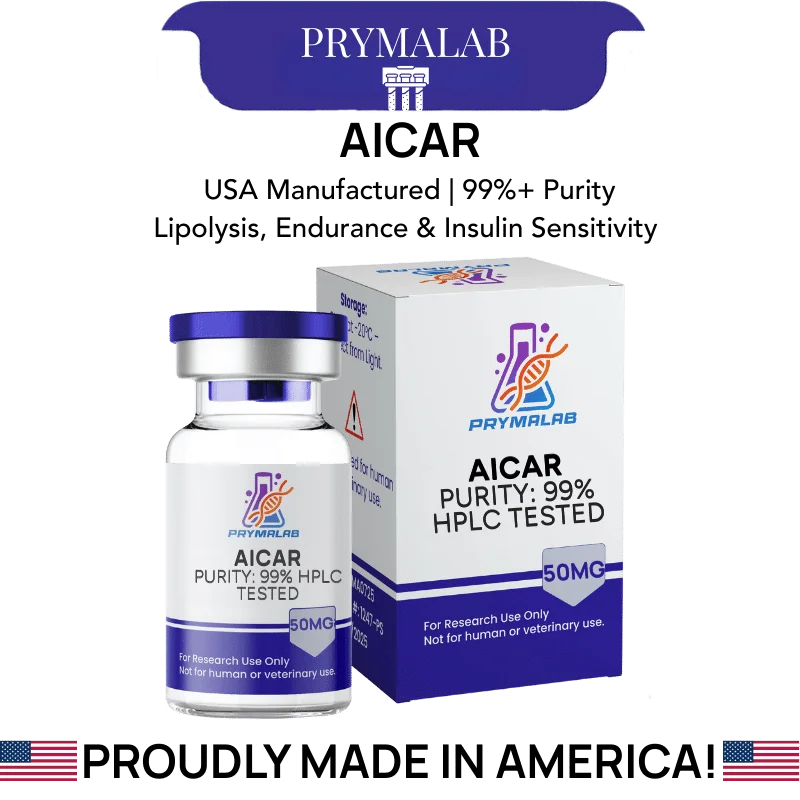













14 reviews for AICAR 50MG