

AOD 9604 Peptide: Benefits, Dosage, Fat Loss Science & Safety
Quick Answer: Aod 9604 Peptide
Answer: AOD 9604 is a modified fragment of human growth hormone studied for fat metabolism and lipolysis without the full growth-promoting effects of HGH. It is often discussed for weight-management research, but clinical evidence is limited. Safety, source quality, and realistic expectations are important when evaluating this peptide.
A research-backed deep dive into AOD 9604 — the fat-burning peptide fragment of human growth hormone backed by six human clinical trials, cartilage regrowth data, and GRAS safety status. Understand the science, protocols, and evidence before you buy.

If you have been researching peptides for weight loss, you have almost certainly met aod-9604, a potent fat-burning peptide. Originally developed as an anti-obesity treatment by Professor Frank Ng and colleagues at Monash University, this peptide fragment has progressed through six human clinical trials involving roughly 893 participants — a level of clinical scrutiny rare among research peptides.
Yet the real story behind the AOD 9604 peptide extends well beyond simple fat loss. Emerging research reveals cartilage-regenerating properties, a uniquely clean body safety profile confirmed over 24-week study periods, and a mechanism of action that makes it fundamentally different from both traditional growth hormone therapy and the GLP-1 agonists dominating today’s weight loss conversation.
This guide unpacks everything the published science actually says about AOD 9604 — its cell-level mechanism, fat-body function effects, joint health possible, clinical safety data, practical dosage protocols, and how it compares to other fat loss peptides and modern weight loss drugs. Whether you are a practitioner assessing protocols or a researcher examining the evidence, you will find every claim traced back to its original source.
What Is AOD 9604 Peptide?
AOD 9604 — an abbreviation for Advanced Obesity Drug, serial number 9604 — is a synthetic peptide consisting of 16 amino acids that correspond to the C-terminal fragment of human growth hormone (mainly amino acids 176-191), with an more tyrosine residue attached at the N-terminal end for peptide stabilization (Ogru et al., 2000, J Pept Res).
Its amino acid sequence reads YLRIVQCRSVEGSCGF, and the molecule is cyclized through a disulfide bond between its two cysteine residues, giving it a three-dimensional conformation that closely mirrors the same region within the intact, 191-amino-acid hGH molecule.
The growth of aod-9604 peptide arose from a simple but powerful finding: human growth hormone regulates fat body function through a specific domain located at its carboxy terminus, entirely separate from the domains responsible for IGF-1 boost, tissue growth, and diabetogenic effects. In the early 1990s, Professor Frank Ng and colleagues at Monash University in Melbourne, Australia, began systematically synthesizing and testing C-terminal hGH fragments to isolate the fat-metabolizing region.
Their work identified amino acids 177–191 as the key lipolytic domain — a cell-level segment capable of boosting fat breakdown and blocking fat formation without triggering any of the dangerous body side effects linked with full-length growth hormone therapy (Wu & Ng, 1993, Biochem Mol Biol Int; Ng et al., 2000, Horm Res).
What makes this peptide scientifically notable is what it deliberately cannot do. Full start of the hGH receptor needs one intact growth hormone molecule to sequentially bind two receptor molecules at two distinct binding sites, forming a trimer that starts downstream signal transduction. AOD 9604 partially overlaps with binding site 1 (located in the fourth helix of hGH) but completely lacks binding site 2.
Competition binding assays in cells transfected with the hGH receptor have confirmed that AOD 9604 cannot compete with hGH for receptor binding, and BaF3 cell proliferation tests showed that even at very high levels, AOD 9604 does not induce cell proliferation (Heffernan et al., 2001, Int J Obes). This structural limitation is precisely what gives AOD 9604 its favorable safety profile — it was engineered to be a partial molecule that accesses only the fat-burning program of growth hormone.
How Does AOD 9604 Work? The Science of Selective Fat Burning
Grasp the mechanism of action behind the AOD 9604 peptide clarifies why researchers consider it fundamentally different from both traditional hGH therapy and appetite-based weight loss drugs. AOD 9604 operates through a dual-action mechanism that simultaneously accelerates fat breakdown and blocks new fat formation — attacking the fat storage problem from both sides without engaging the growth hormone receptor or the insulin-like growth factor-1 (IGF-1) signaling axis, making it a unique form of peptide therapy.
Stimulating Lipolysis: Breaking Down Stored Fat
The first arm of AOD 9604’s mechanism involves boosting lipolysis and fat mobilization — the biochemical process by which triglycerides stored within adipocytes (fat cells) are hydrolyzed into glycerol and free fatty acids, which then enter the bloodstream for energy use. In genetically obese mice (ob/ob model), chronic AOD 9604 treatment greatly increased fat oxidation rates and reduced cumulative body weight gain without affecting lean mass, food intake, or water consumption (Heffernan et al., 2001, Int J Obes).
The lipolytic effect was comparable in magnitude to that produced by full-length hGH, confirming that the C-terminal fragment retains the complete fat-burning capacity of the parent hormone.
Research using beta-3-adrenoreceptor knockout mice revealed an important mechanistic detail: AOD 9604 appears to partially exert its lipolytic effects by upregulating beta-3 adrenergic receptors (beta-3-AR) RNA expression in adipose tissue. In normal obese mice, chronic AOD 9604 treatment increased repressed beta-3-AR mRNA levels — a receptor subtype of beta-3 adrenergic receptors critically involved in fat cell lipolysis — while in beta-3-AR knockout animals, the fat-reducing effects of AOD 9604 were greatly attenuated (Heffernan et al., 2001, Endocrinology). This suggests the beta-3 adrenergic pathway is an important, though likely not exclusive, mediator of AOD 9604’s fat-burning activity.
Inhibiting Lipogenesis: Blocking New Fat Storage
The second arm involves blocking lipogenesis — the body pathway through which your body converts excess calories into stored fat. AOD 9604 suppresses acetyl-CoA carboxylase activity in both adipocytes and hepatocytes (Ng et al., 2000, Horm Res). Acetyl-CoA carboxylase is the rate-limiting enzyme in fatty acid biosynthesis; by blocking this enzyme, AOD 9604 effectively slows the production of new fatty acids from dietary substrates.
This dual approach — draining the existing fat stores while simultaneously cutting off the supply of new fat — is what makes the mechanism very compelling for stubborn adipose deposits that resist dietary interventions alone.
What Are the Proven Benefits of AOD 9604?
The evidence base for AOD 9604 spans more than two decades of research, from early in vitro studies at Monash University through Phase IIb human clinical trials with hundreds of participants. Three distinct benefit categories emerge from the published literature, each supported by different levels of evidence.
Fat Metabolism and Weight Loss
The main use driving AOD 9604 growth has always been fat body function, and this is where the strongest lab evidence resides. In chronically treated obese mice, AOD 9604 produced body effects equivalent to those of intact hGH about energy balance and fat oxidation, reducing cumulative body weight gain and adipose tissue mass over treatment periods of several weeks (Natera et al., 1994, Biochem Mol Biol Int; Heffernan et al., 2000, Am J Physiol Endocrinol Metab). Critically, these fat-reducing effects occurred in obese but not lean animal models, suggesting the peptide preferentially targets pathological fat buildup rather than disrupting normal adipose homeostasis.
In human trials, the picture is more nuanced. The Phase IIb study METAOD005 — a double-blind, placebo-controlled trial across five Australian hospitals with 300 obese participants getting daily oral doses of 1, 5, 10, 20, or 30 mg AOD 9604 for 12 weeks — and the larger METAOD006 study with 502 participants over 24 weeks both confirmed safety and tolerability. Weight loss effects were saw in earlier, smaller trials but were less pronounced in the final large study, which incorporated an intensive diet and exercise regime for all participants including the placebo group.
When weight loss was saw in earlier trials, it was similar in magnitude and distribution to that seen with full-length hGH in published studies — very targeting abdominal fat (Moré & Kenley, 2014, J Endocrinol Metab).
| Study | Participants | Dose Range | Duration | Key Finding |
|---|---|---|---|---|
| Heffernan 2001 | Obese mice (ob/ob) | Chronic treatment | Several weeks | Reduced body weight, increased fat oxidation; no IGF-1 or glucose changes |
| METAOD001 (Phase I) | 15 healthy males | 25–400 mcg/kg IV | Single dose | Well tolerated; safety profile comparable to placebo and rhGH |
| METAOD002 (Phase IIa) | 23 obese males | 25–100 mcg/kg IV | Single dose | No clinically relevant changes in glucose, IGF-1, or safety labs |
| METAOD005 (Phase IIb) | 300 obese adults | 1–30 mg oral | 12 weeks | Safe; no IGF-1 changes; trend toward improved glucose tolerance |
| METAOD006 (Phase IIb) | 502 obese adults | 0.25–1 mg oral | 24 weeks | Safety indistinguishable from placebo over 6 months |
Joint Health and Cartilage Regeneration
Beyond its body uses, AOD 9604 has showed unexpected possible in musculoskeletal regrowth. A 2015 study by Kwon and Park at the Catholic University of Daegu examined the effects of intra-articular AOD 9604 injections in a collagenase-induced knee osteoarthritis rabbit model (Ann Clin Lab Sci, 2015;45(4):426-32). Thirty-two rabbits got weekly injections of either saline, hyaluronic acid (HA) alone, AOD 9604 alone, or the mix of AOD 9604 with HA for four to seven weeks following osteoarthritis induction.
The results were striking. Both AOD 9604 alone and the mix treatment produced greatly lower gross morphological and histopathological degeneration scores compared to the saline control, confirming genuine cartilage-protective and regrowth activity. Most notably, the AOD 9604 plus HA mix was greatly more effective than either treatment alone, yielding the lowest degeneration scores and the shortest lameness period among all groups. This combined effect suggests that AOD 9604 addresses a regrowth pathway that complements the viscosupplementation and anti-swelling properties of hyaluronic acid.
The cartilage findings carry important practical implications for the weight care population. Obesity places huge mechanical stress on weight-bearing joints, accelerating osteoarthritis progression. A compound that simultaneously reduces body fat and promotes cartilage repair could offer dual treatment value — though it is essential to note that these joint findings remain lab.
No human trials have been conducted mainly for AOD 9604 in osteoarthritis, and the rabbit model, while informative, has known limitations in predicting human joint outcomes.
Metabolic Safety Advantages Over Full-Length hGH
Perhaps the most clinically major benefit of AOD 9604 is not what it does but what it mainly avoids. Full-length human growth hormone therapy, while effective for fat reduction, carries a well-documented list of body liabilities: glucose intolerance, insulin resistance, increased diabetes risk, elevated IGF-1 with linked cancer risk, sodium retention with edema, and acromegalic features with long-term use (Baumann, 1999; Cameron et al., 1987; Scacchi et al., 1999). These side effects have historically limited hGH’s utility as a weight care tool.
AOD 9604 was mainly designed to remove these risks, and six human clinical trials with about 893 participants have confirmed that it succeeds. Across all studies, AOD 9604 produced no changes in serum IGF-1 levels, no impairment of glucose tolerance on oral glucose tolerance testing (OGTT), no evidence of insulin resistance, no clinically major changes in any safety laboratory parameters, vital signs, or electrocardiograms, and no generation of anti-AOD9604 antibodies at any time point up to 24 weeks of daily dosing (Stier et al., 2013, J Endocrinol Metab).
Notably, there was actually a trend toward improved glucose tolerance and blood sugar management in AOD 9604 treatment groups, with patients who had impaired glucose tolerance at baseline being less likely to progress to diabetes compared to placebo recipients.
How Does AOD 9604 Compare to GLP-1 Agonists and Other Fat Loss Peptides?
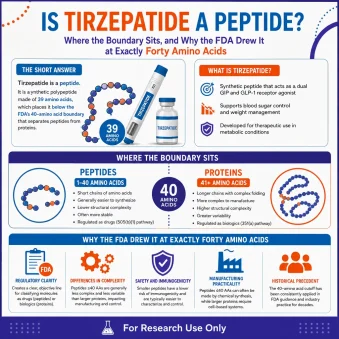
The modern weight loss landscape has been transformed by GLP-1 receptor agonists like semaglutide (Ozempic/Wegovy) and tirzepatide (Mounjaro/Zepbound)alongside growth hormone secretagogues like tesamorelin. Grasp where AOD 9604 fits within this evolving toolkit needs an honest comparison of mechanisms, evidence levels, and practical factors.
| Feature | AOD 9604 | Semaglutide (GLP-1) | hGH (Somatotropin) | CJC-1295/Ipamorelin |
|---|---|---|---|---|
| Mechanism | Direct lipolysis + lipogenesis inhibition | Appetite suppression via incretin pathway | Full metabolic activation via hGH receptor | Stimulates endogenous GH release |
| Primary Target | Fat cells (adipocytes) | Brain appetite centers + GI tract | Multiple tissues systemically | Pituitary gland |
| IGF-1 Impact | None (confirmed in 6 trials) | None | Significant elevation | Moderate elevation |
| Glucose Effects | Neutral to improved | Improved (FDA-approved for T2D) | Impaired tolerance / insulin resistance | Variable |
| Appetite Effects | None | Strong suppression | Variable | May increase appetite |
| Human Trial Data | Phase IIb (893 participants) | Phase III + FDA approved | Extensive (FDA-approved indications) | Limited clinical data |
| FDA Status | Not approved; GRAS for foods | FDA approved | FDA approved | Not approved |
| Muscle Preservation | Favorable (no lean mass loss observed) | Moderate muscle loss (25–40% of weight lost) | Favorable | Favorable |
| Joint Benefits | Preclinical cartilage regeneration data | Indirect (weight reduction) | Can worsen joint symptoms | No direct evidence |
| Common Side Effects | Mild headache, injection site redness | Nausea, vomiting, GI distress | Edema, joint pain, insulin resistance | Flushing, headache |
The comparison reveals that AOD 9604, tesamorelin, and GLP-1 agonists address weight care through entirely paired mechanisms. GLP-1 drugs act as a brake on appetite, reducing caloric intake by an estimated 20–30% through central satiety signals and delayed gastric emptying. AOD 9604 acts as an accelerator on fat body function, directly instructing adipocytes to release stored energy and blocking de novo lipogenesis.
This mechanistic complementarity explains why some clinicians have begun exploring mix protocols — pairing the appetite-suppressing effects of GLP-1 therapy with the direct fat-targeting action of AOD 9604 to maximize fat loss while possibly preserving more lean tissue than either approach alone.
However, intellectual honesty demands acknowledging the evidence gap. GLP-1 agonists have Phase III data in tens of thousands of patients, FDA approval, and showed weight loss of 15–20% of body weight. AOD 9604 has Phase IIb data confirming safety but with more modest and inconsistent effect signals. The peptide’s clinical growth stalled after the METAOD006 trial, and no Phase III effect trial has been conducted.
AOD 9604’s strongest scientific arguments are its clean safety profile, its unique mechanism, and its possible as a complement to other interventions rather than a standalone weight loss solution.
What Is the Recommended AOD 9604 Dosage?
Setting up an best AOD 9604 dosage needs synthesizing data from human clinical trials with practitioner experience, as the compound was never advanced to the Phase III trials that would have formally set up dosing rules. The available evidence spans both oral and injectable use routes, each with distinct pharmacokinetic profiles.
Clinical Trial Dosing Data
Across six human clinical trials, AOD 9604 was gave at many doses. Intravenous studies used 25 to 400 mcg per kilogram of body weight as single doses. Oral studies ranged from 0.25 mg per day (the lowest dose in the 24-week METAOD006 trial) up to 54 mg per day (the highest dose in the 7-day METAOD004 study).
All doses within these ranges were well tolerated, though the highest oral dose of 54 mg was linked with increased incidence of gut side effects including diarrhea and flatulence (Stier et al., 2013).
Practitioner Protocols for Subcutaneous Injection
Most contemporary practitioners give AOD 9604 via under-skin injection rather than the oral route used in clinical trials, as injectable use bypasses the rapid breakdown saw in the gut tract and provides more consistent systemic uptake. Common practitioner protocols include the following parameters, though these are based on clinical experience rather than formal dose-finding studies:
| Parameter | Beginner Protocol | Standard Protocol | Advanced Protocol |
|---|---|---|---|
| Daily Dose | 200 mcg once daily | 250–300 mcg once daily | 300 mcg twice daily (AM + PM) |
| Administration Route | Subcutaneous | Subcutaneous | Subcutaneous |
| Timing | 30 min before breakfast | 30 min before breakfast or bedtime | AM pre-meal + PM pre-bed |
| Cycle Duration | 8 weeks | 8–12 weeks | 12 weeks |
| Off Period | 4 weeks | 4 weeks | 4–6 weeks |
| Injection Site | Abdominal subcutaneous fat | Abdominal SC, rotating sites | Abdominal SC, rotating sites |
How to Reconstitute and Inject AOD 9604
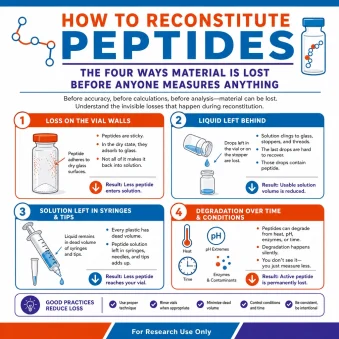
AOD 9604 arrives as a freeze-dried (freeze-dried) powder that must be mixed with sterile water before use. Proper mixing technique is essential for keeping peptide shelf life and ensuring accurate dosing. The process is straightforward but needs attention to detail and sterile practices.
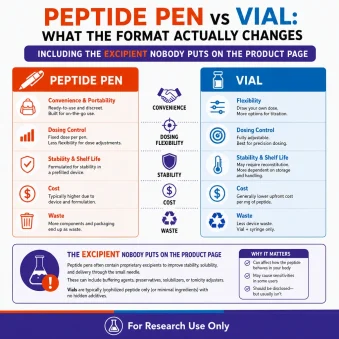
An AOD-9604 nasal spray skips this entire procedure. It is supplied as a metered aqueous solution, so there is no vial to reconstitute and no concentration to calculate, at the cost of not being able to choose either.
Step-by-Step Reconstitution Guide
- Gather your supplies: AOD 9604 vial (typically 5 mg), bacteriostatic water (BAC water), alcohol swabs, a 1 mL insulin syringe, and a clean working surface.
- Clean the vial tops: Swab the rubber stoppers of both the AOD 9604 vial and the BAC water vial with alcohol. Allow to air dry for 10 seconds.
- Draw the water: Using the insulin syringe, draw 2.5 mL of bacteriostatic water. This reconstitution volume creates a concentration of 2 mg per mL (200 mcg per 0.1 mL / 10 IU on an insulin syringe).
- Add water gently: Insert the needle into the AOD 9604 vial, angling it so the water runs down the glass wall rather than directly onto the powder. Never shake the vial — AOD 9604 is a fragile peptide. Allow the water to flow in slowly.
- Dissolve by swirling: Gently roll the vial between your palms until the powder fully dissolves. The solution should be clear and colorless. If it appears cloudy or contains particles, do not use it.
- Store properly: Store the reconstituted solution in the refrigerator at 2–8°C. Once reconstituted, use within 25–30 days. Do not freeze reconstituted peptide.
Subcutaneous Injection Technique
- Prep the site: Swab a clean area of abdominal skin (approximately two inches from the navel) with an alcohol wipe. Allow to dry.
- Draw your dose: For a 250 mcg dose with the above reconstitution, draw to the 12.5 IU mark on a standard U-100 insulin syringe.
- Pinch and inject: Gently pinch a small fold of abdominal fat between your thumb and forefinger. Insert the needle at a 45–90 degree angle (depending on body fat thickness) and depress the plunger slowly.
- Rotate sites: Choose a different injection spot each day, maintaining at least one inch of separation from previous sites. Common rotation patterns include moving clockwise around the navel.
Is AOD 9604 Safe? What Clinical Trial Evidence Shows
Among research peptides, AOD 9604 has one of the most full safety datasets available — a distinction that sets it apart from the vast most of compounds sold in the peptide marketplace. The safety evidence spans genotoxicity screening, chronic animal toxicology, and six human clinical trials.
Preclinical Safety Data
Before entering human trials, AOD 9604 underwent extensive non-clinical safety testing as summarized by Moré and Kenley (2014, J Endocrinol Metab). The genotoxicity battery included a bacterial reverse mutation test (Ames test), an in vitro chromosome aberration assay in CHO cells, and a bone marrow micronucleus assay — none showed evidence of mutagenic or clastogenic activity.
Chronic toxicology studies included a 6-month rat oral gavage study at doses up to 100 mg/kg/day and a 9-month cynomolgus monkey oral gavage study at doses up to 50 mg/kg/day. The no-saw-adverse-effect level (NOAEL) was set up at the highest tested doses in both species — 100 mg/kg/day in rats and 50 mg/kg/day in monkeys — providing extraordinary safety margins relative to human treatment doses.
Pharmacokinetic studies in pigs confirmed that orally gave AOD 9604 is absorbed with about 40% uptake, undergoes rapid sequential N-terminal amino acid breakdown (plasma half-life of about 3 minutes after IV injection), and distributes to all non-CNS tissues with principal localization in the pancreas, pineal body, thyroid, liver, and kidney cortex.
Importantly, AOD 9604 did not cross the blood-brain barrier in rat whole-body radiography studies, and no anti-AOD9604 antibodies were detected in any animal study, confirming the peptide is not immunogenic.
Human Clinical Trial Safety Summary
The human safety dataset covers about 893 participants across six randomized, double-blind, placebo-controlled trials conducted between 2001 and 2006. The key safety findings are consistent and unambiguous:
- IGF-1 Levels: No significant changes in serum IGF-1 at any dose or time point in any trial, confirming AOD 9604 does not activate the hGH/IGF-1 growth axis.
- Glucose Metabolism: Oral glucose tolerance testing showed no impairment of glucose handling. A trend toward improved glucose tolerance was observed in AOD 9604 groups, with participants having impaired glucose tolerance at baseline being less likely to progress to diabetes.
- Immunogenicity: No anti-AOD9604 antibodies were detected at any time point up to 24 weeks of daily dosing.
- Adverse Events: The adverse event profile was indistinguishable from placebo. No treatment-related withdrawals or serious adverse events occurred in any trial.
- Vital Signs and ECG: No clinically significant changes in blood pressure, heart rate, body temperature, or electrocardiogram parameters.
- Laboratory Parameters: No clinically significant changes in hematology, blood chemistry, or urinalysis.
AOD 9604 Side Effects and Precautions
While the clinical trial data paints a favorable safety picture, responsible use of any research peptide needs grasp both the documented and theoretically possible AOD 9604 side effects. The most often reported side effects in clinical trials were mild and equally distributed between AOD 9604 and placebo groups, suggesting they may not be directly attributable to the peptide itself.
Documented Side Effects (from clinical trials)
Across all six human studies, the most often reported adverse events included headache (the most common event, reported at similar rates in both treatment and placebo groups), mild gut symptoms including diarrhea and flatulence (very at the highest oral dose of 54 mg/day), mild euphoria during IV use in a small number of subjects, and injection site reactions including transient redness and minor discomfort.
No dose-response relationship for adverse events was identified across the treatment range of 0.25 mg to 30 mg oral daily, and the overall adverse event profile was consistently described as “indistinguishable from placebo” by study investigators (Stier et al., 2013).
Precautions and Contraindications
Despite the favorable safety data, several precautionary factors apply. AOD 9604 has not been tested in pregnant or breastfeeding women, and its effects on fetal growth are unknown. People with active cancer or a history of cancer should exercise extreme caution, as the long-term effects on cell proliferation have not been studied in humans beyond 24 weeks.
People with severe hepatic or renal impairment were excluded from clinical trials, so safety in these populations is uncharacterized. Those taking prescription drugs — very insulin, oral hypoglycemics, or other body drugs — should consult a qualified healthcare provider before starting any AOD 9604 protocol, as drug interaction studies have not been published.
Legal Status and Regulatory Landscape
The control status of AOD 9604 is complex and evolving. It got “Often Recognized As Safe” (GRAS) status from a qualified expert panel for intended use in foods, drinks, and dietary supplements — a designation based on the extensive non-clinical and clinical safety data described above. However, GRAS status for food use does not equate to FDA approval as a pharmaceutical drug.
AOD 9604 is not FDA-approved for any treatment sign and remains classified as an unapproved compound when marketed for disease treatment or prevention. The FDA’s Pharmacy Compounding Advisory Committee (PCAC) has reviewed AOD 9604 in the context of bulk drug substances used in compounding. The compound’s control trajectory remains uncertain, with advocacy groups having submitted detailed safety dossiers to the FDA arguing for its inclusion on the approved compounding substances list.
For consumers, this means AOD 9604 is often available through research peptide suppliers as a “research chemical” or through compounding pharmacies in jurisdictions where it is permitted. Purity, potency, and manufacturing quality can vary greatly between suppliers, making source check critically important. Always verify current regulations in your specific jurisdiction before buying, and prioritize suppliers who provide third-party purity testing certificates with each batch.
Frequently Asked Questions About AOD 9604
What is AOD 9604 peptide and how does it work?
AOD 9604 is a synthetic 16-amino-acid peptide fragment derived from the C-terminal region (amino acids 177–191) of human growth hormone, with an added tyrosine residue for stabilization. It boosts lipolysis (fat breakdown) and blocks lipogenesis (new fat formation) by suppressing acetyl-CoA carboxylase activity in adipocytes and hepatocytes — without binding to the hGH receptor or raising IGF-1 levels. This targeted mechanism delivers fat-metabolizing benefits without the hyperglycemia, insulin resistance, or growth-promoting effects linked with full-length hGH.
What are the main benefits of AOD 9604 peptide?
Research shows three main benefit categories: (1) fat body function — boosting lipolysis in adipose tissue and blocking new fat storage, very targeting abdominal fat; (2) joint and cartilage health — enhancing cartilage regrowth in osteoarthritis models, especially when combined with hyaluronic acid; and (3) body safety — six human clinical trials involving about 893 participants confirmed AOD 9604 does not impair glucose tolerance, raise IGF-1, or cause insulin resistance, unlike full-length hGH.
What is the recommended AOD 9604 dosage for beginners?
Practitioner protocols often recommend starting at 200–250 mcg gave via under-skin injection once daily on an empty stomach, ideally 30 minutes before breakfast. After assessing tolerance for one week, the dose can be increased to the standard 250–300 mcg daily range. Cycles often run 8–12 weeks followed by a 4-week break. Human clinical trials used oral doses ranging from 0.25 mg to 54 mg daily. Always consult a qualified healthcare provider before beginning any peptide protocol.
Is AOD 9604 safe? What do clinical trials show?
AOD 9604 has one of the strongest clinical safety profiles among research peptides. Six randomized, double-blind, placebo-controlled human trials involving about 893 participants showed a safety profile indistinguishable from placebo. The longest study ran 24 weeks with 502 obese adults. No treatment-related serious adverse events, withdrawals, IGF-1 rise, glucose intolerance, or anti-AOD9604 antibody formation were detected. AOD 9604 also got GRAS status for food and supplement use.
How does AOD 9604 compare to GLP-1 agonists like semaglutide?
AOD 9604 and GLP-1 agonists address weight loss through fundamentally different mechanisms. GLP-1 drugs suppress appetite centrally by mimicking incretin hormones, reducing caloric intake by 20–30%. AOD 9604 targets fat cells directly, boosting lipolysis and blocking lipogenesis without affecting appetite. GLP-1 drugs have extensive Phase III trial data and FDA approval; AOD 9604 has Phase IIb data showing safety but limited effect results. Some practitioners combine both approaches to address appetite and fat body function simultaneously.
Can AOD 9604 help with joint pain and osteoarthritis?
Lab evidence suggests AOD 9604 has cartilage-regenerating properties. In a 2015 rabbit osteoarthritis study (Kwon & Park, Ann Clin Lab Sci), intra-articular AOD 9604 injections enhanced cartilage regrowth, and the mix of AOD 9604 with hyaluronic acid was greatly more effective than either treatment alone. However, these findings have not yet been replicated in human clinical trials for joint conditions.
What is the AOD 9604 before and after experience like?
Based on practitioner reports (not controlled studies), users often see measurable changes in body composition and makeup — very reductions in abdominal circumference — beginning around weeks 4–6 of consistent use at standard dosing. Full AOD 9604 results for body recomposition often need a complete 8–12 week cycle, combined with structured exercise and a caloric-appropriate diet. AOD 9604 does not suppress appetite, so dietary discipline remains essential. Joint health gains, when reported, often emerge over 12–16 weeks.
- AOD 9604 peptide (hGH fragment 176–191) is a 16-amino-acid synthetic peptide that selectively targets fat metabolism through dual lipolysis stimulation and lipogenesis inhibition, without activating the hGH receptor or the IGF-1 growth axis.
- Clinical safety data from six human trials (~893 participants, up to 24 weeks) demonstrates a profile indistinguishable from placebo — no IGF-1 elevation, no glucose impairment, no insulin resistance, no immunogenicity, and GRAS status for food use.
- Fat loss mechanism works via beta-3-adrenoreceptor upregulation and acetyl-CoA carboxylase inhibition in adipocytes, preferentially targeting pathological (obese) fat accumulation over normal adipose tissue.
- Joint health potential is supported by preclinical data showing enhanced cartilage regeneration in an osteoarthritis rabbit model, with AOD 9604 + hyaluronic acid outperforming either treatment alone (Kwon & Park, 2015).
- Standard dosing is 250–300 mcg subcutaneous daily on an empty stomach for 8–12 week cycles, based on practitioner experience. Human trials used oral doses from 0.25–54 mg/day.
- Efficacy limitations: Phase IIb trials confirmed safety but showed inconsistent weight loss results. AOD 9604 is best positioned as a complement to diet, exercise, and potentially other therapies rather than a standalone solution.
- Regulatory status is complex: GRAS for food use, not FDA-approved pharmaceutically. Source quality varies significantly — always verify third-party purity testing.
This article is for informational and educational purposes only and does not constitute medical advice. AOD 9604 is not approved by the FDA for any therapeutic indication. The information presented reflects published preclinical and clinical research, academic sources, and practitioner protocols. Always consult a qualified healthcare provider before considering any peptide protocol. Do not use this information to self-diagnose or self-treat any medical condition. PrymaLab provides research-grade compounds for qualified researchers and licensed practitioners.
References
- Wu Z, Ng FM. "Antilipogenic action of synthetic C-terminal sequence 177-191 of human growth hormone." Biochem Mol Biol Int. 1993;30(1):187-196. PMID: 8358331.
- Natera SH, Jiang WJ, Ng FM. "Reduction of cumulative body weight gain and adipose tissue mass in obese mice: response to chronic treatment with synthetic hGH 177-191 peptide." Biochem Mol Biol Int. 1994;33(5):1011-1021. PMID: 7987248.
- Ogru E, Wilson JC, Heffernan M, et al. The conformational and biological analysis of a cyclic anti-obesity peptide from the C-terminal domain of human growth hormone." J Pept Res. 2000;56(6):388-397. DOI: 10.1034/j.1399-3011.2000.00771.x
- Ng FM, Sun J, Sharma L, et al. "Metabolic studies of a synthetic lipolytic domain (AOD9604) of human growth hormone." Horm Res. 2000;53(6):274-278. DOI: 10.1159/000053183
- Heffernan MA, Jiang WJ, Thorburn AW, Ng FM. "Effects of oral administration of a synthetic fragment of human growth hormone on lipid metabolism." Am J Physiol Endocrinol Metab. 2000;279(3):E501-507. PMID: 10950816.
- Heffernan MA, Thorburn AW, Fam B, et al. Increase of fat oxidation and weight loss in obese mice caused by chronic treatment with human growth hormone or a modified C-terminal fragment." Int J Obes Relat Metab Disord. 2001;25(10):1442-1449. DOI: 10.1038/sj.ijo.0801740. PMID: 11673763.
- Heffernan M, Summers RJ, Thorburn A, et al. "The effects of human GH and its lipolytic fragment (AOD9604) on lipid metabolism following chronic treatment in obese mice and beta(3)-AR knock-out mice." Endocrinology. 2001;142(12):5182-5189. PMID: 11713213.
- Stier H, Vos E, Kenley D. "Safety and Tolerability of the Hexadecapeptide AOD9604 in Humans." J Endocrinol Metab. 2013;3(1-2):7-15. DOI: 10.4021/jem157w
- Moré MI, Kenley D. "Safety and Metabolism of AOD9604, a Novel Nutraceutical Ingredient for Improved Metabolic Health." J Endocrinol Metab. 2014;4(3):64-77. DOI: 10.14740/jem213w
- Kwon DR, Park GY. "Effect of Intra-articular Injection of AOD9604 with or without Hyaluronic Acid in Rabbit Osteoarthritis Model." Ann Clin Lab Sci. 2015 Summer;45(4):426-32. PMID: 26275694.
- Baumann G. "Growth hormone heterogeneity in human pituitary and plasma." Horm Res. 1999;51(Suppl 1):2-6. DOI: 10.1159/000053128
- Cameron CM, Kostyo JL, Adamafio NA, Dunbar JC. "Metabolic basis for the diabetogenic action of growth hormone in the obese (ob/ob) mouse." Endocrinology. 1987;120(4):1568-1575. DOI: 10.1210/endo-120-4-1568
- Scacchi M, Pincelli AI, Cavagnini F. "Growth hormone in obesity." Int J Obes Relat Metab Disord. 1999;23(3):260-271. DOI: 10.1038/sj.ijo.0800807
- Ng FM, Jiang WJ, Gianello R, et al. "Molecular and cellular actions of a structural domain of human growth hormone (AOD9401) on lipid metabolism in Zucker fatty rats." J Mol Endocrinol. 2000;25(3):287-298. DOI: 10.1677/jme.0.0250287