NAD+ Injections for Research: 100mg/ml Autoinjector Pen (2026)
Researching NAD+ injections? This guide explains what nicotinamide adenine dinucleotide is, why the redox coenzyme is studied in metabolism and aging research, how to handle it in the lab, and how PrymaLab supplies it — a preloaded 3ml autoinjector pen at 100mg/ml for in-vitro and non-human research only.
Research-use-only disclaimer: NAD+ supplied by PrymaLab is a research-use-only material for in-vitro and non-human laboratory study. It is not for human or veterinary use and is not approved by the FDA to diagnose, treat, cure, or prevent any condition. Always verify the legal status of research compounds in your jurisdiction.

Quick Answer
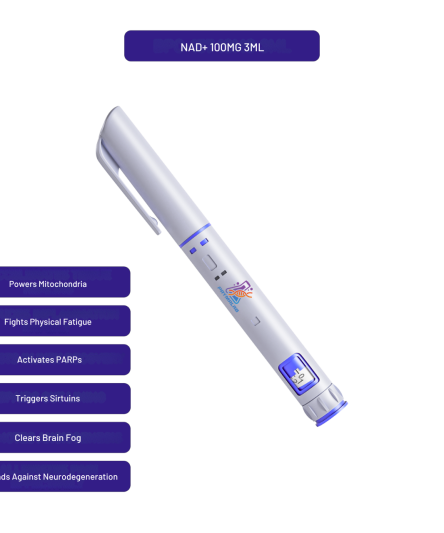
What is NAD+? NAD+ (nicotinamide adenine dinucleotide) is a redox coenzyme found in every living cell. It carries electrons in core energy metabolism (glycolysis, the TCA cycle, and oxidative phosphorylation) and is a substrate for enzymes such as sirtuins and PARPs. PrymaLab supplies it as a research-use-only 3ml pen at 100mg/ml.
This product is not for human or veterinary use; everything below describes laboratory and research context only, not NAD+ IV therapy or clinical treatment.
NAD+ is a redox coenzyme central to cellular energy metabolism and a substrate for sirtuins and PARP enzymes.
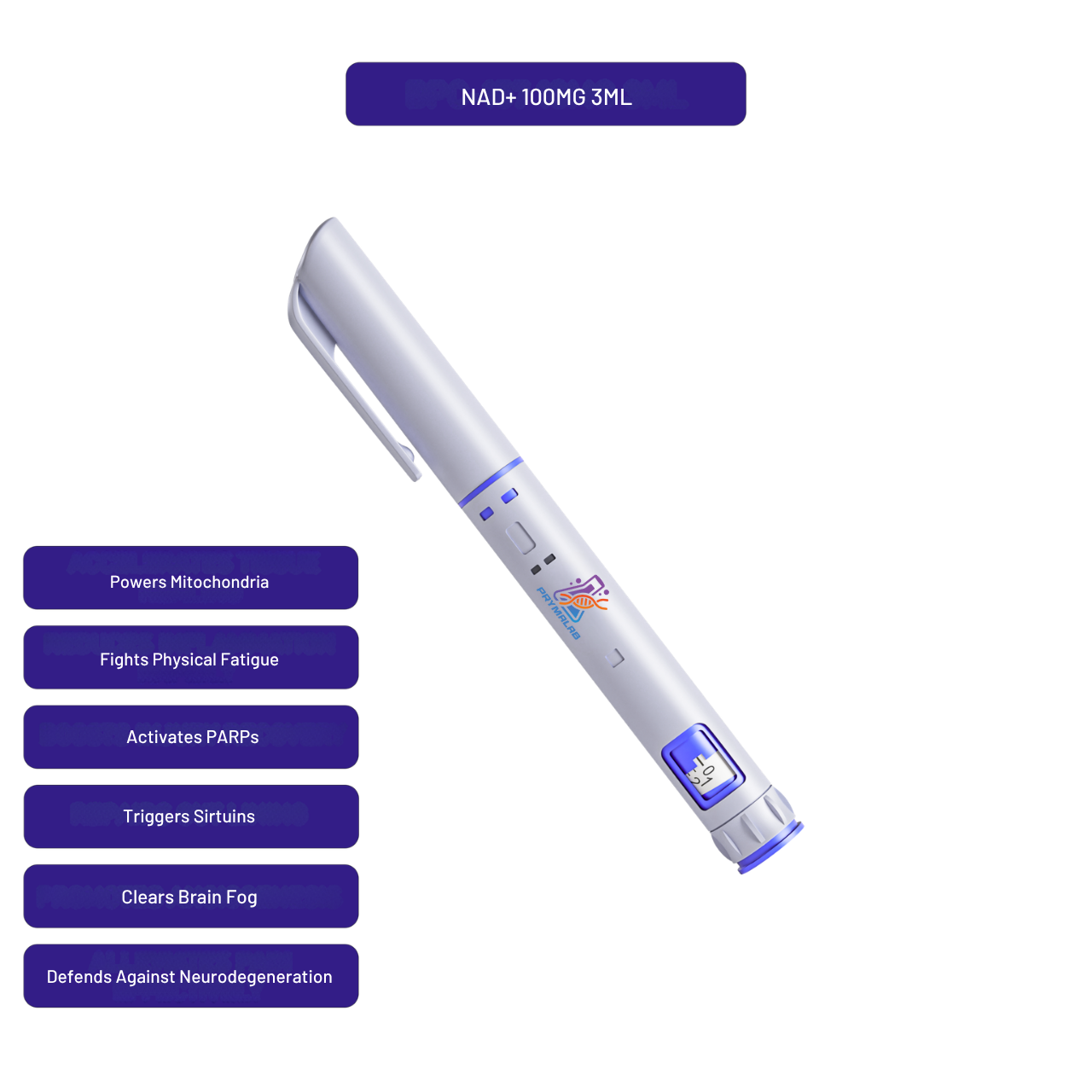
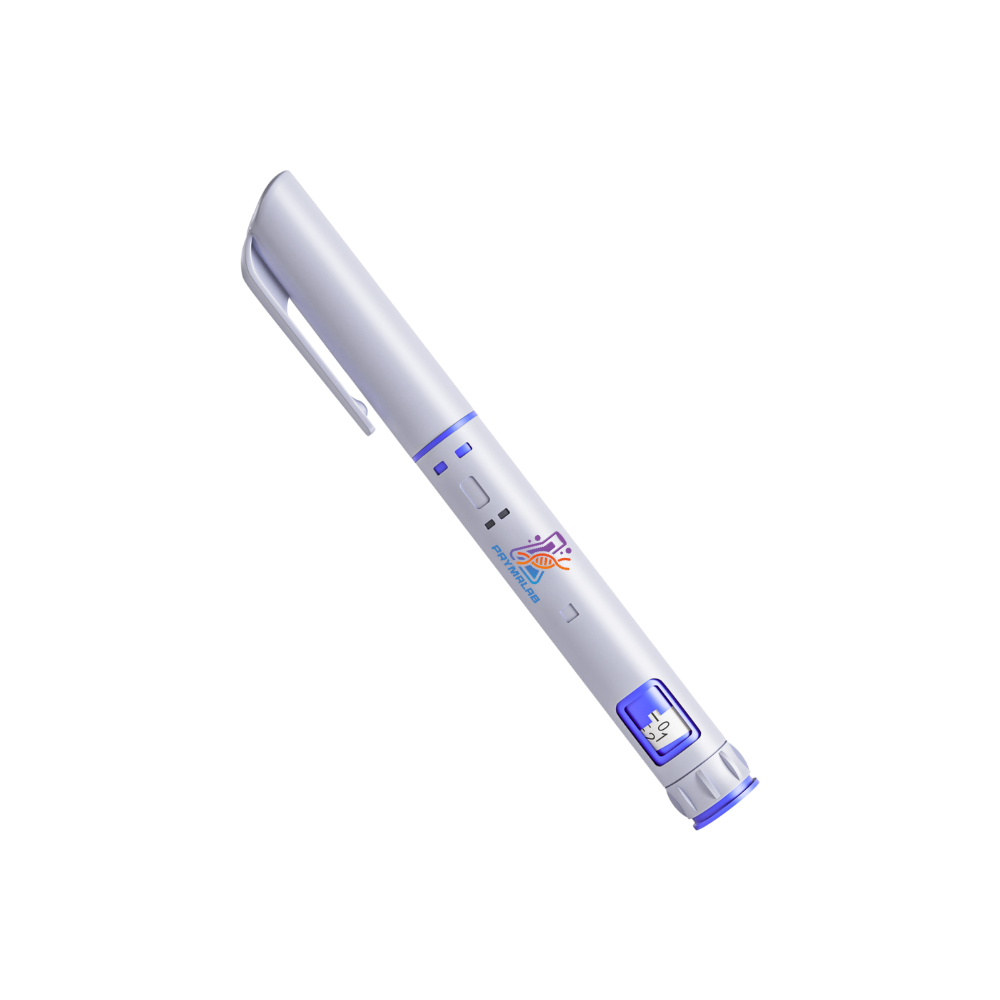
High reference concentration: PrymaLab supplies NAD+ at 100mg/ml in a preloaded 3ml autoinjector pen for reproducible measured delivery.
NAD+ injections, supplements, and IV therapy are distinct categories; this product is a research material, not an IV-therapy or consumer product.
Stability matters. NAD+ degrades faster than many peptides, so cold, light-protected storage and prompt use are important for clean data.
What Is NAD+?
NAD+ (nicotinamide adenine dinucleotide) is a redox coenzyme present in every living cell. It shuttles electrons between reactions as the NAD+/NADH pair, powering core energy pathways including glycolysis, the citric-acid (TCA) cycle, and oxidative phosphorylation.
Beyond energy metabolism, NAD+ is a substrate for enzyme families such as sirtuins and PARPs, which is why it features heavily in metabolism, DNA-repair, and aging research. PrymaLab supplies NAD+ at a reference concentration of 100mg/ml in a sealed 3ml autoinjector pen for laboratory study.
Why NAD+ Concentration and Stability Matter
NAD+ is comparatively unstable in solution and sensitive to heat and light, so a defined, freshly handled reference concentration is important for reproducible results. The PrymaLab 100mg/ml format gives research teams a consistent starting point, while the sealed pen and cold-chain handling help limit degradation.
Why Researchers Choose the PrymaLab NAD+ Autoinjector Pen
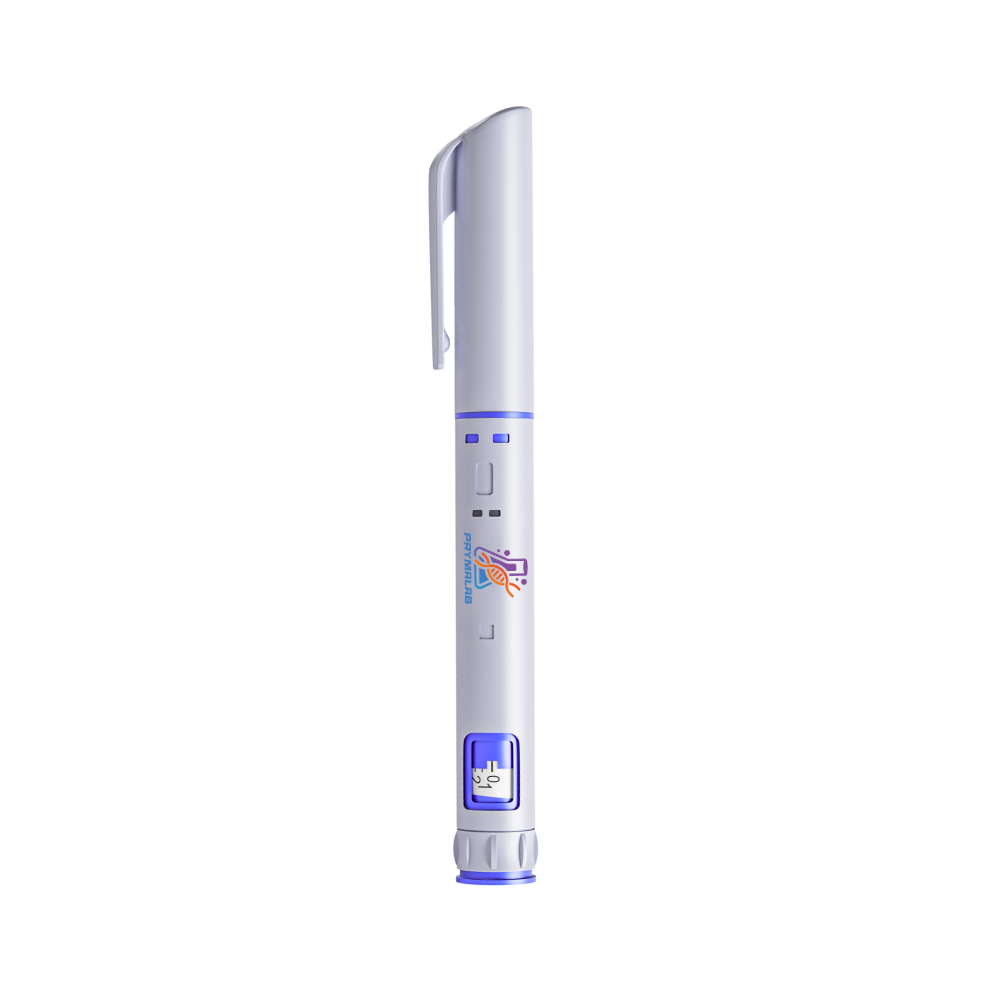
PrymaLab supplies NAD+ in a preloaded 3ml autoinjector pen calibrated to 100mg/ml, giving laboratories a uniform, repeatable format for in-vitro and non-human research. The sealed pen supports clean handling, measured delivery, and clear record-keeping across replicates.
- High 100mg/ml reference concentration for demanding study designs.
- Measured delivery for reproducible volumes and reduced variability.
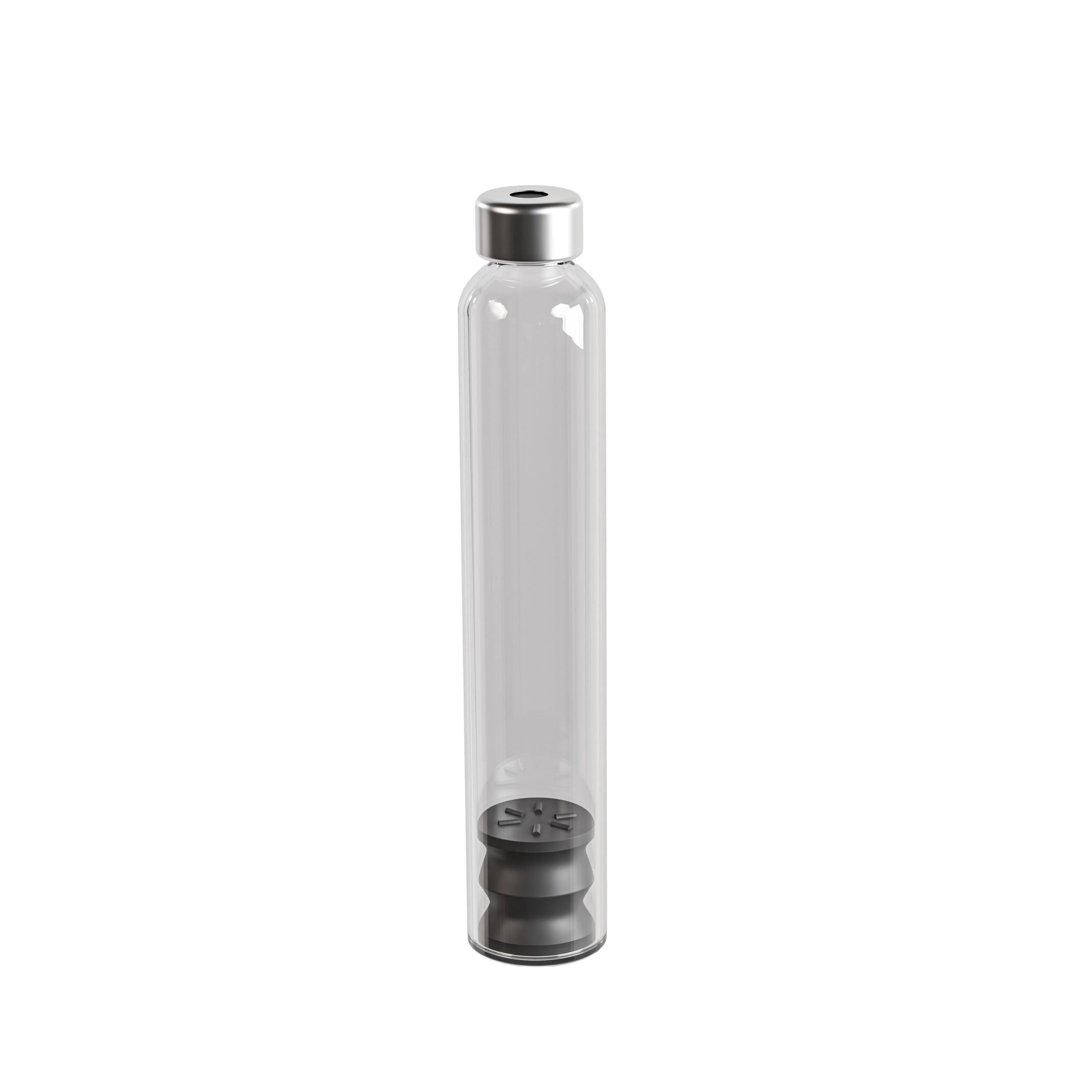
- Optional glass reloading cylinder to standardize preparations between runs.
- Batch traceability linking every draw to a single reference batch.
PrymaLab NAD+ Specifications
| Specification | Detail |
|---|---|
| Compound | NAD+ (nicotinamide adenine dinucleotide, redox coenzyme) |
| Form | Preloaded autoinjector pen (research-use-only) |
| Pen size | 3ml |
| Concentration | 100mg/ml |
| Optional accessory | Glass reloading cylinder for standardized refills |
| Intended use | In-vitro & non-human laboratory research only |
| Reference | PubChem compound record (Nicotinamide adenine dinucleotide) |
How to Handle and Store the NAD+ Research Pen
NAD+ rewards careful handling. Follow these laboratory steps when receiving and using the research-use-only NAD+ autoinjector pen. These describe lab handling only and are not human-use or IV-therapy instructions.
- Receive and inspect. Confirm the NAD+ pen is sealed, the batch number is legible, and the solution is clear; NAD+ solutions can be sensitive, so inspect for discoloration before logging.
- Refrigerate immediately. Store the preloaded pen at 2-8°C, protected from light and heat; NAD+ is known to be relatively unstable, so prompt cold storage helps preserve the reference concentration.
- Record the batch. Log lot number, concentration (100mg/ml), and receipt date so each measured delivery traces to one reference batch.
- Dispense measured volumes. Use the pen’s measured-delivery mechanism to draw reproducible volumes into your in-vitro or non-human preparation, documenting each draw.
- Standardize with the reload cylinder. Where supplied, use the glass reloading cylinder to refill and keep the NAD+ preparation consistent across replicates.
- Track stability and dispose. Record the open date, monitor working stability closely (NAD+ degrades faster than many peptides), and dispose via your laboratory chemical-waste process.
NAD+ Injections vs Supplements vs IV Therapy (Research Context)
Searches for NAD+ injections, NAD+ supplement, and NAD IV therapy describe very different things. The table clarifies where a research material like PrymaLab NAD+ fits — and where it does not.
| Category | What it is | Where PrymaLab NAD+ fits |
|---|---|---|
| Research material (this product) | Defined-concentration NAD+ for lab study | Yes — research-use-only, in-vitro/non-human |
| Oral NAD+ / precursor supplements | Consumer dietary supplements (e.g., NR, NMN) | No — different product category |
| NAD+ IV therapy | Clinical infusions administered by providers | No — not a clinical or human-use product |
PrymaLab NAD+ is a research compound only. It is not an IV-therapy product, a dietary supplement, or a treatment, and no human or clinical use is intended or implied.
What the Research Studies: NAD+ “Benefits” in Context
When people search NAD+ benefits, they are usually asking what NAD+ biology is studied for. Research across cell and animal models examines NAD+ in the context of:
- Cellular energy metabolism (redox balance, mitochondrial function)
- Sirtuin and PARP enzyme activity
- DNA-repair and cellular-stress pathways
- Aging-biology and metabolic research models
These are research areas, not established human outcomes. PrymaLab makes no therapeutic claims and provides no human dosing guidance for NAD+.
NAD+ Stability, Handling & Legal Status in Research
Because NAD+ is research-use-only, ‘side effect’ questions are best directed to clinical literature on NAD+ therapies rather than to this product. For the laboratory, the practical considerations are stability (degrades with heat/light/time) and correct handling. Confirm the legal status of NAD+ research materials in your jurisdiction before purchase.
Reminder: PrymaLab NAD+ is sold strictly for in-vitro and non-human laboratory research. It is not a drug, supplement, IV-therapy product, or medical device and must not be administered to humans or animals.
Need research-grade NAD+ at a defined concentration?
PrymaLab supplies NAD+ as a preloaded 3ml autoinjector pen at 100mg/ml, research-use-only, with cold-chain handling and batch traceability.
Frequently Asked Questions
What is NAD+?
NAD+ (nicotinamide adenine dinucleotide) is a redox coenzyme found in all living cells. It carries electrons in energy metabolism and is a substrate for sirtuin and PARP enzymes. PrymaLab supplies it as a research-use-only 3ml autoinjector pen at 100mg/ml for in-vitro and non-human study.
Why are NAD+ injections studied in research?
In research, injectable NAD+ is used to study redox metabolism, mitochondrial function, sirtuin/PARP activity, and aging-biology pathways in cell and animal models. PrymaLab NAD+ is a research material only and is not an NAD+ IV-therapy or human-use product.
What NAD+ benefits are studied?
NAD+ research explores cellular energy metabolism, DNA-repair pathways, and sirtuin activity in preclinical models. These are research areas, not established human outcomes; PrymaLab makes no therapeutic claims and provides no human dosing.
Is PrymaLab NAD+ the same as an NAD+ supplement or IV therapy?
No. Oral NAD+ precursor supplements and clinical NAD+ IV therapy are separate categories. PrymaLab NAD+ is a research-use-only material supplied at 100mg/ml for laboratory study, not for consumption or infusion.
How should NAD+ be stored in the lab?
NAD+ is sensitive to heat, light, and time, so store the sealed pen refrigerated (2-8°C), protected from light, and use it promptly. Record the open date and monitor working stability, since NAD+ degrades faster than many peptides.
What concentration and format is PrymaLab NAD+?
PrymaLab NAD+ is supplied at 100mg/ml in a sealed, preloaded 3ml autoinjector pen, with an optional glass reloading cylinder for standardized refills between research runs.
Where can researchers buy NAD+ for research?
Qualified researchers can obtain NAD+ for research-use-only directly from PrymaLab at prymalab.net, supplied in the preloaded 3ml autoinjector pen format at 100mg/ml.
References & Further Reading
- PubChem Compound Summary, NAD+ (Nicotinamide adenine dinucleotide). National Library of Medicine. pubchem.ncbi.nlm.nih.gov.
- Imai, S., & Guarente, L. (2014). NAD+ and sirtuins in aging and disease. Trends in Cell Biology, 24(8), 464–471.
- Covarrubias, A.J., et al. (2021). NAD+ metabolism and its roles in cellular processes during ageing. Nature Reviews Molecular Cell Biology, 22, 119–141.
- National Institutes of Health, Office of Dietary Supplements. Niacin / NAD+ precursors fact sheet. NIH ODS.
- USP General Chapter <1225>. Validation of Compendial Procedures (HPLC purity-testing principles). United States Pharmacopeia.
Related research pages on PrymaLab: What is a peptide? · All research compounds
Final disclaimer: This product description is for educational and informational purposes only and is not medical advice. The compounds described by PrymaLab — including BPC-157, TB-500, NAD+, PT-141 (bremelanotide), Selank, and Semax — are sold strictly as research-use-only materials for in-vitro and non-human laboratory study. They are not approved by the FDA for human or veterinary therapeutic use, and statements about their effects have not been evaluated by the FDA. Nothing here is a recommendation to purchase, possess, or administer any compound to humans or animals.
Always consult a licensed professional and verify the legal status of any compound in your jurisdiction before purchase. PrymaLab supplies these materials for qualified researchers only and assumes no responsibility for misuse.




1 review for Preloaded Autoinjector | NAD+ | 3ml Pen | 100mg/ml