
Description
PrymaLab · Research use only
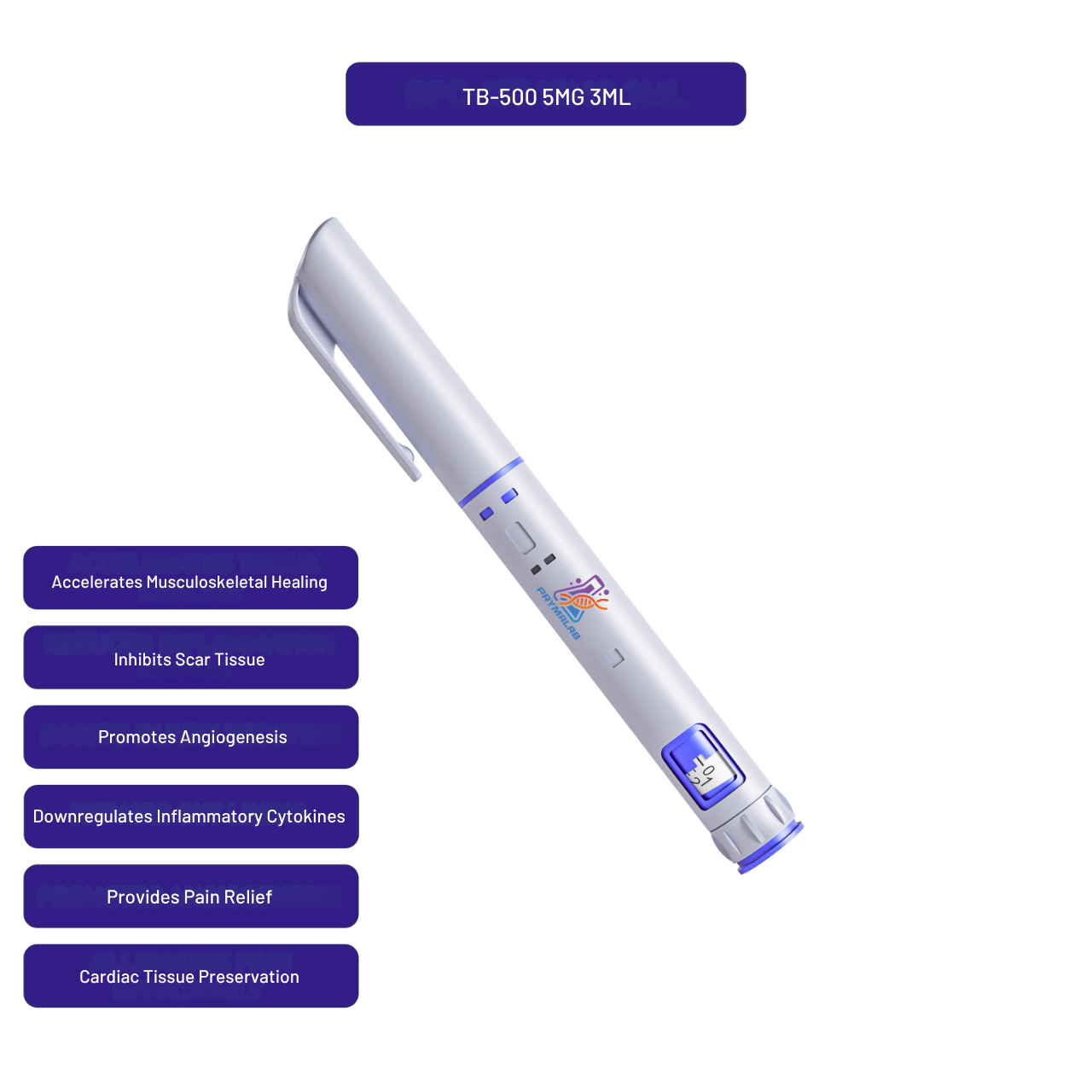
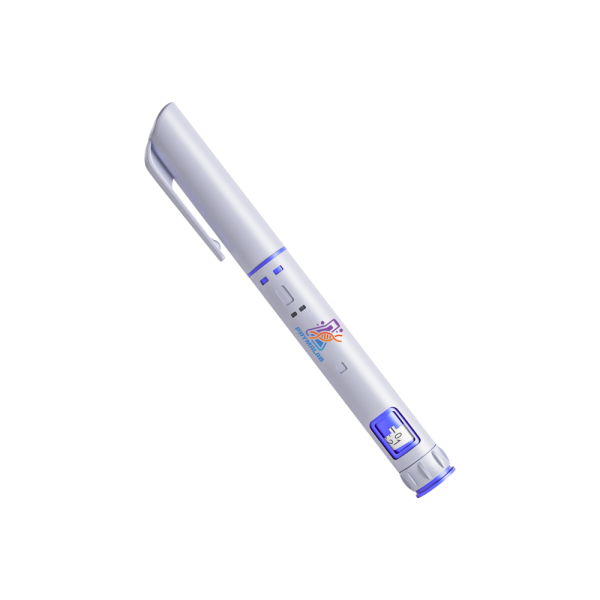
Preloaded Autoinjector | TB-500 | 3ml Pen | 5mg/ml
Thymosin beta-4 in solution at 5 mg/mL, 15 mg in a preloaded 3 mL pen
TB-500 is sold by PrymaLab as full-length thymosin beta-4, a 43-residue acetylated peptide best known for sequestering actin monomers. This listing is a preloaded autoinjector pen with 3 mL of ready-made solution at 5 mg/mL, 15 mg in total, so there is no powder to reconstitute. Published work on thymosin beta-4 concerns the actin cytoskeleton, cell movement and repair of skin, eye and heart, nearly all of it preclinical.
Specifications
| Property | Value |
|---|---|
| Compound | TB-500 (Thymosin β4) N-acetyl thymosin β4, full-length 43-residue peptide |
| CAS number | 77591-33-4 |
| Molecular formula | C212H350N56O78S |
| Theoretical mass | 4963.5 Da |
| Sequence / structure | Ac-SDKPDMAEIEKFDKSKLKKTETQEKNPLPSKETIEQEKQAGES-OH (43 residues; N-acetyl; free C-terminus) |
| Contents | TB-500 (Thymosin β4): 15 mg per 3 mL pen (0.5% w/v) |
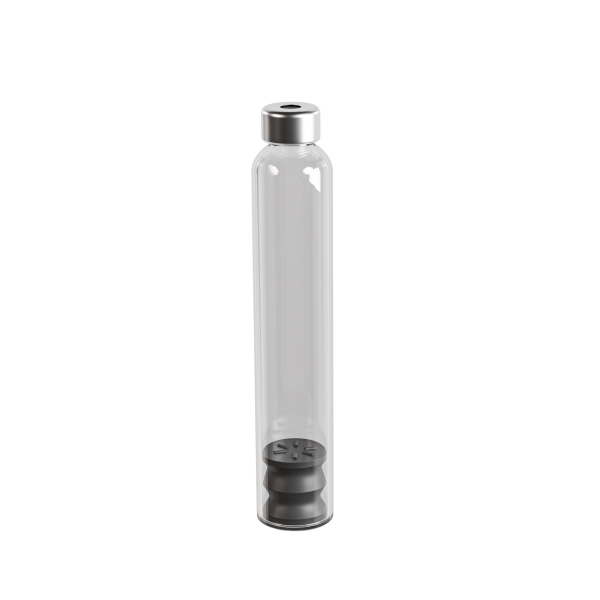
| Form | Sterile aqueous solution in bacteriostatic water (0.9% benzyl alcohol), supplied in a 3 mL glass cartridge inside a preloaded autoinjector pen fitted with a needle |
| Storage, sealed | Store at 2–8 °C in the original carton, protected from light |
| Safety data sheet | PL-SDS-160 |
What is in the pen
Each pen carries a 3 mL glass cartridge of sterile aqueous solution. The peptide is the same full-length N-acetyl thymosin beta-4 sold in the vials, at 0.5% w/v, which works out to 5 mg/mL and 15 mg per pen. It is dissolved in bacteriostatic water containing 0.9% benzyl alcohol as an antimicrobial preservative. The safety data sheet lists benzyl alcohol as harmful if swallowed or inhaled, a serious eye irritant and a possible cause of allergic skin reactions; the peptide itself is not classified.
Keep the pen at 2 to 8 °C in its original carton, away from light, and keep it capped once in use. It must not be frozen. Discard a pen whose solution has frozen, changed colour or turned cloudy. The same peptide is sold freeze-dried in TB-500 5 mg vials, and the general trade-offs between the two formats are covered in peptide pen vs vial.
What the research covers
Thymosin beta-4 belongs to the beta-thymosins, the main peptides that sequester G-actin in most vertebrate cells, and it is found in the nucleus as well as the cytoplasm1. Free in solution it is unstructured. It settles into a stable fold only when it binds an actin monomer, and because the dissociation constant is in the micromolar range, actin is bound and let go quickly1. Huff and colleagues described the result as an actin buffer, with monomers held back from filaments but available when the cell needs them2.
Outside cells it has been detected in blood plasma and wound fluid, although Huff’s group noted in 2001 that nothing was known about how it acts there2. A 2012 review summarised findings that the peptide is released by platelets and macrophages after injury, reduces apoptosis and inflammation, helps stem and progenitor cells migrate and form new blood vessels, and reduces myofibroblasts and scarring in wounds3. It also listed trials in skin wounds, eye injuries and heart and brain repair as under way or planned, with no outcomes given in the abstract3.
The evidence is mostly cell and animal work, and none of it used the pen or any preloaded solution. The full literature, including the active fragments within the chain and the individual wound and cardiac studies, is in the TB-500 and thymosin beta-4 guide.
How each lot is tested
Every lot is tested in PrymaLab’s own laboratory in Ashland, Kentucky before release: RP-HPLC for purity, LC-MS for identity, Karl Fischer titration for water, LAL for endotoxin and USP <71> for sterility. Published certificates are listed on the results page and can be checked by number and key on the verify page. The certificate covers the peptide lot used to fill the pen, not the finished solution. These are in-house results from PrymaLab Analytical, not an independent test, and the lab is not accredited to ISO 17025. The third-party testing guarantee on this page still applies: if any independent laboratory finds the wrong compound, or less than the stated purity or amount, the order is refunded and the cost of the test is reimbursed.
Frequently asked questions
How does the pen differ from the TB-500 vials?
The vials hold freeze-dried peptide that is stored at −20 °C and dissolved in the lab when needed. The pen holds the same full-length peptide already in bacteriostatic water at 5 mg/mL and is kept at 2 to 8 °C. The vial leaves the peptide dry until you choose to dissolve it; the pen trades that for a fixed, ready concentration.
What does the certificate cover for the pen?
It covers the lot of peptide used to fill the pen, not the finished solution in the cartridge. The testing section on this page explains what the certificates report and where to check one by number and key.
Do the published studies apply to the pen?
Only as background on the compound. The papers describe thymosin beta-4 itself, and none of the abstracts addresses how long it stays stable in solution. For the pen, the storage limits on the safety data sheet are the ones to follow.
Is the pen intended for human use?
No. Like every PrymaLab product it is sold only for laboratory research. It is not approved for human or veterinary use, and nothing on this page should be read as a guide to using it in people or animals.
References
- Hannappel E. beta-Thymosins. Ann N Y Acad Sci. 2007;1112:21-37. DOI · PubMed
- Huff T, Müller CS, Otto AM, et al. beta-Thymosins, small acidic peptides with multiple functions. Int J Biochem Cell Biol. 2001;33(3):205-20. DOI · PubMed
- Goldstein AL, Hannappel E, Sosne G, et al. Thymosin β4: a multi-functional regenerative peptide. Basic properties and clinical applications. Expert Opin Biol Ther. 2012;12(1):37-51. DOI · PubMed
Research use only
For laboratory research use only. This product is not a drug, food, cosmetic or dietary supplement, is not approved by the FDA or any comparable authority for human or veterinary use, and must not be given to people or animals. It is sold to qualified researchers and institutions, and the buyer is responsible for lawful handling and disposal.
Other formats of TB-500
TB-500 is also stocked as TB-500 (Thymosin Beta-4) 10mg, TB-500 Peptide Nasal Spray, BPC-157 + TB500 (10mg/10mg) "Wolverine Blend", BPC-157 5MG, BPC-157 10MG, BPC-157 Capsules (60/500mcg) and BPC-157 Peptide Nasal Spray. Each listing states its own quantity and concentration, and the pen and vial comparison explains what changes between formats.







6 reviews for Preloaded Autoinjector | TB-500 | 3ml Pen | 5mg/ml