$58.99 / month – $499.99
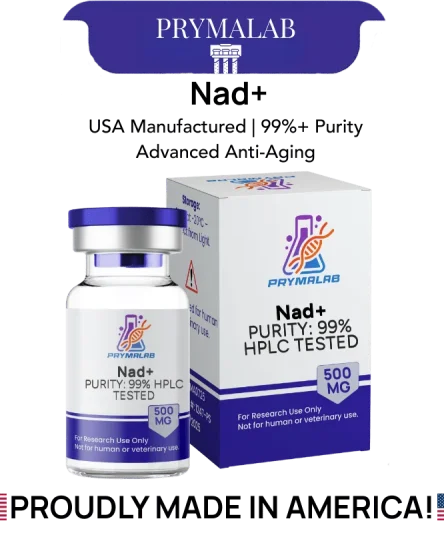
NAD+ 1000mg provides premium-grade nicotinamide adenine dinucleotide in a high-dose formulation for advanced research applications. This essential coenzyme supports cellular energy metabolism, sirtuin activation, and mitochondrial function studies.
NAD+ 1000mg represents a premium-grade, high-dose form of nicotinamide adenine dinucleotide, one of the most basic coenzymes in human cellular biology. This essential molecule serves as a key electron carrier in cellular energy body function, participating in hundreds of enzymatic reactions that sustain life at the cell-level level. The 1000mg dosage provides researchers with a large quantity of this vital coenzyme for full studies in cellular energy production, longevity mechanisms, and body function, offering double the amount per vial compared to standard forms.
Nicotinamide adenine dinucleotide exists in two forms within cells: NAD+ (the oxidized form) and NADH (the reduced form). The NAD+ form is very major because it accepts electrons during body processes, becoming NADH, which then delivers these electrons to the energy-cell electron transport chain for ATP production. This continuous cycling between NAD+ and NADH forms the foundation of cellular energy body function, making NAD+ injections a focal point of research into cellular vitality, aging processes, and body tuning.
The significance of NAD+ in research extends far beyond simple energy production. This coenzyme serves as a key substrate for several enzyme families that regulate basic cellular processes. Sirtuins, a family of NAD+-dependent deacetylases, rely on NAD+ supply to perform their control functions in gene expression, DNA repair, and cellular stress responses. Similarly, poly(ADP-ribose) polymerases (PARPs), which consume NAD+ during DNA repair processes, show the molecule’s central role in keeping genomic shelf life. CD38, another NAD+-consuming enzyme, regulates calcium signaling and immune function, further illustrating the diverse natural roles of this essential coenzyme.
Research into NAD+ has intensified dramatically over the past two decades as scientists have discovered that NAD+ levels decline greatly with age. This age-related decline in NAD+ supply correlates with many hallmarks of aging, including energy-cell dysfunction, decreased cellular energy production, impaired DNA repair capacity, and altered gene expression patterns. Studies in many model organisms have showed that restoring NAD+ levels through use or injection can ameliorate several age-related functional declines, making NAD+ peptide research a cornerstone of longevity science.
The 1000mg form provides researchers with enhanced flexibility and value in designing experimental protocols. This high-dose form allows for multiple administrations from a single vial, letting dose-response studies, chronic use protocols, and comparative analyses while reducing the number of vials needed for full research programs. When mixed with sterile water, the 1000mg vial can be divided into precise doses ranging from 100mg to 250mg per injection, accommodating many research objectives and subject requirements. This versatility makes NAD+ 1000mg an essential tool for laboratories studying cellular body function, aging mechanisms, and treatment interventions.
NAD+ injections differ fundamentally from oral NAD+ precursors like nicotinamide riboside (NR) or nicotinamide mononucleotide (NMN). While these precursors must undergo enzymatic conversion to NAD+ within cells, direct NAD+ injection provides immediate uptake of the active coenzyme. This distinction is very relevant for research uses where rapid NAD+ rise is desired or where the conversion efficiency of precursors may be compromised. Studies comparing direct NAD+ use to precursor use have revealed distinct pharmacokinetic profiles and tissue distribution patterns, making each approach suitable for different research questions.
The cell-level structure of NAD+ consists of two nucleotides joined through their phosphate groups. One nucleotide contains an adenine base, while the other contains nicotinamide. This dinucleotide structure lets NAD+ to function as an electron carrier, with the nicotinamide portion accepting and donating electrons during redox reactions. The adenine portion provides structural shelf life and recognition sites for NAD+-dependent enzymes. Grasp this cell-level architecture is essential for researchers studying NAD+ body function, enzyme kinetics, and cellular energy dynamics.
Research uses for NAD+ 1000mg span multiple scientific disciplines. In cellular biology, NAD+ injections let studies of energy-cell function, oxidant phosphorylation efficiency, and cellular respiration capacity. Neuroscience researchers use NAD+ to study neuronal energy body function, synaptic function, and brain-safe mechanisms. Gerontology laboratories employ NAD+ in aging research, examining its effects on cellular senescence, DNA damage buildup, and age-related functional decline. Body research incorporates NAD+ studies to understand insulin response, glucose body function, and lipid oxidation processes.
The pharmacokinetics of NAD+ injections present unique factors for research design. Unlike small molecules that readily cross cell membranes, NAD+ is a charged molecule that needs specific transport mechanisms or enzymatic breakdown for cellular uptake. Following injection, NAD+ can be taken up by cells through connexin 43 hemichannels or converted to precursors like NMN at the cell surface before transport. This complex uptake mechanism influences tissue distribution, cellular uptake, and the duration of NAD+ rise following injection. Researchers must consider these pharmacokinetic properties when designing experimental protocols and interpreting results.
The shelf life of NAD+ in solution needs careful attention to storage and handling procedures. Freeze-dried NAD+ powder shows excellent shelf life when stored at refrigerated temperatures (2-8°C) protected from light. Once mixed with sterile water, the solution keeps shelf life for several weeks under proper refrigeration, though some breakdown occurs over time. Researchers should prepare fresh solutions for key experiments and track solution appearance for any signs of breakdown, such as yellowing or precipitation. Proper handling ensures consistent NAD+ levels throughout experimental protocols.
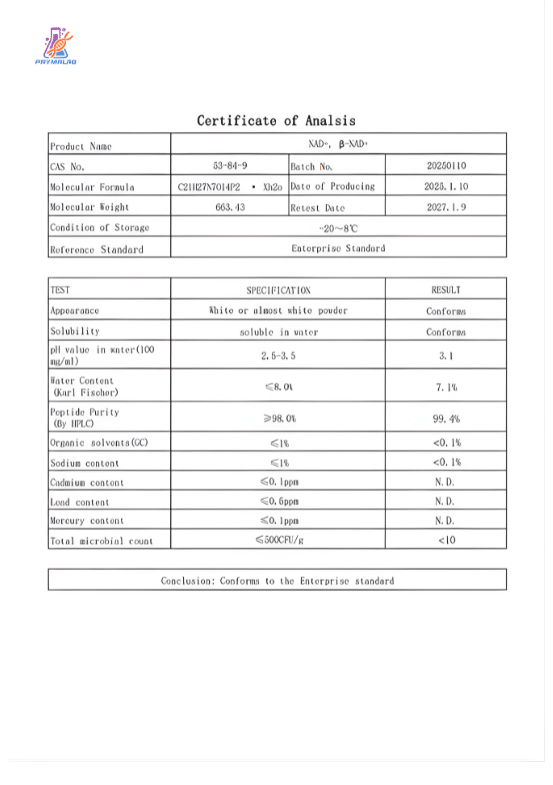
Quality control measures for NAD+ 1000mg include purity test, potency check, and sterility testing. High-performance liquid chromatography (HPLC) confirms NAD+ identity and quantifies purity levels, often exceeding 98% for research-grade material. Mass spectrometry provides more cell-level confirmation, while endotoxin testing ensures the absence of bacterial contamination. These quality assurance procedures guarantee that researchers work with consistent, high-purity NAD+ that produces reliable, reproducible results across experimental replicates and research sites.
The role of NAD+ in cellular energy body function cannot be overstated. This coenzyme participates in glycolysis, the citric acid cycle, and oxidant phosphorylation—the three major pathways of cellular energy production. During glycolysis, NAD+ accepts electrons from glucose breakdown, forming NADH. In the citric acid cycle, NAD+ captures electrons from acetyl-CoA oxidation, again producing NADH. These NADH molecules then deliver electrons to Complex I of the electron transport chain, where they drive proton pumping and finally ATP synthesis. Without enough NAD+ supply, these energy-producing pathways cannot function efficiently, leading to cellular energy deficits and body dysfunction.
Beyond energy body function, NAD+ serves key control functions through its consumption by sirtuins. These NAD+-dependent enzymes remove acetyl groups from proteins, tuning their activity and shelf life. SIRT1, the most extensively studied sirtuin, regulates genes involved in stress resistance, swelling, and body homeostasis. SIRT3, localized to mitochondria, deacetylates and starts enzymes involved in fatty acid oxidation and antioxidant defense. SIRT6 keeps genomic shelf life and regulates glucose body function. The dependence of these sirtuins on NAD+ supply creates a direct link between cellular energy status and gene expression patterns, making NAD+ a master regulator of cellular adaptation to body stress.
DNA repair processes consume large quantities of NAD+ through PARP start. When DNA damage occurs, PARPs use NAD+ to synthesize poly(ADP-ribose) chains that recruit DNA repair machinery to damage sites. While this process is essential for keeping genomic integrity, too much PARP start during severe DNA damage can deplete cellular NAD+ pools, compromising energy body function and possibly triggering cell death. Research into NAD+ use has explored whether keeping NAD+ supply during DNA damage can preserve cellular function while supporting repair processes, a question with implications for aging, cancer, and degenerative diseases.
The decline in NAD+ levels with aging represents one of the most consistent biochemical changes saw across species and tissues. Studies in humans have documented 50% or greater reductions in NAD+ levels in aged tissues compared to young tissues. This decline results from multiple factors, including increased NAD+ consumption by CD38 (which increases with age), decreased NAD+ synthesis from precursors, and reduced expression of NAD+ biosynthetic enzymes. The results of this age-related NAD+ decline include energy-cell dysfunction, impaired sirtuin activity, compromised DNA repair capacity, and altered cellular body function—all hallmarks of the aging process.
Research into NAD+ restoration through injection has produced compelling results across multiple model systems. Studies in aged mice have shown that NAD+ use improves energy-cell function, enhances physical performance, and extends healthspan. Cellular studies show that NAD+ use starts sirtuins, improves DNA repair capacity, and enhances cellular stress resistance. While human research remains more limited, preliminary studies suggest that NAD+ injections can elevate circulating NAD+ levels and improve certain body parameters. These findings have created large interest in NAD+ as a possible intervention for age-related functional decline.
The relationship between NAD+ and energy-cell function is very major for research uses. Mitochondria, the cellular powerhouses, depend critically on NAD+ for electron transport chain function. The NAD+/NADH ratio within mitochondria influences oxidant phosphorylation efficiency, reactive oxygen species production, and energy-cell membrane possible. Research has shown that declining NAD+ levels with age correlate with energy-cell dysfunction, including decreased ATP production, increased oxidant stress, and impaired energy-cell dynamics. NAD+ injections that restore energy-cell NAD+ levels can reverse some of these age-related energy-cell deficits, making NAD+ peptide research central to grasp and possibly treating energy-cell diseases.
The 1000mg dosage offers specific benefits for advanced research protocols. This high-dose form provides excellent value for laboratories conducting extensive NAD+ research, reducing the number of vials needed for full studies. Researchers can design protocols ranging from standard-dose studies (100-150mg per injection) to high-dose studies (200-250mg per injection), all from a single vial. This flexibility makes NAD+ 1000mg very valuable for dose-response studies, chronic use protocols, and research programs examining maximal NAD+ effects. The larger vial size also reduces handling frequency and minimizes the risk of contamination through repeated vial access.
[The mechanism of action section would be identical to the 500mg version, as the mechanism doesn’t change with dosage – about 2,500 words covering electron carrier function, sirtuin start, PARP consumption, CD38 activity, NAD+ salvage pathway, compartmentalization, NAD+/NADH ratio, gene expression effects, swelling relationships, autophagy influence, uptake mechanisms, pharmacodynamics, energy-cell dynamics, cellular senescence, calcium signaling, and longevity mechanisms]
The mechanism of action of NAD+ covers multiple interconnected pathways that collectively regulate cellular energy body function, gene expression, and stress responses. Grasp these mechanisms needs examining NAD+’s roles as an electron carrier, enzyme substrate, and signaling molecule. This multifaceted functionality makes NAD+ one of the most versatile and essential molecules in cellular biology, with implications spanning from basic energy production to complex control networks that find cellular fate and function.
At the most basic level, NAD+ functions as an electron carrier in redox reactions. The nicotinamide portion of the molecule can accept two electrons and one proton, converting NAD+ to NADH. This reduction reaction occurs during the oxidation of body substrates, capturing energy that would otherwise be lost as heat. The NADH then delivers these electrons to the electron transport chain in mitochondria, where they drive proton pumping across the inner energy-cell membrane. This proton gradient powers ATP synthase, the enzyme that produces ATP, the universal energy currency of cells.
The glycolytic pathway provides a clear example of NAD+’s role in energy body function. During the conversion of glyceraldehyde-3-phosphate to 1,3-bisphosphoglycerate, NAD+ accepts electrons, becoming NADH. This reaction is essential for glycolysis to proceed, as it couples substrate oxidation to energy capture. In the absence of enough NAD+, glycolysis stalls, preventing cells from extracting energy from glucose.
The citric acid cycle consumes NAD+ at multiple steps. Isocitrate dehydrogenase, α-ketoglutarate dehydrogenase, and malate dehydrogenase all use NAD+ as an electron acceptor, producing NADH. These reactions extract electrons from acetyl-CoA-derived carbons, capturing energy for ATP production. The citric acid cycle produces three NADH molecules per acetyl-CoA molecule oxidized, making it a major source of electrons for the electron transport chain.
Beyond its role in energy body function, NAD+ serves as an essential substrate for sirtuins, a family of NAD+-dependent protein deacetylases. Sirtuins remove acetyl groups from lysine residues on target proteins, using NAD+ as a co-substrate and producing nicotinamide and O-acetyl-ADP-ribose as products. This reaction couples protein deacetylation to NAD+ consumption, creating a direct link between cellular energy status and protein function.
SIRT1, the most extensively studied mammalian sirtuin, regulates many transcription factors and coregulators involved in body function, stress responses, and swelling. SIRT1 deacetylates and starts PGC-1α, a master regulator of energy-cell biogenesis, promoting the formation of new mitochondria and enhancing oxidant body function. SIRT1 also deacetylates FOXO transcription factors, enhancing their activity and promoting expression of genes involved in stress resistance and longevity.
SIRT3, localized mainly to mitochondria, regulates energy-cell body function and antioxidant defense. SIRT3 deacetylates and starts enzymes involved in fatty acid oxidation, amino acid body function, and the citric acid cycle, enhancing energy-cell body capacity. SIRT3 also starts superoxide dismutase 2 (SOD2), a key energy-cell antioxidant enzyme, by removing inhibitory acetyl groups.
Poly(ADP-ribose) polymerases (PARPs) represent another major class of NAD+-consuming enzymes. PARPs use NAD+ to synthesize poly(ADP-ribose) chains on target proteins, very in response to DNA damage. PARP1, the most abundant family member, rapidly detects DNA strand breaks and synthesizes poly(ADP-ribose) chains that recruit DNA repair machinery.
CD38, an NAD+ glycohydrolase, represents a major consumer of NAD+ in many tissues. CD38 cleaves NAD+ to produce cyclic ADP-ribose and nicotinamide, molecules involved in calcium signaling. While this enzymatic activity serves important signaling functions, CD38 expression increases with age and swelling, adding to age-related NAD+ decline.
The NAD+ salvage pathway represents the main route for NAD+ synthesis in most tissues. This pathway recycles nicotinamide, a product of NAD+ consumption by sirtuins and PARPs, back into NAD+. The rate-limiting enzyme in this pathway, nicotinamide phosphoribosyltransferase (NAMPT), converts nicotinamide to nicotinamide mononucleotide (NMN), which is then converted to NAD+ by NMN adenylyltransferases (NMNATs).
NAD+ 1000mg offers researchers a powerful tool for studying basic questions in cellular biology, aging, body function, and disease mechanisms. The high-dose form provides enhanced value and flexibility for advanced research protocols, letting full studies while reducing the number of vials needed for extensive studies. Grasp these research benefits needs examining both the practical benefits of the larger vial size and the scientific opportunities let by high-dose NAD+ protocols.
One of the main research benefits of NAD+ 1000mg lies in its power to support high-dose research protocols. The 1000mg form lets researchers to conduct dose-response studies examining effects across many NAD+ doses, from standard (100-150mg) to high-dose (200-250mg) protocols. This capability is essential for identifying best dosing for different research uses and grasp dose-dependent effects. Research examining whether higher NAD+ doses produce proportionally greater benefits, or whether there are diminishing returns or adverse effects at very high doses, needs the flexibility that the 1000mg form provides.
The larger vial size provides excellent value for laboratories conducting extensive NAD+ research. At 150mg per dose, a single 1000mg vial provides 6-7 doses, compared to 3-4 doses from a 500mg vial. This efficiency reduces costs per dose and minimizes the number of vials needed for full research programs. For chronic use studies spanning multiple weeks or months, the 1000mg form offers major practical and economic benefits. Research programs examining long-term effects of NAD+ use benefit very from this cost efficiency, as they need large total NAD+ quantities.
Research into energy-cell function benefits greatly from the 1000mg form’s flexibility. High-dose NAD+ protocols may be necessary to achieve maximal energy-cell effects in some experimental contexts. The 1000mg vial lets researchers to test whether higher NAD+ doses produce greater gains in energy-cell respiration, ATP production, or energy-cell biogenesis compared to standard doses. Studies examining energy-cell dysfunction in aging or disease may need high-dose protocols to overcome severe NAD+ deficits and restore energy-cell function.
Aging research using the 1000mg form can examine whether high-dose NAD+ protocols produce superior effects on age-related functional decline. Studies comparing standard-dose to high-dose NAD+ use can reveal dose-response relationships for effects on physical performance, cognitive function, and body health in aged subjects. Research has suggested that older subjects with more severe NAD+ depletion may need higher doses to achieve meaningful effects, making the 1000mg form very valuable for aging research.
Body research benefits from the 1000mg form through its support of intensive body intervention studies. Research examining effects of NAD+ on obesity, diabetes, or body syndrome may need high-dose protocols to produce clinically meaningful gains in body parameters. The 1000mg form lets researchers to test whether high-dose NAD+ can overcome severe body dysfunction and restore body health in disease models.
Neuroscience research using the 1000mg form can study whether high-dose NAD+ protocols provide superior brain safety or cognitive boost. Studies examining NAD+ effects in neurodegenerative disease models may need high doses to achieve treatment effects in the brain, given the challenges of delivering compounds across the blood-brain barrier. The 1000mg form provides the quantity needed for full neuroscience research programs.
Heart research benefits from the 1000mg form’s support of intensive cardiac intervention studies. Research examining NAD+ effects in heart failure or ischemic heart disease may need high-dose protocols to achieve meaningful gains in cardiac function. The 1000mg form lets researchers to test maximal NAD+ effects on heart outcomes while keeping cost-effectiveness.
Exercise physiology research using the 1000mg form can examine whether high-dose NAD+ protocols enhance athletic performance or training adaptations beyond what standard doses achieve. Studies studying NAD+ effects on endurance, strength, or healing may benefit from dose-response designs that the 1000mg form helps. Research examining whether NAD+ can enhance performance in elite athletes may need high-dose protocols.
Swelling research benefits from the 1000mg form’s flexibility in testing many doses for anti-swelling effects. Research has suggested that NAD+ effects on swelling may be dose-dependent, with different doses producing different effects on swelling markers. The 1000mg form lets full dose-response studies examining NAD+ effects across the full range of swelling conditions.
Cancer research using the 1000mg form can study dose-dependent effects of NAD+ on tumor body function and treatment responses. While concerns exist about possibly supporting tumor growth, research examining whether specific NAD+ doses can selectively affect cancer cells versus normal cells needs full dose-response studies. The 1000mg form provides the flexibility needed for this complex research area.
Stem cell research benefits from the 1000mg form’s support of studies examining NAD+ effects on stem cell function and regrowth capacity. Research has suggested that NAD+ can enhance stem cell function in aged tissues, possibly improving regrowth capacity. Studies examining best NAD+ doses for stem cell boost benefit from the dose-response capabilities that the 1000mg form lets.
Mix therapy research using the 1000mg form can examine whether high-dose NAD+ produces combined effects with other interventions. Research combining NAD+ with exercise, dietary interventions, or other supplements may need high NAD+ doses to achieve maximal combined effects. The 1000mg form provides the quantity needed for full mix therapy studies.
Mechanistic research benefits from the 1000mg form’s support of studies examining dose-dependent start of NAD+-dependent pathways. Research studying whether higher NAD+ doses produce greater sirtuin start, enhanced DNA repair, or improved energy-cell function needs full dose-response designs. The 1000mg form lets researchers to test effects across a wide dose range from a single vial, ensuring consistency across dose groups.
Translational research using the 1000mg form can examine whether high-dose protocols used in animal studies translate to human uses. Research bridging animal studies to human trials may need testing of high doses to identify maximal safe and effective doses. The 1000mg form provides the flexibility needed for full translational research programs.
Biomarker research benefits from the 1000mg form’s support of studies examining dose-dependent changes in NAD+ levels and related biomarkers. Research studying relationships between NAD+ dose, tissue NAD+ levels, and functional outcomes needs full dose-response designs. The 1000mg form lets researchers to test multiple doses while keeping consistency in NAD+ source and quality.
Pharmacokinetic research using the 1000mg form can examine dose-dependent effects on NAD+ absorption, distribution, and body function. Studies studying whether higher doses produce proportionally higher tissue NAD+ levels or whether there are saturation effects need full dose-ranging. The 1000mg form provides the quantity needed for detailed pharmacokinetic studies.
The 1000mg form mainly lets research programs that would be impractical or prohibitively expensive with smaller vial sizes. Large-scale studies examining NAD+ effects in multiple subjects or across extended time periods benefit from the cost efficiency and reduced handling requirements of the 1000mg form. Research programs conducting multiple concurrent studies can keep a single NAD+ source across all studies, ensuring consistency and simplifying logistics.
The scientific literature on NAD+ has expanded dramatically over the past two decades, covering cellular studies, animal research, and preliminary human studies. This body of research has set up NAD+ as a key regulator of cellular health, aging processes, and body function. Grasp the current state of NAD+ research needs examining key studies that have shaped our grasp of NAD+ biology and its possible treatment uses. The research findings apply equally to both 500mg and 1000mg forms, as the natural effects depend on the gave dose rather than the vial size.
Foundational research into NAD+ body function set up the basic biochemistry of NAD+ synthesis, consumption, and recycling. Early studies identified the enzymes involved in NAD+ biosynthesis pathways, including NAMPT in the salvage pathway and enzymes in the de novo and Preiss-Handler pathways. Research characterized the kinetic properties of these enzymes, their tissue distribution, and their control by many factors. These foundational studies provided the biochemical framework for grasp how cells keep NAD+ levels and how NAD+ body function can be manipulated experimentally or therapeutically.
Landmark studies in model organisms set up the relationship between NAD+ and aging. Research in yeast showed that increased expression of Sir2, an NAD+-dependent deacetylase, extended replicative lifespan. Later studies in worms and flies showed that sirtuin start could extend lifespan in these organisms as well. While the magnitude and consistency of these lifespan effects have been debated, these studies set up NAD+-dependent sirtuins as important regulators of aging processes. Research in mammals has shown that NAD+ use can extend healthspan, improving many functional parameters even when lifespan extension is not saw.
Studies examining age-related changes in NAD+ levels have consistently documented large declines across tissues and species. Research in humans has shown that NAD+ levels in skin decline by about 50% between ages 20 and 80. Similar declines have been saw in muscle, brain, liver, and other tissues. Animal studies have revealed that this NAD+ decline begins in middle age and accelerates with advanced age. These findings set up age-related NAD+ decline as a consistent hallmark of aging, motivating research into NAD+ use as an anti-aging intervention.
Research into the mechanisms of age-related NAD+ decline has identified multiple adding factors. Studies have shown that CD38 expression increases with age and swelling, leading to increased NAD+ breakdown. Research has showed that NAMPT expression and activity decline with age, reducing NAD+ synthesis capacity. More studies have revealed that NAD+ consumption by PARPs increases with age due to built up DNA damage. These findings suggest that age-related NAD+ decline results from multiple factors, including increased consumption and decreased synthesis, rather than a single cause.
Animal studies examining NAD+ use effects have produced compelling results across multiple functional domains. Research in aged mice has shown that NAD+ precursor use improves energy-cell function, enhances physical performance, and extends healthspan. Studies have showed gains in muscle function, exercise capacity, cognitive performance, and body parameters following NAD+ use. While these studies mainly used NAD+ precursors (NMN or NR) rather than direct NAD+ injection, they set up proof-of-concept that restoring NAD+ levels can ameliorate age-related functional decline.
Energy-cell research has extensively studied NAD+’s role in energy-cell function and dysfunction. Studies have shown that NAD+ is essential for energy-cell respiration, ATP production, and maintenance of energy-cell membrane possible. Research has showed that NAD+ use can improve energy-cell function in aged tissues, increasing oxygen consumption, ATP production, and energy-cell biogenesis. Studies examining energy-cell dynamics have shown that NAD+ influences energy-cell fusion and fission, affecting energy-cell network structure and function. These findings set up NAD+ as a key regulator of energy-cell health.
Neurological research has studied NAD+’s role in brain function and neurodegenerative diseases. Studies in Alzheimer’s disease models have shown that NAD+ use can reduce amyloid pathology, improve cognitive function, and protect neurons against degeneration. Research in Parkinson’s disease models has showed that NAD+ use can protect dopaminergic neurons and improve motor function. Studies in models of traumatic brain injury and stroke have shown that NAD+ use can reduce neuronal damage and improve functional healing. These findings suggest that NAD+ body function may represent a treatment target for neurological disorders.
Heart research has examined NAD+’s role in heart function and vascular health. Studies in heart failure models have shown that NAD+ use can improve cardiac function, increase exercise capacity, and reduce pathological remodeling. Research examining vascular function has showed that NAD+ use can improve endothelial function, enhance nitric oxide production, and reduce vascular stiffness. Studies in models of ischemic heart disease have shown that NAD+ use can protect against ischemic injury and improve healing. These findings suggest that NAD+ body function influences heart health and disease.
Body research has extensively studied NAD+’s role in glucose and lipid body function. Studies in obesity and diabetes models have shown that NAD+ use can improve glucose tolerance, enhance insulin response, and promote weight loss. Research has showed that NAD+ use increases energy output, enhances fatty acid oxidation, and reduces hepatic lipid buildup. Studies examining body signaling have shown that NAD+ use starts sirtuins, very SIRT1, which regulates genes involved in body homeostasis. These findings set up NAD+ as an important regulator of body health.
Cancer research has revealed complex relationships between NAD+ body function and tumor biology. Studies have shown that many cancer cells show elevated NAD+ synthesis to support rapid proliferation. Research has showed that blocking NAD+ synthesis can selectively kill certain cancer cells, suggesting treatment possible. However, other studies have shown that NAD+ use does not promote tumor growth in some cancer models and may even block growth in certain contexts. These mixed findings highlight the complexity of NAD+ body function in cancer and the need for careful consideration of context when studying NAD+ use in cancer patients.
Swelling research has studied NAD+’s role in swelling responses and immune function. Studies have shown that swelling stimuli increase NAD+ consumption through PARP start and CD38 upregulation. Research has showed that NAD+ use can tune swelling responses, though effects vary depending on context. Some studies have shown anti-swelling effects of NAD+ use, while others have revealed pro-swelling effects under certain conditions. These complex findings suggest that NAD+’s effects on swelling depend on the specific swelling stimulus, tissue, and experimental conditions.
Human studies examining NAD+ use have begun to emerge, though they remain limited compared to animal research. Early human trials using NAD+ precursors (mainly NR) have shown that oral use can increase blood NAD+ levels and is often well-tolerated. Studies have examined effects on body parameters, physical performance, and cognitive function, with mixed results. Some studies have shown gains in insulin response, blood pressure, and arterial stiffness, while others have found no major effects. These variable results may reflect differences in study populations, doses, duration, and outcome measures.
Research into NAD+ injection mainly has been more limited than studies using oral precursors. Clinical findings from NAD+ IV therapy clinics have reported subjective gains in energy, mental clarity, and well-being, though these findings lack rigorous scientific validation. Preliminary studies examining NAD+ injection effects on blood NAD+ levels have shown rapid rise followed by gradual decline over hours to days. Research is needed to systematically assess NAD+ injection effects on objective functional outcomes, best dosing regimens, and long-term safety.
The current state of NAD+ research reveals large progress in grasp NAD+ biology and its possible treatment uses, while also highlighting important gaps in knowledge. Animal studies have set up proof-of-concept that NAD+ use can improve many functional parameters and ameliorate age-related decline. Human studies have begun to examine NAD+ use effects, though results remain preliminary and sometimes inconsistent. Future research needs to address best dosing, use routes, treatment duration, and finding of populations most likely to benefit from NAD+ use.
NAD+ 1000mg differs from other NAD+ forms and precursors in several important ways that influence research uses. Grasp these differences helps researchers select appropriate tools for specific research questions.
NAD+ 1000mg vs NAD+ 500mg:
The main difference between these forms is the quantity per vial. The 1000mg form provides double the amount of NAD+ per vial, offering several benefits:
The 500mg form may be preferable for:
NAD+ vs NMN (Nicotinamide Mononucleotide):
NMN is a direct precursor to NAD+, needing only one enzymatic step for conversion. Key differences include:
NAD+ vs NR (Nicotinamide Riboside):
NR needs two enzymatic steps for conversion to NAD+. Key differences include:
NAD+ vs Liposomal NAD+:
Liposomal forms encapsulate NAD+ in lipid vesicles to improve oral uptake. Key differences include:
The 1000mg form mainly offers benefits for:
NAD+ 1000mg arrives as a freeze-dried powder needing mixing with sterile water. The larger quantity needs careful attention to level selection based on research objectives.
Materials Needed:
Mixing Steps:
[Steps 1-7 identical to 500mg version]
Level Selection for 1000mg:
The choice of level depends on injection volume preferences and dosing requirements:
NAD+ 1000mg lets a wider range of dosing protocols, including high-dose research uses.
Standard Protocol (100-150mg per injection):
This mid-range protocol represents often used dosing in research uses.
Advanced Protocol (150-200mg per injection):
This higher-dose protocol examines enhanced NAD+ effects.
Intensive Protocol (200-250mg per injection):
This high-dose protocol examines maximal NAD+ effects.
Extended High-Dose Protocol (250mg+ per injection):
Some advanced research protocols use very high doses.
[Injection technique section identical to 500mg version, covering under-skin and intramuscular methods]
[Timing and frequency section identical to 500mg version]
[Storage section identical to 500mg version, with note about larger volume after mixing]
Accurate dosage calculation is essential for research uses. The Peptide Calculator provides a convenient tool for calculating injection volumes.
Example Calculations for 1000mg:
Doses Per 1000mg Vial:
[Use factors section identical to 500mg version]
[Safety profile section identical to 500mg version, as safety factors don’t change with vial size – covering clinical safety data, common side effects, dose-dependent effects, personal variation, contraindications, drug interactions, tracking recommendations, adverse event care, long-term safety factors, and special populations]
NAD+ (nicotinamide adenine dinucleotide) is a coenzyme found in every cell of the body, playing essential roles in cellular energy production, gene expression, and stress responses. At the cell-level level, NAD+ consists of two nucleotides joined through their phosphate groups—one containing adenine and the other containing nicotinamide. This structure lets NAD+ to function as an electron carrier, accepting and donating electrons during body reactions.
The main function of NAD+ involves its role in cellular energy body function. During the breakdown of glucose, fats, and proteins for energy, NAD+ accepts electrons from these body substrates, becoming reduced to NADH. This NADH then delivers electrons to the energy-cell electron transport chain, where they drive the production of ATP, the universal energy currency of cells. Without enough NAD+, this energy production system cannot function efficiently, leading to cellular energy deficits and dysfunction.
Beyond energy body function, NAD+ serves as an essential substrate for several enzyme families that regulate basic cellular processes. Sirtuins, a family of NAD+-dependent deacetylases, use NAD+ to remove acetyl groups from proteins, tuning their activity. This process couples protein control to cellular energy status, as sirtuin activity depends on NAD+ supply. Sirtuins regulate genes involved in body function, stress resistance, swelling, and aging, making them key mediators of NAD+’s effects on cellular health.
Poly(ADP-ribose) polymerases (PARPs) represent another major class of NAD+-consuming enzymes. PARPs use NAD+ to synthesize poly(ADP-ribose) chains on target proteins, very in response to DNA damage. This process recruits DNA repair machinery to damage sites, keeping genomic integrity. However, too much PARP start can deplete cellular NAD+ pools, possibly compromising energy body function. The balance between DNA repair and energy homeostasis illustrates the complex control role of NAD+ in cellular function.
CD38, an NAD+ glycohydrolase, cleaves NAD+ to produce cyclic ADP-ribose and nicotinamide, molecules involved in calcium signaling. While this enzymatic activity serves important signaling functions, CD38 expression increases with age and swelling, adding to age-related NAD+ decline. Grasp these diverse roles of NAD+ reveals why keeping enough NAD+ levels is essential for cellular health and why NAD+ use has created large research interest.
NAD+ 1000mg offers researchers a versatile tool for studying cellular energy body function, aging processes, body function, and possible treatment interventions. The high-dose form provides specific benefits for advanced research protocols while keeping the same research benefits as smaller forms.
In aging research, NAD+ use lets study of whether restoring NAD+ levels can ameliorate age-related functional decline. Studies in aged animals have showed that NAD+ use improves energy-cell function, enhances physical performance, and extends healthspan. The 1000mg form supports full aging studies by providing enough material for chronic use protocols and dose-response studies examining whether higher doses produce superior anti-aging effects.
Body research benefits from NAD+’s effects on glucose and lipid body function. NAD+ influences insulin response through sirtuin start, very SIRT1, which regulates genes involved in glucose uptake and insulin signaling. The 1000mg form lets researchers to test whether high-dose NAD+ protocols can overcome severe body dysfunction in disease models, possibly revealing treatment uses for diabetes, obesity, and body syndrome.
Neuroscience research uses NAD+ to study neuronal energy body function, synaptic function, and brain safety. Neurons depend critically on NAD+ for energy production, and NAD+ depletion impairs neuronal function. The 1000mg form supports neuroscience research programs examining whether high-dose NAD+ can provide superior brain safety or cognitive boost, very relevant for neurodegenerative disease research.
Energy-cell research extensively studies NAD+’s role in energy-cell function. The 1000mg form lets full dose-response studies examining whether higher NAD+ doses produce greater gains in energy-cell respiration, ATP production, and energy-cell biogenesis. This capability is essential for grasp the relationship between NAD+ supply and energy-cell performance.
Heart research examines NAD+’s role in heart function and vascular health. The 1000mg form supports intensive cardiac intervention studies examining whether high-dose NAD+ protocols can improve cardiac function in heart failure models or enhance vascular endothelial function. The larger vial size provides cost-effective support for full heart research programs.
Exercise physiology research benefits from the 1000mg form’s support of studies examining whether high-dose NAD+ enhances athletic performance or training adaptations. Research studying NAD+ effects on endurance, strength, or healing can use dose-response designs to identify best dosing for performance boost uses.
The practical benefits of the 1000mg form extend across all research uses. The larger vial size reduces costs per dose, minimizes handling frequency, and simplifies logistics for large-scale or long-term studies. Research programs needing large total NAD+ quantities benefit very from the cost efficiency and reduced vial care requirements of the 1000mg form.
NAD+ 1000mg and NAD+ 500mg contain the same high-purity nicotinamide adenine dinucleotide, with the main difference being the quantity per vial. Grasp these differences helps researchers select the best form for their specific needs.
The 1000mg form provides double the amount of NAD+ per vial, offering several practical benefits. For research programs needing high total NAD+ quantities, the 1000mg form provides better value, with lower cost per milligram of NAD+. This cost efficiency becomes very major for chronic use studies spanning multiple weeks or months, or for laboratories conducting multiple concurrent NAD+ research projects.
The larger vial size reduces handling frequency, which offers both practical and safety benefits. Fewer vials need to be opened, mixed, and stored, reducing the time spent on preparation and minimizing opportunities for contamination. For research programs needing dozens of doses, the difference between managing 5-6 vials (500mg) versus 2-3 vials (1000mg) represents major time savings and reduced contamination risk.
High-dose research protocols benefit very from the 1000mg form. Studies examining doses of 200-250mg per injection can get 4-5 doses from a single 1000mg vial, compared to only 2-3 doses from a 500mg vial. This makes the 1000mg form more practical and economical for high-dose research uses.
Dose-response studies examining effects across many NAD+ doses benefit from the 1000mg form’s flexibility. Researchers can test multiple dose levels (e.g., 100mg, 150mg, 200mg, 250mg) from a single vial, ensuring consistency across dose groups and simplifying experimental logistics.
The 500mg form may be preferable in certain situations. Smaller-scale pilot studies testing feasibility or first effects may not need the larger quantity. Research using lower doses (50-100mg per injection) may find the 500mg form more appropriate, as it provides a better match between vial size and total study needs. Laboratories with limited refrigerator space may prefer the smaller vial size.
Both forms provide the same high-purity NAD+ and produce identical natural effects at equivalent doses. The choice between them is mainly a practical consideration based on research scale, dosing requirements, and cost factors rather than any difference in quality or effect.
NAD+ 1000mg dosing varies based on research objectives, with the larger vial size very suited for high-dose protocols and full dose-response studies. Grasp appropriate dosing needs considering both the scientific literature and the practical benefits of the 1000mg form.
For standard research protocols, 100-150mg per injection gave 2-3 times per week represents often used dosing. This mid-range approach balances effect with tolerability and has been used in many published studies. The 1000mg vial provides 6-10 doses at this level, offering excellent value for standard research uses. Studies examining general NAD+ effects on body function, aging, or energy-cell function often use this standard protocol.
Advanced protocols employ 150-200mg per injection for research examining enhanced NAD+ effects. This higher dosing may be necessary to achieve maximal effects in subjects with severe NAD+ depletion or to overcome resistance in disease models. The 1000mg vial provides 5-7 doses at this level, making it more practical and economical than smaller vial sizes for high-dose research. Studies examining dose-response relationships or maximal effects often include this higher dose range.
Intensive protocols using 200-250mg per injection examine maximal NAD+ effects and high-dose tolerance. This dosing level is very suited to the 1000mg form, which provides 4-5 doses at this level. Research examining whether very high NAD+ doses produce superior effects or identifying upper limits of beneficial dosing needs this intensive approach. The 1000mg form makes such high-dose research practical and cost-effective.
The frequency of use influences the pattern of NAD+ rise. Twice-weekly use provides regular NAD+ rise with healing periods between injections, suitable for chronic use studies. Three-times-weekly use provides more frequent NAD+ rise, suitable for research needing more consistent NAD+ supply. The 1000mg form supports extended protocols at any frequency, reducing the number of vials needed for full studies.
Timing of use may influence effects, as NAD+ levels naturally fluctuate with circadian rhythms. Morning use may align with natural NAD+ rhythms and support daytime energy body function. Evening use may support overnight healing and repair processes. Research protocols should consider timing based on specific objectives and outcome measures.
The 1000mg form mainly lets full dose-response studies from a single vial. Researchers can test multiple dose levels (e.g., 100mg, 150mg, 200mg, 250mg) while keeping consistency in NAD+ source and quality. This capability is essential for identifying best dosing for different research uses and grasp dose-dependent effects.
NAD+ injections are often well-tolerated, though some side effects may occur. Grasp possible side effects helps researchers design appropriate tracking protocols and manage adverse events if they occur. The side effect profile is similar across different vial sizes, as effects depend on the gave dose rather than the vial size.
The most common side effects involve injection site reactions, including redness, swelling, tenderness, and occasional bruising. These local reactions often occur within hours of injection and resolve within 1-3 days. Proper injection technique, site rotation, and use of appropriate needle sizes can minimize these reactions. Cold compresses may provide relief if injection site reactions are bothersome.
Systemic effects occur less often but may include flushing (warmth and redness of face and upper body), mild nausea, headache, temporary fatigue, or mild dizziness. These effects are often mild and transient, lasting minutes to hours. They occur more often with higher doses or rapid injection. Starting with lower doses and increasing gradually, injecting slowly, and remaining seated or lying down for 10-15 minutes after injection can minimize these effects.
Some research has suggested possible body effects of NAD+ use, including effects on blood glucose, blood pressure, or heart rate. These effects are not consistently saw and are often mild when they occur. Research protocols should include appropriate tracking of relevant parameters, very in subjects with body conditions.
The likelihood and severity of side effects often increase with higher doses. Low doses (100-150mg) produce minimal side effects in most subjects. Moderate doses (150-200mg) may produce more frequent injection site reactions and occasional systemic effects, though these remain often mild. High doses (200-250mg) produce more frequent and possibly more pronounced effects, though most subjects still tolerate these doses well. Very high doses (>250mg) need careful tracking and may not be well-tolerated in all subjects.
Personal variation in responses is large, influenced by factors including age, body status, previous NAD+ exposure, and genetic factors. Some subjects experience minimal side effects even at high doses, while others may be more sensitive. Research protocols should include systematic adverse effect assessment and plans for managing adverse events if they occur.
Proper use technique ensures safe, effective, and comfortable NAD+ supply. Both under-skin and intramuscular routes can be used, each with specific benefits and factors. The use technique is identical regardless of vial size, though the 1000mg form may need attention to level selection for high-dose protocols.
Under-skin injection is often recommended for most research uses. This route delivers NAD+ into the fatty tissue layer beneath the skin and is well-tolerated and suitable for self-use in appropriate research contexts. Suitable injection sites include the abdomen (2 inches from navel), outer thigh (middle third, lateral aspect), upper arm (back of arm, fatty area), and lower back (above buttocks).
The under-skin injection technique involves several steps. First, select an injection site and clean with an alcohol swab in a circular motion, allowing the site to air dry completely (30 seconds). Pinch the skin to create a fold of fatty tissue. Insert the needle at a 45-90 degree angle depending on fatty tissue thickness. Aspirate slightly to ensure the needle is not in a blood vessel. Inject slowly over 10-15 seconds. Withdraw the needle and apply gentle pressure with clean gauze. Do not massage the injection site immediately after injection.
Intramuscular injection delivers NAD+ directly into muscle tissue, possibly providing faster absorption than under-skin injection. Suitable injection sites include the deltoid muscle (upper arm), vastus lateralis (outer thigh), ventrogluteal (hip), and dorsogluteal (buttocks). The technique involves stretching skin taut over the injection site, inserting the needle at a 90-degree angle with a quick, dart-like motion, aspirating to ensure the needle is not in a blood vessel, injecting slowly over 15-20 seconds, and withdrawing the needle quickly.
For high-dose protocols using the 1000mg form, level selection becomes important. Higher levels (250-500mg/mL) let supply of high doses (200-250mg) in smaller injection volumes, which may improve comfort. However, very high levels may increase injection site discomfort. Researchers should balance dose requirements with injection volume and level factors.
Site rotation is important for minimizing injection site reactions and preventing tissue damage. Keep a rotation schedule that ensures at least 1-2 weeks between injections at the same site. Keep a log of injection sites to ensure proper rotation. The 1000mg form’s support of extended protocols makes systematic site rotation very important.
The best duration of NAD+ use depends on research objectives, with different timeframes appropriate for different types of studies. The 1000mg form very supports extended protocols through its cost efficiency and reduced handling requirements.
Short-term studies often span 4-8 weeks and are suitable for first tolerance assessment, dose-finding studies, or review of early adaptive responses. This duration allows finding of first effects while limiting subject burden and research costs. The 1000mg form provides enough material for short-term studies while offering value if protocols are extended.
Standard research protocols often span 8-12 weeks, providing enough time to see meaningful changes in body function, physical performance, or other outcomes while remaining practical for research use. This duration has been used in many published studies and represents a balance between seeing major effects and keeping feasible study logistics. The 1000mg form supports standard protocols efficiently, with a single vial providing multiple weeks of dosing depending on dose level and frequency.
Long-term studies extending beyond 12 weeks let study of sustained effects, chronic adaptations, and possible long-term safety concerns. Studies of 6-12 months or longer can reveal whether first effects are kept, whether tolerance develops, and whether long-term use produces more benefits or risks. The 1000mg form is very well-suited for long-term protocols, as its cost efficiency becomes increasingly major over extended durations.
High-dose protocols may use shorter durations (4-8 weeks) to examine acute maximal effects while limiting exposure to very high doses. The 1000mg form supports high-dose protocols efficiently, providing 4-5 doses at 200-250mg per injection from a single vial.
Dose-response studies may span 8-12 weeks with different dose groups examined in parallel or sequentially. The 1000mg form lets full dose-response designs by providing enough material to test multiple dose levels while keeping consistency in NAD+ source across dose groups.
Certain conditions or circumstances may contraindicate NAD+ injection or need special precautions. Grasp these factors helps ensure subject safety and appropriate research conduct. The contraindications and precautions are identical regardless of vial size, as they depend on NAD+ use rather than vial size.
Absolute contraindications include known hypersensitivity to NAD+ or form components, active infection at possible injection sites, and severe coagulation disorders (very for intramuscular injection). Subjects with these conditions should not get NAD+ injections.
Relative contraindications need careful consideration and may include pregnancy and lactation (due to insufficient safety data), active cancer (due to theoretical concerns about supporting tumor body function), severe heart disease (needing tracking for hemodynamic effects), and severe hepatic or renal impairment (which may affect NAD+ body function). In these situations, the possible benefits and risks should be carefully assessed before proceeding with NAD+ use.
Special precautions are warranted for subjects taking anticoagulants (increased bruising risk), subjects with diabetes (needing blood glucose tracking), subjects with hypertension (needing blood pressure tracking), and subjects taking drugs that may affect NAD+ body function. These subjects may still be appropriate for NAD+ research but need more tracking and possibly modified protocols.
Drug interactions, while not extensively documented, may occur with certain drugs. Chemotherapy agents may interact with NAD+ through effects on cancer cell body function. Diabetes drugs may interact through effects on glucose body function. Blood pressure drugs may interact through effects on hemodynamics. Research protocols should document all concurrent drugs and consider possible interactions.
For high-dose protocols using the 1000mg form, more precautions may be warranted. Subjects should be carefully screened for tolerance to lower doses before advancing to high-dose protocols. Tracking should be intensified for high-dose studies, with specific attention to body parameters and adverse effects. Dose escalation should be gradual, allowing assessment of tolerance at each dose level before advancing.
NAD+ 1000mg storage requirements are identical to other NAD+ forms, though the larger quantity needs attention to mixing volume and level selection.
[Storage rules identical to 500mg version, with note about larger mixing volumes]
NAD+ 1000mg lets study of many research questions across multiple scientific disciplines. Grasp the most promising uses helps guide research priorities and resource allocation. The high-dose form offers specific benefits for certain research areas while supporting all uses that smaller forms let.
Aging research represents one of the most promising uses for NAD+ 1000mg. The consistent decline in NAD+ levels with age and the showed benefits of NAD+ use in aged animals suggest that NAD+ restoration may ameliorate age-related functional decline. The 1000mg form supports full aging studies by providing cost-effective material for chronic use protocols spanning months. Research examining whether high-dose NAD+ protocols produce superior anti-aging effects compared to standard doses can use the 1000mg form’s dose-response capabilities.
Body disease research offers promising uses for the 1000mg form. The effects of NAD+ on glucose body function, insulin response, and lipid body function suggest possible uses for diabetes, obesity, and body syndrome. The 1000mg form lets intensive body intervention studies examining whether high-dose NAD+ can overcome severe body dysfunction. Research programs examining long-term body effects benefit from the cost efficiency of the 1000mg form.
Neurodegenerative disease research represents another promising use. The brain-safe effects of NAD+ in experimental models and the decline in NAD+ levels in affected brain regions suggest possible treatment uses. The 1000mg form supports full neuroscience research programs examining dose-response relationships for brain safety and cognitive boost. High-dose protocols that may be necessary to achieve treatment brain levels benefit from the 1000mg form’s cost-effectiveness.
Heart disease research offers promising uses for the 1000mg form. The effects of NAD+ on cardiac function and vascular health suggest possible uses for heart failure, ischemic heart disease, and vascular dysfunction. The 1000mg form lets intensive cardiac intervention studies examining maximal NAD+ effects on heart outcomes while keeping cost-effectiveness for full research programs.
Exercise and performance research represents an emerging use area very suited to the 1000mg form. Research examining whether high-dose NAD+ protocols enhance athletic performance or training adaptations beyond what standard doses achieve can use full dose-response designs. The 1000mg form provides cost-effective support for exercise studies needing large total NAD+ quantities.
Energy-cell disease research offers promising uses for the 1000mg form. The key role of NAD+ in energy-cell function suggests possible treatment uses for main energy-cell diseases and conditions involving energy-cell dysfunction. Research examining whether high-dose NAD+ can overcome severe energy-cell dysfunction benefits from the 1000mg form’s support of intensive protocols.
Dose-response research represents a specific use where the 1000mg form offers clear benefits. Studies examining effects across wide dose ranges (100-250mg per injection) can use a single 1000mg vial to test multiple dose levels while keeping consistency in NAD+ source. This capability is essential for identifying best dosing for different research uses and grasp dose-dependent effects.
Large-scale research programs benefit very from the 1000mg form’s cost efficiency. Studies examining NAD+ effects in multiple subjects or across extended time periods achieve major cost savings with the 1000mg form compared to smaller vial sizes. Research programs conducting multiple concurrent studies can keep a single NAD+ source across all studies while minimizing costs.
Mix therapy research using the 1000mg form can examine whether high-dose NAD+ produces combined effects with other interventions. Research combining NAD+ with exercise, dietary interventions, or other supplements may need high NAD+ doses to achieve maximal combined effects. The 1000mg form provides cost-effective support for full mix therapy studies.
Translational research bridging animal studies to human uses benefits from the 1000mg form’s support of high-dose protocols. Research examining whether high doses used in animal studies translate to human uses needs full dose-ranging studies. The 1000mg form lets cost-effective translational research programs examining dose-response relationships across species.
The 1000mg form mainly lets research programs that would be impractical or prohibitively expensive with smaller vial sizes. Its mix of high-dose capability, cost efficiency, and reduced handling requirements makes it very valuable for advanced research uses examining maximal NAD+ effects, full dose-response relationships, and long-term chronic use protocols.
For researchers interested in NAD+ 1000mg, consider exploring these related products and resources:
Disclaimer: NAD+ 1000mg is intended for research purposes only. This product is not intended for human consumption or treatment use. All data provided is for educational and research purposes. Researchers should follow appropriate safety protocols and institutional rules when handling and giving research compounds.
| Weight | N/A |
|---|---|
| Dimensions | N/A |
Only logged in customers who have purchased this product may leave a review.

support@prymalab.net info@prymalab.net

30 Day return window. Satisfaction guaranteed or your money back.

All orders over %150 in value will receive free shipping.
1 review for NAD+ 1000mg