Description
What is KLOW Blend 80MG?
KLOW Blend 80MG represents an innovative combined peptide form that combines four therapeutically paired synthetic peptides into a single full blend designed to address gut health, gut barrier function, swelling control, and tissue repair. This advanced form brings together KPV (Lysine-Proline-Valine), Larazotide (also known as AT-1001), Oxytocin, and Woundstat peptide in carefully calibrated ratios to provide multi-faceted support for gut healing and systemic swelling reduction.
The name “KLOW” is derived from the first letters of the key peptide components, representing a thoughtfully designed KLOW peptide blend stack that addresses multiple aspects of gut health, tissue resilience, and tissue regrowth simultaneously.
The growth of KLOW Blend reflects a growing grasp in peptide research that mix therapies targeting multiple pathways often produce superior results compared to single-agent approaches. Each peptide in the KLOW form was selected based on extensive research showing its effect for specific aspects of gut health and healing. KPV provides potent anti-swelling effects through NF-κB blocking, making it very valuable for conditions involving gut swelling.
Larazotide addresses gut permeability by regulating tight junction proteins, helping to restore and keep the gut barrier that is often compromised in swelling conditions. Oxytocin adds tissue healing properties and has emerging evidence for gut-brain axis tuning and anti-swelling effects. Woundstat accelerates wound healing and tissue repair, supporting muscle recovery and the regrowth of damaged gut tissue.
The 80mg total form provides best amounts of each component based on research into effective dosing ranges and combined ratios. The specific makeup is designed to maximize the paired effects of each peptide and promote tissue resilience while keeping appropriate personal doses. This careful calibration ensures that each peptide can exert its treatment effects without interference from the others, while the combined action addresses multiple pathological features of gut dysfunction simultaneously.
The blend is very valuable for research into conditions involving gut barrier dysfunction, chronic swelling, swelling bowel disease, leaky gut syndrome, and tissue damage needing full healing support.
KLOW Blend 80MG is supplied as a freeze-dried lyophilized powder needing mixing with sterile water before use. The lyophilization process ensures maximum shelf life during storage and transport, preserving the bioactivity of all four peptide components. Upon mixing, the blend should be stored refrigerated and used within the recommended timeframe to keep best potency.
The form is manufactured under strict quality control standards with third-party testing to verify purity, potency, and sterility of all components.
The combined nature of KLOW Blend makes it very valuable for research uses where multiple aspects of gut health need to be addressed simultaneously. Rather than giving four separate peptides with different mixing requirements, storage conditions, and use schedules, researchers can use a single form that provides all four peptides in best ratios.
This simplification improves research efficiency while ensuring consistent dosing ratios across all study subjects. The blend is suitable for both acute studies studying immediate effects on gut barrier function and swelling, as well as chronic studies examining long-term effects on gut healing and tissue regrowth.
Research uses for KLOW Blend 80MG span multiple disciplines including gastroenterology, immunology, nutrition science, and regrowth medicine. The blend is valuable for studying gut barrier function, studying mechanisms of swelling bowel disease, examining the role of gut permeability in systemic swelling, and developing strategies for gut healing and tissue repair.
KLOW Blend research may provide insights into the complex interactions between gut barrier function, swelling, and tissue healing, possibly leading to improved treatment approaches for gut disorders and conditions involving gut-derived swelling.
Understanding Gut Barrier Function and Intestinal Health
To fully appreciate the treatment possible of KLOW Blend 80MG, it is essential to understand the complex physiology of the gut barrier and its key role in health and disease. The gut barrier is a advanced system that separates the contents of the gut tract from the internal environment of the body while allowing for selective absorption of nutrients, water, and other beneficial substances.
This barrier function is kept through multiple layers of defense including the mucus layer, epithelial cell layer with tight junctions, immune cells, and the gut microbiome.
The gut epithelium consists of a single layer of specialized epithelial cells that line the entire gut tract. These cells are connected by tight junction proteins that regulate paracellular permeability – the passage of molecules between cells rather than through them. Tight junctions are complex protein structures composed of multiple proteins including occludin, claudins, zonula occludens (ZO) proteins, and junctional adhesion molecules.
These proteins form a selective barrier that allows small molecules like water and electrolytes to pass while preventing the passage of larger molecules, bacteria, and toxins.
The control of tight junction function is key for keeping appropriate gut permeability. When tight junctions are functioning properly, the gut barrier is “selective” – allowing beneficial nutrients to be absorbed while keeping harmful substances out. However, many factors can disrupt tight junction integrity, leading to increased gut permeability, often referred to as “leaky gut.” This increased permeability allows larger molecules, bacterial products, and toxins to cross the gut barrier and enter the bloodstream, triggering immune responses and systemic swelling.
Zonulin is a key regulator of gut permeability that tunes tight junction function. This protein is produced by gut epithelial cells and acts to reversibly open tight junctions, increasing paracellular permeability. While zonulin-mediated tight junction opening is a normal natural process that helps nutrient absorption and immune surveillance, too much or prolonged zonulin start can lead to pathological increases in gut permeability.
Factors that can trigger too much zonulin release include certain bacteria, gluten (in susceptible people), and swelling signals.
The mucus layer provides an more protective barrier in the intestine. This layer is produced by goblet cells and consists of mucin glycoproteins that form a gel-like coating over the epithelial surface. The mucus layer serves multiple functions including physical protection of epithelial cells, lubrication to help passage of gut contents, and provision of a habitat for beneficial bacteria.
The mucus layer also contains antimicrobial peptides and immunoglobulins that help prevent bacterial invasion of the epithelium.
The gut immune system plays a crucial role in barrier function and represents the largest component of the body’s immune system. The gut-linked lymphoid tissue (GALT) includes Peyer’s patches, isolated lymphoid follicles, and scattered immune cells throughout the gut mucosa. These immune cells constantly sample gut contents and respond to possible threats while keeping tolerance to food antigens and commensal bacteria.
The balance between immune start and tolerance is key for gut health – too much immune start leads to swelling and tissue damage, while insufficient immune responses allow pathogen invasion.
Swelling is a double-edged sword in the intestine. Acute swelling is a necessary response to infection or injury and helps remove pathogens and start healing. However, chronic inflammation and swelling is a hallmark of many gut disorders and can cause major tissue damage. Swelling cytokines such as TNF-α, IL-1β, IL-6, and IFN-γ can disrupt tight junction function, increase gut permeability, damage epithelial cells, and perpetuate the swelling cycle.
The resolution of swelling is an active process involving specialized pro-resolving mediators, and failure to properly resolve swelling adds to chronic gut diseases.
The gut microbiome – the trillions of bacteria, fungi, and other microorganisms inhabiting the gut tract – plays essential roles in barrier function and gut health. Beneficial bacteria produce short-chain fatty acids (very butyrate) that serve as the main energy source for colonocytes and have anti-swelling effects. The microbiome also competes with pathogenic bacteria for nutrients and attachment sites, produces antimicrobial compounds, and helps keep mucus layer integrity.
Dysbiosis – an imbalance in the gut microbiome – is linked with increased gut permeability, swelling, and many disease states.
Gut barrier dysfunction is implicated in many conditions beyond obvious gut disorders. Increased gut permeability has been documented in swelling bowel disease (Crohn’s disease and ulcerative colitis), celiac disease, irritable bowel syndrome, food allergies, and infections. However, emerging research also links gut barrier dysfunction to systemic conditions including autoimmune diseases, body syndrome, obesity, type 2 diabetes, non-alcoholic fatty liver disease, heart disease, and even neurological and psychiatric conditions through the gut-brain axis.
The gut-brain axis represents bidirectional communication between the gut tract and the central nervous system. This communication occurs through neural pathways (very the vagus nerve), hormonal signaling, and immune mediators. Gut barrier dysfunction and gut swelling can affect brain function through multiple mechanisms including passage of swelling mediators across the blood-brain barrier, start of the vagus nerve by gut signals, and alterations in neurotransmitter production by gut bacteria.
This gut-brain connection helps explain why gut health can affect mood, cognition, and neurological function.
Grasp the complex physiology of gut barrier function provides context for the treatment approach embodied in KLOW Blend. Each component of the blend targets different aspects of barrier function and gut health: Larazotide directly regulates tight junction function to reduce pathological permeability, KPV controls swelling that can damage the barrier, Oxytocin supports tissue healing and may tune gut-brain signaling, and Woundstat accelerates repair of damaged gut tissue.
This multi-targeted approach addresses the multifactorial nature of gut barrier dysfunction and provides full support for gut healing.
Mechanism of Action: How KLOW Blend Works
KLOW Blend 80MG exerts its treatment effects through the combined and paired mechanisms of its four peptide components. Each peptide targets different aspects of gut health and tissue repair, and their combined action provides full support for gut barrier function, swelling control, and healing. Grasp the personal mechanisms and their interactions provides insight into the blend’s treatment possible.
KPV (Lysine-Proline-Valine) Mechanism:
KPV is a tripeptide that serves as the anti-swelling component of KLOW Blend. As discussed in previous sections, KPV exerts its main effects through blocking of the NF-κB signaling pathway, a master regulator of swelling gene expression. NF-κB normally resides in the cytoplasm bound to inhibitory IκB proteins. Upon swelling boost, IκB kinases phosphorylate IκB, leading to its breakdown and allowing NF-κB to translocate to the nucleus where it starts transcription of pro-swelling genes.
KPV prevents this nuclear translocation, thereby reducing the expression of swelling cytokines (TNF-α, IL-1β, IL-6, IL-8), swelling enzymes (COX-2, iNOS), and adhesion molecules.
In the context of gut health, KPV‘s anti-swelling effects are very valuable for controlling gut swelling that can damage the epithelial barrier and disrupt tight junction function. Swelling cytokines can directly affect tight junction proteins, causing their redistribution and breakdown, leading to increased gut permeability. By reducing the production of these swelling mediators, KPV helps keep tight junction integrity and barrier function.
The peptide has showed specific effect in swelling bowel conditions, where it reduces gut swelling, improves disease scores, and promotes healing of swelling lesions.
KPV also shows antimicrobial properties that complement its anti-swelling effects. The peptide has showed activity against many bacterial species, including some antibiotic-resistant strains. This antimicrobial activity may help reduce bacterial burden in the gut and prevent bacterial translocation across a compromised gut barrier. The mix of anti-swelling and antimicrobial effects makes KPV very valuable for conditions involving both swelling and microbial dysbiosis.
The peptide’s effects on mast cell stabilization add to its anti-swelling activity in the gut to help reduce inflammation. Mast cells are abundant in the gut mucosa and release histamine, proteases, and swelling mediators that add to gut swelling and increased permeability. KPV stabilizes mast cells and reduces their degranulation, thereby reducing the release of swelling mediators.
This mast cell stabilizing effect may be very important in food allergies and other conditions involving mast cell start in the gut.
Larazotide (AT-1001) Mechanism:
Larazotide is an octapeptide that directly regulates gut tight junction function, making it a unique and valuable component of KLOW Blend. The peptide was originally derived from zonula occludens toxin, a protein produced by Vibrio cholerae that increases gut permeability. Researchers modified this toxin to create Larazotide, which has the opposite effect – it prevents pathological increases in gut permeability by blocking zonulin-mediated tight junction opening.
Larazotide’s mechanism involves binding to receptors on gut epithelial cells and preventing the signaling cascade that leads to tight junction disassembly. Mainly, the peptide blocks the interaction between zonulin and its receptors (including the epidermal growth factor receptor and protease-started receptor 2), preventing the downstream signaling that causes tight junction proteins to redistribute and dissociate.
By blocking this pathway, Larazotide keeps tight junction integrity even in the presence of factors that would normally increase permeability.
The peptide’s effects on tight junction proteins have been well-characterized. Larazotide prevents the redistribution of ZO-1, occludin, and claudin proteins that occurs during zonulin-mediated tight junction opening. The peptide keeps the localization of these proteins at the tight junction complex, preserving the barrier function of the epithelium. This effect has been showed in both cell culture models and animal studies, where Larazotide prevents increases in gut permeability induced by many stimuli including gluten, swelling cytokines, and bacterial products.
Larazotide has been extensively studied in the context of celiac disease, where gluten triggers zonulin release and increases gut permeability, allowing gluten peptides to cross the epithelial barrier and trigger immune responses. Clinical trials have showed that Larazotide can reduce symptoms in celiac disease patients exposed to gluten, supporting its mechanism of action in humans.
However, the peptide’s power to regulate tight junction function makes it possibly valuable for any condition involving increased gut permeability, not just celiac disease.
The peptide’s effects extend beyond simple barrier function. By preventing pathological increases in gut permeability, Larazotide reduces the passage of bacterial products (such as lipopolysaccharide/LPS) and food antigens across the gut barrier. This reduction in antigen exposure can decrease immune start and systemic swelling. Studies have shown that Larazotide can reduce circulating levels of swelling markers and improve symptoms in conditions linked with increased gut permeability.
Oxytocin Mechanism:
Oxytocin is a nonapeptide hormone traditionally known for its roles in childbirth, lactation, and social bonding. However, emerging research has revealed that oxytocin has important effects on tissue healing, swelling, and gut function, making it a valuable component of KLOW Blend. Oxytocin receptors are expressed in multiple tissues including the gut tract, and start of these receptors produces many beneficial effects relevant to gut health.
Oxytocin’s anti-swelling effects involve multiple mechanisms. The peptide reduces the production of pro-swelling cytokines including TNF-α, IL-1β, and IL-6 while increasing anti-swelling mediators such as IL-10. Oxytocin can tune immune cell function, reducing the start of pro-swelling macrophages and promoting a more anti-swelling phenotype. These effects help control gut swelling and create a more favorable environment for tissue healing.
The peptide promotes tissue healing through effects on cell proliferation, migration, and differentiation. Oxytocin boosts the proliferation of many cell types including epithelial cells and fibroblasts, supporting the regrowth of damaged tissue. The peptide enhances cell migration, which is essential for wound closure and epithelial restitution following injury. Oxytocin also affects the differentiation of stem cells and progenitor cells, possibly supporting the regrowth of specialized cell types in the gut epithelium.
Oxytocin has effects on the gut-brain axis that may add to its treatment possible in KLOW Blend. The peptide can tune vagal nerve activity, affecting the bidirectional communication between the gut and brain. Oxytocin can have anxiolytic (anti-anxiety) effects and may help address the psychological components of gut disorders. The peptide’s effects on stress responses may also indirectly benefit gut health, as stress is known to increase gut permeability and exacerbate gut symptoms.
The peptide affects gut motility and secretion, which may add to its effects on gut health. Oxytocin can tune gastric emptying and gut transit, possibly improving symptoms in functional gut disorders. The peptide also affects gut secretion, which may help keep appropriate hydration and pH in the gut lumen. These effects on gut physiology complement the peptide’s anti-swelling and healing properties.
Oxytocin has showed protective effects against oxidant stress, which is increased in many swelling conditions. The peptide enhances antioxidant enzyme expression and reduces the production of reactive oxygen species that can damage cellular components. This antioxidant effect helps protect gut epithelial cells from oxidant damage and supports their survival and function.
Woundstat Peptide Mechanism:
Woundstat peptide (the specific makeup may vary, but often includes healing-promoting sequences) serves as the wound healing and tissue repair component of KLOW Blend. While the exact mechanisms depend on the specific peptide sequence used, wound healing peptides often work through promotion of cell proliferation, boost of angiogenesis, boost of extracellular matrix production, and tuning of the healing response.
Wound healing peptides often boost the proliferation of cells involved in tissue repair including epithelial cells, fibroblasts, and endothelial cells. This proliferative effect is essential for regenerating damaged tissue and closing wounds. The peptides often work by starting growth factor receptors or by directly boosting cell cycle progression. In the gut context, this proliferative effect supports the regrowth of damaged epithelium and the restoration of barrier function.
Angiogenesis – the formation of new blood vessels – is key for wound healing as it ensures enough oxygen and nutrient supply to healing tissues. Wound healing peptides often promote angiogenesis through upregulation of vascular endothelial growth factor (VEGF) and other pro-angiogenic factors. They may also directly boost endothelial cell proliferation, migration, and tube formation.
In the intestine, enhanced angiogenesis supports the healing of ulcers and swelling lesions by improving blood supply to damaged areas.
The production and organization of extracellular matrix (ECM) is essential for tissue repair and regrowth. Wound healing peptides often boost collagen production and the synthesis of other ECM components by fibroblasts. They may also affect the activity of matrix metalloproteinases (MMPs) and their inhibitors (TIMPs), promoting balanced ECM remodeling rather than too much breakdown or buildup.
In the gut mucosa, appropriate ECM production and organization supports tissue strength and function.
Wound healing peptides often have immunomodulatory effects that help balance the swelling response during healing. While some swelling is necessary for proper wound healing (to clear debris and pathogens), too much swelling can impair healing and cause more tissue damage. Wound healing peptides often promote the transition from pro-swelling to anti-swelling and pro-healing immune responses, supporting the resolution phase of healing.
Combined Effects of KLOW Blend:
The mix of KPV, Larazotide, Oxytocin, and Woundstat in KLOW Blend creates combined effects that exceed what any single peptide could achieve. The four peptides address different aspects of gut health and healing, working together to provide full support for gut barrier function and tissue repair.
The anti-swelling effects of KPV and Oxytocin complement each other through different mechanisms. KPV mainly works through NF-κB blocking, while Oxytocin affects multiple swelling pathways and immune cell function. Together, these peptides provide broad-spectrum anti-swelling effects that help control gut swelling from multiple angles. This dual anti-swelling approach may be more effective than either peptide alone, very in conditions with complex swelling pathology.
Larazotide’s effects on tight junction function are enhanced by the anti-swelling effects of KPV and Oxytocin. Swelling can disrupt tight junctions and increase gut permeability, so controlling swelling helps keep the barrier-protective effects of Larazotide. Conversely, Larazotide’s prevention of increased permeability reduces the passage of swelling stimuli across the barrier, supporting the anti-swelling effects of KPV and Oxytocin.
This bidirectional support creates a positive feedback loop that promotes barrier integrity and reduces swelling.
The tissue healing effects of Oxytocin and Woundstat complement each other by addressing different aspects of the healing process. Oxytocin provides anti-swelling effects and promotes cell proliferation, while Woundstat enhances angiogenesis and ECM production. Together, these peptides support all phases of tissue healing from swelling resolution through proliferation and remodeling.
The mix may accelerate healing and improve the quality of healed tissue compared to either peptide alone.
The antimicrobial effects of KPV complement the barrier-protective effects of Larazotide by addressing both sides of the host-microbe interaction. KPV helps control bacterial overgrowth and prevents bacterial invasion, while Larazotide keeps barrier integrity to prevent bacterial translocation. This dual approach to preventing bacterial-related complications may be very valuable in conditions involving dysbiosis or bacterial overgrowth.
The gut-brain axis effects of Oxytocin complement the gut-focused effects of the other peptides by addressing the bidirectional communication between the gut and nervous system. By tuning stress responses and vagal signaling, Oxytocin may help address the psychological and neurological components of gut disorders. This holistic approach recognizes that gut health is influenced by both local factors (swelling, barrier function, tissue damage) and systemic factors (stress, nervous system activity).
Clinical Research and Scientific Studies
The personal components of KLOW Blend 80MG have been extensively studied in lab and clinical research, providing large evidence for their treatment possible in gut health and related conditions. While the specific mix of these four peptides in KLOW Blend has not been studied as extensively as the personal peptides, research on each component and on similar peptide mixes provides insight into the possible benefits of this blend.
KPV Research:
As discussed in the GKP Blend section, KPV has been studied extensively for its anti-swelling effects, very in swelling bowel conditions. Research has showed that KPV blocks NF-κB signaling, reduces swelling cytokine production, and improves outcomes in animal models of colitis. The peptide has shown specific promise for swelling bowel disease, with studies showing reduced gut swelling, improved disease scores, and promoted healing of swelling lesions.
Studies have studied KPV‘s effects on gut barrier function. Research has shown that the peptide can reduce gut permeability in models of swelling-induced barrier dysfunction. KPV‘s anti-swelling effects help keep tight junction integrity by reducing the swelling signals that disrupt these structures. The peptide has also showed protective effects against many insults to the gut barrier including swelling cytokines, bacterial products, and oxidant stress.
The antimicrobial properties of KPV have been characterized in multiple studies. Research has showed activity against many bacterial species including some that are implicated in gut infections and dysbiosis. The peptide’s antimicrobial mechanism may involve disruption of bacterial membranes or interference with bacterial signaling systems. This antimicrobial activity, combined with anti-swelling effects, makes KPV very valuable for conditions involving both swelling and microbial involvement.
Larazotide Research:
Larazotide has been extensively studied for its effects on gut permeability and tight junction function. The peptide was originally developed for celiac disease, and multiple clinical trials have studied its effect in this condition. A phase 2b clinical trial published in 2015 examined Larazotide in patients with celiac disease who continued to have symptoms despite following a gluten-free diet.
The study found that Larazotide reduced gut symptoms compared to placebo, supporting its mechanism of action in regulating gut permeability.
Research has characterized Larazotide’s mechanism of action at the cell-level level. Studies have showed that the peptide prevents zonulin-mediated tight junction disassembly by blocking the interaction between zonulin and its receptors. Cell culture studies have shown that Larazotide prevents the redistribution of tight junction proteins (ZO-1, occludin, claudins) that occurs during zonulin start.
Animal studies have confirmed that Larazotide reduces gut permeability in many models of barrier dysfunction.
Studies have studied Larazotide’s effects beyond celiac disease. Research has examined the peptide’s possible for other conditions involving increased gut permeability including swelling bowel disease, irritable bowel syndrome, and non-celiac gluten response. While clinical data for these conditions is more limited than for celiac disease, lab studies have shown promising results.
The peptide’s power to regulate tight junction function makes it possibly valuable for any condition characterized by increased gut permeability.
Research has examined the safety profile of Larazotide. Clinical trials have often found the peptide to be well-tolerated with minimal side effects. The most common adverse events reported have been mild gut symptoms such as nausea and headache, which were often transient. Long-term safety data is still being built up, but available evidence suggests a favorable safety profile.
Oxytocin Research:
Oxytocin has been studied extensively for its traditional roles in reproduction and social behavior, but research into its effects on swelling, healing, and gut function is more recent. Studies have showed that oxytocin has anti-swelling effects in many tissues including the gut tract. Research has shown that oxytocin reduces the production of pro-swelling cytokines and promotes anti-swelling responses.
Animal studies have showed that oxytocin can reduce swelling in models of colitis and other swelling conditions.
Research has studied oxytocin’s effects on tissue healing and wound repair. Studies have shown that oxytocin promotes cell proliferation, enhances cell migration, and supports tissue regrowth. The peptide has showed beneficial effects in models of skin wound healing, bone healing, and cardiac repair. While research mainly examining oxytocin’s effects on gut healing is more limited, the peptide’s general wound healing properties suggest possible benefits for gut tissue repair.
Studies have examined oxytocin’s effects on the gut-brain axis and gut function. Research has showed that oxytocin can tune vagal nerve activity and affect gut motility and secretion. The peptide has shown anxiolytic effects in animal models and may help address the psychological components of gut disorders. Studies have also studied oxytocin’s possible for irritable bowel syndrome and other functional gut disorders, with some evidence suggesting beneficial effects on symptoms.
Research has characterized oxytocin’s antioxidant and cytoprotective effects. Studies have shown that oxytocin enhances antioxidant enzyme expression and protects cells from oxidant stress. The peptide has showed protective effects against many forms of cellular stress including ischemia-reperfusion injury, swelling damage, and toxic insults. These cytoprotective effects may add to oxytocin’s beneficial effects on tissue health and healing.
Woundstat Peptide Research:
Research on wound healing peptides has showed their effect for promoting tissue repair and regrowth. Studies have shown that these peptides can accelerate wound closure, improve the quality of healed tissue, and reduce scarring. The specific mechanisms depend on the peptide sequence, but often involve promotion of cell proliferation, boost of angiogenesis, and boost of extracellular matrix production.
Animal studies have showed the effect of wound healing peptides in many models of tissue injury. Research has shown accelerated healing of skin wounds, improved healing of surgical incisions, and enhanced repair of internal tissues. Studies have also studied wound healing peptides for chronic wounds that are hard to heal, with some evidence suggesting beneficial effects.
The peptides have often been well-tolerated in animal studies with minimal adverse effects.
Research has examined the mechanisms by which wound healing peptides promote tissue repair. Studies have shown that these peptides can start growth factor receptors, boost cell signaling pathways involved in proliferation and migration, and tune the swelling response during healing. The peptides often work synergistically with endogenous growth factors and healing mechanisms, enhancing the body’s natural repair processes.
Peptide Mix Research:
While the specific mix of KPV, Larazotide, Oxytocin, and Woundstat in KLOW Blend has not been extensively studied, research on peptide mixes for gut health provides insight into possible combined effects. Studies have examined mixes of anti-swelling peptides with barrier-protective agents, finding enhanced treatment effects compared to single agents.
Research has also studied mixes of anti-swelling and healing-promoting peptides, showing improved outcomes in models of swelling bowel disease and tissue injury.
Studies on multi-targeted approaches to gut health have showed the value of addressing multiple pathological features simultaneously. Research has shown that mixes addressing both swelling and barrier dysfunction produce superior results compared to targeting either feature alone. Similarly, studies combining anti-swelling agents with healing-promoting factors have showed accelerated healing and improved tissue quality.
These findings support the rationale for the multi-peptide approach embodied in KLOW Blend.
Benefits for Research Applications
KLOW Blend 80MG provides researchers with a valuable tool for studying gut health, gut barrier function, swelling, and tissue healing. The mix of four paired peptides in a single form offers benefits for research efficiency while providing full effects on multiple aspects of gut physiology. The following sections outline key research uses for KLOW Blend and the insights that can be gained from studies using this peptide mix.
Gut Barrier Function Research:
KLOW Blend is very valuable for studying gut barrier function and the mechanisms of increased gut permeability. Researchers can use the blend to study how different interventions affect tight junction integrity, zonulin signaling, and paracellular permeability. Studies can examine the effects of KLOW Blend on barrier function in many models of gut injury including swelling models, infection models, and models of stress-induced barrier dysfunction.
The blend is useful for studying the relationship between swelling and barrier dysfunction. Researchers can examine how the anti-swelling effects of KPV and Oxytocin interact with the barrier-protective effects of Larazotide to keep or restore gut integrity. Studies can study whether controlling swelling is enough to preserve barrier function or whether direct tight junction control (via Larazotide) provides more benefits.
Grasp these interactions is important for developing best strategies for keeping gut barrier health.
KLOW Blend can be used to study the results of gut barrier dysfunction for systemic health. Researchers can study how the blend affects the passage of bacterial products (such as LPS) and food antigens across the gut barrier, and how this affects systemic swelling, immune start, and distant organ function.
Studies can examine whether improving barrier function with KLOW Blend can reduce systemic swelling and improve outcomes in conditions linked with increased gut permeability.
Swelling Bowel Disease Research:
The blend is valuable for research into swelling bowel disease (IBD) including Crohn’s disease and ulcerative colitis. Researchers can use KLOW Blend to study mechanisms of gut swelling, examine the role of barrier dysfunction in IBD pathogenesis, and assess possible treatment strategies. Studies in animal models of colitis can assess the blend’s effects on disease activity, swelling markers, tissue damage, and healing.
KLOW Blend can be used to study the relationship between barrier dysfunction and swelling in IBD. Research has shown that increased gut permeability is present in IBD and may add to disease pathogenesis by allowing bacterial products to cross the barrier and trigger immune responses. Researchers can study whether improving barrier function with Larazotide can reduce swelling, and whether controlling swelling with KPV and Oxytocin can help restore barrier integrity.
Grasp these bidirectional relationships is important for developing full IBD treatments.
The blend is useful for studying the healing of swelling lesions in IBD. Researchers can examine how the tissue healing effects of Oxytocin and Woundstat, combined with the anti-swelling effects of KPV, affect the healing of ulcers and other swelling lesions. Studies can assess the quality of healed tissue, the rate of healing, and the prevention of recurrence.
This research may identify strategies for promoting mucosal healing in IBD, which is increasingly recognized as an important treatment goal.
Celiac Disease and Gluten Response Research:
KLOW Blend is very relevant for research into celiac disease and non-celiac gluten response, given Larazotide’s growth for celiac disease. Researchers can use the blend to study the mechanisms by which gluten increases gut permeability, examine the role of zonulin in gluten-related disorders, and assess strategies for preventing gluten-induced barrier dysfunction.
Studies can assess whether KLOW Blend can reduce symptoms in people with gluten response or celiac disease who are exposed to gluten.
The blend can be used to study the immune responses triggered by gluten in susceptible people. Researchers can study how preventing gluten-induced increases in gut permeability (via Larazotide) affects the passage of gluten peptides across the barrier and the later immune start. Studies can examine whether keeping barrier integrity can reduce the swelling response to gluten and improve symptoms.
This research may provide insights into the pathogenesis of celiac disease and identify new treatment targets.
KLOW Blend is valuable for studying non-celiac gluten response, a condition that is less well understood than celiac disease. Researchers can examine whether people with gluten response have increased gut permeability in response to gluten, and whether KLOW Blend can prevent this response and reduce symptoms. Studies can study the mechanisms underlying gluten response and find whether it represents a distinct condition or a variant of celiac disease.
Irritable Bowel Syndrome Research:
The blend is useful for research into irritable bowel syndrome (IBS), a common functional gut disorder characterized by abdominal pain, bloating, and altered bowel habits. Emerging evidence suggests that increased gut permeability and low-grade swelling may add to IBS symptoms in some patients. Researchers can use KLOW Blend to study whether improving barrier function and controlling swelling can reduce IBS symptoms.
KLOW Blend can be used to study the role of the gut-brain axis in IBS. The oxytocin component may be very relevant given its effects on stress responses and vagal signaling. Researchers can study whether oxytocin’s gut-brain axis effects, combined with the gut-focused effects of the other peptides, can address both the gut and psychological components of IBS.
Studies can examine the blend’s effects on visceral hypersensitivity, a key feature of IBS characterized by increased pain response in the gut.
The blend is valuable for studying the relationship between the gut microbiome and IBS symptoms. Researchers can examine how KLOW Blend affects the gut microbiome makeup and function, and whether these effects correlate with symptom gain. Studies can study whether the antimicrobial effects of KPV, combined with the barrier-protective effects of Larazotide, can help restore a healthier microbiome balance and reduce symptoms.
Food Allergy and Response Research:
KLOW Blend is relevant for research into food allergies and sensitivities, as increased gut permeability can allow food antigens to cross the barrier and trigger immune responses. Researchers can use the blend to study whether improving barrier function can reduce allergic responses to food antigens. Studies can examine the blend’s effects on the passage of food proteins across the gut barrier and the later immune start.
The blend can be used to study the growth of oral tolerance – the process by which the immune system learns to tolerate food antigens. Researchers can study whether keeping appropriate barrier function (not too permeable, but not completely impermeable) is important for the growth of oral tolerance. Studies can examine whether KLOW Blend affects the balance between tolerance and immune start in response to food antigens.
KLOW Blend is valuable for studying mast cell-mediated food reactions. The KPV component’s mast cell stabilizing effects may be very relevant for conditions involving mast cell start in response to foods. Researchers can examine whether KPV can reduce mast cell degranulation in response to food antigens and whether this reduces symptoms.
Studies can study the mechanisms of mast cell start in food reactions and identify possible treatment targets.
Gut-Brain Axis Research:
The blend is useful for studying the gut-brain axis and the bidirectional communication between the gut tract and the nervous system. The oxytocin component is very relevant given its known effects on social behavior, stress responses, and vagal signaling. Researchers can use KLOW Blend to examine how gut health affects brain function and behavior, and how nervous system activity affects gut function.
KLOW Blend can be used to study the role of gut barrier dysfunction in neurological and psychiatric conditions. Emerging research suggests that increased gut permeability and gut-derived swelling may add to conditions including depression, anxiety, autism spectrum disorders, and neurodegenerative diseases. Researchers can study whether improving gut barrier function with KLOW Blend affects brain function, behavior, and symptoms of these conditions.
The blend is valuable for studying the mechanisms of gut-brain communication. Researchers can examine how the peptides affect vagal nerve activity, the production of neurotransmitters by gut bacteria, and the passage of swelling mediators that can affect brain function. Studies can study whether the gut-focused effects of KLOW Blend (improved barrier function, reduced swelling, enhanced healing) translate into gains in brain function and behavior.
Body Disease Research:
KLOW Blend is relevant for research into body diseases including obesity, type 2 diabetes, and non-alcoholic fatty liver disease, as these conditions are linked with increased gut permeability and gut-derived swelling. Researchers can use the blend to study whether improving gut barrier function can reduce body swelling and improve body outcomes.
Studies can examine the blend’s effects on insulin response, glucose body function, and liver function.
The blend can be used to study the role of gut-derived endotoxemia in body disease. Increased gut permeability allows bacterial lipopolysaccharide (LPS) to enter the circulation, triggering low-grade systemic swelling that adds to insulin resistance and body dysfunction. Researchers can study whether KLOW Blend reduces circulating LPS levels and body swelling, and whether this improves body parameters.
KLOW Blend is valuable for studying the relationship between the gut microbiome and body health. Researchers can examine how the blend affects microbiome makeup and function, and whether these effects correlate with body gains. Studies can study whether the antimicrobial effects of KPV and the barrier-protective effects of Larazotide help restore a healthier microbiome that supports body health.
Comparison with Individual Peptides and Other Combinations
Grasp how KLOW Blend 80MG compares to its personal components and other peptide mixes helps researchers find when this blend is most appropriate for their studies. The blend offers benefits over single peptides by addressing multiple aspects of gut health simultaneously, but personal peptides may be preferable when targeting specific mechanisms or when isolating specific effects for research purposes.
KLOW Blend vs. KPV Alone:
Using KPV alone provides focused anti-swelling effects through NF-κB blocking. This may be preferable for research mainly examining swelling mechanisms or when studying conditions where swelling is the main treatment target. KPV alone allows for clearer attribution of saw effects to anti-swelling mechanisms without possible confounding from other peptides. However, KPV alone lacks the barrier-protective effects of Larazotide and the tissue healing effects of Oxytocin and Woundstat.
KLOW Blend offers benefits over KPV alone for conditions needing full gut support. The addition of Larazotide provides direct tight junction control that complements KPV‘s anti-swelling effects. The addition of Oxytocin and Woundstat provides tissue healing support that accelerates healing from gut damage. For research into complex gut conditions involving multiple pathological features, the blend may provide more complete treatment effects than KPV alone.
KLOW Blend vs. Larazotide Alone:
Using Larazotide alone provides focused effects on tight junction function and gut permeability. This may be preferable for research mainly examining barrier mechanisms or when studying conditions where increased permeability is the main pathological feature. Larazotide alone has been extensively studied in celiac disease and has a well-characterized mechanism of action.
However, Larazotide alone lacks the anti-swelling effects of KPV and Oxytocin and the tissue healing effects of Woundstat.
KLOW Blend offers benefits over Larazotide alone for conditions involving both barrier dysfunction and swelling. While Larazotide prevents increases in gut permeability, it does not directly address the swelling that often accompanies and adds to barrier dysfunction. The addition of KPV and Oxytocin provides anti-swelling effects that complement Larazotide’s barrier protection.
The addition of Woundstat provides tissue healing support for damaged gut tissue. This full approach may be more effective than barrier protection alone.
KLOW Blend vs. Oxytocin Alone:
Using Oxytocin alone provides focused effects on tissue healing, anti-swelling responses, and gut-brain axis tuning. This may be preferable for research mainly examining these mechanisms or when studying conditions where these effects are the main treatment targets. Oxytocin alone has been extensively studied for its traditional roles and has emerging evidence for gut health uses.
However, Oxytocin alone lacks the barrier-protective effects of Larazotide and the targeted anti-swelling effects of KPV.
KLOW Blend offers benefits over Oxytocin alone for conditions needing both healing promotion and barrier protection. While Oxytocin promotes tissue healing and has anti-swelling effects, it does not directly regulate tight junction function. The addition of Larazotide provides specific barrier protection that complements Oxytocin’s healing effects. The addition of KPV provides potent anti-swelling effects through NF-κB blocking.
This multi-targeted approach may accelerate healing and improve outcomes compared to Oxytocin alone.
KLOW Blend vs. Other Gut Health Mixes:
Several other peptide mixes are used for gut health research and treatment uses. Common alternatives include mixes of BPC-157 with other healing peptides, mixes of anti-swelling peptides, and mixes targeting specific aspects of gut function. KLOW Blend’s unique mix of barrier protection (Larazotide), anti-swelling effects (KPV and Oxytocin), and tissue healing (Oxytocin and Woundstat) provides a full approach that may not be available in other mixes.
BPC-157-based mixes are popular for gut healing research. BPC-157 has showed effect for healing gut ulcers and promoting tissue repair. However, BPC-157 does not directly regulate tight junction function like Larazotide, and its anti-swelling effects work through different mechanisms than KPV. KLOW Blend may be preferable when barrier dysfunction is a main concern or when targeted NF-κB blocking is desired.
Some forms combine multiple anti-swelling peptides without including barrier-protective agents. These mixes may provide potent anti-swelling effects but lack the direct tight junction control provided by Larazotide. KLOW Blend’s inclusion of Larazotide makes it very valuable for conditions where increased gut permeability is a key pathological feature.
Dosage Protocols and Administration Guidelines
Proper dosing and use of KLOW Blend 80MG is essential for research use only applications. The blend contains four peptides with different best dosing ranges, and the 80mg form is designed to provide appropriate amounts of each component. Grasp how to reconstitute, dose, and give the blend ensures best results in research protocols.
Mixing Instructions:
KLOW Blend 80MG is supplied as a freeze-dried powder that must be mixed with sterile water before use. The mixing process is key for keeping peptide shelf life and ensuring accurate dosing. Use only sterile water (0.9% sodium chloride with 0.9% benzyl alcohol) for mixing, as this provides antimicrobial preservation and keeps isotonicity.
Sterile water can be used if sterile water is unavailable, but the mixed solution will have a shorter shelf life.
To reconstitute KLOW Blend 80MG, first ensure the vial is at room heat. Remove the plastic cap from the vial to expose the rubber stopper. Clean the rubber stopper with an alcohol swab and allow it to dry. Draw the desired amount of sterile water into a syringe (often 2-5mL depending on desired level).
Insert the needle through the rubber stopper at an angle, directing it toward the side of the vial rather than directly onto the freeze-dried powder. Slowly inject the sterile water down the side of the vial, allowing it to gently dissolve the powder.
Do not shake the vial vigorously, as this can damage the peptides. Instead, gently swirl the vial or roll it between your palms to mix the solution. The powder should dissolve completely within a few minutes, creating a clear solution. If any particles remain, continue gentle swirling until fully dissolved.
Once mixed, the solution should be clear and free of visible particles. Store the mixed solution in the refrigerator (2-8°C) and use within the recommended timeframe (often 30 days for sterile water mixing).
Level Calculations:
The level of the mixed solution depends on the volume of sterile water used. Common mixing volumes and resulting levels are:
- 2mL sterile water: 40mg/mL total peptides
- 3mL sterile water: 26.7mg/mL total peptides
- 4mL sterile water: 20mg/mL total peptides
- 5mL sterile water: 16mg/mL total peptides
The choice of mixing volume depends on the desired dosing protocol and injection volume preferences. Smaller mixing volumes result in higher levels, allowing for smaller injection volumes but possibly shorter shelf life. Larger mixing volumes result in lower levels, needing larger injection volumes but possibly longer shelf life and easier measurement of small doses.
Dosage Recommendations:
Dosing of KLOW Blend should consider the best ranges for each component peptide based on research literature and the specific ratios in the form. The exact makeup of KLOW Blend may vary by manufacturer, but typical forms provide balanced amounts of each peptide to achieve combined effects. A common dosing protocol for KLOW Blend involves giving 0.1-0.3mL of solution mixed with 4mL sterile water, providing about:
- 0.1mL: 2mg total peptides
- 0.2mL: 4mg total peptides
- 0.3mL: 6mg total peptides
The frequency of use often ranges from once daily to twice daily, depending on the specific research protocol and condition being studied. Some protocols use continuous daily use, while others use cycling schedules such as five days on, two days off. The best frequency depends on the research objectives and the desired pattern of peptide exposure.
Use Routes:
KLOW Blend can be gave through several routes depending on the research use. Under-skin injection is the most common route, providing systemic supply of all four peptides. Under-skin use is often performed in areas with enough under-skin fat such as the abdomen, thigh, or upper arm. The injection should be given at a 45-90 degree angle depending on the amount of under-skin tissue present.
Rotate injection sites to prevent lipohypertrophy or lipoatrophy.
Intramuscular injection is an other route that may provide faster absorption. This route is often used when rapid systemic effects are desired. Common intramuscular injection sites include the deltoid, vastus lateralis, and gluteus medius muscles. Use appropriate needle length to ensure the injection reaches muscle tissue.
Oral use may be considered for some uses, very given that Larazotide has been studied via oral route in celiac disease trials. However, the uptake of peptides through oral use is often lower than through injection due to breakdown by digestive enzymes. If oral use is used, higher doses may be necessary to achieve treatment effects.
Dosage Calculator:
To calculate the appropriate volume to give based on desired total peptide dose:
- Find the desired total peptide dose in mg
- Calculate the level of your mixed solution in mg/mL
- Divide the desired dose by the level to find the volume needed
Example: If you want to give 4mg total peptides and you mixed with 4mL sterile water:
- Level: 80mg/4mL = 20mg/mL
- Volume needed: 4mg ÷ 20mg/mL = 0.2mL
Timing and Frequency:
The best timing and frequency of KLOW Blend use depends on the specific research use. For gut health uses, use is often performed once or twice daily. Morning use may align with circadian rhythms of gut function and barrier control. For conditions involving meal-related symptoms, use before meals may be beneficial.
Some research protocols use cycling schedules to prevent possible tolerance or receptor desensitization. Common cycling patterns include five days on with two days off, or continuous use for 4-8 weeks followed by a rest period. The rationale for cycling is to keep peptide effectiveness over time, though evidence for this approach with these specific peptides is limited.
Storage and Shelf life:
Proper storage of both freeze-dried and mixed KLOW Blend is essential for keeping peptide shelf life and potency. Freeze-dried powder should be stored at -20°C (freezer) for long-term storage or 2-8°C (refrigerator) for short-term storage (up to 3 months). Protect from light and moisture. Allow the vial to reach room heat before mixing to prevent condensation.
Mixed solution should be stored at 2-8°C (refrigerator) and protected from light. When mixed with sterile water, the solution often remains stable for 30 days under refrigeration. When mixed with sterile water, use within 7-10 days for best shelf life. Do not freeze mixed solution, as freeze-thaw cycles can damage the peptides.
For extended storage of mixed solution, consider dividing it into smaller aliquots in sterile vials. This prevents repeated puncturing of a single vial and reduces the risk of contamination. Each aliquot can be stored in the refrigerator and discarded after use or after the shelf life period expires.
Safety Profile and Side Effects
Grasp the safety profile of KLOW Blend 80MG is important for research uses. While the personal components have been studied for safety, the specific mix needs consideration of possible interactions and cumulative effects. The available evidence suggests often favorable safety profiles for all four component peptides, though full long-term human safety data for the mix is limited.
KPV Safety:
As discussed in previous sections, KPV has been studied mainly in lab research with limited human safety data. The peptide is derived from α-MSH, a naturally occurring hormone, suggesting inherent biocompatibility. Animal studies have found KPV to be well-tolerated with no major adverse effects at doses used for research purposes.
Possible side effects are often mild and may include injection site reactions. The peptide’s anti-swelling effects could theoretically impair beneficial swelling responses, though this has not been saw in research uses.
Larazotide Safety:
Larazotide has been studied in multiple clinical trials, providing large human safety data. The peptide has often been well-tolerated with minimal side effects. The most common adverse events reported in clinical trials have been mild gut symptoms including nausea, headache, and abdominal discomfort, which were often transient. Serious adverse events have been rare and often not attributed to the peptide.
Long-term safety data from extended clinical trials suggests a favorable safety profile.
Oxytocin Safety:
Oxytocin has been used clinically for decades for obstetric signs, providing extensive human safety data. The peptide is often well-tolerated when used appropriately. Possible side effects can include nausea, headache, and changes in blood pressure or heart rate. At high doses, oxytocin can cause uterine contractions, which is a concern in pregnant people but not relevant for most research uses.
The peptide’s effects on social behavior and bonding are often considered beneficial rather than adverse.
Woundstat Peptide Safety:
Safety data for wound healing peptides varies depending on the specific peptide sequence. Often, these peptides have been well-tolerated in research uses with minimal adverse effects. Possible side effects may include injection site reactions and, rarely, allergic reactions. The peptides’ effects on cell proliferation raise theoretical concerns about effects on tumor growth, though no evidence of carcinogenic effects has been found in animal studies.
KLOW Blend Combined Safety Factors:
The mix of four peptides in KLOW Blend needs consideration of possible interactions and cumulative effects. The available evidence suggests that the mechanisms of action of the four peptides are largely paired rather than overlapping, reducing the likelihood of problematic interactions. However, full safety data for this specific mix is limited.
The combined anti-swelling effects of KPV and Oxytocin warrant consideration. While both peptides have anti-swelling properties, they work through different mechanisms, which may provide more balanced swelling tuning than either peptide alone. However, the combined effects could theoretically impair beneficial swelling responses necessary for immune defense, though this has not been saw in research uses.
Gut side effects may be more common with the blend compared to personal peptides, given that all four peptides affect gut function. Nausea, abdominal discomfort, and changes in bowel habits are possible, very during first use. These effects are often mild and transient, often diminishing with continued exposure.
Contraindications and Precautions:
Certain conditions warrant caution or contraindicate the use of KLOW Blend in research settings. Pregnancy is a contraindication due to oxytocin’s effects on uterine contractions and lack of safety data for the other peptides in pregnancy. Breastfeeding is also a contraindication due to lack of safety data. People with known or suspected malignancies should exercise caution due to theoretical concerns about peptide effects on cell proliferation.
People with severe gut disease should be tracked carefully, as the peptides’ effects on gut function could possibly exacerbate certain conditions. Those with heart conditions should be tracked due to oxytocin’s possible effects on blood pressure and heart rate. People with compromised immune function should exercise caution due to the anti-swelling effects of the blend.
Tracking and Risk Mitigation:
Appropriate tracking can help identify and manage possible adverse effects of KLOW Blend use in research settings. Gut symptoms should be assessed and documented, as these are the most common possible side effects. Vital signs including blood pressure and heart rate should be tracked, very during first use. For studies involving repeated or prolonged use, periodic laboratory tracking may be appropriate.
Risk mitigation strategies include using appropriate doses based on research objectives, using gradual dose escalation for chronic studies, rotating injection sites to minimize local reactions, and providing clear instructions about possible side effects. Researchers should have protocols in place for managing adverse events and should document all adverse effects for safety tracking.
Frequently Asked Questions (FAQs)
1. What is KLOW Blend and what peptides does it contain?
KLOW Blend 80MG is a combined peptide form that combines four therapeutically paired peptides designed to support gut health, gut barrier function, swelling control, and tissue repair. The blend often contains KPV (Lysine-Proline-Valine), a tripeptide with potent anti-swelling effects through NF-κB blocking; Larazotide (AT-1001), an octapeptide that regulates gut tight junction function and prevents pathological increases in gut permeability; Oxytocin, a nonapeptide hormone with tissue healing, anti-swelling, and gut-brain axis tuning properties; and Woundstat peptide, which promotes wound healing and tissue repair.
The name “KLOW” is derived from the first letters of the key peptide components. The 80mg total form provides carefully calibrated amounts of each peptide to achieve combined effects while keeping appropriate personal doses. This full blend addresses multiple aspects of gut health simultaneously, making it very valuable for research into conditions involving gut barrier dysfunction, chronic swelling, swelling bowel disease, and tissue damage needing full healing support.
The mix approach recognizes that gut health involves multiple interconnected factors including barrier integrity, swelling control, tissue healing, and gut-brain communication, and that addressing these factors simultaneously may produce superior results compared to single-peptide approaches.
2. How does KLOW Blend differ from GLOW Blend and which should I choose?
KLOW Blend and GLOW Blend (if GLOW exists as a separate form) represent different peptide mixes designed for different treatment targets, though both may have uses for gut health and tissue repair. KLOW Blend mainly focuses on gut barrier function, gut swelling, and gut healing through its mix of KPV (anti-swelling), Larazotide (barrier protection), Oxytocin (tissue healing and gut-brain axis), and Woundstat (wound repair).
This makes KLOW very valuable for research into swelling bowel disease, leaky gut syndrome, celiac disease, and conditions involving gut permeability. GLOW Blend, if it exists, may have a different peptide makeup targeting different aspects of health such as skin health, systemic swelling, or general tissue regrowth. The choice between KLOW and GLOW (or other blends) depends on your specific research objectives.
Choose KLOW Blend when your research focuses on gut health, gut barrier function, gut swelling, or conditions where increased gut permeability is a key pathological feature. The inclusion of Larazotide in KLOW makes it unique for directly regulating tight junction function, which is not a feature of most other peptide blends.
Choose other blends when your research targets different organ systems or when the specific peptide makeup better matches your research objectives. Some researchers may use both blends in mix or sequentially depending on their research protocol, though this should be done carefully with appropriate tracking for possible interactions or cumulative effects.
3. What is the best dosing protocol for KLOW Blend in research uses?
The best dosing protocol for KLOW Blend 80MG depends on the specific research objectives and the condition being studied. A common approach involves mixing the 80mg blend with 4mL sterile water and giving 0.1-0.3mL once or twice daily. This provides about 2-6mg total peptides per use. For gut health and barrier function research, once-daily use is often enough, though twice-daily dosing may provide more consistent effects for acute conditions.
The timing of use can be important – morning use may align with circadian rhythms of gut function, while use before meals may be beneficial for conditions involving meal-related symptoms. For chronic studies, continuous daily use for 4-12 weeks is typical, though some protocols use cycling schedules such as five days on and two days off to prevent possible tolerance.
The duration of use depends on the research objectives and the rate of gain saw. For acute gut injury models, shorter treatment periods (1-2 weeks) may be enough, while chronic swelling conditions may need longer treatment (8-12 weeks or more). Dose escalation may be appropriate for some uses – starting with lower doses (0.1mL) and gradually increasing to higher doses (0.3mL) based on tolerance and response.
This approach can help minimize first side effects while achieving treatment effects. The route of use is often under-skin injection, which provides reliable systemic supply of all four peptides. Rotate injection sites to prevent local reactions. For research mainly targeting the gut tract, oral use may be considered, though uptake may be lower and higher doses may be necessary.
Always include appropriate control groups (vehicle-treated or placebo) in research protocols to account for non-specific effects. Track for both effect endpoints (barrier function, swelling markers, tissue healing) and safety endpoints (adverse effects, tolerability) throughout the study period.
4. Can KLOW Blend be used for both acute and chronic gut conditions?
Yes, KLOW Blend 80MG is suitable for research into both acute and chronic gut conditions due to its full mechanisms of action addressing multiple aspects of gut health. For acute conditions such as acute gut injury, infection-induced barrier dysfunction, or stress-induced gut permeability, the blend provides rapid anti-swelling effects through KPV, immediate barrier protection through Larazotide, and accelerated healing through Oxytocin and Woundstat.
The mix addresses the immediate pathological features of acute gut injury including swelling, barrier breakdown, and tissue damage. Research protocols for acute conditions often involve shorter treatment periods (days to weeks) with assessment of rapid effects on barrier function, swelling markers, and symptom resolution. For chronic conditions such as swelling bowel disease, irritable bowel syndrome, celiac disease, or chronic gut permeability, the blend provides sustained anti-swelling effects, ongoing barrier protection, and long-term tissue healing support.
The mix addresses the persistent pathological features of chronic gut conditions including chronic swelling, sustained barrier dysfunction, and incomplete tissue healing. Research protocols for chronic conditions often involve longer treatment periods (weeks to months) with assessment of sustained gains in disease activity, barrier function, tissue healing, and quality of life.
The blend’s multi-targeted approach makes it very valuable for chronic conditions where multiple pathological features need to be addressed simultaneously over extended periods. Some research protocols use KLOW Blend for both acute treatment of flares and chronic maintenance therapy, adjusting the dose and frequency based on disease activity. The blend may help convert chronic conditions to more manageable states by simultaneously addressing swelling, barrier dysfunction, and tissue damage. When transitioning from acute to chronic use, researchers should track for sustained effect and any changes in tolerability or side effects with long-term use.
5. How should I store KLOW Blend before and after mixing?
Proper storage of KLOW Blend 80MG is key for keeping the shelf life and bioactivity of all four peptide components. Before mixing, store the freeze-dried powder at -20°C (freezer) for long-term storage, where it remains stable for at least 2 years when properly protected from moisture and light. For short-term storage up to 3 months, the freeze-dried powder can be stored at 2-8°C (refrigerator).
Always store in the original sealed vial and protect from light exposure. Before mixing, allow the vial to reach room heat (about 15-30 minutes) to prevent condensation inside the vial, which could affect peptide shelf life. Do not open the vial until it has reached room heat. After mixing with sterile water, store the solution at 2-8°C (refrigerator) and protect from light.
A refrigerator with stable heat control is essential – avoid storing in the door where heat fluctuations are more common. The mixed solution often remains stable for 30 days when using sterile water, or 7-10 days when using sterile water. Label the vial with the mixing date and discard after the shelf life period expires.
Never freeze mixed solution, as freeze-thaw cycles can denature the peptides and greatly reduce bioactivity. If you need to store mixed solution for extended periods, consider dividing it into smaller aliquots (0.5-1mL each) in sterile vials immediately after mixing. This prevents repeated puncturing of a single vial, which can introduce contamination and degrade the rubber stopper.
Each aliquot should be labeled with the mixing date and peptide level. Store aliquots in the back of the refrigerator where heat is most stable. For transport, use insulated containers with ice packs to keep cold chain, but ensure the solution does not freeze. If the mixed solution develops any cloudiness, discoloration, or visible particles, do not use it as these may show peptide breakdown or contamination.
The shelf life of peptides in solution can be affected by pH, heat, light exposure, and microbial contamination, so keeping best storage conditions is essential for research reliability.
6. What are the main benefits of using KLOW Blend compared to personal peptides?
KLOW Blend 80MG offers several major benefits over using personal peptides separately. First, the blend provides full multi-targeted support for gut health by addressing multiple pathological features simultaneously. Rather than targeting only swelling (KPV alone), only barrier function (Larazotide alone), or only tissue healing (Oxytocin or Woundstat alone), the blend addresses all these aspects together.
This full approach is very valuable for complex gut conditions where multiple pathological features add to disease, such as swelling bowel disease where swelling, barrier dysfunction, and tissue damage all play roles. Second, the blend offers combined effects where the peptides work together to produce results that exceed what any single peptide could achieve.
For example, KPV‘s anti-swelling effects help keep the barrier-protective effects of Larazotide by reducing swelling-induced tight junction disruption, while Larazotide’s barrier protection reduces the passage of swelling stimuli that KPV must address. Similarly, the tissue healing effects of Oxytocin and Woundstat are enhanced by the anti-swelling environment created by KPV and the kept barrier integrity provided by Larazotide.
Third, the blend offers practical benefits for research efficiency. Using a single form removes the need to reconstitute, store, and give four separate peptides with possibly different storage requirements and use schedules. This simplification reduces the complexity of research protocols, improves compliance in studies involving repeated use, and ensures consistent dosing ratios across all subjects.
Fourth, the blend provides best ratios of each peptide based on research into effective doses and combined mixes. The form is designed to provide treatment amounts of each peptide while keeping appropriate balance between components. Fifth, using a blend allows for study of mix effects and interactions between peptides, which is increasingly recognized as important for grasp complex natural systems.
Research with KLOW Blend can provide insights into how different aspects of gut health interact and how multi-targeted approaches compare to single-target strategies. However, personal peptides may be preferable when research objectives need isolating specific mechanisms, when studying dose-response relationships for personal components, or when one specific aspect of gut health is the main focus. The choice between blend and personal peptides should be based on specific research objectives and the complexity of the condition being studied.
7. How does KLOW Blend affect the gut microbiome?
KLOW Blend 80MG can affect the gut microbiome through multiple mechanisms related to its effects on gut barrier function, swelling, and the gut environment. The KPV component has antimicrobial properties that can directly affect bacterial populations in the gut. Research has shown that KPV shows activity against many bacterial species, which could help reduce pathogenic bacteria while possibly affecting beneficial bacteria as well.
However, KPV‘s antimicrobial effects appear to be selective, with some evidence suggesting greater activity against pathogenic species compared to beneficial commensals. The peptide’s anti-swelling effects may also indirectly benefit the microbiome by reducing swelling-induced dysbiosis – chronic swelling can alter the gut environment in ways that favor pathogenic bacteria over beneficial species.
The Larazotide component affects the microbiome indirectly through its effects on gut barrier function. By keeping tight junction integrity and preventing pathological increases in gut permeability, Larazotide helps keep the appropriate separation between the microbiome and the host immune system. This prevents too much immune start in response to commensal bacteria and may help keep a more balanced, diverse microbiome.
Increased gut permeability is linked with dysbiosis, so preventing barrier dysfunction may help preserve microbiome health. The Oxytocin component may affect the microbiome through its anti-swelling effects and its influence on gut motility and secretion. Changes in gut motility can affect the distribution and makeup of the microbiome along the gut tract.
Oxytocin’s effects on gut secretion may also affect the gut environment in ways that influence bacterial growth and makeup. The Woundstat component’s effects on tissue healing may indirectly benefit the microbiome by restoring normal gut architecture and function, which provides appropriate niches for beneficial bacteria. Research studying KLOW Blend’s effects on the microbiome should include microbiome test (such as 16S rRNA sequencing or shotgun metagenomics) to characterize changes in bacterial makeup, diversity, and function.
Studies should examine whether the blend promotes a healthier microbiome profile with increased beneficial bacteria (such as butyrate-producing species) and reduced pathogenic bacteria. Research should also study whether microbiome changes correlate with gains in gut health outcomes such as reduced swelling, improved barrier function, and symptom resolution. The relationship between KLOW Blend and the microbiome is likely bidirectional – the blend affects the microbiome through its many mechanisms, while the microbiome may influence the blend’s effect through effects on swelling, barrier function, and the gut environment. Grasp these complex interactions is an important area for future research.
8. Can KLOW Blend be combined with other peptides or supplements?
Yes, KLOW Blend 80MG can possibly be combined with other peptides or supplements to study combined effects or address more aspects of health beyond gut function. Common mixes include KLOW Blend with BPC-157, another peptide with strong gut healing properties, to provide enhanced tissue repair effects. The mix may be very valuable for severe gut damage or swelling bowel disease where maximal healing support is needed.
KLOW Blend can be combined with TB-500 (thymosin beta-4) to enhance cell migration and tissue remodeling, which may accelerate healing of gut lesions. The blend can be combined with collagen peptides or amino acids to provide building blocks for tissue repair and extracellular matrix synthesis. KLOW Blend can be used alongside probiotics or prebiotics to support microbiome health while the peptides address barrier function and swelling.
This mix recognizes that gut health involves both the host tissue (addressed by KLOW) and the microbiome (addressed by probiotics/prebiotics). The blend can be combined with anti-swelling supplements such as omega-3 fatty acids, curcumin, or quercetin to provide more anti-swelling support through different mechanisms. KLOW Blend can be used with digestive enzymes or betaine HCl to support digestion while the peptides address barrier and healing.
When combining KLOW Blend with other compounds, several factors are important. First, consider possible pharmacokinetic interactions – some compounds may affect peptide absorption, distribution, or body function. Second, consider pharmacodynamic interactions – compounds with similar mechanisms may have additive or combined effects, while compounds with opposing mechanisms may antagonize each other.
Third, consider the timing of use – simultaneous use may produce different effects than staggered use. Fourth, include appropriate control groups to distinguish the effects of each compound individually from their combined effects. Fifth, track for possible safety concerns – mixes may increase the risk of adverse effects or unexpected interactions.
For research uses, combining KLOW Blend with other compounds can provide insights into integrated approaches to gut health, identify possible combined treatment strategies, and elucidate the mechanisms underlying complex healing responses. However, mixes increase the complexity of research protocols and may make it more hard to attribute saw effects to specific components.
Start with lower doses when combining multiple bioactive compounds and track carefully for adverse effects or unexpected responses. Document all mixes used and their effects to add to the growing knowledge base about peptide mixes for gut health.
9. What research methods are best for studying KLOW Blend’s effects on gut barrier function?
Studying KLOW Blend’s effects on gut barrier function needs appropriate research methods that can accurately assess permeability, tight junction integrity, and barrier-related outcomes. For in vitro studies, Caco-2 cell monolayers or other gut epithelial cell models provide a controlled system for examining barrier function. Transepithelial electrical resistance (TEER) measurements assess the integrity of tight junctions – higher TEER values show better barrier function.
Researchers can measure TEER before and after KLOW Blend treatment, and in response to barrier-disrupting stimuli, to assess the blend’s protective effects. Paracellular permeability assays using fluorescent tracers (such as FITC-dextran or Lucifer yellow) of different cell-level weights can assess the passage of molecules across the epithelial barrier. Reduced tracer passage shows improved barrier function.
Immunofluorescence microscopy can visualize tight junction proteins (ZO-1, occludin, claudins) to assess their localization and organization. KLOW Blend should keep proper tight junction protein localization even in the presence of barrier-disrupting stimuli. Western blotting can quantify tight junction protein expression levels. For in vivo studies in animal models, several methods assess gut permeability.
The lactulose/mannitol test involves oral use of these sugars followed by measurement of their urinary excretion – increased lactulose/mannitol ratio shows increased gut permeability. FITC-dextran gavage followed by measurement of serum FITC-dextran levels provides a direct measure of gut permeability. Measurement of circulating bacterial products such as lipopolysaccharide (LPS) or bacterial DNA shows bacterial translocation across a compromised barrier.
Histological review of gut tissue can assess tissue architecture, swelling, and tight junction morphology. Immunohistochemistry can localize tight junction proteins and assess their distribution in tissue sections. Measurement of zonulin levels in serum or gut tissue can assess the start of permeability-regulating pathways. For human studies, the lactulose/mannitol test is often used to assess gut permeability non-invasively.
Measurement of circulating zonulin, LPS, or swelling markers can provide indirect evidence of barrier function. Gut biopsies (when ethically appropriate) allow for direct assessment of tight junction proteins and tissue architecture. Symptom questionnaires and quality of life measures can assess clinical outcomes related to barrier dysfunction. When designing research protocols to study KLOW Blend’s effects on barrier function, include appropriate controls (vehicle-treated or placebo), use validated methods with set up protocols, measure multiple barrier-related endpoints to provide full assessment, include time-course studies to understand the dynamics of barrier changes, and correlate barrier function measures with clinical or functional outcomes.
Consider using multiple paired methods to provide robust evidence of barrier effects – for example, combining TEER measurements with permeability assays and tight junction protein test in cell culture studies, or combining lactulose/mannitol testing with circulating marker measurements in human studies.
10. How long does it take to see results from KLOW Blend in research uses?
The timeframe for seeing results from KLOW Blend 80MG depends on the specific research use, the endpoints being measured, and the severity of the condition being studied. For acute effects on gut barrier function, gains may be observable within hours to days of starting treatment. In vitro studies using cell culture models can show barrier-protective effects within 4-24 hours of KLOW Blend treatment, as measured by TEER or permeability assays.
Animal studies of acute gut injury may show gains in barrier function within 1-3 days of treatment initiation. These rapid effects likely reflect the immediate actions of Larazotide on tight junction function and KPV on swelling signaling. For anti-swelling effects, first gains in swelling markers may be saw within 1-2 weeks of starting treatment.
Studies measuring swelling cytokines, immune cell infiltration, or swelling gene expression may show reductions within this timeframe. However, complete resolution of swelling in chronic conditions may need 4-8 weeks or longer of consistent treatment. The time course depends on the severity of swelling and the specific swelling mechanisms involved. For tissue healing and repair, visible gains often need 2-4 weeks of treatment.
Studies assessing ulcer healing, tissue regrowth, or restoration of normal gut architecture often need at least 2-4 weeks to show major effects. Complete healing of severe tissue damage may need 8-12 weeks or longer. The healing time course depends on the extent of first damage, the regrowth capacity of the tissue, and the presence of ongoing injury.
For clinical symptoms and functional outcomes, gains may become apparent within 2-4 weeks of starting treatment, though maximal benefits often need 6-12 weeks of consistent use. Studies measuring symptoms such as abdominal pain, bloating, diarrhea, or quality of life often show gradual gains over several weeks. Some symptoms may improve more rapidly than others – for example, swelling symptoms may improve before complete tissue healing occurs.
For microbiome changes, alterations in bacterial makeup may be detectable within 2-4 weeks of treatment, though major shifts in microbiome diversity and function may need 8-12 weeks or longer. The time course of microbiome changes depends on the first microbiome makeup, the specific bacterial species involved, and the mechanisms by which KLOW Blend affects the microbiome.
When designing research protocols, include multiple time points for assessment to capture the dynamics of response to KLOW Blend. Early time points (days to 1-2 weeks) can assess acute effects on barrier function and swelling. Intermediate time points (2-4 weeks) can assess tissue healing and symptom gains. Late time points (8-12 weeks or longer) can assess complete healing, sustained gains, and long-term effects.
Consider that different endpoints may have different time courses, and that personal variation in response time is common. Some subjects may respond more rapidly than others due to differences in disease severity, baseline barrier function, swelling status, or other factors. Include appropriate statistical methods to account for time-dependent changes and personal variation in response.
11. What are the key differences between KLOW Blend and BPC-157 for gut health research?
KLOW Blend 80MG and BPC-157 represent different approaches to gut health research, each with distinct benefits and uses. BPC-157 is a single pentadecapeptide (15 amino acids) that has been extensively studied for gut healing, very for gastric and gut ulcers. The peptide promotes angiogenesis, enhances growth factor expression, and has cytoprotective effects. BPC-157 has a well-set up research history with many published studies showing effect for many types of gut damage.
The peptide works mainly through promotion of healing and tissue repair rather than through direct effects on tight junction function or targeted anti-swelling mechanisms. KLOW Blend, in contrast, is a multi-peptide form that combines four different peptides with paired mechanisms. The blend provides direct tight junction control through Larazotide, which is not a feature of BPC-157.
This makes KLOW very valuable when increased gut permeability is a main concern. The blend provides targeted NF-κB blocking through KPV, offering a specific anti-swelling mechanism that differs from BPC-157‘s more general anti-swelling effects. The inclusion of Oxytocin adds gut-brain axis tuning and more healing support. The inclusion of Woundstat provides focused wound healing effects.
For research uses, choose BPC-157 when your focus is on tissue healing and repair, very for ulcers or acute tissue damage. BPC-157 has more extensive research records and may be preferable when you want to compare your results to a large existing literature. The peptide is also simpler to use as a single agent, which may be advantageous for some research protocols.
Choose KLOW Blend when your research focuses on gut barrier function, when increased permeability is a key pathological feature, when you want to address multiple aspects of gut health simultaneously, or when you want to study the effects of mix peptide therapy. The blend’s multi-targeted approach may be more appropriate for complex conditions like swelling bowel disease where multiple pathological features need to be addressed.
Some researchers may use both BPC-157 and KLOW Blend in comparative studies to assess whether the multi-peptide approach offers benefits over single-peptide therapy. Others may use them sequentially – for example, using KLOW Blend first to address barrier dysfunction and swelling, followed by BPC-157 for focused tissue healing. When comparing the two approaches, consider including multiple endpoints that assess different aspects of gut health (barrier function, swelling, tissue healing, symptoms) to fully characterize their effects. Both approaches have merit, and the choice should be based on specific research objectives and the nature of the condition being studied.
12. What quality control measures should be used when using KLOW Blend for research?
Using rigorous quality control measures is essential for ensuring reliable and reproducible research results with KLOW Blend 80MG. First, verify the identity and purity of the peptide blend upon receipt.
Review the CoA carefully to ensure all four peptide components meet specifications before use. If conducting key experiments, consider having the blend independently analyzed by a third-party laboratory to confirm identity, purity, and makeup. Second, use proper storage and handling procedures as detailed in previous sections. Keep detailed logs of storage conditions including heat tracking to ensure freezers and refrigerators keep appropriate temperatures.
Document any heat excursions and assess whether they may have affected peptide shelf life. Use sterile technique throughout mixing and handling to prevent contamination. Third, prepare and validate standard operating procedures (SOPs) for all aspects of peptide handling including mixing, dilution, storage, and use. Document exact procedures including mixing volume, mixing method, storage conditions, and shelf life period.
Train all personnel on these SOPs and keep training records. Ensure consistency across all personnel and study sites if conducting multi-site research. Fourth, use appropriate controls in experimental designs. Include vehicle-treated controls to account for non-specific effects of the mixing solution and injection procedure. Include positive controls using known active compounds when possible.
For studies comparing KLOW Blend to personal peptides, include groups getting each component separately to assess combined effects. Use appropriate randomization and blinding procedures to minimize bias. Fifth, track peptide shelf life throughout the study period. For long-term studies, periodically verify peptide level and bioactivity. This can be done through HPLC test to confirm peptide integrity or through bioassays measuring functional activity (such as barrier function assays or anti-swelling assays).
If major breakdown is detected, prepare fresh solutions and consider whether data collected with degraded peptide should be excluded. Sixth, validate your experimental methods and endpoints. For barrier function studies, validate that your permeability assays, TEER measurements, or other methods are sensitive enough to detect KLOW Blend’s effects. Include positive controls (barrier-disrupting agents) and negative controls to set up the dynamic range of your assays.
For in vivo studies, validate that your use route and dosing regimen produce expected effects on target endpoints. Seventh, document all aspects of peptide handling and use. Keep detailed records of lot numbers, mixing dates, storage conditions, use schedules, and any deviations from standard procedures. This records is essential for troubleshooting unexpected results, ensuring reproducibility, and meeting control requirements if applicable.
Eighth, consider batch-to-batch variability. When possible, get enough peptide from a single lot to complete an entire study. If using multiple lots, conduct bridging studies to verify that results are consistent across lots. Document lot numbers for all data collected. Ninth, use appropriate statistical methods and sample size calculations.
Ensure enough power to detect meaningful effects based on preliminary data or published literature.
Use appropriate statistical tests for your experimental design and endpoints. Consider multiple comparison corrections when testing multiple endpoints or time points. Finally, stay current with the literature on KLOW Blend components and peptide research methods. Methodological advances may improve the reliability and reproducibility of your research.
Share your methods and results with the research community to add to the collective knowledge about KLOW Blend and peptide mix therapy for gut health.

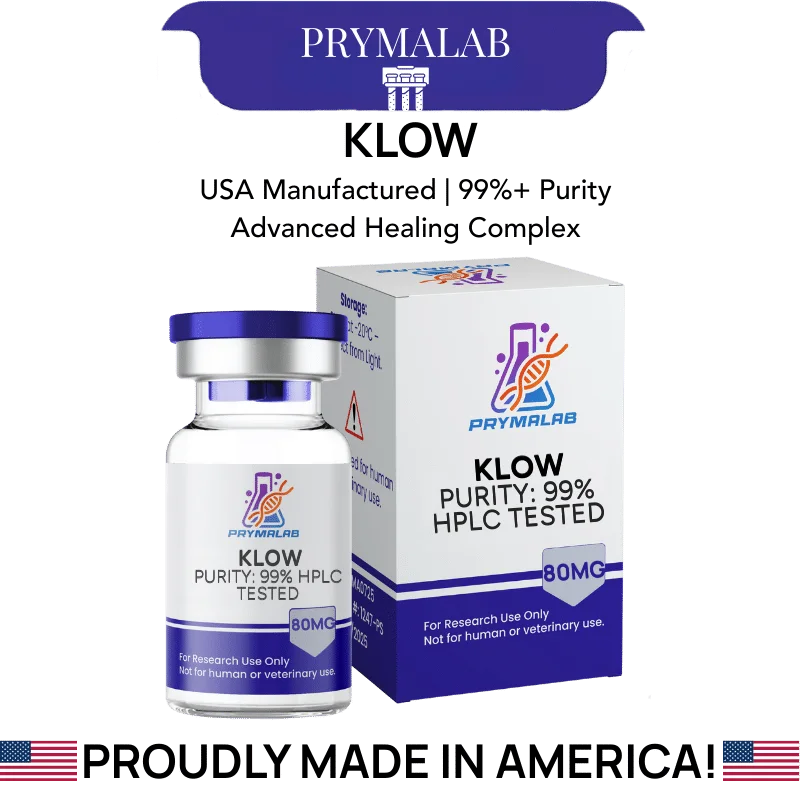




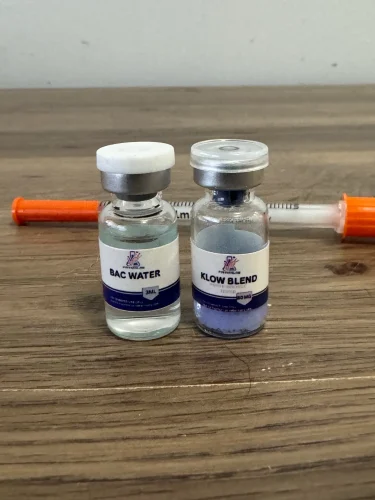






17 reviews for KLOW Blend (80mg)