Description
Introduction: The Convenience of Oral BPC-157 Therapy
Welcome to the next evolution in peptide research with PrymaLab’s BPC-157 Capsules (60/500mcg), a premium oral form that brings the notable healing properties of Body Protection Compound-157 into a convenient, easy-to-use format. For researchers who have been intrigued by the extensive lab data supporting BPC-157’s tissue repair capabilities but hesitant about injectable protocols, these capsules represent an ideal solution that combines scientific rigor with practical convenience.
BPC-157 has emerged as one of the most fascinating peptides in regrowth medicine research, with studies showing its possible to accelerate healing in muscles, tendons, ligaments, bones, and gut tissues. Originally derived from a protective protein found naturally in human gastric juice, BPC-157 has been the subject of hundreds of lab studies studying its mechanisms and treatment uses. What makes this peptide very notable is its shelf life in gastric environments and its power to promote healing through multiple interconnected pathways.
Our capsule form delivers 500 micrograms of pharmaceutical-grade BPC-157 in each easy-to-swallow capsule, with 60 capsules per bottle providing a full month’s supply for standard research protocols. Unlike injectable BPC-157 that needs mixing with Sterile Water, precise measurement, and proper injection technique, these capsules offer immediate usability. Simply remove a capsule from the bottle and give it according to your research protocol – no needles, no mixing, no complicated preparation steps.
The oral supply method offers unique benefits for certain research uses, very those focused on gut health. When taken orally, BPC-157 can exert direct protective and healing effects on the gut lining as it passes through the digestive system before entering systemic circulation. This makes capsules especially relevant for research into swelling bowel conditions, leaky gut syndrome, ulcer healing, and other digestive system disorders. The peptide’s documented shelf life in gastric juice means it can survive the harsh acidic environment of the stomach and remain biologically active throughout the digestive tract.
For researchers new to BPC-157, grasp its origins provides important context for its treatment possible. The peptide is a synthetic 15-amino acid sequence derived from Body Protection Compound (BPC), a larger protein complex found in human gastric juice that plays a role in keeping mucosal integrity and promoting healing in the gut tract. Scientists isolated and synthesized this specific 15-amino acid fragment because it showed the most potent healing properties while keeping excellent shelf life and safety profiles in lab studies.
The decision to offer BPC-157 in capsule form reflects our commitment to providing researchers with diverse tools for studying this notable peptide. While injectable forms allow for targeted supply to specific injury sites and possibly faster systemic absorption, capsules offer convenience, consistency, and unique benefits for gut research. Many researchers choose to work with both forms, using our Peptide Calculator to design comparative studies that assess differences in uptake, onset of action, and treatment outcomes between oral and injectable supply methods.
Quality is paramount in research, and every bottle of PrymaLab BPC-157 Capsules undergoes rigorous third-party testing to verify purity, potency, and safety. Our commitment to transparency means you’ll get detailed Certificate of Test (COA) records with your order, providing confidence that your research is built on a foundation of high-quality materials. This attention to quality control extends beyond the peptide itself to include pharmaceutical-grade vegetarian capsule shells that are free from common allergens and unnecessary additives.
Whether you’re studying tissue repair mechanisms, exploring gut healing pathways, studying anti-swelling effects, or researching the peptide’s heart uses, BPC-157 Capsules provide a reliable, convenient platform for your scientific studies. The following sections will explore in detail how these capsules work, their possible uses, proper dosing protocols, safety factors, and how they compare to injectable forms – giving you the full data needed to design robust research protocols and add meaningful data to the growing body of BPC-157 research.
What Are BPC-157 Capsules?
BPC-157 Capsules represent a advanced oral supply system for one of the most promising peptides in regrowth medicine research. Each capsule contains precisely measured 500 micrograms of synthetic BPC-157 peptide, encapsulated in pharmaceutical-grade vegetarian capsule shells designed to protect the active ingredient during storage and help best absorption in the digestive system. This form brings together cutting-edge peptide science with the convenience and accessibility that oral use provides.
The peptide itself – Body Protection Compound-157 – is a pentadecapeptide, meaning it consists of a chain of 15 amino acids arranged in a specific sequence: Gly-Glu-Pro-Pro-Pro-Gly-Lys-Pro-Ala-Asp-Asp-Ala-Gly-Leu-Val. This specific sequence was derived from a larger protective protein found naturally in human gastric juice, where it plays a role in keeping the integrity of the stomach lining and promoting healing of gut tissues. Scientists identified this 15-amino acid fragment as the most biologically active portion of the larger protein, capable of promoting healing while keeping excellent shelf life and safety characteristics.
What makes BPC-157 very suitable for oral supply is its notable shelf life in gastric environments. Unlike many peptides that would be rapidly degraded by stomach acid and digestive enzymes, BPC-157 keeps its structural integrity and natural activity even in the harsh acidic conditions of the stomach. This shelf life is likely related to its natural origin from gastric juice, where it evolved to function in an acidic environment. Research has showed that orally gave BPC-157 remains active throughout the digestive tract and can be absorbed into systemic circulation while also exerting local protective effects on gut tissues.
The capsule supply system offers several practical benefits for research uses. First, it removes the need for mixing equipment, sterile technique, and injection supplies that are needed for injectable peptide forms. Researchers can simply remove a capsule from the bottle and give it according to their protocol, greatly reducing preparation time and possible sources of error. Second, capsules provide consistent, reproducible dosing – each capsule contains exactly 500 micrograms of BPC-157, removing variables linked with measuring and drawing up liquid doses. Third, capsules are more stable during storage than mixed injectable peptides, which must be refrigerated and used within 28 days after mixing with Sterile Water.
The vegetarian capsule shells used in our form are composed of hydroxypropyl methylcellulose (HPMC), a plant-derived material that is widely used in pharmaceutical uses. These capsules are designed to dissolve at the appropriate rate in the digestive system, releasing the BPC-157 peptide mainly in the small intestine where absorption occurs. The capsules are free from animal products, making them suitable for researchers following vegetarian or vegan protocols, and they contain no artificial colors, preservatives, or unnecessary excipients that could introduce confounding variables into research studies.
Grasp the pharmacokinetics of oral BPC-157 is important for designing effective research protocols. When a capsule is swallowed, it travels through the esophagus to the stomach, where the capsule shell begins to dissolve in the gastric fluid. The BPC-157 peptide is released and, due to its shelf life in acidic environments, remains intact as it moves into the small intestine. In the small intestine, the peptide is absorbed through the gut epithelium and enters the bloodstream, where it can be distributed throughout the body to exert its treatment effects on many tissues.
The uptake of oral BPC-157 – meaning the percentage of the gave dose that reaches systemic circulation – is an active area of research. While injectable use delivers peptide directly into the bloodstream or specific tissues, oral use must account for first-pass body function in the liver and possible breakdown during the absorption process. However, studies suggest that BPC-157’s unique shelf life characteristics allow for meaningful systemic absorption even with oral supply, and the power to exert local effects on gut tissues during transit may provide more treatment benefits not available with injectable forms.
For researchers interested in comparing oral and injectable supply methods, our Peptide Calculator can help design protocols that account for possible uptake differences. Some research designs incorporate both supply methods, using injectable BPC-157 for targeted tissue supply while simultaneously employing oral capsules for gut support. This multi-modal approach may offer combined benefits worth studying in your research protocols.
The 60-capsule bottle provides flexibility for many research designs. Standard protocols often involve taking one to two capsules daily, meaning a single bottle provides 30-60 days of research material depending on your dosing schedule. This quantity is ideal for pilot studies, short-term studies, or as part of longer research programs where multiple bottles are used sequentially. The bottle’s amber glass construction protects capsules from light-induced breakdown, while the tight-sealing cap prevents moisture exposure that could compromise capsule integrity.
Quality control is embedded throughout the manufacturing process for these capsules. The BPC-157 peptide is synthesized using solid-phase peptide synthesis (SPPS) techniques in facilities that follow Good Manufacturing Practices (GMP). After synthesis, the peptide undergoes purification to achieve ≥99% purity, verified through high-performance liquid chromatography (HPLC) and mass spectrometry (MS) test. The purified peptide is then carefully measured and encapsulated using automated equipment that ensures precise dosing in every capsule. Finally, finished capsules undergo more quality testing including weight uniformity checks, dissolution testing, and microbiological screening before being released for distribution.
This full quality assurance process ensures that researchers get a product they can trust for their key studies. Every batch comes with detailed Certificate of Test (COA) records that you can review to verify the quality of your specific product. This level of transparency and quality control is essential for reproducible research and is a cornerstone of PrymaLab’s commitment to supporting serious scientific study.
For researchers exploring the broader landscape of peptide therapeutics, BPC-157 Capsules can be integrated into protocols alongside other research compounds. Many studies study mixes of BPC-157 with paired peptides like TB-500 for enhanced tissue repair, or with Ipamorelin when researching growth hormone-mediated healing mechanisms. Our complete selection of research peptides provides the tools needed for full, multi-faceted studies into regrowth medicine and treatment peptide uses.
How BPC-157 Capsules Work: Mechanism of Action
Grasp the cell-level mechanisms through which BPC-157 exerts its notable healing effects is crucial for researchers designing studies and interpreting results. This peptide operates through multiple interconnected pathways that collectively promote tissue repair, reduce swelling, enhance angiogenesis, and support cellular survival and proliferation. The complexity of these mechanisms reflects BPC-157’s possible as a multi-functional treatment agent capable of addressing many aspects of the healing process simultaneously.
Angiogenesis & Vascular Health
One of BPC-157’s most well-documented mechanisms involves the promotion of angiogenesis – the formation of new blood vessels. Enough blood supply is basic to tissue healing because it delivers oxygen, nutrients, immune cells, and growth factors to damaged areas while removing body waste products. Research has showed that BPC-157 greatly upregulates the expression of vascular endothelial growth factor (VEGF), a key protein that boosts blood vessel formation and vascular remodeling.
The peptide starts the VEGFR2-Akt-eNOS signaling pathway, which plays a central role in endothelial cell proliferation, migration, and survival. VEGFR2 (vascular endothelial growth factor receptor 2) is the main receptor through which VEGF exerts its angiogenic effects. When BPC-157 enhances VEGF expression and VEGFR2 start, it triggers a cascade of downstream signaling events that promote new blood vessel formation. The Akt (protein kinase B) pathway is started, leading to increased cell survival and proliferation, while endothelial nitric oxide synthase (eNOS) start results in enhanced nitric oxide production.
Nitric oxide (NO) is a key signaling molecule in vascular function, promoting vasodilation (widening of blood vessels) and improving blood flow. BPC-157 can increase both eNOS expression and NO production, adding to improved tissue perfusion and vascular health. This mechanism is very relevant for research into heart uses, wound healing, and conditions where impaired blood flow adds to tissue damage or delayed healing.
The angiogenic effects of BPC-157 have been documented in multiple lab models. Studies using muscle and tendon injury models have shown increased vascular density in BPC-157-treated tissues compared to controls, with histological test revealing more many and better-organized blood vessels in healing areas. This enhanced vascularization correlates with improved functional outcomes and faster healing times, suggesting that the angiogenic mechanism is a key contributor to BPC-157’s treatment effects.
Growth Factor Modulation & Cell Proliferation
Beyond its effects on VEGF, BPC-157 influences several other growth factor pathways that are essential for tissue repair and regrowth. Research has showed that the peptide enhances growth hormone receptor expression in tendon fibroblasts, making these cells more responsive to growth hormone signaling. This mechanism may explain some of BPC-157’s beneficial effects on connective tissue healing, as growth hormone plays important roles in collagen synthesis and tissue remodeling.
The peptide also starts the JAK2 (Janus kinase 2) signaling pathway, which is involved in cellular responses to many growth factors and cytokines. JAK2 start leads to downstream effects on cell proliferation, differentiation, and survival – all key processes during tissue repair. Also, BPC-157 can upregulate the phosphorylation of extracellular signal-regulated kinases (ERK) 1 and 2, key components of the MAPK (mitogen-started protein kinase) pathway that regulates cell growth, differentiation, and survival.
Downstream targets of ERK1/2 start include transcription factors such as c-Fos, c-Jun, and Egr-1 (early growth response protein 1), which control the expression of genes involved in cell proliferation, migration, and tissue remodeling. By starting these pathways, BPC-157 creates a cellular environment conducive to rapid and effective healing. The peptide also increases phosphorylation of Akt and expression of KRAS (Kirsten rat sarcoma viral oncogene homolog), both of which promote cell survival and proliferation through paired mechanisms.
Another important pathway influenced by BPC-157 is the FAK-paxillin (focal adhesion kinase-paxillin) system, which plays crucial roles in cell adhesion, migration, and mechanotransduction. Research using cultured tendon fibroblasts has shown that BPC-157 increases expression of both FAK and paxillin, suggesting that the peptide enhances cells’ power to attach to extracellular matrix, migrate to sites of injury, and respond to mechanical forces – all important capabilities during tissue repair processes.
Anti-Inflammatory Properties
Swelling is a natural and necessary part of the healing process, but too much or prolonged swelling can impede tissue repair and lead to chronic pain and dysfunction. BPC-157 has showed major anti-swelling properties through multiple mechanisms, helping to create an best environment for healing while preventing the detrimental effects of too much swelling.
The peptide can reduce levels of pro-swelling cytokines including interleukin-6 (IL-6) and tumor necrosis factor-alpha (TNF-α), both of which play central roles in swelling responses. By tuning these cytokines, BPC-157 helps regulate the intensity and duration of swelling, preventing it from becoming counterproductive to healing. The peptide also decreases cyclooxygenase-2 (COX-2) expression, an enzyme involved in prostaglandin synthesis that adds to swelling and pain. This mechanism is very relevant for research into pain care and swelling conditions.
Also, BPC-157 reduces myeloperoxidase (MPO) activity, an enzyme released by neutrophils during swelling that can cause oxidant damage to tissues. By decreasing MPO activity, the peptide helps protect tissues from swelling damage while still allowing beneficial aspects of the swelling response to proceed. Histological studies of injured tissues treated with BPC-157 consistently show reduced swelling cell infiltration compared to untreated controls, providing visual confirmation of the peptide’s anti-swelling effects.
The anti-swelling mechanisms of BPC-157 are very relevant for research into conditions characterized by chronic swelling, such as arthritis, swelling bowel disease, and tendinopathies. The peptide’s power to tune swelling without completely suppressing it distinguishes it from traditional anti-swelling drugs like NSAIDs, which can sometimes impair healing by excessively reducing swelling. BPC-157 appears to promote a more balanced swelling response that supports rather than hinders tissue repair.
Collagen Synthesis & Extracellular Matrix Remodeling
Collagen is the main structural protein in connective tissues including tendons, ligaments, skin, and bone. Proper collagen synthesis and organization are essential for restoring tissue strength and function after injury. BPC-157 can enhance collagen formation and promote proper organization of collagen fibers during the healing process, adding to improved biomechanical properties of repaired tissues.
The peptide’s effects on growth factor signaling and fibroblast activity add to enhanced collagen production. Fibroblasts are the cells mainly responsible for synthesizing collagen and other extracellular matrix components, and BPC-157’s power to enhance fibroblast proliferation, migration, and activity translates directly into improved collagen deposition at injury sites. Studies examining healed tendons and ligaments after BPC-157 treatment have shown better collagen fiber alignment and organization compared to controls, which correlates with superior biomechanical strength.
Beyond simply increasing collagen quantity, BPC-157 appears to influence the quality and organization of newly formed collagen. Proper collagen organization is crucial for tissue strength – randomly oriented collagen fibers provide less mechanical support than well-aligned fibers oriented along lines of stress. The peptide’s effects on cell migration and mechanotransduction pathways may help guide fibroblasts to deposit collagen in functionally best patterns during tissue remodeling.
Gastrointestinal Protection & Healing
Given BPC-157’s origin from gastric juice proteins, it’s not surprising that the peptide shows notable protective and healing effects on gut tissues. This mechanism is very relevant for oral capsule forms, as the peptide can exert direct local effects on the gut lining as it passes through the digestive system before entering systemic circulation.
Research has shown that BPC-157 protects gastric mucosa from damage caused by many insults including NSAIDs, alcohol, stress, and ischemia. The peptide enhances mucosal blood flow, promotes epithelial cell proliferation, and supports the integrity of tight junctions between gut cells – all mechanisms that add to keeping and restoring gut barrier function. This is very relevant for research into leaky gut syndrome, swelling bowel disease, and other conditions characterized by compromised gut permeability.
The peptide’s shelf life in gastric juice allows it to remain active throughout the digestive tract, providing sustained protective effects from the stomach through the small and large intestines. Studies using models of swelling bowel disease have showed that BPC-157 reduces swelling, promotes healing of ulcerated areas, and helps restore normal gut architecture. These effects appear to involve both local actions on gut tissues and systemic anti-swelling mechanisms.
For researchers using BPC-157 capsules, the gut mechanisms provide a unique advantage over injectable forms. While injectable BPC-157 can certainly promote gut healing through systemic effects, oral use allows for direct contact between the peptide and gut tissues, possibly enhancing local treatment effects. This makes capsules very attractive for research protocols focused on digestive system health and function.
Neuroprotective Effects
Emerging research suggests that BPC-157 may also exert brain-safe effects through tuning of neurotransmitter systems and protection of neural tissues. Studies have shown that the peptide influences both dopamine and serotonin pathways, with effects varying depending on brain region and experimental conditions. These mechanisms may be relevant for research into neurological conditions, traumatic brain injury, and psychiatric disorders.
In models of spinal cord injury, BPC-157 has showed power to promote nerve regrowth and functional healing. The peptide’s angiogenic and anti-swelling properties likely add to creating a more favorable environment for neural healing, while direct effects on nerve cells may enhance their survival and regrowth capacity. Research has also shown that BPC-157 can counteract some behavioral effects of amphetamine and other psychoactive substances, suggesting possible uses in addiction research.
The brain-safe mechanisms of BPC-157 remain an active area of study, with many questions still to be answered about how the peptide influences neural function and healing. For researchers interested in exploring these mechanisms, our research peptides collection includes other compounds with brain-safe properties that could be studied in mix with BPC-157 to study possible combined effects.
Integration of Mechanisms
What makes BPC-157 very fascinating from a research perspective is how these many mechanisms work together synergistically to promote healing. The angiogenic effects ensure enough blood supply to support tissue repair, while growth factor tuning drives cell proliferation and differentiation. Anti-swelling properties create an best healing environment, and enhanced collagen synthesis restores tissue structure and strength. The gut protective effects support overall health and may enhance systemic healing capacity.
This multi-mechanistic approach distinguishes BPC-157 from more targeted treatment agents that address only single aspects of the healing process. By simultaneously influencing multiple pathways, the peptide may achieve more full and effective healing than would be possible by targeting any single mechanism alone. This complexity also provides many avenues for research study, as scientists work to understand which mechanisms are most important for different types of injuries and conditions.
For researchers designing studies with BPC-157 capsules, grasp these mechanisms can inform protocol growth, outcome measure selection, and result interpretation. Use our Peptide Calculator to design studies that study specific mechanisms or compare the relative importance of different pathways in many healing scenarios. Consider exploring our complete line of research peptides to identify paired compounds that could be studied alongside BPC-157 to dissect specific mechanistic contributions to treatment outcomes.
BPC-157 CAPSULES VS INJECTIONS: COMPREHENSIVE COMPARISON
Understanding Your Delivery Options
One of the most common questions researchers face when beginning BPC-157 studies is whether to use oral capsules or injectable forms. Both supply methods have their place in research, and grasp the differences, benefits, and ideal uses for each can help you design more effective protocols and achieve better research outcomes. This full comparison will explore the key factors that distinguish these two use routes.
Convenience & Ease of Use
The most immediately apparent difference between BPC-157 capsules and injections is the level of convenience they offer. Capsules represent the simplest possible use method – you simply remove a capsule from the bottle and swallow it with water. There’s no preparation needed, no equipment needed, and no special technique to master. This simplicity makes capsules ideal for researchers who want to minimize variables related to use technique or for protocols where ease of use is a priority.
Injectable BPC-157, by contrast, needs greatly more preparation and expertise. The peptide arrives as a freeze-dried (freeze-dried) powder that must be mixed with Sterile Water before use. This process involves calculating the correct volume of water to add, carefully mixing the solution without creating too much bubbles, and ensuring sterile technique throughout. Once mixed, the solution must be drawn into syringes using proper technique, and injections must be gave either subcutaneously (under the skin) or intramuscularly (into muscle tissue) depending on the research protocol.
For researchers new to peptide work, the learning curve for injectable use can be large. Proper injection technique needs grasp anatomy to select appropriate injection sites, mastering the mechanics of needle insertion and solution supply, and keeping sterile conditions to prevent contamination. While these skills can certainly be learned, they represent more complexity that may not be necessary for all research uses.
The convenience advantage of capsules extends beyond just the use process. Storage is simpler – capsules can be kept at room heat for short periods and don’t need immediate refrigeration like mixed injectable peptides. There’s no concern about solution shelf life or the 28-day use window that applies to mixed peptides. Capsules also remove the need to buy and manage injection supplies including syringes, needles, alcohol swabs, and sharps disposal containers.
Bioavailability & Absorption Kinetics
While capsules win decisively on convenience, injectable forms have traditionally been considered superior for uptake – the percentage of gave peptide that reaches systemic circulation and becomes available to exert treatment effects. When BPC-157 is injected subcutaneously or intramuscularly, it enters the bloodstream relatively directly, bypassing the digestive system and first-pass liver body function that can reduce the amount of active peptide reaching target tissues.
Oral use faces several possible barriers to uptake. The peptide must survive the acidic environment of the stomach, resist breakdown by digestive enzymes, be absorbed through the gut epithelium, and then pass through the liver before entering systemic circulation. Each of these steps represents an opportunity for the peptide to be degraded or metabolized, possibly reducing the amount that finally reaches target tissues.
However, BPC-157 is somewhat unique among peptides in its shelf life during oral use. The peptide’s origin from gastric juice proteins means it evolved to function in acidic environments, and research has showed that BPC-157 keeps structural integrity and natural activity even when exposed to stomach acid. Studies have shown that orally gave BPC-157 can achieve meaningful systemic absorption and produce treatment effects comparable to injectable use in many lab models.
The absorption kinetics also differ between supply methods. Injectable BPC-157 often produces faster onset of action, with peptide levels in the bloodstream rising relatively quickly after use. Oral capsules have a slower, more gradual absorption profile as the capsule dissolves, the peptide is released, and absorption occurs through the gut wall. This slower absorption may actually be advantageous for some research uses, providing more sustained peptide levels over time rather than the sharper peak-and-trough pattern that can occur with injections.
For researchers interested in comparing uptake between supply methods, designing studies that measure peptide levels in blood or tissues after oral versus injectable use could provide valuable data. Our Peptide Calculator can help you design protocols that account for possible uptake differences when comparing these use routes.
Targeted vs. Systemic Delivery
One major advantage of injectable BPC-157 is the power to deliver the peptide directly to specific injury sites or target tissues. When researching tendon injuries, for example, injecting BPC-157 directly into or near the damaged tendon allows for high local levels of the peptide exactly where it’s needed most. This targeted supply can be very valuable for musculoskeletal research where the injury location is well-defined and accessible.
Oral capsules, by contrast, provide mainly systemic supply after absorption through the gut wall. The peptide enters the bloodstream and is distributed throughout the body via circulation, reaching many tissues based on blood flow patterns and tissue permeability. While this systemic approach may seem less targeted than direct injection, it has benefits for research into conditions affecting multiple areas or when the specific location of pathology is diffuse or hard to access.
Importantly, oral capsules offer a unique advantage for gut research that injections cannot match. As the capsule dissolves and releases BPC-157 in the digestive tract, the peptide can exert direct local effects on the gut lining before being absorbed into systemic circulation. This dual action – local gut effects plus systemic distribution – makes capsules very valuable for research into swelling bowel disease, leaky gut syndrome, ulcer healing, and other digestive system conditions.
SAFETY PROFILE & SIDE EFFECTS OF BPC-157 CAPSULES
Preclinical Safety Data
BPC-157 has been extensively studied in lab animal models, and the built up safety data is notably favorable. Multiple studies have gave the peptide across many doses, routes of use, and treatment durations without seeing major toxicity or adverse effects. This safety profile is one of the factors that has created interest in BPC-157 as a possible treatment agent.
Acute Toxicity Studies
Acute toxicity studies examine the effects of single high doses of a compound to identify possible immediate adverse effects and set up lethal dose parameters. Research with BPC-157 has failed to identify a lethal dose even at very high levels. Studies have gave doses ranging from 10 micrograms per kilogram up to 10 milligrams per kilogram (a 1000-fold range) without seeing acute toxicity or mortality in animal subjects.
This wide safety margin suggests that BPC-157 has low inherent toxicity, at least in the lab models studied. The peptide does not appear to cause acute organ damage, severe natural disruption, or other immediate adverse effects even at doses far exceeding those often used in research protocols. This favorable acute safety profile provides confidence for researchers designing studies with BPC-157 capsules.
Chronic Toxicity & Long-Term Safety
Chronic toxicity studies examine the effects of repeated use over extended periods to identify possible cumulative adverse effects or organ damage that might not be apparent after single doses. Research has gave BPC-157 daily for periods up to 6 months in animal models without seeing major toxicity across multiple organ systems.
Full organ test including gross necropsy (visual review of organs) and histopathology (microscopic tissue review) has been performed on animals getting long-term BPC-157 treatment. These analyses have examined liver, kidneys, spleen, lungs, heart, brain, thymus, fertility organs, and other tissues without identifying treatment-related pathological changes. This suggests that chronic BPC-157 use does not cause cumulative organ damage or dysfunction, at least in the lab models studied.
Blood chemistry and hematology parameters have also been tracked in long-term studies without revealing concerning changes. Liver enzymes (indicators of liver function), kidney function markers, blood cell counts, and other standard clinical chemistry parameters have remained within normal ranges in BPC-157-treated animals. This further supports the peptide’s favorable safety profile for extended use.
Organ-Specific Safety
Detailed review of specific organ systems has been conducted to assess BPC-157’s safety profile:
Hepatic (Liver) Safety: Despite being metabolized in the liver, BPC-157 does not appear to cause hepatotoxicity. Studies have actually shown hepatoprotective effects, with the peptide reducing liver damage in models of hepatic injury. Liver enzyme levels remain normal with BPC-157 treatment, and histological review shows no evidence of liver damage or swelling.
Renal (Kidney) Safety: The kidneys are responsible for excreting BPC-157 and its metabolites, but the peptide does not appear to cause nephrotoxicity. Kidney function markers remain normal, and microscopic review of kidney tissue shows no treatment-related pathology. This is very important given that many compounds can cause kidney damage with chronic use.
Heart Safety: BPC-157’s effects on blood vessels and heart function have been studied extensively. The peptide appears to have beneficial rather than harmful heart effects, promoting vascular health and protecting against many forms of heart damage. No adverse heart effects have been reported in lab studies.
Gut Safety: Given BPC-157’s origin from gastric proteins and its protective effects on the GI tract, it’s not surprising that the peptide shows excellent gut safety. Rather than causing GI irritation or damage, BPC-157 protects against many forms of GI injury and promotes healing of damaged tissues.
Fertility Safety: Teratogenicity studies (examining effects on fetal growth) have been conducted with BPC-157 gave during pregnancy in animal models. These studies found no evidence of teratogenic effects, with no differences in fetal growth, survival, or morphology between treated and control groups. This suggests that BPC-157 does not cause birth defects or developmental abnormalities, though human safety data in pregnancy is lacking.
Genotoxicity & Mutagenicity
Genotoxicity and mutagenicity studies examine whether a compound can damage DNA or cause genetic mutations that could possibly lead to cancer or other genetic disorders. BPC-157 has been tested using standard genotoxicity assays including:
- Ames Test: Bacterial reverse mutation assay that detects compounds capable of causing DNA mutations. BPC-157 tested negative, showing no mutagenic activity.
- Chromosomal Aberration Test: Examines whether a compound causes structural changes to chromosomes. BPC-157 showed no evidence of chromosomal damage.
- Micronucleus Assay: Detects compounds that cause chromosome breakage or loss. BPC-157 tested negative in this assay as well.
These negative results across multiple genotoxicity assays suggest that BPC-157 does not pose genetic toxicity risks, at least based on standard lab testing methods.
Regulatory Status & Compliance
Grasp the control status of BPC-157 is crucial for researchers to ensure compliance with applicable regulations and organizational policies.
FDA Status
The U.S. Food and Drug Use (FDA) has not approved BPC-157 for any medical sign. In 2023, the FDA classified BPC-157 as a Category 2 bulk drug substance, meaning it cannot be used in compounded drugs by pharmacies and that there is insufficient evidence about its safety for human use. This classification reflects the lack of full human clinical trials rather than evidence of specific safety concerns.
Despite this control status, BPC-157 is not a controlled substance under the Drug Enforcement Use (DEA) scheduling system. This means that possession of BPC-157 for research purposes is not illegal, though its use in humans outside of approved clinical trials would not be compliant with FDA regulations.
Sports & Athletic Organizations
Multiple sports organizations have banned BPC-157 use by athletes:
- World Anti-Doping Agency (WADA): Mainly banned BPC-157 by name in 2022
- NFL: Banned BPC-157 mainly in 2022
- UFC: Banned BPC-157 mainly in 2022
- NCAA: Banned under general peptide hormone prohibition
- Other Organizations: Many other sports leagues ban BPC-157 either mainly or under broader peptide hormone prohibitions
These bans reflect concerns about performance boost and the lack of approved medical use rather than specific safety issues. However, researchers should be aware that athletes subject to drug testing should not use BPC-157 to remain compliant with their sport’s regulations.
Research Use Considerations
BPC-157 remains legal for research purposes when sold as a research chemical or for laboratory use. PrymaLab’s BPC-157 Capsules are intended for research uses only and are not for human consumption. Researchers should ensure their use of BPC-157 complies with their institution’s policies, applicable regulations, and ethical rules.
Potential Side Effects & Considerations
While lab safety data is favorable, researchers should be aware of possible factors when working with BPC-157 capsules.
Reported Anecdotal Effects
Although systematic human safety data is limited, anecdotal reports from research uses have mentioned many effects:
- Injection Site Reactions: Not applicable to oral capsules, but relevant for comparative studies with injectables
- Digestive Effects: Some reports mention mild digestive changes, though these are often minor
- Fatigue or Energy Changes: Variable reports of effects on energy levels
- Sleep Pattern Changes: Some reports of altered sleep, though effects vary
- Mood Effects: Variable reports related to the peptide’s neurotransmitter tuning
It’s important to note that these anecdotal reports lack the rigor of controlled clinical studies and may reflect placebo effects, confounding variables, or personal variation rather than true peptide effects. Researchers should document any saw effects carefully to add to the grasp of BPC-157’s safety profile.
Quality & Purity Considerations
One major safety consideration with any research peptide is the quality and purity of the product. Unregulated manufacturing can result in products containing impurities, contaminants, or incorrect amounts of active ingredient. These quality issues can pose safety risks and compromise research integrity.
PrymaLab addresses these concerns through rigorous third-party testing of all BPC-157 Capsules. Every batch undergoes:
- HPLC and mass spectrometry test to verify ≥99% purity
- Microbiological testing to ensure absence of bacterial contamination
- Heavy metal screening to confirm safety
- Capsule weight uniformity testing to verify consistent dosing
- Shelf life testing to support shelf life claims
Detailed Certificate of Test (COA) records is available for every batch, providing transparency and confidence in product quality. This quality assurance is essential for both research integrity and safety.
Drug Interactions
While specific drug interaction studies with BPC-157 are limited, researchers should consider possible interactions when designing protocols that include other compounds:
- NSAIDs: BPC-157 can counteract some adverse effects of NSAIDs on the GI tract, but interactions with treatment effects are not well-characterized
- Anticoagulants: BPC-157’s effects on vascular function and clotting pathways suggest possible interactions with blood thinners, though specific data is lacking
- Other Peptides: Combining BPC-157 with other research peptides may produce combined or antagonistic effects worth studying
For research protocols involving multiple compounds, careful records of all substances used is essential for interpreting results and identifying possible interactions. Explore our complete selection of research peptides and use our Peptide Calculator to design multi-compound protocols with appropriate consideration of possible interactions.
Individual Variation
As with any natural compound, personal variation in response to BPC-157 should be expected. Factors that may influence response include:
- Genetic differences affecting peptide body function or receptor response
- Baseline health status and existing conditions
- Concurrent use of other compounds or drugs
- Lifestyle factors including diet, exercise, and sleep
- Age and natural characteristics
Research protocols should account for this personal variation through appropriate study design, enough sample sizes, and statistical methods that can identify both average effects and personal response patterns.
Monitoring & Documentation
For researchers using BPC-157 capsules, using appropriate tracking and records practices supports both safety and research quality:
- Baseline Assessment: Document relevant parameters before beginning BPC-157 use
- Regular Tracking: Track outcome measures and any unexpected effects throughout the study
- Detailed Records: Record all aspects of the protocol including doses, timing, and any deviations
- Adverse Event Reporting: Document any unexpected responses or concerning effects
- Follow-Up: Consider post-treatment tracking to assess sustained effects and delayed responses
This systematic approach to tracking ensures that safety concerns are identified promptly while also creating valuable data on BPC-157’s effects and tolerability.
STORAGE & HANDLING INSTRUCTIONS
Optimal Storage Conditions
Proper storage of BPC-157 capsules is essential for keeping peptide potency and ensuring research integrity. While capsules are more stable than mixed injectable peptides, following storage best practices maximizes shelf life and preserves natural activity.
Temperature Requirements
The ideal storage heat for BPC-157 capsules is 36-46°F (2-8°C), which corresponds to standard refrigerator heat. Refrigeration provides best conditions for long-term peptide shelf life and is recommended for storage periods exceeding a few weeks. However, unlike mixed injectable peptides that must be refrigerated immediately, BPC-157 capsules can tolerate room heat storage for shorter periods without major breakdown.
For short-term storage (up to 2-4 weeks), keeping capsules at room heat (68-77°F or 20-25°C) in a cool, dry location away from heat sources is acceptable. This flexibility makes capsules convenient for research protocols where refrigeration may not always be immediately accessible. However, for maximum shelf life and potency preservation, refrigeration is preferred whenever possible.
Avoid exposing capsules to heat extremes. Do not freeze BPC-157 capsules, as freezing and thawing cycles can possibly affect capsule integrity and peptide shelf life. Similarly, avoid storage in hot environments such as near heating vents, in direct sunlight, or in vehicles where temperatures can fluctuate dramatically.
Light Protection
BPC-157 capsules are packaged in amber glass bottles mainly designed to protect the contents from light-induced breakdown. Light exposure, very UV light, can possibly degrade peptides and reduce their natural activity over time. Always keep capsules in their original amber bottle, which provides best light protection.
If you must transfer capsules to a different container for any reason, ensure the new container also provides light protection. Amber or opaque containers are preferred over clear glass or plastic. However, transferring capsules is often discouraged as it introduces opportunities for contamination and may compromise the protective environment provided by the original packaging.
Moisture Control
Moisture is one of the main enemies of capsule shelf life. Exposure to humidity can cause capsule shells to become sticky, deformed, or degraded, possibly affecting the integrity of the peptide inside. Always keep the bottle tightly sealed when not in use to prevent moisture exposure.
Store capsules in a dry environment away from sources of humidity. Bathroom storage is very problematic due to steam and moisture from showers and baths. Kitchen storage near sinks or dishwashers should also be avoided. A dedicated storage area with controlled humidity, such as a laboratory refrigerator or a cool, dry cabinet, is ideal.
If you notice that capsules have become sticky, clumped together, or show visible moisture inside the bottle, this shows compromised storage conditions. Discontinue use of affected capsules and contact PrymaLab for replacement. Using degraded capsules can introduce variables that compromise research integrity.
Handling Best Practices
Hygiene & Contamination Prevention
When removing capsules from the bottle, always use clean, dry hands. Wash and thoroughly dry your hands before handling capsules to prevent transfer of oils, moisture, or contaminants. Avoid touching capsules unnecessarily – handle them only as much as needed to transfer from bottle to use.
If you need to count out multiple capsules for a research protocol, use a clean, dry surface and minimize handling. Never return capsules to the bottle once they’ve been removed, as this can introduce contaminants that may affect the remaining capsules. If you remove more capsules than needed, discard the extras rather than returning them to the bottle.
For research protocols needing precise capsule counting or organization, consider using clean, dry containers or pill organizers to pre-portion doses. Ensure any containers used are thoroughly cleaned and completely dry before adding capsules.
Opening & Closing the Bottle
When opening the bottle, remove the cap carefully and avoid touching the inside of the cap or the bottle opening. Replace the cap immediately after removing the needed capsules to minimize exposure to air and moisture. Ensure the cap is tightly sealed – you should feel resistance when closing and hear a slight click or feel the cap seat properly.
Check the seal periodically to ensure it remains intact. If the cap becomes loose or damaged, transfer capsules to a new amber bottle with a proper sealing cap, or contact PrymaLab for replacement packaging. A compromised seal can allow moisture and air exposure that degrades capsule quality over time.
Shelf Life & Expiration
Understanding Shelf Life
When stored under best conditions (refrigerated, protected from light and moisture, in sealed original packaging), BPC-157 capsules keep potency for 24 months from the manufacturing date. This shelf life is based on shelf life testing that shows the peptide retains its natural activity and the capsules keep their integrity over this period.
The expiration date printed on each bottle reflects this 24-month shelf life and should be strictly saw in research protocols. Using expired peptides can introduce variables that compromise research integrity and may lead to unreliable results. The expiration date assumes proper storage conditions have been kept – if capsules have been stored improperly (exposed to heat, moisture, or light), they may degrade before the printed expiration date.
Signs of Degradation
Researchers should inspect capsules periodically for signs of breakdown that might show compromised quality:
- Discoloration: Capsules that have changed color from their original appearance may show breakdown
- Stickiness: Capsules that feel sticky or have clumped together suggest moisture exposure
- Deformation: Capsules that appear misshapen or damaged may have compromised integrity
- Odor: Any unusual or strong odor may show breakdown or contamination
- Visible Moisture: Condensation or moisture visible inside the bottle shows storage problems
If you see any of these signs, discontinue use and contact PrymaLab for replacement. It’s always better to err on the side of caution when it comes to research material quality.
Inventory Management
For researchers conducting long-term studies or keeping peptide inventories, using a first-in, first-out (FIFO) system ensures older bottles are used before newer ones. Label bottles with the date got and organize storage so that older bottles are easily accessible and used first.
Keep detailed records of when each bottle was opened and track storage conditions throughout your research period. This records can be valuable if you need to troubleshoot unexpected results or verify that storage conditions weren’t a confounding variable in your studies.
Travel & Transport Considerations
If you need to transport BPC-157 capsules, take precautions to keep appropriate storage conditions:
- Use insulated containers or coolers with ice packs for transport, especially in warm weather
- Protect bottles from direct sunlight during transport
- Minimize transport time when possible
- Avoid leaving capsules in vehicles where temperatures can fluctuate dramatically
- Upon arrival at the destination, immediately transfer capsules to appropriate storage
For shipping or getting BPC-157 capsules, PrymaLab uses appropriate packaging to keep product integrity during transit. Upon getting your order, inspect the package for any signs of damage and immediately transfer capsules to proper storage conditions. If you have concerns about product integrity after shipping, contact PrymaLab for help.
Disposal Considerations
When disposing of expired or unused BPC-157 capsules, follow appropriate procedures for research chemical disposal:
- Do not flush capsules down toilets or drains
- Do not dispose of capsules in regular household trash if institutional policies need special handling
- Follow your institution’s policies for research chemical disposal
- If no specific policies apply, consider mixing capsules with undesirable substances (like used coffee grounds) in a sealed container before disposal
- Remove or obscure any identifying labels before disposal
Proper disposal practices protect the environment and ensure compliance with applicable regulations and institutional policies.
Quality Verification
Every bottle of PrymaLab BPC-157 Capsules includes batch-specific quality records. Upon getting your order, verify:
- The batch number on the bottle matches the Certificate of Test (COA)
- The expiration date provides enough time for your research protocol
- The bottle seal is intact and undamaged
- The capsules appear normal with no signs of breakdown
Keep the COA records with your research records for reference throughout your study. This records provides important quality assurance data and supports research integrity.
For researchers keeping inventories of multiple peptides, apply these same storage principles to all compounds. Explore our complete selection of research peptides, each with specific storage recommendations to keep best quality. Use our Peptide Calculator to plan your peptide needs and ensure you’re ordering appropriate quantities that can be used within their shelf life, minimizing waste and keeping research integrity throughout your studies.
FREQUENTLY ASKED QUESTIONS ABOUT BPC-157 CAPSULES
General Questions
Q: What exactly is BPC-157 and where does it come from?
A: BPC-157 (Body Protection Compound-157) is a synthetic peptide consisting of 15 amino acids arranged in a specific sequence. It’s derived from a larger protective protein found naturally in human gastric juice, where it plays a role in keeping stomach lining integrity and promoting healing. Scientists isolated this specific 15-amino acid fragment because it showed the most potent healing properties while keeping excellent shelf life. The synthetic version used in research is manufactured in laboratories using solid-phase peptide synthesis techniques, ensuring consistent quality and purity for research uses.
Q: How do BPC-157 capsules differ from injectable forms?
A: The main difference is the supply method and convenience. Capsules offer oral use that’s simple and needs no preparation – just swallow with water. Injectable forms need mixing with Sterile Water, sterile technique, and proper injection skills. Capsules provide systemic distribution after absorption through the gut wall, while injections allow for targeted supply to specific injury sites. Capsules also offer unique benefits for gut research, as the peptide can exert direct local effects on gut tissues during transit through the digestive system. Both supply methods have their place in research depending on your specific objectives.
Q: Are BPC-157 capsules legal to buy and use for research?
A: BPC-157 is legal to buy for research purposes in the United States when sold as a research chemical. It is not a DEA-controlled substance, so possession for research is not illegal. However, BPC-157 is not FDA-approved for human medical use, and the FDA has classified it as a Category 2 bulk drug substance that cannot be used in compounded drugs. PrymaLab’s BPC-157 Capsules are intended for research uses only. Researchers should ensure their use complies with institutional policies and applicable regulations. Athletes should note that BPC-157 is banned by WADA, NFL, UFC, and many other sports organizations.
Q: How long does it take to see results with BPC-157 capsules?
A: The timeframe for seeing effects varies depending on the research use and what outcomes you’re measuring. Some lab studies have shown effects within days, very for gut uses where the peptide can exert direct local effects. For tissue repair uses like tendon or muscle healing, major gains often become apparent within 2-4 weeks, though complete healing may need 6-8 weeks or longer depending on injury severity. The oral supply method may have a slightly slower onset compared to injectable use, but research suggests it can achieve comparable outcomes with consistent use. Personal variation in response should also be expected.
Q: Can I take BPC-157 capsules with food or should they be taken on an empty stomach?
A: The best timing depends on your research objectives. For gut research uses, taking capsules on an empty stomach (30-60 minutes before meals) is often recommended to maximize direct contact with gut tissues and possibly enhance absorption. However, for systemic uses like tissue repair or anti-swelling research, the timing relative to meals may be less key than consistency. Some researchers prefer taking capsules with a small amount of food to minimize any possible digestive discomfort. The key is keeping consistent timing throughout your research protocol to reduce variability in your data.
Dosing & Administration Questions
Q: What is the recommended dosage for BPC-157 capsules?
A: Standard research protocols often use one to two capsules (500-1000 micrograms total) once or twice daily. Many researchers start with a single 500-microgram capsule daily for the first week to assess tolerance and response before possibly increasing to higher doses. Twice-daily dosing (morning and evening, spaced about 12 hours apart) helps keep more consistent peptide levels throughout the day. More intensive protocols may use up to 2000 micrograms daily (four capsules), split into two doses. Use our Peptide Calculator to design customized dosing protocols based on your specific research parameters.
Q: How long should a research protocol with BPC-157 capsules last?
A: Protocol duration depends on your research objectives. For acute injury research, protocols often run 2-6 weeks to capture the key healing period. Studies studying chronic conditions or long-term tissue health may extend for 8-12 weeks or longer. Lab research has used BPC-157 for periods ranging from a few days to several months without major adverse effects. Consider that different tissues heal at different rates – soft tissue injuries may show gain within 2-4 weeks, while tendon, ligament, and bone healing often need longer periods. Some protocols incorporate cycling with 6-8 weeks of treatment followed by 4-6 weeks off, though the necessity of cycling for BPC-157 is not well-set up.
Q: Can I adjust the dose during my research protocol?
A: Yes, dose adjustment based on saw responses is a reasonable approach in research. Many protocols start with conservative doses (one capsule daily) and increase gradually if needed based on preliminary results and tolerance. This stepwise approach allows you to identify the minimum effective dose for your use while avoiding unnecessarily high doses. If adjusting doses during your protocol, document all changes carefully including the timing, rationale, and any saw effects. This records is essential for interpreting results and keeping research integrity.
Q: What happens if I miss a dose during my research protocol?
A: If you miss a scheduled dose, simply take the next dose at its regular time – don’t double up to make up for the missed dose. While consistency is important for reducing variability in research data, an occasional missed dose is unlikely to greatly impact overall results, especially in longer protocols. Document any missed doses in your research records so you can account for them when analyzing results. If you’re often missing doses, consider whether your protocol schedule is practical and sustainable for the full study duration.
Q: Can BPC-157 capsules be combined with other research peptides?
A: Yes, many research protocols study mixes of BPC-157 with paired peptides. Common mixes include BPC-157 with TB-500 for enhanced tissue repair research, or with Ipamorelin when studying growth hormone-mediated healing mechanisms. When combining peptides, careful records of all compounds used is essential for interpreting results and identifying possible combined or antagonistic effects. Start with set up doses for each personal peptide rather than assuming you can reduce doses when combining. Our Peptide Calculator can help you design multi-peptide protocols with appropriate consideration of possible interactions.
Safety & Side Effects Questions
Q: What are the possible side effects of BPC-157 capsules?
A: Lab safety studies have shown BPC-157 to have a favorable safety profile with minimal adverse effects across many doses and treatment durations. Animal studies have not identified major toxicity even at doses far exceeding those often used in research. Anecdotal reports from research uses have mentioned mild digestive changes, variable effects on energy levels or sleep patterns, and occasional mood effects, though these reports lack the rigor of controlled studies and may reflect personal variation or placebo effects. The oral capsule form removes injection site reactions that can occur with injectable peptides. As with any research compound, appropriate tracking and records of any unexpected responses is recommended.
Q: Is BPC-157 safe for long-term use?
A: Lab studies have gave BPC-157 daily for up to 6 months in animal models without seeing major toxicity or cumulative adverse effects. Full organ test including liver, kidneys, heart, brain, and other tissues has not revealed treatment-related pathological changes. Blood chemistry parameters have remained within normal ranges with long-term use. However, human long-term safety data remains limited, as full clinical trials have not been conducted. For research protocols extending beyond a few months, using appropriate tracking and records practices is prudent to track any long-term effects.
Q: Can BPC-157 interact with drugs or other supplements?
A: Specific drug interaction studies with BPC-157 are limited, but researchers should consider possible interactions when designing protocols. BPC-157 can counteract some adverse effects of NSAIDs on the gut tract, suggesting possible interactions with these drugs. The peptide’s effects on vascular function and clotting pathways suggest possible interactions with anticoagulants, though specific data is lacking. When combining BPC-157 with other research compounds, careful records of all substances used is essential for interpreting results. If you’re taking drugs or other supplements, consider possible interactions and track for unexpected effects.
Q: Are there any contraindications for using BPC-157 capsules in research?
A: Formal contraindications have not been set up due to limited human clinical data. However, researchers should exercise caution in certain situations. The peptide’s effects on angiogenesis and cell proliferation suggest theoretical concerns in contexts where enhanced cell growth might be problematic, though no specific evidence of harm exists. Researchers with known health conditions should consider whether BPC-157’s mechanisms might interact with their condition. Pregnant or nursing people should avoid research use given the lack of human safety data in these populations, despite negative teratogenicity findings in animal studies. When in doubt, consult with healthcare professionals familiar with peptide research.
Q: How do I know if the BPC-157 capsules I get are high quality?
A: PrymaLab ensures quality through rigorous third-party testing of every batch. Each bottle comes with detailed Certificate of Test (COA) records that you can review to verify purity (≥99%), confirm absence of contaminants, and check that the product meets all quality specifications. The COA includes results from HPLC and mass spectrometry test, microbiological testing, heavy metal screening, and capsule weight uniformity testing. Always verify that the batch number on your bottle matches the COA, and inspect capsules upon receipt for any signs of breakdown or damage. This transparency and quality assurance is essential for research integrity.
Storage & Handling Questions
Q: How should I store BPC-157 capsules?
A: Store capsules in a cool, dry place away from direct sunlight and heat sources. The ideal storage heat is 36-46°F (2-8°C), which means refrigeration is best for long-term storage. However, capsules can tolerate room heat storage for shorter periods (up to 2-4 weeks) without major breakdown. Always keep capsules in their original amber glass bottle, which provides protection from light. Ensure the bottle is tightly sealed when not in use to prevent moisture exposure. Avoid bathroom storage due to humidity from showers, and don’t store capsules in vehicles where temperatures can fluctuate dramatically. When stored properly, capsules keep potency for 24 months from the manufacturing date.
Q: What should I do if my capsules have been exposed to heat or moisture?
A: If you suspect your capsules have been compromised by improper storage, inspect them carefully for signs of breakdown. Look for discoloration, stickiness, clumping, deformation, unusual odors, or visible moisture inside the bottle. If you see any of these signs, discontinue use and contact PrymaLab for replacement. Using degraded capsules can introduce variables that compromise research integrity and may lead to unreliable results. It’s always better to err on the side of caution when it comes to research material quality. To prevent storage issues, keep proper storage conditions throughout your research protocol and document storage conditions in your research records.
Q: Can I travel with BPC-157 capsules?
A: Yes, you can transport BPC-157 capsules, but take precautions to keep appropriate storage conditions during travel. Use insulated containers or coolers with ice packs, especially in warm weather. Protect bottles from direct sunlight and avoid leaving capsules in vehicles where temperatures can fluctuate dramatically. Minimize transport time when possible. Upon arrival at your destination, immediately transfer capsules to proper storage conditions (refrigeration if available, or a cool, dry location). For air travel, capsules can be packed in carry-on or checked luggage, though carry-on is preferable to keep better heat control. Be aware that some countries may have restrictions on importing research peptides, so verify regulations if traveling internationally.
Q: How long do BPC-157 capsules last after opening the bottle?
A: When stored properly (refrigerated, protected from light and moisture, tightly sealed), opened bottles of BPC-157 capsules keep potency until the expiration date printed on the bottle (24 months from manufacturing). Unlike mixed injectable peptides that must be used within 28 days, capsules offer much greater shelf life and convenience. However, proper storage becomes even more important after opening – always ensure the cap is tightly sealed after removing capsules, and avoid introducing moisture or contaminants. If you notice any signs of breakdown after opening, discontinue use even if the expiration date hasn’t been reached.
Comparison & Selection Questions
Q: Should I choose capsules or injectable BPC-157 for my research?
A: The choice depends on your specific research objectives. Capsules are ideal for gut research where direct gut contact is beneficial, long-term studies where convenience is important, protocols where needle-free use is preferred, and research into systemic effects. Injectable forms are better for musculoskeletal research needing targeted supply to specific injury sites, studies where maximum uptake is key, and uses where faster onset of action is important. Many advanced research programs use both supply methods, taking advantage of each where it offers the greatest benefits. Consider your research goals, available resources, and protocol requirements when making your decision.
Q: How does the effectiveness of BPC-157 capsules compare to injections?
A: While injectable forms have traditionally been considered superior for uptake, BPC-157 is somewhat unique among peptides in its shelf life during oral use. Research has showed that orally gave BPC-157 can achieve meaningful systemic absorption and produce treatment effects comparable to injectable use in many lab models. The oral supply method may have slightly slower onset of action but can provide more sustained peptide levels over time. For gut uses, capsules may actually be superior due to direct local effects on gut tissues. The relative effectiveness depends on your specific research use and what outcomes you’re measuring.
Q: Are there other peptides similar to BPC-157 that I should consider?
A: Several peptides have paired or overlapping properties with BPC-157. TB-500 is another peptide known for tissue repair properties, and many researchers study mixes of BPC-157 and TB-500 for possibly combined effects. Ipamorelin boosts growth hormone release and may complement BPC-157’s effects on tissue healing. For gut research, other peptides with gut-protective properties might be worth studying alongside BPC-157. Explore our complete selection of research peptides to identify compounds that align with your research objectives, and use our Peptide Calculator to design protocols that study personal peptides or mixes.
Q: What makes PrymaLab’s BPC-157 capsules different from other suppliers?
A: PrymaLab distinguishes itself through rigorous quality control, transparency, and commitment to supporting serious research. Every batch undergoes full third-party testing including HPLC and mass spectrometry test to verify ≥99% purity, microbiological testing, heavy metal screening, and capsule weight uniformity testing. Detailed Certificate of Test (COA) records is provided with every order, allowing you to verify the quality of your specific product. We use pharmaceutical-grade vegetarian capsule shells free from common allergens and unnecessary additives. Our customer support team is knowledgeable about peptide research and can help with protocol design questions. This mix of quality, transparency, and support makes PrymaLab the preferred choice for researchers who demand the best materials for their key studies.
Research Protocol Questions
Q: How do I design an effective research protocol with BPC-157 capsules?
A: Start by clearly defining your research objectives and the outcomes you want to measure. Find appropriate dosing based on your use – often one to two capsules once or twice daily for most protocols. Decide on study duration based on the tissue type and healing timeframe you’re studying (2-6 weeks for acute injuries, 8-12 weeks or longer for chronic conditions). Set up baseline measurements before beginning BPC-157 use. Use consistent timing for capsule use to reduce variability. Plan for regular tracking and records of outcomes throughout the study. Consider whether you need control groups or comparative arms in your design. Use our Peptide Calculator to help design protocols that account for all these factors and ensure your study is well-structured to answer your research questions.
Q: What outcome measures should I track in BPC-157 research?
A: Appropriate outcome measures depend on your research use. For tissue repair research, consider functional assessments (range of motion, strength, pain levels), structural measures (imaging, histology), and biomechanical testing (load-to-failure, stiffness). For gut research, track symptoms, swelling markers, gut permeability measures, and histological assessment of gut tissues. For anti-swelling uses, measure relevant cytokines, swelling markers, and clinical indicators of swelling. Always include both objective measures (quantifiable data) and subjective assessments when applicable. Document baseline values before starting BPC-157 and track changes over time to capture the full trajectory of effects.
Q: Should I include a control group in my BPC-157 research?
A: Including appropriate controls strengthens research design and allows for more definitive conclusions about BPC-157’s effects. Consider using untreated controls to set up baseline healing or disease progression, placebo controls if studying subjective outcomes where placebo effects might occur, or positive controls using set up treatments for comparison. The specific control strategy depends on your research questions and available resources. Even if formal control groups aren’t feasible, setting up baseline measurements before BPC-157 use provides a within-subject control that can show changes over time.
Q: How do I document my BPC-157 research properly?
A: Full records is essential for research integrity and reproducibility. Record all protocol details including exact doses, timing of use, duration of treatment, batch numbers of capsules used, and storage conditions kept. Document baseline measurements and all outcome assessments with dates and specific values. Note any deviations from the planned protocol and the reasons for them. Track any unexpected responses or findings. Keep copies of Certificate of Test (COA) records for your specific batch. Keep detailed records that would allow another researcher to replicate your protocol exactly. This records supports proper interpretation of results and adds to the broader grasp of BPC-157’s effects.
Q: Where can I find more data about BPC-157 research?
A: Scientific literature on BPC-157 can be found in databases like PubMed, with hundreds of lab studies published over the past three decades. Search for “BPC-157” or “Body Protection Compound-157” to find relevant research papers. Focus on peer-reviewed publications in reputable journals for the most reliable data. Be cautious of anecdotal reports or marketing claims that aren’t supported by rigorous research. PrymaLab’s website provides educational resources about BPC-157 and other research peptides. Our customer support team can also provide guidance on protocol design and answer questions about using BPC-157 capsules in your research. For full peptide research support, explore our complete selection of research peptides and use our Peptide Calculator to design effective protocols.
TECHNICAL SPECIFICATIONS
Product Details
Product Name: BPC-157 Capsules
Peptide Sequence: Gly-Glu-Pro-Pro-Pro-Gly-Lys-Pro-Ala-Asp-Asp-Ala-Gly-Leu-Val
Cell-level Formula: C62H98N16O22
Cell-level Weight: 1419.53 g/mol
CAS Number: 137525-51-0
Purity: ≥99% (verified by HPLC and mass spectrometry)
Form: Capsules (pharmaceutical-grade vegetarian capsule shells)
Strength: 500 micrograms (mcg) per capsule
Quantity: 60 capsules per bottle
Total Peptide Content: 30,000 micrograms (30 milligrams) per bottle
Appearance: White to off-white powder in clear vegetarian capsules
Solubility: Soluble in water and natural solutions
Storage: Store at 36-46°F (2-8°C) for best shelf life; can tolerate room heat for short periods
Shelf Life: 24 months from manufacturing date when stored properly
Packaging: Amber glass bottle with tamper-evident seal
Quality Assurance
Manufacturing Standards:
- Synthesized using solid-phase peptide synthesis (SPPS) in GMP-compliant facilities
- Purified to ≥99% purity using preparative HPLC
- Encapsulated using automated equipment ensuring precise dosing
- Manufactured in facilities following Good Manufacturing Practices
Testing & Check:
- High-Performance Liquid Chromatography (HPLC) for purity check
- Mass Spectrometry (MS) for cell-level weight confirmation and identity check
- Amino acid test for sequence check
- Microbiological testing for bacterial contamination
- Heavy metal screening for safety
- Capsule weight uniformity testing for consistent dosing
- Dissolution testing to verify appropriate release characteristics
- Shelf life testing to support shelf life claims
Records:
- Certificate of Test (COA) provided for each batch
- Batch-specific testing results available upon request
- Full traceability from raw materials through finished product
- Compliance with research chemical quality standards
Regulatory Information
Control Status:
- Not approved by FDA for human medical use
- Classified as FDA Category 2 bulk drug substance
- Not a DEA-controlled substance
- Intended for research purposes only
- Not for human consumption
- Banned by WADA and major sports organizations for athletic use
Compliance:
- Manufactured in compliance with applicable regulations for research chemicals
- Labeled appropriately for research use only
- Not intended to diagnose, treat, cure, or prevent any disease
- Researchers responsible for ensuring compliance with institutional policies and applicable regulations
Related Products & Research Supplies
Enhance your BPC-157 research with paired products from PrymaLab:
Paired Research Peptides:
- TB-500 – Tissue repair and regrowth research
- Ipamorelin – Growth hormone secretagogue research
- CJC-1295 – Growth hormone releasing hormone analog
- Thymosin Alpha-1 – Immune system tuning research
- Epithalon – Telomerase start and longevity research
Essential Research Supplies:
Customer Support & Resources
PrymaLab is committed to supporting your research success:
Technical Support:
- Knowledgeable customer service team available to answer questions
- Protocol design help for BPC-157 research
- Guidance on product selection for your specific research needs
- Troubleshooting support for any product or protocol issues
Educational Resources:
- Full product data and research summaries
- Protocol design guides and best practices
- Scientific literature references and research updates
- Video tutorials on peptide handling and use
Ordering & Shipping:
- Fast, discreet shipping on all orders
- Free shipping on orders over $200
- Secure packaging to keep product integrity during transit
- Order tracking available for all shipments
- International shipping available to select countries
Quality Guarantee:
- Third-party tested products with COA records
- Satisfaction guarantee on all products
- Responsive customer service for any concerns
- Commitment to research integrity and product quality
COMPLIANCE & DISCLAIMER
Important Research Use Statement
PrymaLab’s BPC-157 Capsules (60/500mcg) are intended strictly for research purposes only. This product is not intended for human consumption, medical use, or any use outside of controlled research settings. BPC-157 is not approved by the U.S. Food and Drug Use (FDA) for any medical sign, and its safety and effect in humans have not been set up through full clinical trials.
Regulatory Compliance
Researchers using BPC-157 Capsules are responsible for ensuring their research complies with all applicable federal, state, and local regulations, as well as institutional policies and ethical rules. This includes:
- Getting appropriate institutional review board (IRB) approval for research involving human subjects
- Following institutional biosafety and chemical safety protocols
- Complying with regulations governing research chemical handling and disposal
- Keeping proper records of research activities
- Ensuring research does not violate FDA regulations about unapproved drugs
Athletic & Sports Use Prohibition
BPC-157 is banned by the World Anti-Doping Agency (WADA), National Football League (NFL), Final Fighting Championship (UFC), National Collegiate Athletic Association (NCAA), and many other sports organizations. Athletes subject to drug testing should not use BPC-157 to remain compliant with their sport’s anti-doping policies. Use of BPC-157 by athletes may result in sanctions, suspensions, or other penalties.
Medical Disclaimer
The data provided in this document is for educational and research purposes only and should not be construed as medical advice. BPC-157 Capsules are not intended to diagnose, treat, cure, or prevent any disease or medical condition. People with health concerns should consult qualified healthcare professionals. The lab research and anecdotal reports discussed in this document do not constitute evidence of safety or effect in humans.
Limitation of Liability
PrymaLab provides BPC-157 Capsules for research purposes only and makes no warranties, express or implied, about the product’s suitability for any specific research use. Researchers assume all responsibility and liability for the use of this product in their research. PrymaLab shall not be liable for any direct, indirect, incidental, consequential, or punitive damages arising from the use or misuse of this product.
Quality Assurance Commitment
While PrymaLab keeps rigorous quality control standards and provides third-party testing records for all products, researchers are responsible for verifying that products meet their specific research requirements. Certificate of Test (COA) records is provided for transparency and quality assurance but does not constitute a guarantee of suitability for any specific research use.
Intellectual Property
The data provided in this document is proprietary to PrymaLab and is provided to supporting research use of our products. Unauthorized reproduction, distribution, or commercial use of this data is prohibited without express written permission from PrymaLab.
Contact Information
For questions about BPC-157 Capsules, research protocols, product quality, or any other concerns, please contact PrymaLab:
PrymaLab Research Peptides
Email: support@prymalab.com
Phone: [Contact Number]
Website: www.prymalab.com
Our knowledgeable customer service team is available to help with product selection, protocol design questions, and any other research support needs.
CONCLUSION
PrymaLab’s BPC-157 Capsules (60/500mcg) represent a premium, convenient platform for studying one of the most fascinating peptides in regrowth medicine research. With full quality assurance, detailed records, and commitment to supporting serious scientific study, these capsules provide researchers with the tools needed to explore BPC-157’s notable healing properties across multiple uses.
From tissue repair and gut health to anti-swelling effects and beyond, BPC-157 offers many avenues for meaningful research. The oral capsule form combines the convenience of needle-free use with unique benefits for gut research, making it an ideal choice for many research protocols.
Whether you’re beginning your first BPC-157 study or expanding an set up research program, PrymaLab is committed to providing the highest quality products, full support, and the resources needed for research success. Explore our complete selection of research peptides, use our Peptide Calculator to design best protocols, and join the growing community of researchers studying the treatment possible of peptides.
Order your BPC-157 Capsules today and take the next step in your research journey. With fast shipping, detailed quality records, and responsive customer support, PrymaLab makes it easy to access the research materials you need to advance scientific grasp and add to the future of regrowth medicine.
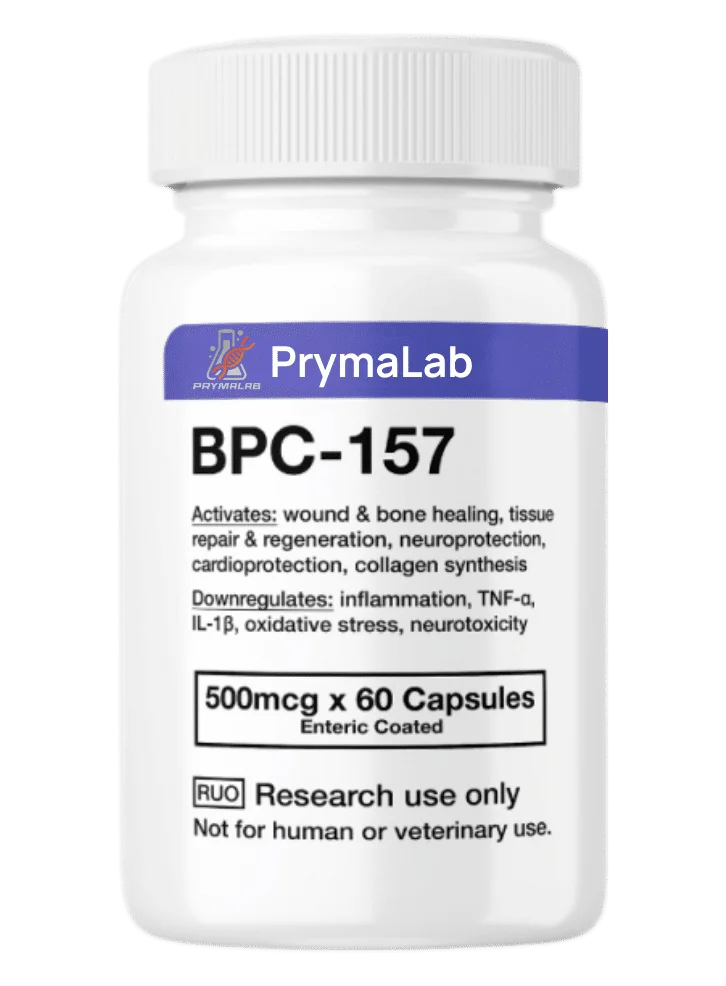
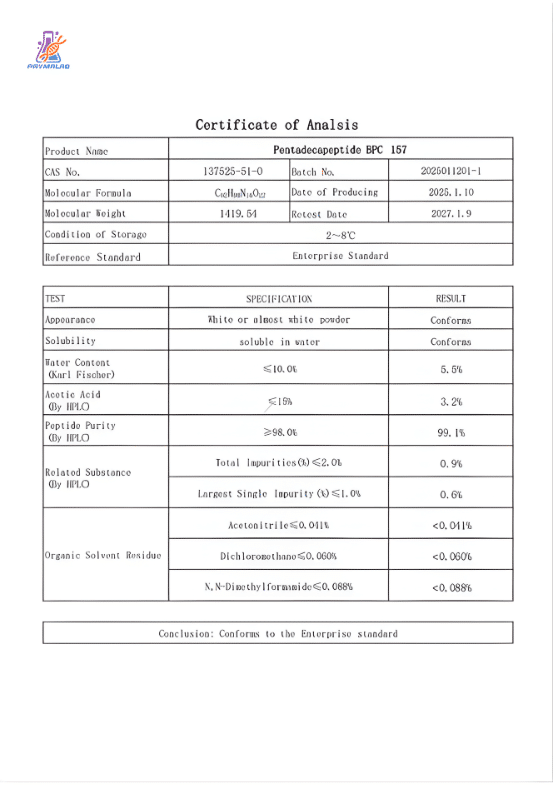




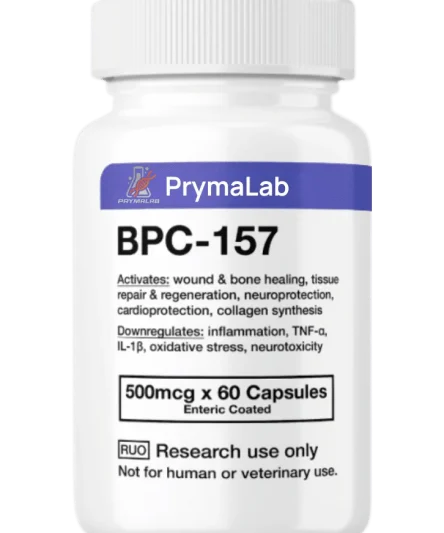



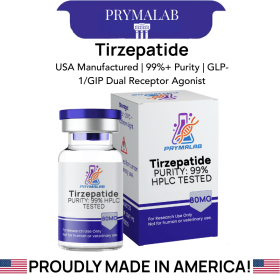
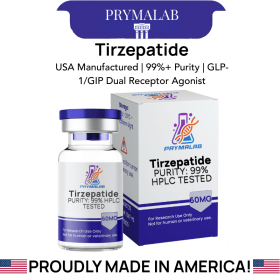
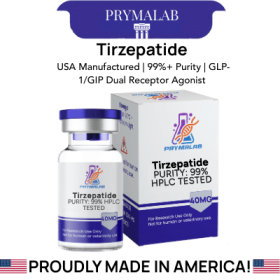
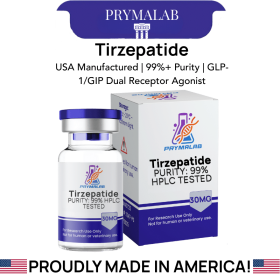



16 reviews for BPC-157 Capsules (60/500mcg)