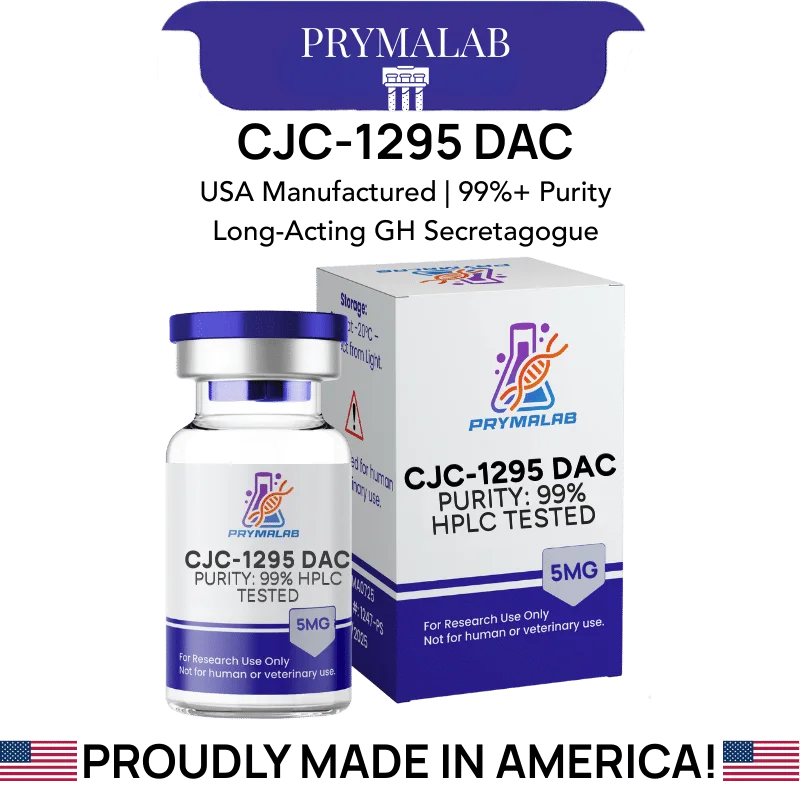
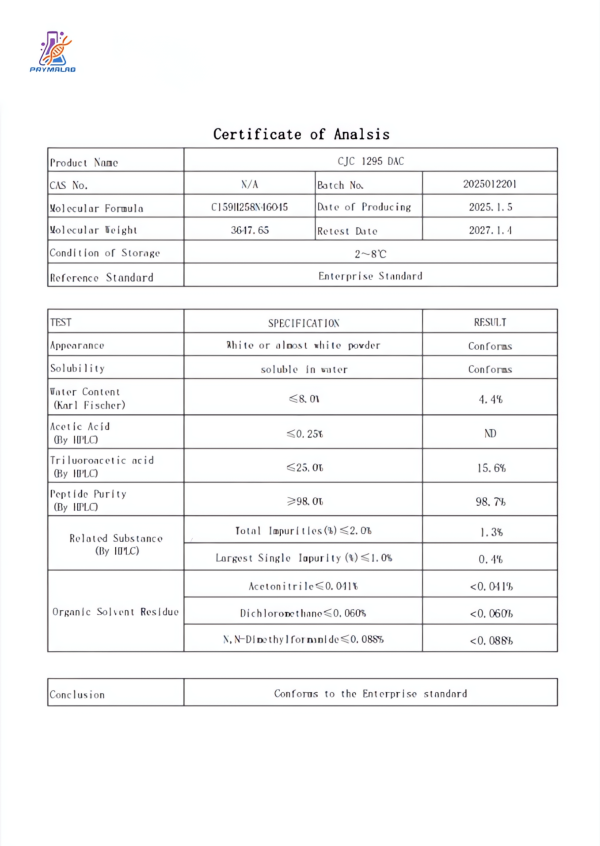
CJC 1295 DAC 5MG | Long-Acting Growth Hormone Research Peptide
Overview
CJC 1295 DAC is a long-acting growth hormone releasing hormone, or GHRH, analog designed for research into growth hormone signaling and IGF-1 pathways. The “DAC” stands for Drug Affinity Complex, a modification that helps the peptide bind to serum albumin. This albumin binding extends the compound’s activity and allows researchers to study sustained growth hormone stimulation with less frequent administration than shorter-acting GHRH analogs.
What Is CJC-1295 DAC?
CJC-1295 DAC is a modified synthetic analog version of GHRH 1-29, also known as Sermorelin. Natural GHRH is broken down quickly in the body, often within minutes, which makes it difficult to study sustained growth hormone release versus its natural pulsatile release. CJC-1295 DAC was developed to solve that problem. It includes amino acid substitutions that improve stability, plus a Drug Affinity Complex that binds albumin and extends its half-life.
This makes CJC-1295 with DAC a long acting GHRH analog. Instead of producing only a short signal, it can support a longer research window for studying growth hormone release and IGF-1 response. Clinical research has reported that CJC-1295 DAC can elevate IGF-1 for several days after administration, depending on dose and subject response.
The DAC modification is the key feature. Once the peptide enters circulation, it can bind reversibly to albumin, the most abundant protein in blood plasma. Albumin acts like a carrier, protecting the peptide from rapid breakdown and reducing fast renal clearance. As free peptide slowly dissociates, it can bind to GHRH receptors on pituitary somatotroph cells and stimulate growth hormone release.
Although CJC-1295 DAC is sometimes discussed in fitness, anti-aging, and peptide therapy communities, it is not approved by the FDA for human use. It should be treated as a research compound, not a dietary supplement or medication.
How CJC 1295 DAC Works
CJC 1295 DAC works by targeting the GHRH receptor. This receptor is found on somatotroph cells in the anterior pituitary gland. When the receptor is activated, it triggers intracellular signaling pathways that increase growth hormone synthesis and release.
The released growth hormone then acts on the liver and other tissues to increase production of insulin-like growth factor 1, commonly called IGF-1. IGF-1 is responsible for many of the downstream effects associated with growth hormone activity, including protein synthesis, tissue repair signaling, bone metabolism, and changes in fat metabolism.
The main advantage of the DAC version is duration. CJC-1295 without DAC, also called modified GRF 1-29, has a much shorter half-life and is used when researchers want a brief, pulse-like signal. CJC-1295 DAC is used when the research goal is a longer and more sustained IGF-1 response.
Growth Hormone and the GHRH System
Growth hormone is released in pulses throughout the day, with the largest pulses often occurring during deep sleep. This release pattern is controlled mainly by two hypothalamic hormones: GHRH, which stimulates growth hormone release, and somatostatin, which suppresses it.
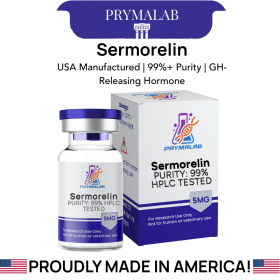
Natural GHRH, much like Sermorelin or Tesamorelin, has a short half-life because enzymes such as dipeptidyl peptidase-IV rapidly break it down. CJC-1295 DAC was designed to resist this fast degradation and extend the research window. By supporting a more durable GHRH signal, the peptide allows researchers to study how sustained growth hormone and IGF-1 elevation may affect body composition, metabolism, and recovery markers.
Growth hormone has both direct and indirect effects. Some actions occur through growth hormone receptors in tissues such as fat, muscle, and liver. Other effects are mediated by IGF-1. This GH/IGF-1 axis is an important research area because it influences growth, tissue maintenance, glucose handling, lipid metabolism, and age-related physiological changes.
Clinical Research and Key Study History
CJC-1295 DAC has been evaluated in human research for pharmacokinetics, pharmacodynamics, tolerability, and IGF-1 response. Early studies examined single ascending doses and measured safety outcomes along with growth hormone and IGF-1 changes.
A frequently cited study by Alba M, Fintini D, Sagazio A, Lawrence B, Castaigne and colleagues evaluated the long-acting GHRH analog CJC-1295 with DAC and helped establish its extended activity profile. Research from this clinical development program reported sustained IGF-1 elevation after administration, supporting the role of DAC albumin binding in prolonging biological activity.
Across early clinical studies, CJC-1295 DAC was generally reported as well tolerated in the short term. The most common adverse events were subcutaneous injection site reactions, flushing, headache, and mild fluid retention. However, available studies were limited in size and duration, so long-term safety remains incompletely characterized.
CJC 1295 DAC Benefits in Research
The main research value of CJC 1295 DAC is its ability to support sustained study of the growth hormone and IGF-1 axis. Instead of requiring multiple daily administrations, the DAC version can maintain activity for a longer period, making it useful for protocols that focus on chronic or repeated exposure.
Because growth hormone and IGF-1 influence protein synthesis and fat metabolism, CJC-1295 DAC is often studied in body-composition research. Some clinical data suggest increases in lean body mass and lean muscle growth, alongside reductions in fat mass, or fat loss, during repeated dosing protocols. Results vary by dose, subject population, baseline hormone status, nutrition, and activity level.
CJC-1295 DAC vs. CJC-1295 No DAC
The difference between CJC-1295 DAC and CJC-1295 No DAC is the Drug Affinity Complex. Both compounds are GHRH analogs, but the DAC version binds albumin and lasts much longer.
- CJC-1295 DAC: Longer acting, often studied with weekly or less frequent administration schedules.
- CJC-1295 No DAC: Shorter acting, often used when researchers want a more pulse-like GHRH signal.
- Research use: DAC is better suited for sustained IGF-1 studies, while No DAC is better suited for protocols focused on timing and pulsatility.
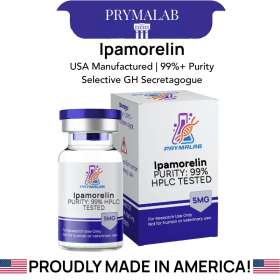
The choice depends on the research question. If the goal is to study prolonged IGF-1 elevation, DAC is usually the more relevant model. If the goal is to study short growth hormone pulses or timing with other secretagogues like Ipamorelin or BPC-157, No DAC may be more appropriate.
Dosage Context From Research
There is no FDA-approved human dose for CJC-1295 DAC. Published clinical research has examined dose ranges such as 30, 60, 90, and 120 mcg/kg in controlled study settings. These data help researchers understand pharmacokinetics and IGF-1 response, but they do not establish consumer dosing guidance.
Because CJC-1295 DAC has an extended half-life, daily administration of CJC-1295 DAC is generally not the model used in the best-known clinical research. Repeated daily use may increase the risk of excessive accumulation or unusually high IGF-1 exposure. Research protocols typically focus on weekly or less frequent schedules because the DAC modification was designed for longer activity.
Researchers should monitor IGF-1, fasting glucose and blood sugar, lipids, blood pressure, body composition, and adverse events when studying growth hormone secretagogues. Any protocol involving human subjects requires appropriate oversight, informed consent, and compliance with applicable regulations.
Mixing and Handling
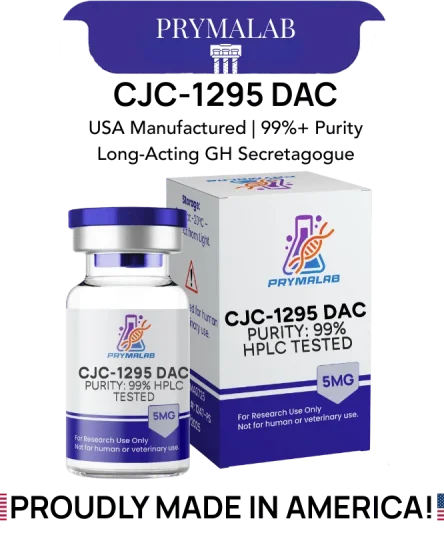
CJC-1295 DAC 5MG is supplied as a lyophilized powder for research use. It is typically reconstituted with bacteriostatic or sterile water according to the protocol’s concentration requirements. The vial should be handled carefully, and the diluent should be added slowly down the side of the vial rather than sprayed directly onto the powder.
After reconstitution, the vial should be gently swirled until the solution is clear. It should not be shaken aggressively. Reconstituted peptide should be stored refrigerated and protected from light. Researchers should discard any solution that becomes cloudy, discolored, or visibly contaminated.
Safety Profile and Side Effects
The reported side effect profile of CJC-1295 DAC in short-term clinical research is generally mild, but the long-term safety profile is not fully known. Commonly reported effects include injection-site redness or swelling, flushing, headache, mild water retention, and occasional joint discomfort.
The main theoretical concern is sustained IGF-1 elevation. IGF-1 is involved in growth and cell signaling, so researchers should avoid excessive elevation and monitor relevant biomarkers. People with active malignancy, uncontrolled diabetes, diabetic retinopathy, severe cardiovascular disease, pregnancy, or other high-risk conditions were generally not the intended population for unsupervised exposure.
CJC-1295 DAC is also prohibited in competitive sports under anti-doping rules. Researchers working with athletes should consider World Anti-Doping Agency restrictions and relevant sport-governing-body rules.
Commonly Reported Adverse Effects
- Injection-site irritation, redness, itching, or swelling
- Temporary flushing or warmth
- Headache
- Mild water retention or puffiness
- Occasional joint discomfort or stiffness
- Possible changes in glucose handling in susceptible subjects
Suggested Research Monitoring
- Baseline and follow-up IGF-1
- Fasting glucose and HbA1c when relevant
- Lipid profile
- Blood pressure
- Body composition measurements
- Injection-site observations
- Adverse-event tracking
Frequently Asked Questions
What is CJC 1295 DAC?
CJC 1295 DAC is a long-acting GHRH analog used in research on growth hormone and IGF-1 signaling. The DAC modification allows albumin binding, which extends the peptide’s half-life and supports sustained study of growth hormone release.
What does DAC mean?
DAC stands for Drug Affinity Complex. It is the modification that helps CJC-1295 bind to serum albumin, protecting it from rapid breakdown and extending its duration of action.
How is CJC-1295 DAC different from No DAC?
CJC-1295 DAC is longer acting because it binds albumin. CJC-1295 No DAC is shorter acting and is usually used when researchers want a more pulse-like growth hormone signal.
Is daily administration of CJC-1295 DAC necessary?
No. Daily administration of CJC-1295 DAC is not typically necessary in research because the DAC modification extends the compound’s activity. Clinical research focused on longer-interval administration rather than daily dosing.
What are the common side effects?
Commonly reported effects include injection-site reactions, flushing, headache, mild water retention, and occasional joint discomfort. Long-term safety has not been fully established.
Is CJC-1295 DAC approved for human use?
No. CJC-1295 DAC is not FDA-approved for human use. It is sold by PrymaLab for research purposes only and is not intended for human consumption.
About the Author

Name: Michael Phelps
Title: Marketing Director & Biochemistry Specialist at PrymaLab
Michael is an Air Force veteran and the Marketing Director at PrymaLab. With a specialized background in biochemistry and over 10 years in the biotech industry, he focuses on making peptide research topics easier to understand while maintaining careful sourcing, quality standards, and safety-focused language.











16 reviews for CJC-1295 DAC 5MG