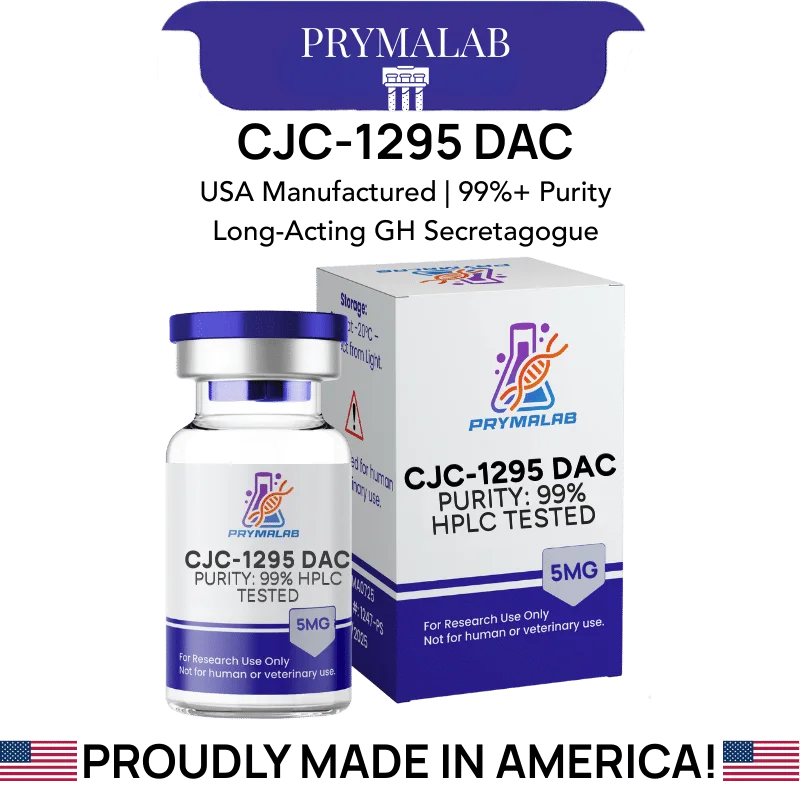
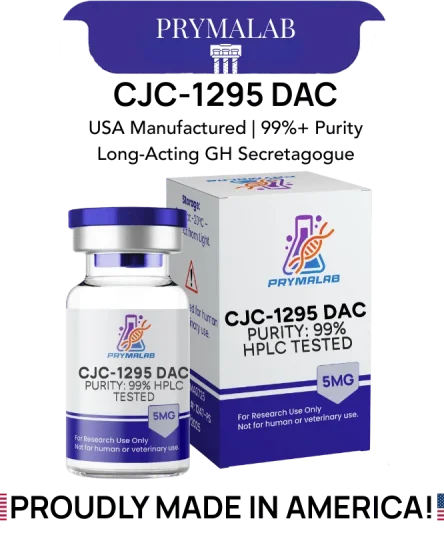
CJC-1295 DAC 5MG

$32.99 / month$279.99

Buy CJC-1295 DAC 5MG peptide – long-acting growth hormone releasing hormone analog with Drug Affinity Complex. Provides sustained GH elevation for up to 2 weeks. 99% purity, USA-made, Same Day Shipping.

Description

CJC-1295 DAC 5MG | Long-Acting Growth Hormone Peptide

Overview

CJC-1295 DAC is a long-acting GHRH analog modified with a Drug Affinity Complex (DAC) that binds albumin, extending its half-life to about 6โ€“8 days and letting weekly or bi-weekly dosing. It amplifies physiologic, pulsatile GH release and sustains IGF-1 elevations (often 2โ€“10ร— baseline), supporting research findings of improved lean mass, fat loss, bone density, and body markers.

This page details its mechanism, pharmacokinetics, clinical data, benefits, safety profile, differences vs. No DAC, and practical dosing/mixing guidance. PrymaLab supplies pharmaceutical-grade 5 mg vials for research use with supporting records and tools.

What is CJC-1295 DAC?

CJC-1295 DAC represents one of the most convenient and effective approaches to growth hormone research through sustained growth hormone releasing hormone (GHRH) analog activity. This advanced peptide is a modified version of GHRH 1-29 that incorporates a Drug Affinity Complex (DAC), which dramatically extends its natural half-life from minutes to about 6-8 days.

The result is a long-acting growth hormone secretagogue that provides sustained rise of growth hormone and IGF-1 levels with weekly or bi-weekly dosing, making it highly valuable for research into growth hormone physiology, body makeup, anti-aging, and body control.

The growth of cjc 1295 with dac emerged from efforts to create more practical growth hormone therapies. Natural GHRH is rapidly degraded by the enzyme dipeptidyl peptidase-IV (DPP-IV) within minutes of secretion, limiting its treatment possible. Early GHRH analogs improved shelf life but still needed multiple daily injections. The breakthrough came with the addition of the Drug Affinity Complex, a chemical change that allows the peptide to bind reversibly to serum albumin, the most abundant protein in blood plasma.

This albumin binding protects the peptide from breakdown and creates a circulating reservoir that slowly releases active peptide over days.

The cell-level structure of cjc-1295 dac includes several key changes to the natural GHRH 1-29 sequence. Four amino acid substitutions (Ala2, Gln8, Ala15, Leu27) increase resistance to DPP-IV breakdown and enhance binding affinity to GHRH receptors. The DAC moiety, attached to a lysine residue, consists of a maleimidoproprionic acid linker connected to the peptide, which lets high-affinity binding to albumin.

This elegant design allows cjc 1295 dac to keep natural activity while circulating bound to albumin, gradually dissociating to bind GHRH receptors and boost growth hormone release.

When cjc 1295 w dac is gave, it enters the bloodstream and rapidly binds to serum albumin. The albumin-peptide complex circulates throughout the body, with the peptide slowly dissociating from albumin over time. As free peptide becomes available, it binds to GHRH receptors on pituitary somatotroph cells, triggering the synthesis and release of growth hormone.

Importantly, cjc-1295 dac doesn’t cause constant growth hormone rise but rather amplifies the natural pulsatile secretion pattern, which is more natural than continuous rise and may reduce the risk of receptor desensitization.

The growth hormone released in response to cjc 1295 dac boosts the liver and peripheral tissues to produce insulin-like growth factor 1 (IGF-1), which mediates many of growth hormone’s effects. Clinical research has showed that a single dose of cjc-1295 dac can elevate IGF-1 levels by 2-10 fold above baseline, with effects lasting 6-14 days depending on dose.

This sustained IGF-1 rise promotes anabolic effects including increased protein synthesis, enhanced lipolysis (fat breakdown), improved bone density, and many body benefits.

Research with cjc 1295 with dac has shown impressive effects on body makeup. Clinical studies showed increases in lean body mass, reductions in body fat percentage, and gains in muscle strength over 12-week protocols. The peptide has been studied for uses including age-related growth hormone deficiency, muscle wasting conditions, obesity, and performance boost.

While it hasn’t been approved as a treatment agent, cjc 1295 dac remains highly valuable for research purposes, helping scientists understand growth hormone physiology and develop next-generation growth hormone therapies.

For researchers studying growth hormone biology, cjc-1295 dac offers unique benefits. The sustained IGF-1 rise allows study of chronic growth hormone effects without the complexity of multiple daily injections. The peptide’s well-characterized pharmacokinetics and extensive clinical data provide a solid foundation for research protocol design. The power to achieve consistent IGF-1 levels makes it easier to study dose-response relationships and correlate IGF-1 rise with natural outcomes.

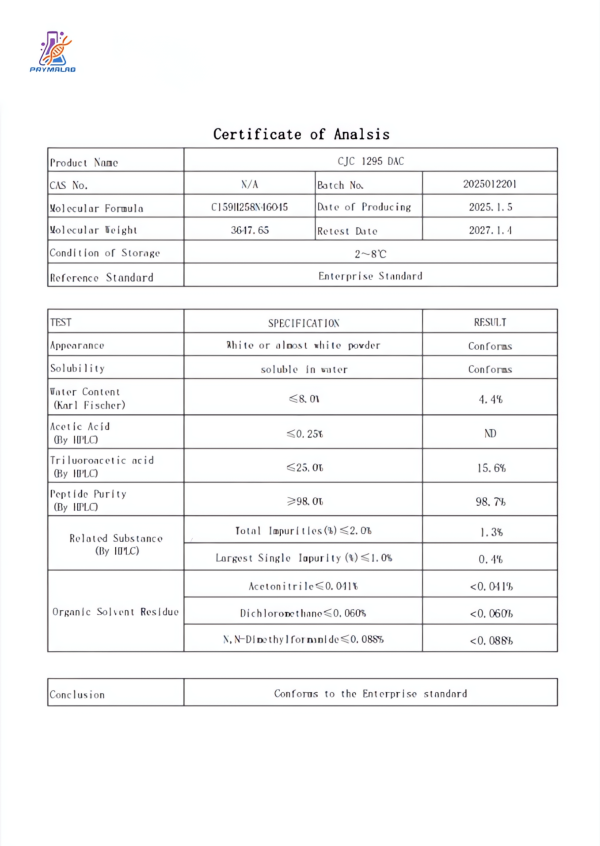
When researchers buy cjc 1295 dac from PrymaLab, they get pharmaceutical-grade peptide manufactured to the highest quality standards. Each 5mg vial contains 99% pure cjc 1295 dac verified by third-party testing, ensuring reliable and reproducible research results. The peptide arrives as freeze-dried powder for maximum shelf life, ready for mixing with sterile water when research protocols begin.

Understanding Growth Hormone and the GHRH System

To fully appreciate how cjc 1295 dac works, it’s essential to understand the growth hormone axis and the role of growth hormone releasing hormone in its control. Growth hormone (GH), also called somatotropin, is a 191-amino acid peptide hormone secreted by somatotroph cells in the anterior pituitary gland. It plays crucial roles in growth, body makeup, body function, and many natural processes throughout life.

Growth hormone secretion follows a pulsatile pattern, with multiple secretory bursts occurring throughout the day, very during deep sleep. This pulsatile secretion is regulated by two hypothalamic hormones: growth hormone releasing hormone (GHRH), which boosts GH release, and somatostatin (also called growth hormone blocking hormone), which suppresses it. The balance between these opposing signals finds the amplitude and frequency of GH pulses.

GHRH is a 44-amino acid peptide produced by neurons in the arcuate nucleus of the hypothalamus. It travels through the hypothalamic-pituitary portal blood system to reach the anterior pituitary, where it binds to GHRH receptors on somatotroph cells. This binding starts intracellular signaling cascades involving cyclic AMP (cAMP) and protein kinase A (PKA), finally leading to increased growth hormone gene transcription, hormone synthesis, and secretion.

The problem with natural GHRH is its extremely short half-life. The enzyme dipeptidyl peptidase-IV (DPP-IV) rapidly cleaves GHRH at the Ala2 position, inactivating it within 2-7 minutes of secretion. This rapid breakdown limits GHRH’s duration of action and makes it impractical for treatment or research uses needing sustained growth hormone boost.

Early tries to use GHRH therapeutically needed continuous infusion or multiple daily injections, which were inconvenient and expensive.

The growth of GHRH analogs like cjc 1295 with dac addressed these limitations through strategic changes. By substituting amino acids at key positions, researchers created peptides resistant to DPP-IV breakdown. The addition of the Drug Affinity Complex took this further, providing a mechanism for extended circulation time through albumin binding.

This innovation transformed GHRH analogs from research curiosities into practical tools for studying growth hormone physiology.

Growth hormone exerts its effects through multiple mechanisms. Some effects are direct, mediated by GH binding to growth hormone receptors on target tissues. These direct effects include increased lipolysis in adipose tissue, enhanced amino acid uptake in muscle, and many body actions. However, many of growth hormone’s most important effects are indirect, mediated by insulin-like growth factor 1 (IGF-1).

IGF-1 is produced mainly in the liver in response to growth hormone boost, though many tissues also produce it locally. IGF-1 mediates growth hormone’s anabolic effects, promoting protein synthesis, cell proliferation, and tissue growth. It also has body effects including improved insulin response and enhanced glucose uptake. The sustained IGF-1 rise achieved with cjc-1295 dac provides a convenient marker for growth hormone activity and allows researchers to study the relationship between IGF-1 levels and natural outcomes.

The growth hormone/IGF-1 axis is subject to negative feedback control. Elevated IGF-1 levels suppress GHRH secretion and boost somatostatin release, reducing growth hormone secretion. This feedback mechanism helps keep homeostasis and prevents too much growth hormone activity. When using cjc 1295 dac in research, this feedback can tune the peptide’s effects, with higher doses possibly triggering stronger negative feedback.

Age-related changes in the growth hormone axis are well-documented. Growth hormone secretion declines progressively with age, with older adults secreting only a fraction of the GH produced during youth. This decline adds to age-related changes in body makeup (increased fat, decreased muscle), reduced bone density, decreased skin quality, and many body changes. Research with cjc 1295 w dac helps scientists understand whether restoring youthful growth hormone levels can reverse or slow these age-related changes.

CJC-1295 DAC Mechanism of Action: Sustained Growth Hormone Release

The mechanism by which cjc 1295 dac promotes sustained growth hormone rise involves a advanced sequence of cell-level events, all stemming from its dual changes: amino acid substitutions for shelf life and the Drug Affinity Complex for extended circulation. Grasp these mechanisms in detail helps researchers design effective protocols and interpret research results accurately.

Albumin Binding and Circulation:

When cjc-1295 dac is gave via under-skin injection, it is absorbed into the bloodstream where it rapidly meets serum albumin, the most abundant protein in plasma at levels of 35-50 g/L. The DAC moiety on the peptide has high affinity for albumin, with binding occurring through non-covalent interactions. This binding is reversible, meaning the peptide can dissociate from albumin, but the equilibrium strongly favors the bound state, with most circulating peptide bound at any given time.

The albumin-peptide complex serves multiple functions. First, it protects cjc 1295 with dac from enzymatic breakdown. While bound to albumin, the peptide is shielded from proteases and peptidases that would otherwise cleave it. Second, the large size of the albumin-peptide complex (about 66 kDa) prevents rapid renal clearance, as molecules this large are not efficiently filtered by the kidneys.

Third, albumin’s long half-life (about 19 days in humans) provides a stable platform for peptide circulation.

The reversible nature of albumin binding is crucial for cjc-1295 dac’s activity. As the peptide slowly dissociates from albumin, free peptide becomes available to bind to GHRH receptors. The dissociation rate is relatively slow, creating a sustained-release effect where active peptide is gradually made available over days. This mechanism explains how a single injection can provide effects lasting 6-14 days.

GHRH Receptor Binding and Start:

As cjc 1295 dac dissociates from albumin, the free peptide can bind to GHRH receptors on pituitary somatotroph cells. These receptors are G protein-coupled receptors (GPCRs) that, when started, trigger intracellular signaling cascades. The amino acid changes in cjc-1295 dac actually enhance binding affinity to GHRH receptors compared to natural GHRH, making the peptide more potent on a per-molecule basis.

Upon binding to GHRH receptors, cjc 1295 w dac starts the Gs protein, which boosts adenylyl cyclase to produce cyclic AMP (cAMP). Elevated cAMP starts protein kinase A (PKA), which phosphorylates many intracellular targets including transcription factors. This signaling cascade leads to increased transcription of the growth hormone gene, enhanced growth hormone synthesis, and finally, growth hormone secretion from somatotroph cells.

Importantly, cjc-1295 dac doesn’t cause constant GHRH receptor start. The pulsatile nature of growth hormone secretion is preserved because the peptide amplifies existing pulses rather than creating continuous boost. The mechanisms keeping pulsatility include somatostatin’s inhibitory effects (which override GHRH boost during inter-pulse periods) and receptor desensitization mechanisms that reduce responsiveness to continuous boost.

Growth Hormone Release and Pulsatility:

The growth hormone released in response to cjc 1295 with dac enters the circulation and exerts both direct and indirect effects. Direct effects include binding to growth hormone receptors on adipose tissue (promoting lipolysis), muscle (enhancing amino acid uptake), and liver (boosting IGF-1 production). The pulsatile pattern of GH release is important for best receptor signaling, as continuous GH rise can lead to receptor downregulation and reduced responsiveness.

Research has shown that cjc-1295 dac increases both the amplitude and frequency of growth hormone pulses. The amplitude increase means each pulse releases more GH than would occur naturally, while the frequency increase means pulses occur more often. The net result is largely elevated 24-hour growth hormone secretion, with some studies showing 2-3 fold increases in integrated GH levels.

The preservation of pulsatility with cjc 1295 dac is an advantage over continuous GH use. Pulsatile GH exposure keeps better receptor response and may produce more natural effects. This is one reason why GHRH analogs like cjc-1295 dac may have benefits over direct growth hormone use for some research uses.

IGF-1 Production and Systemic Effects:

The growth hormone released in response to cjc 1295 w dac boosts IGF-1 production mainly in the liver, though many tissues also produce IGF-1 locally in response to GH. Hepatic IGF-1 production is regulated by the JAK-STAT signaling pathway started by growth hormone receptor binding. The liver releases IGF-1 into circulation, where it binds to IGF-1 receptors throughout the body to mediate growth hormone’s anabolic effects.

Clinical studies with cjc-1295 dac have shown sustained IGF-1 rise lasting 6-14 days from a single dose. The magnitude of IGF-1 increase is dose-dependent, with typical research doses elevating IGF-1 by 2-10 fold above baseline. This sustained IGF-1 rise is the main mechanism by which cjc 1295 dac produces its effects on body makeup, body function, and other natural parameters.

IGF-1 promotes protein synthesis in muscle tissue, enhances satellite cell proliferation and differentiation, improves bone formation, and has many body effects including improved insulin response. The sustained rise achieved with cjc-1295 dac allows these anabolic processes to continue for extended periods, adding to the cumulative effects on lean mass and body makeup saw in research studies.

Body Effects:

Beyond direct effects on growth hormone and IGF-1, cjc 1295 with dac influences whole-body body function in ways that support its research uses. Growth hormone is lipolytic, meaning it promotes fat breakdown. This occurs through start of hormone-sensitive lipase in adipocytes, which breaks down stored triglycerides into free fatty acids and glycerol.

The released fatty acids can be used for energy by other tissues, adding to the fat loss effects saw in research.

Growth hormone also affects glucose body function, often promoting insulin resistance acutely but improving insulin response chronically through body makeup changes. The net body effects of cjc-1295 dac in research studies often include reduced body fat percentage, increased lean mass, and improved body markers, though glucose body function should be tracked in research protocols.

Duration of Action and Pharmacokinetics:

The extended half-life of cjc 1295 dac (about 6-8 days) means that effects persist long after use. IGF-1 levels often peak 2-3 days after injection and remain elevated for 6-14 days depending on dose. This extended duration allows for convenient weekly or bi-weekly dosing in research protocols, a major advantage over shorter-acting peptides needing multiple daily injections.

The pharmacokinetics of cjc-1295 dac are relatively linear and predictable, with dose-proportional increases in IGF-1 rise. This makes it easier to design dose-response studies and predict the effects of different dosing regimens. The consistency of effects across doses and subjects (with some personal variability) makes cjc 1295 w dac a reliable tool for research uses.

Clinical Research and CJC-1295 DAC Studies

CJC-1295 DAC has been studied in multiple clinical trials, providing large data on its pharmacokinetics, pharmacodynamics, safety profile, and effects on body makeup and body function. Grasp this research history helps researchers design effective protocols and interpret their findings in context.

Phase 1 Clinical Trials — Pharmacokinetics and Safety:

The first human studies with cjc 1295 with dac were Phase 1 trials designed to assess safety, tolerability, and pharmacokinetics in healthy volunteers. These studies tested single ascending doses ranging from 30 to 120 mcg/kg gave as under-skin injections. The main endpoints were safety and pharmacokinetic parameters, with second endpoints including effects on growth hormone and IGF-1 levels.

Results showed that cjc-1295 dac was often well-tolerated across all doses tested. The most common adverse events were mild injection site reactions (redness, swelling) and transient flushing or warmth, which resolved without intervention. No serious adverse events were reported in these first studies, supporting the peptide’s safety profile for further growth.

Pharmacokinetic test revealed that cjc 1295 dac had a half-life of about 6-8 days, confirming the extended duration of action conferred by the DAC change. Peak plasma levels occurred 1-2 hours after under-skin injection, with the peptide then gradually declining over the following days. The albumin-binding mechanism was confirmed through studies showing that most circulating peptide was bound to albumin.

IGF-1 Rise Studies:

A key finding from Phase 1 trials was the dramatic and sustained rise of IGF-1 levels following cjc-1295 dac use. A single dose of 60 mcg/kg elevated mean IGF-1 levels from about 150 ng/mL at baseline to over 300 ng/mL, with levels remaining elevated for 6-11 days. Higher doses produced even greater IGF-1 increases, with some subjects showing 3-4 fold elevations above baseline.

The dose-response relationship for IGF-1 rise was about linear across the dose range tested, meaning doubling the dose roughly doubled the IGF-1 increase. This predictable dose-response makes it easier to design research protocols targeting specific IGF-1 levels. Personal variability existed, with some subjects showing greater IGF-1 responses than others, likely reflecting differences in baseline growth hormone status, body makeup, and genetic factors.

Importantly, the IGF-1 rise with cjc 1295 w dac was sustained and relatively stable, without the large peak-to-trough fluctuations seen with daily injections of shorter-acting peptides. This sustained rise may be advantageous for research into chronic growth hormone effects, as it better mimics what would occur with genetic growth hormone excess or continuous GH infusion.

Body Makeup Studies:

Longer-term studies (8-12 weeks) examined the effects of cjc-1295 dac on body makeup in healthy adults and in populations with growth hormone deficiency. These studies used repeated dosing (often weekly or bi-weekly) to keep elevated IGF-1 levels throughout the study period. Body makeup was assessed using DEXA scans, which provide accurate measurements of lean mass, fat mass, and bone density.

Results showed major gains in body makeup with cjc 1295 with dac treatment. Subjects gained an average of 2-4 kg of lean body mass over 12 weeks, with concurrent reductions in fat mass of 1-3 kg. The lean mass gains were distributed throughout the body, with increases in both appendicular (limb) and trunk lean mass.

Fat loss was preferential for trunk fat, including visceral adipose tissue, which is metabolically harmful.

These body makeup changes occurred without major changes in body weight in some studies, as lean mass gains offset fat loss. However, the gains in body makeup were clinically meaningful, with subjects showing better muscle definition, reduced waist circumference, and improved body makeup ratios. The magnitude of changes was comparable to or greater than those achieved with direct growth hormone use, suggesting that cjc-1295 dac effectively boosts endogenous GH production.

Body Effects Studies:

Research has also examined the body effects of cjc 1295 dac beyond body makeup. Studies in subjects with body syndrome or type 2 diabetes showed gains in insulin response, glucose tolerance, and lipid profiles with cjc-1295 dac treatment. These body gains likely result from the body makeup changes (increased muscle mass, decreased fat mass) rather than direct effects of the peptide.

Some studies reported gains in markers of heart health, including reductions in LDL cholesterol and increases in HDL cholesterol. Blood pressure effects were variable, with some studies showing modest reductions and others showing no major changes. The body benefits of cjc 1295 w dac make it interesting for research into obesity, body syndrome, and related conditions.

Comparison Studies — CJC-1295 DAC vs Other GH Secretagogues:

Several studies have compared cjc-1295 dac to other growth hormone secretagogues including shorter-acting GHRH analogs and growth hormone releasing peptides (GHRPs). These comparison studies help set up the relative benefits and disadvantages of different approaches to growth hormone boost.

Compared to cjc 1295 no dac (Mod GRF 1-29), the DAC version provides more sustained IGF-1 rise with less frequent dosing. Studies showed that while both peptides effectively boost growth hormone release, cjc-1295 dac keeps elevated IGF-1 for days while No DAC needs 2-3 daily injections to achieve similar sustained effects. This makes cjc 1295 with dac more convenient for long-term research protocols.

Compared to growth hormone releasing peptides like Ipamorelin, cjc-1295 dac works through a different mechanism (GHRH receptor vs ghrelin receptor) and provides more sustained effects. Some research suggests that combining cjc 1295 dac with GHRPs may produce combined effects, as the two mechanisms work through different pathways. However, the extended half-life of cjc-1295 dac makes it less suitable for mix protocols needing precise timing of peptide use.

Safety and Tolerability Data:

Across multiple clinical trials, cjc 1295 with dac has showed a often favorable safety profile. The most common adverse events are mild and include injection site reactions (reported in 20-40% of subjects), transient flushing or warmth (10-20%), headaches (5-10%), and mild water retention (5-10%). These effects are often mild and resolve without intervention or with dose reduction.

More major concerns relate to the sustained rise of IGF-1. While short-term studies haven’t shown serious adverse effects, there are theoretical concerns about long-term IGF-1 rise including possible effects on cancer risk (IGF-1 promotes cell proliferation), glucose body function (growth hormone can cause insulin resistance), and other growth-related effects. These concerns make it important to track IGF-1 levels in research protocols and avoid too much rise.

No serious adverse events directly attributable to cjc-1295 dac have been reported in published clinical trials. However, the peptide has not been studied in very large populations or for very long durations (>6 months), so rare adverse effects or long-term results may not be fully characterized. Researchers should use appropriate safety tracking and informed consent procedures.

Research Implications and Ongoing Value:

Despite not being approved as a treatment agent, cjc 1295 dac remains highly valuable for research purposes. The extensive clinical data provides a solid foundation for research protocol design, with well-characterized dose-response relationships, pharmacokinetics, and safety profile. The peptide serves as a tool for studying growth hormone physiology, IGF-1 biology, body makeup control, and body health.

The sustained IGF-1 rise achieved with cjc-1295 dac makes it very useful for research into chronic growth hormone effects. Researchers can study how sustained IGF-1 rise affects muscle growth, fat body function, bone density, skin quality, cognitive function, and other parameters without the complexity of multiple daily injections. The predictable pharmacokinetics make it easier to design dose-response studies and correlate IGF-1 levels with outcomes.

For researchers who buy cjc 1295 dac today, the peptide serves as a powerful tool for studying growth hormone biology and developing next-generation growth hormone therapies. The well-characterized mechanism of action and extensive research history make it an ideal compound for controlled research studies exploring these important natural questions.

CJC-1295 DAC Benefits for Growth Hormone Research

The cjc 1295 dac benefits for growth hormone research extend across multiple aspects of physiology and body makeup, making it one of the most convenient and effective tools available for studying growth hormone effects. Grasp these benefits helps researchers design studies that maximize the peptide’s research value.

Sustained IGF-1 Rise:

The most basic benefit of cjc 1295 with dac is its power to produce sustained rise of IGF-1 levels from infrequent dosing. Clinical studies showed that a single injection can elevate IGF-1 for 6-14 days, with levels remaining 2-10 fold above baseline throughout this period. This sustained rise allows researchers to study chronic growth hormone effects without the complexity and expense of multiple daily injections or continuous infusion.

The consistency of IGF-1 rise with cjc-1295 dac is also valuable. Unlike daily injections of shorter-acting peptides which produce peak-to-trough fluctuations, cjc 1295 w dac keeps relatively stable IGF-1 levels. This shelf life makes it easier to correlate IGF-1 levels with natural outcomes and reduces the confounding effects of variable IGF-1 exposure.

Lean Mass Gains:

Research has consistently shown that cjc-1295 dac promotes increases in lean body mass. Clinical studies showed gains of 2-4 kg of lean mass over 12-week protocols, with the magnitude of gains related to dose, baseline body makeup, training status, and nutritional intake. These lean mass gains result from growth hormone and IGF-1’s anabolic effects on muscle tissue, including increased protein synthesis, enhanced satellite cell activity, and improved healing from exercise.

For cjc 1295 dac dosage bodybuilding research uses, the lean mass gains are very interesting. The peptide allows researchers to study how growth hormone boost affects muscle growth in the context of resistance training. Studies suggest that combining cjc-1295 dac with appropriate training and nutrition produces greater lean mass gains than either intervention alone, showing combined effects.

The lean mass gains with cjc 1295 with dac are distributed throughout the body, affecting both appendicular (limb) and trunk musculature. This whole-body effect distinguishes growth hormone-mediated muscle growth from localized hypertrophy achieved through resistance training alone. The peptide may also improve muscle quality and function, not just size, through effects on muscle fiber makeup and contractile protein content.

Fat Loss and Body Makeup:

Beyond lean mass gains, cjc-1295 dac promotes reductions in body fat percentage through growth hormone’s lipolytic effects. Clinical studies showed fat mass reductions of 1-3 kg over 12 weeks, with preferential loss of trunk fat including visceral adipose tissue. This selective fat loss is very valuable from a health perspective, as visceral fat is more strongly linked with body disease and heart risk than under-skin fat.

The fat loss with cjc 1295 dac occurs through multiple mechanisms. Growth hormone starts hormone-sensitive lipase in adipocytes, promoting breakdown of stored triglycerides into free fatty acids. These fatty acids are released into circulation and can be oxidized for energy by other tissues. Growth hormone also reduces lipogenesis (fat synthesis) and may improve fat oxidation capacity in muscle tissue.

The mix of lean mass gains and fat loss produces dramatic gains in body makeup. Subjects in research studies showed reductions in body fat percentage of 2-5 percentage points, gains in waist-to-hip ratio, and better muscle definition. These body makeup changes occurred even in subjects who didn’t lose major total body weight, as lean mass gains offset fat loss.

Body Gains:

Research with cjc-1295 dac has shown many body benefits beyond body makeup changes. Studies reported gains in insulin response, glucose tolerance, and lipid profiles in subjects with body dysfunction. These body gains likely result mainly from the body makeup changes (increased muscle mass, decreased fat mass) rather than direct effects of growth hormone, though GH does have direct body actions.

The body benefits make cjc 1295 w dac valuable for research into obesity, body syndrome, and type 2 diabetes. Grasp how growth hormone boost affects body function could inform growth of therapies for these common conditions. The peptide allows researchers to study whether improving body makeup through growth hormone boost produces body benefits comparable to those achieved through diet and exercise.

Bone Density Boost:

Growth hormone and IGF-1 play important roles in bone body function, boosting both bone formation and remodeling. Research with cjc-1295 dac has shown increases in markers of bone formation and gains in bone mineral density, very in populations with growth hormone deficiency. These bone effects are important for research into osteoporosis, age-related bone loss, and fracture prevention.

The bone-building effects of cjc 1295 with dac occur through multiple mechanisms. IGF-1 boosts osteoblast (bone-forming cell) activity and proliferation, enhances collagen synthesis, and improves calcium retention. Growth hormone also affects bone remodeling, the process by which old bone is removed and replaced with new bone. The net effect is improved bone density and possibly better bone quality and strength.

Healing and Regrowth:

Many researchers and subjects report improved healing from exercise and injury with cjc-1295 dac use, though these effects are less well-studied in controlled trials. The mechanisms for improved healing likely include enhanced protein synthesis, better tissue repair, improved sleep quality (growth hormone is important for sleep), and anti-swelling effects. These healing benefits make cjc 1295 dac interesting for research into athletic performance, injury rehabilitation, and age-related declines in healing capacity.

Anti-Aging Research Uses:

Growth hormone secretion declines progressively with age, adding to age-related changes in body makeup, bone density, skin quality, cognitive function, and overall vitality. Research with cjc-1295 dac helps scientists understand whether restoring youthful growth hormone levels can reverse or slow these age-related changes. Studies in older adults have shown that cjc 1295 w dac can improve body makeup, increase bone density, enhance skin thickness and elasticity, and improve many quality of life measures.

The anti-aging research uses of cjc-1295 dac are very interesting given the peptide’s safety profile and convenience. Unlike direct growth hormone use, which needs daily injections and carries risks of too much GH levels, cjc 1295 with dac boosts endogenous GH production in a more natural pattern. This may provide anti-aging benefits with better safety and tolerability.

Research Convenience and Compliance:

A practical benefit of cjc-1295 dac for research is the convenience of infrequent dosing. Weekly or bi-weekly injections are much easier to keep than the 2-3 daily injections needed with shorter-acting peptides. This convenience improves research subject compliance, reduces the burden of research participation, and makes long-term studies more feasible.

The predictable pharmacokinetics also simplify protocol design and reduce the complexity of research procedures.

Mix Research Possible:

CJC-1295 DAC can be combined with other research compounds to study combined effects on body makeup and body function. Researchers might combine it with growth hormone releasing peptides like Ipamorelin to study whether boosting both GHRH and ghrelin pathways produces greater effects than either alone. However, the extended half-life of cjc-1295 dac makes timing less key than with shorter-acting peptides, which may affect synergy with compounds needing precise timing.

Mixes with muscle-building peptides, body compounds, or other growth factors could explore whether different mechanisms work additively or synergistically. The power to study cjc 1295 dac alongside other compounds from our peptides for sale collection makes it a valuable component of full growth hormone research programs.

CJC-1295 DAC vs No DAC: Understanding the Differences

One of the most common questions researchers have is about cjc 1295 dac vs no dac — grasp the differences between these two forms of modified GHRH is crucial for selecting the appropriate peptide for specific research uses. While both are effective growth hormone secretagogues, they have distinct characteristics that make each suitable for different research contexts.

Structural Differences:

The basic difference between cjc 1295 with dac and cjc 1295 without dac (also called Mod GRF 1-29 or CJC-1295 No DAC) is the presence or absence of the Drug Affinity Complex. Both peptides share the same core GHRH 1-29 sequence with four amino acid substitutions (Ala2, Gln8, Ala15, Leu27) that increase shelf life and potency.

However, cjc-1295 dac has an more DAC moiety attached to a lysine residue, which lets albumin binding.

This structural difference has profound implications for pharmacokinetics and practical use. The DAC change transforms a peptide with a 30-minute half-life into one with a 6-8 day half-life, fundamentally changing how the peptide is used in research protocols.

Half-Life and Duration of Action:

The most obvious difference in cjc 1295 dac or no dac comparison is half-life. CJC-1295 with DAC has a half-life of about 6-8 days, while CJC-1295 No DAC has a half-life of only 30 minutes. This dramatic difference means that cjc-1295 dac can be dosed weekly or bi-weekly, while No DAC needs 2-3 daily injections to keep elevated growth hormone levels.

The extended half-life of cjc 1295 w dac provides sustained IGF-1 rise for 6-14 days from a single injection. In contrast, cjc 1295 no dac produces acute growth hormone pulses that last 2-4 hours, with IGF-1 rise returning to baseline within 24 hours unless redosed. This difference makes cjc-1295 dac more convenient for long-term research but less suitable for studies needing precise temporal control of growth hormone pulses.

IGF-1 Rise Patterns:

The pattern of IGF-1 rise differs greatly between cjc 1295 with dac and cjc 1295 without dac. CJC-1295 DAC produces sustained, relatively stable IGF-1 rise with minimal peak-to-trough variation. IGF-1 levels rise gradually over 1-3 days, plateau for several days, then slowly decline over the following week.

In contrast, cjc 1295 no dac produces pulsatile IGF-1 rise that mirrors the pulsatile growth hormone release it boosts. Each injection causes an acute GH pulse, which transiently elevates IGF-1. With multiple daily injections, cjc 1295 without dac can keep elevated average IGF-1 levels, but with more peak-to-trough variation than seen with cjc-1295 dac.

Natural Pulsatility:

An important consideration in cjc 1295 dac vs no dac comparison is the preservation of natural growth hormone pulsatility. Growth hormone is normally secreted in pulses, and this pulsatile pattern is important for best receptor signaling and natural effects. Continuous GH rise can lead to receptor downregulation and reduced responsiveness.

CJC-1295 No DAC better preserves natural pulsatility because each injection produces an acute GH pulse that then subsides. The peptide amplifies natural pulses without creating continuous rise. CJC-1295 DAC, while not causing truly continuous GH rise, does produce more sustained boost that may reduce the amplitude of natural pulsatile variation. Some researchers prefer cjc 1295 without dac for this reason, believing it produces more natural effects.

Dosing Convenience:

For practical research uses, cjc-1295 dac offers major convenience benefits. Weekly or bi-weekly injections are much easier to keep than the 2-3 daily injections needed with cjc 1295 no dac. This convenience improves research subject compliance, reduces the burden of research participation, and makes long-term studies more feasible.

However, the frequent dosing needed with cjc 1295 without dac provides more flexibility for dose adjustments and protocol changes. If adverse effects occur, the short half-life means effects dissipate quickly after discontinuation. With cjc-1295 dac, effects persist for days after the last injection, which could be problematic if issues arise.

Mix with Other Peptides:

The cjc 1295 with or without dac decision is very important when planning mix protocols. CJC-1295 No DAC is often preferred for mix with growth hormone releasing peptides like Ipamorelin because the timing of use can be synchronized to produce combined GH pulses. The mix of cjc 1295 without dac and ipamorelin is popular in research because the two peptides work through different mechanisms (GHRH receptor vs ghrelin receptor) and can be timed to produce larger GH pulses than either alone.

CJC-1295 DAC is less suitable for precisely timed mixes because its extended half-life means it’s always present in the system. However, it can still be combined with other peptides for additive effects, just without the precise pulse synchronization possible with cjc 1295 no dac.

Research Uses:

The choice between cjc 1295 dac vs no dac depends on research objectives:

Choose CJC-1295 DAC for:

  • Long-term studies needing sustained IGF-1 rise
  • Research where dosing convenience is important
  • Studies examining chronic growth hormone effects
  • Protocols where stable IGF-1 levels are desired
  • Research subjects who prefer infrequent injections

Choose CJC-1295 No DAC for:

  • Studies needing precise temporal control of GH pulses
  • Research examining pulsatile growth hormone effects
  • Mix protocols with GHRPs needing synchronized timing
  • Studies where natural pulsatility is important
  • Protocols where rapid offset of effects is desired

Cost Factors:

When assessing cjc 1295 with dac vs without dac from a cost perspective, several factors come into play. While per-vial costs may be similar, the dosing frequency differs dramatically. CJC-1295 DAC needs 4-8 injections per month (weekly or bi-weekly), while CJC-1295 No DAC needs 60-90 injections per month (2-3 daily).

This means total peptide consumption and cost will be higher with No DAC for equivalent study durations.

However, the actual cost-effectiveness depends on research objectives. For short-term studies or those needing precise pulse control, cjc 1295 no dac may be more appropriate despite higher peptide consumption. For long-term studies focused on sustained effects, cjc-1295 dac is likely more cost-effective.

Safety Profile Comparison:

Both peptides have often favorable safety profiles based on available research. The cjc 1295 dac side effects profile includes injection site reactions, transient flushing, occasional headaches, and mild water retention. CJC-1295 No DAC has a similar side effect profile, though the shorter duration means any adverse effects resolve more quickly.

The sustained IGF-1 rise with cjc-1295 dac needs consideration of long-term IGF-1 effects, including theoretical concerns about cancer risk and body effects. The pulsatile rise with cjc 1295 no dac may have a better safety profile for very long-term use, though this hasn’t been definitively set up in research.

Research Supply:

Both cjc 1295 with dac and cjc 1295 without dac are available for research purposes from PrymaLab. Researchers can buy cjc 1295 dac or CJC-1295 No DAC with confidence in pharmaceutical-grade quality and purity. Having access to both peptides allows researchers to conduct direct comparison studies or select the most appropriate peptide for their specific research objectives.

CJC-1295 DAC Dosage Protocols and Administration

Finding appropriate cjc 1295 dac dosage for research uses needs grasp the available clinical data, considering research goals, and accounting for personal variability in growth hormone responsiveness. The extensive clinical trial data provides solid guidance for research dosing protocols.

Clinical Dosage Data:

Human clinical trials with cjc-1295 dac tested a range of doses to set up safety, effect, and dose-response relationships:

Phase 1 Dose-Response Studies:

  • Doses tested: 30, 60, 90, and 120 mcg/kg body weight
  • Use: Single under-skin injection
  • Results: Dose-proportional IGF-1 rise
  • Best single dose: 60 mcg/kg produced major IGF-1 rise with good tolerability

Phase 2 Repeated Dosing Studies:

  • Doses tested: 30-60 mcg/kg body weight
  • Use: Weekly or bi-weekly under-skin injections
  • Duration: 8-12 weeks typical
  • Results: Sustained IGF-1 rise and body makeup gains

Research Dosage Rules:

Based on clinical trial data, research protocols with cjc 1295 with dac often consider the following ranges:

Conservative Research Protocol:

  • Dose: 1-1.5 mg per week (or 0.5-0.75 mg twice weekly)
  • Equivalent to: ~30-40 mcg/kg for a 70 kg subject
  • Frequency: Once or twice weekly
  • Duration: 8-12 weeks
  • Suitable for: First research, dose-response studies, subjects new to growth hormone research

Standard Research Protocol:

  • Dose: 2 mg per week (or 1 mg twice weekly)
  • Equivalent to: ~60 mcg/kg for a 70 kg subject
  • Frequency: Once or twice weekly
  • Duration: 8-16 weeks
  • Suitable for: Body makeup research, standard effect studies

Advanced Research Protocol:

  • Dose: 3-4 mg per week (or 1.5-2 mg twice weekly)
  • Equivalent to: ~90-120 mcg/kg for a 70 kg subject
  • Frequency: Once or twice weekly
  • Duration: 8-12 weeks
  • Suitable for: Maximum effect studies, experienced research subjects with tracking

CJC-1295 DAC Dosage Calculator:

For researchers working with CJC-1295 DAC 5MG vials, accurate dosage calculations are essential:

Example Calculations:

For a 70 kg subject using standard protocol (60 mcg/kg):

  • 70 kg ร— 60 mcg/kg = 4,200 mcg = 4.2 mg per dose
  • With 5mg vials: Need about 0.84 vials per dose
  • For weekly dosing: ~3.4 vials per month
  • For bi-weekly dosing: ~1.7 vials per month

For a 80 kg subject using standard protocol:

  • 80 kg ร— 60 mcg/kg = 4,800 mcg = 4.8 mg per dose
  • With 5mg vials: Need about 0.96 vials per dose
  • For weekly dosing: ~3.8 vials per month

Simplified Dosing Approach:

Many researchers use simplified dosing based on total mg rather than mcg/kg:

  • Conservative: 1-1.5 mg per week
  • Standard: 2 mg per week
  • Advanced: 3-4 mg per week

This approach is easier to calculate and use while still providing effective cjc 1295 dac dosage based on clinical data.

CJC-1295 DAC Dosage Per Week vs Per Day:

An important consideration is cjc-1295 dac dosage per week versus daily dosing. Due to the extended half-life, daily dosing is not necessary and would lead to too much buildup. Clinical trials used weekly or bi-weekly dosing, which provides best balance between convenience and sustained IGF-1 rise.

Weekly Dosing:

  • Single injection per week
  • Provides sustained IGF-1 rise for 6-10 days
  • Most convenient option
  • May have slightly more peak-to-trough variation

Bi-Weekly Dosing:

  • Two injections per week (e.g., Monday and Thursday)
  • Provides more stable IGF-1 levels
  • Reduces peak-to-trough variation
  • Slightly less convenient but may optimize effects

CJC-1295 DAC Dosage Per Day Factors:

While cjc-1295 dac dosage per day is sometimes discussed, daily dosing is not recommended due to the peptide’s extended half-life. Daily injections would cause too much buildup, leading to very high IGF-1 levels that could increase adverse effect risk. The clinical data supports weekly or bi-weekly dosing as best.

Mixing Protocol:

Proper mixing of cjc 1295 dac is essential for accurate dosing and peptide shelf life:

Mixing Steps:

  • Gather Supplies: CJC-1295 DAC 5MG vial(s) Sterile water (0.9% benzyl alcohol) Sterile syringes (insulin syringes recommended for accuracy) Alcohol swabs Sharps container
  • **Prepare Vial:**Remove plastic cap from CJC-1295 DAC vial Swab rubber stopper with alcohol Allow to air dry completely
  • **Add Sterile Water:**Draw desired amount of sterile water into syringe Common volumes: 2-2.5 mL per 5mg vial Insert needle through rubber stopper at an angle Inject water slowly down the side of vial (not directly onto powder) Avoid creating foam or bubbles
  • **Mix Solution:**Gently swirl vial in circular motion Do not shake vigorously (can damage peptide structure) Allow powder to dissolve completely (may take 2-5 minutes) Solution should be clear and colorless
  • Calculate Level: Example: 5mg CJC-1295 DAC + 2mL sterile water = 2.5mg/mL level Example: 5mg CJC-1295 DAC + 2.5mL sterile water = 2mg/mL level Use Peptide Calculator for precise calculations Label vial with level and mixing date

Use Technique:

CJC-1295 DAC needs proper under-skin injection technique:

Injection Sites:

  • Abdomen (2 inches from navel, any direction) — most common
  • Upper thighs (front or outer aspects)
  • Upper arms (outer aspect, if gave by assistant)
  • Rotate sites with each injection to prevent tissue irritation

Injection Procedure:

  • **Prepare Injection Site:**Select injection site and clean with alcohol swab Allow alcohol to dry completely (30-60 seconds) Pinch skin to create fold of under-skin tissue
  • Prepare Syringe: Draw calculated cjc 1295 dac dose from vial Remove air bubbles by tapping syringe gently Verify correct dose in syringe
  • **Give Injection:**Insert needle at 45-90 degree angle (depending on body fat) Inject slowly and steadily over 5-10 seconds Withdraw needle smoothly Apply gentle pressure if needed (do not rub)
  • **Post-Injection:**Dispose of needle safely in sharps container Record injection site, dose, date, and time Track for any reactions

Dosing Frequency and Timing:

The extended half-life of cjc-1295 dac allows flexible dosing schedules:

Weekly Dosing:

  • Frequency: Once per week
  • Timing: Same day each week (e.g., every Monday)
  • Provides sustained IGF-1 rise for 6-10 days
  • Most convenient option
  • Suitable for most research protocols

Bi-Weekly Dosing:

  • Frequency: Twice per week (e.g., Monday and Thursday)
  • Provides more stable IGF-1 levels
  • Reduces peak-to-trough variation
  • May optimize effects for some research objectives

Timing Factors:

  • Time of day: Evening use often preferred (aligns with natural GH secretion)
  • Relationship to meals: Can be gave regardless of meal timing
  • Relationship to exercise: No specific timing requirements
  • Consistency: Same day/time each week improves protocol adherence

CJC-1295 DAC Dosage Bodybuilding Research:

For cjc 1295 dac dosage bodybuilding research uses, protocols often use:

  • Dose: 2-4 mg per week
  • Frequency: Once or twice weekly
  • Duration: 12-16 weeks
  • Combined with: Resistance training and enough protein intake
  • Expected outcomes: 2-4 kg lean mass gains, 1-3 kg fat loss

Storage and Handling:

Proper storage keeps cjc-1295 dac potency:

Unreconstituted Peptide:

  • Storage heat: 2-8ยฐC (refrigerated) or -20ยฐC (frozen)
  • Protect from light and moisture
  • Shelf life: 2-3 years when properly stored
  • Can tolerate room heat briefly during shipping

Mixed Solution:

  • Storage heat: 2-8ยฐC (refrigerated) — NEEDED
  • Protect from light (store in original vial or wrap in foil)
  • Shelf life: 14-28 days when refrigerated with sterile water
  • Do not freeze mixed solution
  • Discard if solution becomes cloudy or contains particles

Research Protocol Design:

When designing research protocols with cjc 1295 w dac dosage, consider:

Dose-Response Studies:

  • Test multiple dose levels (e.g., 1, 2, 3 mg per week)
  • Include control groups
  • Track IGF-1 levels to confirm dose-response
  • Assess both effect and safety endpoints

Duration Studies:

  • Short-term: 4-8 weeks to assess acute effects
  • Medium-term: 8-12 weeks for body makeup changes
  • Long-term: 12-24 weeks for maximum effects (with tracking)

Tracking Parameters:

  • IGF-1 levels (baseline and periodic during study)
  • Body makeup (DEXA or similar)
  • Strength and performance measures
  • Safety parameters (glucose, lipids, etc.)
  • Adverse event tracking

Special Factors:

Body Weight Adjustments:

  • Calculate doses based on actual body weight
  • Recalculate if body weight changes greatly (>5%)
  • Consider using ideal body weight in very obese subjects

Personal Variability:

  • Response to cjc-1295 dac varies among people
  • Factors affecting response:
  • Baseline growth hormone status Age and hormonal status Body makeup Genetic factors Concurrent drugs or compounds

Dose Escalation:

  • Start with lower doses and escalate gradually
  • Allow 2-4 weeks at each dose before escalating
  • Track IGF-1 levels to guide dose adjustments
  • Have clear criteria for dose reduction if needed

Research Support Resources:

PrymaLab provides full support for researchers using cjc 1295 dac:

  • Peptide Calculator for accurate dosing calculations
  • Sterile Water for proper mixing
  • Technical support for protocol design
  • Dosing guidance based on research literature
  • Quality records for research records

When researchers buy cjc 1295 dac from PrymaLab, they get detailed mixing and use instructions with their order, ensuring proper handling and use of this valuable research compound.

SAFETY PROFILE AND SIDE EFFECTS

Understanding CJC-1295 DAC Side Effects

The cjc 1295 dac side effects profile is well-documented from multiple clinical trials, providing important safety data for researchers. Overall, the peptide has showed a favorable safety profile with mostly mild and transient adverse events. Grasp these effects is crucial for responsible research use and appropriate safety tracking.

Clinical Trial Safety Data

Phase 1 Safety Studies:

First human safety studies with cjc-1295 dac in healthy volunteers provided the first systematic safety data:

Common Adverse Events:

  • Injection site reactions (20-40% of subjects)
  • Mild redness at injection site Transient swelling or induration Occasional itching Often resolved within 24-48 hours
  • Transient flushing or warmth (10-20% of subjects)
  • Facial flushing shortly after injection Sensation of warmth Resolved within 30-60 minutes
  • Headaches (5-10% of subjects)
  • Mild to moderate intensity Often resolved without intervention May be related to changes in fluid balance

Less Common Effects:

  • Mild water retention (5-10% of subjects)
  • Transient joint discomfort (occasional)
  • Mild fatigue (occasional)
  • Dizziness (rare)

Important Finding: No serious adverse events were reported in Phase 1 studies across all doses tested (30-120 mcg/kg). This set up the basic safety profile supporting further growth.

Phase 2 Longer-Term Studies:

Studies examining repeated dosing over 8-12 weeks provided more safety data:

Sustained Treatment Effects:

  • Injection site reactions remained the most common adverse event
  • Frequency of reactions decreased over time (tolerance growth)
  • Water retention more apparent with repeated dosing
  • No buildup of serious adverse events with continued use

Laboratory Changes:

  • Elevated IGF-1 levels (expected pharmacological effect)
  • Mild decreases in fasting glucose in some subjects (beneficial effect)
  • No clinically major changes in liver or kidney function
  • No major changes in lipid profiles
  • Occasional mild increases in fasting insulin (related to GH effects)

Body Makeup Effects:

  • Lean mass gains (desired effect)
  • Fat mass reductions (desired effect)
  • No adverse effects on bone density
  • Gains in body makeup markers

Mechanism of Side Effects

Grasp why cjc 1295 with dac causes certain side effects helps researchers expect and manage them:

Injection Site Reactions:

The injection site reactions with cjc-1295 dac likely result from local tissue response to the peptide and the mixing solution. The peptide itself may cause mild local swelling, while the benzyl alcohol in sterile water can irritate tissues. These reactions are often mild and resolve quickly, similar to reactions seen with other under-skin peptide injections.

Flushing and Warmth:

The transient flushing experienced by some subjects likely results from growth hormone’s effects on blood vessels and body function. Growth hormone can cause vasodilation (blood vessel widening) and increase body rate, both of which can produce sensations of warmth and facial flushing. These effects are often mild and short-lived.

Water Retention:

Growth hormone has anti-natriuretic effects, meaning it promotes sodium and water retention by the kidneys. This can lead to mild fluid retention, very in the hands, feet, and face. The water retention with cjc 1295 w dac is often mild and may actually decrease over time as the body adapts.

It’s more apparent at higher doses and in subjects with higher baseline sodium intake.

Headaches:

The occasional headaches reported with cjc-1295 dac may relate to changes in fluid balance, blood pressure effects, or direct effects of growth hormone on cerebral blood flow. These headaches are often mild and respond to standard over-the-counter pain relievers if needed.

IGF-1 Related Effects:

The sustained rise of IGF-1 is the main mechanism by which cjc 1295 dac produces its effects, but elevated IGF-1 also has possible concerns. IGF-1 promotes cell proliferation and growth, which raises theoretical concerns about cancer risk with long-term use. However, clinical trials haven’t shown increased cancer incidence, and the relationship between IGF-1 and cancer risk in humans is complex and not fully understood.

Safety Monitoring Recommendations

Researchers using cjc 1295 with dac should use appropriate safety tracking:

Baseline Assessment:

Before starting research protocols:

  • Complete medical history with focus on:
  • Cancer history (personal or family) Diabetes or glucose intolerance Heart disease Pituitary disorders
  • Physical review including:
  • Blood pressure measurement Body makeup assessment General health evaluation
  • Baseline laboratory tests:
  • IGF-1 level Fasting glucose and HbA1c Lipid profile Complete blood count Full body panel Thyroid function (TSH)

Ongoing Tracking:

During research protocols:

  • Monthly tracking:
  • IGF-1 levels (to confirm response and avoid too much rise) Fasting glucose Body weight and makeup Blood pressure Adverse event assessment
  • Quarterly tracking:
  • Full body panel Lipid profile HbA1c (if diabetic or pre-diabetic)
  • Injection site inspection at each visit
  • Symptom assessment and records

Warning Signs Needing Attention:

  • IGF-1 levels >3x upper limit of normal
  • New or worsening glucose intolerance
  • Major water retention or edema
  • Persistent headaches
  • Joint pain or swelling
  • Visual changes
  • Signs of carpal tunnel syndrome (numbness/tingling in hands)
  • Any unusual symptoms

Intervention Criteria:

  • Mild adverse effects: Continue with tracking
  • Moderate adverse effects: Consider dose reduction
  • Major adverse effects: Hold treatment and reassess
  • Serious adverse events: Discontinue immediately

Contraindications and Precautions

Certain conditions or circumstances warrant exclusion from cjc-1295 dac research or need special precautions:

Absolute Contraindications:

  • Active cancer or history of malignancy (within 5 years)
  • IGF-1 promotes cell proliferation Theoretical concern about cancer growth Needs oncology clearance if cancer history
  • Active diabetic retinopathy
  • IGF-1 can worsen retinopathy Needs ophthalmology evaluation
  • Known allergy to CJC-1295 DAC or components
  • Pregnancy or breastfeeding (insufficient safety data)
  • Active acromegaly or gigantism
  • Key illness or acute medical conditions

Relative Contraindications (Need Careful Consideration):

  • Diabetes or pre-diabetes
  • Growth hormone can affect glucose body function Needs close glucose tracking May need medication adjustments
  • Heart disease
  • Growth hormone affects heart system Needs cardiology clearance Enhanced tracking needed
  • Carpal tunnel syndrome
  • Growth hormone can worsen symptoms Track for numbness/tingling
  • Sleep apnea
  • Growth hormone may worsen condition Consider sleep study if suspected
  • Hypothyroidism
  • Growth hormone can affect thyroid function Ensure enough thyroid replacement

Special Populations:

Elderly Subjects:

  • May be more sensitive to effects
  • Start with lower doses
  • Enhanced tracking recommended
  • Greater possible for adverse effects

Diabetic Subjects:

  • Need close glucose tracking
  • May need diabetes medication adjustments
  • Higher risk of glucose intolerance
  • Consider continuous glucose tracking

Obese Subjects:

  • May have altered pharmacokinetics
  • Consider dose adjustments
  • Track for body effects
  • May have greater insulin resistance

Managing Adverse Effects

If side effects of cjc 1295 dac occur during research, appropriate care strategies include:

For Injection Site Reactions:

  • Rotate injection sites consistently
  • Use proper injection technique
  • Ensure alcohol has dried before injecting
  • Apply ice before injection to reduce discomfort
  • Consider smaller injection volumes
  • If reactions persist, consider dose reduction
  • Rarely, may need to discontinue

For Flushing and Warmth:

  • Often resolves spontaneously within 30-60 minutes
  • No specific treatment usually needed
  • Avoid hot environments immediately after injection
  • Stay hydrated
  • If bothersome, consider evening use (sleep through effects)

For Water Retention:

  • Reduce sodium intake
  • Ensure enough hydration (paradoxically helps)
  • Consider mild diuretic if major (under medical supervision)
  • Reduce dose if persistent
  • Often improves with continued use (tolerance)
  • Track blood pressure

For Headaches:

  • Over-the-counter pain relievers (acetaminophen, ibuprofen)
  • Ensure enough hydration
  • Track blood pressure
  • Consider dose reduction if persistent
  • Often improve with continued use

For Glucose Effects:

  • Track fasting glucose regularly
  • Adjust diet to reduce simple carbohydrates
  • Increase physical activity
  • May need diabetes medication adjustments
  • Consider dose reduction if glucose greatly elevated
  • Discontinue if unable to control glucose

General Care Principles:

  • Document all adverse effects thoroughly
  • Assess severity and relationship to peptide
  • Consider dose reduction before discontinuation
  • Provide supportive care as needed
  • Discontinue if serious adverse effects occur
  • Follow up after treatment cessation

Long-Term Safety Considerations

While cjc 1295 dac clinical trials have been relatively short-term (up to 6 months), researchers should consider possible long-term effects:

Theoretical Long-Term Concerns:

  • Effects of sustained IGF-1 rise on cancer risk
  • IGF-1 promotes cell proliferation Epidemiological data on IGF-1 and cancer is mixed No evidence of increased cancer in clinical trials Long-term effects (>1 year) not well-studied
  • Possible for glucose intolerance growth
  • Growth hormone can cause insulin resistance May increase diabetes risk with prolonged use Tracking essential for long-term protocols
  • Effects on heart system
  • Growth hormone affects heart structure and function Long-term heart effects uncertain Regular heart tracking recommended
  • Possible for pituitary feedback effects
  • Sustained GHRH boost might affect pituitary Could theoretically alter natural GH secretion Healing of natural GH secretion after discontinuation not fully characterized

Research Duration Recommendations:

  • Short-term studies (4-12 weeks): Well-supported by safety data
  • Medium-term studies (12-24 weeks): Reasonable with tracking
  • Long-term studies (>24 weeks): Limited safety data, enhanced tracking essential
  • Very long-term use (>1 year): Insufficient safety data, not recommended without compelling justification

Healing After Discontinuation:

  • IGF-1 levels return to baseline within 2-4 weeks
  • Body makeup changes may persist longer
  • Natural growth hormone secretion often recovers
  • No evidence of permanent suppression of GH axis
  • Follow-up tracking recommended after discontinuation

Comparison to Other Growth Hormone Approaches

The cjc 1295 dac side effects profile compares favorably to other growth hormone boost approaches:

Compared to Direct Growth Hormone Use:

  • CJC-1295 DAC boosts endogenous GH production (more natural)
  • Lower risk of too much GH levels
  • Preserves pulsatile GH secretion pattern
  • May have better safety profile for long-term use
  • Less expensive than recombinant GH

Compared to CJC-1295 No DAC:

  • Similar side effect profile overall
  • CJC-1295 DAC has more sustained IGF-1 rise (theoretical concern)
  • No DAC needs more frequent injections (more injection site reactions)
  • No DAC may better preserve natural pulsatility
  • Both have favorable safety profiles

Compared to Other GH Secretagogues:

  • Similar safety profile to other GHRH analogs
  • May have fewer side effects than some GHRPs (less hunger boost)
  • Longer duration means less frequent dosing (convenience advantage)
  • Well-characterized safety profile from clinical trials

Regulatory and Ethical Considerations

Researchers using cjc-1295 dac should be aware of control status and ethical obligations:

Control Status:

  • Not approved for human treatment use by FDA
  • Available for research purposes only
  • Not intended for human consumption outside research settings
  • Researchers must comply with all applicable regulations

Research Ethics:

  • Informed consent essential for any human research
  • Full disclosure of known risks and benefits
  • Appropriate institutional review board (IRB) approval needed
  • Adherence to good clinical practice (GCP) rules
  • Proper records and safety tracking
  • Transparent reporting of adverse events

Banned Substance Status:

  • Prohibited by World Anti-Doping Agency (WADA)
  • Banned in competitive sports
  • Athletes subject to drug testing should not use
  • Researchers working with athletes must ensure compliance

Risk Mitigation Strategies

To minimize risks when conducting research with cjc 1295 w dac:

Protocol Design:

  • Start with lower doses and escalate gradually
  • Use shortest duration necessary for research objectives
  • Include appropriate control groups
  • Plan for full safety tracking
  • Have clear stopping criteria for safety concerns
  • Design protocols based on clinical trial data

Subject Selection:

  • Rigorous screening to exclude high-risk people
  • Thorough medical history and physical review
  • Baseline laboratory testing
  • Exclusion of those with contraindications
  • Records of inclusion/exclusion criteria
  • Informed consent with clear risk communication

Tracking and Follow-Up:

  • Regular safety assessments during research
  • Prompt attention to any adverse effects
  • Records of all safety-related findings
  • Follow-up after research completion
  • Long-term tracking if showed

Quality Assurance:

  • Use pharmaceutical-grade peptide from reputable sources
  • Verify peptide identity and purity through testing
  • Proper storage and handling to keep quality
  • Accurate dosing and use
  • Sterile technique for all injections

Emergency Preparedness

Research protocols should include plans for managing possible emergencies:

Severe Allergic Reactions:

  • Recognition of symptoms (rash, difficulty breathing, swelling)
  • Immediate discontinuation of peptide
  • Emergency medical treatment if severe (epinephrine, antihistamines)
  • Records and reporting
  • Exclusion from further research

Severe Hypoglycemia:

  • Recognition of symptoms (confusion, sweating, shakiness)
  • Immediate glucose use
  • Medical evaluation
  • Adjustment of diabetes drugs if applicable
  • Enhanced glucose tracking

Other Serious Adverse Events:

  • Clear protocols for recognition and care
  • Access to emergency medical care
  • Immediate discontinuation of treatment
  • Records and reporting requirements
  • Communication with oversight bodies

Safety Documentation

Proper records of safety aspects is essential:

Needed Records:

  • Informed consent forms with detailed risk disclosure
  • Medical history and screening results
  • Baseline safety assessments
  • All tracking data (IGF-1, glucose, etc.)
  • Adverse event reports with severity and causality
  • Dose changes and reasons
  • Follow-up assessments
  • Final safety summary

Reporting Requirements:

  • Adverse events to appropriate oversight bodies
  • Serious adverse events to IRB/ethics committee immediately
  • Safety data in research publications
  • Transparency about risks and benefits
  • Contribution to scientific grasp of peptide safety

When researchers buy cjc 1295 dac from PrymaLab, full safety data is provided with each order, including known side effects, tracking recommendations, and emergency care protocols. This ensures researchers have the data needed for responsible and safe research use of this valuable growth hormone secretagogue.

FREQUENTLY ASKED QUESTIONS

What is CJC-1295 DAC?

CJC-1295 DAC is a long-acting growth hormone releasing hormone (GHRH) analog that boosts the pituitary gland to produce and release growth hormone. The “DAC” stands for Drug Affinity Complex, a change that allows the peptide to bind to albumin in the bloodstream, dramatically extending its half-life from minutes to about 6-8 days.

This cjc 1295 with dac design provides sustained rise of growth hormone and IGF-1 levels for up to 2 weeks from a single injection, making it one of the most convenient growth hormone secretagogues available for research.

The peptide is a modified version of GHRH 1-29 with four amino acid substitutions that increase shelf life and potency, plus the DAC moiety that lets albumin binding.

Clinical research has shown that cjc-1295 dac can elevate IGF-1 levels by 2-10 fold above baseline, promoting increases in lean body mass, reductions in body fat, and many body benefits.

The sustained effects make it valuable for research into growth hormone physiology, body makeup, anti-aging, and body control.

How does CJC-1295 DAC work?

CJC-1295 DAC works by binding to growth hormone releasing hormone (GHRH) receptors on pituitary somatotroph cells, boosting them to synthesize and release growth hormone. When gave, cjc 1295 dac enters the bloodstream and rapidly binds to serum albumin through its Drug Affinity Complex change. This albumin binding protects the peptide from breakdown and creates a circulating reservoir that slowly releases active peptide over days.

As the peptide gradually dissociates from albumin, it binds to GHRH receptors and triggers intracellular signaling cascades involving cAMP and protein kinase A, finally leading to growth hormone release. The growth hormone released boosts the liver and peripheral tissues to produce IGF-1, which mediates many of growth hormone’s anabolic and body effects.

Importantly, cjc-1295 dac amplifies the natural pulsatile pattern of growth hormone secretion rather than causing continuous rise, which is more natural and may reduce the risk of receptor desensitization.

The extended half-life of 6-8 days means that a single injection provides sustained growth hormone and IGF-1 rise for up to 2 weeks, making cjc 1295 w dac highly convenient for research uses.

What is the difference between CJC-1295 DAC and No DAC?

The key difference between cjc 1295 dac vs no dac is the presence or absence of the Drug Affinity Complex, which dramatically affects half-life and dosing requirements. CJC-1295 with DAC has a half-life of about 6-8 days and can be dosed weekly or bi-weekly, while CJC-1295 No DAC (also called Mod GRF 1-29) has a half-life of only 30 minutes and needs 2-3 daily injections to keep elevated growth hormone levels.

CJC-1295 DAC provides sustained, relatively stable IGF-1 rise for 6-14 days from a single injection, while cjc 1295 without dac produces acute growth hormone pulses that last 2-4 hours.

The No DAC version better preserves natural pulsatility and is often preferred for mix protocols with peptides like Ipamorelin where timing can be synchronized. CJC-1295 with dac offers convenience benefits for long-term research but less precise temporal control.

Both are available from PrymaLab — researchers can buy cjc 1295 dac or CJC-1295 No DAC depending on their specific research needs.

The choice between cjc 1295 dac or no dac depends on research objectives, with DAC preferred for sustained effects and convenience, and No DAC preferred for pulsatile effects and mix protocols.

What is the recommended CJC-1295 DAC dosage?

CJC-1295 DAC dosage recommendations are based on clinical trial data showing best effects at 30-120 mcg/kg body weight. For practical research uses, typical protocols use 1-4 mg per week total, gave as a single weekly injection or split into two doses per week. A standard cjc 1295 dac dosage for a 70 kg subject would be about 2 mg per week (equivalent to 60 mcg/kg), which clinical studies showed produces major IGF-1 rise with good tolerability.

Conservative protocols might use 1-1.5 mg per week, while advanced protocols could use 3-4 mg per week with enhanced tracking. The cjc-1295 dac dosage per week is more relevant than daily dosing due to the extended half-life — daily injections would cause too much buildup. For cjc 1295 w dac dosage calculations, researchers should use PrymaLab’s Peptide Calculator for precise dosing based on body weight and vial level.

Bi-weekly dosing (twice per week) may provide more stable IGF-1 levels than once-weekly dosing. Research protocols often run 8-16 weeks to assess body makeup effects. When you buy cjc 1295 dac from PrymaLab, detailed dosing rules and a cjc 1295 dac dosage calculator chart are included with your order.

How do I reconstitute and administer CJC-1295 DAC?

To reconstitute cjc-1295 dac, you’ll need sterile water and sterile syringes. Remove the plastic cap from the CJC-1295 DAC 5MG vial and swab the rubber stopper with alcohol, allowing it to dry completely. Draw 2-2.5 mL of sterile water into a sterile syringe and inject it slowly down the side of the vial, not directly onto the powder, to avoid damaging the peptide structure.

Gently swirl the vial in a circular motion until the powder completely dissolves — never shake vigorously. The solution should be clear and colorless. For a 5mg vial with 2mL of water, you’ll have a level of 2.5mg/mL. For use, cjc 1295 with dac needs under-skin injection into areas like the abdomen (2 inches from navel), upper thighs, or upper arms.

Clean the injection site with alcohol and allow it to dry, pinch the skin to create a fold, insert the needle at a 45-90 degree angle depending on body fat thickness, and inject slowly over 5-10 seconds. Rotate injection sites with each injection to prevent tissue irritation. Store mixed solution refrigerated at 2-8ยฐC and use within 14-28 days. The cjc 1295 dac dosing frequency is weekly or bi-weekly based on the extended half-life. Calculate your specific cjc 1295 dac dose using PrymaLab’s Peptide Calculator.

What are CJC-1295 DAC side effects?

The cjc 1295 dac side effects profile is well-documented from clinical trials and is often favorable. The most common adverse events are injection site reactions (redness, swelling, itching) reported in 20-40% of subjects, which are often mild and resolve within 24-48 hours. Other common side effects of cjc 1295 dac include transient flushing or warmth (10-20% of subjects) shortly after injection, occasional headaches (5-10%), and mild water retention (5-10%) very at higher doses.

These effects are often mild and well-tolerated, with most subjects in clinical trials completing protocols without serious adverse events. The sustained rise of IGF-1 is the main mechanism of action but also needs tracking, as very high IGF-1 levels could theoretically increase cancer risk or affect glucose body function. Clinical trials showed no serious adverse events directly attributable to cjc-1295 dac, though the peptide hasn’t been studied for very long durations (>6 months).

Researchers using cjc 1295 w dac should use safety tracking including periodic IGF-1 level checks, glucose tracking, and adverse event tracking. The cjc 1295 dac side effects are often dose-dependent, with higher doses more likely to cause water retention and other effects. When researchers buy cjc 1295 w dac from PrymaLab, full safety data and tracking rules are provided.

Where can I buy CJC-1295 DAC for research?

You can buy cjc 1295 dac for research purposes from PrymaLab, a trusted supplier of pharmaceutical-grade research peptides. Our CJC-1295 DAC 5MG vials contain 99% pure peptide verified by third-party testing, ensuring reliable and reproducible research results. Each vial arrives as freeze-dried powder for maximum shelf life during shipping and storage.

When you buy cjc 1295 with dac from PrymaLab, you get full records including certificates of test, mixing instructions, detailed dosing rules with cjc 1295 dac dosage calculator charts, and extensive safety data.

We also provide research support resources including our Peptide Calculator for accurate dosing calculations and sterile water for proper mixing.

Fast, discreet shipping ensures your research materials arrive quickly and securely. CJC-1295 dac for sale at PrymaLab is intended for research purposes only and is not for human consumption outside approved research settings.

We provide technical support for protocol design and can answer questions about cjc-1295 dac dosage and use. Our cjc 1295 dac online ordering system is secure and convenient, and we also offer cjc-1295 dac 10mg vials for researchers needing larger quantities.

What are the benefits of CJC-1295 DAC?

The cjc 1295 dac benefits for research are large and well-documented from clinical trials. Most notably, the peptide produces sustained rise of IGF-1 levels (2-10 fold above baseline) lasting 6-14 days from a single injection, allowing convenient weekly or bi-weekly dosing for long-term research protocols. Clinical studies showed major gains in body makeup including 2-4 kg lean mass gains and 1-3 kg fat loss over 12 weeks, with preferential reduction of trunk fat including metabolically harmful visceral adipose tissue.

The cjc-1295 dac also promotes gains in body parameters including insulin response, glucose tolerance, and lipid profiles, along with increases in bone mineral density. More benefits include improved healing from exercise, better sleep quality, enhanced skin thickness and elasticity, and many anti-aging effects. For cjc 1295 dac dosage bodybuilding research, the mix of lean mass gains and fat loss produces dramatic gains in body makeup that are hard to achieve through diet and exercise alone.

The sustained IGF-1 rise makes cjc 1295 with dac valuable for research into chronic growth hormone effects without the complexity of multiple daily injections. The peptide’s well-characterized pharmacokinetics and extensive clinical data provide a solid foundation for research protocol design. These full cjc-1295 dac benefits make it one of the most valuable tools available for growth hormone research.

How long does CJC-1295 DAC stay in your system?

CJC-1295 DAC has an extended half-life of about 6-8 days due to its Drug Affinity Complex change that lets albumin binding. This means that the peptide remains active in the system for up to 2 weeks from a single injection, with IGF-1 levels often peaking 2-3 days after use and remaining elevated for 6-14 days depending on dose.

The albumin-binding mechanism protects cjc 1295 with dac from breakdown and creates a circulating reservoir that slowly releases active peptide over time. This extended duration is what allows for convenient weekly or bi-weekly dosing in research protocols, distinguishing cjc-1295 dac from shorter-acting peptides like cjc 1295 no dac which has a half-life of only 30 minutes and needs multiple daily injections.

The sustained presence of cjc 1295 w dac in the system provides consistent growth hormone boost and stable IGF-1 rise without the large peak-to-trough fluctuations seen with daily injections of shorter-acting compounds. After the last injection, IGF-1 levels gradually return to baseline over 1-2 weeks as the peptide is cleared from the system.

This extended duration is both an advantage (convenience, sustained effects) and a consideration (effects persist for days after discontinuation, less precise temporal control). The long duration makes cjc-1295 dac ideal for research into chronic growth hormone effects and long-term body makeup changes.

Can CJC-1295 DAC be combined with Ipamorelin?

Yes, cjc 1295 with dac can be combined with Ipamorelin for research into combined growth hormone effects, though the mix needs different factors than combining cjc 1295 without dac and ipamorelin. The two peptides work through different mechanisms — cjc-1295 dac boosts GHRH receptors while Ipamorelin boosts ghrelin receptors — which can produce paired effects on growth hormone release.

However, the extended half-life of cjc 1295 dac means it’s always present in the system, making precise timing of Ipamorelin use less key than with the shorter-acting No DAC version. Some researchers prefer cjc 1295 no dac ipamorelin mixes because the short half-lives allow synchronized use to produce larger growth hormone pulses.

With cjc 1295 dac and ipamorelin mixes, the DAC provides sustained baseline GHRH boost while Ipamorelin can be gave 2-3 times daily to amplify growth hormone pulses.

Research protocols combining these peptides often use standard doses of each compound with tracking for additive effects and possible adverse events. The mix may produce greater lean mass gains and fat loss than either peptide alone, though this needs confirmation in controlled studies.

When designing mix protocols, researchers should use enhanced safety tracking and start with lower doses of each compound.

Both peptides are available in our peptides for sale collection for mix research studies.

How much CJC-1295 DAC should I take?

The question how much cjc 1295 dac should i take depends on research objectives, body weight, and experience with growth hormone secretagogues. Clinical trial data suggests best dosing at 30-120 mcg/kg body weight, which translates to about 1-4 mg per week for most adults. A standard starting cjc 1295 dac dosage for a 70 kg subject would be 2 mg per week (60 mcg/kg), gave as a single weekly injection or split into two doses per week.

Conservative protocols for first research might use 1-1.5 mg per week to assess tolerance and response, while more advanced protocols could use 3-4 mg per week with enhanced IGF-1 tracking. The cjc-1295 dac dosage per week is more relevant than daily dosing due to the extended half-life — daily injections would cause too much buildup and very high IGF-1 levels.

For cjc 1295 w dac dosage calculations, use PrymaLab’s Peptide Calculator to find precise amounts based on your body weight and desired mcg/kg dose. Bi-weekly dosing (e.g., Monday and Thursday) may provide more stable IGF-1 levels than once-weekly dosing. Research protocols often run 8-16 weeks to assess body makeup effects, with IGF-1 tracking to confirm appropriate dosing.

Personal response varies based on baseline growth hormone status, age, body makeup, and genetic factors, so dose adjustments may be needed based on IGF-1 levels and saw effects.

What is CJC-1295 with DAC used for?

What is cjc 1295 with dac used for covers a range of research uses related to growth hormone physiology and body makeup. The peptide is mainly used in research studying sustained growth hormone rise and its effects on lean body mass, fat mass, bone density, body function, and anti-aging parameters.

Clinical research has studied cjc-1295 with dac for age-related growth hormone deficiency, where declining GH secretion adds to changes in body makeup, bone density, and overall vitality.

The peptide has been studied for obesity research, with clinical trials showing major fat loss (very visceral fat) alongside lean mass preservation. CJC-1295 dac is valuable for research into muscle wasting conditions, body syndrome, and body makeup tuning.

For cjc 1295 dac dosage bodybuilding research, the peptide allows study of how sustained growth hormone boost affects muscle growth in the context of resistance training.

The convenient weekly or bi-weekly dosing makes cjc 1295 w dac practical for long-term research protocols studying chronic growth hormone effects. Research uses also include studying growth hormone’s effects on healing, sleep quality, skin health, cognitive function, and many quality of life parameters.

The peptide serves as a tool for grasp growth hormone physiology, IGF-1 biology, and the growth of next-generation growth hormone therapies.

When researchers buy cjc 1295 with dac from PrymaLab, they’re accessing a well-characterized research compound with extensive clinical data supporting diverse research uses in growth hormone biology and body health.

About the Author

Michael Phelps Airforce Headshot 300x300

Name: Michael Phelps

Title: Marketing Director & Biochemistry Specialist at Prymalab

Michael is an Air Force veteran and the Marketing Director at Prymalab. With a specialized background in biochemistry and over 10 years in the biotech industry, he applies military-grade precision to research standards and quality control. Michael is dedicated to bridging the gap between complex scientific studies and practical use, providing accurate, science-backed data on peptide protocols like CJC-1295 DAC.

Additional information

Weight N/A
Dimensions N/A

2 reviews for CJC-1295 DAC 5MG

  1. Amanda Phillips
    November 22, 2025
    good quality CJC. its been working pretty well in my experience. shipping was prompt. customer service was pretty helpful when i had questions about d...More
    good quality CJC. its been working pretty well in my experience. shipping was prompt. customer service was pretty helpful when i had questions about dosing (the calculator is a lifesaver). would recommend prymalab to anyone looking for this stuff.
    Helpful? 0 0
    Jennifer Martinez
    July 15, 2025
    so happy i found prymalab!! the CJC-1295 i got is seriously good quality. it was still frozen when it arrived which shows they actually care about shi...More
    so happy i found prymalab!! the CJC-1295 i got is seriously good quality. it was still frozen when it arrived which shows they actually care about shipping it right. my last supplier used to send stuff that was warm so this was a nice surprise. will def be ordering again soon.
    Helpful? 0 0

Only logged in customers who have purchased this product may leave a review.

Peptide Research Articles

Customer reviews

5.00
Based on 2 reviews
5
100%
2
4
0%
0
3
0%
0
2
0%
0
1
0%
0
Amanda Phillips
November 22, 2025
good quality CJC. its been working pretty well in my experience. shipping was prompt. customer service was pretty helpful when i had questions about d...More
good quality CJC. its been working pretty well in my experience. shipping was prompt. customer service was pretty helpful when i had questions about dosing (the calculator is a lifesaver). would recommend prymalab to anyone looking for this stuff.
Helpful? 0 0
Jennifer Martinez
July 15, 2025
so happy i found prymalab!! the CJC-1295 i got is seriously good quality. it was still frozen when it arrived which shows they actually care about shi...More
so happy i found prymalab!! the CJC-1295 i got is seriously good quality. it was still frozen when it arrived which shows they actually care about shipping it right. my last supplier used to send stuff that was warm so this was a nice surprise. will def be ordering again soon.
Helpful? 0 0
24/7 Online support

support@prymalab.net info@prymalab.net

Money back guarantee

30 Day return window. Satisfaction guaranteed or your money back.

FREE shipping and return

All orders over %150 in value will receive free shipping.

Related