Description
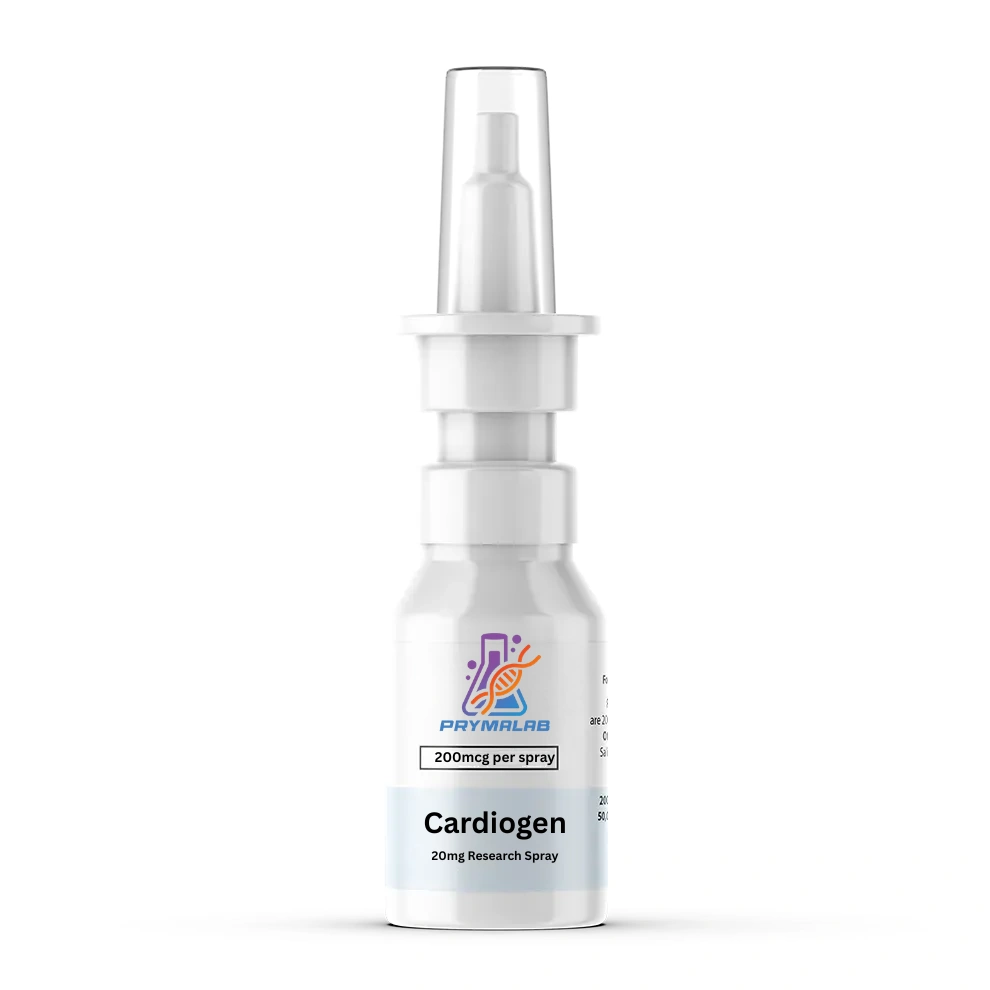
This cardiogen nasal spray supplies Cardiogen, a synthetic tetrapeptide with the sequence Ala-Glu-Asp-Arg, abbreviated AEDR. The Cardiogen peptide comes from the short peptide bioregulator programme founded by Vladimir Khavinson at the St Petersburg Institute of Bioregulation and Gerontology, the same peptide science lineage that produced the thymic preparation thymalin, and within that framework this bioregulator peptide is associated with myocardial tissue. Of everything in this series, cardiac work is the hardest to do properly in a dish, and that is the thing most worth understanding before ordering it. Supplied for laboratory research use only.
There is a real cardiac nasal spray, and this is not it
Anyone searching for a cardiac nasal spray will run into two completely different things, and conflating them would be a serious mistake.
The first is a licensed pharmaceutical. Etripamil, developed by Milestone Pharmaceuticals, is a calcium channel blocker formulated as a nasal spray and developed for paroxysmal supraventricular tachycardia, the arrhythmia usually abbreviated PSVT. It went through the trial process, it was reviewed by the U.S. Food and Drug Administration, it has defined dosing protocols, it carries conventional excipients such as benzalkonium chloride, and its endpoints included whether patients avoided hospitalization. It is a medicine.
Cardiogen is the second thing: a synthetic tetrapeptide sold as a research chemical for laboratory use. It is not a calcium channel blocker, it has no approval from any regulator, it has no established dosing protocols because it is not administered to anyone, and it is not an alternative to any cardiac medicine. The two products share a delivery format and nothing else.
The same separation applies to the condition vocabulary that surrounds this tissue. Search interest here clusters on heart attack and myocardial infarction, on chronic heart failure and congestive heart failure, on atherosclerosis, coronary artery disease, arrhythmia and cardiogenic shock, and on blood pressure as the number most people track. Those are diagnoses and clinical measurements. Nothing on this page addresses any of them, and no claim is made about cardiovascular health, cardiovascular function, cardiac function, metabolic health or immune support. Nasal congestion appears in this search space only because the format is shared with pharmacy products, and it has no connection to this compound at all.
What is left, and what the rest of this page covers, is cell biology.
Why cardiac in-vitro models are the hardest of this set
Liver cells and epithelial cells will grow in culture and behave recognizably. Adult cardiomyocytes will not. They do not divide, they dedifferentiate rapidly once isolated, and they lose the structural organization that makes them cardiac in the first place. That leaves three imperfect options, and choosing between them determines what your experiment can show.
Primary neonatal rodent cardiomyocytes are the traditional workhorse. They survive isolation, they beat spontaneously in culture, and they are a genuine cardiac cell type. They are also neonatal and rodent, which means immature calcium handling and a different contractile protein profile from an adult human heart.
Immortalized lines such as H9c2 are convenient and reproducible, and they are not really cardiomyocytes. H9c2 cells are rat cardiac myoblasts that do not contract, so any experiment about contractile function cannot be done in them at all.
Cardiomyocytes derived from induced pluripotent stem cells are the current standard for human-relevant work. They are human, they beat, and they are usable at scale. Their well-documented limitation is immaturity: iPSC-derived cardiomyocytes resemble fetal rather than adult cells in their electrophysiology, sarcomere organization and metabolic profile, which matters most for anything touching ageing or mature cardiac function.
The honest summary is that there is no easy cardiac model. Pick the one whose weaknesses least affect your question, state it explicitly, and do not generalize a result from H9c2 cells to cardiac contractility.
What to measure in a cardiomyocyte experiment
Contractility is the readout unique to this tissue, measured as beat rate and beat amplitude by video-based edge detection or impedance-based systems that read monolayer contraction in real time. Calcium transients by fluorescent indicator are the layer underneath contraction and often move first.
Beyond contraction, the standard panel is viability under a defined stressor, apoptosis markers such as caspase activation and annexin staining, hypertrophy markers including cell size and ANP or BNP transcript, and transcript-level changes by qPCR or RNA-seq given the proposed transcriptional mechanism. Cardiac tissue is not only cardiomyocytes, and cardiac fibroblasts are the population that drives fibrotic remodelling, so a tissue repair question in the myocardium usually needs both cell types rather than the contractile one alone. Note also that some short peptides in this series have been examined in tumor cells purely as a proliferation model, which is a different question from cardiac biology and should not be read across. As with the rest of this class, a protective claim requires a challenge to protect against: hypoxia-reoxygenation, doxorubicin, or an adrenergic stimulus, titrated to produce submaximal damage before the compound is introduced.
One control deserves particular attention here. The arginine in this sequence is a nitric oxide precursor, and nitric oxide has direct and well-documented effects on cardiomyocyte function. A four-residue peptide hydrolysed by serum peptidases delivers free arginine, so a free amino acid control at matched concentration is not a formality on this compound, it is the control that decides whether you are observing peptide activity or arginine delivery. I would not run intranasal cardiogen research or any cardiac cell experiment with this peptide without it.
Cardiogen nasal spray specifications
| Compound |
Cardiogen, synthetic short peptide bioregulator |
| Sequence |
Ala-Glu-Asp-Arg (AEDR) |
| Length |
Tetrapeptide (four residues) |
| Charge character |
Two acidic residues and one basic arginine |
| Control consideration |
Arginine is a nitric oxide precursor; free amino acid control required |
| Origin |
St Petersburg Institute of Bioregulation and Gerontology |
| Proposed mechanism |
Peptide-DNA or peptide-histone interaction altering gene accessibility (hypothesis) |
| Evidence status |
Preclinical, single research lineage, limited independent replication |
| Regulatory status |
No FDA or EMA approval |
| Format |
Metered spray bottle [CONFIRM: fill volume, mg per bottle, concentration] |
| Classification |
Research chemical. In-vitro laboratory use only. Not for human or veterinary use. |
What the evidence supports
The mechanistic proposal shared across this series is that short peptides enter cells, reach the nucleus and interact with DNA promoter regions or chromatin-associated histones, changing which genes are accessible to transcription factors. The general argument is set out in Short Peptides Regulate Gene Expression in the Bulletin of Experimental Biology and Medicine, supported by mobility shift assays, histone binding assays and docking models.
For Cardiogen specifically the published evidence is preclinical, concentrated within one research lineage, and limited in independent replication. High-resolution structural confirmation of a peptide-DNA complex is unpublished for any member of the series. There are no human clinical trials of the synthetic tetrapeptide and no FDA or EMA approval. That is a thinner base than most of this catalogue, which is why this page is shorter than the ones for compounds with deeper literatures rather than padded to match them.
Cardiogen nasal spray storage and handling
AEDR contains no cysteine, no methionine and no tryptophan, so disulfide chemistry, oxidation and light sensitivity are not the practical risks here. Charge and enzymatic exposure are.
Carrying two acidic residues and an arginine, this peptide is strongly charged and its solubility and behaviour shift with pH, so buffer control is more consequential than it appears. A tetrapeptide is also a ready substrate for serum peptidases, meaning long incubations in serum-containing medium produce a declining exposure and, in this case, release free arginine into the well. Sensible cardiogen nasal spray storage is otherwise routine: cold, sealed, out of light, single-use aliquots rather than repeated freeze-thaw, and low-binding plasticware at low working concentrations.
How research grade cardiogen spray is characterized
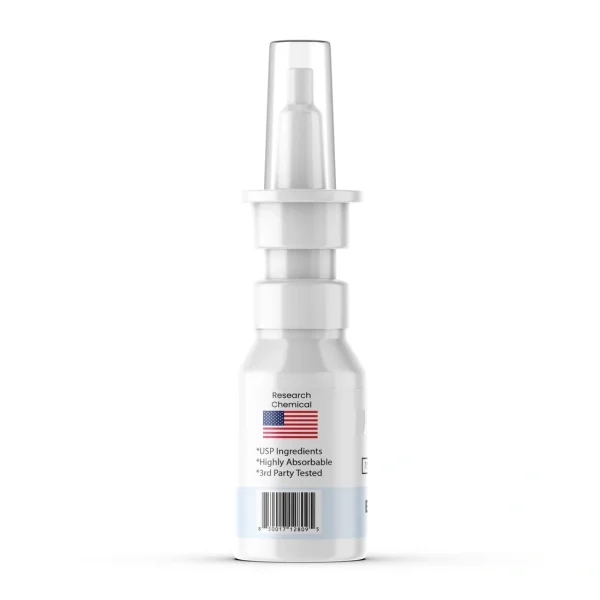
Small, highly charged peptides retain poorly on standard reversed-phase columns, and a molecule carrying both acidic residues and an arginine is a case in point. The analytical method behind a purity figure is therefore more informative than the figure itself, with hydrophilic interaction chromatography, ion-pairing or ion exchange paired with mass spectrometry being appropriate choices. A research grade cardiogen spray is supplied under the same verification PrymaLab applies across its research peptides, HPLC and MS confirmation plus independent third-party testing. No specific lot figures are asserted here; request the certificate of analysis for the lot you receive and read the method line alongside the number.
For related bioregulator research, see the PrymaLab Research Library.
Frequently asked questions
What is Cardiogen?
Cardiogen is a synthetic tetrapeptide, Ala-Glu-Asp-Arg (AEDR), one of the Khavinson-class short peptide bioregulators associated with myocardial tissue in that framework. Material supplied here is a research chemical for in-vitro laboratory use only.
Which cardiac cell model should be used?
It depends on the question. Primary neonatal rodent cardiomyocytes beat but are neonatal and rodent. H9c2 cells are convenient but do not contract, so contractility work is impossible in them. iPSC-derived cardiomyocytes are human and beat but resemble fetal rather than adult cells.
Why does the arginine residue need a control?
Because arginine is a nitric oxide precursor with direct effects on cardiomyocyte function, and a tetrapeptide hydrolysed by serum peptidases delivers free arginine. Without a matched free amino acid control you cannot separate peptide activity from arginine delivery.
How would a protective effect be demonstrated?
With a titrated challenge such as hypoxia-reoxygenation, doxorubicin or an adrenergic stimulus producing submaximal damage, then measuring whether the compound reduces it. An unstressed culture offers nothing to protect against, so protection cannot be detected in one.
Is Cardiogen nasal spray approved for human use?
No. This material is a research chemical for in-vitro laboratory use only, has no FDA or EMA approval, and is not intended for human or veterinary use. Nothing here is medical advice.
Ordering and compliance
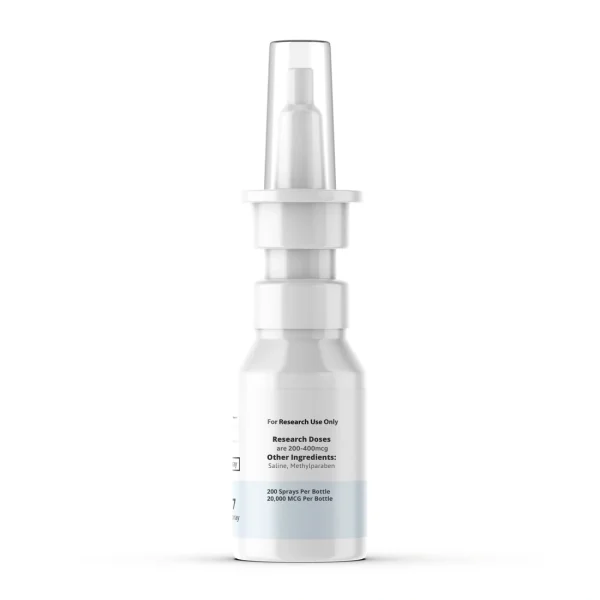
Every PrymaLab research compound ships from the United States and is sold research-use-only. This cardiogen nasal spray is supplied for in-vitro laboratory research, is not intended for human or veterinary use, is not a drug or supplement, and has not been evaluated by the FDA for the research-chemical context. Verify the legal status of any research compound in your jurisdiction before ordering. Certificates of analysis are available on request for the lot you receive.












Reviews
There are no reviews yet.