BPC-157 Peptide (5mg/ml Autoinjector Pen): The 2026 Research Guide
If you are researching BPC-157 peptide, this page explains what the pentadecapeptide is, how it is studied in preclinical models, how it compares to TB-500, and exactly how PrymaLab supplies it — a preloaded 3ml autoinjector pen at 5mg/ml intended strictly for in-vitro and non-human laboratory research.
Research-use-only disclaimer: BPC-157 supplied by PrymaLab is a research-use-only material for in-vitro and non-human laboratory study. It is not for human or veterinary use and is not approved by the FDA to diagnose, treat, cure, or prevent any condition. Always verify the legal status of research compounds in your jurisdiction.

Quick Answer
What is BPC-157? BPC-157 is a synthetic pentadecapeptide (15 amino acids) known as Body Protection Compound, derived from a partial sequence identified in gastric juice. In preclinical research it is studied for angiogenesis and connective-tissue and gut-lining repair. PrymaLab supplies it as a research-use-only 3ml pen at 5mg/ml.
This product is not for human or veterinary use. All references below describe laboratory and animal-model research only.
BPC-157 is a pentadecapeptide (Body Protection Compound) studied in animal and in-vitro models for tissue-repair and angiogenesis pathways.
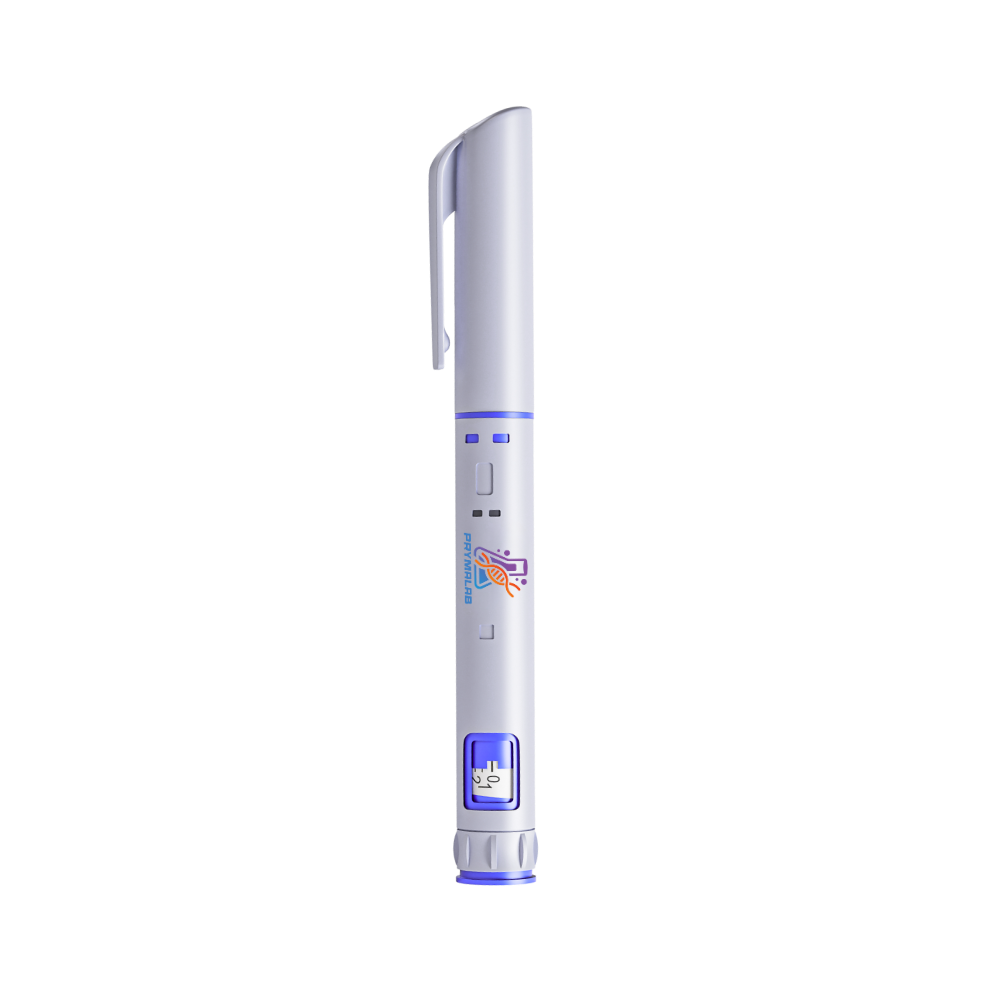
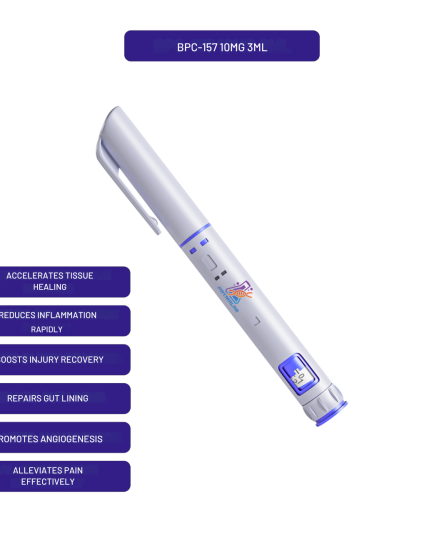
Format matters. PrymaLab supplies a preloaded 3ml autoinjector pen at 5mg/ml for consistent, traceable measured delivery across replicates.
BPC-157 and TB-500 are frequently compared in the literature because both are discussed in tissue-repair research, but they are distinct molecules with different mechanisms.
Research-use-only. BPC-157 is not FDA-approved for human or veterinary use; published ‘dosage’ figures refer to experimental animal/in-vitro studies, not human protocols.
What Is BPC-157?
BPC-157 is a synthetic pentadecapeptide — a chain of 15 amino acids — commonly called Body Protection Compound (BPC). Its sequence corresponds to a partial fragment identified in human gastric juice. In research settings it is investigated as a stable peptide that may interact with tissue-repair and vascular signaling pathways.
So what is BPC-157 in practical terms for a laboratory? It is a research compound supplied in a defined concentration so that study teams can design reproducible in-vitro and non-human experiments. PrymaLab presents it at a reference concentration of 5mg/ml in a sealed 3ml autoinjector pen.
How BPC-157 Is Studied to Work
Preclinical literature most often discusses BPC-157 in the context of angiogenesis (the formation of new blood vessels), interaction with growth-factor and nitric-oxide pathways, and the migration of fibroblasts involved in connective-tissue repair. These are mechanisms observed primarily in animal and cell-culture models, and they remain an active area of investigation rather than settled clinical fact.
Why Researchers Choose the PrymaLab BPC-157 Autoinjector Pen
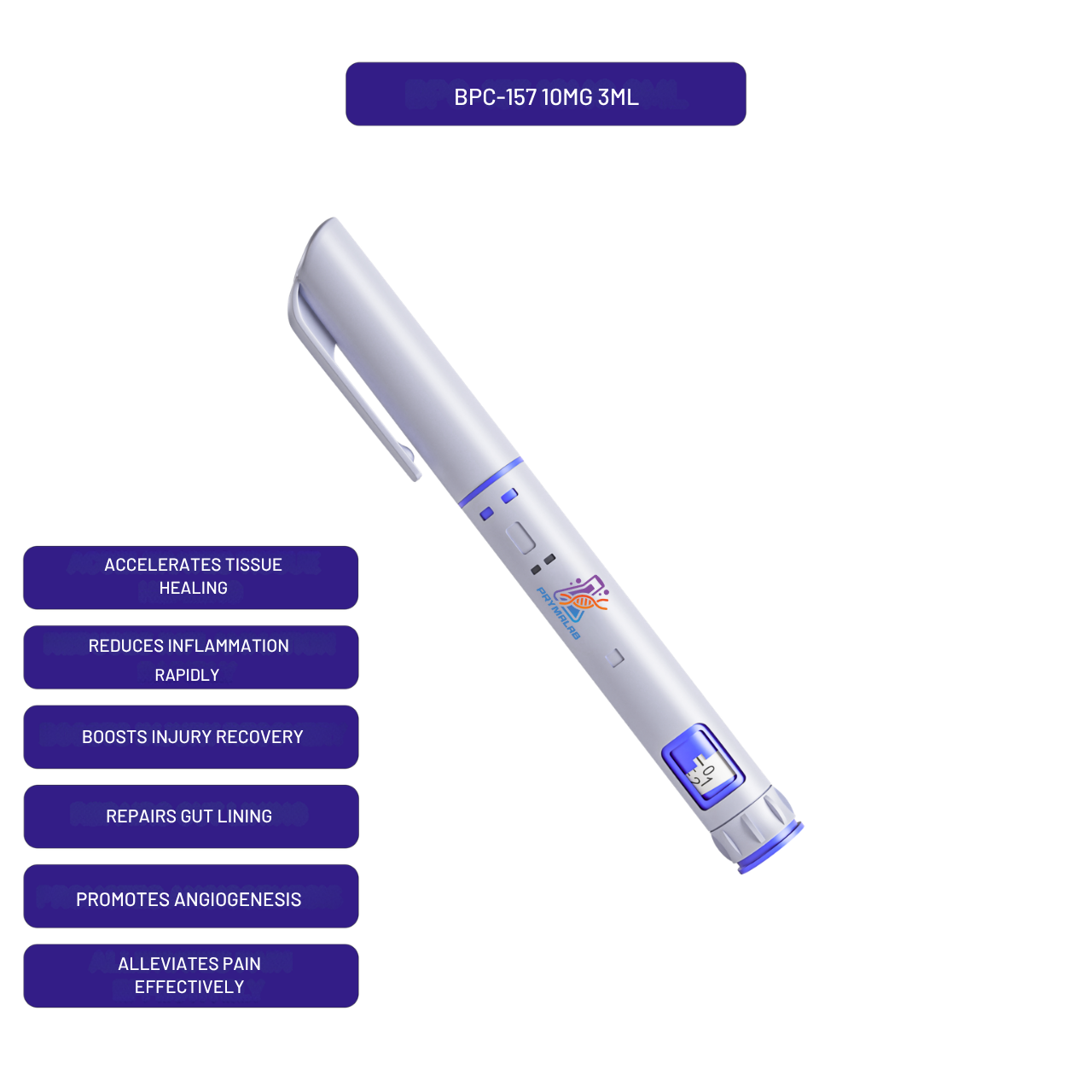
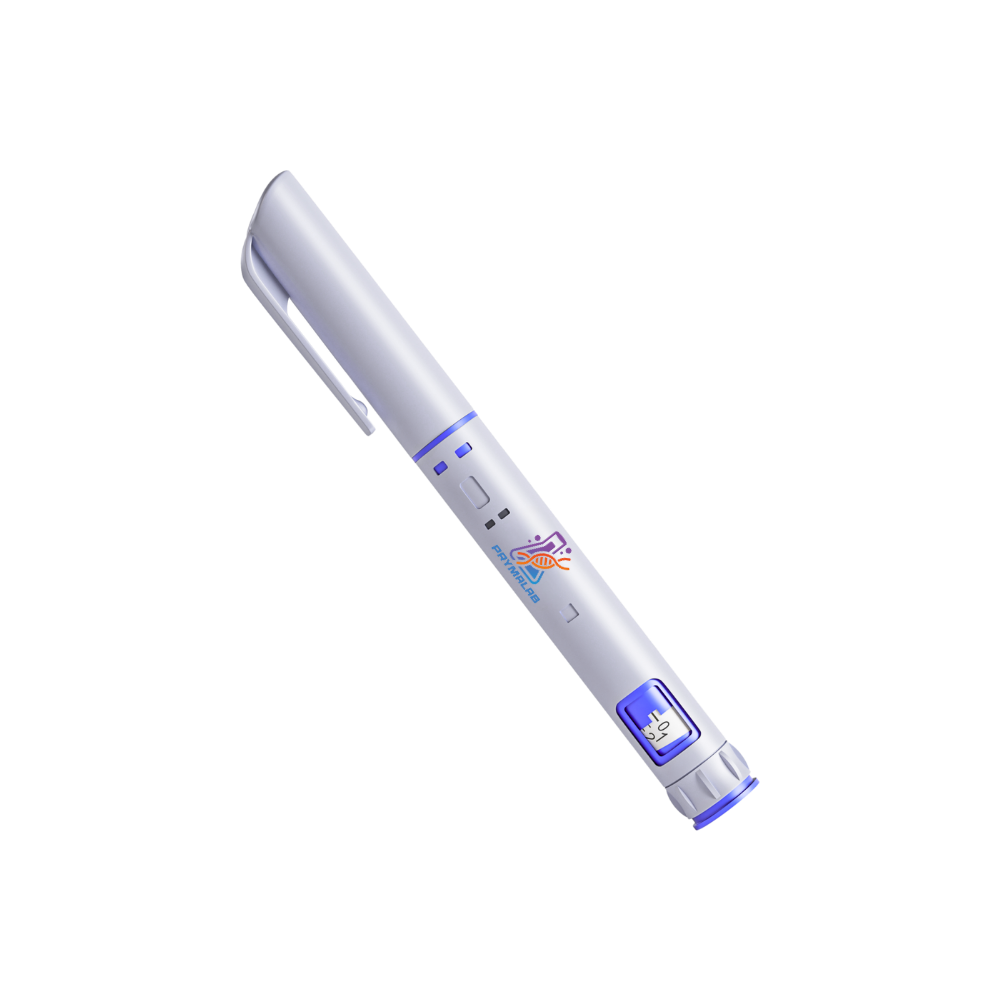
PrymaLab supplies BPC-157 in a preloaded 3ml autoinjector pen calibrated to 5mg/ml, giving laboratories a uniform, repeatable format for in-vitro and non-human research workflows. The sealed pen supports clean handling, accurate measured delivery, and straightforward record-keeping across study replicates.
- Consistent concentration: a fixed 5mg/ml reference point simplifies study design and replicate-to-replicate comparison.
- Measured delivery: the pen mechanism dispenses reproducible volumes, reducing operator variability.
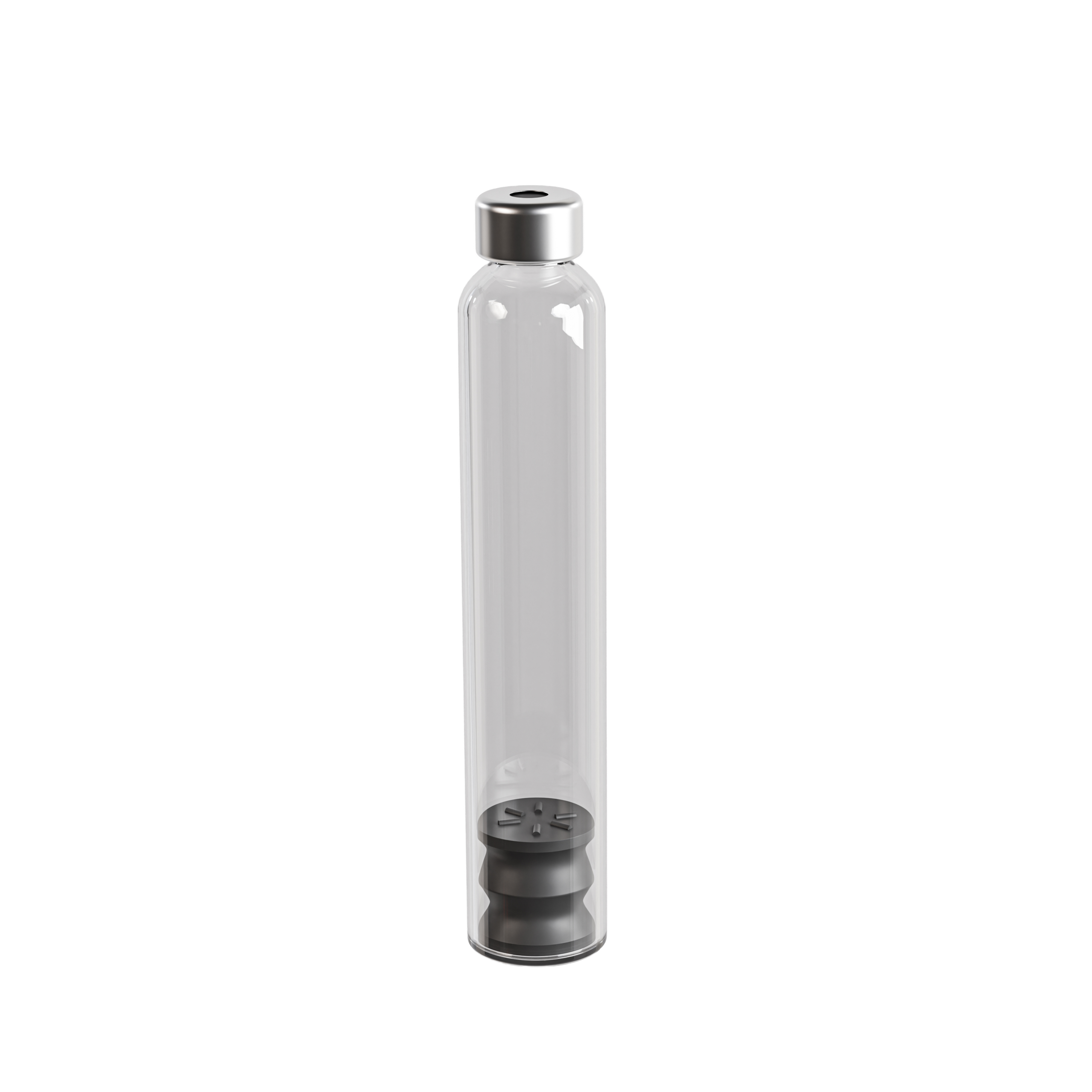
- Optional glass reloading cylinder: refill and standardize the BPC-157 preparation between runs.
- Traceability: batch numbering on the sealed unit links every draw back to one reference batch.
PrymaLab BPC-157 Specifications
| Specification | Detail |
|---|---|
| Compound | BPC-157 (pentadecapeptide, Body Protection Compound) |
| Form | Preloaded autoinjector pen (research-use-only) |
| Pen size | 3ml |
| Concentration | 5mg/ml |
| Optional accessory | Glass reloading cylinder for standardized refills |
| Intended use | In-vitro & non-human laboratory research only |
| Reference | PubChem compound record (BPC-157) |
How to Handle and Store the BPC-157 Research Pen
Proper handling keeps the pentadecapeptide stable and your data clean. Follow these laboratory steps when receiving and using the research-use-only BPC-157 autoinjector pen. (These steps describe lab handling only and are not human-use instructions.)
- Receive and inspect. On delivery, confirm the BPC-157 autoinjector pen is sealed, the label batch number is legible, and the solution is clear and free of particulates before logging it into your inventory.
- Refrigerate promptly. Store the preloaded pen refrigerated (2-8°C) and protected from light; avoid repeated freeze-thaw cycles that can degrade the pentadecapeptide.
- Record the batch. Log the lot/batch number, concentration (5mg/ml), and receipt date in your study records so every measured delivery is traceable to a single reference batch.
- Dispense measured volumes. Use the pen’s measured-delivery mechanism to dispense reproducible volumes into your in-vitro or non-human research preparation, documenting each draw.
- Use the reload cylinder. Where a glass reloading cylinder is supplied, refill and standardize the preparation between runs to keep concentration consistent across replicates.
- Track and dispose. Note the date opened, monitor working stability per your protocol, and dispose of the research material in line with your laboratory’s chemical-waste procedures.
BPC-157 vs TB-500: How Researchers Compare Them
Because the search term BPC-157 and TB-500 is so common, it is worth clarifying that these are two distinct molecules often discussed together in tissue-repair research. The table below compares them at a structural and research-context level only.
| Attribute | BPC-157 | TB-500 (Thymosin beta-4) |
|---|---|---|
| Molecule type | Pentadecapeptide (15 aa) | Synthetic fragment of thymosin beta-4 (43 aa protein) |
| Common research framing | Body Protection Compound; gut & connective-tissue repair models | Actin regulation, cell migration, angiogenesis models |
| Typical study pairing | Frequently studied alongside TB-500 | Frequently studied alongside BPC-157 |
| PrymaLab format | 3ml pen, 5mg/ml | 3ml pen, 5mg/ml |
| Status | Research-use-only | Research-use-only |
Researchers comparing the two should consult primary literature for each molecule rather than treating them as interchangeable. PrymaLab supplies both in the same 3ml autoinjector-pen format to simplify parallel study design.
What the Research Studies: BPC-157 “Benefits” in Context
When people search for BPC-157 benefits, they are usually asking what outcomes preclinical studies have explored. In animal and in-vitro models, published BPC-157 research has examined areas including:
- Tendon, ligament, and muscle repair models
- Gastrointestinal and gut-lining protection models
- Angiogenesis and microvascular response
- Interaction with growth-factor and nitric-oxide signaling
These are research observations, not established human outcomes. No therapeutic benefit in humans is claimed or implied, and PrymaLab provides no human dosing guidance. Any ‘BPC-157 dosage’ figures in the literature refer to controlled experimental models.
BPC-157 Side Effects & Legal Status in Research Settings
Questions about BPC-157 side effects generally refer to observations in experimental models; a complete human safety profile has not been established. BPC-157 is not approved by the FDA for human or veterinary use, and in the United States it is handled as a research compound. Researchers are responsible for confirming the legal status of BPC-157 in their own jurisdiction.
Reminder: PrymaLab BPC-157 is sold strictly for in-vitro and non-human laboratory research. It is not a drug, supplement, or medical device, and it must not be administered to humans or animals.
Need research-grade BPC-157 in a consistent format?
PrymaLab supplies BPC-157 as a preloaded 3ml autoinjector pen at 5mg/ml, research-use-only, with transparent sourcing and batch traceability.
Frequently Asked Questions
What is BPC-157?
BPC-157 is a synthetic pentadecapeptide (15 amino acids) known as Body Protection Compound, based on a partial sequence found in gastric juice. PrymaLab supplies it as a research-use-only 3ml autoinjector pen at 5mg/ml for in-vitro and non-human laboratory study. It is not for human or veterinary use.
What BPC-157 benefits are studied in research?
In animal and in-vitro models, BPC-157 has been studied for tissue-repair pathways (tendon, ligament, muscle, and gut lining), angiogenesis, and growth-factor signaling. These are preclinical research observations only; no human therapeutic benefit is claimed, and PrymaLab provides no human dosing guidance.
Does BPC-157 have side effects?
Reported BPC-157 side effects come from experimental models, and a complete human safety profile has not been established. Because the compound is research-use-only and not approved for human use, it should be handled only by qualified researchers under appropriate laboratory controls.
What is the BPC-157 dosage used in studies?
Published BPC-157 dosage figures refer to controlled animal or in-vitro experiments and are expressed per study design, not as human protocols. PrymaLab supplies a 5mg/ml reference concentration to support reproducible research and does not provide human dosing instructions.
BPC-157 vs TB-500 — what is the difference?
BPC-157 is a 15-amino-acid pentadecapeptide, while TB-500 is a synthetic fragment of the larger thymosin beta-4 protein. Both are studied in tissue-repair research and are often compared, but they are distinct molecules with different mechanisms. PrymaLab supplies both as research-use-only 3ml pens.
What concentration and format is PrymaLab BPC-157?
PrymaLab BPC-157 is supplied at 5mg/ml in a sealed, preloaded 3ml autoinjector pen, with an optional glass reloading cylinder for standardized refills between research runs.
Where can researchers buy BPC-157 for research?
Qualified researchers can obtain BPC-157 for research-use-only directly from PrymaLab at prymalab.net, supplied in the preloaded 3ml autoinjector pen format at 5mg/ml with batch traceability.
References & Further Reading
- PubChem Compound Summary, BPC-157. National Library of Medicine. pubchem.ncbi.nlm.nih.gov/compound/BPC-157.
- Sikirić, P., et al. Stable gastric pentadecapeptide BPC 157 and tissue healing — preclinical research reviews (animal and in-vitro models).
- Lau, J.L., & Dunn, M.K. (2018). Therapeutic peptides: historical perspectives and development trends. Bioorganic & Medicinal Chemistry, 26(10), 2700–2707.
- U.S. Food and Drug Administration. Compounding and the FDA: Questions and Answers (research-compound status). FDA.gov.
- USP General Chapter <1225>. Validation of Compendial Procedures (HPLC purity-testing principles). United States Pharmacopeia.
Related research pages on PrymaLab: BPC-157 benefits & safety · TB-500 research pen · What is a peptide? · All research peptides
Final disclaimer: This product description is for educational and informational purposes only and is not medical advice. The compounds described by PrymaLab — including BPC-157, TB-500, NAD+, PT-141 (bremelanotide), Selank, and Semax — are sold strictly as research-use-only materials for in-vitro and non-human laboratory study. They are not approved by the FDA for human or veterinary therapeutic use, and statements about their effects have not been evaluated by the FDA. Nothing here is a recommendation to purchase, possess, or administer any compound to humans or animals.
Always consult a licensed professional and verify the legal status of any compound in your jurisdiction before purchase. PrymaLab supplies these materials for qualified researchers only and assumes no responsibility for misuse.







1 review for Preloaded Autoinjector | BPC-157 | 3ml Pen | 5mg/ml