
Description
PrymaLab · Research use only
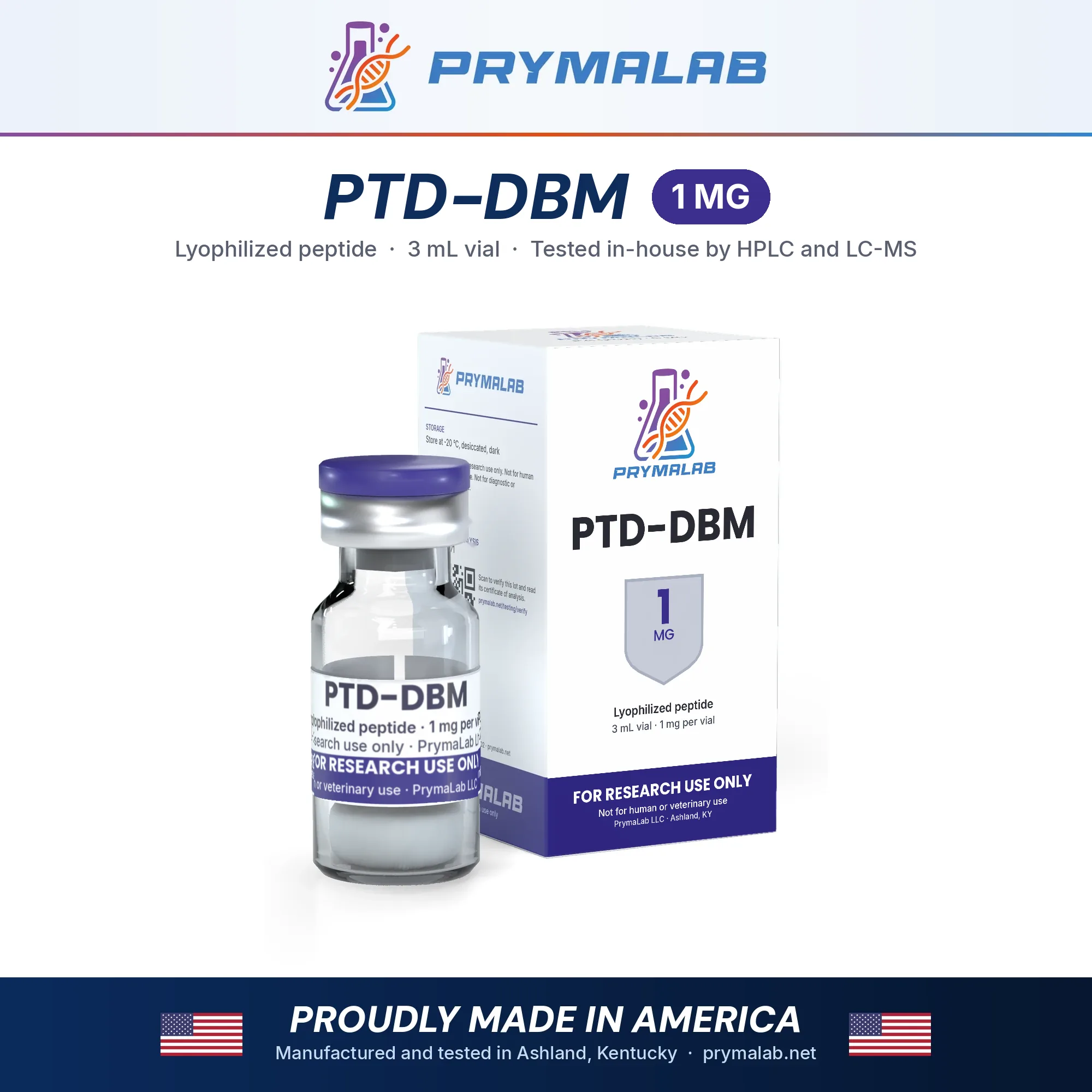
PTD-DBM 1mg
The cell-penetrating CXXC5 Dishevelled-binding motif peptide R8-G4-RKTGHQICKFRKC, 1 mg freeze-dried
PTD-DBM is a 25-residue synthetic peptide from Kang-Yell Choi’s laboratory at Yonsei University: eight arginines as a protein transduction domain, a four-glycine linker, and the 13-residue Dishevelled-binding motif of the protein CXXC5. This is the 1 mg vial of freeze-dried powder, a smaller fill than the 5 mg main listing, made and tested as its own lot. The research summary, references and full FAQ are on the PTD-DBM 5mg page.
Specifications
| Property | Value |
|---|---|
| Compound | PTD-DBM, octa-arginine protein transduction domain + tetraglycine linker + CXXC5 Dvl-binding motif (residues 284-296) |
| CAS number | 1609454-11-6 |
| Molecular formula | C124H225N61O28S2 |
| Theoretical mass | 3082.6 Da |
| Sequence / structure | H-RRRRRRRRGGGGRKTGHQICKFRKC-OH; 25 residues, two free Cys, no disulfide specified. |
| Label claim | 1 mg per vial |
| Form | Lyophilized (freeze-dried) powder or cake in a sealed glass vial with a rubber stopper and aluminium crimp cap |
| Storage, sealed | −20 °C, desiccated, dark |
| Purity specification | 99.0% or higher by RP-HPLC |
| Lot certificate | Certificate for the first lot: in preparation. Published certificates appear on the results page and can be checked on the verify page. |
Other fills
This is the 1 mg fill. The PTD-DBM 5mg page is the main listing for this compound, with the full research summary and every fill side by side. Other fills: 5 mg.
What the structure is
RRRRRRRR-GGGG-RKTGHQICKFRKC, 25 L-amino acids, free at both ends, with two unpaired cysteines. Formula C124H225N61O28S2, theoretical mass 3082.6 Da (PubChem CID 176453931, CAS 1609454-11-6). The DBM segment matches residues 284-296 of human CXXC5 (UniProt Q7LFL8) and contains the KTXXXI motif that docks into the Dvl PDZ domain. Ten arginines and three lysines make it highly basic and very water-soluble; the two free cysteines make solutions prone to disulfide dimerisation.
What the research covers
The literature on PTD-DBM is summarised, with references, on the PTD-DBM 5mg page: Mechanism: releasing the CXXC5 brake on Wnt/beta-catenin; Cutaneous wound healing in mice; Hair regrowth and wound-induced hair neogenesis in mice. Every in vivo and in vitro study of PTD-DBM comes from a single laboratory (Kang-Yell Choi, Yonsei University) and its collaborators; no independent replication of the peptide’s hair or wound effects was found. None of the published work used PrymaLab material.
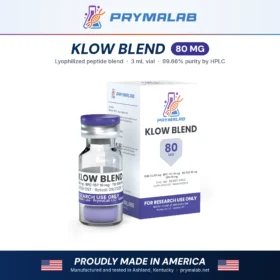
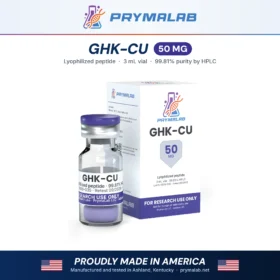
Related listings: GHK-CU 50MG, AHK-Cu 10mg, BPC-157 5MG, TB-500 (Thymosin Beta-4) 5mg, KLOW Blend (80mg). The skin, hair and beauty peptides category lists the rest of the range.
How each lot is tested
Every lot is tested in PrymaLab’s own laboratory in Ashland, Kentucky before release: RP-HPLC for purity, LC-MS for identity, Karl Fischer titration for water, LAL for endotoxin and USP <71> for sterility. Published certificates are listed on the results page and can be checked by number and key on the verify page. These are in-house results from PrymaLab Analytical, not an independent test, and the lab is not accredited to ISO 17025. The third-party testing guarantee on this page still applies: if any independent laboratory finds the wrong compound, or less than the stated purity or amount, the order is refunded and the cost of the test is reimbursed.
Frequently asked questions
Is the 1 mg vial the same compound as the 5 mg?
Yes. Both hold PTD-DBM, 3082.6 Da. Only the amount differs; each fill is made and tested as its own lot with its own certificate.
How should the lyophilized peptide be stored?
As for other cysteine-containing research peptides: sealed at −20 °C, desiccated and protected from light. The two free cysteines can oxidise to disulfide-linked dimers or intramolecular bridges on repeated exposure to air or in solution, so reconstituted material is best used promptly and kept at 2 to 8 °C for short periods only.
Research use only
For laboratory research use only. PTD-DBM 1mg is not a drug, food, cosmetic or dietary supplement, is not approved by the FDA or any comparable authority for human or veterinary use, and must not be given to people or animals. It is sold to qualified researchers and institutions, and the buyer is responsible for lawful handling and disposal.








Reviews
There are no reviews yet.