Description
What is Tesofensine?
Tesofensine represents a synthetic small-molecule compound with unique research possible. This compound functions as a triple monoamine reuptake inhibitor. Researchers designate Tesofensine as NS-2330 in scientific literature. The compound targets three major neurotransmitter systems simultaneously.
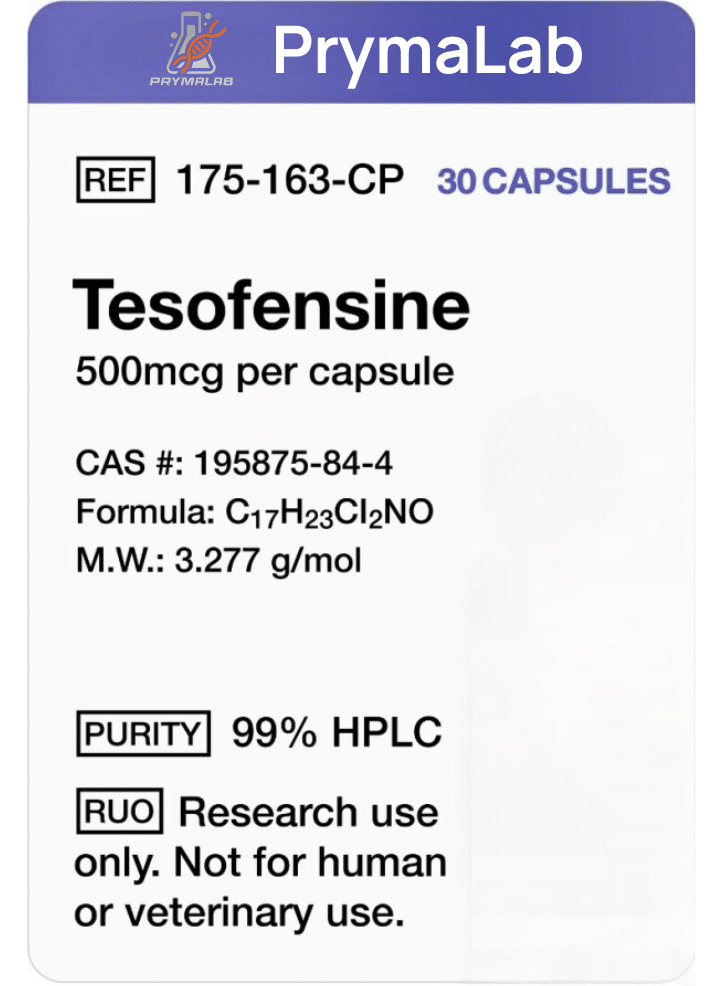
The phenyltropane-derived structure distinguishes Tesofensine from other compounds. This structural classification influences its binding properties and effects. Unlike peptides, Tesofensine functions as a synthetic organic molecule. The cell-level weight of 328.3 g/mol allows for efficient distribution in research models.
Tesofensine operates through full blocking of monoamine transporters. The compound blocks dopamine, norepinephrine, and serotonin reuptake. This triple action creates extensive tuning of monoaminergic pathways. Researchers value this full approach for studying neurotransmitter dynamics.
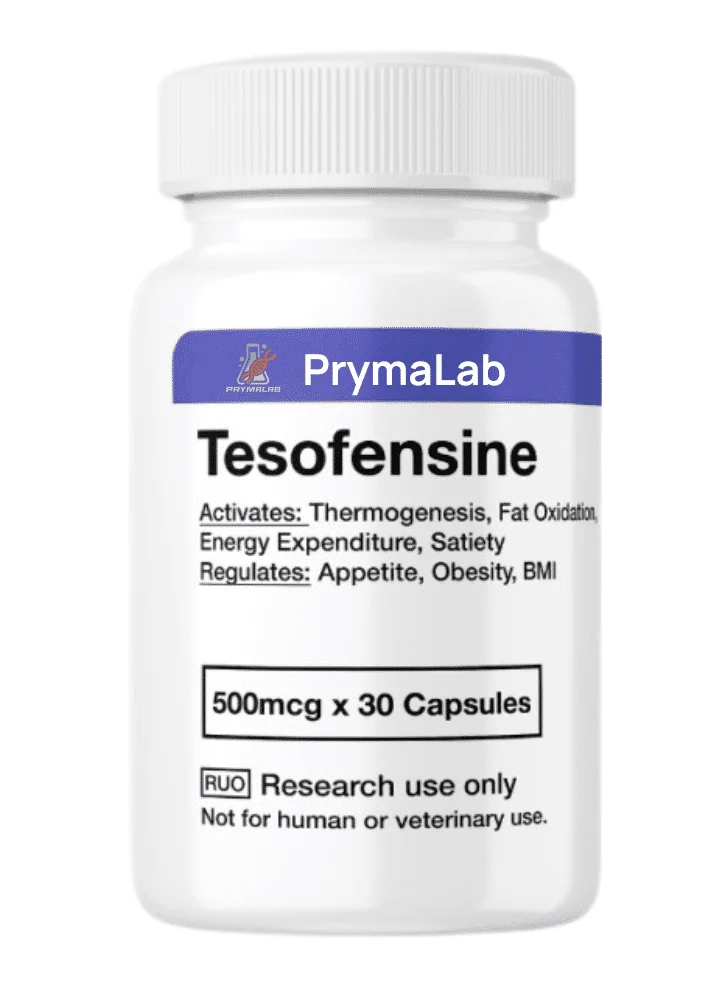
The 500mcg capsule format provides precise dosing control for researchers. Each bottle contains 30 capsules, allowing for many study durations. The low dosage strength lets titration and dose-response studies. Researchers can easily adjust dosing based on experimental requirements.
Understanding Triple Monoamine Reuptake Inhibition
Monoamine transporters regulate neurotransmitter levels in the brain. These transporters remove dopamine, norepinephrine, and serotonin from synapses. Blocking of these transporters increases neurotransmitter supply. Tesofensine targets all three major monoamine transporters simultaneously.
Dopamine transporter blocking increases synaptic dopamine levels. Dopamine influences reward, motivation, and movement. Enhanced dopamine signaling affects many behavioral and natural processes. Researchers study these effects in many experimental models.
Norepinephrine transporter blocking elevates norepinephrine levels. This neurotransmitter regulates attention, arousal, and energy output. Increased norepinephrine start influences body processes and heart function. Tesofensine’s effects on norepinephrine add to its body research uses.
Serotonin transporter blocking raises serotonin levels in synapses. Serotonin tunes mood, appetite, and many other functions. Enhanced serotonin signaling affects feeding behavior and emotional control. Tesofensine’s full blocking addresses multiple aspects of monoaminergic signaling.
Triple reuptake inhibitors represent an advanced pharmacological approach. Single transporter inhibitors like SSRIs target only serotonin. Dual inhibitors address two neurotransmitter systems. Tesofensine’s triple action provides more full tuning. Visit the Research Hub to learn more about monoamine transporters.
Tesofensine’s Mechanism in Energy Metabolism
Tesofensine shows major effects on energy body function in lab studies. The compound influences multiple body pathways simultaneously. Energy output increases through norepinephrine-mediated mechanisms. This effect adds to the compound’s weight loss research possible.
Appetite control represents another key body effect. Tesofensine suppresses appetite through indirect receptor boost. Alpha1 adrenoceptors and dopamine D1 receptors mediate these effects. The combined monoamine rise creates powerful appetite suppression. Researchers study these mechanisms for obesity treatment research.
Glycemic control improves with Tesofensine use in experimental models. The compound enhances insulin response and glucose control. These effects extend beyond simple appetite suppression. Body research studies Tesofensine’s full effects on glucose homeostasis.
Fat oxidation increases with Tesofensine treatment in animal studies. The compound promotes use of stored fat for energy. This effect adds to weight loss and body makeup changes. Researchers study fat body function pathways to understand Tesofensine’s body actions.
Energy balance control involves both intake and output. Tesofensine addresses both sides of this equation. Appetite suppression reduces caloric intake. Increased energy output burns stored energy. This dual approach creates full body effects in research models.
Research Applications in Weight Loss Studies
Tesofensine shows exceptional promise in weight loss research uses. Lab studies show large weight reduction effects. The compound produces weight loss about 2-3 times greater than sibutramine. This impressive potency makes Tesofensine a subject of intense study.
Obesity research incorporates Tesofensine in many experimental models. Diet-induced obese rats show major weight reduction with treatment. The compound reduces both fat mass and overall body weight. These effects persist throughout treatment periods in research studies.
Body makeup research reveals preferential fat loss effects. Tesofensine reduces adipose tissue while preserving lean mass. This selective fat loss improves body makeup in experimental models. Researchers study the mechanisms underlying this selective fat reduction.
Phase 3 clinical trials have studied Tesofensine in obese patients. These trials showed major weight loss with treatment. The compound met main and second effect endpoints. Research continues to optimize dosing and safety profiles for possible treatment uses.
Parkinson’s and Alzheimer’s disease patients showed unexpected weight loss in early studies. This serendipitous discovery led to focused obesity research. The weight loss effects proved large in patient populations. These findings prompted full study of Tesofensine’s body properties.
Neurotrophic Effects and BDNF Expression
Tesofensine shows major neurotrophic effects in lab studies. The compound enhances expression of brain-derived neurotrophic factor (BDNF). BDNF plays crucial roles in neuronal survival, growth, and plasticity. Researchers study Tesofensine’s effects on BDNF for brain safety research.
Hippocampal neurogenesis increases with Tesofensine treatment. Adult rats show enhanced neurogenesis after chronic use. New neuron formation in the hippocampus supports cognitive function. Researchers study these effects for depression and cognitive disorder research.
Activity-regulated cytoskeleton protein expression responds to Tesofensine. This protein supports synaptic plasticity and neuronal adaptation. Enhanced expression shows improved neuronal function and adaptability. These neurotrophic effects complement Tesofensine’s monoaminergic actions.
Antiapoptotic effects have been saw in research studies. Tesofensine may protect neurons from programmed cell death. This brain-safe property extends beyond monoaminergic boost. Researchers study these effects for neurodegenerative disease uses.
Transcriptomic analyses reveal differential gene expression patterns. Tesofensine treatment alters expression of neurotrophic and body genes. These changes support the compound’s saw natural effects. Cell-level research continues to study gene expression patterns.
Dopaminergic Pathway Modulation
Tesofensine’s effects on dopaminergic pathways represent a key research area. Dopamine transporter blocking increases synaptic dopamine supply. Enhanced dopamine signaling affects reward, motivation, and movement pathways. Researchers study these effects in many behavioral and cognitive models.
Dopamine D1 receptor boost mediates some Tesofensine effects. The compound indirectly starts these receptors through increased dopamine. D1 receptor start influences appetite control and reward processing. Appetite suppression effects partly depend on this dopaminergic pathway.
Behavioral research studies Tesofensine’s effects on motivation and reward. Increased dopamine supply may enhance motivation and goal-directed behavior. These effects have implications for depression and addiction research. Studies examine how Tesofensine influences reward-related behaviors.
Motor function research also incorporates dopaminergic effects. Dopamine plays crucial roles in movement coordination and control. Tesofensine’s dopaminergic boost may affect motor performance. Researchers study these effects in Parkinson’s disease models and other movement disorders.
Comparative studies examine Tesofensine versus other dopaminergic compounds. The triple reuptake blocking provides unique benefits over dopamine-specific agents. Researchers compare effect, safety, and side effect profiles. These comparisons inform possible treatment uses.
Noradrenergic and Serotonergic Effects
Tesofensine’s noradrenergic effects add greatly to its profile. Norepinephrine transporter blocking elevates synaptic norepinephrine levels. Increased norepinephrine start affects attention, arousal, and energy body function. These effects support Tesofensine’s body and weight loss research uses.
Energy output increases through norepinephrine-mediated mechanisms. Norepinephrine boosts thermogenesis and lipolysis in adipose tissue. This body effect adds to weight loss saw in studies. Researchers study the specific pathways involved in norepinephrine-induced energy output.
Attention and cognitive function benefit from noradrenergic boost. Norepinephrine improves focus, alertness, and cognitive performance. Tesofensine’s noradrenergic effects may enhance cognitive function in research models. Studies examine possible uses for attention disorders and cognitive boost.
Serotonergic effects complement Tesofensine’s dopaminergic and noradrenergic actions. Serotonin transporter blocking increases synaptic serotonin levels. Enhanced serotonin signaling affects mood, appetite, and emotional control. The mix of three monoamines creates full neurotransmitter tuning.
Mood-related research studies Tesofensine’s serotonergic effects. Increased serotonin supply may alleviate depressive symptoms. Triple reuptake blocking offers benefits for depression treatment research. Studies compare Tesofensine to traditional antidepressants targeting single transporters.
Dosage Protocols and Administration
Tesofensine dosing needs careful consideration based on research objectives. The 500mcg capsule strength provides flexibility in protocol design. Research protocols often use dosages ranging from 500mcg to 1mg daily. The 30-capsule bottle supports many dosing strategies for studies of different durations.
Frequency of use depends on specific research goals. Most protocols use once-daily dosing due to the compound’s prolonged half-life. The sustained effects allow convenient single daily use in research studies. This dosing frequency supports compliance in longer-term protocols.
Timing of use may influence research outcomes. Morning use often aligns with circadian patterns of monoamine activity. Some studies prefer use before meals to maximize appetite suppression effects. Best timing depends on the specific research endpoints under study.
Capsule use offers convenient oral supply of Tesofensine. The 500mcg strength provides precise dose control for research protocols. Oral uptake allows systemic use without injection requirements. Researchers can easily track compliance with capsule-based use.
Dose titration protocols may be appropriate for certain research designs. Starting with lower doses and gradually increasing allows assessment of personal responses. The 500mcg capsule strength helps precise titration steps. Researchers set up clear titration schedules and tracking protocols.
Use our Peptide Calculator to find best dosing for your research protocol. Note that while designed for peptides, the calculator principles apply to dosing calculations for Tesofensine as well.
Tesofensine Safety Profile and Side Effects
Research on Tesofensine reveals important safety factors. Clinical trials showed major weight loss effects but also identified side effects. Grasp the safety profile is crucial for research design and interpretation.
Heart effects represent a main safety consideration. Increased norepinephrine can elevate heart rate and blood pressure. Clinical trials reported dose-dependent increases in these parameters. Researchers track heart endpoints closely in Tesofensine studies.
Central nervous system effects include many symptoms. Insomnia, dry mouth, and headache have been reported in clinical studies. These effects relate to the compound’s monoaminergic boost properties. Most CNS side effects appear dose-dependent and may diminish over time.
Gut effects occur in some research subjects. Nausea, constipation, and other digestive symptoms have been saw. These effects often remain mild to moderate in severity. Research protocols track gut symptoms as part of safety tracking.
Safety data from Parkinson’s and Alzheimer’s studies provided first insights. Weight loss emerged as an unexpected effect in these early studies. Researchers noted side effects that informed later obesity trial designs. These early safety findings guided dosing and tracking protocols.
Adverse event reporting needs careful consideration in research. Some studies reported under-reporting of side effects first. Full safety tracking is essential for accurate adverse event capture. Researchers use systematic tracking of all possible side effects.
Comparative Research to Other Compounds
Tesofensine shows unique properties compared to other weight loss compounds. Comparisons to sibutramine reveal about 2-3 times greater potency. This enhanced effect makes Tesofensine an important compound for obesity research.
Sibutramine functions mainly as a serotonin-norepinephrine reuptake inhibitor. Tesofensine adds dopamine reuptake blocking to create triple action. This more dopaminergic component may add to enhanced effect. Researchers study how triple blocking differs from dual blocking approaches.
Rimonabant comparisons focus on different mechanisms of action. Rimonabant targets cannabinoid receptors rather than monoamine transporters. Tesofensine’s monoaminergic approach provides distinct benefits and disadvantages. Comparative studies examine effect and safety profiles of both compounds.
Traditional antidepressants offer important comparison points. SSRIs target only serotonin reuptake. SNRIs block serotonin and norepinephrine. Tesofensine’s triple reuptake blocking provides more full tuning. Researchers study possible uses for depression treatment research.
Tricyclic antidepressants share some properties with Tesofensine. These older compounds affect multiple neurotransmitter systems but with less selectivity. Tesofensine’s more targeted triple reuptake blocking may offer improved safety profiles. Comparative pharmacology studies examine these differences in detail.
Combination Protocols with Metabolic Compounds
Tesofensine may be combined with other body research compounds. Mix approaches can target multiple pathways simultaneously. This strategy may provide combined benefits beyond single-compound use in research models.
Body peptides like MOTS-C 40mg complement Tesofensine’s actions. MOTS-C improves energy-cell function and glucose body function. Enhanced cellular energy production supports body processes. The mix addresses both neurotransmitter signaling and cellular energy body function.
NAD+ boosters like NAD+ 1000mg support cellular repair processes. NAD+ participates in many body reactions including energy production. Enhanced NAD+ levels may support body boost alongside Tesofensine’s effects. This mix addresses cellular body function and neurotransmitter tuning.
5-Amino-1MQ works through different body pathways. This compound blocks NNMT to boost NAD+ levels and enhance body function. Combining with Tesofensine may provide paired effects on weight control. The mix addresses neurotransmitter signaling and NAD+-dependent body pathways.
Appetite suppression compounds may offer more research insights. Peptides or other compounds affecting hunger pathways could complement Tesofensine’s effects. Research examines whether mix approaches enhance weight loss beyond monotherapy. These mixes need careful evaluation of possible interactions.
Mix protocols need careful consideration of dosing and timing. Researchers must assess possible interactions between compounds. Separate use times may optimize absorption and minimize possible competition. The 500mcg capsule format helps precise mix dosing protocols.
Preclinical Research Summary and Future Directions
Lab studies reveal extensive Tesofensine research findings. Rodent models show major effects on neurotransmitter dynamics. Behavioral studies show changes in activity, feeding, and body parameters. These lab results support continued study of Tesofensine’s possible.
Transcriptomic and proteomic analyses provide cell-level insights. Differential expression patterns emerge in neurotrophic and body genes. These cell-level changes correlate with saw natural effects. Research continues to map full gene expression profiles following Tesofensine treatment.
Phase 3 clinical trials represent advanced study stages. Tesofensine met main and second endpoints in obesity registration trials. These trials showed major weight loss with acceptable safety profiles. Research continues to optimize treatment windows and dosing strategies.
Neurodegenerative disease research incorporates Tesofensine’s neurotrophic effects. BDNF boost and hippocampal neurogenesis suggest possible uses. Studies study Tesofensine for depression, cognitive impairment, and neurodegenerative conditions. These uses extend beyond body research.
Personalized medicine approaches may benefit from Tesofensine research. Major depression presents with varying symptoms and treatment responses. Tesofensine’s triple reuptake blocking may address multiple symptom domains. Research examines personal differences in response to full monoaminergic tuning.
Future research directions include mechanism refinement and safety tuning. Grasp precise pathways involved in Tesofensine’s effects remains ongoing. Researchers study receptor subtypes, signaling cascades, and downstream effects. This knowledge will inform possible treatment uses and safety profiles.
Frequently Asked Questions
1. What is Tesofensine and how does it work as a triple reuptake inhibitor?
Tesofensine (NS-2330) is a synthetic phenyltropane-derived compound that functions as a novel triple monoamine reuptake inhibitor. The compound simultaneously blocks dopamine transporter (DAT), norepinephrine transporter (NET), and serotonin transporter (SERT). This full blocking increases synaptic supply of all three major monoamines. Tesofensine’s effects extend beyond simple neurotransmitter rise to include appetite suppression through alpha1 adrenoceptor and dopamine D1 receptor pathways, enhanced BDNF expression, and increased hippocampal neurogenesis. The triple action provides more full tuning than single or dual reuptake inhibitors.
2. What are the primary research applications of Tesofensine?
Tesofensine shows major research possible across multiple domains including weight loss and obesity research, energy body function studies, appetite control study, and neurotrophic factor expression studies. Lab studies show about 2-3 times greater weight loss effect compared to sibutramine. More uses include glycemic control research, fat body function studies, depression study due to neurotrophic effects, and cognitive function research. The compound’s full monoaminergic tuning makes it valuable for studying integrated neurotransmitter systems and their effects on body function and behavior.
3. What is the recommended Tesofensine dosage for research studies?
Most research protocols use Tesofensine dosages ranging from 500mcg to 1mg daily. The 500mcg capsule strength provides flexibility for protocol design and dose titration. Due to the compound’s prolonged half-life, most protocols recommend once-daily use. The 30-capsule bottle provides enough supply for many study durations depending on dosing frequency. Morning use often aligns with circadian patterns of monoamine activity, though best timing depends on specific research endpoints. Always consult set up research protocols and use our Peptide Calculator to find best dosing for your specific study design.
4. How does Tesofensine compare to other weight loss compounds like sibutramine or rimonabant?
Tesofensine shows about 2-3 times greater potency than sibutramine in inducing weight loss. While sibutramine functions as a serotonin-norepinephrine reuptake inhibitor, Tesofensine adds dopamine blocking to create triple action. This more dopaminergic component may add to enhanced effect. Compared to rimonabant which targets cannabinoid receptors, Tesofensine uses monoaminergic pathways with distinct mechanisms and side effect profiles. Lab studies show Tesofensine produces sustained weight loss and improves glycemic control more effectively than both sibutramine and rimonabant in diet-induced obese rat models.
5. What are the potential side effects of Tesofensine in research studies?
Clinical trials identified several side effects needing careful tracking. Heart effects include dose-dependent increases in heart rate and blood pressure due to norepinephrine rise. Central nervous system effects include insomnia, dry mouth, and headache related to monoaminergic boost. Gut effects such as nausea and constipation have been reported in some subjects. Researchers use full safety tracking including heart assessment, CNS symptom tracking, and adverse event reporting. Some studies noted first under-reporting of side effects, emphasizing the need for systematic safety tracking protocols.
6. What neurotrophic effects does Tesofensine demonstrate in preclinical studies?
Tesofensine shows major neurotrophic effects beyond its monoaminergic actions. The compound enhances expression of brain-derived neurotrophic factor (BDNF), which plays crucial roles in neuronal survival, growth, and plasticity. Studies show enhanced adult hippocampal neurogenesis following sub-chronic and chronic Tesofensine treatment. Activity-regulated cytoskeleton protein expression increases, supporting synaptic plasticity and neuronal adaptation. Antiapoptotic effects protect neurons from programmed cell death. Transcriptomic analyses reveal differential expression patterns in neurotrophic and body genes, supporting the compound’s full natural effects.
7. How does Tesofensine influence appetite regulation and energy metabolism?
Tesofensine suppresses appetite through indirect boost of alpha1 adrenoceptors and dopamine D1 receptors. The combined rise of dopamine, norepinephrine, and serotonin creates powerful appetite suppression effects. Energy body function increases through norepinephrine-mediated thermogenesis and lipolysis in adipose tissue. Glycemic control improves with enhanced insulin response and glucose control. The compound promotes fat oxidation and preferential fat loss while preserving lean mass. This dual approach of reducing intake through appetite suppression and increasing output through enhanced body function creates full body effects.
8. Can Tesofensine be combined with other metabolic research compounds?
Yes, Tesofensine may be combined with other body research compounds to target multiple pathways simultaneously. Combining with MOTS-C 40mg addresses both neurotransmitter signaling and cellular energy body function through energy-cell boost. NAD+ 1000mg supports cellular repair processes alongside Tesofensine’s body effects. 5-Amino-1MQ provides paired NNMT blocking and NAD+ boosting for full body tuning. Mix protocols need careful consideration of dosing, timing, and possible interactions. The 500mcg capsule format helps precise mix dosing for research studies.
9. What distinguishes Tesofensine from traditional antidepressants?
Tesofensine differs from traditional antidepressants through its full triple reuptake blocking. SSRIs target only serotonin reuptake, while SNRIs block serotonin and norepinephrine. Tesofensine adds dopamine reuptake blocking to create complete monoaminergic tuning. This triple action may address multiple symptom domains in depression and other conditions. Also, Tesofensine’s major body effects and weight loss properties distinguish it from traditional antidepressants, which often cause weight gain. The compound’s neurotrophic effects including BDNF boost and hippocampal neurogenesis provide more benefits beyond simple neurotransmitter rise.
10. What are the storage requirements for Tesofensine 500mcg capsules?
Tesofensine capsules should be stored in a cool, dry location away from direct sunlight to keep potency and shelf life. Room heat storage (15-25°C or 59-77°F) is often enough for short-term use during active research protocols. For longer storage periods, refrigeration (2-8°C or 36-46°F) may help extend shelf life and preserve compound shelf life. Always keep capsules in their original container with the lid tightly closed to protect from moisture and humidity. Avoid storing in bathrooms or other humid environments. Do not freeze the capsules. Check expiration dates and discard capsules showing signs of breakdown or discoloration.
11. How long does it take to see Tesofensine effects in research subjects?
Research suggests Tesofensine’s effects on appetite and body function may emerge within the first week of use. Weight loss effects often become measurable within 2-4 weeks of consistent treatment in lab models. Neurotrophic effects including BDNF expression and hippocampal neurogenesis may need 4-8 weeks of chronic treatment to manifest fully. The compound’s prolonged half-life supports sustained effects with once-daily dosing. Research protocols should account for these different timelines when designing study schedules and outcome measurements. Behavioral and body effects appear more rapidly than neurotrophic and gene expression changes.
12. What makes Tesofensine unique among triple reuptake inhibitors?
Tesofensine’s uniqueness stems from its phenyltropane-derived structure and exceptional potency. The compound shows about 2-3 times greater weight loss effect than other monoamine reuptake inhibitors like sibutramine. Unlike many other triple reuptake inhibitors, Tesofensine has progressed through Phase 3 clinical trials for obesity, showing major effect in human studies. The compound’s full effects on body function, appetite, neurotrophic factors, and glycemic control create a unique research profile. The serendipitous discovery of weight loss effects in Parkinson’s and Alzheimer’s disease patients led to focused study not seen with other compounds in this class.























Reviews
There are no reviews yet.