Description
What is CJC-1295/Ipamorelin Blend?
CJC-1295/Ipamorelin blend represents the gold standard in growth hormone secretagogue mixes, offering researchers a powerful combined approach to boosting natural growth hormone production. This cjc ipa mix brings together two of the most effective and well-tolerated peptides in growth hormone research: CJC-1295 without DAC (Modified GRF 1-29), a growth hormone-releasing hormone (GHRH) analog, and Ipamorelin, a selective growth hormone-releasing peptide (GHRP).
Together, these peptides work through paired mechanisms to produce sustained, natural growth hormone rise that surpasses what either peptide can achieve alone.
The cjc ipa blend has become the preferred choice for researchers studying growth hormone physiology, body makeup changes, anti-aging mechanisms, and performance boost. Unlike synthetic human growth hormone (HGH) which provides constant, non-natural hormone levels, the cjc and ipa mix boosts the body’s own growth hormone production while keeping natural pulsatile patterns.
This approach preserves the body’s control mechanisms and reduces the risk of side effects linked with exogenous hormone use.
CJC-1295 without DAC, the first component of this cjc ipa peptide blend, is a 29 amino acid peptide that functions as a growth hormone-releasing hormone analog. The “without DAC” designation is crucial – it means this version does not include Drug Affinity Complex, which would extend the half-life to several days.
Without DAC, CJC-1295 has a half-life of about 30 minutes to a few hours, allowing for more natural pulsatile GH release that better mimics natural patterns. The peptide works by binding to GHRH receptors on somatotroph cells in the anterior pituitary gland, amplifying the natural growth hormone-releasing hormone signal and increasing both the amplitude and duration of growth hormone pulses.
Ipamorelin, the second component of the ipa cjc 1295 mix, is a pentapeptide (5 amino acids) that acts as a selective ghrelin receptor agonist. What makes Ipamorelin very valuable is its selectivity – it mainly boosts growth hormone release without greatly affecting cortisol, prolactin, or other pituitary hormones. This clean pharmacological profile distinguishes Ipamorelin from older GHRPs like GHRP-6 and GHRP-2, which can cause unwanted increases in cortisol and prolactin along with major hunger boost.
Ipamorelin provides potent GH boost with minimal side effects, making it ideal for mix with CJC-1295.
The synergy between these peptides in the cjc ipa blend is what makes this mix so effective. CJC-1295 works at the GHRH receptor level, amplifying the natural growth hormone-releasing hormone signal and extending the duration of GH pulses. Ipamorelin works at the ghrelin receptor level, providing more boost for GH release and increasing pulse frequency.
When used together, these peptides start two paired pathways for growth hormone release, producing greater GH rise than either peptide alone. Research shows that the cjc/ipa mix can increase growth hormone levels by 300-500% or more, with corresponding increases in IGF-1 (insulin-like growth factor 1), the main mediator of growth hormone’s effects.
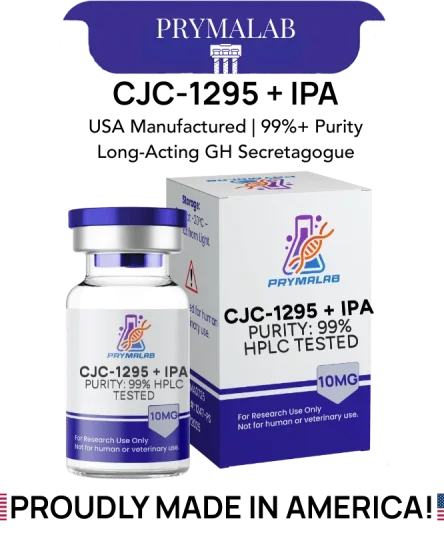
The typical cjc ipa blend form provides equal amounts of each peptide, often 5mg of CJC-1295 and 5mg of Ipamorelin per vial for a total of 10mg. This balanced ratio has been found through research and clinical experience to provide best combined effects. The cjc/ipa – 5/5 dosage protocol refers to this standard form and has become the most popular approach for growth hormone secretagogue research.
For researchers studying growth hormone physiology, the cjc ipa peptides mix offers unique benefits. The blend allows study of combined effects between different GH secretagogue pathways, provides a model for natural GH rise that keeps pulsatile patterns, lets study of growth hormone’s effects on body makeup, body function, and aging, and offers insights into best approaches for treatment GH boost.
The well-characterized mechanisms and extensive research history make this mix invaluable for grasp growth hormone control and its effects on human physiology.
When researchers buy cjc ipa, they gain access to a peptide mix that has been extensively studied and refined over years of research. The blend’s effects on muscle growth, fat loss, healing, sleep quality, skin health, and overall vitality have been documented in many studies. The favorable safety profile and minimal side effects make it suitable for extended research protocols, while the potent effects on growth hormone secretion provide clear, measurable outcomes for research studies.
Understanding Growth Hormone Secretagogues
To fully appreciate how cjc ipa works, it’s essential to understand growth hormone secretagogues and the complex control of growth hormone (GH) production. Growth hormone is a peptide hormone produced by somatotroph cells in the anterior pituitary gland. It plays crucial roles in growth, body makeup, body function, and overall health throughout life.
GH secretion follows a pulsatile pattern, with multiple pulses occurring throughout the day and night, with the largest pulses often occurring during deep sleep.
Growth hormone secretion is regulated by two main hypothalamic hormones that work in opposition. Growth hormone-releasing hormone (GHRH) boosts GH release from the pituitary, while somatostatin (also called growth hormone-blocking hormone) suppresses GH release. The balance between these two signals finds the timing and magnitude of GH pulses. Also, ghrelin, a hormone produced mainly in the stomach, boosts GH release through its own receptor pathway, providing a third control input.
Growth hormone secretagogues are compounds that boost the release of growth hormone from the pituitary gland. They work by mimicking or enhancing the natural signals that trigger GH release, rather than providing exogenous hormone. This approach has several benefits over synthetic GH use including maintenance of natural pulsatile GH patterns, preservation of the body’s control feedback mechanisms, boost of the body’s own GH production capacity, and often fewer side effects than exogenous hormone use.
There are two main classes of growth hormone secretagogues, and the cjc and ipa mix includes one peptide from each class. GHRH analogs like CJC-1295 work by mimicking growth hormone-releasing hormone and binding to GHRH receptors on pituitary somatotrophs. These peptides amplify the natural GHRH signal, increasing both the amplitude (height) and duration of GH pulses.
Growth hormone-releasing peptides (GHRPs) like Ipamorelin work by binding to ghrelin receptors (GHS-R1a) on pituitary cells, providing an more stimulus for GH release through a pathway distinct from GHRH.
The pulsatile nature of growth hormone secretion is important for best natural effects. Constant, non-pulsatile GH rise (as occurs with synthetic GH use) can lead to receptor desensitization, where target tissues become less responsive to growth hormone over time. The cjc ipa peptide mix keeps pulsatile GH patterns because both peptides have relatively short half-lives and are often gave 1-3 times daily, creating discrete pulses of GH rise rather than constant levels.
Growth hormone exerts its effects both directly and indirectly. Direct effects include increased lipolysis (fat breakdown), enhanced protein synthesis, improved glucose body function, and many body effects. Indirect effects are mediated mainly through IGF-1 (insulin-like growth factor 1), which is produced in the liver and other tissues in response to GH boost. IGF-1 mediates many of growth hormone’s anabolic effects including muscle growth, bone growth and density, tissue repair and regrowth, and collagen synthesis.
The ipa cjc 1295 mix is very effective because it addresses growth hormone control through multiple pathways simultaneously. CJC-1295 enhances the GHRH pathway, making the pituitary more responsive to natural GHRH signals and extending the duration of GH pulses. Ipamorelin starts the ghrelin receptor pathway, providing more GH boost and increasing pulse frequency.
Together, these effects create combined GH rise that exceeds what either peptide can achieve alone.
Research has shown that the synergy between GHRH analogs and GHRPs is large. Studies show that combining these two classes of secretagogues produces GH rise that is 2-3 times greater than the sum of their personal effects. This synergy occurs because the two pathways converge on the same somatotroph cells, and their combined start produces a multiplicative rather than merely additive effect.
The cjc ipa mix takes advantage of this well-documented synergy.
Age-related decline in growth hormone production is a well-set up phenomenon. GH secretion peaks during adolescence and young adulthood, then gradually declines with age, decreasing by about 14% per decade after age 30. This decline adds to many age-related changes including loss of muscle mass and strength, increased body fat (especially visceral fat), decreased bone density, reduced skin thickness and elasticity, impaired healing and healing, and decreased energy and vitality.
The cjc ipa blend offers researchers a tool to study whether restoring more youthful GH levels can reverse or slow these age-related changes.
CJC-1295/Ipamorelin Mechanism of Action
The cjc ipa mechanism of action involves advanced interactions between two paired peptides working through distinct but combined pathways. Grasp these mechanisms helps researchers design effective protocols and interpret research results in the context of growth hormone physiology.
CJC-1295 Mechanism:
CJC-1295 without DAC (Modified GRF 1-29) is a synthetic analog of growth hormone-releasing hormone with specific changes that enhance its shelf life and potency. The peptide consists of 29 amino acids with four key substitutions compared to natural GHRH: position 2 (D-Ala instead of Ala), position 8 (Gln instead of Ala), position 15 (Leu instead of Ala), and position 27 (Ala instead of Leu).
These changes protect the peptide from enzymatic breakdown and enhance its binding affinity to GHRH receptors.
When CJC-1295 is gave, it enters the bloodstream and travels to the anterior pituitary gland. There, it binds to GHRH receptors on somatotroph cells with high affinity. This binding starts the receptor, triggering a cascade of intracellular signaling events. The receptor start increases intracellular cyclic AMP (cAMP) levels, which starts protein kinase A (PKA).
PKA then phosphorylates many target proteins that finally lead to increased transcription of the growth hormone gene and release of stored growth hormone from secretory granules.
The changes in CJC-1295 extend its half-life compared to natural GHRH (which has a half-life of only a few minutes). Without DAC, CJC-1295 has a half-life of about 30 minutes to a few hours, providing sustained GHRH receptor start during this period. This extended activity amplifies natural GH pulses, making them both higher (increased amplitude) and longer-lasting (increased duration).
The result is greatly greater GH release per pulse compared to natural GHRH boost.
Ipamorelin Mechanism:
Ipamorelin is a pentapeptide that acts as a selective agonist of the ghrelin receptor (growth hormone secretagogue receptor 1a, or GHS-R1a). This receptor is expressed on pituitary somatotrophs and, when started, boosts growth hormone release through a pathway distinct from GHRH. The ghrelin receptor pathway involves different intracellular signaling mechanisms, including increases in intracellular calcium and start of phospholipase C.
What makes Ipamorelin very valuable in the cjc ipa peptide mix is its selectivity. Unlike older GHRPs such as GHRP-6 and GHRP-2, Ipamorelin mainly boosts GH release without greatly affecting other pituitary hormones. It does not cause large increases in cortisol or prolactin, and it produces minimal hunger boost compared to GHRP-6.
This clean pharmacological profile results from Ipamorelin’s high selectivity for the GHS-R1a receptor and its specific start of GH-releasing pathways.
When Ipamorelin binds to ghrelin receptors on somatotrophs, it triggers GH release through mechanisms that complement GHRH signaling. The ghrelin receptor pathway can boost GH release even when GHRH receptors are already started, and the two pathways show combined interactions. Ipamorelin also has a relatively short half-life (about 2 hours), which adds to the pulsatile nature of GH release with the ipa cjc mix.
Combined Interaction:
The synergy between CJC-1295 and Ipamorelin in the cjc and ipa blend is the key to its effectiveness. When both peptides are gave together, they start two paired pathways for GH release simultaneously. CJC-1295 enhances GHRH receptor signaling, increasing the pituitary’s responsiveness to GH-releasing signals. Ipamorelin starts ghrelin receptors, providing more boost through a distinct pathway.
The convergence of these two signals on the same somatotroph cells produces a multiplicative effect on GH release.
Research has showed that the mix of GHRH analogs and GHRPs produces GH rise that is 2-3 times greater than the sum of their personal effects. This synergy occurs because the two pathways interact at multiple levels. GHRH receptor start increases the number of somatotrophs ready to release GH, while ghrelin receptor start provides the trigger for release.
Also, GHRH can enhance the expression of ghrelin receptors, making cells more responsive to GHRP boost. Conversely, ghrelin receptor start can enhance GHRH receptor signaling.
Growth Hormone Release Pattern:
The cjc ipa dosage protocol often involves use 1-3 times daily, creating discrete pulses of GH rise. After injection, both peptides are absorbed into the bloodstream and reach the pituitary within minutes. CJC-1295 begins amplifying GHRH signaling, while Ipamorelin starts ghrelin receptors. The combined effect produces a large GH pulse that often peaks 30-60 minutes after use and can remain elevated for 2-4 hours.
This pulsatile pattern is important for keeping receptor response and avoiding desensitization. The relatively short duration of action (compared to CJC-1295 with DAC, which has a half-life of several days) allows GH levels to return toward baseline between doses, preserving the natural pulsatile pattern that is important for best natural effects.
IGF-1 Production:
The elevated growth hormone produced by cjc ipa boost travels to the liver and other tissues, where it boosts the production of IGF-1 (insulin-like growth factor 1). IGF-1 is the main mediator of many of growth hormone’s effects, very its anabolic effects on muscle and bone. The cjc ipa results often show large increases in IGF-1 levels, often 50-100% above baseline with regular use.
IGF-1 has a longer half-life than growth hormone (about 12-15 hours), so it provides more sustained anabolic signaling even as GH levels fluctuate. This mix of pulsatile GH rise and sustained IGF-1 increase creates an best environment for muscle growth, fat loss, and tissue repair.
Body Effects:
The growth hormone rise produced by cjc/ipa triggers many body effects throughout the body. In adipose tissue, GH boosts lipolysis (fat breakdown) through start of hormone-sensitive lipase, leading to increased release of free fatty acids for energy. In muscle tissue, GH and IGF-1 enhance protein synthesis and reduce protein breakdown, creating a net anabolic effect that supports muscle growth and preservation.
In bone, GH and IGF-1 boost osteoblast activity and bone formation, improving bone density. In the liver, GH affects glucose body function and boosts IGF-1 production.
Receptor Response Maintenance:
An important advantage of the cjc ipa blend is that it keeps receptor response better than constant GH use. The pulsatile pattern of GH release, combined with the relatively short half-lives of both peptides, allows receptors to reset between doses. This prevents the downregulation and desensitization that can occur with constant hormone exposure.
Research protocols often include periodic breaks (such as 5 days on, 2 days off) to further preserve receptor response during extended use.
Clinical Research and Studies
CJC-1295/Ipamorelin research covers studies of the personal peptides as well as their mix, providing large data on mechanisms, effect, and safety. While large-scale clinical trials of the specific mix are limited, extensive research on each component and clinical experience with the blend have set up its profile.
CJC-1295 Research:
CJC-1295 (Modified GRF 1-29) has been extensively studied as a growth hormone secretagogue. Research published in the Journal of Clinical Endocrinology & Body function examined the effects of CJC-1295 without DAC on growth hormone secretion in healthy adults. The study found that single doses of the peptide produced major increases in GH levels, with peak elevations occurring 30-60 minutes after use.
The GH-elevating effects lasted for 2-4 hours, showing the peptide’s power to amplify natural GH pulses.
Studies examining repeated use of CJC-1295 showed sustained increases in both GH and IGF-1 levels. Research subjects getting the peptide for several weeks showed IGF-1 increases of 50-100% above baseline, with good tolerability and minimal side effects. The peptide’s power to keep pulsatile GH patterns while increasing overall GH secretion was noted as an advantage over constant GH use.
Research into CJC-1295’s effects on body makeup showed promising results. Studies in adults with growth hormone deficiency showed that CJC-1295 use led to increases in lean body mass, reductions in body fat (very visceral fat), gains in bone density markers, and enhanced overall body makeup. These effects were attributed to the sustained increases in GH and IGF-1 produced by the peptide.
Ipamorelin Research:
Ipamorelin has been studied extensively as a selective growth hormone secretagogue. Research published in the European Journal of Endocrinology examined Ipamorelin’s effects on GH secretion and found that the peptide produced dose-dependent increases in GH levels without greatly affecting cortisol or prolactin. This selectivity distinguished Ipamorelin from older GHRPs and made it attractive for clinical growth.
Studies comparing Ipamorelin to other GHRPs showed that it produced comparable GH boost with fewer side effects. Research showed that Ipamorelin caused minimal hunger boost compared to GHRP-6, no major cortisol rise unlike GHRP-2, and kept selectivity for GH release across a wide dose range. These properties made Ipamorelin the preferred GHRP for mix with GHRH analogs.
Clinical trials of Ipamorelin in many populations showed beneficial effects on body makeup and body parameters. Research in elderly subjects showed that Ipamorelin use increased lean body mass, reduced body fat percentage, improved insulin response, and enhanced overall body health. The peptide was well-tolerated with minimal adverse effects.
Mix Research:
While large-scale clinical trials mainly examining the cjc ipa mix are limited, research on combining GHRH analogs with GHRPs has showed large synergy. Studies show that combining these two classes of secretagogues produces GH rise 2-3 times greater than the sum of their personal effects. This synergy has been documented across multiple GHRH analog and GHRP mixes, supporting the rationale for the cjc and ipa blend.
Clinical experience with the cjc ipa peptide mix has built up over years of use in anti-aging and performance medicine. Practitioners report consistent gains in body makeup with lean mass increases of 2-5 kg over 12 weeks, body fat reductions of 5-10%, improved muscle definition and tone, and enhanced overall physique.
Healing and performance benefits include faster healing from training, reduced muscle soreness, improved sleep quality and duration, and enhanced overall energy and vitality. Anti-aging effects include improved skin quality and elasticity, reduced appearance of fine lines and wrinkles, enhanced hair and nail growth, and improved overall sense of well-being.
Body Makeup Research:
Studies examining the effects of growth hormone secretagogues on body makeup consistently show beneficial changes. Research shows that sustained GH rise through secretagogue use leads to increased lean body mass through enhanced protein synthesis, reduced body fat through increased lipolysis, improved muscle-to-fat ratio, and better overall body makeup. The cjc ipa results often show these changes becoming apparent within 4-8 weeks of regular use, with continued gains over 3-6 months.
Body Research:
Research into the body effects of growth hormone secretagogues shows gains in many parameters. Studies show enhanced insulin response and glucose body function, improved lipid profiles with reduced triglycerides, increased body rate and energy output, and better overall body health. These effects are attributed to the body actions of growth hormone and IGF-1 on many tissues.
Sleep Quality Research:
Interesting research has examined the effects of growth hormone secretagogues on sleep quality. Studies show that GH secretagogues gave before bed can enhance deep sleep (slow-wave sleep), improve overall sleep quality and duration, increase the amplitude of nocturnal GH pulses, and improve next-day energy and healing. The cjc ipa mix is often gave before bed to take advantage of these sleep-enhancing effects.
Aging Research:
Research into growth hormone secretagogues as anti-aging interventions has shown promising results. Studies in older adults show that restoring more youthful GH levels through secretagogue use can reverse some age-related changes including improved body makeup, enhanced bone density, better skin quality, improved cognitive function, and enhanced overall vitality. While not a fountain of youth, the cjc ipa blend offers researchers a tool to study whether optimizing GH levels can slow or reverse aspects of aging.
Safety Studies:
Important research has examined the safety profile of growth hormone secretagogues. Studies show that both CJC-1295 and Ipamorelin are often well-tolerated with minimal side effects. The cjc ipa side effects profile is favorable compared to synthetic GH, with no major effects on glucose body function in healthy subjects, minimal impact on cortisol or other hormones, good tolerability across a wide dose range, and no serious adverse events in research studies.
Long-term safety data remains limited, but available evidence suggests a favorable risk-benefit profile for research use.
CJC-1295/Ipamorelin Benefits for Research
The cjc ipa benefits documented in research and clinical experience span multiple aspects of physiology, making it one of the most versatile and effective growth hormone secretagogue mixes available. Grasp these benefits helps researchers design studies that maximize the mix’s research value.
Muscle Growth and Body Makeup:
The most prominent benefit of cjc ipa is its effect on body makeup. Research consistently shows major increases in lean muscle mass (2-5 kg gains over 12 weeks in research subjects), enhanced muscle definition and tone, improved muscle-to-fat ratio, and better overall physique. These effects result from growth hormone and IGF-1’s anabolic effects on muscle tissue, including enhanced protein synthesis, reduced protein breakdown, increased satellite cell start, and improved nutrient partitioning toward muscle.
The muscle-building effects of cjc ipa peptide occur even without changes in training or diet, though combining the peptides with resistance training produces combined effects. Research shows that the mix enhances training adaptations, allowing for greater muscle growth and strength gains compared to training alone. The cjc ipa before and after transformations documented in research show impressive gains in muscle mass and definition.
Fat Loss and Body Boost:
CJC-1295/Ipamorelin produces major effects on fat body function and body fat reduction. Research shows large reductions in body fat percentage (5-10% decreases over 12 weeks), preferential loss of visceral (abdominal) fat, improved fat oxidation and body rate, and better overall body health. These effects result from growth hormone’s lipolytic actions, which increase the breakdown of stored fat and enhance fat oxidation for energy.
The fat loss effects of ipa cjc 1295 are very notable in the abdominal region, where visceral fat buildup is linked with body disease risk. Research shows that GH secretagogues preferentially reduce visceral fat, improving body health markers and reducing disease risk. The mix of muscle gain and fat loss produces dramatic gains in body makeup and appearance.
Healing and Performance Boost:
Athletes and active people using cjc ipa for research report large gains in healing and performance. Research shows faster healing from intense training, reduced muscle soreness and fatigue, improved training capacity and work output, enhanced endurance and stamina, and better overall performance. These effects result from growth hormone’s role in tissue repair, protein synthesis, and body support.
The healing-enhancing effects of cjc and ipa make it valuable for research into training tuning and performance boost. Studies show that improved healing allows for more frequent and intense training, possibly leading to greater long-term adaptations. The peptide mix supports the body’s natural healing processes, helping tissues repair and adapt more effectively.
Sleep Quality Gain:
One of the most appreciated benefits of cjc ipa blend is its effect on sleep quality. Research shows enhanced deep sleep (slow-wave sleep), improved overall sleep quality and duration, increased amplitude of nocturnal GH pulses, better next-day energy and healing, and improved sleep architecture. These effects are very notable when the peptides are gave before bed, as they can enhance the natural nocturnal GH surge that occurs during deep sleep.
The sleep-enhancing effects of cjc/ipa add to its overall benefits, as quality sleep is essential for healing, muscle growth, fat loss, and overall health. Research shows that improved sleep quality enhances training adaptations, supports body health, improves cognitive function, and enhances overall well-being.
Anti-Aging and Skin Health:
Research into cjc ipa as an anti-aging intervention shows promising results. Studies show improved skin quality and elasticity, reduced appearance of fine lines and wrinkles, enhanced collagen production, improved hair and nail growth, and better overall appearance of vitality. These effects result from growth hormone and IGF-1’s effects on collagen synthesis, cellular regrowth, and tissue repair.
The anti-aging effects of ipa cjc 1295 benefits extend beyond cosmetic gains to include enhanced bone density and strength, improved joint health and mobility, better immune function, enhanced cognitive function, and improved overall vitality and quality of life. While not reversing aging, the peptide mix can help keep more youthful function and appearance.
Bone Density Boost:
Research shows that cjc ipa benefits bone health through increased bone mineral density, enhanced bone formation and remodeling, improved bone strength and quality, and reduced fracture risk. These effects result from growth hormone and IGF-1’s boost of osteoblast activity and bone formation. Studies show that sustained GH rise through secretagogue use can improve bone density markers and possibly reduce osteoporosis risk.
Immune Function Support:
Interesting research suggests that cjc ipa peptides may support immune function. Studies show that growth hormone plays important roles in immune system function, and GH deficiency is linked with impaired immunity. Research shows that restoring GH levels through secretagogue use can enhance immune cell function, improve resistance to infections, support overall immune health, and possibly reduce swelling.
These immune-supporting effects add to the peptide mix’s overall health benefits.
Body Health Gain:
The cjc ipa mix produces beneficial effects on body health markers. Research shows improved insulin response and glucose body function, better lipid profiles with reduced triglycerides, enhanced body rate and energy output, improved heart health markers, and better overall body function. These effects are very valuable for research into body diseases and age-related body decline.
Injury Healing and Tissue Repair:
Research shows that cjc and ipa can enhance healing and tissue repair. Studies show accelerated healing of injuries and wounds, improved tendon and ligament repair, enhanced bone healing after fractures, better overall tissue regrowth, and reduced healing time from injuries. These effects result from growth hormone and IGF-1’s roles in tissue repair and regrowth, making the peptide mix valuable for injury healing research.
Cognitive Function Boost:
Emerging research suggests that cjc ipa may benefit cognitive function. Studies show that growth hormone receptors are present in the brain, and GH plays roles in cognitive function, memory, and mood. Research shows possible gains in memory and learning, enhanced focus and level, improved mood and well-being, better overall cognitive function, and possible brain-safe effects.
While more research is needed, these cognitive benefits add to the peptide mix’s appeal for anti-aging research.
Versatility and Research Uses:
The full benefits of cjc ipa peptide make it valuable for diverse research uses including body makeup and performance research, anti-aging and longevity studies, body health research, healing and healing studies, and sleep quality research. The well-characterized mechanisms and extensive research history make this mix invaluable for grasp growth hormone’s roles in human physiology and health.
Comparing CJC-1295/Ipamorelin to Other GH Secretagogues
Researchers often ask about how cjc ipa compares to other growth hormone secretagogues and peptides. Grasp these differences helps researchers choose the most appropriate compounds for their specific research needs.
CJC-1295/Ipamorelin vs Sermorelin:
Sermorelin is a GHRH analog similar to CJC-1295 but with a much shorter half-life (about 10-20 minutes). While Sermorelin effectively boosts GH release, its brief duration needs more frequent use (often 2-3 times daily) compared to the cjc and ipa mix. CJC-1295’s changes provide longer activity, allowing for less frequent dosing while keeping effectiveness. The cjc ipa mix also includes Ipamorelin’s ghrelin receptor start, providing combined GH boost that Sermorelin alone cannot achieve.
Research comparing these approaches shows that the cjc ipa blend produces greater GH rise than Sermorelin alone, needs less frequent use, provides more sustained effects, and offers better overall convenience for research protocols. However, Sermorelin’s shorter half-life may be preferred for research needing very precise temporal control of GH boost.
CJC-1295/Ipamorelin vs Tesamorelin:
Tesamorelin is another GHRH analog that has been FDA-approved for reducing visceral adipose tissue in HIV patients with lipodystrophy. Researchers often ask can i combine cjc/ipa with tesamorelin or whether one is superior to the other. Tesamorelin is mainly showed for visceral fat reduction and has been studied mainly in this context. The cjc ipa mix offers broader benefits beyond fat loss, including muscle growth, healing boost, and anti-aging effects.
While combining Tesamorelin with cjc/ipa is theoretically possible, the cjc and ipa blend already provides full GH boost through dual pathways. Adding Tesamorelin would provide more GHRH receptor start but may not produce proportional more benefits. Most researchers find that the cjc ipa peptide mix alone provides enough GH boost for their research goals.
CJC-1295/Ipamorelin vs Sermorelin/GHRP-6:
Some researchers compare cjc ipa to the mix of Sermorelin with GHRP-6, another popular GH secretagogue blend. While both mixes use a GHRH analog plus a GHRP, there are important differences. GHRP-6 causes major hunger boost and can increase cortisol and prolactin levels, while Ipamorelin is selective for GH release with minimal effects on these other hormones.
The cjc ipa mix offers cleaner pharmacology with fewer side effects, making it preferred for most research uses.
Research shows that cjc ipa side effects are often milder than Sermorelin/GHRP-6 mixes, with no major hunger boost, minimal cortisol or prolactin rise, better overall tolerability, and cleaner pharmacological profile. The ipa cjc 1295 mix has largely replaced older GHRP mixes in research and clinical practice due to these benefits.
CJC-1295/Ipamorelin vs CJC-1295 with DAC:
An important distinction exists between CJC-1295 without DAC (used in the cjc ipa blend) and CJC-1295 with DAC. The DAC (Drug Affinity Complex) version has a much longer half-life (about 6-8 days) due to its power to bind to albumin in the blood. While this extended half-life reduces dosing frequency, it also creates more constant GH rise that may not keep natural pulsatile patterns as effectively.
The cjc/ipa mix using CJC-1295 without DAC keeps more natural pulsatile GH release, allows for better control of GH boost timing, reduces risk of receptor desensitization, and provides flexibility in dosing schedules. Most researchers prefer the without DAC version for these reasons, despite needing more frequent use.
CJC-1295/Ipamorelin vs Synthetic HGH:
A basic comparison is between cjc ipa peptides and synthetic human growth hormone (HGH). While both elevate GH levels, they do so through very different mechanisms with distinct benefits and disadvantages. Synthetic HGH provides exogenous hormone that creates constant, non-pulsatile rise, can suppress natural GH production, needs careful dosing to avoid side effects, and is greatly more expensive.
The cjc and ipa mix boosts natural GH production, keeps pulsatile patterns, preserves the body’s control mechanisms, has fewer side effects at equivalent GH rise, and is more cost-effective. Research suggests that for most uses, the peptide mix provides comparable benefits to low-dose HGH with better safety and tolerability. The question of hgh vs cjc/ipa often favors the peptide mix for research use.
CJC-1295/Ipamorelin vs MK-677:
MK-677 (Ibutamoren) is an oral growth hormone secretagogue that acts as a ghrelin receptor agonist. While convenient due to oral use, MK-677 has some disadvantages compared to cjc ipa. MK-677 causes major hunger boost, can increase cortisol levels, may affect insulin response with chronic use, and provides more constant rather than pulsatile GH rise.
The cjc ipa blend offers more selective GH boost, keeps better pulsatile patterns, has fewer body side effects, and provides more control over GH boost timing. While MK-677’s oral convenience is attractive, most researchers prefer the cjc/ipa mix for its superior pharmacological profile.
Mix Protocols:
Researchers sometimes ask can i combine cjc/ipa with tesamorelin and sermorelin or other GH secretagogues. While such mixes are possible, the cjc and ipa blend already provides full GH boost through dual pathways (GHRH and ghrelin receptors). Adding more GHRH analogs like Tesamorelin or Sermorelin would provide more GHRH receptor start but may not produce proportional more benefits and could increase side effect risk.
Most research protocols find that the cjc ipa peptide mix alone provides enough GH boost. However, some researchers explore adding other peptides with paired mechanisms, such as combining cjc/ipa with BPC-157 for enhanced healing, or with TB-500 for tissue repair research. These mixes address different pathways and may provide combined benefits.
Choosing the Right GH Secretagogue:
The choice among GH secretagogues depends on specific research goals:
- Choose CJC-1295/Ipamorelin for: Full GH research, body makeup studies, anti-aging research, performance and healing studies, research needing clean pharmacology with minimal side effects
- Choose Sermorelin for: Research needing very short-acting GHRH boost, studies needing precise temporal control, research with specific Sermorelin signs
- Choose Tesamorelin for: Research focused mainly on visceral fat reduction, studies in populations with lipodystrophy, research needing FDA-approved GH secretagogue
- Choose synthetic HGH for: Research needing constant GH levels, studies needing precise GH dosing, research where cost is not a limiting factor
For most research uses, the cjc ipa mix offers the best balance of effect, safety, convenience, and cost-effectiveness, which explains its popularity in growth hormone research.
DOSAGE PROTOCOLS AND ADMINISTRATION
Understanding CJC-1295/Ipamorelin Dosage
Finding appropriate cjc ipa dosage for research uses needs grasp the available research data, considering research goals, and accounting for many factors including desired GH rise, use frequency, and subject characteristics.
Research Dosage Data
The most common cjc/ipa – 5/5 dosage protocol refers to a blend containing 5mg of CJC-1295 and 5mg of Ipamorelin per vial, for a total of 10mg. This balanced ratio has been found through research and clinical experience to provide best combined effects.
Standard Dosing Ranges:
- Conservative Protocol: 100-150 mcg of each peptide per injection (200-300 mcg total)
- Standard Protocol: 150-250 mcg of each peptide per injection (300-500 mcg total)
- Advanced Protocol: 250-300 mcg of each peptide per injection (500-600 mcg total)
CJC-1295/Ipamorelin Dosage Calculations
For researchers working with a 10MG blend vial (5mg CJC-1295 + 5mg Ipamorelin), accurate dosage calculations are essential. Use PrymaLab’s Peptide Calculator for precise calculations.
Example Mixing and Dosing:
Standard mixing (10mg blend + 2mL sterile water):
- Level: 10mg / 2mL = 5mg/mL total peptides
- Each mL contains 2.5mg CJC-1295 and 2.5mg Ipamorelin
- For 200 mcg total dose (100 mcg each peptide): 0.04 mL (4 units on insulin syringe)
- For 300 mcg total dose (150 mcg each peptide): 0.06 mL (6 units on insulin syringe)
- For 400 mcg total dose (200 mcg each peptide): 0.08 mL (8 units on insulin syringe)
Other Mixing for Easier Dosing:
Using 2.5mL sterile water:
- Level: 10mg / 2.5mL = 4mg/mL total peptides
- For 200 mcg total dose: 0.05 mL (5 units on insulin syringe)
- For 300 mcg total dose: 0.075 mL (7.5 units on insulin syringe)
- For 400 mcg total dose: 0.1 mL (10 units on insulin syringe)
Reconstitution Protocol
Proper mixing of cjc ipa peptides is essential for accurate dosing and peptide shelf life:
Mixing Steps:
- Gather Supplies:
- CJC-1295/Ipamorelin 10MG blend vial
- Sterile water (0.9% benzyl alcohol)
- Sterile syringes and needles
- Alcohol swabs
- Prepare Vial:
- Remove plastic cap from blend vial
- Swab rubber stopper with alcohol
- Allow to air dry completely
- Add Sterile Water:
- Draw 2-2.5 mL of sterile water into syringe
- Insert needle through rubber stopper
- Inject water slowly down the side of vial (not directly onto powder)
- Mix Solution:
- Gently swirl vial in circular motion
- Do not shake vigorously (can damage peptide structure)
- Allow powder to dissolve completely (may take 2-3 minutes)
- Solution should be clear and colorless
- Calculate Level:
Administration Technique
CJC-1295/Ipamorelin is gave via under-skin injection:
Injection Sites:
- Abdomen (2 inches from navel, any direction) – most common
- Upper thighs (front or outer aspects)
- Upper arms (outer aspect, if gave by assistant)
- Rotate sites with each injection to prevent tissue irritation
Injection Procedure:
- Clean area with alcohol swab
- Allow alcohol to dry completely
- Pinch skin to create fold of under-skin tissue
- Insert needle at 45-90 degree angle (depending on body fat thickness)
- Inject slowly and steadily over 5-10 seconds
- Withdraw needle smoothly
- Apply gentle pressure if needed (do not rub)
Dosing Frequency and Timing
The best cjc ipa dosing frequency depends on research goals:
Once Daily Dosing:
- Timing: Before bed (most common)
- Dose: 200-400 mcg total
- Benefits: Enhances nocturnal GH pulse, improves sleep quality, convenient single daily dose
- Suitable for: Anti-aging research, general body makeup gain
Twice Daily Dosing:
- Timing: Morning (upon waking) and before bed
- Dose: 150-300 mcg total per injection
- Benefits: More frequent GH boost, better overall GH rise, enhanced results
- Suitable for: Performance research, intensive body makeup protocols
Three Times Daily Dosing:
- Timing: Morning, afternoon, and before bed
- Dose: 100-200 mcg total per injection
- Benefits: Maximum GH boost, most natural pulsatile pattern
- Suitable for: Advanced research protocols, maximum effect studies
Timing Factors:
- Relationship to Meals: Give on empty stomach (at least 30 minutes before meals or 2 hours after)
- Relationship to Sleep: Before-bed use enhances nocturnal GH pulse and sleep quality
- Relationship to Exercise: Can be gave before training for enhanced GH response
- Consistency: Same time(s) each day improves protocol adherence and results
Weekly Dosing Schedules
Most cjc ipa protocols include rest days to prevent receptor desensitization:
5 Days On, 2 Days Off:
- Most common schedule
- Often Monday-Friday with weekend off
- Keeps receptor response
- Provides breaks for natural GH production
6 Days On, 1 Day Off:
- More intensive protocol
- Suitable for advanced research
- Still provides receptor reset day
Continuous Dosing:
- Daily use without breaks
- Used in some research protocols
- May need periodic longer breaks (1-2 weeks every 3-6 months)
Storage and Handling
Proper storage keeps cjc ipa peptide potency and shelf life:
Unreconstituted Peptide:
- Storage heat: 2-8°C (refrigerated) or -20°C (frozen)
- Protect from light and moisture
- Shelf life: 2-3 years when properly stored
- Can tolerate short periods at room heat during shipping
Mixed Solution:
- Storage heat: 2-8°C (refrigerated) – NEEDED
- Protect from light (store in original vial or wrap in foil)
- Shelf life: 30-60 days when refrigerated with sterile water
- Do not freeze mixed solution
- Discard if solution becomes cloudy or contains particles
Handling Precautions:
- Always use sterile technique when handling
- Avoid contamination of vials and solutions
- Use sterile water to extend mixed shelf life
- Label vials with mixing date
- Store away from food and beverages
Research Protocol Design
When designing research protocols with cjc ipa dosage, consider:
Dose-Response Studies:
- Test multiple dose levels (e.g., 200, 300, 400 mcg total)
- Include control groups for comparison
- Track both effect (GH/IGF-1 levels, body makeup) and safety endpoints
- Set up best dose for specific outcomes
Duration Studies:
- Short-term: 4-8 weeks for first body makeup changes
- Medium-term: 8-16 weeks for large body makeup gains
- Long-term: 16-24+ weeks for maximum effects and anti-aging research
Mix Studies:
- Can combine with other peptides (BPC-157, TB-500)
- Consider possible synergies or interactions
- Adjust doses when combining compounds
- Track for additive effects or side effects
Tracking Parameters:
- Growth hormone and IGF-1 levels (if measuring)
- Body makeup (DEXA scan, bioimpedance, or measurements)
- Strength and performance metrics
- Sleep quality assessments
- Safety parameters (glucose, lipids, etc.)
- Subjective measures (energy, healing, well-being)
Special Considerations
Cycling Protocols:
Many researchers use cycling protocols with cjc and ipa:
- Typical cycle: 3-6 months on, 1-2 months off
- Allows receptor response reset
- Keeps long-term effectiveness
- Provides breaks for natural GH production assessment
Saturation Dosing:
Some protocols use first saturation phase:
- Higher doses for first 2-4 weeks
- Then reduce to maintenance dose
- Purpose: Rapidly achieve desired GH/IGF-1 levels
- Example: 400 mcg twice daily for 2 weeks, then 300 mcg twice daily
Personal Response Variability:
Responses to cjc ipa may vary based on:
- Age (older people may show greater responses)
- Baseline GH/IGF-1 levels
- Body makeup and body status
- Training status and physical activity
- Sleep quality and stress levels
- Genetic factors affecting GH signaling
Research Support Resources
PrymaLab provides full support for researchers using cjc/ipa:
- Peptide Calculator for accurate dosing calculations
- Sterile Water for proper mixing
- Technical support for protocol design
- Dosing guidance based on research literature
- Quality records for research records
When researchers buy cjc ipa blend, they get detailed mixing and use instructions with their order, ensuring proper handling and use of this valuable growth hormone secretagogue mix.
SAFETY PROFILE AND SIDE EFFECTS
Understanding CJC-1295/Ipamorelin Side Effects
The cjc ipa side effects profile is notably favorable based on extensive research and clinical experience. Both peptides have been studied individually and in mix, providing large safety data for researchers.
Clinical and Research Safety Data
Personal Peptide Safety:
CJC-1295 without DAC has been studied in clinical trials and shows good tolerability with minimal adverse effects at research doses, no major effects on cortisol or prolactin, good safety profile across dose ranges, and no serious adverse events in research studies. Ipamorelin has been extensively studied and shows excellent selectivity for GH release, minimal effects on other pituitary hormones, no major hunger boost (unlike GHRP-6), and favorable safety profile in clinical trials.
Mix Safety:
The cjc and ipa mix has been used extensively in clinical practice with good safety outcomes. The paired mechanisms and clean pharmacology of both peptides result in a favorable safety profile for the mix.
Reported Side Effects
Based on research and clinical experience, cjc ipa side effects are often mild and transient:
Common Minor Effects:
- Injection Site Reactions:
- Mild redness or slight discomfort at injection site
- Temporary and resolves quickly
- Can be minimized with proper injection technique
- Rotating injection sites reduces occurrence
- Water Retention:
- Mild fluid retention (occasional)
- Often temporary and dose-dependent
- Usually resolves within first few weeks
- Can be managed with dose adjustment if needed
- Tingling or Numbness:
- Rare reports of mild tingling in extremities
- Usually transient and mild
- May be related to fluid retention
- Often resolves without intervention
- Increased Hunger:
- Mild increase in appetite (less common than with GHRP-6)
- Usually mild and manageable
- Can be beneficial for muscle-building research
- Varies between people
Rare Effects:
- Mild headaches (transient)
- Temporary fatigue (usually in first few days)
- Mild joint discomfort (rare, may show fluid retention)
- Changes in sleep patterns (usually gains)
Safety Advantages
CJC-1295/Ipamorelin offers several safety benefits compared to other GH approaches:
No Hormonal Disruption:
- Does not greatly affect cortisol levels (unlike some GHRPs)
- No major prolactin rise
- Minimal effects on other pituitary hormones
- Keeps natural hormonal balance
No Glucose Dysregulation:
- No major effects on blood glucose in healthy subjects
- Does not impair insulin response
- May actually improve glucose body function
- Safe for body research
Keeps Pulsatile Patterns:
- Preserves natural GH pulsatility
- Reduces risk of receptor desensitization
- Keeps natural GH patterns
- Better long-term safety profile than constant GH rise
Clean Pharmacology:
- Selective for GH release
- Minimal off-target effects
- Well-tolerated across dose ranges
- Favorable risk-benefit profile
Safety Monitoring Recommendations
Researchers using cjc ipa peptides should use appropriate safety tracking:
Baseline Assessment:
- Complete medical history
- Physical review
- Baseline laboratory tests (optional but recommended):
- Fasting glucose and insulin
- IGF-1 levels
- Lipid panel
- Thyroid function
- Records of any pre-existing conditions
Ongoing Tracking:
- Regular assessment for any adverse effects
- Tracking of injection sites for reactions
- Assessment of body makeup changes
- Evaluation of sleep quality and energy levels
- Periodic laboratory testing if conducting extended research
Warning Signs Needing Attention:
- Persistent injection site reactions
- Major fluid retention or edema
- Unusual joint pain or swelling
- Changes in glucose body function (in susceptible people)
- Any unexpected or concerning symptoms
Contraindications and Precautions
Certain conditions warrant extra caution or exclusion from cjc ipa research:
Absolute Contraindications:
- Active cancer (GH may promote tumor growth)
- Known allergy to peptides or components
- Pregnancy or breastfeeding (insufficient safety data)
- Active diabetic retinopathy
Relative Contraindications (Need Careful Consideration):
- History of cancer (consult with medical oversight)
- Diabetes (track glucose carefully)
- Carpal tunnel syndrome (may worsen with fluid retention)
- Severe heart disease
- Pituitary disorders
Special Populations:
- Elderly subjects may show greater responses (start with lower doses)
- Those with body conditions need enhanced tracking
- Subjects taking multiple drugs need interaction consideration
- Those with hormone-sensitive conditions need careful assessment
Managing Adverse Effects
If cjc ipa side effects occur during research, appropriate care strategies include:
For Injection Site Reactions:
- Rotate injection sites consistently
- Use proper injection technique
- Ensure alcohol has dried before injecting
- Apply ice before injection to reduce discomfort
- Consider smaller injection volumes if reactions persist
For Water Retention:
- Usually temporary and resolves within 2-4 weeks
- Reduce dose temporarily if major
- Ensure enough hydration
- Track for too much fluid retention
- Consider diuretic foods or supplements if needed
For Tingling or Numbness:
- Usually mild and transient
- May be related to fluid retention
- Reduce dose if persistent
- Often resolves without intervention
- Document and track
General Care Principles:
- Document all adverse effects thoroughly
- Assess severity and relationship to peptides
- Consider dose reduction before discontinuation
- Provide supportive care as needed
- Discontinue if serious adverse effects occur
Long-Term Safety Considerations
While cjc ipa peptide has shown good short-term safety, long-term factors include:
Extended Use Factors:
- Most research involves 3-6 month protocols
- Safety of very long-term continuous use (>1 year) less set up
- Cycling protocols (3-6 months on, 1-2 months off) recommended
- Enhanced tracking appropriate for extended protocols
- Periodic breaks help keep receptor response
Theoretical Long-Term Concerns:
- Effects of sustained GH rise on cancer risk (theoretical)
- Long-term effects on glucose body function
- Possible for receptor desensitization with continuous use
- Unknown effects of years-long continuous use
Research Duration Recommendations:
- Short-term studies (4-12 weeks): Well-supported by safety data
- Medium-term studies (3-6 months): Reasonable with tracking
- Long-term studies (6-12 months): Enhanced tracking recommended
- Very long-term use (>1 year): Limited safety data, cycling recommended
Comparison to Other GH Approaches
The cjc and ipa side effects profile compares favorably to other GH approaches:
Compared to Synthetic HGH:
- Fewer side effects at equivalent GH rise
- No suppression of natural GH production
- Better maintenance of pulsatile patterns
- Lower risk of glucose dysregulation
- More cost-effective
Compared to Other GHRPs:
- Less hunger boost than GHRP-6
- No cortisol rise unlike GHRP-2
- Cleaner pharmacology than older GHRPs
- Better overall tolerability
Compared to MK-677:
- Less hunger boost
- Better glucose body function profile
- More natural pulsatile patterns
- Fewer body side effects
Regulatory and Ethical Considerations
Researchers using cjc ipa should be aware of control status:
Control Status:
- Not approved for human treatment use by FDA
- Available for research purposes only
- Not intended for human consumption outside research settings
- Classified as research peptides
Research Ethics:
- Informed consent essential for any research involving human subjects
- Full disclosure of known risks and benefits
- Appropriate institutional review board (IRB) approval for human research
- Adherence to good clinical practice (GCP) rules
- Proper records and safety tracking
Athletic Use Factors:
- Growth hormone secretagogues are prohibited by WADA
- Banned in competitive sports
- Athletes subject to drug testing should not use
- Researchers working with athletes must ensure compliance
Risk Mitigation Strategies
To minimize risks when conducting research with cjc/ipa:
Protocol Design:
- Start with lower doses and escalate gradually
- Use cycling protocols (5 days on, 2 days off weekly; 3-6 months on, 1-2 months off)
- Include appropriate control groups
- Plan for safety tracking and adverse event care
- Have clear stopping criteria for safety concerns
Subject Selection:
- Careful screening to exclude high-risk people
- Thorough medical history and physical review
- Baseline laboratory testing as appropriate
- Assessment of contraindications
- Exclusion of those with absolute contraindications
Tracking and Follow-Up:
- Regular safety assessments during research
- Prompt attention to any adverse effects
- Records of all safety-related findings
- Follow-up after research completion
- Long-term tracking if showed
Quality Assurance:
- Use pharmaceutical-grade peptides from reputable sources
- Verify peptide identity and purity through testing
- Proper storage and handling to keep quality
- Accurate dosing and use
- Sterile technique for all injections
Safety Documentation
Proper records of safety aspects is essential:
Needed Records:
- Informed consent forms
- Medical history and screening results
- Baseline safety assessments
- Adverse event reports
- Dose changes and reasons
- Follow-up assessments
- Final safety summary
Reporting Requirements:
- Adverse events to appropriate oversight bodies
- Serious adverse events to IRB/ethics committee
- Safety data in research publications
- Transparency about risks and benefits
- Contribution to scientific grasp of peptide safety
When researchers buy cjc ipa from PrymaLab, full safety data is provided with each order, including known side effects, tracking recommendations, and emergency care rules. This ensures researchers have the data needed for responsible and safe research use of this powerful growth hormone secretagogue mix.
FREQUENTLY ASKED QUESTIONS
What is CJC-1295/Ipamorelin blend?
CJC-1295/Ipamorelin blend is a combined mix of two powerful growth hormone secretagogues that work through paired mechanisms to boost natural GH production. The cjc ipa blend combines CJC-1295 without DAC (Modified GRF 1-29), a growth hormone-releasing hormone (GHRH) analog, with Ipamorelin, a selective growth hormone-releasing peptide (GHRP). CJC-1295 works by binding to GHRH receptors on pituitary somatotrophs, amplifying natural growth hormone-releasing hormone signals and extending the duration of GH pulses.
Ipamorelin works by starting ghrelin receptors on the same cells, providing more GH boost through a distinct pathway. Together, these cjc and ipa peptides produce combined effects where the mix elevates growth hormone levels 2-3 times more than either peptide alone. The typical cjc ipa blend contains equal amounts of each peptide (often 5mg/5mg for a 10mg total), providing best combined effects.
This mix has become the gold standard in growth hormone secretagogue research due to its potent effects on GH rise, clean pharmacology with minimal side effects, maintenance of natural pulsatile GH patterns, and full benefits for body makeup, healing, and anti-aging.
How does CJC-1295/Ipamorelin work?
CJC-1295/Ipamorelin works through a advanced dual-pathway mechanism that synergistically boosts growth hormone release. When the cjc ipa mix is gave, CJC-1295 enters the bloodstream and binds to GHRH receptors on somatotroph cells in the anterior pituitary gland, amplifying the natural growth hormone-releasing hormone signal and increasing both the amplitude and duration of GH pulses.
Simultaneously, Ipamorelin binds to ghrelin receptors (GHS-R1a) on the same cells, providing more boost for GH release through a paired pathway. This dual start creates combined effects where cjc and ipa together produce greater GH rise than either peptide alone – research shows the mix can increase GH levels by 300-500% or more.
The elevated growth hormone then boosts IGF-1 production in the liver and other tissues, which mediates many of GH’s anabolic effects including increased protein synthesis and muscle growth, enhanced lipolysis and fat body function, improved bone density and tissue repair, enhanced collagen synthesis, and better sleep quality and healing. The cjc ipa peptides keep natural pulsatile GH patterns because both have relatively short half-lives, creating discrete pulses of GH rise rather than constant levels, which helps preserve receptor response and avoid desensitization.
What are the benefits of CJC-1295/Ipamorelin?
The cjc ipa benefits are extensive and well-documented across multiple aspects of physiology. Research and clinical experience show major increases in lean muscle mass (2-5 kg over 12 weeks), large body fat reduction (5-10% decrease), improved muscle definition and tone, and better overall body makeup. Healing and performance benefits include faster healing from training, reduced muscle soreness, improved sleep quality and duration, enhanced energy and vitality, and better overall performance.
Anti-aging effects include improved skin quality and elasticity, reduced fine lines and wrinkles, enhanced hair and nail growth, increased bone density, and improved overall appearance of vitality. The cjc ipa results also show body gains including enhanced insulin response, better glucose body function, improved lipid profiles, and increased body rate.
More ipa cjc 1295 benefits include enhanced immune function, improved cognitive function and mood, better joint health and mobility, accelerated injury healing, and improved overall quality of life.
These full benefits make cjc and ipa one of the most effective growth hormone secretagogue mixes available for research into body makeup, performance, healing, and anti-aging.
What is the recommended CJC-1295/Ipamorelin dosage?
The recommended cjc ipa dosage is based on extensive research and clinical experience. The most common protocol is the cjc/ipa – 5/5 dosage, referring to a blend containing 5mg of each peptide per vial. Typical use involves 200-400 mcg total per injection (100-200 mcg of each peptide), with frequency ranging from once to three times daily depending on research goals.
Conservative protocols use 200-300 mcg total once daily before bed for anti-aging and general body makeup research. Standard protocols employ 300-400 mcg total twice daily (morning and before bed) for performance and intensive body makeup research. Advanced protocols may use 400-600 mcg total divided into 2-3 daily doses for maximum effect studies.
The cjc ipa dosing schedule often includes 5-6 days per week with 1-2 rest days to prevent receptor desensitization.
For a 10mg blend vial mixed with 2mL sterile water (5mg/mL level), a 300 mcg dose equals 0.06 mL or 6 units on an insulin syringe. Researchers should use PrymaLab’s Peptide Calculator for precise cjc ipa dose calculations. Use should be on an empty stomach (at least 30 minutes before meals) for best absorption and GH release.
How do I reconstitute and administer CJC-1295/Ipamorelin?
To reconstitute cjc ipa peptides, you’ll need sterile water and sterile syringes. Remove the plastic cap from the blend vial and swab the rubber stopper with alcohol. Draw 2-2.5 mL of sterile water into a syringe and inject it slowly down the side of the vial, not directly onto the powder.
Gently swirl the vial in a circular motion until the powder completely dissolves – don’t shake vigorously as this can damage the peptide structure. The solution should be clear and colorless. For use, cjc and ipa is injected subcutaneously into areas like the abdomen (2 inches from navel – most common), upper thighs, or upper arms.
Clean the injection site with alcohol, pinch the skin to create a fold, insert the needle at a 45-90 degree angle, and inject slowly over 5-10 seconds. Rotate injection sites to prevent tissue irritation. The cjc ipa blend should be gave on an empty stomach, often before bed for once-daily protocols or morning and before bed for twice-daily protocols.
Store mixed solution refrigerated at 2-8°C and use within 30-60 days. When you buy cjc/ipa from PrymaLab, detailed mixing and use instructions are included with your order.
What are CJC-1295/Ipamorelin side effects?
The cjc ipa side effects profile is notably favorable with minimal adverse effects reported. The most common effects are mild injection site reactions (temporary redness or slight discomfort), occasional mild water retention (often temporary and dose-dependent), rare reports of mild tingling or numbness in extremities (usually transient), mild increases in hunger in some subjects (less common than with GHRP-6), and occasional mild headaches (often resolve quickly).
These cjc and ipa side effects are often very mild compared to other GH approaches. Importantly, the cjc ipa peptide mix does not greatly affect cortisol or prolactin levels (unlike some other GHRPs), keeps natural GH pulsatility reducing desensitization risk, has no major effects on blood glucose in healthy subjects, and shows no serious adverse events in research studies.
The clean pharmacology of both peptides results in excellent tolerability. Research protocols should include baseline health assessments, tracking for any adverse effects, and appropriate dosing to minimize side effects. While cjc ipa side effects are minimal, proper safety tracking is essential for responsible research use. The favorable safety profile is one reason why this mix has become the preferred GH secretagogue for research uses.
Can I combine CJC-1295/Ipamorelin with other peptides?
Yes, cjc ipa can be combined with other peptides for possibly combined effects, though the blend already provides full GH boost. Researchers often ask can i combine cjc/ipa with tesamorelin and sermorelin – while possible, the cjc and ipa mix already starts both GHRH and ghrelin receptor pathways, so adding more GHRH analogs may not provide proportional more benefits.
More valuable mixes include cjc ipa with BPC-157 for enhanced tissue healing and healing, with TB-500 for improved soft tissue repair and flexibility, with Ipamorelin alone for more GH boost if needed, or with other performance peptides for full research protocols. When designing mix protocols, researchers should consider possible interactions, adjust doses appropriately (may use lower doses of each when combined), use enhanced safety tracking, and include appropriate control groups.
The cjc ipa peptides work through GH pathways, so combining with peptides that work through different mechanisms (like healing peptides) may provide paired benefits. Most researchers find that the cjc/ipa blend alone provides enough GH boost for their research goals.
How long does it take to see CJC-1295/Ipamorelin results?
CJC-1295/Ipamorelin results appear on different timescales depending on the outcome measured. Immediate effects include growth hormone rise within 30-60 minutes of use and improved sleep quality often noticed within the first week. Early changes (1-2 weeks) include increased energy and vitality, improved healing from training, better sleep quality and duration, and first body makeup changes.
Major changes (4-8 weeks) include noticeable increases in lean muscle mass, visible body fat reduction, improved muscle definition, enhanced skin quality, and better overall appearance. Maximum effects (8-16 weeks) include large body makeup gains (2-5 kg muscle gain, 5-10% fat loss), dramatic gains in physique and definition, major anti-aging effects, and best healing and performance benefits.
The cjc ipa before and after transformations are often most impressive after 12-16 weeks of consistent use. Factors affecting response time include baseline GH/IGF-1 levels, age (older people may show greater responses), training and nutrition protocols, dosing frequency and consistency, sleep quality and stress care, and personal genetic factors.
Most research protocols last 12-24 weeks to allow enough time for full body makeup changes and anti-aging effects to manifest.
Where can I buy CJC-1295/Ipamorelin blend?
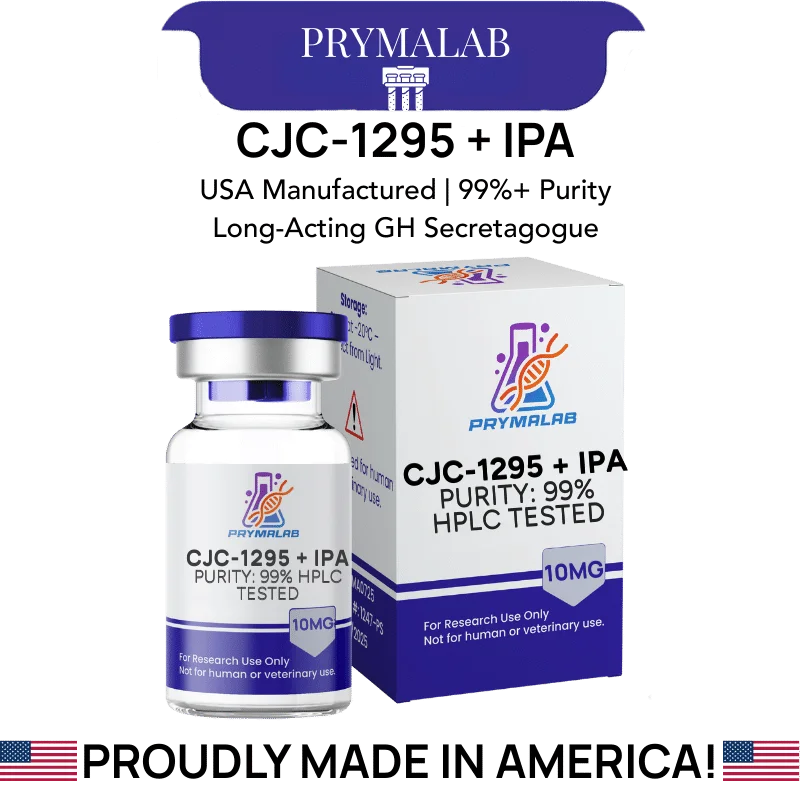
You can buy cjc ipa blend for research purposes from PrymaLab, a trusted supplier of pharmaceutical-grade research peptides. Our CJC-1295 (no DAC), Ipamorelin 10MG Blend contains 5mg of each peptide (10mg total) with 99% purity verified by third-party testing, ensuring reliable and reproducible research results. Each vial arrives as freeze-dried powder for maximum shelf life during shipping and storage.
When you buy cjc and ipa from PrymaLab, you get full records including certificates of test, mixing instructions, dosing rules including the popular cjc/ipa – 5/5 dosage protocol, and safety data. We also provide research support resources including our Peptide Calculator for accurate dosing calculations and sterile water for proper mixing.
Fast, discreet shipping ensures your research materials arrive quickly and securely. CJC-1295/Ipamorelin for sale at PrymaLab is intended for research purposes only and is not for human consumption outside approved research settings. Our commitment to quality, purity, and customer support makes PrymaLab the preferred choice for researchers seeking reliable growth hormone secretagogues.
How does CJC-1295/Ipamorelin compare to synthetic HGH?
CJC-1295/Ipamorelin and synthetic HGH both elevate growth hormone levels but through very different mechanisms with distinct benefits. The cjc ipa mix boosts natural GH production from the pituitary gland, keeping natural pulsatile patterns, while synthetic HGH provides exogenous hormone creating constant, non-pulsatile rise. The question of hgh vs cjc/ipa often favors the peptide mix for several reasons: cjc and ipa preserves the body’s natural GH production capacity and control mechanisms, keeps pulsatile GH patterns that reduce receptor desensitization risk, has fewer side effects at equivalent GH rise, is greatly more cost-effective, and doesn’t suppress natural GH production.
Synthetic HGH provides precise GH dosing and constant levels, needs less frequent use (daily vs 1-3 times daily for peptides), and has more extensive clinical research data. However, HGH can suppress natural GH production, may cause more side effects including glucose dysregulation, is greatly more expensive, and needs careful medical supervision.
For most research uses, the cjc ipa peptides provide comparable benefits to low-dose HGH with better safety, tolerability, and cost-effectiveness. The peptide mix is preferred for body makeup research, anti-aging studies, and performance research where keeping natural physiology is important.
How long can you run CJC-1295/Ipamorelin?
The question of how long can you run cjc and ipa depends on research goals and safety factors. Most research protocols involve cycles of 3-6 months of continuous use followed by 1-2 months off to keep receptor response and allow assessment of natural GH production. Within each cycle, weekly schedules often include 5-6 days of use with 1-2 rest days to prevent receptor desensitization.
Short-term protocols (4-12 weeks) are well-supported by safety data and suitable for first body makeup research. Medium-term protocols (3-6 months) are often used for full body makeup gains and anti-aging research with good safety profiles. Long-term protocols (6-12 months) can be used with enhanced tracking and periodic breaks, though continuous use beyond 6 months should include 1-2 week breaks every few months.
Very long-term continuous use (>1 year) has limited safety data and is not often recommended without cycling. The cjc ipa mix keeps effectiveness better than constant GH use due to its pulsatile pattern, but periodic breaks help preserve receptor response and keep best responses. Research suggests that cycling protocols (3-6 months on, 1-2 months off) provide the best balance of effectiveness and long-term safety for extended research uses.
CONCLUSION
CJC-1295 (no DAC), Ipamorelin 10MG Blend represents the gold standard in growth hormone secretagogue mixes, offering researchers a powerful combined approach to boosting natural GH production. With its notable power to elevate growth hormone through dual pathways, produce full body makeup gains, enhance healing and performance, and provide anti-aging benefits with minimal side effects, the cjc ipa mix offers researchers an invaluable tool for studying growth hormone physiology and its effects on human health and performance.
When you buy cjc and ipa from PrymaLab, you get pharmaceutical-grade peptides with 99% purity, full records and support, detailed use and dosing guidance including the popular cjc/ipa – 5/5 dosage protocol, access to research resources and calculators, and fast, discreet shipping. Our commitment to quality ensures your research is built on reliable, reproducible results.
Whether you’re researching body makeup changes, performance boost, healing tuning, anti-aging mechanisms, or growth hormone physiology, the CJC-1295/Ipamorelin blend provides the combined GH boost your research needs. Explore our complete peptides for sale collection to find all the research compounds you need for full performance and anti-aging studies.
Order your CJC-1295/Ipamorelin 10MG Blend today and advance your growth hormone research with confidence.









15 reviews for CJC-1295 (no DAC), Ipamorelin 10mg (Blend)