


$59.99 / month – $499.99
GLP-1 5MG is a research-grade glucagon-like peptide-1 formulation for scientific studies investigating metabolic regulation, glucose homeostasis, and appetite control mechanisms. This incretin hormone analog demonstrates potent effects on insulin secretion, gastric emptying, and satiety signaling pathways.
GLP-1 5MG is a research-grade formulation of glucagon-like peptide-1, a naturally occurring incretin hormone that plays crucial roles in glucose homeostasis, insulin secretion, and metabolic regulation. This 30-amino acid peptide is derived from the proglucagon gene and is primarily secreted by intestinal L-cells in response to nutrient intake. GLP-1 represents one of the most important hormones in the enteroinsular axis, serving as a key link between nutrient sensing in the gastrointestinal tract and metabolic responses in pancreatic islets, the central nervous system, and peripheral tissues.
The bioactive form of GLP-1, known as GLP-1(7-37), is produced through post-translational processing of proglucagon by prohormone convertase 1/3 in intestinal L-cells. This processing generates the active peptide that binds to and activates the GLP-1 receptor, a G-protein coupled receptor expressed in pancreatic beta cells, the brain, heart, kidneys, and gastrointestinal tract. The GLP-1 receptor belongs to the class B family of G-protein coupled receptors and signals primarily through the cyclic AMP (cAMP) pathway, though it can also activate other signaling cascades including MAPK and PI3K pathways.
GLP-1’s discovery and characterization represent a landmark achievement in metabolic research. The peptide was first identified in the 1980s as one of the products of proglucagon processing, and its insulinotropic effects were subsequently characterized in the early 1990s. Research revealed that GLP-1 accounts for a significant portion of the “incretin effect” – the observation that oral glucose administration produces a greater insulin response than intravenous glucose administration despite achieving similar blood glucose levels. This incretin effect is mediated primarily by GLP-1 and glucose-dependent insulinotropic polypeptide (GIP), with GLP-1 contributing approximately 50-70% of the total incretin effect in humans.
The physiological importance of GLP-1 extends far beyond its role in insulin secretion. The peptide exerts multiple effects on glucose homeostasis including suppression of glucagon secretion from pancreatic alpha cells, slowing of gastric emptying to reduce postprandial glucose excursions, and reduction of appetite and food intake through central nervous system mechanisms. These pleiotropic effects make GLP-1 a master regulator of postprandial glucose metabolism and energy balance. The peptide’s glucose-dependent mechanism of action provides an important safety feature – GLP-1 stimulates insulin secretion only when blood glucose levels are elevated, minimizing the risk of hypoglycemia that can occur with other insulin secretagogues.
Native GLP-1 has a very short half-life in circulation, typically only 1-2 minutes, due to rapid degradation by the enzyme dipeptidyl peptidase-4 (DPP-4). This enzyme cleaves the peptide between the second and third amino acids from the N-terminus, producing an inactive metabolite GLP-1(9-37) that may actually antagonize some GLP-1 receptor-mediated effects. The short half-life of native GLP-1 necessitated the development of DPP-4-resistant analogs and DPP-4 inhibitors for therapeutic applications. However, for research purposes, native GLP-1 provides valuable insights into the physiological mechanisms of incretin action and the temporal dynamics of GLP-1 receptor signaling.
GLP-1 5MG provides researchers with a standardized, high-purity preparation of this important metabolic hormone for investigating its mechanisms of action, receptor pharmacology, and physiological effects. The 5mg quantity is suitable for multiple research protocols and allows for dose-response studies, receptor binding assays, and functional investigations of GLP-1’s effects on various target tissues. The research-grade purity (>98%) ensures consistent results and minimizes potential confounding effects from impurities or degradation products.
The peptide is supplied as a lyophilized powder to maximize stability during storage and transport. Lyophilization removes water from the peptide while preserving its three-dimensional structure and biological activity. This process creates a stable powder that can be stored at -20°C for extended periods without significant degradation. Upon reconstitution with bacteriostatic water or other appropriate solvents, the peptide rapidly dissolves to form a clear solution ready for research applications. The reconstituted solution should be stored refrigerated and used within the recommended timeframe to maintain optimal peptide integrity and bioactivity.
Research applications for GLP-1 5MG span multiple disciplines including endocrinology, metabolism, neuroscience, and pharmacology. The peptide is valuable for studying pancreatic islet function, investigating mechanisms of glucose-stimulated insulin secretion, examining the role of incretins in metabolic disease, and developing novel therapeutic strategies for diabetes and obesity. GLP-1 research has already led to the development of multiple therapeutic agents including GLP-1 receptor agonists and DPP-4 inhibitors that are now widely used in clinical practice. Continued research with GLP-1 promises to yield further insights into metabolic regulation and may lead to additional therapeutic innovations.
To fully appreciate the significance of GLP-1 and its research applications, it is essential to understand the broader context of incretin physiology and glucose homeostasis. The maintenance of blood glucose within a narrow physiological range is critical for health, as both hyperglycemia and hypoglycemia can have serious consequences. This tight regulation is achieved through the coordinated action of multiple hormones, with insulin and glucagon playing central roles, and incretin hormones like GLP-1 serving as important modulators of this system.
Glucose homeostasis involves a complex interplay between glucose production (primarily by the liver through glycogenolysis and gluconeogenesis), glucose uptake (primarily by muscle and adipose tissue), and hormonal regulation of these processes. In the fasted state, blood glucose is maintained through hepatic glucose production, which is stimulated by glucagon and inhibited by insulin. After a meal, rising blood glucose levels stimulate insulin secretion from pancreatic beta cells, which promotes glucose uptake by peripheral tissues and suppresses hepatic glucose production. Simultaneously, glucagon secretion from pancreatic alpha cells is suppressed, further reducing hepatic glucose output.
The incretin effect refers to the observation that oral glucose administration produces a greater insulin response than intravenous glucose administration, despite achieving similar blood glucose levels. This phenomenon was first described in the 1960s and led to the search for gastrointestinal factors that enhance insulin secretion. Two incretin hormones were subsequently identified: GLP-1 and GIP. These peptides are secreted by specialized enteroendocrine cells in the intestinal mucosa in response to nutrient ingestion, particularly carbohydrates and fats. The incretin hormones then travel through the bloodstream to pancreatic islets where they potentiate glucose-stimulated insulin secretion.
GLP-1 is secreted primarily by L-cells located in the distal small intestine and colon. These specialized enteroendocrine cells express nutrient sensors including glucose transporters (GLUT2, SGLT1), fatty acid receptors (GPR40, GPR120), and amino acid transporters that detect the presence of nutrients in the intestinal lumen. Upon nutrient detection, L-cells release GLP-1 through both direct nutrient sensing and indirect neural and hormonal signals. Interestingly, GLP-1 secretion occurs in two phases: an early phase within 10-15 minutes of meal ingestion (likely mediated by neural signals and proximal nutrient sensing) and a later phase as nutrients reach the distal intestine where L-cells are most abundant.
The secreted GLP-1 acts on multiple target tissues through the GLP-1 receptor. In pancreatic beta cells, GLP-1 receptor activation increases intracellular cAMP levels, which enhances glucose-stimulated insulin secretion through multiple mechanisms. The elevated cAMP activates protein kinase A (PKA) and exchange protein directly activated by cAMP (Epac2), both of which promote insulin granule exocytosis. Additionally, GLP-1 receptor signaling increases beta cell glucose sensitivity, enhances insulin gene transcription, and promotes beta cell proliferation and survival. These effects make GLP-1 not only an acute regulator of insulin secretion but also a long-term modulator of beta cell mass and function.
In pancreatic alpha cells, GLP-1 suppresses glucagon secretion through both direct and indirect mechanisms. Direct effects involve GLP-1 receptor activation on alpha cells, which reduces glucagon secretion through mechanisms that are not fully understood but may involve changes in intracellular calcium dynamics and cAMP signaling. Indirect effects include the paracrine action of insulin secreted by nearby beta cells, which inhibits alpha cell function, and somatostatin release from delta cells, which also suppresses glucagon secretion. The net effect is a reduction in glucagon levels during the postprandial period, which decreases hepatic glucose production and contributes to improved glucose control.
GLP-1’s effects on gastric emptying represent another important mechanism for glucose regulation. The peptide slows the rate at which food leaves the stomach and enters the small intestine, thereby reducing the rate of glucose absorption and blunting postprandial glucose excursions. This effect is mediated through both central nervous system pathways involving the vagus nerve and direct effects on gastric smooth muscle. The slowing of gastric emptying can account for a significant portion of GLP-1’s glucose-lowering effects, particularly in the early postprandial period. However, this effect may diminish with chronic GLP-1 receptor agonist treatment due to tachyphylaxis.
The central nervous system effects of GLP-1 are increasingly recognized as important for both glucose regulation and energy balance. GLP-1 receptors are expressed in multiple brain regions including the hypothalamus, brainstem, and reward centers. Activation of these receptors reduces appetite and food intake through effects on satiety signaling pathways. GLP-1 appears to enhance the satiety signals generated by meal ingestion and may also reduce the rewarding properties of food. These effects contribute to weight loss observed with GLP-1 receptor agonist treatment and represent an important mechanism beyond direct glucose regulation.
The cardiovascular effects of GLP-1 have garnered significant research attention. GLP-1 receptors are expressed in the heart, blood vessels, and kidneys, and GLP-1 receptor activation has been shown to have beneficial effects on cardiovascular function. These effects include improved endothelial function, reduced blood pressure, cardioprotection against ischemia-reperfusion injury, and potential anti-atherosclerotic effects. Clinical trials with GLP-1 receptor agonists have demonstrated cardiovascular benefits in patients with type 2 diabetes, though the mechanisms underlying these benefits are still being elucidated.
The kidney represents another important target tissue for GLP-1. GLP-1 receptors are expressed in renal tubules and glomeruli, and GLP-1 receptor activation affects renal function including sodium excretion, glomerular filtration, and blood pressure regulation. GLP-1 receptor agonists have demonstrated renoprotective effects in clinical trials, with reductions in albuminuria and slowing of kidney disease progression. These effects may involve both direct actions on renal tissue and indirect effects through improved glycemic control and blood pressure reduction.
Understanding the normal physiology of GLP-1 and incretin action provides context for research into metabolic diseases. In type 2 diabetes, the incretin effect is diminished, with patients showing reduced insulin responses to oral glucose compared to healthy individuals. This incretin defect appears to involve both reduced GLP-1 secretion and impaired beta cell responsiveness to GLP-1. The mechanisms underlying this incretin defect are not fully understood but may involve chronic hyperglycemia, lipotoxicity, inflammation, and genetic factors. Research with GLP-1 helps elucidate these mechanisms and identify potential therapeutic targets.
GLP-1 exerts its diverse physiological effects through activation of the GLP-1 receptor, a class B G-protein coupled receptor that is expressed in multiple tissues throughout the body. Understanding the detailed mechanisms of GLP-1 receptor signaling is essential for interpreting research results and designing experiments to investigate specific aspects of GLP-1 biology. The mechanisms of GLP-1 action can be divided into receptor binding and activation, intracellular signaling cascades, and tissue-specific effects.
GLP-1 Receptor Binding and Activation:
The GLP-1 receptor is a 463-amino acid protein with seven transmembrane domains characteristic of G-protein coupled receptors. The receptor’s extracellular N-terminal domain is critical for peptide binding, while the transmembrane domains and intracellular loops mediate G-protein coupling and signal transduction. GLP-1 binds to the receptor’s N-terminal domain with high affinity (Kd in the low nanomolar range), inducing a conformational change that activates the receptor and initiates intracellular signaling.
The binding of GLP-1 to its receptor involves multiple contact points between the peptide and receptor. The N-terminal region of GLP-1 (particularly amino acids 7-9) is critical for receptor activation, while the C-terminal region contributes to binding affinity and receptor selectivity. Structural studies have revealed that GLP-1 adopts an alpha-helical conformation upon receptor binding, with specific amino acid residues forming key interactions with the receptor’s binding pocket. These structural insights have been valuable for designing GLP-1 analogs with improved pharmacological properties.
Upon GLP-1 binding, the receptor undergoes conformational changes that allow it to couple with heterotrimeric G-proteins, primarily Gs (stimulatory G-protein). The activated receptor catalyzes the exchange of GDP for GTP on the Gα subunit of the G-protein, leading to dissociation of the Gα-GTP from the Gβγ dimer. Both the Gα-GTP and the Gβγ dimer can then activate downstream effectors. The GLP-1 receptor can also couple to other G-proteins including Gq in some cell types, allowing for diverse signaling outcomes depending on the cellular context.
Intracellular Signaling Cascades:
The primary signaling pathway activated by the GLP-1 receptor is the cAMP/PKA pathway. The Gαs subunit activates adenylyl cyclase, which catalyzes the conversion of ATP to cyclic AMP (cAMP). The elevated cAMP levels have multiple downstream effects depending on the cell type. In pancreatic beta cells, cAMP activates protein kinase A (PKA) and exchange protein directly activated by cAMP (Epac2), both of which promote insulin secretion. PKA phosphorylates multiple target proteins involved in insulin granule trafficking, exocytosis, and ion channel regulation. Epac2 acts as a guanine nucleotide exchange factor for small GTPases and promotes insulin granule priming and fusion with the plasma membrane.
The cAMP/PKA pathway also activates the transcription factor CREB (cAMP response element-binding protein), which regulates the expression of genes involved in beta cell function and survival. CREB activation increases transcription of the insulin gene, genes encoding proteins involved in insulin secretion, and anti-apoptotic genes that promote beta cell survival. This transcriptional regulation contributes to the long-term effects of GLP-1 on beta cell mass and function.
In addition to the cAMP/PKA pathway, GLP-1 receptor activation can stimulate other signaling cascades. The MAPK (mitogen-activated protein kinase) pathway is activated in many cell types, leading to phosphorylation of ERK1/2 (extracellular signal-regulated kinases). This pathway contributes to cell proliferation, differentiation, and survival. The PI3K/Akt pathway is also activated by GLP-1 receptor signaling in some contexts, promoting cell survival and glucose metabolism. These additional pathways contribute to the diverse effects of GLP-1 beyond acute insulin secretion.
The GLP-1 receptor can also signal through β-arrestin-mediated pathways. β-arrestins are recruited to activated GPCRs and mediate receptor desensitization and internalization. However, β-arrestins can also serve as signaling scaffolds, activating MAPK pathways and other signaling cascades independent of G-protein activation. This β-arrestin-mediated signaling may contribute to some of the long-term effects of GLP-1 receptor activation and represents an area of active research.
Pancreatic Beta Cell Effects:
In pancreatic beta cells, GLP-1’s primary effect is to enhance glucose-stimulated insulin secretion. This effect is strictly glucose-dependent – GLP-1 has minimal effects on insulin secretion when glucose levels are low (below approximately 4-5 mM), but potently amplifies insulin secretion when glucose levels are elevated. This glucose-dependency is a critical safety feature that minimizes hypoglycemia risk.
The mechanism of glucose-dependent insulin secretion involves the integration of glucose metabolism signals with GLP-1 receptor signaling. Glucose metabolism in beta cells leads to increased ATP production, closure of ATP-sensitive potassium channels, membrane depolarization, calcium influx through voltage-gated calcium channels, and insulin granule exocytosis. GLP-1 receptor signaling enhances multiple steps in this process. The elevated cAMP increases the sensitivity of the exocytotic machinery to calcium, promotes insulin granule priming and mobilization, and may enhance glucose metabolism itself. The net effect is a marked amplification of insulin secretion in response to glucose.
GLP-1 also has important effects on beta cell mass and survival. The peptide promotes beta cell proliferation through activation of cell cycle regulatory proteins and growth factor signaling pathways. GLP-1 enhances the expression of genes involved in beta cell differentiation and function, including transcription factors like PDX-1 and MafA that are critical for beta cell identity. Additionally, GLP-1 protects beta cells from apoptosis induced by various stressors including glucotoxicity, lipotoxicity, and inflammatory cytokines. These cytoprotective effects involve activation of anti-apoptotic signaling pathways and suppression of pro-apoptotic pathways.
The effects of GLP-1 on beta cell function extend to improvements in insulin biosynthesis and processing. GLP-1 increases insulin gene transcription through CREB activation and other transcriptional mechanisms. The peptide also enhances the processing of proinsulin to mature insulin by upregulating prohormone convertases. These effects ensure that beta cells can meet the increased demand for insulin secretion without depleting insulin stores.
Pancreatic Alpha Cell Effects:
GLP-1 suppresses glucagon secretion from pancreatic alpha cells through multiple mechanisms. Direct effects involve GLP-1 receptor activation on alpha cells themselves, though the expression of GLP-1 receptors on alpha cells is controversial and may be lower than on beta cells. The mechanisms by which GLP-1 receptor activation suppresses glucagon secretion are not fully understood but may involve changes in intracellular calcium dynamics, alterations in ion channel activity, and modulation of the exocytotic machinery.
Indirect mechanisms of glucagon suppression are also important. The insulin secreted by beta cells in response to GLP-1 acts in a paracrine manner on nearby alpha cells to suppress glucagon secretion. Insulin inhibits alpha cell function through activation of insulin receptors on alpha cells, which activate signaling pathways that reduce glucagon secretion. Additionally, GLP-1 stimulates somatostatin release from pancreatic delta cells, and somatostatin is a potent inhibitor of glucagon secretion. This paracrine signaling network within the islet contributes significantly to GLP-1’s effects on glucagon.
The suppression of glucagon by GLP-1 is also glucose-dependent to some extent. At low glucose concentrations, GLP-1’s suppressive effects on glucagon are minimal, allowing for appropriate counter-regulatory responses to hypoglycemia. At higher glucose levels, GLP-1 potently suppresses glucagon, contributing to reduced hepatic glucose production and improved glucose control. This glucose-dependency adds another layer of safety to GLP-1’s mechanism of action.
Gastric Effects:
GLP-1 slows gastric emptying through effects on gastric smooth muscle and neural pathways. The peptide activates GLP-1 receptors in the brainstem, particularly in the area postrema and nucleus tractus solitarius, which integrate signals related to satiety and gastric function. These central effects are transmitted to the stomach through vagal efferent pathways, reducing gastric motility and delaying emptying. GLP-1 may also have direct effects on gastric smooth muscle, though the expression of GLP-1 receptors in the stomach is relatively low.
The slowing of gastric emptying has important consequences for glucose homeostasis. By reducing the rate at which nutrients enter the small intestine, GLP-1 decreases the rate of glucose absorption and blunts postprandial glucose excursions. This effect can be particularly important in the early postprandial period when glucose absorption rates are highest. Studies have shown that the gastric emptying effect can account for up to 50% of GLP-1’s acute glucose-lowering effects in some contexts.
However, the gastric emptying effect of GLP-1 may diminish with chronic exposure due to tachyphylaxis. Studies with long-acting GLP-1 receptor agonists have shown that the initial slowing of gastric emptying becomes less pronounced over time, though the effects on insulin and glucagon secretion are maintained. This tachyphylaxis may involve desensitization of the neural pathways mediating gastric effects or compensatory changes in gastric function.
Central Nervous System Effects:
GLP-1 receptors are widely expressed in the brain, including in regions involved in appetite regulation, reward processing, and autonomic function. The hypothalamus, particularly the arcuate nucleus and paraventricular nucleus, contains GLP-1 receptors and is a key site for GLP-1’s effects on appetite and energy balance. GLP-1 receptor activation in these regions reduces food intake by enhancing satiety signals and reducing hunger.
The mechanisms of GLP-1’s anorectic effects involve modulation of neuropeptide systems that regulate appetite. GLP-1 inhibits the activity of orexigenic (appetite-stimulating) neurons that produce neuropeptide Y (NPY) and agouti-related peptide (AgRP), while activating anorexigenic (appetite-suppressing) neurons that produce pro-opiomelanocortin (POMC) and cocaine- and amphetamine-regulated transcript (CART). This shift in the balance of appetite-regulating neuropeptides leads to reduced food intake and increased energy expenditure.
GLP-1 also affects reward processing and food motivation. The peptide acts on brain regions involved in reward, including the ventral tegmental area and nucleus accumbens, to reduce the rewarding properties of food. This effect may contribute to reduced food intake and may be particularly important for reducing consumption of highly palatable, energy-dense foods. GLP-1’s effects on reward pathways may also extend to other motivated behaviors, an area of ongoing research.
The brainstem is another important site of GLP-1 action in the central nervous system. GLP-1 receptors in the area postrema and nucleus tractus solitarius integrate signals related to satiety, nausea, and gastric function. Activation of these receptors contributes to GLP-1’s effects on gastric emptying and may also mediate some of the nausea that can occur with GLP-1 receptor agonist treatment. The brainstem GLP-1 receptors are accessible to circulating GLP-1 due to the relatively permeable blood-brain barrier in this region.
Cardiovascular Effects:
GLP-1 receptors are expressed in the heart, blood vessels, and kidneys, and GLP-1 receptor activation has multiple cardiovascular effects. In the heart, GLP-1 has been shown to have cardioprotective effects against ischemia-reperfusion injury. The mechanisms involve activation of pro-survival signaling pathways, reduction of oxidative stress, and modulation of calcium handling. GLP-1 may also have direct effects on cardiac contractility and heart rate, though these effects are complex and may vary depending on the experimental context.
In blood vessels, GLP-1 improves endothelial function through multiple mechanisms. The peptide increases nitric oxide production by endothelial cells, leading to vasodilation and improved blood flow. GLP-1 also has anti-inflammatory effects on the vascular endothelium, reducing the expression of adhesion molecules and inflammatory cytokines. These effects may contribute to reduced atherosclerosis progression and improved cardiovascular outcomes.
GLP-1’s effects on blood pressure involve both direct vascular effects and renal mechanisms. The peptide promotes natriuresis (sodium excretion) through effects on renal tubules, leading to reduced blood volume and blood pressure. GLP-1 may also affect the renin-angiotensin-aldosterone system, though the details of these interactions are still being investigated. The net effect is a modest reduction in blood pressure that may contribute to cardiovascular benefits.
Renal Effects:
The kidneys express GLP-1 receptors in tubular epithelial cells and glomeruli. GLP-1 receptor activation affects multiple aspects of renal function including sodium handling, glomerular filtration, and inflammatory responses. The peptide promotes natriuresis through effects on sodium transporters in renal tubules, particularly the sodium-hydrogen exchanger 3 (NHE3) in the proximal tubule. This increased sodium excretion contributes to blood pressure reduction and may have additional benefits for cardiovascular and renal health.
GLP-1 has been shown to have renoprotective effects in experimental models of kidney disease. The peptide reduces albuminuria (protein in the urine), a marker of kidney damage, and may slow the progression of chronic kidney disease. The mechanisms of renoprotection involve anti-inflammatory effects, reduction of oxidative stress, and potential direct effects on glomerular filtration. Clinical trials with GLP-1 receptor agonists have demonstrated renal benefits in patients with type 2 diabetes, including reduced albuminuria and slowing of kidney function decline.
GLP-1 has been the subject of extensive research since its discovery, with thousands of published studies investigating its physiology, pharmacology, and therapeutic potential. This research has spanned from basic molecular and cellular studies to large-scale clinical trials, providing a comprehensive understanding of GLP-1’s role in metabolism and disease. The following sections highlight key research findings that have shaped our understanding of GLP-1 and its applications.
Discovery and Early Characterization:
The story of GLP-1 research begins with the discovery of the incretin effect in the 1960s. Researchers observed that oral glucose administration produced a greater insulin response than intravenous glucose, suggesting the existence of gastrointestinal factors that enhance insulin secretion. This observation led to the search for incretin hormones, which culminated in the identification of GIP in the 1970s and GLP-1 in the 1980s.
GLP-1 was initially identified as one of the products of proglucagon processing in intestinal L-cells. Early studies characterized the peptide’s structure, showing that it is a 30-amino acid peptide (GLP-1(7-37)) derived from the C-terminal region of proglucagon. Researchers also identified a truncated form, GLP-1(7-36)amide, which is produced through C-terminal amidation and is the predominant circulating form in humans. Both forms have similar biological activity.
The insulinotropic effects of GLP-1 were characterized in the early 1990s. Studies in isolated pancreatic islets and perfused pancreas preparations demonstrated that GLP-1 potently stimulates insulin secretion in a glucose-dependent manner. This glucose-dependency was a key finding, as it suggested that GLP-1-based therapies might have a lower risk of hypoglycemia compared to other insulin secretagogues. Subsequent studies in humans confirmed that GLP-1 infusion enhances insulin secretion and improves glucose control in both healthy individuals and patients with type 2 diabetes.
GLP-1 Receptor Cloning and Characterization:
The cloning of the GLP-1 receptor in 1992 was a major milestone that enabled detailed studies of GLP-1 signaling mechanisms. The receptor was identified as a member of the class B G-protein coupled receptor family, with structural features similar to other peptide hormone receptors including the glucagon receptor and GIP receptor. The cloning of the receptor allowed researchers to study its expression pattern, signaling properties, and pharmacology in detail.
Studies of GLP-1 receptor expression revealed that the receptor is present in multiple tissues beyond the pancreas, including the brain, heart, kidneys, and gastrointestinal tract. This widespread expression suggested that GLP-1 has diverse physiological roles beyond glucose regulation. Subsequent functional studies confirmed that GLP-1 receptor activation has important effects in these extra-pancreatic tissues, including effects on appetite, cardiovascular function, and renal function.
The signaling mechanisms of the GLP-1 receptor have been extensively characterized through molecular and cellular studies. Research has shown that the receptor couples primarily to Gs proteins and activates the cAMP/PKA pathway, but can also activate other signaling cascades including MAPK and PI3K pathways. Studies have also revealed that the receptor can signal through β-arrestin-mediated pathways, which may contribute to some of its long-term effects. Understanding these signaling mechanisms has been important for developing GLP-1-based therapeutics and for interpreting the effects of GLP-1 in different physiological contexts.
GLP-1 and Type 2 Diabetes:
Research in patients with type 2 diabetes has revealed that the incretin effect is diminished in this population. Studies comparing insulin responses to oral versus intravenous glucose have shown that patients with type 2 diabetes have a reduced incretin effect compared to healthy individuals. This incretin defect appears to involve both reduced GLP-1 secretion and impaired beta cell responsiveness to GLP-1.
Several studies have investigated GLP-1 secretion in type 2 diabetes. Some studies have found reduced GLP-1 secretion in response to meals in patients with type 2 diabetes compared to healthy controls, though this finding has not been consistent across all studies. The variability in findings may reflect differences in patient populations, disease duration, and methods of GLP-1 measurement. Regardless of whether GLP-1 secretion is reduced, there is clear evidence that beta cell responsiveness to GLP-1 is impaired in type 2 diabetes.
The mechanisms underlying the incretin defect in type 2 diabetes are not fully understood but likely involve multiple factors. Chronic hyperglycemia (glucotoxicity) can impair beta cell function and reduce responsiveness to GLP-1. Elevated free fatty acids (lipotoxicity) can also impair beta cell function and incretin action. Inflammation and oxidative stress, which are increased in type 2 diabetes, may contribute to beta cell dysfunction and reduced GLP-1 responsiveness. Genetic factors may also play a role, as some genetic variants associated with type 2 diabetes risk affect genes involved in incretin signaling.
Despite the incretin defect, patients with type 2 diabetes retain significant responsiveness to GLP-1, particularly when pharmacological doses are administered. Studies with GLP-1 infusion in patients with type 2 diabetes have demonstrated that the peptide can normalize fasting and postprandial glucose levels, reduce glucagon secretion, and slow gastric emptying. These findings provided the rationale for developing GLP-1-based therapies for type 2 diabetes.
Development of GLP-1-Based Therapeutics:
The short half-life of native GLP-1 (1-2 minutes) due to DPP-4 degradation posed a significant challenge for therapeutic development. Two main strategies were developed to overcome this limitation: DPP-4-resistant GLP-1 receptor agonists and DPP-4 inhibitors. The GLP-1 receptor agonists are modified peptides that resist DPP-4 degradation and have extended half-lives, allowing for once-daily or once-weekly administration. The DPP-4 inhibitors are small molecule drugs that block DPP-4 activity, thereby prolonging the half-life of endogenously secreted GLP-1.
The first GLP-1 receptor agonist approved for clinical use was exenatide, a synthetic version of exendin-4, a peptide originally isolated from the saliva of the Gila monster lizard. Exendin-4 is a GLP-1 receptor agonist that shares approximately 53% sequence homology with human GLP-1 but is resistant to DPP-4 degradation. Clinical trials with exenatide demonstrated significant improvements in glycemic control and body weight in patients with type 2 diabetes. Subsequent GLP-1 receptor agonists including liraglutide, dulaglutide, and semaglutide have been developed with progressively longer half-lives and improved efficacy.
Clinical trials with GLP-1 receptor agonists have demonstrated multiple benefits beyond glucose lowering. These agents promote weight loss, with patients typically losing 5-10% of body weight depending on the specific agent and dose. The weight loss is primarily due to reduced appetite and food intake, though increased energy expenditure may also contribute. GLP-1 receptor agonists also reduce cardiovascular events in patients with type 2 diabetes, with several large trials demonstrating reductions in major adverse cardiovascular events including heart attack, stroke, and cardiovascular death.
The cardiovascular benefits of GLP-1 receptor agonists have been a major focus of recent research. The LEADER trial with liraglutide, the SUSTAIN-6 trial with semaglutide, and the REWIND trial with dulaglutide all demonstrated significant reductions in cardiovascular events. The mechanisms underlying these benefits are still being investigated but likely involve multiple factors including improved glycemic control, weight loss, blood pressure reduction, improved lipid profiles, and direct cardiovascular effects of GLP-1 receptor activation.
GLP-1 and Beta Cell Function:
Research has extensively investigated GLP-1’s effects on beta cell mass and function. Animal studies have demonstrated that GLP-1 receptor agonists can increase beta cell mass through promotion of beta cell proliferation and inhibition of apoptosis. These effects involve activation of growth factor signaling pathways, increased expression of anti-apoptotic proteins, and suppression of pro-apoptotic pathways. GLP-1 also promotes beta cell differentiation from progenitor cells and may enhance the function of existing beta cells.
Studies in rodent models of diabetes have shown that GLP-1 receptor agonist treatment can preserve or restore beta cell mass. In models of type 1 diabetes induced by streptozotocin, GLP-1 treatment has been shown to promote beta cell regeneration and improve glycemic control. In models of type 2 diabetes, GLP-1 treatment preserves beta cell mass and function, preventing the progressive beta cell failure that typically occurs in this disease. These findings have generated significant interest in the potential of GLP-1-based therapies to modify disease progression in diabetes.
However, translating these findings to humans has been challenging. While GLP-1 receptor agonists clearly improve beta cell function in humans, as evidenced by improved insulin secretion and better glycemic control, direct evidence for increased beta cell mass in humans is limited. Some studies using indirect measures of beta cell mass (such as C-peptide secretion) have suggested that GLP-1 receptor agonists may preserve beta cell function over time, but definitive proof of increased beta cell mass would require pancreatic biopsy studies, which are not feasible in most clinical settings.
GLP-1 and Appetite Regulation:
The effects of GLP-1 on appetite and food intake have been extensively studied in both animals and humans. Animal studies have demonstrated that central administration of GLP-1 reduces food intake, and this effect is mediated through GLP-1 receptors in the hypothalamus and brainstem. Peripheral administration of GLP-1 also reduces food intake, with the peptide accessing brain GLP-1 receptors through areas with a permeable blood-brain barrier (such as the area postrema) or through vagal afferent pathways.
Human studies have confirmed that GLP-1 infusion reduces appetite and food intake. In controlled feeding studies, GLP-1 infusion reduces ad libitum food intake by 10-20% compared to placebo. The peptide increases feelings of fullness and satiety while reducing hunger. These effects occur at physiological GLP-1 concentrations, suggesting that endogenous GLP-1 plays an important role in meal-related satiety. The anorectic effects of GLP-1 are enhanced at pharmacological concentrations, which explains the weight loss observed with GLP-1 receptor agonist treatment.
Neuroimaging studies have provided insights into the brain mechanisms underlying GLP-1’s effects on appetite. Functional MRI studies have shown that GLP-1 receptor agonist treatment alters brain responses to food cues, reducing activation in reward-related brain regions when viewing images of food. These findings suggest that GLP-1 not only affects homeostatic appetite regulation but also reduces the rewarding properties of food, which may be particularly important for reducing consumption of highly palatable foods.
GLP-1 and Cardiovascular Function:
Research into GLP-1’s cardiovascular effects has expanded significantly in recent years, driven by the cardiovascular benefits observed in clinical trials with GLP-1 receptor agonists. Basic research has identified multiple mechanisms by which GLP-1 may benefit cardiovascular health. In the heart, GLP-1 has been shown to have cardioprotective effects against ischemia-reperfusion injury in animal models. The peptide reduces infarct size, improves cardiac function, and promotes cardiac myocyte survival through activation of pro-survival signaling pathways.
Studies in blood vessels have demonstrated that GLP-1 improves endothelial function. The peptide increases nitric oxide production by endothelial cells, leading to improved vasodilation and blood flow. GLP-1 also has anti-inflammatory effects on the vascular endothelium, reducing the expression of adhesion molecules and inflammatory cytokines that contribute to atherosclerosis. Animal studies have shown that GLP-1 receptor agonist treatment can reduce atherosclerotic plaque formation and improve plaque stability.
The mechanisms underlying the cardiovascular benefits observed in clinical trials are likely multifactorial. Improved glycemic control, weight loss, blood pressure reduction, and improved lipid profiles all contribute to cardiovascular risk reduction. However, there is also evidence for direct cardiovascular effects of GLP-1 receptor activation that are independent of these traditional risk factors. Ongoing research is working to dissect the relative contributions of these different mechanisms to the overall cardiovascular benefits.
GLP-1 and Renal Function:
Research into GLP-1’s renal effects has demonstrated that the peptide has important actions in the kidney. GLP-1 receptors are expressed in renal tubules and glomeruli, and GLP-1 receptor activation affects multiple aspects of renal function. The peptide promotes natriuresis through inhibition of sodium reabsorption in the proximal tubule, leading to increased sodium excretion and reduced blood volume. This effect contributes to blood pressure reduction and may have additional benefits for cardiovascular and renal health.
Animal studies have demonstrated renoprotective effects of GLP-1 receptor agonists in models of kidney disease. The peptides reduce albuminuria, glomerular hypertrophy, and renal inflammation in diabetic nephropathy models. The mechanisms of renoprotection involve anti-inflammatory effects, reduction of oxidative stress, and potential direct effects on glomerular filtration. GLP-1 may also reduce the progression of kidney fibrosis, a key pathological feature of chronic kidney disease.
Clinical trials have confirmed renal benefits of GLP-1 receptor agonists in patients with type 2 diabetes. The LEADER trial with liraglutide demonstrated a significant reduction in the composite renal outcome (new-onset persistent macroalbuminuria, persistent doubling of serum creatinine, end-stage renal disease, or death due to renal disease). Similar renal benefits have been observed in trials with other GLP-1 receptor agonists. These findings have led to increased interest in GLP-1-based therapies for preventing and treating diabetic kidney disease.
GLP-1 in Non-Diabetic Obesity:
While GLP-1 receptor agonists were initially developed for type 2 diabetes, their weight loss effects have led to investigation of their use in non-diabetic obesity. Clinical trials have demonstrated that GLP-1 receptor agonists produce significant weight loss in individuals with obesity who do not have diabetes. The STEP trials with semaglutide at higher doses (2.4 mg weekly) demonstrated average weight loss of 15-17% over 68 weeks in individuals with obesity, significantly greater than the 2-3% weight loss observed with placebo.
The weight loss with GLP-1 receptor agonists in obesity is primarily due to reduced food intake, though increased energy expenditure may also contribute. The peptides reduce appetite and increase satiety, leading to reduced caloric intake. They also appear to reduce cravings for highly palatable foods and may help individuals adhere to dietary restrictions. The weight loss is accompanied by improvements in obesity-related comorbidities including blood pressure, lipid profiles, and markers of inflammation.
Research is ongoing to understand the long-term effects of GLP-1 receptor agonist treatment for obesity. Questions remain about the durability of weight loss, the effects of treatment discontinuation, and the optimal duration of therapy. Studies are also investigating whether GLP-1 receptor agonists can prevent the development of type 2 diabetes in individuals with obesity and prediabetes, with preliminary results suggesting significant risk reduction.
GLP-1 and Neurodegenerative Diseases:
Emerging research has investigated potential neuroprotective effects of GLP-1 and GLP-1 receptor agonists. GLP-1 receptors are expressed in multiple brain regions, and GLP-1 receptor activation has been shown to have neuroprotective effects in animal models of neurodegenerative diseases including Alzheimer’s disease and Parkinson’s disease. The mechanisms of neuroprotection involve reduction of oxidative stress, anti-inflammatory effects, promotion of neuronal survival, and potential effects on protein aggregation.
Animal studies have demonstrated that GLP-1 receptor agonist treatment can improve cognitive function and reduce pathological features in models of Alzheimer’s disease. The peptides reduce amyloid plaque burden, decrease tau phosphorylation, and improve synaptic function. In Parkinson’s disease models, GLP-1 receptor agonists protect dopaminergic neurons from degeneration and improve motor function. These preclinical findings have led to clinical trials investigating GLP-1 receptor agonists for neurodegenerative diseases.
Early-phase clinical trials have provided some evidence for potential benefits of GLP-1 receptor agonists in Parkinson’s disease. A small trial with exenatide demonstrated improvements in motor function that persisted after treatment discontinuation, suggesting potential disease-modifying effects. However, larger trials are needed to confirm these findings and to determine whether GLP-1 receptor agonists have therapeutic potential for neurodegenerative diseases. Research in this area is ongoing and represents an exciting frontier for GLP-1 research.
GLP-1 5MG provides researchers with a valuable tool for investigating multiple aspects of metabolic physiology, endocrinology, and pharmacology. The peptide’s diverse effects on glucose homeostasis, appetite regulation, cardiovascular function, and other physiological processes make it relevant for research across multiple disciplines. The following sections outline key research applications for GLP-1 5MG and the insights that can be gained from studies using this peptide.
Pancreatic Islet Function Research:
GLP-1 5MG is an essential tool for studying pancreatic islet function and the mechanisms of glucose-stimulated insulin secretion. Researchers can use the peptide to investigate how incretin hormones modulate beta cell function, the signaling pathways involved in GLP-1’s insulinotropic effects, and the factors that regulate beta cell responsiveness to GLP-1. Studies with isolated islets or beta cell lines can examine the direct effects of GLP-1 on insulin secretion, gene expression, and cell survival.
The peptide is valuable for investigating the glucose-dependency of GLP-1’s effects on insulin secretion. Researchers can perform dose-response studies at different glucose concentrations to characterize how glucose and GLP-1 interact to regulate insulin secretion. These studies provide insights into the mechanisms that ensure GLP-1 stimulates insulin secretion only when glucose levels are elevated, minimizing hypoglycemia risk. Understanding these mechanisms is important for developing safer diabetes therapies.
GLP-1 5MG can be used to study the effects of GLP-1 on beta cell mass and survival. Researchers can investigate how GLP-1 promotes beta cell proliferation, inhibits apoptosis, and protects against various stressors including glucotoxicity, lipotoxicity, and inflammatory cytokines. These studies can identify the signaling pathways and gene expression changes that mediate GLP-1’s effects on beta cell mass. Understanding these mechanisms may lead to strategies for preserving or restoring beta cell mass in diabetes.
The peptide is also useful for studying alpha cell function and glucagon secretion. Researchers can investigate the mechanisms by which GLP-1 suppresses glucagon secretion, including both direct effects on alpha cells and indirect effects mediated by insulin and somatostatin. Studies can examine how GLP-1 affects alpha cell signaling, ion channel activity, and the exocytotic machinery. Understanding glucagon regulation is important for developing therapies that address both insulin deficiency and glucagon excess in diabetes.
GLP-1 5MG is valuable for investigating metabolic regulation and energy homeostasis. Researchers can use the peptide to study how incretin hormones integrate nutrient sensing with metabolic responses, the role of GLP-1 in postprandial glucose metabolism, and the mechanisms linking gut hormone secretion to systemic metabolic effects. Studies in animal models can examine GLP-1’s effects on whole-body glucose metabolism, insulin sensitivity, and energy expenditure.
The peptide is useful for investigating the incretin effect and its role in glucose homeostasis. Researchers can compare glucose and insulin responses to oral versus intravenous glucose administration in the presence and absence of GLP-1 to quantify the incretin effect. Studies can examine how the incretin effect is altered in metabolic diseases such as obesity and type 2 diabetes, and whether interventions that enhance GLP-1 action can restore the incretin effect. Understanding the incretin effect is fundamental to understanding postprandial glucose regulation.
GLP-1 5MG can be used to study hepatic glucose metabolism and the regulation of hepatic glucose production. While GLP-1’s primary effects are on pancreatic hormone secretion, the resulting changes in insulin and glucagon levels have important effects on the liver. Researchers can investigate how GLP-1-induced changes in pancreatic hormones affect hepatic glycogenolysis, gluconeogenesis, and glycogen synthesis. These studies provide insights into the integrated regulation of glucose homeostasis.
The peptide is valuable for investigating lipid metabolism and the effects of GLP-1 on adipose tissue function. Research has shown that GLP-1 receptor agonists can improve lipid profiles and reduce hepatic steatosis (fatty liver). Researchers can use GLP-1 5MG to investigate the mechanisms underlying these effects, including effects on lipolysis, lipogenesis, and fatty acid oxidation. Studies can examine whether GLP-1 has direct effects on adipocytes or whether its effects on lipid metabolism are secondary to improved glucose control and weight loss.
Appetite and Energy Balance Research:
GLP-1 5MG is an important tool for studying appetite regulation and energy balance. Researchers can use the peptide to investigate the neural mechanisms of satiety, the role of gut hormones in appetite control, and the integration of peripheral and central signals regulating food intake. Studies in animal models can examine GLP-1’s effects on meal size, meal frequency, food preference, and energy expenditure.
The peptide is valuable for investigating the neural circuits involved in appetite regulation. Researchers can use techniques such as c-fos immunohistochemistry to identify brain regions activated by GLP-1 administration. Studies can examine how GLP-1 affects the activity of specific neuronal populations in the hypothalamus and brainstem that regulate appetite. Understanding these neural mechanisms is important for developing strategies to treat obesity and eating disorders.
GLP-1 5MG can be used to study the role of reward processing in appetite and food intake. Researchers can investigate how GLP-1 affects brain reward circuits and the motivation to consume food, particularly highly palatable foods. Studies can use behavioral paradigms such as progressive ratio tasks or conditioned place preference to assess GLP-1’s effects on food reward. These studies provide insights into the non-homeostatic regulation of food intake and may identify new targets for obesity treatment.
The peptide is useful for investigating the interaction between homeostatic and hedonic appetite regulation. Researchers can examine how GLP-1’s effects on homeostatic appetite centers (hypothalamus) interact with its effects on reward centers (ventral tegmental area, nucleus accumbens) to regulate overall food intake. Studies can investigate whether GLP-1’s effects on food reward are independent of its effects on homeostatic appetite or whether these systems interact. Understanding these interactions is important for developing comprehensive approaches to appetite regulation.
Cardiovascular Research:
GLP-1 5MG is valuable for investigating cardiovascular physiology and the mechanisms of cardiovascular protection. Researchers can use the peptide to study GLP-1’s effects on cardiac function, vascular reactivity, blood pressure regulation, and cardioprotection against ischemia-reperfusion injury. Studies in animal models can examine both acute and chronic effects of GLP-1 on cardiovascular parameters.
The peptide is useful for investigating endothelial function and vascular health. Researchers can examine GLP-1’s effects on nitric oxide production, endothelial cell proliferation and migration, and vascular inflammation. Studies can investigate whether GLP-1 has direct effects on endothelial cells or whether its vascular effects are mediated through other mechanisms such as improved metabolic control. Understanding GLP-1’s vascular effects is important for explaining the cardiovascular benefits observed in clinical trials.
GLP-1 5MG can be used to study cardioprotection and the mechanisms by which GLP-1 protects the heart from ischemic injury. Researchers can use models of myocardial infarction or ischemia-reperfusion injury to examine GLP-1’s effects on infarct size, cardiac function, and cardiomyocyte survival. Studies can investigate the signaling pathways involved in cardioprotection, including pro-survival kinases, anti-apoptotic proteins, and mitochondrial function. These studies may identify new strategies for protecting the heart during ischemic events.
The peptide is valuable for investigating blood pressure regulation and the mechanisms by which GLP-1 affects blood pressure. Researchers can examine GLP-1’s effects on renal sodium handling, vascular tone, and the renin-angiotensin-aldosterone system. Studies can investigate whether GLP-1’s blood pressure effects are primarily due to natriuresis, vasodilation, or other mechanisms. Understanding blood pressure regulation by GLP-1 is important for explaining its cardiovascular benefits and for developing strategies to treat hypertension.
Renal Research:
GLP-1 5MG is useful for investigating renal physiology and the mechanisms of renal protection. Researchers can use the peptide to study GLP-1’s effects on renal sodium handling, glomerular filtration, and renal inflammation. Studies in animal models of kidney disease can examine GLP-1’s effects on albuminuria, renal fibrosis, and kidney function decline.
The peptide is valuable for investigating the mechanisms of diabetic kidney disease and potential therapeutic strategies. Researchers can use models of diabetic nephropathy to examine how GLP-1 affects the pathological processes involved in kidney damage, including glomerular hypertrophy, mesangial expansion, podocyte injury, and tubulointerstitial fibrosis. Studies can investigate whether GLP-1’s renoprotective effects are primarily due to improved glycemic control or whether the peptide has direct protective effects on renal tissue.
GLP-1 5MG can be used to study the interaction between metabolic and renal function. Researchers can investigate how GLP-1’s effects on glucose metabolism, blood pressure, and inflammation affect kidney health. Studies can examine whether interventions that enhance GLP-1 action can prevent or slow the progression of chronic kidney disease. Understanding the kidney-metabolic axis is important for developing integrated approaches to treating metabolic and renal diseases.
Neuroscience Research:
GLP-1 5MG is valuable for investigating the role of GLP-1 in brain function and the potential neuroprotective effects of GLP-1 receptor activation. Researchers can use the peptide to study GLP-1’s effects on neuronal survival, synaptic function, and cognitive performance. Studies in animal models of neurodegenerative diseases can examine whether GLP-1 has therapeutic potential for conditions such as Alzheimer’s disease and Parkinson’s disease.
The peptide is useful for investigating the mechanisms of neuroprotection. Researchers can examine GLP-1’s effects on oxidative stress, inflammation, protein aggregation, and mitochondrial function in neurons. Studies can investigate the signaling pathways involved in neuroprotection, including pro-survival kinases, anti-apoptotic proteins, and neurotrophic factors. Understanding these mechanisms may identify new strategies for treating neurodegenerative diseases.
GLP-1 5MG can be used to study the role of GLP-1 in learning and memory. Researchers can investigate how GLP-1 affects synaptic plasticity, long-term potentiation, and cognitive performance in behavioral tasks. Studies can examine whether GLP-1’s effects on cognition are mediated through metabolic improvements or through direct effects on brain function. Understanding GLP-1’s cognitive effects is important for assessing the full range of benefits and risks of GLP-1-based therapies.
Pharmacology Research:
GLP-1 5MG is an essential tool for pharmacological research investigating GLP-1 receptor pharmacology, structure-activity relationships, and drug development. Researchers can use the peptide as a reference compound for comparing the properties of GLP-1 analogs and receptor agonists. Studies can examine receptor binding affinity, receptor activation potency, signaling pathway selectivity, and duration of action.
The peptide is valuable for investigating GLP-1 receptor structure and function. Researchers can use mutagenesis studies to identify amino acid residues in the receptor that are important for peptide binding and receptor activation. Studies can examine how different regions of the GLP-1 peptide contribute to receptor binding and activation. Understanding receptor structure-function relationships is important for designing improved GLP-1 receptor agonists with enhanced therapeutic properties.
GLP-1 5MG can be used to study drug metabolism and pharmacokinetics. Researchers can investigate the factors that determine GLP-1’s short half-life, including DPP-4 degradation, renal clearance, and receptor-mediated internalization. Studies can examine strategies for prolonging GLP-1’s half-life, such as DPP-4 resistance, albumin binding, or formulation approaches. Understanding GLP-1 pharmacokinetics is essential for developing long-acting GLP-1-based therapeutics.
Proper dosing and administration of GLP-1 5MG is essential for research applications. The peptide requires reconstitution before use and careful attention to storage conditions to maintain stability and bioactivity. Understanding appropriate dosing ranges, administration routes, and handling procedures ensures optimal results in research protocols.
Reconstitution Instructions:
GLP-1 5MG is supplied as a lyophilized powder that must be reconstituted with an appropriate solvent before use. For most research applications, bacteriostatic water (0.9% sodium chloride with 0.9% benzyl alcohol) is the preferred reconstitution solvent. Bacteriostatic water provides antimicrobial preservation and maintains isotonicity, allowing for multiple withdrawals from a single vial over several weeks when stored properly. Sterile water can be used if bacteriostatic water is unavailable, but the reconstituted solution will have a shorter shelf life and should be used within 7-10 days.
To reconstitute GLP-1 5MG, first ensure the vial is at room temperature to prevent condensation. Remove the plastic cap from the vial to expose the rubber stopper. Clean the rubber stopper with an alcohol swab and allow it to dry completely. Draw the desired amount of bacteriostatic water into a sterile syringe (typically 2-5mL depending on desired concentration). Insert the needle through the rubber stopper at an angle, directing it toward the side of the vial rather than directly onto the lyophilized powder to prevent foaming.
Slowly inject the bacteriostatic water down the side of the vial, allowing it to gently dissolve the powder. Do not shake the vial vigorously, as this can denature the peptide and reduce its bioactivity. Instead, gently swirl the vial or roll it between your palms to mix the solution. The powder should dissolve completely within a few minutes, creating a clear solution. If any particles remain visible, continue gentle swirling until fully dissolved. Once reconstituted, the solution should be clear and free of visible particles or cloudiness.
Concentration Calculations:
The concentration of the reconstituted solution depends on the volume of bacteriostatic water used. Common reconstitution volumes and resulting concentrations are:
The choice of reconstitution volume depends on the intended research application and desired dosing precision. Smaller reconstitution volumes result in higher concentrations, allowing for smaller injection volumes but potentially shorter shelf life. Larger reconstitution volumes result in lower concentrations, requiring larger injection volumes but potentially longer shelf life and easier measurement of small doses.
Dosage Recommendations:
Dosing of GLP-1 5MG should be based on the specific research protocol and the physiological or pharmacological effects being investigated. For studies of acute effects on insulin secretion and glucose metabolism, doses typically range from 0.5-2.0 mcg/kg body weight. For studies of chronic effects on body weight, appetite, or metabolic parameters, doses may range from 1-10 mcg/kg body weight administered once or twice daily.
In human research, GLP-1 infusion studies have used doses ranging from 0.3-1.5 pmol/kg/min to achieve physiological or supraphysiological plasma concentrations. For bolus administration, doses of 0.5-1.5 mcg/kg have been used to study acute effects on insulin secretion and gastric emptying. These doses produce plasma GLP-1 concentrations in the range of 20-100 pmol/L, which encompasses both physiological postprandial levels (10-50 pmol/L) and pharmacological levels achieved with GLP-1 receptor agonist therapy.
In animal research, doses vary depending on the species and route of administration. For rodent studies, subcutaneous or intraperitoneal doses typically range from 10-100 mcg/kg for acute studies and 10-50 mcg/kg for chronic studies. For studies in larger animals such as dogs or pigs, doses are generally lower on a per-kilogram basis, typically 1-10 mcg/kg. The specific dose should be determined based on the research objectives and preliminary dose-finding studies.
Administration Routes:
GLP-1 5MG can be administered through several routes depending on the research application. Subcutaneous injection is the most common route for chronic administration studies, providing sustained absorption and relatively stable plasma concentrations. Subcutaneous administration is typically performed in areas with adequate subcutaneous fat such as the abdomen, thigh, or back (in animals). The injection should be given at a 45-90 degree angle depending on the amount of subcutaneous tissue present.
Intravenous administration is used for acute studies requiring precise control of plasma GLP-1 concentrations. Intravenous bolus injection produces rapid increases in plasma GLP-1 levels, useful for studying acute effects on insulin secretion or gastric emptying. Intravenous infusion provides sustained elevation of plasma GLP-1 levels and is commonly used in human research studies. The infusion rate can be adjusted to achieve desired plasma concentrations, and steady-state levels are typically reached within 30-60 minutes.
Intraperitoneal injection is commonly used in rodent studies as an alternative to subcutaneous administration. This route provides relatively rapid absorption and is technically easier than intravenous administration in small animals. However, absorption kinetics may be more variable than with subcutaneous or intravenous routes. Intraperitoneal administration is suitable for both acute and chronic studies in rodents.
Intracerebroventricular (ICV) administration is used for studies investigating central nervous system effects of GLP-1. This route delivers the peptide directly to the brain, bypassing the blood-brain barrier. ICV administration is particularly useful for studying GLP-1’s effects on appetite, reward processing, and autonomic function. This route requires surgical implantation of a cannula and is typically used in animal studies rather than human research.
To calculate the appropriate volume to administer based on desired dose:
Example: If you want to administer 100 mcg of GLP-1 and you reconstituted with 4mL bacteriostatic water:
For body weight-based dosing:
Example: For a 70 kg human receiving 1 mcg/kg with solution reconstituted to 1,000 mcg/mL:
Timing and Frequency:
The timing and frequency of GLP-1 5MG administration depends on the research objectives and the pharmacokinetics of native GLP-1. For studies of acute effects on insulin secretion or gastric emptying, GLP-1 is typically administered as a single bolus or short infusion before or during a meal or glucose challenge. The timing relative to nutrient intake is important, as GLP-1’s effects are glucose-dependent and most pronounced in the postprandial state.
For studies of chronic effects on body weight, appetite, or metabolic parameters, GLP-1 may be administered once or twice daily. Due to the short half-life of native GLP-1, twice-daily administration may be necessary to maintain elevated GLP-1 levels throughout the day. However, some research protocols use once-daily administration to mimic the pulsatile nature of endogenous GLP-1 secretion. The optimal frequency depends on the specific research questions and the desired pattern of GLP-1 exposure.
For continuous infusion studies, GLP-1 is typically administered via intravenous infusion pump to maintain stable plasma concentrations. The infusion rate is adjusted to achieve desired plasma GLP-1 levels, typically in the range of 20-100 pmol/L. Continuous infusion is useful for studies requiring sustained GLP-1 receptor activation and for investigating the effects of different GLP-1 concentrations on physiological parameters.
Storage and Stability:
Proper storage of both lyophilized and reconstituted GLP-1 5MG is essential for maintaining peptide stability and bioactivity. Lyophilized powder should be stored at -20°C (freezer) for long-term storage. At this temperature, the peptide remains stable for at least 2 years. For short-term storage (up to 3 months), the lyophilized powder can be stored at 2-8°C (refrigerator). Protect from light and moisture. Allow the vial to reach room temperature before reconstitution to prevent condensation.
Reconstituted solution should be stored at 2-8°C (refrigerator) and protected from light. When reconstituted with bacteriostatic water, the solution typically remains stable for 30 days under refrigeration. When reconstituted with sterile water, use within 7-10 days for optimal stability. Do not freeze reconstituted solution, as freeze-thaw cycles can denature the peptide and reduce bioactivity.
For extended storage of reconstituted solution, consider dividing it into smaller aliquots in sterile vials. This prevents repeated puncturing of a single vial and reduces the risk of contamination. Each aliquot can be stored in the refrigerator and discarded after use or after the stability period expires. Label each aliquot with the reconstitution date and concentration to ensure proper tracking.
The stability of GLP-1 in solution can be affected by several factors including pH, temperature, and the presence of proteases. GLP-1 is most stable at slightly acidic pH (around pH 4-5) but is typically reconstituted in neutral pH solutions for compatibility with physiological systems. The peptide is susceptible to degradation by DPP-4 and other proteases, so solutions should be prepared fresh when possible and stored under conditions that minimize protease activity.
Understanding the safety profile of GLP-1 5MG is important for research applications, particularly when considering translation of findings to therapeutic contexts. Native GLP-1 is an endogenous hormone with well-characterized physiological effects, and its safety profile is generally favorable. However, pharmacological doses of GLP-1 can produce side effects, and researchers should be aware of potential adverse effects when designing and conducting studies.
Physiological Safety:
Native GLP-1 is a naturally occurring hormone that is secreted in response to meals and plays important physiological roles in glucose homeostasis and appetite regulation. The peptide’s glucose-dependent mechanism of action provides an important safety feature – GLP-1 stimulates insulin secretion only when glucose levels are elevated, minimizing the risk of hypoglycemia. This glucose-dependency distinguishes GLP-1 from other insulin secretagogues such as sulfonylureas, which can cause hypoglycemia by stimulating insulin secretion regardless of glucose levels.
The short half-life of native GLP-1 (1-2 minutes) also contributes to its safety profile. The rapid degradation by DPP-4 ensures that GLP-1’s effects are transient and closely tied to the postprandial period when its actions are most needed. This short half-life means that any adverse effects of GLP-1 are typically brief and resolve quickly after administration stops. However, the short half-life also necessitates continuous infusion or frequent administration for sustained effects in research applications.
GLP-1 has been administered to humans in numerous research studies over several decades, providing extensive safety data. These studies have generally found GLP-1 infusion to be well-tolerated, with side effects being mild and transient. The most common side effects are gastrointestinal in nature, including nausea, which is related to GLP-1’s effects on gastric emptying and central nervous system satiety pathways. These side effects are dose-dependent and typically diminish with continued exposure.
Common Side Effects:
The most common side effect of GLP-1 administration is nausea, which occurs in a dose-dependent manner. Nausea is related to GLP-1’s effects on gastric emptying and activation of GLP-1 receptors in the brainstem area postrema, a region involved in nausea and vomiting. The nausea is typically mild to moderate in severity and often diminishes with continued exposure as tachyphylaxis develops. In research settings, nausea can be minimized by using lower doses, slower infusion rates, or gradual dose escalation.
Vomiting can occur with higher doses of GLP-1, particularly when administered as a rapid bolus. This effect is also related to activation of brainstem GLP-1 receptors and slowing of gastric emptying. Vomiting is less common than nausea and typically occurs only at supraphysiological doses. In research protocols, vomiting can be minimized by avoiding rapid bolus administration and using doses in the physiological to low pharmacological range.
Other gastrointestinal side effects that can occur with GLP-1 administration include decreased appetite, early satiety, and abdominal discomfort. These effects are related to GLP-1’s physiological actions on appetite regulation and gastric function. In research contexts, these effects may actually be desired outcomes when studying GLP-1’s effects on food intake and satiety. However, they should be monitored and documented as they may affect subject comfort and study compliance.
Hypoglycemia is rare with native GLP-1 administration due to its glucose-dependent mechanism of action. However, hypoglycemia can occur if GLP-1 is administered in combination with other glucose-lowering agents such as insulin or sulfonylureas. In research protocols involving GLP-1 administration, blood glucose should be monitored, particularly in subjects with diabetes or when GLP-1 is combined with other interventions affecting glucose metabolism.
Cardiovascular Effects:
GLP-1 administration can cause modest increases in heart rate, typically 5-10 beats per minute. This effect is thought to be mediated through central nervous system pathways and may involve activation of the sympathetic nervous system. The heart rate increase is generally well-tolerated and not associated with adverse cardiovascular outcomes. However, heart rate should be monitored in research protocols, particularly in subjects with cardiovascular disease.
GLP-1 can cause modest reductions in blood pressure, typically 2-5 mmHg for both systolic and diastolic pressure. This effect is related to GLP-1’s actions on renal sodium handling and vascular function. The blood pressure reduction is generally beneficial and contributes to the cardiovascular benefits observed with GLP-1 receptor agonist therapy. However, blood pressure should be monitored in research protocols, particularly in subjects taking antihypertensive medications.
GLP-1 has not been associated with significant cardiac arrhythmias or other serious cardiovascular adverse effects in research studies. In fact, GLP-1 receptor agonists have demonstrated cardiovascular benefits in large clinical trials, including reductions in major adverse cardiovascular events. The cardiovascular safety profile of native GLP-1 appears favorable, though monitoring is appropriate in research settings, particularly in subjects with pre-existing cardiovascular disease.
Pancreatic Safety:
Concerns have been raised about potential pancreatic effects of GLP-1-based therapies, including pancreatitis and pancreatic cancer. These concerns arose from case reports and observational studies suggesting increased rates of pancreatitis in patients treated with GLP-1 receptor agonists. However, large randomized controlled trials and meta-analyses have not confirmed an increased risk of pancreatitis with GLP-1 receptor agonist therapy. The current evidence suggests that any increased risk, if present, is small.
The potential for GLP-1 to affect pancreatic cancer risk has also been investigated. Some preclinical studies suggested that GLP-1 receptor activation might promote pancreatic ductal cell proliferation, raising concerns about cancer risk. However, clinical trials and observational studies have not found evidence of increased pancreatic cancer risk with GLP-1 receptor agonist therapy. Long-term surveillance studies are ongoing to further assess this potential risk.
In research settings using native GLP-1, pancreatic safety concerns are likely minimal given the short duration of exposure and the physiological nature of the peptide. However, researchers should be aware of these potential concerns and should monitor for signs of pancreatitis (abdominal pain, elevated pancreatic enzymes) in studies involving repeated or prolonged GLP-1 administration.
Thyroid Safety:
GLP-1 receptor agonists have been associated with increased risk of thyroid C-cell tumors in rodent studies. These tumors, called medullary thyroid carcinomas, developed in rats and mice treated with GLP-1 receptor agonists at high doses for extended periods. The relevance of these findings to humans is uncertain, as rodent C-cells express much higher levels of GLP-1 receptors than human C-cells. Clinical trials have not found evidence of increased thyroid cancer risk in humans treated with GLP-1 receptor agonists.
For research applications using native GLP-1, thyroid safety concerns are likely minimal given the short half-life of the peptide and the typically short duration of research studies. However, researchers should be aware of this potential concern from animal studies and should consider thyroid monitoring in long-term studies, particularly those using repeated high doses of GLP-1.
Immunogenicity:
Native GLP-1 is an endogenous human peptide and is not expected to be immunogenic. However, repeated administration of any peptide can potentially elicit antibody formation. In research studies with GLP-1 receptor agonists (which are modified peptides), antibody formation has been observed in some patients, though these antibodies typically do not affect efficacy or safety. For research applications using native GLP-1 5MG, immunogenicity is unlikely to be a concern, particularly for short-term studies.
Contraindications and Precautions:
Certain conditions warrant caution or contraindicate the use of GLP-1 in research settings. Personal or family history of medullary thyroid carcinoma or multiple endocrine neoplasia syndrome type 2 are contraindications based on animal studies showing thyroid C-cell tumors with GLP-1 receptor agonists. History of pancreatitis warrants caution, though the evidence for increased pancreatitis risk with GLP-1 is not conclusive. Severe gastrointestinal disease may be exacerbated by GLP-1’s effects on gastric emptying.
Pregnancy and breastfeeding are contraindications for research use of GLP-1 due to lack of safety data in these populations. Pediatric populations should be approached with caution, as safety and efficacy data in children are limited. Elderly subjects may be more susceptible to side effects such as nausea and should be monitored carefully. Subjects with renal or hepatic impairment may have altered GLP-1 metabolism and should be monitored appropriately.
Monitoring and Risk Mitigation:
Appropriate monitoring can help identify and manage potential adverse effects of GLP-1 administration in research settings. Blood glucose monitoring is important, particularly in subjects with diabetes or when GLP-1 is combined with other glucose-lowering interventions. Vital signs including heart rate and blood pressure should be monitored, particularly during initial GLP-1 administration. Gastrointestinal symptoms should be assessed and documented, as these are the most common side effects.
For studies involving repeated or prolonged GLP-1 administration, periodic laboratory monitoring may be appropriate. This could include pancreatic enzymes (amylase, lipase) to screen for pancreatitis, thyroid function tests in long-term studies, and renal function tests given GLP-1’s effects on the kidney. The specific monitoring plan should be tailored to the research protocol and the characteristics of the study population.
Risk mitigation strategies include using appropriate doses based on the research objectives, avoiding rapid bolus administration when possible, implementing gradual dose escalation for chronic studies, and providing clear instructions to subjects about potential side effects and when to seek medical attention. Researchers should have protocols in place for managing adverse events, including hypoglycemia, severe nausea or vomiting, and signs of pancreatitis.
1. What is GLP-1 and how does it differ from GLP-1 receptor agonists used clinically?
GLP-1 (glucagon-like peptide-1) is a naturally occurring incretin hormone secreted by intestinal L-cells in response to nutrient intake. Native GLP-1 has a very short half-life of 1-2 minutes due to rapid degradation by the enzyme DPP-4. GLP-1 5MG contains this native form of the peptide, which is identical to the GLP-1 produced by the human body. In contrast, GLP-1 receptor agonists used clinically (such as exenatide, liraglutide, dulaglutide, and semaglutide) are modified peptides designed to resist DPP-4 degradation and have much longer half-lives, allowing for once-daily or once-weekly administration. These clinical agents are structurally similar to native GLP-1 but contain amino acid substitutions or chemical modifications that extend their duration of action. For research purposes, native GLP-1 5MG is valuable for studying the physiological mechanisms of incretin action without the confounding effects of structural modifications. The short half-life of native GLP-1 allows for precise temporal control of GLP-1 receptor activation, making it ideal for acute studies investigating the immediate effects of GLP-1 on insulin secretion, gastric emptying, or appetite. However, the short half-life necessitates continuous infusion or frequent administration for sustained effects, which is why long-acting GLP-1 receptor agonists were developed for therapeutic use.
2. How should I store GLP-1 5MG before and after reconstitution?
Before reconstitution, store the lyophilized GLP-1 5MG powder at -20°C (freezer) for long-term storage, where it remains stable for at least 2 years. For short-term storage up to 3 months, the lyophilized powder can be stored at 2-8°C (refrigerator). Always protect from light and moisture. Before reconstitution, allow the vial to reach room temperature to prevent condensation, which could affect peptide stability. After reconstitution with bacteriostatic water, store the solution at 2-8°C (refrigerator) and protect from light. The reconstituted solution typically remains stable for 30 days when using bacteriostatic water, or 7-10 days when using sterile water. Never freeze reconstituted solution, as freeze-thaw cycles can denature the peptide and significantly reduce its bioactivity. For extended use, consider dividing the reconstituted solution into smaller aliquots in sterile vials to prevent repeated puncturing of a single vial and reduce contamination risk. Label each aliquot with the reconstitution date and concentration. The stability of GLP-1 in solution can be affected by pH, temperature, and the presence of proteases, so solutions should be prepared fresh when possible and stored under optimal conditions. If you notice any cloudiness, discoloration, or visible particles in the reconstituted solution, do not use it, as these may indicate peptide degradation or contamination.
3. What is the optimal dosing protocol for GLP-1 in research applications?
The optimal dosing protocol for GLP-1 5MG depends on the specific research objectives and the physiological or pharmacological effects being investigated. For acute studies of insulin secretion and glucose metabolism, doses typically range from 0.5-2.0 mcg/kg body weight administered as a bolus or short infusion. For studies of chronic effects on body weight, appetite, or metabolic parameters, doses may range from 1-10 mcg/kg body weight administered once or twice daily. In human research, GLP-1 infusion studies have used rates of 0.3-1.5 pmol/kg/min to achieve physiological (10-50 pmol/L) or supraphysiological (50-100 pmol/L) plasma concentrations. The route of administration also affects dosing – intravenous administration provides the most precise control of plasma concentrations and is preferred for acute studies, while subcutaneous administration is more practical for chronic studies. Due to GLP-1’s short half-life, continuous infusion or frequent administration is necessary for sustained effects. For studies investigating dose-response relationships, start with lower doses and gradually increase to identify the minimum effective dose and the dose producing maximal effects. Always include appropriate control groups (vehicle-treated or placebo) to account for non-specific effects. The timing of GLP-1 administration relative to meals or glucose challenges is important, as GLP-1’s effects are glucose-dependent and most pronounced in the postprandial state. For appetite studies, administer GLP-1 before meals to assess effects on food intake and satiety. Pilot studies may be necessary to optimize the dosing protocol for your specific research application and study population.
4. Can GLP-1 5MG be used for both in vitro and in vivo research?
Yes, GLP-1 5MG is suitable for both in vitro and in vivo research applications. For in vitro studies, GLP-1 can be added directly to cell culture media or perfusion solutions to study its effects on isolated cells or tissues. Common in vitro applications include studies of insulin secretion from isolated pancreatic islets or beta cell lines, investigations of GLP-1 receptor signaling pathways in transfected cells, and examinations of GLP-1’s effects on cell proliferation, survival, or gene expression. For in vitro studies, GLP-1 concentrations typically range from 1-100 nM (approximately 3-300 ng/mL), with 10 nM being a commonly used concentration that produces near-maximal effects on insulin secretion. The peptide should be added to serum-free or low-serum media when possible to minimize degradation by serum proteases. For in vivo studies, GLP-1 can be administered through various routes including intravenous, subcutaneous, intraperitoneal, or intracerebroventricular, depending on the research objectives. In vivo applications include studies of glucose homeostasis, appetite regulation, cardiovascular function, and metabolic effects in animal models or human subjects. The short half-life of native GLP-1 requires continuous infusion or frequent administration for sustained in vivo effects. When transitioning findings from in vitro to in vivo studies, consider that the effective concentrations may differ due to factors such as peptide distribution, metabolism, and the complexity of integrated physiological responses. Both in vitro and in vivo studies with GLP-1 5MG provide complementary insights into GLP-1’s mechanisms of action and physiological effects.
5. How does the glucose-dependent mechanism of GLP-1 work and why is it important?
GLP-1’s glucose-dependent mechanism of action is one of its most important features and a key reason for its favorable safety profile. GLP-1 stimulates insulin secretion only when blood glucose levels are elevated (typically above 4-5 mM or 70-90 mg/dL), with minimal effects on insulin secretion when glucose levels are low. This glucose-dependency occurs because GLP-1 amplifies the insulin secretory response to glucose rather than directly triggering insulin secretion. The mechanism involves the integration of glucose metabolism signals with GLP-1 receptor signaling in pancreatic beta cells. Glucose metabolism increases ATP production, which closes ATP-sensitive potassium channels, causing membrane depolarization, calcium influx, and insulin granule exocytosis. GLP-1 receptor activation increases intracellular cAMP levels, which enhances multiple steps in this glucose-stimulated insulin secretion pathway, including increasing the sensitivity of the exocytotic machinery to calcium, promoting insulin granule priming and mobilization, and potentially enhancing glucose metabolism itself. However, when glucose levels are low and glucose metabolism is minimal, GLP-1 has little effect on insulin secretion because the fundamental glucose signal is absent. This glucose-dependency is critically important for safety because it minimizes the risk of hypoglycemia, a serious and potentially dangerous side effect of many diabetes medications. Unlike sulfonylureas, which stimulate insulin secretion regardless of glucose levels and can cause hypoglycemia, GLP-1 and GLP-1 receptor agonists maintain this glucose-dependent mechanism, providing effective glucose lowering with minimal hypoglycemia risk. This safety feature has been a major factor in the success of GLP-1-based therapies and makes GLP-1 an attractive target for diabetes treatment. Understanding this glucose-dependent mechanism is important for research applications, as it explains why GLP-1’s effects on insulin secretion are most pronounced during glucose challenges or in the postprandial state.
6. What are the main differences between GLP-1’s effects on alpha cells versus beta cells?
GLP-1 has distinct effects on pancreatic alpha cells and beta cells, both of which contribute to improved glucose homeostasis. In beta cells, GLP-1’s primary effect is to enhance glucose-stimulated insulin secretion through activation of GLP-1 receptors, which are highly expressed on beta cells. The peptide increases intracellular cAMP levels, activates PKA and Epac2, and amplifies the insulin secretory response to glucose. GLP-1 also has long-term effects on beta cells, promoting proliferation, enhancing differentiation, and protecting against apoptosis. These effects help maintain or increase beta cell mass and function. In alpha cells, GLP-1 suppresses glucagon secretion, which is equally important for glucose control as glucagon stimulates hepatic glucose production. The mechanisms of glucagon suppression are more complex and less well understood than the mechanisms of insulin stimulation. GLP-1 may have direct effects on alpha cells through GLP-1 receptors, though the expression level of these receptors on alpha cells is controversial and may be lower than on beta cells. Indirect mechanisms are also important – the insulin secreted by beta cells in response to GLP-1 acts in a paracrine manner to suppress alpha cell function, and GLP-1 stimulates somatostatin release from delta cells, which also inhibits glucagon secretion. The net effect is a coordinated response where GLP-1 simultaneously increases insulin and decreases glucagon, both of which contribute to lowering blood glucose. The suppression of glucagon is also glucose-dependent to some extent – at low glucose levels, GLP-1’s effects on glucagon are minimal, allowing for appropriate counter-regulatory responses to hypoglycemia. This differential regulation of alpha and beta cells by GLP-1 represents an elegant mechanism for glucose homeostasis, addressing both insulin deficiency and glucagon excess that characterize type 2 diabetes. Research using GLP-1 5MG can help elucidate the detailed mechanisms of these cell-type-specific effects and the paracrine interactions within pancreatic islets.
7. How does GLP-1 affect appetite and what are the mechanisms involved?
GLP-1 is a potent regulator of appetite and food intake, acting through both peripheral and central mechanisms. Peripherally, GLP-1 slows gastric emptying, which increases gastric distension and activates mechanoreceptors that signal satiety. The delayed gastric emptying also prolongs the duration of nutrient exposure in the small intestine, which may enhance satiety signals from intestinal nutrient sensors. These peripheral effects contribute to increased fullness and reduced hunger during and after meals. Centrally, GLP-1 acts on GLP-1 receptors in the brain to directly regulate appetite. GLP-1 receptors are expressed in multiple brain regions involved in appetite control, including the hypothalamus (particularly the arcuate nucleus and paraventricular nucleus) and the brainstem (area postrema and nucleus tractus solitarius). In the hypothalamus, GLP-1 inhibits the activity of orexigenic neurons that produce neuropeptide Y and agouti-related peptide, while activating anorexigenic neurons that produce pro-opiomelanocortin and CART. This shift in the balance of appetite-regulating neuropeptides leads to reduced food intake and increased energy expenditure. GLP-1 also affects reward processing and food motivation by acting on brain regions involved in reward, including the ventral tegmental area and nucleus accumbens. The peptide reduces the rewarding properties of food and may decrease the motivation to consume highly palatable, energy-dense foods. This effect on food reward may be particularly important for reducing overconsumption of palatable foods that contribute to obesity. The brainstem GLP-1 receptors integrate signals related to satiety, nausea, and gastric function, and activation of these receptors contributes to GLP-1’s effects on appetite and gastric emptying. Circulating GLP-1 can access these brainstem receptors because the blood-brain barrier is relatively permeable in this region. Additionally, GLP-1 may signal to the brain through vagal afferent pathways – GLP-1 receptors are expressed on vagal afferent neurons, and activation of these receptors can transmit satiety signals to the brainstem. The combination of peripheral effects (delayed gastric emptying, enhanced satiety signals) and central effects (modulation of appetite-regulating neurons, reduced food reward) makes GLP-1 a powerful regulator of food intake. Research with GLP-1 5MG can help dissect the relative contributions of these different mechanisms to overall appetite regulation and identify potential targets for obesity treatment.
8. What is the role of DPP-4 in GLP-1 metabolism and why is it important for research?
Dipeptidyl peptidase-4 (DPP-4) is a serine protease enzyme that plays a crucial role in GLP-1 metabolism and is responsible for the peptide’s very short half-life of 1-2 minutes. DPP-4 is expressed on the surface of many cell types including endothelial cells, epithelial cells, and immune cells, and is also present in soluble form in the bloodstream. The enzyme cleaves peptides that have an alanine or proline residue in the second position from the N-terminus, which includes GLP-1. DPP-4 cleaves GLP-1 between the second and third amino acids (between alanine-8 and glutamate-9 in the GLP-1(7-37) sequence), producing the inactive metabolite GLP-1(9-37). This cleavage occurs very rapidly, with approximately 50% of secreted GLP-1 being degraded before it even reaches the systemic circulation. The rapid degradation by DPP-4 means that native GLP-1 has a very short duration of action, which is both a physiological feature and a challenge for therapeutic applications. Physiologically, the short half-life ensures that GLP-1’s effects are transient and closely tied to the postprandial period when its actions are most needed. This prevents prolonged insulin stimulation that could lead to hypoglycemia. However, the short half-life posed a significant challenge for developing GLP-1-based therapies, leading to two main strategies: DPP-4-resistant GLP-1 receptor agonists (modified peptides that resist DPP-4 cleavage) and DPP-4 inhibitors (small molecule drugs that block DPP-4 activity). For research applications using GLP-1 5MG, understanding DPP-4’s role is important for several reasons. First, it explains why continuous infusion or frequent administration is necessary for sustained GLP-1 effects in vivo. Second, it suggests that DPP-4 inhibitors could be used in combination with GLP-1 5MG to prolong its half-life and duration of action in research protocols. Third, it highlights the importance of using appropriate blood collection and processing methods when measuring GLP-1 levels – samples should be collected into tubes containing DPP-4 inhibitors to prevent ex vivo degradation of GLP-1. Finally, understanding DPP-4 metabolism is important for interpreting pharmacokinetic data and for designing studies that accurately reflect the physiological dynamics of GLP-1 action. Research using GLP-1 5MG can investigate the kinetics of DPP-4 degradation, the factors that regulate DPP-4 activity, and strategies for modulating GLP-1’s half-life.
9. Can GLP-1 5MG be used in combination with other peptides or research compounds?
Yes, GLP-1 5MG can be used in combination with other peptides or research compounds to investigate synergistic effects, drug interactions, or integrated physiological responses. Common combinations include GLP-1 with GIP (glucose-dependent insulinotropic polypeptide), the other major incretin hormone, to study the combined incretin effect and potential synergistic actions on insulin secretion and glucose metabolism. GLP-1 can be combined with glucagon to investigate the balance between these opposing hormones and their integrated effects on glucose homeostasis. Combinations with insulin or insulin secretagogues can be used to study potential additive or synergistic effects on glucose lowering, though caution is needed regarding hypoglycemia risk. GLP-1 can be combined with other gut hormones such as PYY (peptide YY) or CCK (cholecystokinin) to investigate integrated effects on appetite and satiety. Combinations with leptin or other adipokines can be used to study the interaction between gut hormones and adipose tissue signals in energy balance regulation. When combining GLP-1 with other compounds, several considerations are important. First, consider potential pharmacokinetic interactions – some compounds may affect GLP-1’s metabolism or distribution. Second, consider pharmacodynamic interactions – compounds with similar mechanisms may have additive or synergistic effects, while compounds with opposing mechanisms may antagonize each other’s effects. Third, consider the timing of administration – simultaneous administration may produce different effects than sequential administration. Fourth, include appropriate control groups to distinguish the effects of each compound individually from their combined effects. Fifth, be aware of potential safety concerns – combinations may increase the risk of adverse effects such as hypoglycemia or gastrointestinal symptoms. For in vitro studies, compounds can typically be added simultaneously to cell culture media, though dose-response studies may be needed to identify optimal concentrations for each compound. For in vivo studies, consider the pharmacokinetics of each compound when designing the administration schedule. Research using combinations of GLP-1 5MG with other compounds can provide insights into integrated physiological regulation, identify potential synergistic therapeutic strategies, and elucidate the mechanisms underlying complex metabolic responses.
10. What are the key considerations for translating GLP-1 research findings from animals to humans?
Translating GLP-1 research findings from animal models to humans requires careful consideration of several factors. First, there are species differences in GLP-1 physiology and pharmacology. While GLP-1’s amino acid sequence is highly conserved across species, there are differences in GLP-1 secretion patterns, receptor expression levels, and tissue distribution of GLP-1 receptors. For example, rodents have higher GLP-1 receptor expression in some tissues compared to humans, which may affect the magnitude of responses. The incretin effect (the proportion of insulin secretion attributable to incretin hormones) also varies across species, with humans having a more pronounced incretin effect than some rodent models. Second, there are differences in metabolism and pharmacokinetics. The activity of DPP-4 and the half-life of GLP-1 may differ across species, affecting the duration of GLP-1’s effects. The volume of distribution and clearance mechanisms may also vary. Third, there are differences in diet and feeding patterns that affect GLP-1 secretion and action. Rodents are typically fed ad libitum and have different meal patterns than humans, which may affect the physiological context of GLP-1 action. Fourth, disease models in animals may not fully recapitulate human disease. For example, rodent models of type 2 diabetes often involve genetic manipulations or chemical induction that produce different pathophysiology than human type 2 diabetes. Fifth, there are differences in body size and metabolic rate that affect dosing. Doses that are effective in rodents on a per-kilogram basis may not translate directly to humans due to allometric scaling considerations. When translating findings, consider using allometric scaling equations to adjust doses based on body surface area rather than body weight. Sixth, there are differences in the complexity of physiological regulation. Humans have more complex behavioral, psychological, and social factors affecting appetite and food intake that may not be captured in animal models. Despite these challenges, animal research with GLP-1 has been remarkably successful in predicting human responses, as evidenced by the successful translation of GLP-1-based therapies from preclinical studies to clinical use. To maximize translatability, use animal models that closely approximate human physiology and disease, validate key findings in multiple species, use doses and administration routes that produce physiologically relevant GLP-1 concentrations, and consider the broader physiological context when interpreting results. Ultimately, human studies are necessary to confirm findings from animal research, but animal studies with GLP-1 5MG provide essential mechanistic insights and proof-of-concept data that guide clinical development.
11. How does GLP-1 interact with the cardiovascular system and what are the implications for research?
GLP-1 has multiple effects on the cardiovascular system that have important implications for both basic research and therapeutic applications. GLP-1 receptors are expressed in the heart, blood vessels, and kidneys, and activation of these receptors produces various cardiovascular effects. In the heart, GLP-1 has been shown to have cardioprotective effects against ischemia-reperfusion injury in animal models. The peptide reduces infarct size, improves cardiac function following ischemic injury, and promotes cardiomyocyte survival through activation of pro-survival signaling pathways including PI3K/Akt and MAPK pathways. GLP-1 may also have direct effects on cardiac contractility and heart rate, though these effects are complex and may vary depending on the experimental context and the presence of cardiovascular disease. In blood vessels, GLP-1 improves endothelial function through multiple mechanisms. The peptide increases nitric oxide production by endothelial cells through activation of endothelial nitric oxide synthase (eNOS), leading to vasodilation and improved blood flow. GLP-1 also has anti-inflammatory effects on the vascular endothelium, reducing the expression of adhesion molecules (VCAM-1, ICAM-1) and inflammatory cytokines that contribute to atherosclerosis. Animal studies have shown that GLP-1 receptor agonist treatment can reduce atherosclerotic plaque formation and improve plaque stability, though the mechanisms are still being elucidated. GLP-1 affects blood pressure through multiple mechanisms including promotion of natriuresis (sodium excretion) through effects on renal tubules, vasodilation through increased nitric oxide production, and potential effects on the renin-angiotensin-aldosterone system. The net effect is typically a modest reduction in blood pressure (2-5 mmHg), which contributes to cardiovascular risk reduction. GLP-1 can cause modest increases in heart rate (5-10 beats per minute), which is thought to be mediated through central nervous system pathways and may involve activation of the sympathetic nervous system. The clinical significance of this heart rate increase is debated, though it does not appear to be associated with adverse cardiovascular outcomes. The cardiovascular effects of GLP-1 have important implications for research. First, they suggest that GLP-1 has beneficial effects beyond glucose lowering that may contribute to the cardiovascular benefits observed in clinical trials with GLP-1 receptor agonists. Second, they indicate that GLP-1 research should include cardiovascular endpoints and monitoring, particularly in studies involving subjects with cardiovascular disease. Third, they suggest potential therapeutic applications for GLP-1 beyond diabetes, including heart failure, ischemic heart disease, and hypertension. Research using GLP-1 5MG can help elucidate the mechanisms underlying these cardiovascular effects, identify the relative contributions of direct cardiovascular actions versus indirect effects through improved metabolic control, and determine whether native GLP-1 has similar cardiovascular benefits to long-acting GLP-1 receptor agonists. Understanding GLP-1’s cardiovascular effects is increasingly important as GLP-1-based therapies are used in patients with cardiovascular disease and as potential cardiovascular indications are explored.
12. What quality control measures should be implemented when using GLP-1 5MG for research?
Implementing appropriate quality control measures is essential for ensuring reliable and reproducible research results with GLP-1 5MG. First, verify the identity and purity of the peptide upon receipt. The product should come with a certificate of analysis (CoA) from the manufacturer documenting purity (typically >98% by HPLC), molecular weight confirmation by mass spectrometry, and amino acid sequence verification. Review the CoA to ensure the product meets specifications before use. If conducting critical experiments, consider having the peptide independently analyzed by a third-party laboratory to confirm identity and purity. Second, implement proper storage and handling procedures. Store lyophilized powder at -20°C in a desiccated environment protected from light. Maintain a log of storage conditions including temperature monitoring to ensure the freezer maintains appropriate temperature. When reconstituting, use sterile technique throughout to prevent contamination. Use only high-quality bacteriostatic water or sterile water from reputable suppliers. Filter reconstituted solutions through 0.22 μm filters if sterility is critical for your application. Third, prepare and validate standard operating procedures (SOPs) for reconstitution, dilution, and administration. Document the exact procedures used including reconstitution volume, mixing method, storage conditions, and stability period. Train all personnel on these SOPs and maintain training records. Fourth, implement appropriate controls in experimental designs. Include vehicle-treated controls to account for non-specific effects of the reconstitution solution. Include positive controls using known active compounds when possible. For dose-response studies, include multiple doses spanning the expected effective range. Use appropriate statistical methods and sample sizes to ensure adequate power to detect meaningful effects. Fifth, monitor peptide stability throughout the study period. For long-term studies, periodically verify peptide concentration and bioactivity. This can be done through HPLC analysis to confirm peptide integrity or through bioassays measuring functional activity (e.g., insulin secretion from isolated islets). If significant degradation is detected, prepare fresh solutions. Sixth, document all aspects of peptide handling and use. Maintain detailed records of lot numbers, reconstitution dates, storage conditions, and any deviations from standard procedures. This documentation is essential for troubleshooting unexpected results and for ensuring reproducibility. Seventh, validate your experimental methods and endpoints. For in vitro studies, validate that your cell culture conditions and assay methods are appropriate for detecting GLP-1 effects. For in vivo studies, validate that your administration route and dosing regimen produce expected plasma GLP-1 concentrations and physiological effects. Eighth, consider the potential for batch-to-batch variability. When possible, obtain sufficient peptide from a single lot to complete an entire study. If using multiple lots, conduct bridging studies to verify that results are consistent across lots. Finally, stay current with the literature on GLP-1 research methods and best practices. Methodological advances may improve the reliability and reproducibility of your research. By implementing these quality control measures, you can maximize the reliability of your research findings and contribute to the reproducibility of GLP-1 research across laboratories.
| Weight | N/A |
|---|---|
| Dimensions | N/A |
Only logged in customers who have purchased this product may leave a review.

support@prymalab.net info@prymalab.net

30 Day return window. Satisfaction guaranteed or your money back.

All orders over %150 in value will receive free shipping.
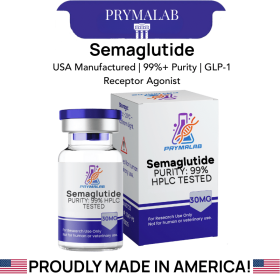
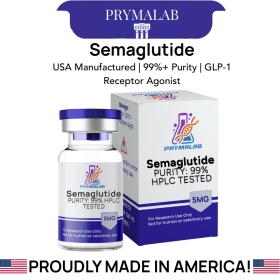
Reviews
There are no reviews yet.