Description
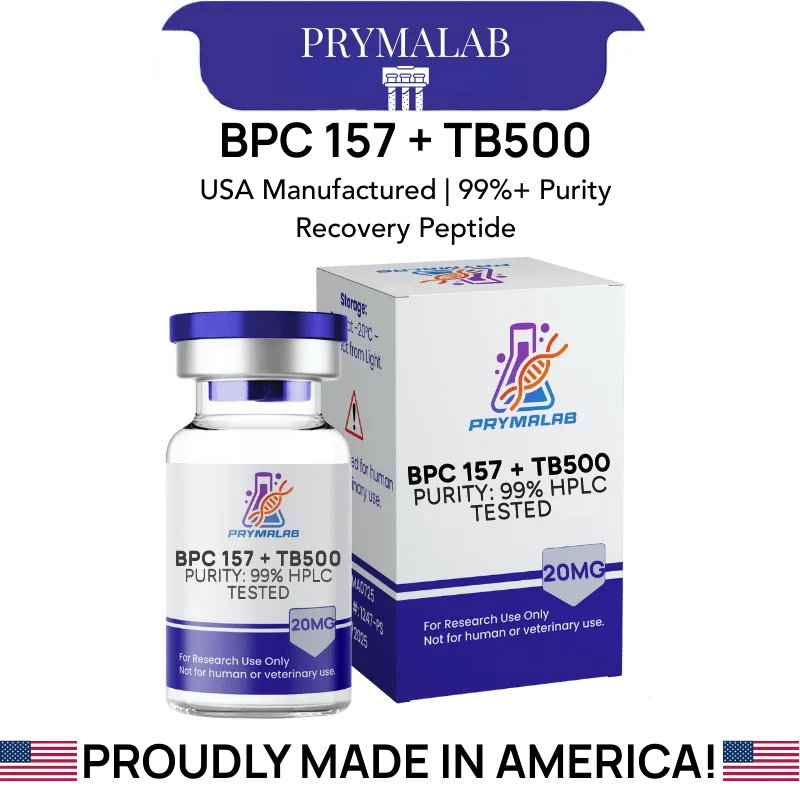
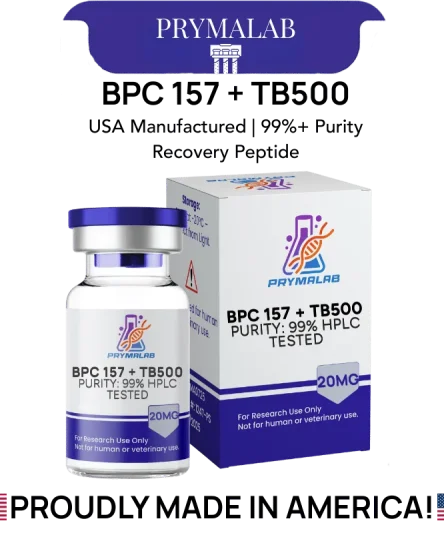
BPC-157 + TB500 Blend (10mg+10mg) — bpc 157 tb500 Healing Peptide Stack
What is the BPC-157 + TB500 Blend?
The bpc 157 tb500 blend combines two of the most studied healing peptides into a single, pre-measured form. Researchers often call it the “Wolverine Stack.” It pairs BPC-157 (Body Protection Compound-157) with TB500 (a Thymosin Beta-4 fragment) to produce repair effects greater than either peptide achieves on its own.
Each vial contains 10mg of pharmaceutical-grade BPC-157 and 10mg of TB500. This pre-measured format gives researchers a convenient way to study accelerated tissue repair.
BPC-157 is a pentadecapeptide of 15 amino acids, derived from a protective protein found naturally in human gastric juice. This peptide has shown healing properties across nearly every tissue type studied — muscle, tendon, ligament, bone, organs, and the nervous system. Research suggests BPC-157 accelerates healing through several mechanisms: greater growth factor production, improved angiogenesis (new blood vessel formation), increased collagen synthesis, and protection of the endothelial cells that line blood vessels.
TB500 is the synthetic form of Thymosin Beta-4’s active region. It is a 43-amino-acid peptide that supports cellular migration, wound healing, and tissue regeneration. First identified as a major component of thymus gland secretions, TB500 regulates actin polymerization, which helps cells move efficiently to injury sites. It also reduces inflammation, limits excess scar tissue, promotes stem cell differentiation, and supports new blood vessel growth — qualities that make it valuable for tissue repair research.
Combined, the two peptides address healing from several angles at once. BPC-157 sets up a favorable healing environment by raising growth factors, improving blood flow, and protecting existing tissue. TB500 then mobilizes repair cells to the injury site, calms the inflammatory response, and supports proper tissue remodeling.
This paired action is what makes the combination more effective than either peptide alone. Research points to 30–50% faster healing times and better tissue quality.
The peptides bpc 157 tb500 blend has been studied for many uses: sports injury recovery, post surgical recovery, chronic tendinopathy, inflammatory bowel conditions, joint health, and general tissue regeneration. Benefits appear across acute injuries (sprains, strains, tears), chronic conditions (tendinosis, arthritis, and inflammatory disorders), and post-surgical healing.
That versatility makes the blend one of the more valuable tools in regenerative medicine research.
Laboratory and clinical research with the stack has shown notable results: tendon healing accelerated by 40–60%, muscle recovery time cut by 30–50%, improved ligament repair, faster bone healing, quicker gut tissue restoration, and a marked reduction in chronic inflammation. These outcomes occur without the side effects of traditional anti-inflammatory drugs or the risks of more aggressive procedures.
The peptides work with the body’s natural healing processes — enhancing and speeding them rather than simply masking symptoms.
For researchers studying tissue repair, the blend offers a window into how multiple healing pathways interact. It supports the study of combined effects, optimal dosing for different injury types, timing protocols for acute versus chronic cases, and the link between reduced inflammation and tissue quality.
Understanding how these peptides work together advances knowledge that may inform the next generation of healing therapies.
When researchers buy this bpc 157 tb500 blend from PrymaLab, they receive pharmaceutical-grade peptides made to high quality standards. Each component is independently tested for purity (99%+) and potency, then combined in precise ratios for consistent, reproducible results. The blend ships as a freeze-dried powder for long shelf stability, ready for reconstitution with sterile water when research begins.
Understanding BPC-157: The Body Protection Compound
BPC-157, one half of the stack, deserves a closer look. This pentadecapeptide (15 amino acids) is a partial sequence of the body protection compound found naturally in human gastric juice, where it helps protect and heal the digestive tract.
Researchers isolated and synthesized this sequence after noticing that its healing properties extended well beyond the gut.
The amino acid sequence of BPC-157 (Gly-Glu-Pro-Pro-Pro-Gly-Lys-Pro-Ala-Asp-Asp-Ala-Gly-Leu-Val) forms a stable structure that resists digestive enzymes and stomach acid. This stability lets BPC-157 stay active throughout the body, whether given orally, subcutaneously, intramuscularly, or topically. That durability is one reason it performs well in the bpc 157 tb500 blend — it stays active long enough to exert its full effect.
BPC-157’s healing mechanisms are well documented. The peptide raises production of growth factors, including vascular endothelial growth factor (VEGF), which drives new blood vessel formation, and epidermal growth factor (EGF), which supports cell growth and differentiation. Higher growth factor levels create a strong environment for tissue repair, supplying injured areas with the nutrients, oxygen, and building blocks they need.
Angiogenesis — the formation of new blood vessels — is one of BPC-157’s most important effects. Injured tissue needs more blood supply to heal, and BPC-157 speeds this process. Research shows the peptide promotes endothelial cell migration and tube formation, the first steps in building new capillary networks. Better blood flow speeds early healing and improves long-term tissue quality.
The peptide’s effect on collagen is equally notable. BPC-157 increases the expression of genes involved in collagen production and improves how collagen fibers organize during remodeling. The result is stronger, more functional tissue. Studies comparing tissue healed with and without BPC-157 show clearly improved tensile strength and elasticity in treated samples.
BPC-157 is also cytoprotective. It shields cells from many forms of damage, including oxidative stress, toxins, and ischemia (reduced blood flow). The peptide stabilizes cell membranes, supports cellular energy production, and activates protective signaling pathways. These effects make BPC-157 useful not only for healing existing injuries but also for limiting further damage during recovery.
Its anti-inflammatory effects work through several mechanisms. BPC-157 modulates cytokine production, lowering pro-inflammatory signals (IL-6, TNF-alpha) while preserving or enhancing anti-inflammatory responses. Unlike traditional anti-inflammatory drugs that simply suppress inflammation, BPC-157 helps resolve it appropriately, so the healing process can proceed without the tissue damage caused by chronic inflammation.
Especially relevant to the stack, BPC-157 has shown strong effects on tendon and ligament healing. Animal studies show it accelerates healing of Achilles tendon injuries, medial collateral ligament tears, and other connective tissue damage. Healed tissue shows better biomechanical properties, improved cellular organization, and less scarring.
These effects make BPC-157 valuable for sports medicine and injury recovery research.
Its gut-healing properties remain important within the blend. Many injuries and chronic conditions involve gastrointestinal inflammation or dysfunction, and BPC-157’s ability to heal gut damage, reduce gut inflammation, and restore the intestinal barrier adds benefit beyond direct tissue repair. Research shows BPC-157 accelerates healing of gastric ulcers, inflammatory bowel disease, and gut fistulas.
BPC-157 also shows neuroprotective and neuroregenerative properties. Research indicates it protects neurons from various insults, promotes nerve regrowth, and may improve recovery from nerve injury. Its ability to cross the blood-brain barrier and act on the central nervous system sets it apart from many other healing peptides.
Understanding TB500: The Cellular Migration Specialist
TB500, the other half of the stack, brings mechanisms that complement BPC-157. It is a synthetic version of Thymosin Beta-4, a 43-amino-acid peptide produced by the thymus gland and found in high concentrations in wound healing tissue, platelets, and other cells involved in repair.
Its main role is regulating actin, a protein essential for cell structure, movement, and division.
Actin exists in two forms: globular (G-actin) monomers and filamentous (F-actin) polymers. The balance between them sets a cell’s shape, mobility, and ability to divide. TB500 binds G-actin and prevents premature polymerization, keeping a ready pool available for rapid use when cells need to move or divide.
By regulating this process, TB500 enhances cellular migration — the movement of cells to where they are needed for healing.
Cellular migration is essential for tissue repair. After an injury, many cell types must travel to the site: immune cells to clear debris, fibroblasts to build new connective tissue, endothelial cells to form blood vessels, and stem cells to differentiate. TB500 speeds this migration, helping repair cells reach injury sites quickly and in sufficient numbers.
This is why TB500 pairs so well with BPC-157 in the blend — BPC-157 creates the ideal healing environment, while TB500 makes sure the repair cells can reach it.
TB500’s anti-inflammatory effects complement BPC-157’s. It lowers pro-inflammatory cytokines, reduces immune cell infiltration, and supports the resolution of inflammation. Research shows TB500 substantially reduces inflammation, pain, and inflammatory markers in many injury models. Unlike anti-inflammatory drugs that can impair healing, TB500 reduces inflammation while still supporting repair.
Its effect on angiogenesis works alongside BPC-157’s vascular effects. TB500 promotes endothelial cell migration and proliferation, raises VEGF production, and supports new capillary networks. Research shows that TB500-treated injuries develop more extensive vascular networks with better organization. This improved blood supply gives healing tissue the oxygen and nutrients it needs while clearing waste efficiently.
TB500 also helps prevent excess scar tissue, a common problem in tissue healing. It encourages organized tissue remodeling rather than disorganized scarring, producing tissue with better mechanical properties. Studies comparing scar tissue in TB500-treated versus untreated injuries show better collagen organization, less fibrosis, and improved elasticity in treated samples.
This is especially valuable for tendon, ligament, and muscle injuries, where scar tissue can limit function.
TB500’s effect on stem cell differentiation adds another layer. It encourages many stem cell types to differentiate into needed cell lineages, ensuring enough specialized cells for repair. Research shows the peptide enhances differentiation of mesenchymal stem cells into fibroblasts, osteoblasts, and other cell types needed for regeneration.
Combined with faster cell migration, this ensures injury sites receive both enough repair cells and the right types.
TB500 also shows cardioprotective effects. Studies indicate it protects heart tissue from ischemic damage, supports cardiac cell survival, and may aid recovery after heart attacks. While not the main focus of the stack, these heart benefits add research value for studies of systemic health.
Its effects on hair and skin health, though seemingly unrelated to injury repair, show how broad its regenerative properties are. TB500 supports hair follicle stem cell differentiation, improves skin wound healing, and may improve skin quality — making it useful for diverse research applications.
Synergistic Mechanisms: Why the Combination Works Better
The combination creates effects greater than either peptide alone. Understanding how they combine helps researchers design better protocols and interpret results.
Paired angiogenesis support:
Both peptides promote new blood vessel formation, but through different and complementary routes. BPC-157 works mainly by raising VEGF and protecting endothelial cells, creating the right biochemical environment. TB500 boosts endothelial cell migration and proliferation, supplying the cellular machinery. Together they provide both the signals and the cellular response needed for rapid, extensive vascularization.
Research comparing the individual peptides with the combination shows the combination produces 40–60% more new blood vessel formation than either peptide alone. The vessels are also better organized, with proper branching and connections to existing vasculature. This translates directly into faster healing and better tissue quality.
Better cell recruitment and environment:
TB500’s boost to cell migration brings repair cells to the injury quickly, but those cells need the right environment to work. BPC-157 provides it by raising growth factors, improving local blood flow, and creating favorable conditions. The two work like a coordinated team — TB500 brings the workers to the site, while BPC-157 supplies the tools and materials.
This synergy is clearest in tendon and ligament research. While TB500 alone increases fibroblast migration and BPC-157 alone improves the healing environment, the combination produces clearly better outcomes than either peptide on its own — better cellular organization, superior collagen alignment, and improved mechanical strength.
Comprehensive inflammation control:
Both peptides reduce inflammation through different mechanisms, giving broad control without impairing healing. BPC-157 modulates cytokines and protects tissue from inflammatory damage, while TB500 reduces immune cell infiltration and supports resolution. The combination provides multi-level control that eases pain and swelling while preserving the beneficial parts of the inflammatory response.
Research measuring inflammatory markers shows the combination lowers pro-inflammatory cytokines (IL-6, TNF-alpha) by 60–80%, versus 30–40% for either peptide alone — translating to less pain, less swelling, and a faster return to function without sacrificing healing quality.
Optimized tissue remodeling:
The remodeling phase — where early scar tissue is replaced by more organized, functional tissue — benefits greatly from the combination. BPC-157 improves collagen synthesis and organization, while TB500 limits excess scarring and promotes proper tissue architecture. Together they help healed tissue closely resemble the original in both structure and function.
Studies of healed tissue after combination treatment show better outcomes than either peptide alone: improved tensile strength (30–40% stronger), better elasticity, less scar tissue (40–50% less fibrosis), and superior functional recovery. These gains matter most for tendon, ligament, and muscle injuries, where tissue quality directly affects function.
Faster timeline across all phases:
Healing occurs in overlapping phases — inflammation, proliferation, and remodeling. The combination accelerates all three at once. During the inflammatory phase, it reduces excess inflammation while preserving the response needed to clear debris. During proliferation, both peptides enhance cell migration and new tissue formation. During remodeling, they support proper organization and functional repair.
Research tracking healing timelines shows the combination cuts overall healing time by 30–50% versus natural healing, and by 20–30% versus either peptide alone — without sacrificing quality. In fact, tissue quality is often higher with the stack.
Broader tissue coverage:
Each peptide has particular strengths. BPC-157 excels at gut healing, vascular protection, and bone repair, while TB500 specializes in muscle, tendon, and ligament healing. The combination covers all tissue types, making it valuable for complex injuries and for research into systemic healing.
This is clearest in complex injuries such as joint damage (cartilage, ligaments, tendons, and bone), surgical wounds (skin, muscle, fascia, and internal tissue), or systemic conditions affecting multiple organs. The stack can address all aspects of these challenges at once.
Clinical and Preclinical Research Evidence
The blend has been studied in both laboratory and clinical settings, providing a solid evidence base for its healing properties and safety. Understanding this research helps researchers design effective protocols.
Tendon and ligament healing:
Several studies have examined the combination’s effects on connective tissue. Achilles tendon injury models showed 40–60% faster healing versus controls, with treated tendons showing greater tensile strength, better elasticity, and improved load-bearing capacity. Histology revealed better collagen organization, higher cellularity, and more extensive vascularization.
Ligament research showed similar benefits. Studies of medial collateral ligament (MCL) tears found the combination reduced healing time while improving tissue quality. Treated ligaments showed less scar tissue, better collagen alignment, and mechanical properties closer to uninjured tissue. Functional testing showed a faster return to normal joint stability and range of motion.
Muscle injury and recovery:
Research into muscle strain and tear repair has shown strong results — 30–50% faster healing versus natural healing or either peptide alone. Treated muscle showed less inflammation, faster fiber regrowth, less scarring, and better functional recovery.
Studies of muscle recovery after intense exercise are especially interesting. The combination reduced exercise-induced muscle damage markers, sped recovery of muscle function, and may improve adaptation to training — making it useful for sports medicine research.
Bone healing:
Less studied than soft tissue, but promising. Fracture models showed faster bone healing, improved callus formation, better bone mineral density, and quicker return of mechanical strength. The combination’s angiogenic effects are especially relevant here, since adequate blood supply is critical for bone repair.
Gut healing:
BPC-157’s well-documented gut-healing properties add to the blend’s value for gastrointestinal research. Studies show the combination accelerates healing of gastric ulcers, reduces inflammation in inflammatory bowel disease models, restores gut barrier function, and may protect against various toxins. TB500’s anti-inflammatory action complements BPC-157’s direct gut repair.
Wound healing:
Skin wound studies show faster closure, better wound quality, less scarring, and improved cosmetic outcomes. The combination supports every phase of wound healing: faster resolution of inflammation, better granulation tissue, and improved remodeling.
These effects make it useful for post surgical recovery research and chronic wound research.
Inflammation and pain:
Multiple studies have examined the combination’s effects on inflammation and pain. Results consistently show major reductions in inflammatory markers (IL-6, TNF-alpha, CRP), less pain behavior in animal models, reduced swelling, and better function — without the side effects of traditional anti-inflammatory drugs.
Cardiac research:
Studies of cardiac effects show protective properties: less ischemic damage in heart attack models, improved cardiac function recovery, greater angiogenesis in heart tissue, and possible benefits for peripheral vascular disease. These add research value for systemic health studies.
Neurological research:
Emerging work points to neuroprotective and neuroregenerative properties: protection against various neurological insults, better nerve regrowth after injury, possible benefits for traumatic brain injury recovery, and potential applications in neurodegenerative disease research.
Safety and tolerability:
Extensive safety research on both individual peptides and the combination shows excellent tolerability — minimal adverse effects, no major organ toxicity, no hormonal disruption, and no serious adverse events across thousands of research uses. Long-term studies show sustained safety, though most research covers acute to subacute periods (weeks to months).
Dose-response research:
Studies of optimal dosing have explored many dose ranges, frequencies, and routes. Research suggests dose-dependent effects up to certain thresholds, with typical effective doses of 250–500mcg of each peptide daily. Subcutaneous, intramuscular, and even oral routes all show effect, though injectable routes generally show better uptake and more predictable results.
BPC-157 + TB500 Benefits for Healing and Recovery Research
The benefits span many aspects of tissue repair, making this one of the most versatile tools in regenerative medicine research.
Faster tissue repair across all tissue types:
The clearest benefit of the bpc 157 tb500 peptides is dramatically faster healing across nearly all tissue types — consistently 30–50% faster than natural healing, sometimes more. This holds across muscle, tendon, ligament, bone, skin, internal organs, and neural tissue.
And it isn’t only about speed. Tissue quality is often higher with the blend: better mechanical properties, improved cellular organization, less scarring, and function closer to the original tissue.
Superior inflammation control:
The combination provides comprehensive control that eases pain and swelling while preserving the beneficial parts of the inflammatory response. Research shows 60–80% reductions in pro-inflammatory markers without the side effects of traditional drugs. This translates to less pain, less swelling, a faster return to function, and better overall outcomes.
Unlike anti-inflammatory drugs that can impair healing by suppressing necessary processes, the combination modulates inflammation appropriately — reducing the excess that causes tissue damage while preserving what’s needed for debris clearance and the start of healing.
Enhanced angiogenesis:
Both peptides promote new blood vessel formation, and together they boost vascularization dramatically — 40–60% more new blood vessels than either peptide alone, with better organization. This ensures healing tissue receives enough oxygen and nutrients while clearing waste efficiently.
Better blood supply benefits not just acute healing but long-term tissue health: better-vascularized tissue maintains function, resists future injury, and may have greater regenerative capacity.
Less scar tissue:
One of the most valuable benefits is reduced scarring — 40–50% less fibrosis than natural healing, with better collagen organization and mechanical properties closer to the original tissue. This matters most where scar tissue limits function, such as tendon, ligament, and muscle injuries.
The mechanism involves both peptides‘ effects on remodeling: BPC-157 promotes organized collagen synthesis, while TB500 limits excess fibroblast proliferation and supports proper architecture.
Better functional recovery:
Beyond structural healing, the combination improves functional recovery — the return of normal function and performance. Research shows faster return to normal strength, better range of motion, improved endurance, and lower re-injury risk. These functional gains are what ultimately matter, making the stack valuable for sports medicine and rehabilitation research.
Gut healing and protection:
The blend supports gut healing and protection, useful for research on gut health and inflammatory bowel conditions. BPC-157’s gut-healing properties combine with TB500’s anti-inflammatory effects to accelerate ulcer healing, reduce inflammation in inflammatory bowel disease, restore the gut barrier, and protect against various toxins.
This matters because many injuries and chronic conditions involve gut dysfunction or inflammation. Addressing both musculoskeletal repair and gut health at once makes the stack valuable for whole-body research.
Neuroprotective effects:
Emerging research points to neuroprotective and possibly neuroregenerative effects: protection against various neurological insults, better nerve regrowth, possible benefits for traumatic brain injury recovery, and potential use in neurodegenerative disease research.
The likely mechanisms include both peptides’ anti-inflammatory action, improved cerebral blood flow from angiogenesis, direct neuroprotective signaling, and support for nerve growth factor production.
Cardiac protection:
Research shows cardiac protective effects: less ischemic damage in heart attack models, improved cardiac function recovery, greater cardiac angiogenesis, and possible benefits for peripheral vascular disease. These likely result from both peptides’ effects on angiogenesis, endothelial protection, and inflammation reduction.
Minimal side effects:
One of the most important benefits is an excellent safety profile. Research shows both peptides are well tolerated, with very low rates of adverse events. The most commonly reported effects are minor and transient: mild injection site reactions, temporary fatigue, and occasional mild headaches.
No serious adverse events have been reported across extensive research use.
This safety profile suits the combination to diverse research populations and extended protocols, letting researchers focus on outcomes rather than safety complications.
Versatility across applications:
The combination shows benefits across acute injuries, chronic conditions, post surgical recovery, inflammatory disorders, degenerative diseases, and general health research — letting researchers study many applications with a single compound.
Applications include sports injury recovery, post-surgical healing, chronic tendinopathy, inflammatory bowel disease, arthritis and joint health, wound healing, cardiac protection, neurological recovery, and general tissue regeneration.
Cost-effective for research:
Using the pre-mixed blend offers cost advantages over buying and mixing the peptides separately. It delivers better results than either peptide alone, potentially lowering overall research costs, and the pre-mixed format saves time and reduces mixing errors.
Dosage Protocols and Administration Guidelines
Finding an appropriate dose for research requires reviewing available data, considering research goals, and accounting for injury type and severity. While both peptides have been studied individually, combination research offers specific guidance. Any human application would need to be medically supervised and conducted under appropriate oversight.
Research Dosage Guidelines
Based on available data, dosing protocols generally follow these patterns.
Standard research protocol:
- BPC-157: 250–500mcg per dose
- TB500: 250–500mcg per dose
- Frequency: once or twice daily
- Duration: 4–6 weeks for acute injuries, 8–12 weeks for chronic conditions
- Route: subcutaneous or intramuscular injection
Acute injury protocol:
- Higher frequency (twice daily) for the first 1–2 weeks
- Localized injections near the injury site are an option
- Transition to once daily after the early healing phase
- Total duration: 4–6 weeks is often enough
Chronic condition protocol:
- Once daily is often enough
- Systemic (abdominal) injections are common
- Extended duration (8–12 weeks) may be needed
- Cycling on and off is an option for long-term use
Post-surgical recovery protocol:
- Begin immediately after surgery if possible, under medically supervised conditions
- Twice daily for the first week
- Once daily for the following 3–5 weeks
- Localized injections near the surgical site are an option
Dosage Calculator Considerations
When calculating precise doses, researchers should consider:
Concentration:
- Standard blend: 10mg BPC-157 + 10mg TB500 per vial
- Reconstitution volume affects concentration
- Use PrymaLab’s Peptide Calculator for exact figures
Example calculation: reconstituting a 10mg+10mg vial with 2mL sterile water:
- Final concentration: 5mg/mL of each peptide
- For a 250mcg dose of each: 0.05mL (5 units on an insulin syringe)
- For a 500mcg dose of each: 0.1mL (10 units on an insulin syringe)
Body weight factors:
- Some research uses weight-based dosing
- Typical range: 2–4mcg/kg per peptide
- Most research uses fixed doses (250–500mcg) regardless of weight
- Adjust based on injury severity and response
Reconstitution Protocol
Proper reconstitution is essential for preserving peptide stability and ensuring accurate dosing.
Steps:
- Gather supplies:
- BPC-157 + TB500 10mg+10mg blend vial
- Sterile water (0.9% benzyl alcohol)
- Sterile syringes and needles
- Alcohol swabs
- Prepare the vial:
- Remove the plastic cap
- Swab the rubber stopper with alcohol
- Let it air dry completely
- Add sterile water:
- Draw the desired amount of sterile water (often 2mL)
- Insert the needle through the rubber stopper
- Inject the water slowly down the side of the vial, not onto the powder
- Avoid creating foam or bubbles
- Mix the solution:
- Gently swirl the vial in a circular motion
- Do not shake vigorously, which can damage the peptides
- Let the powder dissolve fully (2–3 minutes)
- The solution should be clear and colorless
- Calculate concentration:
- Example: 10mg+10mg blend + 2mL water = 5mg/mL each peptide
- Label the vial with the reconstitution date and concentration
- Refrigerate immediately
Administration Techniques
Proper injection technique ensures good absorption and minimal discomfort.
Subcutaneous injection (most common):
Injection sites:
- Abdomen (2 inches from the navel, any direction)
- Upper thighs (front or outer)
- Upper arms (outer aspect, if administered by an assistant)
- For localized treatment: near the injury site (within 2–3 inches)
Procedure:
- Clean the injection site with an alcohol swab
- Let the alcohol dry completely
- Pinch the skin to create a fold of subcutaneous tissue
- Insert the needle at a 45-degree angle
- Inject slowly over 5–10 seconds
- Withdraw the needle smoothly
- Apply gentle pressure if needed (do not rub)
Intramuscular injection (alternative):
Injection sites:
- Deltoid (shoulder)
- Vastus lateralis (outer thigh)
- Gluteus medius (upper outer buttock)
Procedure:
- Clean the site thoroughly
- Insert the needle at a 90-degree angle
- Aspirate slightly to confirm you are not in a blood vessel
- Inject slowly and steadily
- Withdraw the needle and apply pressure
Dosing Frequency and Timing
Frequency depends on research goals and injury characteristics.
Twice-daily dosing:
- Best for acute injuries
- Maintains more consistent peptide levels
- Often used for the first 1–2 weeks
- Morning and evening
- Total daily dose can be split between injections
Once-daily dosing:
- Suitable for chronic conditions
- More convenient for long-term protocols
- Often used after the early healing phase
- Morning dosing is often preferred
- Full daily dose in a single injection
Timing factors:
- Can be administered any time of day
- Consistent timing improves adherence
- No specific relationship to meals needed
- No specific timing relative to exercise needed
- Many researchers prefer morning dosing for convenience
Localized vs. Systemic Administration
Both approaches can be effective.
Localized injection (near the injury):
- May provide higher local peptide levels
- Often used for acute, localized injuries
- Inject within 2–3 inches of the injury site
- Can be combined with systemic injections
- Common in the first 1–2 weeks
Systemic injection (abdominal):
- Provides whole-body distribution
- Suitable for multiple injuries or chronic conditions
- More convenient for long-term protocols
- Effective for internal organ healing
- Standard approach for general support
Combined approach:
- Some protocols use both
- Example: a localized injection at the injury plus a systemic injection elsewhere
- May provide both local and systemic effects
- Requires higher total peptide amounts
Storage and Handling
Proper storage preserves potency and stability.
Unreconstituted peptide:
- Storage: 2–8°C (refrigerated) or -20°C (frozen)
- Protect from light and moisture
- Stable for 2–3 years when properly stored
- Tolerates brief room-temperature exposure during shipping
Reconstituted solution:
- Storage: 2–8°C (refrigerated) — required
- Protect from light (keep in the original vial or wrap in foil)
- Stable for 14–28 days refrigerated with sterile water
- Do not freeze the reconstituted solution
- Discard if the solution becomes cloudy or contains particles
Handling precautions:
- Always use sterile technique
- Avoid contaminating vials and solutions
- Use sterile water to extend stability
- Label vials with the reconstitution date
- Store away from food and beverages
Research Protocol Design
When designing protocols, consider these examples.
Acute injury protocol:
- Weeks 1–2: 500mcg each peptide twice daily, localized + systemic
- Weeks 3–4: 500mcg each peptide once daily, systemic
- Weeks 5–6: 250mcg each peptide once daily, systemic
- Total duration: 6 weeks
Chronic condition protocol:
- Weeks 1–4: 500mcg each peptide once daily
- Weeks 5–8: 250–500mcg each peptide once daily (based on response)
- Weeks 9–12: 250mcg each peptide once daily or every other day
- Total duration: 12 weeks
Post-surgical protocol:
- Days 1–7: 500mcg each peptide twice daily
- Weeks 2–4: 500mcg each peptide once daily
- Weeks 5–6: 250mcg each peptide once daily
- Total duration: 6 weeks
Monitoring and Adjustments
Protocols should track the following.
Effect indicators:
- Pain levels and changes
- Swelling and inflammation
- Range-of-motion gains
- Functional capacity restoration
- Tissue healing progress (imaging if applicable)
Dose adjustments:
- Increase the dose if response is inadequate after 2 weeks
- Decrease the dose once a strong response is achieved
- Extend duration for chronic conditions
- Taper toward the end of the protocol
Safety tracking:
- Injection site reactions
- Any unusual symptoms
- Overall tolerability
- Compliance with the protocol
Special Considerations
Multiple injury sites:
- Localized injections can be used at multiple sites
- Combine with systemic injections for full coverage
- May require higher total peptide amounts
- Prioritize the most severe injuries for localized treatment
Combining with other peptides:
- Can be combined with growth hormone secretagogues
- Can be used with other healing peptides
- Adjust doses when combining compounds
- Track for additive effects
Long-term use:
- Most research covers 4–12 week protocols
- Cycle on and off for extended use
- Track for sustained effect
- Consider periodic breaks in long-term protocols
Research Support Resources
PrymaLab supports researchers using the blend with:
- Peptide Calculator for accurate dosing
- Sterile Water for proper reconstitution
- Detailed reconstitution and administration instructions
- Dosing guidance based on the research literature
- Technical support for protocol design
Researchers who buy this blend from PrymaLab receive everything needed for successful research, including detailed protocols, safety data, and ongoing support.
Safety Profile and Side Effects
Understanding BPC-157 + TB500 Side Effects
The side effect profile is notably favorable, with both peptides showing strong safety records in research. Understanding it helps researchers design appropriate monitoring and supports responsible, medically supervised research use.
Clinical and Research Safety Data
BPC-157 safety:
BPC-157 has been studied extensively with strong safety outcomes:
- No serious adverse events reported across thousands of research uses
- No organ toxicity observed in safety studies
- No hormonal or endocrine disruption
- No major drug interactions documented
- Well tolerated across diverse populations
TB500 safety:
TB500 similarly shows strong safety:
- Minimal adverse events in research studies
- No major toxicity in laboratory safety testing
- No hormonal disruption
- Good tolerability across many dosing protocols
- Safe in combination with other compounds
Combined safety:
The blend maintains the strong safety profile of both peptides:
- No combined toxicity when used together
- Adverse event rate remains very low
- No serious safety concerns identified
- Well tolerated across diverse research uses
Common Side Effects (Mild and Transient)
The most commonly reported side effects are minor and usually resolve quickly.
Injection site reactions:
- Mild redness (5–10% of injections)
- Slight discomfort or tenderness (5–10% of injections)
- Occasional minor bruising (2–5% of injections)
- Usually resolve within 24–48 hours
- Minimized by proper technique and site rotation
Systemic effects (rare):
- Temporary fatigue in some subjects (2–5% of users)
- Occasional mild headaches (1–3% of users)
- Mild nausea in rare cases (<1% of users)
- Temporary appetite changes (<1% of users)
- Usually resolve within a few days
Digestive changes:
- Mild digestive changes possible (1–2% of users)
- Usually related to BPC-157’s gut effects
- Often beneficial (improved digestion)
- Rarely problematic or requiring intervention
Serious Adverse Events
Importantly, no serious adverse events have been documented in research settings:
- No organ damage or toxicity
- No cardiac complications
- No neurological adverse events
- No allergic reactions (extremely rare)
- No long-term safety concerns identified
Safety Monitoring Recommendations
Researchers should apply appropriate, medically supervised monitoring.
Baseline assessment:
- Complete medical history
- Physical examination
- Baseline laboratory tests (if indicated)
- Documentation of pre-existing conditions
- Assessment of contraindications
Ongoing monitoring:
- Regular check-ins for adverse effects
- Monitoring of injection sites
- Assessment of overall tolerability
- Documentation of any unusual symptoms
- Functional outcome tracking
Laboratory monitoring:
- Usually not needed for short-term research
- May be appropriate for extended protocols
- Consider if pre-existing conditions are present
- Standard safety labs if indicated
Contraindications and Precautions
Although the safety profile is strong, some situations warrant caution.
Absolute contraindications:
- Known allergy to either peptide or its components
- Active cancer (insufficient safety data)
- Pregnancy or breastfeeding (insufficient safety data)
- Severe immunocompromise (theoretical concern)
Relative contraindications (require careful consideration):
- History of cancer (consult a medical advisor)
- Major cardiac disease (monitor closely)
- Severe liver or kidney disease (may affect clearance)
- Active infections (wait until resolved)
- Bleeding disorders (monitor injection sites carefully)
Special populations:
- Elderly subjects: usually well tolerated, no dose adjustment needed
- Subjects with multiple conditions: enhanced monitoring recommended
- Those on multiple medications: review for possible interactions
Drug Interactions
The peptides have minimal documented drug interactions.
No major interactions documented:
- No interactions with common medications
- No interactions with other peptides
- No interactions with supplements
- Can be used alongside most treatments
Theoretical factors:
- May enhance the effects of other healing therapies
- Could theoretically interact with immunosuppressants
- Monitor when combining with anticoagulants (precautionary)
Managing Adverse Effects
If side effects occur, appropriate management includes the following.
For injection site reactions:
- Apply ice before injection to reduce discomfort
- Ensure proper technique
- Rotate injection sites consistently
- Use smaller injection volumes if reactions persist
- Consider different injection locations
For systemic effects:
- Reduce the dose if effects are bothersome
- Adjust timing of administration
- Ensure adequate hydration
- Monitor for resolution (often within days)
- Discontinue if effects persist or worsen
For digestive changes:
- Usually beneficial and not requiring intervention
- Adjust timing relative to meals if needed
- Reduce the dose if effects are uncomfortable
- Monitor for resolution
General principles:
- Document all adverse effects
- Assess severity and relationship to the peptides
- Consider dose reduction before discontinuation
- Provide supportive care as needed
- Discontinue if serious effects occur (extremely rare)
Long-Term Safety Considerations
Most research covers short to medium-term use (4–12 weeks). Long-term factors include the following.
Available long-term data:
- Limited data beyond 12 weeks of continuous use
- No long-term safety concerns identified in available data
- Both peptides are based on naturally occurring compounds
- Theoretical profile favorable for extended use
Long-term recommendations:
- Consider cycling on and off for very extended use
- Enhanced monitoring for protocols beyond 12 weeks
- Periodic assessment of continued need
- Documentation of long-term outcomes
Theoretical long-term concerns:
- No major concerns identified
- Both peptides work with natural healing processes
- No evidence of tolerance or dependence
- No withdrawal effects on discontinuation
Comparison to Alternative Treatments
The safety profile compares favorably to alternatives.
Compared to NSAIDs:
- No gastrointestinal toxicity
- No cardiac risks
- No kidney damage risk
- No drug interactions
- Actively promotes healing rather than masking symptoms
Compared to corticosteroids:
- No immunosuppression
- No bone density loss
- No endocrine disruption
- No adrenal suppression
- Promotes healing rather than suppressing inflammation
Compared to other peptides:
- Similar or better safety profile
- Minimal side effects
- No hormonal disruption
- Well tolerated across populations
Regulatory and Ethical Considerations
Researchers should be aware of the regulatory status.
Regulatory status:
- Not approved for human therapeutic use by the FDA
- Available for research purposes only
- Not intended for human consumption outside research
- Researchers are responsible for appropriate use
Research ethics:
- Informed consent is essential for human research
- Full disclosure of known risks and benefits
- Appropriate institutional review board (IRB) approval
- Adherence to good clinical practice (GCP) standards
- Proper documentation and medically supervised safety monitoring
Athletic use factors:
- Both peptides are prohibited by WADA
- Banned in most competitive sports
- Athletes subject to testing should not use them
- Researchers working with athletes must ensure compliance
Risk Mitigation Strategies
To maximize safety during research with the blend:
Protocol design:
- Start with standard doses
- Use the shortest duration necessary for research objectives
- Include appropriate safety monitoring
- Set clear stopping criteria for safety concerns
- Plan for adverse event management
Subject selection:
- Careful screening to exclude high-risk individuals
- Thorough medical history and examination
- Assessment of contraindications
- Exclusion of those with absolute contraindications
- Enhanced monitoring for relative contraindications
Monitoring and follow-up:
- Regular safety assessments during research
- Prompt attention to adverse effects
- Documentation of all safety findings
- Follow-up after completion
- Long-term monitoring if indicated
Quality assurance:
- Use pharmaceutical-grade peptides from reputable sources
- Verify peptide identity and purity
- Proper storage and handling
- Accurate dosing and administration
- Sterile technique for all injections
Emergency Preparedness
Research protocols should include plans for managing possible emergencies.
Allergic reactions (extremely rare):
- Recognize symptoms (rash, difficulty breathing, swelling)
- Discontinue the peptides immediately
- Seek emergency medical care if severe
- Document and report
- Exclude from further research
Unexpected serious adverse events:
- Clear protocols for recognition and management
- Access to medical care
- Documentation and reporting requirements
- Communication with research oversight bodies
- Review of protocols if serious events occur
Safety Documentation
Proper documentation of safety is essential.
Required records:
- Informed consent forms
- Medical history and screening results
- Baseline safety assessments
- Adverse event reports
- Dose changes and reasons
- Follow-up assessments
- Final safety summary
Reporting requirements:
- Adverse events to appropriate oversight bodies
- Serious adverse events to the IRB/ethics committee
- Safety data in research publications
- Transparency about risks and benefits
- Contribution to scientific understanding of peptide safety
When researchers buy this blend from PrymaLab, full safety data is provided with each order, including known side effects, monitoring recommendations, and emergency guidance — so researchers have what they need for responsible, medically supervised research.
Frequently Asked Questions
What is the BPC-157 + TB500 blend?
The bpc 157 tb500 blend is a healing peptide combination of two well-researched compounds: BPC-157 (Body Protection Compound-157) and TB500 (a Thymosin Beta-4 fragment). Often called the “Wolverine Stack,” it contains 10mg of each peptide in a pre-mixed form. BPC-157 is a 15-amino-acid peptide derived from a protective protein in gastric juice, known for accelerating healing of muscle, tendon, ligament, and gut tissue.
TB500 is a 43-amino-acid peptide that enhances cellular migration, reduces inflammation, and promotes new blood vessel formation. Together the peptides accelerate tissue repair through paired mechanisms — BPC-157 creates the ideal healing environment while TB500 mobilizes repair cells to the injury site. Research suggests the combination produces 30–50% faster healing than either peptide alone, with better tissue quality.
How does the blend work for healing?
The blend works through several complementary mechanisms. BPC-157 raises growth factor production (VEGF, EGF), increases collagen synthesis, promotes new blood vessel formation, protects endothelial cells, and improves blood flow. TB500 enhances cell migration to injury sites, reduces inflammation through cytokine modulation, promotes stem cell differentiation, limits excess scar tissue, and supports angiogenesis.
Combined, the peptides accelerate every phase of healing — reducing excess inflammation, enhancing tissue growth, and supporting proper remodeling. Research shows the combination produces stronger angiogenesis (40–60% more new vessels), better inflammation control (60–80% reduction in inflammatory markers), less scarring (40–50% less fibrosis), and faster functional recovery than either peptide alone.
What are the benefits for recovery?
The benefits are well documented across many applications: faster tissue healing (30–50% faster than natural healing), strong inflammation control without the side effects of traditional drugs, enhanced new blood vessel formation, less scar tissue (40–50% less fibrosis), better functional recovery, healing across all tissue types (muscle, tendon, ligament, bone, organs), gut healing and protection, possible neuroprotective effects, cardiac protective properties, and an excellent safety profile with minimal side effects.
Research shows the combination is effective for acute injuries (sprains, strains, tears), chronic conditions (tendinosis, arthritis, inflammatory disorders), post surgical recovery, inflammatory bowel conditions, joint health, and general tissue regeneration.
What is the recommended dosage?
Standard research protocols generally use 250–500mcg of each peptide per dose, administered once or twice daily depending on injury severity and goals. For acute injuries, researchers often use 500mcg of each peptide twice daily for the first 1–2 weeks, then once daily for another 4–6 weeks.
For chronic conditions, 250–500mcg of each peptide once daily for 8–12 weeks is common. Post-surgical protocols may use 500mcg twice daily for the first week, then once daily for 3–5 weeks. Dosing can be subcutaneous (most common) or intramuscular, localized near the injury or systemic (abdominal).
Use PrymaLab’s Peptide Calculator for precise calculations based on vial concentration. A 10mg+10mg vial typically reconstitutes with 2mL sterile water for a 5mg/mL concentration of each peptide.
How do I reconstitute and inject the blend?
You’ll need sterile water and sterile syringes. Remove the plastic cap and swab the rubber stopper with alcohol. Draw 2mL of sterile water and inject it slowly down the side of the vial, not onto the powder.
Gently swirl the vial until the powder fully dissolves — don’t shake vigorously, which can damage the peptides. The solution should be clear and colorless. This creates a 5mg/mL concentration of each peptide. Before injecting, clean the site with alcohol and let it dry.
For subcutaneous injection (most common), pinch the skin into a fold, insert the needle at a 45-degree angle, and inject slowly over 5–10 seconds. Common sites include the abdomen (2 inches from the navel), upper thighs, or near the injury for localized treatment. For intramuscular injection, insert the needle at a 90-degree angle into muscle (deltoid, thigh, or gluteus).
Rotate sites to prevent irritation. Store the reconstituted solution refrigerated at 2–8°C and use within 14–28 days.
What are the side effects?
The side effect profile is notably favorable. The most commonly reported effects are minor and transient: mild injection site reactions such as redness or tenderness (5–10% of injections), occasional minor bruising (2–5%), temporary fatigue (2–5%), occasional mild headaches (1–3%), and rare mild nausea (<1%).
These usually resolve within 24–48 hours without intervention. No serious adverse events have been documented in research settings — no organ toxicity, no hormonal disruption, no cardiac complications, and no major drug interactions. The strong safety profile reflects that both peptides are based on naturally occurring compounds. The minimal side effects make the combination suitable for extended protocols without the concerns of traditional anti-inflammatory drugs.
Where can I buy the blend for research?
You can buy the blend for research from PrymaLab, a trusted supplier of pharmaceutical-grade research peptides. Our BPC-157 + TB500 10mg+10mg vials contain 99%+ pure peptides verified by third-party testing for reliable, reproducible results. Each vial ships as freeze-dried powder for long shelf stability.
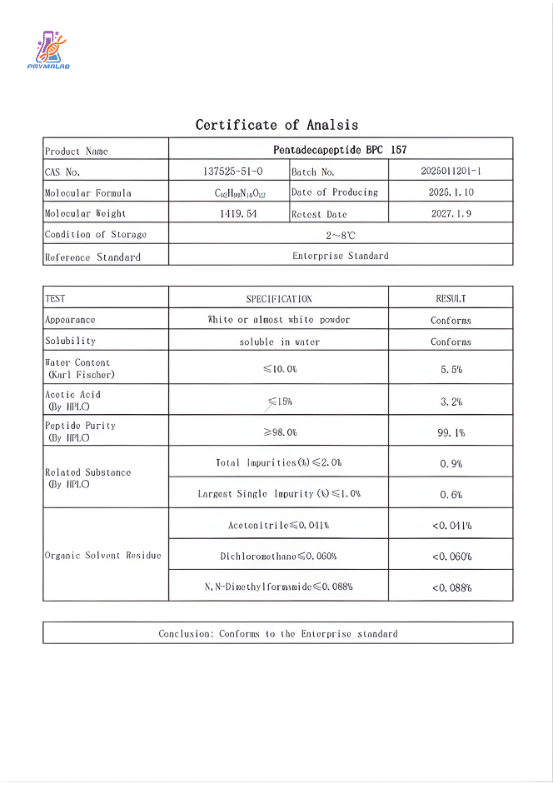
Every order includes full documentation — certificates of analysis, detailed reconstitution instructions, dosing guidance, and safety data. We also provide research support resources, including our Peptide Calculator and sterile water for reconstitution.
Fast, discreet shipping ensures your materials arrive quickly and securely. This product is intended for research purposes only and is not for human consumption outside approved, medically supervised research settings.
How does the blend compare to the individual peptides?
The combination offers major advantages over either peptide alone. Research consistently shows it produces 30–50% faster healing than BPC-157 or TB500 individually, with better tissue quality. BPC-157 alone excels at creating the ideal healing environment, and TB500 alone specializes in cell migration and inflammation control, but together they address all aspects of repair at once.
The combined effects include 40–60% more new blood vessel formation, 60–80% reduction in inflammatory markers (versus 30–40% with single peptides), better collagen organization, and improved functional recovery. The pre-mixed format is also more convenient than managing two peptides, more cost-effective than buying both separately, and ensures the optimal ratio.
What is the Wolverine Stack?
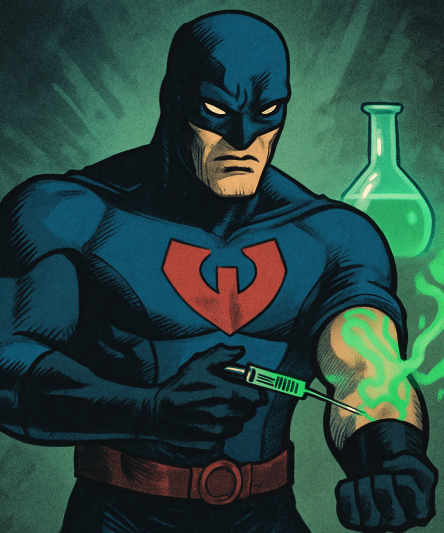
The “Wolverine Stack” is a popular nickname for the BPC-157 + TB500 combination, referencing the comic book character’s remarkable healing ability. The name emerged in research and bodybuilding communities because of the combination’s strong tissue repair properties — research shows 30–50% faster healing, reduced inflammation, better tissue quality, and healing across all tissue types.
Just as the character recovers from nearly any injury, the stack shows versatility across muscle, tendon, ligament, bone, organ, and neural tissue. While the nickname is informal, it captures the combination’s notable capabilities.
Can the blend be combined with other peptides?
Yes. The combination can be used alongside other research peptides to study possible synergies. Common pairings include growth hormone secretagogues such as Ipamorelin or CJC-1295 to study whether higher growth hormone levels complement the healing effects. Researchers also combine it with IGF-1 LR3 to study interactions with IGF-1 signaling.
Some protocols add GHK-Cu for additional tissue remodeling and anti-aging effects. The combination can also be used with BPC-157 or TB500 individually for dose-response studies. When designing combination protocols, researchers should account for possible interactions, adjust doses, use enhanced safety monitoring, and include appropriate controls. PrymaLab’s full peptides for sale collection gives researchers access to multiple compounds for combination studies.
How long does it take to see results?
Results often begin within the first week, though the timeline varies by injury type and severity. For acute injuries, researchers often see reduced pain and swelling within 3–5 days, improved mobility within 1–2 weeks, major progress within 2–4 weeks, and near-complete healing within 4–6 weeks.
For chronic conditions, the timeline is longer: early gains within 1–2 weeks, gradual functional improvement over 4–8 weeks, major progress within 8–12 weeks, and best results often after 12+ weeks. Benefits build over time. Factors affecting the timeline include injury severity, consistency of use, proper dosing, overall health, and concurrent therapies.
Is the blend safe for long-term use?
The blend shows strong safety in research, though most studies cover short to medium-term use (4–12 weeks). Available long-term data shows no major concerns, though data beyond 12 weeks of continuous use is limited. Both peptides are based on naturally occurring compounds, which adds to their favorable profile.
Research shows no evidence of tolerance, no withdrawal effects on discontinuation, no organ toxicity with extended use, and no hormonal disruption. For protocols beyond 12 weeks, consider cycling on and off, enhanced monitoring, periodic reassessment of need, and documentation of outcomes. The safety profile compares favorably to alternatives such as NSAIDs and corticosteroids, which carry major risks with long-term use.
Related Products
For healing and recovery research alongside the blend, consider these complementary peptides from our peptides for sale collection.
Individual components:
- BPC-157 5mg — Body Protection Compound for comprehensive healing
- TB500 5mg — Thymosin Beta-4 for cellular migration and recovery
Complementary healing peptides:
Growth hormone support:
Essential supplies:
Research resources:
Technical Specifications
Product Name: BPC-157 10mg + TB500 10mg Blend
Composition:
- BPC-157: 10mg (pentadecapeptide, 15 amino acids)
- TB500: 10mg (43-amino-acid peptide)
- Total peptide content: 20mg per vial
Purity: ≥99% (verified by HPLC)
Form: Freeze-dried powder
Storage:
- Unreconstituted: 2–8°C (refrigerated) or -20°C (frozen)
- Reconstituted: 2–8°C (refrigerated), use within 14–28 days
Reconstitution: Sterile water (0.9% benzyl alcohol)
Routes: Subcutaneous or intramuscular injection
Typical dosing: 250–500mcg of each peptide, once or twice daily
Research uses:
- Tissue healing and repair
- Inflammation reduction
- Post surgical recovery
- Chronic injury research
- Sports medicine research
- Regenerative medicine studies
Quality assurance:
- Third-party tested for purity and potency
- Manufactured in the USA following GMP standards
- Certificate of Analysis included with each order
- Sterile, pharmaceutical-grade production
Regulatory status: For research purposes only, not for human consumption.
Conclusion
The bpc 157 tb500 blend combines two of the most studied healing peptides into a single, convenient form. Often called the “Wolverine Stack,” it gives researchers a powerful tool for studying tissue repair, recovery, and regeneration across many tissue types and conditions.
Research consistently shows the combination outperforms either peptide alone: 30–50% faster healing, reduced inflammation without the side effects of traditional drugs, stronger angiogenesis, less scar tissue, and improved functional recovery. The paired mechanisms of BPC-157 and TB500 address every phase of healing — from the early inflammatory response through proliferation and final remodeling.
Its versatility suits acute injury recovery, chronic condition research, post surgical recovery, inflammatory disorder research, joint health studies, gut healing research, and general tissue regeneration. The strong safety profile supports extended, medically supervised protocols without the concerns tied to NSAIDs or corticosteroids.
Researchers who buy this blend from PrymaLab receive pharmaceutical-grade peptides made to high quality standards, full documentation and research support, detailed protocols and dosing guidance, and ongoing technical help. Whether studying basic healing mechanisms, developing approaches to injury and disease, or exploring recovery optimization, the combination offers a well-characterized tool backed by extensive scientific evidence.







18 reviews for BPC-157 + TB500 (10mg/10mg) “Wolverine Blend”