
$44.99 / month – $379.99
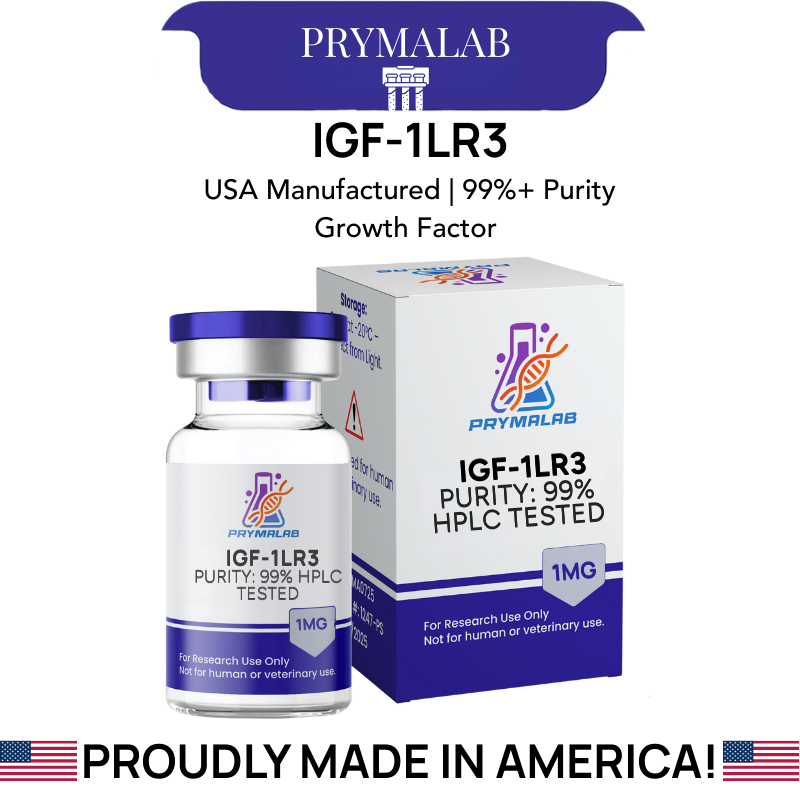
IGF1 LR3 1MG is a modified form of insulin-like growth factor with an extended half-life for enhanced research applications. This long-acting analog demonstrates superior stability and prolonged activity compared to native IGF-1, making it valuable for muscle growth, recovery, and metabolic studies.
IGF1 LR3, also known as Long R3 IGF-1 or insulin-like growth factor-1 long arginine 3, represents a synthetically modified analog of human insulin-like growth factor 1 that has been specifically engineered for enhanced research applications. This advanced peptide compound consists of 83 amino acids, featuring a 13 amino acid N-terminal extension and an arginine substitution at position 3, modifications that fundamentally alter its biological properties compared to native IGF-1.
The development of IGF1 LR3 emerged from research aimed at creating a more stable and longer-acting form of IGF-1 for therapeutic and research purposes. Native IGF-1, while powerful in its anabolic effects, has significant limitations in research applications due to its short half-life of approximately 10 minutes and its high affinity for insulin-like growth factor binding proteins (IGFBPs). These binding proteins effectively sequester native IGF-1, dramatically reducing its bioavailability and limiting its interaction with target tissue receptors.
IGF1 LR3 addresses these limitations through its structural modifications. The arginine substitution at position 3 significantly reduces the peptide’s affinity for IGFBPs by approximately 100-fold compared to native IGF-1. This reduced binding allows IGF1 LR3 to remain free in circulation and available for receptor interaction for extended periods. The 13 amino acid N-terminal extension further contributes to the peptide’s stability and resistance to degradation, resulting in a dramatically extended half-life of approximately 20-30 hours compared to the mere minutes of native IGF-1.
Research into IGF1 LR3 has demonstrated its potent anabolic properties across multiple tissue types. The peptide functions as a primary mediator of growth hormone effects, stimulating cellular proliferation, differentiation, and survival through activation of the IGF-1 receptor. When IGF1 LR3 binds to IGF-1 receptors on target cells, it initiates a cascade of intracellular signaling pathways, including the PI3K/Akt pathway and the MAPK/ERK pathway, which regulate protein synthesis, glucose metabolism, and cell survival mechanisms.
In muscle tissue research, IGF1 LR3 has shown remarkable effects on both muscle fiber hypertrophy and hyperplasia. Unlike many growth factors that primarily promote hypertrophy (enlargement of existing muscle fibers), IGF1 LR3 research suggests it may also stimulate hyperplasia, the formation of new muscle fibers through satellite cell activation and proliferation. This dual mechanism of action makes IGF1 LR3 particularly interesting for muscle growth and regeneration studies.
The peptide’s effects extend beyond muscle tissue. Research has explored IGF1 LR3’s potential in bone metabolism, where it appears to stimulate osteoblast activity and bone formation. Studies have also investigated its role in adipose tissue metabolism, with evidence suggesting it may influence fat oxidation and energy expenditure. Additionally, IGF1 LR3 has demonstrated neuroprotective properties in various research models, suggesting potential applications in neurological research.
IGF1 LR3’s molecular weight of approximately 9,200 Daltons and its specific amino acid sequence make it suitable for various research methodologies. The peptide is typically supplied in lyophilized form and requires reconstitution with bacteriostatic water before use in research protocols. Its stability in solution, combined with its extended half-life, makes it more practical for research applications compared to native IGF-1, which requires more frequent administration and careful handling.
The research applications of IGF1 LR3 span multiple disciplines, from basic cellular biology to complex physiological studies. Researchers utilize this peptide to investigate growth factor signaling pathways, study muscle regeneration mechanisms, explore metabolic regulation, and examine the interplay between growth factors and various disease states. The peptide’s ability to bypass binding proteins while maintaining receptor specificity makes it an invaluable tool for dissecting the specific effects of IGF-1 receptor activation independent of the complex regulatory mechanisms that govern native IGF-1 activity.
Understanding IGF1 LR3 requires appreciation of both its structural uniqueness and its functional implications. The modifications that distinguish it from native IGF-1 are not merely technical improvements but represent fundamental changes in how the peptide interacts with biological systems. These changes enable research that would be difficult or impossible with native IGF-1, providing insights into growth factor biology that have broad implications for understanding human physiology and disease.
The mechanism of action of IGF1 LR3 represents a sophisticated interplay of molecular recognition, signal transduction, and cellular response that distinguishes it from native IGF-1 while maintaining the fundamental biological activities that make insulin-like growth factors essential regulators of growth and metabolism. Understanding this mechanism requires examination of multiple levels of biological organization, from molecular interactions to systemic physiological effects.
At the molecular level, IGF1 LR3 initiates its effects through binding to the IGF-1 receptor, a transmembrane tyrosine kinase receptor that belongs to the insulin receptor family. The IGF-1 receptor consists of two alpha subunits and two beta subunits linked by disulfide bonds, forming a heterotetrameric structure. When IGF1 LR3 binds to the alpha subunits on the extracellular surface, it induces a conformational change that brings the intracellular beta subunits into proximity, triggering their autophosphorylation on specific tyrosine residues.
This autophosphorylation event serves as the initial signal that propagates through multiple intracellular pathways. The phosphorylated tyrosine residues on the receptor create docking sites for various adapter proteins and signaling molecules, most notably insulin receptor substrate proteins (IRS-1 and IRS-2). These adapter proteins become phosphorylated themselves, creating additional docking sites that recruit and activate downstream signaling molecules.
The two primary signaling cascades activated by IGF1 LR3 receptor binding are the phosphatidylinositol 3-kinase (PI3K)/Akt pathway and the mitogen-activated protein kinase (MAPK)/extracellular signal-regulated kinase (ERK) pathway. The PI3K/Akt pathway plays a central role in mediating the metabolic and survival effects of IGF1 LR3. When activated, PI3K converts phosphatidylinositol 4,5-bisphosphate (PIP2) to phosphatidylinositol 3,4,5-trisphosphate (PIP3), which recruits Akt to the plasma membrane where it becomes activated through phosphorylation.
Activated Akt then phosphorylates numerous downstream targets that regulate protein synthesis, glucose metabolism, and cell survival. One critical target is the mammalian target of rapamycin (mTOR), a master regulator of protein synthesis. Through mTOR activation, IGF1 LR3 stimulates the translation of mRNA into proteins, particularly those involved in muscle growth and cellular proliferation. Akt also phosphorylates and inactivates glycogen synthase kinase-3 (GSK-3), promoting glycogen synthesis and glucose uptake. Additionally, Akt phosphorylates and inactivates pro-apoptotic proteins such as Bad, promoting cell survival and preventing programmed cell death.
The MAPK/ERK pathway activated by IGF1 LR3 primarily regulates cell proliferation and differentiation. This cascade involves sequential phosphorylation of Ras, Raf, MEK, and finally ERK. Activated ERK translocates to the nucleus where it phosphorylates various transcription factors, including Elk-1 and c-Myc, which regulate the expression of genes involved in cell cycle progression, proliferation, and differentiation. This pathway is particularly important for IGF1 LR3’s effects on satellite cell activation and muscle fiber formation.
What makes IGF1 LR3 particularly effective in research applications is its reduced affinity for insulin-like growth factor binding proteins (IGFBPs). In normal physiology, IGFBPs serve as a regulatory mechanism that controls IGF-1 bioavailability and activity. These binding proteins, particularly IGFBP-3, sequester the majority of circulating IGF-1, creating a reservoir that can be mobilized under specific conditions. While this regulatory system is important for physiological homeostasis, it significantly limits the utility of native IGF-1 in research applications.
The structural modifications in IGF1 LR3 reduce its binding affinity to IGFBPs by approximately 100-fold. This reduced binding means that a much higher proportion of administered IGF1 LR3 remains free in solution and available for receptor interaction. The practical consequence is that IGF1 LR3 demonstrates significantly greater potency in research models compared to equivalent doses of native IGF-1. This enhanced bioavailability, combined with the peptide’s extended half-life of 20-30 hours, allows for sustained receptor activation and prolonged biological effects.
In muscle tissue, IGF1 LR3’s mechanism of action involves both autocrine and paracrine signaling. The peptide stimulates protein synthesis in mature muscle fibers through the mTOR pathway, promoting hypertrophy. Simultaneously, it activates satellite cells, the muscle stem cells responsible for muscle repair and growth. Upon activation, satellite cells proliferate and differentiate into myoblasts, which can either fuse with existing muscle fibers to increase their size or fuse with each other to form new muscle fibers, a process called hyperplasia.
Research suggests that IGF1 LR3 may preferentially activate certain isoforms of the IGF-1 receptor or may have differential effects on various tissue types due to differences in receptor density, co-receptor expression, or downstream signaling components. This tissue-specific activity contributes to the peptide’s utility in targeted research applications where specific effects on particular tissue types are desired.
The metabolic effects of IGF1 LR3 extend beyond protein synthesis. The peptide influences glucose metabolism through multiple mechanisms, including enhanced glucose uptake in muscle and adipose tissue, increased glycogen synthesis, and modulation of hepatic glucose production. These effects occur through Akt-mediated translocation of glucose transporter 4 (GLUT4) to the cell membrane and through regulation of key enzymes involved in glucose metabolism.
IGF1 LR3 also affects lipid metabolism, with research indicating it may promote lipolysis in adipose tissue while simultaneously enhancing lipid oxidation in muscle tissue. This dual effect on fat metabolism makes it interesting for research into body composition and metabolic regulation. The peptide appears to shift cellular metabolism toward anabolic processes, favoring protein synthesis and muscle growth while potentially reducing fat accumulation.
At the cellular level, IGF1 LR3 influences gene expression through multiple transcription factors activated by its signaling pathways. Beyond the immediate effects on protein synthesis and glucose metabolism, the peptide regulates the expression of genes involved in cell cycle progression, differentiation, and survival. This transcriptional regulation contributes to the long-term effects of IGF1 LR3 on tissue growth and remodeling.
The neuroprotective effects observed in IGF1 LR3 research appear to involve similar signaling pathways but with outcomes specific to neural tissue. In neuronal cells, IGF1 LR3 activation of the PI3K/Akt pathway promotes cell survival and protects against various forms of cellular stress. The peptide may also influence neuronal differentiation and synaptic plasticity through its effects on gene expression and protein synthesis.
Understanding the mechanism of action of IGF1 LR3 also requires consideration of its pharmacokinetics. The extended half-life of the peptide means that receptor activation is sustained over longer periods compared to native IGF-1. This sustained activation may lead to different patterns of downstream signaling and gene expression compared to the pulsatile activation that occurs with native IGF-1. Research into these temporal dynamics of signaling is ongoing and may reveal important insights into how growth factor signaling patterns influence cellular responses.
The peptide’s mechanism also involves complex feedback regulation. IGF-1 receptor activation can influence the expression of IGFBPs, creating potential feedback loops that may modulate the peptide’s effects over time. Additionally, chronic receptor activation may lead to receptor downregulation or desensitization, phenomena that are important considerations in research protocol design.
IGF1 LR3 offers researchers a unique tool for investigating growth factor biology, muscle physiology, metabolic regulation, and numerous other areas of biomedical science. The peptide’s distinctive properties, particularly its extended half-life and reduced binding to IGFBPs, provide advantages that make it valuable across multiple research disciplines. Understanding these benefits requires examination of both the peptide’s inherent characteristics and its practical applications in various research contexts.
One of the primary benefits of IGF1 LR3 in research is its enhanced bioavailability compared to native IGF-1. The reduced affinity for insulin-like growth factor binding proteins means that a significantly higher proportion of administered peptide remains free and available for receptor interaction. This enhanced bioavailability translates to more consistent and reproducible results in research protocols, as the effective concentration of active peptide is less subject to the variability inherent in IGFBP levels and binding dynamics. Researchers can more accurately control the dose-response relationships in their experiments, leading to clearer interpretation of results and better understanding of IGF-1 receptor-mediated effects.
The extended half-life of IGF1 LR3, approximately 20-30 hours compared to the 10-minute half-life of native IGF-1, provides substantial practical advantages in research design. This longer duration of action allows for less frequent administration in research protocols, reducing the number of interventions required and minimizing stress on research subjects. The sustained receptor activation achieved with IGF1 LR3 may also better mimic certain physiological conditions where prolonged growth factor signaling occurs, such as during periods of growth or tissue repair.
In muscle growth and regeneration research, IGF1 LR3 has demonstrated remarkable utility for investigating the mechanisms underlying muscle hypertrophy and hyperplasia. The peptide’s ability to stimulate both the enlargement of existing muscle fibers and the formation of new muscle fibers through satellite cell activation makes it an excellent tool for dissecting these distinct processes. Researchers can use IGF1 LR3 to study the molecular pathways involved in muscle stem cell activation, proliferation, and differentiation, providing insights that have implications for understanding muscle development, aging-related muscle loss, and potential therapeutic approaches to muscle wasting conditions.
The peptide’s effects on protein synthesis make it valuable for research into translational control and the regulation of the mTOR pathway. IGF1 LR3 provides a well-characterized stimulus for activating this critical pathway, allowing researchers to investigate how various factors modulate protein synthesis in response to growth factor signaling. This has applications in understanding muscle adaptation to exercise, the effects of nutrition on muscle growth, and the mechanisms underlying muscle wasting in various disease states.
IGF1 LR3’s metabolic effects offer benefits for research into glucose homeostasis and insulin sensitivity. The peptide’s ability to enhance glucose uptake and utilization in muscle tissue makes it useful for studying the mechanisms of glucose transport and metabolism. Researchers can use IGF1 LR3 to investigate how growth factor signaling intersects with insulin signaling, how these pathways are disrupted in metabolic diseases, and how they might be therapeutically targeted. The peptide’s effects on both glucose and lipid metabolism also make it valuable for research into body composition and energy balance.
In regenerative medicine research, IGF1 LR3 provides a tool for investigating tissue repair and regeneration across multiple organ systems. Beyond muscle tissue, the peptide has shown effects on bone metabolism, making it useful for research into bone formation and remodeling. Studies have explored IGF1 LR3’s potential to stimulate osteoblast activity and enhance bone mineral density, providing insights into the role of growth factors in skeletal health and potential approaches to treating bone loss conditions.
The neuroprotective properties observed with IGF1 LR3 in various research models make it valuable for neuroscience research. The peptide has been used to investigate mechanisms of neuronal survival, the role of growth factors in neurodegenerative diseases, and potential neuroprotective strategies. IGF1 LR3’s ability to cross the blood-brain barrier to some extent, combined with its extended half-life, makes it more practical for neurological research compared to native IGF-1.
For researchers studying aging and longevity, IGF1 LR3 provides a tool for investigating the complex role of growth factor signaling in aging processes. The IGF-1 signaling pathway has been implicated in lifespan regulation across multiple species, and IGF1 LR3 allows for controlled manipulation of this pathway to study its effects on cellular senescence, tissue maintenance, and age-related functional decline. The peptide can be used to investigate how growth factor signaling influences the balance between growth and longevity, a fundamental question in aging research.
In cancer research, IGF1 LR3 serves as a tool for investigating the role of IGF-1 signaling in tumor growth and progression. While the peptide itself is not used therapeutically in cancer, understanding how IGF-1 receptor activation influences cancer cell behavior is crucial for developing targeted therapies. Researchers use IGF1 LR3 to study how cancer cells respond to growth factor signaling, how this signaling can be disrupted, and how it interacts with other oncogenic pathways.
The peptide’s effects on wound healing and tissue repair make it valuable for research into regenerative processes. IGF1 LR3 has been used in studies investigating skin wound healing, where it appears to promote fibroblast proliferation and collagen synthesis. This research has implications for understanding normal wound healing processes and developing approaches to enhance healing in compromised situations such as diabetic wounds or chronic ulcers.
IGF1 LR3’s influence on immune function represents another area of research benefit. Growth factors play important roles in immune cell development and function, and IGF1 LR3 provides a tool for investigating these relationships. Research has explored how IGF-1 signaling affects immune cell proliferation, differentiation, and activity, with implications for understanding immune regulation and potential immunomodulatory approaches.
The peptide’s stability and ease of handling compared to native IGF-1 provide practical benefits in research settings. IGF1 LR3 is more resistant to degradation and maintains activity over longer periods, reducing the need for frequent preparation of fresh solutions. This stability makes it more suitable for experiments requiring extended incubation periods or multiple time points. The peptide’s solubility characteristics and compatibility with various buffer systems also contribute to its versatility in different experimental contexts.
For pharmaceutical research, IGF1 LR3 serves as a model compound for understanding how structural modifications can enhance peptide therapeutics. The successful engineering of IGF1 LR3 to overcome the limitations of native IGF-1 provides lessons applicable to the development of other peptide-based therapeutics. Researchers study IGF1 LR3 to understand structure-activity relationships, how to optimize peptide half-life and bioavailability, and how to reduce unwanted binding to carrier proteins.
In exercise physiology research, IGF1 LR3 provides a tool for investigating the molecular mechanisms underlying muscle adaptation to training. The peptide can be used to study how growth factor signaling contributes to the muscle hypertrophy observed with resistance training, how it influences muscle recovery after exercise, and how it interacts with other factors such as nutrition and hormonal status. This research has implications for optimizing training protocols and understanding individual variation in training responses.
The peptide’s effects on satellite cells make it particularly valuable for stem cell research. Satellite cells represent a model system for studying adult stem cell biology, and IGF1 LR3 provides a well-characterized stimulus for activating these cells. Researchers use the peptide to investigate the signals that control stem cell quiescence, activation, proliferation, and differentiation, with implications extending beyond muscle to other stem cell systems.
IGF1 LR3’s utility in comparative physiology research allows for investigation of growth factor signaling across different species. The peptide’s effects can be studied in various animal models, providing insights into the conservation and divergence of growth factor signaling mechanisms across evolution. This comparative approach can reveal fundamental principles of growth regulation and identify species-specific adaptations.
The body of research surrounding IGF1 LR3 spans multiple decades and encompasses diverse areas of investigation, from basic cellular biology to complex physiological studies. While IGF1 LR3 itself has not been extensively studied in human clinical trials due to regulatory considerations, substantial research has been conducted using cell culture systems, animal models, and ex vivo tissue preparations. This research has provided valuable insights into growth factor biology and has implications for understanding human physiology and disease.
Early research into IGF1 LR3 focused on characterizing its basic properties and comparing it to native IGF-1. Studies published in the 1990s demonstrated that the structural modifications in IGF1 LR3 resulted in dramatically reduced binding to IGFBPs while maintaining high affinity for the IGF-1 receptor. Research by Francis et al. showed that IGF1 LR3 had approximately 100-fold lower affinity for IGFBP-3 compared to native IGF-1, while retaining similar receptor binding characteristics. This fundamental work established the biochemical basis for IGF1 LR3’s enhanced bioavailability and potency.
Subsequent research explored the effects of IGF1 LR3 on muscle tissue. Studies using cultured muscle cells demonstrated that IGF1 LR3 potently stimulated protein synthesis and cell proliferation at concentrations lower than those required for similar effects with native IGF-1. Research published in the Journal of Endocrinology showed that IGF1 LR3 increased protein synthesis in cultured myotubes by activating the mTOR pathway and enhancing ribosomal protein S6 phosphorylation, a key marker of translational activity.
Animal studies have provided insights into IGF1 LR3’s effects on muscle growth and body composition. Research using rodent models demonstrated that administration of IGF1 LR3 resulted in increased muscle mass and reduced fat mass compared to control animals. A study published in Growth Hormone & IGF Research showed that IGF1 LR3 treatment in rats led to significant increases in lean body mass and improvements in muscle strength. The research also noted that these effects occurred without the hypoglycemia sometimes observed with insulin or native IGF-1, suggesting a more favorable safety profile for research applications.
Studies investigating the mechanisms underlying IGF1 LR3’s effects on muscle have revealed its dual action on hypertrophy and hyperplasia. Research using satellite cell cultures demonstrated that IGF1 LR3 stimulates satellite cell activation, proliferation, and differentiation into myoblasts. Studies have shown that the peptide increases the expression of myogenic regulatory factors such as MyoD and myogenin, which are critical for muscle cell differentiation. This research has implications for understanding muscle regeneration and potential therapeutic approaches to muscle wasting.
Research into IGF1 LR3’s metabolic effects has demonstrated its influence on glucose and lipid metabolism. Studies have shown that IGF1 LR3 enhances glucose uptake in muscle cells through mechanisms involving GLUT4 translocation to the cell membrane. Research published in the American Journal of Physiology demonstrated that IGF1 LR3 improved insulin sensitivity in insulin-resistant cell models, suggesting potential applications in metabolic research. The peptide’s effects on lipid metabolism have also been investigated, with studies showing increased lipolysis in adipocytes and enhanced fatty acid oxidation in muscle cells.
Bone metabolism research has explored IGF1 LR3’s effects on osteoblasts and bone formation. Studies using cultured osteoblasts demonstrated that IGF1 LR3 stimulates cell proliferation and increases the expression of markers of osteoblast differentiation, including alkaline phosphatase and osteocalcin. Animal studies have shown that IGF1 LR3 administration can increase bone mineral density and improve bone strength parameters. Research published in Bone examined the effects of IGF1 LR3 on bone healing in fracture models, demonstrating accelerated callus formation and improved mechanical properties of healed bone.
Neurological research has investigated IGF1 LR3’s neuroprotective properties. Studies using neuronal cell cultures have shown that IGF1 LR3 protects against various forms of cellular stress, including oxidative stress, excitotoxicity, and apoptotic stimuli. Research has demonstrated that these protective effects are mediated through activation of the PI3K/Akt pathway and subsequent inhibition of pro-apoptotic signaling. Animal studies of neurological injury models have shown that IGF1 LR3 administration can reduce neuronal loss and improve functional outcomes.
Research into IGF1 LR3’s effects on aging has provided insights into the role of growth factor signaling in age-related changes. Studies have examined how IGF1 LR3 influences markers of cellular senescence, mitochondrial function, and oxidative stress. While the relationship between IGF-1 signaling and longevity is complex, with both positive and negative effects observed depending on context, research with IGF1 LR3 has helped clarify the specific effects of receptor activation independent of the complex regulatory mechanisms that govern native IGF-1.
Wound healing research has explored IGF1 LR3’s potential to enhance tissue repair. Studies using skin wound models have demonstrated that topical or systemic administration of IGF1 LR3 can accelerate wound closure and improve the quality of healed tissue. Research has shown that the peptide stimulates fibroblast proliferation and migration, enhances collagen synthesis, and promotes angiogenesis in wound tissue. These effects appear to be mediated through activation of multiple signaling pathways and increased expression of growth factors and extracellular matrix proteins.
Comparative studies have examined the differences between IGF1 LR3 and other IGF-1 analogs, particularly IGF-1 DES. Research has shown that while both analogs have reduced binding to IGFBPs, they differ in their half-lives and tissue distribution. IGF1 LR3’s longer half-life makes it more suitable for systemic effects and sustained receptor activation, while IGF-1 DES’s shorter half-life may be advantageous for more localized or acute effects. Studies comparing these analogs have provided insights into how pharmacokinetic properties influence biological effects.
Research into the safety profile of IGF1 LR3 has been conducted primarily in animal models. Studies have examined potential side effects including hypoglycemia, which can occur with high doses due to the peptide’s insulin-like effects on glucose metabolism. Research has also investigated potential effects on cell proliferation in various tissues, given the growth-promoting properties of IGF-1 signaling. Long-term studies in animal models have examined whether chronic IGF1 LR3 administration affects tumor development or progression, an important consideration given the role of IGF-1 signaling in cancer biology.
Pharmacokinetic studies have characterized IGF1 LR3’s absorption, distribution, metabolism, and excretion. Research has shown that the peptide has good bioavailability following subcutaneous administration, with peak plasma concentrations occurring within a few hours. The extended half-life of 20-30 hours has been confirmed in multiple studies, and research has shown that steady-state concentrations can be achieved with daily administration. Studies have also examined how factors such as dose, administration route, and subject characteristics influence IGF1 LR3 pharmacokinetics.
Research into IGF1 LR3’s effects on different muscle fiber types has revealed that the peptide may have differential effects on slow-twitch and fast-twitch fibers. Studies have shown that IGF1 LR3 can influence fiber type composition and may promote a shift toward more oxidative fiber types. This research has implications for understanding muscle adaptation and the potential for targeted interventions to modify muscle characteristics.
Studies examining the interaction between IGF1 LR3 and other growth factors have provided insights into the complex networks that regulate tissue growth and metabolism. Research has shown that IGF1 LR3 can synergize with other growth factors such as fibroblast growth factor (FGF) and platelet-derived growth factor (PDGF) to enhance cellular responses. Studies have also examined how IGF1 LR3 interacts with hormones such as growth hormone, testosterone, and thyroid hormones, revealing complex regulatory relationships.
Research into the molecular mechanisms of IGF1 LR3 action has utilized advanced techniques including gene expression profiling, proteomics, and metabolomics. These studies have revealed that IGF1 LR3 influences the expression of hundreds of genes involved in diverse cellular processes. Proteomic studies have shown changes in the abundance of proteins involved in protein synthesis, energy metabolism, and cell signaling. Metabolomic analyses have revealed alterations in metabolite profiles consistent with increased anabolic activity and altered energy metabolism.
Studies examining the effects of IGF1 LR3 in disease models have provided insights into potential therapeutic applications. Research using models of muscle wasting diseases such as cachexia and sarcopenia has shown that IGF1 LR3 can attenuate muscle loss and preserve muscle function. Studies in models of metabolic disease have examined whether IGF1 LR3 can improve insulin sensitivity and glucose homeostasis. Research in models of bone disease has investigated the peptide’s potential to prevent or reverse bone loss.
The body of research on IGF1 LR3 continues to expand, with ongoing studies investigating new applications and mechanisms. Recent research has begun to explore the peptide’s effects on cellular senescence and its potential role in age-related diseases. Studies are examining how IGF1 LR3 influences stem cell function in various tissues and whether it can enhance regenerative capacity. Research is also investigating the peptide’s effects on immune function and its potential applications in immunology research.
Understanding IGF1 LR3’s position within the broader landscape of growth factors and research peptides requires detailed comparison with related compounds. These comparisons illuminate the unique properties of IGF1 LR3 and help researchers select the most appropriate tools for specific research questions. The relationships between IGF1 LR3 and other growth-promoting compounds are complex, involving differences in mechanisms of action, pharmacokinetics, tissue specificity, and practical research applications.
IGF1 LR3 vs Native IGF-1
The comparison between IGF1 LR3 and native IGF-1 is fundamental to understanding the rationale for the analog’s development. Native IGF-1 is a 70 amino acid peptide that plays crucial roles in growth and metabolism throughout life. However, its utility in research is limited by several factors. Native IGF-1 has a very short half-life of approximately 10 minutes due to rapid clearance and degradation. Additionally, over 99% of circulating IGF-1 is bound to IGFBPs, particularly IGFBP-3, which dramatically reduces its bioavailability.
IGF1 LR3 addresses these limitations through its structural modifications. The 13 amino acid N-terminal extension and arginine substitution at position 3 reduce IGFBP binding by approximately 100-fold while maintaining high affinity for the IGF-1 receptor. This results in dramatically enhanced bioavailability, with a much higher proportion of free, active peptide available for receptor interaction. The extended half-life of 20-30 hours allows for sustained receptor activation and less frequent administration in research protocols.
In practical terms, IGF1 LR3 demonstrates significantly greater potency than native IGF-1 in most research applications. Studies have shown that IGF1 LR3 produces equivalent or greater effects at doses 10-100 times lower than those required for native IGF-1. This enhanced potency, combined with improved stability and handling characteristics, makes IGF1 LR3 the preferred choice for most research applications involving IGF-1 signaling.
IGF1 LR3 vs IGF-1 DES
IGF-1 DES (des(1-3)IGF-1) represents another modified form of IGF-1 that has been developed for research purposes. This analog lacks the first three amino acids of native IGF-1, a modification that also reduces binding to IGFBPs. However, IGF-1 DES differs from IGF1 LR3 in several important ways that influence its research applications.
IGF-1 DES has a much shorter half-life than IGF1 LR3, approximately 20-30 minutes compared to 20-30 hours. This shorter duration of action makes IGF-1 DES more suitable for research requiring acute, localized effects or where rapid clearance is desired. The shorter half-life also means that IGF-1 DES requires more frequent administration to maintain steady-state concentrations, which can be advantageous or disadvantageous depending on the research protocol.
Research suggests that IGF-1 DES may have greater potency than IGF1 LR3 on a molar basis, potentially due to even lower IGFBP binding. However, the practical significance of this difference is limited by IGF-1 DES’s much shorter duration of action. For research requiring sustained growth factor signaling, IGF1 LR3’s extended half-life typically provides greater overall effect despite potentially lower peak potency.
The choice between IGF1 LR3 and IGF-1 DES often depends on the specific research question. IGF-1 DES may be preferred for studies examining acute signaling responses or for applications where localized effects are desired without systemic exposure. IGF1 LR3 is generally preferred for studies requiring sustained receptor activation, systemic effects, or protocols where frequent administration would be impractical.
IGF1 LR3 vs Growth Hormone (GH)
While both IGF1 LR3 and growth hormone promote growth and have anabolic effects, they operate through different mechanisms and have distinct research applications. Growth hormone is a 191 amino acid protein secreted by the pituitary gland that exerts both direct effects on tissues and indirect effects mediated through IGF-1 production. In fact, many of growth hormone’s anabolic effects are mediated through its stimulation of IGF-1 production in the liver and other tissues.
Growth hormone has a half-life of approximately 20-30 minutes and requires frequent administration for sustained effects. Its effects are complex, involving both IGF-1-dependent and IGF-1-independent mechanisms. Growth hormone directly affects adipose tissue, promoting lipolysis through mechanisms independent of IGF-1. It also has direct effects on glucose metabolism, tending to increase blood glucose through insulin antagonism.
IGF1 LR3, in contrast, acts directly on IGF-1 receptors without requiring intermediate steps. This direct action allows for more specific investigation of IGF-1 receptor-mediated effects independent of the complex regulatory mechanisms involved in growth hormone signaling. IGF1 LR3’s extended half-life also provides more sustained receptor activation compared to growth hormone.
In research applications, growth hormone and IGF1 LR3 are often used to address different questions. Growth hormone is valuable for studying the complete growth hormone/IGF-1 axis and for investigating growth hormone’s direct effects on various tissues. IGF1 LR3 is preferred for specifically examining IGF-1 receptor signaling and for applications where sustained, direct receptor activation is desired.
IGF1 LR3 vs GHRH Analogs (CJC-1295, Sermorelin)
Growth hormone-releasing hormone (GHRH) analogs such as CJC-1295 and Sermorelin represent another class of growth-promoting peptides that operate through a different mechanism than IGF1 LR3. These peptides stimulate the pituitary gland to release growth hormone, which then promotes IGF-1 production. This represents an indirect approach to increasing IGF-1 levels compared to direct administration of IGF1 LR3.
GHRH analogs have the advantage of working within the body’s natural regulatory systems, potentially resulting in more physiological patterns of growth hormone and IGF-1 elevation. They also stimulate pulsatile growth hormone release, which may have different effects than the sustained receptor activation achieved with IGF1 LR3. However, the effects of GHRH analogs depend on intact pituitary function and are subject to feedback regulation, which can limit their effectiveness.
IGF1 LR3 provides more direct and predictable effects on IGF-1 signaling, independent of pituitary function or feedback regulation. This makes it valuable for research where specific, controlled activation of IGF-1 receptors is desired. The choice between GHRH analogs and IGF1 LR3 depends on whether the research question involves the complete growth hormone axis or specifically focuses on IGF-1 receptor signaling.
IGF1 LR3 vs GHRP-6 and Ipamorelin
Growth hormone-releasing peptides (GHRPs) such as GHRP-6 and Ipamorelin stimulate growth hormone release through a different mechanism than GHRH analogs. These peptides act on the ghrelin receptor (growth hormone secretagogue receptor) to promote growth hormone secretion. Like GHRH analogs, their effects on IGF-1 are indirect, mediated through increased growth hormone levels.
GHRPs have the additional effect of stimulating appetite through ghrelin receptor activation, which can be relevant in certain research contexts. They also promote more pronounced growth hormone pulses compared to GHRH analogs. However, like GHRH analogs, their effects depend on intact pituitary function and are subject to regulatory mechanisms.
IGF1 LR3’s direct action on IGF-1 receptors makes it more suitable for research specifically examining IGF-1 signaling independent of growth hormone regulation. The peptide’s effects are more predictable and less subject to individual variation in pituitary function or sensitivity to growth hormone secretagogues.
IGF1 LR3 vs MK-677 (Ibutamoren)
MK-677 is an orally active growth hormone secretagogue that mimics ghrelin’s effects on growth hormone release. Unlike peptide-based secretagogues, MK-677 is a small molecule with good oral bioavailability and a long half-life of approximately 24 hours. It produces sustained elevation of growth hormone and IGF-1 levels through continuous stimulation of growth hormone release.
While MK-677’s oral availability and long duration of action provide practical advantages, its effects on IGF-1 are indirect and subject to the same regulatory mechanisms that govern endogenous growth hormone and IGF-1 production. IGF1 LR3 provides more direct and specific activation of IGF-1 receptors, making it preferable for research focused specifically on IGF-1 signaling mechanisms.
IGF1 LR3 vs Tesamorelin
Tesamorelin is a synthetic GHRH analog that has been approved for specific medical uses. It stimulates growth hormone release and subsequently increases IGF-1 levels. Tesamorelin has been studied extensively in clinical trials, providing a well-characterized profile of effects and safety. However, like other GHRH analogs, its effects on IGF-1 are indirect and depend on intact pituitary function.
IGF1 LR3’s direct action on IGF-1 receptors provides advantages for research where specific, controlled receptor activation is needed. The peptide’s effects are independent of pituitary function and growth hormone regulation, allowing for more precise investigation of IGF-1 receptor-mediated effects.
IGF1 LR3 vs Follistatin
Follistatin represents a different approach to promoting muscle growth, acting as an inhibitor of myostatin, a negative regulator of muscle mass. By blocking myostatin, follistatin removes a brake on muscle growth rather than directly stimulating growth through receptor activation. This mechanism is fundamentally different from IGF1 LR3’s direct stimulation of IGF-1 receptors.
Research suggests that IGF1 LR3 and follistatin may have complementary effects, with IGF1 LR3 actively promoting muscle growth through anabolic signaling while follistatin removes inhibitory signals. The two compounds operate through independent mechanisms and may be used together in research examining multiple pathways of muscle growth regulation.
IGF1 LR3 vs BPC-157
BPC-157 is a synthetic peptide derived from a protective protein found in gastric juice. It has been studied for its effects on tissue healing and repair, with research suggesting it promotes angiogenesis and accelerates wound healing. While both BPC-157 and IGF1 LR3 have been investigated for their effects on tissue repair, they operate through different mechanisms.
BPC-157’s effects appear to involve modulation of growth factor expression and angiogenic signaling, while IGF1 LR3 directly activates IGF-1 receptors. The two peptides may have complementary effects in tissue repair research, with BPC-157 promoting vascular development and IGF1 LR3 stimulating cellular proliferation and protein synthesis.
Understanding these comparisons helps researchers select the most appropriate tools for their specific research questions. IGF1 LR3’s unique combination of direct IGF-1 receptor activation, extended half-life, and enhanced bioavailability makes it particularly valuable for research focused on IGF-1 signaling mechanisms, sustained anabolic effects, and applications where predictable, controlled receptor activation is desired.
IGF1 LR3 1MG is supplied as a lyophilized powder that requires reconstitution with bacteriostatic water before use in research applications. Proper reconstitution technique is essential for maintaining peptide stability and ensuring accurate dosing in research protocols.
Materials Required:
Reconstitution Steps:
Accurate dosing is critical for reproducible research results. PrymaLab provides a Peptide Calculator tool that simplifies dosage calculations for IGF1 LR3 and other research peptides.
Using the Calculator:
Example Calculation:
IGF1 LR3 dosing in research applications varies based on the specific research objectives, subject characteristics, and protocol design. The following represents commonly reported dosage ranges in published research:
Standard Research Protocol:
Conservative Research Protocol:
Advanced Research Protocol:
Dosage Considerations by Research Application:
Muscle Growth Research:
Metabolic Research:
Recovery Research:
Body Composition Research:
Proper administration technique ensures accurate dosing and minimizes potential complications in research protocols.
Subcutaneous Injection Protocol:
The timing of IGF1 LR3 administration can influence research outcomes based on the peptide’s mechanism of action and research objectives.
Morning Administration:
Post-Exercise Administration:
Split Dosing:
Proper storage is essential for maintaining IGF1 LR3 potency throughout research protocols.
Lyophilized Powder:
Reconstituted Solution:
Frozen Aliquots:
Research protocols involving IGF1 LR3 should include appropriate monitoring to ensure subject safety and data quality.
Baseline Assessment:
Ongoing Monitoring:
Post-Protocol Assessment:
Research protocols typically incorporate cycle lengths and off-cycle periods to optimize results and minimize potential desensitization.
Cycle Length Considerations:
Off-Cycle Periods:
Research often investigates IGF1 LR3 in combination with other compounds to examine synergistic effects or multiple pathways.
Common Research Combinations:
Comprehensive documentation is essential for research quality and reproducibility.
Required Documentation:
The safety profile of IGF1 LR3 has been characterized primarily through preclinical research, cell culture studies, and animal models. While the peptide has not undergone extensive human clinical trials for therapeutic use, the available research provides valuable insights into its safety characteristics, potential adverse effects, and important monitoring considerations for research applications.
IGF1 LR3’s safety profile is closely related to that of native IGF-1, as both compounds act through the same IGF-1 receptor. However, the structural modifications in IGF1 LR3 that enhance its bioavailability and extend its half-life also influence its safety characteristics. The reduced binding to IGFBPs means that a higher proportion of administered IGF1 LR3 is biologically active, which can amplify both desired research effects and potential adverse effects.
Research involving IGF1 LR3 has documented various observations that researchers should be aware of when designing and conducting studies.
Metabolic Effects:
Hypoglycemia represents one of the most significant safety considerations with IGF1 LR3 research. The peptide’s insulin-like effects on glucose metabolism can lower blood glucose levels, particularly at higher doses or in fasted states. Research has shown that IGF1 LR3 enhances glucose uptake in muscle and adipose tissue through mechanisms similar to insulin, including GLUT4 translocation to the cell membrane.
In animal studies, hypoglycemic episodes have been observed primarily with high doses or when IGF1 LR3 is administered without adequate nutritional support. The risk appears dose-dependent, with lower research doses (20-40 mcg) showing minimal effects on blood glucose, while higher doses (80-100 mcg) may produce more pronounced glucose-lowering effects. Research protocols should include appropriate monitoring of glucose levels and ensure adequate nutritional support, particularly around the time of administration.
The peptide’s effects on insulin sensitivity have been documented in research, with studies showing that IGF1 LR3 can improve insulin sensitivity in insulin-resistant models. While this effect is generally considered beneficial in research contexts, it necessitates careful monitoring to prevent excessive glucose lowering, particularly in subjects with already normal insulin sensitivity.
Injection Site Reactions:
Local reactions at injection sites have been reported in research involving subcutaneous administration of IGF1 LR3. These reactions typically manifest as mild redness, swelling, or discomfort at the injection site and are generally transient, resolving within hours to days. The frequency and severity of injection site reactions appear related to injection technique, concentration of the solution, and individual subject characteristics.
Research has shown that proper injection technique, including site rotation and appropriate needle size, can minimize injection site reactions. Using lower concentration solutions (achieved by reconstituting with larger volumes of bacteriostatic water) may also reduce local irritation. Some research protocols have successfully minimized injection site reactions by warming the solution to room temperature before administration and ensuring slow, steady injection technique.
Fluid Retention:
Research has documented mild fluid retention as a potential effect of IGF1 LR3 administration. This appears related to the peptide’s effects on sodium retention and vascular permeability. In animal studies, mild edema has been observed, particularly with higher doses or prolonged administration periods. The fluid retention is typically mild and resolves upon discontinuation of the peptide.
The mechanism underlying IGF1 LR3-induced fluid retention involves effects on renal sodium handling and potential increases in vascular permeability. Research suggests that the peptide may enhance sodium reabsorption in the kidney, leading to increased fluid retention. Additionally, IGF-1 signaling can affect endothelial function and vascular permeability, potentially contributing to fluid accumulation in tissues.
Joint Discomfort:
Some research has reported observations of joint discomfort or stiffness in subjects receiving IGF1 LR3. This effect appears related to the peptide’s effects on connective tissue and fluid retention. The joint discomfort is typically mild and transient, often resolving with continued administration as adaptation occurs or upon dose reduction.
The mechanism may involve IGF1 LR3’s effects on cartilage and synovial tissue, as IGF-1 receptors are present in these tissues and the peptide can influence their metabolism. Additionally, fluid retention may contribute to joint stiffness through increased intra-articular pressure. Research protocols should document any joint-related observations and consider dose adjustments if significant discomfort occurs.
The safety profile of IGF1 LR3 shows clear dose-dependency, with higher doses associated with increased frequency and severity of potential adverse effects.
Low Dose Range (20-40 mcg): Research at this dose range has generally shown good tolerability with minimal adverse effects. Hypoglycemia risk is low, and other potential effects are typically mild or absent. This dose range is often used in initial research protocols or in subjects where conservative approaches are warranted.
Moderate Dose Range (40-80 mcg): This represents the most commonly used dose range in research protocols. At these doses, the risk of adverse effects increases but remains manageable with appropriate monitoring. Hypoglycemia becomes more likely, particularly in fasted states, and other effects such as fluid retention may become more apparent. Research protocols at this dose range should include regular monitoring and appropriate nutritional support.
High Dose Range (80-100+ mcg): Higher doses are associated with increased risk of adverse effects and require more intensive monitoring. Hypoglycemia risk is significant, and effects on fluid balance, joint comfort, and other parameters become more pronounced. Research at these doses should be conducted only with appropriate safety monitoring and should be reserved for protocols where the research objectives justify the increased risk.
Research involving extended administration periods of IGF1 LR3 has revealed several long-term considerations that are important for protocol design and safety monitoring.
Receptor Desensitization:
Prolonged exposure to IGF1 LR3 may lead to downregulation of IGF-1 receptors or desensitization of signaling pathways. Research has shown that chronic receptor activation can trigger feedback mechanisms that reduce receptor expression or alter downstream signaling. This phenomenon has implications for both the efficacy and safety of long-term protocols.
Studies examining receptor dynamics have shown that the degree of desensitization varies among tissue types and may be influenced by dose and duration of exposure. Some research suggests that intermittent dosing protocols or cycling strategies may help maintain receptor sensitivity during extended research periods. The safety implications of receptor desensitization include potential changes in the dose-response relationship over time and the possibility that higher doses may be required to achieve similar effects in long-term protocols.
Growth Factor Balance:
Extended IGF1 LR3 administration may influence the balance of various growth factors and hormones. Research has shown that exogenous IGF1 LR3 can affect endogenous IGF-1 production through feedback mechanisms involving growth hormone secretion. Studies have documented changes in IGFBP levels with chronic IGF1 LR3 administration, which may influence the overall growth factor milieu.
The long-term effects on growth hormone secretion are of particular interest, as sustained elevation of IGF-1 levels (whether from endogenous or exogenous sources) can suppress growth hormone release through negative feedback at the hypothalamic and pituitary levels. Research protocols involving extended IGF1 LR3 administration should consider monitoring growth hormone and endogenous IGF-1 levels to assess these feedback effects.
Cellular Proliferation:
Given IGF-1’s role in promoting cellular proliferation and survival, long-term safety considerations include potential effects on cell growth in various tissues. Research has extensively examined the relationship between IGF-1 signaling and cellular proliferation, including in the context of cancer biology. While IGF1 LR3 itself is not carcinogenic, the growth-promoting effects of IGF-1 signaling raise theoretical concerns about long-term exposure.
Epidemiological studies have shown associations between elevated endogenous IGF-1 levels and increased risk of certain cancers, though the relationship is complex and influenced by many factors. Research using IGF1 LR3 should be designed with awareness of these considerations, particularly for protocols involving extended administration periods or subjects with risk factors for proliferative diseases.
Research protocols should consider various factors that may increase risk or complicate interpretation of results.
Active Proliferative Conditions: Research should not be conducted in subjects with active cancer or other proliferative diseases, given IGF-1’s growth-promoting effects. The peptide’s ability to stimulate cellular proliferation and inhibit apoptosis could theoretically promote tumor growth or progression.
Diabetes or Glucose Metabolism Disorders: Subjects with diabetes or impaired glucose metabolism require special consideration due to IGF1 LR3’s effects on glucose homeostasis. While the peptide’s insulin-sensitizing effects might seem beneficial, the risk of hypoglycemia is increased, and interactions with diabetes medications must be considered.
Cardiovascular Considerations: Research should consider cardiovascular status, as IGF-1 has effects on cardiac tissue and vascular function. While IGF-1 generally has beneficial effects on cardiovascular health, subjects with significant cardiovascular disease may require additional monitoring.
Renal and Hepatic Function: Impaired kidney or liver function may affect IGF1 LR3 metabolism and clearance, potentially altering its pharmacokinetics and safety profile. Research protocols should assess renal and hepatic function and consider dose adjustments or enhanced monitoring in subjects with impairment.
Comprehensive monitoring is essential for ensuring safety in IGF1 LR3 research protocols.
Pre-Research Assessment:
During Research Monitoring:
Post-Research Assessment:
Research protocols should include plans for managing potential adverse observations.
Hypoglycemia Management:
Injection Site Reaction Management:
Fluid Retention Management:
All research involving IGF1 LR3 should be conducted with appropriate ethical oversight and informed consent procedures. Research subjects should be fully informed about:
Researchers should be aware of regulatory frameworks governing peptide research in their jurisdiction. IGF1 LR3 is not approved for human therapeutic use in most jurisdictions and is restricted to research applications. Compliance with relevant regulations, including those governing research ethics, subject protection, and controlled substances, is essential.
IGF1 LR3 (Long R3 IGF-1) is a synthetically modified analog of human insulin-like growth factor-1 that has been engineered for enhanced research applications. The peptide consists of 83 amino acids, compared to the 70 amino acids in native IGF-1, featuring a 13 amino acid N-terminal extension and an arginine substitution at position 3. These structural modifications fundamentally alter the peptide’s biological properties in ways that make it superior for research purposes.
The primary difference between IGF1 LR3 and native IGF-1 lies in their interaction with insulin-like growth factor binding proteins (IGFBPs). Native IGF-1 has very high affinity for these binding proteins, with over 99% of circulating IGF-1 bound to IGFBPs, particularly IGFBP-3. This extensive binding dramatically reduces the bioavailability of native IGF-1, limiting its interaction with target tissue receptors. IGF1 LR3’s structural modifications reduce its affinity for IGFBPs by approximately 100-fold, allowing it to remain free in circulation and available for receptor binding.
The second major difference is half-life. Native IGF-1 has an extremely short half-life of approximately 10 minutes, requiring very frequent administration for sustained effects. IGF1 LR3’s extended structure and reduced IGFBP binding result in a dramatically longer half-life of 20-30 hours, allowing for once-daily administration and sustained receptor activation. This extended half-life makes IGF1 LR3 far more practical for research applications and enables study designs that would be impossible with native IGF-1.
In terms of receptor binding and signaling, IGF1 LR3 maintains high affinity for the IGF-1 receptor and activates the same downstream signaling pathways as native IGF-1. The peptide initiates the PI3K/Akt and MAPK/ERK pathways that mediate IGF-1’s effects on protein synthesis, cell proliferation, glucose metabolism, and cell survival. However, because more IGF1 LR3 remains free and available for receptor interaction, it demonstrates significantly greater potency in research applications, often producing equivalent effects at doses 10-100 times lower than those required for native IGF-1.
Proper storage of IGF1 LR3 is critical for maintaining peptide stability and ensuring consistent research results. The storage requirements differ between lyophilized powder and reconstituted solution, and understanding these requirements is essential for research quality.
IGF1 LR3 in lyophilized powder form should be stored at -20°C (freezer temperature) and protected from light and moisture. When stored properly, the lyophilized powder maintains stability for 2-3 years from the date of manufacture. The vial should be kept in its original packaging until ready for use, and exposure to room temperature should be minimized. Before reconstitution, the vial should be allowed to reach room temperature naturally (approximately 15-20 minutes) to prevent condensation, which could affect the reconstitution process.
Once reconstituted with bacteriostatic water, IGF1 LR3 should be stored at 2-8°C (refrigerator temperature) and used within 30 days for optimal stability. The reconstituted solution should be protected from light, ideally using amber vials or storing in a dark location within the refrigerator. Temperature fluctuations should be minimized, and the vial should be returned to refrigerated storage immediately after each use.
For longer-term storage of reconstituted IGF1 LR3, the solution can be divided into single-use aliquots and frozen at -20°C or -80°C. Frozen aliquots maintain stability for up to 6 months. However, repeated freeze-thaw cycles should be strictly avoided, as they can degrade the peptide and reduce potency. When using frozen aliquots, thaw in the refrigerator and use immediately after thawing rather than refreezing.
Several factors can affect IGF1 LR3 stability during storage. Temperature is the most critical factor, with higher temperatures accelerating degradation. Light exposure can also degrade peptides through photochemical reactions, which is why protection from light is important. pH can affect stability, which is why bacteriostatic water (which has a neutral pH) is the recommended reconstitution solution. Contamination with bacteria or other microorganisms can also degrade the peptide, emphasizing the importance of sterile technique during reconstitution and administration.
Signs that IGF1 LR3 may have degraded include changes in appearance (cloudiness, discoloration, or particulate matter in the solution), changes in consistency, or reduced effectiveness in research applications. If any of these signs are observed, the peptide should not be used. Maintaining detailed records of reconstitution dates, storage conditions, and any temperature excursions helps ensure that only properly stored peptide is used in research.
IGF1 LR3 dosing in research applications varies based on research objectives, subject characteristics, and protocol design. Understanding the factors that influence optimal dosing helps researchers design effective protocols while maintaining appropriate safety margins.
The most commonly used dosage range in research is 40-80 mcg per day, administered once daily via subcutaneous injection. This range has been extensively studied and represents a balance between achieving meaningful research effects and maintaining good tolerability. Within this range, specific doses are often selected based on research goals: lower doses (40-50 mcg) for metabolic research or conservative protocols, moderate doses (50-70 mcg) for general muscle growth research, and higher doses (70-80 mcg) for advanced research protocols examining maximal effects.
Conservative research protocols often begin with lower doses of 20-30 mcg per day, particularly when working with subjects new to IGF1 LR3 research or when safety is a primary concern. This conservative approach allows researchers to assess individual response and tolerability before potentially increasing the dose. Some research protocols use a gradual dose escalation strategy, starting at 20-30 mcg and increasing by 10-20 mcg every 1-2 weeks based on response and tolerability.
Advanced research protocols may use doses up to 100 mcg per day, though this higher range requires more intensive monitoring and is typically reserved for specific research objectives that justify the increased dose. Some advanced protocols use split dosing, dividing the daily dose into two administrations (morning and post-exercise or evening) to maintain more stable plasma levels and potentially enhance effects.
The frequency of administration is typically once daily, taking advantage of IGF1 LR3’s extended 20-30 hour half-life. Daily administration maintains relatively stable plasma levels and provides consistent receptor activation. Some research protocols have explored every-other-day dosing, though this is less common and may result in more variable effects.
Timing of administration can influence research outcomes. Morning administration on an empty stomach is common and provides consistent timing that may better mimic natural growth factor patterns. Post-exercise administration is popular in muscle growth research, as it may capitalize on exercise-induced sensitization of muscle tissue to growth factors. Some research suggests that post-exercise timing may enhance muscle-specific effects, though this remains an area of ongoing investigation.
Cycle length typically ranges from 4-8 weeks in research protocols. Shorter cycles (4 weeks) are often used in initial research or when examining acute effects. Standard cycles of 6 weeks represent the most common duration in research literature. Extended cycles of 8 weeks are used for studying long-term adaptations but require more intensive monitoring. Following each cycle, an off-cycle period equal to or longer than the cycle length is typically implemented to allow receptor sensitivity restoration and assess sustained effects.
Dose adjustments may be necessary based on individual response, tolerability, and research objectives. Factors that might warrant dose adjustment include body weight (with some research using weight-based dosing of 0.5-1.0 mcg/kg), response to initial doses (with increases if effects are suboptimal or decreases if adverse effects occur), research phase (with potential dose increases in later phases of long-term protocols), and combination with other research compounds (which may require dose adjustments to account for synergistic effects).
Hypoglycemia represents one of the most significant safety considerations in IGF1 LR3 research due to the peptide’s insulin-like effects on glucose metabolism. Understanding the mechanisms, risk factors, and management strategies for hypoglycemia is essential for safe research conduct.
IGF1 LR3 can lower blood glucose through several mechanisms. The peptide enhances glucose uptake in muscle and adipose tissue by promoting translocation of GLUT4 glucose transporters to the cell membrane, similar to insulin’s mechanism. It also increases glycogen synthesis in muscle and liver, removing glucose from circulation for storage. Additionally, IGF1 LR3 may suppress hepatic glucose production, reducing the liver’s contribution to blood glucose maintenance. These combined effects can result in decreased blood glucose levels, particularly at higher doses or in fasted states.
The risk of hypoglycemia with IGF1 LR3 is dose-dependent. Research using lower doses (20-40 mcg) typically shows minimal effects on blood glucose in subjects with normal glucose metabolism. Moderate doses (40-80 mcg) may produce mild glucose-lowering effects, particularly in fasted states. Higher doses (80-100+ mcg) carry increased risk of significant hypoglycemia and require careful monitoring and nutritional support.
Several factors influence hypoglycemia risk in IGF1 LR3 research. Fasting state is a major factor, with administration on an empty stomach or during prolonged fasting periods increasing risk. Timing relative to meals affects risk, with administration before meals potentially causing greater glucose lowering than post-meal administration. Exercise timing is relevant, as exercise itself lowers blood glucose, and combining exercise with IGF1 LR3 administration may have additive effects. Individual glucose metabolism status matters, with subjects who have impaired glucose metabolism or diabetes requiring special consideration. Combination with other compounds that affect glucose metabolism may increase risk through synergistic effects.
Symptoms of hypoglycemia that should be monitored in research include shakiness or tremors, sweating, rapid heartbeat, dizziness or lightheadedness, hunger, confusion or difficulty concentrating, weakness or fatigue, headache, and in severe cases, loss of consciousness. Research protocols should educate subjects about these symptoms and establish clear reporting procedures.
Prevention strategies for hypoglycemia in IGF1 LR3 research include ensuring adequate nutritional support around administration times, with subjects consuming a meal containing carbohydrates within 1-2 hours of administration. Avoiding administration in fasted states, particularly for higher doses, is important. Timing administration after meals rather than before may reduce risk. Starting with conservative doses and gradually increasing allows assessment of individual glucose response. Regular blood glucose monitoring, with frequency based on dose and risk factors, enables early detection of glucose lowering. Having fast-acting carbohydrates available (glucose tablets, juice) provides immediate treatment if hypoglycemia occurs.
If hypoglycemia occurs during research, immediate management involves consuming 15-20 grams of fast-acting carbohydrates (glucose tablets, 4 ounces of juice, or regular soda). Blood glucose should be rechecked after 15 minutes, with additional carbohydrates consumed if glucose remains low. Once glucose normalizes, a meal or snack containing protein and complex carbohydrates should be consumed to prevent recurrence. The research protocol should be reviewed and dose reduction or timing adjustment considered. Documentation of the hypoglycemic episode, including circumstances, symptoms, and response to treatment, is essential.
For research protocols at higher risk for hypoglycemia, additional precautions may be warranted. More frequent blood glucose monitoring, potentially including continuous glucose monitoring systems, provides detailed glucose data. Dose reduction should be considered if hypoglycemia occurs. Ensuring subjects never administer IGF1 LR3 in truly fasted states (requiring a meal within 2-3 hours of administration) reduces risk. Avoiding administration before exercise or other activities that lower blood glucose is prudent. Having a clear action plan for managing hypoglycemia, including when to seek medical attention, is essential.
IGF1 LR3 and growth hormone (GH) represent different approaches to studying growth factor biology and anabolic processes, each with distinct advantages and applications in research. Understanding their similarities, differences, and relative merits helps researchers select the most appropriate tool for specific research questions.
Growth hormone is a 191 amino acid protein secreted by the pituitary gland that serves as a master regulator of growth and metabolism. Many of GH’s effects are mediated through stimulation of IGF-1 production, primarily in the liver but also in peripheral tissues. However, GH also has direct effects independent of IGF-1, particularly on adipose tissue and glucose metabolism. This dual mechanism of action makes GH research complex, as observed effects may result from direct GH action, IGF-1-mediated effects, or both.
IGF1 LR3, in contrast, acts directly on IGF-1 receptors without requiring intermediate steps. This direct action allows for more specific investigation of IGF-1 receptor-mediated effects independent of the complex regulatory mechanisms involved in GH signaling. When researchers want to specifically examine IGF-1 receptor activation and its downstream effects, IGF1 LR3 provides a more direct and controlled approach than GH.
The pharmacokinetics of the two compounds differ substantially. Growth hormone has a half-life of approximately 20-30 minutes, requiring frequent administration for sustained effects. IGF1 LR3’s extended half-life of 20-30 hours allows for once-daily administration and sustained receptor activation. This difference has practical implications for research design, with IGF1 LR3 enabling protocols that would be impractical with GH due to the need for multiple daily administrations.
In terms of effects on muscle growth, both compounds promote anabolic processes, but through different mechanisms. Growth hormone stimulates IGF-1 production, which then promotes muscle growth through IGF-1 receptor activation. GH also has direct effects on muscle metabolism. IGF1 LR3 directly activates IGF-1 receptors in muscle tissue, stimulating protein synthesis and satellite cell activation. Research suggests that IGF1 LR3 may have more pronounced effects on muscle protein synthesis per unit dose compared to GH, though direct comparisons are complicated by differences in dosing units and pharmacokinetics.
The effects on fat metabolism differ between the two compounds. Growth hormone has potent lipolytic effects on adipose tissue through direct mechanisms independent of IGF-1. GH promotes fat breakdown and utilization, often resulting in significant reductions in body fat. IGF1 LR3’s effects on fat metabolism are less pronounced and primarily indirect, though the peptide may influence fat oxidation in muscle tissue and affect overall energy metabolism. For research specifically focused on fat metabolism, GH may provide more direct effects, while IGF1 LR3 is better suited for research focused on muscle anabolism.
Glucose metabolism is affected differently by the two compounds. Growth hormone tends to increase blood glucose through insulin antagonism and increased hepatic glucose production, an effect that can be problematic in some research contexts. IGF1 LR3 has insulin-like effects that lower blood glucose, which requires different monitoring and management strategies. The opposing effects on glucose metabolism mean that researchers must consider these differences when designing protocols and interpreting results.
The regulatory complexity differs between GH and IGF1 LR3 research. Growth hormone is subject to complex feedback regulation involving hypothalamic and pituitary mechanisms. Endogenous GH secretion is pulsatile, with secretion patterns influenced by numerous factors including sleep, exercise, nutrition, and stress. This complexity can make GH research challenging to control and interpret. IGF1 LR3, while still subject to some regulatory mechanisms, provides more direct and predictable receptor activation with less complex feedback regulation.
Cost considerations may influence research design choices. Growth hormone is generally more expensive than IGF1 LR3, and the need for more frequent administration with GH increases both cost and complexity. For research budgets, IGF1 LR3 may provide a more cost-effective approach to studying growth factor effects, particularly for longer-term protocols.
The choice between GH and IGF1 LR3 often depends on specific research objectives. Growth hormone is preferable when research questions involve the complete GH/IGF-1 axis, when studying GH’s direct effects on adipose tissue, when investigating pulsatile hormone secretion patterns, or when examining the interplay between GH and IGF-1. IGF1 LR3 is preferable when research specifically focuses on IGF-1 receptor signaling, when sustained receptor activation is desired, when practical considerations favor less frequent administration, when glucose-lowering rather than glucose-raising effects are acceptable, or when cost-effectiveness is important.
Some research protocols combine GH and IGF1 LR3 to examine synergistic effects or multiple pathways simultaneously. Such combination protocols require careful design to account for potential interactions and may provide insights into how these growth factors work together in physiological contexts. However, combination protocols also increase complexity and monitoring requirements.
Determining optimal cycle length for IGF1 LR3 research involves balancing multiple factors including research objectives, safety considerations, receptor dynamics, and practical constraints. Cycle length significantly influences both the outcomes and safety profile of research protocols, making it a critical design parameter.
The most commonly used cycle length in IGF1 LR3 research is 6 weeks, representing a balance between achieving meaningful research effects and maintaining good tolerability. This duration allows sufficient time for adaptations to occur while limiting the potential for receptor desensitization or other long-term effects. Six-week cycles have been extensively studied in research literature and provide a well-characterized timeframe for various research applications.
Shorter cycles of 4 weeks are often used in several contexts. Initial research protocols may use shorter cycles to assess individual response and tolerability before committing to longer durations. Research focused on acute effects or short-term adaptations may find 4 weeks sufficient to observe relevant outcomes. Conservative protocols, particularly those using higher doses or in subjects where safety is a primary concern, may prefer shorter cycles to limit exposure duration. Research examining specific time-dependent effects may use 4-week cycles to capture early adaptation phases.
Extended cycles of 8 weeks are employed when research objectives require longer observation periods. Studies examining long-term adaptations, sustained effects, or cumulative responses may benefit from 8-week cycles. Research investigating receptor dynamics or feedback mechanisms over time may require extended cycles to observe these phenomena. However, 8-week cycles require more intensive monitoring and carry increased considerations regarding receptor desensitization and other long-term effects.
The biological rationale for cycle length considerations involves several factors. Receptor dynamics play a crucial role, as prolonged exposure to IGF1 LR3 can lead to receptor downregulation or desensitization of signaling pathways. Research suggests that receptor sensitivity may begin to decline after 6-8 weeks of continuous exposure, though the degree and time course vary among individuals and tissue types. This receptor adaptation provides a biological rationale for limiting cycle length and implementing off-cycle periods.
Adaptation patterns also influence optimal cycle length. Different physiological adaptations occur over different timeframes. Acute signaling responses occur within hours to days, protein synthesis changes manifest over days to weeks, and structural adaptations like muscle hypertrophy require weeks to months. Research objectives focused on different adaptation timeframes may require different cycle lengths to capture relevant outcomes.
Safety considerations influence cycle length decisions. Longer cycles increase cumulative exposure and may increase the risk of adverse effects or long-term consequences. The dose-dependent nature of IGF1 LR3’s effects means that higher doses may warrant shorter cycles to maintain safety margins. Monitoring burden also increases with longer cycles, requiring more frequent assessments and potentially increasing research costs and subject burden.
Off-cycle periods are an essential component of cycle design. Following each IGF1 LR3 cycle, an off-cycle period allows receptor sensitivity restoration, assessment of sustained effects, and evaluation of any persistent changes. The standard recommendation is an off-cycle period equal to or longer than the cycle length. For example, a 6-week cycle would be followed by at least a 6-week off-cycle period before beginning another cycle.
The biological rationale for off-cycle periods involves several mechanisms. Receptor upregulation occurs during the off-cycle period, with IGF-1 receptor expression and sensitivity returning toward baseline levels. This restoration of receptor sensitivity is important for maintaining responsiveness in subsequent cycles. The off-cycle period also allows assessment of which effects persist after IGF1 LR3 discontinuation versus which effects are dependent on continued administration. This information is valuable for understanding the durability of research outcomes.
Some research protocols use progressive cycle designs where cycle length or dose is adjusted based on response. An initial conservative cycle (4 weeks at moderate dose) may be followed by a longer or higher-dose cycle if response is suboptimal and tolerability is good. This progressive approach allows individualization of protocols while maintaining safety through gradual escalation.
Cycle length may be influenced by research phase. Early-phase research exploring basic effects and tolerability may use shorter cycles. Mid-phase research examining dose-response relationships and optimal protocols may use standard 6-week cycles. Late-phase research investigating long-term effects or sustained outcomes may employ extended cycles with intensive monitoring.
The interaction between cycle length and dose should be considered. Higher doses may warrant shorter cycles to limit cumulative exposure and maintain safety margins. Lower doses may allow longer cycles with acceptable safety profiles. This dose-cycle length relationship should be considered in protocol design to optimize the balance between efficacy and safety.
Practical considerations also influence cycle length decisions. Subject compliance may be better with shorter cycles that require less prolonged commitment. Research budgets may favor shorter cycles that reduce monitoring costs and peptide consumption. Seasonal factors or other time constraints may influence feasible cycle lengths in some research contexts.
Combining IGF1 LR3 with other research peptides represents an advanced approach that can provide insights into multiple pathways, synergistic effects, and complex physiological interactions. However, combination protocols require careful design, enhanced monitoring, and thorough understanding of potential interactions. The decision to combine peptides should be based on clear research objectives that justify the increased complexity.
The rationale for combination protocols stems from the recognition that physiological processes involve multiple signaling pathways and regulatory mechanisms. Studying single peptides in isolation provides valuable information about specific pathways, but may not capture the complexity of how these pathways interact in vivo. Combination protocols can reveal synergistic effects where the combined response exceeds the sum of individual effects, antagonistic interactions where one peptide modulates another’s effects, or complementary mechanisms where different peptides affect distinct but related processes.
IGF1 LR3 with GHRH Analogs (CJC-1295, Sermorelin):
Combining IGF1 LR3 with growth hormone-releasing hormone (GHRH) analogs represents a logical pairing that addresses both the GH/IGF-1 axis and direct IGF-1 receptor activation. GHRH analogs stimulate endogenous growth hormone release, which then promotes IGF-1 production. Adding exogenous IGF1 LR3 provides additional direct receptor activation beyond what endogenous IGF-1 production achieves.
Research using this combination has shown potential synergistic effects on muscle growth and body composition. The GHRH analog provides pulsatile GH elevation that may have beneficial effects on fat metabolism and overall anabolic signaling, while IGF1 LR3 provides sustained IGF-1 receptor activation. This combination may better mimic physiological growth factor patterns while providing enhanced effects compared to either peptide alone.
Dosing considerations for this combination typically involve using moderate doses of each peptide rather than maximum doses. For example, IGF1 LR3 might be used at 40-60 mcg daily while CJC-1295 is used at 1-2 mg weekly. This approach provides combined effects while managing the cumulative impact on growth factor signaling. Monitoring should include assessment of both GH and IGF-1 levels to understand how the combination affects the overall growth factor milieu.
IGF1 LR3 with Growth Hormone-Releasing Peptides (GHRP-6, Ipamorelin):
Growth hormone-releasing peptides (GHRPs) stimulate GH release through the ghrelin receptor, providing another approach to elevating endogenous GH and IGF-1. Combining GHRPs with IGF1 LR3 offers similar rationale to GHRH analog combinations but with some distinct characteristics. GHRPs tend to produce more pronounced GH pulses and have additional effects through ghrelin receptor activation, including appetite stimulation.
Research protocols combining GHRPs with IGF1 LR3 often use the GHRP multiple times daily (typically 2-3 times) to provide pulsatile GH elevation, while IGF1 LR3 is administered once daily for sustained IGF-1 receptor activation. This combination may be particularly interesting for research examining the interplay between pulsatile and sustained growth factor signaling.
Dosing typically involves GHRP-6 or Ipamorelin at 100-300 mcg per dose, 2-3 times daily, combined with IGF1 LR3 at 40-60 mcg once daily. The appetite-stimulating effects of GHRP-6 may be relevant for some research applications, while Ipamorelin’s more selective GH-releasing effects without significant appetite stimulation may be preferred in other contexts.
IGF1 LR3 with Selective Androgen Receptor Modulators (SARMs):
Combining IGF1 LR3 with SARMs represents an approach to studying multiple anabolic pathways simultaneously. SARMs activate androgen receptors in muscle and bone tissue, promoting anabolic effects through mechanisms distinct from IGF-1 signaling. The combination allows investigation of how these different anabolic pathways interact and whether they produce synergistic effects.
Research has suggested potential synergy between IGF-1 signaling and androgen receptor activation in promoting muscle growth. The pathways converge on some downstream targets (such as mTOR) while also having distinct effects, potentially allowing for greater overall anabolic response than either pathway alone. However, this combination also increases complexity and monitoring requirements.
Dosing considerations must account for the potency of both compounds. IGF1 LR3 might be used at 40-60 mcg daily while SARM doses vary depending on the specific compound. Enhanced monitoring is important, including assessment of both growth factor and androgen-related parameters. The combination may require dose adjustments compared to single-peptide protocols to manage cumulative effects.
IGF1 LR3 with BPC-157:
BPC-157 is a synthetic peptide with reported effects on tissue healing and repair. Combining it with IGF1 LR3 may be relevant for research focused on recovery, injury healing, or tissue regeneration. The peptides appear to work through different mechanisms, with BPC-157 affecting angiogenesis and growth factor expression while IGF1 LR3 directly activates IGF-1 receptors.
This combination may be particularly interesting for research examining tissue repair processes, as the peptides may have complementary effects. BPC-157’s promotion of vascular development could enhance delivery of nutrients and growth factors to healing tissues, while IGF1 LR3’s direct anabolic effects could promote cellular proliferation and protein synthesis in those tissues.
Typical dosing involves BPC-157 at 250-500 mcg once or twice daily, combined with IGF1 LR3 at 40-60 mcg daily. The combination is generally well-tolerated, though monitoring should include assessment of healing parameters and any signs of excessive tissue proliferation.
IGF1 LR3 with Follistatin:
Follistatin inhibits myostatin, a negative regulator of muscle growth. Combining follistatin with IGF1 LR3 represents an approach to simultaneously removing a brake on muscle growth (through myostatin inhibition) while providing a growth stimulus (through IGF-1 receptor activation). This combination may produce synergistic effects on muscle growth that exceed what either peptide achieves alone.
Research using this combination is limited but suggests potential for enhanced muscle growth effects. The mechanisms are complementary, with follistatin allowing greater muscle growth potential while IGF1 LR3 provides the anabolic stimulus to realize that potential. However, this combination requires careful monitoring, as the combined effects on muscle growth may be substantial.
General Considerations for Combination Protocols:
When designing combination protocols with IGF1 LR3, several general principles should guide decision-making. Clear research objectives should justify the combination, with specific hypotheses about how the peptides will interact. Starting with conservative doses of each peptide allows assessment of tolerability and effects before potentially escalating. Enhanced monitoring is essential, including parameters relevant to each peptide’s mechanism of action. Documentation should be comprehensive, tracking effects of each peptide individually (when possible) and the combination.
Timing of administration may be important in combination protocols. Some research suggests that timing peptides to coincide with specific physiological states (such as post-exercise) may enhance effects. The pharmacokinetics of each peptide should be considered when designing administration schedules. For example, peptides with short half-lives may be timed to coincide with IGF1 LR3 administration to maximize overlap of effects.
Safety considerations are paramount in combination protocols. The cumulative effects on various physiological systems must be considered. Potential interactions between peptides should be anticipated and monitored. The increased complexity of combination protocols may increase the risk of errors in administration or monitoring, requiring careful protocol design and subject education.
The timeline for observing effects in IGF1 LR3 research varies depending on the specific outcomes being measured, the dose used, subject characteristics, and research design. Understanding these timelines helps researchers design appropriate protocols and set realistic expectations for when different effects may become apparent.
Acute Signaling Responses (Hours to Days):
The most immediate effects of IGF1 LR3 occur at the cellular signaling level. Within minutes to hours of administration, IGF1 LR3 binds to IGF-1 receptors and initiates downstream signaling cascades. Activation of the PI3K/Akt and MAPK/ERK pathways can be detected within 15-30 minutes of administration in research models. Phosphorylation of key signaling proteins like Akt, mTOR, and S6K occurs rapidly and can be measured using molecular biology techniques.
Effects on protein synthesis become apparent within hours of administration. Research using stable isotope tracers has shown that IGF1 LR3 increases muscle protein synthesis rates within 2-4 hours of administration. This acute anabolic effect represents one of the earliest measurable outcomes in IGF1 LR3 research. However, these acute effects on protein synthesis require specialized measurement techniques and are not typically assessed in standard research protocols.
Metabolic effects, particularly on glucose metabolism, also occur relatively quickly. Changes in glucose uptake and utilization can be detected within 1-2 hours of IGF1 LR3 administration. Blood glucose levels may show changes within this timeframe, particularly at higher doses or in fasted states. These acute metabolic effects are more readily measurable in standard research protocols and can provide early feedback on peptide activity.
Early Adaptations (Days to 1-2 Weeks):
Within the first week of IGF1 LR3 administration, several early adaptations may become apparent. Changes in body water distribution can occur relatively quickly, with some research subjects reporting mild fluid retention within the first few days. This effect, while not a primary research outcome, can be noticeable and may affect body weight measurements.
Subjective effects such as changes in recovery, muscle fullness, or training capacity may be reported within the first 1-2 weeks. While these subjective reports are not primary research outcomes, they can provide early indications of peptide activity and subject response. However, placebo effects can also contribute to early subjective reports, emphasizing the importance of objective measurements.
Changes in gene expression occur within days to weeks of IGF1 LR3 administration. Research using gene expression profiling has shown that IGF1 LR3 alters the expression of numerous genes involved in protein synthesis, cell proliferation, and metabolism within the first week of administration. These molecular changes precede structural adaptations and represent early steps in the adaptation process.
Intermediate Effects (2-4 Weeks):
Measurable changes in body composition typically begin to appear within 2-4 weeks of IGF1 LR3 administration. Research using DEXA scanning or other body composition assessment methods has shown that increases in lean mass and decreases in fat mass become statistically significant around the 3-4 week timepoint. The magnitude of these changes varies based on dose, subject characteristics, and concurrent factors like training and nutrition.
Strength improvements may become apparent within 2-4 weeks, though the timeline varies based on the type of strength being measured and the training protocol. Research has shown that increases in muscle strength often lag behind increases in muscle mass, as neural adaptations and structural changes both contribute to strength gains. Some research protocols have detected strength improvements as early as 2 weeks, while others show more pronounced effects after 4-6 weeks.
Changes in metabolic markers such as insulin sensitivity or lipid profiles may become measurable within 2-4 weeks. Research examining IGF1 LR3’s effects on glucose metabolism has shown improvements in insulin sensitivity within this timeframe. Changes in lipid metabolism, including alterations in triglycerides or cholesterol levels, may also become apparent, though the magnitude and direction of these changes can vary.
Sustained Effects (4-8 Weeks):
The most pronounced effects of IGF1 LR3 research typically become apparent after 4-6 weeks of administration. Research examining muscle hypertrophy has consistently shown that significant increases in muscle mass require at least 4 weeks of administration, with continued increases through 6-8 weeks. The rate of muscle growth may be greatest during the first 4-6 weeks, potentially slowing somewhat in later weeks as adaptation occurs.
Changes in muscle fiber characteristics, including fiber size and potentially fiber number (through hyperplasia), require several weeks to manifest. Research using muscle biopsies has shown that increases in muscle fiber cross-sectional area become significant after 4-6 weeks of IGF1 LR3 administration. Evidence for hyperplasia (formation of new muscle fibers) requires even longer observation periods and specialized assessment techniques.
Bone density changes, when they occur, require extended observation periods. Research examining IGF1 LR3’s effects on bone has typically used protocols of 8-12 weeks or longer, as bone remodeling is a slow process. Significant changes in bone mineral density are unlikely to be detected in protocols shorter than 8 weeks.
Factors Influencing Timeline:
Several factors influence how quickly effects become apparent in IGF1 LR3 research. Dose is a primary factor, with higher doses generally producing more rapid and pronounced effects. Research using 80-100 mcg daily may show effects sooner than protocols using 20-40 mcg daily. However, the dose-response relationship is not linear, and very high doses may not proportionally accelerate effects.
Subject characteristics significantly influence response timeline. Subjects with greater training experience may show slower rates of adaptation compared to less experienced subjects, as they are closer to their genetic potential for muscle growth. Age affects response, with younger subjects typically showing more rapid adaptations than older subjects. Baseline body composition influences the magnitude and timeline of changes, with subjects starting at higher body fat percentages potentially showing more rapid fat loss.
Training and nutrition protocols interact with IGF1 LR3 to influence outcomes. Research combining IGF1 LR3 with resistance training typically shows more pronounced muscle growth than IGF1 LR3 alone. Adequate protein intake is essential for realizing IGF1 LR3’s anabolic potential, and insufficient nutrition may limit or delay effects. The specific training protocol (volume, intensity, frequency) influences how quickly adaptations occur.
Measurement sensitivity affects when effects become detectable. Some outcomes require specialized measurement techniques that can detect small changes, while others rely on less sensitive methods that require larger changes to reach statistical significance. The frequency of measurements also influences when effects are detected, with more frequent assessments allowing earlier detection of changes.
Setting Realistic Expectations:
Understanding these timelines helps researchers design appropriate protocols and set realistic expectations. Protocols shorter than 4 weeks may be suitable for examining acute effects or early adaptations but are unlikely to capture the full magnitude of IGF1 LR3’s effects on muscle growth or body composition. Standard 6-week protocols provide sufficient time for significant adaptations to occur while maintaining practical cycle lengths. Extended 8-week protocols may be necessary for research examining maximal effects or long-term adaptations.
Researchers should also recognize that individual variation in response timeline is substantial. While average timelines can guide protocol design, some subjects may show effects earlier or later than typical. This variation emphasizes the importance of individual monitoring and the potential value of flexible protocols that can be adjusted based on individual response.
The safety of long-term IGF1 LR3 use in research is a complex question that requires consideration of multiple factors including dose, duration, subject characteristics, monitoring protocols, and the specific research objectives. While short-term research (4-8 weeks) has been extensively studied and generally shows good tolerability, long-term safety data is more limited, and several theoretical concerns warrant careful consideration.
Current Safety Data:
The majority of IGF1 LR3 research has focused on relatively short-term protocols of 4-8 weeks. Within this timeframe, research has generally shown good tolerability when appropriate doses are used and proper monitoring is implemented. Common observations include mild fluid retention, occasional injection site reactions, and potential for hypoglycemia at higher doses. These effects are typically manageable and resolve upon discontinuation.
Research extending beyond 8 weeks is less common, and safety data for truly long-term use (months to years) is limited. This limitation in long-term data means that potential effects of extended exposure are not fully characterized. The lack of extensive long-term human data represents a significant knowledge gap that researchers must consider when designing extended protocols.
Theoretical Long-Term Concerns:
Several theoretical concerns arise when considering long-term IGF1 LR3 use. The relationship between IGF-1 signaling and cancer is complex and has been extensively studied in the context of endogenous IGF-1 levels. Epidemiological studies have shown associations between elevated endogenous IGF-1 levels and increased risk of certain cancers, including prostate, breast, and colorectal cancers. However, these associations are complex, influenced by many factors, and do not necessarily translate to concerns about exogenous IGF1 LR3 administration in research contexts.
IGF-1’s role in cancer biology involves its effects on cell proliferation, survival, and apoptosis. IGF-1 signaling can promote cell proliferation and inhibit programmed cell death, effects that could theoretically support tumor growth if cancer cells are present. However, IGF-1 is not itself carcinogenic, and the relationship between IGF-1 levels and cancer risk is influenced by numerous other factors including genetics, other hormones, lifestyle factors, and overall health status.
For research purposes, the cancer-related concerns suggest several precautions. Research should not be conducted in subjects with active cancer or history of cancer without careful consideration and appropriate medical oversight. Screening for occult malignancies may be appropriate before initiating long-term protocols. Regular monitoring during extended research may include assessment of tumor markers or other indicators, though the utility of such monitoring in asymptomatic subjects is debated.
Receptor desensitization represents another long-term consideration. Prolonged exposure to IGF1 LR3 may lead to downregulation of IGF-1 receptors or desensitization of downstream signaling pathways. Research has shown that chronic receptor activation can trigger feedback mechanisms that reduce receptor expression or alter signaling efficiency. This desensitization has implications for both efficacy and safety of long-term protocols.
From a safety perspective, receptor desensitization might actually provide a protective mechanism, limiting the effects of continued IGF1 LR3 exposure. However, it also means that the dose-response relationship may change over time, potentially leading to dose escalation in attempts to maintain effects. Such dose escalation could increase safety risks and should be approached cautiously.
Effects on endogenous growth factor production represent another long-term consideration. Extended IGF1 LR3 administration may affect endogenous IGF-1 production through feedback mechanisms involving growth hormone secretion. Research has shown that sustained elevation of IGF-1 levels can suppress growth hormone release through negative feedback at the hypothalamic and pituitary levels. The long-term consequences of this suppression are not fully characterized, though they may include alterations in the overall growth factor milieu and potential effects on tissues that respond to growth hormone independently of IGF-1.
Monitoring for Long-Term Research:
If long-term IGF1 LR3 research is conducted, comprehensive monitoring is essential. Baseline assessment should be thorough, including complete medical history, physical examination, comprehensive laboratory testing, and screening for contraindications. Regular monitoring during extended protocols should include periodic reassessment of laboratory parameters (glucose metabolism, liver and kidney function, lipid profile, complete blood count), growth factor levels (IGF-1, IGFBP-3, potentially growth hormone), body composition and research-specific outcomes, and screening for potential adverse effects.
The frequency of monitoring should be based on protocol duration and risk factors. For protocols extending beyond 8 weeks, monthly monitoring of key parameters may be appropriate. For very long-term protocols (months), more comprehensive assessments every 2-3 months may be warranted. The specific monitoring protocol should be designed based on the research objectives, subject characteristics, and institutional requirements.
Cycling Strategies for Long-Term Research:
Rather than continuous long-term administration, many research protocols use cycling strategies that involve periods of IGF1 LR3 administration alternating with off-cycle periods. This approach may offer several advantages for long-term research. Cycling allows receptor sensitivity restoration during off-cycle periods, potentially maintaining responsiveness over longer total research durations. It provides opportunities to assess sustained effects and determine which adaptations persist after discontinuation. Cycling may reduce cumulative exposure and associated risks compared to continuous administration.
A typical cycling strategy might involve 6-8 week cycles of IGF1 LR3 administration followed by equal or longer off-cycle periods. Multiple cycles can be conducted over extended timeframes, allowing for long-term research while incorporating breaks that may enhance safety. The optimal cycling strategy depends on research objectives, with some protocols using consistent cycle lengths while others adjust based on response and tolerability.
Individual Risk Assessment:
The safety of long-term IGF1 LR3 research varies among individuals based on multiple factors. Age is relevant, with younger subjects generally tolerating long-term protocols better than older subjects. Health status is critical, with subjects having underlying health conditions requiring more careful consideration and potentially more intensive monitoring. Family history, particularly of cancer or metabolic diseases, may influence risk assessment. Lifestyle factors including diet, exercise, and other health behaviors affect overall risk profile.
Individual risk assessment should be conducted before initiating long-term protocols, with consideration of these factors in protocol design and monitoring plans. Some subjects may be better candidates for long-term research than others based on their individual risk profiles.
Regulatory and Ethical Considerations:
Long-term research with IGF1 LR3 must be conducted within appropriate regulatory and ethical frameworks. Institutional review board (IRB) approval is essential for human research, with long-term protocols requiring particularly careful ethical review. Informed consent must thoroughly address the limitations in long-term safety data and potential risks. Ongoing safety monitoring and reporting of adverse events are critical components of ethical long-term research.
Current Recommendations:
Based on available data and theoretical considerations, current recommendations for IGF1 LR3 research emphasize conservative approaches to long-term use. Standard research protocols of 4-8 weeks are well-characterized and generally safe when properly conducted. Extended protocols beyond 8 weeks should be approached cautiously, with enhanced monitoring and clear research justification. Very long-term continuous use (months to years) is not well-characterized and should be undertaken only with appropriate oversight, comprehensive monitoring, and clear research objectives that justify the extended duration.
Cycling strategies that incorporate off-cycle periods may be preferable to continuous long-term administration, potentially offering better safety profiles while still allowing extended research durations. Individual risk assessment should guide decisions about long-term protocol appropriateness for specific subjects. Comprehensive monitoring is essential for any extended protocol, with frequency and scope of monitoring adjusted based on protocol duration and individual risk factors.
Experiencing side effects during IGF1 LR3 research requires prompt recognition, appropriate response, and clear communication with research supervisors or medical personnel. Understanding how to identify, manage, and report side effects is essential for research safety and quality. The specific response depends on the nature and severity of the side effect, but general principles guide appropriate action.
Immediate Response to Side Effects:
When a side effect is recognized, the first step is assessment of severity. Mild side effects that do not significantly impact function or well-being may be manageable with simple interventions. Moderate side effects that cause discomfort or concern warrant prompt communication with research supervisors. Severe side effects, particularly those involving significant symptoms or potential medical urgency, require immediate medical attention.
For hypoglycemia, which represents one of the more significant potential side effects, immediate action is critical. Symptoms of hypoglycemia include shakiness, sweating, rapid heartbeat, dizziness, hunger, confusion, or weakness. If hypoglycemia is suspected, immediately consume 15-20 grams of fast-acting carbohydrates (glucose tablets, 4 ounces of juice, or regular soda). Recheck blood glucose after 15 minutes if monitoring equipment is available. If symptoms persist or worsen, seek medical attention. Once symptoms resolve, consume a meal or snack containing protein and complex carbohydrates to prevent recurrence.
For injection site reactions, immediate management involves assessing the severity of the reaction. Mild redness or discomfort at the injection site is common and typically requires no specific intervention beyond monitoring. More significant reactions with substantial swelling, pain, or signs of infection (increasing redness, warmth, pus) warrant medical evaluation. Applying a cold compress may help with mild swelling or discomfort. Avoid injecting in the same site until the reaction has completely resolved.
For fluid retention, which may manifest as swelling in extremities, weight gain, or feeling of bloating, assessment of severity guides response. Mild fluid retention may be manageable with dietary modifications (reducing sodium intake) and monitoring. Significant fluid retention, particularly if accompanied by shortness of breath, rapid weight gain, or other concerning symptoms, requires medical evaluation to rule out more serious conditions.
Communication with Research Supervisors:
Prompt communication with research supervisors or medical personnel is essential when side effects occur. This communication should include detailed description of the side effect (what symptoms are experienced, when they started, how severe they are), timing relative to IGF1 LR3 administration (when was the last dose, how long after administration did symptoms begin), any actions already taken (interventions attempted, their effectiveness), and current status (whether symptoms are improving, stable, or worsening).
Research protocols should establish clear communication channels and procedures for reporting side effects. Subjects should have contact information for research supervisors and understand when and how to report various types of side effects. Emergency contact information should be readily available for situations requiring immediate medical attention.
Protocol Modifications:
Based on the nature and severity of side effects, several protocol modifications may be appropriate. Dose reduction is often the first intervention for manageable side effects that appear dose-related. Reducing the IGF1 LR3 dose by 25-50% may alleviate side effects while maintaining some research effects. Timing adjustments may help with certain side effects. For example, if hypoglycemia occurs, ensuring administration is done after meals rather than in fasted states may reduce risk. Administration technique modifications may address injection site reactions, including more careful site rotation, using different injection sites, or adjusting injection technique.
Temporary discontinuation may be necessary for more significant side effects. A brief break from IGF1 LR3 administration allows assessment of whether symptoms resolve and provides time for medical evaluation if needed. Complete discontinuation of the research protocol may be necessary if side effects are severe, persistent despite interventions, or indicate a serious safety concern.
Medical Evaluation:
Certain side effects warrant formal medical evaluation. Persistent or worsening symptoms despite initial interventions require medical assessment. Symptoms suggesting serious conditions (chest pain, severe shortness of breath, signs of infection, neurological symptoms) require immediate medical attention. Side effects that significantly impact daily function or quality of life should be evaluated even if not immediately dangerous. Uncertainty about the cause or significance of symptoms warrants medical consultation.
Medical evaluation may include physical examination, laboratory testing to assess various parameters, review of the research protocol and any modifications needed, and potentially consultation with specialists if indicated. Documentation of the medical evaluation and any recommendations should be incorporated into research records.
Documentation:
Comprehensive documentation of side effects is essential for research quality and safety. Documentation should include detailed description of the side effect, date and time of onset, severity assessment, relationship to IGF1 LR3 administration, interventions attempted and their effectiveness, communication with research supervisors or medical personnel, any protocol modifications made, and outcome (resolution, persistence, or progression of symptoms).
This documentation serves multiple purposes including ensuring appropriate medical follow-up, contributing to the overall safety database for IGF1 LR3 research, identifying patterns that might inform protocol modifications, and providing a record for regulatory or ethical review if needed.
Prevention of Future Side Effects:
After experiencing a side effect, steps should be taken to prevent recurrence. If the side effect was dose-related, maintaining a lower dose may prevent recurrence. If timing was a factor (such as hypoglycemia in fasted states), adjusting administration timing can help. Improved technique may prevent injection site reactions. Enhanced monitoring may allow earlier detection and intervention for certain side effects.
Learning from the experience of side effects can improve research safety and quality. Understanding what factors contributed to the side effect, what interventions were effective, and what modifications prevent recurrence provides valuable information for ongoing research conduct.
When to Resume Research:
After experiencing a side effect that required protocol modification or temporary discontinuation, decisions about resuming research should be made carefully. Complete resolution of symptoms is typically required before resuming. Medical clearance may be appropriate for more significant side effects. Protocol modifications (dose reduction, timing changes) should be implemented before resuming. Enhanced monitoring may be warranted when resuming after a side effect.
The decision to resume should balance research objectives against safety considerations. In some cases, the occurrence of significant side effects may indicate that continued research is not appropriate for that individual, and permanent discontinuation may be the most prudent course.
Reporting Requirements:
Research protocols typically have specific requirements for reporting adverse events. Understanding these requirements and ensuring compliance is important. Immediate reporting may be required for serious adverse events. Regular reporting of all side effects, even minor ones, may be part of protocol requirements. Documentation in research records ensures that side effect information is captured and available for review.
Institutional review boards (IRBs) or ethics committees may have specific reporting requirements for adverse events in research. Researchers should be familiar with these requirements and ensure compliance. In some cases, patterns of side effects across multiple subjects may require protocol modifications or additional safety measures.
IGF1 LR3 1MG represents a sophisticated research tool that offers unique advantages for investigating growth factor biology, muscle physiology, metabolic regulation, and numerous other areas of biomedical science. Its structural modifications, which reduce binding to IGFBPs and extend half-life, make it superior to native IGF-1 for most research applications. The peptide’s well-characterized mechanism of action, combined with its practical advantages in terms of stability and dosing convenience, has made it a valuable compound in research laboratories worldwide.
This comprehensive guide has covered the essential aspects of IGF1 LR3 research, from basic biochemistry and mechanism of action to practical considerations of dosing, administration, and safety monitoring. Understanding these elements is crucial for designing effective research protocols and ensuring that studies are conducted safely and ethically. The extensive body of research on IGF1 LR3 continues to grow, providing new insights into growth factor biology and potential applications across multiple disciplines.
For researchers considering IGF1 LR3 for their studies, careful protocol design, appropriate safety monitoring, and thorough documentation are essential. The peptide’s potent effects on growth and metabolism require respect and careful handling, but when used appropriately, IGF1 LR3 provides a powerful tool for advancing our understanding of fundamental biological processes.
DISCLAIMER: IGF1 LR3 is intended for research purposes only. This product is not intended for human consumption or therapeutic use. All information provided is for educational and research purposes. Researchers should comply with all applicable regulations and ethical guidelines when conducting research with this compound.
Product Specifications:
| Weight | N/A |
|---|---|
| Dimensions | N/A |
Only logged in customers who have purchased this product may leave a review.

support@prymalab.net info@prymalab.net

30 Day return window. Satisfaction guaranteed or your money back.

All orders over %150 in value will receive free shipping.

1 review for IGF1 LR3 1MG
There are no reviews yet.