$33.99 / month – $287.99
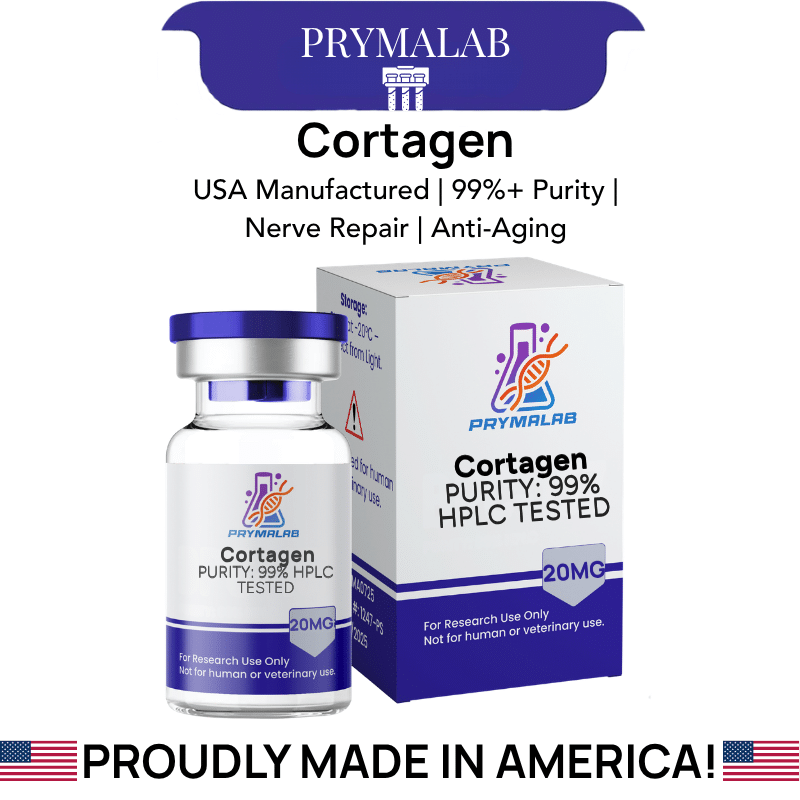
Cortagen peptide (AEDP) is a Khavinson tetrapeptide bioregulator targeting central nervous system tissue. This research-grade compound modulates gene expression in cerebral cortex neurons and glial cells for preclinical neuroprotection and cognitive aging research. 20mg lyophilized powder, =98% purity, COA included.
Cortagen peptide is a synthetic tetrapeptide bioregulator with the amino acid sequence Ala-Glu-Asp-Pro (AEDP), developed by Professor Vladimir Khavinson at the St. Petersburg Institute of Bioregulation and Gerontology. Cortagen targets central nervous system (CNS) tissue, functioning as a CNS bioregulator that modulates gene expression in cerebral cortex neurons, glial cells, and supporting neural tissue. It belongs to the Khavinson bioregulator peptides class — short regulatory peptides that exhibit tissue-specific gene expression modulation at physiological concentrations — and has been studied in preclinical models of age-related cognitive decline, nerve damage, and neuroprotection.
Among the Khavinson bioregulator peptides, cortagen addresses one of the most critical and difficult-to-target organ systems: the aging brain. The blood-brain barrier severely limits the delivery of conventional neuroprotective compounds to CNS tissue. Short bioregulator peptides like cortagen offer a research advantage due to their low molecular weight and capacity to cross biological barriers more readily than large-molecule therapeutics. PrymaLab Cortagen 20mg is manufactured to high purity standards and supplied exclusively for qualified preclinical research.
| Specification | Detail |
|---|---|
| Compound | Cortagen (tetrapeptide bioregulator) |
| Sequence | Ala-Glu-Asp-Pro (AEDP) |
| Quantity | 20mg |
| Target Tissue | Central nervous system (cerebral cortex, neurons, glial cells) |
| Class | Khavinson bioregulator peptide (short regulatory peptide) |
| Purity | ≥98% (HPLC-verified per batch) |
| Testing | HPLC, mass spectrometry, identity verification |
| Form | Lyophilized powder |
| Storage | Store at −20°C desiccated; protect from light |
| Intended Use | Preclinical research only — not for human or veterinary therapeutic use |
Cortagen operates through the Khavinson epigenetic bioregulation mechanism — direct interaction with complementary DNA sequences in the promoter regions of CNS-specific genes governing neuronal survival, synaptic plasticity, neurotransmitter synthesis, and glial cell support functions.
Research from the Khavinson group demonstrates that cortagen modulates the expression of genes critical to neuronal function, including genes encoding brain-derived neurotrophic factor (BDNF), nerve growth factor (NGF), synaptic vesicle proteins, and neurotransmitter synthetic enzymes. In aged brain tissue models, cortagen administration was associated with restoration of neuronal gene expression profiles toward patterns characteristic of younger, functionally competent neural tissue. This gene-level normalization mechanism is distinct from conventional nootropic compounds that modulate receptor activity or neurotransmitter reuptake.
Cortagen has been studied for its effects on neuronal survival pathways, including anti-apoptotic gene expression (Bcl-2 family), antioxidant defense enzyme expression (superoxide dismutase, catalase, glutathione peroxidase), and mitochondrial function genes in neural tissue. These neuroprotective gene expression effects are particularly relevant in models of age-related neurodegeneration, where oxidative stress and mitochondrial dysfunction drive progressive neuronal loss.
Beyond direct neuronal effects, cortagen research includes its modulation of glial cell gene expression — particularly astrocyte and microglial activation patterns that contribute to neuroinflammation in aging brain tissue. Chronic low-grade neuroinflammation (neuro-inflammaging) driven by over-activated microglia is a major contributor to age-related cognitive decline and neurodegenerative pathology. Cortagen’s modulation of microglial activation gene expression represents a bioregulatory approach to this central aging mechanism.
The following reflects published preclinical and gerontological literature. PrymaLab Cortagen 20mg is supplied exclusively for research purposes.
Published research from the Khavinson program reports that cortagen administration in aged animal models was associated with improved cognitive function indices, including enhanced performance on spatial memory tasks (Morris water maze), improved associative learning, and preserved working memory capacity compared to untreated age-matched controls. These cognitive improvements correlated with restored neuronal gene expression profiles in hippocampal and cortical tissue.
Cortagen peptide benefits have been studied in experimental nerve damage models, including peripheral nerve injury, spinal cord compression, and excitotoxic neuronal damage paradigms. Preclinical data indicates enhanced neuronal survival, improved axonal regeneration markers, and accelerated functional recovery in cortagen-treated animals. These findings position cortagen as a research compound of interest in neurological repair models where gene expression normalization may support endogenous repair mechanisms.
In gerontological models, cortagen has been studied alongside other Khavinson bioregulators for its contribution to multi-system anti-aging protocols. Published data from longitudinal animal studies indicates that cortagen-treated cohorts maintained neurological function parameters at ages where untreated controls showed significant cognitive and motor decline, supporting the bioregulation hypothesis that short peptides can modulate the rate of CNS aging.
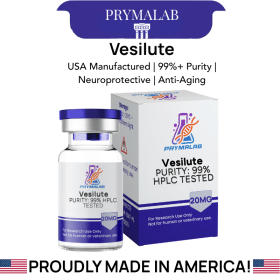
| Feature | Cortagen (AEDP) | Vesilute (KED) |
|---|---|---|
| Sequence | Ala-Glu-Asp-Pro | Lys-Glu-Asp |
| Neuroprotective Mechanism | Direct neuronal: gene expression in neurons and glia | Indirect vascular: cerebrovascular endothelial support |
| Primary Target | Cerebral cortex, neurons, glial cells | Vascular endothelium, bladder smooth muscle |
| BDNF/NGF Effects | Direct modulation of neurotrophic factor gene expression | Indirect via improved cerebral blood flow |
| Best For | Neuronal aging, nerve damage, cognitive decline models | Cerebrovascular aging, vascular neuroprotection models |
| Combined Use | Complementary: direct + vascular neuroprotection | Complementary: vascular + direct neuroprotection |
PrymaLab supplies Cortagen 20mg as a high-purity research-grade bioregulator peptide verified at ≥98% purity by reverse-phase HPLC and identity-confirmed by mass spectrometry. Each batch ships with a unique lot number and Certificate of Analysis. Independent third-party testing ensures unbiased quality verification and full traceability for GLP-compliant research.
Cortagen is a synthetic tetrapeptide bioregulator (Ala-Glu-Asp-Pro, AEDP) developed by Professor Khavinson targeting the central nervous system. It modulates gene expression in cerebral cortex neurons, glial cells, and supporting neural tissue. Research applications include cognitive aging, nerve damage repair, and neuroprotection in preclinical gerontology models.
Published research reports cortagen peptide benefits including improved cognitive function in aged animal models (spatial memory, associative learning), enhanced neuronal survival in nerve damage paradigms, restored neurotrophic factor expression (BDNF, NGF), reduced neuroinflammatory markers, and maintained neurological function in longitudinal aging studies. All reported benefits are from preclinical research.
Cortagen operates through epigenetic gene expression modulation rather than receptor agonism or neurotransmitter reuptake modification. This means it targets the transcriptional programs governing neuronal function rather than acutely modulating synaptic signaling. Among Khavinson bioregulators, cortagen provides direct neuronal effects complementary to vesilute’s indirect cerebrovascular neuroprotection.
Store lyophilized cortagen at −20°C, desiccated and protected from light, for 24+ months stability. After reconstitution, store at 2–8°C and use within 2–4 weeks. Aliquot to avoid freeze-thaw cycles.
PrymaLab Cortagen 20mg is verified at ≥98% purity by reverse-phase HPLC and identity-confirmed by mass spectrometry. Independent third-party testing with batch-specific Certificate of Analysis ensures quality and traceability.
For Research Use Only. PrymaLab Cortagen 20mg is intended exclusively for qualified preclinical research use. This product is not intended for human consumption, therapeutic use, veterinary treatment, or any application outside controlled research environments. Cortagen has not been approved by the FDA or any equivalent regulatory authority for therapeutic use. All research applications described are from published preclinical and gerontological literature. Researchers are responsible for regulatory compliance.
| Weight | N/A |
|---|---|
| Dimensions | N/A |
Only logged in customers who have purchased this product may leave a review.

support@prymalab.net info@prymalab.net

30 Day return window. Satisfaction guaranteed or your money back.

All orders over %150 in value will receive free shipping.
Reviews
There are no reviews yet.