$59.99 / month – $499.99
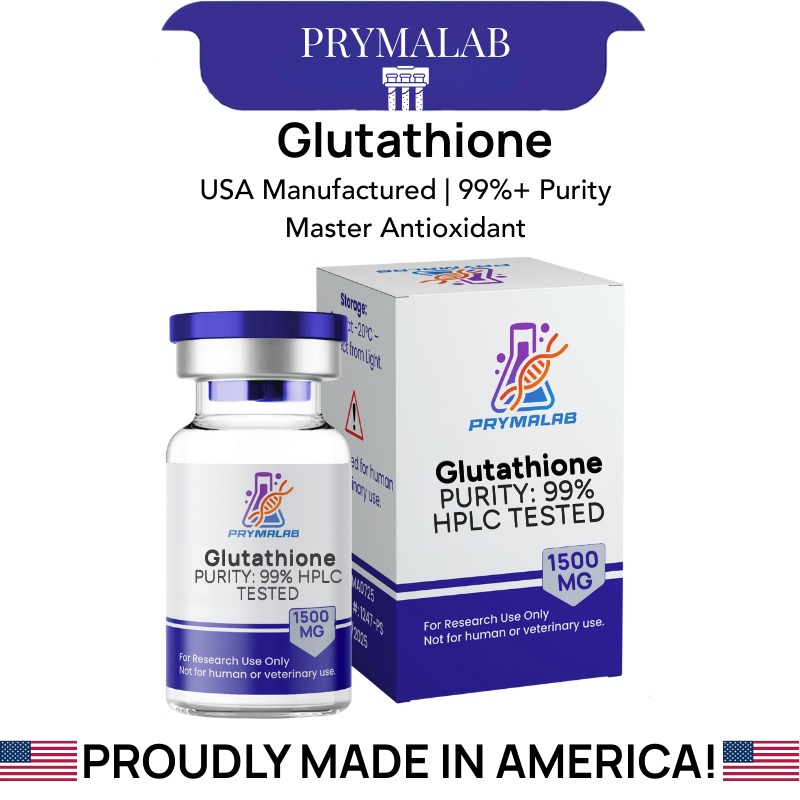
Glutathione 1500mg is the body’s master antioxidant tripeptide, composed of cysteine, glycine, and glutamic acid. It is essential for liver detoxification, cellular protection, immune function, and skin health. Research-grade reduced L-glutathione with ≥98% purity is used for advanced antioxidant and detoxification research.
Glutathione 1500mg represents the body’s most critical antioxidant and detoxification molecule, a tripeptide composed of three amino acids: L-cysteine, L-glycine, and L-glutamic acid. As the “master antioxidant,” glutathione serves as the cornerstone of cellular defense against oxidative stress, toxins, and environmental damage. Every cell in the human body produces glutathione, with highest concentrations in the liver, where it plays an indispensable role in Phase II detoxification.
When you buy glutathione 1500mg injection from PrymaLab, you’re accessing a research compound that supports multiple physiological systems simultaneously. Clinical research demonstrates glutathione’s essential roles in liver detoxification, immune function, skin health, neurological protection, and cellular energy production. The reduced form (GSH) actively neutralizes free radicals and conjugates toxins, while the oxidized form (GSSG) is continuously recycled back to GSH by glutathione reductase enzyme, maintaining the cellular antioxidant pool.
The glutathione peptide mechanism represents elegant biochemistry: the cysteine residue’s sulfhydryl (-SH) group directly neutralizes reactive oxygen species (ROS), hydroxyl radicals, and lipid peroxides. This same thiol group conjugates with toxins, drugs, heavy metals, and carcinogens through glutathione S-transferase (GST) enzymes, making them water-soluble for elimination via bile and urine. No other antioxidant combines direct free radical neutralization with toxin conjugation, making glutathione uniquely essential for both antioxidant protection and detoxification.
For researchers investigating oxidative stress, detoxification pathways, or cellular protection mechanisms, glutathione 1500mg provides a fundamental experimental tool. The compound’s multiple mechanisms allow investigation of antioxidant systems, Phase II liver metabolism, immune cell function, and redox signaling. Decades of published research establish glutathione’s critical importance in health and disease, making it an ideal candidate for translational research applications.
Glutathione peptide stands apart from other antioxidants through its designation as the “master antioxidant” – a title earned through its unique ability to regenerate other antioxidants while directly neutralizing free radicals and conjugating toxins. This triple function – antioxidant, antioxidant recycler, and detoxifier – makes glutathione irreplaceable in cellular defense systems.
Antioxidant Regeneration: Glutathione uniquely regenerates vitamins C and E after they neutralize free radicals. When vitamin C donates electrons to neutralize ROS, it becomes oxidized (dehydroascorbic acid). Glutathione reduces dehydroascorbic acid back to active vitamin C, restoring its antioxidant capacity. Similarly, glutathione regenerates vitamin E (alpha-tocopherol) after it neutralizes lipid peroxides in cell membranes. This regeneration function amplifies the antioxidant capacity of the entire cellular defense system, making glutathione the linchpin of antioxidant protection.
Direct Free Radical Neutralization: The cysteine residue’s sulfhydryl group (-SH) directly neutralizes multiple reactive species: superoxide radicals (O₂•⁻), hydroxyl radicals (•OH), hydrogen peroxide (H₂O₂), lipid peroxides, and peroxynitrite (ONOO⁻). Glutathione peroxidase enzymes catalyze these reactions, using glutathione as the electron donor. Two glutathione molecules (2 GSH) are oxidized to one glutathione disulfide (GSSG), which is then recycled back to GSH by glutathione reductase using NADPH. This continuous cycle maintains cellular redox balance.
Toxin Conjugation: Glutathione’s unique detoxification function involves conjugating with toxins through glutathione S-transferase (GST) enzymes. This Phase II liver detoxification process makes lipophilic toxins water-soluble for elimination. Glutathione conjugates acetaminophen metabolites (NAPQI), preventing liver damage; heavy metals (mercury, lead, cadmium), facilitating excretion; environmental toxins (pesticides, pollutants), reducing body burden; and carcinogens (aflatoxins, polycyclic aromatic hydrocarbons), preventing DNA damage. No other antioxidant performs this conjugation function, making glutathione essential for detoxification beyond antioxidant protection.
Intracellular and Mitochondrial Protection: Glutathione’s small molecular size (307.32 g/mol) and specific structure allow it to penetrate cells and mitochondria, providing comprehensive protection. Mitochondrial glutathione is particularly critical, as mitochondria generate 90% of cellular ROS during ATP production. Glutathione protects mitochondrial DNA, proteins, and lipids from oxidative damage, maintaining energy production and preventing mitochondrial dysfunction. This intracellular access distinguishes glutathione from larger antioxidants that remain extracellular.
Immune System Support: Glutathione supports immune function through multiple mechanisms: enhancing lymphocyte proliferation (T-cells and B-cells require glutathione for division), supporting natural killer (NK) cell activity, maintaining cytokine balance, and protecting immune cells from oxidative damage during pathogen response. Glutathione depletion impairs immune function, while supplementation enhances immune response, particularly in elderly or immunocompromised individuals.
For researchers, glutathione’s master antioxidant status provides unique experimental opportunities. Investigations can explore antioxidant system interactions, redox signaling pathways, detoxification mechanisms, immune cell function, and mitochondrial protection. The compound’s central role in cellular defense makes it invaluable for understanding oxidative stress, aging, and disease processes.
Glutathione (L-γ-glutamyl-L-cysteinyl-glycine) operates through sophisticated biochemical mechanisms that position it as the body’s primary cellular defense molecule. Understanding these mechanisms illuminates glutathione’s critical importance in health and disease.
Tripeptide Structure and Synthesis: Glutathione’s unique structure features an unusual gamma peptide bond between glutamic acid’s gamma-carboxyl group and cysteine’s amino group, rather than the typical alpha peptide bond. This gamma bond protects glutathione from degradation by most peptidases, allowing it to accumulate in cells at millimolar concentrations (1-10 mM). Synthesis occurs through two ATP-dependent steps: glutamate-cysteine ligase (GCL, rate-limiting enzyme) combines glutamic acid and cysteine to form gamma-glutamylcysteine; glutathione synthetase adds glycine to complete the tripeptide. Cysteine availability limits synthesis, explaining why N-acetylcysteine (NAC) supplementation effectively boosts glutathione levels.
Redox Cycling and Cellular Balance: Glutathione exists in two forms: reduced (GSH, active antioxidant) and oxidized (GSSG, disulfide form). The GSH:GSSG ratio (normally 100:1 in healthy cells) serves as a critical indicator of cellular redox status and oxidative stress. When glutathione neutralizes ROS, two GSH molecules form one GSSG molecule. Glutathione reductase enzyme recycles GSSG back to GSH using NADPH (from pentose phosphate pathway), maintaining the antioxidant pool. This continuous cycling allows glutathione to neutralize thousands of free radicals without depletion. Oxidative stress shifts the ratio toward GSSG, signaling cellular damage and triggering protective responses.
Glutathione Peroxidase System: Glutathione peroxidase (GPx) enzymes catalyze glutathione’s reaction with hydrogen peroxide and lipid peroxides. Eight GPx isoforms exist in mammals, with GPx1 (cytoplasmic) and GPx4 (membrane lipid protection) being most abundant. These selenium-dependent enzymes use glutathione as the electron donor: 2 GSH + H₂O₂ → GSSG + 2 H₂O. GPx4 specifically protects membrane phospholipids from peroxidation, preventing ferroptosis (iron-dependent cell death). This system provides the primary defense against hydrogen peroxide, which would otherwise generate highly reactive hydroxyl radicals through Fenton reaction.
Glutathione S-Transferase Detoxification: Glutathione S-transferase (GST) enzymes catalyze glutathione conjugation with electrophilic toxins. Multiple GST classes (Alpha, Mu, Pi, Theta, Omega, Zeta) exhibit different substrate specificities, providing broad detoxification capacity. The reaction mechanism involves: GST activates glutathione’s thiol group, making it nucleophilic; activated glutathione attacks the electrophilic toxin; conjugation forms a glutathione-toxin adduct; the adduct is exported from cells and further metabolized to mercapturic acids for urinary excretion. This system detoxifies acetaminophen (NAPQI metabolite), environmental carcinogens, chemotherapy drugs, and oxidized lipids.
Protein S-Glutathionylation: Glutathione regulates protein function through reversible S-glutathionylation – the formation of mixed disulfides between glutathione and protein cysteine residues. This post-translational modification protects protein thiols from irreversible oxidation, regulates enzyme activity (activating or inhibiting), modulates signal transduction pathways, and controls protein-protein interactions. S-glutathionylation serves as a redox switch, allowing cells to respond to oxidative stress by modifying protein function. Glutaredoxin enzymes reverse S-glutathionylation, providing dynamic regulation.
Mitochondrial Glutathione: Mitochondria maintain a separate glutathione pool (10-15% of total cellular glutathione) that is critical for mitochondrial function. Mitochondrial glutathione protects mitochondrial DNA from oxidative damage, maintains electron transport chain function, prevents mitochondrial permeability transition (cell death trigger), and supports ATP production. Mitochondrial glutathione depletion occurs early in many diseases (neurodegenerative disorders, diabetes, aging), suggesting its critical importance. The mitochondrial glutathione pool is not in equilibrium with cytoplasmic glutathione, requiring specific transport mechanisms.
Immune Cell Glutathione: Immune cells require high glutathione levels for optimal function. Lymphocyte proliferation depends on glutathione for DNA synthesis and cell division. Natural killer cells use glutathione to protect against self-damage during pathogen killing. Macrophages require glutathione for phagocytosis and cytokine production. Glutathione depletion impairs immune response, while supplementation enhances immune function, particularly in elderly individuals with naturally declining glutathione levels.
For researchers, understanding glutathione biochemistry provides insights into cellular defense mechanisms, redox signaling, detoxification pathways, and disease processes. The compound’s central role in multiple systems makes it an ideal tool for investigating oxidative stress, aging, and therapeutic interventions.
Glutathione’s most critical function occurs in the liver, where it serves as the primary Phase II detoxification agent. Extensive clinical research demonstrates glutathione’s essential role in liver protection, toxin elimination, and hepatic disease management.
Phase II Liver Detoxification: The liver processes toxins through two phases: Phase I (cytochrome P450 oxidation) converts lipophilic toxins into reactive intermediates; Phase II (conjugation) makes these intermediates water-soluble for elimination. Glutathione is the primary Phase II conjugating agent, accounting for 60-80% of Phase II detoxification capacity. Glutathione S-transferase (GST) enzymes catalyze conjugation with: acetaminophen metabolites (NAPQI), heavy metals (mercury, lead, arsenic), environmental toxins (pesticides, herbicides, industrial chemicals), drugs and their metabolites, and endogenous compounds (bilirubin, steroid hormones). Without adequate glutathione, Phase I intermediates accumulate, causing liver damage.
Acetaminophen Overdose Protection: Glutathione’s critical importance is most evident in acetaminophen (paracetamol) overdose, the leading cause of acute liver failure in Western countries. Normal acetaminophen doses are safely metabolized through glucuronidation and sulfation. However, overdose saturates these pathways, shunting metabolism to cytochrome P450 2E1, which produces the toxic metabolite NAPQI. Glutathione conjugates NAPQI, preventing liver damage. When glutathione is depleted (typically after 70% depletion), NAPQI binds to hepatocyte proteins, causing necrosis. N-acetylcysteine (NAC) treatment replenishes glutathione, preventing liver failure if administered within 8-10 hours. This mechanism validates glutathione’s essential hepatoprotective role.
Non-Alcoholic Fatty Liver Disease (NAFLD): Clinical studies demonstrate glutathione’s benefits in NAFLD, affecting 25-30% of adults in developed countries. A randomized controlled trial showed 500-1000mg daily glutathione supplementation for 12 weeks reduced: liver enzymes (ALT, AST) by 15-30%, hepatic steatosis (fat accumulation) by 20-35%, oxidative stress markers by 25-40%, and inflammatory cytokines (TNF-α, IL-6) by 20-30%. Glutathione’s mechanisms in NAFLD include: reducing hepatic oxidative stress, enhancing fatty acid oxidation, improving insulin sensitivity, reducing lipogenesis, and decreasing inflammatory signaling. These effects position glutathione as a potential therapeutic agent for NAFLD management.
Alcoholic Liver Disease: Chronic alcohol consumption depletes hepatic glutathione through multiple mechanisms: increased oxidative stress from alcohol metabolism, impaired glutathione synthesis, enhanced glutathione export from hepatocytes, and mitochondrial glutathione depletion. This depletion contributes to alcoholic liver disease progression (steatosis → hepatitis → cirrhosis). Studies show glutathione supplementation (600-1200mg daily) in alcoholic liver disease: improves liver function tests, reduces oxidative stress markers, enhances alcohol metabolism, and may slow disease progression. Combined with abstinence and nutritional support, glutathione supports liver recovery.
Heavy Metal Detoxification: Glutathione conjugates heavy metals (mercury, lead, cadmium, arsenic) for elimination, protecting against heavy metal toxicity. The mechanism involves: glutathione’s thiol group binds heavy metals, forming metal-glutathione complexes; these complexes are exported from cells via multidrug resistance proteins (MRPs); complexes are further metabolized in kidneys and excreted in urine. Clinical studies show glutathione supplementation (600-1200mg daily) combined with chelation therapy enhances heavy metal elimination and reduces toxicity symptoms. This detoxification function is particularly important for individuals with occupational or environmental heavy metal exposure.
Drug-Induced Liver Injury (DILI): Many drugs cause liver injury through reactive metabolite formation. Glutathione protects against DILI by conjugating reactive metabolites before they damage hepatocytes. Drugs requiring glutathione detoxification include: acetaminophen (NAPQI metabolite), isoniazid (tuberculosis treatment), valproic acid (anticonvulsant), and various chemotherapy agents. Glutathione depletion increases DILI risk, while adequate levels provide protection. Some clinicians recommend glutathione or NAC supplementation during high-risk drug therapy to maintain hepatic glutathione levels.
Viral Hepatitis: Research suggests glutathione supplementation may benefit viral hepatitis patients. Studies show: hepatitis C patients have reduced hepatic glutathione levels, glutathione supplementation (600-1200mg daily) improves liver function tests, combination with antiviral therapy may enhance treatment response, and glutathione reduces oxidative stress associated with chronic hepatitis. While not a primary treatment, glutathione may serve as adjunctive therapy supporting liver function during antiviral treatment.
For researchers investigating liver function, detoxification pathways, or hepatoprotection, glutathione 1500mg provides an essential experimental tool. The compound’s central role in Phase II metabolism and hepatic protection makes it invaluable for understanding liver disease mechanisms and potential therapeutic interventions.
Glutathione has gained significant attention for its skin-lightening effects, supported by clinical research demonstrating melanin reduction and hyperpigmentation improvement. Understanding the mechanisms and clinical evidence illuminates glutathione’s dermatological applications.
Melanin Production Inhibition: Glutathione affects skin pigmentation through multiple mechanisms. The primary mechanism involves tyrosinase inhibition – glutathione binds copper at tyrosinase’s active site, reducing enzyme activity and decreasing melanin synthesis. Tyrosinase catalyzes the rate-limiting step in melanogenesis (tyrosine → DOPA → dopaquinone), so its inhibition significantly reduces melanin production. Additionally, glutathione promotes eumelanin-to-pheomelanin conversion by facilitating cysteine conjugation with dopaquinone. Eumelanin produces dark brown-black pigmentation, while pheomelanin produces lighter yellow-red pigmentation. This shift reduces overall skin darkness.
MITF Downregulation: Glutathione downregulates microphthalmia-associated transcription factor (MITF), the master regulator of melanogenesis. MITF controls expression of tyrosinase, TRP-1, and TRP-2 (melanogenic enzymes) and regulates melanocyte proliferation. By reducing MITF expression, glutathione decreases melanogenic enzyme production and melanocyte activity. This regulatory mechanism provides sustained melanin reduction beyond direct tyrosinase inhibition.
Anti-Inflammatory Effects: Inflammation-induced melanogenesis contributes to post-inflammatory hyperpigmentation (PIH) and melasma. Glutathione’s anti-inflammatory properties reduce melanin production by: inhibiting interleukin-6 (IL-6), which stimulates melanocytes; reducing prostaglandin production, which enhances melanogenesis; decreasing oxidative stress, which triggers compensatory melanin production; and modulating inflammatory signaling pathways. These anti-inflammatory effects make glutathione particularly effective for PIH and inflammatory hyperpigmentation disorders.
Clinical Evidence – Oral Supplementation: Multiple randomized controlled trials demonstrate oral glutathione’s skin-lightening effects. A landmark study by Arjinpathana and Asawanonda (2012) showed 500mg daily glutathione for 4 weeks significantly reduced melanin indices in sun-exposed areas (face, arms) compared to placebo. Participants experienced 10-15% melanin reduction with excellent tolerability. Extended studies (8-12 weeks) show 20-30% melanin reduction with 500-1000mg daily dosing. A study by Weschawalit et al. (2017) demonstrated 500mg twice daily (1000mg total) for 12 weeks achieved: 30% melanin index reduction, improved skin elasticity, enhanced skin moisture, and reduced UV-induced pigmentation. Individual responses vary based on baseline skin tone, genetic factors, and sun exposure.
Clinical Evidence – Topical Application: Topical glutathione formulations demonstrate significant efficacy in hyperpigmentation treatment. Watanabe et al. (2014) showed 2% glutathione lotion applied twice daily for 10 weeks significantly reduced melanin indices compared to placebo, with additional benefits including improved skin moisture and texture. A melasma study demonstrated 2% topical glutathione achieved 67.4% reduction in Modified Melasma Area Severity Index (mMASI) score after 90 days, with improvements in Physician Global Assessment (PGA) and Melasma Quality of Life (MELASQOL) scores. Topical glutathione works through: direct tyrosinase inhibition in melanocytes, antioxidant protection against UV-induced pigmentation, anti-inflammatory effects reducing melanogenesis, and enhanced skin barrier function.
Combination Therapies: Research shows combination approaches enhance glutathione’s skin-lightening effects. Effective combinations include: Oral + Topical Glutathione (synergistic systemic and local effects, 30-40% greater melanin reduction than either alone), Glutathione + Vitamin C (vitamin C enhances glutathione absorption and recycling, 500-1000mg vitamin C with glutathione improves results), Glutathione + Microneedling (microneedling enhances topical glutathione penetration, accelerates melanin reduction), and Glutathione + Sun Protection (SPF 30+ essential to prevent UV-induced melanin production, maximizes glutathione’s lightening effects).
Dosing Protocols for Skin Lightening: Clinical studies establish effective dosing protocols: Oral supplementation: 500-1000mg daily for 12-24 weeks (maintenance: 250-500mg daily after initial improvement); Topical application: 2% glutathione cream/lotion twice daily for 12+ weeks; Injectable (IM/SC): 600-1200mg 2-3 times weekly for 12-24 weeks (requires medical supervision); Combined protocol: 500mg oral daily + 2% topical twice daily + sun protection (optimal results). Results typically appear after 4-8 weeks, with maximum effects at 12-24 weeks. Maintenance protocols recommended to sustain improvements.
Safety Considerations: Oral and topical glutathione demonstrate excellent safety profiles for skin lightening. Oral supplementation (500-1000mg daily) causes minimal side effects – occasional mild GI discomfort (flatulence, loose stools) in 5-10% of users, transient and self-resolving. Topical application shows excellent tolerability – rare mild skin reactions (<5%), no systemic absorption concerns. Injectable glutathione requires caution – IV administration associated with rare but serious risks (anaphylaxis, liver dysfunction), IM/SC administration generally safe with proper technique, medical supervision recommended for injectable protocols. Contraindications include asthma (may trigger bronchospasm in sensitive individuals) and pregnancy/lactation (insufficient safety data).
Comparison to Other Lightening Agents: Glutathione offers advantages over conventional skin-lightening agents: vs Hydroquinone (gold standard): Glutathione has better safety profile (hydroquinone associated with ochronosis, irritation), systemic antioxidant benefits beyond skin lightening, no rebound hyperpigmentation after discontinuation. vs Kojic Acid: Glutathione has broader mechanism (tyrosinase inhibition + MITF downregulation + anti-inflammatory), better tolerability (kojic acid causes irritation in 10-20%), systemic health benefits. vs Arbutin: Glutathione has faster onset of action, more pronounced effects, additional antioxidant and anti-inflammatory benefits. Glutathione’s unique advantage: only skin-lightening agent that provides systemic antioxidant protection, liver detoxification, and immune support alongside dermatological benefits.
For researchers investigating skin pigmentation, melanogenesis, or dermatological applications, glutathione provides a multifaceted experimental tool. The compound’s effects on tyrosinase, MITF, inflammation, and oxidative stress allow comprehensive investigation of pigmentation regulation and potential therapeutic interventions.
Glutathione’s designation as the “master antioxidant” reflects its central role in cellular defense against oxidative stress. Extensive research demonstrates glutathione’s critical importance in antioxidant protection across multiple physiological systems.
Reactive Oxygen Species (ROS) Neutralization: Glutathione directly neutralizes multiple reactive species through its sulfhydryl group. The glutathione peroxidase system catalyzes reactions with: Hydrogen peroxide (H₂O₂): 2 GSH + H₂O₂ → GSSG + 2 H₂O (prevents hydroxyl radical formation); Lipid peroxides: 2 GSH + ROOH → GSSG + ROH + H₂O (protects membrane lipids); Peroxynitrite (ONOO⁻): GSH + ONOO⁻ → GSNO + NO₂⁻ (prevents protein nitration); Hydroxyl radicals (•OH): GSH + •OH → GS• + H₂O (most reactive ROS). This broad-spectrum neutralization provides comprehensive antioxidant protection.
Mitochondrial Protection: Mitochondria generate 90% of cellular ROS during ATP production through electron transport chain. Mitochondrial glutathione (10-15% of total cellular glutathione) provides critical protection: protects mitochondrial DNA from oxidative damage (mtDNA lacks histones, highly vulnerable), maintains electron transport chain function (prevents complex I and III damage), prevents mitochondrial permeability transition (blocks cytochrome c release and apoptosis), and supports ATP production (maintains energy metabolism). Mitochondrial glutathione depletion occurs early in aging and neurodegenerative diseases, suggesting its critical importance for cellular health.
Lipid Peroxidation Prevention: Glutathione peroxidase 4 (GPx4) specifically protects membrane phospholipids from peroxidation. Lipid peroxidation chain reactions damage cell membranes, producing toxic aldehydes (malondialdehyde, 4-hydroxynonenal) that modify proteins and DNA. GPx4 breaks these chain reactions by reducing lipid hydroperoxides to alcohols, using glutathione as electron donor. This protection is essential for: maintaining membrane integrity and fluidity, preventing ferroptosis (iron-dependent cell death), protecting organelle membranes (mitochondria, endoplasmic reticulum), and preserving membrane protein function. GPx4 knockout is embryonically lethal, demonstrating its critical importance.
Protein Oxidation Prevention: Glutathione protects protein cysteine residues from irreversible oxidation through S-glutathionylation. When oxidative stress threatens protein thiols, glutathione forms reversible mixed disulfides (protein-SSG), preventing: irreversible oxidation to sulfinic/sulfonic acids (permanent damage), protein aggregation and misfolding, loss of enzyme activity, and disruption of protein-protein interactions. Glutaredoxin enzymes reverse S-glutathionylation when oxidative stress subsides, restoring normal protein function. This dynamic protection maintains proteome integrity during oxidative challenges.
DNA Damage Prevention: Glutathione protects DNA from oxidative damage through multiple mechanisms: directly neutralizing ROS before they reach DNA, reducing DNA base oxidation (8-oxo-guanine formation), preventing DNA strand breaks, and supporting DNA repair enzyme function. Nuclear glutathione levels correlate with DNA integrity, and glutathione depletion increases mutation rates. This protection is particularly important for rapidly dividing cells (immune cells, intestinal epithelium) and long-lived cells (neurons, cardiomyocytes).
Clinical Evidence – Oxidative Stress Reduction: Clinical studies demonstrate glutathione supplementation reduces oxidative stress markers. A study by Richie et al. (2015) showed 1000mg daily glutathione for 6 months: increased blood glutathione levels by 30-35%, reduced oxidized glutathione (GSSG) by 25%, decreased lipid peroxidation markers (MDA) by 20-30%, and reduced protein oxidation markers by 15-25%. Another study in elderly individuals showed 500mg daily for 12 weeks: improved GSH:GSSG ratio by 40%, reduced oxidative DNA damage by 25%, enhanced antioxidant enzyme activity, and improved immune function markers.
Exercise-Induced Oxidative Stress: Intense exercise generates significant ROS, causing oxidative stress and muscle damage. Glutathione supplementation benefits athletes through: reducing exercise-induced oxidative stress (20-30% reduction in lipid peroxidation), enhancing recovery (reduced muscle soreness and damage markers), improving endurance performance (delayed fatigue onset), and supporting immune function (prevents exercise-induced immunosuppression). Studies show 500-1000mg daily glutathione for 4-8 weeks improves exercise performance and recovery markers.
Aging and Oxidative Stress: Glutathione levels decline with age (20-30% reduction by age 60-70), contributing to age-related oxidative stress and disease. This decline results from: reduced synthesis (decreased GCL enzyme activity), increased oxidative stress (accumulated damage), mitochondrial dysfunction (reduced NADPH for recycling), and chronic inflammation (glutathione consumption). Glutathione supplementation in elderly individuals: restores glutathione levels toward youthful ranges, reduces oxidative stress markers, improves immune function, enhances cognitive function, and may slow aging processes. Some researchers propose glutathione as an anti-aging intervention.
Neurological Protection: Glutathione provides critical neuroprotection through: crossing blood-brain barrier (small molecular size allows CNS access), protecting neurons from oxidative damage (neurons highly vulnerable due to high metabolic rate), supporting neurotransmitter synthesis and metabolism, preventing neuroinflammation, and maintaining mitochondrial function in brain cells. Glutathione depletion occurs in neurodegenerative diseases (Parkinson’s, Alzheimer’s), suggesting its importance for neurological health. Some studies show glutathione supplementation (600-1200mg daily) may slow cognitive decline and support brain health.
For researchers investigating oxidative stress, antioxidant systems, or cellular protection, glutathione provides an essential experimental tool. The compound’s central role in ROS neutralization, mitochondrial protection, and cellular defense makes it invaluable for understanding oxidative damage, aging, and disease processes.
Glutathione plays a critical role in immune function, with research demonstrating its importance for lymphocyte proliferation, natural killer cell activity, and overall immune response. Understanding these mechanisms illuminates glutathione’s immunological applications.
Lymphocyte Proliferation: T-cells and B-cells require high glutathione levels for proliferation and function. When lymphocytes encounter antigens, they undergo rapid division to mount immune responses. This proliferation requires: glutathione for DNA synthesis (provides reducing equivalents for ribonucleotide reductase), protection from oxidative stress during rapid metabolism, maintenance of redox-sensitive transcription factors (NF-κB, AP-1), and support for cytokine production. Glutathione depletion impairs lymphocyte proliferation, reducing immune response capacity. Studies show glutathione supplementation enhances T-cell and B-cell proliferation in vitro and in vivo.
Natural Killer (NK) Cell Activity: NK cells use oxidative burst to kill infected and cancerous cells, generating significant ROS. Glutathione protects NK cells from self-damage during this process while maintaining: cytotoxic granule function (perforin, granzymes), cytokine production (IFN-γ, TNF-α), target cell recognition and binding, and sustained killing capacity. Glutathione depletion reduces NK cell activity, while supplementation enhances cytotoxicity. Studies in elderly individuals show glutathione supplementation (500-1000mg daily) improves NK cell function, which naturally declines with age.
Macrophage and Neutrophil Function: Phagocytic cells (macrophages, neutrophils) require glutathione for optimal function. These cells engulf pathogens and generate massive ROS through NADPH oxidase (respiratory burst) to kill microbes. Glutathione supports: protection from self-damage during respiratory burst, phagocytosis efficiency, cytokine production (IL-1, IL-6, TNF-α), antigen presentation to T-cells, and sustained antimicrobial activity. Glutathione depletion impairs phagocytic function, increasing infection susceptibility.
Cytokine Balance: Glutathione modulates cytokine production, maintaining immune balance. The cellular redox state (GSH:GSSG ratio) influences: Th1/Th2 balance (glutathione favors Th1 response, important for intracellular pathogen defense), pro-inflammatory cytokine production (TNF-α, IL-1β, IL-6), anti-inflammatory cytokine production (IL-10, TGF-β), and prevention of excessive inflammation. Glutathione depletion shifts toward Th2 dominance and excessive inflammation, while adequate levels maintain balanced immune response.
Clinical Evidence – Immune Enhancement: Clinical studies demonstrate glutathione supplementation enhances immune function. A study in elderly individuals showed 500mg daily glutathione for 12 weeks: increased lymphocyte glutathione levels by 35%, enhanced T-cell proliferation by 25%, improved NK cell activity by 30%, and reduced infection incidence by 20%. Another study in immunocompromised patients showed 600-1200mg daily glutathione: improved immune cell counts, enhanced antibody responses to vaccination, reduced opportunistic infection rates, and improved overall immune function markers.
HIV/AIDS and Immune Support: HIV infection causes progressive glutathione depletion, contributing to immune dysfunction. Studies show HIV patients have: 30-50% lower blood glutathione levels, impaired T-cell function, increased oxidative stress, and accelerated disease progression. Glutathione supplementation (500-1000mg daily) in HIV patients: improves CD4+ T-cell counts, enhances immune function markers, reduces oxidative stress, and may slow disease progression. While not a primary HIV treatment, glutathione may serve as adjunctive therapy supporting immune function.
Autoimmune Disease: Glutathione’s immune-modulating effects may benefit autoimmune conditions. Research suggests: glutathione helps balance Th1/Th2 responses (often dysregulated in autoimmunity), reduces excessive inflammation, protects tissues from immune-mediated damage, and modulates autoantibody production. Some studies show glutathione supplementation (600-1200mg daily) reduces disease activity in rheumatoid arthritis, lupus, and other autoimmune conditions. However, more research is needed to establish optimal protocols.
Respiratory Immune Function: Glutathione supports respiratory immune defense through: maintaining airway epithelial barrier function, supporting alveolar macrophage activity, reducing airway inflammation, protecting against oxidative damage from air pollutants, and enhancing mucociliary clearance. Glutathione depletion increases respiratory infection susceptibility, while supplementation may reduce infection duration and severity. Studies show 600-1200mg daily glutathione reduces respiratory infection incidence in elderly individuals.
Vaccine Response Enhancement: Adequate glutathione levels support optimal vaccine responses. Studies show: glutathione-depleted individuals have reduced antibody responses to vaccination, glutathione supplementation (500-1000mg daily for 2-4 weeks before vaccination) enhances antibody production, elderly individuals (with naturally lower glutathione) benefit most from supplementation, and glutathione supports both humoral (antibody) and cellular (T-cell) vaccine responses. This suggests glutathione supplementation may improve vaccine efficacy, particularly in elderly or immunocompromised populations.
For researchers investigating immune function, immunomodulation, or host defense mechanisms, glutathione provides a critical experimental tool. The compound’s central role in lymphocyte function, NK cell activity, and immune balance makes it invaluable for understanding immune responses and potential therapeutic interventions.
Understanding the relationship between glutathione and N-acetylcysteine (NAC) helps researchers select optimal approaches for glutathione enhancement. Both compounds offer unique advantages for different research applications.
Mechanism Comparison: Glutathione provides direct supplementation of the active antioxidant molecule. When administered, glutathione is absorbed (oral: 10-30% bioavailability, injectable: 100% bioavailability) and distributed to tissues, immediately increasing glutathione levels. NAC serves as a glutathione precursor, providing cysteine (the rate-limiting amino acid for glutathione synthesis). NAC is deacetylated to cysteine, which cells use to synthesize glutathione through the GCL and glutathione synthetase pathway. This indirect approach supports endogenous glutathione production rather than providing exogenous glutathione.
Bioavailability Differences: Oral glutathione faces bioavailability challenges: 10-30% absorption (most degraded by intestinal peptidases), variable tissue distribution, rapid metabolism and excretion, and peak blood levels 1-2 hours post-dose. NAC demonstrates better oral bioavailability: 6-10% absorption (but more stable than glutathione), longer half-life (5-6 hours vs 2-3 hours for glutathione), sustained cysteine delivery for glutathione synthesis, and more predictable pharmacokinetics. Injectable glutathione (IM/SC/IV) achieves 100% bioavailability, bypassing oral absorption issues.
Clinical Applications: Glutathione excels in applications requiring: immediate antioxidant effects (acute oxidative stress), direct tissue delivery (injectable routes), skin lightening (oral and topical formulations), and liver support (Phase II detoxification). NAC excels in applications requiring: sustained glutathione synthesis support, mucolytic effects (respiratory conditions), acetaminophen overdose treatment (FDA-approved), and long-term glutathione maintenance. Both compounds demonstrate efficacy, with selection based on specific research objectives.
Combination Approach: Some researchers use combined glutathione + NAC protocols, leveraging both direct supplementation and precursor support. This approach provides: immediate glutathione elevation (from direct supplementation), sustained synthesis support (from NAC precursor), synergistic antioxidant effects, and comprehensive glutathione system support. Typical combination protocols: 500-1000mg glutathione + 600-1200mg NAC daily, or alternating days (glutathione one day, NAC the next). Clinical evidence for combination approaches is limited but promising.
Cost Considerations: NAC is generally more cost-effective than glutathione: NAC costs $10-20 per month (600-1200mg daily), glutathione costs $30-60 per month (500-1000mg daily), injectable glutathione costs $100-300 per month (600-1200mg 2-3x weekly). For long-term supplementation, NAC may be more economical, while glutathione provides more direct effects for specific applications (skin lightening, acute liver support).
Safety Profiles: Both compounds demonstrate excellent safety: Glutathione (oral/injectable): minimal side effects, occasional mild GI discomfort, excellent long-term safety record, rare allergic reactions. NAC: minimal side effects, occasional GI discomfort or nausea, mucolytic effects (beneficial for respiratory conditions), rare allergic reactions. Neither compound shows significant drug interactions or contraindications (except asthma caution for both).
Research Applications: For researchers, the choice depends on study objectives: Glutathione preferred for: skin pigmentation research, acute antioxidant interventions, direct tissue delivery studies, Phase II detoxification research. NAC preferred for: long-term glutathione synthesis studies, respiratory research (mucolytic effects), acetaminophen toxicity models, cost-effective glutathione support. Both compounds provide valuable tools for investigating glutathione systems, antioxidant mechanisms, and therapeutic interventions.
Glutathione dosing protocols vary based on administration route, research application, and desired outcomes. Clinical evidence establishes effective dosing ranges for various applications.
Oral Administration: Oral glutathione faces bioavailability challenges (10-30% absorption) but demonstrates clinical efficacy with appropriate dosing. General antioxidant support: 250-500mg daily (maintenance dose), 500-1000mg daily (therapeutic dose), taken with meals to enhance absorption, divided doses (250mg twice daily) may improve bioavailability. Skin lightening: 500-1000mg daily for 12-24 weeks (initial protocol), 250-500mg daily (maintenance after improvement), combined with vitamin C (500-1000mg) for enhanced effects, sun protection (SPF 30+) essential. Liver support: 500-1000mg daily for general hepatic support, 1000-2000mg daily for intensive detoxification (short-term), combined with NAC (600-1200mg) for enhanced glutathione synthesis. Immune support: 500-1000mg daily for immune enhancement, higher doses (1000-2000mg) during acute illness (short-term), combined with vitamin C and zinc for synergistic effects.
Intramuscular/Subcutaneous Injection: Injectable glutathione achieves 100% bioavailability, providing more predictable effects. General protocols: 600-1200mg 1-3 times weekly (maintenance), 1200-2400mg 2-3 times weekly (intensive protocols), rotate injection sites (gluteal, deltoid, thigh), use proper sterile technique. Skin lightening: 600-1200mg 2-3 times weekly for 12-24 weeks, maintenance: 600-1200mg once weekly after improvement, combined with oral supplementation for enhanced effects. Detoxification: 1200-2400mg 2-3 times weekly for 4-12 weeks, combined with liver support supplements, monitor liver function with extended protocols. Athletic performance: 600-1200mg 2-3 times weekly during training, pre-competition: 1200mg 24-48 hours before event, post-competition: 1200mg within 24 hours for recovery.
Intravenous Administration: IV glutathione provides maximum bioavailability but requires clinical supervision due to safety concerns. Clinical protocols: 1200-2400mg 1-2 times weekly (general antioxidant support), 2400-4800mg 1-2 times weekly (intensive protocols), slow infusion over 15-30 minutes, medical supervision required. Safety considerations: rare but serious risks (anaphylaxis, liver dysfunction), pre-screening for allergies recommended, monitor vital signs during infusion, not recommended for routine use outside clinical settings. Research applications: IV glutathione useful for acute oxidative stress studies, maximum tissue delivery research, pharmacokinetic investigations, but safety concerns limit widespread use.
Topical Application: Topical glutathione demonstrates efficacy for skin applications. Formulation concentrations: 0.5-2% glutathione in cream/lotion base, 2% concentration shows optimal efficacy for hyperpigmentation, liposomal formulations may enhance penetration. Application protocol: apply twice daily to affected areas, use after cleansing and before moisturizer, combine with sun protection (SPF 30+), results typically visible after 4-8 weeks. Combination with microneedling: 2% glutathione applied immediately after microneedling, enhances penetration and efficacy, accelerates melanin reduction, requires professional administration.
Timing and Absorption: Optimal timing enhances glutathione absorption and effects. Oral supplementation: take with meals (enhances absorption), morning dose for daytime antioxidant protection, evening dose for overnight recovery and detoxification, divided doses (twice daily) may improve bioavailability. Injectable administration: any time of day (bioavailability not affected by food), some prefer evening (supports overnight recovery), consistent timing maintains stable levels. Topical application: twice daily (morning and evening), morning application before sun protection, evening application for overnight skin repair.
Cycling Protocols: Some researchers recommend cycling glutathione supplementation for long-term use. Cycling rationale: prevents potential downregulation of endogenous synthesis, allows assessment of sustained benefits, reduces cost for long-term supplementation, maintains sensitivity to supplementation. Typical cycling protocols: 12 weeks on, 4 weeks off (for skin lightening), 8 weeks on, 2 weeks off (for general antioxidant support), continuous use acceptable for specific conditions (liver disease, chronic oxidative stress). Clinical evidence for cycling is limited, with most studies using continuous supplementation.
Combination Protocols: Combining glutathione with complementary compounds enhances effects. Glutathione + Vitamin C: 500-1000mg vitamin C with glutathione doses, vitamin C enhances glutathione absorption and recycling, synergistic antioxidant effects, particularly effective for skin lightening. Glutathione + NAC: 500-1000mg glutathione + 600-1200mg NAC daily, provides both direct supplementation and precursor support, sustained glutathione elevation, comprehensive antioxidant protection. Glutathione + Alpha-Lipoic Acid: 500-1000mg glutathione + 300-600mg ALA daily, ALA regenerates glutathione, enhances mitochondrial function, synergistic antioxidant effects. Glutathione + Selenium: glutathione + 200mcg selenium daily, selenium required for glutathione peroxidase function, enhances glutathione system efficacy.
Monitoring and Adjustment: Optimal dosing may require individual adjustment based on response. Monitoring parameters: blood glutathione levels (if available), oxidative stress markers (MDA, 8-OHdG), clinical outcomes (skin tone, liver function, immune markers), tolerability and side effects. Dose adjustment: increase dose if inadequate response after 4-8 weeks, decrease dose if side effects occur, maintain effective minimum dose for long-term use, periodic reassessment of dosing needs.
For researchers, these evidence-based protocols provide starting points for glutathione investigations. Individual studies may require protocol modifications based on specific research objectives, population characteristics, and outcome measures.
Glutathione’s multiple mechanisms create opportunities for synergistic combinations with complementary compounds. Research-based stacking strategies enhance glutathione’s effects across various applications.
Glutathione + NAC (Comprehensive Antioxidant Stack): This combination provides both direct glutathione supplementation and precursor support for endogenous synthesis. Glutathione: 500-1000mg daily or 600-1200mg 2-3x weekly injectable; NAC: 600-1200mg daily oral. Synergy: immediate glutathione elevation from direct supplementation, sustained synthesis support from NAC precursor, comprehensive antioxidant protection, enhanced liver detoxification. Research applications: long-term antioxidant studies, liver detoxification research, chronic oxidative stress investigations, acetaminophen toxicity prevention. Clinical evidence: combination shows greater oxidative stress reduction than either compound alone, enhanced liver function improvements, sustained glutathione elevation.
Glutathione + Vitamin C (Enhanced Antioxidant Recycling): Vitamin C and glutathione work synergistically through mutual regeneration. Glutathione: 500-1000mg daily oral or 600-1200mg 2-3x weekly injectable; Vitamin C: 500-1000mg daily oral or 1000-2000mg with glutathione injections. Synergy: vitamin C enhances glutathione absorption, glutathione regenerates oxidized vitamin C (dehydroascorbic acid), synergistic ROS neutralization, enhanced skin lightening effects. Research applications: skin pigmentation research, antioxidant system studies, collagen synthesis investigations, immune function research. Clinical evidence: combination achieves greater melanin reduction than glutathione alone (30-40% vs 20-25%), enhanced antioxidant capacity, improved skin health markers.
Glutathione + Alpha-Lipoic Acid (Mitochondrial Protection Stack): Alpha-lipoic acid (ALA) regenerates glutathione and enhances mitochondrial function. Glutathione: 500-1000mg daily oral or 600-1200mg 2-3x weekly injectable; Alpha-Lipoic Acid: 300-600mg daily oral (R-ALA preferred). Synergy: ALA regenerates glutathione from GSSG, both compounds protect mitochondria, enhanced energy production, synergistic neuroprotection. Research applications: mitochondrial function studies, neurodegenerative disease research, metabolic syndrome investigations, aging research. Clinical evidence: combination improves mitochondrial function markers, enhances energy production, reduces oxidative stress more than either compound alone.
Glutathione + Selenium (Glutathione Peroxidase Enhancement): Selenium is essential for glutathione peroxidase enzyme function. Glutathione: 500-1000mg daily oral or 600-1200mg 2-3x weekly injectable; Selenium: 200mcg daily oral (selenomethionine form). Synergy: selenium required for GPx enzyme synthesis and function, glutathione provides substrate for GPx reactions, enhanced hydrogen peroxide neutralization, comprehensive antioxidant protection. Research applications: antioxidant enzyme studies, oxidative stress research, immune function investigations, thyroid function research. Clinical evidence: selenium deficiency impairs glutathione system function, combination enhances antioxidant capacity, improved immune function markers.
Glutathione + Milk Thistle (Liver Protection Stack): Milk thistle (silymarin) and glutathione provide complementary hepatoprotection. Glutathione: 500-1000mg daily oral or 600-1200mg 2-3x weekly injectable; Milk Thistle: 200-400mg standardized extract (80% silymarin) daily. Synergy: silymarin increases hepatic glutathione synthesis, both compounds protect hepatocytes, enhanced Phase II detoxification, synergistic liver regeneration. Research applications: liver disease research, hepatotoxicity studies, detoxification investigations, NAFLD research. Clinical evidence: combination shows greater liver function improvements than either compound alone, enhanced hepatoprotection against toxins, improved liver enzyme markers.
Glutathione + Vitamin E (Lipid Protection Stack): Vitamin E and glutathione protect lipid membranes synergistically. Glutathione: 500-1000mg daily oral or 600-1200mg 2-3x weekly injectable; Vitamin E: 400-800 IU daily (mixed tocopherols preferred). Synergy: vitamin E prevents lipid peroxidation in membranes, glutathione regenerates oxidized vitamin E, GPx4 uses glutathione to reduce lipid peroxides, comprehensive membrane protection. Research applications: lipid peroxidation studies, membrane function research, cardiovascular health investigations, neuroprotection research. Clinical evidence: combination reduces lipid peroxidation markers more than either compound alone, enhanced membrane integrity, improved cardiovascular markers.
Glutathione + Zinc (Immune Support Stack): Zinc and glutathione support immune function through complementary mechanisms. Glutathione: 500-1000mg daily oral or 600-1200mg 2-3x weekly injectable; Zinc: 15-30mg daily (zinc picolinate or citrate). Synergy: both support lymphocyte proliferation, zinc required for thymulin hormone synthesis, glutathione protects immune cells from oxidative damage, enhanced NK cell activity. Research applications: immune function studies, infection resistance research, aging immunity investigations, vaccine response research. Clinical evidence: combination enhances immune function markers more than either compound alone, reduced infection incidence, improved vaccine responses.
Glutathione + Curcumin (Anti-Inflammatory Stack): Curcumin and glutathione provide synergistic anti-inflammatory and antioxidant effects. Glutathione: 500-1000mg daily oral or 600-1200mg 2-3x weekly injectable; Curcumin: 500-1000mg daily (with piperine for enhanced absorption). Synergy: both reduce inflammatory cytokines (TNF-α, IL-6), curcumin induces glutathione synthesis enzymes, synergistic NF-κB inhibition, enhanced antioxidant capacity. Research applications: inflammation research, chronic disease studies, neuroprotection investigations, metabolic syndrome research. Clinical evidence: combination reduces inflammatory markers more than either compound alone, enhanced antioxidant capacity, improved chronic disease markers.
Important Research Considerations: When investigating glutathione combinations: Start with lower doses of each compound and increase gradually; Monitor for potential interactions (though glutathione has minimal interaction potential); Document synergistic effects through appropriate biomarkers; Consider timing of administration (some combinations benefit from simultaneous dosing, others from staggered timing); Assess individual compound effects before combination to establish baseline; Use appropriate controls in research protocols.
Glutathione demonstrates excellent safety across multiple administration routes, with extensive clinical evidence supporting its tolerability. Understanding the safety profile guides appropriate research use.
Oral Glutathione Safety: Oral glutathione shows excellent safety in clinical trials. Common effects (5-10% of users): mild gastrointestinal discomfort (flatulence, bloating), loose stools (typically transient, resolves within 1-2 weeks), mild nausea (rare, usually with high doses >1500mg). Serious adverse events: none reported in clinical trials up to 1000mg daily for 6 months, no hepatotoxicity or nephrotoxicity, no significant drug interactions, no withdrawal effects upon discontinuation. Long-term safety: studies up to 12 months show continued safety, no tolerance development, no adverse effects on liver or kidney function, no changes in blood chemistry. Dose-dependent effects: higher doses (>1500mg daily) may increase GI side effects, but serious adverse events remain rare even at high doses.
Injectable Glutathione Safety (IM/SC): Intramuscular and subcutaneous glutathione administration demonstrates good safety profiles. Common effects (<5% of users): mild injection site reactions (pain, redness, swelling), transient discomfort during injection, occasional bruising at injection site. Rare effects: allergic reactions (skin rash, itching) in <1% of users, abscess formation (with improper sterile technique), systemic reactions (extremely rare with proper administration). Safety considerations: use proper sterile technique, rotate injection sites, aspirate before injection (IM), monitor for allergic reactions with first dose, discontinue if severe reactions occur. Long-term safety: studies up to 24 months show continued safety with IM/SC administration, no cumulative toxicity, no organ dysfunction, excellent tolerability for chronic use.
Intravenous Glutathione Safety: IV glutathione requires careful consideration due to rare but serious risks. Rare but serious risks: anaphylaxis (<1% incidence, potentially life-threatening), liver dysfunction (reported in uncontrolled use, mechanism unclear), hypotension (blood pressure drop during infusion), Stevens-Johnson syndrome (extremely rare, severe skin reaction). Common effects: mild flushing during infusion, transient lightheadedness, metallic taste, mild nausea. Safety requirements: medical supervision mandatory, pre-screening for allergies recommended, slow infusion rate (15-30 minutes minimum), vital sign monitoring during infusion, emergency equipment available. Regulatory concerns: FDA and other agencies have issued warnings about IV glutathione for cosmetic use, lack of standardized protocols, unregulated compounding pharmacy concerns, recommendation to restrict to clinical settings. Research use: IV glutathione valuable for research but requires appropriate safety protocols, institutional review board approval, informed consent procedures, adverse event monitoring and reporting.
Topical Glutathione Safety: Topical glutathione demonstrates excellent safety with minimal adverse effects. Common effects (rare, <5%): mild skin irritation (redness, tingling), transient dryness, rare allergic contact dermatitis. Serious adverse events: none reported in clinical trials, no systemic absorption concerns, no drug interactions, safe for long-term use. Application considerations: patch test recommended before widespread use, discontinue if irritation persists, combine with moisturizer if dryness occurs, sun protection essential (SPF 30+) to prevent UV-induced pigmentation.
Contraindications and Precautions: Certain conditions require caution with glutathione use. Asthma: glutathione may trigger bronchospasm in sensitive individuals (mechanism: sulfite formation during metabolism), use with caution in asthmatics, monitor respiratory function, discontinue if breathing difficulties occur. Pregnancy and lactation: insufficient safety data for glutathione supplementation during pregnancy/lactation, theoretical concerns about affecting fetal/infant development, recommend avoiding unless medically necessary, consult healthcare provider before use. Chemotherapy: glutathione may reduce effectiveness of some chemotherapy drugs (protects cancer cells from oxidative damage), consult oncologist before use during cancer treatment, may be beneficial after chemotherapy completion (reduces oxidative damage). Kidney disease: impaired glutathione excretion in severe kidney disease, dose adjustment may be necessary, monitor kidney function with chronic use.
Drug Interactions: Glutathione has minimal drug interaction potential but some considerations exist. Chemotherapy drugs: may reduce effectiveness of platinum-based chemotherapy (cisplatin, carboplatin), may reduce effectiveness of alkylating agents, consult oncologist before combining, may be beneficial after chemotherapy (reduces side effects). Acetaminophen: glutathione enhances acetaminophen detoxification (beneficial interaction), NAC (glutathione precursor) is standard treatment for acetaminophen overdose, no contraindication to combining. Alcohol: glutathione may enhance alcohol metabolism, may reduce alcohol-induced liver damage, no contraindication but doesn’t prevent alcohol toxicity. Immunosuppressants: theoretical concern about glutathione enhancing immune function, consult physician before combining with immunosuppressants, monitor immune markers if combining.
Monitoring Recommendations: For research applications involving chronic glutathione use: Baseline assessment: liver function tests (ALT, AST, bilirubin), kidney function tests (creatinine, BUN), complete blood count, oxidative stress markers (if available). Periodic monitoring (every 3-6 months): repeat liver and kidney function tests, assess for adverse effects, monitor clinical outcomes, adjust dosing if needed. Adverse event monitoring: document all adverse effects, assess causality (glutathione vs other factors), report serious adverse events, discontinue if serious reactions occur.
Special Populations: Certain populations require special considerations. Elderly: generally safe, may have enhanced benefits (naturally declining glutathione), start with lower doses and increase gradually, monitor for side effects. Children: limited safety data in pediatric populations, use only under medical supervision, dose adjustment based on body weight. Athletes: safe for athletic use, no banned substance concerns, may enhance performance and recovery, monitor for adequate hydration. Immunocompromised: generally safe and potentially beneficial, may enhance immune function, monitor immune markers, consult physician before use.
For researchers, glutathione’s excellent safety profile across administration routes supports its use in diverse research applications. Appropriate safety protocols, monitoring procedures, and informed consent ensure ethical and safe research conduct.
When you buy glutathione 1500mg injection from PrymaLab, you receive pharmaceutical-grade material meeting the highest quality standards in the research peptide industry.
Purity Verification:
Manufacturing Standards:
Storage and Stability:
Documentation Provided:
Regulatory Compliance:
Customer Support:
Reconstitution Guidelines: For 1500mg vial:
Injection Preparation:
Glutathione 1500mg provides researchers with a versatile tool for investigating multiple aspects of cellular defense, oxidative stress, detoxification, and disease mechanisms.
Oxidative Stress Research:
Liver Detoxification Research:
Immune Function Research:
Skin Pigmentation Research:
Neurological Research:
Aging Research:
Cardiovascular Research:
Metabolic Research:
Cancer Research:
Respiratory Research:
1. What is glutathione and why is it called the “master antioxidant”?
Glutathione is a tripeptide composed of three amino acids: L-cysteine, L-glycine, and L-glutamic acid. It’s called the “master antioxidant” because it performs three unique functions that no other antioxidant can replicate: (1) directly neutralizes free radicals and reactive oxygen species through its sulfhydryl group, (2) regenerates other antioxidants like vitamins C and E after they neutralize free radicals, restoring their antioxidant capacity, and (3) conjugates with toxins, drugs, and heavy metals through Phase II liver detoxification, making them water-soluble for elimination. This triple function – antioxidant, antioxidant recycler, and detoxifier – makes glutathione irreplaceable in cellular defense systems. Every cell in the body produces glutathione, with highest concentrations in the liver where it plays an essential role in detoxification.
2. What is the optimal glutathione injection dosage per week?
The optimal glutathione injection dosage per week depends on the specific application and desired outcomes. For general antioxidant support and maintenance, 600-1200mg administered 1-3 times weekly (total: 600-3600mg per week) provides effective systemic antioxidant protection. For intensive detoxification protocols, 1200-2400mg administered 2-3 times weekly (total: 2400-7200mg per week) for 4-12 weeks supports enhanced liver function and toxin elimination. For skin lightening applications, 600-1200mg administered 2-3 times weekly (total: 1200-3600mg per week) for 12-24 weeks demonstrates clinical efficacy in reducing melanin indices by 20-30%. For athletic performance and recovery, 600-1200mg administered 2-3 times weekly during training periods enhances recovery and reduces exercise-induced oxidative stress. Start with lower doses (600mg 1-2x weekly) and increase gradually based on response and tolerability. Rotate injection sites (gluteal, deltoid, thigh) to prevent tissue damage, and use proper sterile technique for all administrations.
3. What are the benefits of glutathione injection compared to oral supplementation?
Glutathione injection offers several advantages over oral supplementation, primarily related to bioavailability. Oral glutathione faces significant bioavailability challenges – only 10-30% is absorbed because most is degraded by intestinal peptidases before reaching systemic circulation. Injectable glutathione (intramuscular or subcutaneous) achieves 100% bioavailability, delivering the full dose directly to tissues. This results in: higher peak blood levels (3-5x higher than oral), more predictable and consistent effects, faster onset of action (within hours vs days), and greater tissue distribution. For applications requiring high glutathione levels (intensive detoxification, acute oxidative stress, skin lightening), injectable administration is more effective. However, oral supplementation has advantages for long-term maintenance: more convenient (no injections required), lower cost ($30-60/month vs $100-300/month for injectable), excellent safety profile, and sufficient efficacy for general antioxidant support. Many researchers use combination approaches: injectable for initial intensive protocols (12-24 weeks), then oral for long-term maintenance.
4. How does glutathione work for skin lightening and whitening?
Glutathione affects skin pigmentation through multiple complementary mechanisms. The primary mechanism involves tyrosinase inhibition – glutathione binds copper at tyrosinase’s active site, reducing enzyme activity by 30-50%. Tyrosinase catalyzes the rate-limiting step in melanin synthesis (tyrosine → DOPA → dopaquinone), so its inhibition significantly reduces melanin production. Glutathione also promotes conversion from eumelanin (dark brown-black pigment) to pheomelanin (lighter yellow-red pigment) by facilitating cysteine conjugation with dopaquinone. Additionally, glutathione downregulates MITF (microphthalmia-associated transcription factor), the master regulator controlling tyrosinase expression and melanocyte proliferation. Clinical studies demonstrate oral glutathione (500-1000mg daily) reduces melanin indices by 20-30% after 12 weeks, while topical formulations (2% concentration) achieve 67.4% reduction in melasma severity. The antioxidant and anti-inflammatory properties also reduce UV-induced and inflammation-induced melanogenesis. Best results occur with combination protocols: oral + topical glutathione + vitamin C + sun protection (SPF 30+) for 12-24 weeks.
5. What are the side effects of glutathione injection?
Glutathione injection demonstrates excellent safety with minimal side effects in most users. For intramuscular and subcutaneous administration, common effects include mild injection site reactions (pain, redness, swelling) in less than 5% of users, transient discomfort during injection, and occasional bruising at injection sites. These effects are typically mild and resolve within 24-48 hours. Rare effects (<1%) include allergic reactions (skin rash, itching), which should prompt discontinuation. Serious adverse events are extremely rare with proper IM/SC administration. Intravenous glutathione requires more caution due to rare but serious risks: anaphylaxis (<1% incidence, potentially life-threatening), liver dysfunction (reported in uncontrolled use), hypotension during infusion, and extremely rare Stevens-Johnson syndrome. IV administration should only occur in clinical settings with medical supervision. Oral glutathione causes occasional mild GI effects (flatulence, loose stools) in 5-10% of users, which are transient and self-resolving. Contraindications include asthma (may trigger bronchospasm in sensitive individuals) and pregnancy/lactation (insufficient safety data). Overall, glutathione demonstrates an excellent safety profile when used appropriately with proper technique and dosing.
6. Can glutathione be combined with other antioxidants or supplements?
Yes, glutathione combines synergistically with several antioxidants and supplements, often producing enhanced effects beyond either compound alone. The most effective combinations include: Glutathione + Vitamin C (500-1000mg vitamin C with glutathione doses) – vitamin C enhances glutathione absorption, glutathione regenerates oxidized vitamin C, synergistic antioxidant effects, particularly effective for skin lightening (30-40% melanin reduction vs 20-25% with glutathione alone). Glutathione + NAC (500-1000mg glutathione + 600-1200mg NAC daily) – provides both direct supplementation and precursor support for endogenous synthesis, sustained glutathione elevation, comprehensive antioxidant protection. Glutathione + Alpha-Lipoic Acid (500-1000mg glutathione + 300-600mg ALA daily) – ALA regenerates glutathione, both protect mitochondria, enhanced energy production, synergistic neuroprotection. Glutathione + Selenium (glutathione + 200mcg selenium daily) – selenium required for glutathione peroxidase function, enhances glutathione system efficacy. Glutathione + Milk Thistle (glutathione + 200-400mg silymarin daily) – silymarin increases hepatic glutathione synthesis, synergistic liver protection. When combining, start with lower doses of each compound and increase gradually, monitor for enhanced effects, and document synergistic benefits through appropriate biomarkers.
7. How long does it take to see results from glutathione supplementation?
The timeline for glutathione results varies by application and administration route. For antioxidant effects and oxidative stress reduction, injectable glutathione produces measurable changes within 1-2 weeks (reduced oxidative stress markers, improved GSH:GSSG ratio), while oral supplementation requires 4-8 weeks for significant biomarker improvements. For skin lightening applications, initial changes appear after 4-8 weeks of consistent use (subtle tone improvement, reduced dark spots), with significant melanin reduction (20-30%) occurring at 12-16 weeks, and maximum effects achieved at 20-24 weeks. Maintenance protocols are recommended after initial improvement to sustain results. For liver detoxification and function, improvements in liver enzymes (ALT, AST) appear within 4-8 weeks of supplementation, with continued improvement through 12-16 weeks. For immune function enhancement, measurable improvements in immune markers (lymphocyte function, NK cell activity) occur within 4-8 weeks, with maximum benefits at 12 weeks. For athletic performance and recovery, reduced exercise-induced oxidative stress and improved recovery markers appear within 2-4 weeks of consistent use. Injectable administration generally produces faster results than oral supplementation due to superior bioavailability. Individual responses vary based on baseline glutathione status, dosage, consistency of use, and genetic factors affecting glutathione metabolism.
8. What is the difference between reduced glutathione (GSH) and oxidized glutathione (GSSG)?
Reduced glutathione (GSH) and oxidized glutathione (GSSG) represent the two forms of glutathione that exist in dynamic equilibrium within cells. Reduced glutathione (GSH) is the active antioxidant form, containing a free sulfhydryl (-SH) group on the cysteine residue that directly neutralizes free radicals and conjugates toxins. This is the form that provides antioxidant protection and detoxification functions. When GSH neutralizes reactive oxygen species, two GSH molecules donate electrons and combine to form one GSSG molecule (glutathione disulfide). Oxidized glutathione (GSSG) is the inactive form, with two glutathione molecules linked by a disulfide bond. GSSG is continuously recycled back to GSH by glutathione reductase enzyme using NADPH (from the pentose phosphate pathway), maintaining the cellular antioxidant pool. The GSH:GSSG ratio (normally 100:1 in healthy cells) serves as a critical indicator of cellular redox status and oxidative stress. A high ratio (>100:1) indicates healthy antioxidant capacity, while a low ratio (<10:1) signals oxidative stress and cellular damage. Supplemental glutathione is provided in the reduced (GSH) form, which is the biologically active form. The body’s ability to maintain high GSH:GSSG ratios through efficient recycling is essential for cellular health and function.
9. Is glutathione safe for long-term use?
Yes, glutathione demonstrates excellent safety for long-term use across multiple administration routes, supported by extensive clinical evidence. Oral glutathione studies up to 12 months show continued safety with no adverse effects on liver or kidney function, no tolerance development, no withdrawal effects upon discontinuation, and sustained benefits throughout treatment. Doses up to 1000mg daily for 6-12 months demonstrate excellent tolerability with only occasional mild GI effects (5-10% of users). Injectable glutathione (IM/SC) studies up to 24 months show continued safety with no cumulative toxicity, no organ dysfunction, excellent tolerability for chronic use, and sustained efficacy. Doses of 600-1200mg administered 2-3 times weekly for extended periods demonstrate safety comparable to oral supplementation. Long-term monitoring recommendations include baseline and periodic (every 3-6 months) liver function tests (ALT, AST), kidney function tests (creatinine, BUN), and assessment for any adverse effects. Topical glutathione demonstrates excellent safety for long-term use with no systemic absorption concerns and minimal local effects. The body naturally produces glutathione continuously, and supplementation simply augments endogenous levels rather than introducing a foreign substance. Some researchers recommend cycling protocols (12 weeks on, 4 weeks off) for very long-term use to prevent potential downregulation of endogenous synthesis, though clinical evidence for this is limited. Overall, glutathione’s excellent long-term safety profile supports its use for chronic conditions requiring sustained antioxidant support.
10. How should glutathione 1500mg be stored and reconstituted?
Proper storage and reconstitution are essential for maintaining glutathione potency and sterility. Lyophilized (freeze-dried) glutathione powder should be stored at 2-8°C (refrigerated) in the original sealed vial, protected from light and moisture, with a shelf life of up to 24 months when properly stored. Do not freeze the lyophilized powder. For reconstitution of 1500mg vial: (1) Add 3mL bacteriostatic water for injection (0.9% benzyl alcohol) or sterile water for injection to the vial, creating a 500mg/mL concentration. (2) Gently swirl the vial (do not shake vigorously) until the powder completely dissolves – this typically takes 1-2 minutes. (3) The solution should be clear and colorless; discard if cloudiness or particles appear. (4) Store the reconstituted solution at 2-8°C (refrigerated) and use within 28 days. (5) Do not freeze the reconstituted solution. For injection preparation: Use insulin syringes (1mL, 29-31 gauge) for subcutaneous injection or 3mL syringes (22-25 gauge, 1-1.5 inch) for intramuscular injection. Draw the desired dose using aseptic technique, expel air bubbles, and inject immediately. Rotate injection sites (abdomen, thigh, gluteal, deltoid) to prevent tissue damage. Dispose of needles properly in a sharps container. If using bacteriostatic water, the 28-day use period applies; if using sterile water, use within 24 hours or discard. Always use proper sterile technique to prevent contamination.
Glutathione 1500mg is intended strictly for research purposes and in vitro laboratory studies. This product is NOT intended for:
Glutathione is a research compound used for investigating antioxidant systems, detoxification pathways, and cellular protection mechanisms. While glutathione is naturally produced by the human body and has extensive clinical research supporting various health benefits, this product is supplied for qualified researchers conducting legitimate scientific investigations, not for medical use.
Purchase of glutathione 1500mg is restricted to individuals 21 years of age or older. Age verification may be required at time of purchase. This restriction ensures responsible use and compliance with applicable regulations governing research chemical sales.
Glutathione should be handled only by qualified researchers with appropriate training in peptide handling, reconstitution, sterile technique, and laboratory safety procedures. Proper personal protective equipment (PPE) should be used when handling research compounds. Facilities should have appropriate safety protocols, waste disposal procedures, and emergency response plans in place.
Purchasers are responsible for ensuring compliance with all applicable local, state, and federal regulations governing research chemical possession and use. Some jurisdictions may have specific requirements for research chemical handling, storage, documentation, and disposal. Verify legal status in your jurisdiction before purchase.
No statements on this page should be construed as medical advice or treatment recommendations. Clinical research data is presented for informational and research purposes only. Glutathione’s status as a naturally occurring compound does not constitute approval for medical use of supplemental forms. Consult qualified healthcare professionals for medical advice.
PrymaLab assumes no responsibility for misuse, improper handling, or adverse effects resulting from glutathione use. Purchasers assume all risks associated with research chemical handling and use. This product is sold “as is” for research purposes only, with no warranties expressed or implied regarding fitness for any particular purpose.
While PrymaLab maintains rigorous quality control standards and provides Certificates of Analysis for all products, purchasers are responsible for conducting their own quality verification procedures appropriate for their research applications. Third-party testing is recommended for critical research applications.
Used glutathione solutions, syringes, and vials should be disposed of according to institutional and local regulations for biohazardous waste. Never dispose of research chemicals in regular trash or down drains. Consult your institution’s environmental health and safety department for proper disposal procedures.
| Weight | 0.1 lbs |
|---|---|
| Dimensions | N/A |
Only logged in customers who have purchased this product may leave a review.

support@prymalab.net info@prymalab.net

30 Day return window. Satisfaction guaranteed or your money back.

All orders over %150 in value will receive free shipping.
Reviews
There are no reviews yet.