

$59.99 / month – $509.99
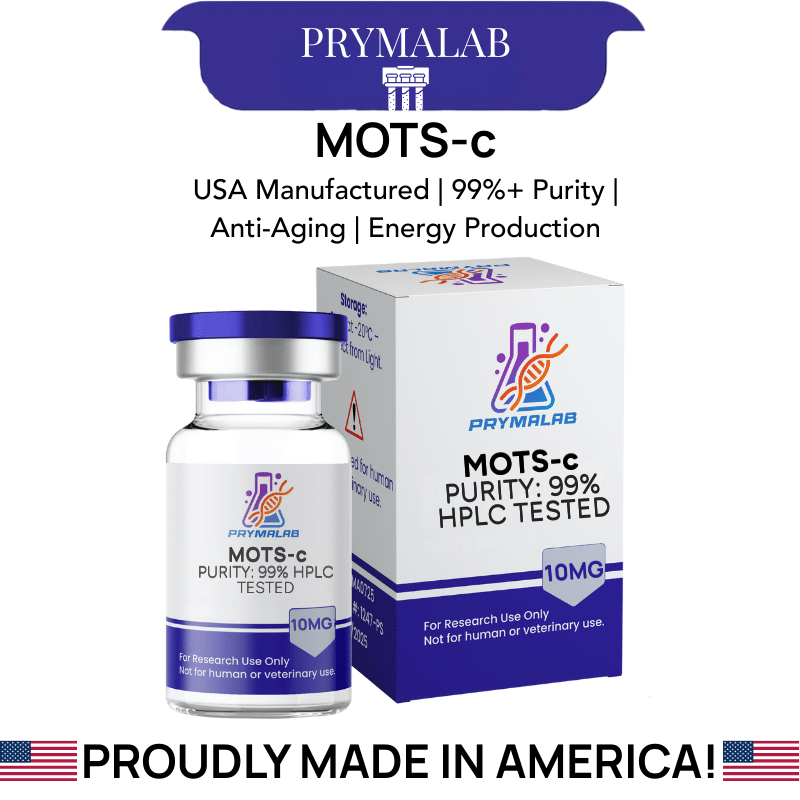
MOTS-C 10MG is a mitochondrial-derived peptide that supports metabolic health, insulin sensitivity, and exercise performance. This research peptide enhances cellular energy production and promotes healthy aging through improved mitochondrial function.
MOTS-C 10MG represents a breakthrough in mitochondrial peptide research. This naturally occurring peptide consists of 16 amino acids encoded by mitochondrial DNA. The name MOTS-C stands for “Mitochondrial Open Reading Frame of the 12S rRNA type-C,” reflecting its unique origin from the mitochondrial genome.
Mitochondria serve as the powerhouses of your cells. They produce energy through a process called oxidative phosphorylation. MOTS-C peptide plays a crucial role in this energy production system. When you use MOTS-C 10MG from PrymaLab, you’re working with a research-grade peptide that supports cellular metabolism and mitochondrial health.
This peptide differs from other metabolic compounds because it originates from mitochondrial DNA rather than nuclear DNA. Your mitochondria contain their own genetic material separate from the DNA in your cell nucleus. MOTS-C represents one of the few peptides encoded by this mitochondrial genome. This unique origin gives it special properties for regulating cellular energy and metabolism.
Research shows that MOTS-C levels naturally decline with age. This decline correlates with reduced metabolic function and decreased exercise capacity. Supplementing with MOTS-C 10MG may help restore these functions. The peptide works by activating key metabolic pathways in your cells.
Scientists discovered MOTS-C in 2015 during research into mitochondrial-derived peptides. Since then, numerous studies have explored its effects on metabolism, insulin sensitivity, and physical performance. The peptide has shown promise in research related to obesity, diabetes, and age-related metabolic decline.
Your mitochondria produce more than 90% of the energy your body needs. These organelles convert nutrients from food into adenosine triphosphate (ATP), the energy currency of cells. Every cell in your body contains mitochondria, with muscle cells and neurons having the highest concentrations.
Mitochondrial function affects nearly every aspect of health. When mitochondria work efficiently, your cells have abundant energy for their functions. Poor mitochondrial function leads to fatigue, reduced exercise capacity, and metabolic problems. Age-related decline in mitochondrial function contributes to many health issues.
MOTS-C peptide helps optimize mitochondrial performance. It acts as a signaling molecule between mitochondria and the cell nucleus. This communication ensures that your cells maintain proper energy production. The peptide also helps protect mitochondria from oxidative stress and damage.
The relationship between MOTS-C and mitochondrial health extends beyond energy production. Mitochondria regulate cellular metabolism, control cell death pathways, and manage calcium signaling. MOTS-C influences these processes by modulating gene expression in the nucleus. When stress or exercise activates MOTS-C, it translocates to the nucleus and regulates genes involved in metabolic adaptation.
Research demonstrates that MOTS-C improves mitochondrial biogenesis. This means it helps create new mitochondria in your cells. More mitochondria translate to greater energy production capacity. The peptide also enhances mitochondrial efficiency, allowing existing mitochondria to produce more ATP with less oxidative stress.
Understanding mitochondrial function helps explain why MOTS-C shows such broad effects. Because mitochondria influence so many cellular processes, improving their function impacts multiple aspects of health. From exercise performance to insulin sensitivity, MOTS-C’s effects stem from its ability to optimize mitochondrial operations.
MOTS-C works through several interconnected mechanisms. The primary pathway involves AMPK (AMP-activated protein kinase) activation. AMPK serves as a master regulator of cellular energy. When activated, it switches on processes that generate energy and switches off processes that consume energy.
The peptide activates AMPK by influencing the folate-methionine cycle and purine biosynthesis pathway. MOTS-C treatment increases levels of AICAR (5-aminoimidazole-4-carboxamide ribonucleotide) in cells. AICAR acts as an AMP mimetic, directly activating AMPK. This activation triggers a cascade of metabolic effects throughout the body.
Once AMPK activates, it phosphorylates numerous downstream targets. These targets include enzymes involved in glucose uptake, fat oxidation, and protein synthesis. AMPK activation also stimulates mitochondrial biogenesis through PGC-1α (peroxisome proliferator-activated receptor gamma coactivator 1-alpha). This creates a positive feedback loop where MOTS-C improves mitochondrial function, which in turn enhances cellular metabolism.
MOTS-C also exhibits nuclear translocation under stress conditions. When cells experience metabolic stress, glucose restriction, or oxidative stress, MOTS-C moves from the cytoplasm into the nucleus. Inside the nucleus, it binds to specific DNA sequences called antioxidant response elements (ARE). This binding regulates the expression of genes involved in stress adaptation and metabolic flexibility.
The peptide interacts with several transcription factors in the nucleus. These include NRF2 (nuclear factor erythroid 2-related factor 2), which controls antioxidant defenses. MOTS-C also works with ATF1 and ATF7 (activating transcription factors), which regulate cellular stress responses. Through these interactions, MOTS-C helps cells adapt to metabolic challenges.
Research shows that MOTS-C influences the SIRT1/PGC-1α pathway. SIRT1 is a NAD+-dependent deacetylase involved in aging and metabolism. When MOTS-C activates this pathway, it promotes mitochondrial biogenesis and improves metabolic health. The peptide also reduces inflammation by inhibiting NF-κB (nuclear factor kappa B) signaling.
The mechanism extends to brown adipose tissue activation. MOTS-C promotes the browning of white fat and activates existing brown fat. Brown fat burns calories to generate heat, contributing to weight management. The peptide achieves this through ERK (extracellular signal-regulated kinase) pathway activation and increased UCP1 (uncoupling protein 1) expression.
The scientific literature on MOTS-C has grown substantially since its discovery. Initial studies in 2015 demonstrated that MOTS-C treatment prevented diet-induced obesity in mice. Animals receiving the peptide showed improved glucose tolerance and enhanced insulin sensitivity. These effects occurred even when mice consumed a high-fat diet.
A landmark 2021 study published in Nature Communications examined MOTS-C effects across different life stages. Researchers administered the peptide to young, middle-aged, and old mice. All age groups showed improved physical performance, including better running capacity and motor coordination. The study demonstrated that MOTS-C benefits extend throughout the lifespan.
Human studies have begun to emerge, though they remain limited compared to animal research. A 2023 investigation found that higher serum MOTS-C levels correlated with greater muscle mass and power in healthy adults. Participants with elevated MOTS-C showed better performance in jumping tests and other measures of muscle function.
Research into MOTS-C and diabetes has produced encouraging results. Studies show that the peptide improves insulin sensitivity through multiple mechanisms. It enhances glucose uptake in skeletal muscle, reduces hepatic glucose production, and improves pancreatic beta-cell function. Some researchers compare its effects to metformin, a first-line diabetes medication.
Investigations into MOTS-C and inflammation reveal anti-inflammatory properties. The peptide reduces levels of pro-inflammatory cytokines including TNF-α, IL-6, and IL-1β. It also increases anti-inflammatory IL-10. These effects occur through AMPK activation and NF-κB inhibition. Studies in sepsis models show that MOTS-C treatment improves survival rates.
Cardiovascular research demonstrates that MOTS-C protects heart function. Studies in diabetic mice show that the peptide preserves cardiac structure and improves contractility. It reduces vascular calcification and improves endothelial function. The cardiovascular benefits likely stem from improved mitochondrial function and reduced oxidative stress.
Bone health research indicates that MOTS-C promotes osteoblast activity. Osteoblasts build new bone tissue, and their activity determines bone density. Studies show that MOTS-C treatment increases bone formation markers and reduces bone loss in osteoporosis models. This makes it relevant for postmenopausal women and others at risk for osteoporosis.
Neurological research explores MOTS-C effects on cognitive function. When modified to cross the blood-brain barrier, the peptide improves memory formation and consolidation. It also protects against memory deficits induced by amyloid-beta and lipopolysaccharide. These findings suggest potential applications in neurodegenerative disease research.
Exercise physiology studies show that MOTS-C enhances physical performance. The peptide increases endurance, improves metabolic flexibility, and accelerates recovery. Interestingly, exercise itself increases endogenous MOTS-C production, creating a beneficial cycle. Athletes and researchers have taken note of these performance-enhancing effects.
MOTS-C offers numerous benefits for metabolic research. The peptide improves insulin sensitivity through multiple pathways. It enhances glucose uptake in muscle tissue, reduces hepatic glucose output, and improves insulin signaling. These effects make it valuable for studying metabolic syndrome and type 2 diabetes.
Weight management research benefits from MOTS-C’s effects on fat metabolism. The peptide promotes fat oxidation and reduces fat accumulation. It activates brown adipose tissue and promotes white fat browning. These mechanisms contribute to reduced body fat percentage without significant muscle loss. Researchers studying obesity find MOTS-C particularly useful for understanding metabolic flexibility.
Exercise performance research utilizes MOTS-C to study endurance and recovery. The peptide increases running capacity and improves motor coordination. It enhances metabolic flexibility, allowing muscles to switch efficiently between fuel sources. Studies show that MOTS-C treatment improves both aerobic and anaerobic performance markers.
Anti-aging research has embraced MOTS-C as a longevity peptide. The compound addresses multiple hallmarks of aging, including mitochondrial dysfunction, metabolic decline, and chronic inflammation. Research shows that MOTS-C treatment extends healthspan in animal models. It improves physical function in aged subjects and may influence lifespan.
Cardiovascular research benefits from MOTS-C’s protective effects on heart and blood vessels. The peptide improves endothelial function, reduces arterial stiffness, and protects against ischemia-reperfusion injury. It also reduces cardiovascular risk factors including obesity, insulin resistance, and inflammation. These properties make it valuable for studying heart disease prevention.
Inflammation research utilizes MOTS-C to study immune modulation. The peptide reduces pro-inflammatory cytokines and increases anti-inflammatory mediators. It modulates T-cell differentiation and macrophage function. These effects provide insights into inflammatory diseases and autoimmune conditions.
Bone health research explores MOTS-C’s effects on skeletal metabolism. The peptide promotes osteoblast differentiation and bone formation. It reduces osteoclast activity and bone resorption. These properties make it relevant for osteoporosis research and bone healing studies.
Mitochondrial disease research investigates MOTS-C as a potential therapeutic approach. The peptide improves mitochondrial function and biogenesis. It reduces oxidative stress and enhances cellular energy production. These effects may benefit conditions characterized by mitochondrial dysfunction.
Researchers also study MOTS-C in combination with other peptides. It pairs well with CJC-1295 and Ipamorelin for comprehensive metabolic support. Some researchers combine it with BPC-157 for enhanced recovery and tissue repair.
MOTS-C differs from growth hormone secretagogues like CJC-1295 and Ipamorelin. While those peptides work by stimulating growth hormone release, MOTS-C acts directly on cellular metabolism. It doesn’t require growth hormone for its effects. This makes it suitable for research where growth hormone stimulation isn’t desired.
Compared to AOD9604, MOTS-C offers broader metabolic effects. AOD9604 primarily targets fat metabolism and weight loss. MOTS-C affects fat metabolism but also improves insulin sensitivity, exercise performance, and mitochondrial function. Researchers seeking comprehensive metabolic effects often prefer MOTS-C.
Tesamorelin focuses on reducing visceral adipose tissue through growth hormone stimulation. MOTS-C reduces body fat through direct metabolic effects and brown fat activation. The mechanisms differ significantly, though both can reduce fat accumulation. MOTS-C may offer advantages for research into metabolic flexibility and insulin sensitivity.
Unlike Epitalon, which primarily affects telomere length and circadian rhythms, MOTS-C works through mitochondrial enhancement. Both peptides show anti-aging properties, but through different mechanisms. Epitalon focuses on cellular aging markers, while MOTS-C addresses metabolic aspects of aging.
Semax targets cognitive function and neuroprotection. MOTS-C also shows neuroprotective properties but through metabolic pathways rather than direct neurotrophic effects. Researchers studying the metabolic basis of cognitive function may find MOTS-C particularly interesting.
MOTS-C shares some similarities with metformin, a common diabetes medication. Both activate AMPK and improve insulin sensitivity. However, MOTS-C is a peptide while metformin is a small molecule. The peptide may offer more targeted effects with potentially fewer side effects. Research comparing the two continues to evolve.
The peptide’s unique mitochondrial origin sets it apart from all synthetic peptides. Most therapeutic peptides are designed and synthesized in laboratories. MOTS-C is encoded by mitochondrial DNA and naturally occurs in the body. This natural origin may contribute to its favorable safety profile in research settings.
MOTS-C 10MG provides sufficient peptide for multiple research applications. Standard research protocols typically use 5-10mg per injection. The 10mg vial allows for one to two full doses depending on the specific research requirements.
Reconstitution requires bacteriostatic water. Add 1-2ml of bacteriostatic water to the MOTS-C 10MG vial. Inject the water slowly down the side of the vial to avoid foaming. Gently swirl the vial to mix; never shake vigorously as this can damage the peptide structure.
Research protocols commonly use twice-weekly administration. This frequency maintains stable peptide levels while allowing adequate time between doses. Some protocols use three times weekly for more intensive research applications. The specific frequency depends on research goals and subject characteristics.
Subcutaneous injection is the standard administration route. Common injection sites include the abdomen, thigh, or upper arm. Rotate injection sites to minimize tissue irritation. Use proper sterile technique with each injection to maintain research integrity.
Timing of administration can vary based on research objectives. Morning injections may take advantage of MOTS-C’s energizing effects. Some researchers prefer pre-exercise administration to study performance enhancement. Evening injections work for research focused on metabolic effects during rest.
The peptide calculator helps determine exact dosing. Input the vial size (10mg), reconstitution volume, and desired dose. The calculator provides precise measurements for accurate research dosing. This tool ensures consistency across research protocols.
Storage after reconstitution requires refrigeration at 2-8°C (36-46°F). Reconstituted MOTS-C remains stable for up to 30 days under proper refrigeration. Keep the vial sealed when not in use. Protect from light and avoid freezing reconstituted peptide.
Research cycles typically run 4-12 weeks. Shorter cycles allow assessment of acute effects. Longer cycles examine sustained metabolic changes and adaptation. Some research protocols include washout periods between cycles to study persistence of effects.
Dose escalation protocols start with lower doses and gradually increase. This approach helps identify optimal dosing for specific research outcomes. Begin with 5mg twice weekly and increase to 10mg if needed. Monitor research parameters throughout the escalation.
Combination protocols may use MOTS-C with other peptides. When combining with BPC-157, administer at different times of day. MOTS-C in the morning and BPC-157 in the evening works well for many research applications. Always consider potential interactions when designing combination protocols.
MOTS-C demonstrates a favorable safety profile in research settings. Animal studies show good tolerance across a wide dose range. The peptide’s natural occurrence in the body likely contributes to this safety profile. However, comprehensive human safety data remains limited.
Common observations in research include mild injection site reactions. These typically resolve quickly without intervention. Redness, slight swelling, or temporary discomfort at injection sites occur occasionally. Proper injection technique and site rotation minimize these effects.
Some research subjects report increased energy levels. This effect aligns with MOTS-C’s mechanism of enhancing cellular metabolism. The energizing effect typically appears within 1-2 weeks of starting research protocols. It may affect sleep if injections occur too late in the day.
Mild gastrointestinal effects have been noted in some research. These include occasional nausea or stomach discomfort. Effects are generally transient and resolve as the body adapts. Starting with lower doses and gradually increasing may reduce these observations.
Headaches occur in a small percentage of research subjects. These are typically mild and respond to standard interventions. Adequate hydration may help minimize this effect. If headaches persist, dose adjustment may be warranted.
Flushing or warmth sensations have been reported occasionally. This may relate to MOTS-C’s effects on metabolism and brown fat activation. The sensation is generally brief and not concerning. It often diminishes with continued use.
Research contraindications include active cancer diagnoses. While some studies suggest anti-cancer properties, other research raises concerns about potential cancer promotion. Anyone with current or recent cancer should avoid MOTS-C research participation. This precaution applies until more definitive data emerges.
Pregnancy and breastfeeding represent absolute contraindications. No safety data exists for MOTS-C use during pregnancy or lactation. The potential effects on fetal development or nursing infants remain unknown. Exclude pregnant or nursing individuals from MOTS-C research.
Drug interactions require consideration in research design. MOTS-C activates AMPK, which may interact with AMPK-activating medications. These include metformin, thiazolidinediones, and aspirin. Research protocols should account for these potential interactions.
Athletes should note that MOTS-C appears on the World Anti-Doping Agency prohibited list. It falls under Section 4 as a metabolic modulator. Competitive athletes cannot use MOTS-C without risking disqualification. This restriction applies to professional and amateur competitive sports.
Quality considerations are paramount for research safety. Only pharmaceutical-grade or research-grade MOTS-C from reputable sources should be used. Research-grade peptides from unknown sources may contain impurities or incorrect concentrations. PrymaLab provides high-quality MOTS-C 10MG with proper testing and verification.
Maximizing MOTS-C research outcomes requires attention to multiple factors. Proper reconstitution and storage maintain peptide integrity. Use only bacteriostatic water for reconstitution. Store reconstituted peptide in the refrigerator and use within 30 days.
Consistent administration timing improves research reproducibility. Choose specific days and times for injections and maintain this schedule throughout the research period. Consistency reduces variables and improves data quality. Use reminders or scheduling tools to maintain adherence.
Exercise timing relative to MOTS-C administration affects research outcomes. Some studies suggest administering MOTS-C before exercise enhances its performance benefits. The peptide’s effects on glucose uptake and fat oxidation may be amplified during physical activity. Design research protocols to test different timing strategies.
Dietary considerations influence MOTS-C research results. The peptide affects glucose metabolism and insulin sensitivity. Research protocols should control or monitor dietary intake. Some studies use standardized diets to reduce variability. Others examine MOTS-C effects under different dietary conditions.
Combining MOTS-C with other research peptides may produce synergistic effects. CJC-1295 and Ipamorelin complement MOTS-C’s metabolic effects with growth hormone stimulation. BPC-157 adds tissue repair and gut health benefits. Design combination protocols carefully to isolate individual and combined effects.
Monitoring parameters help track research progress. Metabolic markers include fasting glucose, insulin levels, and HbA1c. Body composition measurements track changes in fat mass and lean mass. Performance tests assess exercise capacity and endurance. Regular monitoring provides valuable research data.
Age considerations affect MOTS-C research outcomes. Older subjects may show more pronounced benefits due to naturally declining MOTS-C levels. Younger subjects might demonstrate different response patterns. Research protocols should stratify by age to examine these differences.
Baseline mitochondrial function influences response to MOTS-C. Subjects with poor baseline mitochondrial function may show greater improvements. Those with optimal mitochondrial function might demonstrate smaller changes. Assessing baseline status helps interpret research results.
Duration of research protocols affects observable outcomes. Short-term studies (4-6 weeks) capture acute metabolic changes. Longer studies (12+ weeks) reveal sustained adaptations and potential long-term effects. Choose protocol duration based on research questions and resources.
MOTS-C significantly impacts insulin sensitivity through multiple mechanisms. The peptide enhances glucose uptake in skeletal muscle, the primary site of insulin-mediated glucose disposal. This occurs through AMPK activation, which stimulates glucose transporter translocation to the cell membrane.
Insulin resistance develops when cells become less responsive to insulin signaling. This forces the pancreas to produce more insulin to maintain normal blood glucose. Over time, this can lead to pancreatic exhaustion and type 2 diabetes. MOTS-C helps break this cycle by improving cellular insulin sensitivity.
The peptide affects hepatic glucose metabolism. It reduces glucose production in the liver, which often runs excessively high in insulin-resistant states. By normalizing hepatic glucose output, MOTS-C helps maintain stable blood glucose levels. This reduces the burden on pancreatic beta cells.
MOTS-C influences adipose tissue function. Fat tissue plays a crucial role in insulin sensitivity through its secretion of adipokines. The peptide promotes healthy adipose tissue function and reduces inflammatory adipokine production. It also enhances fat oxidation, reducing lipid accumulation that contributes to insulin resistance.
Research demonstrates that MOTS-C prevents diet-induced insulin resistance. In studies where animals consumed high-fat diets, MOTS-C treatment maintained insulin sensitivity. Control animals developed significant insulin resistance. This protective effect suggests potential applications in metabolic syndrome research.
The peptide’s effects on insulin sensitivity extend to postmenopausal models. Menopause often brings metabolic changes including reduced insulin sensitivity. MOTS-C treatment in ovariectomized mice (a menopause model) prevented the typical decline in insulin sensitivity. This suggests relevance for research into age-related metabolic changes.
MOTS-C influences pancreatic beta-cell function. These cells produce insulin, and their dysfunction contributes to diabetes development. The peptide appears to protect beta cells from inflammatory damage and metabolic stress. It may also enhance insulin secretion in response to glucose.
Inflammatory pathways link to insulin resistance. Chronic inflammation impairs insulin signaling through various mechanisms. MOTS-C reduces inflammatory markers including TNF-α and IL-6, both implicated in insulin resistance. By reducing inflammation, the peptide indirectly improves insulin sensitivity.
The relationship between MOTS-C and insulin sensitivity makes it valuable for diabetes research. Type 2 diabetes involves progressive insulin resistance and eventual beta-cell failure. MOTS-C addresses both components. Research explores whether the peptide could prevent or delay diabetes progression.
MOTS-C demonstrates significant effects on physical performance across multiple parameters. The peptide increases running capacity in animal studies. Treated subjects run longer distances and maintain higher speeds compared to controls. These improvements occur across all age groups tested.
Endurance enhancement represents one of MOTS-C’s most notable effects. The peptide improves metabolic flexibility, allowing muscles to efficiently switch between fuel sources. During exercise, this means better utilization of both glucose and fatty acids. Enhanced fuel flexibility delays fatigue and extends performance.
Strength and power output also improve with MOTS-C. Human studies show correlations between higher MOTS-C levels and greater muscle power. Jumping performance, a measure of explosive power, increases with elevated MOTS-C. These effects likely stem from improved mitochondrial function in muscle tissue.
Recovery between exercise bouts benefits from MOTS-C treatment. The peptide enhances mitochondrial biogenesis, creating more energy-producing capacity. It also reduces oxidative stress and inflammation that contribute to post-exercise fatigue. Faster recovery allows for more frequent or intense training.
Motor coordination improves with MOTS-C administration. Studies testing balance and coordination show enhanced performance in treated subjects. This suggests effects beyond simple energy metabolism. The peptide may influence neuromuscular function or central nervous system coordination.
Exercise itself increases endogenous MOTS-C production. Physical activity stimulates MOTS-C expression in skeletal muscle. The peptide then circulates in the blood, potentially affecting other tissues. This creates a positive feedback loop where exercise boosts MOTS-C, which enhances exercise capacity.
The type and intensity of exercise influence MOTS-C production. Moderate-intensity endurance exercise appears particularly effective at stimulating MOTS-C. High-intensity exercise to exhaustion may not produce the same effect. Research continues to explore optimal exercise protocols for MOTS-C stimulation.
MOTS-C affects muscle metabolism during exercise. It enhances glucose uptake and utilization in working muscles. The peptide also promotes fat oxidation, sparing glycogen stores. This metabolic flexibility proves crucial for endurance performance.
Combining MOTS-C with exercise training may produce synergistic effects. The peptide enhances the metabolic adaptations that occur with training. Research subjects using MOTS-C alongside exercise programs show greater improvements than exercise alone. This makes it valuable for sports science research.
Age-related decline in exercise capacity responds to MOTS-C treatment. Older subjects often show the most dramatic improvements. The peptide appears to restore some of the metabolic flexibility lost with aging. This has implications for research into healthy aging and maintaining physical function.
MOTS-C shows promise in weight management research through multiple mechanisms. The peptide prevents diet-induced obesity in animal models. Subjects fed high-fat diets while receiving MOTS-C maintain healthier body weights than controls. This occurs despite similar caloric intake.
Fat oxidation increases with MOTS-C treatment. The peptide enhances the body’s ability to burn fat for energy. This occurs through AMPK activation and improved mitochondrial function. Enhanced fat oxidation reduces fat accumulation and promotes fat loss.
Brown adipose tissue activation contributes to MOTS-C’s weight management effects. Brown fat burns calories to generate heat, a process called thermogenesis. MOTS-C activates existing brown fat and promotes the browning of white fat. This increases overall energy expenditure.
The peptide affects appetite regulation indirectly through metabolic improvements. Better insulin sensitivity and glucose control help stabilize blood sugar. Stable blood sugar reduces hunger and cravings. While MOTS-C doesn’t directly suppress appetite, its metabolic effects support better appetite control.
Visceral fat, the dangerous fat surrounding organs, responds to MOTS-C treatment. Studies show reductions in visceral adipose tissue with peptide administration. This type of fat strongly correlates with metabolic disease risk. Reducing visceral fat improves metabolic health markers.
MOTS-C preserves lean muscle mass during weight loss. Many weight loss interventions cause muscle loss alongside fat loss. The peptide’s effects on muscle metabolism and mitochondrial function help maintain muscle tissue. This results in more favorable body composition changes.
Metabolic rate increases with MOTS-C treatment. Enhanced mitochondrial function and brown fat activation boost energy expenditure. Higher metabolic rate means more calories burned at rest. This contributes to weight management even without increased physical activity.
The peptide addresses metabolic flexibility, crucial for weight management. Metabolically flexible individuals efficiently switch between burning carbohydrates and fats. MOTS-C enhances this flexibility, allowing better adaptation to different dietary conditions. Improved metabolic flexibility supports sustainable weight management.
Postmenopausal weight gain responds to MOTS-C in research models. Menopause often brings weight gain and metabolic changes. Studies in ovariectomized mice show that MOTS-C prevents these changes. The peptide maintains metabolic health despite hormonal shifts.
Long-term weight management requires sustained metabolic improvements. MOTS-C’s effects on mitochondrial function and insulin sensitivity provide a foundation for lasting changes. Unlike stimulant-based approaches, the peptide works through fundamental metabolic pathways. This may support more sustainable weight management outcomes.
MOTS-C addresses multiple hallmarks of aging, making it valuable for longevity research. Mitochondrial dysfunction ranks among the primary aging mechanisms. The peptide directly improves mitochondrial function, potentially slowing cellular aging. Enhanced mitochondrial performance supports healthier aging across multiple systems.
Age-related metabolic decline responds to MOTS-C treatment. Older subjects show improvements in glucose tolerance, insulin sensitivity, and metabolic flexibility. These improvements restore metabolic function toward more youthful levels. Better metabolism supports overall health and vitality in aging.
Physical function declines with age, limiting quality of life. MOTS-C treatment improves exercise capacity and motor coordination in aged subjects. Studies show that old mice treated with MOTS-C perform similarly to younger untreated mice. This functional improvement represents a key aspect of healthy aging.
Chronic inflammation, termed “inflammaging,” contributes to age-related diseases. MOTS-C reduces inflammatory markers including TNF-α, IL-6, and IL-1β. It increases anti-inflammatory IL-10. By reducing chronic inflammation, the peptide may slow aging processes and reduce disease risk.
Cardiovascular aging involves arterial stiffening and endothelial dysfunction. MOTS-C improves vascular function and reduces arterial calcification. It protects heart structure and function in aging models. Cardiovascular health strongly influences lifespan and healthspan.
Bone density declines with age, particularly after menopause. MOTS-C promotes osteoblast activity and bone formation. It reduces bone resorption and loss. Maintaining bone health prevents fractures and maintains mobility in aging.
Cognitive function often declines with age. While research is preliminary, MOTS-C shows neuroprotective properties. It improves memory formation and protects against cognitive deficits in animal models. The metabolic basis of cognitive aging makes MOTS-C particularly interesting for brain health research.
Sarcopenia, age-related muscle loss, significantly impacts quality of life. MOTS-C helps maintain muscle mass and function. It enhances muscle metabolism and mitochondrial content. Preserving muscle mass supports independence and metabolic health in aging.
Lifespan studies in animals show promising trends. While not all studies demonstrate extended maximum lifespan, MOTS-C consistently improves healthspan. Treated animals maintain better function and health throughout their lives. Quality of life improvements may prove more important than simple lifespan extension.
The peptide’s natural decline with age suggests a role in aging processes. Endogenous MOTS-C levels decrease as we age. This decline correlates with metabolic deterioration and functional decline. Supplementing MOTS-C may compensate for this age-related decrease.
Q: What makes MOTS-C different from other metabolic peptides?
A: MOTS-C is unique because it’s encoded by mitochondrial DNA rather than nuclear DNA. This mitochondrial origin gives it special properties for regulating cellular energy and metabolism. Unlike growth hormone secretagogues, MOTS-C works directly on cellular metabolism through AMPK activation. It affects multiple aspects of metabolic health including insulin sensitivity, fat oxidation, and exercise performance. The peptide also translocates to the nucleus under stress conditions, where it regulates gene expression. This dual action in the cytoplasm and nucleus sets it apart from other metabolic compounds.
Q: How long does it take to see results with MOTS-C research?
A: Research timelines vary depending on the parameters measured. Energy levels and exercise performance may improve within 1-2 weeks of starting MOTS-C protocols. Metabolic markers like insulin sensitivity show changes within 4-6 weeks. Body composition changes typically require 8-12 weeks to become significant. Long-term effects on aging markers and chronic disease risk factors need longer study periods. The specific timeline depends on baseline status, dosing protocol, and research objectives. Consistent administration and proper monitoring help track progress throughout the research period.
Q: Can MOTS-C be combined with other research peptides?
A: Yes, MOTS-C combines well with several other peptides for comprehensive research protocols. It pairs effectively with CJC-1295 and Ipamorelin for combined metabolic and growth hormone effects. Combination with BPC-157 adds tissue repair and gut health benefits. When designing combination protocols, consider timing of administration and potential interactions. MOTS-C typically works well in the morning, while other peptides may be better suited for evening administration. Always monitor research subjects carefully when using multiple peptides.
Q: What is the optimal dosing frequency for MOTS-C research?
A: Most research protocols use twice-weekly administration of MOTS-C. This frequency maintains stable peptide levels while allowing adequate recovery between doses. Some intensive protocols use three times weekly for enhanced effects. The 10mg vial size accommodates various dosing strategies. Twice-weekly dosing at 5mg per injection provides two weeks of research material. Higher doses or more frequent administration may require additional vials. The peptide calculator helps determine exact dosing based on your specific protocol requirements.
Q: How should MOTS-C 10MG be stored after reconstitution?
A: After reconstitution with bacteriostatic water, store MOTS-C in the refrigerator at 2-8°C (36-46°F). Keep the vial sealed when not in use to prevent contamination. Protect from light by storing in the original packaging or a dark container. Reconstituted MOTS-C remains stable for up to 30 days under proper refrigeration. Never freeze reconstituted peptide as this can damage its structure. Before each use, inspect the solution for clarity and any particles. Discard if the solution appears cloudy or contains visible particles.
Q: Does MOTS-C require cycling in research protocols?
A: Research protocols vary in their approach to cycling. Some studies use continuous administration for 12+ weeks without breaks. Others incorporate cycling with 4-8 weeks on followed by 2-4 weeks off. The need for cycling depends on research objectives and the parameters being studied. Continuous protocols work well for studying sustained metabolic effects. Cycling protocols help assess persistence of effects and potential adaptation. Some researchers use cycling to prevent potential tolerance, though evidence for tolerance development remains limited. Design your cycling strategy based on specific research questions.
Q: What injection sites work best for MOTS-C administration?
A: MOTS-C uses subcutaneous injection into fatty tissue. Common sites include the abdomen (avoiding the area around the navel), thighs, and upper arms. The abdomen often provides the most consistent absorption. Rotate injection sites to minimize tissue irritation and maintain research consistency. Use different areas within each region rather than injecting in the exact same spot. Proper rotation prevents lipohypertrophy (fatty lumps) and ensures reliable absorption. Clean the injection site with alcohol before each injection and use proper sterile technique.
Q: How does MOTS-C compare to metformin for metabolic research?
A: MOTS-C and metformin share some similarities in their metabolic effects. Both activate AMPK and improve insulin sensitivity. However, they differ in several important ways. MOTS-C is a peptide while metformin is a small molecule drug. The peptide may offer more targeted effects with potentially fewer side effects. MOTS-C also enhances exercise performance and mitochondrial biogenesis more directly than metformin. Some research suggests MOTS-C provides similar metabolic benefits without the gastrointestinal side effects common with metformin. The peptide’s natural occurrence in the body may contribute to better tolerance.
Q: Can MOTS-C research include subjects with diabetes?
A: MOTS-C shows promise for diabetes research due to its effects on insulin sensitivity and glucose metabolism. However, research protocols involving diabetic subjects require careful design and monitoring. The peptide may affect blood glucose levels, requiring adjustment of diabetes medications. Close monitoring of glucose levels is essential throughout the research period. Consult with healthcare providers when designing protocols involving diabetic subjects. MOTS-C’s AMPK-activating effects may interact with diabetes medications like metformin. Document all medications and monitor for potential interactions.
Q: What makes PrymaLab’s MOTS-C 10MG suitable for research?
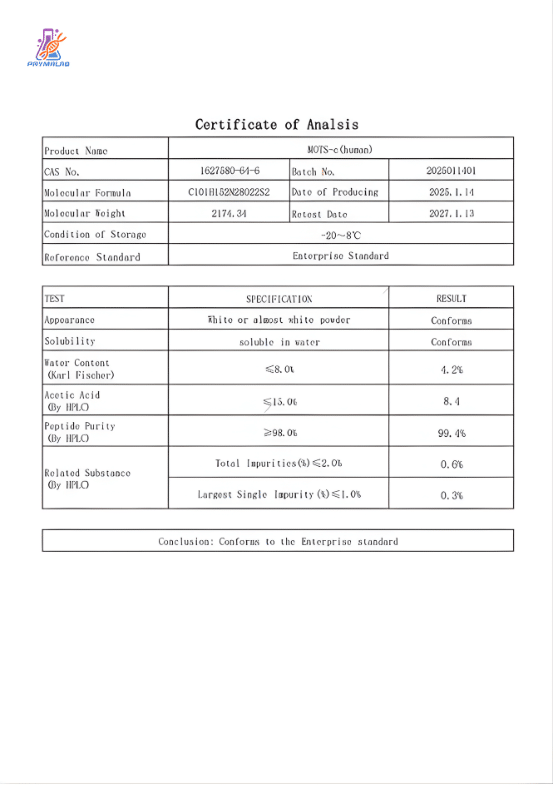
A: PrymaLab provides research-grade MOTS-C 10MG with rigorous quality control. Each batch undergoes third-party testing to verify purity and potency. The 10mg vial size offers flexibility for various research protocols. Proper packaging protects the peptide during shipping and storage. Clear labeling includes batch numbers for traceability. PrymaLab’s commitment to quality ensures consistent results across research studies. The company also provides bacteriostatic water and other research supplies for complete protocol support.
Q: How does age affect response to MOTS-C in research?
A: Age significantly influences MOTS-C research outcomes. Older subjects often show more pronounced benefits due to naturally declining endogenous MOTS-C levels. Studies demonstrate that aged animals respond particularly well to MOTS-C treatment. They show improvements in exercise capacity, metabolic function, and physical performance. Younger subjects may demonstrate different response patterns with smaller magnitude changes. However, young subjects can still benefit from MOTS-C’s metabolic and performance effects. Research protocols should stratify subjects by age to examine these differences. Age-related variations in response provide valuable insights into the peptide’s mechanisms.
Q: What research applications benefit most from MOTS-C 10MG?
A: MOTS-C 10MG suits numerous research applications. Metabolic research benefits from its effects on insulin sensitivity and glucose metabolism. Exercise physiology studies utilize its performance-enhancing properties. Anti-aging research explores its effects on multiple aging hallmarks. Weight management studies examine its impact on fat metabolism and body composition. Cardiovascular research investigates its protective effects on heart and blood vessels. Inflammation research studies its anti-inflammatory properties. Mitochondrial disease research explores its potential therapeutic applications. The peptide’s broad effects make it valuable across multiple research disciplines.
| Weight | N/A |
|---|---|
| Dimensions | N/A |
Only logged in customers who have purchased this product may leave a review.

support@prymalab.net info@prymalab.net

30 Day return window. Satisfaction guaranteed or your money back.

All orders over %150 in value will receive free shipping.

1 review for MOTS-C 10MG