Description
Introduction: The World’s First Approved Dual GCG/GLP-1 Receptor Agonist
Mazdutide represents a groundbreaking advancement in weight loss peptide research, earning distinction as the world’s first dual GCG/GLP-1 receptor agonist to receive regulatory approval for chronic weight management. In June 2025, China’s National Medical Products Administration (NMPA) approved Mazdutide based on exceptional Phase 3 clinical trial data demonstrating up to 20.1% weight loss—surpassing most single-receptor agonists and rivaling the most advanced weight loss medications available. This historic approval validates a revolutionary approach to obesity treatment that combines the proven benefits of GLP-1 receptor activation with the metabolic advantages of glucagon receptor stimulation.
The development of Mazdutide, also known as IBI362 or LY3305677, represents years of collaborative research between Innovent Biologics and Eli Lilly. As a synthetic mammalian oxyntomodulin (OXM) analog, Mazdutide was specifically engineered to activate both GLP-1 receptors and glucagon receptors in a balanced manner, creating synergistic effects that neither receptor alone can achieve. This dual mechanism addresses obesity through multiple complementary pathways: GLP-1 activation suppresses appetite and enhances insulin secretion, while glucagon activation increases energy expenditure and improves hepatic fat metabolism. The result is superior weight loss efficacy combined with comprehensive metabolic benefits that extend far beyond simple weight reduction.
Clinical evidence supporting Mazdutide’s approval is extensive and compelling. The pivotal GLORY-1 Phase 3 trial demonstrated 14.8% mean weight loss at 48 weeks with the 6mg dose, with 82.8% of participants achieving ≥5% weight loss and 50.6% achieving ≥15% weight loss. The GLORY-2 trial, testing the 9mg dose in moderate-severe obesity, achieved even more impressive results: 20.1% mean weight loss. These outcomes were accompanied by significant improvements in waist circumference (11cm reduction), liver fat content (65-80% reduction), blood pressure, lipid profiles, and glycemic control. The comprehensive nature of these benefits distinguishes Mazdutide from earlier weight loss peptides and positions it as a next-generation therapeutic option.
PrymaLab’s Mazdutide 10mg peptide represents pharmaceutical-grade quality for serious research applications. Each vial contains 99% pure mazdutide, verified through rigorous third-party testing using high-performance liquid chromatography (HPLC) and mass spectrometry. This exceptional purity ensures consistent, reliable results across experimental protocols. Whether investigating dual receptor agonist mechanisms, exploring next-generation weight loss pathways, or studying comprehensive metabolic improvements, researchers require the highest quality peptides to generate meaningful data. Our commitment to quality control and transparency makes PrymaLab the trusted source for Mazdutide research.
The approval of Mazdutide marks a pivotal moment in obesity research and treatment. Named by Fierce Pharma as one of the top ten most anticipated drugs globally in 2025, Mazdutide represents the convergence of cutting-edge peptide science, robust clinical evidence, and regulatory validation. For researchers, this approval provides confidence in the mechanism’s validity and safety profile, enabling more ambitious research protocols. For the field of metabolic disease research, Mazdutide opens new avenues for understanding how dual receptor activation can address the complex pathophysiology of obesity more effectively than single-target approaches.
Understanding Mazdutide: From Oxyntomodulin to Dual Agonist Innovation
Mazdutide’s development story begins with oxyntomodulin (OXM), a naturally occurring peptide hormone secreted by L-cells in the intestine in response to food intake. OXM is a 37-amino acid peptide derived from the same proglucagon precursor that produces GLP-1 and glucagon. Early research revealed that OXM possesses dual agonist activity, binding to both GLP-1 receptors and glucagon receptors, though with lower affinity than the native hormones. This dual activity sparked interest in OXM’s potential for obesity treatment, as it appeared to combine appetite suppression (via GLP-1) with increased energy expenditure (via glucagon).
However, native OXM had significant limitations for therapeutic use. Its short half-life (minutes) required continuous infusion for sustained effects. Its relatively weak receptor binding meant high doses were needed to achieve meaningful results. These practical challenges motivated the development of synthetic OXM analogs with improved pharmacological properties. Mazdutide emerged from this research as an optimized OXM analog specifically engineered to overcome native OXM’s limitations while preserving and enhancing its beneficial dual agonist activity.
Molecular Engineering and Structure:
Mazdutide’s molecular structure incorporates several strategic modifications to the native OXM sequence:
- Enhanced Stability: Amino acid substitutions and modifications protect against enzymatic degradation by dipeptidyl peptidase-4 (DPP-4) and other peptidases, extending the half-life from minutes to days
- Balanced Receptor Affinity: The structure is optimized to achieve balanced activation of both GLP-1 and glucagon receptors, preventing the hyperglycemia that can occur with excessive glucagon activation
- Improved Bioavailability: Modifications enhance subcutaneous absorption and distribution, enabling once-weekly dosing
- Reduced Immunogenicity: The synthetic structure minimizes potential immune responses that could reduce efficacy or cause adverse reactions
The result is a peptide that maintains OXM’s dual agonist properties while achieving pharmaceutical-grade stability, potency, and safety suitable for chronic weight management.
The Dual Receptor Advantage:
Understanding why dual GCG/GLP-1 activation surpasses single-receptor approaches requires examining each pathway’s contributions:
GLP-1 Receptor Activation Benefits:
- Appetite suppression through hypothalamic pathways
- Delayed gastric emptying, promoting satiety
- Enhanced glucose-dependent insulin secretion
- Reduced glucagon secretion (in fed state)
- Neuroprotective and cardioprotective effects
- Proven safety profile from years of clinical use
Glucagon Receptor Activation Benefits:
- Increased energy expenditure and thermogenesis
- Enhanced lipolysis and fat oxidation
- Improved hepatic fat metabolism
- Reduced hepatic fat synthesis
- Increased hepatic insulin sensitivity
- Potential cardiovascular benefits
Synergistic Effects of Dual Activation: The magic of Mazdutide lies not just in combining these effects but in their synergistic interaction. GLP-1 activation prevents the hyperglycemia that glucagon alone would cause, while glucagon activation enhances the weight loss beyond what GLP-1 alone achieves. The result is superior efficacy with maintained safety—a true advancement over single-receptor agonists.
Clinical Development Timeline:
Mazdutide’s journey from concept to approval demonstrates rigorous scientific validation:
- 2015-2017: Preclinical development and optimization of OXM analog structure
- 2018-2019: Phase 1 trials establishing safety, pharmacokinetics, and dose-ranging
- 2020-2021: Phase 1b trials in obesity and type 2 diabetes populations
- 2022-2023: Phase 2 trials demonstrating efficacy and optimal dosing
- 2023-2024: Phase 3 GLORY and DREAMS trials (7 studies total)
- 2024: GLORY-1 and DREAMS trials meet primary endpoints, results published in Nature and NEJM
- 2025: China NMPA approval for chronic weight management (June 2025)
- 2025-Present: Additional Phase 3 trials ongoing (MASH, HFpEF, adolescent obesity)
This comprehensive development program involved over 2,000 participants across multiple Phase 3 trials, establishing Mazdutide’s efficacy and safety profile with exceptional rigor.
Regulatory Approval Significance:
China NMPA approval represents a watershed moment for several reasons:
- First-in-Class Validation: Mazdutide is the world’s first dual GCG/GLP-1 agonist to receive regulatory approval for any indication, validating this novel mechanism
- Competitive Landscape: Approval positions Mazdutide alongside tirzepatide and ahead of investigational triple agonists like retatrutide
- Clinical Evidence Standard: The approval was based on multiple Phase 3 trials with robust efficacy and safety data, setting a high bar for future dual agonists
- Market Access: Approval enables commercial availability in China, the world’s largest obesity market with 500+ million adults with overweight/obesity
- Research Validation: Regulatory approval provides confidence for researchers that the mechanism is sound and the safety profile is acceptable
Mazdutide vs Other Dual Agonists:
While Mazdutide is the first approved dual GCG/GLP-1 agonist, other dual agonists exist with different receptor combinations:
- Tirzepatide (Mounjaro/Zepbound): Dual GIP/GLP-1 agonist, FDA approved 2022, 22.5% weight loss
- Mazdutide (IBI362): Dual GCG/GLP-1 agonist, China NMPA approved 2025, 20.1% weight loss
- Cotadutide: Dual GCG/GLP-1 agonist, investigational, Phase 2
- Retatrutide: Triple GLP-1/GIP/GCG agonist, investigational, Phase 3, 24.2% weight loss potential
Each dual agonist offers unique advantages based on its receptor combination. Mazdutide’s GCG/GLP-1 combination specifically targets hepatic metabolism and energy expenditure, making it particularly valuable for research on liver fat, metabolic syndrome, and obesity with metabolic comorbidities.
Molecular Structure and Dual Mechanism of Action
Mazdutide’s effectiveness stems from its sophisticated molecular architecture and unique dual mechanism of action. Understanding these fundamentals is crucial for researchers designing experimental protocols and interpreting results.
Chemical Structure:
Mazdutide (IBI362/LY3305677) is a synthetic peptide analog of mammalian oxyntomodulin with strategic modifications:
- Peptide Length: 37 amino acids (similar to native OXM)
- Molecular Weight: Approximately 4,500 Da
- Key Modifications:
- Amino acid substitutions at positions critical for DPP-4 resistance
- Fatty acid chain attachment for albumin binding (extended half-life)
- Optimized sequence for balanced GCG/GLP-1 receptor affinity
- Stability Features: Protected against enzymatic degradation, enabling once-weekly dosing
- Solubility: Highly soluble in aqueous solutions, suitable for subcutaneous injection
Receptor Binding Profile:
Mazdutide demonstrates balanced dual agonist activity:
- GLP-1 Receptor (GLP-1R): High affinity binding, full agonist activity
- Glucagon Receptor (GCGR): Moderate-high affinity binding, full agonist activity
- Receptor Balance: Approximately 1:1 to 2:1 GLP-1R:GCGR activation ratio (optimized to prevent hyperglycemia)
- Selectivity: Minimal activity at other receptors (GIP, GLP-2, etc.)
This balanced activation is critical—too much glucagon activity causes hyperglycemia, while too much GLP-1 activity limits the metabolic benefits of glucagon. Mazdutide’s optimized structure achieves the ideal balance.
GLP-1 Receptor Pathway:
When Mazdutide binds to GLP-1 receptors, it initiates a cascade of beneficial effects:
Pancreatic Effects:
- Beta Cells: Enhanced glucose-dependent insulin secretion (only when blood glucose is elevated)
- Alpha Cells: Suppressed glucagon secretion in fed state
- Islet Preservation: Potential beta cell protective effects (observed with GLP-1 agonists)
Central Nervous System Effects:
- Hypothalamus: Activation of POMC neurons in arcuate nucleus, suppressing appetite
- Brainstem: Activation of area postrema and nucleus tractus solitarius, enhancing satiety signals
- Reward Pathways: Modulation of mesolimbic dopamine system, reducing food reward and cravings
Gastrointestinal Effects:
- Gastric Emptying: Delayed emptying, prolonging satiety after meals
- Intestinal Motility: Slowed transit, enhancing nutrient absorption time
- Gut Hormones: Modulation of other incretin and satiety hormones
Cardiovascular Effects:
- Endothelial Function: Improved endothelial function and reduced inflammation
- Blood Pressure: Modest reductions in systolic and diastolic pressure
- Cardiac Protection: Potential cardioprotective effects (observed with GLP-1 agonists)
Glucagon Receptor Pathway:
Mazdutide’s glucagon receptor activation provides complementary metabolic benefits:
Hepatic Effects:
- Lipolysis: Enhanced breakdown of hepatic fat stores
- Fat Synthesis: Reduced de novo lipogenesis
- Fat Oxidation: Increased beta-oxidation of fatty acids
- Glucose Production: Increased hepatic glucose production (balanced by GLP-1 effects)
- Insulin Sensitivity: Improved hepatic insulin sensitivity
Metabolic Effects:
- Energy Expenditure: Increased resting energy expenditure and thermogenesis
- Fat Oxidation: Enhanced whole-body fat oxidation
- Lipolysis: Increased adipose tissue lipolysis
- Brown Adipose Tissue: Potential activation of brown fat thermogenesis
Cardiovascular Effects:
- Cardiac Function: Positive inotropic effects (increased contractility)
- Metabolic Flexibility: Enhanced ability to switch between fuel sources
Synergistic Dual Mechanism:
The true innovation of Mazdutide lies in how these two pathways interact:
- Weight Loss Synergy: GLP-1 reduces caloric intake while glucagon increases energy expenditure, creating a powerful energy deficit
- Glucose Homeostasis: GLP-1’s insulin-enhancing and glucagon-suppressing effects counterbalance glucagon receptor’s glucose-raising effects, maintaining glycemic control
- Hepatic Fat Metabolism: Glucagon’s lipolytic effects are enhanced by GLP-1’s insulin-sensitizing effects, creating superior liver fat reduction
- Metabolic Flexibility: The combination enhances the body’s ability to utilize both glucose and fat for energy
- Cardiovascular Benefits: Both pathways contribute to cardiovascular improvements through complementary mechanisms
Pharmacokinetics:
Understanding Mazdutide’s pharmacokinetic profile helps researchers optimize dosing protocols:
- Absorption: Rapid absorption after subcutaneous injection, Tmax ~24-48 hours
- Distribution: Albumin binding extends half-life and provides sustained exposure
- Half-Life: Approximately 5-7 days, enabling once-weekly dosing
- Metabolism: Proteolytic degradation, no hepatic metabolism required
- Excretion: Renal elimination of metabolites
- Steady State: Achieved after 4-5 weeks of weekly dosing
- Accumulation: Minimal accumulation with weekly dosing
Pharmacodynamics:
Mazdutide’s effects on key metabolic parameters:
- Weight Loss: Progressive reduction over 24-48 weeks, plateau around 48 weeks
- Appetite Suppression: Onset within days, sustained throughout treatment
- Glycemic Control: Improvements within 2-4 weeks in diabetics
- Liver Fat: Significant reductions by 12-24 weeks
- Lipid Profile: Improvements by 12-24 weeks
- Blood Pressure: Reductions by 12-24 weeks
Dose-Response Relationship:
Clinical trials established clear dose-response relationships:
- 3mg Weekly: Modest weight loss (~8-10%), good tolerability
- 4.5mg Weekly: Moderate weight loss (~12-14%), acceptable tolerability
- 6mg Weekly: Substantial weight loss (~14-15%), standard approved dose
- 9mg Weekly: Maximum weight loss (~20%), approved for moderate-severe obesity
Higher doses provide greater efficacy but with increased GI side effects. The 6mg dose represents the optimal balance for most patients, while 9mg is reserved for those with more severe obesity.
Clinical Evidence: Comprehensive Phase 3 Trial Results
Mazdutide’s approval is supported by an extensive clinical development program comprising seven Phase 3 trials with over 2,000 participants. This section synthesizes key findings from these pivotal studies.
GLORY-1 Trial: Pivotal Weight Loss Study
GLORY-1 served as the primary basis for Mazdutide’s NMPA approval for chronic weight management.
Study Design:
- Population: Chinese adults with overweight (BMI ≥24 kg/m²) or obesity (BMI ≥28 kg/m²)
- Sample Size: 400+ participants
- Duration: 48 weeks
- Arms: Mazdutide 4mg, Mazdutide 6mg, Placebo
- Primary Endpoint: Percentage body weight change from baseline at weeks 32 and 48
- Key Secondary Endpoints: Proportion achieving ≥5%, ≥10%, ≥15% weight loss; waist circumference; liver fat content
Primary Results (48 weeks):
Weight Loss Efficacy:
- Mazdutide 6mg: -14.8% mean weight loss
- Mazdutide 4mg: -12.0% mean weight loss
- Placebo: -0.5% mean weight loss
- Statistical Significance: Both doses highly significant vs placebo (p<0.001)
Weight Loss Responders:
- ≥5% Weight Loss: 82.8% (6mg), 73.5% (4mg), 11.5% (placebo)
- ≥10% Weight Loss: 65.2% (6mg), 54.3% (4mg), 4.2% (placebo)
- ≥15% Weight Loss: 50.6% (6mg), 37.0% (4mg), 2.1% (placebo)
Body Composition:
- Waist Circumference: -11.0cm (6mg), -9.5cm (4mg), -1.5cm (placebo)
- Visceral Fat: Significant reductions in both mazdutide groups
Liver Fat Content (participants with baseline ≥10%):
- Mazdutide 6mg: -80.24% reduction
- Mazdutide 4mg: -65.85% reduction
- Placebo: -5.27% reduction
GLORY-2 Trial: Moderate-Severe Obesity Study
GLORY-2 tested the higher 9mg dose in participants with more severe obesity.
Study Design:
- Population: Chinese adults with moderate-severe obesity (BMI ≥28 kg/m²)
- Sample Size: 300+ participants
- Duration: 48 weeks
- Arms: Mazdutide 9mg, Placebo
- Focus: Maximum efficacy in severe obesity population
Key Results:
- Weight Loss: 20.1% mean weight loss with 9mg dose
- Responders: >85% achieved ≥5% weight loss, >60% achieved ≥15% weight loss
- Metabolic Benefits: Comprehensive improvements in all cardiometabolic parameters
- Safety: Acceptable tolerability profile despite higher dose
This 20.1% weight loss represents one of the highest efficacy rates achieved by any approved weight loss medication, positioning Mazdutide competitively with the most advanced therapies.
DREAMS-1 Trial: Type 2 Diabetes Study
DREAMS-1 evaluated Mazdutide in treatment-naive type 2 diabetes patients.
Study Design:
- Population: Chinese adults with untreated type 2 diabetes
- Duration: 24 weeks
- Arms: Mazdutide 3mg, 4.5mg, 6mg, Placebo
- Primary Endpoint: HbA1c reduction from baseline
Key Results:
- HbA1c Reduction: -1.27% (dose-dependent)
- Fasting Glucose: -1.73 mmol/L reduction
- Weight Loss: Significant weight loss in all mazdutide groups
- Beta Cell Function: Improvements in HOMA-β
- Insulin Sensitivity: Improvements in HOMA-IR
DREAMS-2 Trial: Head-to-Head vs Dulaglutide
DREAMS-2 compared Mazdutide directly to dulaglutide (a GLP-1 agonist) in type 2 diabetes.
Study Design:
- Population: Chinese adults with type 2 diabetes inadequately controlled on oral medications
- Duration: 24 weeks
- Arms: Mazdutide 6mg, Dulaglutide 1.5mg
- Objective: Demonstrate superiority over standard GLP-1 therapy
Key Results:
- HbA1c Reduction: Mazdutide superior to dulaglutide
- Weight Loss: Mazdutide achieved significantly greater weight loss than dulaglutide
- Metabolic Benefits: Superior improvements in lipids, liver enzymes, and other metabolic parameters
- Conclusion: Dual GCG/GLP-1 agonism superior to GLP-1 alone
DREAMS-3 Trial: Head-to-Head vs Semaglutide
DREAMS-3 compared Mazdutide to semaglutide (currently the leading GLP-1 agonist) in diabetic patients with obesity.
Study Design:
- Population: Chinese adults with type 2 diabetes and obesity
- Duration: 24 weeks
- Arms: Mazdutide 6mg, Semaglutide 1.0mg
- Objective: Demonstrate competitive efficacy vs market leader
Key Results:
- Weight Loss: Mazdutide achieved comparable or superior weight loss to semaglutide
- HbA1c Reduction: Similar glycemic control between groups
- Liver Fat: Mazdutide showed superior liver fat reduction (due to GCG activation)
- Metabolic Profile: Mazdutide demonstrated advantages in hepatic and metabolic parameters
This head-to-head comparison validates Mazdutide’s competitive positioning against the current gold standard.
Meta-Analysis of Mazdutide Trials:
A systematic review and meta-analysis published in Frontiers in Endocrinology (2024) synthesized data from seven RCTs involving 680 participants:
Overall Efficacy:
- Mean Weight Loss: -6.22% (95% CI: -8.02% to -4.41%)
- Heterogeneity: High (I² = 90%), reflecting dose and population differences
Subgroup Analysis:
- Non-Diabetics: -8.44% weight loss (greater than diabetics)
- Diabetics: -3.55% weight loss
- 24-Week Duration: -10.47% weight loss (greater than shorter durations)
- 12-Week Duration: -5.21% weight loss
Cardiometabolic Benefits:
- Systolic BP: -7.57 mmHg
- Diastolic BP: -2.98 mmHg
- Total Cholesterol: -16.82%
- LDL: -17.07%
- Triglycerides: -43.29%
- HDL: -7.54% (modest reduction)
Glycemic Control (Diabetics):
- HbA1c: -1.27%
- Fasting Glucose: -1.73 mmol/L
Safety Profile:
- Nausea: 4.22x higher risk vs placebo (most common side effect)
- Vomiting: 4.91x higher risk vs placebo
- Decreased Appetite: 2.30x higher risk vs placebo
- Serious Adverse Events: Rare, mostly unrelated to study drug
- Discontinuation: Low rates, indicating good tolerability
Publication in High-Impact Journals:
Mazdutide’s clinical results have been published in prestigious peer-reviewed journals:
- Nature (2024): Two back-to-back publications of DREAMS-1 and DREAMS-2 Phase 3 results
- New England Journal of Medicine (2024): GLORY-1 Phase 3 results
- Lancet Sub-journals: Multiple publications on mechanism and efficacy
- Frontiers in Endocrinology (2024): Systematic review and meta-analysis
This publication record in top-tier journals validates the scientific rigor and clinical significance of Mazdutide’s development program.
Ongoing Phase 3 Trials:
Several additional Phase 3 trials are currently ongoing or planned:
- GLORY-3: Mazdutide vs semaglutide in obesity with MAFLD (metabolic-associated fatty liver disease)
- GLORY-OSA: Mazdutide in obstructive sleep apnea with obesity
- Adolescent Obesity Trial: Phase 1b/3 in adolescents with obesity
- MASH Trial: Metabolic dysfunction-associated steatohepatitis
- HFpEF Trial: Heart failure with preserved ejection fraction
These ongoing trials will expand Mazdutide’s evidence base and potentially support additional indications.
Comprehensive Dosing Protocols for Research Applications
Proper dosing represents a critical factor in Mazdutide research success. The peptide’s effects are highly dose-dependent, and different applications require distinct dosing strategies. This section provides evidence-based protocols based on Phase 3 clinical trials.
China NMPA Approved Dosing (Weight Management):
The approved protocol serves as the foundation for Mazdutide dosing:
Standard Escalation Protocol:
- Weeks 1-4: 3mg subcutaneous, once weekly
- Weeks 5-8: 4.5mg subcutaneous, once weekly
- Weeks 9+: 6mg subcutaneous, once weekly (maintenance)
Alternative High-Dose Protocol (Moderate-Severe Obesity):
- Weeks 1-4: 3mg subcutaneous, once weekly
- Weeks 5-8: 4.5mg subcutaneous, once weekly
- Weeks 9-12: 6mg subcutaneous, once weekly
- Weeks 13+: 9mg subcutaneous, once weekly (maintenance)
Rationale for Escalation:
- Gradual dose escalation minimizes GI side effects (nausea, vomiting)
- Allows tolerance development to GLP-1 effects
- Optimizes adherence and completion rates
- Follows proven protocol from Phase 3 trials
Weight Loss Research Protocol:
For studies examining weight loss efficacy:
- Population: Adults with BMI ≥24 kg/m² (overweight) or ≥28 kg/m² (obesity)
- Dose: 6mg weekly (standard) or 9mg weekly (severe obesity)
- Escalation: Follow standard 3mg → 4.5mg → 6mg (or 9mg) protocol
- Duration: Minimum 24 weeks, optimal 48 weeks for maximum effect
- Assessment: Weekly weight, monthly body composition, quarterly metabolic parameters
- Lifestyle: Combine with reduced-calorie diet and increased physical activity
Type 2 Diabetes Research Protocol:
For studies examining glycemic control:
- Population: Adults with type 2 diabetes (HbA1c 7.0-10.5%)
- Dose: 3mg, 4.5mg, or 6mg weekly (dose-dependent efficacy)
- Escalation: Standard protocol
- Duration: Minimum 24 weeks for HbA1c assessment
- Assessment: HbA1c at baseline, 12 weeks, 24 weeks; fasting glucose weekly
- Concomitant Therapy: Can be used with metformin, SGLT2 inhibitors; avoid sulfonylureas/insulin initially
Liver Fat Research Protocol:
For studies examining hepatic steatosis:
- Population: Adults with MAFLD or NASH (liver fat content ≥10%)
- Dose: 6mg weekly (optimal for liver fat reduction)
- Duration: Minimum 24 weeks, optimal 48 weeks
- Assessment: MRI-PDFF or FibroScan at baseline, 24 weeks, 48 weeks
- Biomarkers: ALT, AST, GGT, liver enzymes monthly
- Rationale: GCG activation specifically targets hepatic fat metabolism
Reconstitution Instructions:
Mazdutide is supplied as lyophilized powder requiring reconstitution:
Standard Reconstitution (for 3-6mg doses):
- Remove flip-top cap from Mazdutide vial and wipe rubber stopper with alcohol swab
- Remove cap from bacteriostatic water vial and wipe rubber stopper with alcohol
- Draw 2mL of bacteriostatic water into sterile syringe
- Inject water slowly into Mazdutide vial, aiming at vial wall (not directly at powder)
- Gently swirl or tilt vial to dissolve powder (do not shake vigorously)
- Refrigerate for 2-4 hours or overnight until completely dissolved
- Store reconstituted solution at 2-8°C (refrigerated) for up to 30 days
Concentration: 10mg vial + 2mL water = 5mg/mL
Dosage Calculations:
For a 10mg vial reconstituted with 2mL bacteriostatic water (5mg/mL):
- 3mg dose: 0.6mL = 60 units on 100-unit insulin syringe
- 4.5mg dose: 0.9mL = 90 units on 100-unit insulin syringe
- 6mg dose: 1.2mL = requires two vials or higher concentration reconstitution
- 9mg dose: 1.8mL = requires two vials or higher concentration reconstitution
Alternative High-Concentration Reconstitution (for 6-9mg doses):
For higher doses, use less water for higher concentration:
- 10mg vial + 1mL water = 10mg/mL
- 6mg dose: 0.6mL = 60 units
- 9mg dose: 0.9mL = 90 units
Administration Technique:
Proper injection technique ensures optimal absorption:
- Syringe Selection: Use insulin syringes (0.5mL or 1mL with 29-31 gauge needles)
- Injection Site: Abdomen (2 inches from navel), front/outer thigh, or upper arm
- Site Preparation: Clean injection site with alcohol swab, allow to dry
- Injection Method:
- Pinch skin to create fold
- Insert needle at 90-degree angle (perpendicular to skin)
- Inject slowly over 5-10 seconds
- Remove needle and apply gentle pressure (do not rub)
- Site Rotation: Rotate injection sites weekly to prevent tissue irritation
- Disposal: Dispose of needles properly in sharps container
Timing Optimization:
Maximizing Mazdutide effectiveness requires proper timing:
- Day of Week: Choose consistent day (e.g., every Monday)
- Time of Day: Can be administered any time, with or without food
- Consistency: Maintain same day each week for steady-state levels
- Missed Dose: If <3 days late, take immediately; if >3 days late, skip and resume next scheduled dose
- Flexibility: Can shift injection day by ±2 days if needed
Food and Alcohol Considerations:
- Food: Mazdutide can be taken with or without food (absorption not significantly affected)
- GI Tolerability: Some users prefer taking on empty stomach to reduce nausea
- Alcohol: No specific interaction, but moderation advised as alcohol can affect weight loss
- Hydration: Maintain good hydration, especially during initial weeks
Dose Titration Strategy:
For subjects new to Mazdutide or GLP-1 agonists:
Week 1-4: Start at 3mg to assess tolerance Week 5-8: Increase to 4.5mg if well-tolerated Week 9-12: Increase to 6mg (standard maintenance) Week 13+: Consider 9mg if severe obesity and good tolerability
Special Population Considerations:
- Elderly Subjects: Start with standard 3mg, monitor closely for tolerability
- Renal Impairment: No dose adjustment needed (peptide metabolism, not renal)
- Hepatic Impairment: Use with caution, monitor liver enzymes
- Diabetics: May need to reduce other diabetes medications to prevent hypoglycemia
- Non-Diabetics: Standard dosing, monitor for hypoglycemia if fasting
Dosing Frequency Guidelines:
- Standard: Once weekly, same day each week
- Minimum Interval: 5 days between doses (if dose adjustment needed)
- Maximum Frequency: Do not exceed once weekly dosing
- Long-term Use: Can be continued for 48+ weeks based on clinical trials
- Washout: If discontinuing, effects gradually diminish over 2-4 weeks
Storage and Handling:
- Lyophilized Powder: Store at -20°C (freezer) for up to 2 years
- Reconstituted Solution: Store at 2-8°C (refrigerator) for up to 30 days
- Protection: Keep away from light, heat, and repeated freeze-thaw cycles
- Sterile Technique: Use proper aseptic technique to prevent contamination
- Visual Inspection: Discard if solution appears cloudy, discolored, or contains particles
Strategic Stacking Protocols and Peptide Combinations
While Mazdutide demonstrates significant effects as monotherapy, strategic combinations with complementary compounds can enhance specific research outcomes. This section explores evidence-based stacking protocols.
Mazdutide + Semaglutide or Tirzepatide:
Rationale: Combining dual agonist with single or dual agonist for maximum receptor activation
IMPORTANT NOTE: This combination is experimental and not clinically validated. Use extreme caution.
Theoretical Protocol:
- Mazdutide: 3-6mg weekly
- Semaglutide: 0.5-1.0mg weekly OR Tirzepatide: 5-10mg weekly
- Monitoring: Close monitoring of GI side effects, blood glucose, heart rate
Considerations:
- Additive GI side effects likely
- Potential for excessive weight loss
- Hypoglycemia risk in diabetics
- Not recommended without medical supervision
Mazdutide + Retatrutide:
Rationale: Combining dual agonist with triple agonist (experimental)
IMPORTANT NOTE: This is highly experimental and not recommended. Both are potent multi-receptor agonists.
Considerations:
- Overlapping mechanisms (both activate GCG and GLP-1)
- Excessive receptor activation likely
- Unpredictable side effects
- Not recommended for research use
Mazdutide + Tesamorelin:
Rationale: Combining weight loss with growth hormone for body composition
Protocol:
- Mazdutide: 6mg weekly for weight loss
- Tesamorelin: 2mg daily for visceral fat reduction and lean mass preservation
- Duration: 24-48 weeks
Synergistic Effects:
- Enhanced visceral fat reduction (both target visceral adiposity)
- Lean mass preservation during weight loss (GH effect)
- Improved metabolic profile
- Better body composition outcomes
Mazdutide + BPC-157:
Rationale: Weight loss with tissue repair and gut health support
Protocol:
- Mazdutide: 6mg weekly
- BPC-157: 250-500mcg twice daily
- Duration: 24 weeks
Applications:
- Supporting gut health during GI side effects
- Tissue repair during weight loss
- Potential metabolic benefits from BPC-157
Mazdutide + Ipamorelin or Sermorelin:
Rationale: Weight loss with GH secretagogue for lean mass preservation
Protocol:
- Mazdutide: 6mg weekly
- Ipamorelin: 200-300mcg twice daily OR Sermorelin: 200-300mcg daily
- Duration: 24-48 weeks
Benefits:
- Lean mass preservation during weight loss
- Enhanced fat loss
- Improved body composition
- Better metabolic outcomes
Important Stacking Considerations:
1. Side Effect Management:
- Combining peptides increases complexity of side effect attribution
- Introduce peptides sequentially when possible
- Establish baseline response to each compound before combining
- Monitor for additive or synergistic side effects
2. Dose Adjustments:
- Consider reducing individual doses by 25-50% when first combining
- Titrate upward based on response and tolerability
- Some combinations may allow lower Mazdutide doses while maintaining efficacy
3. Injection Site Management:
- Multiple injections require careful site rotation
- Use different anatomical areas for different peptides when possible
- Monitor for injection site reactions or tissue irritation
4. Timing Optimization:
- Mazdutide: Once weekly, any day
- Daily peptides: Consistent timing each day
- Space different peptides by several hours when possible
5. Research Documentation:
- Maintain detailed records of all peptides, doses, timing, and effects
- Document any interactions or unexpected responses
- Track efficacy of combination vs individual compounds
6. Safety Monitoring:
- Regular weight and body composition assessment
- Blood glucose monitoring (especially in diabetics)
- Cardiovascular parameter assessment (heart rate, blood pressure)
- Liver function tests (Mazdutide affects hepatic metabolism)
- Lipid panels
- Watch for signs of excessive weight loss or malnutrition
7. Regulatory Compliance:
- Ensure all peptides used in combinations are approved for research
- Follow institutional guidelines for multi-compound protocols
- Maintain proper documentation for research oversight
Mazdutide vs Tirzepatide vs Retatrutide: Comprehensive Comparison
Understanding how Mazdutide compares to other advanced weight loss peptides helps researchers select the optimal compound for specific research objectives.
Receptor Activation Profiles:
Mazdutide (Dual GCG/GLP-1 Agonist):
- GLP-1 Receptor: +++
- Glucagon Receptor: +++
- GIP Receptor: –
- Mechanism Focus: Appetite suppression + energy expenditure + hepatic fat metabolism
Tirzepatide (Dual GIP/GLP-1 Agonist):
- GLP-1 Receptor: +++
- GIP Receptor: +++
- Glucagon Receptor: –
- Mechanism Focus: Appetite suppression + insulin sensitivity + adipose tissue metabolism
Retatrutide (Triple GLP-1/GIP/GCG Agonist):
- GLP-1 Receptor: +++
- GIP Receptor: ++
- Glucagon Receptor: ++
- Mechanism Focus: Comprehensive multi-pathway activation
Clinical Efficacy Comparison:
Weight Loss:
- Mazdutide: 14.8% (6mg), 20.1% (9mg) at 48 weeks
- Tirzepatide: 15.0% (10mg), 22.5% (15mg) at 72 weeks
- Retatrutide: 24.2% (12mg) at 48 weeks (Phase 2 data)
Metabolic Benefits:
- Mazdutide: Superior liver fat reduction (65-80%), strong lipid improvements
- Tirzepatide: Superior insulin sensitivity, excellent glycemic control
- Retatrutide: Comprehensive metabolic improvements across all parameters
Regulatory Status:
- Mazdutide: China NMPA approved (2025) for weight management
- Tirzepatide: FDA approved (2022) for diabetes and obesity
- Retatrutide: Investigational (Phase 3)
Dosing and Administration:
Mazdutide:
- Dose Range: 3-9mg weekly
- Escalation: 3mg → 4.5mg → 6mg (or 9mg)
- Duration to Max Effect: 48 weeks
- Convenience: Once weekly injection
Tirzepatide:
- Dose Range: 5-15mg weekly
- Escalation: 2.5mg → 5mg → 7.5mg → 10mg → 12.5mg → 15mg
- Duration to Max Effect: 72 weeks
- Convenience: Once weekly injection
Retatrutide:
- Dose Range: 4-12mg weekly (Phase 2)
- Escalation: Gradual escalation protocol
- Duration to Max Effect: 48 weeks (Phase 2 data)
- Convenience: Once weekly injection
Side Effect Profiles:
Mazdutide:
- Common: Nausea (most common), decreased appetite, vomiting, diarrhea
- Cardiovascular: Increased heart rate (5-17 bpm)
- Serious: Rare, mostly unrelated to drug
- Tolerability: Good, low discontinuation rates
Tirzepatide:
- Common: Nausea, diarrhea, vomiting, constipation, decreased appetite
- Cardiovascular: Increased heart rate (modest)
- Serious: Rare, pancreatitis risk (class effect)
- Tolerability: Good, established safety profile
Retatrutide:
- Common: Nausea, vomiting, diarrhea (higher rates than dual agonists)
- Cardiovascular: Increased heart rate (more pronounced)
- Serious: Limited data (Phase 2/3)
- Tolerability: Acceptable but higher GI side effects
Mechanism-Specific Advantages:
Mazdutide Advantages:
- Superior liver fat reduction (GCG activation)
- Increased energy expenditure (GCG activation)
- Enhanced hepatic insulin sensitivity
- Proven safety with regulatory approval
- Lower cost potential (simpler manufacturing)
Tirzepatide Advantages:
- FDA approved with extensive safety data
- Superior insulin sensitivity (GIP activation)
- Excellent glycemic control in diabetes
- Established clinical use and prescribing experience
- Comprehensive cardiovascular outcome data
Retatrutide Advantages:
- Highest weight loss potential (triple mechanism)
- Comprehensive metabolic improvements
- Novel mechanism for research
- Potential for superior efficacy
- Addresses multiple pathways simultaneously
Research Application Recommendations:
Choose Mazdutide for:
- Liver fat and MAFLD/NASH research
- Energy expenditure studies
- Hepatic metabolism research
- Studies requiring regulatory-approved mechanism
- Cost-sensitive research projects
- Research in Asian populations (approved in China)
Choose Tirzepatide for:
- Diabetes and obesity research
- Insulin sensitivity studies
- Cardiovascular outcome research
- Studies requiring FDA-approved compound
- Research with established safety data
- Clinical translation research
Choose Retatrutide for:
- Maximum efficacy research
- Novel mechanism exploration
- Comprehensive metabolic research
- Cutting-edge obesity research
- Studies exploring triple agonism
- Research not requiring regulatory approval
Head-to-Head Comparison Summary:
| Feature |
Mazdutide |
Tirzepatide |
Retatrutide |
| Mechanism |
GCG/GLP-1 |
GIP/GLP-1 |
GLP-1/GIP/GCG |
| Weight Loss |
20.1% |
22.5% |
24.2% |
| Approval |
China NMPA |
FDA |
Investigational |
| Liver Fat |
Superior |
Good |
Excellent |
| Diabetes |
Excellent |
Superior |
Excellent |
| Safety Data |
Extensive |
Most Extensive |
Limited |
| Cost |
Moderate |
High |
Unknown |
| Availability |
Research |
Clinical + Research |
Research Only |
Conclusion:
All three peptides represent next-generation weight loss therapies superior to single-receptor agonists. Mazdutide offers unique advantages in liver metabolism and regulatory approval, Tirzepatide provides the most established safety and efficacy data, and Retatrutide offers the highest potential efficacy through triple agonism. Researchers should select based on specific research objectives, regulatory requirements, and desired outcomes.
Safety Profile, Side Effects, and Risk Mitigation
Understanding Mazdutide’s safety profile is essential for responsible research conduct. While the peptide has China NMPA approval with well-characterized safety data from Phase 3 trials, researchers must remain aware of potential adverse effects.
Common Side Effects (Frequency >10%):
Nausea:
- Most frequent side effect in clinical trials
- Typically occurs during dose escalation
- Usually transient, resolving within days to weeks
- Severity decreases with continued use (tolerance development)
Mitigation Strategies:
- Follow gradual dose escalation protocol (3mg → 4.5mg → 6mg)
- Take with small amounts of food if needed
- Use anti-nausea medication (ginger, vitamin B6, ondansetron) if severe
- Stay well-hydrated
- Avoid high-fat meals which may worsen nausea
Decreased Appetite:
- Expected pharmacological effect (therapeutic benefit)
- Can be pronounced, especially at higher doses
- May lead to inadequate nutrition if severe
Management:
- Monitor nutritional intake and body weight
- Ensure adequate protein consumption
- Consider nutritional supplementation if needed
- Reduce dose if appetite suppression is excessive
Vomiting:
- Less common than nausea but can occur
- Usually during initial weeks or after dose escalation
- Typically resolves with continued use
Management:
- Anti-emetic medication if needed
- Hydration maintenance
- Consider slower dose escalation
- Temporary dose reduction if severe
Diarrhea:
- More common in diabetic participants
- Related to GLP-1 effects on GI motility
- Usually mild to moderate
Management:
- Adequate hydration
- Dietary modifications (avoid high-fat foods)
- Anti-diarrheal medication if needed
- Monitor for dehydration
Uncommon Side Effects (Frequency 1-10%):
Increased Heart Rate:
- Observed in all participants on Mazdutide
- Average increase: 5-17 beats per minute
- Related to glucagon receptor activation
- No increased cardiac events in trials
Monitoring:
- Baseline heart rate measurement
- Periodic heart rate monitoring
- Cardiovascular assessment if significant increase
- Consider dose reduction if heart rate >100 bpm at rest
Constipation:
- Can occur due to GLP-1 effects on GI motility
- Usually mild
Management:
- Adequate hydration
- Dietary fiber
- Physical activity
- Stool softeners if needed
Injection Site Reactions:
- Mild pain, redness, or itching at injection site
- Usually resolves within hours
Management:
- Rotate injection sites
- Proper injection technique
- Ice application if swelling occurs
- Ensure solution is at room temperature before injecting
Rare but Notable Side Effects:
Hypoglycemia:
- Risk primarily in diabetics on other glucose-lowering medications
- Rare in non-diabetics
- GLP-1 effects are glucose-dependent (lower risk than insulin/sulfonylureas)
Prevention:
- Reduce other diabetes medications when starting Mazdutide
- Monitor blood glucose regularly
- Educate subjects on hypoglycemia recognition
- Adjust concomitant medications as needed
Pancreatitis:
- Theoretical risk with GLP-1 agonists (class effect)
- No increased incidence in Mazdutide trials
- Symptoms: Severe abdominal pain, nausea, vomiting
Management:
- Exclude subjects with history of pancreatitis
- Monitor for symptoms
- Discontinue if pancreatitis suspected
- Seek immediate medical attention if symptoms occur
Gallbladder Disease:
- Rapid weight loss can increase gallstone risk
- Monitor for symptoms (right upper quadrant pain)
Prevention:
- Gradual weight loss (not too rapid)
- Adequate hydration
- Monitor for symptoms
- Ultrasound if symptoms develop
Cardiovascular Effects:
Blood Pressure Changes:
- Generally decreases blood pressure (beneficial)
- Average reductions: -7.6 mmHg systolic, -3.0 mmHg diastolic
- Related to weight loss and metabolic improvements
Heart Rate Increase:
- Consistent finding across all participants
- Average increase: 5-17 bpm
- Related to glucagon receptor activation
- No increased cardiac events in trials
Monitoring Protocol:
- Baseline blood pressure and heart rate
- Monthly monitoring during treatment
- Cardiovascular assessment if significant changes
- Consider dose reduction if heart rate >100 bpm or BP changes concerning
Contraindications:
Mazdutide should not be used in subjects with:
- Personal or Family History of Medullary Thyroid Carcinoma (MTC): GLP-1 agonists increase C-cell tumors in rodents (relevance to humans unclear)
- Multiple Endocrine Neoplasia Syndrome Type 2 (MEN 2): Increased MTC risk
- Pregnancy or Breastfeeding: No safety data in these populations
- Age <18 Years: Limited data (Phase 1b trial in adolescents ongoing)
- Severe Gastrointestinal Disease: May worsen symptoms
- History of Pancreatitis: Theoretical increased risk
Relative Contraindications (Use with Caution):
- History of gallbladder disease
- Severe renal impairment (limited data)
- Severe hepatic impairment (monitor liver enzymes)
- Cardiovascular disease (monitor heart rate)
- Diabetic retinopathy (rapid glucose lowering may worsen)
Drug Interactions:
Oral Medications:
- Mazdutide delays gastric emptying, potentially affecting oral medication absorption
- Take oral medications 1 hour before or 4 hours after Mazdutide injection
- Monitor effectiveness of time-sensitive medications
Insulin and Sulfonylureas:
- Increased hypoglycemia risk when combined
- Reduce doses of these medications when starting Mazdutide
- Monitor blood glucose closely
Other GLP-1 Agonists:
- Do not combine with other GLP-1 agonists (additive effects, increased side effects)
Long-Term Safety Considerations:
Phase 3 Trial Data (Up to 48 Weeks):
- No accumulation of adverse effects with ongoing use
- Side effects remain transient with each dose
- No evidence of organ toxicity
- Safety profile consistent across study duration
Areas Requiring Further Research:
- Effects of very long-term use (>1 year)
- Safety in special populations (elderly, multiple comorbidities)
- Long-term cardiovascular outcomes
- Potential for tolerance or dependence
Quality and Purity Considerations:
Peptide quality significantly impacts safety:
- Contaminants: Low-purity peptides may contain bacterial endotoxins, heavy metals, or synthesis byproducts
- Degradation Products: Improperly stored peptides may degrade into potentially harmful compounds
- Incorrect Sequences: Poor synthesis can result in peptides with wrong amino acid sequences
PrymaLab Quality Assurance:
- 99%+ purity via HPLC
- <1 EU/mg endotoxin levels
- Third-party verification
- Proper storage and handling
- Complete documentation
Safety Monitoring Protocol for Research:
Baseline Assessment:
- Medical history and physical examination
- Weight, BMI, waist circumference
- Blood pressure and heart rate
- Comprehensive metabolic panel
- Lipid panel
- HbA1c (if diabetic)
- Liver function tests
- Thyroid function tests
- Pregnancy test (if applicable)
During Research:
- Weekly weight monitoring
- Monthly blood pressure and heart rate
- Monthly side effect assessment
- Quarterly metabolic panels
- Quarterly lipid panels
- HbA1c every 12 weeks (if diabetic)
- Liver function tests every 12 weeks
Follow-Up:
- Post-study assessment of weight and metabolic parameters
- Long-term follow-up for sustained effects
- Documentation of any persistent effects
Adverse Event Reporting:
- Document all adverse events, regardless of severity
- Report serious adverse events to institutional review board
- Maintain detailed records for regulatory compliance
- Contribute to post-marketing surveillance
Summary:
Mazdutide has a favorable safety profile supported by China NMPA approval and extensive Phase 3 trial data. Most side effects are GI-related, transient, and manageable. The primary safety concerns are:
- GI side effects (nausea, vomiting, diarrhea) – common but usually mild-moderate
- Increased heart rate – consistent but no increased cardiac events
- Hypoglycemia risk in diabetics on other medications
- Theoretical pancreatitis risk (class effect, not observed in trials)
Proper patient selection, appropriate dosing with gradual escalation, and vigilant monitoring minimize risks and ensure safe research conduct.
Quality Assurance: Third-Party Testing and Purity Verification
Research integrity depends fundamentally on peptide quality. PrymaLab’s rigorous quality assurance program ensures every Mazdutide vial meets pharmaceutical-grade standards matching China NMPA approved specifications.
Third-Party Laboratory Testing:
Every batch of PrymaLab Mazdutide undergoes comprehensive analysis by independent, ISO-certified laboratories. This third-party verification provides unbiased confirmation of quality.
High-Performance Liquid Chromatography (HPLC):
HPLC represents the gold standard for peptide purity analysis:
- Method: Separates peptide components based on chemical properties
- Precision: Quantifies target peptide and identifies impurities
- PrymaLab Standard: ≥99% purity by HPLC
- Interpretation: 99% or more of material is correct Mazdutide peptide
- Impurities: <1% consists of minor synthesis byproducts, salts, residual solvents at safe levels
Mass Spectrometry (MS):
Mass spectrometry confirms molecular identity:
- Purpose: Verifies molecular weight and amino acid sequence
- Precision: Detects even single amino acid substitutions
- PrymaLab Verification: Confirms molecular weight matching IBI362 specifications
- Quality Control: Ensures peptide is authentic Mazdutide, not related compound or synthesis error
Amino Acid Analysis:
Quantitative amino acid analysis provides additional verification:
- Method: Confirms correct amino acid composition and ratios
- Purpose: Validates peptide identity and sequence
- Quality Assurance: Detects any amino acid substitutions or deletions
Endotoxin Testing:
Bacterial endotoxins can contaminate peptides during synthesis or handling:
- Method: Limulus Amebocyte Lysate (LAL) assay
- PrymaLab Standard: <1 EU/mg (well below regulatory limit of 5 EU/mg)
- Importance: Prevents fever, inflammation, and other adverse effects
- Testing Frequency: Every batch tested before release
Sterility Testing:
While lyophilized peptides are not sterile products, contamination testing ensures safety:
- Method: Tests for bacterial and fungal contamination
- Purpose: Ensures product safety
- Protection: Reconstitution with bacteriostatic water provides antimicrobial protection during storage
Certificate of Analysis (COA):
Every PrymaLab Mazdutide purchase includes comprehensive documentation:
COA Contents:
- Batch number and manufacturing date
- HPLC purity results with chromatogram
- Mass spectrometry data confirming molecular weight
- Amino acid analysis results
- Endotoxin test results
- Sterility test results
- Storage recommendations
- Expiration date
- Handling instructions
Storage and Stability:
Proper storage maintains peptide quality throughout shelf life:
Lyophilized Powder:
- Temperature: -20°C (freezer)
- Duration: Up to 2 years
- Protection: Keep away from light and moisture
- Packaging: Sealed vials with desiccant
Reconstituted Solution:
- Temperature: 2-8°C (refrigerator)
- Duration: Up to 30 days
- Protection: Keep away from light
- Sterility: Use sterile technique to prevent contamination
- Stability: Monitor for cloudiness or discoloration
Handling Best Practices:
- Avoid repeated freeze-thaw cycles
- Use aseptic technique when handling
- Do not shake vigorously (gentle swirling only)
- Protect from direct sunlight
- Store in original packaging until use
Visual Inspection:
Before use, inspect peptide vials for quality indicators:
Lyophilized Powder Should Be:
- White to off-white color
- Fluffy or cake-like texture
- Free from discoloration
- No clumping or unusual appearance
Reconstituted Solution Should Be:
- Clear and colorless
- Free from particulates
- No cloudiness or precipitation
- No unusual odor
If Any Abnormalities Observed:
- Do not use the product
- Contact vendor immediately
- Document appearance with photos if possible
- Request replacement
Comparison to China NMPA Approved Mazdutide:
PrymaLab Mazdutide meets or exceeds the quality standards of NMPA-approved Mazdutide:
- Purity: 99%+ (matches pharmaceutical grade)
- Testing: Same analytical methods (HPLC, MS)
- Endotoxins: <1 EU/mg (same as approved specification)
- Molecular Weight: Matches IBI362 specifications
- Sequence: Identical to approved Mazdutide
Quality Assurance Process:
Step 1: Synthesis
- Pharmaceutical-grade synthesis facility
- GMP-compliant manufacturing
- Batch documentation and traceability
Step 2: In-House Testing
- Initial purity assessment
- Identity verification
- Preliminary quality control
Step 3: Third-Party Verification
- Independent laboratory testing
- HPLC, MS, amino acid analysis
- Endotoxin and sterility testing
Step 4: Documentation
- Certificate of Analysis preparation
- Batch record compilation
- Quality release approval
Step 5: Storage and Shipping
- Proper storage conditions maintained
- Cold chain management for shipping
- Packaging to protect from damage
Step 6: Customer Support
- COA provided with every order
- Technical support available
- Replacement policy for quality issues
Regulatory Compliance:
PrymaLab maintains compliance with applicable regulations:
- GMP Standards: Good Manufacturing Practices followed
- ISO Certification: Third-party labs are ISO-certified
- Documentation: Complete batch records maintained
- Traceability: Full chain of custody documentation
- Research Use: Clearly labeled for research purposes only
Why Quality Matters:
Research Integrity:
- Reliable, reproducible results
- Valid scientific conclusions
- Publishable data
Subject Safety:
- Minimizes contamination risks
- Reduces adverse event potential
- Ensures predictable effects
Cost Effectiveness:
- Avoids wasted research resources
- Prevents need to repeat studies
- Maximizes research investment
Professional Reputation:
- Maintains institutional credibility
- Supports grant applications
- Enables collaboration
Purchasing Considerations: Why Choose PrymaLab
The research peptide market contains numerous vendors with varying quality standards. Selecting a trusted supplier is crucial for Mazdutide research success.
Uncompromising Quality Standards:
PrymaLab maintains pharmaceutical-grade quality standards matching China NMPA approved Mazdutide:
- 99%+ Purity: Exceeds industry norms, verified by HPLC
- Third-Party Testing: Independent laboratory verification
- Complete Documentation: COA with every order
- Batch Consistency: Rigorous quality control ensures consistency
- NMPA-Equivalent Standards: Same quality as approved medication
Transparent Testing Documentation:
We provide complete transparency in quality verification:
- Detailed COAs: HPLC chromatograms, mass spectrometry data, endotoxin results
- Batch Traceability: Full documentation from synthesis to delivery
- Independent Verification: Unbiased third-party testing
- Accessible Support: Technical team available to discuss testing data
- Institutional Compliance: Documentation meets research institution requirements
Competitive Pricing:
Despite premium quality standards, PrymaLab offers exceptional value:
- Mazdutide 10mg: $49 per vial (competitive vs $70-100 elsewhere)
- Volume Discounts: Available for larger orders
- No Hidden Fees: Transparent pricing structure
- Value Proposition: Pharmaceutical-grade quality at research-grade prices
- Cost Per Dose: Approximately $8.17 per 6mg dose (10mg vial = 1.67 doses at 6mg)
Fast, Reliable Shipping:
Research timelines are critical, and we deliver:
- Processing Time: Orders ship within 24 hours of payment
- Domestic Delivery: 3-5 business days (USA)
- International Shipping: Available to most countries
- Tracking: Provided for all orders
- Packaging: Discreet, professional packaging
- Cold Chain: Proper temperature control maintained
Secure Payment Options:
Multiple payment methods for convenience and security:
- Credit Cards: Visa, Mastercard, American Express
- Cryptocurrency: Bitcoin, Ethereum (additional privacy)
- Bank Transfers: Wire transfer for larger orders
- Digital Platforms: Zelle, CashApp
- Security: SSL encryption protects all transactions
- Privacy: Discreet billing descriptors
Exceptional Customer Support:
Our knowledgeable team provides comprehensive support:
- Response Time: Within 24 hours (typically much faster)
- Availability: Email, phone, live chat
- Expertise: Staff trained in peptide research applications
- Technical Support: Help with reconstitution, dosing, protocols
- Order Tracking: Assistance with shipping questions
- Problem Resolution: Dedicated to customer satisfaction
Educational Resources:
PrymaLab provides comprehensive educational content:
- Detailed Product Descriptions: Research applications and mechanisms
- Dosing Protocols: Evidence-based guidelines from clinical trials
- Reconstitution Guides: Step-by-step instructions with images
- Safety Information: Side effect management and monitoring
- Research Literature: References to published studies
- Comparison Guides: Mazdutide vs other peptides
Institutional Accounts:
We work with research institutions worldwide:
- Volume Pricing: Discounts for institutional orders
- Purchase Orders: PO payment options available
- Dedicated Account Management: Personalized service
- Priority Shipping: Expedited delivery for institutions
- Custom Documentation: Tailored to institutional requirements
- Compliance Support: Assistance with regulatory documentation
Satisfaction Guarantee:
We stand behind our products with confidence:
- Quality Guarantee: If product doesn’t meet specifications, we’ll replace it
- Response Time: Quality concerns addressed within 24 hours
- Resolution Process: Fair, transparent problem-solving
- Customer First: Your satisfaction is our priority
- Long-term Relationships: We value ongoing partnerships
Regulatory Compliance:
All PrymaLab peptides comply with applicable regulations:
- Research Use Only: Clearly labeled and documented
- Not for Human Consumption: Explicit disclaimers
- Age Verification: 21+ requirement enforced
- Professional Use: Intended for qualified researchers
- Documentation: Proper records maintained
- Legal Compliance: Adherence to federal and state laws
Related Research Peptides and Supplies
Comprehensive peptide research often requires multiple compounds and supplies. PrymaLab offers a complete range of research peptides and essential materials.
Related Weight Loss Peptides:
Semaglutide 5mg:
- Single GLP-1 receptor agonist
- 15% weight loss efficacy
- FDA approved mechanism
- Comparison baseline for dual agonists
Tirzepatide 5mg:
- Dual GIP/GLP-1 receptor agonist
- 22.5% weight loss efficacy
- FDA approved for diabetes and obesity
- Direct competitor to Mazdutide
Retatrutide 5mg:
- Triple GLP-1/GIP/GCG receptor agonist
- 24.2% weight loss potential
- Investigational (Phase 3)
- Next-generation triple agonist
Cagrilintide 5mg:
- Amylin receptor agonist
- Complementary to GLP-1 agonists
- CagriSema combination component
- Novel mechanism for weight loss
Growth Hormone Peptides:
Tesamorelin 5mg:
- GHRH analog for visceral fat reduction
- FDA approved mechanism
- Synergistic with Mazdutide for body composition
- 15-20% visceral fat reduction
Ipamorelin 5mg:
- Selective GH secretagogue
- Lean mass preservation during weight loss
- Combines well with Mazdutide
- Clean side effect profile
Sermorelin 5mg:
- GHRH analog for natural GH elevation
- Supports vitality during weight loss
- Cost-effective GH peptide
- Anti-aging benefits
CJC-1295 5mg:
- Long-acting GHRH analog
- Sustained GH elevation
- Body composition benefits
- Synergistic with Mazdutide
Recovery and Tissue Repair Peptides:
BPC-157 5mg:
- Gastric peptide with healing properties
- Supports gut health during GI side effects
- Tissue repair during weight loss
- Anti-inflammatory benefits
TB-500 5mg:
- Thymosin beta-4 fragment
- Promotes angiogenesis and tissue repair
- May enhance metabolic health
- Recovery support
Essential Research Supplies:
Bacteriostatic Water 3mL:
- Sterile water with 0.9% benzyl alcohol
- Essential for peptide reconstitution
- Provides antimicrobial protection during storage
- Multiple vials recommended for frequent use
Insulin Syringes:
- 0.5mL and 1mL syringes with 29-31 gauge needles
- Precise dosing for peptide administration
- Minimal discomfort with small needles
- Proper disposal in sharps container required
Research Tools:
Peptide Calculator:
- Free online dosing calculator
- Calculates peptide doses and reconstitution volumes
- Converts between units (mg, mcg, IU)
- Eliminates dosing errors
- Simplifies protocol planning
Browse Complete Catalog:
Shop All Peptides:
- Complete range of research peptides
- Organized by category and application
- Detailed product descriptions
- Competitive pricing
- Volume discounts available
Frequently Asked Questions (FAQs)
1. What is Mazdutide and how does it work?
Mazdutide (IBI362/LY3305677) is the world’s first approved dual GCG/GLP-1 receptor agonist for chronic weight management. It’s a synthetic mammalian oxyntomodulin analog that simultaneously activates both glucagon receptors (primarily in liver) and GLP-1 receptors (in pancreas, brain, and GI tract). This dual mechanism provides superior weight loss efficacy by combining GLP-1’s appetite suppression and insulin secretion with glucagon’s energy expenditure increase and hepatic fat metabolism improvement. The balanced activation prevents hyperglycemia while maximizing weight loss and metabolic benefits. Mazdutide received China NMPA approval in June 2025 based on Phase 3 trials demonstrating up to 20.1% weight loss with comprehensive metabolic improvements.
2. How does Mazdutide compare to Tirzepatide and Retatrutide?
Mazdutide (dual GCG/GLP-1), Tirzepatide (dual GIP/GLP-1), and Retatrutide (triple GLP-1/GIP/GCG) represent next-generation weight loss peptides with different receptor combinations. Weight loss: Mazdutide 20.1%, Tirzepatide 22.5%, Retatrutide 24.2%. Approval status: Mazdutide China NMPA approved 2025, Tirzepatide FDA approved 2022, Retatrutide investigational Phase 3. Key differences: Mazdutide emphasizes liver fat metabolism and energy expenditure (GCG activation), Tirzepatide emphasizes insulin sensitivity (GIP activation), Retatrutide combines all mechanisms. Mazdutide offers unique advantages in hepatic metabolism research and has regulatory approval validating its mechanism. Choice depends on research objectives, regulatory requirements, and desired metabolic focus.
3. What is the proper dosage for Mazdutide research?
The China NMPA approved protocol uses gradual dose escalation: Weeks 1-4: 3mg weekly, Weeks 5-8: 4.5mg weekly, Weeks 9+: 6mg weekly (standard maintenance). For moderate-severe obesity research, escalate to 9mg weekly after week 12. Administration: Subcutaneous injection, once weekly, any time of day. Reconstitution: 10mg vial with 2mL bacteriostatic water yields 5mg/mL. Dosing calculations: 3mg = 0.6mL (60 units), 4.5mg = 0.9mL (90 units), 6mg = 1.2mL (requires two vials or higher concentration). Duration: Minimum 24 weeks, optimal 48 weeks for maximum effect. Gradual escalation minimizes GI side effects and optimizes tolerability. All protocols based on Phase 3 GLORY trials.
4. How do I reconstitute and store Mazdutide?
Reconstitute by adding 2mL bacteriostatic water to the 10mg vial. Inject water slowly against the vial wall, then gently swirl (don’t shake) to dissolve. Refrigerate for 2-4 hours until completely dissolved. Store lyophilized powder at -20°C (freezer) for up to 2 years. Store reconstituted solution at 2-8°C (refrigerator) for up to 30 days. Protect from light and avoid repeated freeze-thaw cycles. Use sterile technique when handling to prevent contamination. Before use, inspect the solution – it should be clear and colorless with no particles or cloudiness. Discard if any abnormalities observed.
5. What are the most common side effects of Mazdutide?
The most common side effects are gastrointestinal: nausea (most frequent), decreased appetite, vomiting, and diarrhea (more common in diabetics). These are typically mild-moderate, transient, and resolve within days to weeks. Cardiovascular effects include increased heart rate (5-17 bpm average) with no increased cardiac events in trials. Other effects include injection site reactions and constipation. Gradual dose escalation (3mg → 4.5mg → 6mg) significantly reduces GI side effects. Most side effects diminish with continued use as tolerance develops. Serious adverse events are rare and mostly unrelated to study drug. The favorable safety profile supported China NMPA approval for chronic weight management.
6. Can Mazdutide be combined with other weight loss peptides?
Combining Mazdutide with other weight loss peptides is experimental and requires extreme caution. Mazdutide + Semaglutide or Tirzepatide: Not recommended due to overlapping GLP-1 activation and additive GI side effects. Mazdutide + Retatrutide: Not recommended due to overlapping mechanisms (both activate GCG and GLP-1). Mazdutide + Tesamorelin: Potentially synergistic for body composition (weight loss + visceral fat reduction + lean mass preservation). Mazdutide + Ipamorelin/Sermorelin: May help preserve lean mass during weight loss. When stacking, start with lower doses (25-50% reduction), introduce sequentially, monitor closely for side effects, and maintain detailed documentation. Most research should use Mazdutide as monotherapy given its comprehensive dual mechanism.
7. How long does it take to see results from Mazdutide?
Results timeline varies by outcome: Weight loss begins within 2-4 weeks, with progressive reduction over 24-48 weeks. Appetite suppression occurs within days of first dose. Glycemic control improvements (in diabetics) appear within 2-4 weeks. Liver fat reduction becomes significant by 12-24 weeks (65-80% reduction by 48 weeks). Lipid profile improvements occur by 12-24 weeks. Blood pressure reductions appear by 12-24 weeks. Maximum weight loss typically achieved around 48 weeks. Phase 3 trials demonstrated 14.8% weight loss at 48 weeks (6mg dose) and 20.1% weight loss at 48 weeks (9mg dose). Gradual dose escalation means full therapeutic dose not reached until week 9, so maximum effects require several months of treatment.
8. Is Mazdutide safe for long-term research?
Mazdutide has favorable long-term safety data from Phase 3 trials extending up to 48 weeks. Studies show no accumulation of adverse effects with ongoing use – side effects remain transient with each dose. No evidence of organ toxicity emerged during trials. Safety profile consistent across study duration. China NMPA approval validates safety for chronic weight management. However, data beyond 48 weeks is limited. For extended research: Implement regular safety monitoring (monthly minimum), monitor cardiovascular parameters (heart rate, blood pressure), assess liver function quarterly, watch for gallbladder disease symptoms, monitor nutritional status and body composition, consider periodic washout periods for very long-term studies. The dual GCG/GLP-1 mechanism is well-tolerated with appropriate monitoring and dose escalation.
9. What makes PrymaLab’s Mazdutide superior to competitors?
PrymaLab Mazdutide offers: (1) Pharmaceutical-grade 99%+ purity matching China NMPA approved specifications, verified by third-party testing, (2) Complete Certificates of Analysis with every order including HPLC, mass spectrometry, and endotoxin data, (3) Competitive pricing at $49 per 10mg vial (vs $70-100 elsewhere), (4) Fast shipping within 24 hours of payment, (5) Multiple secure payment options, (6) Exceptional customer support responding within 24 hours, (7) Comprehensive educational resources and evidence-based dosing protocols based on Phase 3 GLORY trials, (8) Satisfaction guarantee and quality commitment. Our rigorous quality standards ensure researchers work with the same quality as NMPA-approved medication, providing confidence in research results and regulatory compliance.
10. Who should not use Mazdutide in research?
Exclude subjects with: Personal or family history of medullary thyroid carcinoma (MTC) or Multiple Endocrine Neoplasia syndrome type 2 (MEN 2), pregnancy or breastfeeding, age <18 years (limited data), severe gastrointestinal disease, history of pancreatitis. Use caution in subjects with: History of gallbladder disease, severe renal or hepatic impairment, cardiovascular disease (monitor heart rate closely), diabetic retinopathy (rapid glucose lowering may worsen), concurrent use of insulin or sulfonylureas (hypoglycemia risk). Always screen subjects carefully, implement appropriate monitoring protocols, and ensure cardiovascular and metabolic health is adequate before initiating Mazdutide research. The China NMPA approval and extensive Phase 3 trial data provide confidence in safety for appropriate populations under proper medical supervision.
6. TECHNICAL SPECIFICATIONS
Chemical Information
- Chemical Name: Mazdutide (IBI362, LY3305677)
- Alternative Names: IBI362, LY3305677
- Drug Class: Dual GCG/GLP-1 receptor agonist
- Peptide Type: Synthetic mammalian oxyntomodulin (OXM) analog
- Molecular Weight: Approximately 4,500 Da
- Peptide Length: 37 amino acids
- Structure Type: Modified linear peptide with fatty acid chain
- Purity: ≥99% (HPLC verified)
- Appearance: White to off-white lyophilized powder
- Solubility: Highly soluble in sterile water, bacteriostatic water, or saline
Pharmacological Properties
- Primary Targets: GLP-1 Receptor (GLP-1R), Glucagon Receptor (GCGR)
- Receptor Balance: Approximately 1:1 to 2:1 GLP-1R:GCGR activation
- Mechanism: Dual agonist – appetite suppression + energy expenditure
- Bioavailability: High (subcutaneous injection)
- Tmax: 24-48 hours
- Half-Life: Approximately 5-7 days
- Duration of Action: Once-weekly dosing
- Metabolism: Proteolytic degradation
- Excretion: Renal elimination of metabolites
Storage and Handling
- Storage Temperature (Lyophilized): -20°C (freezer)
- Storage Temperature (Reconstituted): 2-8°C (refrigerator)
- Shelf Life (Lyophilized): 24 months when stored properly
- Shelf Life (Reconstituted): 30 days when refrigerated
- Light Sensitivity: Protect from direct light
- Handling: Use sterile technique; avoid repeated freeze-thaw cycles
Quality Control
- Manufacturing Standard: GMP-compliant facility
- Purity Testing: HPLC, Mass Spectrometry, Amino Acid Analysis
- Endotoxin Level: <1 EU/mg (LAL assay)
- Sterility: Tested for bacterial and fungal contamination
- Heavy Metals: Below detection limits
- Residual Solvents: Within ICH guidelines
- Batch Documentation: Complete traceability
Packaging
- Vial Size: 10mg per vial
- Vial Type: Sterile glass vial with rubber stopper and flip-off cap
- Packaging: Individual vials in protective packaging
- Labeling: Batch number, manufacturing date, expiration date
- Documentation: Certificate of Analysis included
Regulatory Status
- China NMPA: Approved for chronic weight management (June 2025)
- FDA Status: Not approved (investigational in US)
- Research Use: Available for research purposes globally
- DEA Schedule: Not a controlled substance
7. COMPLIANCE & LEGAL DISCLAIMER
Research Use Only
Mazdutide is sold exclusively as a research chemical for scientific and educational purposes. This product is NOT intended for human consumption, medical use, or any application involving administration to humans or animals outside of controlled research settings. While Mazdutide has China NMPA approval for chronic weight management, this research-grade formulation is intended solely for laboratory research.
Age Restriction
Purchasers must be 21 years of age or older. By purchasing this product, you confirm that you meet this age requirement and will use the product only for legitimate research purposes.
Professional Use
This product is intended for use by qualified researchers, scientists, and healthcare professionals conducting legitimate research. Proper training in peptide handling, reconstitution, and research protocols is required.
Not a Medication
Mazdutide research peptide is not a medication, drug, or therapeutic agent for personal use. While China’s NMPA has approved mazdutide for specific medical indications, this research-grade product has not been evaluated or approved by the FDA for the treatment, cure, or prevention of any disease or medical condition. Any statements regarding research applications are based on published scientific literature and do not constitute medical claims.
China NMPA Approval Context
Mazdutide received China NMPA approval in June 2025 as the world’s first dual GCG/GLP-1 receptor agonist for chronic weight management in adults with overweight or obesity. This approval validates the peptide’s mechanism of action and safety profile through rigorous Phase 3 clinical trials. However, the research-grade Mazdutide offered by PrymaLab is intended for research purposes only and is not the NMPA-approved formulation for medical use.
Safety and Liability
Users assume all responsibility for proper handling, storage, and use of this product. PrymaLab is not liable for any adverse effects, injuries, or damages resulting from improper use, misuse, or use outside of controlled research settings. Researchers must implement appropriate safety protocols and obtain necessary institutional approvals before conducting research.
Consultation Requirement
Anyone considering research involving Mazdutide should consult with qualified healthcare professionals, institutional review boards, and regulatory authorities as appropriate. This is particularly important for research involving human subjects, which requires proper ethical approval and informed consent procedures.
International Regulations
Peptide regulations vary by country. International purchasers are responsible for ensuring compliance with their local laws and regulations regarding peptide importation and research use. PrymaLab is not responsible for shipments seized by customs or violations of local regulations.
Product Disclaimer
While we maintain rigorous quality control standards, PrymaLab makes no warranties regarding the suitability of this product for any particular research application. Researchers are responsible for validating product performance in their specific experimental systems.
8. REFERENCES AND SCIENTIFIC LITERATURE
- Ji L, Gao L, Jiang H, et al. Safety and efficacy of a GLP-1 and glucagon receptor dual agonist mazdutide (IBI362) 9 mg and 10 mg in Chinese adults with overweight or obesity: A randomised, placebo-controlled, multiple-ascending-dose phase 1b trial. EClinicalMedicine. 2022;54:101691.
- Ji L, Jiang H, An P, et al. IBI362 (LY3305677), a weekly-dose GLP-1 and glucagon receptor dual agonist, in Chinese adults with overweight or obesity: A randomised, placebo-controlled, multiple ascending dose phase 1b study. EClinicalMedicine. 2021;39:101088.
- Jiang H, Pang S, Zhang Y, et al. A phase 1b randomised controlled trial of a glucagon-like peptide-1 and glucagon receptor dual agonist IBI362 (LY3305677) in Chinese patients with type 2 diabetes. Nat Commun. 2022;13(1):3613.
- Zhang B, Cheng Z, Chen J, et al. Efficacy and safety of mazdutide in chinese patients with type 2 diabetes: A randomized, double-blind, placebo-controlled phase 2 trial. Diabetes Care. 2024;47:160-168.
- Ji L, Jiang H, Cheng Z, et al. A phase 2 randomised controlled trial of mazdutide in Chinese overweight adults or adults with obesity. Nat Commun. 2023;14:8042.
- Nalisa DL, Cuboia N, Dyab E, et al. Efficacy and safety of Mazdutide on weight loss among diabetic and non-diabetic patients: a systematic review and meta-analysis of randomized controlled trials. Front Endocrinol. 2024;15:1309118.
- Innovent Biologics. Mazdutide Receives China NMPA Approval for Chronic Weight Management. Press Release. June 27, 2025.
- Innovent Biologics. Nature: Two Phase 3 Clinical Results of Mazdutide Published Back-to-Back. Press Release. 2024.
- Innovent Biologics. Mazdutide Demonstrates Significant Weight Loss in Adolescents with Obesity. Press Release. 2024.
- Innovent Biologics. Mazdutide 9mg Achieves Up to 20.1% Weight Loss in GLORY-2 Study. Press Release. 2024.
- Tan TM, Field BCT, McCullough KA, et al. Coadministration of glucagon-like peptide-1 during glucagon infusion in humans results in increased energy expenditure and amelioration of hyperglycemia. Diabetes. 2013;62(4):1131-1138.
- Salem V, Izzi-Engbeaya C, Coello C, et al. Glucagon increases energy expenditure independently of brown adipose tissue activation in humans. Diabetes Obes Metab. 2016;18(1):72-81.
- Pocai A. Action and therapeutic potential of oxyntomodulin. Mol Metab. 2014;3(3):241-251.
9. RELATED PRODUCTS & INTERNAL LINKS
Complementary Weight Loss Peptides
Growth Hormone Peptides for Body Composition
Recovery and Tissue Repair Peptides
Essential Research Supplies


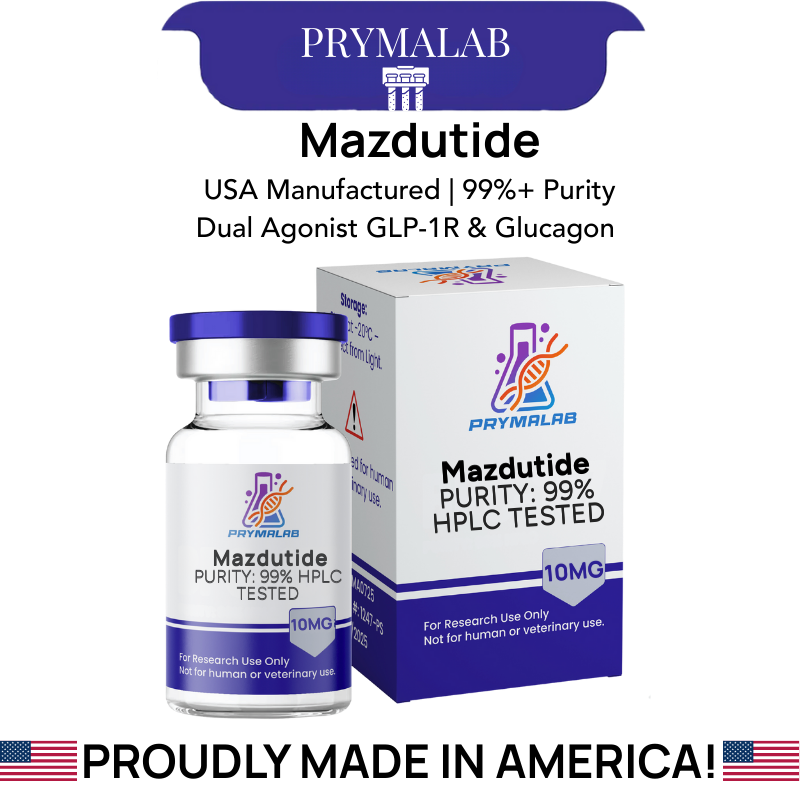



Reviews
There are no reviews yet.