Description
What is VIP Peptide?
VIP peptide (vasoactive gut peptide) represents one of the most fascinating and versatile neuropeptides in human physiology, offering researchers a powerful tool for studying neuroimmune interactions, swelling control, and brain safety. This 28 amino acid peptide was first isolated from porcine small intestine in 1970 and was named for its potent vasodilatory effects.
However, later research has revealed that vasoactive gut peptide is far more than just a vasoactive compound – it’s a crucial regulator of immune function, a potent anti-swelling agent, a brain-safe factor, and a key mediator of communication between the nervous and immune systems.
VIP is classified as a neuropeptide, meaning it functions as both a neurotransmitter (chemical messenger between neurons) and a neuromodulator (substance that tunes neuronal activity). The vip peptide is widely distributed throughout the body, with very high levels in the central and peripheral nervous systems, the gut tract, the respiratory system, and the heart system.
It’s produced by neurons, immune cells, and many other cell types, reflecting its diverse natural roles.
The vasoactive gut polypeptide belongs to the secretin/glucagon superfamily of peptides, which includes structurally related peptides such as secretin, glucagon, PACAP (pituitary adenylate cyclase-starting polypeptide), and growth hormone-releasing hormone (GHRH). These peptides share structural similarities and often have overlapping but distinct natural functions. VIP mainly consists of 28 amino acids with an amidated C-terminus, a change that is essential for its natural activity and receptor binding.
The mechanism by which vip peptide exerts its effects involves binding to specific G-protein coupled receptors called VPAC receptors. There are two main types: VPAC1 and VPAC2, both of which bind VIP with high affinity. These receptors are found throughout the body on neurons, immune cells, epithelial cells, smooth muscle cells, and many other cell types.
When vasoactive gut peptide binds to these receptors, it starts intracellular signaling cascades involving cyclic AMP (cAMP) production and protein kinase A (PKA) start, finally leading to changes in gene expression and cellular function.
What makes vip very interesting for research is its profound effects on immune function and swelling. The peptide has potent immunomodulatory properties, shifting immune responses from pro-swelling to anti-swelling profiles. It blocks the production of pro-swelling cytokines like TNF-α, IL-6, and IL-12 while promoting anti-swelling cytokines like IL-10. VIP also affects T cell differentiation, promoting control T cells (Tregs) that help keep immune tolerance and prevent autoimmune responses.
These immune-tuning effects have made vip peptide valuable for research into autoimmune diseases, swelling conditions, and immune dysregulation.
The brain-safe properties of vasoactive gut peptide are equally impressive. Research shows that vip protects neurons from many forms of damage including excitotoxicity, oxidant stress, and swelling-induced injury. The peptide reduces neuroinflammation by tuning microglial start and astrocyte function, promotes neuronal survival through anti-apoptotic mechanisms, enhances neurotrophic factor production, and supports neurological function and healing.
These brain-safe effects have created interest in vip peptide for research into neurodegenerative diseases, stroke, traumatic brain injury, and other neurological conditions.
In the gut system, where vip was first discovered, the peptide plays crucial roles in regulating gut motility and secretion, keeping gut barrier integrity, tuning gut immune responses, and supporting the gut microbiome. The vip intestine relationship is complex and bidirectional, with VIP both responding to and influencing gut function.
Research into the gut-brain axis has revealed that vasoactive gut peptide is a key mediator of communication between the gut and the central nervous system.
The vip nasal spray form has become very popular for research because it offers several benefits over injection. Intranasal use provides direct access to the central nervous system via olfactory pathways, bypassing the blood-brain barrier. This route offers excellent uptake (about 50-60%), convenient non-invasive use, rapid onset of effects, and good patient compliance.
Research shows that vip nasal spray can effectively deliver the peptide to the brain and produce systemic effects on immune function and swelling.
When researchers buy vip peptide, they gain access to a compound with notable versatility for studying neuroimmune interactions, immune tuning and autoimmune diseases, swelling conditions across multiple organ systems, brain safety and neurological disorders, gut-brain axis communication, and circadian rhythm control. The well-characterized mechanism of action, extensive research history, and favorable safety profile make vip an invaluable tool for grasp the complex interactions between the nervous and immune systems.
Understanding Neuropeptides and VIP Function
To fully appreciate how vip peptide works, it’s essential to understand neuropeptides and their roles in natural control. Neuropeptides are small protein-like molecules used by neurons to communicate with each other and with other cells. Unlike classical neurotransmitters like dopamine or serotonin, which are small molecules synthesized in nerve terminals, neuropeptides are larger molecules synthesized in the cell body and transported to nerve terminals for release.
Neuropeptides serve diverse functions in the nervous system and throughout the body. They can act as neurotransmitters, directly transmitting signals between neurons. They function as neuromodulators, modifying the effects of other neurotransmitters and adjusting neuronal excitability. Neuropeptides serve as hormones when released into the bloodstream to affect distant targets. They act as immune modulators, regulating immune cell function and swelling responses.
This multifunctional nature makes neuropeptides like vasoactive gut peptide very interesting for research.
VIP was discovered in 1970 by Sami Said and Viktor Mutt, who isolated it from porcine small intestine while searching for secretin. The peptide was named for its potent power to cause vasodilation (widening of blood vessels), but later research revealed far more extensive natural activities. The vip peptide is now recognized as one of the most widely distributed and functionally diverse neuropeptides in the body.
The distribution of vasoactive gut peptide throughout the body reflects its diverse functions. In the central nervous system, VIP is found in the cerebral cortex, hippocampus, hypothalamus, and other brain regions where it influences neuronal activity, synaptic plasticity, and many brain functions. In the peripheral nervous system, VIP is present in autonomic neurons that innervate many organs, regulating their function.
In the gut tract, VIP is abundant in enteric neurons and plays crucial roles in gut function. In the immune system, VIP is produced by immune cells themselves and acts as an autocrine/paracrine regulator of immune responses.
The vip hormone classification reflects VIP’s power to act as a circulating hormone in addition to its neurotransmitter and neuromodulator functions. When released into the bloodstream, vasoactive gut polypeptide can affect distant target tissues that express VPAC receptors. This hormonal action adds to VIP’s systemic effects on immune function, swelling, and many natural processes.
The VPAC receptors through which vip exerts its effects are G-protein coupled receptors (GPCRs), a large family of cell surface receptors that mediate responses to hormones, neurotransmitters, and other signaling molecules. VPAC1 receptors are widely distributed throughout the body and mediate many of VIP’s effects on immune cells, neurons, and epithelial cells.
VPAC2 receptors have a more restricted distribution and are very important in smooth muscle, certain brain regions, and the suprachiasmatic nucleus (the brain’s master circadian clock).
When vip peptide binds to VPAC receptors, it triggers a cascade of intracellular events. The receptor starts adenylyl cyclase, an enzyme that produces cyclic AMP (cAMP) from ATP. Increased cAMP levels start protein kinase A (PKA), which phosphorylates many target proteins. This signaling cascade finally affects gene expression through transcription factors like CREB (cAMP response element-binding protein), leading to changes in cellular function.
The specific effects depend on the cell type and its specific complement of VIP-responsive genes.
The immune-tuning effects of vasoactive gut peptide are among its most important and well-studied functions. VIP acts on multiple immune cell types including T cells, where it promotes differentiation toward control T cells (Tregs) and Th2 cells while blocking pro-swelling Th1 and Th17 cells. On macrophages and dendritic cells, VIP reduces pro-swelling cytokine production and promotes anti-swelling phenotypes.
On B cells, it tunes antibody production and B cell function. These effects create an overall shift from pro-swelling to anti-swelling immune responses.
The anti-swelling effects of vip extend beyond immune cell tuning to include direct effects on swelling signaling pathways. The peptide blocks NF-κB, a master regulator of swelling gene expression, reduces production of swelling mediators like prostaglandins and leukotrienes, decreases expression of adhesion molecules that promote immune cell trafficking, and protects tissues from swelling damage.
These anti-swelling properties have made vip peptide valuable for research into swelling diseases affecting multiple organ systems.
The brain-safe mechanisms of vasoactive gut peptide involve multiple pathways. VIP reduces neuroinflammation by tuning microglial and astrocyte start, protects neurons from excitotoxicity caused by too much glutamate signaling, provides antioxidant effects that reduce oxidant stress damage, promotes neuronal survival through anti-apoptotic mechanisms, and enhances production of neurotrophic factors like BDNF.
These brain-safe effects have created interest in vip for research into neurodegenerative diseases, stroke, and traumatic brain injury.
The circadian rhythm control by vip peptide represents another important function. VIP is a key neurotransmitter in the suprachiasmatic nucleus (SCN), the brain’s master circadian clock. The peptide helps synchronize circadian rhythms across different brain regions and peripheral tissues, regulates the timing of many natural processes, and influences sleep-wake cycles. Research into vip and circadian rhythms has implications for grasp sleep disorders, jet lag, and the health effects of circadian disruption.
VIP Mechanism of Action: Neuroimmune Modulation
The vip peptide mechanism of action is complex and multifaceted, involving effects on multiple cell types and natural systems. Grasp these mechanisms helps researchers design effective protocols and interpret research results in the context of neuroimmune biology.
Receptor Binding and Signal Transduction:
When vasoactive gut peptide is gave, it enters the bloodstream (with injection) or is absorbed through nasal mucosa (with vip nasal spray). The peptide then binds to VPAC1 and VPAC2 receptors on target cells throughout the body. These G-protein coupled receptors have high affinity for VIP, with binding constants in the nanomolar range, meaning very low levels of the peptide can start them.
Receptor binding triggers start of Gs proteins, which boost adenylyl cyclase to produce cyclic AMP (cAMP) from ATP. The resulting increase in intracellular cAMP starts protein kinase A (PKA), which phosphorylates many target proteins including transcription factors, ion channels, and body enzymes. This signaling cascade finally leads to changes in gene expression and cellular function that mediate VIP’s diverse natural effects.
Immune Cell Tuning:
One of the most important mechanisms of vip peptide is its profound effect on immune cell function. On T cells, VIP promotes differentiation toward control T cells (Tregs) that suppress too much immune responses and keep tolerance. The peptide blocks Th1 cell growth and function, reducing production of pro-swelling cytokines like IFN-γ and TNF-α. VIP also blocks Th17 cells, which are implicated in autoimmune diseases.
Simultaneously, the peptide can promote Th2 responses, which are often anti-swelling.
On macrophages, vasoactive gut peptide induces a shift from pro-swelling M1 phenotype to anti-swelling M2 phenotype. This shift involves reduced production of swelling cytokines (TNF-α, IL-6, IL-12), increased production of anti-swelling cytokines (IL-10, TGF-β), decreased expression of co-stimulatory molecules, and reduced antigen presentation capacity. These effects help resolve swelling and promote tissue repair.
Dendritic cells, which are crucial for starting immune responses, are also tuned by vip. The peptide reduces dendritic cell maturation and start, decreases their power to boost T cell responses, promotes tolerogenic dendritic cell phenotypes, and reduces swelling cytokine production. These effects add to VIP’s power to prevent or reduce autoimmune responses.
Anti-swelling Mechanisms:
Beyond direct effects on immune cells, vip peptide blocks swelling signaling pathways at multiple levels. The peptide blocks NF-κB start, a master regulator of swelling gene expression. NF-κB normally promotes transcription of genes encoding pro-swelling cytokines, chemokines, and adhesion molecules. By blocking this pathway, vasoactive gut peptide reduces the overall swelling response.
VIP also affects the production of swelling mediators including reducing prostaglandin and leukotriene synthesis, decreasing production of reactive oxygen species (ROS), blocking matrix metalloproteinases (MMPs) that add to tissue damage, and reducing expression of adhesion molecules that promote immune cell infiltration. These effects help protect tissues from swelling damage and promote resolution of swelling.
Brain-safe Mechanisms:
The brain-safe effects of vip peptide involve multiple mechanisms that protect neurons and support brain health. VIP reduces neuroinflammation by tuning microglial start. Microglia are the brain’s immune cells, and their too much start adds to neurological damage. The peptide shifts microglia toward anti-swelling phenotypes, reduces their production of neurotoxic factors, and promotes their production of neurotrophic factors.
Vasoactive gut peptide protects neurons from excitotoxicity, a form of damage caused by too much glutamate signaling. The peptide tunes glutamate receptor function, enhances glutamate uptake by astrocytes, and protects neurons from calcium overload. These effects are very important in conditions like stroke and traumatic brain injury where excitotoxicity adds to neuronal death.
The peptide also provides antioxidant protection by enhancing antioxidant enzyme expression, reducing reactive oxygen species production, protecting energy-cell function, and preventing oxidant damage to cellular components. These antioxidant effects help keep neuronal health and function.
VIP promotes neuronal survival through anti-apoptotic mechanisms including start of survival signaling pathways (PI3K/Akt), blocking of pro-apoptotic proteins, boost of anti-apoptotic protein expression, and protection of energy-cell integrity. These effects help prevent neuronal death in many pathological conditions.
Gut Effects:
In the gut system, vip peptide exerts multiple effects that support gut health and function. The peptide regulates gut motility by relaxing smooth muscle, promotes gut secretion of water and electrolytes, keeps gut barrier integrity by supporting tight junction proteins, and tunes gut immune responses to prevent too much swelling.
The vip intestine relationship is very important for grasp swelling bowel diseases. Vasoactive gut peptide helps keep the balance between tolerance to commensal bacteria and defense against pathogens, protects the gut epithelium from damage, promotes healing of gut lesions, and tunes the gut microbiome makeup. These effects make VIP valuable for research into swelling bowel disease, irritable bowel syndrome, and other gut disorders.
Vasodilation and Heart Effects:
True to its name, vasoactive gut peptide causes vasodilation (widening of blood vessels) through multiple mechanisms. The peptide relaxes vascular smooth muscle, increases nitric oxide production, tunes calcium handling in smooth muscle cells, and affects many ion channels. These vasodilatory effects improve blood flow to tissues and may add to VIP’s protective effects in many organs.
Circadian Rhythm Control:
In the suprachiasmatic nucleus (SCN), vip peptide plays a crucial role in circadian rhythm control. The peptide synchronizes the activity of SCN neurons, coordinates circadian rhythms across different brain regions, regulates the timing of many natural processes, and influences sleep-wake cycles. These effects on circadian rhythms have implications for grasp sleep disorders and the health effects of circadian disruption.
Nasal Use Benefits:
The vip nasal spray route offers unique benefits for delivering the peptide to the brain. Intranasal use allows VIP to reach the central nervous system via olfactory and trigeminal nerve pathways, bypassing the blood-brain barrier. This direct nose-to-brain supply provides rapid access to brain regions, higher brain levels than systemic use, reduced peripheral side effects, and convenient non-invasive use.
Research shows that vip nasal spray can effectively tune brain function and produce treatment effects in neurological conditions.
Clinical Research and VIP Studies
VIP peptide has been extensively studied in both lab and clinical research, providing large data on its mechanisms, effect, and possible treatment uses. The research spans multiple disease areas and has revealed VIP’s notable versatility as a neuroimmune modulator.
Autoimmune Disease Research:
Extensive research has examined vip peptide effects on autoimmune diseases. Studies in rheumatoid arthritis models show that VIP use reduces joint swelling, decreases disease activity scores, protects cartilage and bone from damage, and improves functional outcomes. The peptides for rheumatoid arthritis research shows that vasoactive gut peptide shifts the immune response from pro-swelling to anti-swelling, reducing the autoimmune attack on joints.
Research published in Arthritis & Rheumatism showed that VIP treatment in collagen-induced arthritis (a mouse model of rheumatoid arthritis) greatly reduced disease severity, joint swelling, and cartilage destruction. The peptide increased control T cells and anti-swelling cytokines while decreasing pro-swelling responses. These findings suggest possible uses for vip in rheumatoid arthritis research and possibly other autoimmune joint diseases.
Studies in multiple sclerosis models have shown promising results. Research shows that vip peptide reduces disease severity in experimental autoimmune encephalomyelitis (EAE), the main animal model of MS. The peptide decreases CNS swelling, protects myelin and neurons from immune-mediated damage, promotes remyelination, and improves neurological function. Clinical trials of VIP in multiple sclerosis patients have shown some encouraging results, though larger studies are needed.
Swelling Bowel Disease Research:
Research into vip for swelling bowel disease has shown major benefits. Studies in colitis models show that VIP use reduces gut swelling, promotes healing of gut lesions, keeps gut barrier integrity, and improves disease outcomes. The vip intestine effects include tuning of gut immune responses, protection of gut epithelium, and promotion of anti-swelling conditions in the gut.
A study published in Gastroenterology showed that VIP treatment in a mouse model of colitis greatly reduced disease severity, gut swelling, and tissue damage. The peptide increased control T cells in the gut, reduced pro-swelling cytokines, and promoted gut healing. These findings support the possible of vasoactive gut peptide for swelling bowel disease research.
Neurological Disease Research:
Research into vip peptide for neurological conditions has revealed impressive brain-safe effects. Studies in Parkinson’s disease models show that VIP protects dopaminergic neurons from degeneration, reduces neuroinflammation in the substantia nigra, improves motor function, and may slow disease progression. The brain-safe mechanisms involve reduced microglial start, decreased oxidant stress, and enhanced neuronal survival.
Research in Alzheimer’s disease models shows that vasoactive gut peptide reduces amyloid-beta buildup, decreases tau phosphorylation, reduces neuroinflammation, improves cognitive function, and protects neurons from degeneration. Studies suggest that VIP may help clear amyloid-beta through enhanced microglial phagocytosis and reduced production.
Stroke research has shown that vip use after experimental stroke reduces infarct size (area of brain damage), decreases neuroinflammation, protects neurons in the penumbra (border zone around the infarct), and improves functional healing. The peptide’s anti-swelling and brain-safe effects add to these benefits.
Respiratory Disease Research:
Studies examining vip peptide for respiratory conditions have shown benefits in asthma and COPD models. Research shows that VIP reduces airway swelling, decreases bronchial hyperresponsiveness, protects airway epithelium, and improves respiratory function. The peptide’s bronchodilatory effects (relaxation of airway smooth muscle) combined with anti-swelling properties make it interesting for respiratory disease research.
Sepsis and Systemic Swelling Research:
Research into vasoactive gut peptide for sepsis has shown that the peptide can improve survival in sepsis models, reduce systemic swelling, protect organs from swelling damage, and tune the too much immune response that characterizes sepsis. Studies suggest that VIP’s power to shift immune responses from pro-swelling to anti-swelling may help prevent the cytokine storm that adds to sepsis mortality.
Circadian Rhythm Research:
Studies examining vip peptide and circadian rhythms have revealed the peptide’s crucial role in the suprachiasmatic nucleus. Research shows that VIP synchronizes circadian rhythms across SCN neurons, coordinates peripheral circadian clocks, regulates sleep-wake cycles, and influences many circadian-regulated natural processes. This research has implications for grasp sleep disorders, jet lag, and shift work effects.
Clinical Trials:
Several clinical trials have examined vip in human patients. A Phase II trial in sarcoidosis (an swelling disease) showed that VIP inhalation was safe and showed trends toward effect. Trials in pulmonary arterial hypertension examined VIP’s vasodilatory effects. Studies in Crohn’s disease and ulcerative colitis have explored VIP’s possible for swelling bowel disease.
While results have been mixed and larger trials are needed, these studies have set up VIP’s safety profile in humans and provided proof-of-concept for many uses.
Safety Studies:
Important research has examined vip peptide safety. As a naturally occurring peptide in the human body, VIP has inherent safety benefits. Studies show that VIP is well-tolerated across many doses and use routes, has minimal side effects in most research, shows no major toxicity in animal studies, and has been safely gave to humans in clinical trials.
The vip nasal spray side effects are often limited to mild nasal irritation, and injection side effects are often limited to mild injection site reactions.
VIP Benefits for Neuroimmune Research
The vip peptide benefits documented in research span multiple natural systems and disease conditions, making it one of the most versatile neuroimmune modulators available for research. Grasp these benefits helps researchers design studies that maximize the peptide’s research value.
Immune Tuning and Autoimmune Disease:
The most prominent benefit of vip peptide is its profound immune-tuning effects. Research consistently shows shifts from pro-swelling to anti-swelling immune profiles, increased control T cells that suppress too much immune responses, reduced autoimmune disease activity in research models, decreased production of autoimmune antibodies, and improved immune tolerance. These effects make vasoactive gut peptide very valuable for research into autoimmune diseases including rheumatoid arthritis, multiple sclerosis, swelling bowel disease, type 1 diabetes, and systemic lupus erythematosus.
The peptides for rheumatoid arthritis research with VIP has shown very impressive results, with studies showing reduced joint swelling and swelling, decreased disease activity scores, protection of cartilage and bone, improved joint function, and reduced need for anti-swelling drugs in research models. The peptide for arthritis uses extend beyond rheumatoid arthritis to other swelling joint conditions.
Anti-swelling Effects:
VIP produces potent anti-swelling effects across multiple organ systems. Research shows large reductions in swelling markers (TNF-α, IL-6, IL-1β, CRP), decreased tissue swelling in many organs, reduced swelling cell infiltration, protection against swelling tissue damage, and promotion of swelling resolution. These anti-swelling effects are valuable for research into swelling conditions affecting the joints, gut, lungs, brain, heart system, and other organs.
The anti-swelling mechanisms of vasoactive gut peptide are advanced, involving tuning of immune cell function rather than simple suppression. This creates anti-swelling effects while keeping beneficial immune responses, reducing the risk of infections compared to broad immunosuppression, and promoting tissue healing and repair. These characteristics make VIP attractive for research into swelling diseases where keeping some immune function is important.
Brain safety and Neurological Health:
The brain-safe benefits of vip peptide are extensive and well-documented. Research shows reduced neuroinflammation and microglial start, protection of neurons from many forms of damage, enhanced neuronal survival and function, improved cognitive function in some models, promoted neurological healing after injury, and possible slowing of neurodegenerative disease progression. These effects make vasoactive gut peptide valuable for research into Parkinson’s disease, Alzheimer’s disease, multiple sclerosis, stroke and traumatic brain injury, and other neurological conditions.
The brain-safe mechanisms involve multiple pathways including anti-swelling effects in the brain, antioxidant protection, anti-excitotoxic effects, promotion of neurotrophic factors, and support of neuronal body function. This multi-faceted brain safety provides full support for brain health.
Gut Health:
The vip intestine benefits are large and reflect VIP’s important roles in gut function. Research shows reduced gut swelling, healing of gut lesions and ulcers, maintenance of gut barrier integrity, improved gut motility and secretion, tuning of gut immune responses, and support for beneficial gut microbiome. These effects make vip peptide valuable for research into swelling bowel disease (Crohn’s disease, ulcerative colitis), irritable bowel syndrome, gut barrier dysfunction, and gut-brain axis disorders.
The gut benefits of vasoactive gut peptide extend beyond treating disease to supporting overall gut health. The peptide helps keep the delicate balance between tolerance to commensal bacteria and defense against pathogens, supports the gut epithelial barrier that prevents harmful substances from entering the bloodstream, and promotes healthy gut-brain communication.
Respiratory Benefits:
Research shows vip benefits for respiratory health including reduced airway swelling, bronchodilation and improved airflow, decreased bronchial hyperresponsiveness, protection of airway epithelium, and improved respiratory function. These effects are valuable for research into asthma, chronic obstructive pulmonary disease (COPD), and other respiratory swelling conditions.
Heart Protection:
The vasodilatory effects of vasoactive gut peptide provide heart benefits including improved blood flow to tissues, reduced blood pressure in some contexts, protection against ischemic damage, improved endothelial function, and possible benefits for heart health. Research into VIP for heart conditions has shown promise, very for pulmonary arterial hypertension.
Circadian Rhythm Support:
The vip peptide role in circadian rhythm control provides benefits for sleep and circadian health including synchronization of circadian rhythms, improved sleep-wake cycle control, possible benefits for sleep disorders, support for healthy circadian function, and mitigation of circadian disruption effects. These benefits are valuable for research into sleep disorders, jet lag, shift work effects, and the health results of circadian disruption.
Body Effects:
Emerging research suggests vip may have beneficial body effects including improved glucose body function, possible benefits for insulin response, tuning of appetite and satiety, effects on energy body function, and possible benefits for body health. While more research is needed, these body effects add to VIP’s versatility.
Sepsis and Systemic Swelling:
Research in sepsis models shows that vasoactive gut peptide can improve survival rates, reduce systemic swelling and cytokine storm, protect organs from swelling damage, tune the too much immune response, and improve outcomes in severe systemic swelling. These effects make VIP interesting for research into sepsis, severe infections, and systemic swelling response syndrome.
Research Versatility:
The full benefits of vip peptide make it valuable for diverse research uses including neuroimmune interaction studies, autoimmune disease research, swelling condition research across multiple organs, brain safety and neurological disease research, gut-brain axis studies, and circadian rhythm research. The well-characterized mechanism of action, extensive research history, and favorable safety profile make VIP an invaluable tool for grasp neuroimmune biology and exploring possible treatment approaches.
Comparing VIP to Other Neuropeptides and Immune Modulators
Researchers often ask how vip peptide compares to other neuropeptides and immune-tuning compounds. Grasp these differences helps researchers choose the most appropriate compounds for their specific research needs.
VIP vs PACAP:
PACAP (pituitary adenylate cyclase-starting polypeptide) is structurally related to vasoactive gut peptide and shares some overlapping functions. Both peptides belong to the secretin/glucagon superfamily and can bind to VPAC receptors. However, PACAP also binds to PAC1 receptors with high affinity, while VIP does not. This gives PACAP some distinct effects, very in the nervous system.
VIP shows stronger immune-tuning effects than PACAP, has more potent anti-swelling properties in many contexts, shows better-characterized effects on autoimmune diseases, and has more extensive research in swelling conditions. PACAP shows stronger brain-safe effects in some models, has more pronounced effects on neuronal differentiation, shows potent effects on stress responses, and has unique effects through PAC1 receptors.
For research focused mainly on immune tuning and anti-swelling effects, vip peptide is often preferred. For research focused on brain safety and stress responses, PACAP may offer benefits. Some researchers explore combining both peptides to study paired effects.
VIP vs Thymosin Alpha-1:
Thymosin alpha-1 is another immune-tuning peptide, but with a very different structure and mechanism. While vasoactive gut peptide works through VPAC receptors and cAMP signaling, thymosin alpha-1 tunes immune function through effects on T cell maturation and dendritic cell function.
VIP offers broader anti-swelling effects, stronger brain-safe properties, effects on multiple organ systems beyond the immune system, and well-characterized receptor-mediated mechanisms. Thymosin alpha-1 shows strong immune-enhancing effects (whereas VIP is more immune-tuning), possible benefits for chronic infections, effects on T cell maturation and function, and a different safety and tolerability profile.
The choice between these peptides depends on research goals. For autoimmune and swelling disease research, vip peptide is often preferred. For immune boost and infection research, thymosin alpha-1 may be more appropriate.
VIP vs LL-37:
LL-37 is an antimicrobial peptide with immune-tuning properties. While both vip and LL-37 affect immune function, they do so through very different mechanisms and have distinct main functions.
Vasoactive gut peptide offers potent anti-swelling effects, strong immune tuning toward anti-swelling profiles, brain-safe properties, and effects on multiple natural systems. LL-37 provides direct antimicrobial activity, immune-enhancing effects, wound healing promotion, and effects on innate immunity.
These peptides address different aspects of immune function and are not directly comparable. VIP peptide is preferred for anti-swelling and autoimmune research, while LL-37 is valuable for antimicrobial and innate immunity research.
VIP vs Corticosteroids:
Corticosteroids are potent anti-swelling drugs often used in autoimmune and swelling diseases. Comparing vip peptide to corticosteroids reveals important differences in mechanism and effects.
VIP tunes immune function rather than broadly suppressing it, keeps beneficial immune responses while reducing harmful swelling, has minimal side effects compared to corticosteroids, does not cause the body and endocrine disruptions linked with steroids, and works through natural natural pathways. Corticosteroids provide very potent anti-swelling effects, have rapid onset of action, are well-set up in clinical use, but cause many side effects with chronic use including immune suppression, body disruption, bone loss, and hormonal effects.
For research purposes, vasoactive gut peptide offers benefits for safety and specificity of immune tuning. However, corticosteroids remain more potent for acute severe swelling.
VIP vs Biologics (Anti-TNF, etc.):
Biologic drugs like anti-TNF antibodies (infliximab, adalimumab) are often used for autoimmune diseases. These drugs target specific swelling cytokines or immune pathways.
VIP peptide tunes multiple immune pathways simultaneously, shifts overall immune balance toward anti-swelling profiles, has brain-safe effects beyond immune tuning, and works through natural natural mechanisms. Biologics provide very specific targeting of personal cytokines or pathways, have well-set up clinical effect, but are expensive, need injection or infusion, and can increase infection risk through specific immune pathway blockade.
The multi-pathway tuning by vip may offer benefits for complex swelling conditions where multiple pathways are involved. Biologics offer benefits when specific pathway targeting is desired.
VIP Nasal Spray vs Injection:
Within VIP use, researchers often compare vip nasal spray to injection routes. The nasal spray offers direct nose-to-brain supply bypassing blood-brain barrier, convenient non-invasive use, good uptake (50-60%), and rapid onset of effects. Injection provides more precise dosing, possibly higher systemic uptake, and set up research protocols.
For neurological research where brain supply is important, vip nasal spray offers clear benefits. For systemic immune tuning, either route can be effective, with choice depending on research protocol requirements and subject preferences.
Choosing the Right Compound:
The choice among immune-tuning compounds depends on specific research goals:
- Choose VIP for: Neuroimmune research, autoimmune disease studies, anti-swelling research across multiple organs, brain safety research, gut-brain axis studies, research needing immune tuning rather than suppression
- Choose PACAP for: Brain safety research, stress response studies, research needing PAC1 receptor start
- Choose Thymosin alpha-1 for: Immune boost research, chronic infection studies, T cell maturation research
- Choose LL-37 for: Antimicrobial research, innate immunity studies, wound healing research
For most neuroimmune and anti-swelling research uses, vip peptide offers the best mix of immune tuning, anti-swelling effects, brain safety, and safety.
DOSAGE PROTOCOLS AND ADMINISTRATION
Understanding VIP Dosage for Research
Finding appropriate vip peptide dosage for research uses needs grasp the available research data, considering use routes, and accounting for research goals and subject characteristics.
Research Dosage Data
Research with vasoactive gut peptide has explored many doses and use routes:
Nasal Spray Dosing:
- Typical range: 50-200 mcg per nostril (100-400 mcg total per use)
- Frequency: 1-3 times daily
- Uptake: About 50-60%
- Onset: Rapid (within 15-30 minutes)
Under-skin Injection Dosing:
- Typical range: 25-100 mcg per injection
- Frequency: 1-2 times daily
- Uptake: Nearly 100%
- Onset: Rapid (within 15-30 minutes)
Intravenous Dosing (Clinical Research):
- Typical range: 25-200 mcg per infusion
- Used mainly in clinical research settings
- Provides immediate systemic supply
VIP Dosage Guidelines
Based on available research data, vip peptide dosing often follows these general rules:
Conservative Protocol (Nasal Spray):
- Dose: 50-100 mcg per nostril (100-200 mcg total)
- Frequency: Once or twice daily
- Duration: 4-8 weeks
- Suitable for: First research, mild conditions, safety assessment
Standard Protocol (Nasal Spray):
- Dose: 100-150 mcg per nostril (200-300 mcg total)
- Frequency: Twice daily
- Duration: 8-12 weeks
- Suitable for: Most research uses, moderate conditions
Advanced Protocol (Nasal Spray):
- Dose: 150-200 mcg per nostril (300-400 mcg total)
- Frequency: 2-3 times daily
- Duration: 8-16 weeks
- Suitable for: Intensive research, severe conditions
Injection Protocol:
- Dose: 25-100 mcg per injection
- Frequency: 1-2 times daily
- Duration: 4-12 weeks
- Suitable for: Research needing precise systemic dosing
VIP Dosage Calculations
For researchers working with VIP5 10MG vials, accurate dosage calculations are essential. Use PrymaLab’s Peptide Calculator for precise calculations.
Example Mixing for Injection:
Standard mixing (10mg VIP + 2mL sterile water):
- Level: 10mg / 2mL = 5mg/mL = 5000 mcg/mL
- For 50 mcg dose: 0.01 mL (1 unit on insulin syringe)
- For 100 mcg dose: 0.02 mL (2 units on insulin syringe)
Example Preparation for Nasal Spray:
Nasal spray preparation (10mg VIP + 10mL sterile saline):
- Level: 10mg / 10mL = 1mg/mL = 1000 mcg/mL
- Typical nasal spray delivers 0.1 mL per spray
- Each spray delivers about 100 mcg
- For 200 mcg dose: 2 sprays (one per nostril)
Reconstitution Protocol
Proper mixing of vip peptide is essential for accurate dosing and peptide shelf life:
For Injection Use:
- Gather Supplies:
- VIP5 10MG vial
- Sterile water
- Sterile syringes and needles
- Alcohol swabs
- Reconstitute:
- Add 2mL sterile water to vial
- Gently swirl until dissolved
- Solution should be clear and colorless
- Store:
- Refrigerate at 2-8°C
- Use within 30 days
For Nasal Spray Use:
- Gather Supplies:
- VIP5 10MG vial
- Sterile saline solution
- Nasal spray bottle (sterile)
- Syringe for transfer
- Prepare:
- Reconstitute VIP with appropriate volume of sterile saline
- Transfer to sterile nasal spray bottle
- Label with level and date
- Store:
- Refrigerate at 2-8°C
- Use within 30 days
- Shake gently before each use
Administration Techniques
Nasal Spray Use:
The vip nasal spray route is popular for its convenience and direct brain access:
Procedure:
- Blow nose gently to clear nasal passages
- Shake nasal spray bottle gently
- Tilt head slightly forward (not back)
- Insert spray tip into nostril
- Close other nostril with finger
- Spray while breathing in gently through nose
- Breathe out through mouth
- Repeat for other nostril if needed
- Avoid blowing nose for 10-15 minutes after use
Tips for Best Absorption:
- Give on empty stomach when possible
- Avoid eating or drinking for 15-30 minutes after
- Use consistently at same times each day
- Rotate nostrils if using single nostril use
Under-skin Injection:
For vip peptide injection dosage protocols:
Injection Sites:
- Abdomen (2 inches from navel)
- Upper thighs
- Upper arms (if gave by assistant)
- Rotate sites with each injection
Procedure:
- Clean injection site with alcohol
- Allow alcohol to dry
- Pinch skin to create fold
- Insert needle at 45-90 degree angle
- Inject slowly
- Withdraw needle smoothly
- Apply gentle pressure if needed
Dosing Frequency and Timing
The best vip peptide dosing frequency depends on research goals:
Once Daily:
- Timing: Morning or evening
- Suitable for: Maintenance protocols, mild conditions
- Benefits: Simple, good compliance
Twice Daily:
- Timing: Morning and evening
- Suitable for: Most research uses
- Benefits: More consistent peptide levels
Three Times Daily:
- Timing: Morning, afternoon, evening
- Suitable for: Intensive protocols, severe conditions
- Benefits: Maximum sustained effects
Timing Factors:
- Morning: Good for immune tuning and anti-swelling effects
- Evening: May support circadian rhythm control
- Before bed: May enhance sleep quality
- Consistency: Same times each day improves results
Storage and Handling
Proper storage keeps vip peptide potency:
Unreconstituted Peptide:
- Storage: 2-8°C (refrigerated) or -20°C (frozen)
- Shelf life: 2-3 years when properly stored
- Protect from light and moisture
Mixed Solution:
- Storage: 2-8°C (refrigerated) – NEEDED
- Shelf life: 30 days with sterile water
- Protect from light
- Do not freeze
Nasal Spray:
- Storage: 2-8°C (refrigerated)
- Shelf life: 30 days
- Shake gently before each use
- Discard if solution becomes cloudy
Research Protocol Design
When designing research protocols with vip peptide dosage, consider:
Dose-Response Studies:
- Test multiple dose levels
- Include control groups
- Track both effect and safety
- Set up best dose for specific outcomes
Duration Studies:
- Short-term: 4-8 weeks for first effects
- Medium-term: 8-16 weeks for sustained benefits
- Long-term: 16+ weeks for chronic conditions
Mix Studies:
- Can combine with other immune-tuning compounds
- Consider possible synergies
- Adjust doses when combining
- Track for interactions
Tracking Parameters:
- Immune markers (cytokines, immune cell populations)
- Swelling markers (CRP, ESR, specific cytokines)
- Clinical outcomes (disease activity, symptoms)
- Safety parameters (vital signs, adverse effects)
- Quality of life measures
Special Considerations
Route Selection:
Choose vip nasal spray for:
- Neurological research (direct brain access)
- Convenient non-invasive use
- Research subjects preferring non-injection routes
- Studies examining nose-to-brain supply
Choose injection for:
- Precise systemic dosing
- Research needing exact uptake
- Protocols where nasal use is not suitable
Personal Response Variability:
Responses to vasoactive gut peptide may vary based on:
- Baseline immune status
- Disease severity and chronicity
- Genetic factors affecting VIP receptors
- Concurrent drugs or treatments
- Overall health status
Cycling Protocols:
Some research protocols use cycling:
- Typical: 8-12 weeks on, 2-4 weeks off
- Allows assessment of sustained effects
- May help keep receptor response
- Provides breaks for evaluation
Research Support Resources
PrymaLab provides full support for researchers using vip:
- Peptide Calculator for accurate dosing calculations
- Sterile Water for proper mixing
- Technical support for protocol design
- Dosing guidance based on research literature
- Quality records for research records
When researchers buy vip peptide, they get detailed mixing and use instructions with their order, ensuring proper handling and use of this valuable neuropeptide.
SAFETY PROFILE AND SIDE EFFECTS
Understanding VIP Side Effects
The vip peptide side effects profile is often favorable, as VIP is a naturally occurring peptide in the human body. Grasp the safety profile is important for responsible research use.
Clinical and Research Safety Data
Natural Peptide Benefits:
As a naturally occurring peptide, vasoactive gut peptide has inherent safety benefits:
- The body produces VIP naturally
- Receptors and signaling pathways are natural
- No foreign substance reactions
- Often well-tolerated
Clinical Trial Safety:
Clinical trials with vip have showed acceptable safety:
- No serious adverse events in most trials
- Good tolerability across dose ranges
- Minimal side effects at treatment doses
- Safe use in many patient populations
Reported Side Effects
Based on research and clinical experience, vip peptide side effects are often mild:
Nasal Spray Side Effects:
The vip nasal spray side effects are often limited to:
- Mild nasal irritation or dryness (occasional)
- Temporary nasal congestion (rare)
- Mild headache (transient, uncommon)
- Occasional mild fatigue (usually temporary)
Injection Side Effects:
With vip peptide injection dosage protocols:
- Mild injection site reactions (temporary redness, slight discomfort)
- Rare reports of mild vasodilation effects (flushing, warmth)
- Occasional mild headache (transient)
- Temporary fatigue (uncommon)
Rare Effects:
- Mild dizziness (rare)
- Changes in blood pressure (usually mild)
- Gut effects (rare)
Safety Advantages
VIP offers several safety benefits:
No Immune Suppression:
- Tunes rather than suppresses immunity
- Keeps beneficial immune responses
- Lower infection risk than immunosuppressants
- Preserves immune surveillance
No Hormonal Disruption:
- Does not affect major hormone systems
- No effects on fertility hormones
- No thyroid or adrenal effects
- Keeps hormonal balance
Minimal Systemic Effects:
- Well-tolerated at research doses
- No major organ toxicity
- No major body disruptions
- Good overall safety profile
Safety Monitoring Recommendations
Researchers using vip peptide should use appropriate safety tracking:
Baseline Assessment:
- Complete medical history
- Physical review
- Baseline vital signs
- Records of current conditions
- Assessment of contraindications
Ongoing Tracking:
- Regular assessment for adverse effects
- Tracking of vital signs (blood pressure, heart rate)
- Assessment of nasal mucosa (if using nasal spray)
- Evaluation of injection sites (if using injection)
- Records of any changes
Warning Signs Needing Attention:
- Persistent nasal irritation or bleeding
- Major changes in blood pressure
- Unusual fatigue or weakness
- Any unexpected or concerning symptoms
- Allergic reactions (extremely rare)
Contraindications and Precautions
Certain conditions warrant extra caution:
Absolute Contraindications:
- Known allergy to VIP or components
- Active severe infections (due to immune tuning)
- Severe heart disease (due to vasodilation)
- Pregnancy or breastfeeding (insufficient safety data)
Relative Contraindications:
- Hypotension (low blood pressure)
- Recent nasal surgery (for nasal spray)
- Bleeding disorders (theoretical concern)
- Severe liver or kidney disease
Special Populations:
- Elderly subjects may need closer tracking
- Those with multiple health conditions need careful assessment
- Subjects taking multiple drugs need interaction consideration
- Those with autoimmune diseases need appropriate tracking
Managing Adverse Effects
If vip peptide side effects occur:
For Nasal Irritation:
- Use saline nasal spray between VIP doses
- Reduce VIP dose temporarily
- Ensure proper nasal spray technique
- Consider switching to injection if persistent
For Injection Site Reactions:
- Rotate injection sites consistently
- Use proper injection technique
- Apply ice before injection
- Ensure alcohol has dried before injecting
For Vasodilation Effects:
- Usually mild and transient
- Reduce dose if bothersome
- Give while seated or lying down
- Effects often resolve quickly
General Care:
- Document all adverse effects
- Assess severity and relationship to VIP
- Consider dose reduction before discontinuation
- Provide supportive care as needed
- Discontinue if serious adverse effects occur
Long-Term Safety Considerations
While vasoactive gut peptide shows good short-term safety:
Extended Use Factors:
- Most research involves 8-16 week protocols
- Safety of very long-term use (>6 months) less set up
- Periodic breaks may be prudent for extended protocols
- Enhanced tracking appropriate for long-term use
Theoretical Long-Term Concerns:
- Effects of chronic immune tuning
- Long-term effects on immune function
- Possible for tolerance or reduced effectiveness
- Unknown effects of years-long continuous use
Comparison to Other Treatments
The vip peptide side effects profile compares favorably:
Compared to Corticosteroids:
- No immune suppression
- No body disruptions
- No bone loss
- No hormonal effects
- Better long-term safety profile
Compared to Biologics:
- Lower cost
- Easier use (especially nasal spray)
- No increased infection risk
- Fewer injection site reactions
- Better overall tolerability
Compared to NSAIDs:
- No gut toxicity
- No kidney toxicity
- No heart risks
- Better safety for chronic use
Regulatory Considerations
Researchers using vip peptide should be aware:
Control Status:
- Not approved for human treatment use by FDA
- Available for research purposes only
- Not intended for human consumption outside research settings
- Classified as research peptide
Research Ethics:
- Informed consent essential
- Full disclosure of known risks and benefits
- Appropriate IRB approval for human research
- Adherence to good clinical practice rules
- Proper records and safety tracking
Risk Mitigation Strategies
To minimize risks when conducting research with vip:
Protocol Design:
- Start with lower doses and escalate gradually
- Use appropriate duration for research objectives
- Include control groups
- Plan for safety tracking
- Have clear stopping criteria
Subject Selection:
- Careful screening to exclude high-risk people
- Thorough medical history and review
- Assessment of contraindications
- Exclusion of those with absolute contraindications
Tracking and Follow-Up:
- Regular safety assessments
- Prompt attention to adverse effects
- Records of all findings
- Follow-up after research completion
Quality Assurance:
- Use pharmaceutical-grade peptide
- Verify peptide identity and purity
- Proper storage and handling
- Accurate dosing and use
- Sterile technique for all administrations
Safety Documentation
Proper records is essential:
Needed Records:
- Informed consent forms
- Medical history and screening results
- Baseline safety assessments
- Adverse event reports
- Dose changes and reasons
- Follow-up assessments
- Final safety summary
When researchers buy vip peptide from PrymaLab, full safety data is provided with each order, including known side effects, tracking recommendations, and emergency care rules.
FREQUENTLY ASKED QUESTIONS
What is VIP peptide?
VIP peptide (vasoactive gut peptide) is a naturally occurring 28 amino acid neuropeptide that functions as both a neurotransmitter and hormone in the human body. The vip peptide was first discovered in 1970 and named for its potent vasodilatory effects, but later research has revealed far more extensive natural activities. Vasoactive gut peptide is widely distributed throughout the nervous system, immune system, and gut tract, where it plays crucial roles in immune tuning, anti-swelling control, brain safety, gut function, and circadian rhythm control.
The peptide works by binding to specific VPAC receptors (VPAC1 and VPAC2) found on neurons, immune cells, and many other cell types throughout the body. When vip binds to these receptors, it starts intracellular signaling cascades involving cyclic AMP and protein kinase A, finally affecting gene expression and cellular function.
Research shows that vasoactive gut polypeptide has potent immune-tuning effects, shifting immune responses from pro-swelling to anti-swelling profiles, impressive brain-safe properties protecting neurons from damage, major anti-swelling effects across multiple organ systems, and important roles in gut health and function.
These diverse effects make vip peptide valuable for research into autoimmune diseases, swelling conditions, neurological disorders, and gut-brain axis communication.
How does VIP peptide work?
VIP peptide works through a advanced mechanism involving specific receptor binding and intracellular signaling cascades. When vasoactive gut peptide is gave, it binds to VPAC1 and VPAC2 receptors, which are G-protein coupled receptors found on neurons, immune cells, epithelial cells, and smooth muscle cells throughout the body. This receptor binding starts adenylyl cyclase, an enzyme that produces cyclic AMP (cAMP) from ATP.
The resulting increase in intracellular cAMP starts protein kinase A (PKA), which phosphorylates many target proteins and affects gene expression through transcription factors like CREB. The specific effects depend on the cell type and its specific complement of VIP-responsive genes. On immune cells, vip shifts T cell responses from pro-swelling Th1/Th17 toward anti-swelling Th2/Treg phenotypes, reduces pro-swelling cytokine production (TNF-α, IL-6, IL-12), increases anti-swelling cytokine production (IL-10, TGF-β), and tunes dendritic cell and macrophage function.
In the nervous system, vasoactive gut peptide reduces neuroinflammation and microglial start, protects neurons from excitotoxicity and oxidant stress, promotes neuronal survival and function, and enhances neurotrophic factor production. The peptide also produces anti-swelling effects by blocking NF-κB signaling, reducing swelling mediator production, and protecting tissues from swelling damage. These multi-faceted mechanisms make vip peptide a powerful neuroimmune modulator.
What are VIP peptide benefits?
The vip peptide benefits are extensive and span multiple natural systems. Research shows potent immune tuning with shifts from pro-swelling to anti-swelling immune profiles, increased control T cells that suppress too much immune responses, reduced autoimmune disease activity in research models, and improved immune tolerance. Anti-swelling effects include large reductions in swelling markers (TNF-α, IL-6, IL-1β), decreased tissue swelling in many organs, protection against swelling damage, and promotion of swelling resolution.
Brain-safe benefits show reduced neuroinflammation and microglial start, protection of neurons from many forms of damage, improved cognitive function in some models, and enhanced neurological healing after injury. The benefits of vip peptide for gut health include reduced gut swelling, healing of gut lesions, maintenance of gut barrier integrity, and improved gut immune responses.
More benefits include respiratory health gains with reduced airway swelling and bronchodilation, heart protection through vasodilation and improved blood flow, circadian rhythm support and sleep quality boost, and possible body benefits.
These full effects make vasoactive gut peptide valuable for research into autoimmune diseases like rheumatoid arthritis and multiple sclerosis, swelling bowel disease, neurological conditions including Parkinson’s and Alzheimer’s disease, respiratory conditions like asthma, and many other swelling and neuroimmune conditions.
What is VIP peptide dosage?
The vip peptide dosage varies based on use route and research goals. For vip nasal spray use, typical doses range from 50-200 mcg per nostril (100-400 mcg total per use), gave 1-3 times daily. Conservative protocols use 100-200 mcg total once or twice daily, standard protocols employ 200-300 mcg total twice daily, and advanced protocols may use 300-400 mcg total 2-3 times daily.
For vip peptide injection dosage, under-skin use often uses 25-100 mcg per injection, gave 1-2 times daily. The vip peptide dosage under-skin protocol shows proper injection sites (abdomen, thigh) and rotation strategies. Research protocols often last 4-16 weeks depending on condition severity and research goals. For a 10mg vial mixed with 2mL sterile water (5mg/mL level), a 50 mcg injection dose equals 0.01 mL or 1 unit on an insulin syringe.
For nasal spray preparation, 10mg VIP mixed with 10mL sterile saline creates a 1mg/mL level, with each 0.1mL spray delivering about 100 mcg. Researchers should use PrymaLab’s Peptide Calculator for precise vip peptide dosing calculations. The vip peptide protocol timing depends on research goals, with morning use good for immune tuning, evening for circadian support, or multiple times daily for sustained effects.
How do I use VIP nasal spray?
To use vip nasal spray, first prepare the solution by mixing VIP5 10MG with appropriate volume of sterile saline and transferring to a sterile nasal spray bottle. For use, blow your nose gently to clear nasal passages, shake the nasal spray bottle gently, tilt your head slightly forward (not back), insert the spray tip into one nostril, close the other nostril with your finger, spray while breathing in gently through your nose, breathe out through your mouth, and repeat for the other nostril if needed.
Avoid blowing your nose for 10-15 minutes after use to allow absorption. The vip nasal spray offers several benefits including direct access to the central nervous system via olfactory pathways, excellent uptake (about 50-60%), convenient non-invasive use, and rapid onset of effects. For best absorption, give on an empty stomach when possible, avoid eating or drinking for 15-30 minutes after use, use consistently at the same times each day, and rotate nostrils if using single nostril use.
Store the nasal spray refrigerated at 2-8°C and use within 30 days. The vasoactive gut peptide nasal spray form is very popular for neurological research where direct brain supply is beneficial. When you buy vip peptide from PrymaLab, detailed nasal spray preparation and use instructions are included.
What are VIP peptide side effects?
The vip peptide side effects profile is often favorable, as VIP is a naturally occurring peptide in the human body. The most common effects with vip nasal spray use include mild nasal irritation or dryness (occasional), temporary nasal congestion (rare), mild headache (transient, uncommon), and occasional mild fatigue (usually temporary).
With injection use, mild injection site reactions (temporary redness or slight discomfort) and rare reports of mild vasodilation effects (flushing, warmth) may occur. These vip nasal spray side effects are often very mild and transient. Importantly, vasoactive gut peptide as a naturally occurring peptide has inherent safety benefits including no major immune suppression, no hormonal disruption, minimal effects on blood pressure at research doses, and good tolerability across use routes.
Research studies show no serious adverse events in most trials, good tolerability across dose ranges, and safe use in many populations. While vip peptide side effects are minimal, proper research protocols should include baseline health assessments, tracking for any adverse effects, and appropriate dosing to minimize side effects. The favorable safety profile is one reason why this neuropeptide has become valuable for neuroimmune research uses.
Where can I buy VIP peptide?
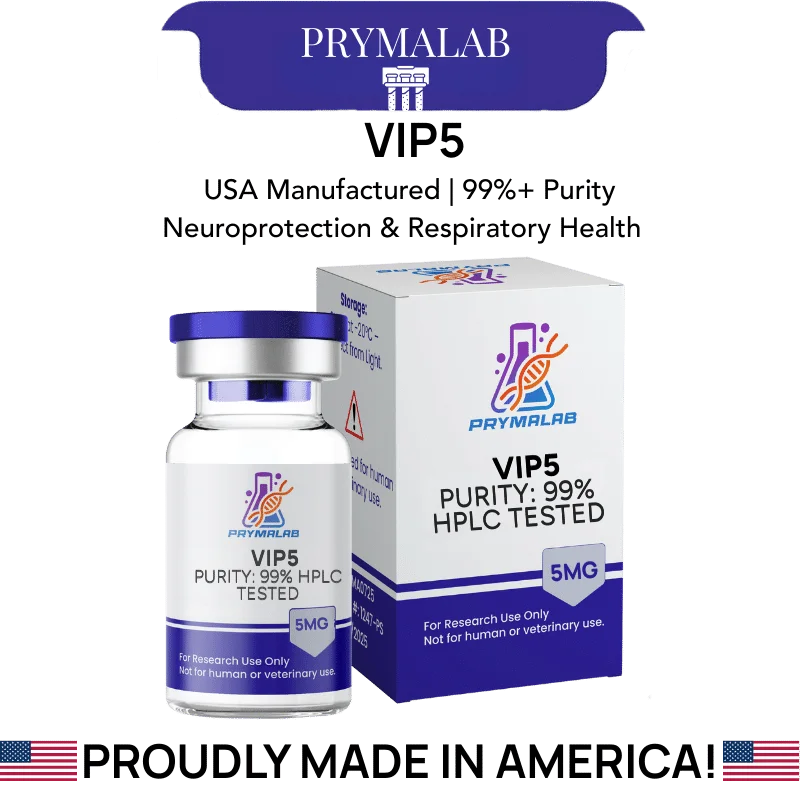
You can buy vip peptide for research purposes from PrymaLab, a trusted supplier of pharmaceutical-grade research peptides. Our VIP5 10MG (vasoactive gut peptide) vials contain 99% pure peptide verified by third-party testing, ensuring reliable and reproducible research results. Each vial arrives as freeze-dried powder for maximum shelf life during shipping and storage.
When you buy vip peptide from PrymaLab, you get full records including certificates of test, mixing instructions for both injection and vip nasal spray preparation, dosing rules including vip peptide dosage protocols, and safety data.
We also provide research support resources including our Peptide Calculator for accurate dosing calculations and sterile water for proper mixing.
Fast, discreet shipping ensures your research materials arrive quickly and securely. VIP peptide for sale at PrymaLab is intended for research purposes only and is not for human consumption outside approved research settings.
Our commitment to quality, purity, and customer support makes PrymaLab the preferred choice for researchers seeking reliable neuropeptides for neuroimmune and anti-swelling research.
What is VIP peptide used for?
What is vip peptide used for in research spans multiple uses across neuroimmune and swelling conditions. The vasoactive gut peptide is mainly used for research into autoimmune diseases including rheumatoid arthritis (the peptides for rheumatoid arthritis research shows very impressive results), multiple sclerosis, swelling bowel disease (Crohn’s disease, ulcerative colitis), type 1 diabetes, and systemic lupus erythematosus.
Neurological research uses include Parkinson’s disease and brain safety, Alzheimer’s disease and cognitive function, stroke and traumatic brain injury healing, neuroinflammation and microglial tuning, and circadian rhythm and sleep disorders. Swelling condition research includes respiratory swelling (asthma, COPD), heart swelling, sepsis and systemic swelling, and many organ-specific swelling conditions. The vip intestine research focuses on gut health, gut barrier function, gut-brain axis communication, and swelling bowel disease.
More research uses include immune tuning studies, neuroimmune interaction research, anti-swelling mechanism studies, and gut microbiome research. The what does vip peptide do question is answered by its diverse effects on immune tuning, anti-swelling action, brain safety, gut control, and circadian rhythm support, making it one of the most versatile neuropeptides available for research.
Can VIP peptide help with rheumatoid arthritis?
Research into vip peptide for rheumatoid arthritis has shown promising results, making it one of the most studied uses for this neuropeptide. The peptides for rheumatoid arthritis research shows that vasoactive gut peptide can reduce joint swelling and swelling, decrease disease activity scores, protect cartilage and bone from autoimmune damage, improve joint function and mobility, and shift immune responses from pro-swelling to anti-swelling profiles.
Studies in animal models of rheumatoid arthritis show that VIP use greatly reduces disease severity, decreases swelling cell infiltration into joints, reduces pro-swelling cytokine levels (TNF-α, IL-6, IL-17), increases anti-swelling cytokines (IL-10), and promotes control T cells that suppress autoimmune responses. The peptide for arthritis mechanisms involve tuning of T cell responses, reduction of swelling macrophage start, decreased production of autoimmune antibodies, and protection of joint tissues from swelling damage.
Research published in Arthritis & Rheumatism showed that VIP treatment in collagen-induced arthritis greatly reduced disease severity and joint destruction. While most research has been in animal models, the impressive results and favorable safety profile make vip peptide valuable for rheumatoid arthritis research and possibly other swelling joint conditions. The peptide’s power to tune immune function rather than simply suppress it offers benefits over traditional immunosuppressive treatments.
How long does VIP peptide take to work?
VIP peptide produces effects on different timescales depending on the outcome measured and use route. Immediate effects include rapid absorption with vip nasal spray (within 15-30 minutes) or injection, first vasodilation and blood flow changes, and early signaling cascade start in target cells. Early effects (1-2 weeks) include first immune tuning with shifts in cytokine profiles, early anti-swelling effects, beginning of brain-safe effects, and first gains in some symptoms.
Major effects (4-8 weeks) include large immune profile changes with increased control T cells, noticeable reductions in swelling markers, measurable gains in disease activity, enhanced brain safety and neurological function, and improved gut health markers. Maximum effects (8-16 weeks) include full immune tuning, large reductions in swelling and disease activity, major brain-safe benefits, best gut healing, and maximum treatment benefits.
The vasoactive gut peptide timeline varies based on condition severity and chronicity, baseline immune status, dosing protocol and consistency, use route (nasal spray vs injection), and personal response variability. Most research protocols last 8-16 weeks to allow enough time for full neuroimmune effects to manifest. The vip nasal spray may produce faster first effects due to direct brain access, while sustained benefits develop over weeks of consistent use.
Is VIP peptide safe for research use?
VIP peptide shows a favorable safety profile for research use based on its status as a naturally occurring peptide and extensive research data. As a peptide that the human body produces naturally, vasoactive gut peptide has inherent safety benefits including natural natural mechanisms, existing receptors and signaling pathways, no foreign substance reactions, and often good tolerability.
Clinical trials have shown that VIP is well-tolerated across many doses and use routes, has minimal side effects in most research, shows no serious adverse events in most trials, and has been safely gave to humans in clinical research. The vip peptide side effects are often limited to mild nasal irritation with nasal spray or mild injection site reactions with injection, both often transient and manageable.
For research use, appropriate safety protocols should include baseline health assessments, tracking for any adverse effects, appropriate dosing to minimize side effects, and records of all findings. Contraindications include active severe infections, severe heart disease, and pregnancy/breastfeeding. While vip nasal spray side effects and injection side effects are minimal, proper safety tracking is essential for responsible research use.
The favorable safety profile, combined with potent neuroimmune tuning effects, makes vasoactive gut peptide valuable for research into autoimmune diseases, swelling conditions, and neurological disorders.
CONCLUSION
VIP5 10MG (vasoactive gut peptide) represents one of the most versatile and powerful neuropeptides available for neuroimmune and anti-swelling research. With its notable power to tune immune function, reduce swelling across multiple organ systems, provide brain safety, support gut health, and regulate circadian rhythms, vip peptide offers researchers an invaluable tool for studying the complex interactions between the nervous and immune systems.
When you buy vip peptide from PrymaLab, you get pharmaceutical-grade peptide with 99% purity, full records and support, detailed use instructions for both vip nasal spray and injection routes, access to research resources and calculators, and fast, discreet shipping. Our commitment to quality ensures your research is built on reliable, reproducible results.
Whether you’re researching autoimmune diseases, swelling conditions, neurological disorders, gut-brain axis communication, or neuroimmune interactions, vasoactive gut peptide provides the immune tuning and brain safety your research needs. Explore our complete peptides for sale collection to find all the research compounds you need for full neuroimmune and anti-swelling studies.
Order your VIP5 10MG today and advance your neuroimmune research with confidence.














14 reviews for VIP5 10MG (Vasoactive Intestinal Peptide)