Description
Introduction: The FDA-Approved Sexual Function Peptide
PT-141, known generically as bremelanotide and commercially as Vyleesi, represents a revolutionary breakthrough in sexual function research. As the first and only FDA-approved melanocortin receptor agonist for sexual dysfunction, this peptide has transformed our understanding of how the brain regulates sexual desire, arousal, and performance. Unlike traditional erectile dysfunction medications that work peripherally on blood vessels, PT-141 operates through central nervous system pathways, initiating sexual arousal and desire at their neurological source.
The story of PT-141 begins with Melanotan 2, a peptide originally developed for sunless tanning that unexpectedly produced powerful pro-sexual effects in early research. Scientists recognized this serendipitous discovery’s potential and refined the compound, creating bremelanotide—a metabolite optimized specifically for sexual function enhancement while minimizing other effects. After over 15 years of clinical development, PT-141 achieved FDA approval in June 2019 as Vyleesi for treating hypoactive sexual desire disorder (HSDD) in premenopausal women, validating its safety and efficacy through rigorous Phase 3 trials.
Today, PT-141 serves as an invaluable research tool for studying sexual dysfunction in both men and women. Clinical evidence demonstrates remarkable effectiveness for erectile dysfunction, particularly in men who don’t respond to standard PDE5 inhibitors like Viagra or Cialis. Research shows 85% of men with ED experience improved erections with PT-141, with average erection durations of 41 minutes. For women, the FDA approval confirms PT-141’s ability to enhance sexual desire, arousal, and satisfaction. Perhaps most importantly, PT-141 addresses the psychological and emotional components of sexual function—reducing performance anxiety, increasing confidence, and improving overall sexual satisfaction for both partners.
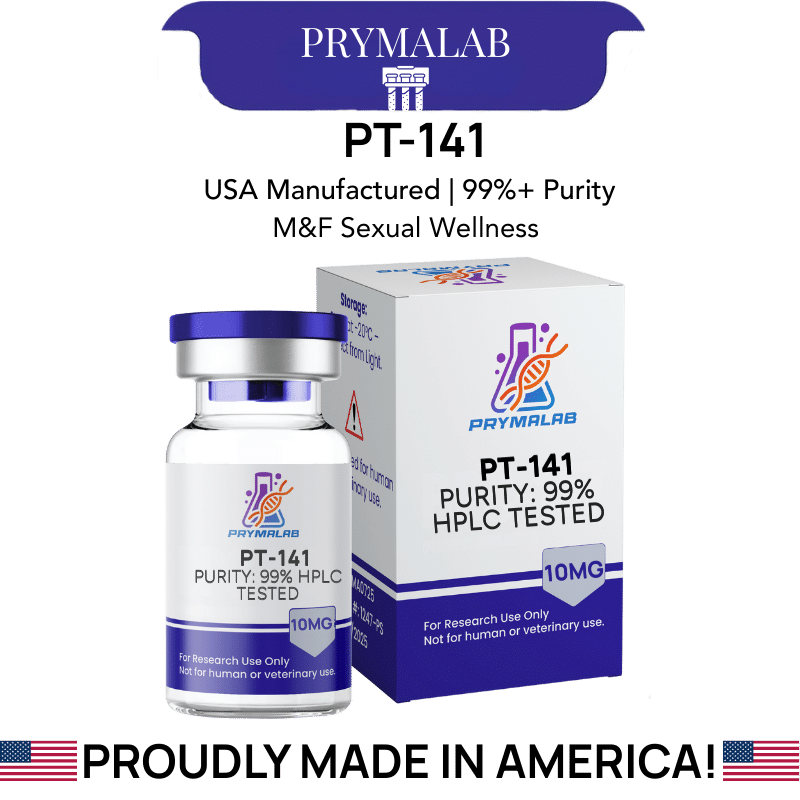
PrymaLab’s PT-141 (Bremelanotide) 10mg peptide represents pharmaceutical-grade quality for serious research applications. Each vial contains 99% pure bremelanotide, verified through rigorous third-party testing using high-performance liquid chromatography (HPLC) and mass spectrometry. This exceptional purity ensures consistent, reliable results across experimental protocols. Whether investigating erectile dysfunction mechanisms, exploring female sexual arousal pathways, or studying the neurobiology of desire, researchers require the highest quality peptides to generate meaningful data. Our commitment to quality control and transparency makes PrymaLab the trusted source for PT-141 research.
Understanding PT-141: From Melanotan 2 to FDA-Approved Bremelanotide
PT-141’s development represents one of the most fascinating stories in peptide research, beginning with an unexpected discovery and culminating in FDA approval. Understanding this journey provides crucial context for researchers working with this compound.
The Melanotan 2 Connection: In the 1980s, researchers at the University of Arizona developed Melanotan 2 (MT-2) as a synthetic analog of alpha-melanocyte-stimulating hormone (α-MSH) for sunless tanning. The peptide successfully stimulated melanin production, but early clinical trials revealed an unexpected side effect: participants reported spontaneous erections and dramatically increased sexual desire. Rather than viewing this as a problem, researchers recognized a potential breakthrough for treating sexual dysfunction.
Refinement to Bremelanotide: Scientists isolated and refined the active metabolite responsible for MT-2’s sexual effects, creating bremelanotide (PT-141). This refinement process optimized the peptide’s structure to maximize sexual function benefits while minimizing other effects like skin pigmentation. The result was a cyclic heptapeptide (seven amino acids arranged in a ring) with enhanced selectivity for sexual function pathways.
Clinical Development Timeline:
- 2003: PT-141 first described in scientific literature as an investigational melanocortin agonist
- 2005-2007: Phase 2 trials in men with erectile dysfunction, including PDE5 inhibitor non-responders
- 2008: Shift from intranasal to subcutaneous formulation due to blood pressure concerns
- 2010-2016: Phase 3 trials in women with HSDD (RECONNECT studies)
- 2019: FDA approval as Vyleesi for female HSDD
- 2024-Present: Ongoing Phase 2/3 trials for male erectile dysfunction indication
FDA Approval Significance: The FDA approval of PT-141 as Vyleesi represents a watershed moment in sexual medicine. It’s the first centrally-acting medication approved for sexual dysfunction, validating the melanocortin receptor pathway as a legitimate therapeutic target. The approval was based on two Phase 3 trials (RECONNECT 1 and 2) involving over 1,200 premenopausal women with HSDD, demonstrating statistically significant improvements in sexual desire and distress reduction compared to placebo.
Current Research Status: While FDA-approved for women, PT-141 research continues actively in male populations. Palatin Technologies (the developer) launched Phase 2 trials in 2024 testing bremelanotide alone and in combination with PDE5 inhibitors for male erectile dysfunction. Early results show promising efficacy, with plans for Phase 3 trials in 2025. Additionally, extensive off-label clinical use in men has generated real-world evidence supporting PT-141’s effectiveness for male sexual dysfunction.
PT-141 vs Melanotan 2: Critical Differences: Understanding the distinctions between PT-141 and its parent compound Melanotan 2 is essential for researchers:
- Regulatory Status: PT-141 has FDA approval (as Vyleesi) with established safety profile; MT-2 remains research-only
- Primary Effects: PT-141 optimized for sexual function with minimal tanning; MT-2 produces both tanning and sexual effects
- Receptor Selectivity: PT-141 shows higher selectivity for MC4R (sexual function); MT-2 activates MC1R, MC3R, MC4R more equally
- Safety Profile: PT-141 has lower cardiovascular effects and better-characterized safety data from FDA trials
- Dosing: PT-141 standard dose is 1.75mg subcutaneous; MT-2 dosing ranges from 0.25-2mg depending on application
- Side Effects: PT-141 primarily causes nausea and flushing; MT-2 additionally causes significant skin darkening
- Clinical Evidence: PT-141 has extensive Phase 3 trial data; MT-2 has primarily Phase 1-2 data
For researchers specifically interested in sexual function without tanning effects, PT-141 is the superior choice. For studies requiring multi-receptor activation or examining melanogenesis alongside sexual effects, MT-2 may be more appropriate.
Molecular Structure and Mechanism of Action
PT-141’s effectiveness stems from its sophisticated molecular architecture and unique mechanism of action through central nervous system pathways. Understanding these fundamentals is crucial for researchers designing experimental protocols.
Chemical Structure: PT-141 (Bremelanotide) is a cyclic heptapeptide with the sequence: Ac-Nle-cyclo[Asp-His-D-Phe-Arg-Trp-Lys]-NH2. Key structural features include:
- Cyclic Configuration: Seven amino acids arranged in a ring through a lactam bridge between aspartic acid (position 2) and lysine (position 7)
- Molecular Formula: C50H68N14O10
- Molecular Weight: 1025.2 g/mol
- D-Amino Acid: Contains D-phenylalanine (unnatural amino acid) at position 4, enhancing stability
- N-terminal Modification: Acetylated norleucine at position 1 improves lipophilicity
Structural Advantages: The cyclic structure provides several critical benefits over linear peptides:
- Metabolic Stability: Ring formation protects against enzymatic degradation by peptidases, extending half-life to 2.7 hours (vs. 1-2 hours for linear analogs)
- Enhanced Receptor Binding: Constrained structure positions amino acids optimally for melanocortin receptor interaction
- Improved Bioavailability: 100% bioavailability via subcutaneous injection
- Reduced Side Effects: Optimized structure minimizes off-target effects compared to parent compound MT-2
Melanocortin Receptor System: PT-141 exerts its effects by activating melanocortin receptors, a family of G-protein coupled receptors (GPCRs) that regulate diverse physiological functions. The five melanocortin receptor subtypes and PT-141’s affinity for each (in order of potency):
- MC1R (Melanocortin-1 Receptor): Highest affinity – Regulates melanogenesis and skin pigmentation
- MC4R (Melanocortin-4 Receptor): High affinity – Mediates sexual function, arousal, and erectile response
- MC3R (Melanocortin-3 Receptor): Moderate affinity – Regulates energy homeostasis and appetite
- MC5R (Melanocortin-5 Receptor): Moderate affinity – Involved in exocrine gland function
- MC2R (ACTH Receptor): Low affinity – Regulates adrenal steroid production
Central Mechanism for Sexual Function: PT-141’s pro-sexual effects primarily result from MC4R activation in the central nervous system, particularly in the hypothalamus. The mechanism unfolds through several interconnected pathways:
Step 1: Hypothalamic Activation After subcutaneous injection, PT-141 crosses the blood-brain barrier and binds to MC4R receptors in the paraventricular nucleus (PVN) of the hypothalamus. The PVN serves as a critical integration center for sexual function, receiving inputs from multiple brain regions and coordinating sexual responses.
Step 2: Dopamine Release MC4R activation in the PVN triggers increased dopamine release in the medial preoptic area (MPOA), a brain region that governs sexual motivation and desire. Dopamine is the primary neurotransmitter associated with sexual excitement, reward, and pleasure. This dopaminergic surge creates the subjective feeling of sexual desire and interest.
Step 3: Oxytocin Pathway MC4R activation also stimulates oxytocin neurons in the PVN. Oxytocin plays crucial roles in sexual arousal, pair bonding, and orgasm. These oxytocin neurons project to the spinal cord, where they facilitate erectile reflexes through parasympathetic activation.
Step 4: Spinal Cord Signaling Neural signals travel from the hypothalamus down the spinal cord to the sacral parasympathetic nuclei. These nuclei control the pelvic nerves that innervate erectile tissue in both males and females. Activation of these pathways initiates the physiological processes of erection and genital engorgement.
Step 5: Peripheral Effects While PT-141 primarily works centrally, some peripheral effects occur through melanocortin receptor activation in genital tissues. These local effects may enhance sensitivity and blood flow, complementing the central arousal signals.
Key Mechanistic Distinctions: PT-141’s central mechanism fundamentally differs from peripheral erectile dysfunction treatments:
- PDE5 Inhibitors (Viagra, Cialis): Work peripherally by inhibiting phosphodiesterase-5 in penile blood vessels, enhancing blood flow in response to sexual stimulation. They facilitate erections but don’t create desire or arousal.
- PT-141: Works centrally by activating brain pathways that generate sexual desire and initiate arousal. It can produce erections even without deliberate sexual stimulation by triggering the body’s natural arousal cascade.
This central mechanism explains several unique PT-141 characteristics:
- Effectiveness for both erectile dysfunction AND low libido
- Ability to help PDE5 inhibitor non-responders
- Reduction in performance anxiety
- Enhancement of subjective sexual experience and satisfaction
- Effectiveness in both men and women
Pharmacokinetics: Understanding PT-141’s pharmacokinetic profile helps researchers optimize dosing protocols:
- Absorption: 100% bioavailable via subcutaneous injection
- Tmax (Time to Peak): 1.0 hour (range: 0.5-1.0 hours)
- Cmax (Peak Concentration): 72.8 ng/mL
- Volume of Distribution: 25.0 ± 5.8 L
- Protein Binding: 21% bound to serum proteins
- Metabolism: Hydrolysis of peptide bonds (no hepatic metabolism)
- Half-Life: 2.7 hours (range: 1.9-4.0 hours)
- Clearance: 6.5 ± 1.0 L/hr
- Excretion: 64.8% in urine, 22.8% in feces
Duration of Action: While the half-life is 2.7 hours, PT-141’s effects on sexual function persist longer:
- Onset: 30-60 minutes post-injection
- Peak Effects: 1-2 hours post-injection
- Duration: 6-12 hours of enhanced sexual responsiveness
- Residual Effects: Some users report mild effects up to 24 hours
This extended duration of action relative to half-life suggests that PT-141’s effects involve neuroplastic changes or sustained receptor activation that outlast the peptide’s presence in circulation.
Clinical Evidence: Comprehensive Research Overview
PT-141’s clinical development spans over 15 years with extensive research in both male and female populations. This section synthesizes key findings from clinical trials, real-world studies, and ongoing research.
Phase 2 Trials in Men with Erectile Dysfunction (2005-2007):
The initial clinical trials of PT-141 in men utilized an intranasal spray formulation. These studies provided the first human evidence of PT-141’s effectiveness for male sexual dysfunction.
Large Multi-Center Trial (2007):
- Design: Randomized, placebo-controlled trial presented at American Urological Association meeting
- Population: 726 men with erectile dysfunction, average age 55
- Intervention: Intranasal PT-141 at doses ranging from 5mg to 15mg, administered 45 minutes before sexual activity
- Duration: 12 weeks
- Key Findings:
- Doses of 7.5mg and above produced statistically significant improvements in IIEF (International Index of Erectile Function) scores vs placebo
- Dose-dependent efficacy observed, with higher doses yielding better erectile function
- Significant improvements in Self-Esteem and Relationship (SEAR) scores, indicating enhanced sexual confidence and relationship satisfaction
- Dr. Stanley Althof (lead investigator) noted meaningful improvements in psychosocial aspects of sexual function, not just physical erections
Sildenafil Non-Responder Trial (Safarinejad et al., 2008):
- Design: Randomized, double-blind, placebo-controlled study published in Journal of Urology
- Population: 342 men with ED who had failed sildenafil (Viagra) treatment
- Intervention: Intranasal PT-141 10mg vs placebo, on-demand over 4-8 weeks
- Key Findings:
- 33.5% of PT-141 users achieved positive clinical response (erections sufficient for intercourse) vs 8.5% on placebo (p=0.03)
- Significant improvements in intercourse satisfaction and successful coitus episodes
- Demonstrated PT-141’s potential as “salvage therapy” for PDE5 inhibitor non-responders
- Authors concluded PT-141 could serve “a potentially broad patient base”
Combination Therapy Study (2005):
- Design: Exploratory study using RigiScan objective measurement
- Population: 32 men with erectile dysfunction
- Intervention: Intranasal PT-141 (7.5 or 10mg) + oral sildenafil (50 or 100mg) vs sildenafil alone
- Measurement: RigiScan device objectively measured erectile rigidity over 6 hours
- Key Findings:
- Combination therapy increased duration of erectile activity by 5.3-fold vs sildenafil alone
- Statistically significant enhancement in most dose comparisons
- No serious adverse events with combination
- Demonstrated powerful synergy: PT-141 initiates arousal centrally while sildenafil enhances vascular response
Phase 3 Trials in Women with HSDD (RECONNECT Studies):
The pivotal trials that led to FDA approval provide the most robust clinical evidence for PT-141’s efficacy and safety.
RECONNECT 1 and 2 (2016-2018):
- Design: Two identical Phase 3, randomized, double-blind, placebo-controlled trials
- Population: 1,247 premenopausal women with acquired, generalized HSDD
- Intervention: Subcutaneous bremelanotide 1.75mg vs placebo, self-administered as needed before sexual activity
- Duration: 24 weeks
- Primary Endpoints:
- Change in sexual desire (measured by eDiary)
- Change in distress related to low sexual desire (measured by FSDS-DAO)
- Key Findings:
- Statistically significant improvements in both primary endpoints vs placebo in both trials
- Mean increase in satisfying sexual events per month
- Improvements maintained throughout 24-week study period
- Favorable safety profile with primarily transient side effects
- Led to FDA approval in June 2019
Real-World Clinical Experience (Goldstein & Goldstein, 2024):
Recent observational data from specialized sexual medicine clinics provides valuable real-world evidence of PT-141’s effectiveness in men.
Study Design:
- Population: 21 men with various sexual dysfunctions (low libido, ED, orgasm difficulties)
- Intervention: Subcutaneous bremelanotide 1.75mg, self-administered as needed
- Setting: Off-label use in clinical practice
- Assessment: Patient-reported outcomes after minimum 2 doses
Key Findings:
- Patient Satisfaction: 80% reported being more satisfied with lovemaking experience and duration
- Sexual Pleasure: 70% said sex was more pleasurable for both themselves and partner
- Confidence: 86% felt more at ease initiating intimacy
- Specific Improvements:
- 39% improvement in low sexual desire (male HSDD)
- 52% improvement in erectile dysfunction symptoms
- 17% improvement in difficulty achieving orgasm
- Global Improvement: 53-70% rated sexual function as “a little better” to “very much better” on PGI-I scale
- Adherence: 73% refill rate over 18 months, indicating sustained perceived benefit
- Comparison: Men had much higher refill rates than women (73% vs 29-52%), suggesting particularly strong efficacy in male population
Ongoing Phase 2 Trial (2024-Present):
Palatin Technologies initiated a Phase 2 open-label trial in 2024 testing PT-141 in men with ED who are PDE5 inhibitor non-responders.
Study Details:
- Population: 50 men with ED inadequately responsive to PDE5 inhibitors
- Intervention: Bremelanotide co-formulated with a PDE5 inhibitor in single injection
- Objectives: Optimize dosing, evaluate safety/efficacy of combination approach
- Timeline: Topline results expected end of 2024, with Phase 3 planned for 2025
- Rationale: Addresses substantial unmet need (~40% of ED patients don’t respond adequately to PDE5 inhibitors alone)
Clinical Evidence Summary:
The totality of clinical evidence demonstrates:
- Efficacy in Male ED: 33-85% response rates depending on population and outcome measures
- Effectiveness for PDE5i Non-Responders: Significant benefit in men who failed standard ED treatments
- Libido Enhancement: Improvements in sexual desire for both men and women
- Combination Synergy: 5-fold enhancement when combined with PDE5 inhibitors
- FDA Validation: Approval for female HSDD confirms safety and efficacy through rigorous Phase 3 trials
- Real-World Effectiveness: High patient satisfaction and adherence rates in clinical practice
- Broad Applicability: Benefits across multiple sexual dysfunction domains (desire, arousal, erection, satisfaction)
Comprehensive Dosing Protocols for Research Applications
Proper dosing represents a critical factor in PT-141 research success. The peptide’s effects are highly dose-dependent, and different applications may require distinct dosing strategies. This section provides evidence-based protocols for various research objectives.
FDA-Approved Dosing (Vyleesi for Female HSDD):
The FDA-approved protocol serves as the foundation for PT-141 dosing:
- Dose: 1.75mg subcutaneous injection
- Timing: Administer at least 45 minutes before anticipated sexual activity
- Frequency: As needed (PRN), maximum one dose per 24 hours
- Maximum Monthly Use: No more than 8 doses per month
- Route: Subcutaneous injection into abdomen or thigh
- Formulation: Supplied as single-use autoinjector pen
Male Erectile Dysfunction Research Protocol:
Based on clinical trials and off-label clinical experience:
- Dose: 1.75mg subcutaneous injection (standard)
- Alternative Dosing: Some clinicians use 1.25-2.0mg based on individual response
- Timing: 30-60 minutes before anticipated sexual activity
- Frequency: As needed, minimum 24-hour interval between doses
- Maximum Frequency: Up to 4 doses per month initially, may increase to 8 doses per month if well-tolerated
- Duration: Single-dose studies or repeated dosing over 4-12 weeks
- Rationale: Higher doses (1.75-2mg) required for reliable erectile effects in men vs women
Male Low Libido (HSDD) Research Protocol:
For studies examining sexual desire enhancement in men:
- Dose: 1.75mg subcutaneous injection
- Timing: 45-60 minutes before anticipated sexual activity
- Frequency: As needed, 2-3 times per week
- Duration: 8-12 weeks to assess sustained effects on desire
- Assessment: Use Sexual Desire Inventory (SDI) and Patient Global Impression of Improvement (PGI-I)
- Rationale: Central mechanism addresses psychological component of low desire
Combination Therapy Protocol (PT-141 + PDE5 Inhibitor):
For research examining synergistic effects:
- PT-141 Dose: 1.75mg subcutaneous injection
- PDE5i Dose: Standard dose (e.g., sildenafil 50-100mg, tadalafil 10-20mg)
- Timing: Administer both 45-60 minutes before sexual activity
- Frequency: As needed, maximum once per 24 hours
- Safety Monitoring: Close monitoring of blood pressure and cardiovascular parameters
- Rationale: PT-141 initiates central arousal while PDE5i enhances peripheral vascular response
Reconstitution Instructions:
PT-141 is supplied as lyophilized powder requiring reconstitution before use:
Standard Reconstitution (for 1.75mg doses):
- Remove flip-top cap from PT-141 vial and wipe rubber stopper with alcohol swab
- Remove cap from bacteriostatic water vial and wipe rubber stopper with alcohol
- Draw 2mL of bacteriostatic water into sterile syringe
- Inject water slowly into PT-141 vial, aiming at vial wall (not directly at powder)
- Gently swirl or tilt vial to dissolve powder (do not shake vigorously)
- Refrigerate for 2-4 hours or overnight until completely dissolved
- Store reconstituted solution at 2-8°C (refrigerated) for up to 30 days
Dosage Calculations:
For a 10mg vial reconstituted with 2mL bacteriostatic water:
- Concentration: 5mg/mL
- 1.75mg dose: 0.35mL = 35 units on 100-unit insulin syringe
- 1.5mg dose: 0.30mL = 30 units on 100-unit insulin syringe
- 1.25mg dose: 0.25mL = 25 units on 100-unit insulin syringe
- 2.0mg dose: 0.40mL = 40 units on 100-unit insulin syringe
Administration Technique:
Proper injection technique ensures optimal absorption and minimizes side effects:
- Syringe Selection: Use insulin syringes (0.5mL or 1mL with 29-31 gauge needles)
- Injection Site: Abdomen (2 inches from navel) or front/outer thigh
- Site Preparation: Clean injection site with alcohol swab, allow to dry
- Injection Method:
- Pinch skin to create fold
- Insert needle at 90-degree angle (perpendicular to skin)
- Inject slowly over 5-10 seconds
- Remove needle and apply gentle pressure (do not rub)
- Site Rotation: Rotate injection sites to prevent tissue irritation
- Disposal: Dispose of needles properly in sharps container
Timing Optimization:
Maximizing PT-141 effectiveness requires proper timing:
- Onset of Action: 30-60 minutes post-injection
- Peak Effects: 1-2 hours post-injection
- Duration: 6-12 hours of enhanced sexual responsiveness
- Planning: Administer 45 minutes before anticipated sexual activity
- Flexibility: Effects persist for several hours, allowing spontaneity within window
Food and Alcohol Considerations:
- Food: PT-141 can be taken with or without food (food does not affect absorption)
- Nausea Management: Some users prefer empty stomach to reduce nausea, others find light food helpful
- Alcohol: No significant interaction with alcohol (unlike flibanserin), but moderation advised as alcohol can independently affect sexual function
Dose Titration Strategy:
For subjects new to PT-141, consider gradual introduction:
Week 1-2: Start with 1.5mg to assess tolerance Week 3-4: Increase to standard 1.75mg if well-tolerated Week 5+: May increase to 2.0mg if needed for optimal effect (off-label)
Special Population Considerations:
- Elderly Subjects: Start at lower end of dosing range (1.5mg) due to potential increased sensitivity
- Cardiovascular Concerns: Use lowest effective dose and monitor blood pressure closely
- Combination Therapy: Consider reducing individual doses by 25% when combining with other treatments
- Frequent Users: Monitor for tolerance development; may need dose adjustment after 3-6 months
Dosing Frequency Guidelines:
- Initial Research Phase: 1-2 doses per week for 4-8 weeks to establish baseline response
- Maintenance Phase: As needed, typically 2-4 times per month
- Maximum Frequency: 8 doses per month (per FDA guidelines)
- Minimum Interval: 24 hours between doses
- Long-term Use: Periodic washout periods (1-2 weeks every 3 months) may help maintain efficacy
Storage and Handling:
- Lyophilized Powder: Store at -20°C (freezer) for up to 2 years
- Reconstituted Solution: Store at 2-8°C (refrigerator) for up to 30 days
- Protection: Keep away from light, heat, and repeated freeze-thaw cycles
- Sterile Technique: Use proper aseptic technique to prevent contamination
- Visual Inspection: Discard if solution appears cloudy, discolored, or contains particles
Strategic Stacking Protocols and Peptide Combinations
While PT-141 demonstrates significant effects as monotherapy, strategic combinations with complementary compounds can enhance specific research outcomes or provide synergistic benefits. This section explores evidence-based stacking protocols.
PT-141 + PDE5 Inhibitors (Viagra, Cialis, Levitra):
The most extensively studied and clinically relevant combination.
Rationale:
- PT-141 works centrally (brain) to initiate arousal and desire
- PDE5 inhibitors work peripherally (blood vessels) to enhance erectile rigidity
- Complementary mechanisms address both psychological and vascular components of ED
Protocol:
- PT-141: 1.75mg subcutaneous, 45 minutes before activity
- Sildenafil: 50-100mg oral, 45-60 minutes before activity
- OR Tadalafil: 10-20mg oral, 45-60 minutes before activity
- Timing: Administer both simultaneously for peak effects at same time
Evidence:
- 5.3-fold increase in erectile activity duration vs sildenafil alone
- Particularly effective for PDE5 inhibitor partial responders
- No serious adverse events in combination studies
- Ongoing Phase 2 trial testing co-formulated combination
Monitoring:
- Blood pressure before and after dosing
- Cardiovascular parameters
- Priapism risk (though rare, combination may increase)
PT-141 + Testosterone Replacement Therapy:
For men with hypogonadism and sexual dysfunction.
Rationale:
- Testosterone provides hormonal foundation for libido
- PT-141 provides neurological activation of sexual pathways
- Addresses both hormonal and neurological components
Protocol:
- Testosterone: Per standard TRT protocol (varies by formulation)
- PT-141: 1.75mg subcutaneous as needed for sexual activity
- Duration: Minimum 8-12 weeks to allow testosterone levels to stabilize
Synergistic Effects:
- Enhanced libido beyond testosterone alone
- Improved erectile function
- Better overall sexual satisfaction
- Reduced performance anxiety
Considerations:
- Establish stable testosterone levels before adding PT-141
- Monitor both testosterone levels and sexual function parameters
- PT-141 does not increase testosterone (common misconception)
PT-141 + Melanotan 2:
For research examining combined sexual function and tanning effects.
Rationale:
- PT-141 optimized for sexual function
- MT-2 provides both sexual and tanning effects
- May offer enhanced sexual benefits with controlled tanning
Protocol:
- PT-141: 1.75mg subcutaneous for sexual activity
- MT-2: 0.25-0.5mg daily for tanning (separate from PT-141 dosing)
- Timing: Separate administration by 12+ hours when possible
Considerations:
- Additive side effects (nausea, flushing)
- Increased melanocortin receptor activation
- Monitor for skin hyperpigmentation
- Not recommended for routine use; primarily for specific research objectives
PT-141 + BPC-157:
For research on sexual function recovery after injury or surgery.
Rationale:
- PT-141 enhances sexual function
- BPC-157 promotes tissue healing and nerve regeneration
- May benefit post-prostatectomy or pelvic injury recovery
Protocol:
- PT-141: 1.75mg subcutaneous as needed for sexual activity
- BPC-157: 250-500mcg twice daily, continuous
- Duration: 4-8 weeks for tissue healing effects
Applications:
- Post-surgical sexual function recovery
- Pelvic nerve injury rehabilitation
- Peyronie’s disease research
- General sexual function optimization
PT-141 + Ipamorelin or Sermorelin:
For research on sexual function in aging populations.
Rationale:
- Growth hormone peptides improve overall vitality and body composition
- PT-141 directly enhances sexual function
- May address age-related sexual decline through multiple pathways
Protocol:
- PT-141: 1.75mg subcutaneous as needed for sexual activity
- Ipamorelin: 200-300mcg twice daily OR
- Sermorelin: 200-300mcg daily before bed
- Duration: 12-24 weeks for comprehensive assessment
Expected Benefits:
- Enhanced sexual function from PT-141
- Improved energy and vitality from GH peptides
- Better body composition supporting sexual confidence
- Potential synergistic effects on libido
PT-141 + TB-500:
For research on vascular health and sexual function.
Rationale:
- PT-141 initiates central arousal
- TB-500 promotes angiogenesis and vascular health
- May enhance erectile tissue blood flow
Protocol:
- PT-141: 1.75mg subcutaneous as needed
- TB-500: 2-5mg twice weekly
- Duration: 6-8 weeks
Applications:
- Vascular erectile dysfunction research
- Diabetic sexual dysfunction studies
- Age-related vascular decline
Important Stacking Considerations:
1. Side Effect Management:
- Combining peptides increases complexity of side effect attribution
- Introduce peptides sequentially when possible
- Establish baseline response to each compound before combining
- Monitor for additive or synergistic side effects
2. Dose Adjustments:
- Consider reducing individual doses by 25% when first combining
- Titrate upward based on response and tolerability
- Some combinations may allow lower PT-141 doses while maintaining efficacy
3. Injection Site Management:
- Multiple daily injections require careful site rotation
- Use different anatomical areas for different peptides when possible
- Monitor for injection site reactions or tissue irritation
4. Timing Optimization:
- Consider pharmacokinetic profiles when scheduling injections
- Space injections by 2-4 hours when possible for independent assessment
- For sexual activity, coordinate timing for peak effects
5. Research Documentation:
- Maintain detailed records of all peptides, doses, timing, and effects
- Document any interactions or unexpected responses
- Track efficacy of combination vs individual compounds
6. Safety Monitoring:
- Regular blood pressure monitoring (especially with PDE5i combinations)
- Cardiovascular parameter assessment
- Periodic laboratory testing as appropriate
- Watch for signs of priapism with erectile function combinations
7. Regulatory Compliance:
- Ensure all peptides used in combinations are approved for research
- Follow institutional guidelines for multi-compound protocols
- Maintain proper documentation for research oversight
Safety Profile, Side Effects, and Risk Mitigation
Understanding PT-141’s safety profile is essential for responsible research conduct. While the peptide has FDA approval with well-characterized safety data, researchers must remain aware of potential adverse effects and implement appropriate monitoring strategies.
Common Side Effects (Frequency >10%):
Nausea (40%):
- Most frequent side effect in clinical trials
- Typically occurs 30-60 minutes post-injection
- Usually lasts 1-4 hours
- Often diminishes with repeated use (tolerance development)
- About 13% require anti-emetic medication
Mitigation Strategies:
- Start with lower doses (1.5mg) for first 1-2 uses
- Take on relatively empty stomach (heavy meals may worsen)
- Pre-medicate with ginger, vitamin B6, or prescription anti-emetics
- Administer in evening so nausea occurs during sleep
- Stay well-hydrated
- Lie down if feeling queasy
Flushing (20%):
- Facial redness and warmth
- Related to melanocortin receptor effects on blood vessels
- Usually transient (30-60 minutes)
- Generally harmless
Mitigation Strategies:
- Avoid hot environments immediately post-injection
- Stay hydrated
- Use cool compresses if uncomfortable
- Typically resolves without intervention
Headache (11-12%):
- Mild to moderate intensity
- May be related to blood pressure changes or flushing
Mitigation Strategies:
- Maintain good hydration
- Use mild analgesics (acetaminophen) if needed
- Monitor blood pressure
- Report severe headaches to healthcare provider
Injection Site Reactions (5%):
- Mild pain, redness, or itching at injection site
- Usually resolves within hours
Mitigation Strategies:
- Rotate injection sites
- Use proper technique
- Ensure solution is at room temperature before injecting
- Apply ice if swelling occurs
Uncommon Side Effects (Frequency 1-10%):
Spontaneous Erections (13% in men):
- Erections occurring without deliberate sexual stimulation
- Can be intermittent over 12-24 hours post-injection
- Related to central arousal mechanism
Management:
- Inform subjects this is expected effect
- Schedule dosing during private time
- True priapism (>4 hours continuous) is very rare but requires immediate medical attention
Skin Hyperpigmentation (1%):
- Darkening of skin, gums, or existing moles
- Due to MC1R activation
- More common with frequent use (>8 doses/month)
- May not fully reverse after discontinuation in ~50% of cases
Risk Mitigation:
- Limit dosing frequency to recommended maximum
- Document baseline skin appearance and moles
- Monitor for new or changing pigmented lesions
- Consider dermatological evaluation for high-risk subjects
Decreased Appetite:
- Mild appetite suppression
- Related to MC3R/MC4R activation
- Usually transient
Cardiovascular Effects:
Blood Pressure Changes:
- Transient increase: +2-3 mmHg systolic, +1-2 mmHg diastolic
- Slight decrease in heart rate: -2 beats per minute
- Changes peak within first hour, return to baseline within 12 hours
Clinical Significance:
- Generally minimal in healthy subjects
- Potentially problematic in uncontrolled hypertension or cardiovascular disease
- Much less pronounced than intranasal formulation
Monitoring Protocol:
- Measure baseline blood pressure
- Check BP 30-60 minutes post-injection (first few doses)
- Monitor for symptoms: chest pain, severe headache, vision changes
- Discontinue if BP >160/100 or significant symptoms occur
Contraindications:
PT-141 should not be used in subjects with:
- Uncontrolled Hypertension: BP >140/90 despite medication
- Cardiovascular Disease:
- Recent heart attack or stroke (<6 months)
- Unstable angina
- Severe heart failure
- Significant arrhythmias
- Pregnancy or Breastfeeding: No safety data in these populations
- Age <18 Years: Not studied in pediatric populations
- Known Hypersensitivity: To bremelanotide or any component
Relative Contraindications (Use with Caution):
- Well-controlled hypertension (close monitoring required)
- History of melanoma or multiple atypical moles
- Severe renal or hepatic impairment
- History of priapism
- Concurrent use of multiple vasoactive medications
Drug Interactions:
Naltrexone:
- PT-141 significantly reduces oral naltrexone absorption
- Separate administration by 2+ hours if both needed
- Monitor naltrexone effectiveness
Other Medications:
- No significant interactions with PDE5 inhibitors (can be combined safely)
- No interaction with alcohol (unlike flibanserin)
- Theoretical concerns with other sympathomimetics (monitor BP)
- May affect absorption of oral medications due to delayed gastric emptying
Long-Term Safety Considerations:
FDA Approval Data (Up to 12 Months):
- No accumulation of cardiovascular effects with ongoing use
- Blood pressure and heart rate effects remain transient
- No evidence of tissue changes or organ toxicity
- Safety profile consistent across study duration
Areas Requiring Further Research:
- Effects of very long-term use (>1 year)
- Safety in special populations (elderly, multiple comorbidities)
- Long-term effects of frequent use (>8 doses/month)
- Potential for tolerance or dependence
Priapism Risk:
While rare, priapism (erection >4 hours) is a medical emergency:
Risk Factors:
- Doses >2mg
- Combination with PDE5 inhibitors or penile injections
- History of priapism or sickle cell disease
- Concurrent use of multiple pro-erectile treatments
Prevention:
- Use recommended doses
- Educate subjects on priapism recognition
- Provide clear instructions for seeking emergency care
- Consider excluding high-risk subjects
Management:
- If erection >4 hours: Seek immediate medical attention
- Treatment may include aspiration, irrigation, or sympathomimetic injection
- Delayed treatment can cause permanent erectile dysfunction
Melanoma and Skin Cancer Concerns:
Some case reports have linked melanocortin agonists to melanoma, though causation is unproven:
Risk Mitigation:
- Screen for personal/family history of melanoma
- Document baseline moles and pigmented lesions
- Limit study duration and dosing frequency
- Avoid combining with excessive UV exposure
- Perform periodic dermatological examinations
- Educate subjects on melanoma warning signs (ABCDE criteria)
Pregnancy and Reproductive Safety:
- Pregnancy Category: Not assigned (peptide not approved for use in pregnancy)
- Animal Studies: No adequate reproductive toxicity studies
- Human Data: No data on pregnancy outcomes
- Recommendation: Exclude pregnant women; use contraception during research
Quality and Purity Considerations:
Peptide quality significantly impacts safety:
- Contaminants: Low-purity peptides may contain bacterial endotoxins, heavy metals, or synthesis byproducts
- Degradation Products: Improperly stored peptides may degrade into potentially harmful compounds
- Incorrect Sequences: Poor synthesis can result in peptides with wrong amino acid sequences
PrymaLab Quality Assurance:
- 99%+ purity via HPLC
- <1 EU/mg endotoxin levels
- Third-party verification
- Proper storage and handling
- Complete documentation
Safety Monitoring Protocol for Research:
Baseline Assessment:
- Medical history and physical examination
- Blood pressure and heart rate
- Cardiovascular risk assessment
- Skin examination (document moles)
- Baseline sexual function questionnaires
During Research:
- Blood pressure monitoring (first 3-4 doses)
- Side effect tracking and documentation
- Sexual function assessments
- Periodic skin examinations (monthly if frequent use)
Follow-Up:
- Post-study assessment of sexual function
- Skin examination for pigmentation changes
- Cardiovascular parameter check
- Long-term follow-up for any persistent effects
Adverse Event Reporting:
- Document all adverse events, regardless of severity
- Report serious adverse events to institutional review board
- Maintain detailed records for regulatory compliance
- Contribute to post-marketing surveillance if applicable
Summary:
PT-141 has a favorable safety profile supported by FDA approval and extensive clinical trial data. Most side effects are transient and manageable. The primary safety concerns are:
- Transient blood pressure elevation (contraindicated in uncontrolled hypertension)
- Nausea (common but usually tolerable)
- Rare skin hyperpigmentation with frequent use
- Very rare priapism risk
Proper patient selection, appropriate dosing, and vigilant monitoring minimize risks and ensure safe research conduct.
Quality Assurance: Third-Party Testing and Purity Verification
Research integrity depends fundamentally on peptide quality. Impure, degraded, or incorrectly synthesized peptides produce unreliable results, waste research resources, and potentially compromise subject safety. PrymaLab’s rigorous quality assurance program ensures every PT-141 vial meets pharmaceutical-grade standards matching FDA-approved Vyleesi.
Third-Party Laboratory Testing:
Every batch of PrymaLab PT-141 undergoes comprehensive analysis by independent, ISO-certified laboratories. This third-party verification provides unbiased confirmation of quality, eliminating potential conflicts of interest inherent in vendor self-testing.
High-Performance Liquid Chromatography (HPLC):
HPLC represents the gold standard for peptide purity analysis:
- Method: Separates peptide components based on chemical properties
- Precision: Quantifies target peptide and identifies impurities
- PrymaLab Standard: ≥99% purity by HPLC
- Interpretation: 99% or more of material is correct PT-141 peptide
- Impurities: <1% consists of minor synthesis byproducts, salts, residual solvents at safe levels
Mass Spectrometry (MS):
Mass spectrometry confirms molecular identity:
- Purpose: Verifies molecular weight and amino acid sequence
- Precision: Detects even single amino acid substitutions
- PrymaLab Verification: Confirms molecular weight of 1025.2 g/mol
- Quality Control: Ensures peptide is authentic PT-141, not related compound or synthesis error
Amino Acid Analysis:
Quantitative amino acid analysis provides additional verification:
- Method: Confirms correct amino acid composition and ratios
- Purpose: Validates peptide identity and sequence
- Quality Assurance: Detects any amino acid substitutions or deletions
Endotoxin Testing:
Bacterial endotoxins can contaminate peptides during synthesis or handling:
- Method: Limulus Amebocyte Lysate (LAL) assay
- PrymaLab Standard: <1 EU/mg (well below FDA limit of 5 EU/mg for injectables)
- Importance: Prevents fever, inflammation, and other adverse effects
- Testing Frequency: Every batch tested before release
Sterility Testing:
While lyophilized peptides are not sterile products, contamination testing ensures safety:
- Method: Tests for bacterial and fungal contamination
- Purpose: Ensures product safety
- Protection: Reconstitution with bacteriostatic water provides antimicrobial protection during storage
Certificate of Analysis (COA):
Every PrymaLab PT-141 purchase includes comprehensive documentation:
COA Contents:
- Batch number and manufacturing date
- HPLC purity results with chromatogram
- Mass spectrometry data confirming molecular weight
- Amino acid analysis results
- Endotoxin test results
- Sterility test results
- Storage recommendations
- Expiration date
- Handling instructions
Storage and Stability:
Proper storage maintains peptide quality throughout shelf life:
Lyophilized Powder:
- Temperature: -20°C (freezer)
- Duration: Up to 2 years
- Protection: Keep away from light and moisture
- Packaging: Sealed vials with desiccant
Reconstituted Solution:
- Temperature: 2-8°C (refrigerator)
- Duration: Up to 30 days
- Protection: Keep away from light
- Sterility: Use sterile technique to prevent contamination
- Stability: Monitor for cloudiness or discoloration
Handling Best Practices:
- Avoid repeated freeze-thaw cycles
- Use aseptic technique when handling
- Do not shake vigorously (gentle swirling only)
- Protect from direct sunlight
- Store in original packaging until use
Visual Inspection:
Before use, inspect peptide vials for quality indicators:
Lyophilized Powder Should Be:
- White to off-white color
- Fluffy or cake-like texture
- Free from discoloration
- No clumping or unusual appearance
Reconstituted Solution Should Be:
- Clear and colorless
- Free from particulates
- No cloudiness or precipitation
- No unusual odor
If Any Abnormalities Observed:
- Do not use the product
- Contact vendor immediately
- Document appearance with photos if possible
- Request replacement
Comparison to Commercial Vyleesi:
PrymaLab PT-141 meets or exceeds the quality standards of FDA-approved Vyleesi:
- Purity: 99%+ (matches pharmaceutical grade)
- Testing: Same analytical methods (HPLC, MS)
- Endotoxins: <1 EU/mg (same as Vyleesi specification)
- Molecular Weight: 1025.2 g/mol (identical)
- Sequence: Ac-Nle-cyclo[Asp-His-D-Phe-Arg-Trp-Lys]-NH2 (identical)
Quality Assurance Process:
Step 1: Synthesis
- Pharmaceutical-grade synthesis facility
- GMP-compliant manufacturing
- Batch documentation and traceability
Step 2: In-House Testing
- Initial purity assessment
- Identity verification
- Preliminary quality control
Step 3: Third-Party Verification
- Independent laboratory testing
- HPLC, MS, amino acid analysis
- Endotoxin and sterility testing
Step 4: Documentation
- Certificate of Analysis preparation
- Batch record compilation
- Quality release approval
Step 5: Storage and Shipping
- Proper storage conditions maintained
- Cold chain management for shipping
- Packaging to protect from damage
Step 6: Customer Support
- COA provided with every order
- Technical support available
- Replacement policy for quality issues
Regulatory Compliance:
PrymaLab maintains compliance with applicable regulations:
- GMP Standards: Good Manufacturing Practices followed
- ISO Certification: Third-party labs are ISO-certified
- Documentation: Complete batch records maintained
- Traceability: Full chain of custody documentation
- Research Use: Clearly labeled for research purposes only
Why Quality Matters:
Research Integrity:
- Reliable, reproducible results
- Valid scientific conclusions
- Publishable data
Subject Safety:
- Minimizes contamination risks
- Reduces adverse event potential
- Ensures predictable effects
Cost Effectiveness:
- Avoids wasted research resources
- Prevents need to repeat studies
- Maximizes research investment
Professional Reputation:
- Maintains institutional credibility
- Supports grant applications
- Enables collaboration
Purchasing Considerations: Why Choose PrymaLab
The research peptide market contains numerous vendors with varying quality standards, customer service, and reliability. Selecting a trusted supplier is crucial for research success. Here’s why PrymaLab stands out as the premier choice for PT-141 (Bremelanotide) research.
Uncompromising Quality Standards:
PrymaLab maintains pharmaceutical-grade quality standards matching FDA-approved Vyleesi:
- 99%+ Purity: Exceeds industry norms, verified by HPLC
- Third-Party Testing: Independent laboratory verification
- Complete Documentation: COA with every order
- Batch Consistency: Rigorous quality control ensures consistency
- FDA-Equivalent Standards: Same quality as approved medication
Transparent Testing Documentation:
We provide complete transparency in quality verification:
- Detailed COAs: HPLC chromatograms, mass spectrometry data, endotoxin results
- Batch Traceability: Full documentation from synthesis to delivery
- Independent Verification: Unbiased third-party testing
- Accessible Support: Technical team available to discuss testing data
- Institutional Compliance: Documentation meets research institution requirements
Competitive Pricing:
Despite premium quality standards, PrymaLab offers exceptional value:
- PT-141 10mg: $45 per vial (competitive vs $60-90 elsewhere)
- Volume Discounts: Available for larger orders
- No Hidden Fees: Transparent pricing structure
- Value Proposition: Pharmaceutical-grade quality at research-grade prices
- Cost Per Dose: Approximately $7.88 per 1.75mg dose (10mg vial = 5.7 doses)
Fast, Reliable Shipping:
Research timelines are critical, and we deliver:
- Processing Time: Orders ship within 24 hours of payment
- Domestic Delivery: 3-5 business days (USA)
- International Shipping: Available to most countries
- Tracking: Provided for all orders
- Packaging: Discreet, professional packaging
- Cold Chain: Proper temperature control maintained
Secure Payment Options:
Multiple payment methods for convenience and security:
- Credit Cards: Visa, Mastercard, American Express
- Cryptocurrency: Bitcoin, Ethereum (additional privacy)
- Bank Transfers: Wire transfer for larger orders
- Digital Platforms: Zelle, CashApp
- Security: SSL encryption protects all transactions
- Privacy: Discreet billing descriptors
Exceptional Customer Support:
Our knowledgeable team provides comprehensive support:
- Response Time: Within 24 hours (typically much faster)
- Availability: Email, phone, live chat
- Expertise: Staff trained in peptide research applications
- Technical Support: Help with reconstitution, dosing, protocols
- Order Tracking: Assistance with shipping questions
- Problem Resolution: Dedicated to customer satisfaction
Educational Resources:
PrymaLab provides comprehensive educational content:
- Detailed Product Descriptions: Research applications and mechanisms
- Dosing Protocols: Evidence-based guidelines from clinical trials
- Reconstitution Guides: Step-by-step instructions with images
- Safety Information: Side effect management and monitoring
- Research Literature: References to published studies
- Comparison Guides: PT-141 vs other peptides
Institutional Accounts:
We work with research institutions worldwide:
- Volume Pricing: Discounts for institutional orders
- Purchase Orders: PO payment options available
- Dedicated Account Management: Personalized service
- Priority Shipping: Expedited delivery for institutions
- Custom Documentation: Tailored to institutional requirements
- Compliance Support: Assistance with regulatory documentation
Satisfaction Guarantee:
We stand behind our products with confidence:
- Quality Guarantee: If product doesn’t meet specifications, we’ll replace it
- Response Time: Quality concerns addressed within 24 hours
- Resolution Process: Fair, transparent problem-solving
- Customer First: Your satisfaction is our priority
- Long-term Relationships: We value ongoing partnerships
Regulatory Compliance:
All PrymaLab peptides comply with applicable regulations:
- Research Use Only: Clearly labeled and documented
- Not for Human Consumption: Explicit disclaimers
- Age Verification: 21+ requirement enforced
- Professional Use: Intended for qualified researchers
- Documentation: Proper records maintained
- Legal Compliance: Adherence to federal and state laws
Comparison to Other Vendors:
PrymaLab Advantages:
- Pharmaceutical-grade purity (99%+) vs industry average (95-98%)
- Complete third-party testing vs vendor self-testing
- Transparent COAs vs limited documentation
- Competitive pricing vs premium pricing elsewhere
- Fast shipping vs delayed processing
- Responsive support vs limited availability
Red Flags to Avoid:
- Vendors without third-party testing
- Unusually low prices (may indicate low purity)
- No COA or limited documentation
- Poor customer reviews or complaints
- Unclear return/replacement policies
- Lack of professional presentation
Why Researchers Choose PrymaLab:
“I’ve tried several peptide vendors, and PrymaLab consistently delivers the highest quality. The COAs are detailed, shipping is fast, and customer service is excellent.” – University Research Lab
“For PT-141 research, quality is non-negotiable. PrymaLab’s pharmaceutical-grade purity gives me confidence in my results.” – Sexual Medicine Clinic
“The combination of quality, pricing, and support makes PrymaLab my go-to source for all peptide research.” – Independent Researcher
Ordering Process:
Step 1: Browse PT-141 product page Step 2: Select quantity (volume discounts available) Step 3: Add to cart and proceed to checkout Step 4: Choose payment method and complete order Step 5: Receive order confirmation and tracking Step 6: Product ships within 24 hours Step 7: Receive package with COA included
Customer Support Contact:
- Email: support@prymalab.net
- Phone: Available during business hours
- Live Chat: Real-time assistance on website
- Response Time: Within 24 hours guaranteed
Related Research Peptides and Supplies
Comprehensive peptide research often requires multiple compounds and supplies. PrymaLab offers a complete range of research peptides and essential materials to support your work.
Related Sexual Function Peptides:
Melanotan 2 10mg:
- Parent compound of PT-141
- Broader melanocortin receptor activation
- Produces both tanning and sexual effects
- Research applications: Skin pigmentation, sexual function, appetite regulation
- Comparison: MT-2 has more tanning effect, PT-141 more selective for sexual function
Growth Hormone Peptides for Sexual Health:
Ipamorelin 5mg:
- Selective GH secretagogue
- Improves body composition and vitality
- May enhance sexual confidence through improved physique
- Combines well with PT-141 for comprehensive sexual health
Sermorelin 5mg:
- GHRH analog for natural GH elevation
- Supports energy, vitality, and overall wellness
- May improve sexual function indirectly through enhanced vitality
- Excellent adjunct to PT-141 for aging populations
CJC-1295 5mg:
- Long-acting GHRH analog
- Sustained GH elevation
- Improves body composition and energy
- Synergistic with PT-141 for sexual health research
Tesamorelin 5mg:
- Specialized GHRH analog
- Targets visceral adipose tissue
- FDA-approved mechanism for lipodystrophy
- May improve sexual confidence through body composition changes
Tissue Repair and Recovery Peptides:
BPC-157 5mg:
- Gastric peptide with remarkable healing properties
- Promotes tissue repair and nerve regeneration
- May benefit post-surgical sexual function recovery
- Combines well with PT-141 for pelvic injury rehabilitation
TB-500 5mg:
- Thymosin beta-4 fragment
- Promotes angiogenesis and tissue repair
- May enhance vascular health supporting erectile function
- Synergistic with PT-141 for vascular ED research
Other Growth Hormone Peptides:
GHRP-6 5mg:
- Potent GH secretagogue
- Appetite stimulation effects
- May improve overall vitality
- Research applications in aging and wellness
GHRP-2 5mg:
- Strong GH secretagogue
- Bulk building focus
- Improves body composition
- May enhance sexual confidence
Hexarelin 5mg:
- Most potent GH secretagogue
- Cardioprotective effects
- Neuroprotective properties
- Research applications in comprehensive health optimization
Essential Research Supplies:
Bacteriostatic Water 3mL:
- Sterile water with 0.9% benzyl alcohol
- Essential for peptide reconstitution
- Provides antimicrobial protection during storage
- Multiple vials recommended for frequent use
Insulin Syringes:
- 0.5mL and 1mL syringes with 29-31 gauge needles
- Precise dosing for peptide administration
- Minimal discomfort with small needles
- Proper disposal in sharps container required
Alcohol Prep Pads:
- Sterile alcohol swabs
- For injection site preparation
- For vial sterilization
- Essential for maintaining sterile technique
Sterile Empty Vials:
- For dividing peptide solutions
- For preparing custom formulations
- For storing reconstituted peptides
- Maintains sterility and organization
Research Tools:
Peptide Calculator:
- Free online dosing calculator
- Calculates peptide doses and reconstitution volumes
- Converts between units (mg, mcg, IU)
- Eliminates dosing errors
- Simplifies protocol planning
Browse Complete Catalog:
Shop All Peptides:
- Complete range of research peptides
- Organized by category and application
- Detailed product descriptions
- Competitive pricing
- Volume discounts available
Product Categories:
- Sexual Function Peptides
- Growth Hormone Peptides
- Recovery and Healing Peptides
- Metabolic Peptides
- Cognitive Enhancement Peptides
- Anti-Aging Peptides
Frequently Asked Questions (FAQs)
1. What is PT-141 (Bremelanotide) and how does it work?
PT-141, also known as bremelanotide or Vyleesi, is a synthetic melanocortin receptor agonist peptide that enhances sexual function through central nervous system pathways. Unlike traditional erectile dysfunction medications that work peripherally on blood vessels, PT-141 activates melanocortin receptors (particularly MC4R) in the hypothalamus, triggering dopamine release in brain regions that govern sexual desire and arousal. This central mechanism initiates sexual arousal and erections through the body’s natural pathways, making PT-141 effective for both erectile dysfunction and low libido in men and women. The peptide received FDA approval in 2019 as Vyleesi for treating hypoactive sexual desire disorder (HSDD) in premenopausal women.
2. How does PT-141 differ from Melanotan 2?
PT-141 is a refined metabolite of Melanotan 2, optimized specifically for sexual function enhancement. Key differences: (1) Regulatory status – PT-141 has FDA approval (as Vyleesi); MT-2 is research-only. (2) Primary effects – PT-141 is selective for sexual function with minimal tanning; MT-2 produces both tanning and sexual effects. (3) Receptor selectivity – PT-141 shows higher selectivity for MC4R (sexual function); MT-2 activates MC1R, MC3R, MC4R more equally. (4) Safety profile – PT-141 has lower cardiovascular effects and better-characterized safety from FDA trials. (5) Dosing – PT-141 standard dose is 1.75mg; MT-2 ranges from 0.25-2mg. For researchers specifically interested in sexual function without tanning effects, PT-141 is the superior choice.
3. What is the proper dosage for PT-141 research?
The FDA-approved dose is 1.75mg subcutaneous injection, administered 30-45 minutes before anticipated sexual activity. Maximum frequency is one dose per 24 hours, no more than 8 doses per month. For a 10mg vial reconstituted with 2mL bacteriostatic water, the 1.75mg dose equals 0.35mL or 35 units on a 100-unit insulin syringe. Effects typically onset within 30-60 minutes, peak at 1-2 hours, and last 6-12 hours. Some researchers use slightly lower doses (1.5mg) initially to assess tolerance, or higher doses (2.0mg) for enhanced effects, though these are off-label. Always start at the lower end of the dosing range and titrate based on response and tolerability.
4. How do I reconstitute and store PT-141?
Reconstitute by adding 2mL bacteriostatic water to the 10mg vial. Inject water slowly against the vial wall, then gently swirl (don’t shake) to dissolve. Refrigerate for 2-4 hours until completely dissolved. Store lyophilized powder at -20°C (freezer) for up to 2 years. Store reconstituted solution at 2-8°C (refrigerator) for up to 30 days. Protect from light and avoid repeated freeze-thaw cycles. Use sterile technique when handling to prevent contamination. Before use, inspect the solution – it should be clear and colorless with no particles or cloudiness.
5. What are the most common side effects of PT-141?
The most common side effects are nausea (40%), flushing (20%), and headache (11-12%). Nausea typically occurs 30-60 minutes post-injection and lasts 1-4 hours, often diminishing with repeated use. About 13% require anti-emetic medication. Other effects include injection site reactions (5%), spontaneous erections in men (13%), and transient blood pressure increase (+2-3 mmHg systolic). Rare but notable effects include skin hyperpigmentation (1% with frequent use) and very rare priapism. Most side effects are transient and manageable through dose adjustment, timing optimization, and supportive measures like anti-nausea medication and hydration.
6. Can PT-141 be combined with Viagra or Cialis?
Yes, PT-141 can be safely combined with PDE5 inhibitors like Viagra (sildenafil) or Cialis (tadalafil), and research shows powerful synergy. Clinical studies demonstrate that combining PT-141 with sildenafil increases erectile activity duration by 5.3-fold compared to sildenafil alone. The combination works because PT-141 initiates arousal centrally through the brain while PDE5 inhibitors enhance blood flow peripherally. This addresses both psychological and vascular components of erectile dysfunction. Protocol: Administer both 45-60 minutes before sexual activity (PT-141 1.75mg subcutaneous + sildenafil 50-100mg oral). Monitor blood pressure closely, especially with first few uses. Ongoing Phase 2 trials are testing co-formulated combinations for potential FDA approval.
7. How long does it take to see results from PT-141?
PT-141 works relatively quickly with effects beginning within 30-60 minutes of subcutaneous injection. Peak effects occur at 1-2 hours post-injection, when sexual arousal and erectile function are typically strongest. The duration of enhanced sexual responsiveness lasts 6-12 hours, though some users report mild residual effects up to 24 hours. Unlike daily medications, PT-141 is used on-demand before sexual activity. For research assessing overall effectiveness, allow 4-8 doses over 2-3 months to fully evaluate response, as some subjects report improved effects with repeated use as tolerance to side effects develops.
8. Is PT-141 safe for long-term research?
PT-141 has favorable long-term safety data from FDA approval trials extending up to 12 months. Studies show no accumulation of cardiovascular effects with ongoing use – blood pressure and heart rate effects remain transient with each dose. No evidence of tissue changes or organ toxicity emerged during trials. However, most research uses PT-141 as-needed (not daily), limiting long-term exposure. Safety considerations for extended use include: (1) Limit to recommended maximum of 8 doses per month, (2) Monitor blood pressure periodically, (3) Watch for skin hyperpigmentation with frequent use, (4) Periodic dermatological examination if using >6 months, (5) Consider periodic washout periods (1-2 weeks every 3 months) for very frequent users.
9. What makes PrymaLab’s PT-141 superior to competitors?
PrymaLab PT-141 offers: (1) Pharmaceutical-grade 99%+ purity matching FDA-approved Vyleesi, verified by third-party testing, (2) Complete Certificates of Analysis with every order including HPLC, mass spectrometry, and endotoxin data, (3) Competitive pricing at $45 per 10mg vial (vs $60-90 elsewhere), (4) Fast shipping within 24 hours of payment, (5) Multiple secure payment options, (6) Exceptional customer support responding within 24 hours, (7) Comprehensive educational resources and evidence-based dosing protocols, (8) Satisfaction guarantee and quality commitment. Our rigorous quality standards ensure researchers work with the same quality as FDA-approved medication, providing confidence in research results.
10. Who should not use PT-141 in research?
Exclude subjects with: Uncontrolled hypertension (BP >140/90), cardiovascular disease (recent heart attack/stroke, unstable angina, severe heart failure), pregnancy or breastfeeding, age <18 years, history of melanoma or multiple atypical moles, and known hypersensitivity to bremelanotide. Use caution in subjects with well-controlled hypertension (close monitoring required), history of priapism, concurrent use of multiple vasoactive medications, and severe renal or hepatic impairment. Always screen subjects carefully, implement appropriate monitoring protocols, and ensure cardiovascular health is adequate before initiating PT-141 research. The FDA approval provides extensive safety data supporting use in appropriate populations under medical supervision.
6. TECHNICAL SPECIFICATIONS
Chemical Information
- Chemical Name: Ac-Nle-cyclo[Asp-His-D-Phe-Arg-Trp-Lys]-NH2
- Generic Name: Bremelanotide
- Brand Name: Vyleesi (FDA-approved)
- Common Names: PT-141, PT 141, Peptide 141
- Molecular Formula: C50H68N14O10
- Molecular Weight: 1025.2 g/mol
- CAS Number: 189691-06-3
- UNII: 6Y24O4F92S
- Sequence: Ac-Nle-cyclo[Asp-His-D-Phe-Arg-Trp-Lys]-NH2
- Structure Type: Cyclic heptapeptide
- Purity: ≥99% (HPLC verified)
- Appearance: White to off-white lyophilized powder
- Solubility: Soluble in sterile water, bacteriostatic water, or saline
Pharmacological Properties
- Drug Class: Melanocortin receptor agonist
- Primary Target: MC4R (Melanocortin-4 Receptor)
- Secondary Targets: MC1R, MC3R, MC5R
- Mechanism: Central nervous system activation of sexual arousal pathways
- Bioavailability: 100% (subcutaneous injection)
- Tmax: 1.0 hour (0.5-1.0 hours)
- Half-Life: 2.7 hours (1.9-4.0 hours)
- Duration of Action: 6-12 hours
- Metabolism: Peptide hydrolysis (no hepatic metabolism)
- Excretion: 64.8% urine, 22.8% feces
Storage and Handling
- Storage Temperature (Lyophilized): -20°C (freezer)
- Storage Temperature (Reconstituted): 2-8°C (refrigerator)
- Shelf Life (Lyophilized): 24 months when stored properly
- Shelf Life (Reconstituted): 30 days when refrigerated
- Light Sensitivity: Protect from direct light
- Handling: Use sterile technique; avoid repeated freeze-thaw cycles
Quality Control
- Manufacturing Standard: GMP-compliant facility
- Purity Testing: HPLC, Mass Spectrometry, Amino Acid Analysis
- Endotoxin Level: <1 EU/mg (LAL assay)
- Sterility: Tested for bacterial and fungal contamination
- Heavy Metals: Below detection limits
- Residual Solvents: Within ICH guidelines
- Batch Documentation: Complete traceability
Packaging
- Vial Size: 10mg per vial
- Vial Type: Sterile glass vial with rubber stopper and flip-off cap
- Packaging: Individual vials in protective packaging
- Labeling: Batch number, manufacturing date, expiration date
- Documentation: Certificate of Analysis included
Regulatory Status
- FDA Status: Approved as Vyleesi for female HSDD (June 2019)
- Research Use: Available for research purposes
- DEA Schedule: Not a controlled substance
- International: Varies by country; check local regulations
7. COMPLIANCE & LEGAL DISCLAIMER
Research Use Only
PT-141 (Bremelanotide) is sold exclusively as a research chemical for scientific and educational purposes. This product is NOT intended for human consumption, medical use, or any application involving administration to humans or animals outside of controlled research settings. While PT-141 has FDA approval as Vyleesi for female hypoactive sexual desire disorder, this research-grade formulation is intended solely for laboratory research.
Age Restriction
Purchasers must be 21 years of age or older. By purchasing this product, you confirm that you meet this age requirement and will use the product only for legitimate research purposes.
Professional Use
This product is intended for use by qualified researchers, scientists, and healthcare professionals conducting legitimate research. Proper training in peptide handling, reconstitution, and research protocols is required.
Not a Medication
PT-141 (Bremelanotide) research peptide is not a medication, drug, or therapeutic agent for personal use. While the FDA has approved bremelanotide as Vyleesi for specific medical indications, this research-grade product has not been evaluated or approved for the treatment, cure, or prevention of any disease or medical condition. Any statements regarding research applications are based on published scientific literature and do not constitute medical claims.
FDA Approval Context
PT-141 (bremelanotide) received FDA approval in June 2019 as Vyleesi for treating acquired, generalized hypoactive sexual desire disorder (HSDD) in premenopausal women. This approval validates the peptide’s mechanism of action and safety profile through rigorous Phase 3 clinical trials. However, the research-grade PT-141 offered by PrymaLab is intended for research purposes only and is not the FDA-approved Vyleesi formulation for medical use.
Off-Label Research
While PT-141 is FDA-approved for female HSDD, research applications in male populations for erectile dysfunction and low libido represent off-label use. Such research is legitimate and supported by clinical evidence, but researchers must obtain appropriate institutional approvals and informed consent for human subject research.
Safety and Liability
Users assume all responsibility for proper handling, storage, and use of this product. PrymaLab is not liable for any adverse effects, injuries, or damages resulting from improper use, misuse, or use outside of controlled research settings. Researchers must implement appropriate safety protocols and obtain necessary institutional approvals before conducting research.
Consultation Requirement
Anyone considering research involving PT-141 should consult with qualified healthcare professionals, institutional review boards, and regulatory authorities as appropriate. This is particularly important for research involving human subjects, which requires proper ethical approval and informed consent procedures.
International Regulations
Peptide regulations vary by country. International purchasers are responsible for ensuring compliance with their local laws and regulations regarding peptide importation and research use. PrymaLab is not responsible for shipments seized by customs or violations of local regulations.
Product Disclaimer
While we maintain rigorous quality control standards, PrymaLab makes no warranties regarding the suitability of this product for any particular research application. Researchers are responsible for validating product performance in their specific experimental systems.
Medical Disclaimer
This product and the information provided are not intended to diagnose, treat, cure, or prevent any disease. Do not use this product if you are pregnant, nursing, or have any medical condition. Consult a healthcare professional before using any research peptide. The information provided is for educational and research purposes only.
8. REFERENCES AND SCIENTIFIC LITERATURE
- Molinoff PB, Shadiack AM, Earle D, Diamond LE, Quon CY. PT-141: a melanocortin agonist for the treatment of sexual dysfunction. Ann N Y Acad Sci. 2003;994:96-102.
- Wessells H, Levine N, Hadley ME, Dorr R, Hruby V. Melanocortin receptor agonists, penile erection, and sexual motivation: human studies with Melanotan II. Int J Impot Res. 2000;12 Suppl 4:S74-S79.
- Wessells H, Fuciarelli K, Hansen J, et al. Synthetic melanotropic peptide initiates erections in men with psychogenic erectile dysfunction: double-blind, placebo controlled crossover study. J Urol. 1998;160(2):389-393.
- Safarinejad MR, Hosseini SY. Salvage of sildenafil failures with bremelanotide: a randomized, double-blind, placebo-controlled study. J Urol. 2008;179(3):1066-1071.
- Goldstein I, Goldstein S. Use of Bremelanotide (Vyleesi) in Men with Sexual Dysfunctions: Results from a Sexual Medicine Clinic. J Sex Med. 2024;21(Supplement_1).
- Clayton AH, Althof SE, Kingsberg S, et al. Bremelanotide for Female Sexual Dysfunctions in Premenopausal Women: A Randomized, Placebo-Controlled Dose-Finding Trial. Womens Health (Lond). 2016;12(3):325-337.
- Kingsberg SA, Clayton AH, Portman D, et al. Bremelanotide for the Treatment of Hypoactive Sexual Desire Disorder: Two Randomized Phase 3 Trials. Obstet Gynecol. 2019;134(5):899-908.
- Edinoff AN, Sanders NM, Lewis KB, et al. Bremelanotide for Treatment of Female Hypoactive Sexual Desire. Neurol Int. 2022;14(1):75-88.
- Clayton AH, Lucas J, DeRogatis LR, Jordan R. Phase I Randomized Placebo-controlled, Double-blind Study of the Safety and Tolerability of Bremelanotide Coadministered With Ethanol in Healthy Male and Female Participants. Clin Ther. 2017;39(3):514-526.e14.
- Both S. Recent Developments in Psychopharmaceutical Approaches to Treating Female Sexual Interest and Arousal Disorder. Curr Sex Health Rep. 2017;9(4):192-199.
- Ückert S, Bannowsky A, Albrecht K, Kuczyk MA. Melanocortin receptor agonists in the treatment of male and female sexual dysfunctions: results from basic research and clinical studies. Expert Opin Investig Drugs. 2014;23(11):1477-1483.
- King SH, Mayorov AV, Balse-Srinivasan P, Hruby VJ, Vanderah TW, Wessells H. Melanocortin receptors, melanotropic peptides and penile erection. Curr Top Med Chem. 2007;7(11):1098-1106.
- Hadley ME. Discovery that a melanocortin regulates sexual functions in male and female humans. Peptides. 2005;26(10):1687-1689.
- Rössler AS, Pfaus JG, Kia HK, et al. The melanocortin agonist, melanotan II, enhances proceptive sexual behaviors in the female rat. Pharmacol Biochem Behav. 2006;85(3):514-521.
- FDA. Vyleesi (bremelanotide) Prescribing Information. June 2019. Available at: https://www.accessdata.fda.gov/drugsatfda_docs/label/2019/210557s000lbl.pdf
- Palatin Technologies. Press Release: Palatin Announces the Initiation of a Phase 2 Clinical Study of Bremelanotide Co-Administered with a PDE5i for the Treatment of Erectile Dysfunction. June 2024.
9. RELATED PRODUCTS & INTERNAL LINKS
Complementary Sexual Function Peptides
Growth Hormone Peptides for Sexual Health
Recovery and Tissue Repair Peptides
Essential Research Supplies
Browse by Category




1 review for PT-141 (Bremelanotide) (Vyleesi) 10mg