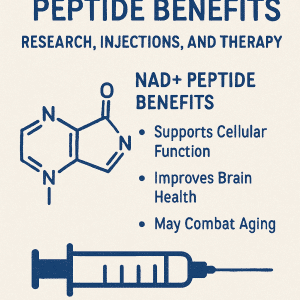
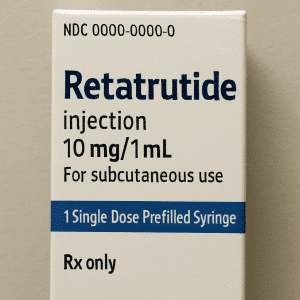
What are peptides and how might they impact weight?
Peptides are molecules made from short chains of amino acids. They act as signaling molecules in the body — influencing hunger, metabolism, fat storage, and energy balance. When researchers discuss peptides for weight loss, they are usually referring to compounds that affect appetite regulation, insulin sensitivity, or fat metabolism.
How peptides may support weight management (high-level)
- Appetite regulation: Some peptides influence hormones in the brain and gut that regulate hunger and satiety.
- Metabolic effects: Certain peptides can affect how the body uses glucose and stores fat.
- Energy expenditure and fat oxidation: Some peptides may slightly change how much energy the body burns at rest or during activity.
- Support for behavior change: By reducing hunger or improving satiety, peptides sometimes make it easier for people to stick to diet and exercise plans.
Commonly discussed peptides & compounds (informational)
Researchers and clinicians sometimes discuss different peptide-based compounds that have been evaluated for metabolic or weight-related effects. Below are examples mentioned in scientific and clinical contexts. This is not a recommendation or instruction to use any product.
- Glucagon-like peptide (GLP) analogs and related compounds — compounds in this category act on appetite and glucose regulation. (Examples are widely discussed in medical literature.)
- Tirzepatide-like compounds — agents that combine multiple effects on metabolic hormones are an area of research and clinical interest.
- Other metabolic-support peptides — a range of peptides are being studied for impacts on fat metabolism, mitochondrial function, and recovery.
Note: Many clinically effective options are prescription medications that require a diagnosis and medical supervision. Information here is descriptive only.
What the science says — evidence and limits
Some peptide-based therapies have produced meaningful weight loss in well-controlled clinical trials when used under medical supervision. However, outcomes vary depending on the compound, dose, patient population, and concurrent lifestyle changes. Key points:
- Clinical trials: Trials that report benefits usually involve carefully selected patients, defined dosing protocols, and long-term follow-up.
- Real-world variability: Individual responses differ. Weight loss depends not only on the compound but also on diet, activity, sleep, and underlying medical conditions.
- Long-term data: For many newer compounds, long-term safety and effectiveness data are still being collected.
- Quality and regulation: Peptide products and preparations may vary greatly in quality. Only use products obtained and prescribed through legitimate medical channels.
Potential benefits, risks, and side effects
Potential benefits (reported in clinical settings)
- Reduced appetite and caloric intake (for some compounds)
- Improved glycemic control in people with metabolic conditions
- Support for weight loss when combined with lifestyle changes
Potential risks and side effects
All bioactive compounds carry risk. Reported side effects vary by compound but can include gastrointestinal symptoms, changes in blood sugar, and other organ-system effects. Serious adverse events are uncommon but possible. Always prioritize safety and medical oversight.
Who should avoid peptide-based weight therapies?
Certain groups should not use these compounds unless a healthcare professional recommends and supervises them. Examples include (but are not limited to):
- People under 18 years old (do not use peptides if you are a minor).
- Pregnant or breastfeeding individuals.
- People with certain medical conditions or on interacting medications — always consult a clinician.
Alternatives and complementary strategies
Medically supervised peptide therapy is one possible tool, but sustainable weight management most often relies on proven lifestyle strategies and, where appropriate, established medical therapies:
- Nutrition: Personalized dietary approaches guided by a registered dietitian or clinician.
- Physical activity: Structured exercise plans that include aerobic and resistance training.
- Behavioral support: Coaching, therapy, or programs that address habits and adherence.
- Approved medications: Some prescription treatments for weight management have strong evidence and regulatory oversight — these should be discussed with a prescriber.
Frequently asked questions (FAQ)
- Are peptides a "magic" solution for weight loss?
- No. While some compounds can support weight loss, they are not a standalone cure. Best results typically come from combining medically supervised therapy with diet, exercise, and behavior change.
- Can anyone start peptide therapy?
- No. Decisions about peptide therapy should be made with a qualified healthcare professional who can assess risks and benefits for your specific health profile.
- Where can I find a reliable product list or catalog?
- For internal reference or wholesale inventories, PrymaLab maintains an internal product list. View the inventory (internal file). This file lists product codes and specifications used for catalog setup and site architecture.
- What should I do if I'm curious about peptide therapy?
- Talk to a licensed clinician. Request an evaluation, discuss the evidence, and ask about regulated, supervised options. If you are under 18, inform the clinician — peptide therapies are not appropriate for minors without strict medical justification.
Conclusion — informed choices and medical supervision
Peptides represent an active area of research and clinical practice with potential to assist metabolic and weight-related goals for some people. However, they are medical interventions with risks and require qualified oversight. If you are considering any therapy related to weight, prioritize safety: consult a licensed healthcare professional, verify regulatory status, and avoid unsupervised or unverified sources.
If you want more educational content, clinical summaries, or site resources, explore our Lab Reports / COA page or contact PrymaLab at michael@prymalab.net.