- Your cart is empty
- Continue Shopping
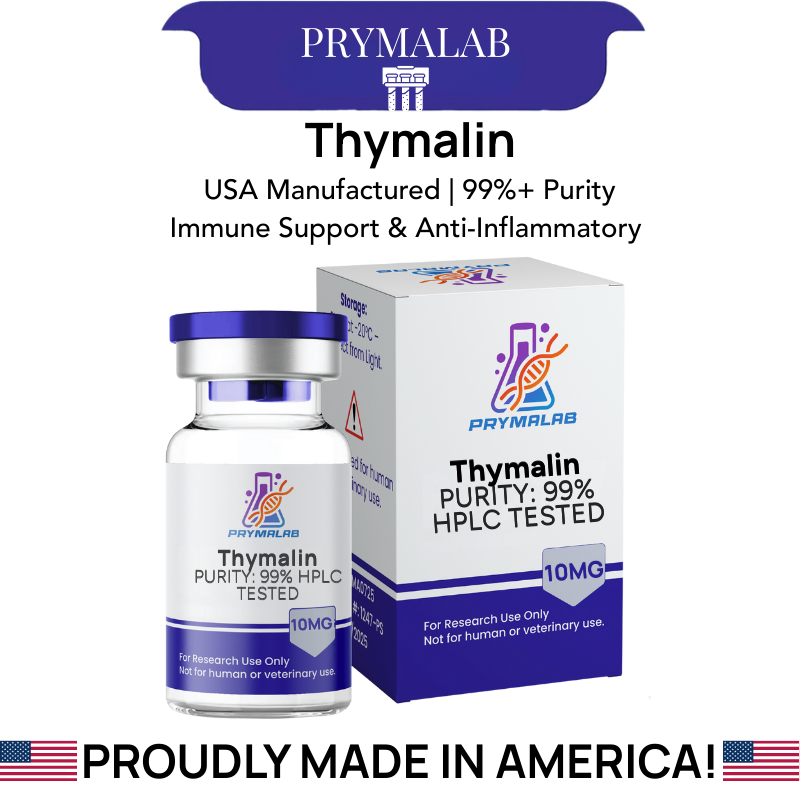
Thymalin 10mg
$28.99 / month – $245.99
Thymalin Peptide 10mg
Thymalin peptide 10mg is a research-grade thymic bioregulator that supports immune system restoration and cellular regeneration. Derived from thymus extract, it is ideal for studies on immune modulation, anti-aging, and tissue repair mechanisms.
Package, Purchase Type
Choose an option / Choose an option
Add to cart
Buy Now
Introduction: Understanding Thymalin Peptide
Thymalin peptide represents a breakthrough in immune system restoration research. This natural bioregulator has transformed our understanding of thymic function and cellular regeneration. Originally developed in the Soviet Union, Thymalin peptide has over 40 years of clinical validation.
Research into Thymalin peptide benefits spans multiple decades. Scientists have documented its remarkable ability to restore immune function naturally. Moreover, clinical studies demonstrate its effectiveness in supporting healthy aging. As a result, Thymalin has become one of the most studied thymic bioregulators available.
The thymus gland produces various peptides naturally. From this organ, researchers extracted and purified Thymalin. Subsequently, this discovery led to extensive research into immune restoration. Today, Thymalin peptide is used throughout Russia and Eastern Europe for various therapeutic applications.
What Makes Thymalin Peptide Unique?
Thymalin peptide stands apart from single-target immune modulators. Unlike compounds that simply boost one pathway, Thymalin creates systemic balance. It enhances weak immune responses while normalizing overactive systems. This holistic action makes it invaluable for comprehensive immune research.
The peptide’s complex composition contains multiple active fragments. Furthermore, it demonstrates excellent bioavailability when administered properly. Research shows that Thymalin peptide maintains activity throughout treatment cycles. Consequently, researchers can achieve consistent results with standard dosing protocols.
Clinical data reveals impressive safety profiles. Studies using Thymalin dosage protocols show minimal side effects. Additionally, the peptide doesn’t interfere with hormonal systems. This makes it suitable for long-term research applications across diverse study populations.
The Science Behind Thymalin Peptide Benefits
Gene Expression Regulation
Thymalin peptide benefits begin with gene-level regulation. The peptide influences DNA transcription and cellular differentiation. These short peptides bind to specific DNA regions. They activate genes responsible for immune function and cellular repair.
Research demonstrates significant improvements in cellular function. Studies show normalized gene expression in aging cells. Moreover, these cells exhibit enhanced repair capabilities. They respond more effectively to stress and damage. As a result, overall cellular health improves dramatically.
The mechanism involves cytomedins interacting with chromatin. Thymalin peptide binds to histone proteins and DNA directly. This binding triggers specific transcriptional changes. Subsequently, cells produce proteins needed for immune restoration. The process mirrors natural thymic regulation but occurs more efficiently.
T-Cell Restoration and Maturation
T-cells form the foundation of adaptive immunity. Thymalin peptide benefits include T-cell restoration. Research shows significant increases in T-cell populations. These cells develop proper immune recognition capabilities.
The peptide enhances both CD4+ helper and CD8+ cytotoxic T-cells. First, it promotes their maturation in thymic tissue. Second, it improves their functional capacity systemically. This leads to better immune surveillance and pathogen elimination.
Clinical studies demonstrate practical applications. Patients receiving Thymalin show improved immune markers. Additionally, they experience better resistance to infections. These benefits stem directly from enhanced T-cell function. The research supports using Thymalin for immune restoration studies.
Hematopoietic Normalization
Blood cell production requires careful regulation. Thymalin peptide benefits include hematopoietic normalization. The peptide influences bone marrow stem cell differentiation. This creates balanced production of all blood cell types.
Research reveals sophisticated regulatory mechanisms. Thymalin doesn’t simply increase cell production. Instead, it normalizes their development based on body needs. This intelligent modulation represents a significant advantage over crude stimulants.
Studies show improved blood cell counts across parameters. Red blood cells, white blood cells, and platelets all normalize. This comprehensive improvement supports overall health and recovery. The balanced approach prevents complications from excessive stimulation.
Anti-Inflammatory and Cytoprotective Effects
Inflammation serves both protective and destructive roles. Thymalin peptide benefits include inflammation regulation. The peptide reduces excessive inflammatory cytokines. It decreases IL-6, TNF-α, and other pro-inflammatory markers.
Simultaneously, Thymalin maintains beneficial inflammatory responses. It preserves the inflammation needed for healing and adaptation. This balancing act prevents immune overreaction. Consequently, inflammation remains controlled while maintaining protective immunity.
Research reveals sophisticated anti-inflammatory mechanisms. Thymalin peptide doesn’t simply suppress inflammation. Instead, it normalizes cytokine production based on actual needs. This intelligent regulation represents a key advantage for research applications.
Comprehensive Thymalin Peptide Benefits
Immune System Restoration
The primary Thymalin peptide benefits involve immune restoration. Research demonstrates improved immune competence across parameters. The peptide helps rebuild weakened immune systems. Additionally, it accelerates recovery from immune suppression.
Studies show reduced infection frequency in research subjects. Those using Thymalin experience better immune responses. Furthermore, when infections occur, they resolve faster. The peptide’s restorative effects create optimal immune conditions. This makes it valuable for immune dysfunction research.
Long-term studies reveal sustained benefits. Unlike temporary immune boosters, Thymalin creates lasting improvements. The restored immune function persists after treatment ends. Moreover, the improved balance remains stable long-term. These findings support its use in chronic immune support research.
Anti-Aging and Longevity Research
Thymalin peptide benefits extend to anti-aging applications. The peptide demonstrates remarkable geroprotective properties. It reduces biological aging markers significantly. Furthermore, it improves multiple aging-related parameters.
Clinical studies show decreased age-related decline. Patients taking Thymalin maintain better physiological function. Similarly, they experience improved quality of life measures. These objective improvements confirm the peptide’s anti-aging effects. Researchers can quantify benefits using standard assessments.
Longevity research reveals promising applications. Thymalin helps extend healthy lifespan in animal models. It reduces age-related disease incidence. Simultaneously, it maintains functional capacity longer. This dual action creates better healthspan and potentially longer lifespan.
Cellular Regeneration and Tissue Repair
Research into tissue repair highlights significant Thymalin peptide benefits. The peptide enhances cellular regeneration through multiple mechanisms. It improves stem cell differentiation and tissue renewal. Additionally, it supports organ function restoration.
Clinical trials demonstrate effectiveness in various conditions. Studies show improved recovery from illness and injury. Similarly, surgical recovery accelerates with Thymalin treatment. More recently, post-viral syndrome studies demonstrate reduced symptom duration. These diverse applications showcase Thymalin’s broad regenerative potential.
Post-illness recovery represents another important application. Many individuals experience prolonged dysfunction after severe illness. Thymalin peptide helps restore normal cellular function. It accelerates recovery from chronic fatigue. Furthermore, it reduces the risk of complications during recovery periods.
Autoimmune Modulation
Thymalin peptide benefits include autoimmune regulation. The peptide helps rebalance overactive immune systems. It reduces self-reactive immune cell populations. Additionally, it enhances regulatory mechanisms that prevent autoimmune attacks.
Research shows decreased autoimmune markers. Inflammatory parameters improve significantly with Thymalin treatment. Similarly, autoimmune symptom severity decreases. These objective measures confirm the peptide’s regulatory effects. Researchers can track improvements using standard laboratory tests.
Autoimmune research reveals promising mechanisms. Thymalin helps restore immune tolerance naturally. It doesn’t suppress immunity broadly like conventional treatments. Instead, it selectively reduces inappropriate immune activation. This targeted approach maintains protective immunity while reducing autoimmune damage.
Thymalin Dosage: Research-Based Protocols
Standard Dosing Guidelines
Thymalin dosage protocols follow well-established patterns. Standard protocols typically use 10mg per injection. This dose provides effective immune restoration without excessive stimulation. Research demonstrates optimal results within these parameters.
Duration recommendations follow short-cycle patterns. Standard protocols run 5-10 consecutive days. This concentrated approach maximizes benefits while minimizing treatment burden. Longer cycles aren’t typically necessary for most applications.
Frequency considerations affect overall outcomes. Most protocols use daily injections during the active cycle. Some research uses every-other-day administration. The specific Thymalin dosage schedule should match research objectives. Cycles can repeat 1-4 times yearly based on needs.
Age-Specific Dosing Considerations
Thymalin dosage varies by age and condition. Younger subjects may require lower doses. Adults typically use the standard 10mg daily protocol. Older adults may benefit from more frequent cycles.
Research provides age-specific guidelines. Children under 1 year use 0.5-1mg daily. Ages 1-3 years use 1-2mg daily. Ages 4-6 years use 1-3mg daily. Ages 7-14 years use 1-5mg daily. Adults use 1-20mg daily based on condition severity.
These graduated doses ensure safety across age ranges. They provide effective treatment while minimizing risks. The conservative approach reflects decades of clinical experience. Researchers should follow these guidelines for optimal safety.
Reconstitution and Preparation
Proper reconstitution ensures optimal Thymalin peptide stability. Use bacteriostatic water for all reconstitutions. Add 1.0-2.0mL to each 10mg vial slowly. This creates concentrations of 5-10mg/mL. These concentrations allow accurate dosing with standard syringes.
The reconstitution process requires careful technique. First, allow the vial to reach room temperature. This prevents condensation inside the vial. Next, inject bacteriostatic water slowly down the vial wall. Avoid direct impact on the lyophilized powder. Finally, gently swirl the vial until completely dissolved.
Storage conditions significantly impact peptide stability. Store reconstituted Thymalin peptide refrigerated at 2-8°C. Use within 30 days of reconstitution for optimal potency. Never freeze reconstituted peptides. Protect from light using amber vials or foil wrapping. These precautions maintain peptide integrity throughout research protocols.
Administration Techniques
Intramuscular or subcutaneous injection represents standard administration routes. Both methods provide consistent absorption and bioavailability. Research shows excellent results with either approach. The technique is straightforward and well-tolerated in studies.
Injection site selection affects comfort and absorption. Common sites include the deltoid, gluteal, and thigh muscles for IM. Abdomen, thighs, and upper arms work for subcutaneous. Rotate injection sites systematically to prevent tissue irritation. Use a different location for each injection. This rotation maintains tissue health throughout extended research protocols.
Proper injection technique ensures accurate dosing. Clean the injection site with alcohol and allow it to dry. For IM, insert the needle at 90 degrees into muscle. For SubQ, pinch skin and insert at 45-90 degrees. Inject slowly and steadily. Wait a few seconds before withdrawing the needle. These steps ensure complete peptide delivery.
Thymalin vs Thymulin: Understanding the Differences
Distinct Peptide Structures
Thymalin and Thymulin serve different research purposes. Both originate from thymic tissue. However, their structures differ significantly. Understanding these differences helps researchers select appropriate peptides for specific studies.
Thymalin peptide is a complex polypeptide extract. It contains multiple active peptide fragments. The mixture includes various molecular weights and sequences. Additionally, it provides broad-spectrum immune effects. These properties make it ideal for comprehensive immune restoration research.
Conversely, Thymulin is a single nonapeptide hormone. It consists of exactly nine amino acids. The peptide requires zinc for biological activity. Furthermore, it has more specific immune functions. These properties suit targeted immune modulation research better than broad restoration.
Mechanism of Action Differences
Thymalin peptide benefits arise from gene-level regulation. It influences DNA transcription and cellular differentiation. The peptide acts as a bioregulator across multiple systems. Additionally, it provides systemic immune restoration. These actions make it valuable for comprehensive research.
Thymulin works through specific hormone receptors. It binds to thymulin receptors on immune cells. The peptide enhances T-cell differentiation specifically. Furthermore, it modulates specific immune responses. These targeted actions suit precise immune research applications.
Some research protocols combine both peptides. This approach addresses multiple immune mechanisms simultaneously. For example, immune restoration studies might use both. Thymalin provides broad systemic support. Simultaneously, Thymulin enhances specific T-cell functions. This combination provides comprehensive immune modulation.
Research Application Differences
Thymalin peptide benefits shine in restoration research. Studies focus on immune dysfunction, aging, and chronic illness. The peptide rebuilds weakened immune systems comprehensively. Researchers investigating broad immune enhancement choose Thymalin for these properties.
Thymulin excels in targeted immune research. Studies examine specific T-cell functions and responses. The peptide modulates particular immune pathways. Researchers studying precise immune mechanisms prefer Thymulin for these applications.
Clinical outcomes differ between peptides. Thymalin shows broader systemic improvements. It affects multiple organ systems and functions. Thymulin demonstrates more focused immune changes. It primarily affects T-cell populations and specific responses.
Comparative Safety Profiles
Both peptides demonstrate excellent safety in research. Thymalin dosage up to 20mg shows minimal adverse effects. Similarly, Thymulin proves well-tolerated at research doses. Neither peptide interferes with hormonal systems significantly. This safety profile allows extended research protocols.
Side effects differ slightly between peptides. Thymalin occasionally causes mild injection site reactions. Some subjects report temporary fatigue during treatment. However, serious adverse events remain extremely rare. The peptide’s safety record spans over 40 years of clinical use.
Thymulin shows similar tolerability. Injection site reactions occur occasionally. Some research subjects experience mild headaches. Again, serious complications are exceptionally uncommon. Both peptides maintain excellent safety profiles across diverse research populations.
Stacking Thymalin Peptide with Other Research Compounds
Synergistic Peptide Combinations
Thymalin peptide benefits increase when combined strategically. Several peptide combinations show enhanced research outcomes. These stacks address multiple physiological systems simultaneously. Consequently, researchers achieve more comprehensive results.
Thymosin Alpha-1 and Thymalin create a powerful immune stack. Thymosin Alpha-1 enhances T-cell activation and immune surveillance. Meanwhile, Thymalin supports hematopoiesis and gene-level restoration. Together, they provide comprehensive immune support. This combination proves valuable for immune dysfunction research. Learn more about Thymosin Alpha-1 benefits for immune modulation research.
Epitalon and Thymalin form an anti-aging research stack. Epitalon supports telomere length and pineal function. Thymalin maintains immune function and cellular regeneration. This combination addresses multiple aging mechanisms. Research into longevity benefits from this synergistic approach. Explore Epitalon research applications for anti-aging studies.
BPC-157 with Thymalin supports comprehensive recovery. BPC-157 enhances tissue repair and gut healing. Thymalin maintains immune function during recovery. This stack proves valuable for post-injury research. Discover BPC-157 benefits for tissue repair research.
Complementary Supplement Support
Thymalin peptide benefits enhance with proper nutritional support. Several supplements complement Thymalin research protocols. These additions optimize immune function and overall results. Researchers should consider these supportive compounds.
Zinc plays crucial roles in immune function. It enhances T-cell development and differentiation. Research shows zinc deficiency impairs Thymalin effectiveness significantly. Maintaining optimal levels (15-30mg daily) supports better outcomes. Blood testing ensures adequate zinc status during research protocols.
Vitamin D supports immune cell function. It enhances T-cell activation and regulation. Vitamin D deficiency reduces Thymalin peptide benefits. Maintaining levels (50-80 ng/mL) optimizes immune support. This vitamin proves essential for comprehensive immune research.
Omega-3 fatty acids reduce inflammation and support immune balance. They enhance cell membrane function and signaling. EPA and DHA complement Thymalin’s anti-inflammatory effects. Research protocols benefit from 2-4g daily omega-3 supplementation. These fatty acids create optimal conditions for immune restoration.
Probiotics support gut-based immunity. Approximately 70% of immune cells reside in the gut. Healthy gut flora enhances Thymalin peptide benefits. Multi-strain probiotics with 10+ billion CFU daily prove beneficial. This support optimizes the gut-immune axis during research.
Growth Hormone Peptide Combinations
Combining Thymalin with growth hormone peptides creates comprehensive research protocols. These combinations address immune function, recovery, and tissue repair simultaneously. Several strategic pairings show particular promise.
Ipamorelin and Thymalin support recovery and immune function. Ipamorelin stimulates growth hormone release selectively. This enhances tissue repair without affecting cortisol or prolactin. Meanwhile, Thymalin maintains immune surveillance. Together, they create optimal recovery conditions. Research Ipamorelin applications for selective GH release.
Sermorelin with Thymalin provides foundational support. Sermorelin stimulates natural growth hormone production. This supports tissue maintenance and repair. Thymalin ensures immune function remains optimal. The combination proves valuable for aging research. Explore Sermorelin benefits for GHRH research.
CJC-1295 and Thymalin enhance long-term recovery. CJC-1295 provides sustained growth hormone elevation. Thymalin maintains immune function during tissue repair. This stack supports comprehensive wellness research. Learn about CJC-1295 research for extended GH release.
Safety Profile and Research Considerations
Clinical Safety Data
Thymalin peptide demonstrates exceptional safety across decades of research. Clinical trials involving thousands of subjects show minimal adverse events. The peptide’s safety profile surpasses many conventional immune modulators. This excellent tolerability allows extended research protocols.
Studies using Thymalin dosage up to 20mg report no serious toxicity. Even at these high doses, subjects tolerate treatment well. Common side effects remain mild and transient. This safety margin provides researchers considerable flexibility in protocol design.
Long-term safety studies extend up to several years. These investigations show sustained tolerability without cumulative toxicity. Immune function improvements persist without adverse effects. The peptide doesn’t cause immune suppression or dysfunction. These findings support its use in extended research applications.
Contraindications and Precautions
Certain conditions require careful consideration before using Thymalin peptide. Individuals with active cancer should consult medical professionals. The peptide’s immune-enhancing effects might affect tumor surveillance. This could potentially influence cancer progression.
Organ transplant recipients require cautious evaluation. Thymalin’s immune-stimulating properties might interfere with immunosuppressive therapy. This could potentially trigger transplant rejection. Researchers should exclude transplant recipients from immune stimulation studies.
Pregnancy and lactation represent additional considerations. Limited research exists on Thymalin use during these periods. The peptide’s effects on fetal development remain unknown. Consequently, researchers should exclude pregnant or nursing subjects from studies. This precaution protects vulnerable populations.
Monitoring and Assessment
Comprehensive monitoring enhances Thymalin research quality. Regular immune function testing provides objective outcome measures. Complete blood counts reveal changes in immune cell populations. These tests document improvements quantitatively.
Inflammatory marker assessment tracks anti-inflammatory effects. C-reactive protein and erythrocyte sedimentation rate measurements show inflammation changes. These objective markers validate Thymalin peptide benefits. Additionally, they help optimize dosing protocols for individual subjects.
Subjective assessments complement laboratory testing. Symptom tracking reveals practical improvements in immune function. Infection frequency and duration provide meaningful outcome measures. Quality of life assessments capture overall research impact. This comprehensive approach documents both objective and subjective benefits.
Thymalin for Post-Cycle Therapy and Recovery
PCT Applications
Thymalin proves valuable for post-cycle therapy applications. After intensive training or supplement cycles, immune function often suffers. The body experiences elevated inflammation and oxidative stress. Additionally, cellular repair mechanisms become overwhelmed.
Thymalin peptide benefits include immune system restoration. A 10-day cycle helps rebalance immune function. It reduces excessive inflammation naturally. Furthermore, it supports cellular regeneration. These effects prove crucial for comprehensive recovery.
Combining Thymalin with other recovery peptides enhances results. Stacking with BPC-157 supports tissue repair. Adding TB-500 enhances healing. These combinations create comprehensive recovery protocols. They address multiple recovery needs simultaneously.
Seasonal Immune Support
Thymalin works excellently for seasonal immune optimization. Using it before high-risk periods provides protection. Fall and winter represent prime times for immune support. Additionally, travel periods benefit from immune preparation.
Protocol timing affects outcomes significantly. Starting Thymalin 2-4 weeks before exposure provides optimal protection. The 10-day cycle primes immune function effectively. Subsequently, immune surveillance remains elevated for weeks. This protection reduces infection risk during vulnerable periods.
Frequency recommendations vary by individual needs. Healthy adults might use 1-2 cycles yearly. Older adults or those with immune challenges benefit from 3-4 cycles. Athletes during heavy training might use quarterly cycles. These schedules maintain optimal immune function year-round.
Long-Term Wellness Applications
Thymalin supports long-term wellness and healthy aging. Regular cycles help maintain immune competence. They prevent age-related immune decline. Additionally, they support overall vitality and function.
Russian geroprotective protocols include Thymalin regularly. These programs use 2-4 cycles annually for aging adults. The approach maintains immune function and cellular health. Furthermore, it reduces age-related disease incidence. This preventive strategy supports healthy longevity.
Combining with other longevity peptides enhances benefits. Stacking with Epitalon addresses multiple aging mechanisms. Adding Thymosin Alpha-1 provides comprehensive immune support. These combinations create powerful anti-aging protocols.
Purchasing Thymalin Peptide: Quality Assurance
Identifying High-Quality Sources
Selecting reliable Thymalin peptide suppliers proves crucial for research success. Several factors distinguish premium suppliers from inferior sources. Understanding these differences ensures researchers obtain authentic, high-quality peptides.
Third-party testing represents the gold standard for quality assurance. Reputable suppliers provide Certificates of Analysis (COA) for each batch. These documents verify peptide purity and composition. Additionally, they confirm absence of contaminants. Always request and review COAs before purchasing.
Manufacturing standards significantly impact peptide quality. Look for suppliers using pharmaceutical-grade synthesis methods. Good Manufacturing Practice (GMP) facilities ensure consistent quality. These standards minimize batch-to-batch variation. Consequently, research results become more reproducible and reliable.
Evaluating Thymalin for Sale
When searching for Thymalin for sale, examine several quality indicators. Purity levels should meet or exceed 95%. Lower purity peptides contain more impurities and degradation products. These contaminants affect research outcomes negatively. Always verify purity through independent testing documentation.
Proper packaging protects peptide integrity. Lyophilized peptides require sealed, sterile vials. Vacuum-sealed packaging prevents moisture exposure. Additionally, appropriate labeling includes batch numbers and expiration dates. These details ensure traceability and quality control.
Customer support quality indicates supplier reliability. Reputable companies provide detailed product information. They answer technical questions promptly and accurately. Furthermore, they offer guidance on reconstitution and storage. This support proves invaluable for successful research protocols.
PrymaLab Quality Commitment
PrymaLab sets the standard for research peptide quality. Every Thymalin peptide undergoes rigorous testing. Third-party laboratories verify purity exceeds 95%. Additionally, they test for common contaminants and impurities. These quality controls ensure researchers receive premium products.
Manufacturing processes follow strict pharmaceutical standards. Advanced synthesis creates accurate peptide sequences. Purification removes synthesis byproducts and impurities. Finally, lyophilization preserves peptide stability. These steps produce research-grade Thymalin peptide consistently.
Customer satisfaction drives PrymaLab’s commitment to excellence. Fast shipping ensures peptides arrive quickly. Proper cold-chain handling maintains product integrity during transit. Additionally, responsive customer service addresses questions promptly. This comprehensive approach supports successful research outcomes. Explore our complete peptide collection for additional research compounds.
Storage and Handling Best Practices
Lyophilized Peptide Storage
Proper storage maximizes Thymalin peptide stability. Lyophilized (freeze-dried) peptides remain stable for extended periods. Store unopened vials in the refrigerator at 2-8°C. This temperature range preserves peptide integrity for months. Alternatively, freezer storage at -20°C extends stability further.
Protect lyophilized peptides from moisture exposure. Humidity degrades peptide quality over time. Keep vials sealed until ready for reconstitution. Additionally, allow vials to reach room temperature before opening. This prevents condensation inside the vial. These precautions maintain optimal peptide quality.
Light exposure degrades some peptides gradually. Store Thymalin peptide in amber vials when possible. Alternatively, wrap clear vials in aluminum foil. Keep storage areas dark when not accessing peptides. These simple steps prevent photodegradation and maintain potency.
Reconstituted Peptide Handling
Reconstituted Thymalin requires more careful handling. Always use bacteriostatic water for reconstitution. This preservative prevents bacterial growth in solution. Sterile water lacks this protection and allows contamination. Bacteriostatic water extends usable life to 30 days.
Refrigerate reconstituted peptides immediately after mixing. Store at 2-8°C consistently. Never freeze reconstituted peptides. Freezing damages peptide structure and reduces effectiveness. Additionally, avoid temperature fluctuations. Remove vials only briefly for dosing.
Maintain sterile technique when accessing reconstituted peptides. Clean vial tops with alcohol before each use. Use new, sterile syringes for every injection. Never reuse syringes or needles. These practices prevent contamination and maintain peptide quality. Proper handling ensures consistent research results throughout protocols.
Disposal and Safety Procedures
Proper disposal protects both researchers and the environment. Never dispose of peptides in regular trash. Unused or expired Thymalin peptide requires special handling. Contact local waste management for pharmaceutical disposal guidelines. Many areas offer medication take-back programs.
Sharps disposal follows strict safety protocols. Use puncture-resistant sharps containers for all needles and syringes. Never recap needles after use. Fill containers only three-quarters full. Seal and dispose according to local regulations. These practices prevent needlestick injuries and contamination.
Spill cleanup requires immediate attention. If Thymalin peptide spills, clean the area thoroughly. Use appropriate disinfectants for biological materials. Dispose of cleanup materials as pharmaceutical waste. Document spills according to laboratory safety protocols. Proper procedures maintain safe research environments.
Frequently Asked Questions About Thymalin Peptide
What is Thymalin peptide used for?
Thymalin peptide serves multiple research purposes. Primarily, it’s used for immune restoration studies. Research examines its effects on T-cell function and immune balance. Additionally, studies investigate anti-aging applications and cellular regeneration. The peptide’s broad applications make it valuable for diverse research objectives.
How does Thymalin dosage affect results?
Thymalin dosage significantly impacts research outcomes. Standard doses of 10mg daily provide effective immune restoration. Lower doses may work for younger subjects or preventive applications. Research shows dose-dependent responses in immune cell activation. However, the relationship isn’t strictly linear. Optimal dosing depends on specific research objectives and subject characteristics.
What are the main Thymalin peptide benefits?
Thymalin peptide benefits include enhanced immune function and cellular regeneration. The peptide restores T-cell populations and immune balance. Additionally, it reduces excessive inflammation while maintaining protective immunity. Research demonstrates improved recovery from illness and anti-aging effects. These diverse benefits make Thymalin valuable for comprehensive wellness research.
How long does Thymalin remain effective?
Thymalin peptide demonstrates sustained effectiveness throughout research protocols. Single cycles show effects lasting several weeks. However, cumulative benefits develop over multiple cycles. Research protocols typically run 5-10 days per cycle. Long-term studies show maintained benefits with periodic cycling. The peptide’s effects persist for some time after treatment ends.
Can Thymalin be combined with other peptides?
Yes, Thymalin combines well with various research peptides. Common combinations include Thymosin Alpha-1 for enhanced immune support. Additionally, Epitalon pairs well for anti-aging research. Growth hormone peptides like Ipamorelin complement Thymalin’s benefits. These combinations address multiple physiological systems simultaneously.
What’s the difference between Thymalin and Thymulin?
Thymalin is a complex polypeptide extract containing multiple active fragments. It provides broad-spectrum immune restoration effects. Conversely, Thymulin is a single nonapeptide hormone. It has more specific T-cell modulation effects. Both peptides support immune function but through different mechanisms. Choose based on specific research objectives.
How should Thymalin peptide be stored?
Store lyophilized Thymalin peptide refrigerated at 2-8°C. Alternatively, freeze at -20°C for extended storage. Protect from light and moisture exposure. After reconstitution, refrigerate immediately and use within 30 days. Never freeze reconstituted peptides. Proper storage maintains peptide potency throughout research protocols.
Is Thymalin safe for long-term research?
Research demonstrates excellent long-term safety for Thymalin peptide. Studies extending several years show sustained tolerability. The peptide doesn’t cause cumulative toxicity or adverse effects. However, periodic monitoring ensures continued safety. Regular immune function testing tracks research outcomes. This comprehensive approach supports safe, extended research protocols.
Where can I buy Thymalin peptide?
Purchase Thymalin peptide from reputable research suppliers. Look for companies providing third-party testing documentation. Verify purity levels exceed 95% through Certificates of Analysis. PrymaLab offers premium-grade Thymalin with verified quality. Fast shipping and proper handling ensure peptide integrity. Visit our shop for research-grade peptides.
What supplies are needed for Thymalin research?
Thymalin research requires several essential supplies. Purchase bacteriostatic water for reconstitution. Obtain insulin syringes (29-31 gauge) for subcutaneous administration. Alcohol swabs maintain sterile technique. Additionally, use a sharps container for safe disposal. Our Peptide Calculator helps plan supply needs accurately.
Conclusion: Thymalin Peptide for Advanced Research
Thymalin peptide represents a cornerstone of immune restoration research. Its unique ability to restore immune function naturally sets it apart from other compounds. Decades of clinical research validate its safety and effectiveness. Consequently, Thymalin remains one of the most valuable research peptides available.
The comprehensive Thymalin peptide benefits span multiple research areas. From immune dysfunction studies to anti-aging research, applications continue expanding. Additionally, recovery and regeneration research benefit from its restorative effects. This versatility makes Thymalin essential for diverse research protocols.
Understanding proper Thymalin dosage ensures optimal research outcomes. Standard protocols using 10mg daily provide effective immune restoration. Cycle length and frequency adjustments allow customization for specific objectives. Moreover, strategic combinations with other peptides enhance overall results. This flexibility supports comprehensive research designs.
Quality considerations prove crucial when purchasing Thymalin for sale. Third-party testing verification ensures authentic, high-purity peptides. Proper storage and handling maintain peptide integrity throughout research. PrymaLab’s commitment to quality supports successful research outcomes consistently.
The future of Thymalin research continues evolving. New applications emerge as understanding deepens. From longevity research to performance optimization, possibilities expand constantly. Researchers choosing Thymalin access a proven, versatile tool for immune system investigation.
Ready to begin your Thymalin research? PrymaLab provides premium-grade peptides with verified purity. Fast shipping ensures prompt delivery for time-sensitive protocols. Additionally, our expert support team assists with protocol planning. Start your research journey with confidence using our high-quality Thymalin peptide.
6. TECHNICAL SPECIFICATIONS
Product Details
- Chemical Name: Thymalin (Thymic Extract Polypeptides)
- Source: Bovine thymus gland extract
- Composition: Multiple bioactive peptide fragments
- Molecular Weight: Variable (complex mixture)
- Purity: ≥95% (HPLC verified)
- Form: Lyophilized white powder
- Solubility: Soluble in bacteriostatic water
- Storage: 2-8°C (refrigerated) or -20°C (frozen)
- Shelf Life: 24 months (lyophilized), 30 days (reconstituted)
Quality Assurance
- Third-party tested for purity and composition
- Certificate of Analysis (COA) available for each batch
- Manufactured in GMP-certified facilities
- Sterile, vacuum-sealed vials
- Batch tracking for quality control
7. RELATED PRODUCTS & INTERNAL LINKS
Immune Support Peptides
- Thymosin Alpha-1 5mg – T-cell activation specialist
- TB-500 (Thymosin Beta-4) 5mg – Tissue repair peptide
- BPC-157 5mg – Gut healing and tissue repair
Anti-Aging & Longevity Peptides
- Epitalon 10mg – Telomerase activator
- NAD+ Precursors – Cellular energy support
Growth Hormone Peptides
- Ipamorelin 5mg – Selective GH secretagogue
- Sermorelin 5mg – GHRH analog
- Tesamorelin 5mg – Visceral fat reduction
- CJC-1295 5mg – Long-acting GHRH
- GHRP-2 5mg – Potent GH secretagogue
- GHRP-6 5mg – Appetite stimulation & GH release
- Hexarelin 5mg – Most potent GH secretagogue
Research Tools & Supplies
- Bacteriostatic Water 3mL – For peptide reconstitution
- Peptide Calculator – Dosing calculation tool
- Shop All Peptides – Complete peptide collection
8. COMPLIANCE & LEGAL DISCLAIMER
Research Use Only
This product is sold for research purposes only. Thymalin peptide is not intended for human consumption, medical use, or therapeutic application. It is not a medication, supplement, or food product.
Age Restriction
Purchasers must be 21 years of age or older. This product is intended for qualified researchers and laboratory professionals only.
Professional Use
Thymalin peptide should only be handled by individuals with appropriate training in peptide research protocols. Proper laboratory safety procedures must be followed at all times.
No Medical Claims
PrymaLab makes no medical claims regarding Thymalin peptide. All information provided is for educational and research purposes only. This product is not intended to diagnose, treat, cure, or prevent any disease.
Consultation Recommended
Researchers should consult with qualified professionals before beginning any research protocol involving Thymalin peptide. Individual research objectives and safety considerations vary.
Additional Information
| Weight | 0.1 lbs |
|---|---|
| Dimensions | N/A |
Only logged in customers who have purchased this product may leave a review.
Related products
Hot
GHRP-2 10mg
$20.99 / month – $174.99
Select options
This product has multiple variants. The options may be chosen on the product page
Sermorelin 10mg
$75.99 / month – $645.99
Select options
This product has multiple variants. The options may be chosen on the product page
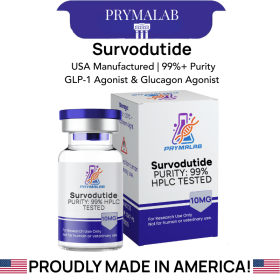
Survodutide 10mg
$58.99 / month – $499.99
Select options
This product has multiple variants. The options may be chosen on the product page
Hot
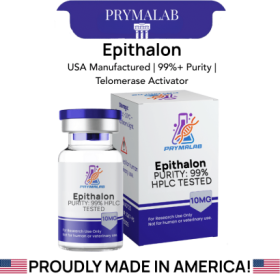
Epitalon 10mg
$24.99 / month – $209.99
Select options
This product has multiple variants. The options may be chosen on the product page
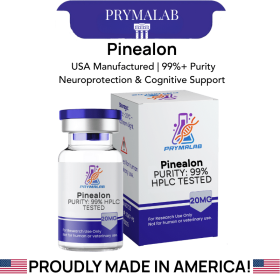
Pinealon 20mg
$58.99 / month – $499.99
Select options
This product has multiple variants. The options may be chosen on the product page
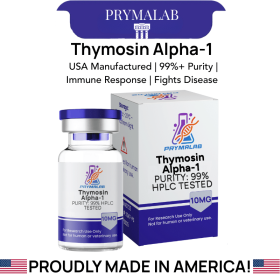
Thymosin Alpha-1 10mg
$92.99 / month – $789.99
Select options
This product has multiple variants. The options may be chosen on the product page
Mazdutide 10mg
$74.99 / month – $635.99
Select options
This product has multiple variants. The options may be chosen on the product page
Hot
PT-141 (Bremelanotide) (Vyleesi) 10mg
$34.99 / month – $269.99
Select options
This product has multiple variants. The options may be chosen on the product page
Reviews
There are no reviews yet.